
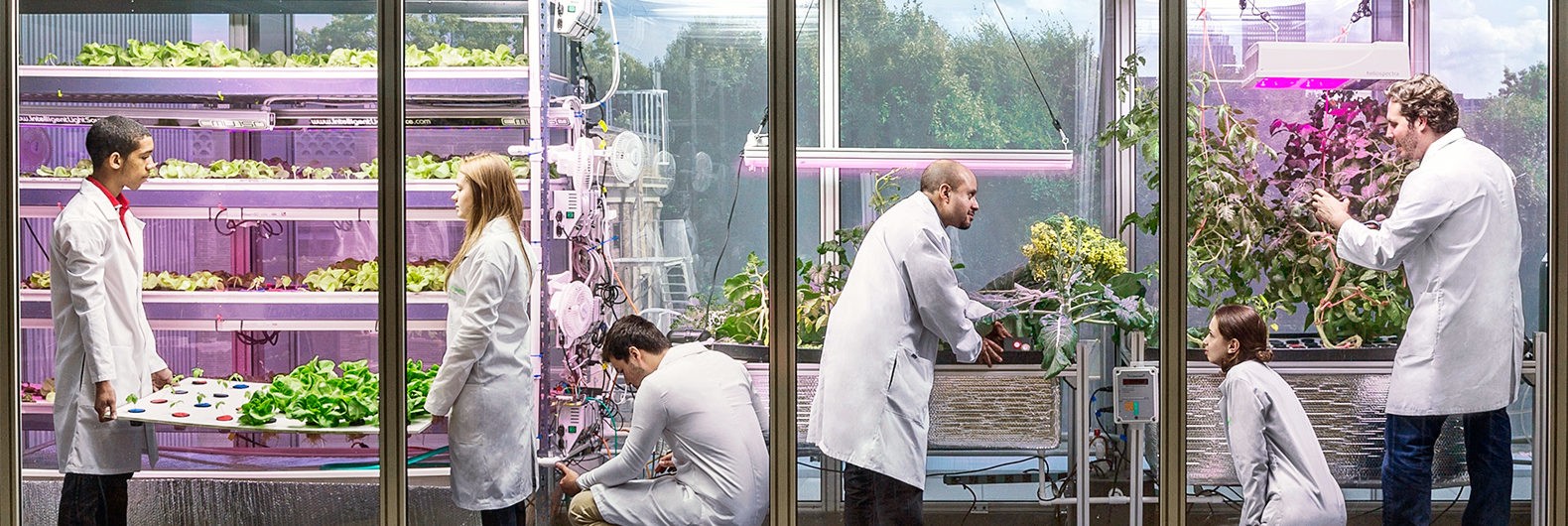
Target is Launching In-Store Vertical Farms for Fresh & Ultra Local Produce

target-vertical-indoor-farm-mit-open-ag-1580x530

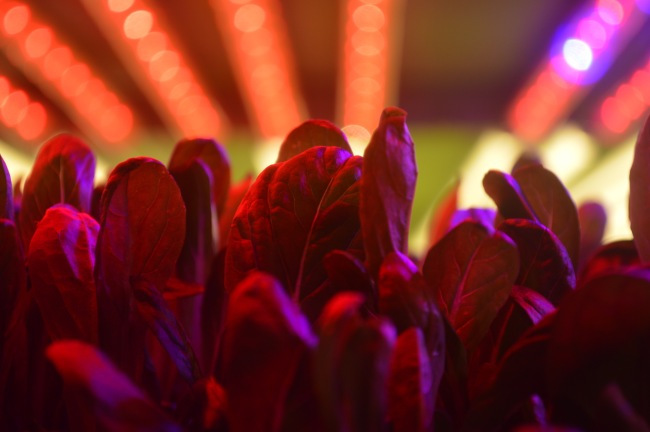
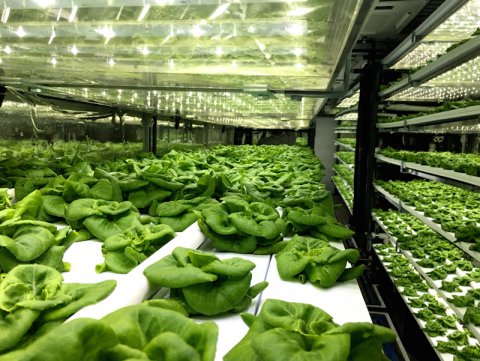
“Consumers are increasingly demanding access to locally grown produce – even at big box stores. Target heard that call, and they’re answering by offering the freshest and most local produce a customer could possibly want—by installing vertical gardens to grow vegetables and herbs right inside stores. The effort will begin with a series of trials in Spring 2017 and, if successful, Target locations across the country could be growing crispy, leafy greens before you know it.”

To see the rest of this story, visit: “Inhabitant.com

Get Your “Cool-Season” Vegetable Garden Off To a Great Start – Join the NEW UOG, Monthly Seed & Garden Club TODAY!

uog-gif
Last Chance! Must join before November 4th if you’d like to receive a shipment this Month. Shipments go out November 5th. Get seeds & garden supplies delivered to you at just the right time of the year.

🌱Fully customized based on your grow zone – garden specs – sunlight – and more. Get your fall and winter garden off to a great start with a hand-selected, customized selection of seeds for your area and garden type.

🌿Join now: https://urbanorganicgardener.cratejoy.com/

🌱This is the easiest way to grow an organic garden all-year-round with totally raw un-treated GMO-FREE seeds. We will guide you and your family on your way to living a healthier and more self-sufficient lifestyle. Join UOG today and let’s grow something together.

Urban Farming at Work in Tokyo

“In a country with very little arable land (only 12% compared with 20% in the US), in one of the most populated cities in the world, one company chose to give up 43,000 square feet of valuable workspace to grow food. In the Tokyo headquarters of human resources company Pasona Group they grow 200 species of fruits and vegetables and even rice that are harvested and served to employees.

The indoor urban farm doesn’t just provide food, but by mixing work space and farm space, the company tries to provide a healthier quality of life for employees. Here green isn’t just a window dressing: immediately upon entering the building you walk over a 1,000-square-foot rice paddy, continue through an okra field and you enter the vine-covered “tomato guest room” or the “vegetable factory” filled with hundreds of hydroponic heads of lettuce. On the second floor, fruit trees form partition walls between meeting spaces, bean sprouts are grown under benches and herbs grow on shelving along the walls.

Even the outside of the building is covered in plants helping keep the building cool in summer and warmer in winter. According to the farm’s designers Kono Designs, it is the largest and most direct farm-to-table of its kind ever realized inside an office building in Japan.

View the original article here: “https://faircompanies.com

Backyard Aeroponics: Self-Sustaining Farm In Wisconsin

“They knew they had to maximize greenhouse space so they decided to grow vertical and to grow differently. They experimented with hydroponics and finally settled on aeroponics. “So aeroponics is similar to hydroponics using water rather than soil, but it’s mist,” explains Benjamin. “It’s a mist that comes on inside the growing chamber, and it comes on every 3 minutes for 10 seconds, it’s a really high oxygen water that’s hitting that root. The method was actually developed and is being used by NASA because it uses so much less water and the speed of growth is much faster.”

NASA-INSPIRED INDOOR GARDENS MAY MAKE AT-HOME FARMING EASIER AND HEALTHIER

Farming once required a lot of space, but that’s not the case anymore. Homegrown produce is becoming more and more available to city dwellers across the world.

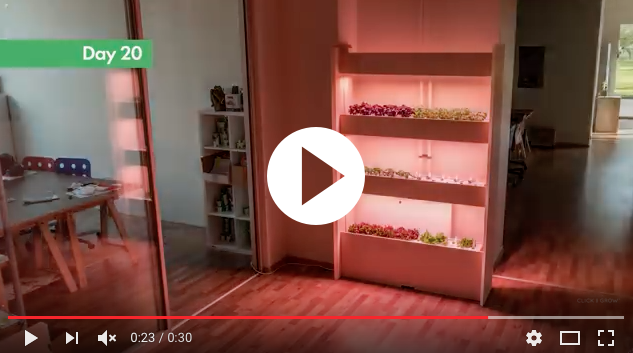
“A company called Click & Grow wants to make farming at home as easy as pressing a button. After successfully launching the personal Smart Herb Garden last year, it has now announced a new line of fully-automated, NASA-inspired “Wall Farms,” which the firm says can grow fresh produce in a matter of weeks with minimal effort.

Their first goal was to make the indoor farms as low maintenance as possible. No sunlight? Not a problem! Each shelf in the system has grow lights installed and an irrigation line conserves up to 95% more water than traditional farming methods.

To read the entire article, visit: “DigitalTrends.com

Vertical Farming: Growing Greens In The Air

20160912001388_0“Forget sunshine and soil to grow leafy greens and fresh vegetables for health-conscious consumers. A US venture firm is leading a new wave of future agriculture by adopting the latest technology to produce something fresher, safer and more environmentally conscious at the heart of urban spaces.”

Instead of growing food, traditionally with the use of pesticides and water, AeroFarms is producing greenhouse grown, quality, FRESH food all year round with the use of indoor vertical farming.

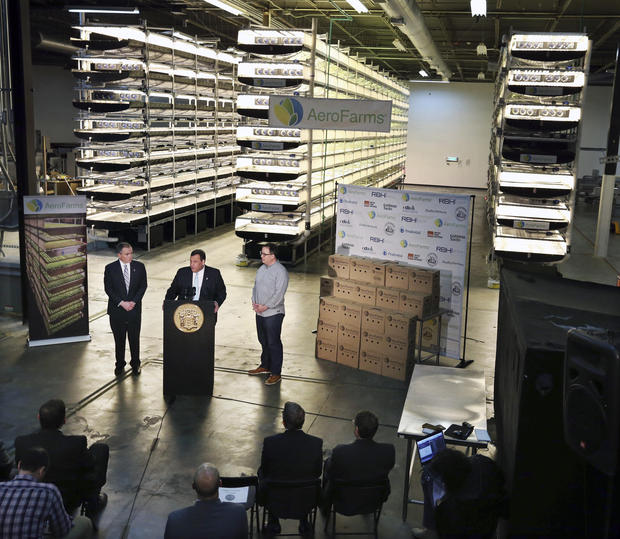
This company currently produces an incredible amount of edible greens, which are grown stacked vertically in rows that reach all the way to the ceiling of a temperature controlled environment. Nutrients and lighting are also closely monitored. They use “95 percent less water, about 50 percent less fertilizers and zero pesticides.”

To read the entire article, visit: “KoreaHerald.com

Vertical Farm Grows 65,000 Pounds Of Lettuce In Shipping Containers

local-roots

In Los Angeles, three farms are changing the face of urban farming. They don’t grow food outside, but rather inside of three small shipping containers.

“The startup uses vertical hydroponic farming, a method where plants grow year-round with LEDs rather than natural sunlight.  Instead of soil, the seeds lie on trays with nutrient-rich water, stacked from the floor to the ceilings inside the shipping containers. The containers live inside Local Roots’ warehouse in California.”

The farms are comprised of 3, 320-square foot shipping containers which are able to produce as much food as four acres of traditional farmland.

To read more about these shipping container farms, visit: “BusinessInsider.com

The Farm That Runs Without Sun, Soil or Water

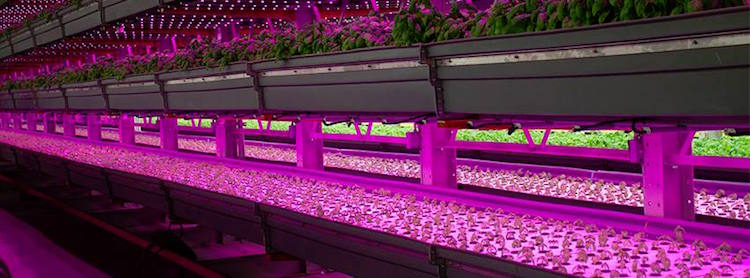
160901122440-aerofarms-led-bright-purple-resized-exlarge-169

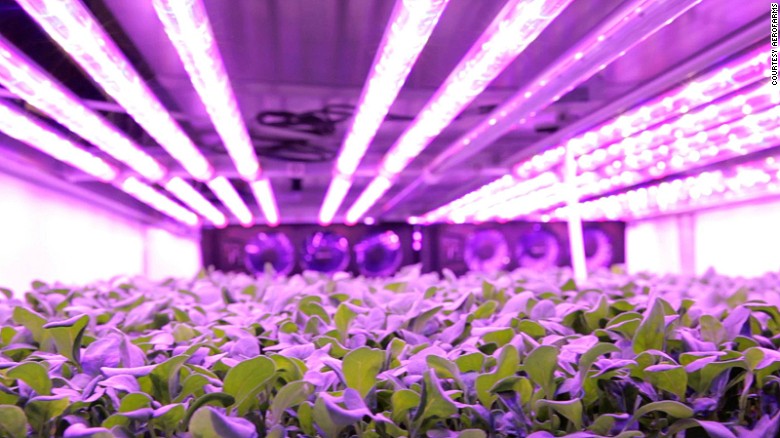
Growing food without sun, soil and almost no water? This is the new reality in urban farming. The world’s largest and possibly even the most sophisticated indoor urban farm is using 95% less water than a conventional outdoor farm.

“Set to open in September in Newark, New Jersey, the 69,000-square-foot farm will be hosted in a converted steel factory. It combines a technique called “aeroponics” – like hydroponics, but with air instead of water – with rigorous data collection, which will help these modern farmers figure out optimal conditions for growth.”

To read more about Aerofarms, visit: “CNN.com

Urban farm plants roots near Las Vegas Strip, partners with local chefs

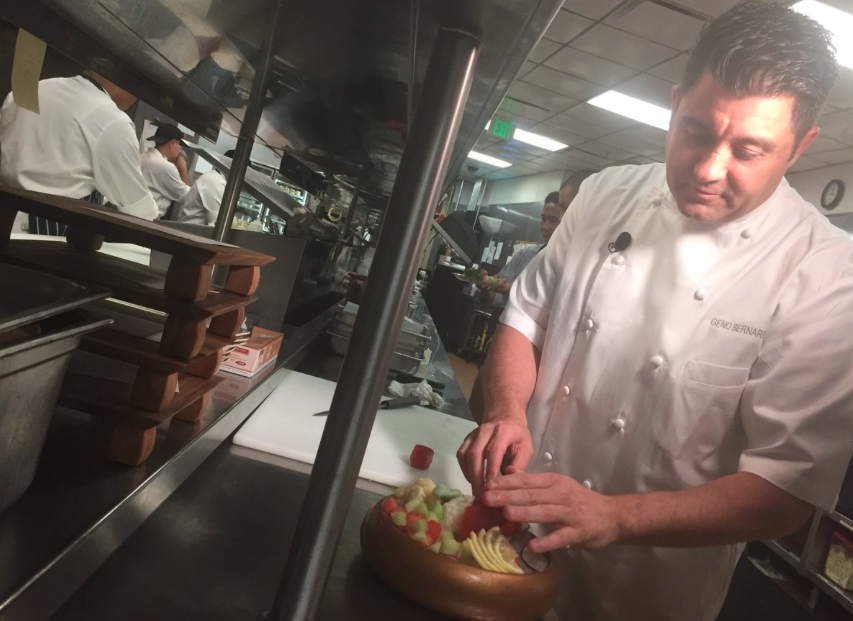
Near the Las Vegas Strip, you’ll soon find a hydroponic farm taking up a 3 acre parcel of land. The project will be called “Urban Seed”, and it will provide fresh produce to local chefs near The Strip.  Chefs in the area will have a choice of over 20+ varieties of herbs and vegetables to harvest for their famous Las Vegas culinary dishes.

To read the entire article, visit: “News3LV.com

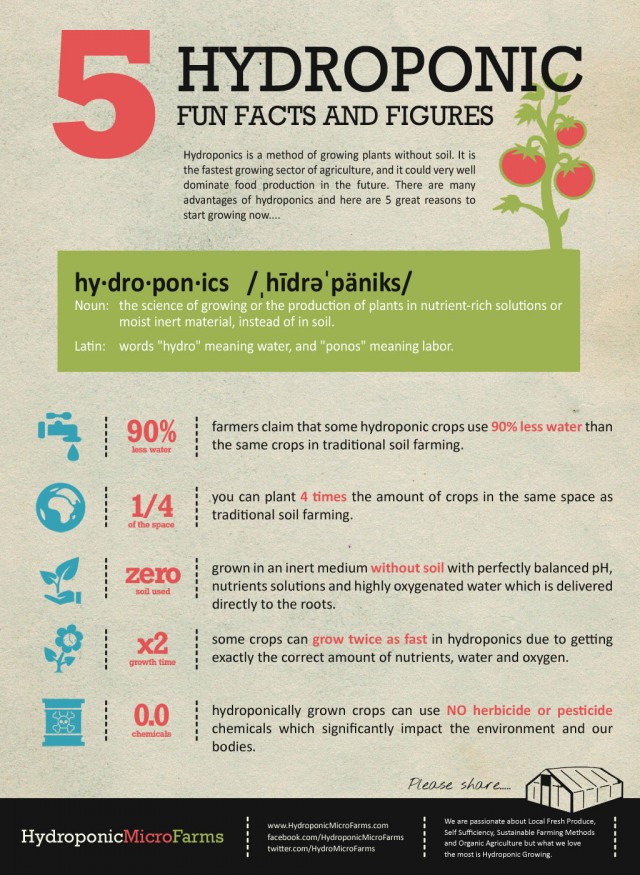
A Guide to Hydroponic Gardening – Get the Facts!

Pros-and-Cons-of-hydroponic-farming

Pros and Cons of Hydroponic Farming

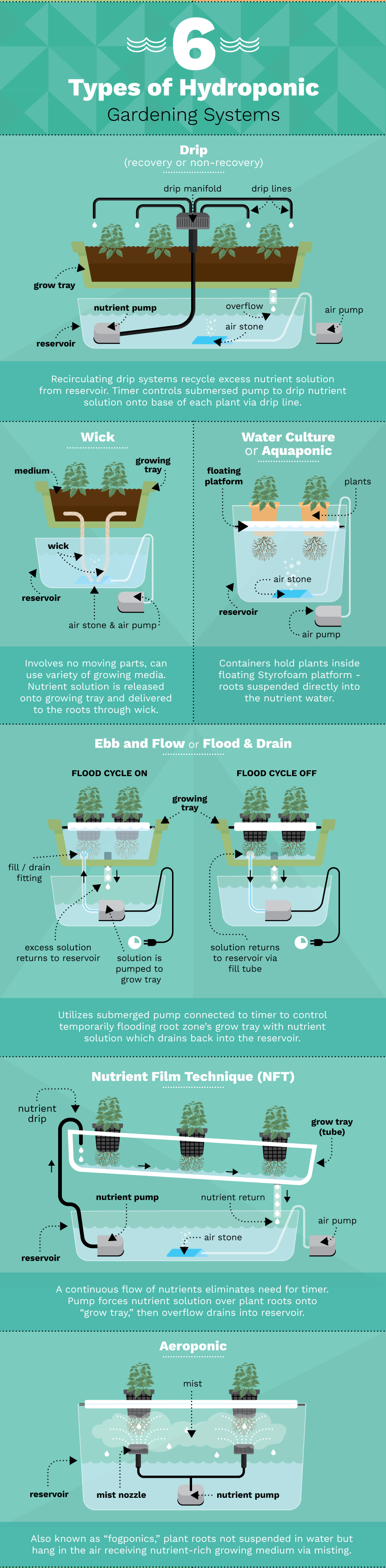
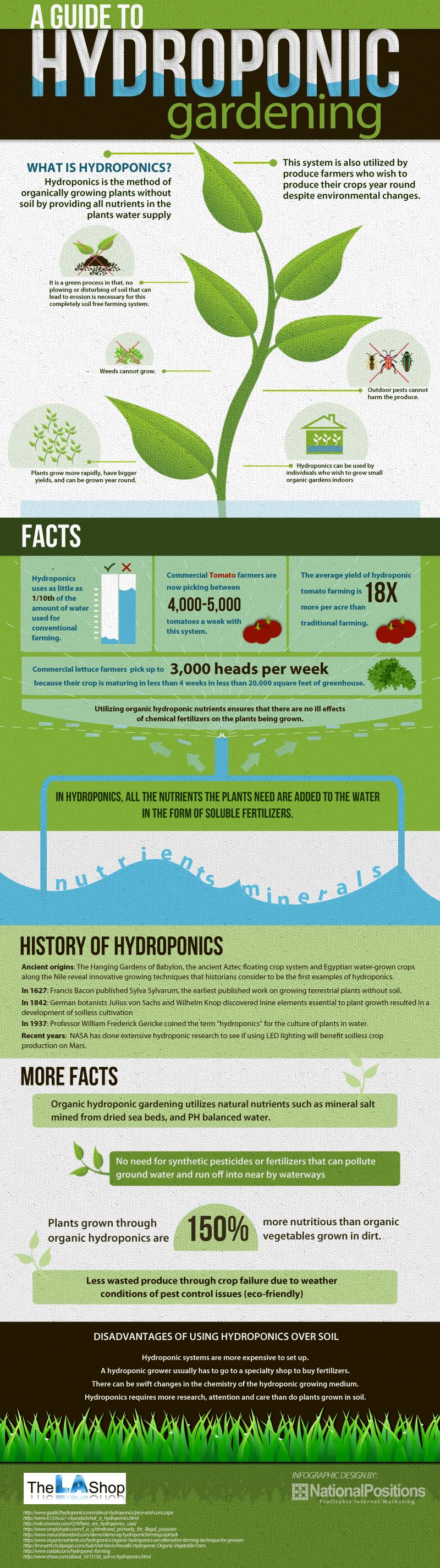
“Hydroponics can be a great alternative for the farmers who want to produce their crops round the year despite the environmental changes. The use of organic fertilizers in the hydroponic farming ensures that there will be no ill-effects of the chemical fertilizers. No doubt, the innovative concept has various advantages but the initial set up of the system is relatively expensive.” –source: Graphs.net

Israeli Brings Urban Gardening to Harlem Kids

SeedStreet_2CreditNickSmithA new urban farm has sprouted up in Harlem “the northern Manhattan neighborhood synonymous with New York City’s African-American culture”.  A woman with strong hometown roots in Israel, had the goal to supply her community with organic and locally grown produce.

Children from her community are now planting hydroponic vegetable gardens inside of repurposed, old shipping containers.

“Israel was out of necessity forced to innovate agriculturally and generate its own food sources, and became a leader in agriculture innovation,” she says. “As a result, it has a much more natural cohesive ecosystem and way of being. People are already eating directly from the farm. That’s really beautiful, but it makes hydroponic farming a more difficult market to penetrate in the mainstream.”

Growing hydroponically requires about 90 percent less water, takes up less space, and can produce more than growing in tradition soil.

To read more about this project, visit: “TheTower.org


A NEW SEED CLUB – Fully Customized Around YOU!

final seed club
Don’t wait, join the new Urban Organic Gardener’s Monthly Seed Club now! MUST JOIN BEFORE JULY 4th at 11:59pm PST to receive the next shipment. Sign up now at: https://urbanorganicgardener.cratejoy.com

For $10/month our garden experts will build a custom curated collection of seeds & garden supplies designed around you – your grow zone – garden space – and your preferences.

Includes everything you need to grow 5 new edible plant varieties every month – varieties can include herbs, vegetables, flowers, sprouts, micro-greens, bulbs, and more!

Join the rest of the UOG community and get growing now! We promise to make this a great experience for you and your family.

This City Is Home to 820 Urban Farms and Quickly Becoming America’s Urban Ag Capital

farmedhere

The Windy City has quickly become one of the country’s TOP urban agricultural cities with over 821 growing sites spreading across it’s city limits. “From small community gardens to multimillion dollar indoor farms, according to the Chicago Urban Agriculture Mapping Project. Even O’Hare’s Terminal 3 is home to the world’s first airport aeroponic garden.”

To read more about Chicago’s Urban Farming movement, visit: “EcoWatch.com