Fall is time to convert to no-till gardening

“I often hear from vegetable or flower gardeners who are unhappy with their soil quality. They routinely incorporate organic matter in the soil each fall, but are still disappointed with their heavy soil. Why aren’t they developing beautiful crumbly dark brown soil that’s easy to plant and great for vegetable root crops?

Routinely tilling your garden soil each fall and spring could be the culprit.

USDA Natural Resource Conservation Service encourages building soil health and protecting soil organisms, through:

• keeping the soil covered as much as possible

• disturbing soil as little as possible

• keeping plants growing throughout the year to feed the soil, and

• diversifying plant material through crop rotation.

Learn more about converting to a “NO-TILL” garden at: “JournalStar.com”

Urban farmers forced off land find new ground to grow

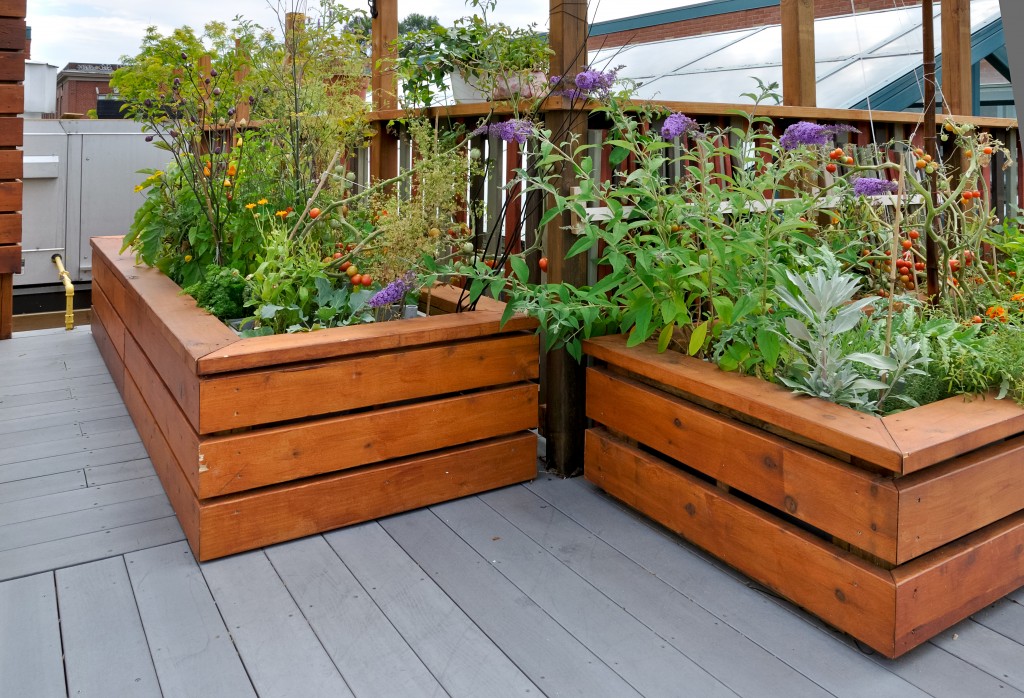
“The wind-whipped rooftop of a converted warehouse in the Kinzie Industrial Corridor might be the last place you’d expect to find fertile farmland, unless you’re Jen Rosenthal, founder and owner of Planted Chicago.

“I got my start in farming on the rooftop at Uncommon Ground, the restaurant up in Edgewater,” said Rosenthal. It was the first certified organic rooftop farm in the nation.

These days, urban farming is increasingly common, but the burgeoning business sector is not without its challenges, namely space and literal room to grow.”

READ THE FULL ARTICLE, HERE: ChicagoTribune.com

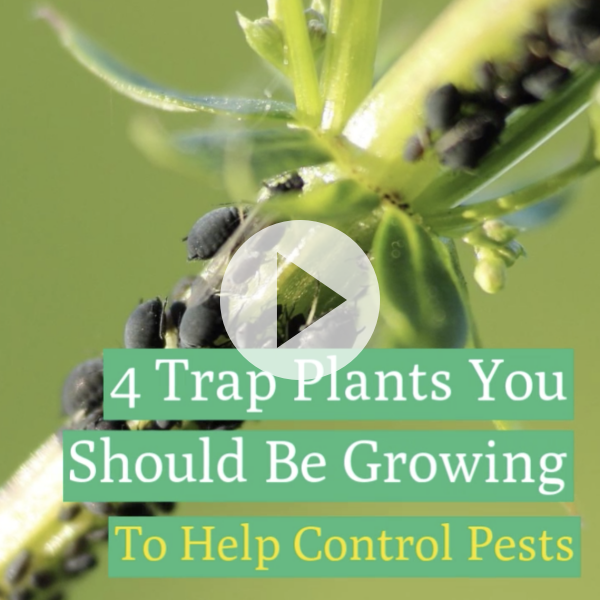
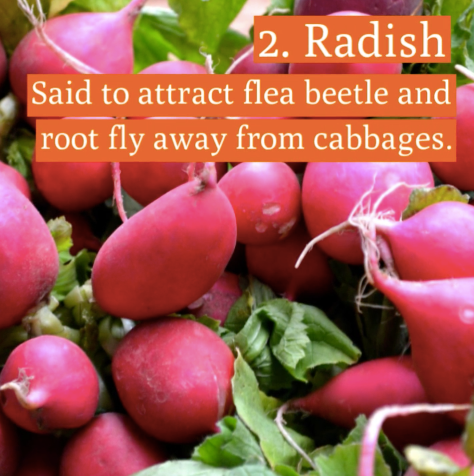
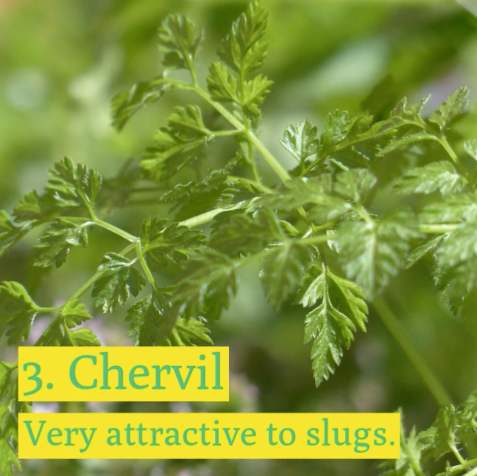
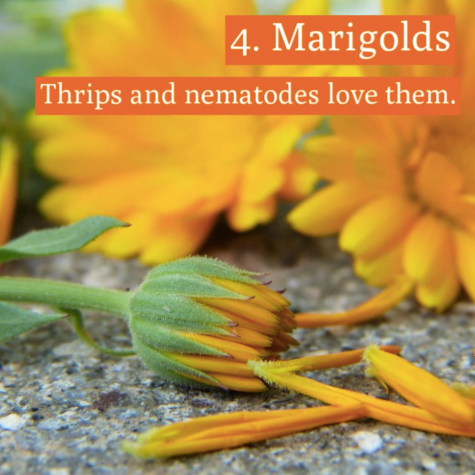
4 Trap Plants You Can Grow To Help Control Pests


Controlling insects in the garden may seem like a never ending battle for some, but have you ever considered that fixing the problem may be as simple as just planting a few “sacrificial crops” for the problematic bugs to feast on instead of your prized fruits or vegetables?

Planting a variety of “trap plants” will lure those pests away from your favorite crops. It is an organic, natural, and quite effective way to approach controlling pests and insects in your garden.

Different insects prefer different types of crops, so do your research to find out what those pesky buggers are drawn to, and plant them in your garden away from the crop you’re trying to protect. Usually a border of “trap plants” around your garden area will help minimize the damage to the plants you want to thrive.

Always practice good crop rotation, and companion planting to help maximize the effectiveness of growing “trap plants”.

When your “trap plants” become over-run with insects, feel free to remove the plant all-together and dispose of it to keep the pests from breeding and creating a larger habitat in your garden.

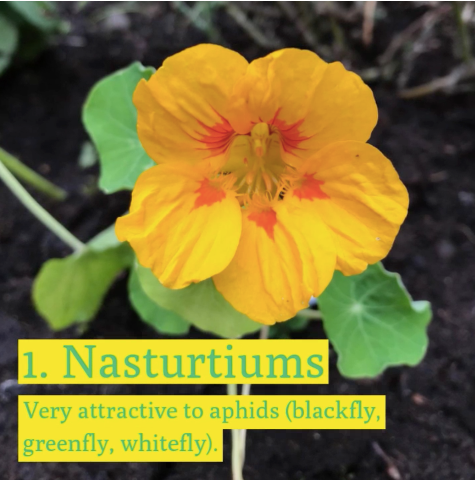
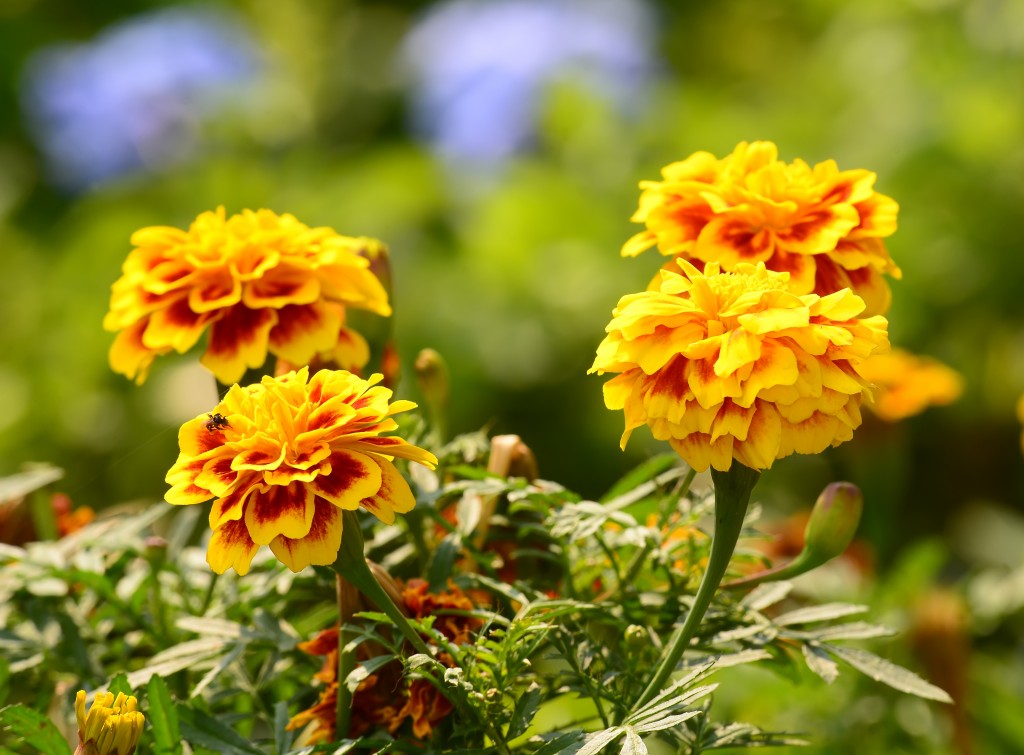
Nasturtium, Marigold, Chervil, & Radish are some of our favorite “Trap Plants”! Planting each of these will cover a wide variety of pests you may have lurking in your garden waiting to destroy your precious crops.

Controlling insects in the garden may seem like a never ending battle for some, but have you ever considered that fixing the problem may be as simple as just planting a few “sacrificial crops” for the problematic bugs to feast on instead of your prized fruits or vegetables?

Planting a variety of “trap plants” will lure those pests away from your favorite crops. It is an organic, natural, and quite effective way to approach controlling pests and insects in your garden.

Different insects prefer different types of crops, so do your research to find out what those pesky buggers are drawn to, and plant them in your garden away from the crop you’re trying to protect. Usually a border of “trap plants” around your garden area will help minimize the damage to the plants you want to thrive.

Always practice good crop rotation, and companion planting to help maximize the effectiveness of growing “trap plants”.

When your “trap plants” become over-run with insects, feel free to remove the plant all-together and dispose of it to keep the pests from breeding and creating a larger habitat in your garden.

Nasturtium, Marigold, Chervil, & Radish are some of our favorite “Trap Plants”! Planting each of these will cover a wide variety of pests you may have lurking in your garden waiting to destroy your precious crops.

How to Create The Perfect Vertical Garden

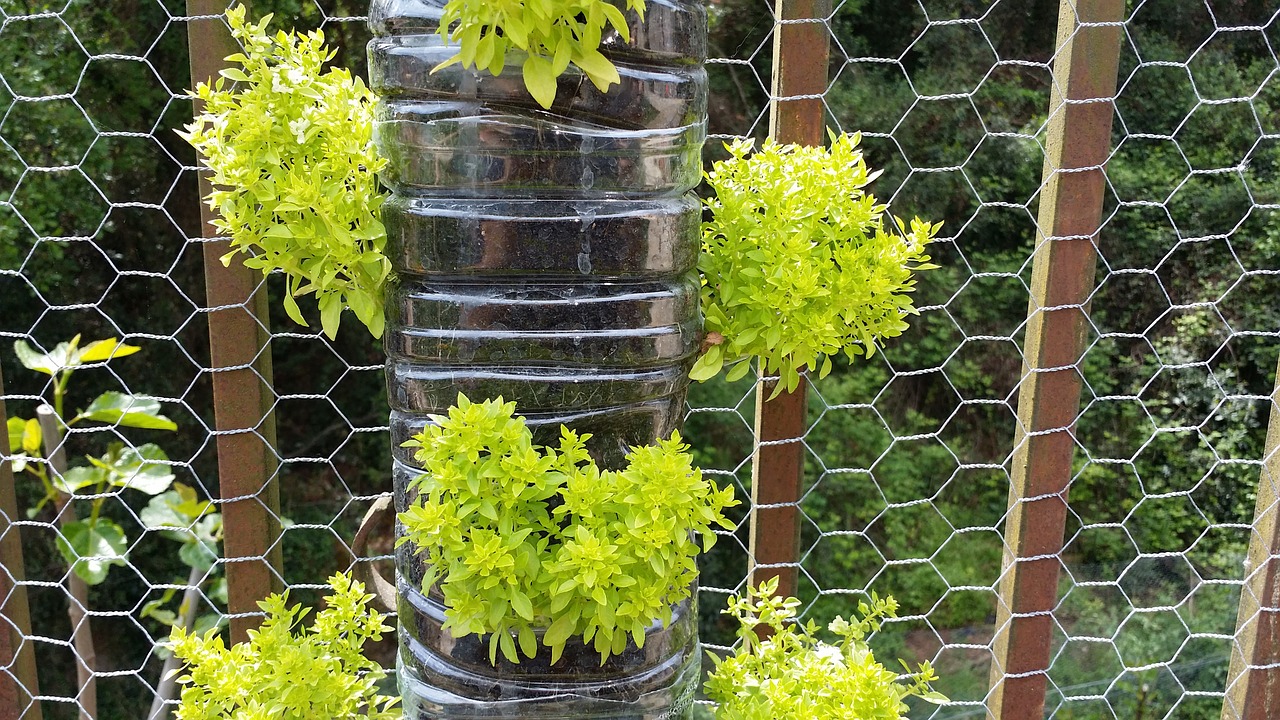
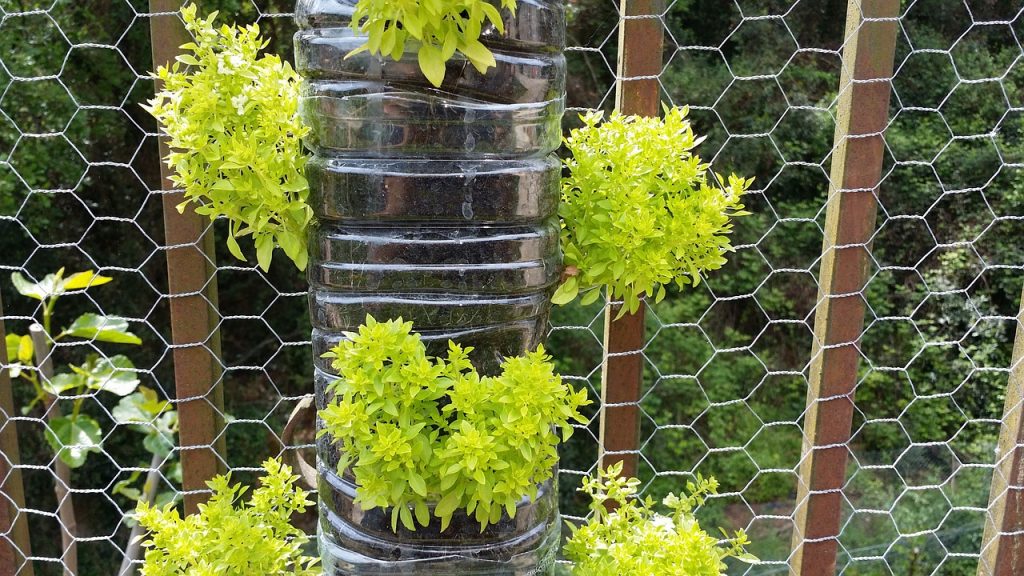
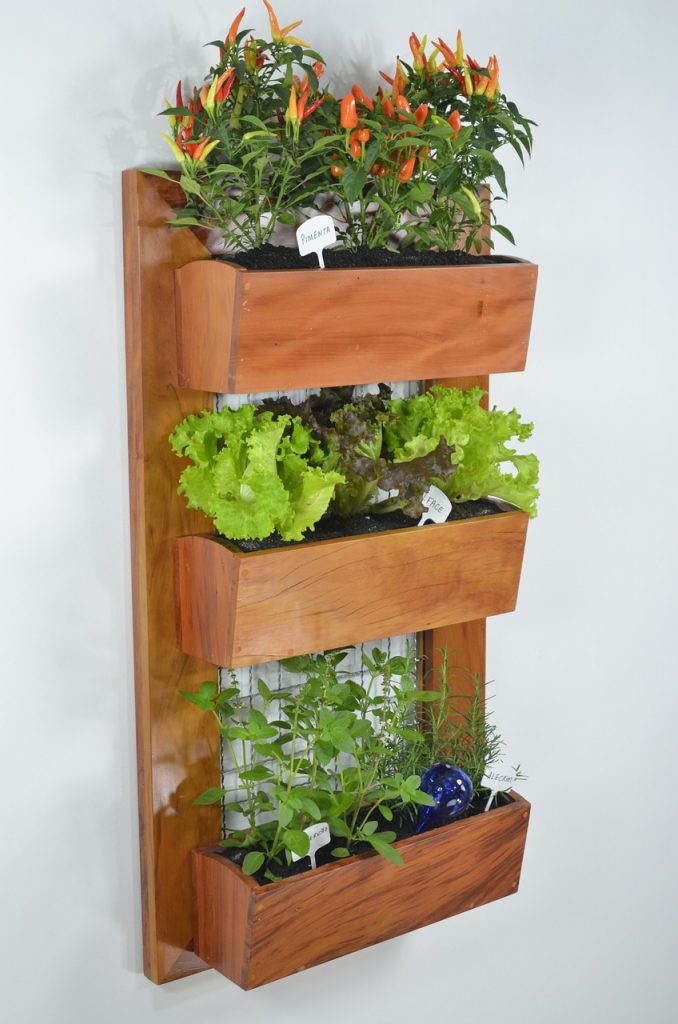
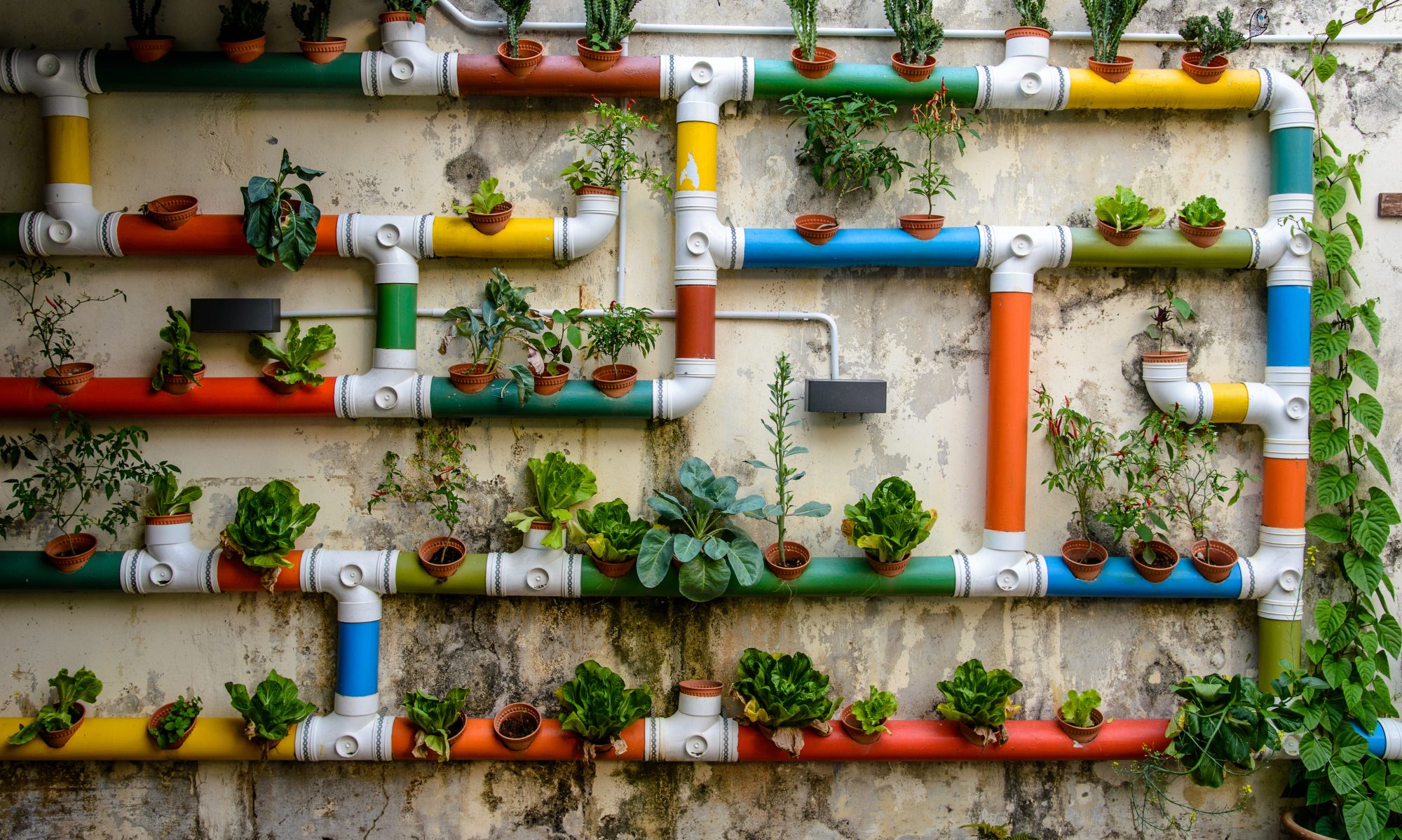
“Vertical gardening is a great way to maximize your living space and enhance the beauty and enjoyment of your home. Easy to create, customize and care for, a vertical garden can be made of anything from hanging flower pots and plastic soda bottles to old mailboxes, wheelbarrow, and crates. And the many options allow you the flexibility to get creative and capture your unique sense of style. Here’s what you need to know to create a stunning, low-maintenance vertical garden of your own.

KNOW WHERE TO START

Knowing how much space and sunlight you have to work with is essential to getting your vertical garden off on the right foot. Whether you’ve chosen a window in the kitchen, a wall in your sunroom or the railing along your patio, it’s important to evaluate its size and surroundings, as well as the amount of natural light it gets, before moving forward with your project.

Once you have a better picture of the space you’ll be using, you can determine what you want to grow in your vertical garden and how.”

READ THE REST OF THE ARTICLE AT: “HeraldCourier.com

Best ‘Secret’ Urban Gardens Around the World

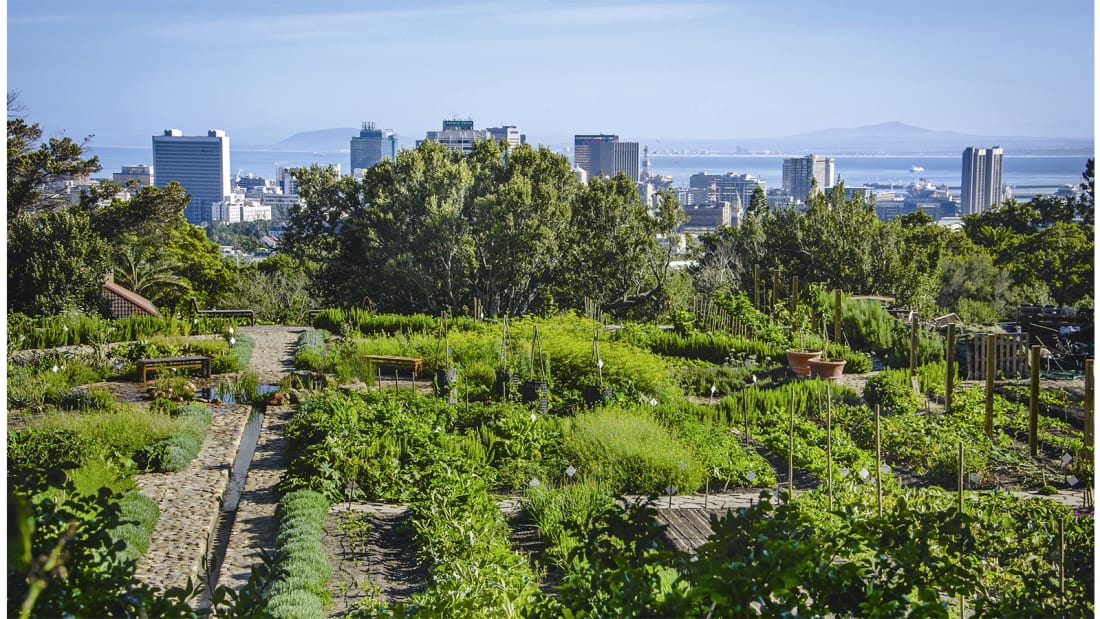
The contrast between the cityscape and the greenery is often striking. Pictured here: Oranjezicht City Farm, Cape Town, South Africa. – Courtesy Coco VanOppens Photo/Phaidon.com
“(CNN) — From derelict train tracks turned scenic walkways, to rooftop treasures atop train stations, sometimes the best bits of cities are the bits that don’t feel like cities at all.

Urban centers might be 24-hour hubs of activity, but often you just need some green space in the concrete jungle.
“One of the things I always like when I go traveling or go to new cities is trying to find a little place to get away from it all, a little bit of a retreat, a bit of a haven,” says Dr. Toby Musgrave, an eminent garden expert based in Denmark.

Musgrave has compiled some of his favorite gardens into a new book, “Green Escapes,” published by Phaidon: It’s an encyclopedia of green oases found in cities across the globe.”

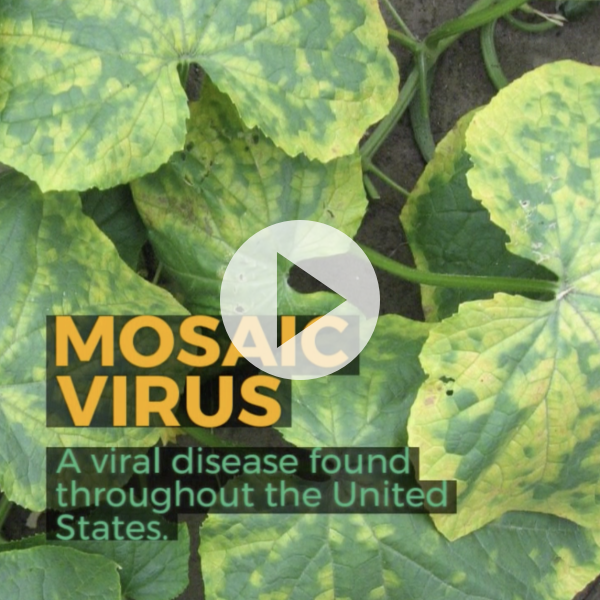
How To Identify and Prevent Mosaic Virus in Your Garden

WHAT ARE MOSAIC VIRUSES?

  • “Mosaic viruses are plant viruses that cause the leaves to have a speckled appearance.” –wiki

HOW TO IDENTIFY MOSAIC VIRUSES AND DAMAGE:

  • Yellow, white or green spots on foliage
  • Wrinkled or curled leaves
  • Yellowing of veins in leaves
  • Reduced yields or stunted growth
  • “Warty”, or mottled fruit

HOW TO CONTROL & PREVENT MOSAIC VIRUSES:

  • There is NO CURE for the Mosaic Virus. Once it infects a plant, there is no saving it.
  • Your best course of action is to remove the entire plant completely, and destroy it.
  • Be sure to clean and disinfect any garden tools used during the clean-out.
  • Plant strong, disease resistant varieties.
  • Cover your plants with floating-row covers to keep insects away.
  • Control your weeds. Some can serve as hosts for the virus.

VARIETIES MOST COMMONLY AFFECTED ARE:
Tomatoes, Cucumbers, Squash and Cauliflower

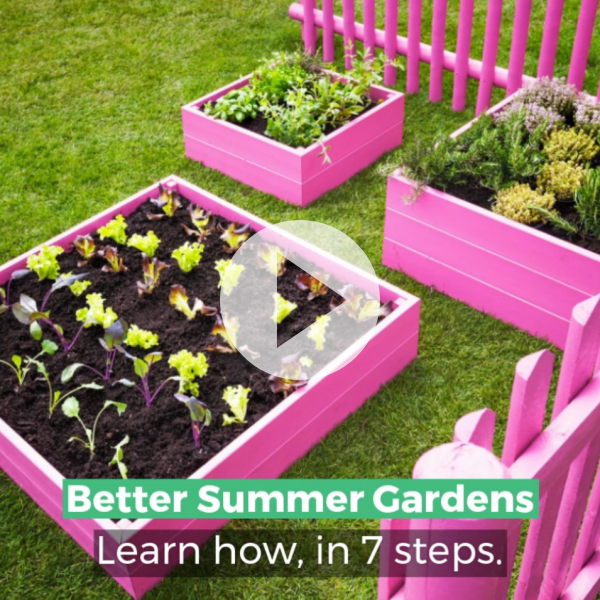
7 Tips for A Better Summer Garden

Summer has arrived and for a lot of us, that means long, hot days in the garden. Before you get too exhausted or overwhelmed, consider these 7 easy tips for having a beautiful and happy summer garden!


TIP # 1 – BE WISE WITH YOUR WATER

Make sure to keep your garden beds cool and moist by adding plenty of organic mulch around the base of your vegetables, herbs, and flowers. This will also greatly help reduce unwanted weeds from coming up.

Whenever possible, use drip irrigation, and water close to the base of the plant. If using sprinklers or wands, water as early or as late in the day as possible to avoid evaporation.

During the day, avoid splashing water on the leaves as it can sometimes cause them to burn in the hot temperatures.


TIP # 2 – KEEP YOUR COOL SEASON CROPS SHADED

Cool-season crops can generally only take between 3-6 hours of sun per day. If you still have some spring veggies in the ground you can keep them from bolting by adding shade cloth over them, or if they are in containers you can move them to a location with more shade.


TIP # 3 – FRESHEN UP YOUR DECK OR PATIO

Summer should be enjoyed! Take pride in your outdoor space by making it a comfortable gathering place for friends and family. Consider adding a new patio set, or painting an old one!
Add a festive shade umbrella, new pillows or an outdoor rug. Compliment your outdoor gathering space with a container garden full of fresh culinary herbs! These will not only come into use while cooking up your favorite dishes, but some of them can actually help deter mosquitos!


TIP # 4 – KEEP THE POLLINATORS HAPPY

Insects, hummingbirds and bees all play a crucial part in healthy vegetable gardens. Make sure you incorporate plenty of native plants and flowers to help attract these pollinators into your garden.


STEP # 5 – START A GARDEN JOURNAL

If you didn’t start a journal during your spring plantings, make sure you start one now! Begin recording things like what you’re growing, and dates you harvest.

You can purchase a small food scale, and document the size of all of your harvests!  You can also include beautiful photographs, or other important information such as problems with the weather or pests that you may encounter through the summer months.

Use your garden journal in the future as a reference for what worked in years past or what didn’t to avoid making the same garden mistakes twice.


TIP # 6 – PLAN YOUR FALL AND WINTER GARDEN

Now is the perfect time to start planning your fall/winter garden and sourcing seeds for the next round of plantings. You can also start drafting up new designs for plot layouts or raised beds.

Use the internet to do plenty of research for what designs might best suit your needs. When you’re ready to start planting, check out this planting calendar to find out when it’s safe to start planting your fall/winter crops for your exact grow zone.


TIP # 7 – ENJOY THE FRUITS OF YOUR LABOR

It’s summer, so don’t forget to kick back and relax! Enjoy your beautiful gardens and be proud of all of the hard work you have put in.

Maybe try one of these refreshing and delicious drink recipes made with your homegrown mint!

‘Fresh, free and beautiful’: the rise of urban gardening

“From providing fresh food for the community to regenerating unused spaces, urban food-growing projects have flourished in the US. In Minnesota, fish and green vegetables are farmed in a former brewery by Urban Organics; in New York, Brooklyn Grange grows produce on the roof of its office.

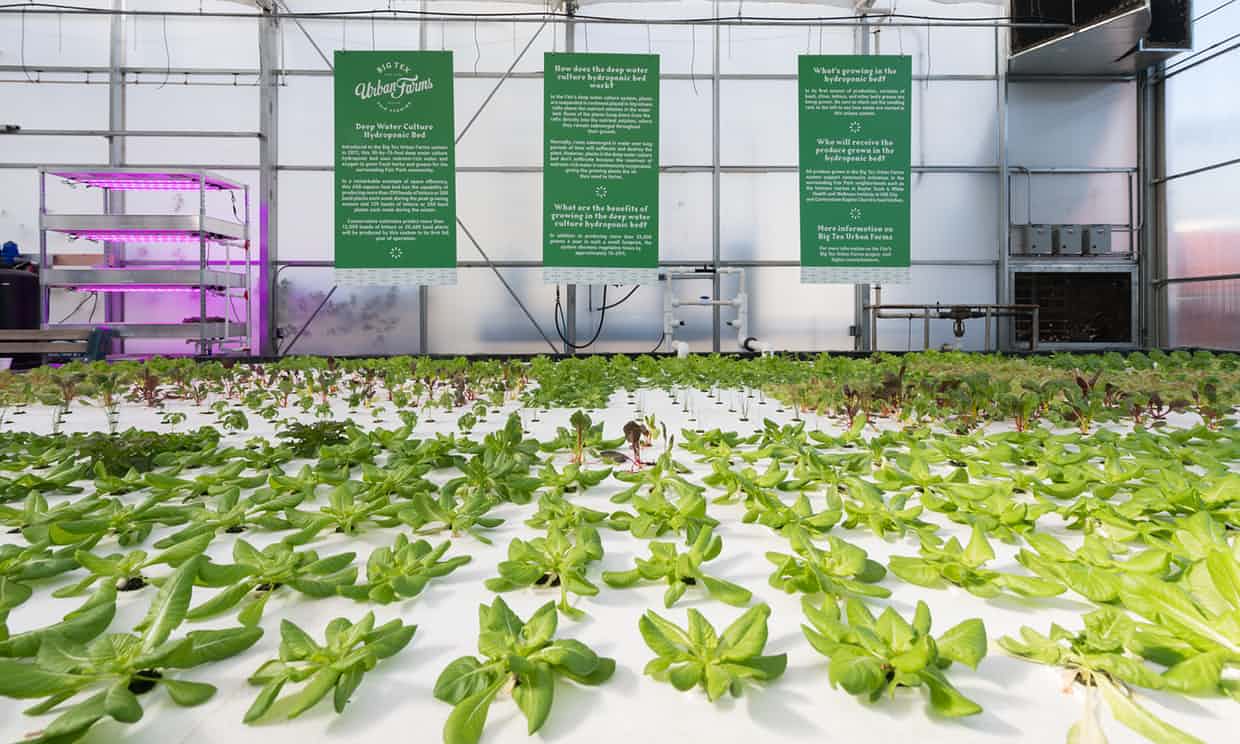
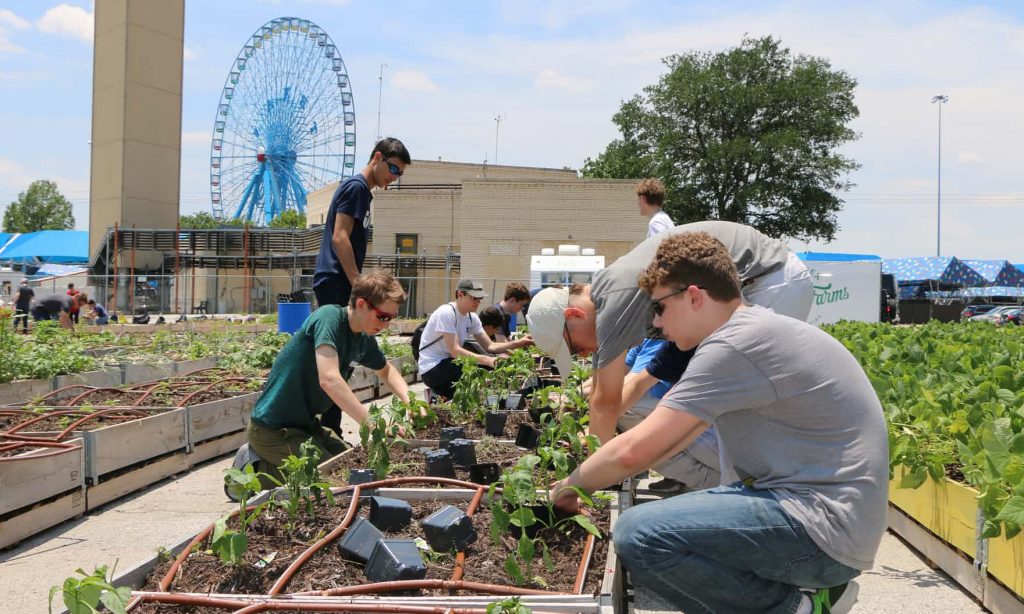
In Dallas, Texas, in an area designated as a food desert, meaning access to fresh fruit and vegetables is difficult, Big Tex urban farms have donated 85,000 servings of fruit and vegetables to the community since 2016.

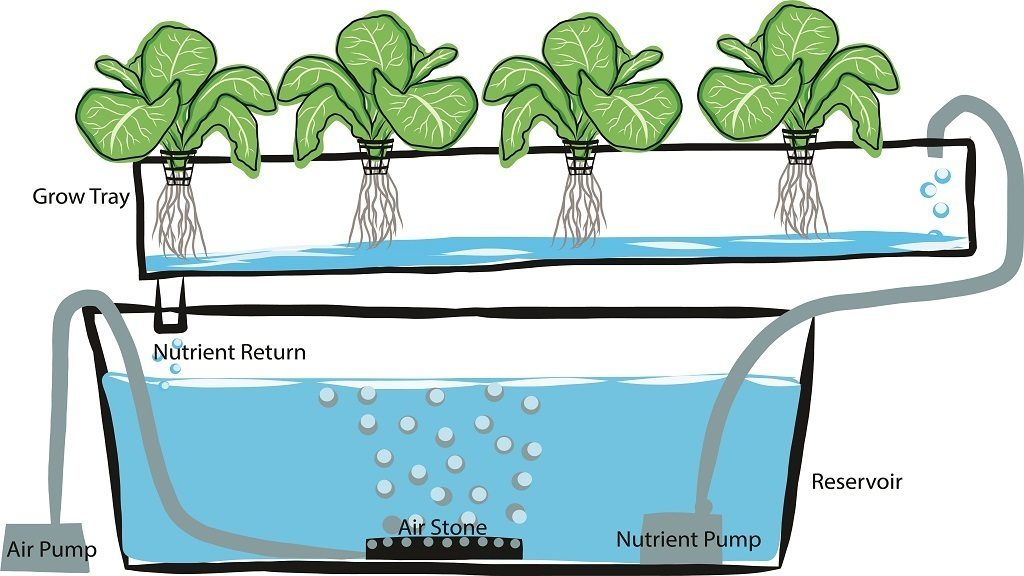
Developed for and funded by the annual State Fair of Texas, the project consists of mobile beds in car parks and a hydroponic greenhouse which allows plants to grow without soil.”

READ THE FULL STORY AT: “TheGuardian.com”

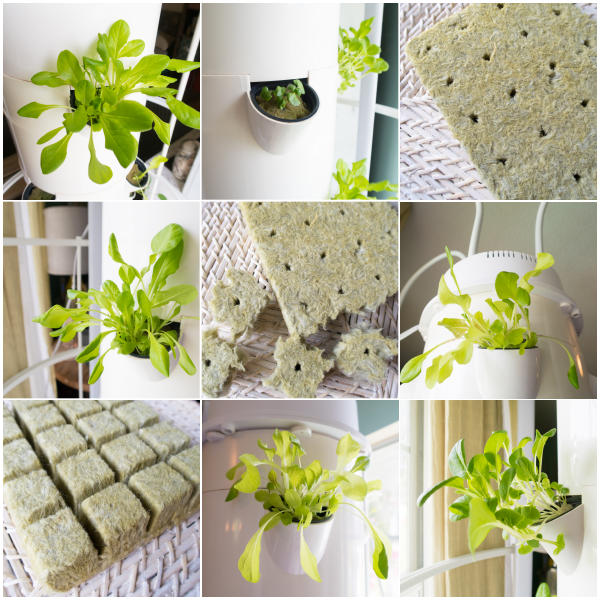
Hydroponics Guide: Learn To Grow Plants Without Soil 2018

“Hydroponics is the art/science of growing plants in a soil-free environment. Historically, hydroponics isn’t that new. In fact, there are many ancient records of people using the concept of hydroponics to grow plants.

One such important record is the Hanging Gardens of Babylon, which is considered one of the Wonders of the Ancient World. In Babylon, they used gravel and stones to grow plants.

While the system is certainly more primitive than what we can create now using our own two hands, it’s important to note that the underlying principles remain the same.

This hydroponics guide will give you a bird’s eye view of how hydroponics works, how it actually grows plants and how you can start your own hydroponic system.”

LEARN MORE about GROWING HYDROPONICALLY, Here!

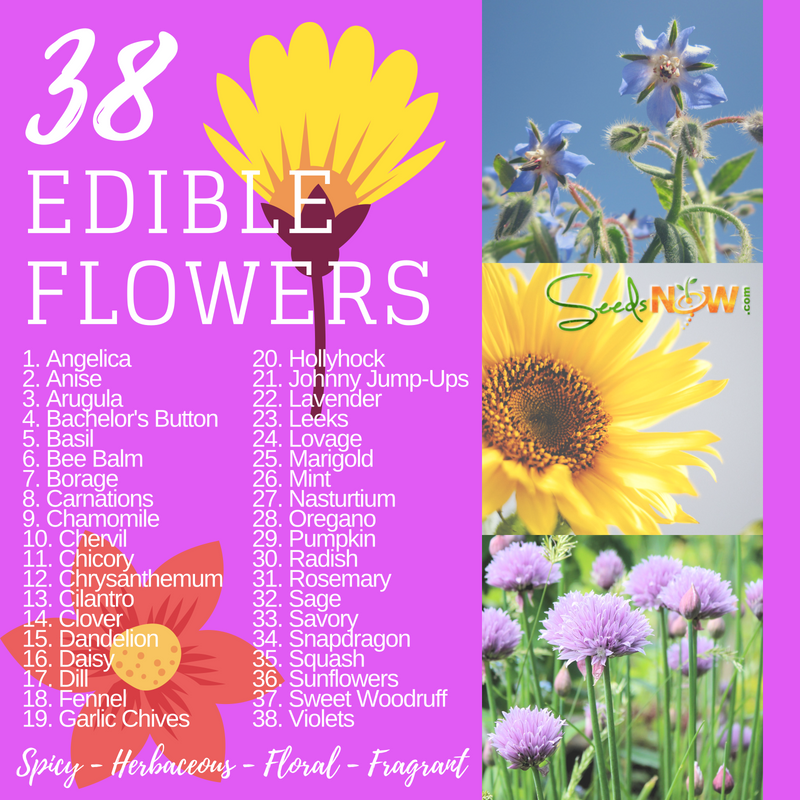
Flowers You Can Eat, 38 Edible Flowers

Try growing these 38 beautiful edible flowers in your yard or garden. Not only will you help provide nectar for friendly pollinators in your garden, but you’ll have fragrant, and delicious blooms that you can enjoy adding to your favorite culinary dishes. They look great, and taste great, too!

Follow these tips for eating flowers safelyvia TreeHugger.com

  • Eat flowers you know to be consumable — if you are uncertain, consult a reference book on edible flowers and plants.
  • Eat flowers you have grown yourself, or know to be safe for consumption. Flowers from the florist or nursery have probably been treated with pesticides or other chemicals.
  • Do not eat roadside flowers or those picked in public parks. Both may have been treated with pesticide or herbicide, and roadside flowers may be polluted by car exhaust.
  • Eat only the petals, and remove pistils and stamens before eating.
  • If you suffer from allergies, introduce edible flowers gradually, as they may exacerbate allergies.
  • To keep flowers fresh, place them on moist paper towels and refrigerate in an airtight container. Some will last up to 10 days this way. Ice water can revitalize limp flowers.

Uses in your kitchen: via OneMillionWomen.com.au

  • Salads
  • Garnishes
  • Rice-paper rolls
  • Cake decorating
  • Freezing in ice-cubes
  • Crepes
  • Teas, tissanes, wines, cordials
  • Jams, tarts and deserts
  • Vinegars and dressings
  • In the dough of fresh pasta
  • Stuffing, baking and tempura

SHOP THESE SEEDS and MORE!

What every urban gardener needs to do before planting


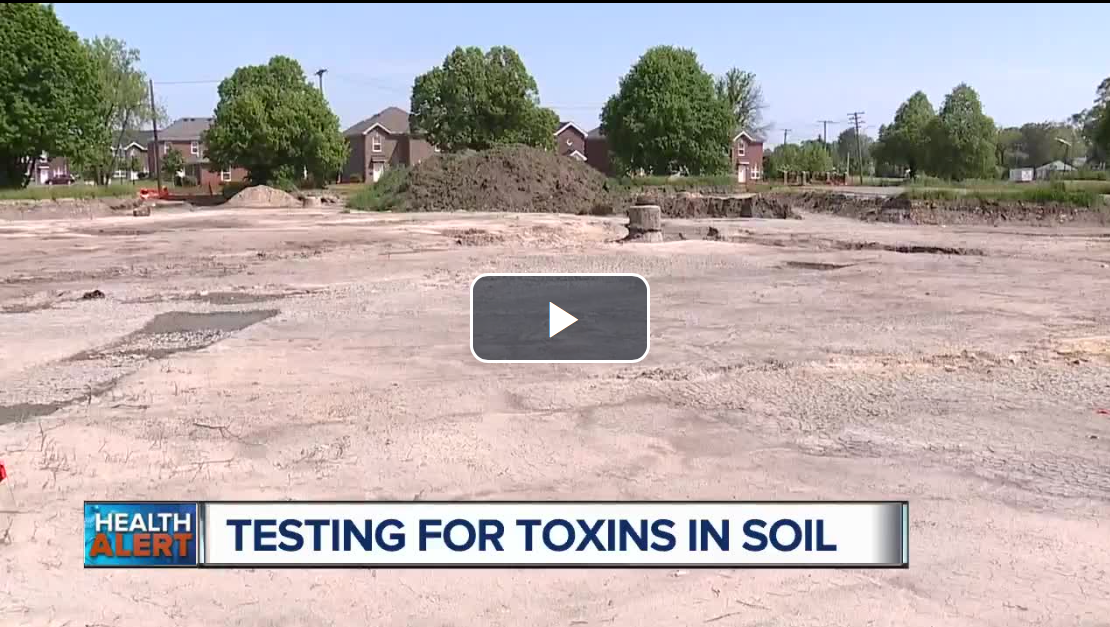
“DETROIT (WXYZ) – As urban gardening grows in popularity more and more people are trying their hand at a green thumb. However, those new to urban gardening should be aware of the threats caused by soil with contaminants and the need to test.

“In this situation, ignorance is not bliss,” said Michigan Urban Farm Initiative’s B.J. Franovic. “You should test your soil, you should figure all of that out.”

Franovic stressed the need to test your soil, but also noted it’s not a death sentence if you find high levels of lead or other toxic materials in your soil. The EPA offers similar advice online stating, “the possibility of contamination at a garden site should not keep you from planning an urban garden,” but it does require special attention.”

Read the FULL STORY at: “WXYZ.com

What Can Bees Teach Us About Building Better Urban Ecosystems?

bee-3360682_1280

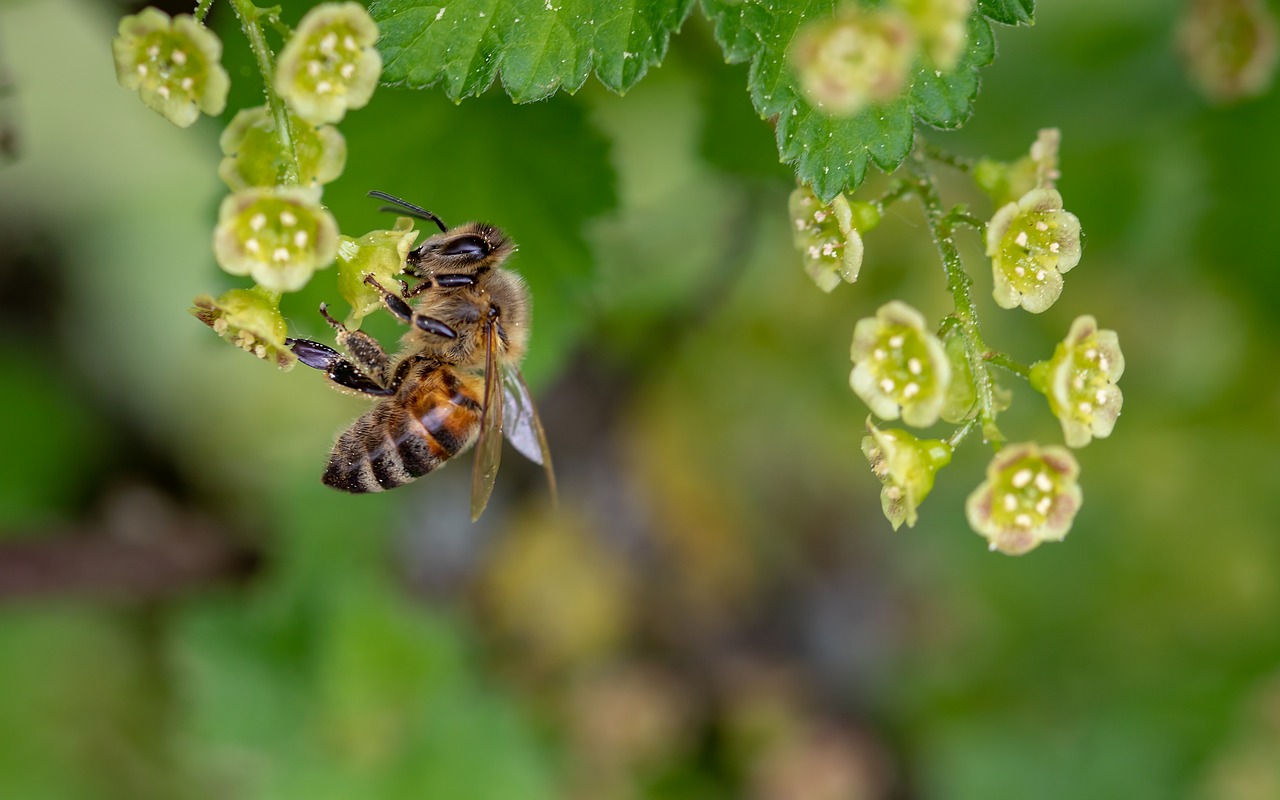
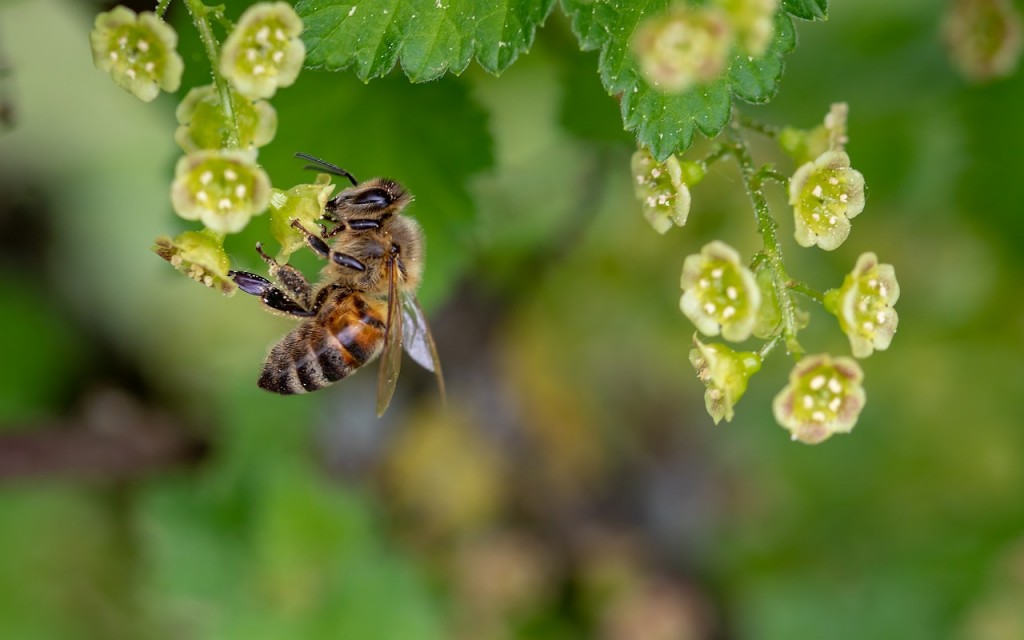
“Last summer, Paul Maeillo had to clear a vacant lot in North Philadelphia, and he wasn’t happy about it. He’d done it plenty of times before, as part of the Philadelphia Horticultural Society’s LandCare program, which hires local contractors to maintain the neighborhood’s many abandoned parcels. But on this day the lot was full of wildflowers — and wildlife. In fact, it wasn’t vacant at all. He saw snakes and mice and many, many bees, gathering nectar and pollen from the untamed flora. “Just teeming,” Maeillo remembers. “It was kind of wild.”

The lot was an eyesore to humans, and a feast for pollinators. Maeillo didn’t have much of a choice: he mowed it down. But he left a small wild patch in the center. “It seemed not right to take away all their resources,” he says.”

Read the FULL Story at: NextCity.org

12 Plants That You Can Grow To DETER Mosquitoes

smallshutterstock_195161381
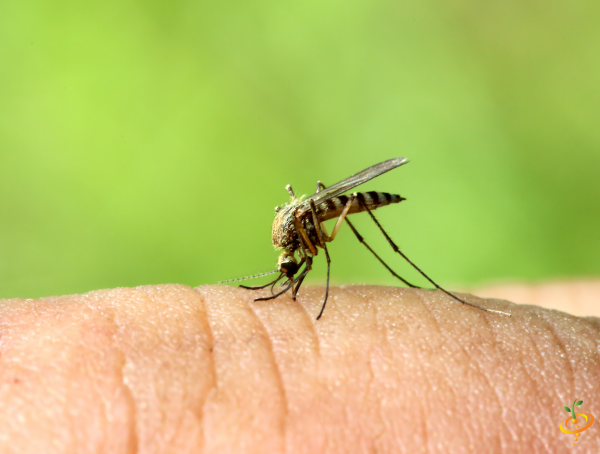
Mosquitoes can quickly ruin the enjoyment of your outdoor garden experience. Ordinary repellents are full of nasty chemicals that you probably don’t want to put onto your family, and bug zappers are annoying. It also can be debated, how effective candles or incense really is.The threat of contracting a disease from a mosquito is very real. Not only are humans being infected with dangerous illnesses, so are animals including household pets. Over one million people are said to die each year from contracting diseases from mosquitoes. In the US, the most common disease is West Nile, but they also carry diseases like malaria, dengue fever, dog heartworm, chikungunya and the recent Zika Virus, which is responsible for outbreaks in tropical areas throughout the world and was found in 2015 for the first time in the Western Hemisphere. More can be learned about the Zika Virus, here.

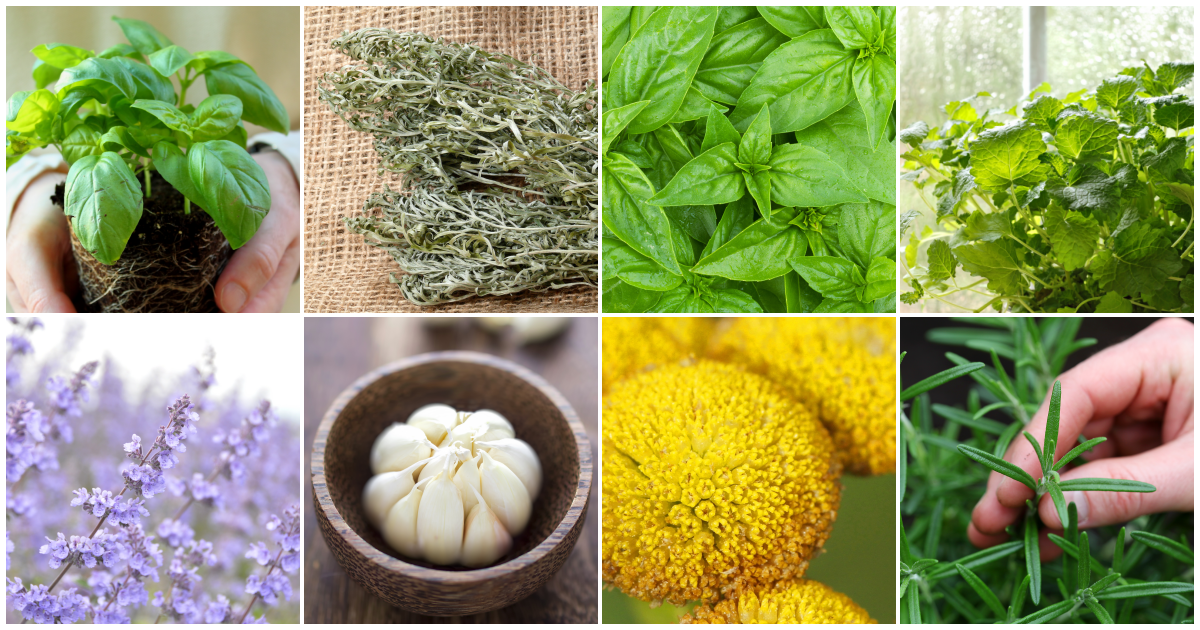
To help keep mosquitoes from using your yard as a breeding ground, make sure you eliminate all standing water, trim back un-needed vegetation, and consider planting these mosquito repelling plants.

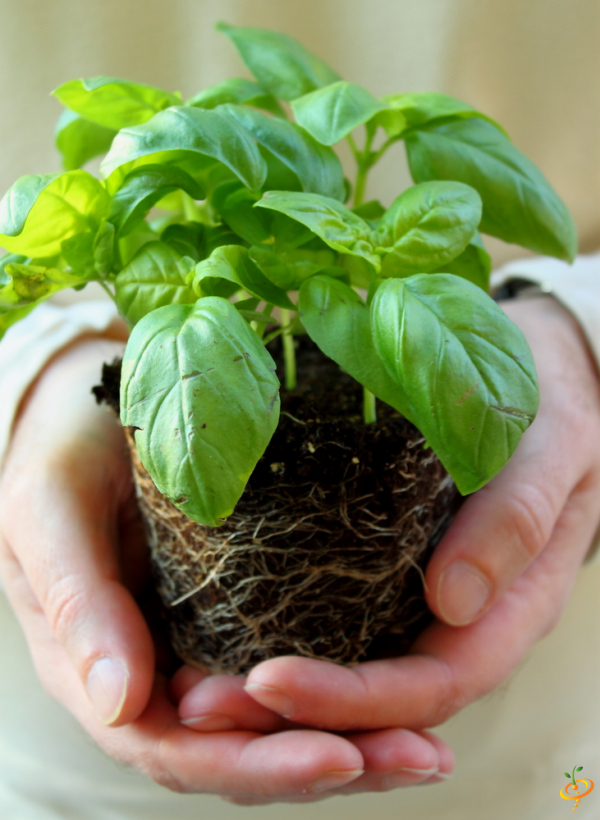
1. Basil
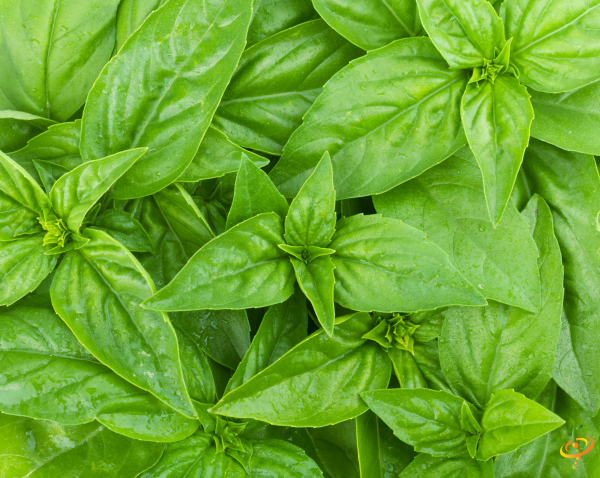
In addition to repelling mosquitoes, it’s also quite an attractive plant to grow.
smallshutterstock_53004445

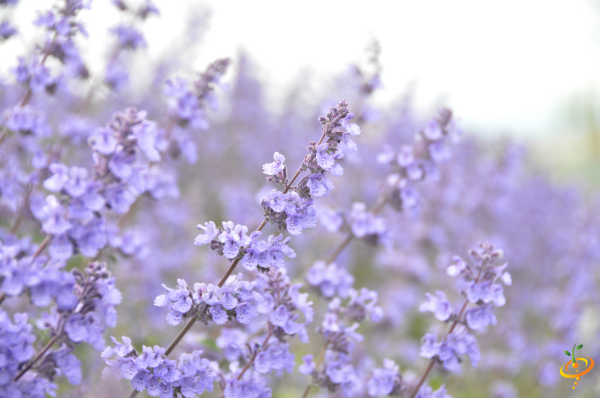
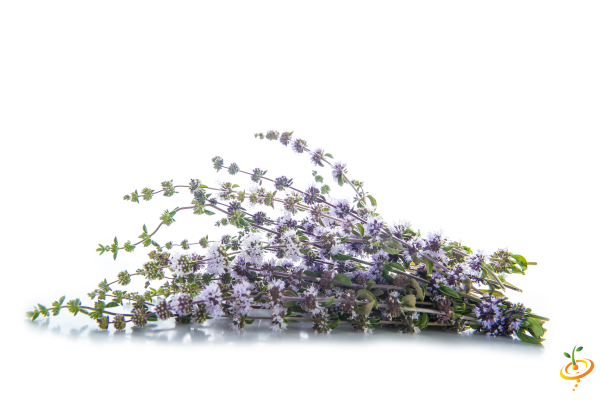
2. Catmint
While the catmint plant does repel mosquitoes that are close, you can try adding crushed leaves or oil for even stronger protection. Watch out though, if you own cats they will probably respond to you the same way they respond to the plant itself. If you’re a cat owner, you might want to try other natural ways to deter mosquitoes.
smallshutterstock_197459195

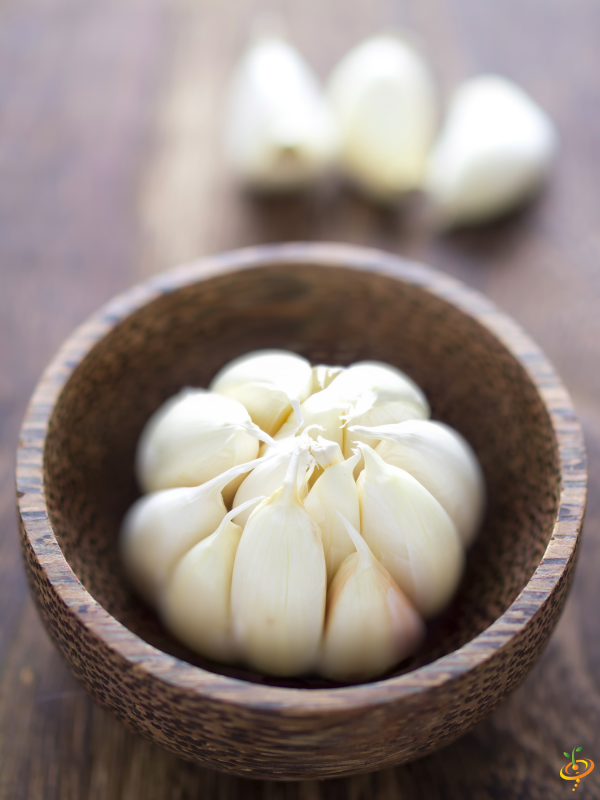
3. Garlic
“If you have a high allicin (garlic’s active anti-microbial ingredient) blood count, mosquitoes will refuse to engage with your blood. If you are infected, garlic can eliminate the virus because it is a proven anti-microbial, killing both viruses and bacteria. According to the good people of zhealthinfo.com, a friend of theirs had lost a couple of horses to WNV.”  -source “NaturalNews.com
smallshutterstock_98015798
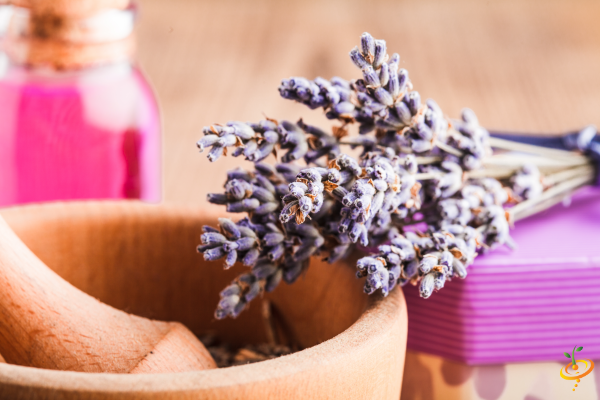
Lavender repels mosquitoes because mosquitoes dislike the scent of the lavender plant.
smallshutterstock_178462265
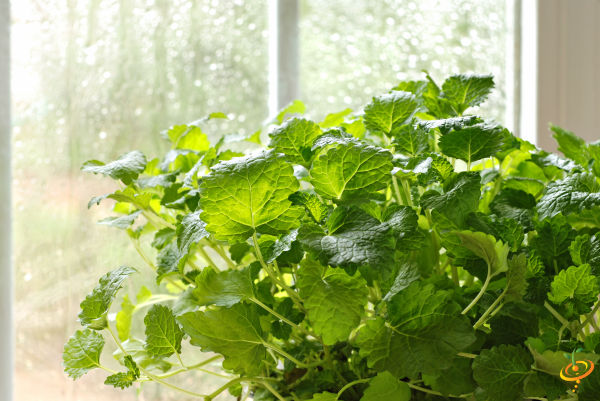
For an easy homemade repellent, crush lemon balm leaves and then rub them onto your skin. Keep the plants growing near doorways where the leaves will be readily available when you need them.
smallshutterstock_92327908
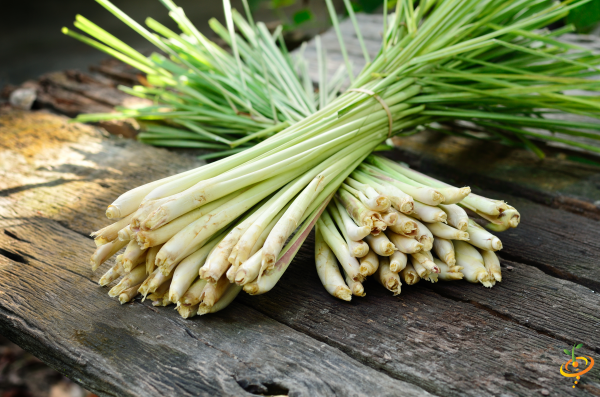
Mosquitoes do not care for the fragrance of lemon grass. Grow these attractive “grasses” near walkways and near seating areas to deter them. 
smallshutterstock_107826104
The leaves and their extracted juices will help to repel mosquitoes from feeding on you.
smallshutterstock_147820508
“Potted marigolds can be positioned near entrances to your home and any common mosquito entry points, such as open windows. The smell may deter mosquitoes from going past this barrier. While marigolds can be used as border plants around the patio, we do not advise putting marigolds on the patio table since the bright blooms may attract wasps.

Besides repelling mosquitoes, marigolds repel insects which prey on tomato plants, so you may want to plant a few marigolds in your tomato bed for added protection.” -source “Learn.EarthEasy.comshutterstock_174218558

“Crushed pennyroyal stems stuck in your hat and pockets really will repel gnats and mosquitoes. Dog owners often see their dogs rolling in pennyroyal patches, and dog instincts can usually be trusted.” -sourceMotherEarthNews.com
smallshutterstock_208413583

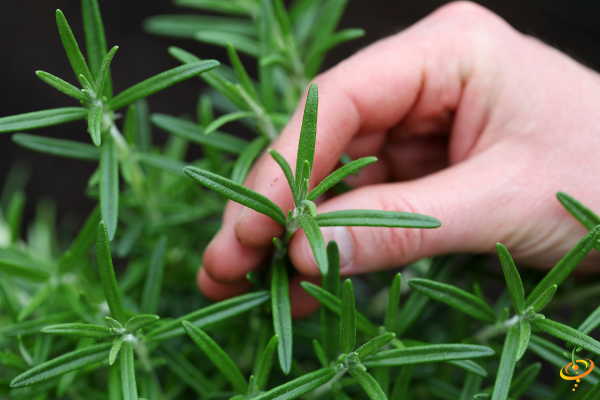
10. Rosemary
A Recipe for a Simple Rosemary Mosquito Repellent:
“A simple repellent spray is made by adding 1 cup dried rosemary to a quart of water, boiling it in a pot for 20 to 30 minutes. Pour a quart of cool water into another container (that holds at least half a gallon), then strain the rosemary water into the container. Pour small amounts of the blend into squirt bottles to apply directly to skin and outdoor pets. Store the unused portions in the refrigerator; discard it when it no longer smells strongly of rosemary.” – source “HomeGuides.SFGate.com
smallshutterstock_143050906
 
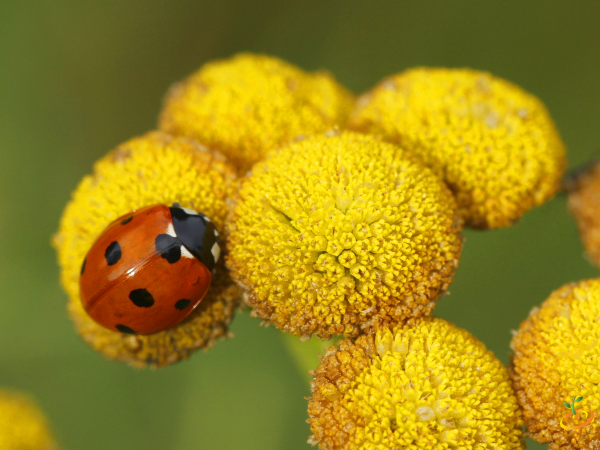
11. Tansy
Tansy is a strong herb, beautiful & yet suitable for growing around doorways to act as an mosquito deterrent.
smallshutterstock_163193465
 
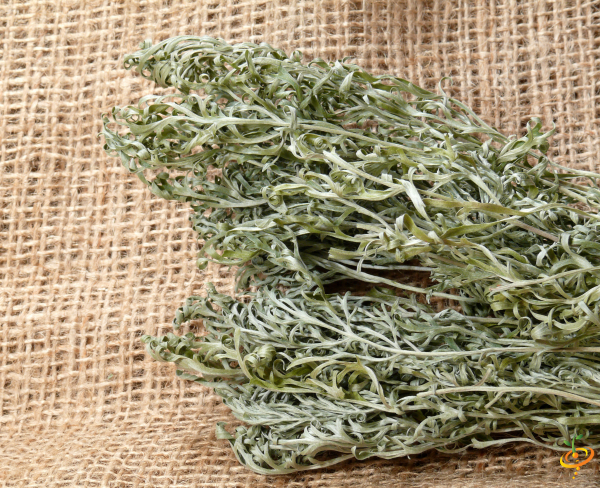
Wormwood can make a lovely, unique border and the strong odor does a good job of keeping mosquitoes at bay. Note: Do not rub on skin.
smallshutterstock_125111012
 

One-Acre Permaculture Garden Feeds 50 Families

One-acre garden provides fruit, veggies and eggs for 50 families with very little labor

More and more people are learning growing food doesn’t have to be hard work. When you work with nature instead of against it, it does much of the work for you.

It’s called permaculture. While permaculture gardens require a year or two of work up front — mostly restoring land laid waste by agriculture — once they are set up, they almost tend themselves.

Read the original article at: “ReturnToNow.net

Strange Ways To Use 30 Most Common Household Things In Your Garden!

Learn 30 Things That Can Make Your Garden Better!

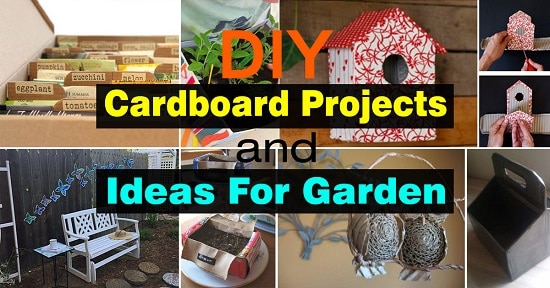
1. Cardboard and Newspapers

Must you have cardboards and newspapers? Do you know you can use them in your garden? From putting them into the compost to suppressing weeds or this DIY newspaper seed starter, there are many ways. Find out more cardboard uses here!

2. Wine Bottles

From creating a water fountain to bird feeder to self-watering pots, there are not just 3 or 4 uses; your old wine bottles can be used to complete these 26 DIY projects listed here

3. Pennies

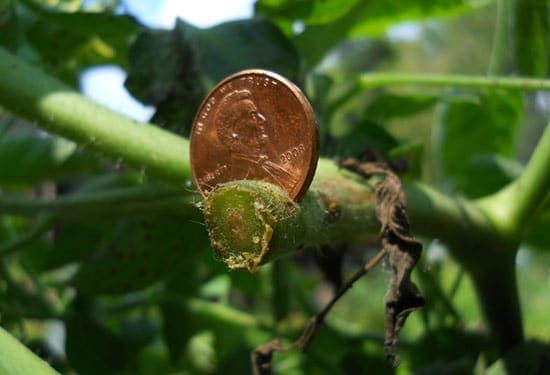
Have pennies? Use them to control tomato blight. Also, drop a penny into the vase as it’s made of copper, which is a known fungicide (especially the older one, made before 1982) and helps in keeping your cut flowers fresh or you can create a penny birdhouse!

4. Aspirin

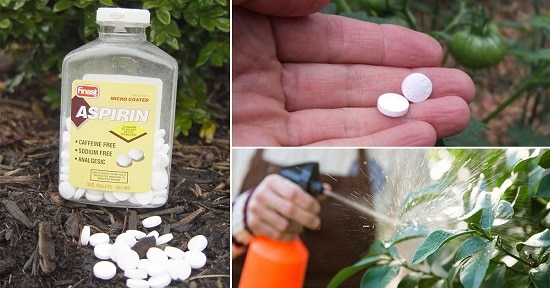
Have aspirin tablets? Use them in your garden–fight fungal diseases, propagate plants from cuttings successfully and quickly, and improve the productivity of your fruit trees. Check out the science behind these claims in this article.

See 26 MORE Common Household Things that can make your garden better, HERE at Balcony Garden Web

Common Gardening Problems and How to Cure Them

shutterstock_80524903Seedlings do not emerge after planting:
It’s possible that not enough time has passed. Make sure your soil is not too dry and that the temperature is correct for starting whatever seeds you’re trying to grow. Wondering what plants grow best during specific times of the year? Read Gardening Through the Different Seasons.

Plants grow slowly with light green leaves:
It sounds like your plant isn’t getting enough light. Make sure the temperatures are warm enough for the variety of plant you’re growing and check how much you’re watering your plant.  Do not overwater, and try to improve your drainage. Check your pH levels and try adding some amendments to your soil if you feel it might be a nutrient deficiency. Read more about Soil Amendments.
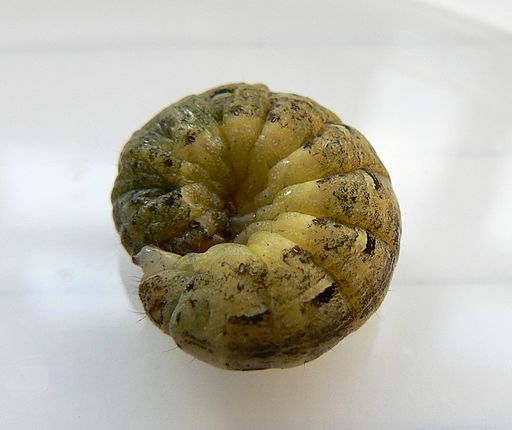
Neil Phillips - Large Yellow Underwing caterpiller (by)
Seedlings wilt and fall over/young plants die:
It’s possible your seedlings are suffering from “damping off”, which is a fungal disease. You might also have root maggots, cutworms, rotting roots, dry soil or could be over-fertilizing. Avoid overwatering and check for grubs at the base of your plants. Keep your garden free of rotting plant matter and weeds. Try treating the soil with a fungicide and avoid over-watering.  Suspecting pests? Read Dealing With Pests & Insects.

Plants wilt:
It’s likely your plants are suffering from too much or too little water. Roots may be rotting or you may have root-knot nematodes. Try watering deeply, and more consistently. If the soil is soggy, stop watering all together for a while and let the soil dry up a bit. Practice good crop rotation, and plant disease-resistant varieties. Do you think you’re overwatering? Read more on Watering.
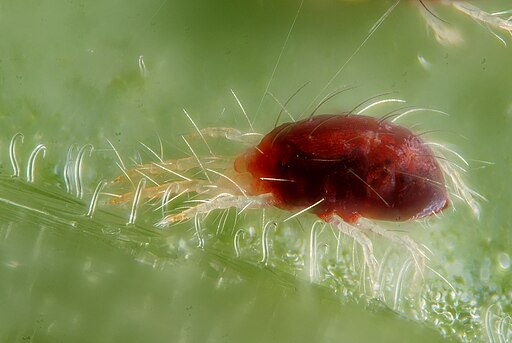
Tetranychus urticae with silk threads

Leaves have tiny white spots:
White spots usually mean you have spider mites. Spray affected areas with an organic insecticidal spray.

Leaves look scorched, then fall off:
“Burnt” looking leaves can be the effect of salt damage, low temperatures, dry soil or over fertilizing.  To protect from cold temperatures, use a floating row cover in the garden. If you’ve salted your walk-ways or driveways, make sure the water running off isn’t going into your garden, this would be the cause of your “burnt” looking plants. Water deeply and regularly, and don’t over fertilize.

Mildew-back

A powdery white coating on tops of leaves:
Sounds like powdery mildew. This usually occurs when your plants are dry but the area around them is humid and moist. Try planting in full sun, and provide adequate spacing between your plants to promote good air circulation.

Brown spots on leaves:
This usually occurs from chemical burns or over fertilizing.  It also could be the result of too cold of temperatures or a potassium deficiency.  If your soil seems dry, try watering more frequently. If you’ve over-fertilized, remove fertilizers from the soil by overwatering for a day or two. If you’re lacking potassium in your soil, try adding some wood ash, aged compost or aged manure. Using, Buying and Applying Organic Fertilizers.
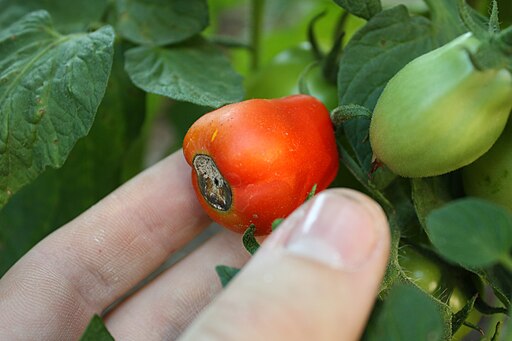
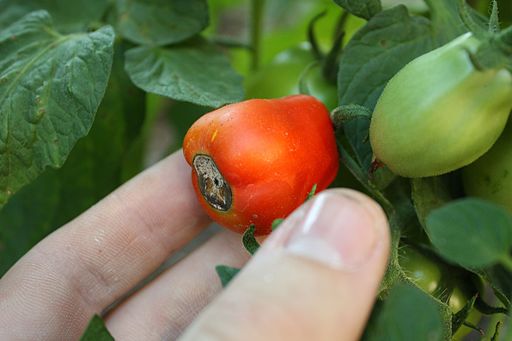
Blossom end rot

Blossom end of tomatoes are rotten:
“Blossom-end rot” on tomato plants is the result of either a calcium deficiency, soil that is too compact, root injury, and/or inconsistent watering.  Mulch around plants that are affected to promote even soil moisture. You can also incorporate lime into your soil to help with the calcium deficiency.  Don’t forget to add some aged compost and organic matter into your soil.  Read our Intro to Mulch.

Leaves are curled or scrunched together:
When the leaves curl, this could mean several things. It could be from a disease, moisture imbalance, aphids or from too much herbicide. Treat aphids by spraying leaves with water and using an organic insecticidal spray. Remove your affected plants if you suspect disease. Keep the soil evenly moist and try adding mulch around your plants suffering from curled leaves.
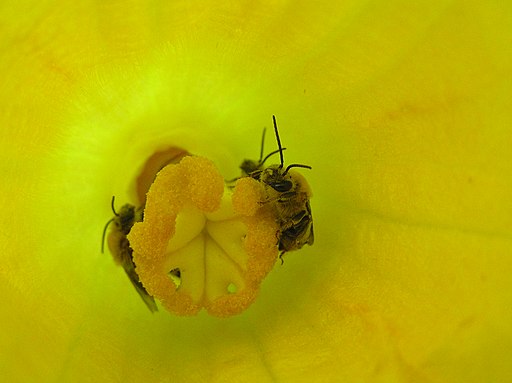
Cucurbita flower squash bee - Nancy Adamson-the Xerces Society

No fruit:
When you have beautiful plants that don’t produce fruit, there can be several reasons to blame. The first is, to much nitrogen. There’s also the possibility of no pollination so you might want to try some hand pollination techniques.  If your plants are mature enough to start setting fruit and the temperatures are right then try adding some nitrogen-rich fertilizers and pollinate the blossoms with a small brush or gently shake the plant.

Plants are “spindly” & weak:
Your plant may not have enough light. It also may have been watered too much. Are your plants crowded or planted too close together? Your plant could be getting too much nitrogen as well.  Ensure your plants get 6-8 hours of sunlight every day, improve drainage, and thin your plants further apart. Avoid excess fertilizing.  Wondering Where You Should Plant a Garden?

Tomato late blight fruit cluster (5816739612)

Fruit and stems turn brown:
Sounds like blight. It usually occurs later in the season and can affect all areas of the plant. Apply a copper spray to keep it from spreading and killing the entire plant.

Leaves are yellow but do not wilt:
Test your soil for deficiencies and ensure that your plant is getting enough sunlight. Thin plants if necessary and move to a sunnier location if they are getting too shaded in the garden.  Learn more with our Intro to Soil.

Zucchini yellow mosaic virus leaf

Mosaic-like spots on fruit, leaves, stems etc.:
This disease causes green, and yellow spots on plants and foliage. Leaves can crinkle on plant, turn yellow, and growth will be stunted. There are no cures for this disease but you can help prevent it by controlling aphids and leafhoppers. Remove and destroy ALL plants affected by the Mosaic Virus.

Growth is stunted, yellowing of the leaves:
Your plant probably is suffering from insufficient nutrients. Use a complete fertilizer, and try incorporating aged manure into your soil. Insects, disease, poor drainage, and acidic soil are likely culprits as well. Test your pH and remove affected plants from the garden if you suspect disease.

Top 30 Organic Gardening Blogs and Websites For Organic Gardeners

shutterstock_83093326

Top 30 Organic Gardening Blogs Winners

CONGRATULATIONS to every blogger that has made this Top Organic Gardening Blogs list! This is the most comprehensive list of best Organic Gardening blogs on the internet…and we are honored to BE ON THE LIST!

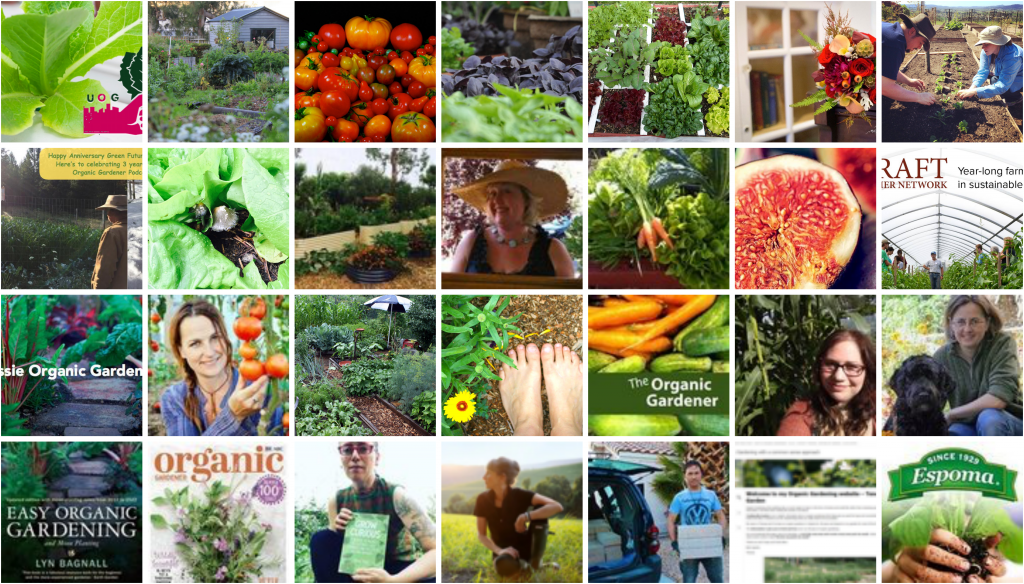
collage

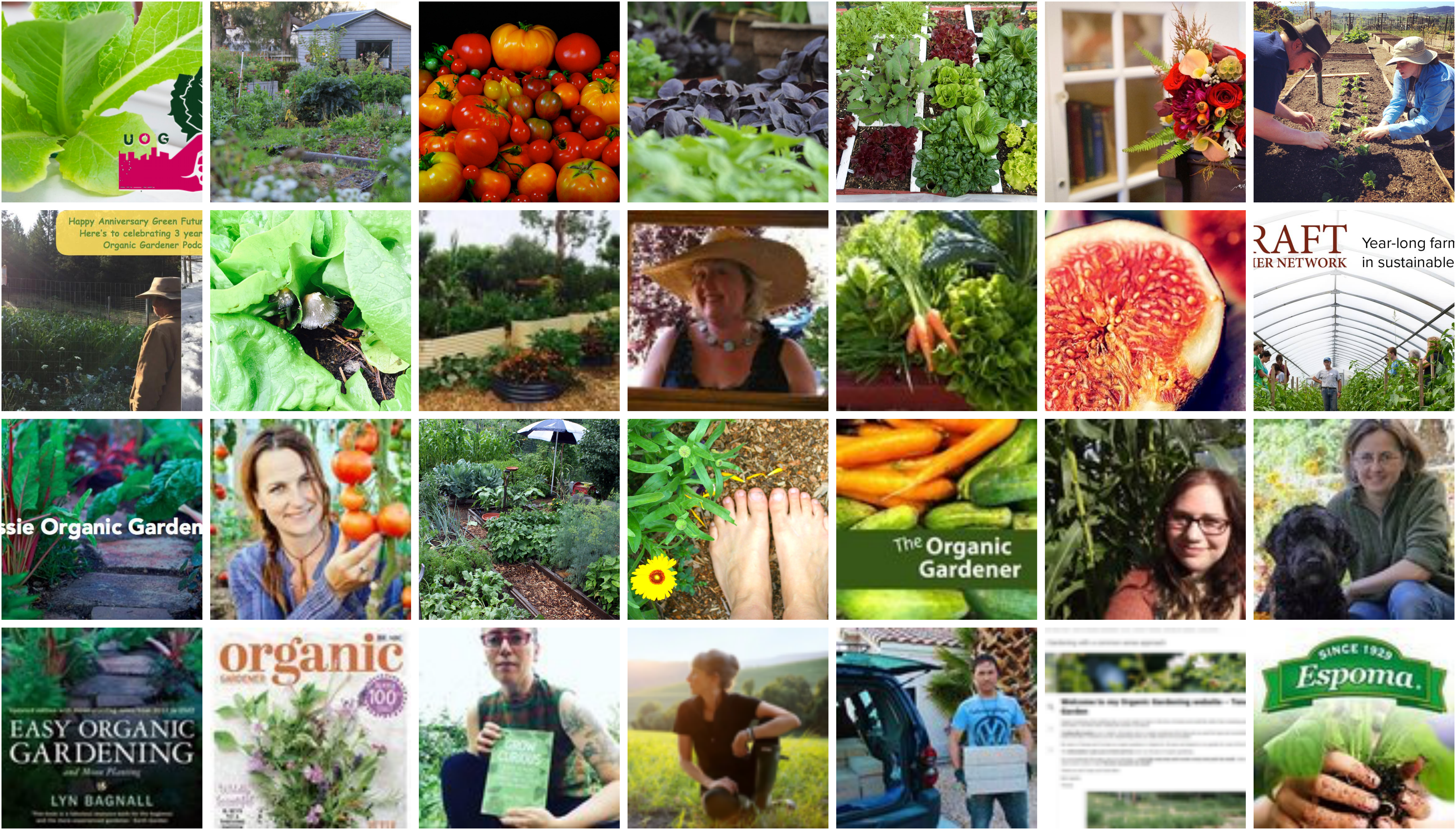
Here’s just a few of the TOP 30 Winners!

Urban Organic Gardener
Organic Gardener Magazine
Organic Growers School
Aussie Organic Gardening
Skippy’s Vegetable Garden
Edible Backyard
Misfit Gardening
Organic Gardener Podcast
Gaia’s Organic Gardens
Portland Edible Gardens
The Gardening Goddess, Jolie Ann Donohue
The Wealthy Earth
Organic Veggie Patch
Sage Garden Herbs
Garden Delights
Dig It

View the full list at: “blog.feedspot.com

82 Sustainable Gardening Tips

collage

1. I use an old plastic mesh bag to round up leftover slivers of soap. I rubber-band the bag so it’s tight and hang it next to the hose. The combo of the slightly abrasive bag and the soap scrubs off garden dirt. — Irene, Washington
2. I make row covers out of tomato cages, old rebar I got free, and used blankets I got at the local thrift store. — Cathy, Florida

3. Instead of purchasing expensive weed-blocking landscape cloth, I use free old tarps from my local lumber store that they used to cover wood during shipping. — David, Utah
4. I gather pieces of concrete to use as stepping stones in my garden. — Susan, Virginia

5. I recycle drink cups to grow tomatoes from seed. When they’re ready to transplant, I simply remove the bottom inch or so of each cup and plant directly in the ground. This prevents cutworms from making a meal of my transplants. — S., California

6. I was given some heavy-duty metal “for sale” sign frames, and I placed them in my raised beds to support bed covers in early spring. — Kat, California

7. Old pantyhose are my friends: They make garden ties, and I use them to “bag” cantaloupes growing on trellises so the melons have extra support. — Donna, North Carolina

8. I make all my garden fencing with scrap wood and build my veggie trellises and arbors with fallen branches and saplings. — Irene, New Jersey

9. My plant tags are twigs with a shaved-off area to write on. — Michelle, New York

10. For a cold frame in late winter, we prop old windows against straw bales. When I know we’re in danger of a frost, I take old bean poles and jab them into the ends of my beds, throw old sheets over them, use stones or bricks to hold down the edges, and voilà! I have a makeshift tent in my garden. — Liz, Ohio

Read 72 MORE TIPS, here: “MotherEarthNews.com