The nine-year-old American girl who builds houses for the homeless – using all the power tools herself!

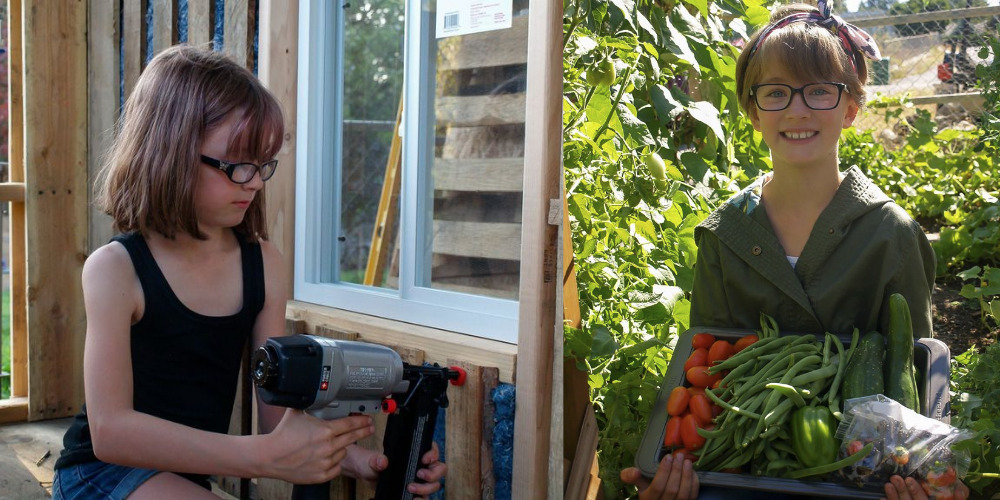
A nine-year-old builds houses from scratch and they aren’t the kind for dolls. 

When Hailey Fort was just five-years-old, it broke her heart to see a homeless man on the street. After asking her parents how she could help him, she’s been assisting the homeless by providing food and housing ever since.

Hailey of King Fort, Washington is building a mobile shelter for her homeless friend Edward and others like him. She plans to build 12 this year.

Edward recently lost his job working at the local supermarket and Hailey made it her goal to make sure he could sleep someplace warm and dry.

READ THE FULL STORY: https://www.dailymail.co.uk/news/article-3111720/Nine-year-old-girl-builds-makeshift-homes-homeless-grows-food-garden.html

How To Plant a Forest Garden That Grows 500 Kinds of Food and Requires Virtually No Maintenance

Historically, farms and forests have been at odds. Conventional wisdom says we have to cut down the forest to make way for agriculture.

But a growing movement called agro-forestry “capitalizes” on the free services forests provide farmers and gardeners.

Not only do trees protect more delicate edible plants from the elements and extreme weather, they provide nutrients, water, pest control and pollination services.

Although you might not find all your traditional annual veggies in a forest garden, you will discover hundreds of new varieties of edible plants you never knew existed, that are often more nutrient-dense and flavorful.

And if you choose your plants carefully, they will propagate themselves each year and live symbiotically among the hundreds of diverse species around them, requiring no tilling, planting, fertilizing, weeding or watering.

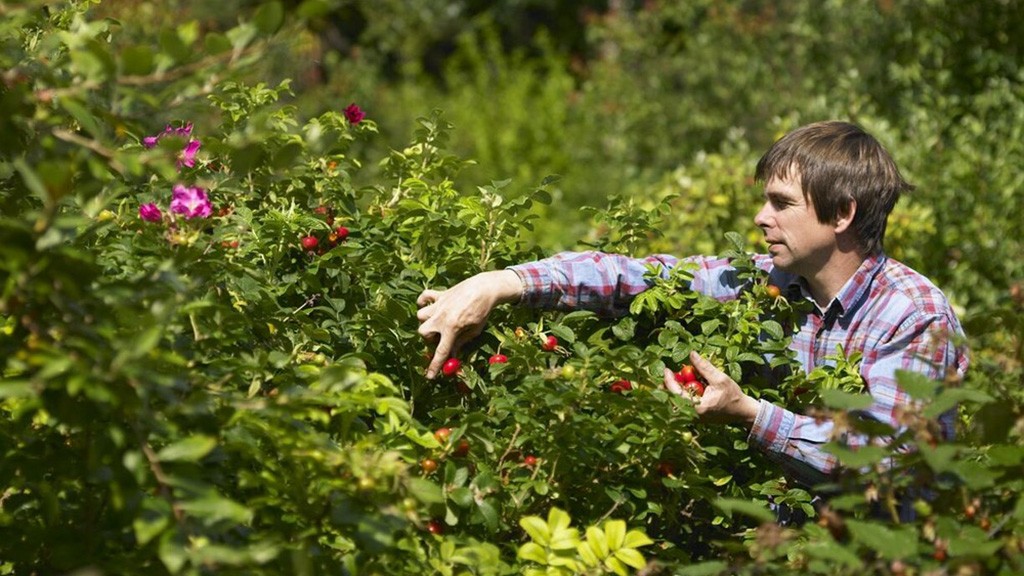
This is what Martin Crawford has done in his 2-acre forest garden in England for over 20 years — let it do the work for him for the most part, after a few years of research and legwork.

READ THE FULL STORY: https://returntonow.net/2019/10/28/forest-garden-with-500-kinds-of-food-requires-only-a-few-hours-of-work-per-month/?fbclid=IwAR1n5udnKnaFLBC9hI9pCnNv4R3ryKXXzQKfOlXeurHyYcURiXHMSPVTN6o

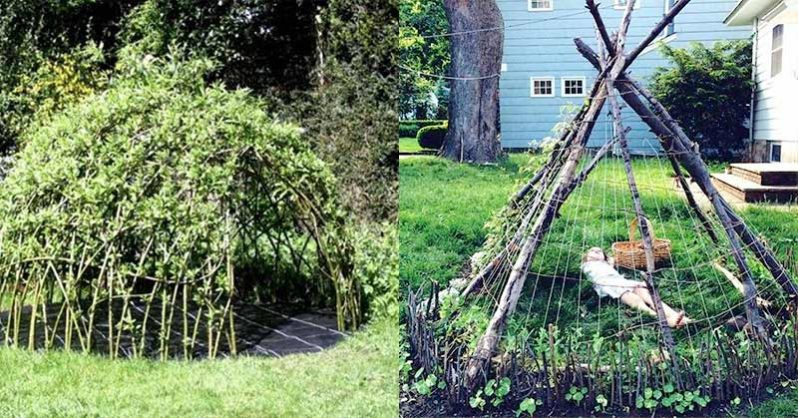
Grow a Living Playhouse For Your Kids

In recent years, there has been a growing disconnect between children and their food. Most kids have never set foot on a farm or in an orchard, only ever seeing food go from the grocery store to their house to their plate. Thousands of children have never before witnessed the food they eat actually growing in the ground.

What better way to introduce this concept, and foster an appreciation for the food they eat, then integrating it into their play?

Benefits of gardening with your kids

Gardening with children has so many benefits to their physical and mental health:

  1. Body control and development: There is a lot of physical activity involved with gardening, such as carrying tools, digging, planting, and more. This helps children develop their body management and locomotor skills. There is also quite a bit of precision involved with gardening, which helps children master their fine motor skills. (1, 2, 3)
  2. Sensory development: Working in a garden exposes children to a huge range of sounds, smells, sights, and textures. The cold water from the hose, the smell and feel of the soil, the clinking sound of shovels and trowels – all of these stimulate the senses and allow children to experiment with those.

READ THE FULL ARTICLE AT: https://theheartysoul.com/grow-a-living-playhouse-for-your-kids/?fbclid=IwAR0n2ysG3MG1ZiBAINy8ecsyQMAw-GOdDMbDb4tKAOpf2yjPbYFq0VGARmA

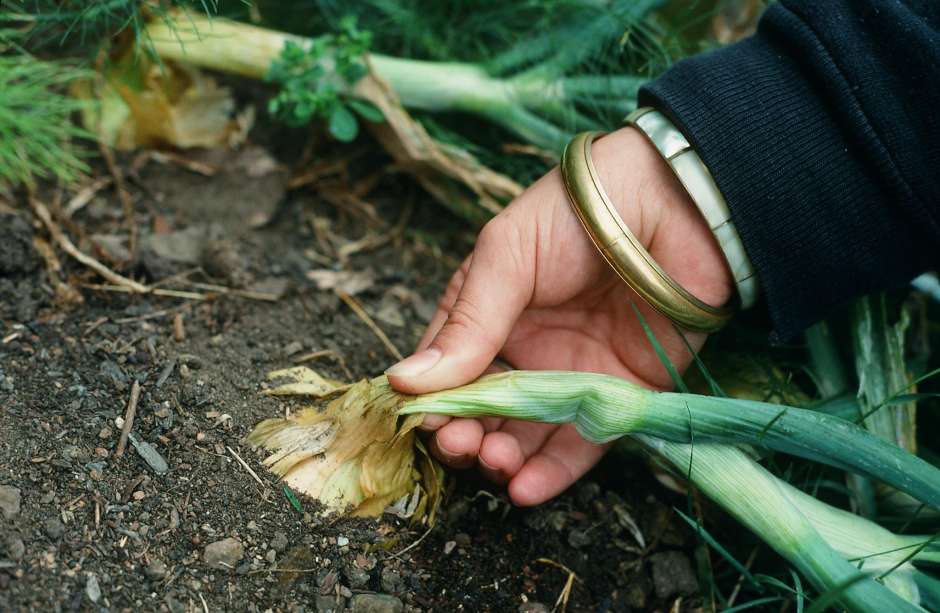
What you need to know before you plant onions

Old farmers would say of a farmer they admired: “He knows his onions.”

Old farmers are few and far between these days, as is any urban gardener who knows his/her/their onions. In addition to the basic knowledge needed, producing globe onions (also called bulb onions) in our gardens is complicated by our many microclimates. But with a little planning, we can harvest the same big, sweet and pungent globe onions that we see in grocery stores.

Before you start, there are two factors to understand: The first is why you shouldn’t plant too early. Onions should be planted in fall or winter. But if by December, the stem of an onion plant is thicker than a pencil, the plant is likely to flower in the spring, and thus form no bulb. (In fact, it won’t form much that is edible, and then will produce seed and die. Not what you had in mind!)

The second factor is that onion plants start to form bulbs in response to the day’s length. At our latitude, even the longest day, June 21, is not long enough to stimulate a long-day variety to form bulbs, so avoid planting them. Short-day varieties start forming bulbs as early as the third week of January. Chances are the plants will be so small when they get the “bulbing signal” that the resulting bulb will be rather small.

READ THE FULL ARTICLE: https://www.sfchronicle.com/food/article/What-you-need-to-know-before-you-plant-onions-14904723.php

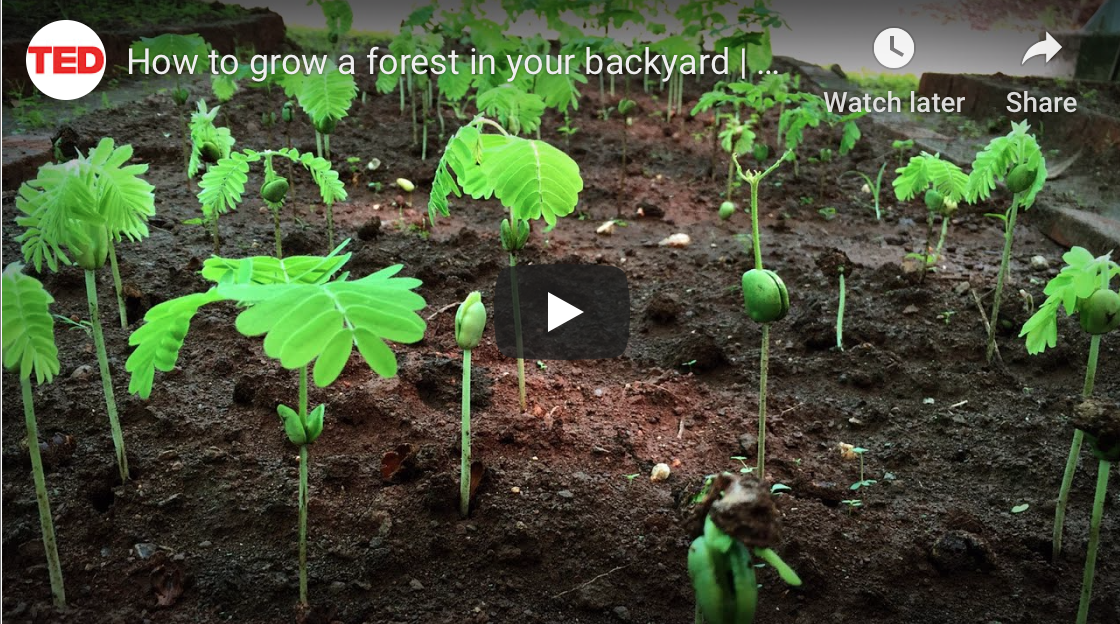
How to grow a forest in your backyard | Shubhendu Sharma (TED TALK)

Forests don’t have to be far-flung nature reserves, isolated from human life. Instead, we can grow them right where we are — even in cities.

Eco-entrepreneur and TED Fellow Shubhendu Sharma grows ultra-dense, biodiverse mini-forests of native species in urban areas by engineering soil, microbes and biomass to kickstart natural growth processes.

Follow along as he describes how to grow a 100-year-old forest in just 10 years, and learn how you can get in on this tiny jungle party.

TEDTalks is a daily video podcast of the best talks and performances from the TED Conference, where the world’s leading thinkers and doers give the talk of their lives in 18 minutes (or less).

Find closed captions and translated subtitles in many languages at http://www.ted.com/translate Follow TED news on Twitter: http://www.twitter.com/tednews Like TED on Facebook: https://www.facebook.com/TED

ARE WORMS GOOD FOR THE GARDEN? Why You Should Create a Worm-Friendly Garden


CLICK HERE TO ORDER LIVE WORMS ONLINE

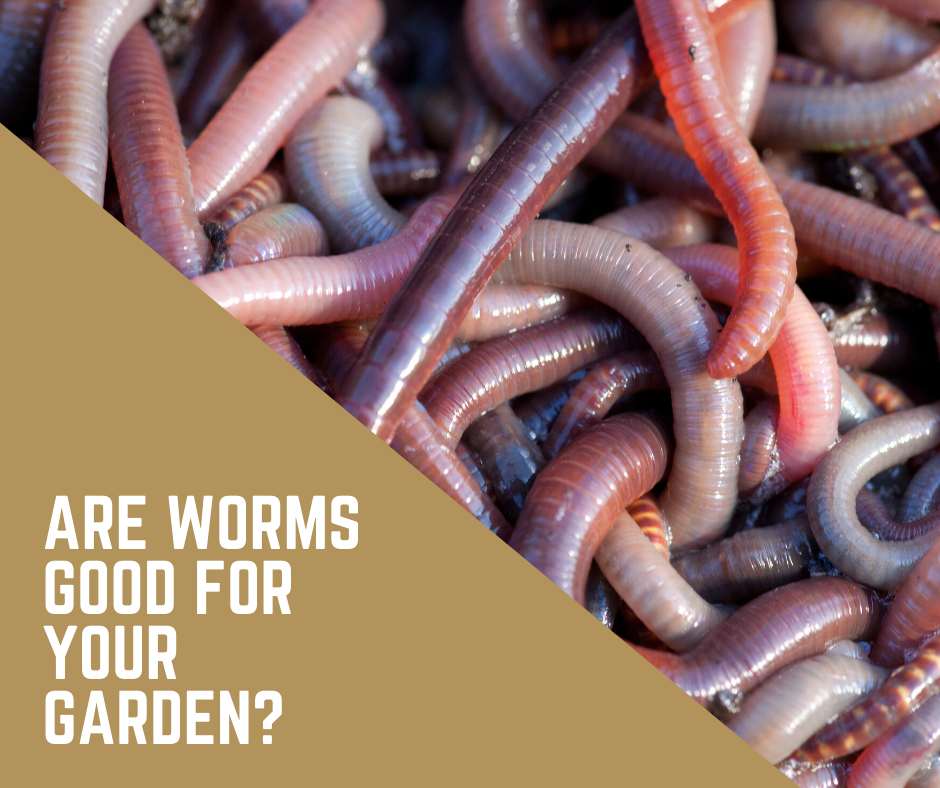
Are Worms Good For Your Garden? 

YES! Worms can be very beneficial to your garden. Nutrient-dense, rich garden soil is crucial to a successful vegetable garden. Healthy soil may include plenty of underground animal & plant activity, such as earthworms and fungi. Worms effortlessly increase the quality of your soil and are attracted to decaying matter while they consume bacteria and nematodes. They also excrete worm castings, which is gardener’s GOLD, or basically one of the best soil amendments you’ll find! Worm castings are rich in nutrients and minerals such as nitrogen, phosphates, and potassium. Overall, worms play an important part in soil construction and the recycling of organic waste.

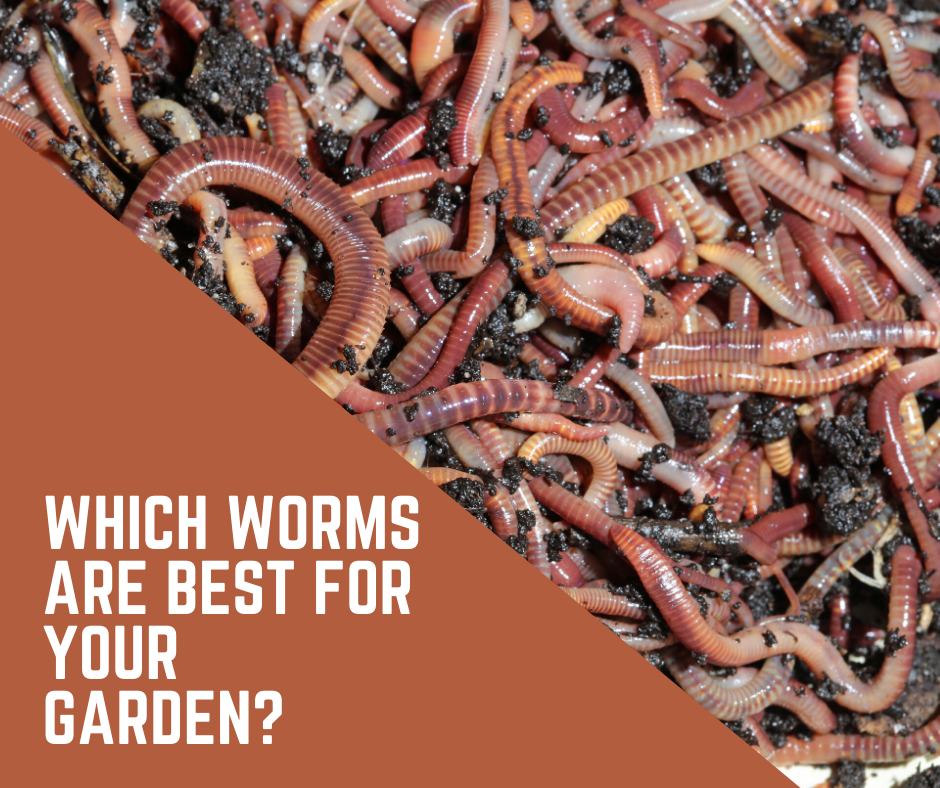
Which Worms Are Best For Your Garden?

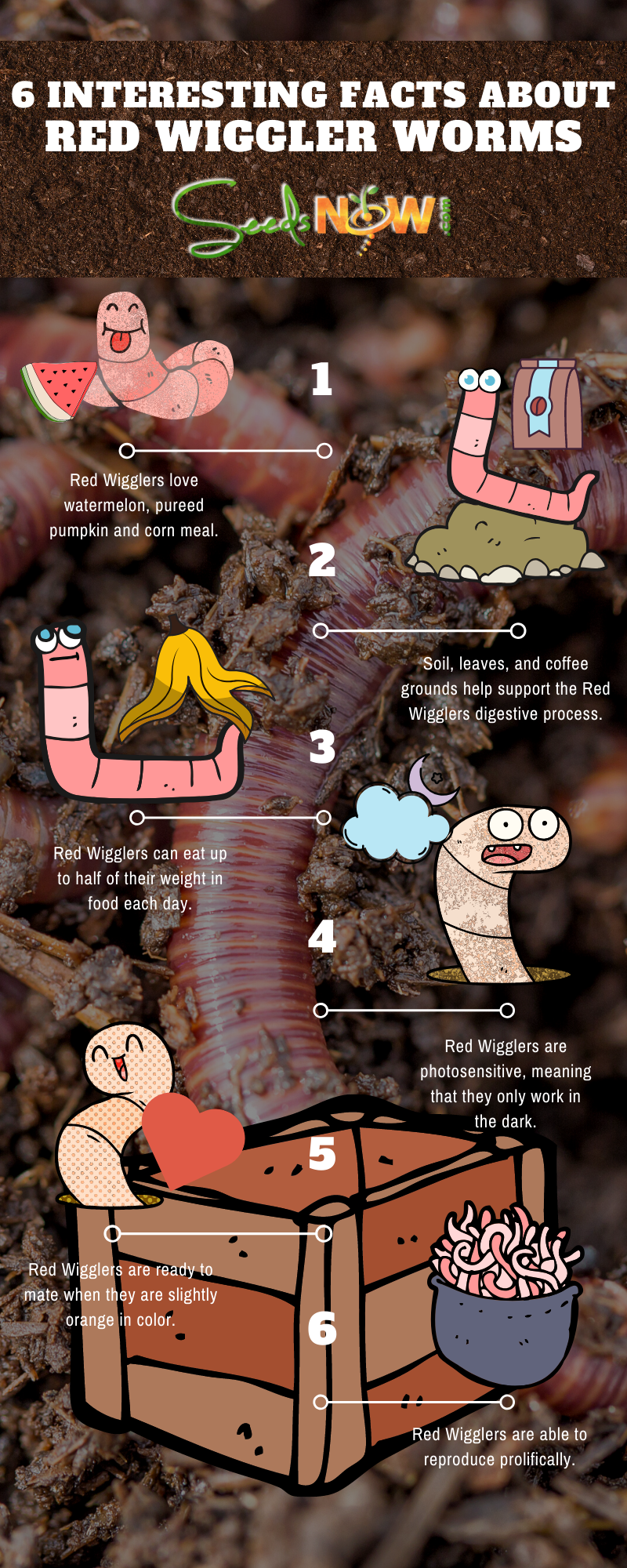
Red Wiggler Worms are often the most sought-after by seasoned gardeners. Although nightcrawler worms can be used, red wigglers are generally agreed upon as being the most effective when processing organic scraps.

CLICK HERE TO ORDER LIVE WORMS ONLINE


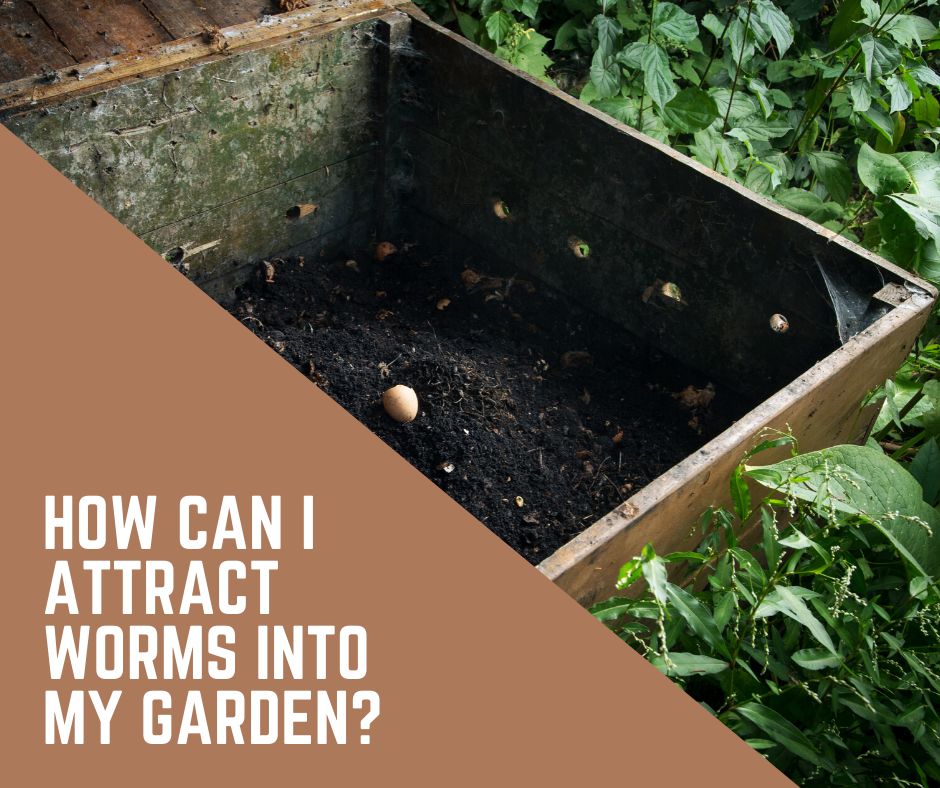
How Can I Attract Worms Into My Garden?

Red Wiggler Worms LOVE eating organic scraps! They usually won’t be found more than a foot or so deep beneath the soil. Look for them as they burrow within compost heaps, animal manure, or piles of leaves. You can also try sourcing them through a local worm farm shop, bait shop or garden center.

CLICK HERE TO ORDER LIVE WORMS ONLINE


How to Build a Worm Tower from a 5-Gallon bucket!

“A real handy and functional item to have in your garden is a worm tower. Not only are the worms fertilizing your soil, but you have a handy “compost garbage” bin at your fingertips. It very easy and inexpensive to make. A bucket, drill with bit and a shovel, that’s it.” – The Abled Gardener


How To Use Worm Castings In Your Garden
“Using worm castings in your garden provides your soil and plants powerful, organic nutrients that help your garden be healthy and productive. In this video, we’ll share what worm castings are, why they are so powerful, and how to use them to feed your garden.” – CaliKim29 Garden & Home DIY
CLICK HERE TO ORDER LIVE WORMS ONLINE


Let them eat the city, say the urban farmers of Paris

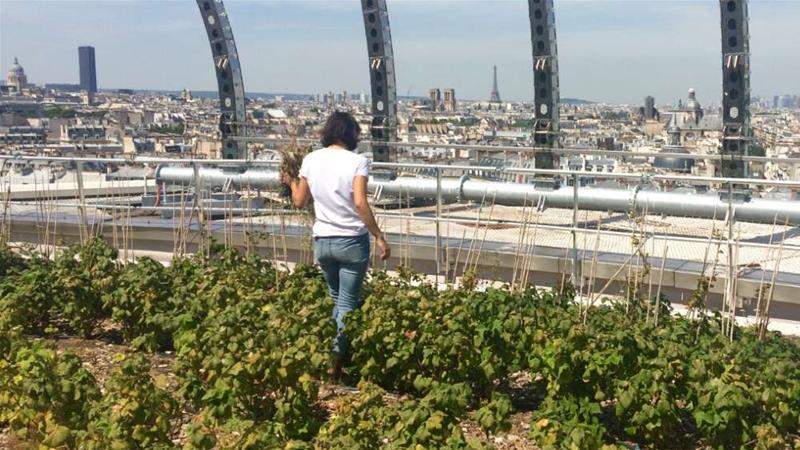
Paris, France – Parisian mushrooms are reclaiming their space in the dark spaces under the City of Light.

“When cars arrived in Paris in the 1930s they pushed out “champignons de Paris” (known in English as button mushrooms),” explains Jean-Noel Gertz, CEO of Cycloponics, the start-up that has transformed an abandoned car park into La Caverne, an organic underground urban farm.

Huge quantities of button mushrooms used to be grown using the manure of the city’s horses, so the rise of the car led to an abrupt drop in production. But things have now come full circle.

“Now, with car use declining, Paris mushrooms are pushing out cars,” says Gertz, who is testing the growing of the variety at La Caverne’s existing site below the concrete near Porte de La Chapelle, with plans to launch larger-scale production in a new underground site in the city’s 19th arrondissement next March.

READ THE FULL STORY: https://www.aljazeera.com/news/2019/12/eat-city-urban-farmers-paris-191205152844562.html

5 Tips To Start An Urban Garden

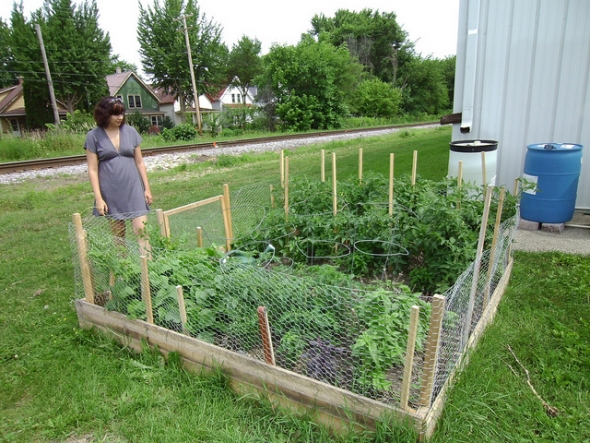
Limited space is no reason to keep you from having the garden of your dreams.

From vertical gardens to mason jar and container gardens, with a little creativity you can utilize your space to effectively grow plants, no matter the limitations, said Kevin Espiritu, founder of Epic Gardening and author of the new book, “Field Guide to Urban Gardening: How to Grow Plants, No Matter Where You Live.”

Espiritu’s interest in gardening came on a whim, and when his first foray ended in a cucumber failure, he quickly realized there was limited easily digestible information on where he went wrong.

“There’s some statistic where like 40 percent of first-time gardeners don’t ever garden a second year, and that to me is just a bit sad,” he said.

Espiritu broke his book down into three main sections to get you started on an urban garden.

  • Green Thumb Basics: the foundational concepts of gardening like how does a plant use water and light? Where should your garden be located?
  • Growing Methods: there are six different growing methods within the section that give the best growing options, depending on your set up. For example, raised bed gardening, balcony gardening and indoor gardening.
  • Troubleshooting: this tackles some of the most common things you may run into that could hinder your progress as a gardener — like pests, diseases or watering mistakes.

LEARN MORE: https://www.wpr.org/5-tips-start-urban-garden

How To Roast Your Own Pumpkin Seeds At Home

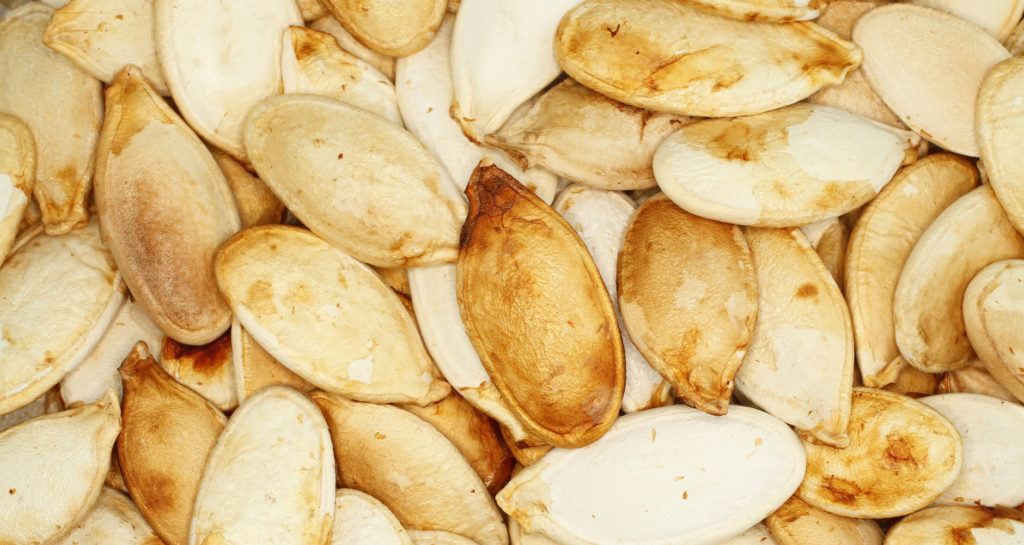
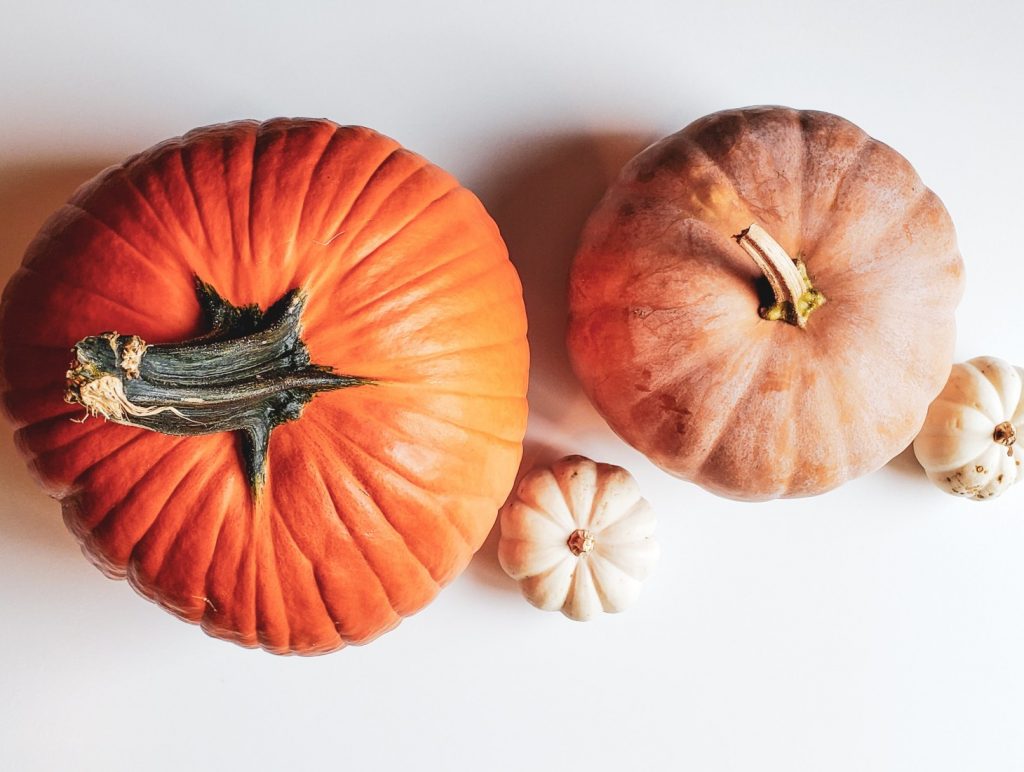
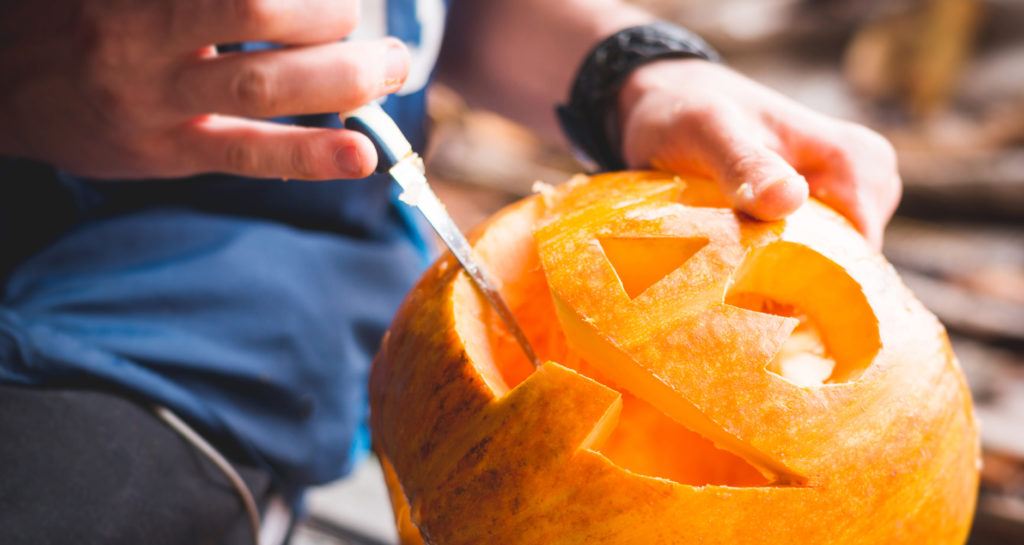
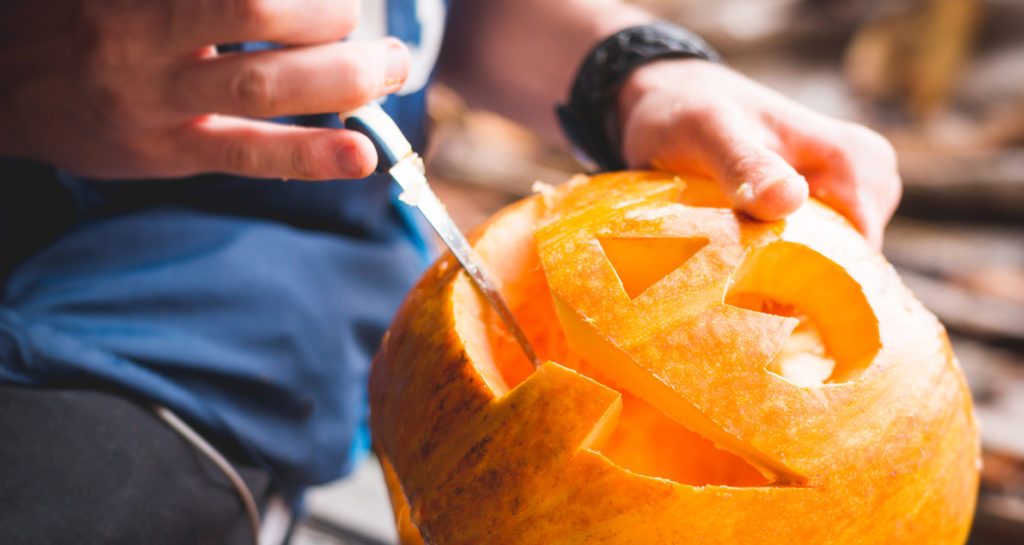
Next time you carve a Jack-O-Lantern or cook a pumpkin for pie filling, save those seeds! Roasted pumpkin seeds are nutritious and delicious, great as a salad topping, and best of all, they’re easy to make.

Pumpkin Seed Nutrition

Pumpkin seeds are a good source of healthful oils, magnesium, and other nutrients that enhance heart health, bones, and other functions. And the fatty acids in pumpkin seeds contain a range of beneficial nutrients, such as sterols, squalene, and tocopherols.

GET THE RECIPE HERE: https://www.farmersalmanac.com/roasting-pumpkin-seeds-2192?fbclid=IwAR1sBRmpLi8r5z5JC6HNXQz_0vhFYci0nxywXWJBKY_fYRu_TK07TBRRTsk

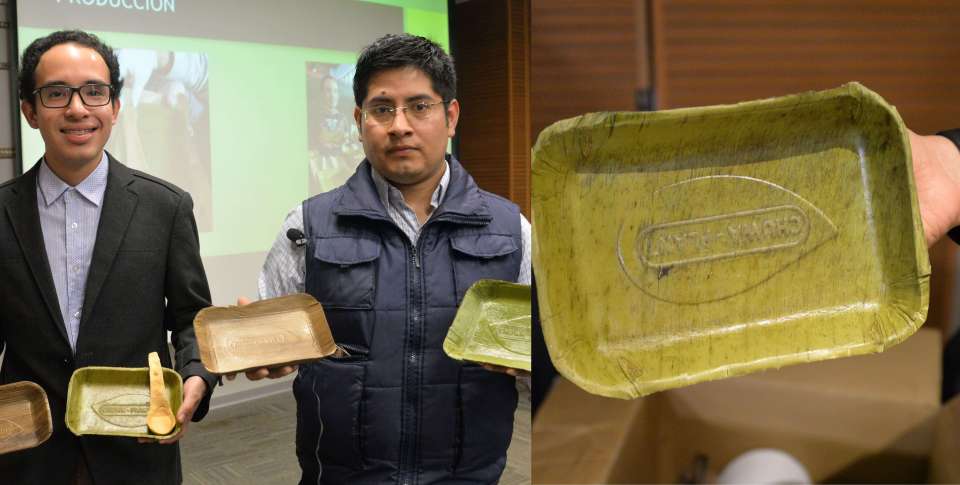
Peruvian Group Creates Compostable Plates Made Of Banana Leaves

A group of young Peruvians has launched a project called ‘Bio Plant’, which creates disposable plates and bowls made entirely from banana leaves.

With the financial sponsoring from the Innóvate Peru Program (through the Bio Challenge contest which backs the development of innovative solutions focused on sustainability), they were able to design and manufacture specialized machines – a presser, a shipper, and a die cutter – for the production of the biodegradable dishes. With the new equipment, they are able to manufacture 50,000 dishes monthly.

LEARN MORE: https://achnews.org/2019/10/13/peruvian-group-creates-compostable-plates-made-of-banana-leaves/?fbclid=IwAR37xV3QVkXlq5bVLVBLDrKgXooe_8g9xc9bMRcUkzWqRSGkcqlXnIVdAeA

Growing Food Security In The North

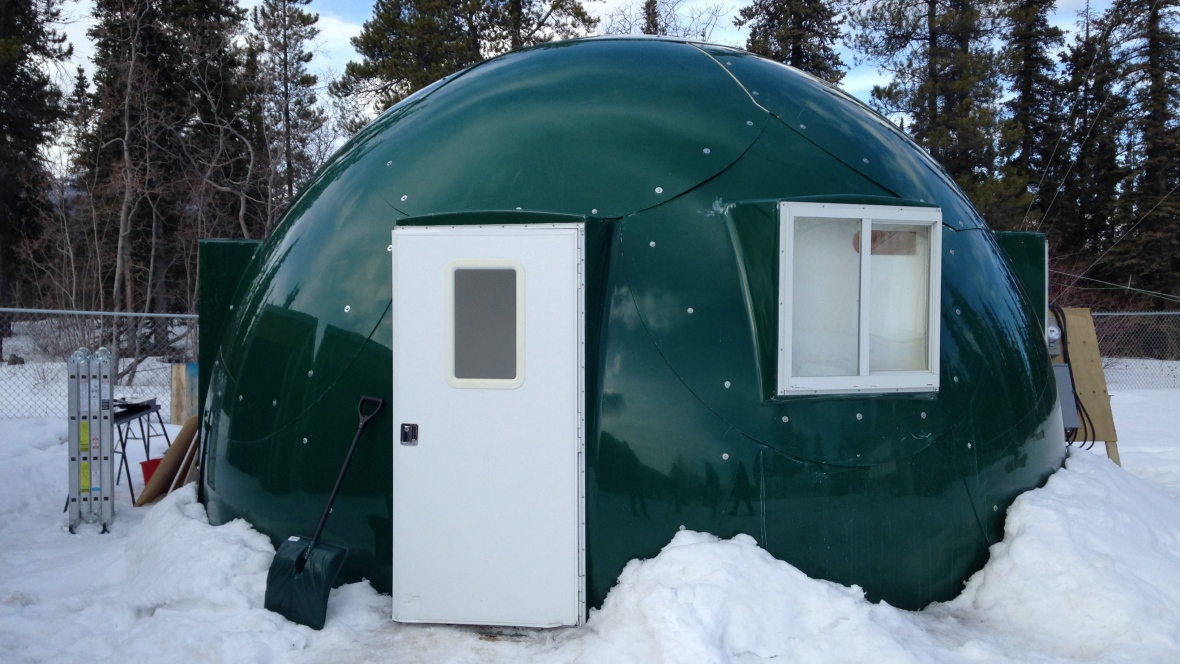
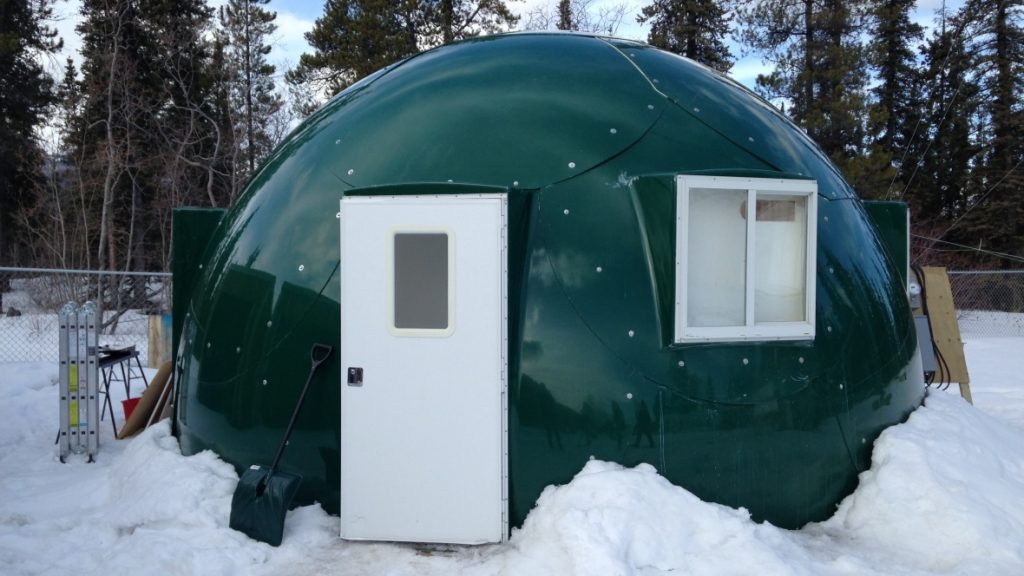
Setting up a garden in a cold climate zone is not that easy. Plants need sunlight and warmth in order to grow, so living in a cold area means you need to make an effort to have a healthy garden. Or you can just follow in the footsteps of this Yukon inventor, who created an off-the-grid greenhouse named Agridome. With the help of this invention, you can grow fresh fruits and vegetables all year round, even if you live in a cold area with endless winter. The Agridome is the invention of Glenn Scott with Yukon College’s Cold Climate Innovation and what he created is an energy-efficient vertical garden.

“Food security is an important issue in the North and we are committed to supporting innovative and affordable technologies to grow our food”, said Stephen Mooney, Director, Cold Climate Innovation, Yukon Research Centre. “The Agridome is like none other and we look forward to working with AgriArctic to develop a product that works for Northerners with the potential of commercialization”, said Mooney.

READ THE FULL STORY: http://www.goodshomedesign.com/growing-food-security-in-the-north/?fbclid=IwAR1uGjVsS39xTjoH9QdNudhzCyx1orSlkUwkZDxDeeLhN_t8GsEF4jBu9oM

How to Reuse a Halloween Pumpkin

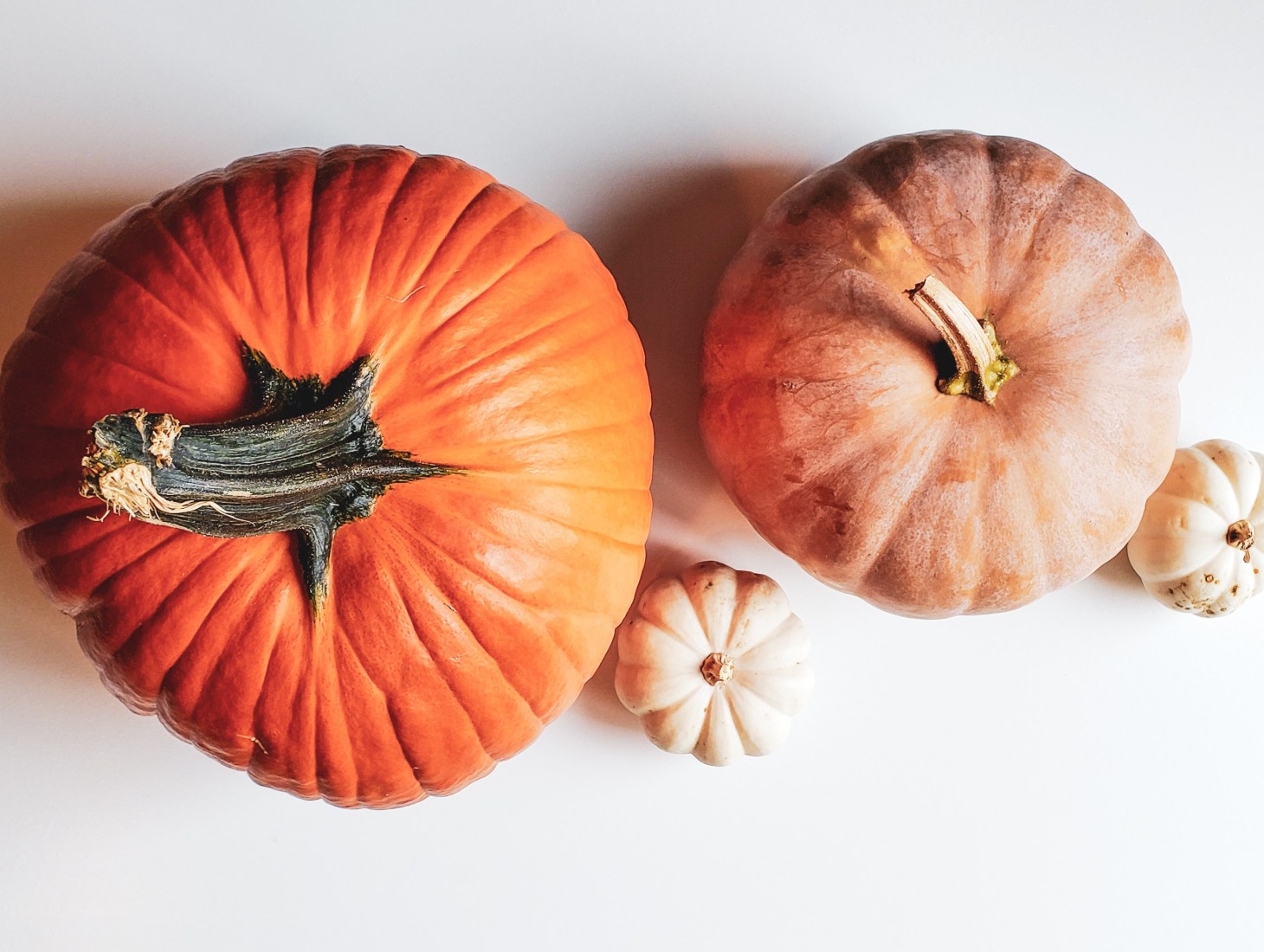
How many of you even think to reuse a Halloween pumpkin? Reusing my Halloween pumpkins is something I’ve been doing for many years. I guess I get it from my parents as I always remember the sad, droopy jack-o-lanterns getting a second life. Most of the time we fed them to our horses or wildlife, but occasionally, we made pies. And we ALWAYS saved the seeds to roast. Throwing something like pumpkin into the garbage would have been extremely odd.

Every year, we produce nearly 1.9 billion pumpkins in the United States. Most of which go completely uneaten. With our food waste rising to almost 40% being extra mindful of our pumpkin waste should be something to consider this year. Not to mention that pumpkins are SO much more than just fall decor.

Pumpkins are packed with essential nutrients and vitamins and can make some pretty darn yummy things. I can put away some pumpkin pie. I don’t even care, I’ll eat a whole one if presented the opportunity. But aside from pie, there are so many things that can be done to reuse a Halloween pumpkin.

READ THE FULL STORY https://zerowastenerd.com/how-to-reuse-a-halloween-pumpkin/?fbclid=IwAR2hO7SU-Xh_6tJOMbUFRj485J5Kq6xbng7BH_hweSSA6fo8tNhTnqmJMpc

5 Ways To Keep Your Jack-O-Lantern Fresher Longer

Nothing is more unfestive than a sagging, rotting Jack-O-Lantern on your front porch. To be sure your Trick-or-Treaters enjoy your pumpkin artwork through Halloween, we’ve put together some of the best tips to help prolong Jack’s life just a bit longer.

First, try not to carve too early. The pumpkin is a fruit, and once it has been carved, it’s exposed to air and will accelerate the decaying process. So, wait as long as you can, especially if you live in high-humidity regions.

Additionally, be sure that your pumpkin is fully cleaned of the “guts” and seeds. Scrape the interior walls as thoroughly as possible to remove all stringy material. The cleaner the pumpkin, the slower it will decay.

READ: 5 Ways To Keep Your Jack-O-Lantern Fresher Longer

Fall gardening tips to help bees & butterflies survive winter

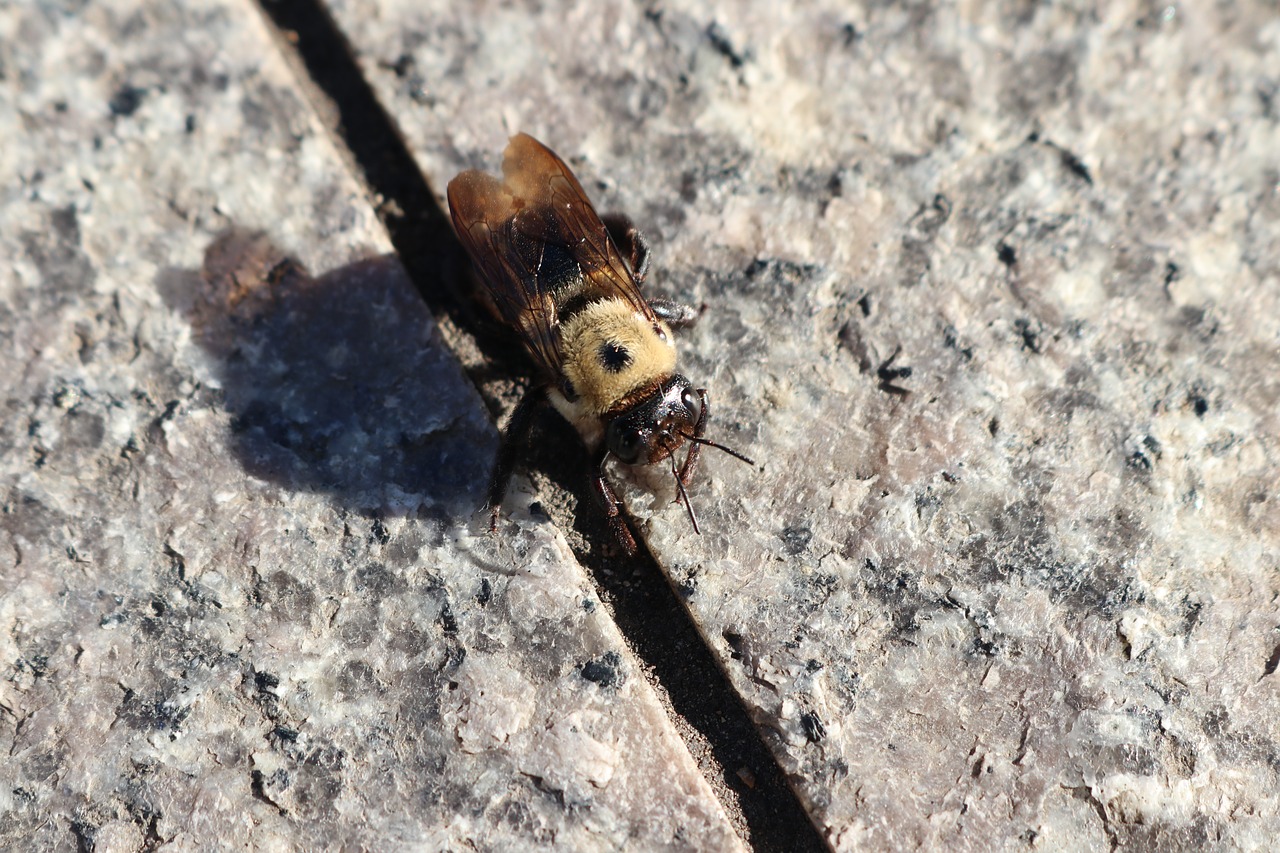
GREENFIELD — Winter is coming and as the frost begins to linger, bees and butterflies are searching for somewhere to survive the freezing months.

On Wednesday, gardener, photographer and pollinator advocate Larri Cochran will give a talk entitled “Fall Gardening for Pollinators: Helping Bees and Butterflies Survive Winter,” during which attendees will learn how to make a garden bed into a winter home for pollinators.

The free talk, offered by Greening Greenfield’s Planting for Pollinators campaign, will be held at the First Congregational Church, 43 Silver St., at 6:30 p.m. The talk will be followed by questions, and refreshments will be served.

“Having pollen and nectar-providing plants growing right up until hard frost is important to ensure pollinators can load up on food before the winter,” Cochran said. “They also need shelter throughout the year, and food in the early spring.”

READ THE ORIGINAL ARTICLE https://www.recorder.com/b1-Save-the-bees-28886491

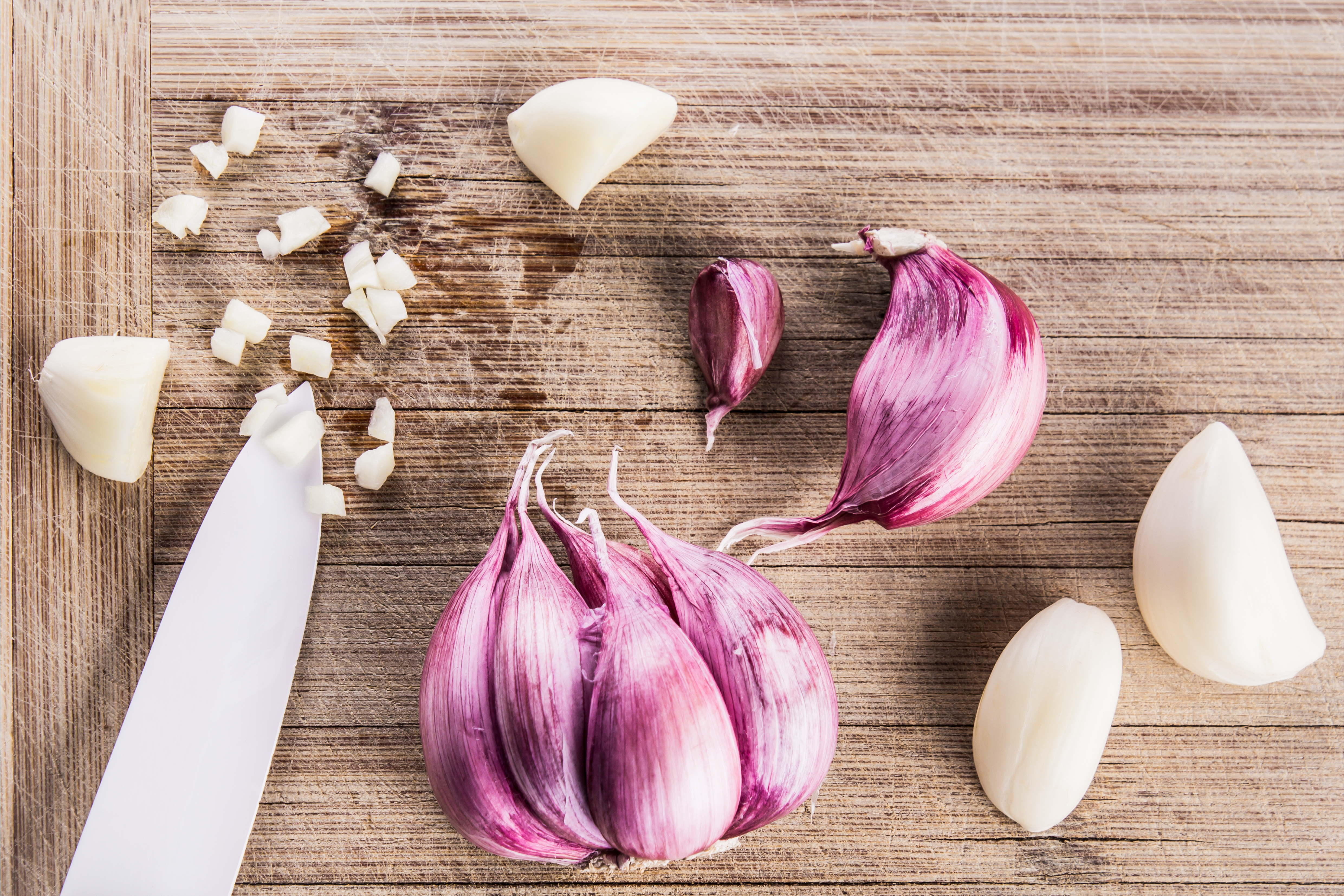
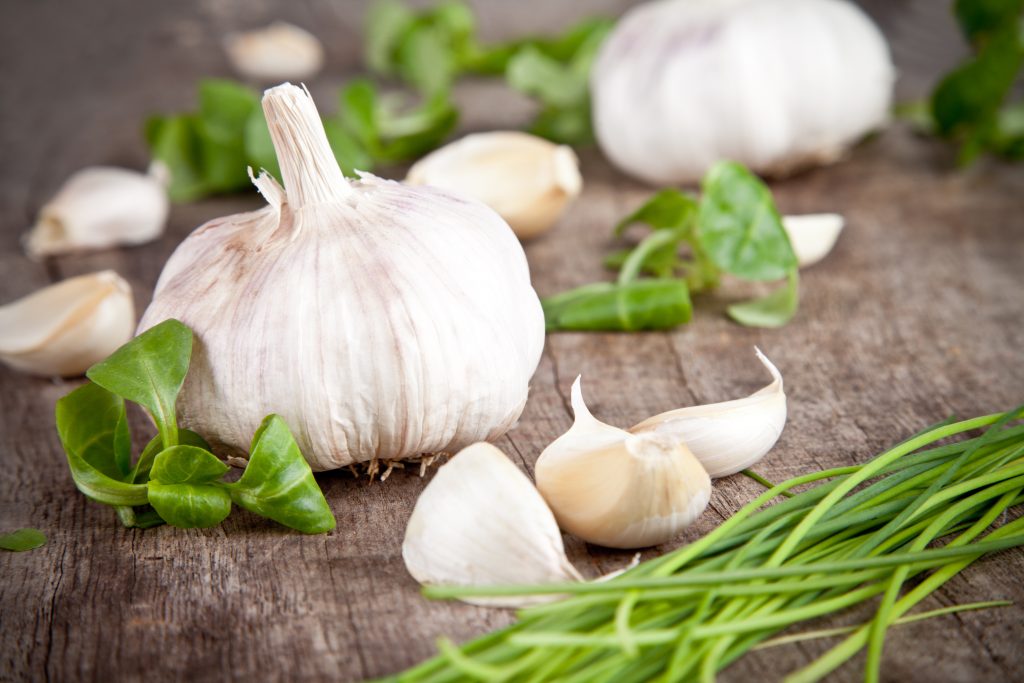
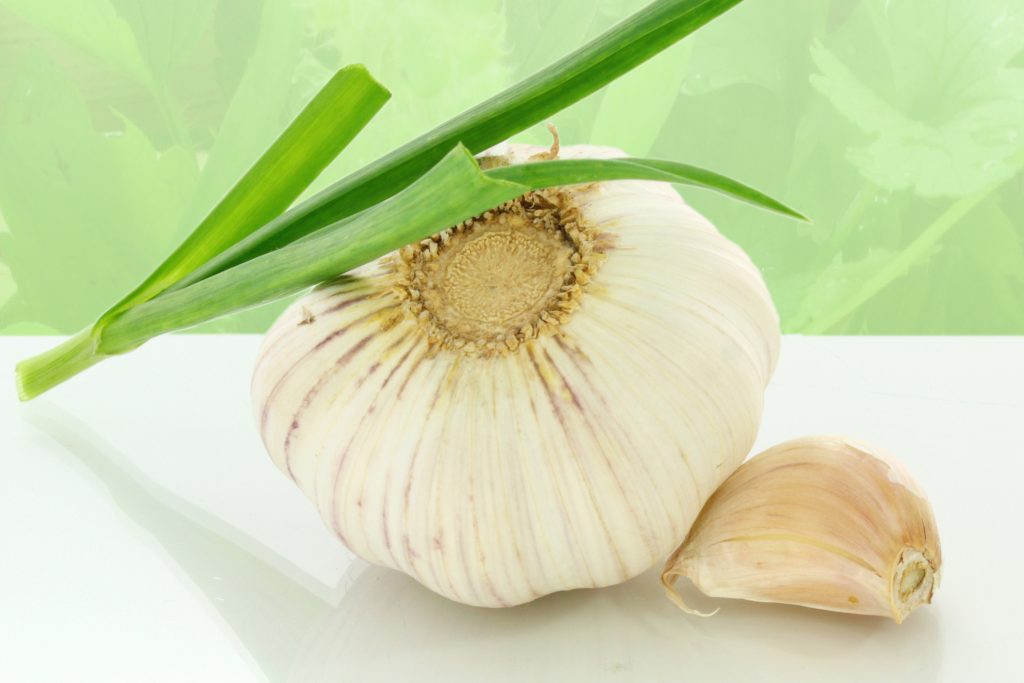
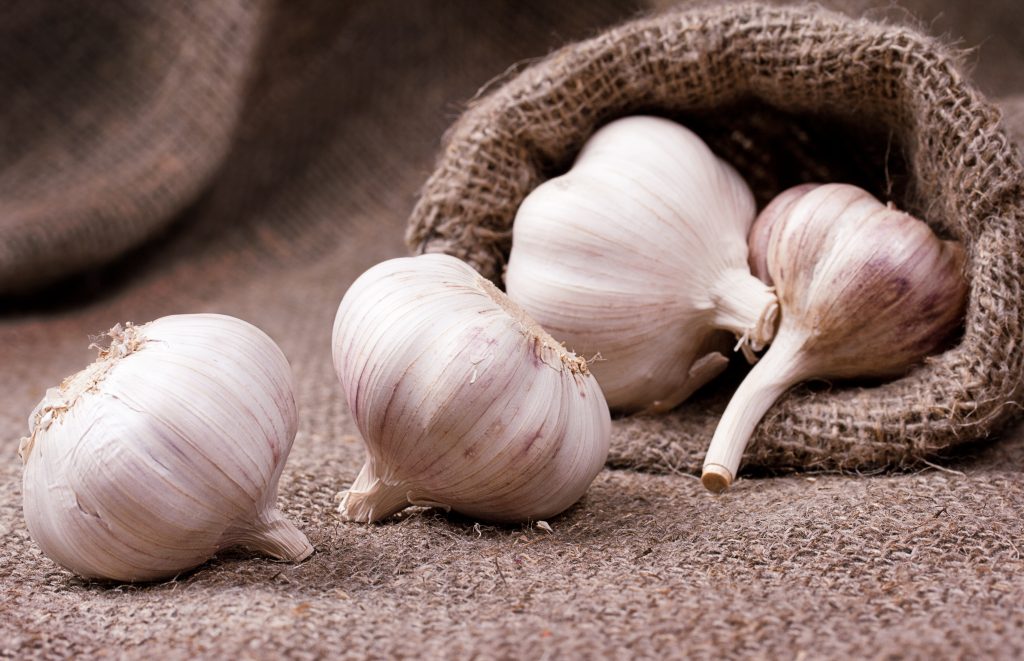
What’s The Difference Between Hardneck vs. Softneck Garlic?

You may have heard some terms thrown around describing certain garlic varieties but what do they mean? Below we’ll give you a brief description of what Hardneck and Softneck really mean in the garlic world.

Hardneck Garlic:

  • Hardneck garlic has fewer cloves per bud than the softneck varieties.
  • They will produce a flower stalk, or scape, that will need to be removed once the plant forms.
  • The cloves are larger than softneck varieties.
  • These varieties will store well for only a few months, so use them sooner than later.
  • Grow hardneck varieties in regions where there is extended cooler weather.

Softneck Garlic:

  • Softneck garlic has more cloves per bud than hardneck varieties.
  • They will not produce a hard flowering stalk, which makes it a great choice for braiding.
  • The cloves are smaller than hardneck varieties.
  • These varieties can easily be stored for up to 9 months.
  • Grow softneck varieties in regions where winters are mild.

Regardless of which variety you think will suit you best, it’s time to start dropping your fall garlic! Garlic can be planted in the spring as soon as the ground can be worked, but fall planting is recommended. Bulbs will grow bigger and more flavorful when you plant them in the fall. Plant 6 to 8 weeks before your first hard frost. In southern areas, February or March can be a better time to plant. Most people generally plant garlic somewhere between October-February.

Key Planting Info:

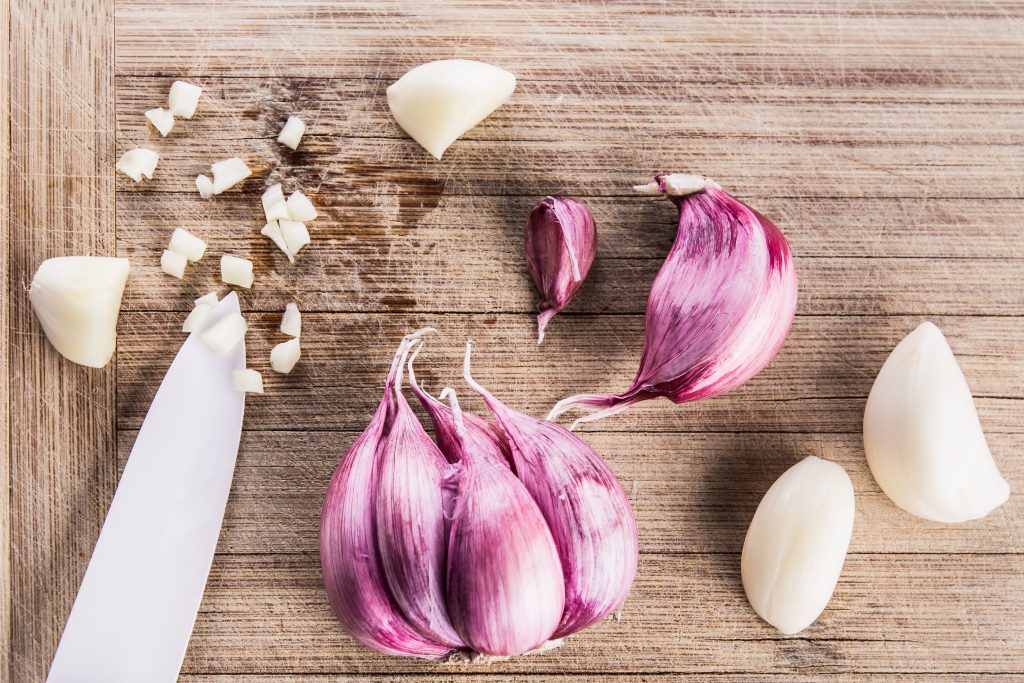
  • Break apart cloves from bulb but keep the papery husk on each individual clove.
  • Ensure soil is well-drained with plenty of organic matter. Plant in Full Sun.
  • Plant 4 inches apart & 2 inches deep, in their upright position (the wide end down and pointed end facing up).
  • Come springtime, shoots will begin to emerge.

How to Take Care of Garlic

  • Northern states should mulch with straw for overwintering.  Remove mulch in the spring after the threat of frost is over. (Young shoots can’t survive in temps below 20°F on their own. Keep them undercover.)
  • Cut off any flowering shoots that come up in the springtime. They will decrease the size of the bulb.
  • Fertilize with nitrogen, especially if you see yellowing leaves.
  • Water once every 3-5 days during bulb-ing (mid-May through June).

When and How to Harvest

  • You’ll know it’s time to harvest your garlic when the tops are yellow and they begin to fall over. Harvest the garlic before the tops are completely dry.
  • Gently lift the bulbs with a spade or garden fork.  When you remove them from the soil, carefully brush off the soil and let them cure in an airy, shady spot for two weeks. Try hanging them upside down on a string.   The key to curing them is making sure that they have good air circulation.

How to Store Garlic

  • Your garlic will be ready to store when the wrappers are dry and papery and the roots are also very dry. The head of the root should be hard and the cloves should come apart easily.
  • Remote all dirt, roots & leaves. Keep the papery wrapper on—but remove any dirty parts.
  • Bulbs should be stored in a cool (40 degrees F), dark, dry place, for several months.
  • The flavor of your garlic will increase as your bulbs are curing and drying.

Here’s a fact: Your cured garlic can keep well in storage for AT LEAST 6 months, up to an ENTIRE YEAR! Store it in a place with good air circulation, 65-70% humidity, and temps. around 35-50 degrees F.


Ready to SHOP Hardneck AND Softneck Garlic?! Click here!

Fall Gardening a Time to Think Holistically [PODCAST]

If you’re like many people you might think of fall as the end of the gardening and landscaping season: time to rake the leaves and clear out the veggie beds. That’s definitely part of it, but there’s a lot more to fall gardening than that.

It’s a good time to plant bulbs of course. It’s also a good time for planting trees and shrubs, and it may be the right time to set the stage –maybe even literally sow the seeds –for certain types of gardens or ecosystems.

Uli Lorimer, director of horticulture at the Native Plant Trust, formerly the New England Wild Flower Society, thinks that gardens are more than just a pretty landscape. “They are part of a larger whole in that increasingly we treat our gardens and the maintenance of our gardens with a much more holistic approach,” Lorimer said.

LISTEN TO THE PODCAST https://www.capeandislands.org

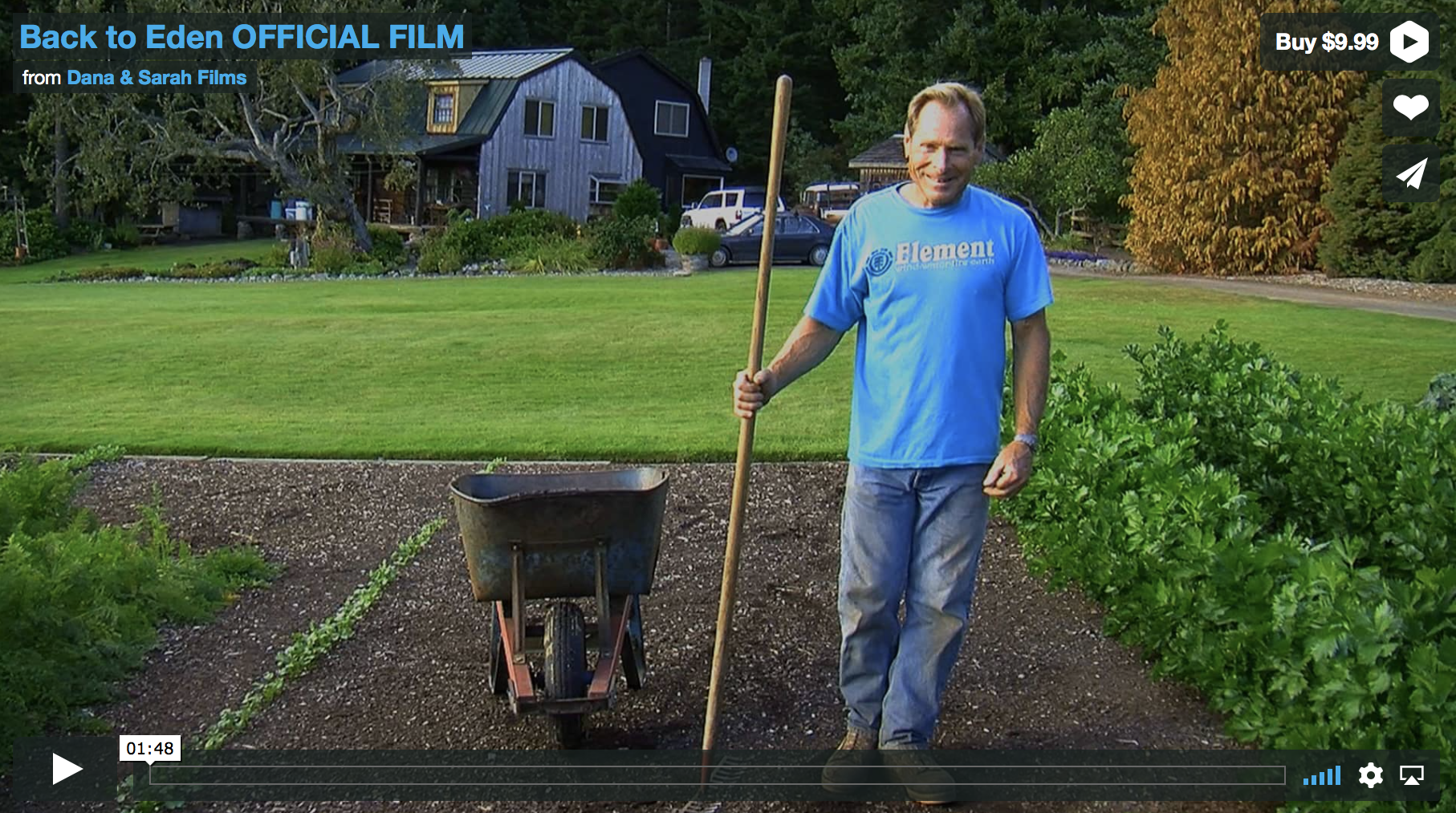
BACK TO EDEN GARDENING – Learn how to grow a vegetable garden!

“Back to Eden shares the story of Paul Gautschi and his lifelong journey walking with God and learning how to get back to the simple, productive organic gardening methods of sustainable provision that were given to man in the garden of Eden. The food growing system that has resulted from Paul Gautschi’s incredible experiences has garnered the interest of visitors from around the world. Never, until now, have Paul’s organic gardening methods been documented and shared like this! You will walk away from Back to Eden Film with the knowledge of how to plant an organic garden and how to grow your own food. Back to Eden gardening is the best gardening technique!”

LEARN MORE: Back To Eden

Why You Should Try Growing A Fall Garden

Growing a fall garden can be a lot of fun and extremely rewarding. You may even enjoy it more than having a traditional summer/spring garden! A lot of gardeners will tell you that there are many perks to gardening once the fall months arrive.

Want to start your fall garden? NOW is the perfect time to be starting some of your favorite varieties indoors to later be transplanted outside. Do some research and choose quick to grow, & fast maturing varieties.

Here is a list of some of the most popular crops grown during fall:


Arugula: Arugula seeds

Beans (Bush): Bean seeds

Beets: Beet seeds

Mustard Greens: Mustard seeds

Broccoli: Broccoli seeds

Cabbage: Cabbage seeds

Cauliflower: Cauliflower seeds

Chard: Chard seeds

Chicory: Chicory seeds

Cilantro: Cilantro seeds

Collards: Collard seeds

Radish: Radish seeds

Dill: Dill seeds

Kale: Kale seeds

Lettuce: Lettuce seeds

Peas: Pea seeds

Scallions: Scallion seeds

Spinach: Spinach seeds

Turnip: Turnip seeds

Want to stock up?!  All-in-One Fall/Winter Seed Bank

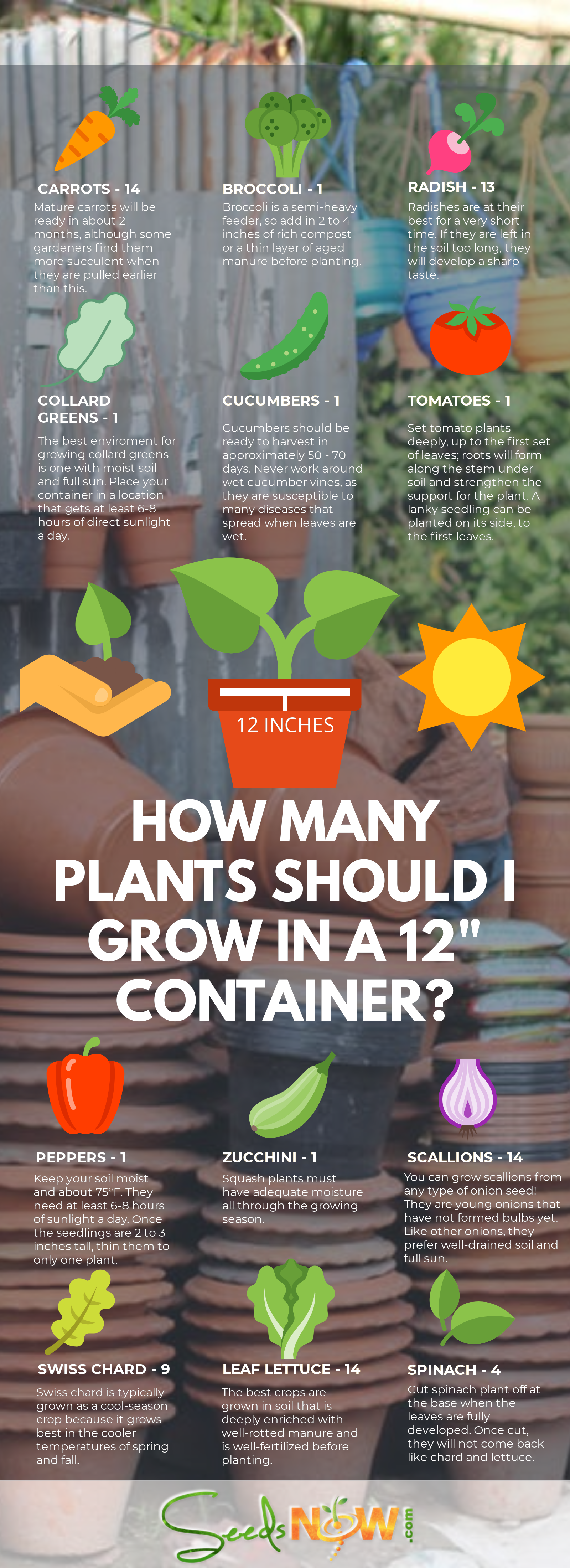
How Many Plants Can You Grow in a 12″ Container?

Before you start your seeds, and if you’re growing in containers, you should look over this infographic. We’ve given you a suggested number of plants that will grow successfully in a 12″ container. It would be a waste of money and time to start more seeds than you’ll need so here’s a simple guideline of where to get started!

Growing in containers is a fun and easy way to start vegetable gardening. They are ideal for anyone with a patio, balcony or rooftop garden. They also are popular among those who rent their home.

Ready to Learn MORE About Gardening In Small Spaces?

9 Of The Best Vegetables To Grow In Small Gardens

5 Vegetables To Grow In Containers This Fall

Tips For Successfully Starting Your Seeds Indoors

5 Tips For Growing Herbs In Containers

Quick Maturing Crops You Can Grow Almost ANYWHERE!

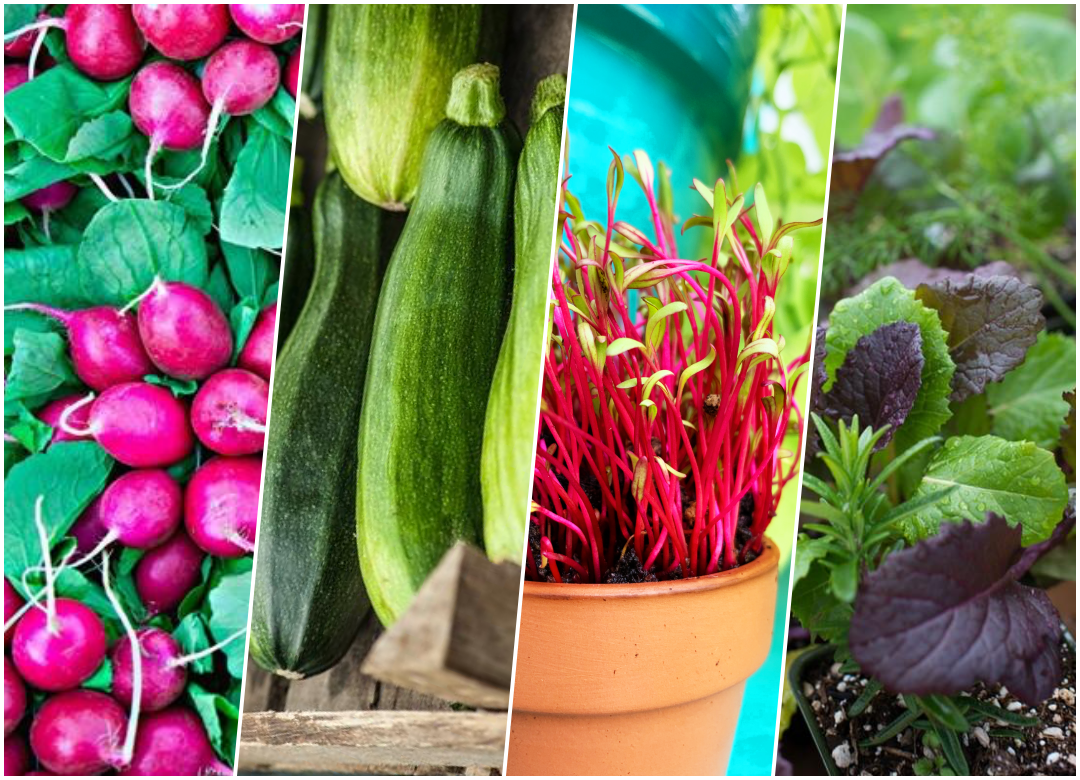
Don’t let space or time hold you back from growing your own food! There are plenty of things you can plant in your garden, windowsill or tiny patio that will produce in less than 45 days. In some cases, you can even enjoy homegrown food in less than 1 week! Here are our top selections if you’re short on time & space in the garden.
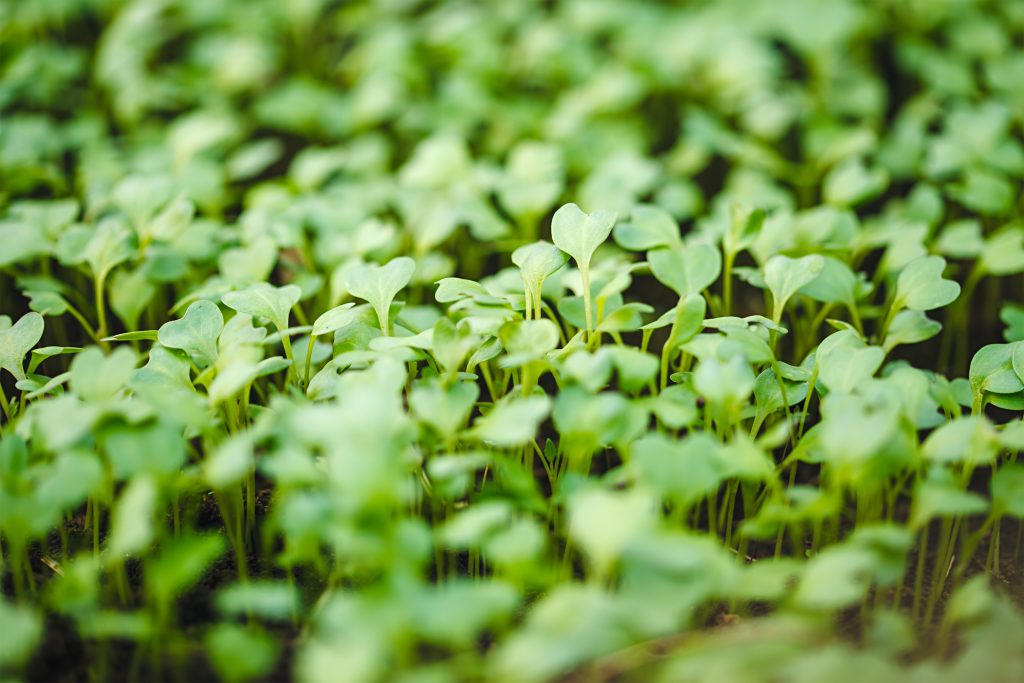
Sprouts / Microgreens – Ready to eat in 3 days to 2 weeks

Each and every living seed will grow into a plant. It’s when that seed begins to grow (germinate) that we call the beginning growth stage of the plant a “sprout”. They are a convenient way to have fresh vegetables for salads, or otherwise, in any season and can be germinated at home or produced industrially. Sprouts are said to be rich in digestible energy, vitamins, minerals, amino acids, proteins, and phytochemicals! See MORE Sprout/Microgreen Varieties, here! 
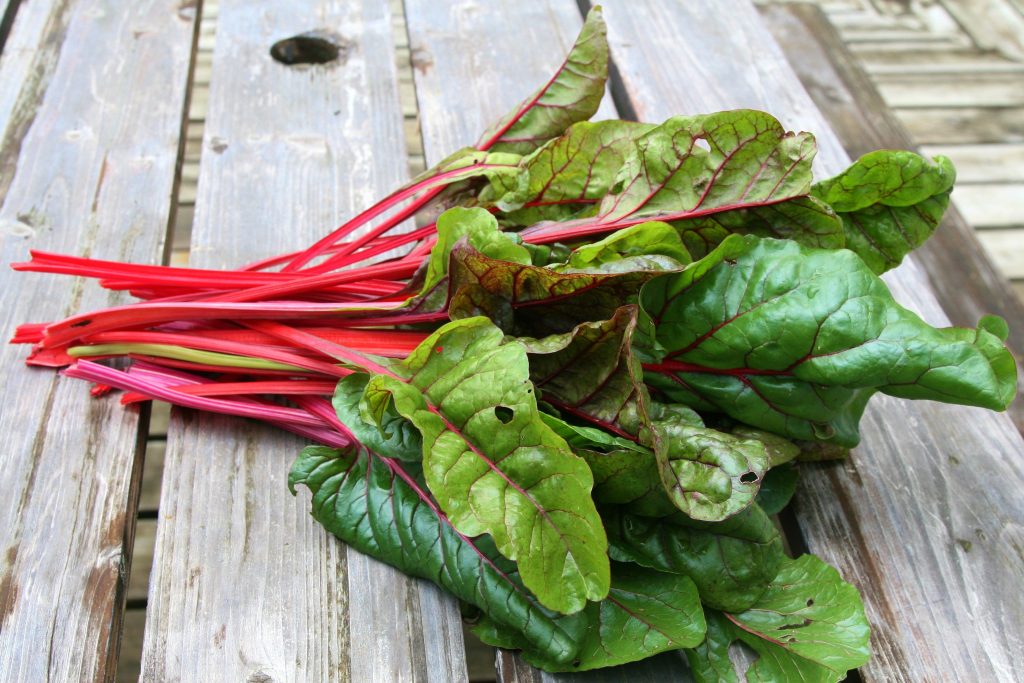
 

Swiss Chard – Ready to eat in about 5 weeks

Chard is a leafy green vegetable often used in Mediterranean cooking. Fresh young chard can be used raw in salads. Mature chard leaves and stalks are typically cooked or sauteed; their bitterness fades with cooking, leaving a refined flavor which is more delicate than that of cooked spinach. See MORE Swiss Chard Varieties, here!
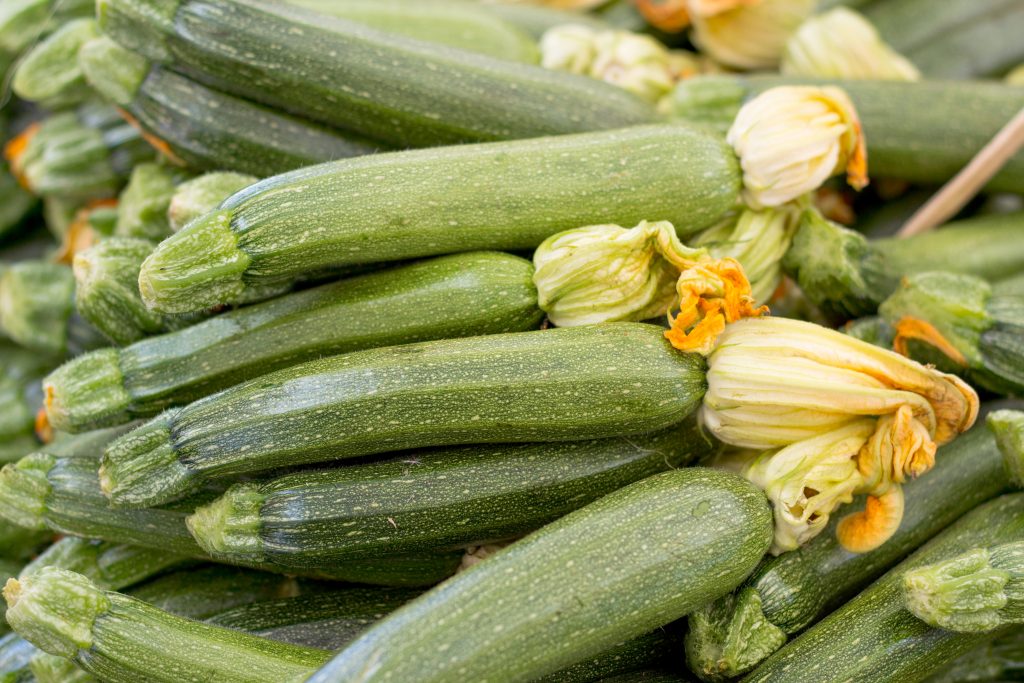
 

Zucchini Squash – Ready to eat in about 6 weeks

Though considered a vegetable in cooking, botanically speaking, squash is a fruit (being the receptacle for the plant’s seeds). Squash can be served fresh (in salads) and cooked (squash stuffed with meat, fried squash, baked squash). See MORE Squash Varieties, here!
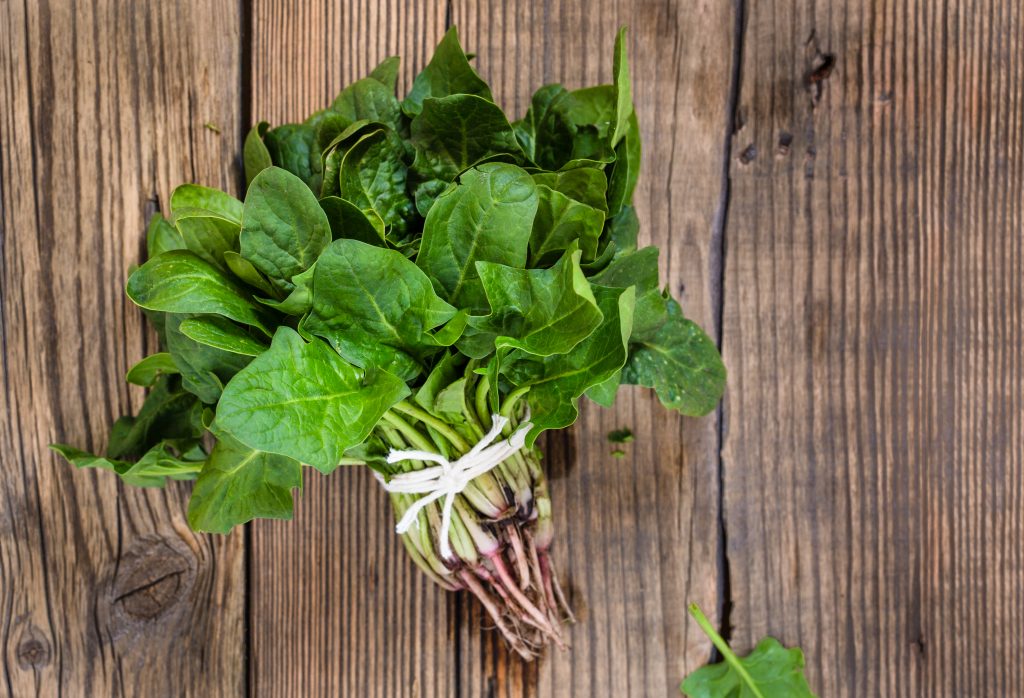
 

Spinach – Ready to eat in about 5 weeks

Spinach can grow anywhere there is at least a month and a half of cool growing weather. Spinach is a cool-season crop, hardy to frosts and light freezes. In rows 12 inches apart, space seedlings 3 inches apart. After thinning, cover the plants with row covers to keep the pests away.  (Soak seeds overnight before planting because it germinates slowly.) See MORE Spinach varieties, here!
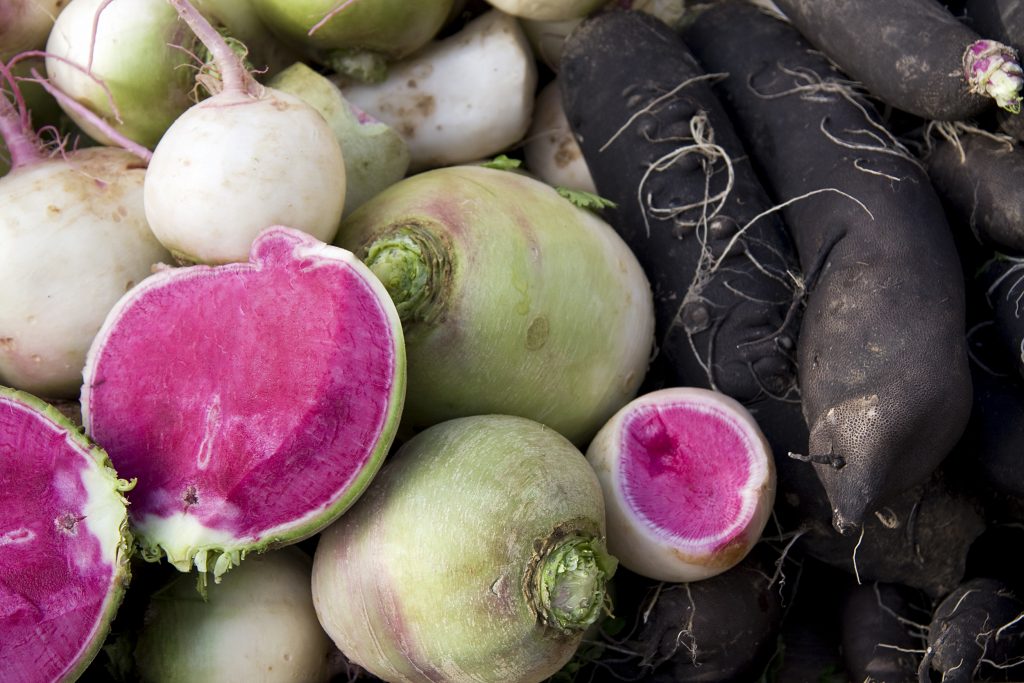
 

Radishes – Ready to eat in 4 weeks

Radishes are a fast-growing, cool-season crop that can be harvested in as little as twenty days.  Eaten raw they can be whole, sliced, diced, or grated. You can also cook and pickle them. Most of them are typically eaten fresh and make a good addition to a salad or a substitute to pepper on a sandwich. See MORE Radish varieties, here!
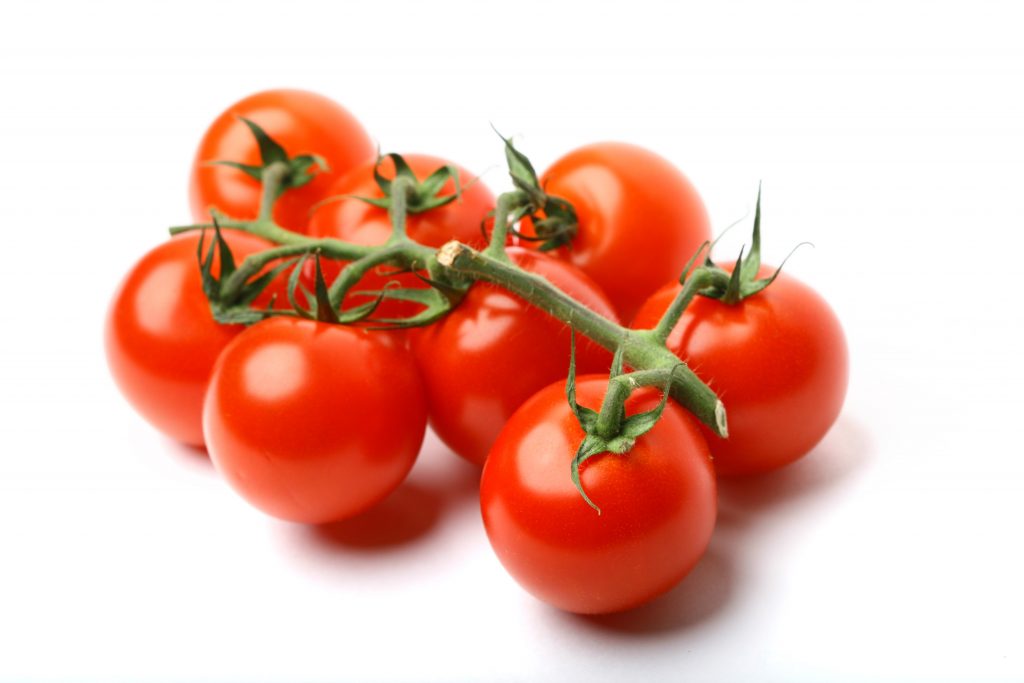
 

Tiny Tim Tomatoes – Ready to eat in about 6-8 weeks

The Tiny Tim tomato plant is a dwarf type plant produces excellent yields of ¾” – 1″  bright red cherry tomatoes. They are perfect for patio gardens. Grows well in pots, containers, and windowsill gardens. See MORE Tomato varieties, here!
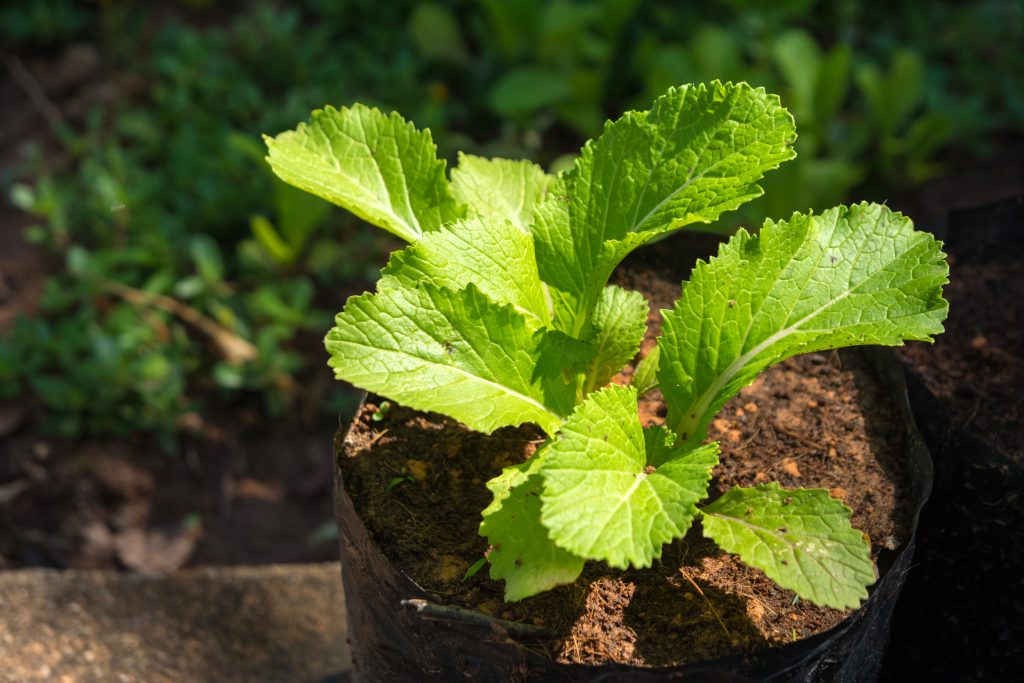
 

Mustard Greens – Ready to eat in about 6 weeks

Growing mustards are a quick and easy crop to grow in your home garden.  They are a spicy green, which will quickly become one of your favorite crops. When growing from seed, start them outdoors 3 weeks before the last frost. For a more steady harvest, plant seeds about every 3 weeks or every month to give you a successive harvest. Mustard greens prefer cooler weather, so plant late in the summer for a fall harvest, or very early in spring before the summer heat sets in. See MORE Mustard varieties, here!
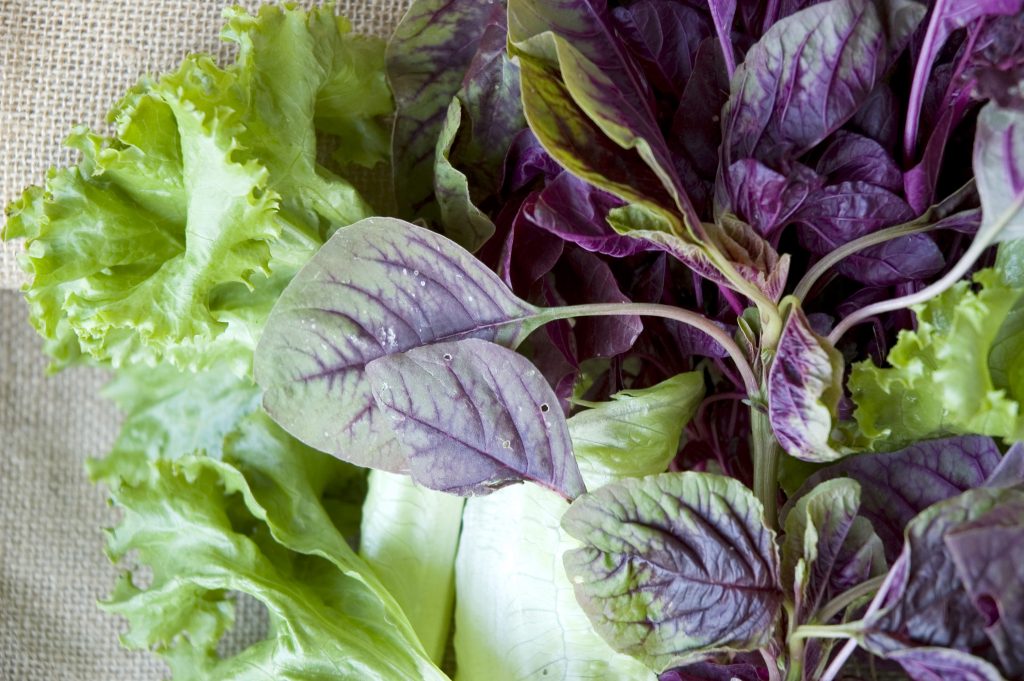
 

Lettuce – Ready to eat in as little as 6-8 weeks

Seed should be sown thinly in rows 1 foot apart; for leaf types, thin plants to 2-3 inches apart, then thin again by pulling every other plant when half-grown. This will encourage thickly developed plants. For head types, space rows 18 inches apart, plants 8-10 inches apart. Closer spacing results in smaller heads, which may be preferable for small families. Specialty growers are spacing lettuce very close for selling baby lettuces, a rapidly growing produce market. See MORE Lettuce varieties, here!