
What to Cross Off Your Gardening To-Do List This Month

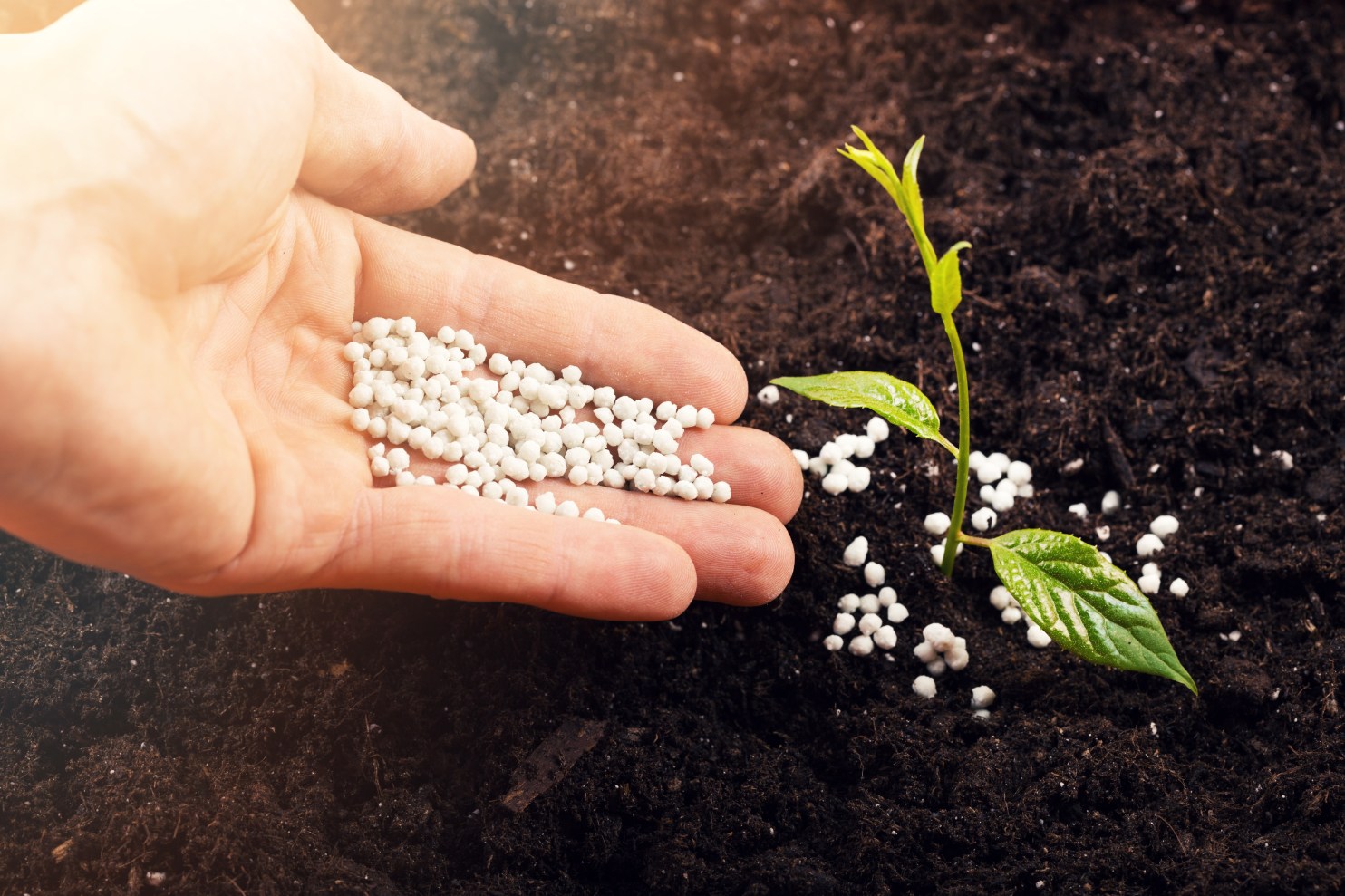
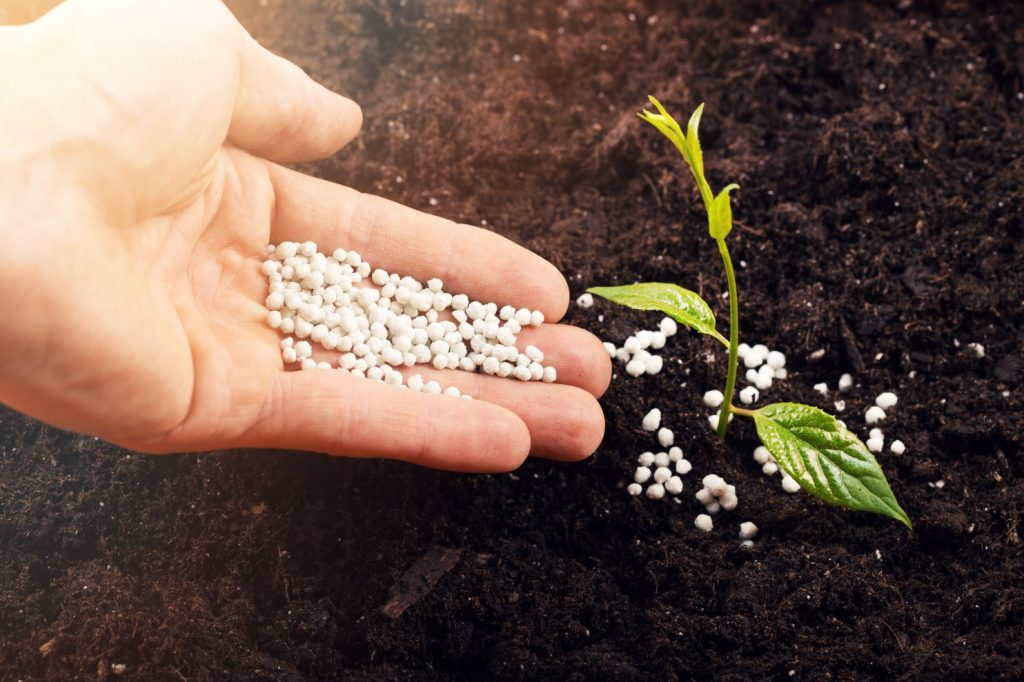
Depending on your hardiness zone, July might be a good time to give plants another blast of fertilizer before they can harden off and survive the next winter. Or, it might be time to stake some of those tall floppy flowers.  Be sure to double check that your plants are getting enough water. You may need to consider a soaker hose to prevent evaporation in the hot summer air.  Adding some fresh mulch is always a good thing to do around this time.  Pull out the scissors and deadhead flowering annuals so they’ll produce more blooms. Remove spent blooms.  A light pruning will perk them up with strong new flowering growth.

July is also a good month to start thinking about the fall garden. Preparations should include getting the space and soil ready and deciding exactly what you want to plant. One suggestion, plant tomatoes and peppers as well as pumpkins that you will enjoy in the months ahead.

Listen to Cathy Isom’s This Land of Ours program HERE: http://southeastagnet.com/2020/07/06/what-to-cross-off-your-gardening-to-do-list-this-month/
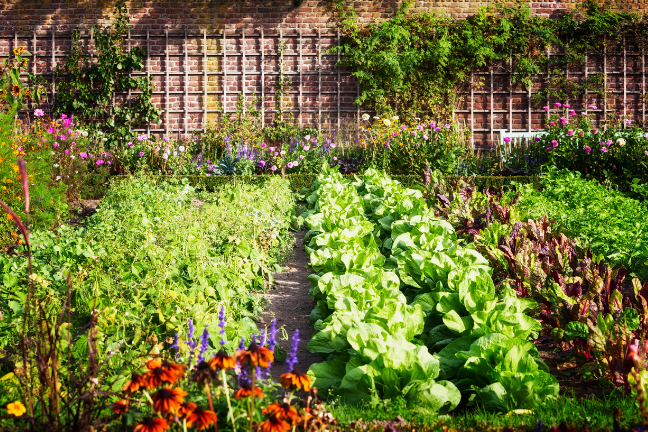
Research Brief: Urban gardening and its positive impact on the emotional wellbeing of residents

Source: Getty/firina

As urban areas strive to enhance their residents’ quality of life, research from the University of Minnesota Humphrey School of Public Affairs shows that access to gardening could have a profound effect on a person’s emotional wellbeing and help address sustainable development goals.

“It’s important to remember that more than 50% of the world’s population lives in an urban environment,” said study co-author Yingling Fan, a professor in regional policy and planning in the Humphrey School of Public Affairs. “Many sustainable development goals are where the environment and human health and wellbeing meet.”

The study, published in the June 2020 issue of Landscape and Urban Planning, examined data collected from more than 370 randomly selected participants in the Minneapolis-St. Paul metropolitan area. Participants were then asked to input emotional wellbeing-linked data into the app Daynamica, which allows for users to track activities and rank their emotions during that activity.

The study combined demographic data, exit interview answers, and geo-location information provided via Daynamica, a smartphone app, to determine where the gardening took place.

TO READ THE STUDY, VISIT THE ORIGINAL ARTICLE AT: https://twin-cities.umn.edu/news-events/research-brief-urban-gardening-and-its-positive-impact-emotional-wellbeing-residents

Gardening myths that are either true, false or a little bit of both

The coronavirus has kept us housebound for months. During that time, many of us figured out that having a garden is one answer to getting outside and away from the crowds, as well as a welcome break from the next binge-watch series.

Most importantly, we feel a strong desire to grow our own food crops and plant flowers to remind us that we are vital in the whole circle of life.

Now that your garden is planted and well on its way to producing fruit, vegetables, flowers and bliss, where are you finding answers for questions about growing care and remedies for issues that crop up (pun intended)? You know, questions about common summer plant issues like soft, brown spots on tomatoes, bugs munching on leaves, and whether talking to your plants will really help them grow better.

Are internet sites and the jillion YouTube videos worth your time? Shouldn’t we rely on science and testing?

READ THE FULL ARTICLE: https://theknow.denverpost.com/2020/07/04/gardening-myths-that-are-either-true-false-or-a-little-bit-of-both/241204/
10 Helpful Gardening Tips That Actually Helped This Former Plant Killer

If you’ve ever failed at something, we know it can be hard to want to try again. Don’t give up! Even the best of the best have killed a plant or two in their days. Read on to learn from this one gardener’s mistakes!

“One of my go-to fantasies when life is tough is that I’ll run away to start a vegetable farm. I’ll spend long days covered in sweat, soil caked underneath my fingernails, satisfied with the knowledge that I was able to feed myself through hard work and a deep understanding of the natural world. Given our current circumstances—living in an unprecedented global pandemic resulting in much more time spent at home and much more stress when we have to venture to the grocery store—this fantasy is seeming particularly appealing.

The problem with that fantasy is that I am an absolutely rubbish gardener. Name an indestructible plant and I have probably watched it shrivel. Zucchini and mint, for example, which I remember being warned would “take over my garden” if I wasn’t careful—didn’t last a week in my Arizona soil. It became a bit of a running joke. Every summer I’d try again, and every summer I’d fail.

Then I moved to Washington State, where the weather was friendlier and the foliage was lush. I managed to eat a few tomatoes from my potted plant last year and suddenly felt like a new woman. Maybe I could do this gardening thing.”

READ THE FULL STORY: https://www.self.com/story/gardening-tips

Gardening is Booming During This Pandemic – and You Can Still Start Planting in July

Time has not ran out! There’s still plenty of days left on the calendar to get your summer gardens planted. It’s all about variety and days to maturity.

“Gardening businesses have been booming during the coronavirus lockdowns, and nurseries have busily tried to keep up with the unexpected—and unprecedented—demand.

Tending plants has always been one of the world’s most popular hobbies, but no one was prepared for this surge in gardening—and nurseries are still propagating as fast as they can to keep up.

Even sales of houseplants are up, as people look for ways to brighten their days in lockdown.

“The establishment time for a plant is so much faster in the summer months, and the watering time for new plants is much shorter,” explains Avent. “If you plant in the winter, you can get by with infrequent waterings, but if you plant in summer, you need to water every day. But the tradeoff is that you only have to water for a week or so before the plant is fully established.”

Pollinators are also more active in the summer months and can be a gardener’s good friend; native bees, honeybees, butterflies, but also wasps.”

READ THE FULL STORY: https://www.goodnewsnetwork.org/gardening-is-booming-during-this-pandemic/

Peas and Quiet: Urban Gardening in the Time of Covid-19

Access to community gardens has been limited during the pandemic, but people have been reaching out to gardeners and gardening organizations far and wide to learn how to grow their own food… Photo courtesy of King County Parks, Washington.

Urban gardening has taken on a renewed relevance as the coronavirus has declared war on us from Los Angeles to New Orleans; Seattle to Saint Louis. People are reaching out to organizations far and wide about how to grow their own food for a wide array of reasons: concern about food supply chain vulnerabilities, frightened of going to the grocery store for lettuce they could potentially grow themselves, eager to be more self-sufficient or looking to help their neighborhood by donating food to local food banks.

“We need to open our hearts and connect with the struggles of those most vulnerable.” That connection, Fredie believes, can involve carrots, corn, kale, and more. It’s a refrain heard from gardeners across the country. “I think we’ll come out of this,” notes Margee Green, the executive director of Sprout NOLA, a farmer and gardener training program based in New Orleans, “with a lot more people understanding the sacrifices that farm workers make every day and the importance of supporting agriculture that is in harmony with nature, and closer to them.”

READ THE FULL STORY AT: https://www.earthisland.org/journal/index.php/articles/entry/peas-and-quiet-urban-gardening-in-the-time-of-covid-19/

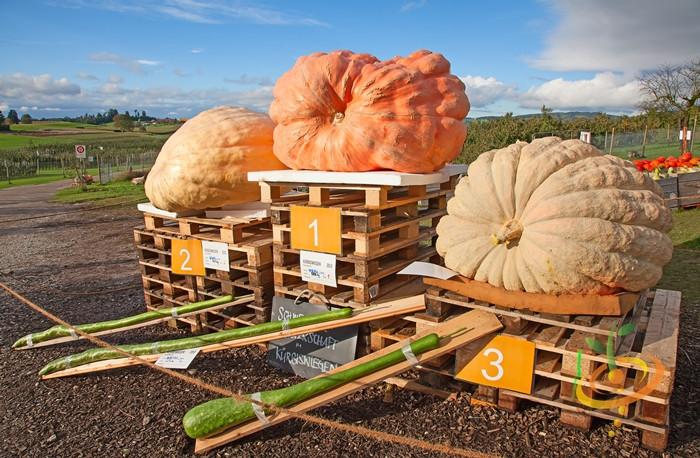
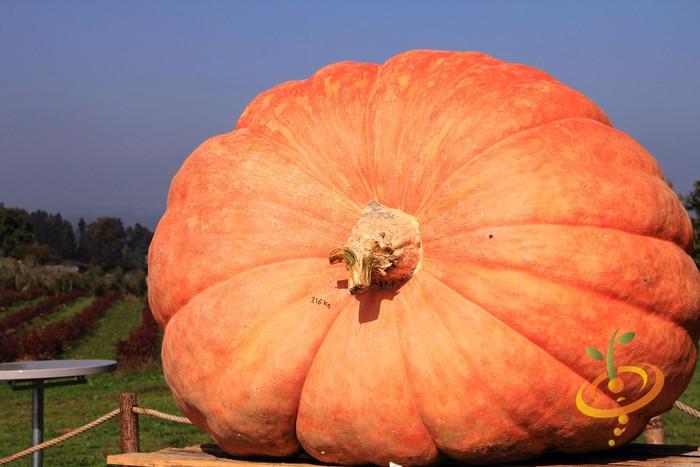
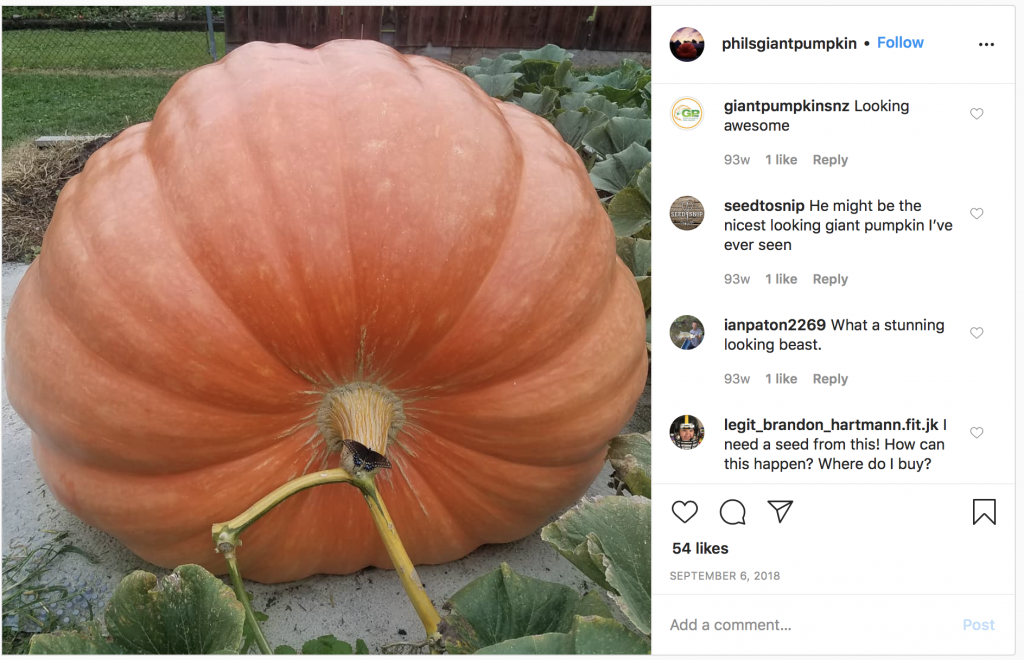
How to Grow Competition-Sized Pumpkins!

Do you want to grow MASSIVE pumpkins? Are you interested in making this a new hobby or perhaps you’re wanting to take it to the “next level” and start entering competitions? Either way, we’ve gathered some of the best tips and tricks to help you start growing MASSIVELY large, competition-size pumpkins right in your own backyard!

First, you want to make sure you’re starting with the correct type of pumpkin. Sure, you can always bend genetics, slightly, but you’ll have better success if you choose an heirloom pumpkin that organically grows larger than most varieties. We highly recommend if you’re just getting started to try the BIG MAX or ATLANTIC GIANT variety.

Atlantic Giant Pumpkin – The Atlantic Giant pumpkin has been known to grow over 1,500 pounds!  Without special treatment, the Atlantic Giant Pumpkin can grow up to 200 to 300 pounds – easily.
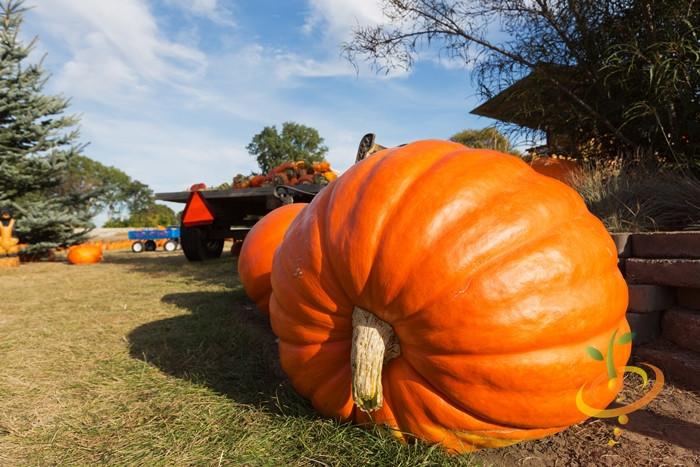
Big Max Pumpkin – The Big Max pumpkin produces an extremely large (60″+ diameter and weighs 100+ lbs.) bright orange pumpkin.

Once you have chosen your variety of pumpkin, you’ll need ideal growing conditions. Depending on your location, garden type, and grow zone many factors will come into play but let’s start off with the basics:

Temperature:

  • In order to germinate properly, pumpkin seeds generally need temperatures between 65 and 75 degrees F.
  • Ideal soil temperatures should fall into the 70-90 degrees F. range.

Sunlight: 

  • Pumpkins need A LOT of sunlight to grow and develop. Pick a location with FULL SUN, and stay away from anything that gets partial shade.

Soil Quality:

  • Not only is the type of pumpkin you choose to grow, and the location important, but let’s not skip over one of the MOST important factors to growing a successfully LARGE pumpkin…the soil! Your pumpkins will do best if you choose a location that has either a slightly acidic or neutral soil. Make sure the ground is loose and drains well. Loam soil is best.

Spacing:

  • If you’re planning on growing a LARGE pumpkin, keep in mind that you’ll need up to 1200 sq. feet for just ONE pumpkin! Spacing is everything, so don’t crowd them together. The larger you want to grow, the further apart the spacing should be.

Watering

  • The larger the pumpkin gets, the more water it will need! It’s not uncommon for competition-sized pumpkins to use up to 500 gallons of water per week! After watering, the ground should be evenly moist, but never soggy. Like many fruits, try to keep the water off the foliage of the plants. This will discourage disease.

Feeding / Fertilizing:

  • Early in spring, you’ll want to add something like aged manure or compost into your soil. In the fall, lime can help bring the soil back to neutral if it’s more on the acidic side. During your growing season, apply aged compost or manure to fertilize.
  • Fertilize with fish emulsion early on, and then as the pumpkin starts to develop, switch to phosphorus or bone meal. Near the end of the growing season move onto potassium or greensand.

Growing/ Harvesting:

  • Pinch off all flowers in the beginning to encourage growth. Until your plant reaches about 10 feet long, there should be no flowers left on the plant. Pinch. Pinch. Pinch.
  • Once your vine is 10 feet long, allow it to start setting fruit. Remove ALL but the largest pumpkins for the next few weeks.
  • Try placing your “strongest/largest” pumpkin on a piece of cardboard to help repel any insects that live in the soil.
  • Stake down any large vines or bury them to help keep them from rolling.
  • Keep the area you’re growing in “weed-free” so your pumpkin plant won’t have to compete for nutrients in the soil.
  • As the pumpkin matures, keep it shaded to help prevent it from overheating or being scalded by the sun. This also will help prevent splitting or cracking.
  • Harvest your pumpkin RIGHT before your first frost, and if you’re planning on entering any competitions be careful to harvest before any cracks appear as this might disqualify you and your pumpkin.

Ready to start growing MASSIVE PUMPKINS? SHOP the BEST SEEDS HERE!

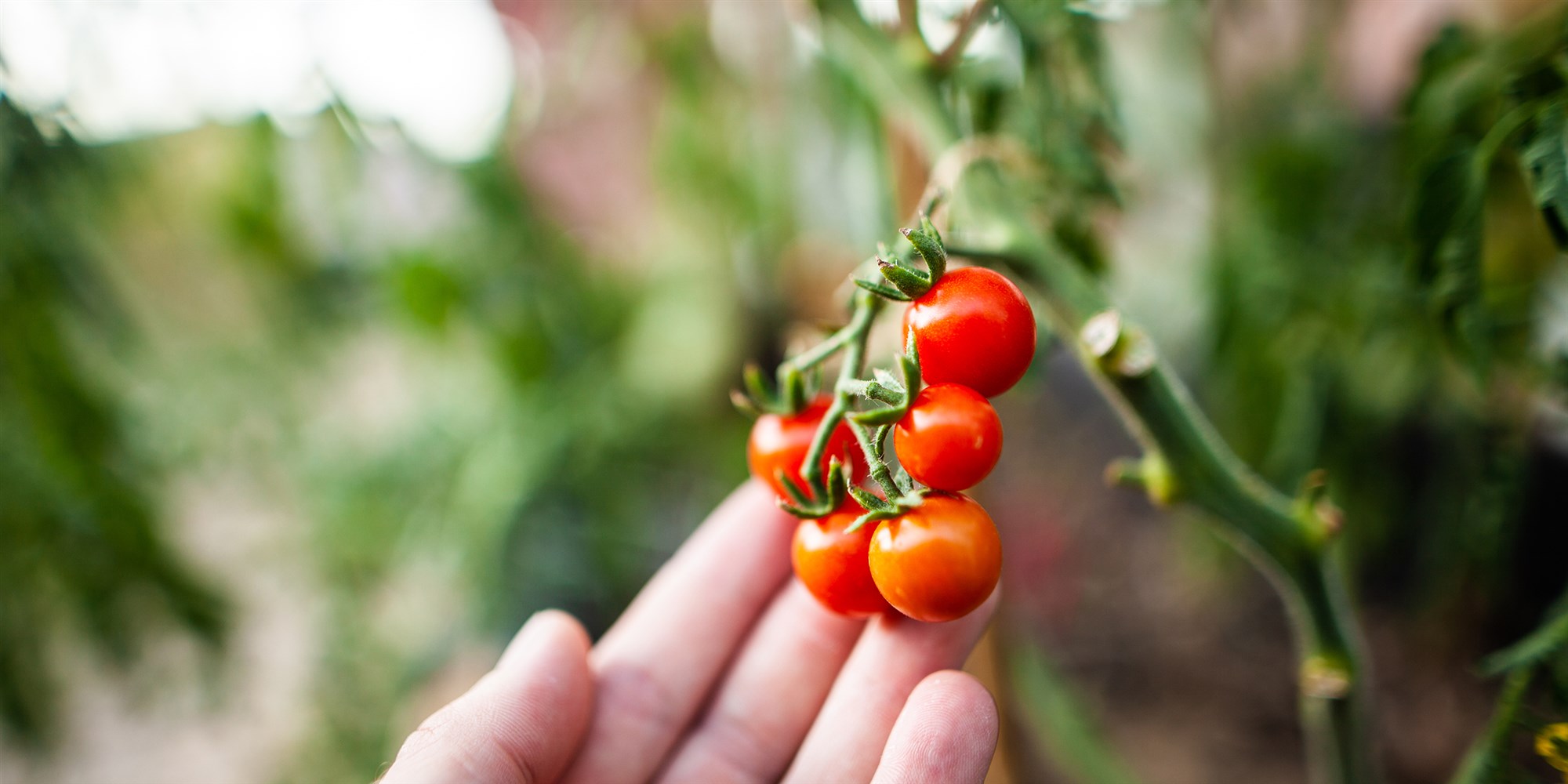
How to grow tomatoes: Gardening tips and tools

Capelle.r / Getty Images stock

While building a sandwich, have you ever thought to yourself, “Wouldn’t it be nice if I could just pluck my own tomatoes off the vine to slice up and pile on this, Ina Garten-style?”

There’s no better time than now to get started with seedlings or small plants — which you can pick up at your local farmers market or plant store — and enjoy the fruits, so to speak, of your labor. When planting, wait until after the last frost of the season. If cooler weather is looming, cover pots with burlap sacks or frost cloth for protection, or bring them indoors. The best times to plant tomatoes are early in the morning or late in the day so the plants aren’t exposed to the hot sun right away.

WATCH THE VIDEO & READ THE FULL ARTICLE AT: https://www.today.com/food/how-grow-tomatoes-gardening-tips-tools-t184555

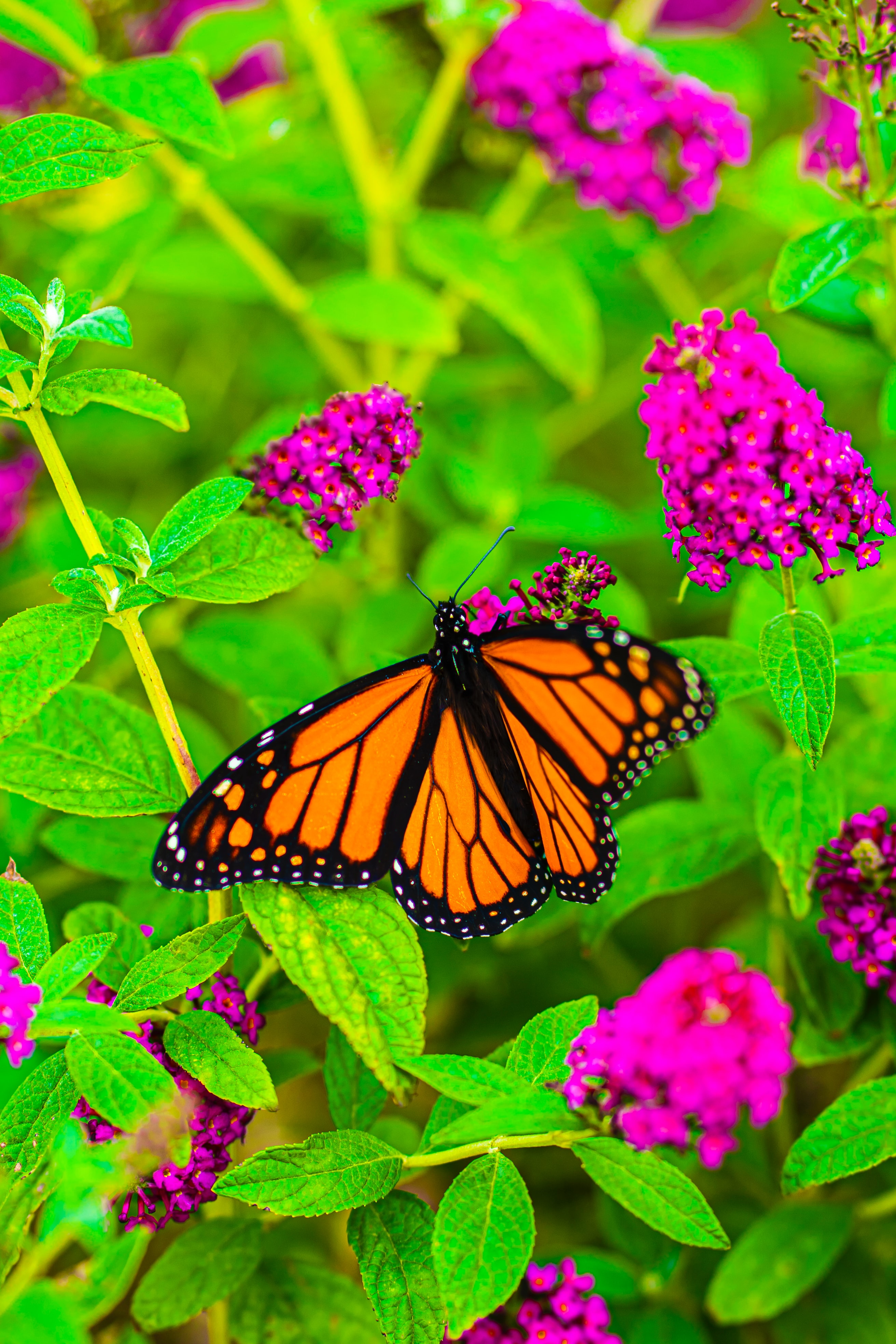
San Diegan is raising Monarch butterflies in her backyard

SAN DIEGO COUNTY, Calif. — I designed my garden to attract pollinators like bees and butterflies, specifically Monarchs.

A family in Eastlake is doing the same.

“I went out and bought Milkweed and they just showed up. They have radar for milkweed,” said Airam Marlett, who was inspired by an Instagram post and has had success from day one. “My first year, I had 30 Monarchs, and it’s been wonderful to watch.”

READ THE ORIGINAL ARTICLE: https://www.cbs8.com/article/news/local/outreach/earth8/earth-8-san-diegan-is-raising-monarch-butterflies-in-her-backyard/509-d249de4b-64a0-4d7d-ba0e-60ef8f1dea24

Tips For Becoming A Better Seed Saver

Saving your own heirloom garden seed year after year can be very rewarding! Here are just a few reasons why gardeners everywhere are saving their seeds! 

💰SAVE YOURSELF MONEY

🥗HAVE BETTER FLAVORED FOOD

❤️PRESERVE GENETIC DIVERSITY

🐝SAVE THE BEES

💪BECOME SELF-SUFFICIENT

👭SHARE WITH A NEIGHBOR/FRIEND

🌎CONNECT WITH YOUR GARDEN


Check out the 4 important TIPS below on how to get started saving your own garden seeds:


Seed Saving TIP #1:

When saving your seeds, make sure you are using open-pollinated varieties. These will produce true-to-type crops year after year!

Seed Saving TIP #2

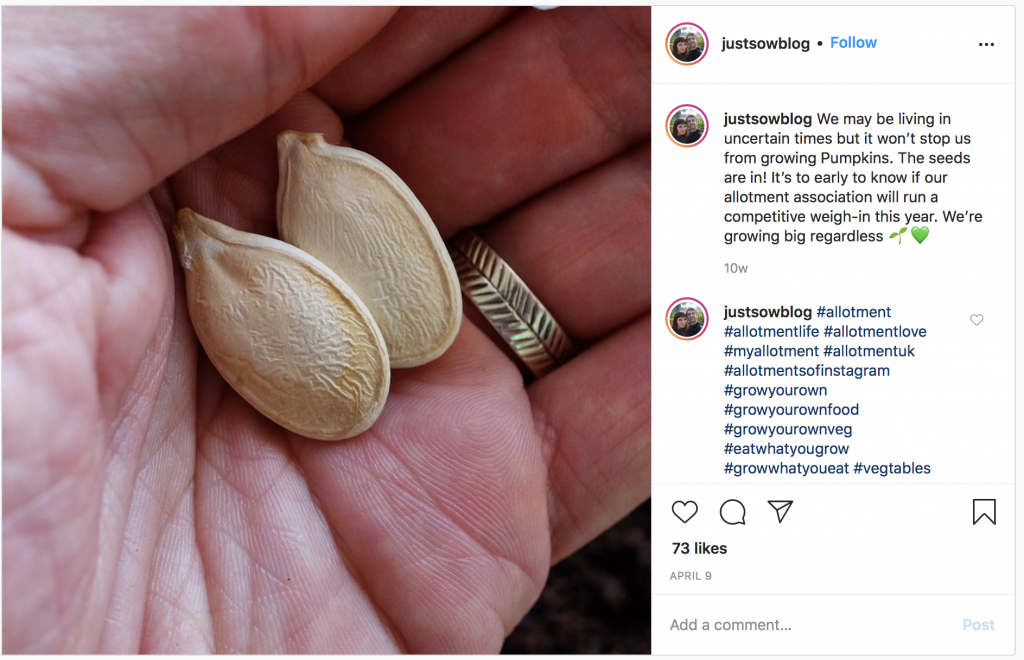
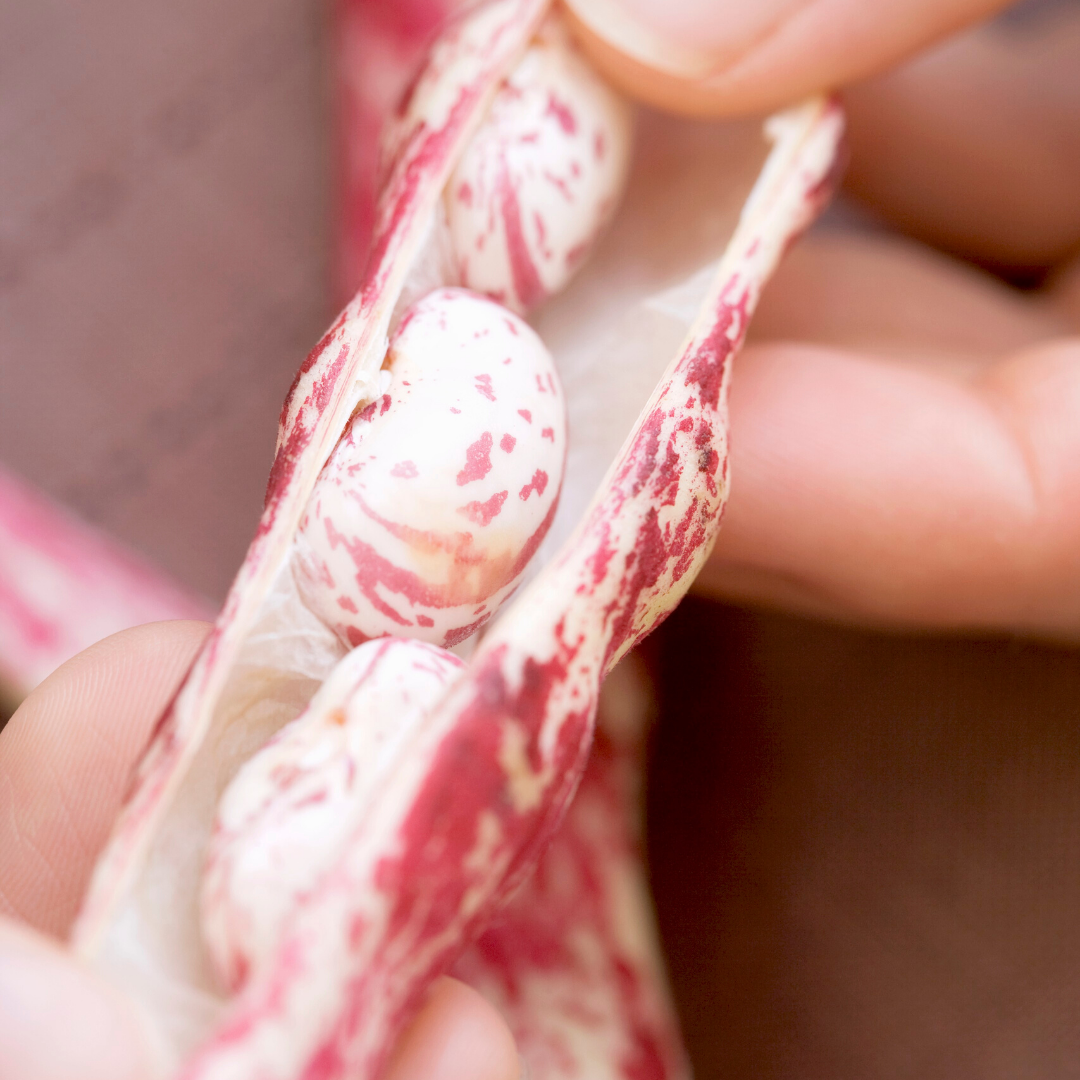
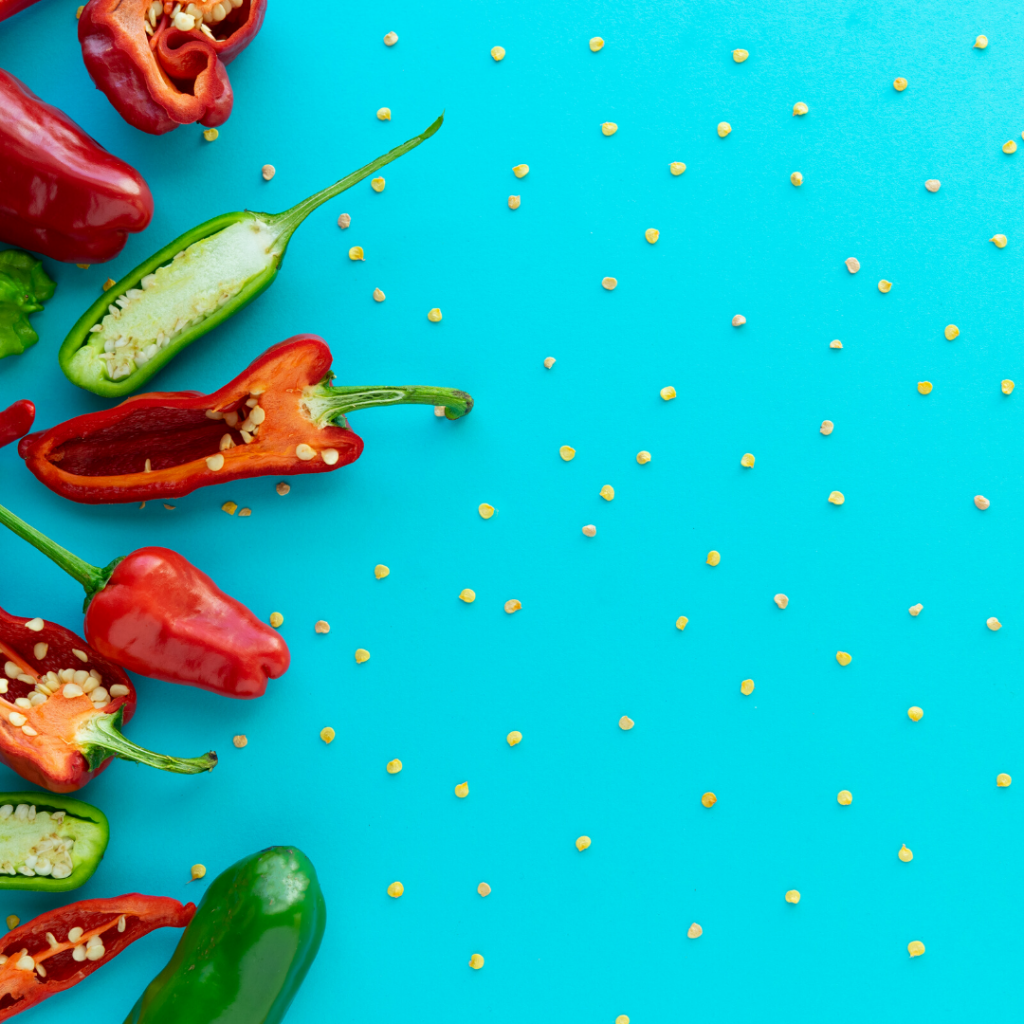
Start with EASY TO HARVEST crops such as peas, beans, lettuce, and tomatoes! Each of these are annuals and self-pollinating. Plus, you will only need a few plants to reap a decent harvest of seed.

Seed Saving TIP #3

Curious as to when it’s time to harvest? For crops with wet fruits, you’ll need to leave a few fruits on the plant to fully mature in the garden. If your harvesting from dry fruited crops such as grainslettuce, or beans… they can be removed from the plant once the seeds are dry and hard.

Seed Saving TIP #4

Always store your garden seeds in a cool, dark, and dry place. This rule of thumb makes THESE seed vaults the PERFECT solution for long term seed storage. Place your properly dried seeds into the airtight container and store it in the refrigerator or freezer for several years!

Scientific Gardening: A Personal Experiment with Hydroponic Gardening

It’s that time of year again – to get your hands dirty and plant the yummy array of veggies you’ve picked for your garden. Traditionally, we plant our gardens in the ground, but last year my boyfriend and I investigated the topic of hydroponic gardening and were fascinated by the idea! He and I both being handy people plus his science major helped set us up for success with this new endeavor.

Don’t get me wrong, you don’t need to be super handy and/or have a science major to have hydroponic gardening work for you. When doing our research on how to get this project started, we found multiple pre-made kits you can buy online.

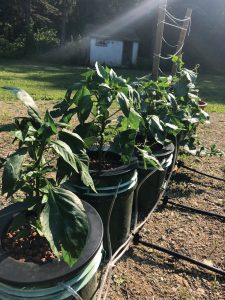
There are a couple of things to note if you want to try this project for your garden, which I will explain… roots cannot get direct sunlight indoors, therefore if you have five-gallon buckets laying around that you want to use, be sure the sun cannot penetrate through the plastic. When you hold the bucket up to the sun and can see through the plastic, similar to when you shine a flashlight on your fingertips at night, you need to spray paint them with a of couple coats until the sun can’t get through. Also, when it comes to nutrients and PH levels, be sure to do specific research on what your veggies will want.

READ THE REST OF THIS ARTICLE: https://www.sentinelsource.com/elf/scientific-gardening/article_f43ae68e-a5ba-11ea-8fe6-2f0b2336e337.html

Ron Finley’s gardening MasterClass will teach you how to grow food & change your life

MasterClass.com

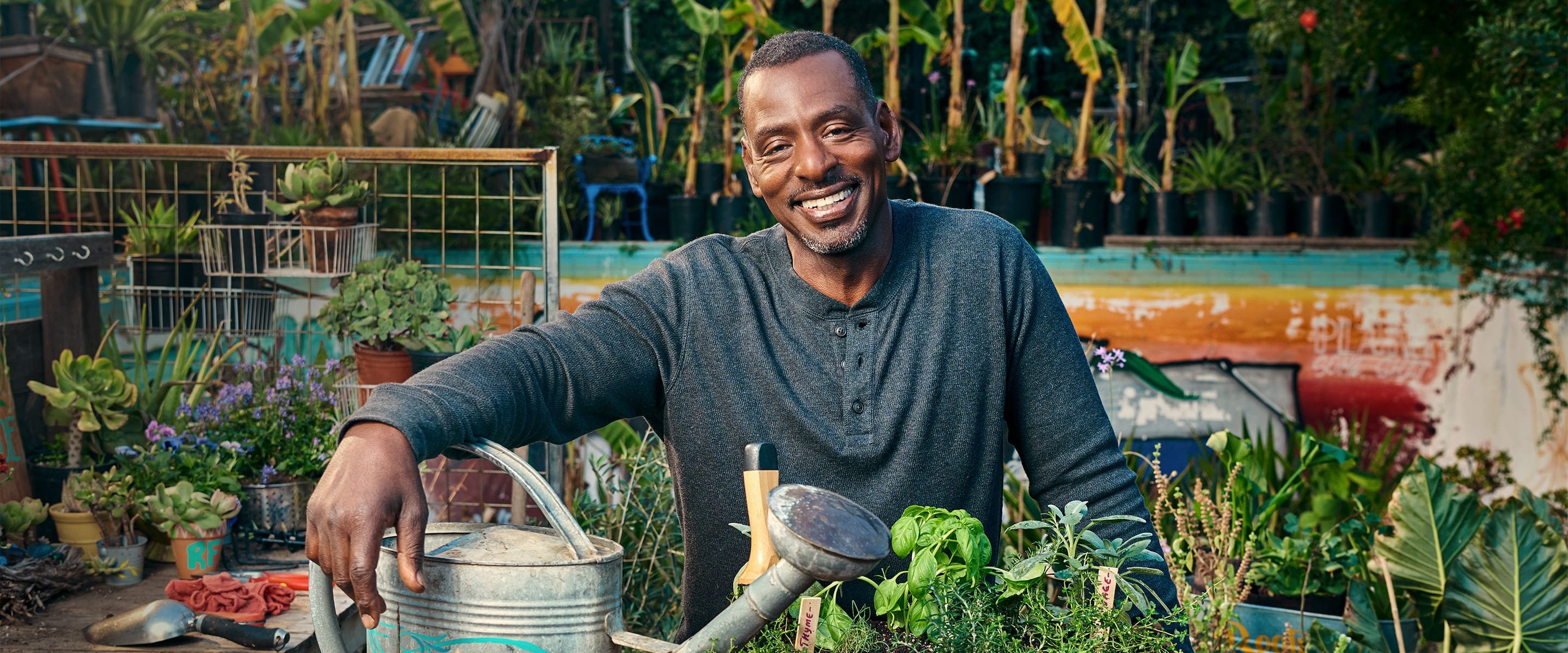
If you want to learn to grow your own food, there’s no better teacher than Ron Finley. Lucky for you, he now offers a MasterClass on gardening — and shared some tips to take to heart.

While California is one of the nation’s leaders in agricultural output, smog-cloaked and concrete-coated Los Angeles is hardly considered representative of the Golden State’s verdancy. But don’t tell that to South Central L.A. native Ron Finley, who in 2010 embarked on a guerrilla gardening project by growing food on the humble strip of soil sitting adjacent to the sidewalk in front of his house. Despite objection from local authorities, Finley persevered with his groundbreaking initiative, and the legend of the Gangsta Gardener was born.

TAKE AN ONLINE GARDENING CLASS NOW: https://www.masterclass.com/classes/ron-finley-teaches-gardening?utm_source=Paid&utm_medium=Affiliate&utm_term=Aq-Prospecting&sscid=61k4_2zswy


Gardening pro talks about growing food in hot climates

Photo: Yi-Chin Lee, Houston Chronicle / Staff photographer

Nicole Johnsey Burke had lived and gardened in many places where her plants would just shut down in the winter. When she moved to Houston in 2013, she started growing that fall and was stunned at how abundant her harvests of greens were. She pulled from her boxes every day and didn’t buy salad from the grocery store for six months.

When she told friends and neighbors of her lettuce successes, they looked at her like she was crazy. Nothing grows here in Houston, they said, it’s too hot, it’s too humid, and the soil is terrible.

READ THE FULL STORY: https://www.houstonchronicle.com/life/food/article/What-a-gardening-pro-learned-about-growing-food-15310783.php#photo-19486815

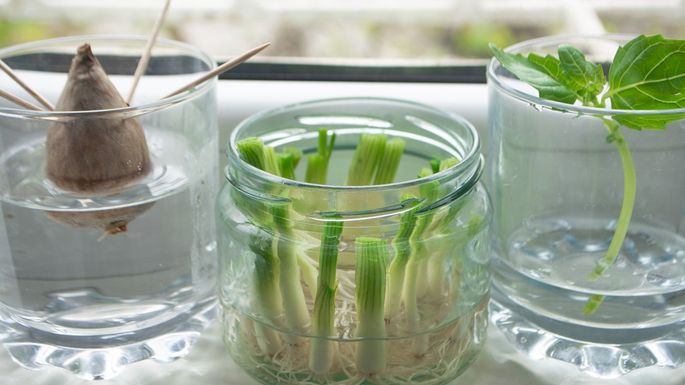
The Easiest Gardening Trick Ever: Vegetables You Can Regrow in Nothing but Water

Mehriban Aliyeva/Getty Images

These days, it seems like everyone is jumping into the victory garden trend, enjoying the benefits of a soothing activity in the fresh air while reaping fresh and tasty produce to eat. But even those who don’t have a yard, or just don’t want to get dirt under their nails, can still enjoy the miracle of growing something that’s destined for the dinner table—without even ordering vegetable seeds.

That’s because you can start an indoor garden from your kitchen leftovers. No soil required!

We talked to master gardener Linda Tyson, owner of garden design and maintenance company South Suburban Garden Girl, and Kevin Espiritu, author and the founder of Epic Gardening, to get their tips on growing vegetables without getting down and dirty.

READ THE FULL ARTICLE: https://www.realtor.com/advice/home-improvement/regrow-vegetables-in-water/

Gardens Have Pulled America Out of Some of Its Darkest Times. We Need Another Revival.

As the pandemic smolders and the economy plunges into an abyss, Americans have reverted to the venerable World War II–era tradition of organized disaster gardening. According to headline writers, that is.

“Food Supply Anxiety Brings Back Victory Gardens,” declared the New York Times in late March. “Just like World War II, many are relying on their garden’s bounty to get them through this uncertain time,” echoed Good Housekeeping in early May. The multinational lawn-chemical giant Scotts Miracle-Gro wants to leverage this sentiment. “Plant your #VictoryGarden today,” a recent ad urges watchers over scenes of sun-dappled suburbanites pulling produce from loamy backyard plots.

READ THE FULL ARTICLE: https://www.motherjones.com/food/2020/05/gardens-have-pulled-america-out-of-some-of-its-darkest-times-we-need-another-revival/

Urban gardening during lockdown not going well? Here’s how to save dying plants!

Have you left your plants unattended since a few days out of sheer laziness (blame it on the quarantine), or has your interest in plants waned because there haven’t been any flowers blossoming? Chances are, the sun, water, and a little effort on your part might still revive them. Plants are hardier than we think, and there is a special joy in seeing wilting plants thrive. Here’s how to save dying plants.

Using the reparo charm

If you see limp stems and drooping leaves, immediately water the plant deeply. That is, pour water gently from all sides, until you see it seeping out from the drainage hole at the bottom of the pot. This ensures that all parts of the roots will receive their share of water. Now, focus on the soil. The top layer has probably hardened from the harsh summer sun. Grab a large spoon or a shovel, and dig up the top layer. Be careful not to damage the roots. Give the tilled soil a good mix, and if you have any compost lying around, this is the time to add it to the soil. Pat down the soil with the spoon and place the pot in a partially sunny spot. Water the plants everyday–early in the morning or late evening.

READ THE FULL STORY: https://elle.in/article/how-to-save-dying-plants/

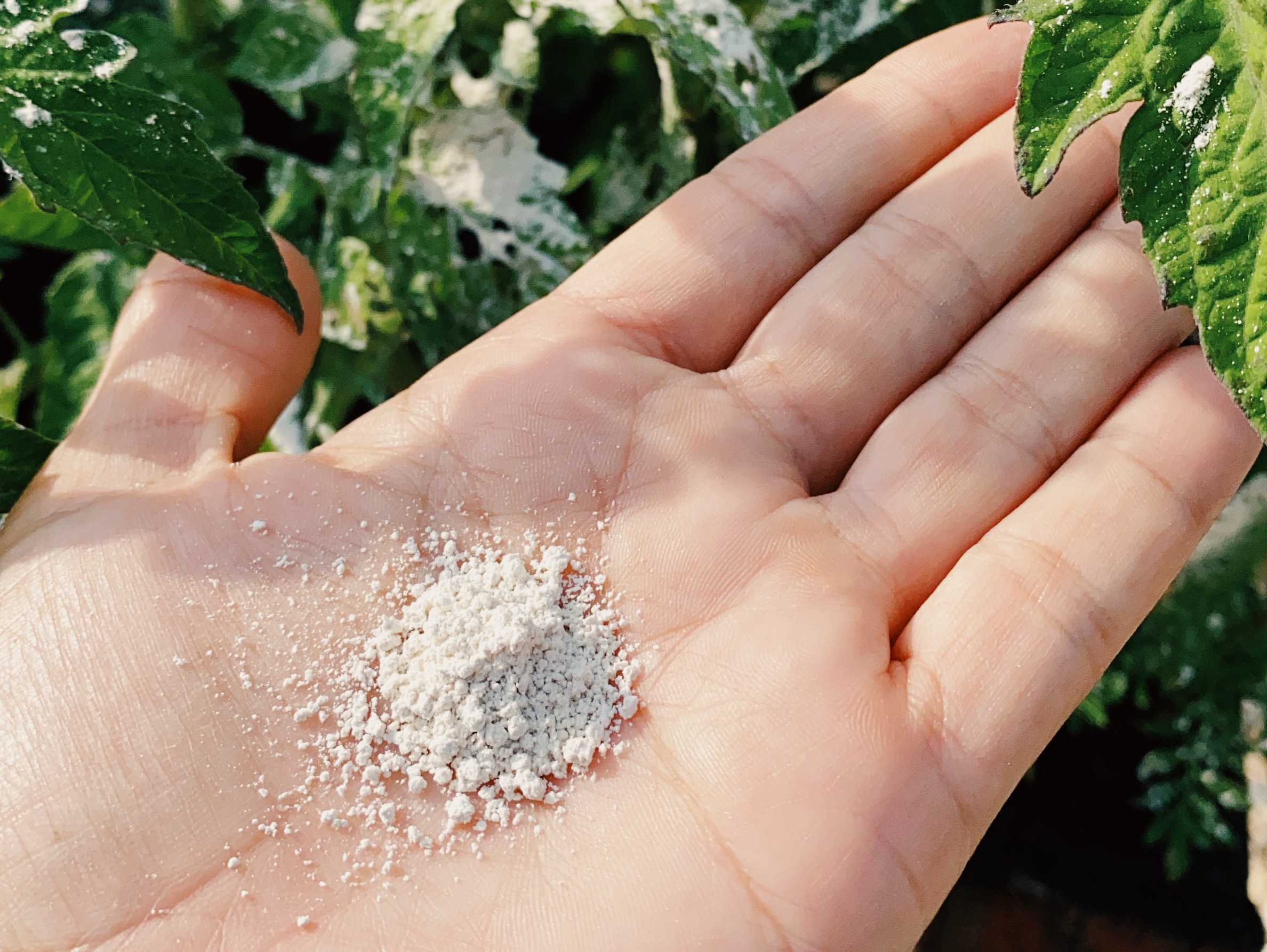
What is Diatomaceous Earth (DE) and How Can You Use It In The Garden as a Pest/Insect Repellent?


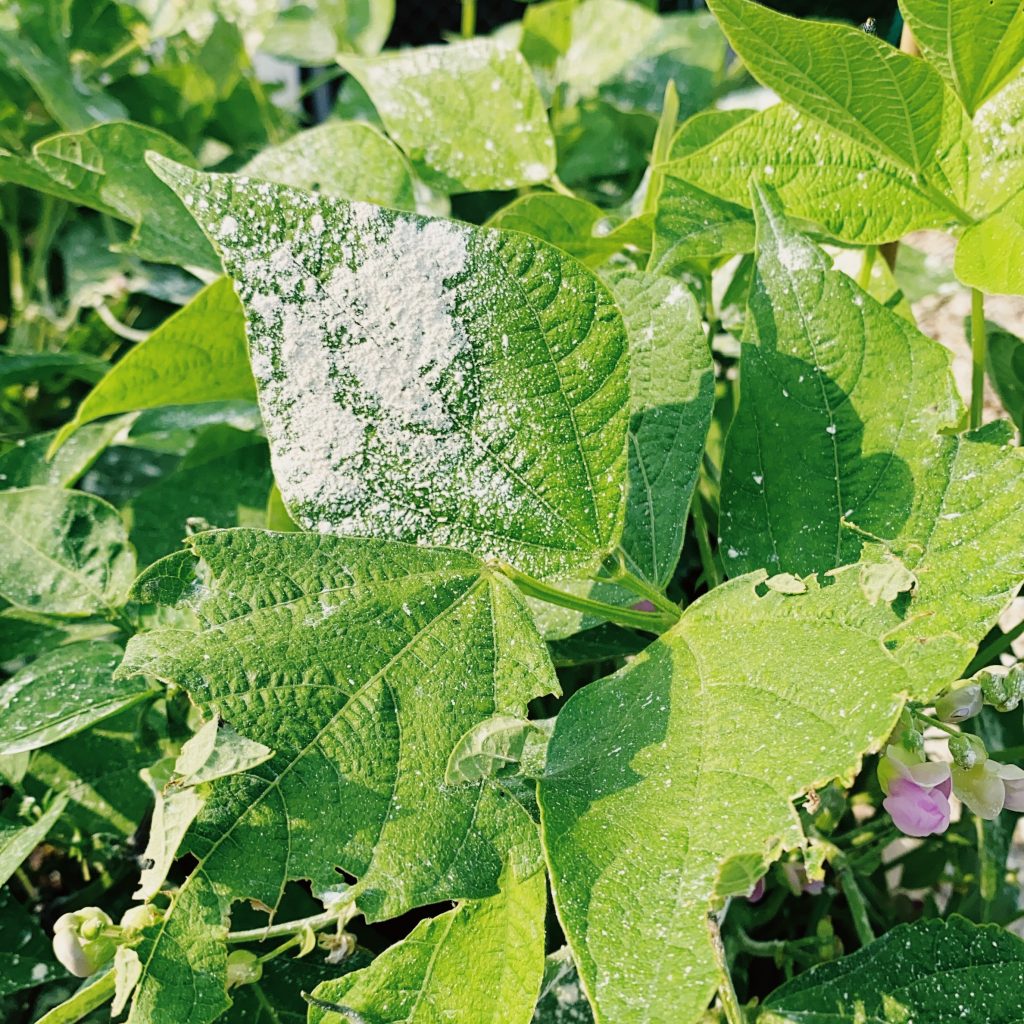
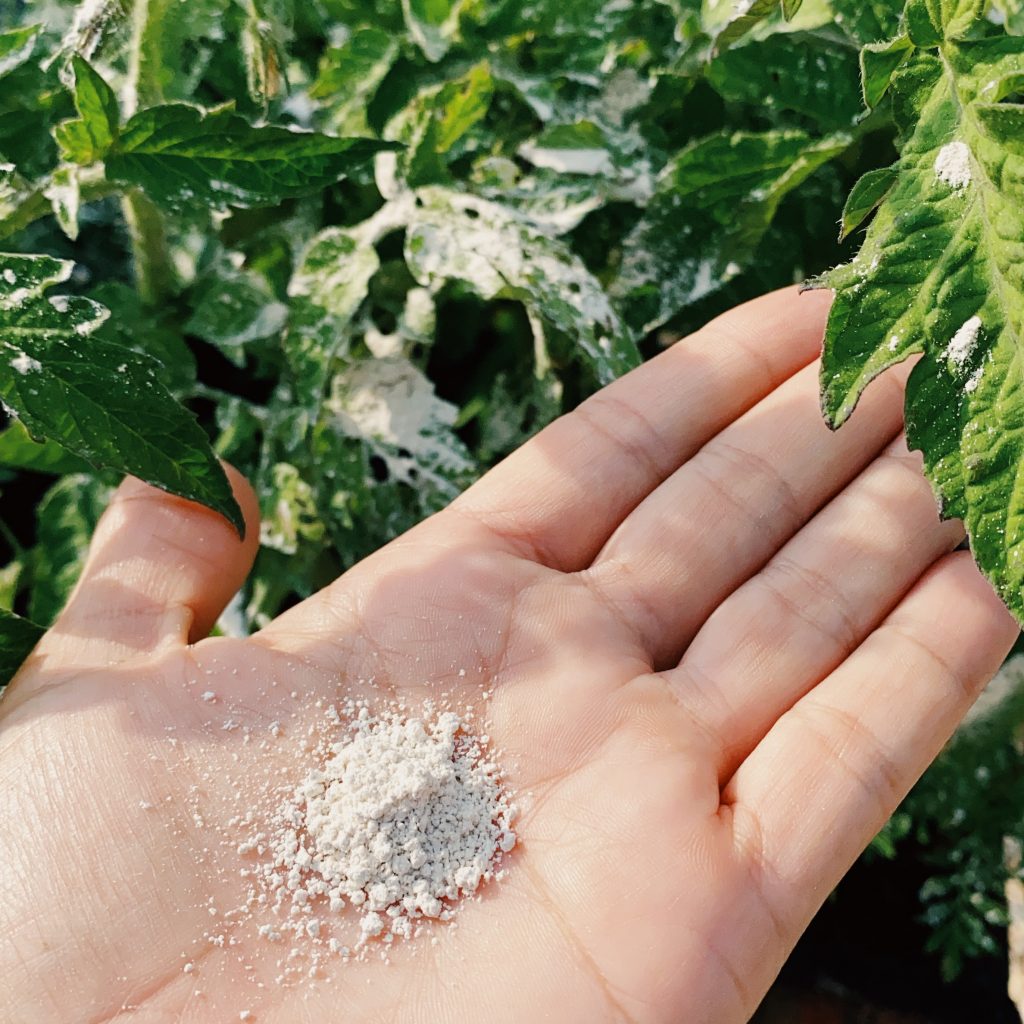
Diatomaceous earth is a naturally occurring, soft sedimentary rock that is crumbled into a fine white powder. Wondering how you can use DE in your garden? Well, as a natural method of pest control!

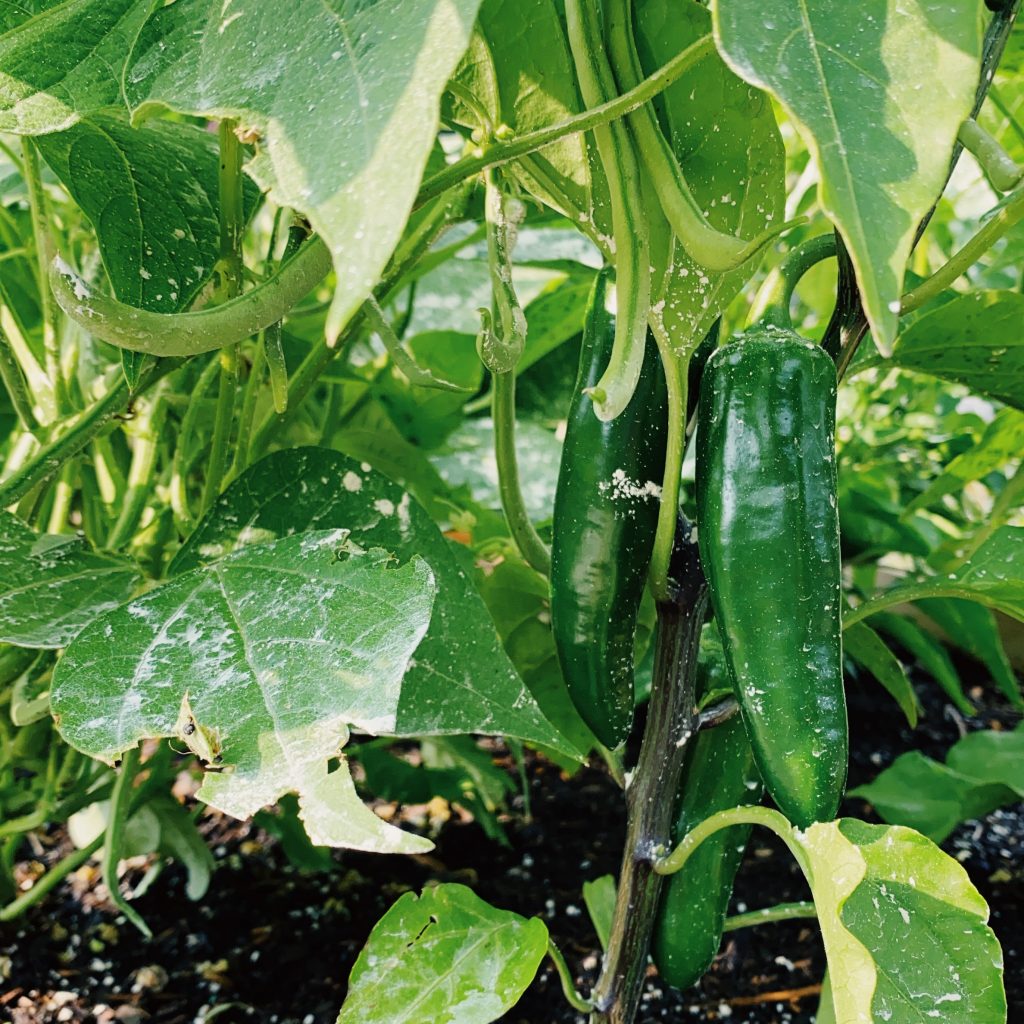
DE works at killing insects because the microscopic particles are very sharp and as an insect crawls over it, it gets cut. DE also can stick to the insect causing it to dry out.

Diatomaceous Earth is completely NON-TOXIC! Because it harms insects physically, and not chemically, it is very safe for you and your garden. Just remember to wear a mask, to avoid breathing in the dust particles.

It is very effective against slugs, beetles, worms, fleas, mites, spiders and MORE! Have you tried DE in your garden?

Learn more about ORGANIC PEST CONTROL: https://www.seedsnow.com/blogs/news/natural-pest-control

Urban Resilience: Learnings from COVID-19

Natural disasters, economic crises and viral outbreaks have greatly impacted our cities in the past. Today, we witness this effect with the COVID-19 viral outbreak. It has heavily impacted food, accommodation, livelihoods, public transport, economy, and other public amenities available to cities globally.

While we struggle with the containment, it is important to reflect on how we can develop sustainable, resilient and liveable cities in the face of such shocks. We at UNICITY have identified 3 elements of resilience our cities need to strengthen: public spaces, urban agriculture and quality of life. So, we here share a few informative best practices.

Urban public spaces that adjust to new needs

Today, 20% of the world’s population is under lockdown. As COVID-19 spreads across the globe, once vibrant public spaces are now deserted. Our social interactions have essentially migrated to the digital space. Yet, we know this is anything but good for our mental health. As per the WHO, physical inactivity, poor walkability and lack of access to recreational areas account for 3.3% of global deaths. So how do we sustain a lockdown, which promises to be longer than we have anticipated?

CONTINUE READING THIS ARTICLE: https://www.resilience.org/stories/2020-05-12/urban-resilience-learnings-from-covid-19/

Elizabeth Scholtz, Barrier-Breaking Garden Director, Dies at 98

In 1972, when Elizabeth Scholtz became director of the Brooklyn Botanic Garden, the splendid 52-acre urban garden founded in 1910, she was not only the first female director of a major botanic garden in the United States; she was also one of the few women in charge of a large New York City cultural institution. This made for some awkward collisions.

At the time, members of the Cultural Institutions Group, which included the directors of the Metropolitan Museum of Art, the American Museum of Natural History, the Brooklyn Museum and the garden, met at the Century Club on West 43rd Street. To attend the meetings, Ms. Scholtz entered through the service door, so as not to upset the stodgy membership of what at the time was an all-male club.

With typical good humor, said Scot Medbury, who led the garden until January, she did so throughout her tenure, with one notable exception.

READ THE FULL STORY: https://www.nytimes.com/2020/05/07/nyregion/elizabeth-scholtz-dead.html

How to make the most of any garden space

Spring is here and, after spending a great deal of time indoors over the past few months, it’s the perfect time to (safely) get outside, unplug from technology, and interact with the earth. And what better way to do this than by gardening? Whether you live in an apartment with limited outdoor access or have a spacious yard to work in, there are plenty of options that allow you to grow your own food and reap the mental and physical health benefits of gardening.

If you’ve never gardened before, you may think that you simply don’t have a “green thumb” and your efforts will be fruitless. But Chris Cunningham of the Landscape and Construction Services division at Cedar Grove says you shouldn’t let this deter or intimidate you. “You don’t necessarily need to have a ‘green thumb,’ ” he says. Just start by reading the directions on seed packets and you’ll likely surprise yourself with what you can grow.

When you’re ready to get planting, the first thing to take into account is how much space you have for a garden so you can plan accordingly.

CONTINUE READING THIS ARTICLE: https://www.seattletimes.com/sponsored/how-to-make-the-most-of-any-garden-space/