Homeless veterans use urban gardening to heal invisible wounds


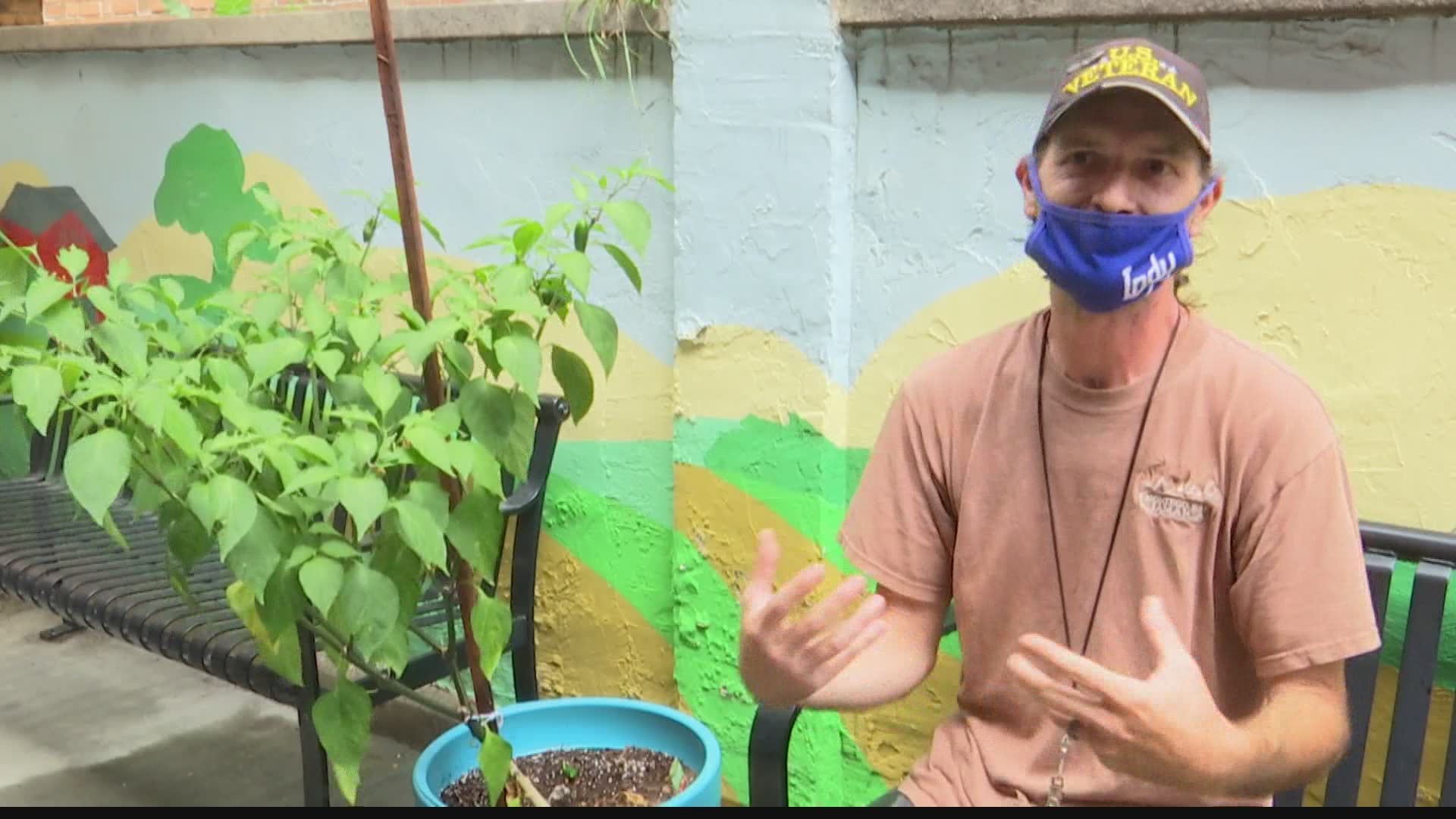
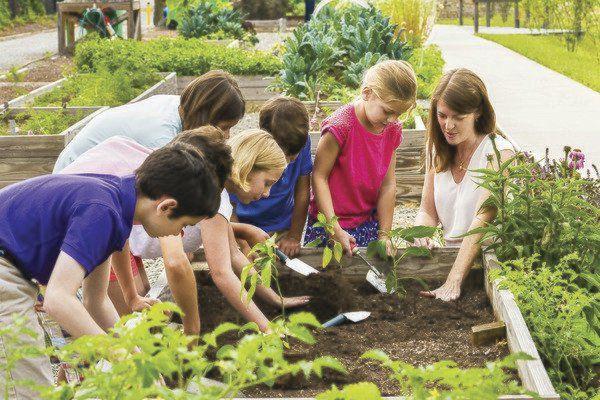
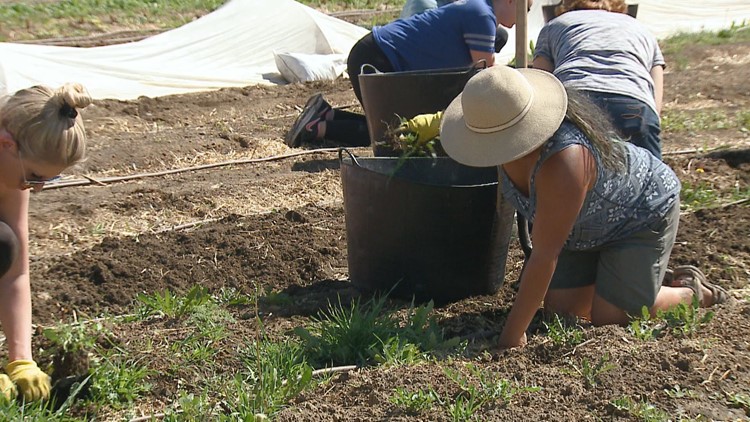
These veterans in Indiana are helping the homeless by gardening to help heal invisible wounds.

WTHR.com: INDIANAPOLIS — For 22 years, an Indianapolis U.S. Army veteran risked everything for this country.

“No one forced me to join the military,” said Craig Browder. “I did it because I wanted to protect people.

At a young age, Browder knew he wanted to be either a police officer or a soldier, and it wasn’t about anything other than serving his community.

READ THE FULL STORY: https://www.wthr.com/article/news/local/indiana/inspiring-indiana/homeless-veterans-use-urban-gardening-to-heal-invisible-wounds/531-c19ebe8b-f2c9-4acf-9c5b-7bcb61b68da1

Research Brief: Urban gardening and its positive impact on the emotional wellbeing of residents

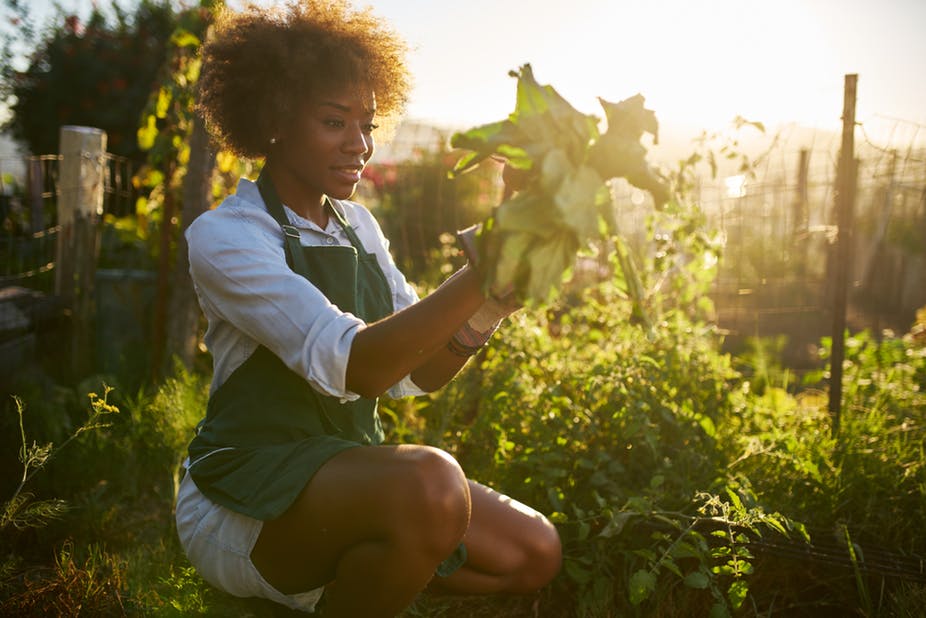
Source: Getty/firina

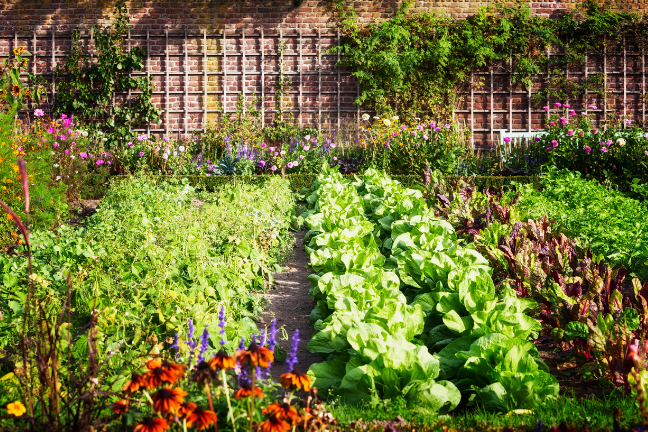
As urban areas strive to enhance their residents’ quality of life, research from the University of Minnesota Humphrey School of Public Affairs shows that access to gardening could have a profound effect on a person’s emotional wellbeing and help address sustainable development goals.

“It’s important to remember that more than 50% of the world’s population lives in an urban environment,” said study co-author Yingling Fan, a professor in regional policy and planning in the Humphrey School of Public Affairs. “Many sustainable development goals are where the environment and human health and wellbeing meet.”

The study, published in the June 2020 issue of Landscape and Urban Planning, examined data collected from more than 370 randomly selected participants in the Minneapolis-St. Paul metropolitan area. Participants were then asked to input emotional wellbeing-linked data into the app Daynamica, which allows for users to track activities and rank their emotions during that activity.

The study combined demographic data, exit interview answers, and geo-location information provided via Daynamica, a smartphone app, to determine where the gardening took place.

TO READ THE STUDY, VISIT THE ORIGINAL ARTICLE AT: https://twin-cities.umn.edu/news-events/research-brief-urban-gardening-and-its-positive-impact-emotional-wellbeing-residents

Gardening resources to help seniors improve quality of life

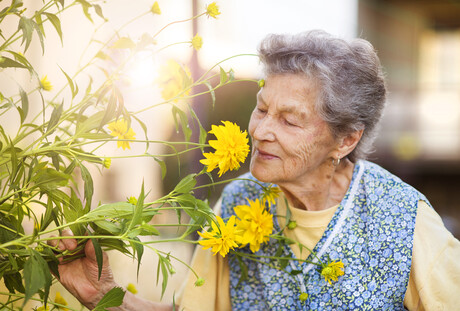
Gardening is an activity relished by thousands of Australians of all ages, offering physical activity, skill development, interaction with nature, and all the mental health benefits that come from pottering about in the garden. When it comes to seniors, gardening can become a well-loved hobby in retirement and a way to connect with a network of other keen green-fingered folks.

Over the past few months, seniors have been particularly vulnerable to the effects of social isolation — a situation that can be improved by finding a love for gardening.

Insteading — a company helping thousands of gardeners and homemakers grow their gardens and skills — has created a bumper trove of gardening resources, including those designed specifically for seniors.

READ THE FULL ARTICLE: https://www.hospitalhealth.com.au/content/aged-allied-health/article/gardening-resources-to-help-seniors-improve-quality-of-life-718560149#axzz6RVnqdzNe

Princeton Study Finds That Home Gardening Makes You Happier

Lewis Wilson

As the sunlight begins shining through the spring showers which bring May flowers, we know that summer is on its way. Although most of the world has been confined to their homes during this global pandemic, stories of the unique ways people are combating the physical isolation associated with staying at home have flooded social media sites. Gardening is one of these hobbies that has seen a resurgence in the past few months, and a Princeton study published in Landscape and Urban Planning explores how caring for plants at home can positively affect your mood.

The study—which was conducted prior to the pandemic—surveyed 370 different people living in the Minneapolis-St. Paul area on their emotional state and happiness levels throughout the day. Of the 370 participants, 118 of them engaged in home gardening. These home gardeners reportedly had high levels of happiness, when gardening was measured against other day-to-day activities. This “emotional well-being” (EWB) that the study tracked was higher for vegetable gardeners than for ornamental gardeners. This might be because of the relationship you build with your vegetable plants as you watch them grow and mature over the course of the planting season.

READ THE FULL STORY: https://mymodernmet.com/princeton-research-gardening-happiness/

Gardening boosts your mood as much as some types of exercise, study finds

In recent weeks, public health experts have warned that the coronavirus pandemic could have a devastating effect on mental health. In the United States, rates of anxiety and depression are rising. Dread and confusion pervade everyday life.

From a mental health standpoint, strict lockdown rules mean that many of the activities we derive joy and purpose from — socializing with friends, exercise, attending church — are difficult or downright impossible to do. But a new study published in the journal Landscape and Urban Planning finds that there’s one surprisingly mood-boosting activity we can do even if we’re locked up alone at home: tending a small garden.

The study shows that gardening boosts people’s moods by as much as some common types of exercise, like cycling and walking. That boost is available whether it is done alone or with others, on a city balcony or in a suburban lawn, and it seems to be particularly strong for women and low-income people. And while all types of gardening were shown to be beneficial to mental health, people who grow their own food seem to take particular joy in tending to their plants.

READ THE FULL STORY: https://www.washingtonpost.com/business/2020/05/15/gardening-boosts-your-mood-much-some-types-exercise-study-finds/

Urban Gardening: 10 Air-Purifying Plants To Keep Your Home Free Of Toxins

Since we’re all stuck at home trying to improve our health and immune system, it is important to keep the air in our homes clean. There are several ways to purify the air at home, but one option that is both natural and affordable is to use air-purifying plants to keep your house clear of the pollutants that we’re always exposed to.

Whether it’s cleaning agents, pesticides, or lack of ventilation, all these are sources of indoor pollution that can easily be absorbed using air-filtering plants.

Click the link below for a variety of excellent air purifiers that are both good looking and super useful!

SEE ALL 10 PLANTS HERE: https://scoopempire.com/urban-gardening-10-air-purifying-plants-to-keep-your-home-free-of-toxins/

Gardening improves the look of things

A vegetable garden can improve your health. A beautiful flower garden can improve the look of your home. But the mere act of planting and tending a garden can improve the way you look at things. After a few hours spent planting, weeding or pruning, most people have a more positive outlook, despite suffering a few muscle aches or maybe feeling tired. It’s a good tired, after all. A tired born of having accomplished something. A tired born of being in touch with nature.

The benefits of time spent outdoors in a garden are many.

Stress melts away in a garden. Whether it’s the fresh air or the sun or the birdsong or just the physical activity, studies have shown that gardening is one of the best ways to reduce stress. Go into a garden feeling a little tense, and a few whacks at a weed or clips to an unruly shrub will take care of any minor aggressions you’re feeling. Don’t take it out on your family, take it out on a weed, in other words.

Gardening can help overcome loneliness. Especially now, when so many of us have to work from home and avoid socializing to reduce the spread of COVID-19, gardening can be therapeutic. Being outside in the fresh air, stretching those winter-stiffened muscles behind a rake or shovel, and reconnecting with other gardening neighbors, albeit from a safe 6-foot distance across the fence, can make you realize you’re not in this alone.

READ THE FULL ARTICLE: https://www.sentinel-echo.com/news/local_news/gardening-improves-the-look-of-things/article_d4cdcd99-a555-590d-a5b9-bf1640a761da.html

Backyard gardening can help relieve ‘stay at home’ stress

Everyone, at some point, feels some cabin fever during ‘stay at home’ orders due to COVID-19.

Whether working from home or making sure the kids are doing their school work — or both — being in the same, confined space can make anyone feel claustrophobic. Experts say a lot of people are fighting those feelings by working in their yard.

READ THE ORIGINAL STORY: https://www.fox13news.com/news/backyard-gardening-can-help-relieve-stay-at-home-stress

Gardening can boost your confidence, self-esteem and body image, a new study has found

According to a new study, gardening can increase our confidence, improve our self-esteem and boost our appreciation of our bodies. This confirms what we already know about gardening being the perfect activity to get us through the current social distancing regulations.

The research, conducted by Anglia Ruskin University, looked specifically at allotment gardening. 84 allotment and community gardeners from London were asked to complete a body image ‘measure of state’ before and after spending time on their allotments. This was then compared to scores from non-gardening groups.

Both groups were also asked to rate themselves on several body image traits, including ‘body appreciation’, ‘functionality appreciation’ and ‘body pride’.

READ THE FULL ARTICLE: https://www.countryliving.com/uk/homes-interiors/gardens/a32027282/allotment-gardening-boost-body-image/

The therapeutic value of the garden in trying times

If someone were to say I must self-isolate in the garden for the next few weeks, I would shake him or her by the hand. If I could. Here’s a thumbs up from a distance of six feet or more.

The neighborhood sidewalks and nature trails are thronged with the cabin-fevered, so what better place to be outdoors and yet away from others than in your backyard and garden?

You can sit out there with the newspaper and a cup of coffee, but in time both of those pleasures will come to an end.

The mark of a true gardener is a person who does not see a finished landscape but a series of tasks that need to be tackled. This isn’t as onerous as it sounds because it gets to the essential elements of gardening: creativity, honest toil and the satisfaction of a job well done. Aches and pains come along for the ride, but that’s why we have bathtubs.

READ THE FULL POST: https://www.washingtonpost.com/lifestyle/home/gardening-self-isolating-coronavirus/2020/03/23/30bae166-6a08-11ea-9923-57073adce27c_story.html

How to plant a well-being garden for your physical, mental and social health

There is an ever-growing body of scientific evidence that gardens and gardening are good for our physical, mental and social wellbeing. Having something to nurture brings a sense of unpressured purpose to our lives. And if you choose the right plants and design, you can enhance the wellbeing your garden provides.

A considered, layered approach to planting can block traffic noise; the right trees and shrubs can combat pollution; certain flowers can keep pollen counts low, while still encouraging bees and insects; and scented plants can reduce stress. Here’s how to do it.

Rosemary (Rosmarinus officinalis) looks great in mixed borders or pots, can be used in many recipes, and is proven to enhance alertness, memory, reduce anxiety, improve mood and aid relaxation.

Peppermint (Mentha x piperita) Be sure it doesn’t take over, so place in pots (in sunny spots). Peppermint will enhance attention, alertness and memory as well as reduce stress.

Lavender (Lavandula) A therapeutic garden classic, fantastic for improving concentration, reducing stress and anxiety, increasing relaxation and improving mood. Plant near a back door or seating areas for maximum exposure.

Thyme (Thymus) A great robust ground cover that, if planted along the edge of a path or gaps within paving, will release its beautiful scent when stepped on.

READ THE FULL ARTICLE AT: https://www.theguardian.com/lifeandstyle/2020/mar/14/how-to-plant-a-wellbeing-garden
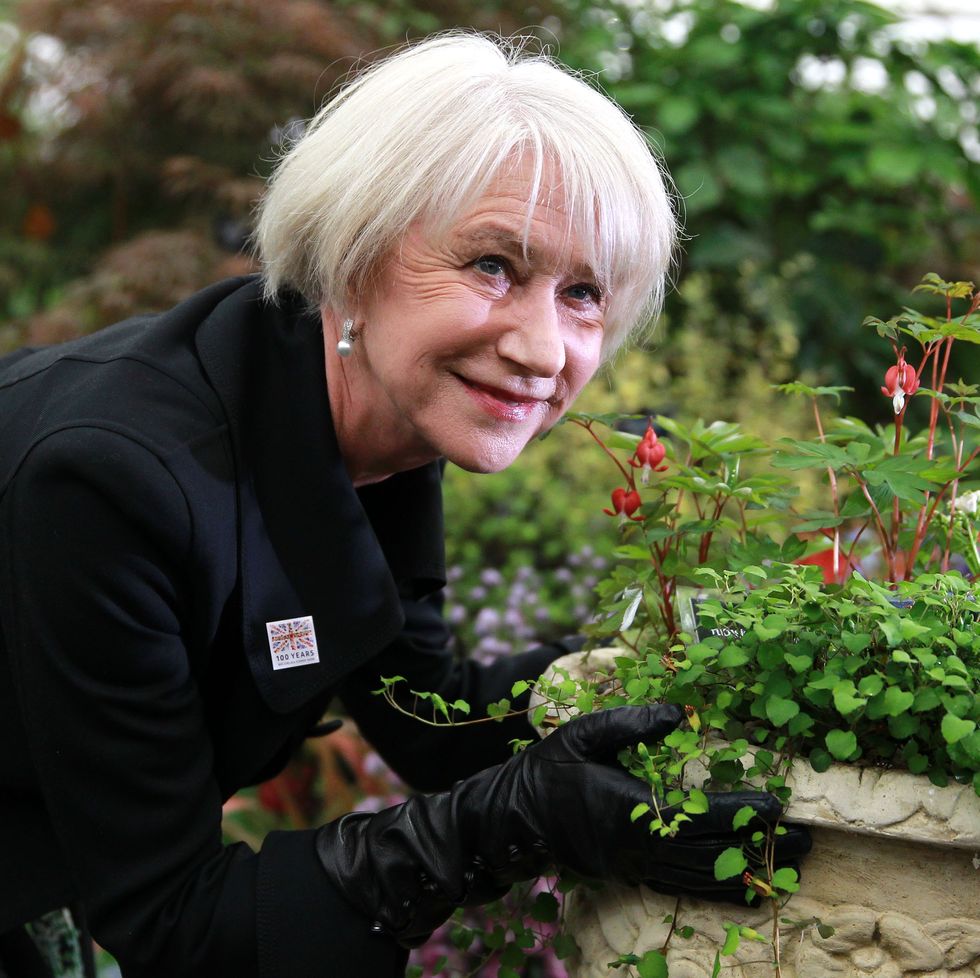
Dame Helen Mirren says gardening helps soothe her anxiety and keep “her dragons” away

Fred Duval – Getty Images

Dame Helen Mirren has revealed that gardening helps to soothe her anxiety and keep her “dragons” away.

The multi award-winning actor said: “I am not very good at turning off but gardening is a wonderful thing to do because it is absorbent, meditative, a learning process and it is physical. It is a really good way of keeping those dark dragons away. I do have them. I do, yes,” Helen told The Mirror.

Last summer, the British actor spoke of the challenges she faced when it came to her mental health. Speaking on the My Self Worth podcast — which was made in ­collaboration with The Prince’s Trust — she said she often felt boring and not exciting enough.

“These negative thoughts are always lurking there under the surface. Everybody feels this way, you are not the only one. What always comes up in my head is that I’m boring, I’m stupid, I’m not exciting enough.

READ THE FULL ARTICLE: https://www.countryliving.com/uk/wildlife/countryside/a31071382/helen-mirren-gardening-helps-anxiety/

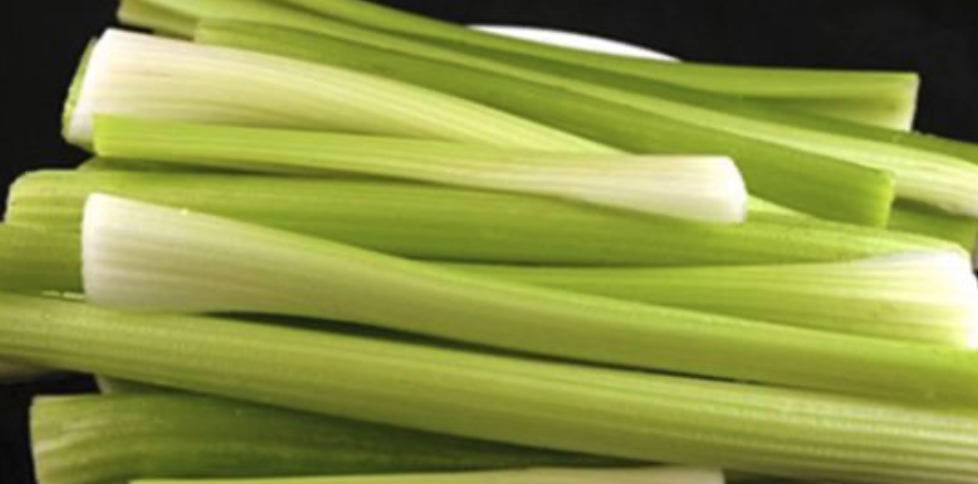
When You Eat Celery Every Day For A Week Your Body Will Receive These 14 Health Benefits

Celery is one of the most nutritious vegetables we can consume, as it is a rich source of magnesium, potassium, and vitamins C, A, B, and K. It is also high in phytonutrients, which act as potent anti-inflammatory and antioxidant agents, strengthen the immune system, boosts the intracellular communication, and repairs DNA damage.

Researchers have confirmed the numerous health benefits of celery:

  • Celery treats and prevents chronic inflammation
  • It regulates the pH balance of the body
  • it helps weight loss since it is low in calories but high in fiber
  • Celery helps digestion and treats stomach issues and constipation
  • It is 96% water, so it hydrates the body
  • It lowers the risk of gastritis and gastric ulcers
  • It treats urinary tract infections as it has potent diuretic properties
  • It soothes the nervous system and helps you fall asleep

READ THE FULL ARTICLE: https://realfarmacy.com/celery-week/?fbclid=IwAR0Mik_9cpX4fn5MngbzL3CgCt8BdMh7nAbzWyM-TWv0kNFDAON8MSffYV8

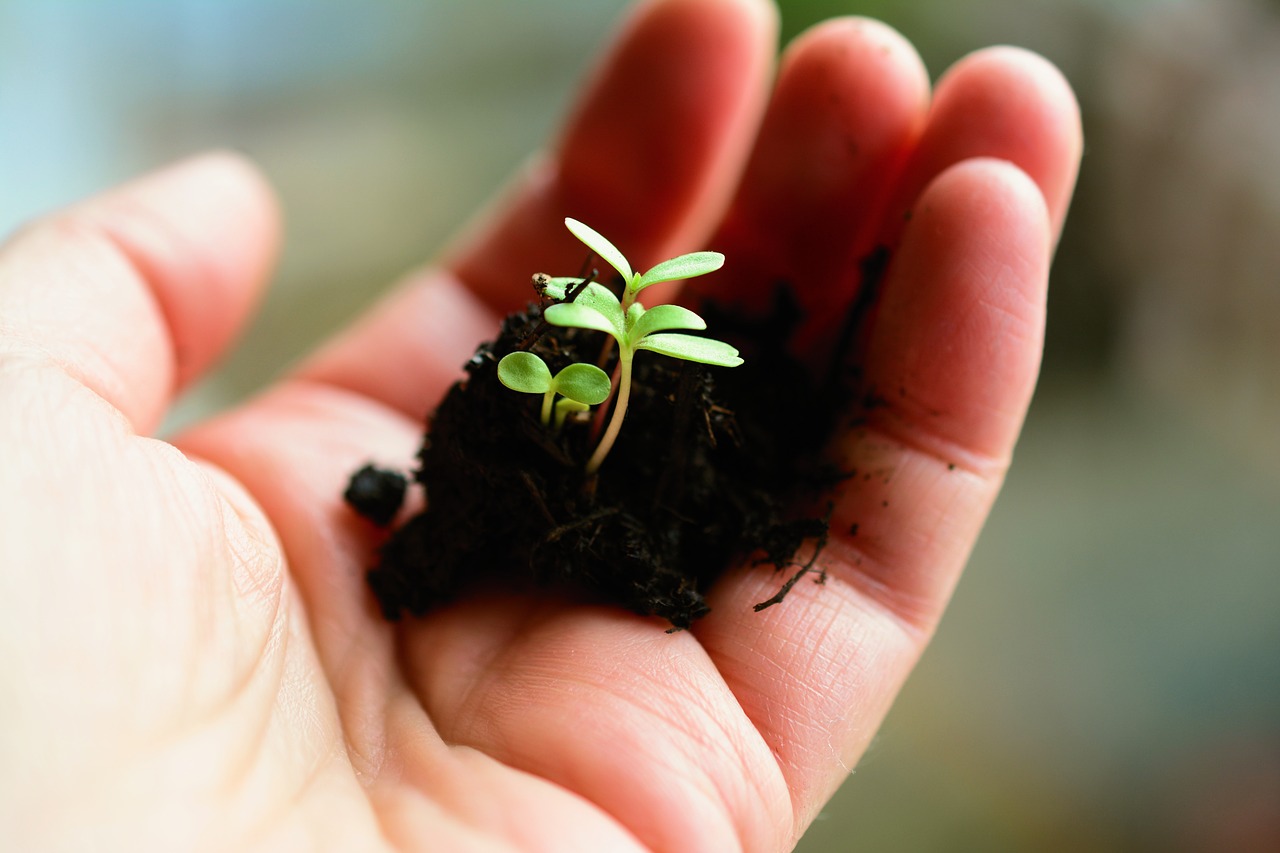
Antidepressant Microbes In Soil: How Dirt Makes You Happy

Prozac may not be the only way to get rid of your serious blues. Soil microbes have been found to have similar effects on the brain and are without side effects and chemical dependency potential. Learn how to harness the natural antidepressant in soil and make yourself happier and healthier.

Natural remedies have been around for untold centuries. These natural remedies included cures for almost any physical ailment as well as mental and emotional afflictions. Ancient healers may not have known why something worked but simply that it did. Modern scientists have unraveled the why of many medicinal plants and practices but only recently are they finding remedies that were previously unknown and yet, still a part of the natural life cycle. Soil microbes and human health now have a positive link that has been studied and found to be verifiable.

Read more at Gardening Know How: Antidepressant Microbes In Soil: How Dirt Makes You Happy https://www.gardeningknowhow.com/garden-how-to/soil-fertilizers/antidepressant-microbes-soil.htm

This Fall Veggie Benefits Bones, Immunity, Energy & More!

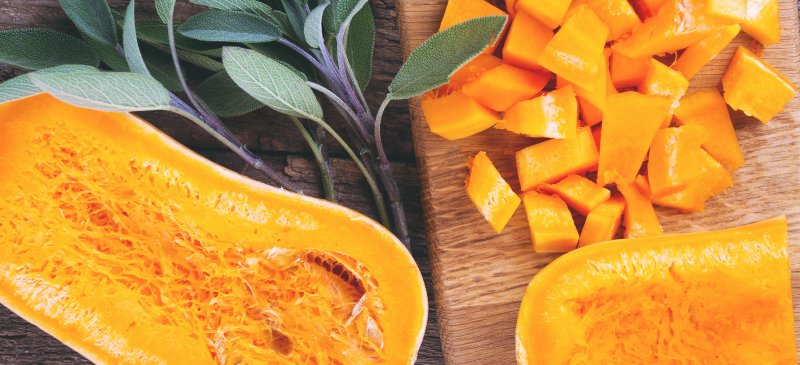
Sometimes, the best foods are underrated, but I hope that’s not the case when it comes to butternut squash. This creamy food hasn’t been around long, but it’s quickly become an incredibly common (rightfully so!) part of many healthy diet routines thanks to all the wonderful things butternut squash nutrition provides.

Why is this such a good thing? Could it be perhaps because butternut squash has enough vitamin A in just one serving to cover your entire day? Maybe it’s because butternut squash nutrition can help you lose weight, prevent cancer and even avoid catching a cold.

All of these reasons (and many more) are great reasons to incorporate butternut squash into your diet — and lest we forget, it also tastes great. So try out some of my favorite butternut squash recipes and get some of the amazing benefits of butternut squash nutrition I outline below.

READ THE FULL ARTICLE: https://draxe.com

‘This is a big win’: Pesticide linked to brain damage in children banned in California

LOS ANGELES – A widely used agricultural pesticide that California environmental officials have said has been linked to brain damage in children will be banned after next year under an agreement reached with the manufacturer, state officials announced Wednesday.

Under the deal, all California sales of chlorpyrifos will end on Feb. 6, 2020, and farmers will have until the end of 2020 to exhaust their supplies.

The pesticide is used on numerous crops in the nation’s largest agriculture-producing state – including alfalfa, almonds, citrus, cotton, grapes and walnuts.

State regulators have said chlorpyrifos has been linked to health defects in children, including brain impairment, and to illnesses in others with compromised immune systems.

READ THE FULL STORY https://amp.usatoday.com/amp/3928655002

Anxiety and depression: why doctors are prescribing gardening rather than drugs

Spending time in outdoors, taking time out of every day to surround yourself with greenery and living things can be one of life’s great joys – and recent research also suggests it’s good for your body and your brain.

Scientists have found that spending two hours a week in nature is linked to better health and well-being. It’s maybe not entirely surprising then that some patients are increasingly being prescribed time in nature and community gardening projects as part of “green prescriptions” by the NHS. In Shetland, for example, islanders with depression and anxiety may be given “nature prescriptions”, with doctors there recommending walks and activities that allow people to connect with the outdoors.

Social prescriptions – non-medical treatments which have health benefits – are already used across the NHS to tackle anxiety, loneliness, and depression. They often involve the referral of patients to a community or voluntary organization, where they can carry out activities which help to meet their social and emotional needs, and increasingly doctors are opting for community gardening – as this also has the added benefit of involving time spent in nature – even in highly built-up areas.

READ THE FULL ARTICLE https://theconversation.com

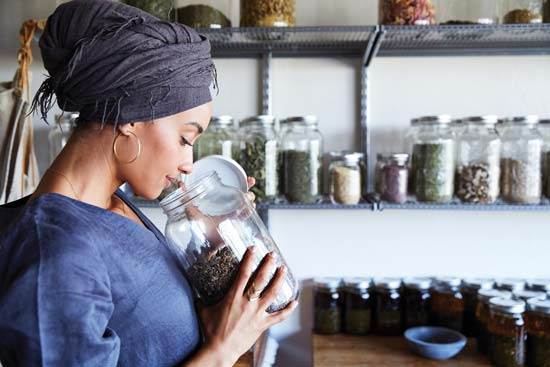
Create an Organized Home Apothecary

Choose Herbs That Meet Your Needs

The most important place to begin with any home apothecary is to accurately assess your home health care needs. If you know your family will need winter health support, then herbs to strengthen immunity will be the place to start. If you have a tendency to get colds that settle in the lungs, you may wish to have several lung-supporting herbs and expectorants on hand. Identifying the key areas where you need home remedies will help you focus your attention when stocking herbs and medicines.

The other key piece to efficiency in the home apothecary is to become as familiar as possible with the herbs you keep on hand. The more you understand about an herb, its properties, and its applications, the more versatile it will be. Most home apothecaries don’t have hundreds of herbs, and for good reason! A simple collection of 10 to 20 will do most people just fine. And the better you know those 10 to 20 herbs, the more useful you will find them.

READ THE FULL ARTICLE MotherEarthLiving.com

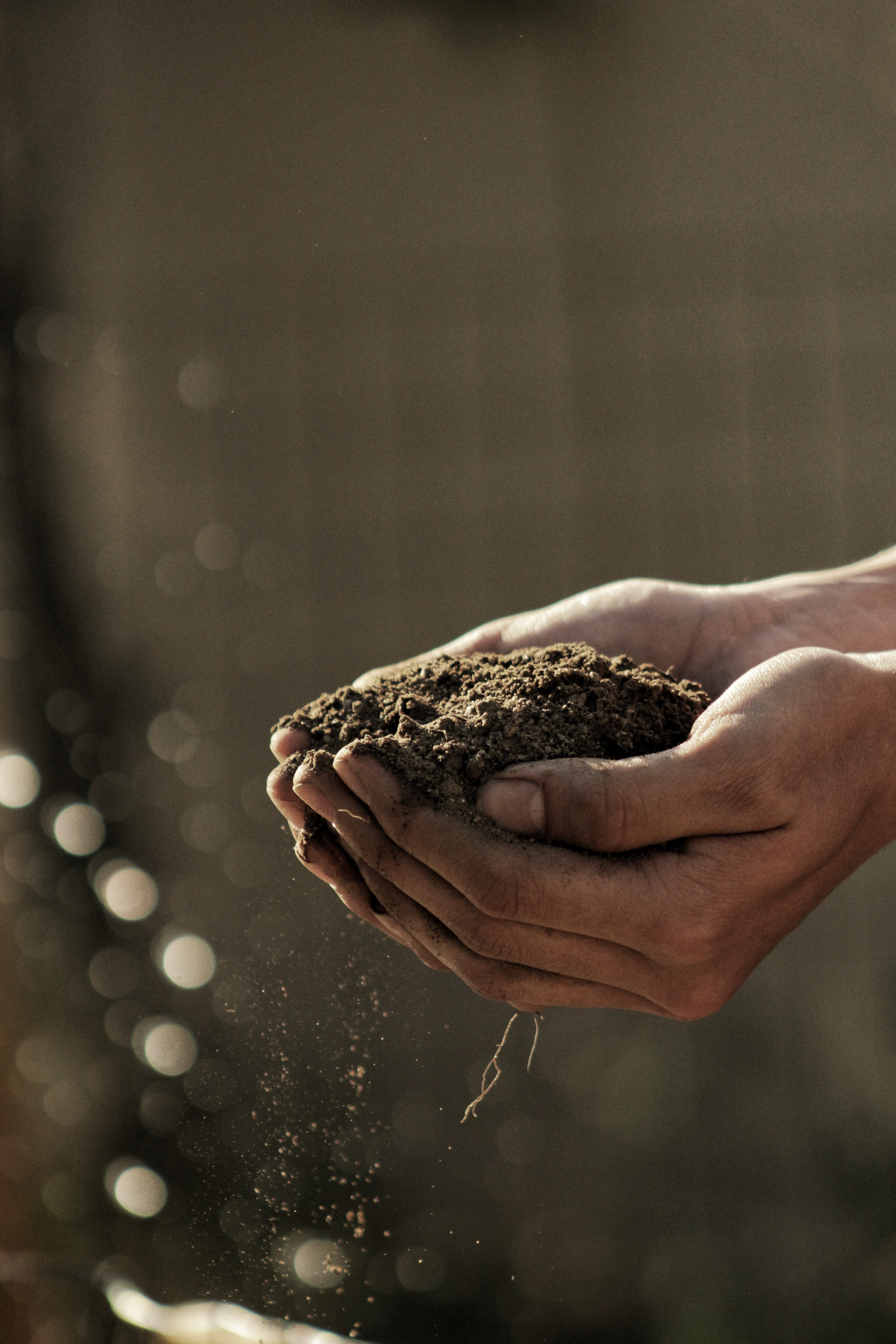
Could dirt be the answer to treating PTSD?

A new study from the University of Colorado Boulder found a certain type of bacteria in the soil helps reduce stress and overall, could make you happier.

Previous studies around the world have come to similar conclusions, but CU’s research may be the first step to a stress immunization for first responders and soldiers.

“What we’d like to do is look at effects in individuals that have already experienced trauma,” Associate Professor in Integrative Physiology at CU Boulder Christopher Lowry said. “[We could] either treat it immediately after trauma or treat it after developmental PTSD symptoms and see if it could also be beneficial at those times.”

So far, Lowry and other CU researchers have only studied this in mice. They injected them with the bacteria and found it keeps immune cells in the brain from becoming inflamed when you are stressed.

READ THE FULL ARTICLE 9News.com