
Urban gardening during lockdown not going well? Here’s how to save dying plants!

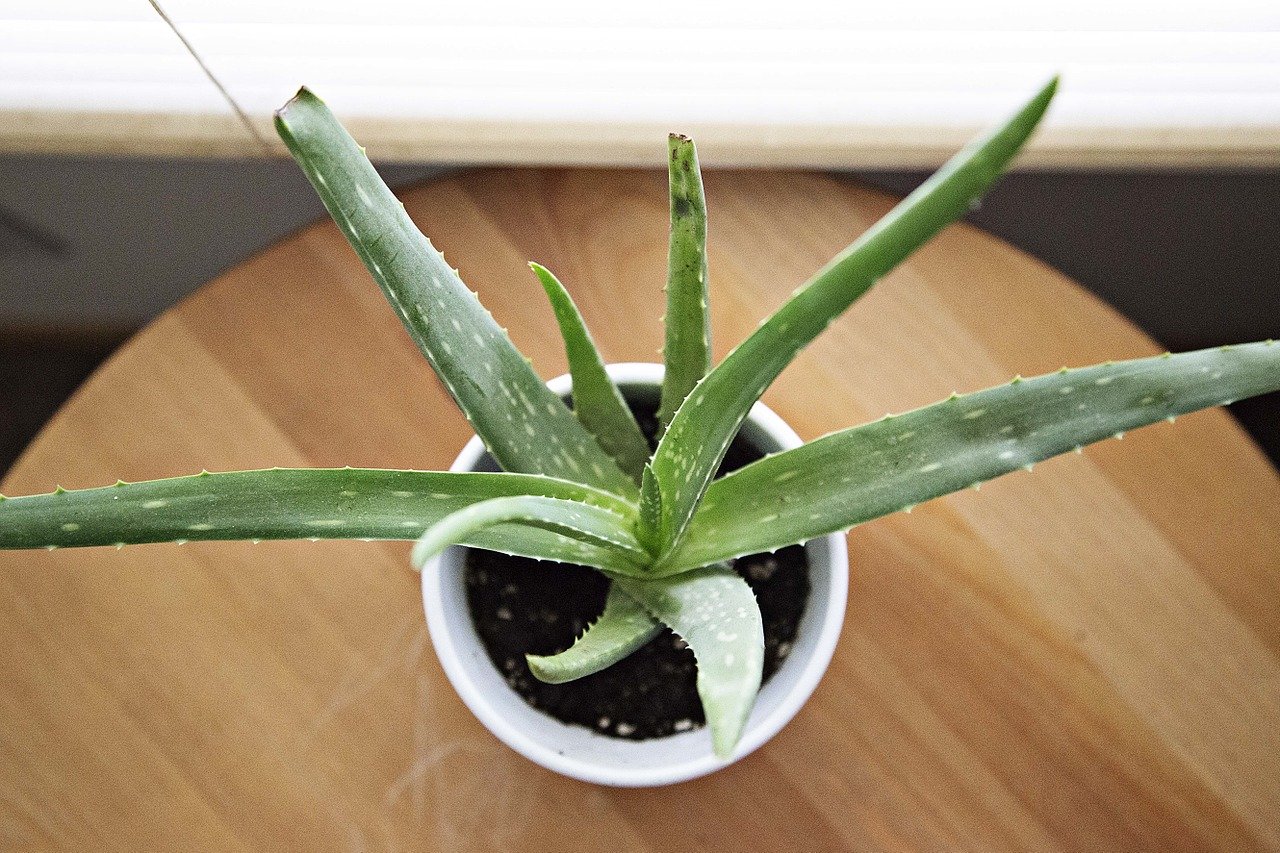
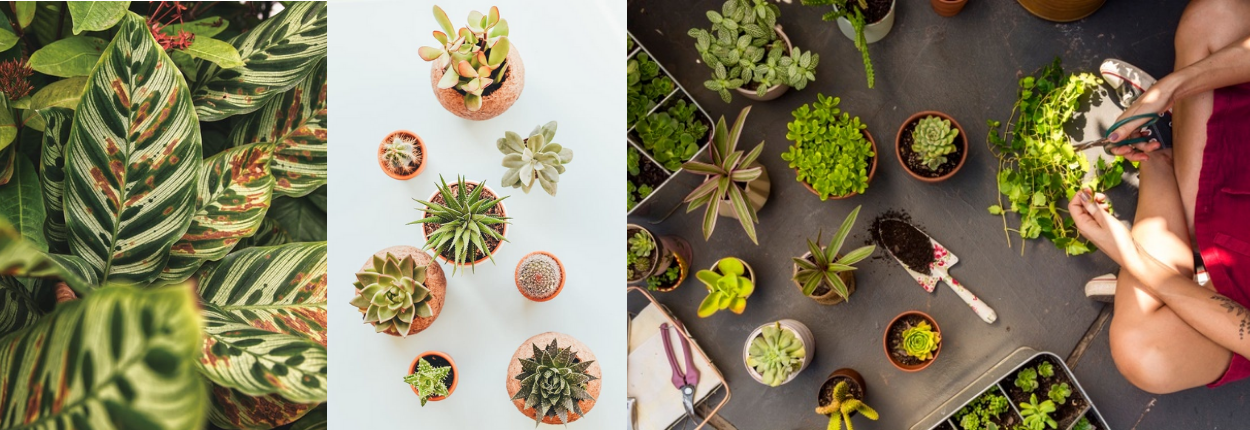
Have you left your plants unattended since a few days out of sheer laziness (blame it on the quarantine), or has your interest in plants waned because there haven’t been any flowers blossoming? Chances are, the sun, water, and a little effort on your part might still revive them. Plants are hardier than we think, and there is a special joy in seeing wilting plants thrive. Here’s how to save dying plants.

Using the reparo charm

If you see limp stems and drooping leaves, immediately water the plant deeply. That is, pour water gently from all sides, until you see it seeping out from the drainage hole at the bottom of the pot. This ensures that all parts of the roots will receive their share of water. Now, focus on the soil. The top layer has probably hardened from the harsh summer sun. Grab a large spoon or a shovel, and dig up the top layer. Be careful not to damage the roots. Give the tilled soil a good mix, and if you have any compost lying around, this is the time to add it to the soil. Pat down the soil with the spoon and place the pot in a partially sunny spot. Water the plants everyday–early in the morning or late evening.

READ THE FULL STORY: https://elle.in/article/how-to-save-dying-plants/
Growing Mainstream: How Gardeners are Becoming the New Influencers

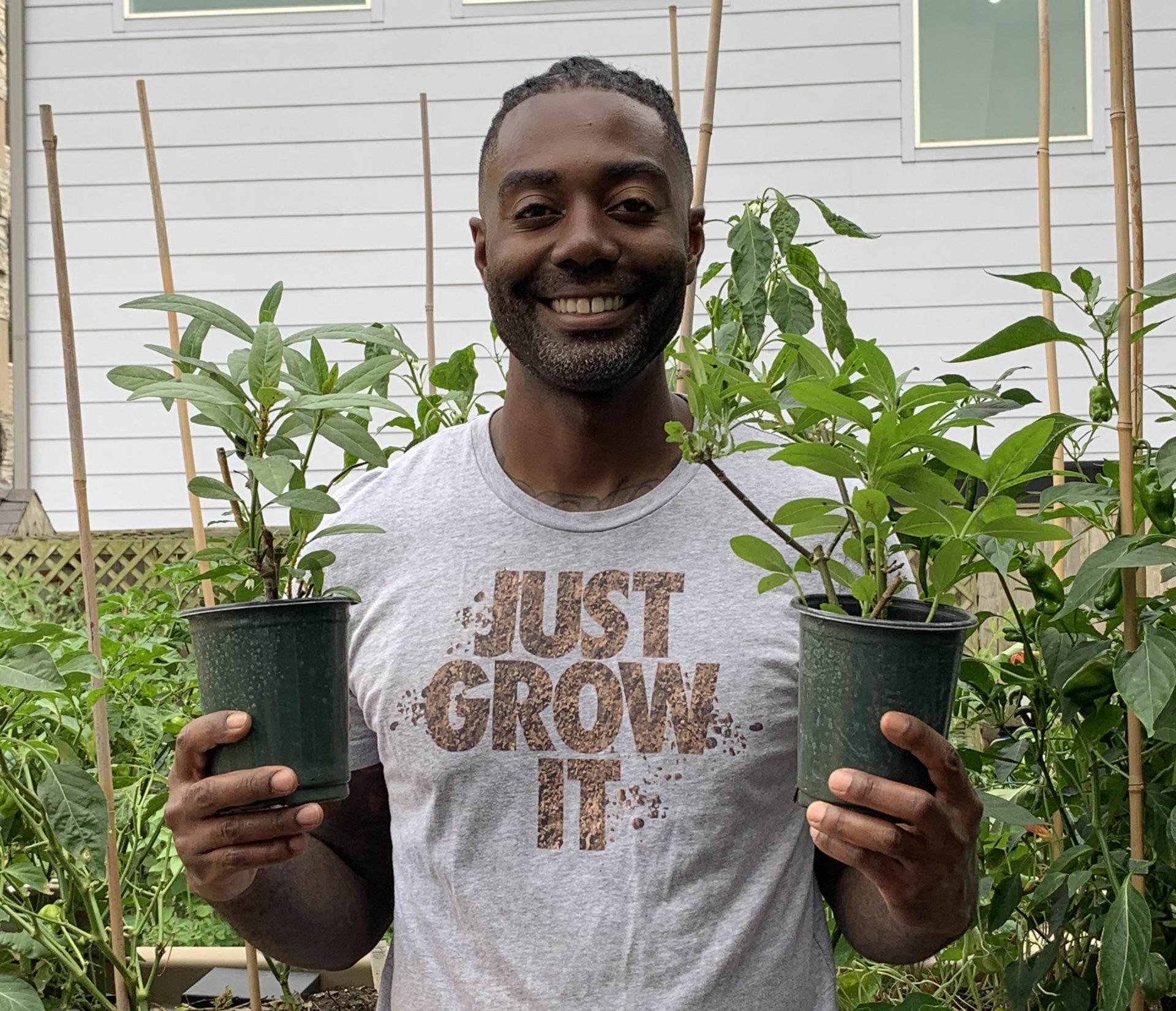
When Timothy Hammond decided to document his gardening adventures on Instagram, he thought he might attract a few like-minded people who shared his passion for growing food.

Over the past two years, the urban gardener has gradually established a loyal fan base that’s exceeded his expectations for what he considered a hobby account.

But it wasn’t until the pandemic hit that he saw engagement increase at an overwhelming pace.  Hammond has gained more than 10,000 new followers in just the last six weeks, as more people have started thinking about growing their own food.

“People are being forced to take a step back and look at their food system,” he says.

READ THE WHOLE STORY: https://modernfarmer.com/2020/05/growing-mainstream-how-gardeners-are-becoming-the-new-influencers/

It’s hot to be green: How urban gardening is taking over

The city and the countryside haven’t always seen eye to eye. In fact, the world’s greatest cities define themselves as everything rural areas can’t – vibrant, dynamic, bursting with energy and forward-thinking. But now, millions of urbanites are reconsidering. Greening the city has become an obsession for planners and apartment dwellers alike. But what does it mean for your life? Let’s take a look.

How cities are launching a green revolution

The last year or two have seen an acceleration in the greening of cities, with authorities, companies and individuals all making their mark.

READ THE FULL ARTICLE: https://www.theupcoming.co.uk/2020/05/25/its-hot-to-be-green-how-urban-gardening-is-taking-over/

From floating islands to abandoned lots: urban gardening in Mexico

Urban gardening is nothing new in Mexico. Lack of space and a growing population led to the invention of chinampas, artificial islands in the lake waters of ancient Mexico City. Today, some of the islands still exist as productive farmland.

The modern concept of reclaiming urban space for agriculture has become popular in Mexico for many of the same reasons as other parts of the world – concerns about the environment, food quality and food availability. It started in the United States, with the victory gardens of World War II, but by the 1980s had spread worldwide.

Mexican urban agricultural organizations are also involved in issues related to genetically modified food, organic farming, food labeling and community building. More recently, Mexico has seen an upsurge of interest in gardening because of Covid-19.

READ THE FULL ARTICLE: https://mexiconewsdaily.com/mexicolife/urban-gardening-in-mexico/

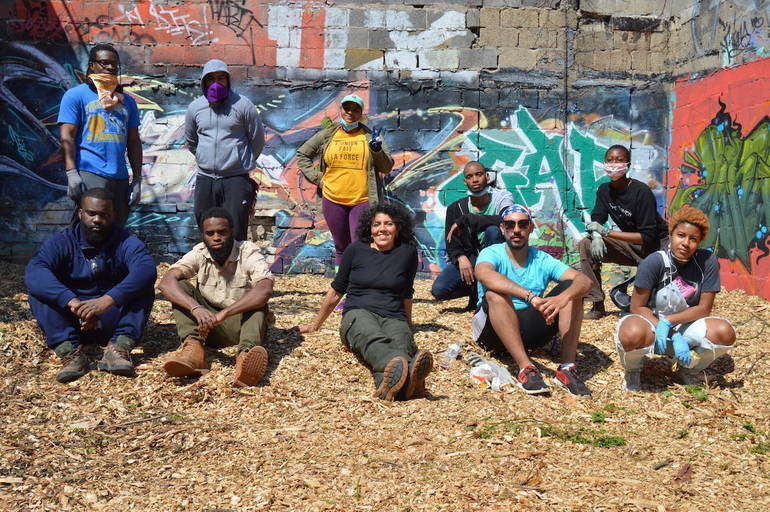
This Newark Couple is Transforming a Vacant Lot into a Community Garden

Photo: Bilal and Breonna Walker

NEWARK, NJ — For the past 15 years, Lot 50 on Grafton Avenue in the city’s North Ward has been a wasteland of syringes and garbage, bringing down the community’s morale.

Those days are coming to an end, according to Bilal and Breonna Walker, two educators who are transforming the lot into a community project unlike any other in Newark. Dubbed Jannah on Grafton, what was once a blight on the neighborhood will soon be a community garden providing access to healthy food options, urban gardening advocacy and sustainable education efforts for North Newark residents.

The project came about due to divine inspiration, according to the couple, who are practicing Muslims.

“There’s a saying that loosely goes, ‘If you plant a seed, and it grows and an animal or human benefits or eats from it, then you get that reward.’ That’s something I’ve been reflecting on for a very long time, and I’ve always thought about how I’d like to leave my mark on the world,” Bilal said.

The lot’s vibrant graffiti would always catch the couple’s eye, and so through the city’s Adopt a Lot program, the Walkers began their endeavor to bring grassroots sustainability to an underserved population. Through Jannah on Grafton, they’re setting a goal to provide 20 families locally grown produce and cushion their monthly food income.

READ THE FULL ARTICLE: https://www.tapinto.net/towns/springfield/sections/other-nj-news/articles/this-newark-couple-is-transforming-a-vacant-lot-into-a-community-garden-4

Andover farmer works to feed many at urban garden

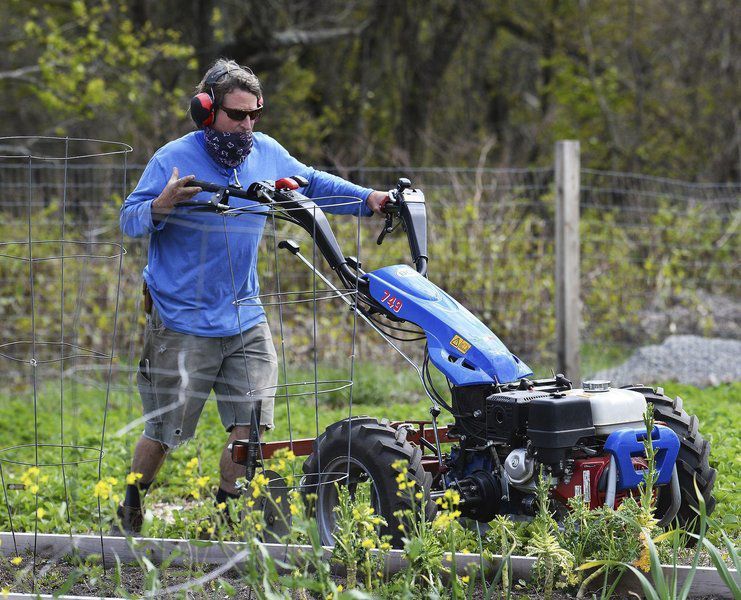
In Costello Park, the lonely farmer works his fields under the sun.

Thomas Paulsen, of Andover, holds the rototiller’s wide handlebars and plows the dark earth at the urban farm, the largest in a network of community gardens operated by Groundwork Lawrence.

Paulsen then rakes the beds, mounding rows for vegetable seedlings that will become food for Lawrence soup kitchens, pantries and farmers markets.

Ambulance and police sirens wail and cars rumble past, but the farmer hardly hears them. His attention is on readying fields.

In a typical year, schools, children and adults on professional service days would already have volunteered hundreds of hours readying this garden for the growing season.

READ THE FULL STORY: https://www.andovertownsman.com/news/local_news/andover-farmer-works-to-feed-many-at-urban-garden/article_e868683c-4d73-52b0-8103-f78c3f3eb075.html

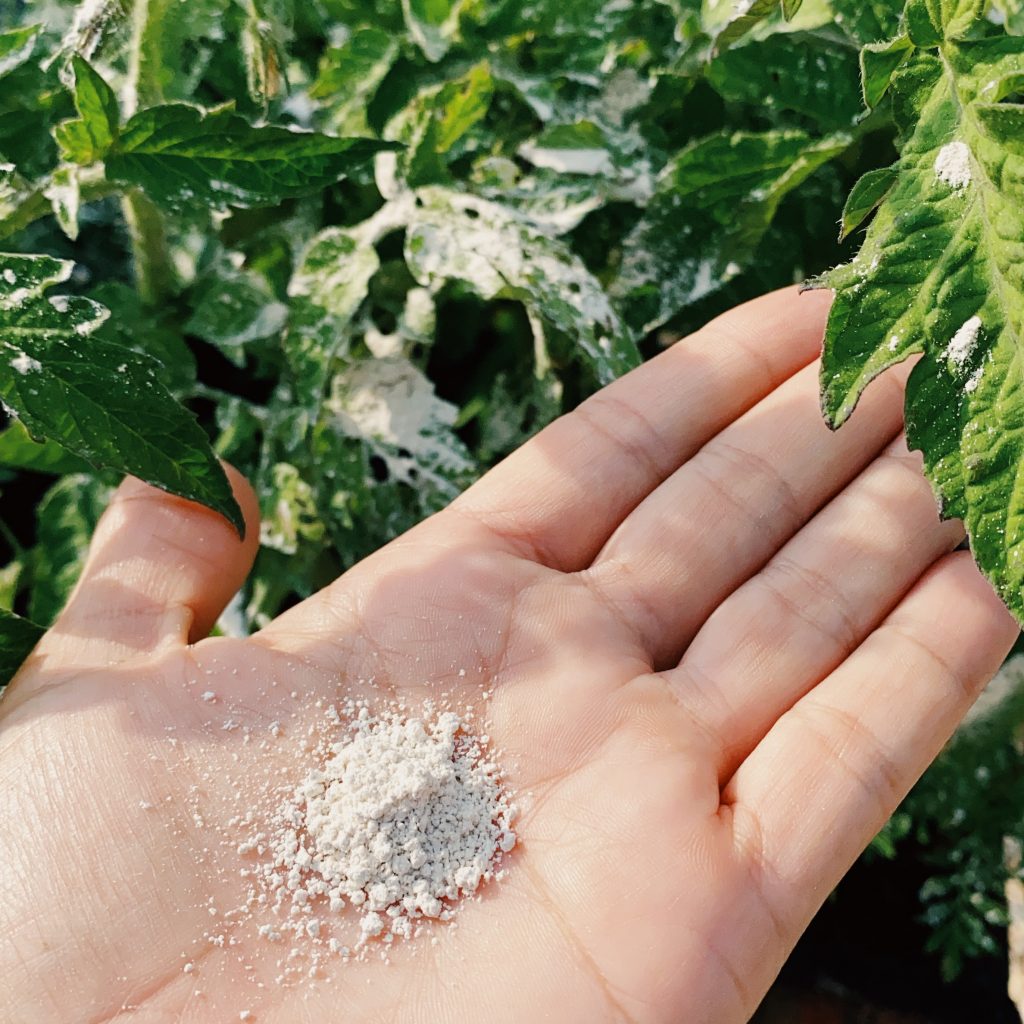
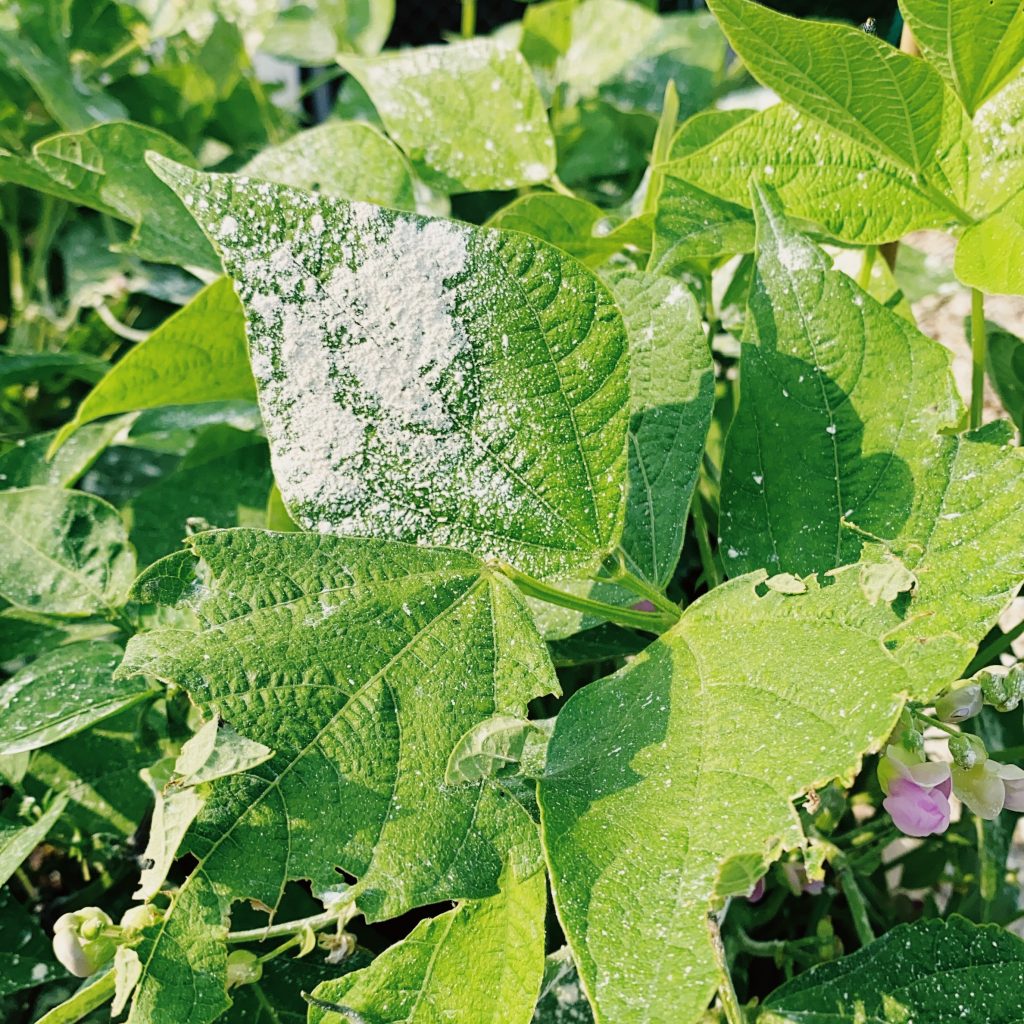
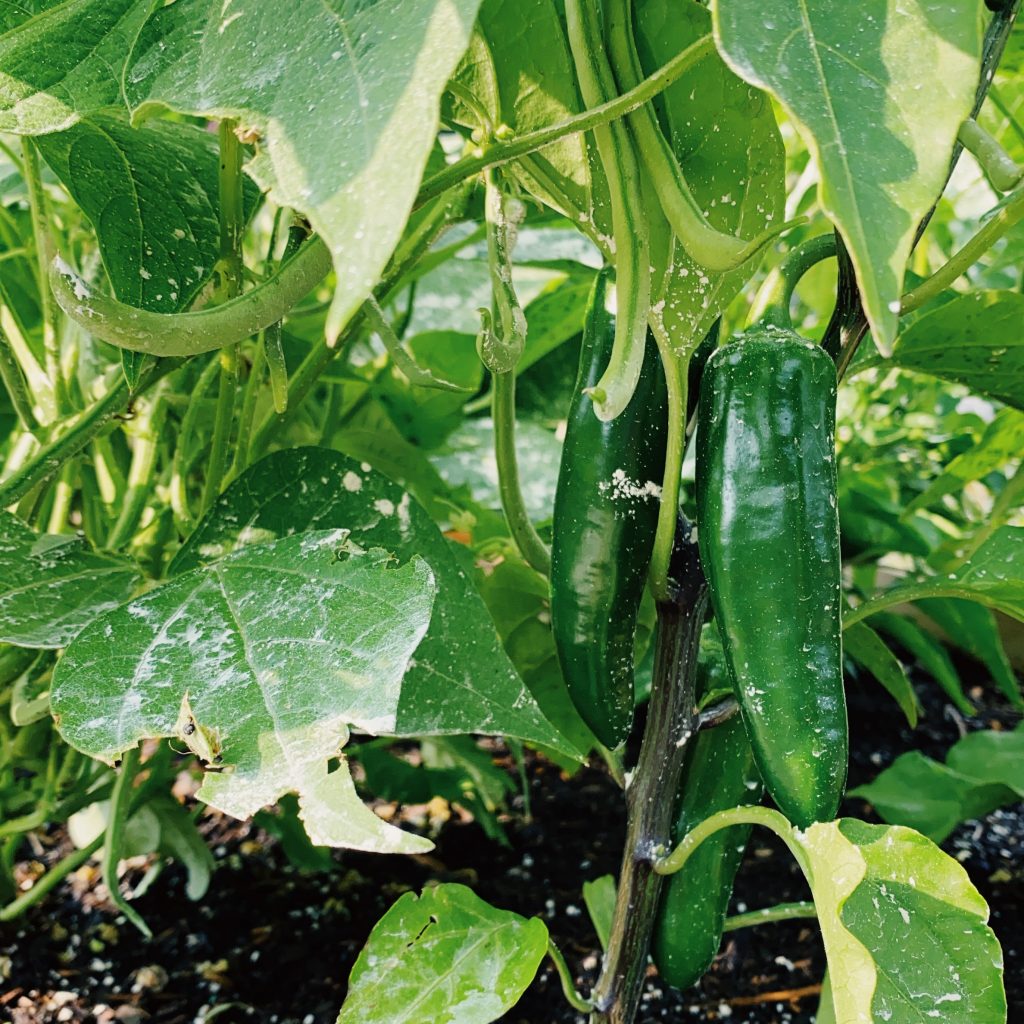
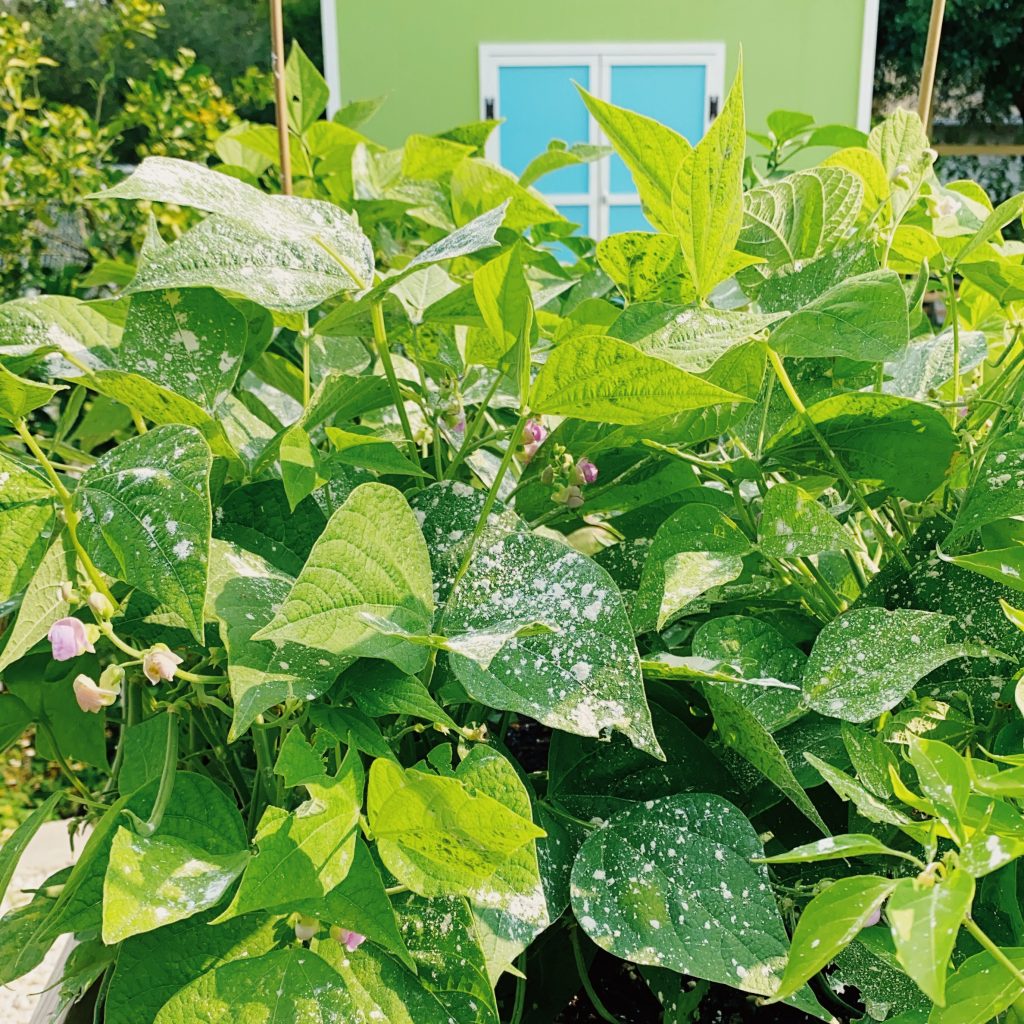
What is Diatomaceous Earth (DE) and How Can You Use It In The Garden as a Pest/Insect Repellent?


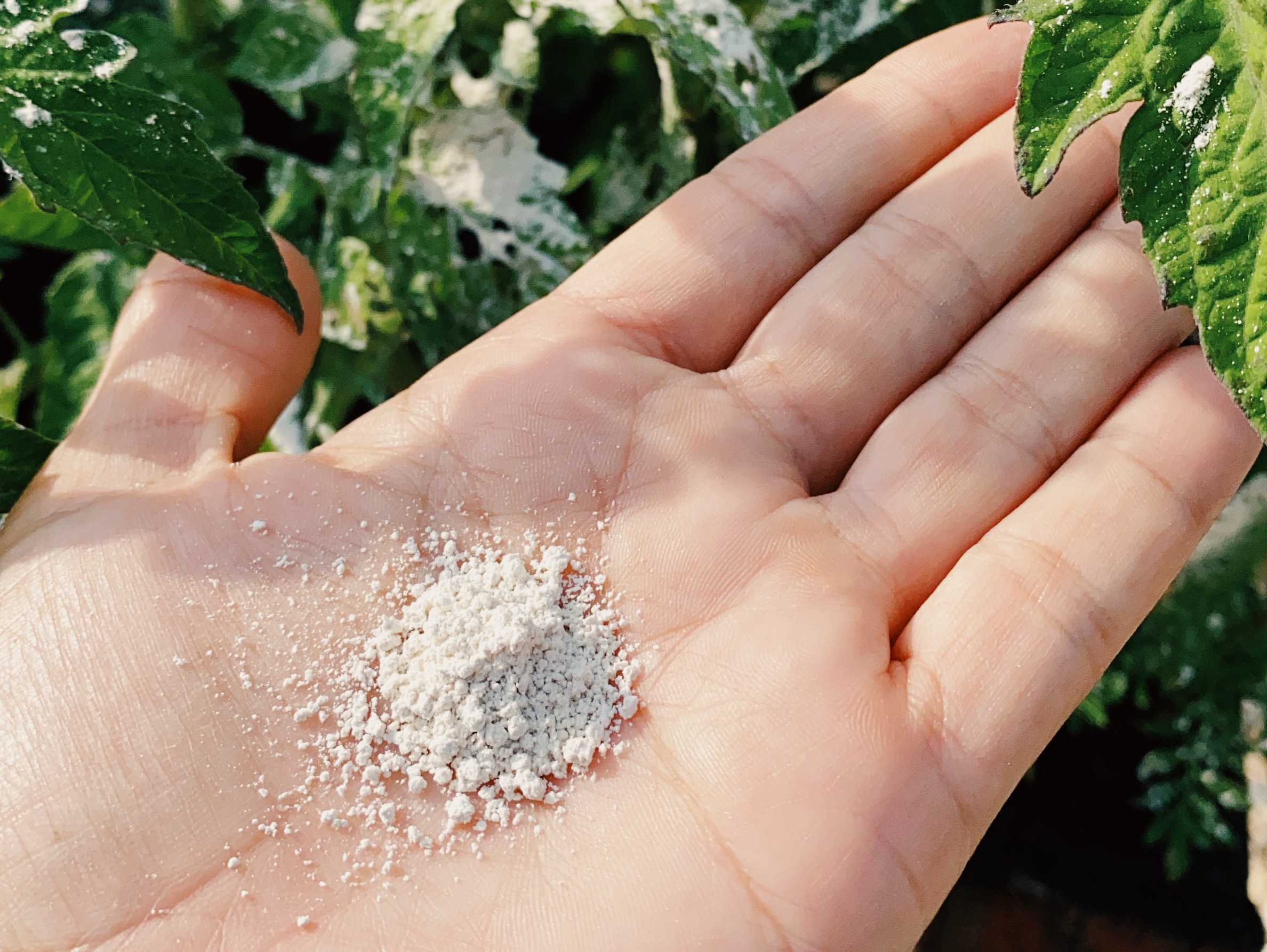
Diatomaceous earth is a naturally occurring, soft sedimentary rock that is crumbled into a fine white powder. Wondering how you can use DE in your garden? Well, as a natural method of pest control!

DE works at killing insects because the microscopic particles are very sharp and as an insect crawls over it, it gets cut. DE also can stick to the insect causing it to dry out.

Diatomaceous Earth is completely NON-TOXIC! Because it harms insects physically, and not chemically, it is very safe for you and your garden. Just remember to wear a mask, to avoid breathing in the dust particles.

It is very effective against slugs, beetles, worms, fleas, mites, spiders and MORE! Have you tried DE in your garden?

Learn more about ORGANIC PEST CONTROL: https://www.seedsnow.com/blogs/news/natural-pest-control

The indoor farm revolution – NASA INSPIRED

NOTE FOR 2020 READERS: This is the eleventh in a series of open letters to the next century, now just 80 years away. The series asks: What will the world look like at the other end of our kids’ lives?

Dear 22nd Century,

For all the pain, grief and economic hardship the 2020 coronavirus pandemic has sown, a handful of green shoots seem to have taken root in its blighted soil.

Green being the operative word, because many of these developments could be a net positive for the planet. In lockdown, many of us are seeing what our cities look like without smog. Office workers are experiencing office life without the office; just last week, Twitter announced that most of its employees could work from home forever, while much of Manhattan is reportedly freaking out about what could happen to commercial real estate. Thousands of companies just discovered they can still function, and maybe even function better, when they don’t chain employees to desks or force them to make a soul-crushing, carbon-spewing commute 10 times a week.

READ THIS FULL ARTICLE: https://mashable.com/feature/indoor-garden-farming-grow-your-own-food/

Despite abrupt end to senior year, this student’s urban garden project has lasting impact

On March 13, Gov. Ralph Northam ordered schools closed in the interest of public safety. With the schoolhouse shuttered, many high school seniors are saying goodbye to their public school legacy without many commemorations. But one Norfolk Collegiate senior got to end the abrupt school year by celebrating pollinators and the native plants that support them. Just before the official state lockdown, Carson Giocondo gathered a handful of volunteers on a cold and rainy morning for planting at the newly improved kayak launch on 44th Street in Norfolk.

I spoke with Giocondo about his motivations for the project.

“I’ve always been interested in animals and wanted to be able to share that with the community,” he said. “I wanted to use what I learned about pollinators and ecological services.”

Giocondo, whose mother is an avid gardener, concocted the plans for a pollinator garden. He also understood increasing plant material at the site would help filter stormwater runoff from Colley Avenue and provide habitat for many species of wildlife.

READ THE ENTIRE STORY: https://www.pilotonline.com/life/vp-db-allissa-bunner-in-full-bloom-leap-44-street-051620-20200516-k5ifpl76xjgjliurr5buis4qki-story.html

Gardening boosts your mood as much as some types of exercise, study finds

In recent weeks, public health experts have warned that the coronavirus pandemic could have a devastating effect on mental health. In the United States, rates of anxiety and depression are rising. Dread and confusion pervade everyday life.

From a mental health standpoint, strict lockdown rules mean that many of the activities we derive joy and purpose from — socializing with friends, exercise, attending church — are difficult or downright impossible to do. But a new study published in the journal Landscape and Urban Planning finds that there’s one surprisingly mood-boosting activity we can do even if we’re locked up alone at home: tending a small garden.

The study shows that gardening boosts people’s moods by as much as some common types of exercise, like cycling and walking. That boost is available whether it is done alone or with others, on a city balcony or in a suburban lawn, and it seems to be particularly strong for women and low-income people. And while all types of gardening were shown to be beneficial to mental health, people who grow their own food seem to take particular joy in tending to their plants.

READ THE FULL STORY: https://www.washingtonpost.com/business/2020/05/15/gardening-boosts-your-mood-much-some-types-exercise-study-finds/

Whatever You Do, Don’t Put Coffee Grounds in Your Garden

There’s nothing like eating veggies you grew in your own garden. But gardening is a big investment: there’s the daily watering, the careful pest control, and the delicate process of keeping the soil chemistry just right. The internet is full of ways you can make gardening easier and cheaper, but some methods are too good to be true. No matter what the gardening blogs tell you, leave the spent coffee grounds alone. They’re bad news for your garden.

We get it: It feels good to do something with your morning coffee waste besides throwing it in the garbage. The gardeners who write about it aren’t wrong when they say it’s full of soil-friendly nutrients like nitrogen, which is essential for plant growth. Generally, adding organic material to the soil is good for your garden, since bacteria will feed on it and break it down into more nutrients the plants can use.

With restaurants closed, urban farm finds a niche in food delivery


When restaurants closed their dining rooms because of the coronavirus outbreak, Good Life Growing was left with a glut of vegetables.

It also had bills that couldn’t be paid if the produce was left to rot in the fields. Restaurants represented 90% of sales for the urban farming enterprise, which grows vegetables outdoors in St. Louis and East St. Louis and in an indoor facility on the north riverfront.

“We had to do something different or it was a countdown until we ran out of money and started laying people off,” co-founder James Forbes said.

The idea that would save Good Life’s 13 full-time jobs came to Forbes when he ordered some personal groceries delivered to his home. Why couldn’t Old North Provisions, a neighborhood store he opened last year on North 14th Street, become a hub to deliver fresh, locally grown food to people throughout the St. Louis area?

READ THE FULL ARTICLE: https://www.stltoday.com/business/columns/david-nicklaus/nicklaus-with-restaurants-closed-urban-farm-finds-a-niche-in-food-delivery/article_6066a41f-dc4a-5eac-968e-63bcc42b9a49.html

Urban Resilience: Learnings from COVID-19

Natural disasters, economic crises and viral outbreaks have greatly impacted our cities in the past. Today, we witness this effect with the COVID-19 viral outbreak. It has heavily impacted food, accommodation, livelihoods, public transport, economy, and other public amenities available to cities globally.

While we struggle with the containment, it is important to reflect on how we can develop sustainable, resilient and liveable cities in the face of such shocks. We at UNICITY have identified 3 elements of resilience our cities need to strengthen: public spaces, urban agriculture and quality of life. So, we here share a few informative best practices.

Urban public spaces that adjust to new needs

Today, 20% of the world’s population is under lockdown. As COVID-19 spreads across the globe, once vibrant public spaces are now deserted. Our social interactions have essentially migrated to the digital space. Yet, we know this is anything but good for our mental health. As per the WHO, physical inactivity, poor walkability and lack of access to recreational areas account for 3.3% of global deaths. So how do we sustain a lockdown, which promises to be longer than we have anticipated?

CONTINUE READING THIS ARTICLE: https://www.resilience.org/stories/2020-05-12/urban-resilience-learnings-from-covid-19/

This Area In Detroit Is Now America’s First 100% Organic, Self-Sustainable Neighborhood

Agrihood–it sounds like a trendy buzzword from the coffee bars of New York or San Francisco. In fact, that is where it’s from. The term ‘agrihood’ was copyrighted by Rancho Mission Viejo, a Southern California real estate brand. While their agrihood, and others like it are for the super-rich, there’s a new game in town. In 2016, the Michigan Urban Farming Initiative introduced the first urban ‘agrihood’–in a Detroit neighborhood where average home prices are less than $25,000.

READ THE FULL ARTICLE: https://www.healthy-holistic-living.com/this-area-in-detroit-is-now-americas-first-100-organic-self-sustainable-neighborhood/?fbclid=IwAR22iqyDtmWrTkQ3YZ0vwsUzBhU9hVQ8dYpsnxh7wS7GXJN6EuG5bChG2jo

Elizabeth Scholtz, Barrier-Breaking Garden Director, Dies at 98

In 1972, when Elizabeth Scholtz became director of the Brooklyn Botanic Garden, the splendid 52-acre urban garden founded in 1910, she was not only the first female director of a major botanic garden in the United States; she was also one of the few women in charge of a large New York City cultural institution. This made for some awkward collisions.

At the time, members of the Cultural Institutions Group, which included the directors of the Metropolitan Museum of Art, the American Museum of Natural History, the Brooklyn Museum and the garden, met at the Century Club on West 43rd Street. To attend the meetings, Ms. Scholtz entered through the service door, so as not to upset the stodgy membership of what at the time was an all-male club.

With typical good humor, said Scot Medbury, who led the garden until January, she did so throughout her tenure, with one notable exception.

READ THE FULL STORY: https://www.nytimes.com/2020/05/07/nyregion/elizabeth-scholtz-dead.html

Having your own garden — and spending time in it — improves health and well-being, study suggests

If you’re fortunate enough to have your own yard or garden area, you may want to start spending more time in it.

New research from the United Kingdom has found that having access to — and using — a personal patch of greenery is associated with better physical and psychological well-being.

In fact, the increased health benefits from spending time gardening are similar to those seen among people who live in wealthy neighborhoods when compared with those who live in poor ones, the study reports.

Plenty of previous research has suggested that living near urban parks or other public green spaces is associated with improved health. As I’ve noted here before, those potential benefits include a reduced risk of type II diabetes, heart disease and premature death. People living nearer to nature also tend to sleep longer and to have lower levels of stress.

READ THE FULL ARTICLE: https://www.minnpost.com/second-opinion/2020/05/having-your-own-garden-and-spending-time-in-it-improves-health-and-well-being-study-suggests/

New York Garden Nurseries Still Open During the Coronavirus

For New Yorkers looking to plant spring flowers, shrubs, or vegetable seedlings, figuring out which garden centers and nurseries are open — let alone what’s in stock — can be a chore. So to help you navigate the complicated task of buying seeds, plants, pots, soil, and compost in the middle of the coronavirus lockdown, we talked to five NYC plant experts about their favorite local nurseries that are still open, delivering, or offering curbside pickup.

Because they sell edible plants like vegetables and herbs, many of these small businesses have been deemed essential and allowed to stay open. If you do make a trip to buy something in person, remember to follow the same basic rules of social distancing and mask-wearing as you would at the grocery store. To keep your visit quick, George Pisegna, deputy director and chief of horticulture at the Horticulture Society of New York, suggests calling ahead to make sure they have what you are looking for. And if you are having plants delivered, don’t forget to tip generously.

READ THE FULL STORY: https://nymag.com/strategist/2020/05/nyc-garden-nurseries-coronavirus.html

How to make the most of any garden space

Spring is here and, after spending a great deal of time indoors over the past few months, it’s the perfect time to (safely) get outside, unplug from technology, and interact with the earth. And what better way to do this than by gardening? Whether you live in an apartment with limited outdoor access or have a spacious yard to work in, there are plenty of options that allow you to grow your own food and reap the mental and physical health benefits of gardening.

If you’ve never gardened before, you may think that you simply don’t have a “green thumb” and your efforts will be fruitless. But Chris Cunningham of the Landscape and Construction Services division at Cedar Grove says you shouldn’t let this deter or intimidate you. “You don’t necessarily need to have a ‘green thumb,’ ” he says. Just start by reading the directions on seed packets and you’ll likely surprise yourself with what you can grow.

When you’re ready to get planting, the first thing to take into account is how much space you have for a garden so you can plan accordingly.

CONTINUE READING THIS ARTICLE: https://www.seattletimes.com/sponsored/how-to-make-the-most-of-any-garden-space/

Urban Gardening: 10 Air-Purifying Plants To Keep Your Home Free Of Toxins

Since we’re all stuck at home trying to improve our health and immune system, it is important to keep the air in our homes clean. There are several ways to purify the air at home, but one option that is both natural and affordable is to use air-purifying plants to keep your house clear of the pollutants that we’re always exposed to.

Whether it’s cleaning agents, pesticides, or lack of ventilation, all these are sources of indoor pollution that can easily be absorbed using air-filtering plants.

Click the link below for a variety of excellent air purifiers that are both good looking and super useful!

SEE ALL 10 PLANTS HERE: https://scoopempire.com/urban-gardening-10-air-purifying-plants-to-keep-your-home-free-of-toxins/

Victory Gardens: Gardening for the homeland

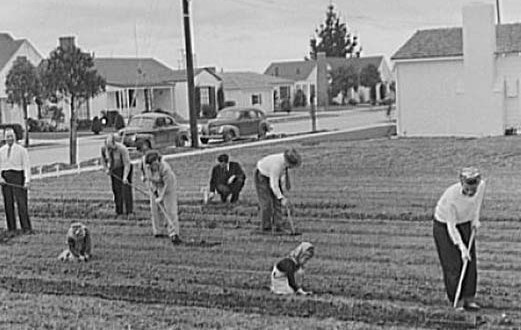
The war gardens of WWI (1914-1918) and victory gardens of WWII (1941-1945) were government initiatives requesting civilians to become “soldiers of the soil” and grow their own fruits and vegetables. European and American farmers were enlisted in the military leaving a void in homeland food production labor. Also transport of food supply across the country or abroad was too costly. Growing one’s own food to support the war effort was deemed as a way to boost morale during a stressful time for families.

In the U.S., millions of rural, urban, and suburban residents turned parks, vacant lots, backyards, rooftops, and schoolyards into food gardens. Government booklets were distributed to citizens detailing how to grow a victory garden with diagrams of four essential kinds of home gardens with square footage and rows of crops—farm, subsistence, backyard or vacant lot, and kitchen garden. First Lady Eleanor Roosevelt oversaw a Victory Garden on the front lawn of the White House.

Since school gardens were commonplace in the United States as far back as 1890, especially in large cities like New York, Philadelphia, and Chicago, the U.S. Bureau of Education enlisted 2.5 million schoolchildren into the U.S. School Garden Army in WWI, producing 48 million dollars worth of wartime food. In WWII, 18- 20 million family and community victory gardens produced 40 percent of the vegetables in the U.S.

READ THE FULL ARTICLE: https://www.thecolumbiastar.com/articles/victory-gardens-gardening-for-the-homeland/