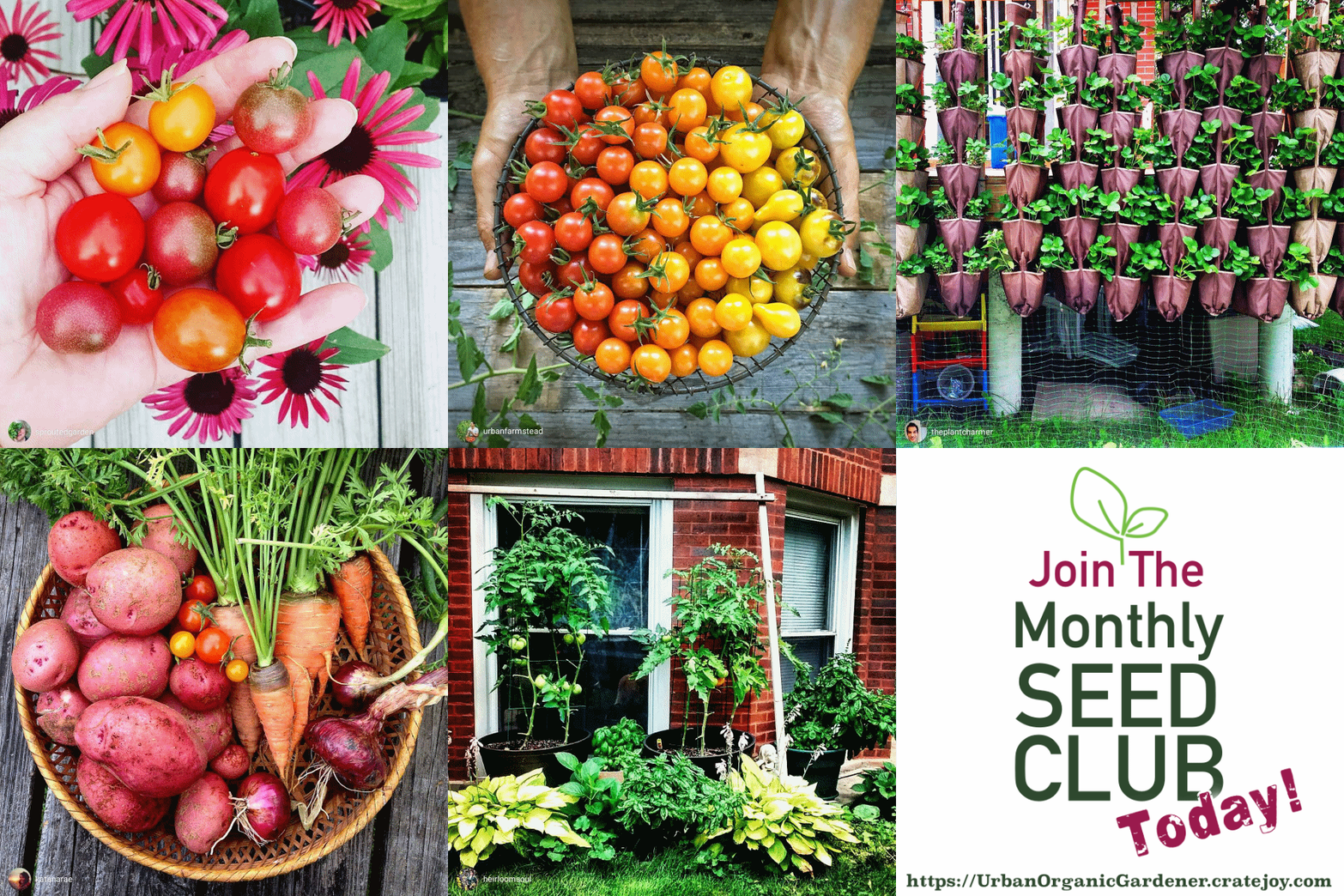
JOIN the Urban Organic Gardener’s MONTHLY SEED CLUB TODAY!
**To receive a shipment for the month of August, you must join before August 4th at 11:59pm PST.
For $10/month our garden experts will build a custom curated collection of seeds & garden supplies designed around YOU – your grow zone – your garden space/location – and your preferences.
The weather in August is oftentimes more mild than we anticipate, especially as we get closer to the rapidly approaching first day of Fall. This is a great time to get things growing again, after July’s hot temperatures. A garden is hardier than you may think, and there are plenty of varieties that will do well and actually THRIVE this time of year.
“New York City just approved the Lowline, a dreamy, eco-friendly project.”
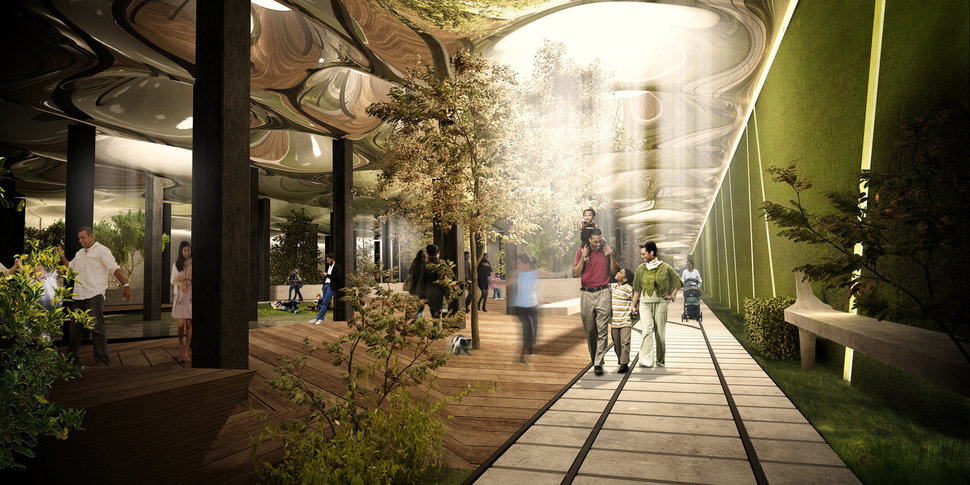
The world’s first underground park and public cultural space will soon be on the “must-see” list of many visitors world-wide. The team who dreamed up this underground oasis will soon use “cutting edge solar technology to transform the abandoned Williamsburg Bridge Trolley Terminal located under Delancey Street into a one-acre underground public park. Here, sunlight is delivered underground, activating photosynthesis to create a lush garden space year-round.”
In an area where a much needed public space is highly desired, the Lowline team is hoping to be a model of success for reusing and cultivating underground spaces. There vision is “to shape the future of the City through innovation, deep community engagement, education, and youth development.”
“New York City is the place where visionary ideas get turned into tangible realities,” said NYCEDC President Maria Torres-Springer. “Today we move one step closer to making the Lowline a reality, which will serve as a cultural and educational hub for this vibrant community and pioneer cutting-edge technology.”
JOIN the Urban Organic Gardener’s MONTHLY SEED CLUB TODAY!
For $10/month our garden experts will build a custom curated collection of seeds & garden supplies designed around YOU – your grow zone – your garden space/location – and your preferences.
The weather in August is oftentimes more mild than we anticipate, especially as we get closer to the rapidly approaching first day of Fall. This is a great time to get things growing again, after July’s hot temperatures. A garden is hardier than you may think, and there are plenty of varieties that will do well and actually THRIVE this time of year.
To receive a shipment for the month of August, you must join before August 4th at 11:59pm PST.
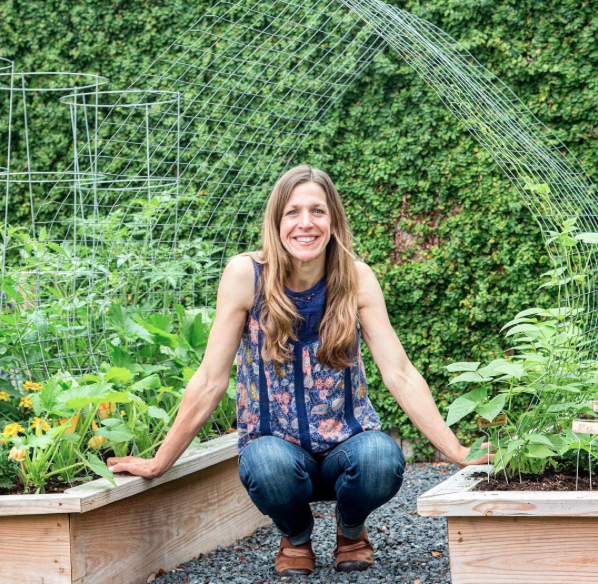
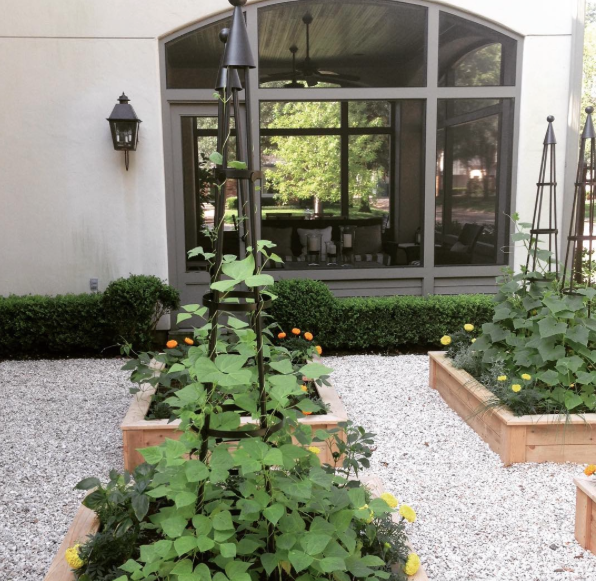
Whether you’re in the Houston area or not, we’ve stumbled upon a great Instagram account that will give you wonderful gardening tips and beautiful imagery. Nicole Burke (@rootedgarden) is one of the Houston’s most up-and-coming garden consultants and her clients rave about the work she does.
“The Rooted Garden designs, installs and maintains organic vegetable and herb gardens in Houston, TX. Providing consulting, high quality garden beds, and local sources for plants and soil, The Rooted Garden is a leader in Houston’s edible gardening market.”
We’d love to hear about your gardening business and what you do.
In the fall of 2015, my youngest child entered preschool. While I was already employed as a philanthropy advisor, I was quietly looking for a way to be out and about in Houston and gardening more. The business happened almost accidentally as a few friends asked me to help them begin a backyard garden. In November, I registered ‘Rooted Garden’ as a business and formally announced my enterprise to friends and neighbors. My first six gardens were standard 4′ x 8′ or 4′ x 4′ cedar gardens. But within a few months, friends began to tell other friends and I was soon working with clients on gardens of 150 square feet or more. Now, eight months in, I have served over 45 clients and the phone keeps ringing! Just recently, I’ve begun garden consulting for clients in other cities as well. It’s a dream come true and a real joy to share the garden with so many new friends.
How has having a family garden improved your quality of living for your kids? What do they most love about growing their own food?
As parents, we all feel the need to provide a wide open space for our kids to run free but that is not always possible for families in the city. We have a fairly small backyard but our vegetable garden still provides some of the aspects of adventure and discovery that kids often miss in urban settings. In a relatively small space, my children can explore, work, forage, discover and eat. The novelty that my kids crave can often be met in the garden with an emerging butterfly, a new seedling, a hidden fruit or a pest infestation. Every day and every season is unique. With a family of four children close in age, it’s difficult to find an activity in which we can all participate fully but the garden has become such a place. When my kids are fully grown, I believe they’ll look back and remember our garden as a central part of their family and life.
What have you been most successful at growing up until now? What would you still like to try?
Lettuce! Lettuce crops are incredible in Houston. We plant seed in October and we can cut and come again until April and then grow Arugula and Mizuna throughout the hot months. Because our winter temps don’t drop very low, the winter garden is actually (I think) the best. I love to grow a huge variety of lettuces with different colors, textures, and tastes. I think most people that tire of salads do so because they’ve never had a freshly cut salad full of bitter and sweet, crunchy and soft lettuce. It’s so satisfying and delicious and it’s one of the main reasons that I desire to see more Houstonians growing.
What would I still like to grow? I’d love to grow Chia seeds, Amaranth, or Quinoa. Unlike most of the country, Houston’s toughest time to grow is June through August so I’m always looking for new crops that can stand the heat and humidity and help me hold on till its sweet lettuce season again.
Do you have any tips on how to keep your garden area free of weeds? Your gardens always look so tidy and well-kept!
Thank you! I almost always work with raised garden beds. Houston’s soil is gumbo clay and while it has some beneficial properties, the proven method for successful edible gardens here is raising the garden bed and filling it with soil and compost. I work with several local soil companies that are amazing. Their soil and compost are so clean and nutritious that weeds are really not a thing for the first year. There are airborne weeds to contend with, but I try to fight them by keeping the gardens full. My clients will tell you that I don’t waste an inch of the garden. Some may say that things are too crowded but if I can see a weed finding its way into the garden, I figure there might as well be something edible growing there instead.
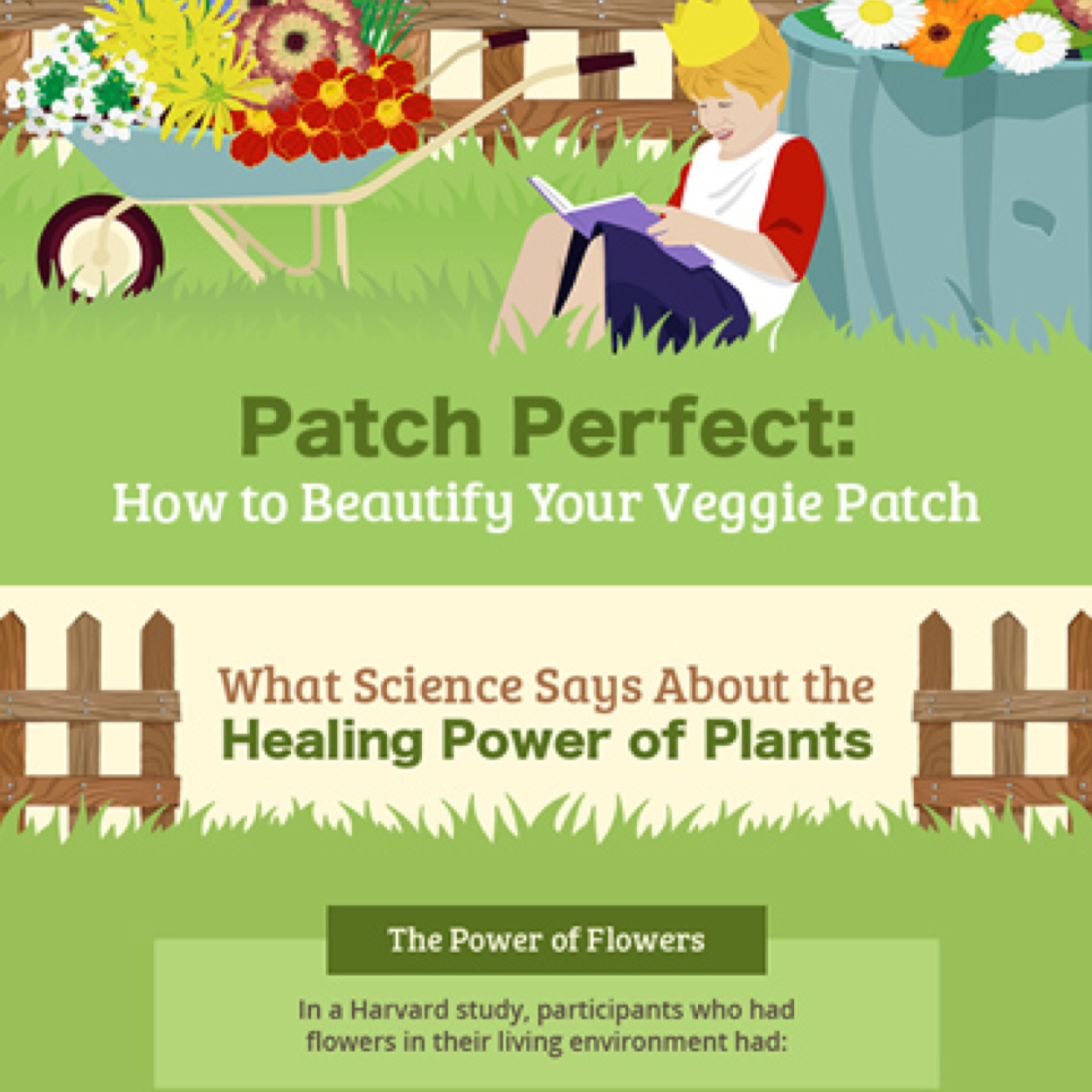
If your vegetable garden consists of long, straight rows of crops surrounded by mulch or bare soil, you may be missing out on some of its potential health benefits. Aesthetic beauty is healing, especially in the form of flowers and art.
The French have long understood vegetable gardens can be places of beauty. They located their traditional potagers, or kitchen gardens, outside their kitchen windows and included vertical structures, flowers, and artistic plant groupings designed for aesthetic appeal. Read on to learn why prioritizing beauty in your garden is practical, and discover ways to beautify your veggie patch with flowers and DIY artistic elements. Source: Fix.com Blog
Any patch of land can be used to grow food. You don’t need acres and acres of land to have a successful farming operation on your hands. Atlanta has over 40+ farmers markets, all being supplied by local farmers, on many types of land using countless growing methods.
“Indeed, one of the advantages of being in an urban setting is close proximity to neighbors, including neighboring school children.”
To read more about specific urban farms popping up in Atlanta, visit: “myajc.com“
People from Madaya have been known for their farms that once sloped down toward the valley. About one year ago that picturesque scene has changed because Madaya has been under siege by the Syrian government and their allies. Due to the siege, farmers are no longer able to access their once rolling hillside farms.
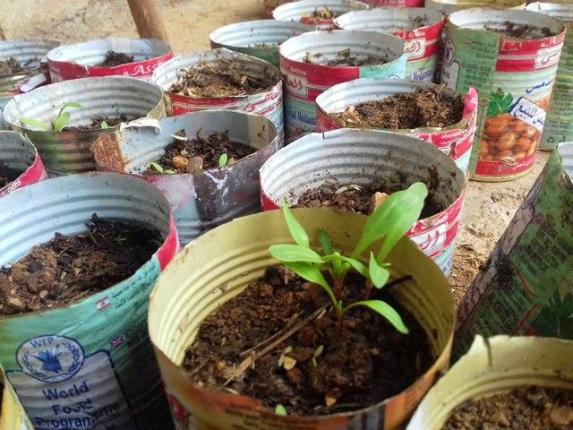
“We’ve been farmers from the first day,” says Abu Khalil, nom de guerre of a civil activist and independent citizen-journalist from Madaya. “We used to plant our land. But the siege cut us off from our fields. So we brought boxes and filled them with red soil for planting. We put them on balconies, on verandas of houses, any place where the sun can reach.”
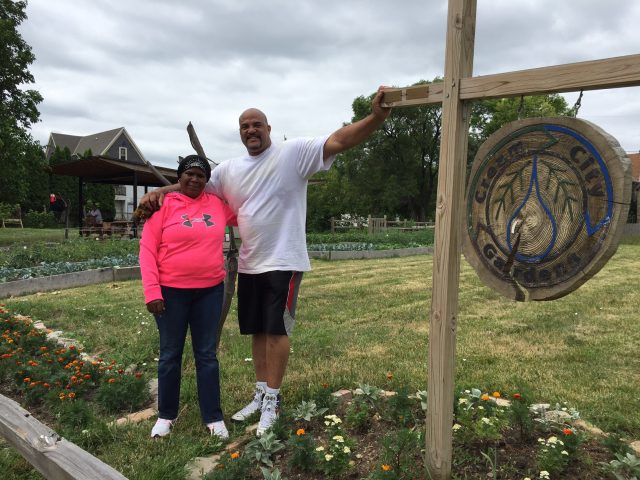
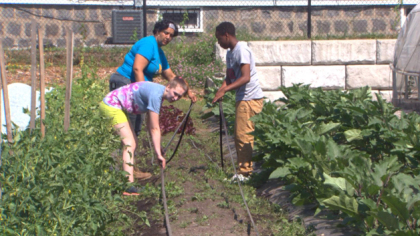
One woman, who’s “been there herself”, is lending a helping hand to those struggling with homelessness. She knows her purpose is to help others, and she delights in serving her community by running an urban garden. She says “I was homeless for a year and a half,” James said. “Everything happened at once.”
“Mental illness, lost my job, daddy died, daughter got involved with the kingpin drug dealers. Four different things transpired in my life that sent me down a spiral.”
To listen to the entire radio show, and read the full article please visit: “RadioMilwaukee.org“
“It’s called Revision Urban Farm which is part of Victory Programs, an agency that works on a wide range of social issues. The goal of the farm is to help homeless families and young people move ahead in a sometimes difficult world. At Revision Farm, young people with summer jobs, many volunteers and staff work together to provide fresh, healthy produce for the community.”
Urban Organic Gardener Interviewing @mujerlocaplanta, from Instagram!
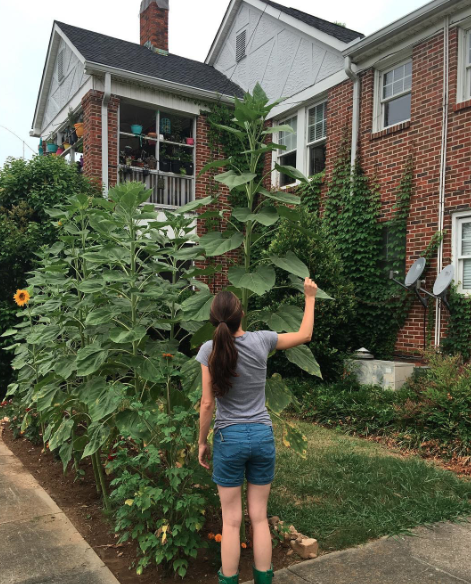
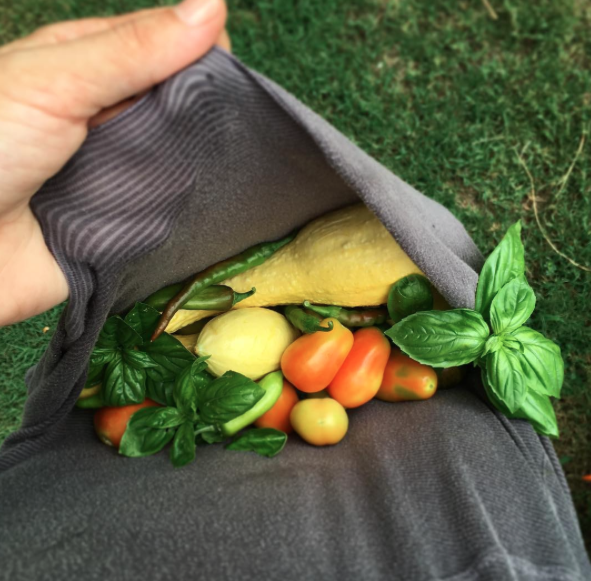
What inspired you to start a front yard, urban garden?I grew up in a rural area about 30 minutes from where I live now. My grandparents and various other family members all live on “the Farm” and pretty much all of them are and have always been farmers in some capacity. My granddad is 85 years old, and at the end of May the family helped him get his garden in the ground to celebrate his last chemo treatment. He has taught us all to love a garden, to respect the land, and to find joy in watching things grow. My grandmother is the same way, but she favors flowers and shrubs instead of vegetables. She is a butterfly and hummingbird guru, and grows the most incredible roses I’ve ever seen. My mother’s partner is a chef and owns a farm-to-table restaurant. He uses our family farm these days to supply the café with heirloom, organic produce. His specialty is tomatoes. I work at the café, and Chef Garfrerick has taught me how to be a bangin’ craft cocktail bartender. I grow most of my herbs and edible flowers with boozy drinks in mind. I have had a lot of wonderful influences in my life, thankfully, and many of the most powerful and lasting lessons I’ve learned and concepts I’ve discovered have come to me in a garden, some with the help of some truly incredible people. I plant a garden to share the wisdom they handed down to me with the people I love. Also, it makes for really good Instagram pics 😉
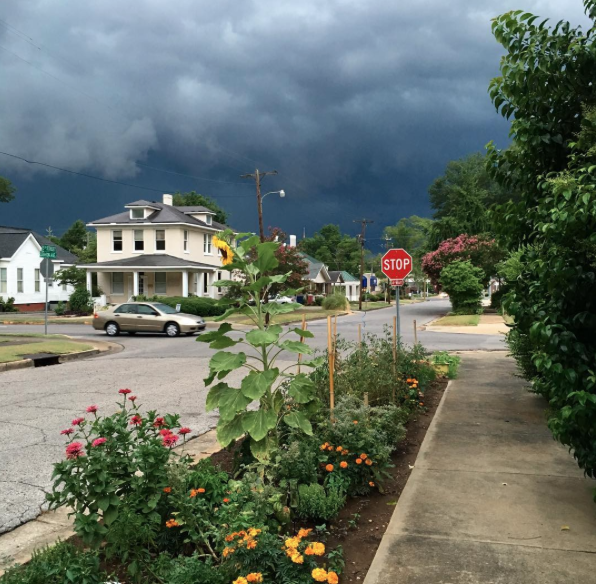
What do you suppose your neighbors think about your gardening efforts? My neighbors know I am crazy. They don’t think it, they know. I mean, I’m growing squash between the sidewalk and the road in front of a 1-bedroom, upstairs apartment. I’m out there at midnight with a headlamp watering everything. I literally stand in the street sometimes in my wide-brim straw hat and my galoshes and a sundress to gather hard-to-reach tomatoes or zucchini. It’s not uncommon to find me in the garden either crouched down into some undignified position that would make my grandmother fuss like mad, or twisted up like a contortionist trying to take a picture or string up twinkle lights. My neighbors and community are convinced that I’m a little off, but they seem to find it endearing. I have made a lot of friends. People stop while I’m out there all the time and tell me that they love my garden and it makes them happy every time they see it. People like to take note of how things change from day to day as they drive by.
Have you run into any challenges with having a front yard vegetable garden? Challenges? The whole thing is a challenge! The first one was getting permission from the city. They had no idea what I was asking permission to do. No one had ever done this here before, so they didn’t have any idea what I was talking about. After a while, we figured something out. Another challenge is city employees. City “groundskeepers” seem to think that their weedeater gives them authority, and they do not like being asked to keep their tools out of my garden. They also don’t like being asked to not spray herbicide in the gutter next to the garden, and mosquito truck drivers resent being detoured away from my street corner. But hey, pick your battles, right? I pick this one. My landlord’s yard crew is another special case. Jerry is the yard crew supervisor. He and his guys aren’t so bad, but it took some tricky conversations to get everyone on the same page as far as the garden is concerned. The worst was my landlord’s handyman who was determined to drive a bucket truck through my garden to paint some trim on my building. I had to make a few phone calls that day, and say a few ugly words, and I may have threatened to kill the guy’s truck with a frying pan. People force you to be mean, I swear.
Other than location-related challenges, there are just regular old garden challenges, too. Space is a big issue. I amended the soil with organic compost so I could plant everything close together, bio-intensive style. Because everything is packed in together, the ground stays shaded, which is necessary when you’re working with a 6-foot wide strip of dirt between a sidewalk and a paved road, and daily temperature highs here are over 100 degrees for days at a time. It gets really, really hot down there. Some things just couldn’t make it, so I’m going to try again with them in the fall. The catch-22 of planting close together is that circulation is a problem, and powdery mildew will take over your whole life if you don’t stay on top of it. A spray bottle of water +1 tsp neem oil, +2 tbsp dish soap, +1 tsp baking soda will help. Also, my garden isn’t level. Water runs down the sidewalk and pools up in the west end of the garden, where all my okra is. Instead of fighting this, I pretended that I was a Roman aqueduct engineer and dug some trenches that channel water runoff into hard-to-reach areas of the garden. It’s probably not going to last for millennia like the Romans’ did, but it works just fine for now. Work with what you’ve got, right?
Do you have any tips/tricks to share with our readers on how to start or maintain an urban garden or how to garden in small spaces? Be nice. Urban gardening isn’t remote. This type of gardening is art. It’s on public display, and people are going to be interested. Talk to people about your garden when they ask. Educate them. Even though people around here grew up in a traditionally agrarian culture, they are shockingly under-informed about organic gardening and a healthy lifestyle. I spend at least half of the time that I’m in my garden standing in the street, chatting to strangers about compost and heirloom tomatoes. Also, be nice to city employees. They’re just doing their jobs, and honestly, they probably don’t get paid well enough to put up with some crazy plant lady’s crap. Be flexible. Things change. Some kid may drive his mud tires through my tomatoes tonight. I can’t pretend that I wouldn’t be pissed about that, but I have about half a dozen more tomato seedlings just waiting for their turn in the sun.
If you’re familiar with baseball or live in the Pacific Northwest, you know Safeco Field is home to the Mariners, their fans and “all the trappings of an American sporting event.”
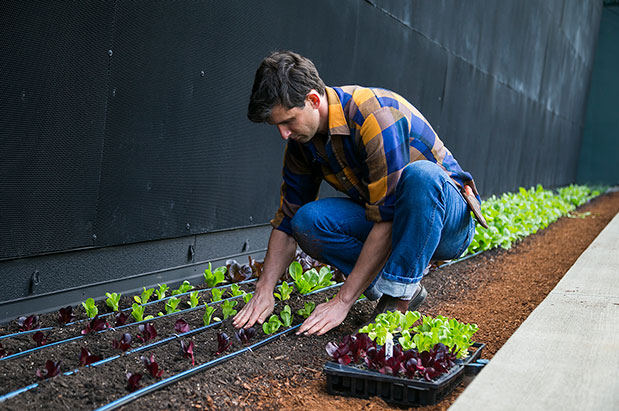
What you may not know is that they now have a 450 square foot urban garden beneath the batter’s eye against a dark backdrop.
“Previously home to evergreen trees (removed, too distracting), flowers (often unattended), the raised bed now plays host to a variety of long-season plants, including peppers, basil, tomatoes, beans, chard and parsely, among other things.”
“The project is exciting because everyone at the Mariners organization is very dedicated to its success,” McCrate says. “Our work is most enjoyable when our clients and partners are eager to learn, enthusiastic and genuinely appreciative of the harvests that come from the garden. At the stadium, everyone seems to be rooting for the crops.”
To read more about Safeco Field’s Urban Garden, visit: “SeattleMag.com“
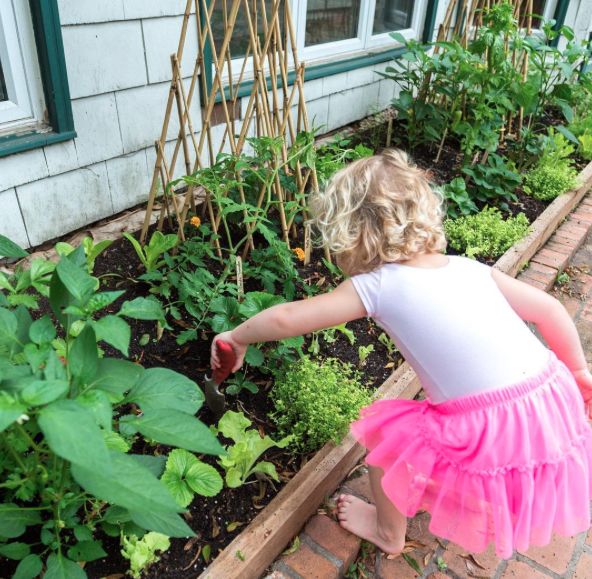
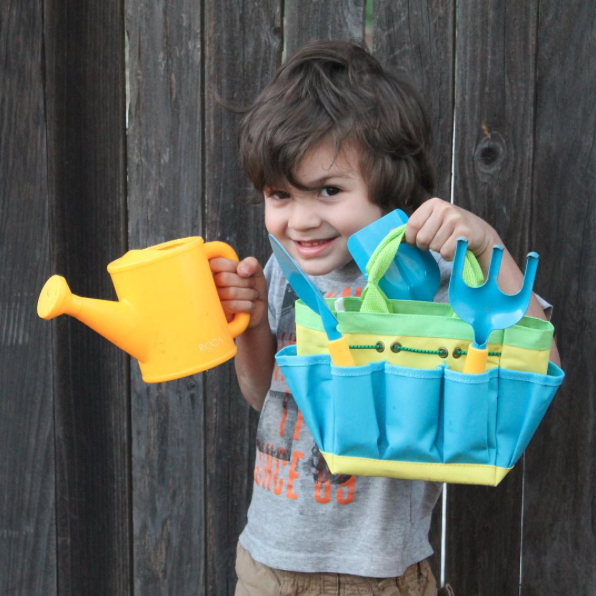
Gardening is so easy, a 4 year old can do it! If you’re looking for an inspirational Instagram account to begin following, we highly suggest visiting @mikes_homegarden! This charming little boy will inspire you to garden like you’ve never gardened before. Below you can read our interview with Mike’s Mommy, who kindly gave us an in-depth look at this adorable pint-sized gardener.
What made you want to start documenting Mike’s home garden? What sparked his interest AND yours to start growing your own food? We’ve been fans of homesteading for a while, and right now we are working with what we have to come as close as we can to it. With a backyard of about 800sqft in a urban area we have managed to grow food for two years now, and we absolutely love it. We come from families that know what it means to work with the soil and grow food, and we wanted Mikey, our son, to learn where food comes from and appreciate all the hard work and dedication put into farming/gardening in order for people to eat good food.
A new urban farm has sprouted up in Harlem “the northern Manhattan neighborhood synonymous with New York City’s African-American culture”. A woman with strong hometown roots in Israel, had the goal to supply her community with organic and locally grown produce.
Children from her community are now planting hydroponic vegetable gardens inside of repurposed, old shipping containers.
“Israel was out of necessity forced to innovate agriculturally and generate its own food sources, and became a leader in agriculture innovation,” she says. “As a result, it has a much more natural cohesive ecosystem and way of being. People are already eating directly from the farm. That’s really beautiful, but it makes hydroponic farming a more difficult market to penetrate in the mainstream.”
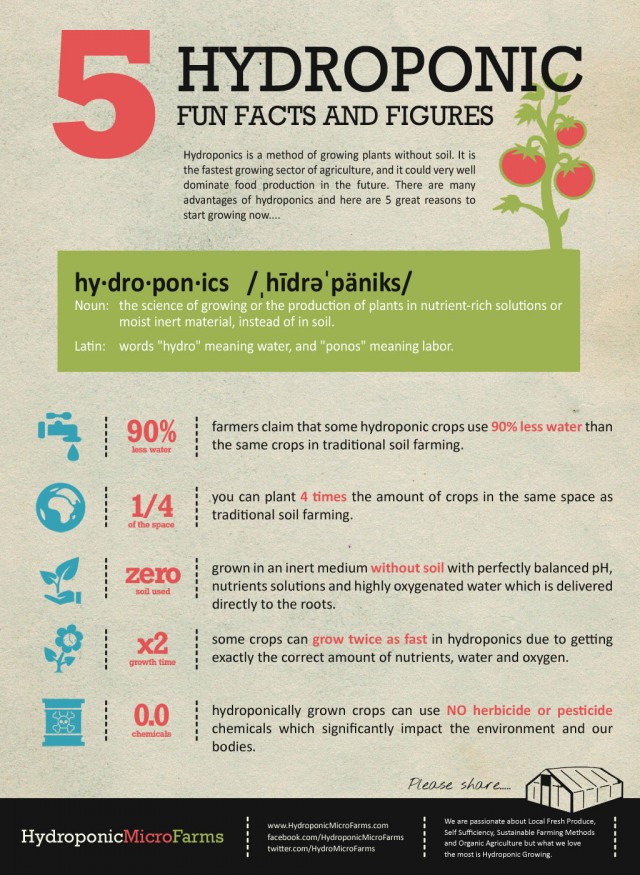
Growing hydroponically requires about 90 percent less water, takes up less space, and can produce more than growing in tradition soil.
To read more about this project, visit: “TheTower.org“
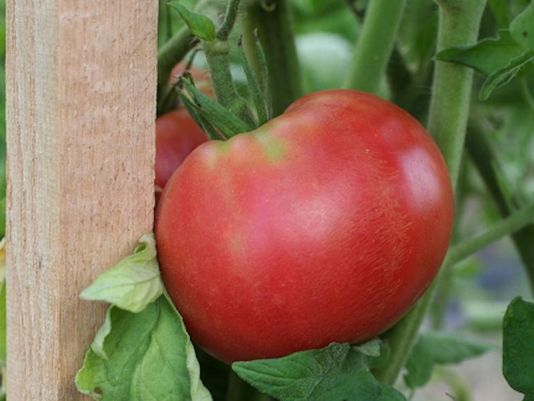
Craving fresh, homegrown tomatoes but maybe you didn’t have a chance to plant some earlier this year? Not a problem! By choosing the right variety of late-season tomato, you can be slicing into a homegrown heirloom tomato sometime this October.
“When growing late-season tomatoes, I encourage gardeners to consider using a fungicide to prevent blight. Both early blight and late blight are a serious problem with tomatoes grown in humid conditions (late summer). I always try to grow tomatoes without chemical application, but with late season tomatoes, a fungicide is often necessary. Using a general fungicide from either Ortho or Dragon will help prevent this devastating vegetable disease. Follow label directions for best results.
If transplanted no later than the third week of July, you should do well growing late season tomatoes. Fruiting will begin in mid-September. With a modest effort at frost protection, late-season tomato plants will provide an abundant crop until the first hard freeze this fall.”
To learn about their Top 4 Recommended “Late-Season” Varieties, visit: “NewsLeader.com“
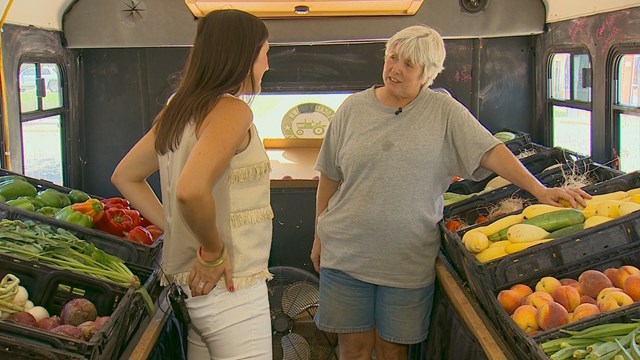
“Currently there is one woman, Beverly Thomas of Cold Springs Farm running what she calls her “Veggie Van”. It’s packed with vegetables she grows locally on her own farm. Currently she is restricted to only distributing to existing members or customers and she can only do it on commercially zoned areas.”
Read more about Urban Farming coming to Fort Worth, here: “WFAA.com“
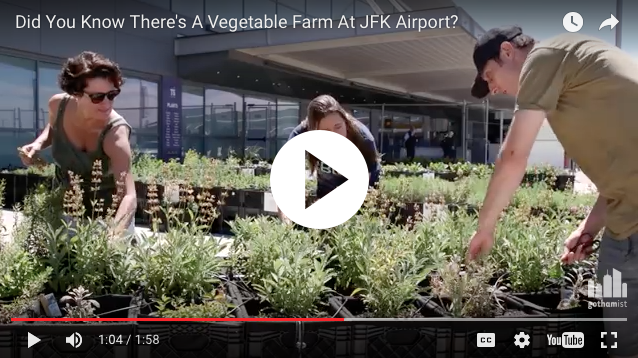
“Observant travelers bustling about JFK’s Terminal 5 may occasionally catch a surprising glimpse of leafy green nestled amidst the airport’s concrete maze. You can find JetBlue’s T5 Farm at the Departures gate in JFK’s Terminal 5.” Read more here: “Gothamist.com“
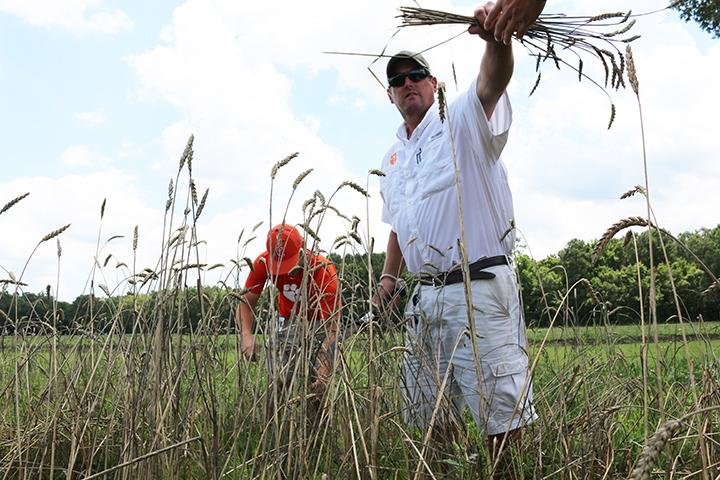
“Last month, a scientist harvested about 145 pounds of Purple Straw seed, which was grown from less than half a pound. Purple Straw is the only heirloom wheat to have been cultivated continually in the South from the Colonial Period into the last quarter of the 20th century.”
Scientists are taking the first steps of bringing back a valuable heirloom variety of wheat back from near extinction. Scientist Brian Ward and his team planted and now is harvesting roughly 145 lbs. of Purple Straw seed, which originally started from just less than half a lb. This variety of wheat had been cultivated in the South from the Colonial Period into the last quarter of the 20th century. It was abandoned in the 1970’s and replaced with modern hybrids.
“Thus far, it’s been a complete and total success, even better than expected,” said Ward, who planted and nurtured the wheat in the nutrient-rich organic fields surrounding Clemson University’s Coastal Research and Education Center in Charleston. “The panicles (loose, branching clusters) turned out really great, we didn’t have a problem with insects or disease. Everything worked out perfectly.”