Disney Uses a Variety of Techniques to Grow Food Served In Their Restuarants

“Living with the Land (originally Listen to the Land) is a log flume tour ride located within The Land pavilion which is part of Epcot theme park in Walt Disney World Resort at Lake Buena Vista, Florida. It is a slow-moving boat ride, which is part dark ride and part greenhouse tour. The focus of the ride is on agriculture, especially new technology to make agriculture more efficient and environmentally friendly.” –Behind The Seeds
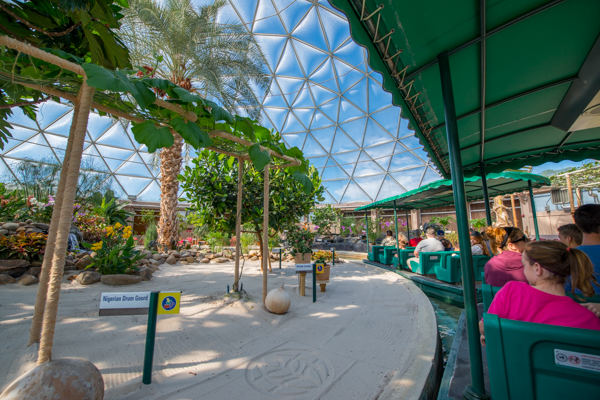
SAR_1090wdwjan2017

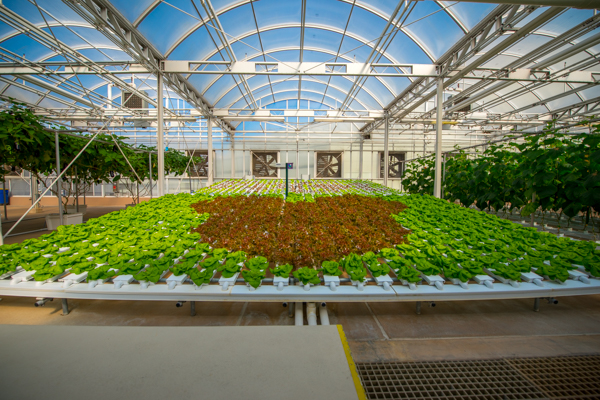
String Greenhouse (formerly the Production Greenhouse) – This greenhouse focuses on innovative high-density techniques, such as Nutrient film technique. It also shows off “vertical growing techniques”, in which plants are grown on specialized trellises which cause the herbaceous plants to approximate the shape and structure of trees.

One of the most famous examples of these trees is The Land’s “tomato tree”, which produced over 32,000 tomatoes in a 16-month period. It was recognized by Guinness World Records as both the largest and most productive tomato plant in the world. Other crops include eggplant, peppers, winged bean, lettuce and snake gourd. Furthermore, cucumbers and pumpkins are grown in the shape of Mickey Mouse through the use of special molds. Much of the produce grown in the String Greenhouse is used in The Garden Grill and Sunshine Seasons, both restaurants in The Land pavilion. In total, over 30 tons of produce are harvested from The Land each year.
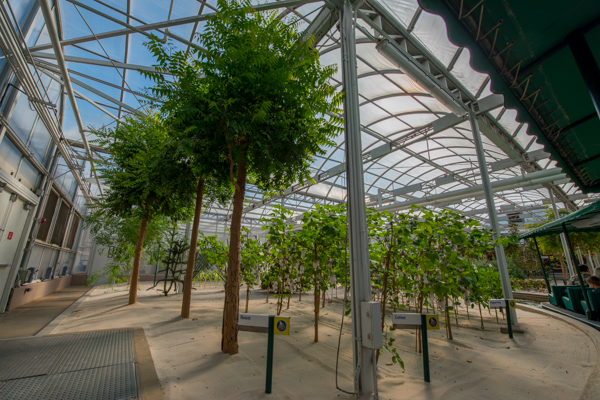
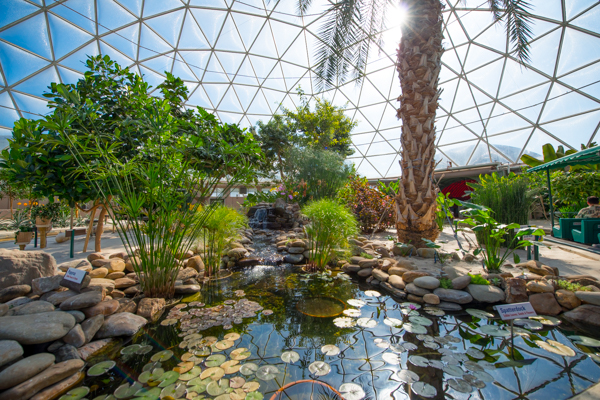
SAR_1109wdwjan2017


SAR_1093wdwjan2017

Creative Greenhouse – The final greenhouse in the attraction shows some unusual ideas about the future of agriculture. Most of the plants in Creative House are grown via Aeroponics, in which a fine mist of water and nutrients is sprayed directly onto the roots of the plants. The roots dangle freely in the air, and are not hindered by any growing medium. Some of the plants’ roots in Creative House are enclosed within rotating columns and A-frame structures, while others are completely exposed to the open air, at least temporarily, so the entire plant may be viewed by the Guests on the boat ride. Creative House also features a small exhibit of NASA hydroponic growing units, which were developed for use on extended-length space journeys. Crops on display include tomato, squash, lettuce, basil, rosemary, cabbage, super-dwarf wheat, swiss chard, marigold and snapdragon.
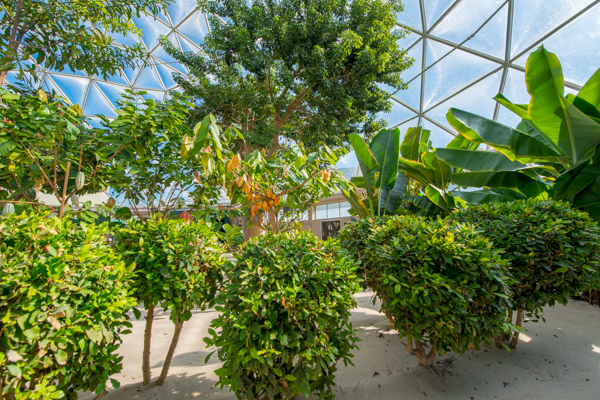
SAR_1102wdwjan2017
Biotechnology Lab – Attached to the Creative Greenhouse, the Biotechnology Lab is a sterile research environment. Several USDA scientists are on-site at The Land, performing research on crop improvement. The Land also produces a product called “Mickey’s Mini Gardens” in the Biotechnology Lab, which are available for purchase in several locations in Epcot.” –Excerpt from Wiki
SAR_1117wdwjan2017

Moscow’s Urban Farm Teaches Kids How to Grow Their Own Food

Urban-farm-at-VDNH-by-WowHaus-18-1020x610
“Children are not only allowed to interact with animals, but are also encouraged to take care of them by preparing their food or directly feeding them. Staff teach children how to further care for the livestock and the economics and management of farming such as balancing a farm budget and making financial decisions. An on-site veterinarian makes sure all animals are well taken care of. Workshops housed in the beautiful arched buildings offer classes on pottery, woodworking, and other artistic pursuits. The greenhouses, clad in a pineapple-like facade, include hydroponic farming for herbs and vegetables, soil-based farming for flowers, and a nursery for more exotic plants.”

To read the full article, please visit: “Inhabitat.com

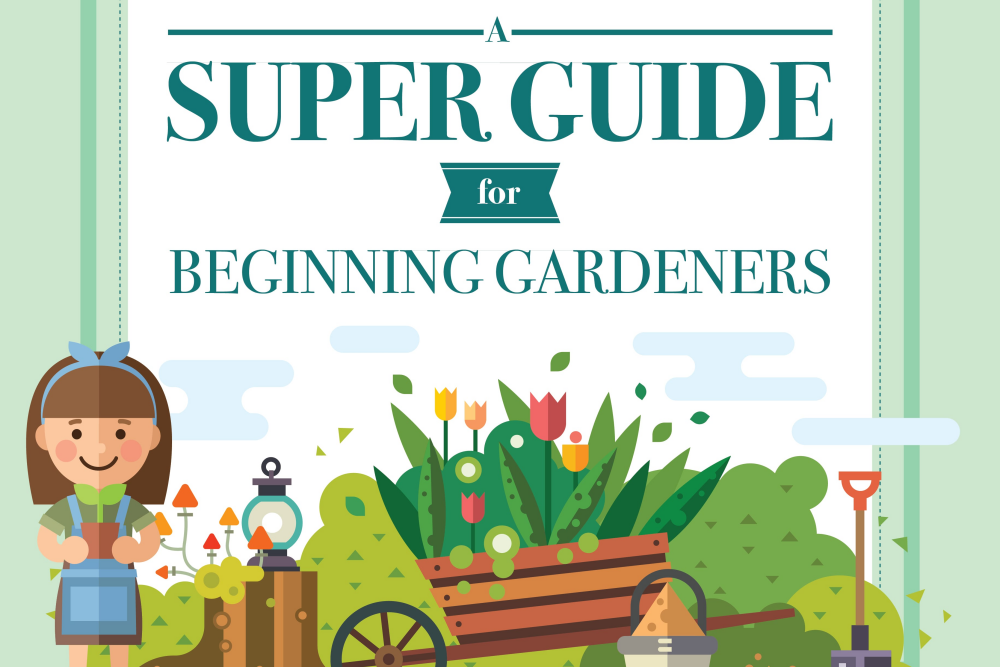
A SUPER GUIDE for Beginning Gardeners [INFO-GRAPHIC]

A Super Guide for Beginning Gardeners: Infographic helps take the mystery out of planting your first home garden. It even contains information that can be useful to more experienced gardeners. It is part of a growing body of information from Gardener Corner, and contains ideas and practical tips for that first garden.

The term “Victory Garden” originated in World War II when British and American citizens were encouraged to plant gardens, and areas normally devoted to lawns or flower beds were used for growing vegetables. Today, a backyard garden can help take some of the pressure off your home budget by providing fresh vegetables and even some types of fruit. In a world where gas prices, interest rates and wages can fluctuate, having your own fresh produce can be one stable factor in your economic plan.

Gardens also promote getting outside in the sunshine, which is said to provide a wide variety of health benefits. Gardening and yard work provide exercise that includes stretching, bending and lifting. Some accounts indicate that there is even a health benefit from being directly in contact with the earth, and possibly even a spiritual benefit. Best of all, your home garden has the potential to provide the freshest produce possible – straight from the garden patch to your table.

finalpnginfographic

Bringing Urban Farming to Long Island

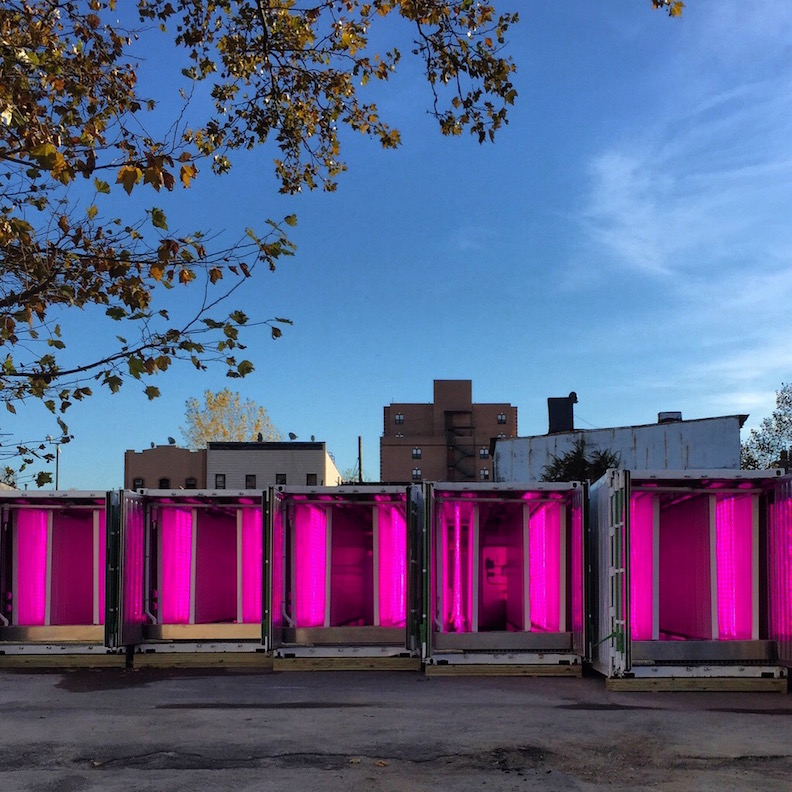
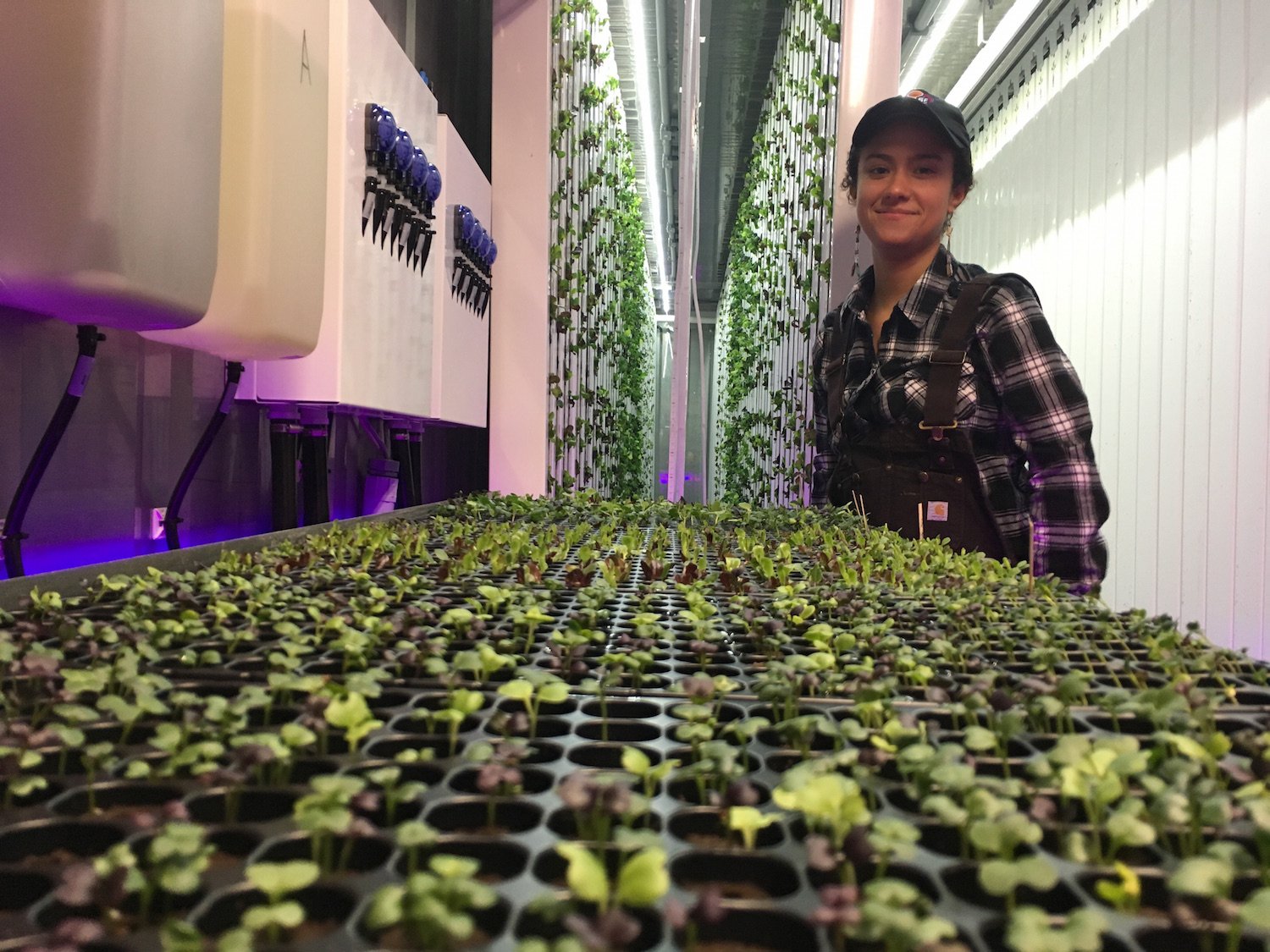
1484954226In a 40-foot-long container they’re growing about 1,000 heads of lettuce in a single week! “Eating fresh produce is a different experience most people on Long Island don’t get to experience.”

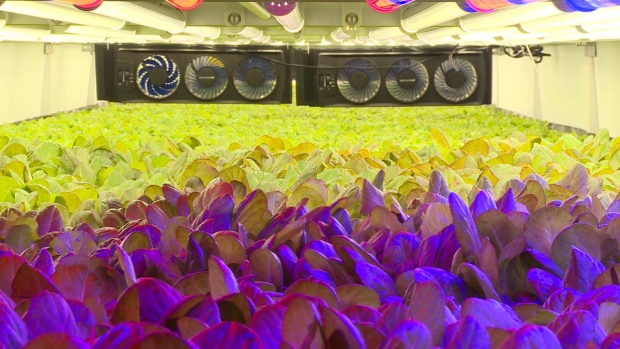
Vegetables are grown using LED lighting in a controlled climate with no GMO or pesticides used. About 80 percent less water is used in these spaces since the water is recycled.

“Square Roots vegetables have a higher cost than typical produce, but Bernard says the advantage is you can harvest it and it lasts two to three weeks as opposed to produce in grocery stores that take a week to arrive and wilt three days after they’re purchased.”

Bernard is one of 10 farmers chosen to kickstart the Square Roots movement, which is based in Bed-Stuy, Brooklyn.

Read the full article at: “Patch.com

Growing Roots – This Farmer Is Taking Root On Your Rooftops

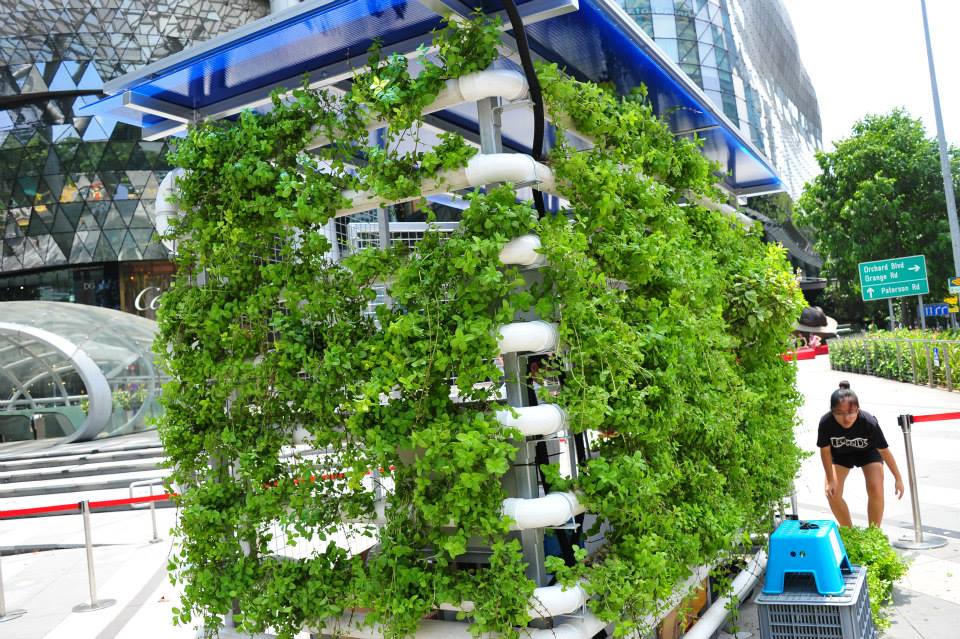
“This documentary showcases the people behind the urban farms that have been mushrooming amidst the glass and steel towers of Singapore’s central district. The film follows the trials and tribulations of Comcrop’s Allan Lim and his vertical faming venture, as well as the challenges and triumphs of social entrepreneur Bjorn Low and his bespoke farm-to-table approach. Can cutting-edge agricultural technology and an enduring Singapore spirit of community & collaboration start to influence Singaporeans’ approach to food sustainability? This film captures this changing minds cape.”

Learn more about “COMCROP“, here

Family’s Urban Farm has Flourished in the Middle of a Food Desert

judithandchanowkyisrael-bcd92b59

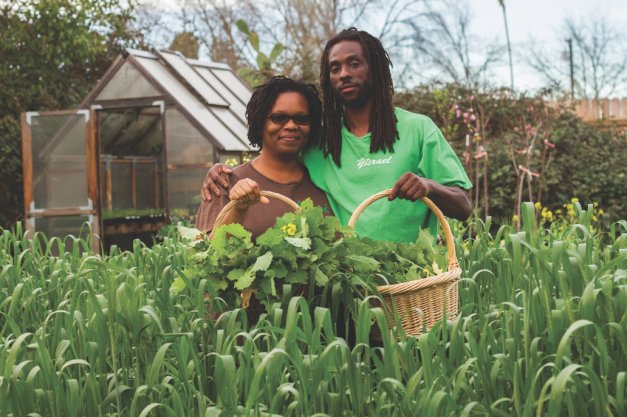
“Urban homesteaders Chanowk and Judith Yisrael, along with their nine children, have converted their yard and a neighboring lot into a half-acre farm consisting of a chicken coop, a small orchard producing everything from plums to goji berries, and gardens bursting with crops like Ethiopian kale, Swiss chard and collard greens. They’ve also taught themselves how to compost, cultivate seeds and make jams and soaps.”

Their mission began in 2008 when the family decided they wanted to improve their eating habits. They now source up to 90% of their diet from their own yard and their focus is to support the nearby 300,000 residents who are living in a food desert. “Urban farming is not just for food production,” Chanowk says. “It’s a community-building tool.”

Read the entire story at: “SacTownMag.com

CropSwap – A New App That Lets You Trade Fruits and Vegetables, Locally!

cropswap
“In this episode, you will get a tour of the front yard and back yard of this residential tract home lot. You will discover what is growing and John will share his tips and tricks along the way. You will learn how you can improve how you are growing in raised beds to grow more food in less space.

You will also discover the secret to composting in a 3 bin pallet pile system and learn about the one perrenial vegetable you must grow that can grow more food than a whole 4’x4′ bed of kale!

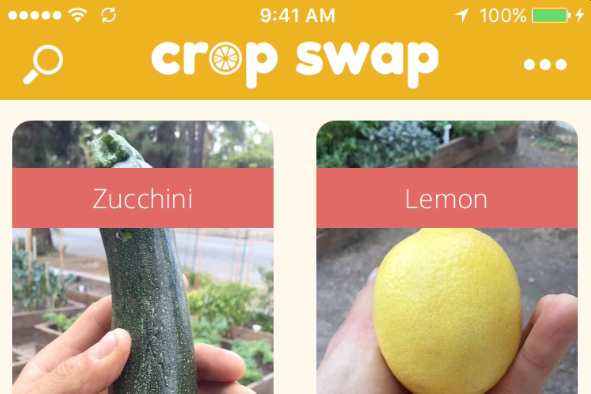
Finally, John will interview gardener Daniel McCollister creator of the CropSwap app, which is a new product on kickstarter that helps gardeners “trade homegrown, perfectly ripe heirloom fruits and vegetables in our own neighborhood. Let’s take control of our food system!”

“Our biggest challenge is a behavioral challenge: people are used to shopping in grocery stores. We need to teach people HOW to grow food and show them why creating a localized food system is better on every level.”

f0e484c936776d42c585d44ddea185d8_original
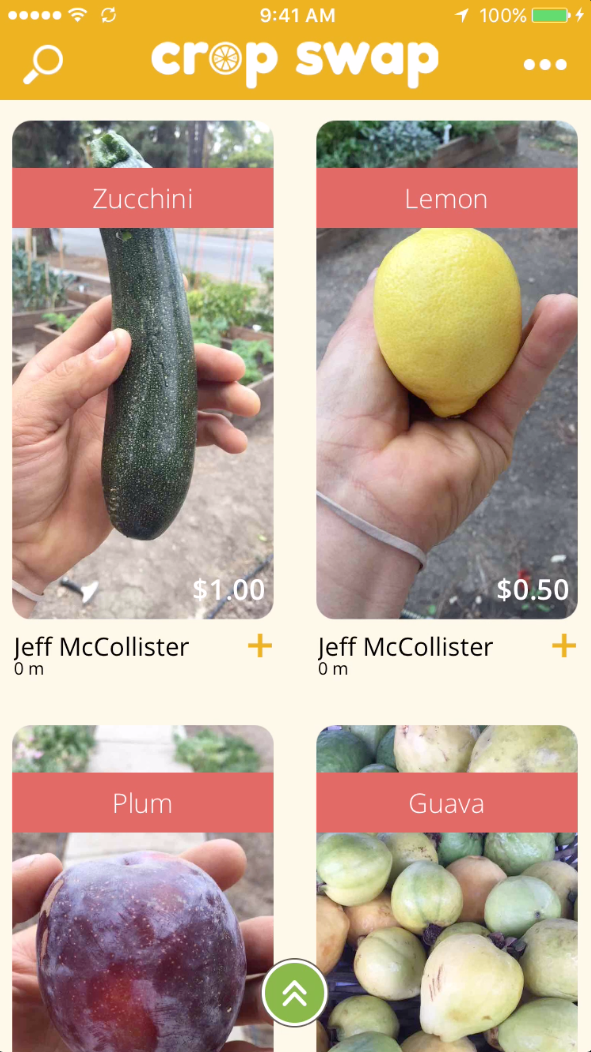
Main timeline of the app. Users can scroll and look at available produce in their neighborhood, click on each item and see a detailed profile about it.


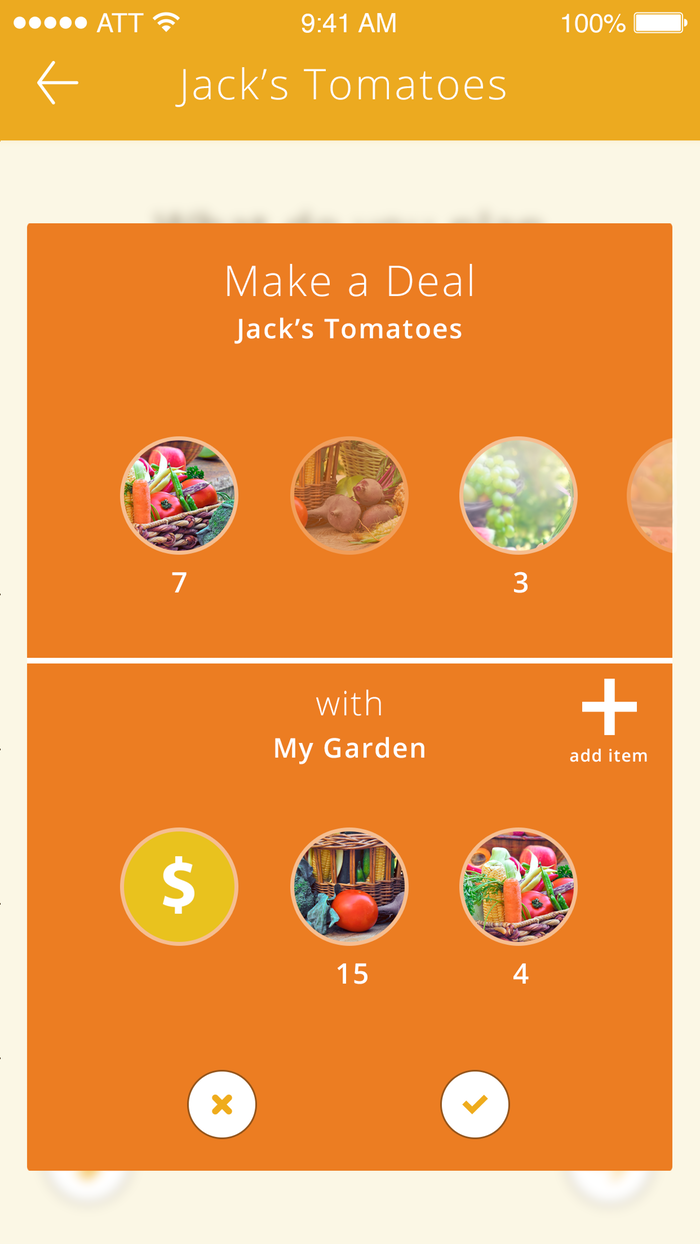
21db15845893ffa813dd59e244bc1b6d_originalTo make a deal, users make offer from their garden and say what they want back. Other user can either approve or make a counter offer until both sides agree.

c9838dabc8d28c20684564e4753dea1f_original

CropSwap confirmed neighbors coming. Scroll through pictures of vegetables your neighbors will be bringing.

Support the Crop Swap app at:
https://www.kickstarter.com/projects/1838993996/cropswap-trade-fruits-and-vegetables-hyper-locally

Follow Daniel McCollister on Instagram:
https://www.instagram.com/gardengraffiti/

Learn about Free Gardening Classes in Los Angeles at:
https://www.meetup.com/GardenGraffiti/

Check out Dan on Facebook:
https://www.facebook.com/gardengraffiti/

10 Trends Growing In Today’s Urban Gardens

Pimlico Flat

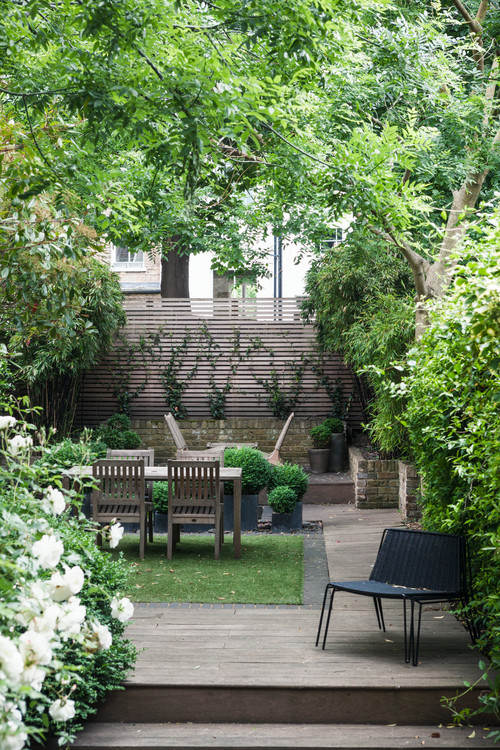
10. Lush backyard getaway. This leafy retreat in the Pimlico neighborhood of London feels hidden, thanks to a slatted screen at the back of the garden and mature trees, vines and shrubbery on either side. Bamboo, grown in brick planters toward the back, offers a quick-growing screen for urban gardens.

Small outdoor room with a green wall in Kensington

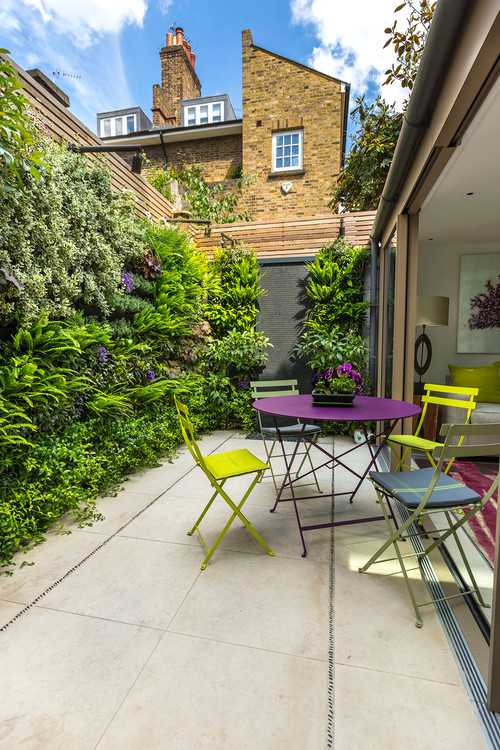
9. Living wall. Vertical gardens have been popular on Houzz for the past few years, but this walled London courtyard is a particular standout. With just enough room for a cafe table and chairs, the narrow courtyard left little space for large-scale potted plants. Covering the wall with vertical planting pockets makes room for growing a diverse array of ferns, vines and perennial flowers and creates a verdant backdrop.

College Crescent

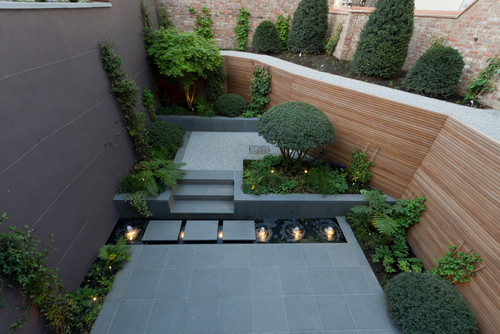
8. Sleek lines. This favorite garden proves that with a creative design, even an oddly shaped, sloping lot has enormous potential. Working with the London backyard’s natural gradient changes, garden designer John Davies created a series of terraces and planting beds so that the resulting view from the ground floor is one of lush foliage layers. Lights washed over specimen plants and soft lighting from the fountain create an inviting atmosphere after dark.

To read the rest of the “10 Trends Growing In Today’s Urban Gardens“, visit: “Forbes.com

Help Save The Urban Garden that Changed the World

ron_finley

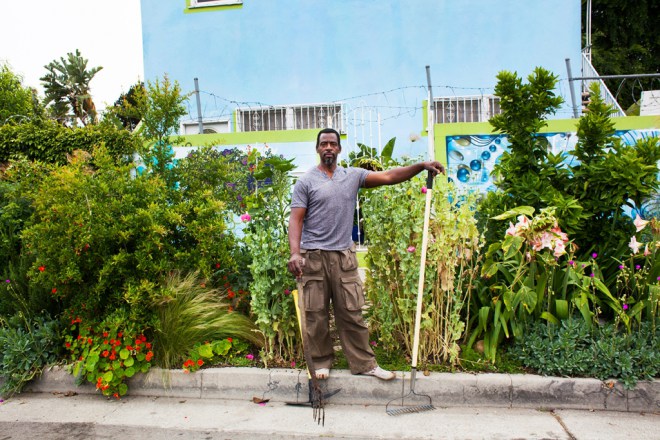
“The garden was beautiful,” Finley said teary eyed, “and then someone complained.”  The city threatened him to remove the garden and put out a warrant for his arrest. The LA Times picked up the story, which prompted a petition, which prompted the city to change its zoning laws. The garden grew and thrived.

In 2011, the owner of the property on which the Gangsta Garden and the Ron Finley Project headquarters now sit defaulted on his loan. But over the past few years – since the garden became a success – the owner has been battling the bank for a loan modification that would allow the project to continue and expand. But the bank refused, foreclosed on the property in November, and sold it to a real estate corporation called Strategic Acquistions, Inc., in what Finley calls “a shady business deal.”

Read the FULL Article at: “ReturnToNow.net

An Urban Farmer’s Manifesto

63-Early morning radish harvest

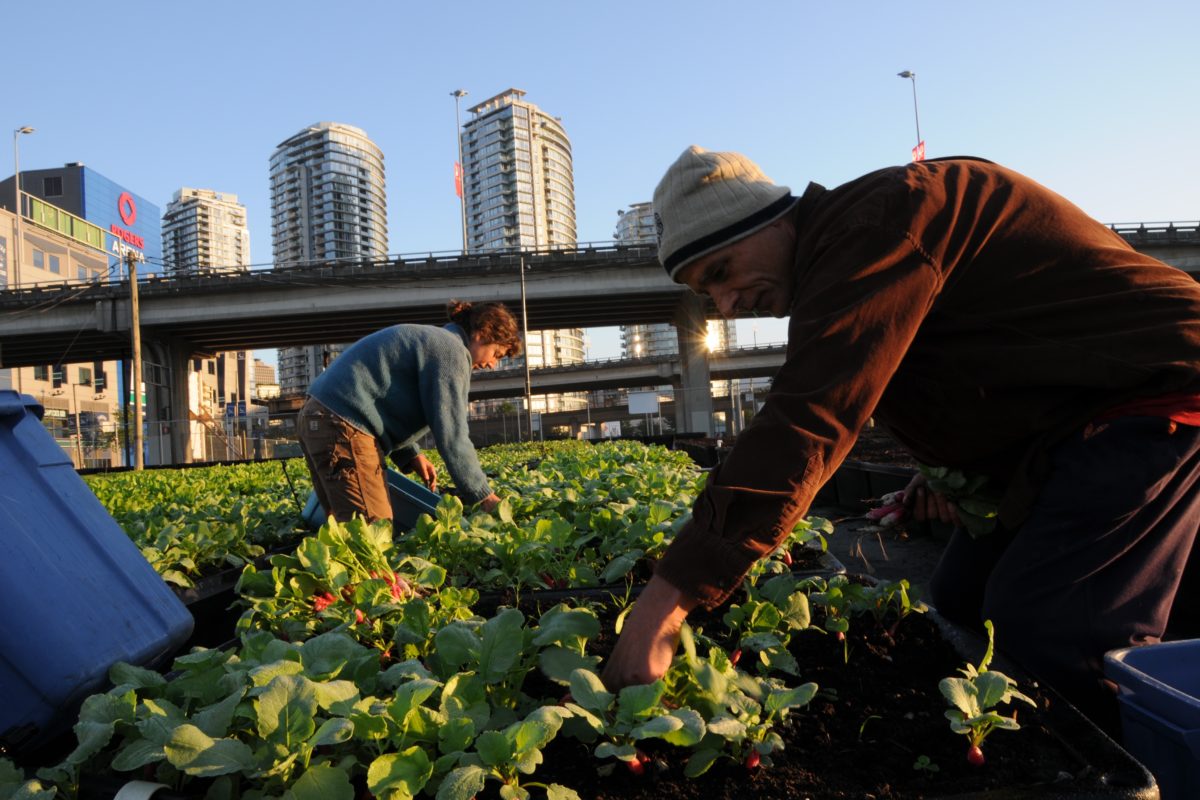
“If we want to help make urban farms viable we must discourage lawns, mandate composting, bring back home-ec, and treat farmland like it’s valuable—and that’s just the tip of the iceberg.” What we could be doing is:

-Invest in Training Urban Farmers
-Bring Back Ag Education and “Home Economics”
-Make Land Available to Farmers
-Invest in Year-Round Farmers’ Market Spaces
-Incorporate Farms into Housing Developments
-Create More Public Kitchens
-Treat Farmland Like it’s Valuable
-Lawns Should be Discouraged
-Prioritize the Nutrient Cycle
-Create New, Local Sources of Essential Soil Nutrients
-Change our Relationship to Human Waste
-Looking Ahead: Carbon and Water

“When it comes to food, what we are really facing is a crisis of participation. We don’t really need the federal government to achieve any or all of the above. We can roll up our sleeves and talk to our neighbors and community leaders about making these things happen now. All that’s required is a little imagination and the willingness to make a start.”

Read the full article at: “CivilEats.com

Wild Bees are Trading in Rural Life for the Big City

l_bees-4Bees are losing their habitats in rural areas and moving to cities and urban areas. “Industrial agriculture has promoted the development of monocultures, a practice where farmers plant one crop over a large area.”

“That’s not particularly welcoming for wild bees—especially the many species that are specialist. The squash bee, for example, prefers the pollen from squash plants. When a farmer who used to grow a variety of crops, such as squash, zucchini, and pumpkins, replaces them with a single crop, such as corn, that change forces bees to find food elsewhere.”

“The expansion of monocultures has resulted in very little land left untouched,” Camilo says. “The less area we have for native plants, the less habitat and the less resources we have for these beautiful, beautiful organisms.”

Read the full article at: “NewsWorks.org

Farming Preschool Would Teach Kids How To Grow Their Own Food

farming-preschool-640x528

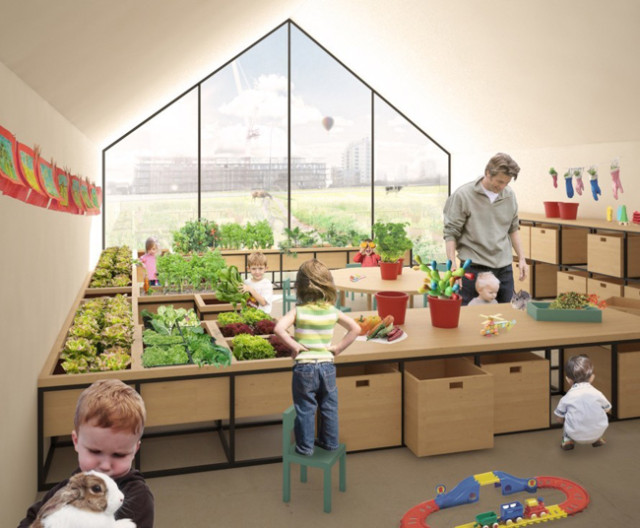
The “Nursery Fields Forever”, a part farm and part school offers three approaches to learning: learning from nature, learning from technique, and learning from practice. “We think that kids should enjoy nature,” said Edoardo Capuzzo Dolcetta to Fast Company. “So we designed this strange school: No classrooms, but open spaces where vegetables grow inside and animals can come in too. It’s a mixing of the two things, school and nature.”

See more at: “GoodsHomeDesign.com

Happy New Year! Grow Organic Food All-Year-Round.

seed-club
DEADLINE! To receive a shipment for JANUARY you MUST join before 1/04/17 at 11:59pm PST.

When you join the UOG Seed & Garden Club, you are joining a community dedicated to helping you grow organic food all-year-round. 

Each month you will receive a fully customized collection of totally raw un-treated GMO-FREE Heirloom seeds and garden supplies. Everything will be delivered to you at just the right time of the year – based on your grow zone – growing conditions – location – preferences – and more. 

Join the UOG Seed Club today and let’s grow together. We promise to make this a rewarding & exciting experience for you.

Sign Up Today!

#URBANORGANICGARDENER

Urban Gardeners Grow Crops in Spare Spaces


“Urban living does not always allow space or conditions for gardening. But more and more people are finding ways to use limited resources to grow vegetables and even raise chickens. Follow some urban gardeners in Washington, D.C., and meet a garden designer who helps them make the best with what’s available.”

No sunlight, no soil, no problem: Vertical farms take growing indoors

vertical-farms-1

“Inside a windowless warehouse once used for paintball, with planes heading to nearby Newark airport overhead, an industrial park in New Jersey seems an unlikely place to find fresh locally grown produce.”

LED lights have replaced the natural sunlight and cloth has replaced the soil.  The entire operation is in a fully controlled environment.

“This is fully controlled agriculture and allows us to understand plant biology in ways that, as humans, we’ve never achieved,” said AeroFarms CEO and co-founder David Rosenberg, standing in front of rows of kale, arugula, lettuce and other leafy greens.

To read the entire article at: “cbc.ca

The US Government is Loaning Millions of Dollars to Jumpstart Urban Farming

img3974

Did you know that each year millions of dollars are donated by the USDA to farmers in rural areas? Now the government is offering assistance to people who want to try urban farming as well. Money is now being sent to farmers who wish to grow on rooftops, inside greenhouses and even in shipping containers and warehouses.

“USDA Microloans, a program that offers funding up to $50,000, is specifically geared toward urban farmers.  Established in 2013, the program has awarded 23,000 loans worth $518 million to farms in California, Connecticut, and Massachusetts. Though it is open to all farmers, urban farmers often apply for it because it offers the money on a smaller scale than other programs. Seventy percent (or about 16,100 of those loans) have gone to new farmers, many of them in cities.”

Read the entire article at: “BusinessInsider.com