19 Frost Hardy Vegetables to Plant this Fall

Having a thriving vegetable garden doesn’t have to end when summer does. With a little bit of planning, and preparation you can grow vegetables well into the winter months or even year round if you live in a warmer climate down south. But regardless of where you live, there’s a few crops you can count on to withstand cooler temps, frost, and even sometimes snow.

Did you know that there are vegetables you can plant now that will only become sweeter and more delicious if they go through a frost?

When a frost comes into contact with a lot of these cool season vegetables, they naturally react to the cold and produce extra sugars which can make some of the more bitter tasting vegetables taste rather sweet.

Prepare now to have the garden you’ve always wanted during Fall/Winter! With these crops, put the fear of your plants being damaged or destroyed aside. When Winter weather rolls around, these vegetables will do well & actually THRIVE!

Here is a list of 19 Frost Hardy Vegetables you should plant this fall:

Source//www.SeedsNow.com

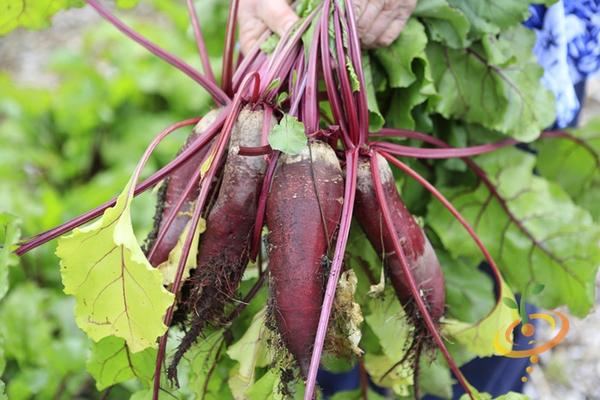
1. Beets

Although beets grow well during warm weather, the seedlings are established more easily under cool, moist conditions.

2. Broccoli

Broccoli plants thrive in cool temperatures, they have been known to survive temperatures as low as 28 F.

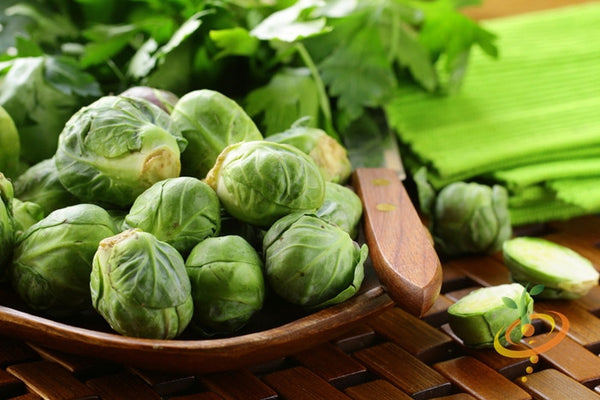
3. Brussels


The plant will withstand frost and can be harvested until a hard freeze strikes. The best-quality sprouts are produced during sunny days with light frosts at night.
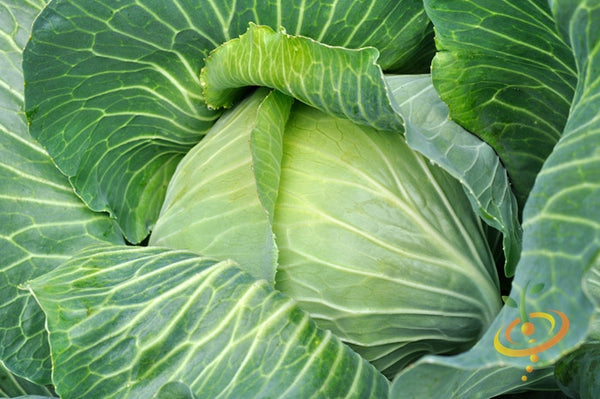
4. Cabbage

Cabbage can withstand frost down to 20 degrees or even 15 degrees F.

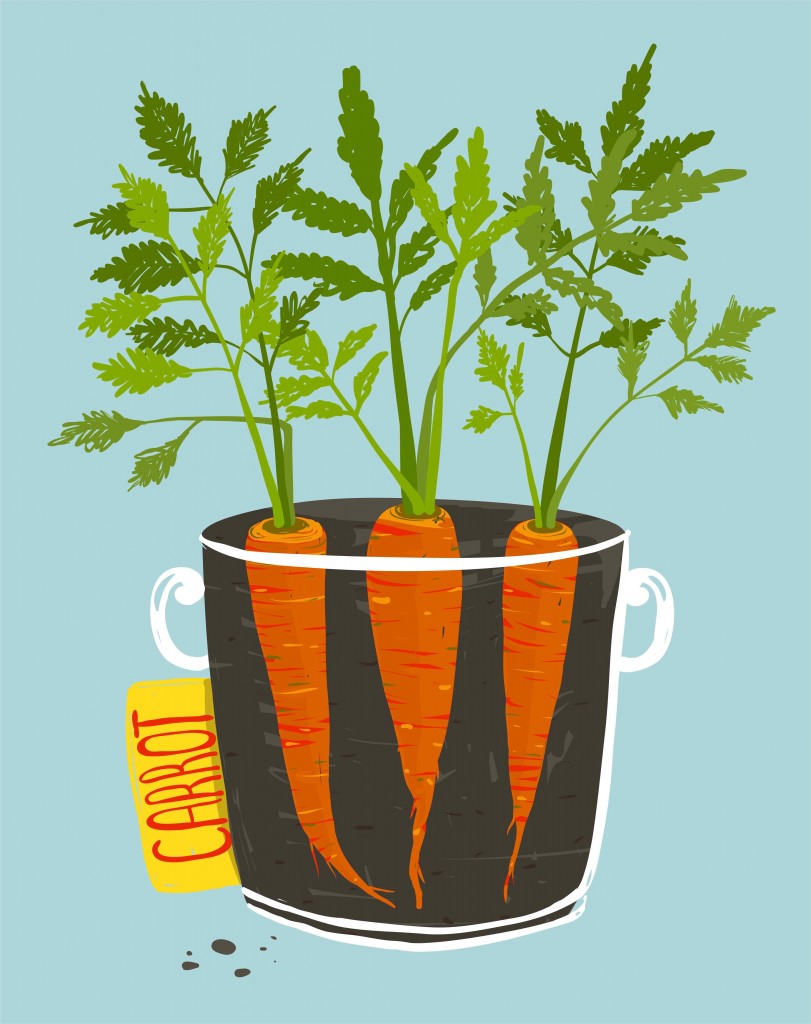
5. Carrots

Carrots can survive temperatures as low as 15 degrees Fahrenheit, but prolonged periods of cold results in long, pale roots.


6. Cauliflower

Cauliflowercan survive temperatures as low as 10 degrees Fahrenheit.


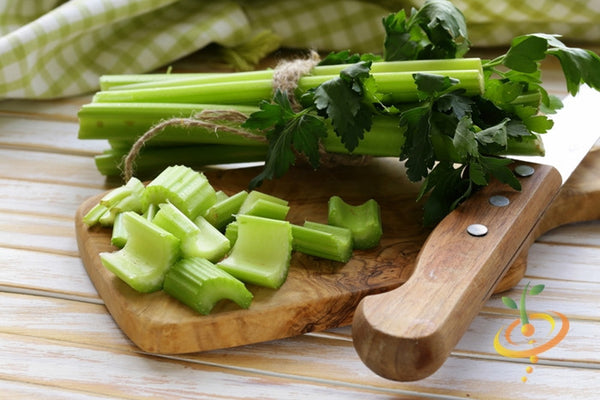
7. Celery

Celery tolerates light frost only.

8. Collards


Collard greens are the most cold resistant of any plant in the cold-hardy Brassica family.
Collards can withstand winter temps. down to 5 F. and they usually come through the cold even more flavorful.

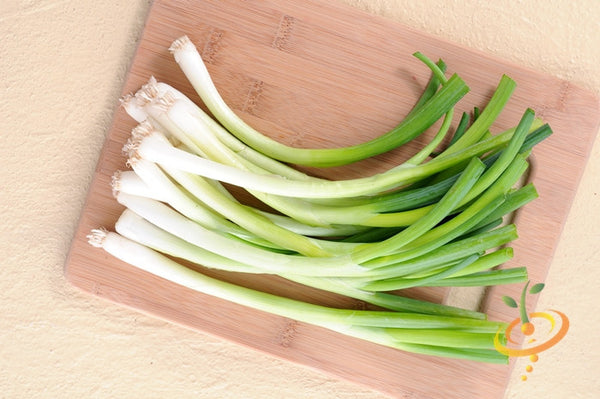
9. Green Onions


Onions are as hardy as they come. Frosts, freezing temperatures and snow will not kill them.
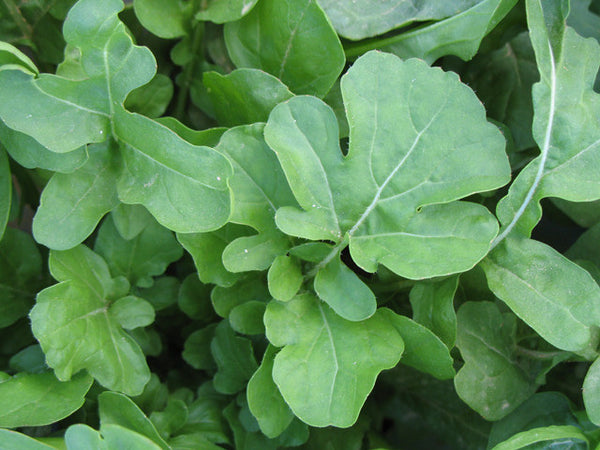
10. Leafy Lettuces

Frost damage on leafy vegetables doesn’t render the plant inedible like a disease. You can harvest non-damage parts by cutting away brown areas and edges that are frost damaged and save just the leaf parts that are uninjured and your plant will continue to grow.

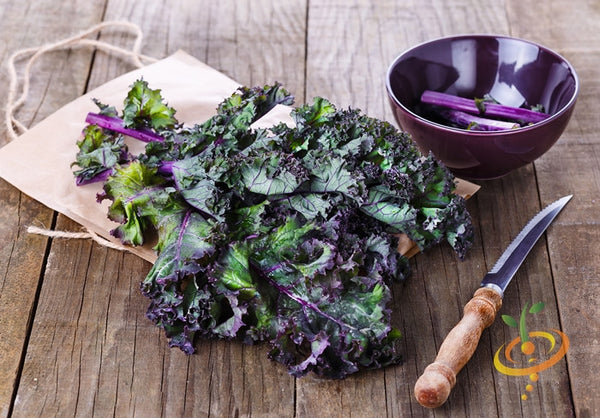
11. Kale

Snow can protect plants from extreme cold so that they stay in the garden longer. Kale is one of these plants! Very cold-hardy.

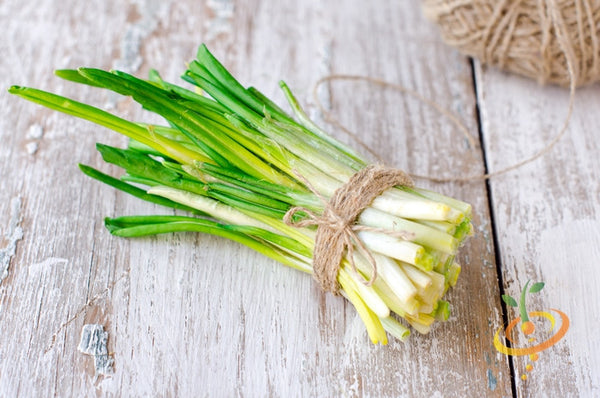
12. Leeks

Leeks are very cold-tolerant, most likely to survive plunges to 0 °F

13. Mustard

When spent days under the cover of snow they have been known to emerge in perfect condition once the snow melts.


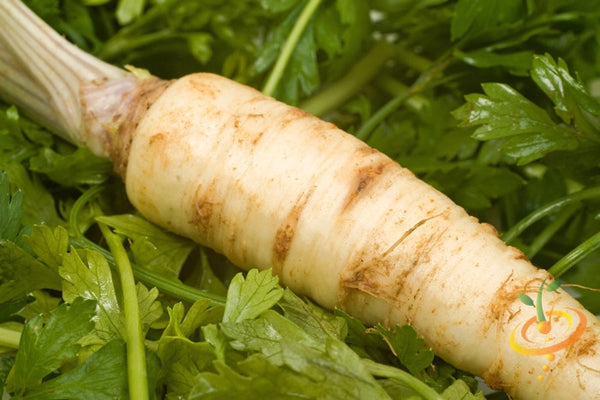
14. Parsnips

Parsnips are generally tolerant to 0 °F and will sweeten in flavor if hit with a light frost or two.
 

15. Radishes

Radishes thrive in the cooler weather when frost can be a threat to other crops. They can survive hard freezes as well.


16. Rutabagas

When exposed to light frost, rutabagas can actually taste sweeter. To extend the harvest season & protect the crops from heavier frosts, just add a thick layer of straw.


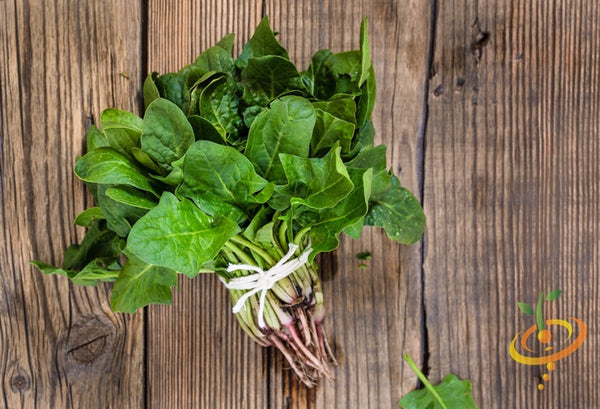
17. Spinach

Grows slowly through the winter but will always bounce back in early spring.
 

18. Swiss Chard

Swiss chard is very cold-tolerant, & can survive dips to 15 °F without any protection.


19. Turnips

Turnips lose much of their spiciness and accumulate sugar when they mature in cold weather.

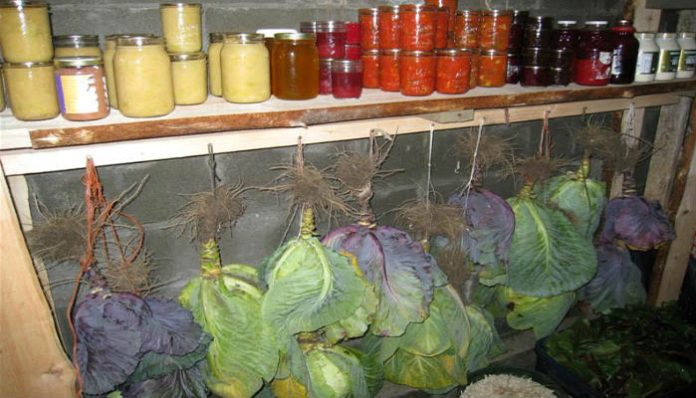
How You Can Store Vegetables For Months Without A Refrigerator

store-vegetable-696x398

During the summer months, we usually have no problem with storing our fresh fruits and vegetables from the garden. There does come a time however when the abundance of produce seems like too much to keep up with and we struggle to either give extras away, or try cramming it all into the refrigerator.

There are several downfalls of using the refrigerator as your main source of food preservation. Food stored in this type of environment for several weeks won’t keep it’s nutritional value. Over time the nutrients will decrease. Another downside to using the refrigerator? Power outages. All of that food possibly gone to waste.

“The whole issue becomes even more painful if we have invested funds, effort and love to grow and harvest our own crops. In winter, one method of preserving crops is by drying, canning and pickling. The question is how we can keep our supply of fresh crops for a longer period of time. Even though our ancestors did not have the advantage of using modern technology, they had the solution to this problem.”

Read: How to Store Vegetables for Months Without a Refrigerator.

How to Plant Garlic In the Fall — & Get BIGGER Bulbs!

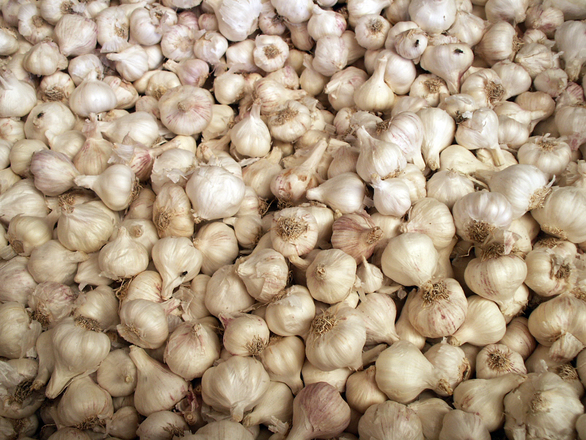
Garlic can be planted in the spring as soon as the ground can be worked, but fall planting is recommended. Bulbs will grow bigger and more flavorful when you plant them in the fall.  Plant 6 to 8 weeks before your first hard frost.  In southern areas, February or March can be a better time to plant. Most people generally plant garlic somewhere between October-February.

How to grow your own sprouts indoors using only a mason jar and some water

shutterstock_180358616

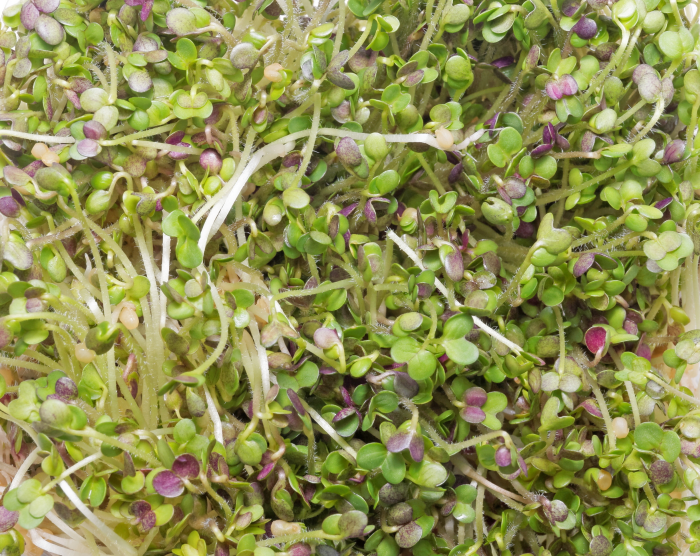
Growing sprouts is an easy way to still grow some food during the cold winter months if you’re unable to get out and work the soil in your garden.  Not only do they taste great, but you can be harvesting sprouts to eat in as little as 3-5 days! They are delicious on sandwiches, salads and stir-fry’s.

The most common sprouts that people are growing these days are:

Things you’ll need to start growing:

  • A wide mouth container or mason jar
  • Seeds
  • Water
  • Cheesecloth
  • Rubberband

How to start growing your sprouts:

  • Place 1 teaspoon of small seeds into a clean jar and place about 1 cup of water inside. (If you’re sprouting adzuki beans, use about 1/4 cup)
  • Let seeds soak overnight or for at least 12 hours.
  • Place the cheesecloth onto the top of your jar or container and secure with a rubberband. Now drain the water from the container.
  • Rinse the seeds with clean filtered water and then place the jar upside down on an angle so that the excess water can drain out easily.
  • Repeat the last step, several times a day until all of your sprouts have germinated and started to grow.
  • You’ll be ready to harvest your fresh sprouts in about 3-5 days.
  • When you’re ready to start harvesting, rinse one more time with filtered water, drain and store in an airtight container inside of the fridge for up to one week.

Start growing your own sprouts even faster and with less hassle by purchasing this kit from SeedsNow.com:

All-in-1 Sprout Seed Bank + Mason Sprout Jar

What’s Included:

  • 32 oz. Glass Mason Jar with Sprouting Lid and Mesh Screen
  • 6 of our most popular seed sprouting varieties
  • Over 1 lb. of sprouting seeds
  • Step-by-step sprouting instructions
  • Resealable Mylar packaging for long-term seed storage

Original post can be found at: “SeedsNow.com

{Fall & Winter Gardening} Growing Food in 1, 2, and 3-GALLON Containers

2

Fall and winter gardens are possible, even when growing in containers. Stick with these cool-weather crops and planting suggestions for success. Don’t wait.  Now is the perfect time to order your seeds online and start planting! Believe it or not, September – October are great times to start these seeds listed below ….

First, we’re going to break it down by container size.  If you go to a local garden center you’re going to come across the same thing.

1-gallon, 2-gallon, and  3-gallon containers are all great for growing food.  You’d be surprised.

Here’s what you can grow in them:

If you’re using a 1-GALLON CONTAINER:

  • Beets (you can fit about 2- 3 beets in this size container)
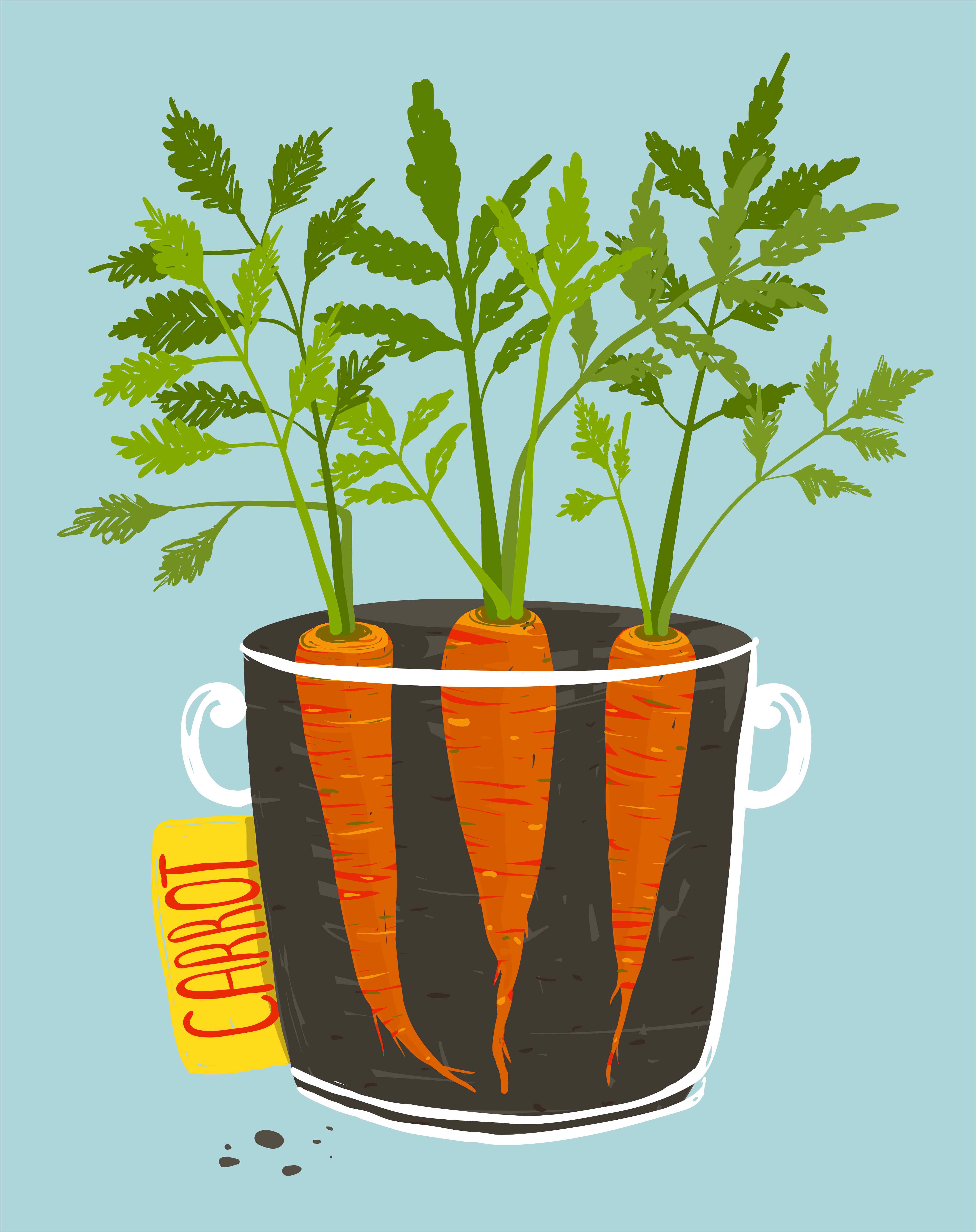
  • Carrots (3-4)
  • Celery (1)
  • Collards (1)
  • Kohlrabi (1)
  • Leeks (1)
  • Lettuce (1-2)
  • Mustard Greens (2)
  • Bunching Onion (2-3)
  • Radish (3-4)
  • Spinach (2)
  • Swiss Chard (1)
  • Turnips (2)

– – – – – – – – – – – – – – – – – – – – – – – – – – – – – – – – – – –

If you’re using a 2-GALLON CONTAINER:

You can plant all the same things as you could using a 1-GALLON CONTAINER with the addition of these larger varieties:

  • Broccoli (1)
  • Cabbage (1)
  • Kale (1)

– – – – – – – – – – – – – – – – – – – – – – – – – – – – – – – – – – –

If you’re using a 3-GALLON CONTAINER:

Try even planting these large varieties:

  • Brussels Sprouts (1)
  • Cauliflower (1)

– – – – – – – – – – – – – – – – – – – – – – – – – – – – – – – – – – –

Note: These varieties listed above are for Fall and Winter gardening.  So keep in mind that all these varieties tolerate the cold weather pretty well.  You don’t want to be planting pepper and tomatoes at this time of the year.  Trust me.  Been there.  Done that.

– – – – – – – – – – – – – – – – – – – – – – – – – – – – – – – – – – –

MORE INFO: Check out Sources for Buying Non-GMO Seeds.  Ordering seeds online is easy to do and you get a  wider selection of things to choose from. Find out more here and see how you can Start Container Gardening and How to Use Self-Watering Containers

– – – – – – – – – – – – – – – – – – – – – – – – – – – – – – – – – – –

No excuses.  You need to be growing at least one thing this season!

Minnesotans Don’t Care About the Snow! Still growing strong.

ows_141875704417544

Season-extending structures are helping some Minnesota gardeners defy winter.

Even in late November, Dawn Pape’s newest garden was a welcome sight for winter-weary eyes.

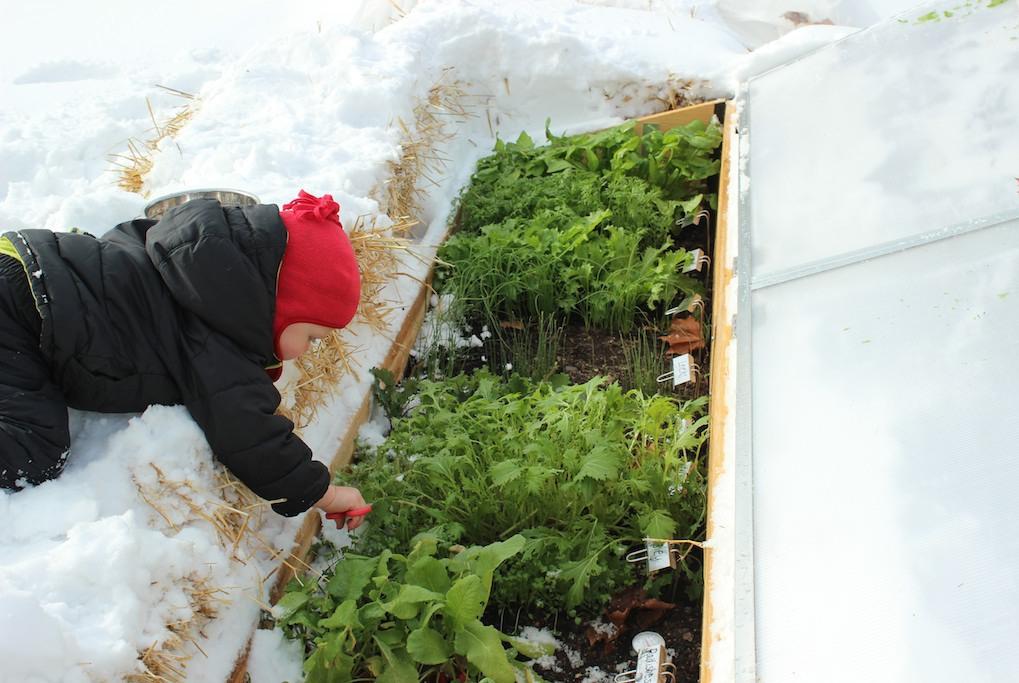
In her Shoreview yard, under a blanket of snow, is a polycarbonate-topped, 2- by 8-foot box — or “cold frame.” Brush aside the show, lift the lid, and inside was an improbable vision: healthy spinach, kale, salad greens and other veggies growing in the frigid ground.

“It’s so uplifting to see green when it’s kind of bleak outside,” said Pape, a master gardener and garden-book author, who was still harvesting around Thanksgiving — and hoping for at least a few more weeks of homegrown produce. “If I can make it to Christmas, I’ll be pretty happy,” she said.

Cold-weather gardening is not for everyone, but a hardy few are giving it a try.

Some are market gardeners who erect plastic-covered shelters (often called hoop houses or high tunnels) so that they can produce food earlier in the spring and later in the fall. Urban agriculture consultants Cherry Flowers and Tim Page of Page & Flowers (www.pageandflowers.com) grow vegetables in high tunnels at their home in St. Paul and at an apartment in Minneapolis that serves as their office. They sell their produce at the Mill City Farmers Market.

“In the spring, you can get a jump on greens, even in March, and have them ready for the May farmers market,” Flowers said.

Pape is growing on a very small scale, just for her family’s table.

“I’ve read about it [cold-frame gardening] for several years and decided to try it,” she said. She found a kit online (at www.gardeners.com) that was the same size as one of her existing garden beds, ordered it and installed it in the fall, surrounding it with straw bales for extra insulation.

Cold-frame gardening has its limitations in Minnesota, she’s discovered. “The harvest’s not as plentiful” as during the regular growing season. Plant growth is minimal. “You’re not really gardening, just sort of picking. It’s basically a refrigerator.”

But Pape enjoys the challenge of pushing the growing season to its outer limits. “It’s thumbing your nose at Old Man Winter,” she said.

Read the full article here: http://m.startribune.com/lifestyle/homegarden/285986551.html

{Fall & Winter Season} 5 Cool-Weather Vegetables to Grow In Containers

This post was found from SeedsNow.com BLOG

5FALLCONTAINERVEGGIESX700
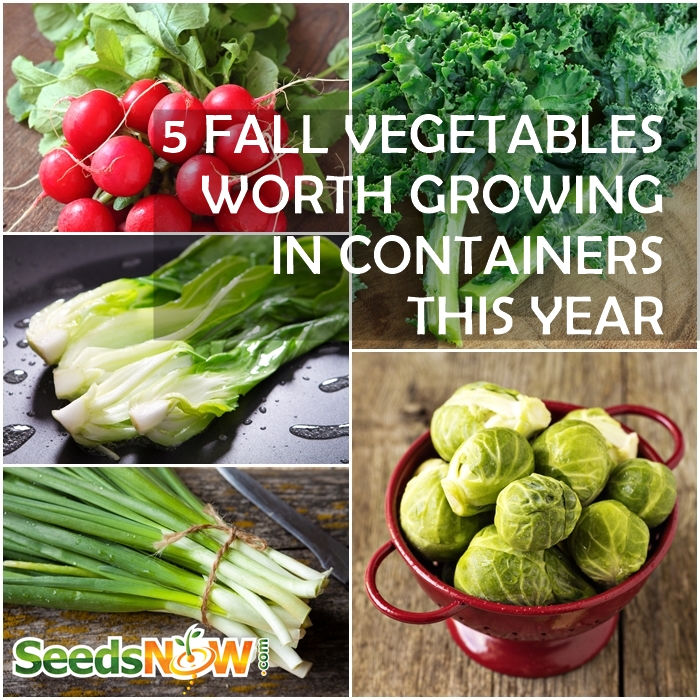
If you want to have vegetables to eat this fall, then you need to start planting in summertime. This might be your first time growing a fall garden, & these vegetables are a great place to start because they can all be grown in containers!

1. Radishes– The trick with growing perfect radishes, lays in the soil. Literally. Keep the moisture level of the soil close to that of a wrung out sponge. Don’t feel limited to growing common varieties like you’d find in the store. Try varieties like Japanese Minowase or Hailstone White radishes!

2. Kale– Kale is not only beautiful, but very tasty.  It will look great growing in a container! Keep the soil evenly moist and stop watering after the first frost.  You’ll be on your way to making healthy and delicious kale chips in no time! To keep with the theme of fall colors, try growing the Red Russian variety!

3. Bok Choy– Don’t let your soil get too soggy, and try staggering their plantings so you’ll have a new one to harvest every week or so. They love being fertilized every few weeks with an organic, time-released fertilizer.  They take less than 60 days to mature, and are great sauteed! Get Bok Choy seeds here!

4. Bunching Onions– The great thing about growing scallions or bunching onions in containers is that they are actually a perennial plant and will come back year after year if you leave a few behind. When you’re planting your bunching onions, don’t fill the pot completely full. As they grow, add a little more soil on top of the onions. The more plant that is under the soil, the more “white part” of the onion you’ll have at harvest time.

5. Brussels Sprouts– Plant your Brussels Sprouts in a deep pot, and place in full sun. One plant can produce up to 100 sprouts which is more than enough for several meals.  Start your harvest from the bottom of the plant up, as the ones closer to the ground will mature first.  Harvest when they are just smaller than a golf ball! We recommend Long Island Catskill Brussels!