‘Leave the Leaves!’

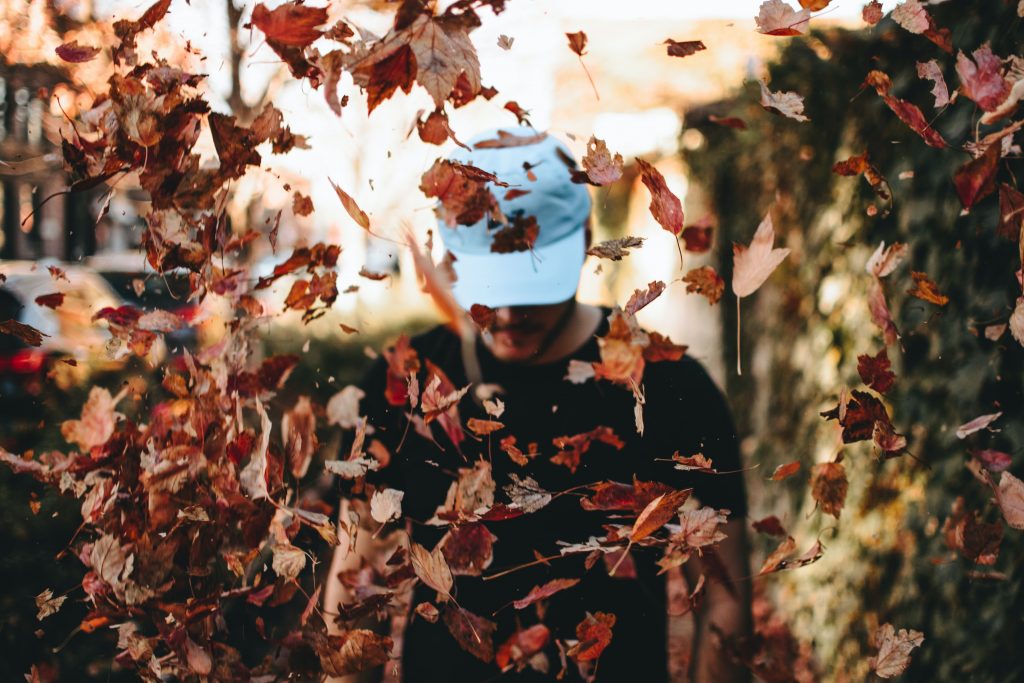
WMICENTRAL.COM – This has become a rallying cry by gardeners, natural landscape enthusiasts and ecologists. To let fallen leaves stay where they land in yards across America is becoming a popular trend. Not because homeowners and gardeners are lazy (so we claim), but because the leaves provide a protective habitat and ecosystem for the insects, critters and microbes that survive under a blanket of nutrients and protection that leaves furnish over the winter.

The latest natural science recommendation is to simply let the leaves fall where they may which allows insects, amphibians, worms, beetles, millipedes, mites, and larvae of pollinators such as butterflies, moths as well as bees to survive the winter months and complete their life cycle.

Nowadays, leaving the leaves is being a good steward of wildlife. That means we are no longer “leaf slackers.” We’re great contributors to providing eco habitats for pollinators such as the Monarch butterflies which are approaching massive depopulation due to urban sprawl and the heavy use of herbicides and insecticides. Bee populations are also decreasing due to Colony Collapse Disorder, whereby bees mysteriously disappear from their hives, never to return. The decline of these two important pollinators threatens food production which is becoming a worldwide problem. Therefore, leaving the leaves in yards and gardens is a good thing which leaf raking neatniks need to understand and appreciate.

Leave the leaves?! Yes or no…

READ THE FULL ARTICLE: https://www.wmicentral.com/outdoors_and_gardening/leave-the-leaves/article_c56e988a-f8da-583f-925e-5e115703ca67.html

A Gardener’s List Of Things To Be Thankful For

NORTHCOUNTRYOUTLOOK.COM – Here are a few of my thoughts on things to be thankful for this Thanksgiving…

Battery-powered tools –  Many of you may know that I love my leaf blower for all the work it can do in places where it is difficult to rake without removing all the gravel or mulch. Over the years I have probably owned just about every incarnation of a gasoline-powered yard care tool ever manufactured. While they were fast and efficient, they also came with noise and air pollution challenges. This year I have upgraded most of these tools to battery-powered units that are clean and quiet and I am extremely thankful for this new technology. I highly recommend that you try some of them out.

Fall Color and Seasons –  Growing up in southern California didn’t afford me much exposure to fall color or seasonal changes for that matter.  Living in the northwest seems to be just the right combination of fall foliage color and seasonal variations. I am thankful for our seasons that bring change but also order to my gardening world. They give me something to look forward to every month of the year.

READ THE REST OF THE LIST AT: https://www.northcountyoutlook.com/the_whistling_gardener/a-gardeners-list-of-things-to-be-thankful-for/article_3a7f8620-2e75-11eb-a8db-93e2818f6eec.html

Gardening Tips for November

THESUZGAZETTE.COM – November is one of my favorite months in the California garden. Fragrances are earthy and fresh, especially after a rain, with hints of spice and healthy soil. I watch leaves descend, winds sway even large tree branches, and sheets of rain (hopefully!) wash off a year’s dust. Birds and even some late butterflies, moths and bees work feverishly to gather enough stored energy for hibernation or migration. The mornings are crisp and winter-cap weather, the afternoons can still hold a weak warm sun, or even a few days of bright above-normal temperatures. Since we all know our water supply depends on abundant mountain snow, we rejoice when we see snow-capped peaks after a good storm and there is still optimism that the upcoming winter, when our part of California receives the majority of the year’s precipitation, will be cold and wet.

READ THE FULL ARTICLE: https://thesungazette.com/article/opinion/gardening/2020/10/28/gardening-guru-tips-for-november-2/

Five Ways To Prepare Now For Gardening In 2021

HERALDANDNEWS.COM – Gardening in all forms — from window boxes to major landscape renovations — surged in 2020. Whether for mental peace, food security, or a meaningful “socially distanced pastime,” people turned to gardening this year. Increased interest in all things gardening led to temporary shortages in seeds and plants this year, causing a similar surge in interest in seed banks and seed saving.

Now that freezing nights have put an end to most gardening this year in the Klamath Basin, some forward-thinking gardeners are already looking ahead to next year. Recent horticulture questions at the Extension office included seed saving techniques, advice for overwintering small trees, how to prepare beds for winter, and the big question: Given that 2021 is projected to be equally popular food gardening, will there be shortages of seeds and plants again? How can a gardener prepare now, in the quiet time? The following are a few suggestions.

READ THE FULL STORY: https://www.heraldandnews.com/news/local_news/community/sanchez-five-ways-to-prepare-now-for-gardening-in-2021/article_1853e16a-2ce7-57b5-990a-a5e5aabbc47e.html

Fall: Time To Decide What Stays, What Goes

DailyJournal.com – There is a tried-and-true wake-up call every October that alerts me to the fickle nature of autumn gardening. Right on cue, it happened this week.

It’s not the colorful tree leaves floating in my water garden, or geese flying southward, or other natural phenology events. What gets me going in earnest is the State Fair, which starts out hot and dry, with attendees wearing shorts and sleeveless shirts, and then we get our first truly chilly evening causing the kids to put on jeans and jackets.

And it reminds me that autumn is here. We’ll get another “Indian summer” warm spell before a really cold snap melts cannas, bananas, and elephant ears into slimy goo and burns coleus and other heat-loving summer stuff to the ground.

READ THE FULL ARTICLE: https://www.djournal.com/lifestyle/living/felder-rushing-time-to-decide-what-stays-what-goes/article_5a5a2f6b-68b9-586f-ba77-f6f7521093ca.html

Don’t panic, but it’s time to start your autumn gardening chores

Cooler nights bring questions, and we have been having cooler nights. I note more than a hint of panic, folks. Relax. The leaves have really not even started to turn color and lawns are still growing.

Let’s start with lawn questions. There were several about fertilizing, probably due to the influence of Madison Avenue. There is always inventory left in the fall that has to be moved, and this results in planted articles insisting fall is the time to fertilize your lawn with nitrogen-laden, synthetic fertilizer.

Here in Alaska, we don’t use synthetic fertilizers, only organic, but even if we did, we would realize the flush of growth they would cause is not what we want as we go into winter. Still, let me make it simple. Microbe foods can be put down any time of the year without causing the flush of growth and drain-off of chemical fertilizers.

READ THE FULL STORY: https://www.adn.com/alaska-life/gardening/2020/09/10/dont-panic-but-its-time-to-start-your-autumn-gardening-chores/

Fall Gardening a Time to Think Holistically [PODCAST]

If you’re like many people you might think of fall as the end of the gardening and landscaping season: time to rake the leaves and clear out the veggie beds. That’s definitely part of it, but there’s a lot more to fall gardening than that.

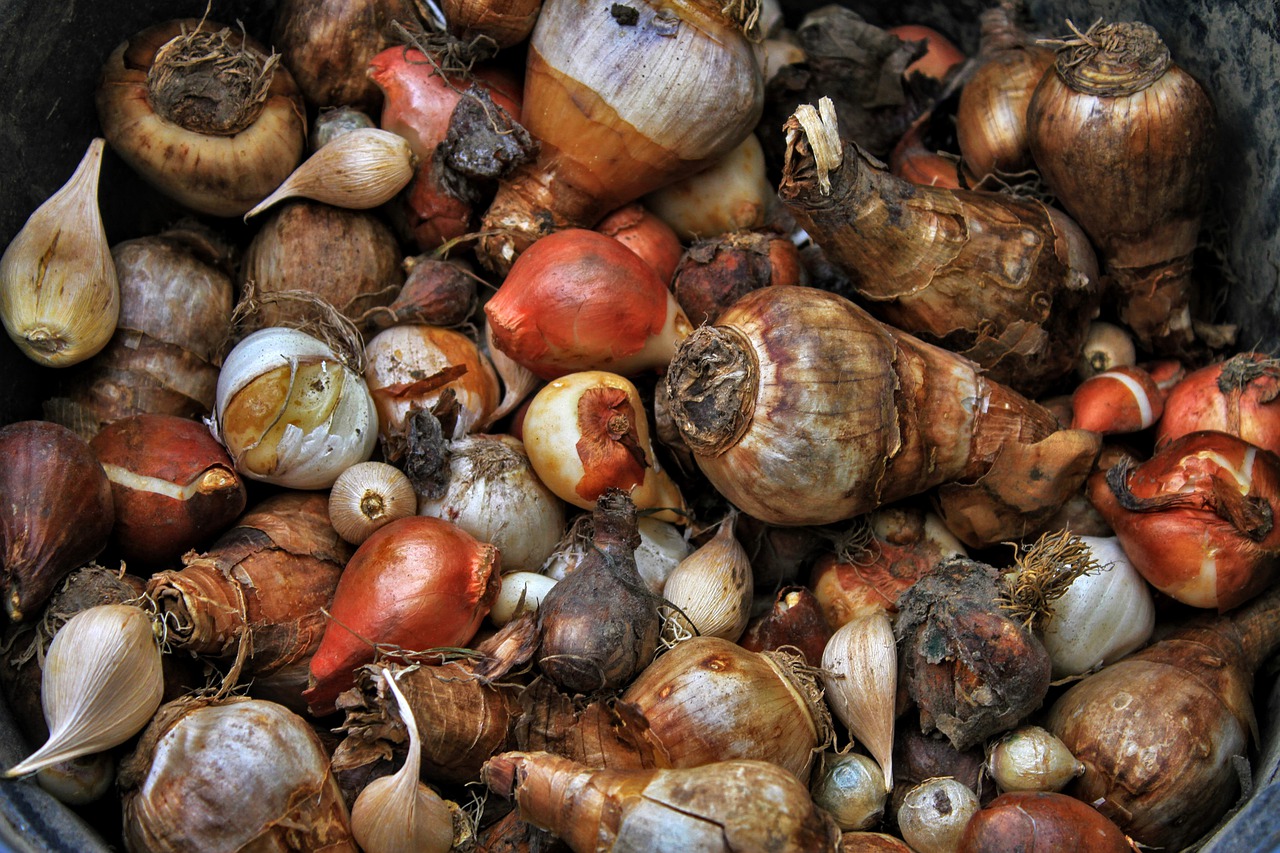
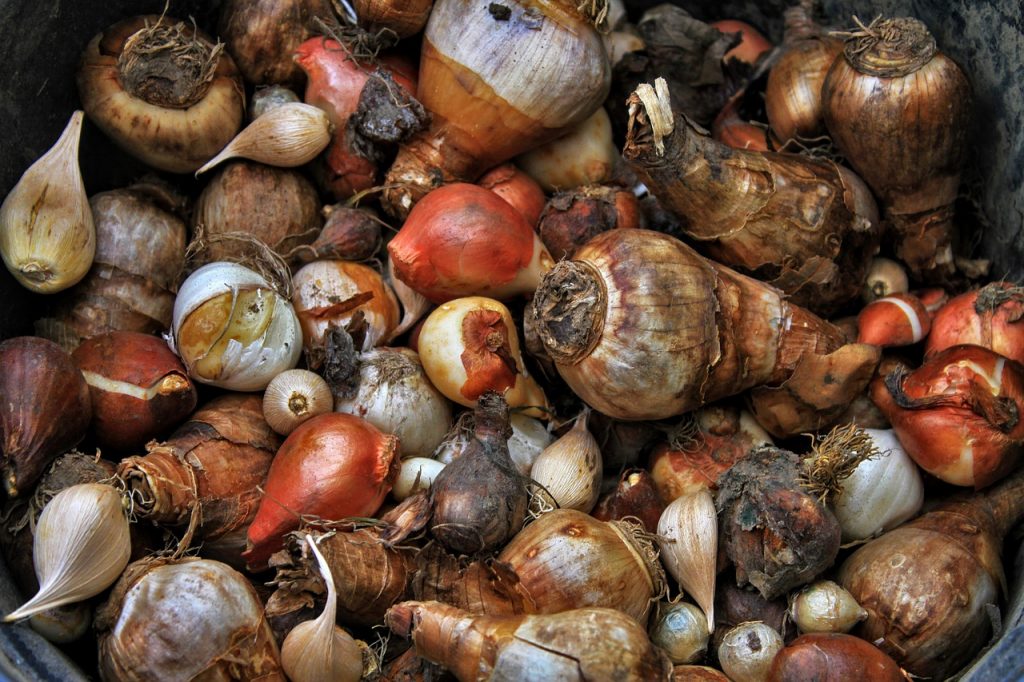
It’s a good time to plant bulbs of course. It’s also a good time for planting trees and shrubs, and it may be the right time to set the stage –maybe even literally sow the seeds –for certain types of gardens or ecosystems.

Uli Lorimer, director of horticulture at the Native Plant Trust, formerly the New England Wild Flower Society, thinks that gardens are more than just a pretty landscape. “They are part of a larger whole in that increasingly we treat our gardens and the maintenance of our gardens with a much more holistic approach,” Lorimer said.

LISTEN TO THE PODCAST https://www.capeandislands.org

Why You Should Try Growing A Fall Garden

Growing a fall garden can be a lot of fun and extremely rewarding. You may even enjoy it more than having a traditional summer/spring garden! A lot of gardeners will tell you that there are many perks to gardening once the fall months arrive.

Want to start your fall garden? NOW is the perfect time to be starting some of your favorite varieties indoors to later be transplanted outside. Do some research and choose quick to grow, & fast maturing varieties.

Here is a list of some of the most popular crops grown during fall:


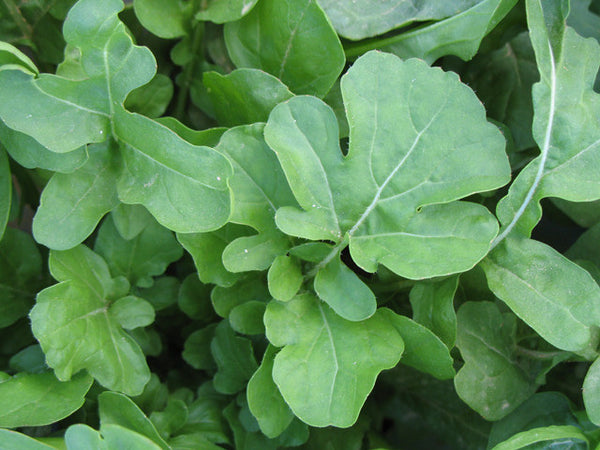
Arugula: Arugula seeds

Beans (Bush): Bean seeds

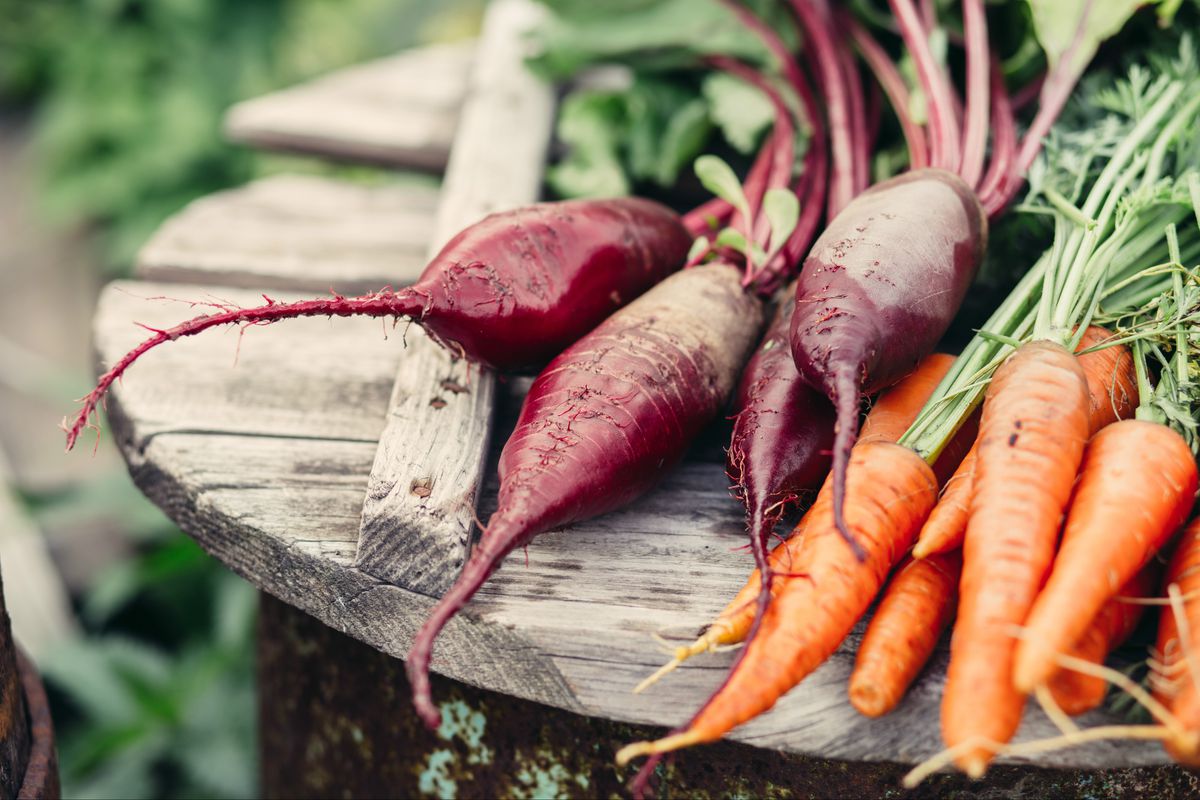
Beets: Beet seeds

Mustard Greens: Mustard seeds

Broccoli: Broccoli seeds

Cabbage: Cabbage seeds

Cauliflower: Cauliflower seeds

Chard: Chard seeds

Chicory: Chicory seeds

Cilantro: Cilantro seeds

Collards: Collard seeds

Radish: Radish seeds

Dill: Dill seeds

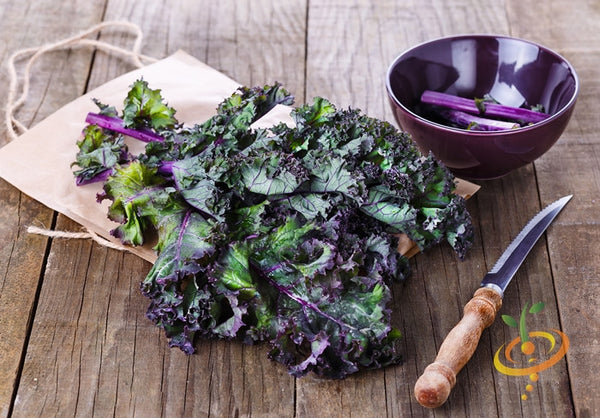
Kale: Kale seeds

Lettuce: Lettuce seeds

Peas: Pea seeds

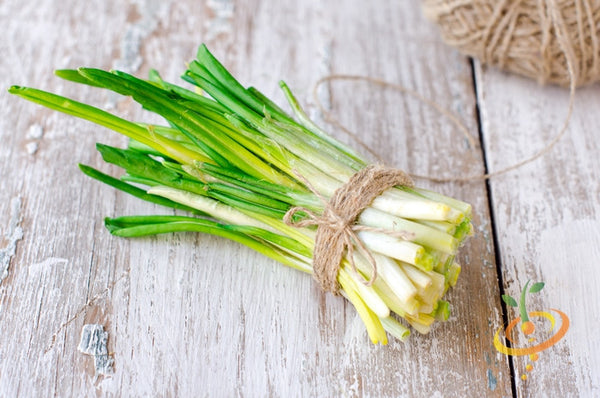
Scallions: Scallion seeds

Spinach: Spinach seeds

Turnip: Turnip seeds

Want to stock up?!  All-in-One Fall/Winter Seed Bank

Buying Time: Extend your garden’s growing season with a cold frame

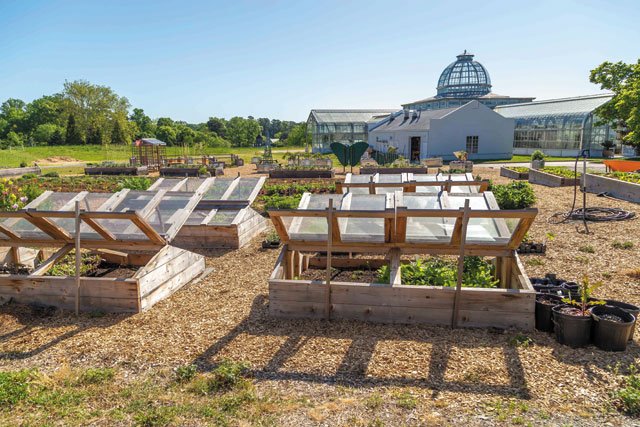
Part incubator, part greenhouse and part time machine, a cold frame is anything but cold. It’s an empty, bottomless box that protects plants from winter weather. With its hinged lid of glass or rigid plastic, a cold frame captures solar energy and converts it to radiant heat, creating a warm microclimate where plants thrive. Like the windshield of your car on a cloudless day, sunlight passing through the glass is absorbed by interior surfaces and re-radiated as heat. It makes for a snug, safe space for plants to grow when the weather is inhospitable.

Sara Barton is a big fan of a cold frame. Barton got her master’s degree in public health from the School of Public Health at City University of New York, but she likes to say she got her work experience “in the field,” on an organic farm. Since 2017, Barton has been the Learning Garden Coordinator with the VCU Office of Sustainability, where she manages three urban campus green spaces.

All three are “small-scale gardens where a cold frame is a very useful tool,” to extend the season and expand the harvest, she says. “Just like in a home garden.”

READ THE REST OF THE STORY: https://richmondmagazine.com/home/experts/buying-time/

WINTER SOLSTICE 2018: THE FIRST DAY OF WINTER

WHAT IS THE WINTER SOLSTICE?

The word solstice comes from Latin sol “sun” and sistere “to stand still.” In the Northern Hemisphere, as summer advances to winter, the points on the horizon where the Sun rises and sets advance southward each day; the high point in the Sun’s daily path across the sky, which occurs at local noon, also moves southward each day.

At the winter solstice, the Sun’s path has reached its southernmost position. The next day, the path will advance northward. However, a few days before and after the winter solstice, the change is so slight that the Sun’s path seems to stay the same, or stand still. The Sun is directly overhead at “high-noon” on Winter Solstice at the latitude called the Tropic of Capricorn.

LEARN MORE ABOUT THE WINTER SOLSTICE DATE, FACTS, FOLKLORE, AND MORE: “Almanac.com”

11 Essential Fall Planting Tips

1. At the nursery: Buy the best

Look for plants that have healthy foliage and no roots creeping out of the nursery container’s bottom drain holes (which means they’re probably rootbound).

2. Small is smarter

When you have a choice, buy little plants (in 4-inch nursery pots); they’re less expensive (usually under $5), easier to handle, and will catch up to the larger ones with winter rains. Smaller plants are your best bet if you need multiples to fill out a bed. Gallon-size plants, on the other hand, start around $10 each but can provide instant effects.

3. Check plant tags

Find out how big the plants will grow, and whether they need sun or shade. Then choose plants that will thrive in the spot you have in mind for them. “Full sun,” for example, means you should plant in a spot that gets at least six hours of sun a day.

4. Consider compost

Unless you have your own compost pile at home, or perfect garden soil that drains well, buy bagged compost to add to the soil before planting annuals, edibles, and many ornamentals (trees and native plants generally do not need added compost). It’s often sold at nurseries in 1- and 2-cubic-foot bags, and in bulk at garden suppliers. Avoid bagged compost that looks as though it has been piled and stored in hot sun for months—it won’t do much for your soil.

SEE THE REST OF THE TIPS, HERE: “Sunset.com


Fall Planting Schedule, Down To Your First Frost Date


Now is the time to start making solid plans for your fall and winter garden. Follow this simple planting schedule for a great start, or visit our online interactive planting calendar for a more detailed description of what you should be planting when based on your exact location and grow zone. 


12-14 Weeks Before Your First Frost Date


Direct Sow: Snap Beans, Cucumbers, Summer Squash, Parsnips, Rutabagas, Cilantro, Lettuce & Radishes.


———————————


10-12 Weeks Before Your First Frost Date


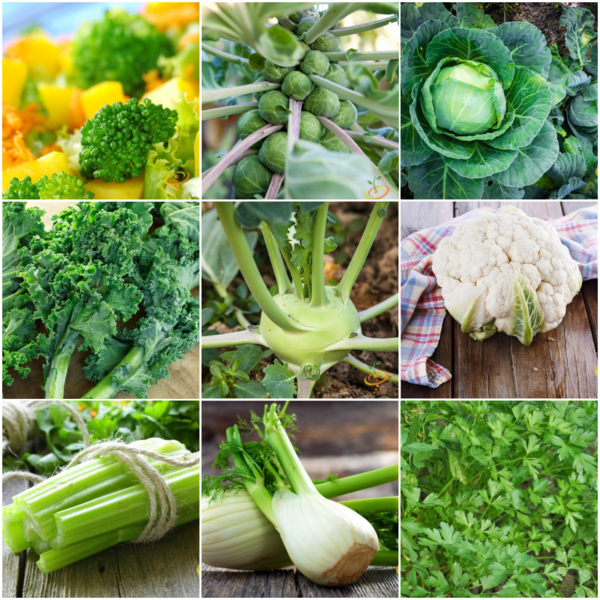
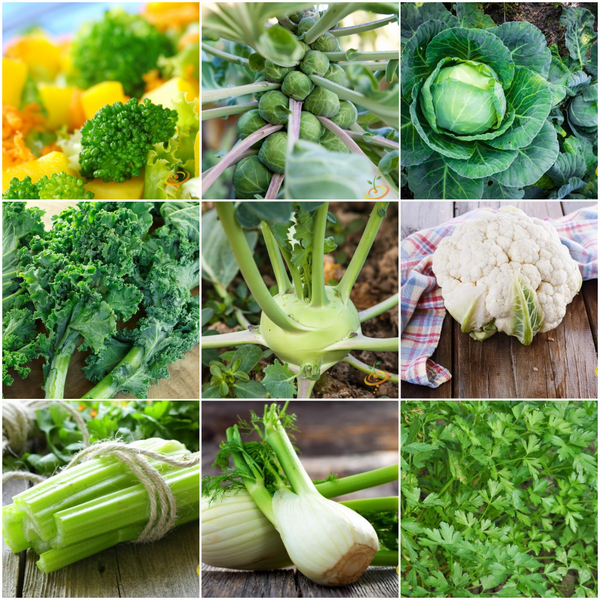
Set Out Starts: Broccoli, Brussels, Cabbage, Cauliflower, Kale, Kohlrabi, Celery, Fennel and Parsley.


Direct Sow: Beets, Carrots, Collards, Leeks, Scallions, Lettuce, Radish, Peas, and Potatoes.


———————————


8-10 Weeks Before Your First Frost Date


Direct Sow: Arugula, Cabbage, Lettuce, Turnips, Spinach, Mustard, Bok Choy & Radishes.


———————————


6-8 Weeks Before Your First Frost Date


Direct Sow: Spinach, Mache & Lettuce.


———————————


ON or AROUND Your First Frost Date


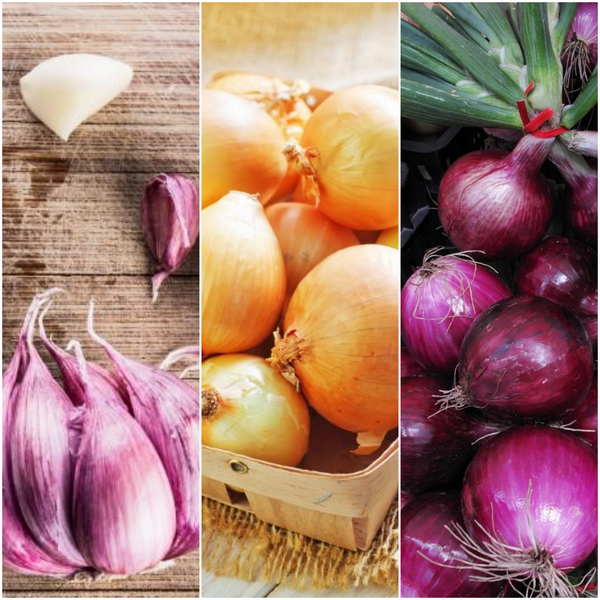
Direct Sow: Garlic, Shallots, & Onions.


Try our Online Planting Calendar, HERE

Want to have a fall veggie garden? Start planting these now!

“Most of us think of spring as gardening season, but fall provides a terrific opportunity for another harvest. Squash, beans and even potatoes can be planted over the coming weeks, along with other vegetables.

Alas, it’s too late for tomatoes. They should have been planted back in July. (But I planted some in mid-September once and had the best fall harvest ever.) And it’s probably a little early for cool weather plants like lettuce.”

When to plant

“When to plant depends on where you live and your inclination. Some like to brave the hot end of summer, hoping for early harvests. Others are willing to risk waiting for cooler days and count on a late frost.”

Most Popular Seeds to Plant for a Fall/Winter Harvest:

Arugula: Arugula seeds

Beans (Bush): Bean seeds

Beets: Beet seeds

Mustard Greens: Mustard seeds

Broccoli: Broccoli seeds

Cabbage: Cabbage seeds

Cauliflower: Cauliflower seeds

Chard: Chard seeds

Chicory: Chicory seeds

Cilantro: Cilantro seeds

Collards: Collard seeds

Radish: Radish seeds

Dill: Dill seeds

Kale: Kale seeds

Lettuce: Lettuce seeds

Peas: Pea seeds

Scallions: Scallion seeds

Spinach: Spinach seeds

Turnip: Turnip seeds

NEW PRODUCT!  All-in-One Fall/Winter Seed Bank

Read the FULL article at: “DallasNews.com”

19 Crops You Should Try Growing This Fall or Winter


Having a thriving vegetable garden doesn’t have to end when summer does. With a little bit of planning, and preparation you can grow vegetables well into the winter months or even year round if you live in a warmer climate down south.  But regardless of where you live, there are a few crops you can count on to withstand cooler temps, frost, and even sometimes snow.  

Did you know that there are vegetables you can plant now that will only become sweeter and more delicious if they go through a frost? 

When a frost comes into contact with a lot of these cool-season vegetables, they naturally react to the cold and produce extra sugars which can make some of the more bitter tasting vegetables taste rather sweet.

Prepare now to have the garden you’ve always wanted during Fall/Winter! With these crops, put the fear of your plants being damaged or destroyed aside. When Winter weather rolls around, these vegetables will do well & actually THRIVE!

Here is a list of 19 Frost Hardy Vegetables you should plant this fall:

1. Beets 

Although beets grow well during warm weather, the seedlings are established more easily under cool, moist conditions.  Order Beet Seeds >

2. Broccoli

Broccoli plants thrive in cool temperatures, they have been known to survive temperatures as low as 28 F. Order Broccoli Seeds >


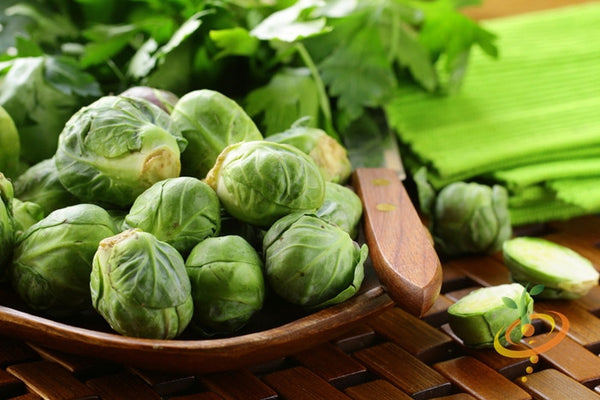
3. Brussels Sprouts


The plant will withstand frost and can be harvested until a hard freeze strikes. The best-quality sprouts are produced during sunny days with light frosts at night.  Order Brussel Sprouts Seeds >
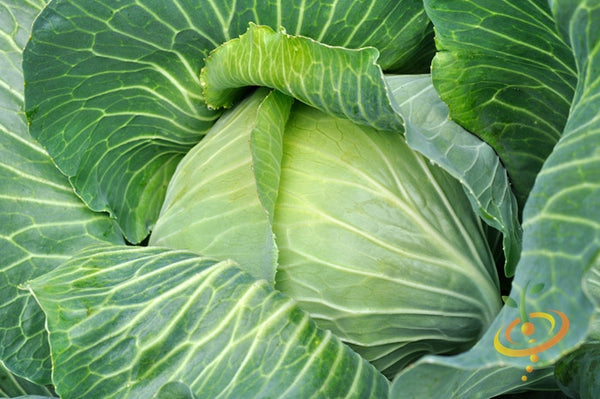
4. Cabbage

Cabbage can withstand frost down to 20 degrees or even 15 degrees F. Order Cabbage Seeds >


5. Carrots

Carrots can survive temperatures as low as 15 degrees Fahrenheit, but prolonged periods of cold results in long, pale roots. Order Carrot Seeds >


6. Cauliflower

Cauliflower can survive temperatures as low as 10 degrees Fahrenheit. Order Cauliflower Seeds >


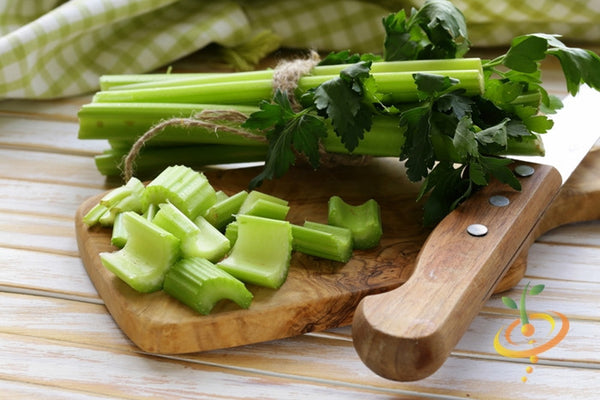
7. Celery


Celery tolerates light frost only. Order Celery Seeds >


8. Collards


Collard greens are the most cold resistant of any plant in the cold-hardy Brassica family. Collards can withstand winter temps. down to 5 F. and they usually come through the cold even more flavorful.  Order Collard Seeds >

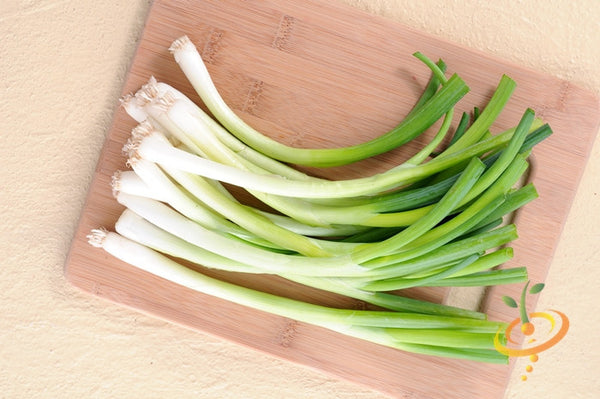
9. Green Onions


Onions are as hardy as they come. Frosts, freezing temperatures and snow will not kill them. Order Green Onion Seeds >
10. Leafy Lettuces

Frost damage on leafy vegetables doesn’t render the plant inedible like a disease. You can harvest non-damage parts by cutting away brown areas and edges that are frost damaged and save just the leaf parts that are uninjured and your plant will continue to grow. Order Lettuce Seeds >


11. Kale

Snow can protect plants from extreme cold so that they stay in the garden longer. Kale is one of these plants! Very cold-hardy.  Order Kale Seeds >


12. Leeks

Leeks are very cold-tolerant, most likely to survive plunges to 0 °F.  Order Leek Seeds >


13. Mustard

When spent days under the cover of snow they have been known to emerge in perfect condition once the snow melts. Order Mustard Seeds >


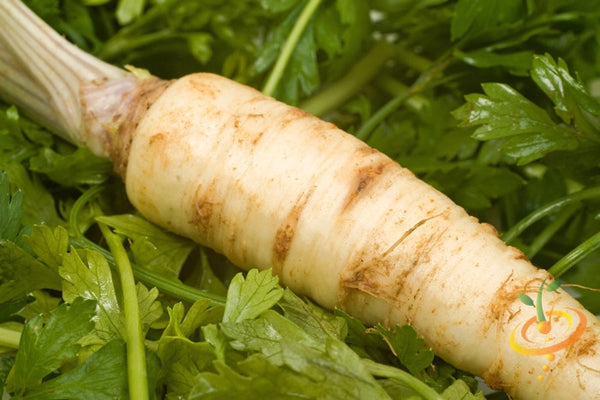
14. Parsnips

Parsnips are generally tolerant to 0 °F and will sweeten in flavor if hit with a light frost or two. Order Parsnip Seeds >


15. Radishes

Radishes thrive in the cooler weather when frost can be a threat to other crops.  They can survive hard freezes as well. Order Radish Seeds>


16. Rutabagas

When exposed to light frost, rutabagas can actually taste sweeter. To extend the harvest season & protect the crops from heavier frosts, just add a thick layer of straw. Order Rutabaga Seeds >


17. Spinach

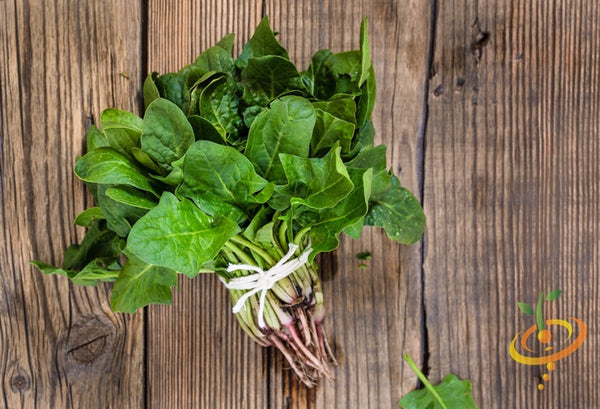
Grows slowly through the winter but will always bounce back in early spring. Order Spinach Seeds >


18. Swiss Chard

Swiss chard is very cold-tolerant, & can survive dips to 15 °F without any protection. Order Swiss chard Seeds >


19. Turnips

Turnips lose much of their spiciness and accumulate sugar when they mature in cold weather. Order Turnip Seeds >


Grow a Fall/Winter Garden! Join the Monthly Seed Club, TODAY!

Fall UOG Seed Club GIF
ORDER BEFORE 11:59 PM PST November 4th to receive a shipment THIS MONTH! https://urbanorganicgardener.cratejoy.com/

Grow food ALL-YEAR-ROUND with us! Now is the perfect time to start stockpiling seeds for your fall, winter and even early spring gardens!All of our seed club members will be receiving varieties that are perfect for growing during the cooler months. Let us hand-select 5 varieties of heirloom, GMO-free seeds to ship to you EVERY MONTH!

TO LEARN MORE or SIGN UP just visit: https://urbanorganicgardener.cratejoy.com/


We’re on SNAPCHAT! [Let’s Get Snapping]

We want to be where our fans and fellow gardeners are, so we’ve headed over to snapchat and created an account! We hope you’ll share all of your awesome gardening successes/tips/and learning experiences with us over there.

Let’s be friends! Just use the snap code below to quickly and easily add us and see more great content from us, everyday!

SnapChat UOG IG


UOG SnapChat Logo

Grow a Fall Garden! Join UOG’s Monthly Seed Club NOW!

UOG Seed Club

**IF you wish to receive a shipment for this month, you MUST JOIN before 11:59 pm PST Monday, September 4th!**

Now is the time to start collecting seeds for your fall/winter gardens. Let our Garden Guru’s hand select popular heirloom, GMO-FREE varieties for you to start each month, customized to your location and grow zone! (Think frost hardy crops or varieties that can be grown indoors such as sprouts, lettuces, leafy greens and MORE!)

Sign up today at https://urbanorganicgardener.cratejoy.com

During sign-up, just let us know whether you prefer to grow indoors, outdoors, in partial shade or in the sun. Do you grow hydroponically? Not a problem, we’ve got that figured out too!

Each month you’ll receive a 5 varieties, and everything you need to start growing more food! Happy Gardening to you, in 2017!

Enter to WIN a FREE 1 Month Subscription to UOG’S Monthly Seed & Garden Club!


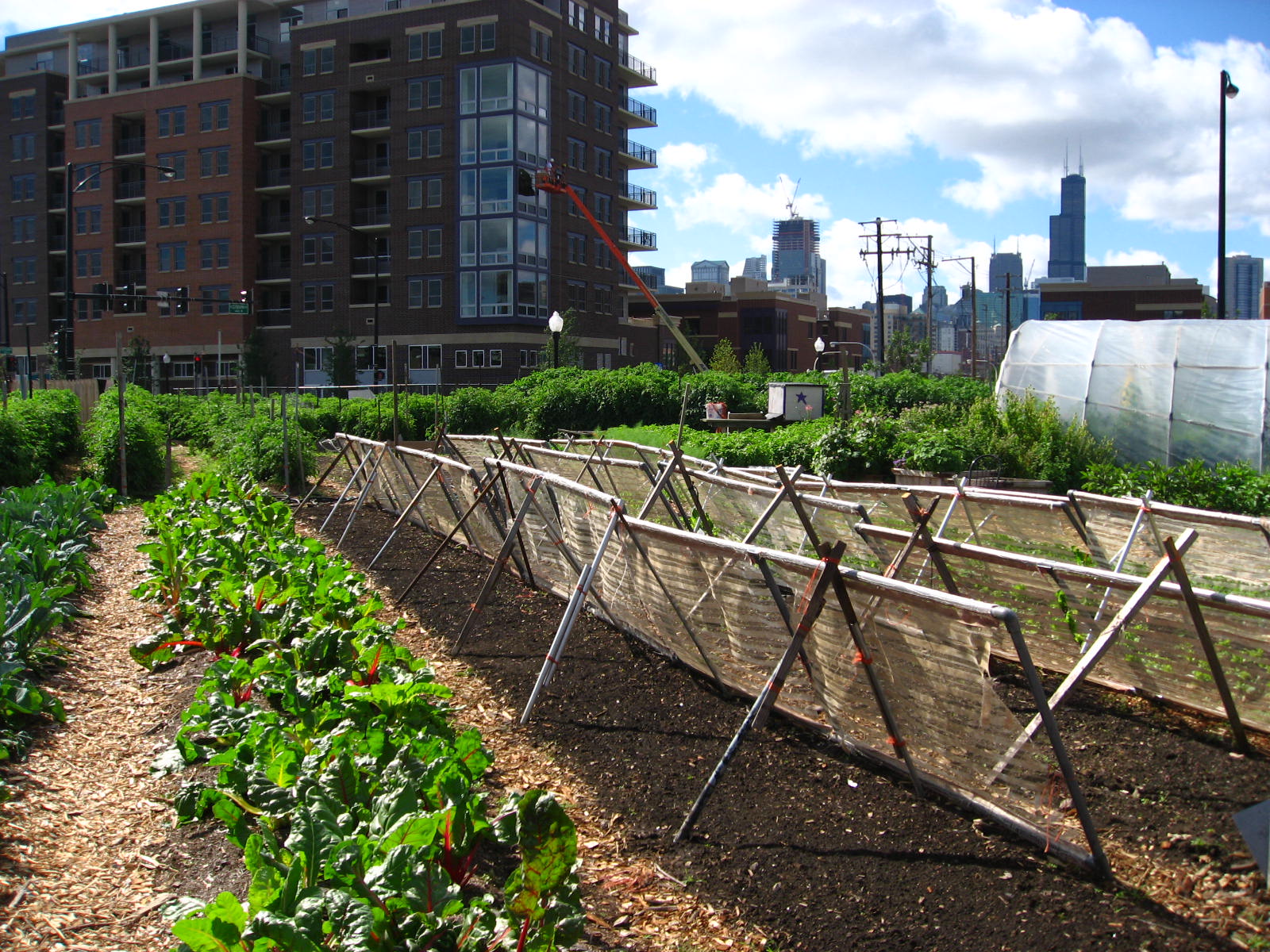
15 Ways Urban Farming Can Revitalize a Neighborhood—and Help Farmers Too

“Sole Food’s mission is to empower individuals with limited resources by providing jobs, agricultural training and inclusion in a supportive community of farmers and food lovers. Individuals are given basic agriculture training and are employed at the farm based on their capability.”
What if farms and food production were integrated into every aspect of urban living? Here’s just 3 ways urban farms can revitalize a neighborhood.

1. Every municipality should establish publicly supported agricultural training centers in central and accessible locations. I’m not talking about think tanks or demonstration gardens. I’m talking about working urban farms that model not only the social, cultural, and ecological benefits of farming in the city, but the economic benefits as well. We can talk about all of the wonderful reasons to farm in urban areas, but until we can demonstrate that it’s possible to make a decent living doing it, it’s going to be a tough sell.

2. Regular folks are now so removed from the work of farming that they need to literally see what’s possible. They need access to those who have maintained this knowledge and those who are serious and active practitioners. Every city should have teams of trained farm advisers in numbers proportionate to the population devoted to urban food production. Those agents should operate out of their local urban agriculture centers to run training workshops and classes; they should also venture out into the community to provide on-site technical support in production, in marketing, and in food processing and preparation.

3. The nutrient cycle that once tied farms with those they supplied has been interrupted. We need a full-cycle food system that allows for the return of organic waste via central regional composting facilities that can support the nutrient needs of both urban farms and farms on the fringes of our urban centers. Every community could be composting all its cardboard, paper, old clothing, shoes, restaurant and grocery store waste, and on and on. We need to reduce what comes into our communities from elsewhere, but we also need to reduce what leaves those communities, especially if it has nutritional or soil conditioning values for our land.

To read the rest of the article, visit: “Alternate.org