
The battle against bugs: it’s time to end chemical warfare

Insects are important wildlife often overlooked in urban habitats. What we do notice are the cockroaches, ants, and mosquitoes in and around our homes. All too often we reach for the insect spray.

But not all insects are pests – a wide variety of them help keep our cities healthy. They pollinate plants, feed other wildlife, recycle our rubbish, and eat other insect pests. Insects are vital to our well-being.

Unfortunately, like many other wild animals, insects are under threat. A recent study warned that 40% of the world’s insect species face the prospect of extinction, amid threats such as , habitat loss, and humanity’s overenthusiastic use of synthetic chemicals.

Australians use large amounts of pesticides to tackle creepy crawlies in their homes and gardens. But our fondness for fly spray has potentially serious impacts on urban ecosystems and public health.

READ MORE AT: https://phys.org/news/2019-02-bugs-chemical-warfare.html

What are soil contaminants—and how did soil get contaminated?

“The biggest risks for soil contamination are in urban areas, and former industrial sites,” writes Lauren Svejcar, a researcher at Murdoch University. “Common contaminants in urban soils include pesticides, petroleum products, radon, asbestos, lead, chromated copper arsenate, and creosote.”

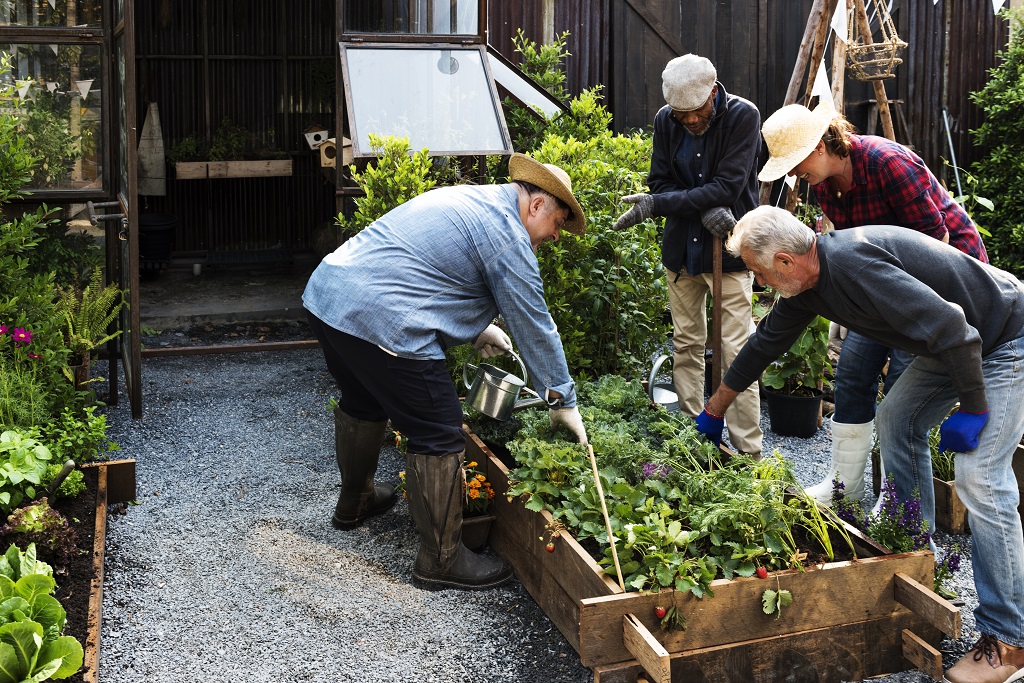
Svejcar has specific tips for gardeners. “Urban gardens are usually a good idea, but it’s best to know your soil. Many vegetables and herbs can absorb contaminants as they grow. That puts you at risk if you eat them. Also, vegetables and herbs can have dust on them coming from contaminated soil. If not properly washed, you could ingest the contaminants. Some garden beds may also be lined with chemically treated wood. If you did not build your garden beds yourself, it’s best to test your soil because the chemicals can leach into the garden soil.”

READ THE ARTICLE: https://www.newswise.com/articles/what-are-soil-contaminants-and-how-did-soil-get-contaminated

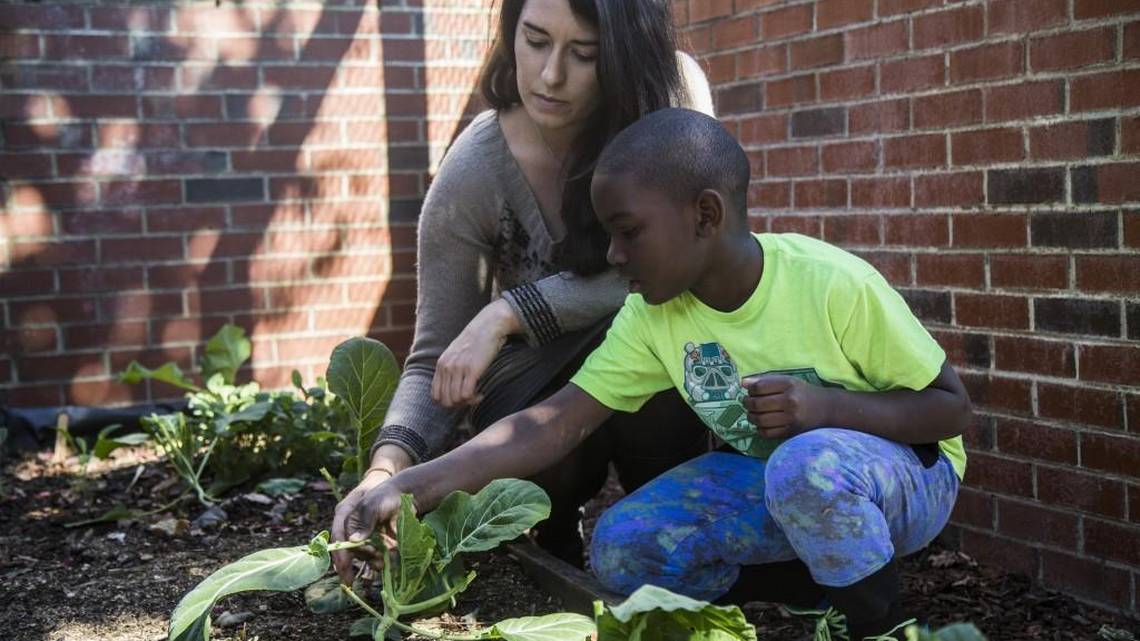
High School Garden Club Helps Students ‘Grow’ Their Skills

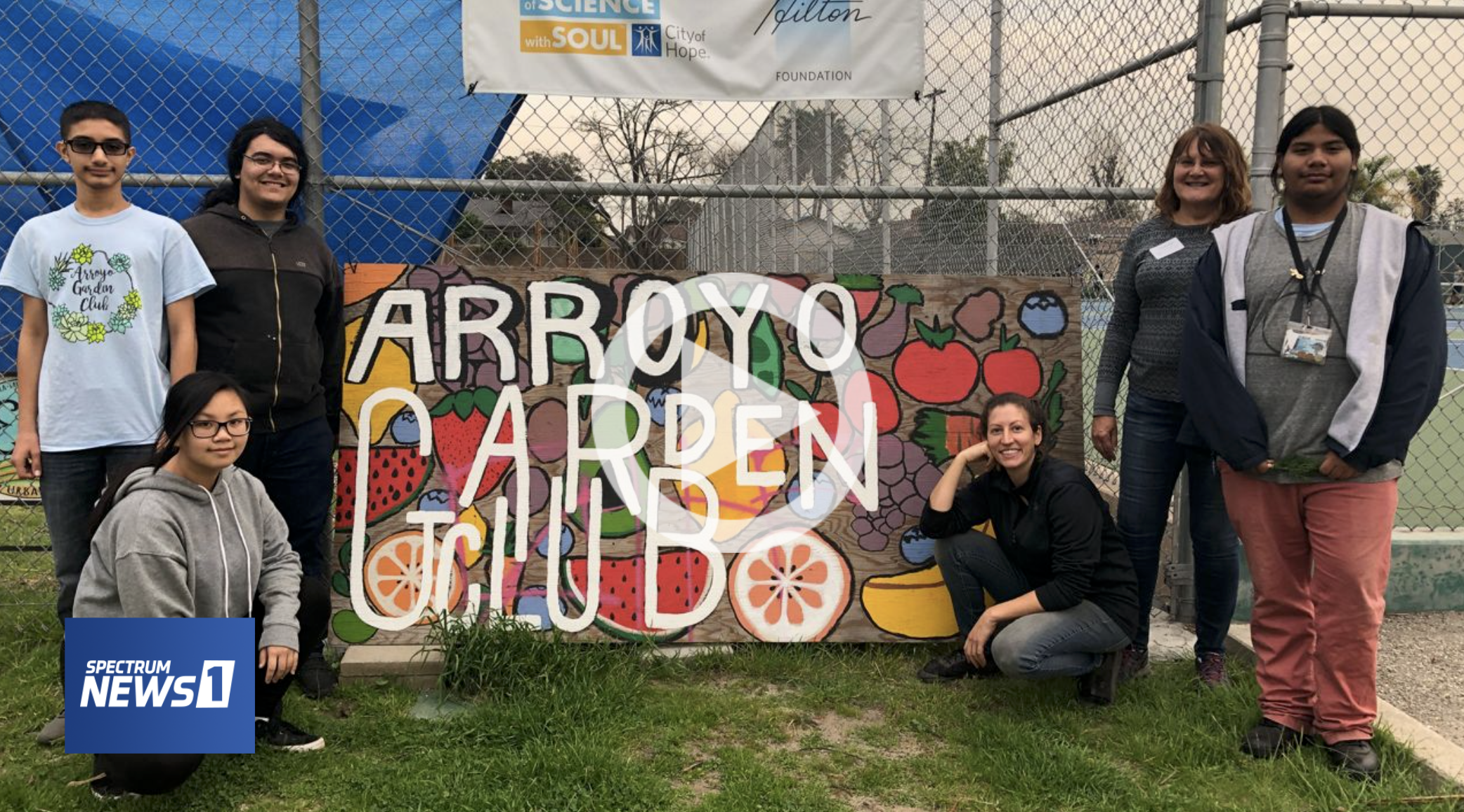
LOS ANGELES, CA – Pens and paper are the typical supplies for many high school students, but that is not the case at Arroyo High School in El Monte.

  • Students growing their skills in garden club
  • Found in part by Eco Urban Gardens
  • Helping students learn about agriculture, nutrition

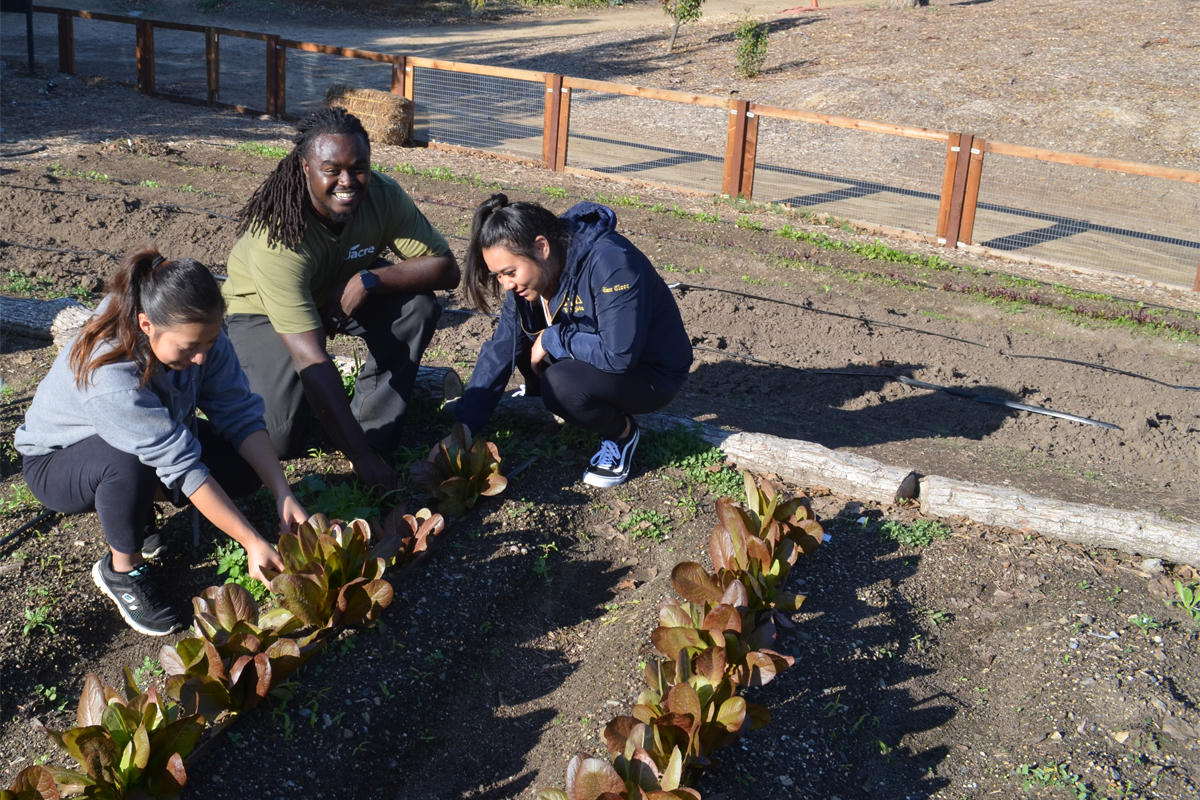
The school is part of a growing program, founded in partnership with a local nonprofit Eco Urban Gardens, meant to help students learn skills in agriculture, environment, and nutrition. Arroyo’s garden club features about 15 students who meet regularly after school to tend to their crops.

“What school wouldn’t have a garden because it honestly promotes healthy living and gives students a place to chill if they’re stressed out,” said senior Oscar Ramos, the president of the club.

READ THE STORY: https://spectrumnews1.com/ca/la-east/education/2019/02/13/gardening-program-grows-at-arroyo-high-school#

7 Innovative Architectural Ideas With World-Changing Potential

Our ancient relatives, Homo heidelbergensis, were constructing shelters at least 400,000 years ago, and architectural innovation has been a defining feature of societies since then, changing to suit the needs and desires of the builders and occupants as they evolved. From energy-efficient designs to community-based spaces, these seven designs could help shape the future.

As the population ages, society is faced with a challenge: How to help people who require special care. The current way that many buildings are designed—and even the way hospitals are set up—makes it difficult for older people to get around and be independent. This is a big problem, because older people are a huge part of the population. As of 2015, there were nearly 50 million people in the United States over the age of 65. By 2030, the Census projects that 20 percent of Americans will be older than 65. “By 2035, there will be 78.0 million people 65 years and older compared to 76.7 million … under the age of 18,” Jonathan Vespa, a demographer with the U.S. Census Bureau, stated in a 2018 press release.

READ THE FULL ARTICLE: http://mentalfloss.com/article/91686/innovative-architectural-designs


After Years of Planning Santa Clara’s Urban Farm ‘Agrihood’ is Set to Break Ground by 2020

One of Santa Clara’s biggest and most unique affordable housing projects in the pipeline promises to offer a blend of urban living and farm life.

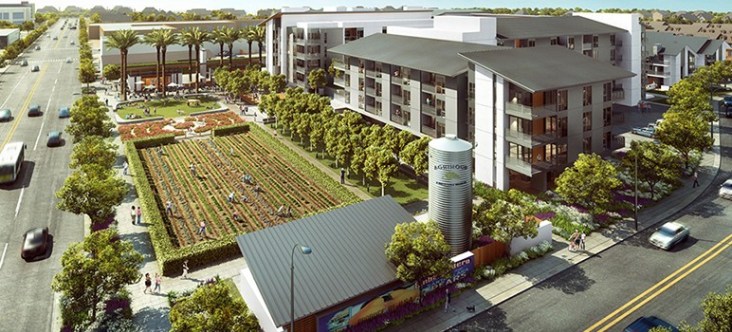
The City Council last week granted final approvals to a housing project on a six-acre plot of land across the street from Westfield Valley Fair mall. The project, known as the “Agrihood,” will to provide 361 new homes, 181 of which will be below market rate. Of these 181 homes, 160 will be set aside for low-income seniors. The project will additionally feature a 1.7-acre urban farm and community retail and open space.

The Agrihood, which is on track to break ground by next year, consists of a partnership among real estate firm The Core Companies, the nonprofit California Native Garden Foundation and the city of Santa Clara. But it came to fruition in no small part because of its biggest champion, local business owner and activist Kirk Vartan.

“We wanted to make a vibrant place,” Vartan said. “Somewhere where people can engage. A place to go for people to unwind, meander, walkable and be human.”

READ THE FULL ARTICLE: http://www.sanjoseinside.com/2019/02/07/after-years-of-planning-santa-claras-urban-farm-agrihood-is-set-to-break-ground-by-2020/

Will The Generation That Wants To Change Agriculture Show Up To Work?

What is interesting about this younger generation, who are stereotypically labeled as harsh critics of our current food production system, is that on the surface most only seem to want to voice their dissatisfaction vicariously. It is easy and safe to go after genetically modified apples and Roundup in your Cheerios via your Facebook and Twitter accounts. What is becoming increasingly apparent is that there is a much, much lower percentage of this next generation that actually wants to “get their hands dirty” when it comes to becoming a part of the solution to the problem that they are essentially creating.

How bad is that problem?  Well according to a 2016 National Science Foundation survey, the percentage of adults who now find GMOs dangerous was at a staggering 79 percent. That is up dramatically from numbers from similar surveys taken in the previous years of 2010 and 2000.  Want more proof? A study last year by the International Food Information Council concluded that six in 10 consumers tagged food sustainability as important to them. The better question may be, do consumers really know what sustainability even means?

For something that is so dangerous and so important you would think there would be more bodies and minds actually flocking to the industry of agriculture to “transform” it more to their liking. Right now, the numbers are showing that not to be the case. In 2016, an industry study by food and agriculture conglomerate Land O’Lakes found that only 3 percent of college graduates and 9 percent of millennials have or would consider a career in agriculture. Such numbers, if true should not just be concerning but instead alarming. If according to recent statistics it takes 15 percent of the American workforce to produce, process and sell our nation’s food and fiber, then Houston we have a problem. A math problem.

READ THE FULL STORY: https://www.agweb.com/article/will-the-generation-that-wants-to-change-agriculture-show-up-to-work/

On rooftops and in tunnels, city farms lead food revolution

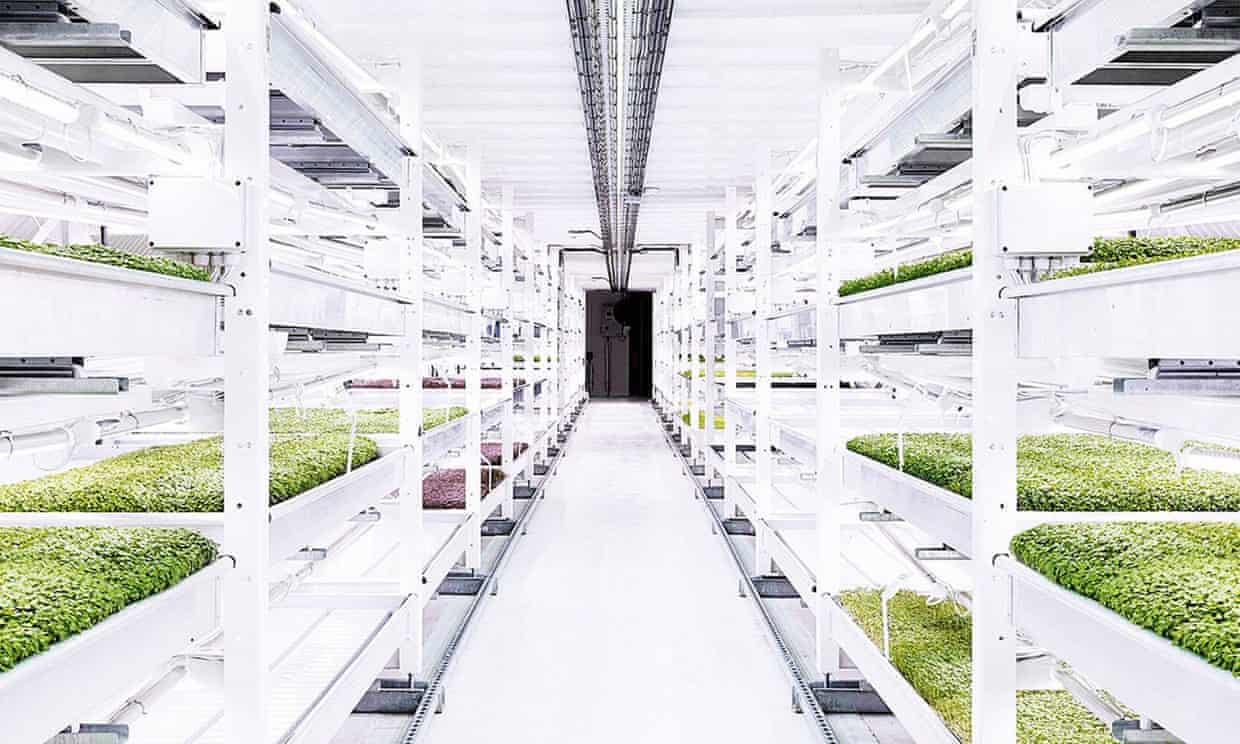
Only the Northern line tube trains rumbling through tunnels overhead provide any clue that Growing Underground is not a standard farm.

The rows of fennel, purple radish and wasabi shoots could be in almost any polytunnel, but these plants are 100 feet below Clapham High Street and show that urban agriculture is, in some cases at least, not a fad.

The underground farm has occupied a section of the second world war air-raid shelters for nearly five years, and Richard Ballard, one of the founders, is planning to expand into the rest of the space later this year.

“The UK is the hardest market for growing salad,” he said. “We’ve got very low prices in the supermarket, so if we can make it work here we can make it work anywhere.”

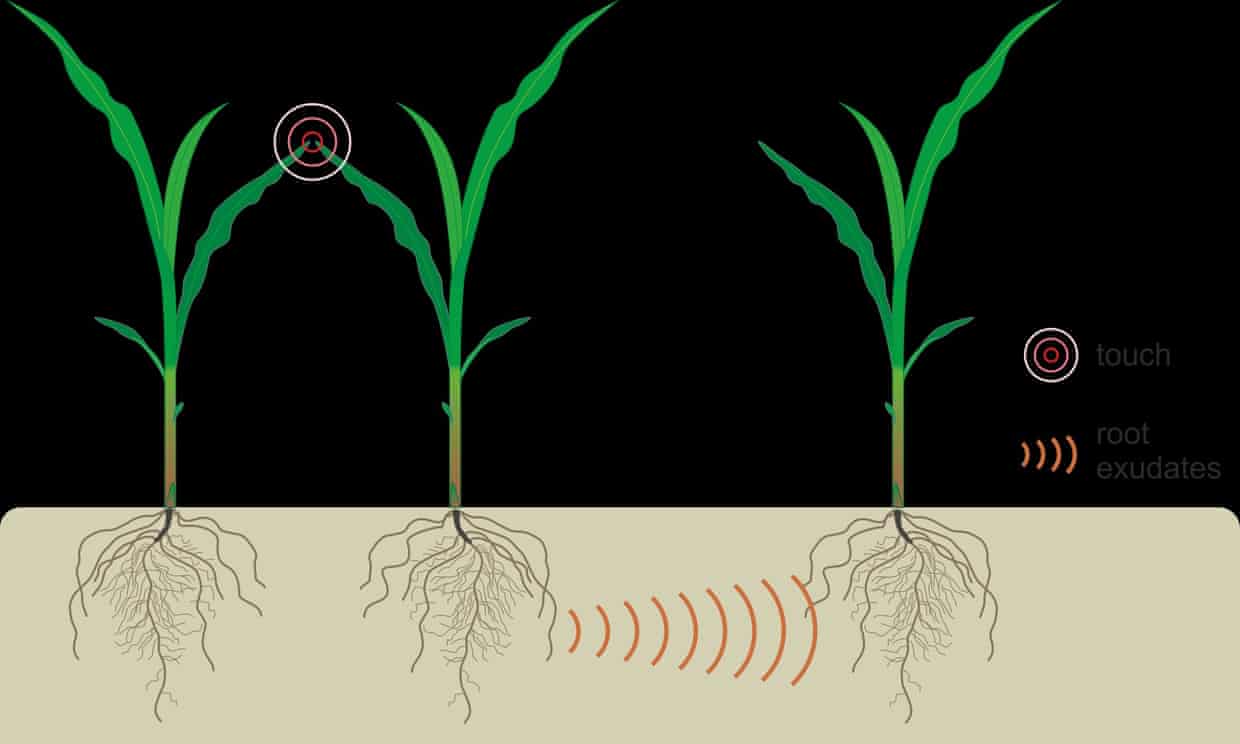
Plants ‘talk to’ each other through their roots

Plants use their roots to “listen in” on their neighbors, according to research that adds to evidence that plants have their own unique forms of communication.

The study found that plants in a crowded environment secrete chemicals into the soil that prompt their neighbors to grow more aggressively, presumably to avoid being left in the shade.

“If we have a problem with our neighbors, we can move flat,” said Velemir Ninkovic, an ecologist at the Swedish University of Agricultural Sciences in Uppsala and lead author. “Plants can’t do that. They’ve accepted that and they use signals to avoid competing situations and to prepare for future competition.”

Urban agriculture gives Paris space to breathe

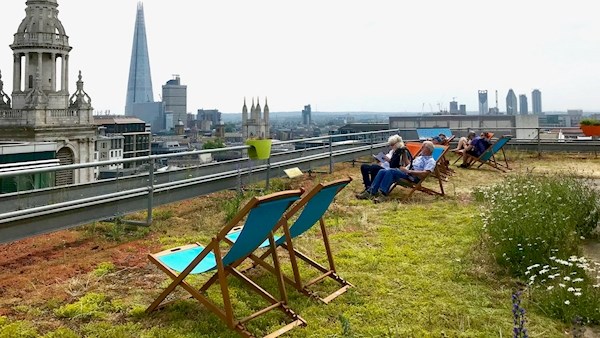
Green walls, rooftop gardens, and urban farms are aiming to bring nature back into central Paris as the city looks to improve its air quality and create a more sustainable future.  

In the last few decades, manmade surfaces have taken over green space, leading to urban heat islands and more pollution in the air. It’s left Paris, like many other big cities, with higher urban temperatures and a greater risk of flooding as rain can no longer be absorbed into the ground.

To counter these issues, local authorities are increasingly looking to incorporate more greenery into both old and new buildings as well as developing public parks and gardens.

READ THE FULL STORY: https://www.jllrealviews.com/places/emea/france/urban-agriculture-gives-paris-breathing-space/

A Farm and Restaurant Program that Helps Foster Kids Succeed

By the time Will Nash got to the Hart Community Homes (HCH) in Fullerton, California, he’d temporarily lived—and lost placement—in 19 foster and four group homes. Dealing with intense feelings of abandonment and anger in ways that caused those into whose care he’d been placed to label him “troublesome,” he was bounced from house to house. “You’re told you’re loved,” he says. “Then you get kicked out and you’re like, ‘Wait, I thought you loved me.’”

But at HCH, Nash landed among 11 other similarly hard-to-place boys aged 13 to 18, the older of whom—those eligible to work outside the house—were granted an opportunity rare among foster kids: after-school afternoons and weekends spent on a farm at nearby California State University, Fullerton (CSUF), tending crops alongside college students, faculty, and retired volunteers. It was a welcome new world of hands-on learning, camaraderie, and tentative belonging.

READ THE FULL STORY: https://civileats.com/2019/01/15/a-farm-and-restaurant-program-that-helps-foster-kids-succeed/?fbclid=IwAR3gT2NdZ2C_gZeEInVF0xZOOZYWdXqkKSlOvZ5_gIW1JZ-R4AB_zdLfCUk

How a low-income Louisville neighborhood became a fresh food oasis

In Louisville’s Hazelwood neighborhood, where a third of the residents live in poverty, an urban farm has grown from the site of a former low-income housing complex.

It took two years for community members to remove truckloads of concrete from the 14 acres where the farm now resides. But come spring, the farm will produce crops that the nonprofit Food Literacy Project can use to teach youth leadership skills and engage with residents who want to reconnect with the land.

The farm has become central to a communitywide movement to improve food access within the Hazelwood and Iroquois neighborhoods, located in southern Jefferson County.

SEE THE REST OF THE ARTICLE: https://www.courier-journal.com

We Need to Prioritize Urban Farming in City Planning

Last November, I stood on the stage of the Meeting of the Minds Summit in Sacramento, sandwiched between a panel led by energetic Stockton Mayor Michael Tubbs and his vision for economic prosperity, and a talk on the future of autonomous delivery vehicles. My talk? To encourage city planners, developers and urban architects to bring agriculture back to cities and urban spaces, and what this addition can do for the future of their communities’ resiliency, job creation, healthy citizens and carbon footprint.

Stay with me here. I know, agriculture is not “the new wave.” It’s not even close. I mean, we’re talking something that started about 10,000 years ago when eight of the Neolithic founder crops, like emmer wheat, hulled barley, lentils, and chickpeas, were first cultivated. Fast forward to the late 1800s in the Sacramento Valley, when Yolo County was the largest producer of wheat in the entire United States.

READ THE ARTICLE AT: https://www.comstocksmag.com/article/we-need-prioritize-urban-farming-city-planning

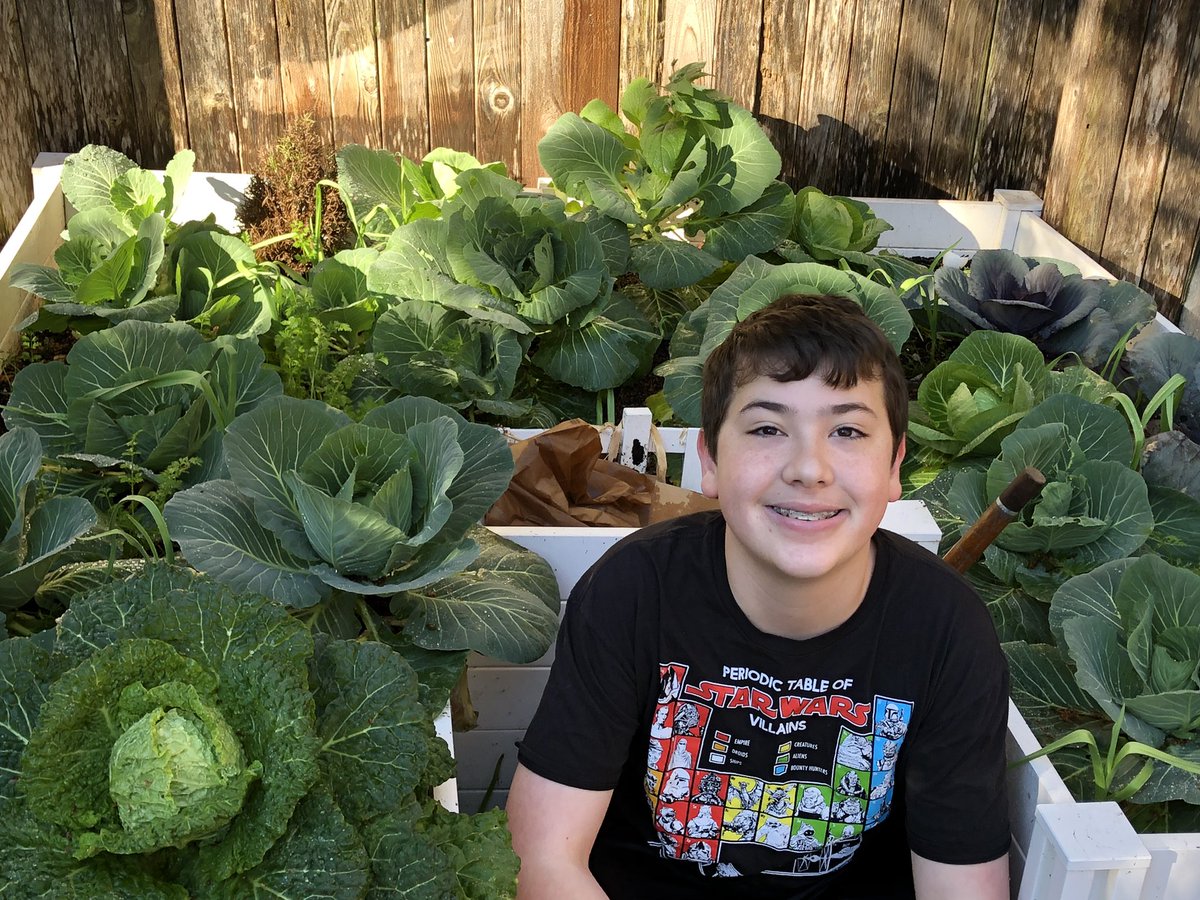
14 Year Old Donates EVERYTHING He Grows To Families In Need

Help Ian WIN a $10,000 grant for Katie’s Krops!
(SCROLL TO THE BOTTOM OF THIS POST)

“The Giving Garden was created when Ian learned there were children at his school going to bed hungry. Wanting to make a difference for his classmates, Ian decided to take action. He raised funds and solicited volunteers to construct a raised bed garden and small fruit orchard at his elementary school to provide free access to fresh produce for anyone in need in his community. Ian began to realize that many students didn’t have the knowledge to prepare the produce they were receiving from the gardens. He began offering cooking demonstrations and provided sample recipes to help teach the students that healthy food can taste good. He didn’t stop there. Ian has continued to install gardens in local schools and communities in the Austin area. In the spring of 2016, his sister, Addison, joined the fight against hunger by developing the Frutas Frescas Orchard Program. The siblings have partnered with each other to help fight hunger in their community. In 2016, Ian became part of the Katie’s Krops garden program. He was able to build a garden in his own backyard and donates 100% of the produce to local hunger relief organizations or to families in need. In 2016, Ian grew and donate 869 lbs of organic produce. He reached his goal of growing and donating 1,000 lbs of organic produce in his backyard Katie’s Krops garden in 2017 and will exceed his donation totals in 2018.”

LEARN MORE ABOUT IAN AND HIS GARDENS: https://iansgivinggarden.weebly.com/about-us.html

Help Ian WIN a $10,000 grant for Katie’s Krops!

  1. CLICK – Ian McKenna’s name at the “Vote Say Thanks, Austin” link 
  2. TEXT – MCKENNA to (512) 456-9244
  3. MESSAGE – MCKENNA to our Facebook fan page at facebook.com/recognizegood
  4. TWEET – MCKENNA to @RecognizeGood with the hashtag #saythanksaustin
  5. EMAIL – MCKENNA (in the subject line) to saythanks@recognizegood.org
  6. WRITE IN – your name, then sign and date where indicated on Say Thanks forms (also downloadable) – I can pick up write in votes locally or if you’re out of town, you can scan or take a picture and email them to saythanks@recognizegood.org with MCKENNA in the subject line. 

Why Raleigh needs a stronger commitment to urban agriculture

The City of Raleigh supports urban agriculture rhetorically in its Strategic Plan. The city has made ad hoc interventions, like providing resources for rain harvesting at Raleigh City Farm and the Inter-Faith Food Shuttle farm.

Yet this leaves Raleigh behind other cities, like Atlanta, that implement systematic programs supporting the wide array of urban agriculture. Without a comprehensive plan, programs like land for community gardens, setting up organic matter drop-offs for composting, hiring master gardeners to provide expert knowledge, and more do not have the municipal support they need.

This is the case, even though the city’s Environmental Advisory Board has unanimously adopted an Urban Agriculture Program recommendation. That recommendation includes important steps, such as surveying vacant and public land, building a farm incubator system, and hiring a full-time city employee to administer urban agriculture programs. Implementing the recommendations will bring stability and growth to urban agriculture, which will entail beneficial impacts on communities, such as food security, food literacy, biodiversity, and income.

READ MORE HERE: https://www.newsobserver.com/opinion/article220040400.html

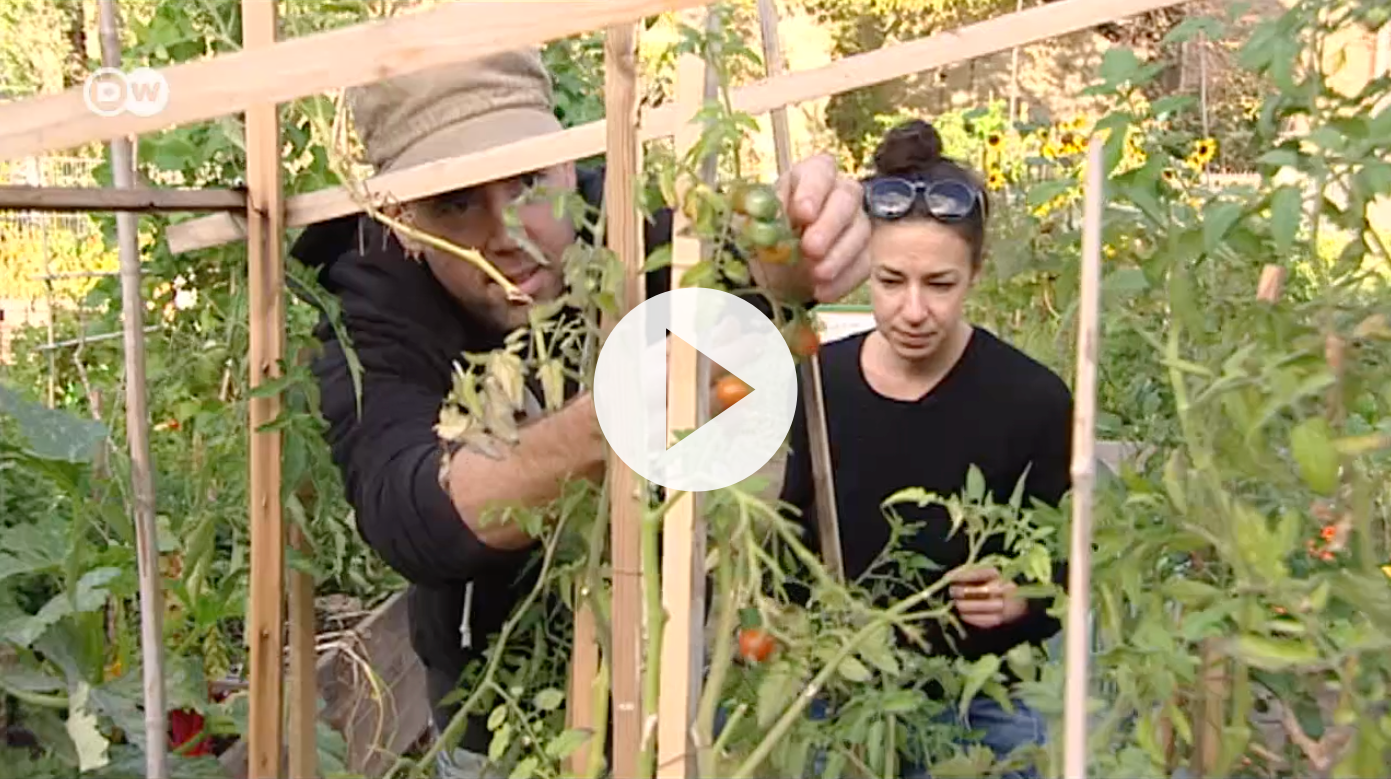
The city needs more gardens — urban gardening in Berlin [VIDEO]

What was once a gloomy parking lot is now a green oasis in the middle of the German capital, Berlin. The “Prinzessinnengarten” (princesses’ garden) has become one of the best-known urban gardening projects in Europe. Neighborhood city gardening is on trend and in the last few years, pretty plots have been sprouting like mushrooms from the earth.

WATCH THE VIDEO/STORY: https://www.dw.com/en/the-city-needs-more-gardens-urban-gardening-in-berlin/av-46264250

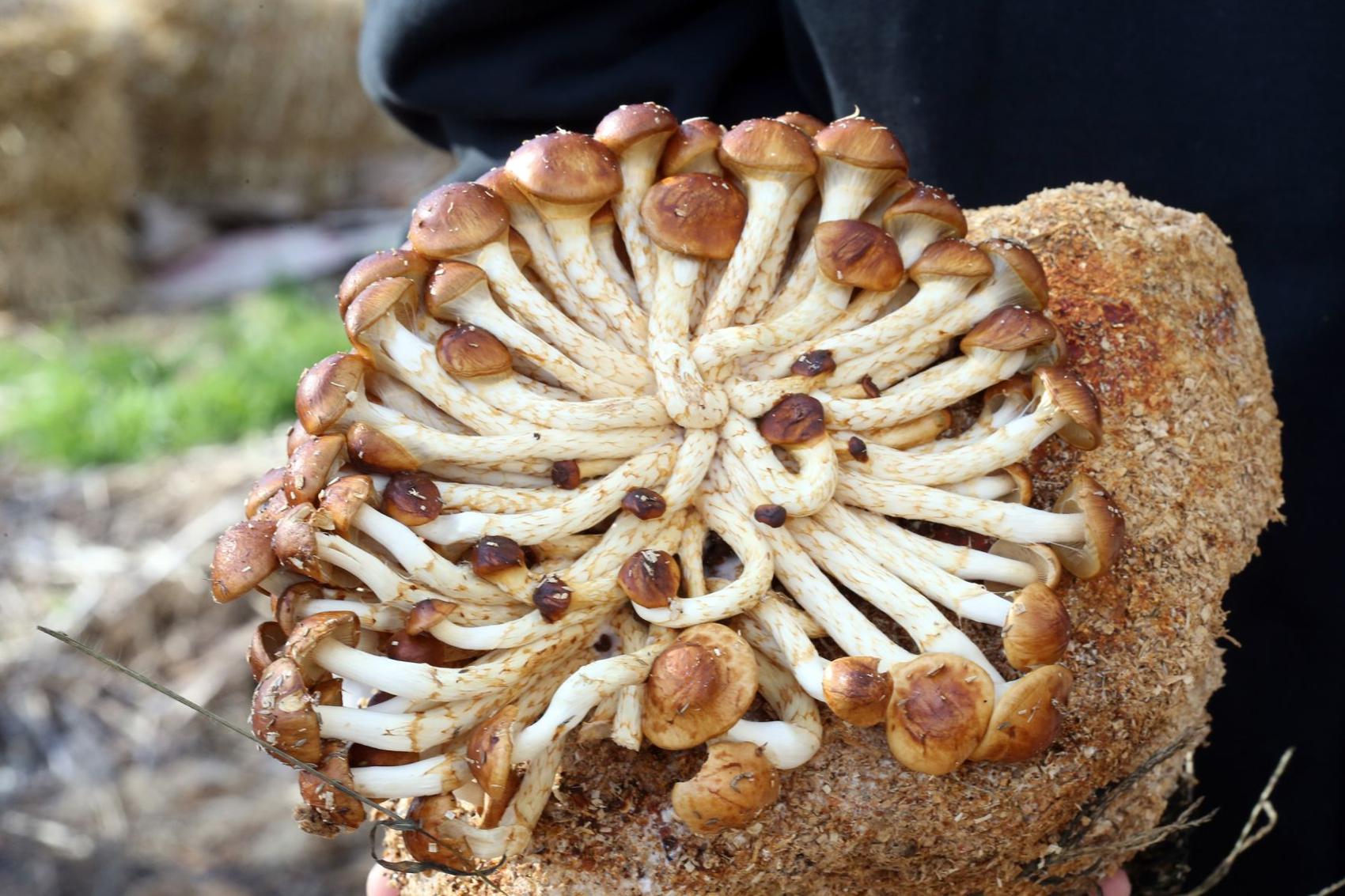
DIY Fungi – Interview: William Padilla-Brown

Not long into our conversation at his lab based in Lemoyne, I decide that William Padilla-Brown, of Elizabethtown, is one of the most fascinating people I’ve ever met. At 24, Padilla-Brown is the founder of his own mushroom cultivation company, MycoSymbiotics. He’s traveled the world, attending schools here in central Pennsylvania, in Taipei, London and elsewhere. He dropped out, got a GED and a permaculture certification. He designed his own model for a DIY college-level curriculum. He learned all he could about growing mushrooms from experts and online videos and started his own business, which he has slowly grown in the past few years. He wrote “Cordyceps Cultivation Handbook Vol. 1” — one of the first books written in English detailing the process of growing cordyceps, a type of fungus used in traditional Chinese medicine. He organizes mushroom festivals and foraging expeditions. He lectures about sustainable, low-tech, DIY gardening and growing methods with the aim of making it so anyone, anywhere can grow their own food.

READ THE STORY: https://lancasteronline.com/sunday/interview-william-padilla-brown-on-diy-fungi/article_b1bc0f70-1fee-11e9-b44b-db2654101d38.html

Urban farmers seek stability

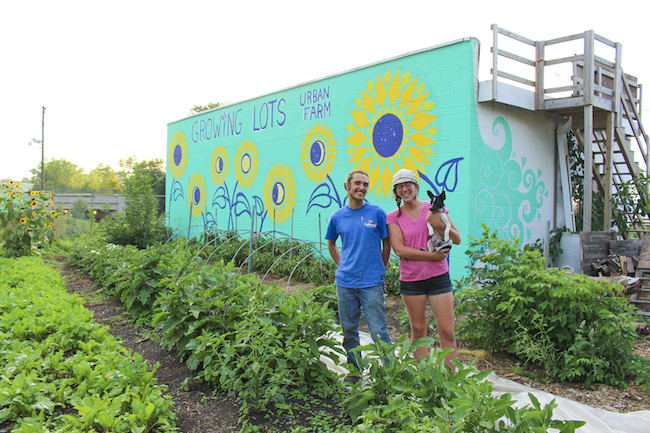
Growing Lots is a working farm tucked into an increasingly dense urban landscape.

It used to occupy three sites in South Minneapolis where co-owners by Taya Schulte and Seamus Fitzgerald grew vegetables, operated a community-supported agriculture program, or CSA, and sold produce to local chefs. In 2018 those three sites were reduced to two.

Growing Lots lost access to the third site after their Longfellow landlords decided to sell. Schulte and Fitzgerald had been leasing the property for a few years, but for the landowners, the process of renting out to urban farmers with a labor-intensive business and slim profit margins got too complicated. Add that to neighborhood development pressure and the outcome became almost inevitable.

Fitzgerald certainly wasn’t surprised.

READ THE FULL ARTICLE: http://www.southwestjournal.com/news/green-digest/2019/01/urban-farmers-seek-stability/

Now, Rent a Farm and Harvest Your own Veggies. Real-Life Farmville is Here

Most people living in apartments are deprived of the luxury of owning a terrace or garden farm, where they can grow vegetables. Yet, many living in big cities dream of spending their time on a farm after retirement and eat the produce of their own farm. Now, to live that dream you won’t have to leave behind your city life nor live at a farm. Bangalore-based Farmizen — a farming Airbnb of sorts — is connecting urbanites to farmers who help you rent a mini-farm and grow your organic veggies.

What’s more, you get to see the harvest not only through pictures and videos but you can also visit your farm over the weekend. It was the question: whether the organic veggies we buy from the market are truly organic or not that got co-founders — Shameek Chakravarty, Gitanjali Rajamani and Sudaakeran Balasubramanian — thinking. In 2017, they founded Farmizen, an app-based service to rent a mini-farm and grow chemical-free vegetables. This concept not only helps the urban buyers but also provides regular income to farmers. After Bangalore, the startup has now expanded to Hyderabad and Surat. In the next phase of growth, it plans to enter Chennai, Pune, and Mumbai. The third phase of growth would take it to Delhi and other cities.

READ THE ARTICLE: https://www.entrepreneur.com/article/326404

How some home truths can help save the planet

The garden is one of the keys to solving the two greatest problems facing humankind, namely rapid species extinction and the effects of our changing climate.

Gardens, plants, and the ecosystems in which they thrive will act as carbon sinks and filter the air that we breathe. It has never been more important that we realize this and that we protect our garden spaces, and by this, I don’t just mean our few square meters outside the back door. No, I also mean the wild public spaces. They are ours and they are helping us all to survive. We need to think about how, in our own gardens and in public spaces, by welcoming in nature, we can play an extremely important role in saving the planet.

Most of us don’t want to damage the natural world, the great outdoors, even though we sometimes unwittingly do. Thus, we need to educate ourselves as to what all of us can do with our gardens.

READ THE FULL STORY: https://www.irishexaminer.com/breakingnews/lifestyle/outdoorsandgarden/how-some-home-truths-can-help-save-the-planet-898556.html

‘We’re black sheep’: the people who are fascinated by soil in cities

A recent gathering of scientists on the upper west side of Manhattan enthused about a crucial element in the formation of the surrounding city. The substance talked about in revered tones? Soil.

In a fairer world, soil would be receiving reverence from people well beyond the fourth annual NYC Urban Soils Symposium, given that the slender outer layer of the planet supports the life that treads, grows and flies above it. As it is, though, it is up to soil aficionados to extol the urban importance of this crumbly manna.

“Soil is a neglected resource; it can solve a lot of the environmental problems we have,” says Richard Shaw, a US Department of Agriculture soil scientist who grew up in urban New Jersey but was drawn to the outdoors and found himself fascinated by soils.

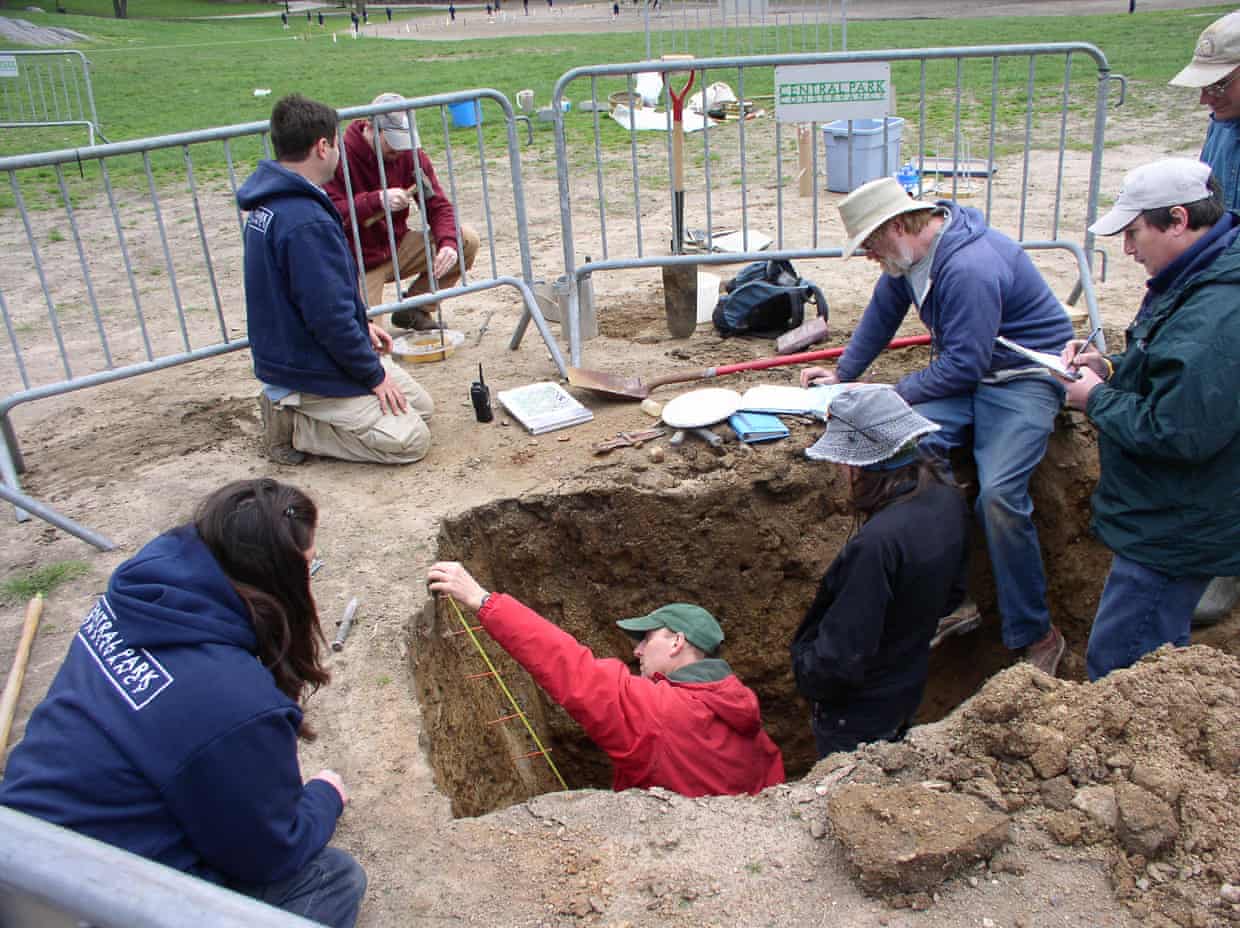
For the past decade Shaw has been involved in the New York soil survey, plodding around the city’s parks and community gardens taking soil samples. This has usually involved digging a 4ft-deep pit, a process that has attracted police attention. “They’d ask what we are doing and then they’d spend half a day talking to us once we told them,” he says. “Others will say ‘sorry to hear that’, like it’s the worst job in the world.”

READ THE FULL STORY AT: https://www.theguardian.com/cities/2019/jan/16/dirty-secret-can-urban-soil-help-solve-our-environmental-problems