Could a Detroit Experiment Unleash the Power of Urban Soil?

Over the past few months, the COVID-19 crisis has hit Detroit hard, resulting in more 12,000 cases and more than 1,500 deaths. It’s also produced an unemployment rate perhaps as high as 29 percent and a surging demand at area food banks.

These problems have brought renewed focus to the importance of food sovereignty in Detroit and elsewhere, and on a changing climate, which could make pandemics worse. Urban farming and gardening sit at the intersection of these issues—and offer a possible way forward, allowing communities to access healthy food close to home and possibly mitigate climate change by capturing carbon in soil.

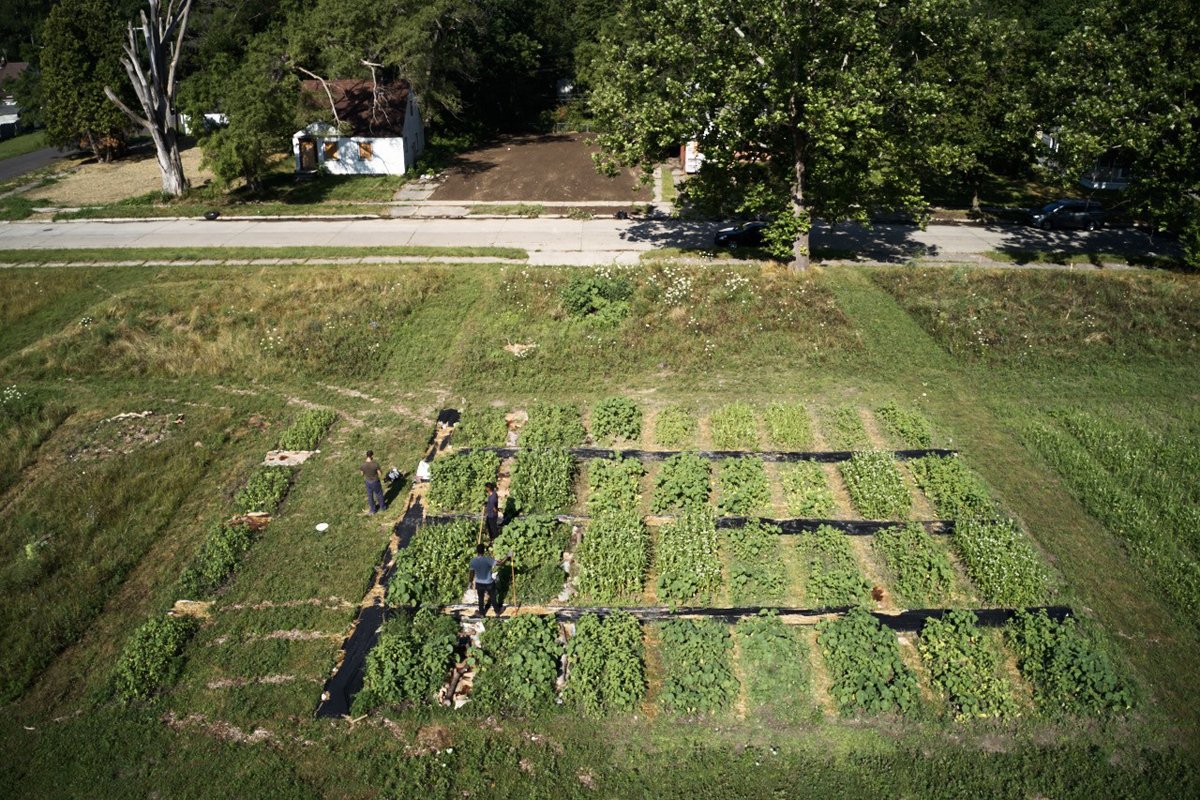
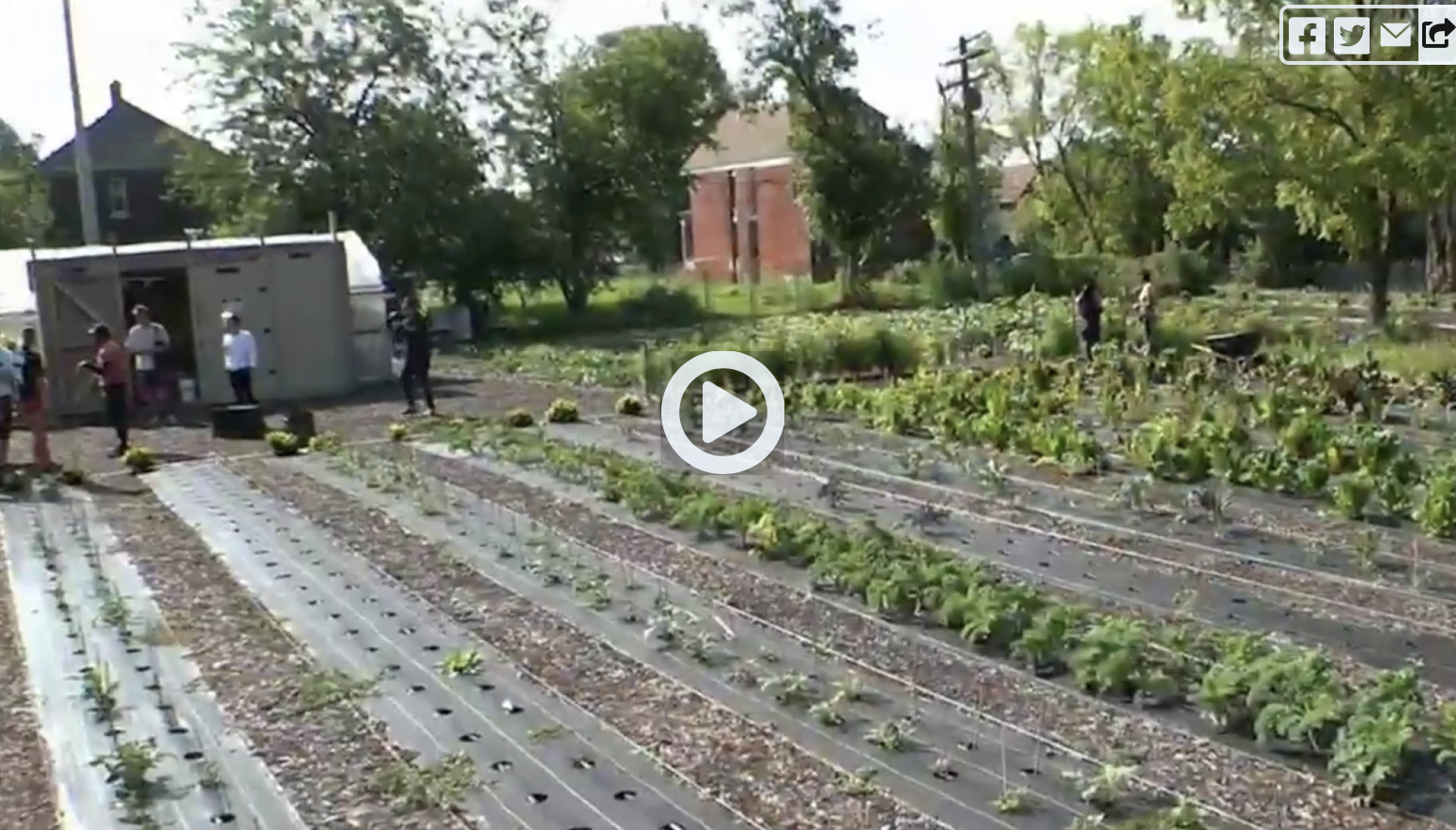
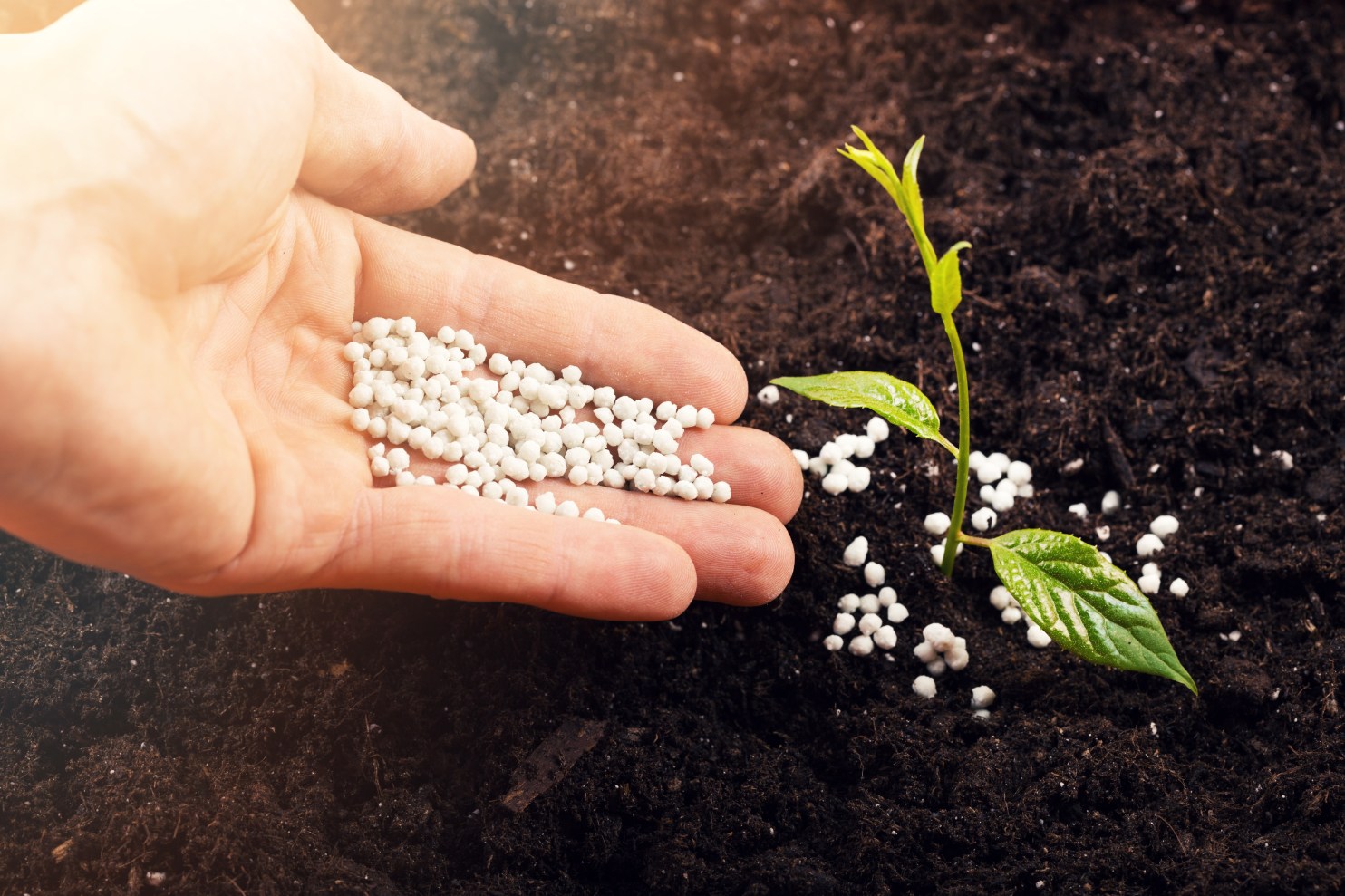
Midway into its second season, a three-year study underway in Detroit has already created some promising results that could be a big step forward for urban agriculture. In the northwest corner of the city, Naim Edwards, director of the Michigan State University (MSU)-Detroit Partnership for Food Learning and Innovation, is leading a multi-year experiment to study the quickest, cheapest, and most environmentally sustainable ways to build urban soil.

READ THE FULL STORY: https://civileats.com/2020/07/16/could-a-detroit-experiment-unleash-the-power-of-urban-soil/

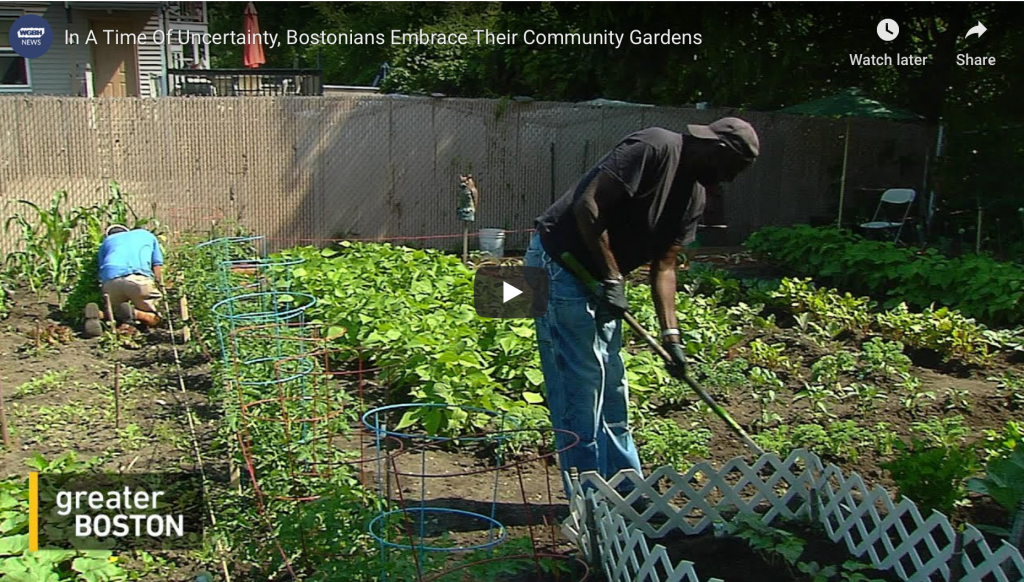
In A Time Of Uncertainty, Bostonians Embrace Their Community Gardens

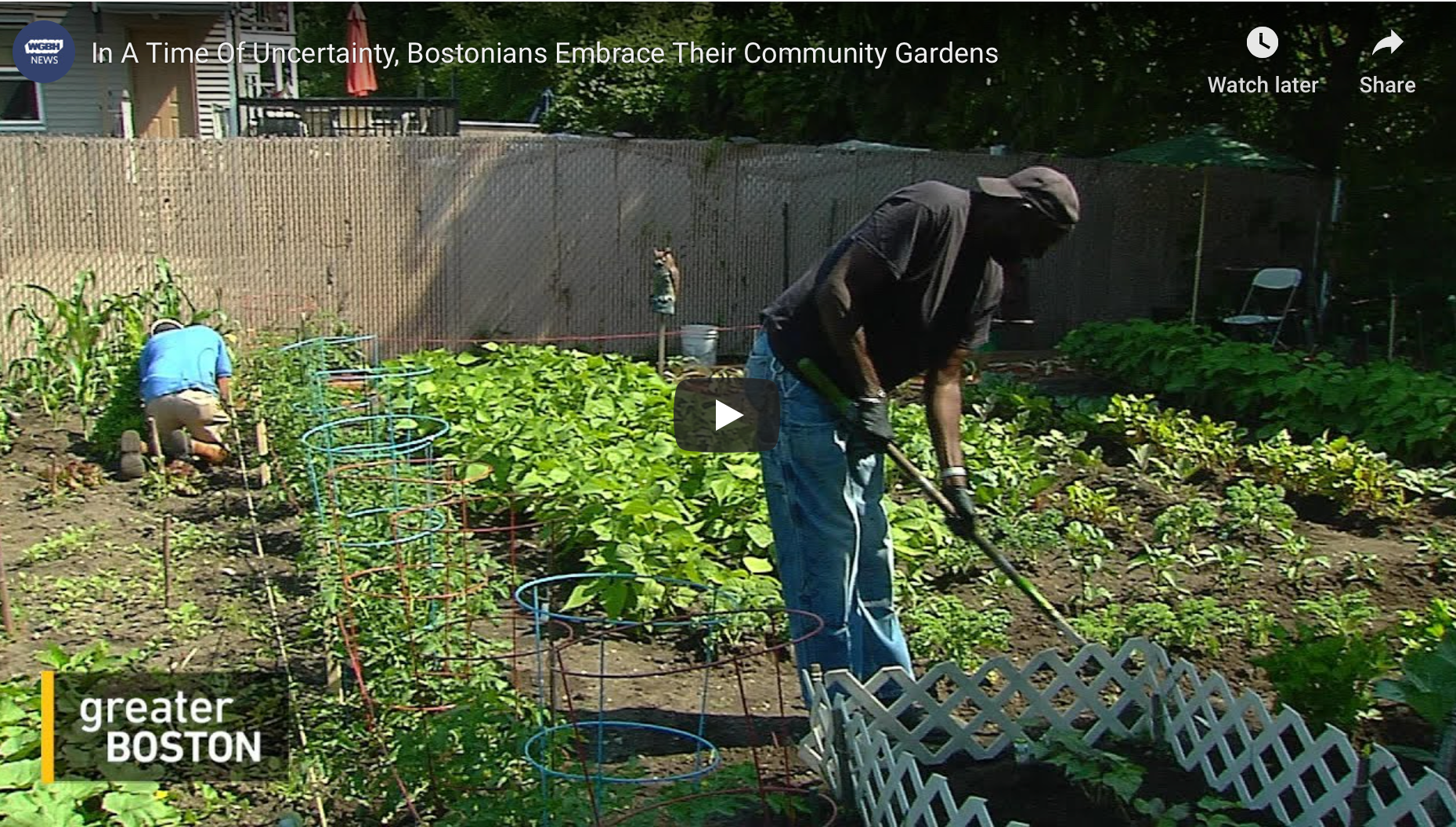
In Dorchester, where the clatter of a passing train gives way to the scrape of a rake, the Greenwood Street Community Garden is thriving. It’s one of roughly 175 community gardens scattered like jewels through the city of Boston. And at this time of pandemic and social upheaval, these gardens are being treasured.

On a recent sunny day, retired teacher Barry Lawton separated his corn stalks, while gently singing Marvin Gaye’s “Mercy, Mercy Me.” He catalogued the variety coaxed from his narrow plot.

“I am growing potatoes, red and white melons, cantaloupe, watermelon, five different types of lettuce. Red, yellow and green peppers, corn, as you can see, cucumbers,” Lawton said. “And I’m waiting for the asparagus, the broccoli and the spinach, they just haven’t showed up yet.”

READ THE FULL ARTICLE: https://www.wgbh.org/news/local-news/2020/07/09/in-a-time-of-uncertainty-bostonians-embrace-their-community-gardens

Camp Washington residents create a brighter future

Photos: Gary Kessler

Camp Washington is a little rough around the edges. That’s obvious from a casual drive-by perspective.

But what if this disenfranchised, low-income neighborhood isn’t as “poor” as it seems?

The neighborhood is gritty and quirky. And the running themes throughout Camp Washington are opportunity and productivity. Residents who are willing to dig in and invest themselves will see the fruit of their investments.

It’s a place where there are still opportunities for ownership and entrepreneurship. It’s a place where relational capital and creativity go a long way.

This post-industrial Cincinnati neighborhood has weathered some difficult years. But the neighborhood, collectively, already has everything it needs to survive and thrive for another hundred.

READ THE FULL STORY: https://www.soapboxmedia.com/features/OTG-Camp-Washington-community-creates-brighter-future.aspx

‘Plan bee’ for cities: report sows seeds for pollinator-friendly urban areas

New study reveals the importance of cities for pollinators and highlights how to attract bees and other insects to urban areas

It is well documented that access to parks, gardens and forests is good for our mental health. One study, by Denmark’s University of Aarhus, found that children who grew up without regular access to green spaces were up to 55 per cent more likely to develop depression and other psychiatric disorders than those who grow up with it.

But creating oases in our cities isn’t just beneficial for human health. New research published by the scientific journal Plos One, suggests that urban gardens, parks and roadside verges play a vital role in boosting bee and other pollinator numbers thanks to their diversity of blooming plants and absence of pesticides.

The report – titled, A Plan Bee for Cities – identified urban community gardens as particularly beneficial to insects due to the diversity of seasonal flowers. Researchers found that pollinator numbers in the urban gardens they studied were comparable to rural sites they looked at – and significantly higher than other green spaces such as parks.

READ THE FULL STORY: https://www.positive.news/environment/conservation/report-highlights-how-to-attract-bees/

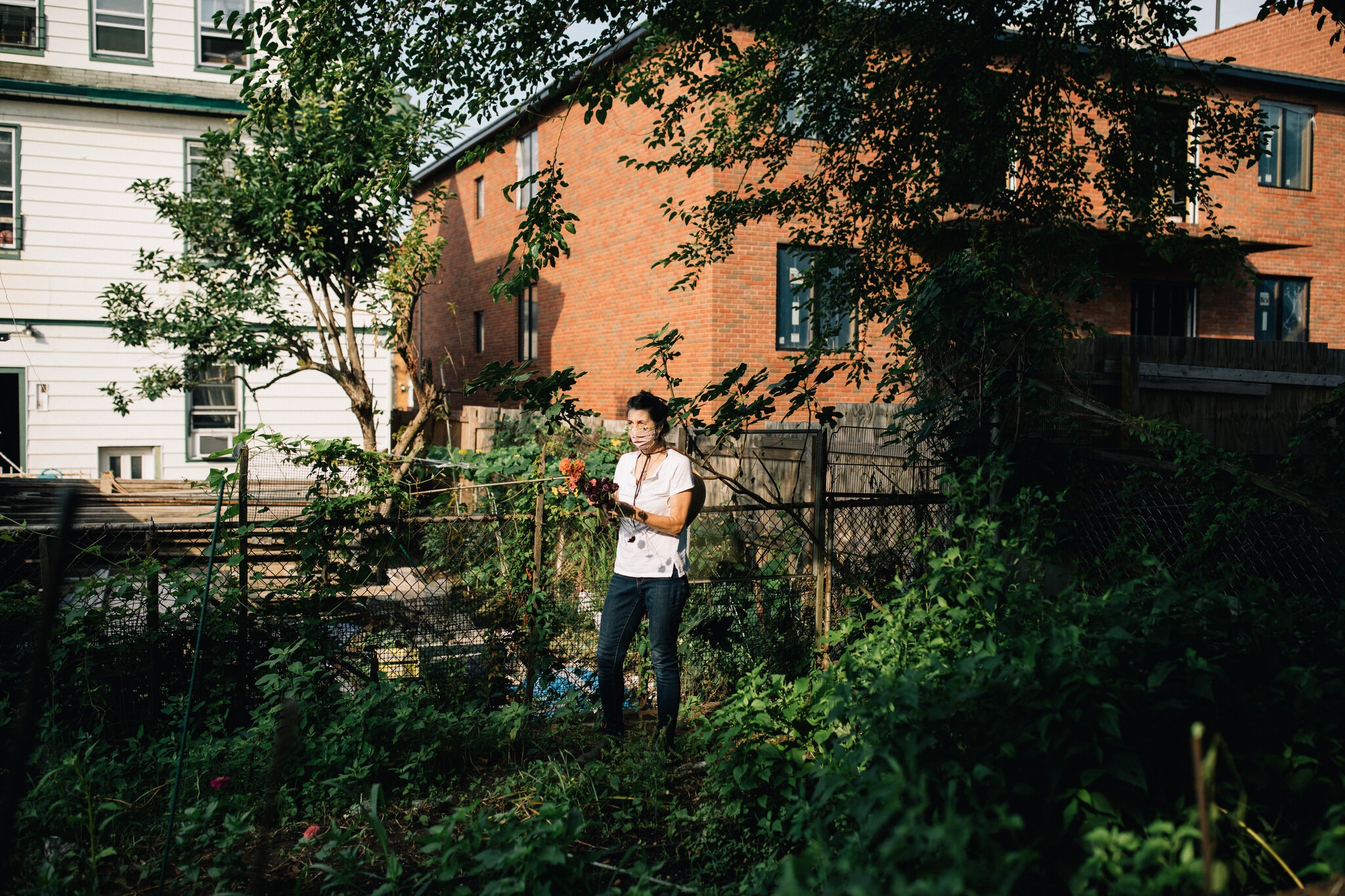
How an Urban Flower Farmer Spends Her Sundays


Credit…Aundre Larrow for The New York Times

Three years ago, Christina Clum left the corporate world to become an urban flower farmer.

Her backyard in Kensington, Brooklyn, however, “is the size of a postage stamp,” she said. “And it doesn’t get good light.” So in February 2018, she put the word out to other Brooklyn residents about doing plantings in their yards. The exchange would be simple: They would get to enjoy the flowers, and then she would cut them and sell them through her company, Spry Flower Farm.

Ms. Clum, 51, settled on five yards. “I had certain criteria,” she said. “I didn’t want to have to walk through someone’s home, because it would be weird and invasive.” She needed sunlight and an outside water source. Ms. Clum also made it clear that she wasn’t a landscaper. “Some people still don’t get that,” she said.

READ THE FULL STORY: https://www.nytimes.com/2020/07/31/nyregion/urban-gardening-nyc.html

Urban gardening helping to produce constant food source

You might have a backyard garden where you grow some fruits and veggies, but some people grow enough to live off the produce.

Orlan Luna has a very impressive backyard garden.

He and his siblings grew up on a quarter acre of land where his parents started a garden, it was then up to the kids to handle the growing and cultivating.

“When we needed snacks we didn’t run to the refrigerator or pantry, we ran outside because we had almonds, apples, grapevines and we had a huge garden that we could choose and pick our snacks from,” said Urban Gardener Orlan Luna.

He’s been handling his own garden ever since, putting in the work every day.

He grows corn, peppers, kale, tomatoes, onions, eggplants, and melons just to name a few.

“Food tastes better when you grow it yourself,” Luna said. “It’s organic and plus you don’t know what pesticides are put on the food in the stores and so it’s safer, but we have enough so that we can sustain ourselves for the summer and then after this crop is done I’m planting the fall garden as well.”

The main goal for him is to not buy food at the store.

READ THE FULL STORY: https://krcrtv.com/news/local/urban-gardening-helping-to-produce-constant-food-source

City revises fire hydrant policy that drained urban gardens

Urban gardening advocates are supporting this policy which would make access to water for their community gardens more affordable.

“Community gardens and urban farms might have an easier time getting the water they need after the city changed its fire hydrant policy.

The mid-summer changes reduce some of the barriers that have prevented many urban growers from using city water for much of the season.

The previous rules, introduced in the winter, made it so community gardens were required to pay hundreds of dollars for the equipment and installation necessary to apply for a permit to tap into the hydrants.

They came with headaches for gardeners: Even after a community garden in Humboldt Park did all that, they heard nothing from the city for weeks and relied on a neighbor’s water to care for their plots.”

READ THE FULL ARTICLE: https://www.austinweeklynews.com/News/Articles/7-28-2020/City-revises-fire-hydrant-policy-that-drained-urban-gardens—/

As the Pandemic Continues, Urban Gardening Is Growing on New Yorkers

Samuel S. T. Pressman had wanted to build a food garden on the rooftop of his Clinton Hill apartment for years. The artist and sculptor had lived on a farm when he was younger and had studied Sustainable Environmental Systems at Pratt. But in a city with a “time is money” mentality, he never found the right moment to start his passion project.

That changed when New York underwent a statewide Pause order in mid-March. Now, Samuel’s Food Gardens is tackling the city’s food insecurity problem by providing fresh fruits, vegetables, and herbs to community gardens that advocate for food security. “I wanted to explore what most people’s living situation is here,” Pressman said, “where they don’t have any land and have hardly any outdoor space that they own, and how they can still be able to grow some food using a system that is designed to actually make it possible to grow more food than you think per square foot.”

READ THE FULL ARTICLE: https://bedfordandbowery.com/2020/07/as-the-pandemic-continues-urban-gardening-is-growing-on-new-yorkers/

What Seeds Should I Be Planting RIGHT NOW?

Growing food at home is one of the most rewarding things you can do for yourself and your family right now. Maybe you feel like the current growing season has passed you by, and you will need to wait until next spring to start? or maybe you want to try something new this coming fall or winter?

Regardless of why you found yourself reading this article, we’re going to point out some great tips for growing your favorite fruits, vegetables, and herbs.  We’re here to help you become successful at year-round gardening.

All vegetables need either a cool growing season, or a warm growing season to be healthy and prolific. Learning your correct grow zone/location is crucial to having a bountiful harvest. You may even want to contact your local Extension Office for exact planting dates and schedules.

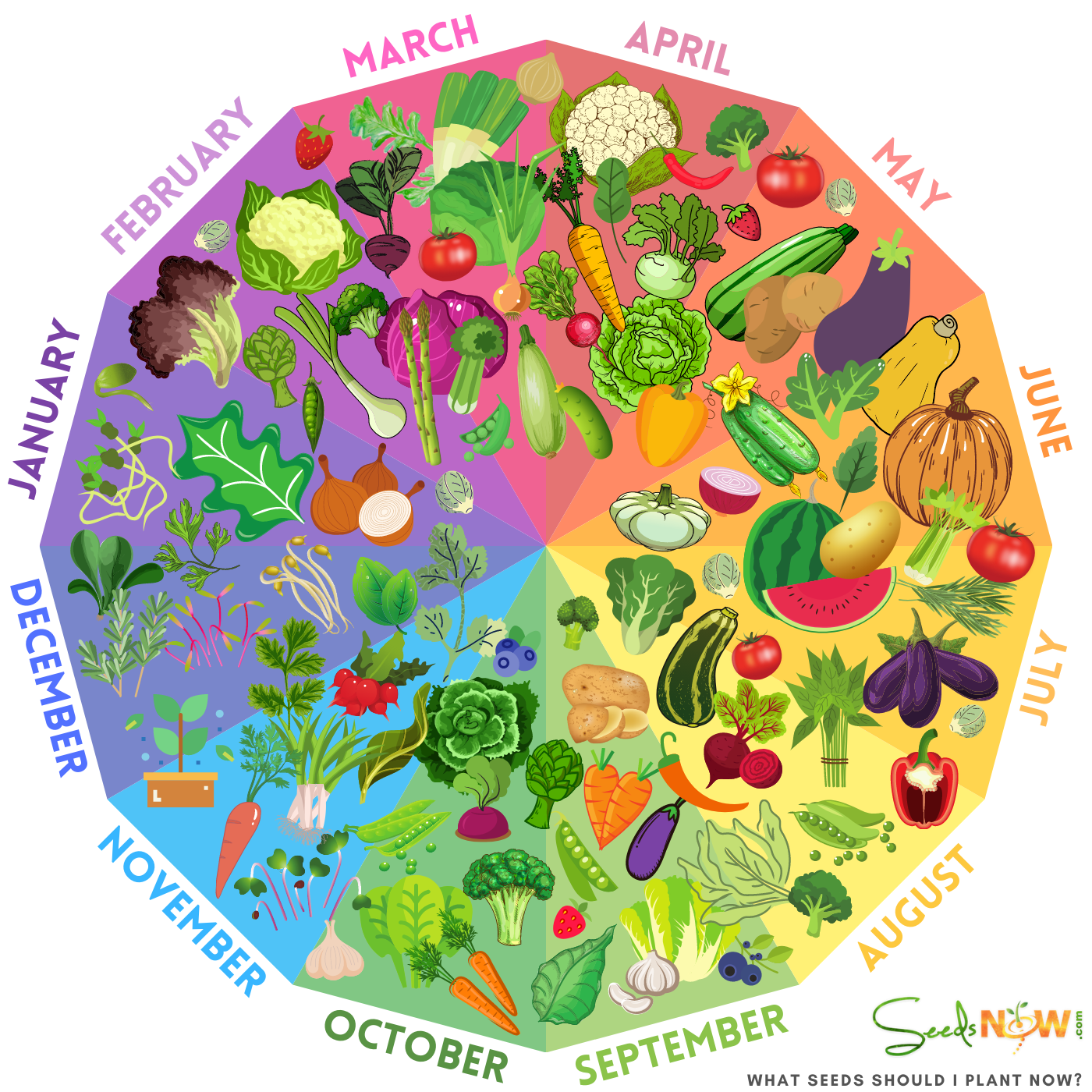
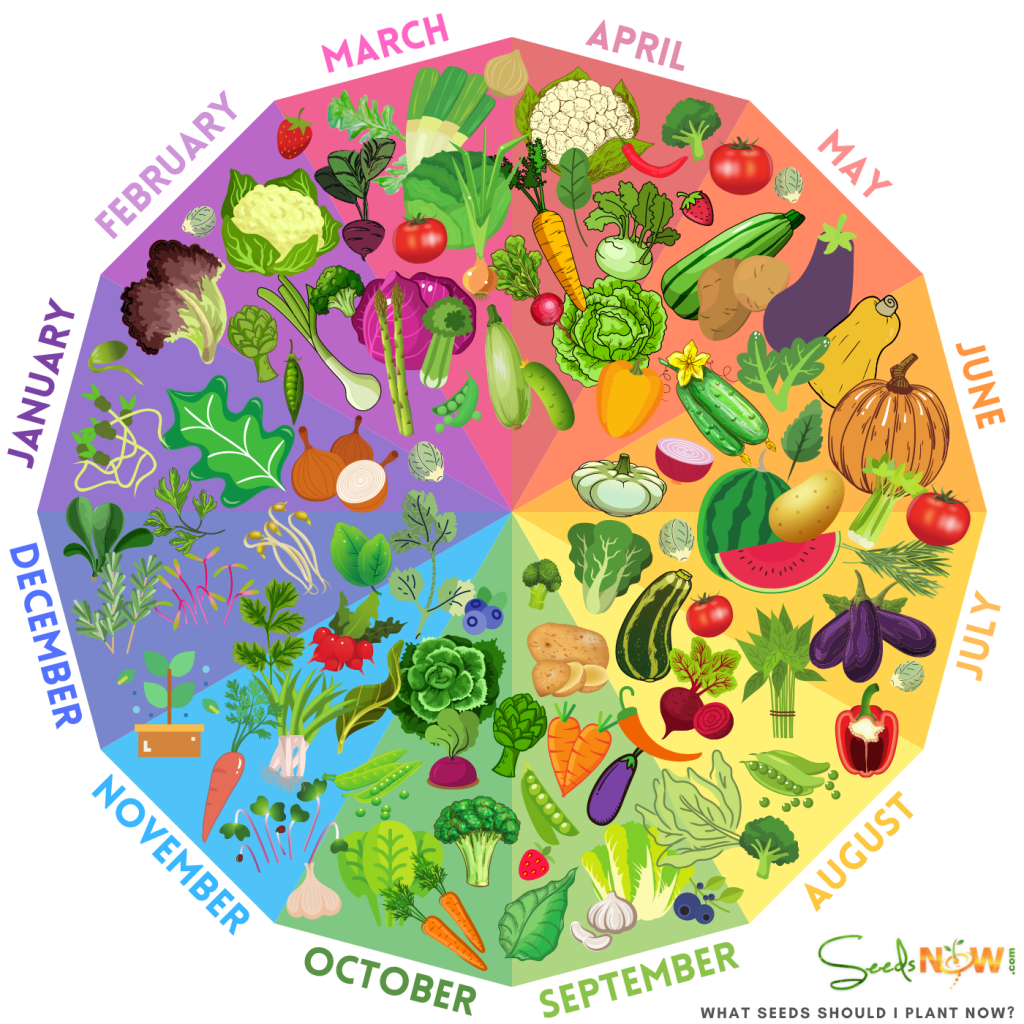
The graphic above shows you:

*These exact dates will obviously vary based on your location but this should help get you started!


SPRING  March 1st – May 31st

SHOP SEEDS FOR SPRING

WHAT TO PLANT NOW: In early spring, focus on sowing crops like: radish, carrots, turnips, peas, lettuce, spinach, kohlrabi, broccoli, cabbage, leeks, collards, onions, Brussels sprouts, asparagus, cauliflower, and herbs such as parsley, cilantro and dill.

As the season progresses, you’ll be ready to start your summer crops such as: tomatoes, peppers, eggplant, melons, cucumbers, squash, strawberries & more!

MORE THINGS TO DO: In early spring, you will want to start your seeds indoors and begin prepping your garden beds. Get a new garden hose or invest in a self-watering irrigation system. Learn how you can water more efficiently as things start to heat up and dry out. Sharpen and clean all of your garden tools to make sure they’re ready when you are.

As soon as the ground can be worked you should begin to:

  1. Amend your soil
  2. Remove any weeds
  3. Compost


SUMMER June 1st – August 31st

SHOP SEEDS FOR SUMMER

WHAT TO PLANT NOW: Continue planting your summer favorites such as tomatoes, peppers, eggplantsquash, melons, potatoes, onions, herbs, and maybe a few more root crops and leafy greens before it gets too hot for them. If you’re into fresh herbs, summer is the perfect time for growing basil, mint, lemongrass and chives.

MORE THINGS TO DO: Now is the time to get outside and “button-up” any gardening chores before the summer heat makes even the simplest jobs seem unbearable. Make sure you water your plants deep and regularly to ensure they aren’t drying up during the much longer, warmer days. As temperatures rise, so does your flexibility in terms of planting. No longer are you running the risk of an unexpected freeze damaging your newly planted seedlings, and your heat-loving crops will actually begin to thrive!

MORE TIPS AND TRICKS:

Herbs & Veggies to Plant NOW for a Summer Garden – View

Heat Loving Veggies & Herbs You Can Grow RIGHT NOW in Summer! – View

12 Plants That You Can Grow This Summer To DETER Mosquitoes – View

Have a Better Summer Garden With These 7 Tips! – View


FALL  September 1st – November 30th

SHOP SEEDS FOR FALL

WHAT TO PLANT NOW:

Most gardeners will agree, the crop they look forward to planting the most during fall is garlic! Drop your favorite soft or hardneck varieties as long as the soil remains workable (for most this falls somewhere between September/October). If you get them into the ground early enough, potatoes will do well until your first freeze arrives.

Fall is also the best time for planting blueberry bushes. Start planting your fall root vegetables such as carrots, radishes, beets, turnips and parsnips. Love salads? Your favorite greens will thrive in the cooler temperatures of fall.

September – October is prime time for sowing your favorite cover crop varieties! “A cover crop slows the velocity of runoff from rainfall and snowmelt, reducing soil loss due to sheet and rill erosion. Over time, a cover crop regimen will increase soil organic matter, leading to improvements in soil structure, stability, and increased moisture and nutrient holding capacity for plant growth.” source: nrcs.usda.gov

MORE THINGS TO DO:

As summer winds down, be sure to replenish the nutrients in your garden beds by adding fresh compost or manure. We hope you’ve collected seed from your previous harvests by allowing them to “go to seed” and then harvesting them for future growing seasons. Learn about Seed Saving tips and tricks.  Clean out any cold-frames you may have or the greenhouse in preparation for winter months ahead. Cut back any dead or dying perennials and clean/sterilize your garden tools. Take cuttings from your favorite herbs before they are destroyed by frost. Continue to enjoy them throughout fall and winter by growing an indoor container garden or grow them in the windowsill.

MORE TIPS AND TRICKS:

How to Plant a Fall Garden. Step-by-Step – View

Plant these seeds in July/August – View

Fall and Winter Gardening Made Easy – View

16 Crops To Plant NOW for Fall! – View

Our TOP 10 Favorite Fall & Winter Gardening YouTube Videos! – View

Quickest Crops to Mature for a Fall & Winter Harvest – View


WINTER  December 1st – February 28th 

SHOP SEEDS FOR WINTER

WHAT TO PLANT NOW:

Grow sprouts & micro greens!  Most of your favorite spring and summer vegetables do well in the form of sprouts, so get your “nutrient fix” by starting a tray of them in the windowsill of a south facing window. Love to cook? Herbs can be planted in small pots or containers indoors if you supply them with enough light.

Do you still have some crops left out in the garden from fall? Some would say that beets, parsnips, carrots, Brussels sprouts, kale, turnips and rutabagas all taste sweeter after a frost!  So don’t be in such a hurry to pull these from your vegetable beds.  Let winter come, then enjoy!

MORE THINGS TO DO:

For most gardeners, winter becomes a season of rest. A lot of us enjoy taking a few months off, regrouping from the long hauls of summer and fall, but if you’re still craving fresh food from your garden, we have great news! You STILL have options!

Southern states and warmer regions can grow most of their favorite fruits, veggies and herbs all the way through winter, without hesitation.

Gardeners in the north who want to get a jump-start on the next growing season, will be able to start their favorite spring vegetables indoors and then move them outside once the threat of frost has passed.

MORE TIPS AND TRICKS:

How to Store Vegetables for Winter – View

10 Vegetables You Can Over-Winterize – View

It’s Winter!  What to do in the garden now?! – View

Most Popular Seeds to Plant Now for Fall/Winter Gardening – View
 

ENTER YOUR LOCATION —AND GET YOUR OWN PLANTING CALENDAR!


Milwaukee has a problem with food insecurity. Urban agriculture can be part of the answer!

Urban farming is one way to help replenish food deserts in Milwaukee’s impoverished neighborhoods, and it’s not just about growing food.

“It’s not just about the fresh, healthy foods, but also the education behind it,” said Venice Williams, executive director of Alice’s Garden, an urban garden and farm that dates to 1972. “We do a lot of work to help people understand their relationship with food.”

According to the United States Department of Agriculture, a food desert is a low-income area where a supermarket or grocery store is at least a mile away. Based on 2015 data, the USDA estimated that nearly 9% of Milwaukee’s population lived in a food desert, including many areas of the city’s north side.

“Having access is very important from a health perspective,” said Alfonso Morales, a University of Wisconsin-Madison associate professor and expert on urban agriculture. “Not only does the absence of healthy foods negatively impact health, but the presence of healthy foods positively impacts mental and physical health.”

READ THE FULL STORY: https://www.jsonline.com/story/news/solutions/2020/07/13/urban-farming-one-answer-milwaukees-food-insecurity/5388888002/

Boise’s Urban Garden School teaches sustainable gardening

“Now more than ever it is especially important to know where your food comes from, the importance of environmental education is huge,” explains Executive Director of Boise Urban Garden, Lisa Duplessie. “Getting outside of that traditional classroom where they get to put their hands in the dirt.”

Boise’s Urban Garden School, located on Five Mile Road, is an outdoor learning environment, set on 1,500 square feet of outdoor classroom space and 3/4 acre teaching garden, this school gives our community the opportunity to learn about organic and science based gardening and how to grow your very own food.

“You know we are having to look outside of the box and out programs fit in perfectly,” Duplessie says.

READ THE FULL STORY: https://idahonews.com/features/leaders-in-learning/leaders-in-learning-boises-urban-garden-school-teaches-sustainable-gardening

Olean residents reap rewards of Healthy Families community gardens

OLEAN — A group of Olean residents are enjoying the “fruits of their labor” this summer as they work in two community gardens sponsored by Healthy Families Allegany-Cattaraugus and Rural Revitalization Corporation.

During the COVID-19 pandemic, there has been an increase in the self-reliance of communities to provide for their own food needs. In collaboration, Healthy Families Allegany-Cattaraugus (HFAC) and Rural Revitalization Corporation (RRC) have made it possible for people living in two Olean neighborhoods to raise produce to supplement nutritious food for their families.

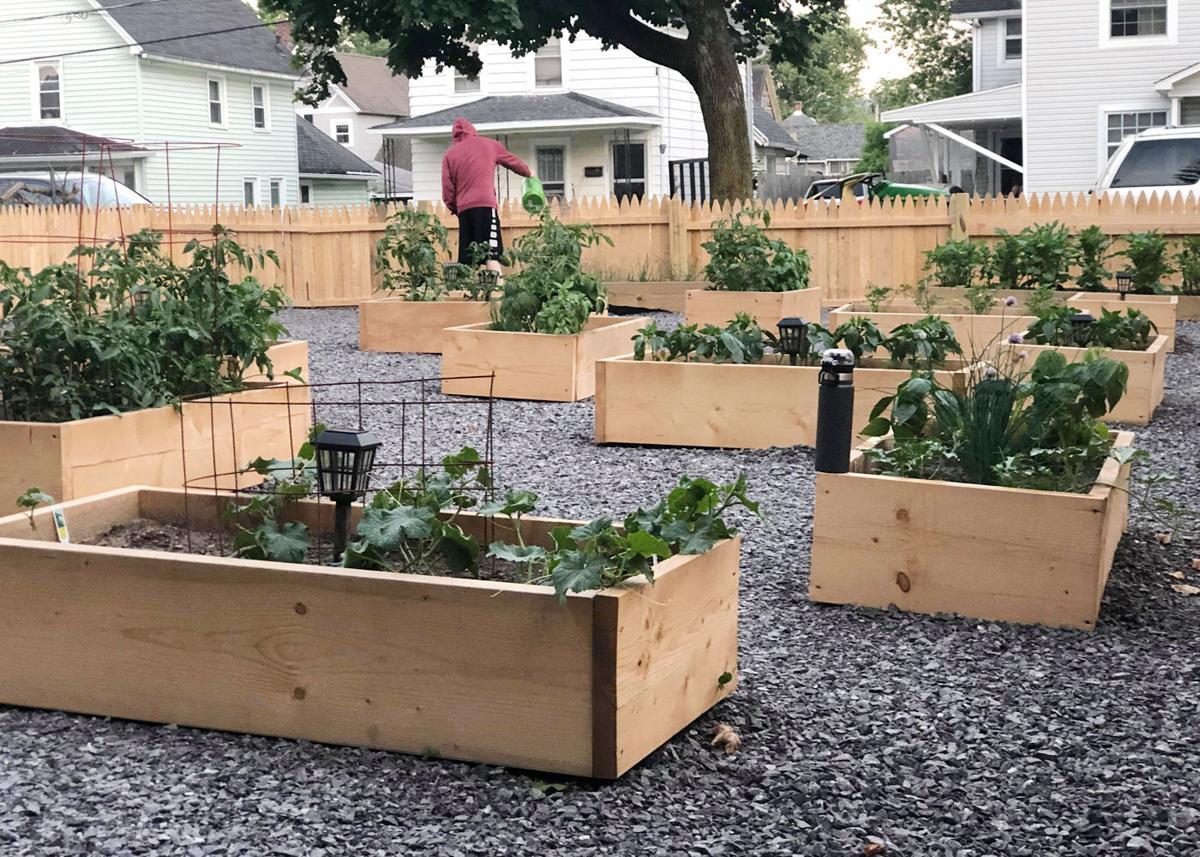
Program Supervisor Jasmine Hall said the Healthy Families community garden, located on Reed Street, has 16 raised garden beds with picnic tables for staff to meet with families. She said Rural Revitalization is also involved with a community garden on Green Street.

READ THE FULL ARTICLE: https://www.oleantimesherald.com/news/olean-residents-reap-rewards-of-healthy-families-community-gardens/article_54bc3e3d-e8cd-56fb-b0ea-7760a0654fd2.html

Research Brief: Urban Gardening And Its Positive Impact On The Emotional Wellbeing Of Residents

As urban areas strive to enhance their residents’ quality of life, research from the University of Minnesota Humphrey School of Public Affairs shows that access to gardening could have a profound effect on a person’s emotional wellbeing and help address sustainable development goals.

“It’s important to remember that more than 50% of the world’s population lives in an urban environment,” said study co-author Yingling Fan, professor in regional policy and planning in the Humphrey School of Public Affairs. “Many sustainable development goals are where the environment and human health and wellbeing meet.”

The study, published in the June 2020 issue of Landscape and Urban Planning, examined data collected from more than 370 randomly selected participants in the Minneapolis-St. Paul metropolitan area. Participants were then asked to input emotional wellbeing-linked data into the app Daynamica, which allows for users to track activities and rank their emotions during that activity.

READ THE FULL ARTICLE: https://livingarchitecturemonitor.com/news/2020/7/12/research-brief-urban-gardening-and-its-positive-impact-on-the-emotional-wellbeing-of-residents

City Launches Website to Help Prospective Urban Farmers Get Started

“Just because we live in a big city doesn’t mean we cannot become small-scale farmers,” said Erik Caldwell, the city’s deputy chief operating officer for Smart & Sustainable Communities. “The urban farming website is a one-stop shop with a lot of great information to help San Diegans produce their own food.”

According to a city statement, urban farming supports the city’s Climate Action Plan in that producing food locally can help San Diego become more sustainable. In addition, urban farming can help residents lower their grocery bills, provide more healthy produce for their families and neighbors and improve the environment.

READ THE FULL STORY FOR MORE INFORMATION: https://timesofsandiego.com/politics/2020/06/16/san-diego-debuts-website-to-help-prospective-urban-farmers-get-started/

How 6 Problem-Solvers Tackled Pandemic Challenges In Their Neighborhoods

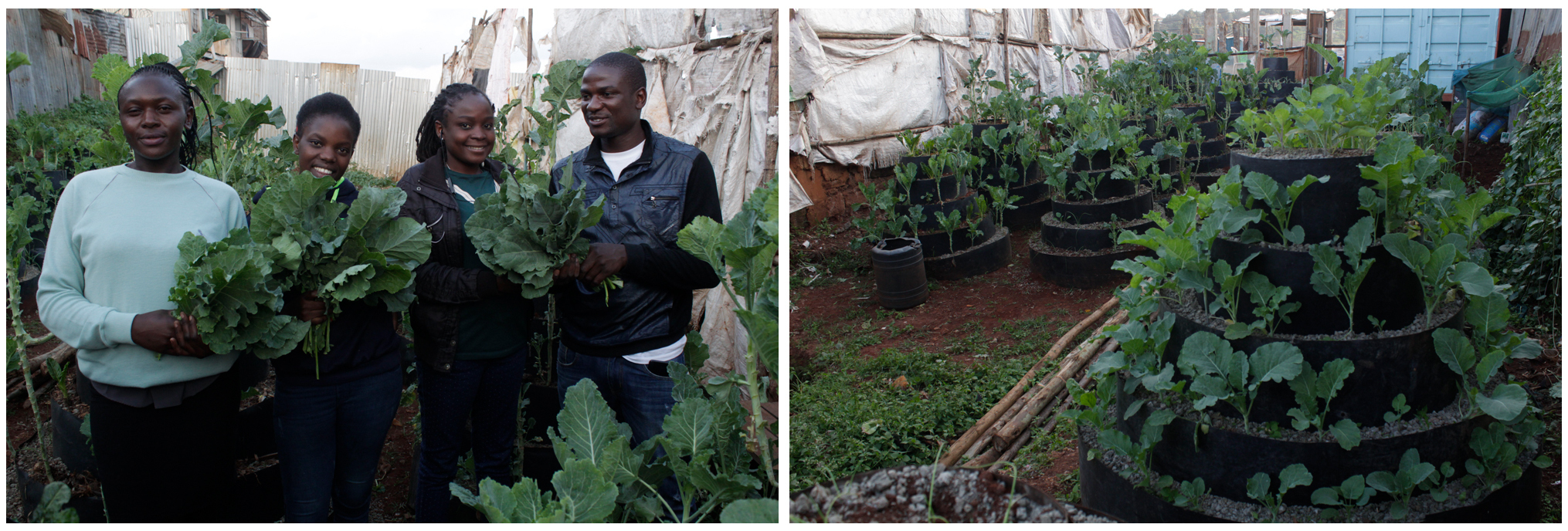
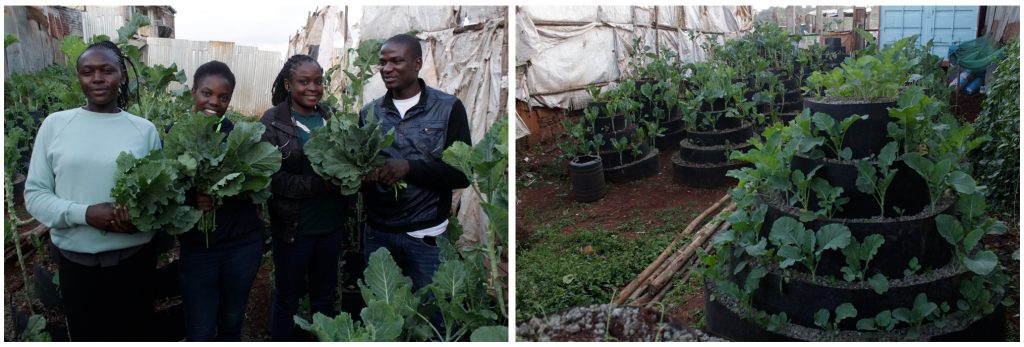
Left: Urban farmer Victor Edalia (in white shirt) with three beneficiaries of his free veggies (left to right): Sheila Musimbi, a single mom; Celine Oinga, who comes from a family of 9 siblings; and Jackline Oyamo, jobless due to the pandemic. Right: Edalia uses modern urban farming methods, including this spiral planter that holds up to 100 seedlings. Photo: THOMAS BWIRE

In April, Jackline Oyamo, 31, was laid off from her job as an electronic sales assistant at a shop in Kibera, one of the world’s largest slums on the outskirts of Nairobi, Kenya. The curfews to control the pandemic meant fewer customers – and staff cutbacks. “After losing my job, it was extremely difficult to keep feeding myself after I exhausted my small savings,” she says.

But Oyamo is able to get fresh produce for free from Victor Edalia, a 30-year-old urban farmer in her neighborhood. Last November, Edalia, who works as a driver by day, converted a trash dump site in the slum into an urban garden. He signed an agreement with a local chief to use the land. Now, the plot, about a quarter of an acre, grows vegetables such as kale, onions and spinach.

Edalia originally started the farm to boost his income. The idea was to sell vegetables to hotels. But once the pandemic hit, he changed the plan. He wanted to find a way to “give back,” he says.

READ THE ENTIRE STORY: https://www.wxxinews.org/post/how-6-problem-solvers-tackled-pandemic-challenges-their-neighborhoods

4 Rivers to build 18-acre urban farm in Orlando

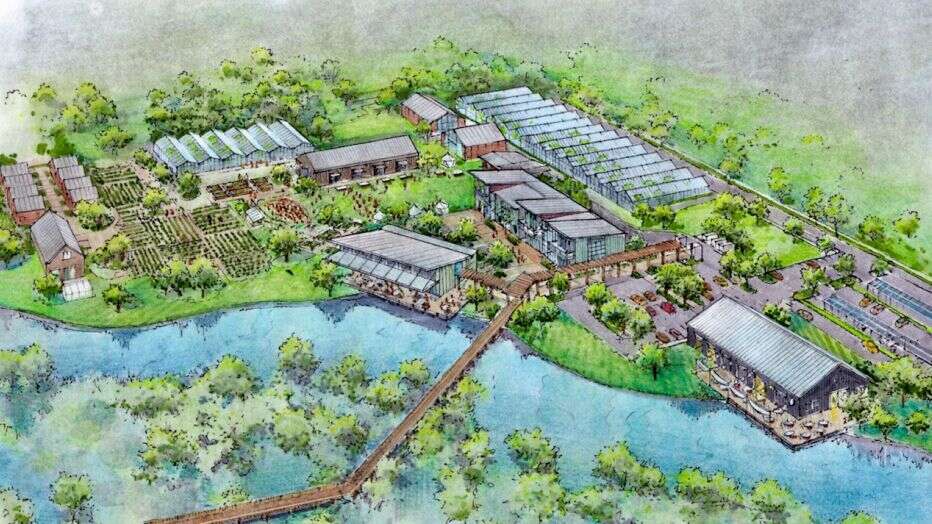
Imagine a full, working farm only two miles from Downtown Orlando. The owner of 4 Rivers Smokehouse is building it, but it’s not for his restaurants; it’s to teach the public about food.

“We want people to come and be inspired and be excited about it,” said John Rivers, CEO, 4 Rivers Smokehouse.

Rivers hopes the 18-acre farm can be used as a laboratory for sustainable and non-wasteful farming. But it’s not just for farmers and students, it’s for the community to gain awareness and appreciation.

“They’re gonna learn about what is regenerative farming and why do we have to give back to the soil and why is there such an imbalance to it,” said Rivers.

READ THE FULL STORY: https://www.fox35orlando.com/news/4-rivers-to-build-18-acre-urban-farm-in-orlando

City of San Diego Encourages Sustainability at Home through Urban Farming

12019/Pixabay

The City of San Diego has debuted a new website that provides information and assistance to become a successful urban farmer. As more people are spending time at home due to COVID-19 public health orders, urban farming has seen an uptick in popularity and the City is making resources available to support San Diegans in this effort.

Urban farming can come in many forms and sizes. It can be a community garden that covers one or more city blocks, or it can be vegetables grown in containers on a home patio. It can include raising chickens and goats or maintaining beehives.

 The City’s new Urban Farming website includes:

  • Resources for both home and community gardens.
  • Information on raising bees, chickens and goats.
  • Access to additional data from various local and national sources.
  • Details about City programs for assistance with permits, composting, seed libraries and more.

READ THE FULL STORY: https://clairemonttimes.com/city-of-san-diego-encourages-sustainability-at-home-through-urban-farming/

The Future Of Food: Inside The World’s Largest Urban Farm – Built On A Rooftop

TouChou/Pixabay

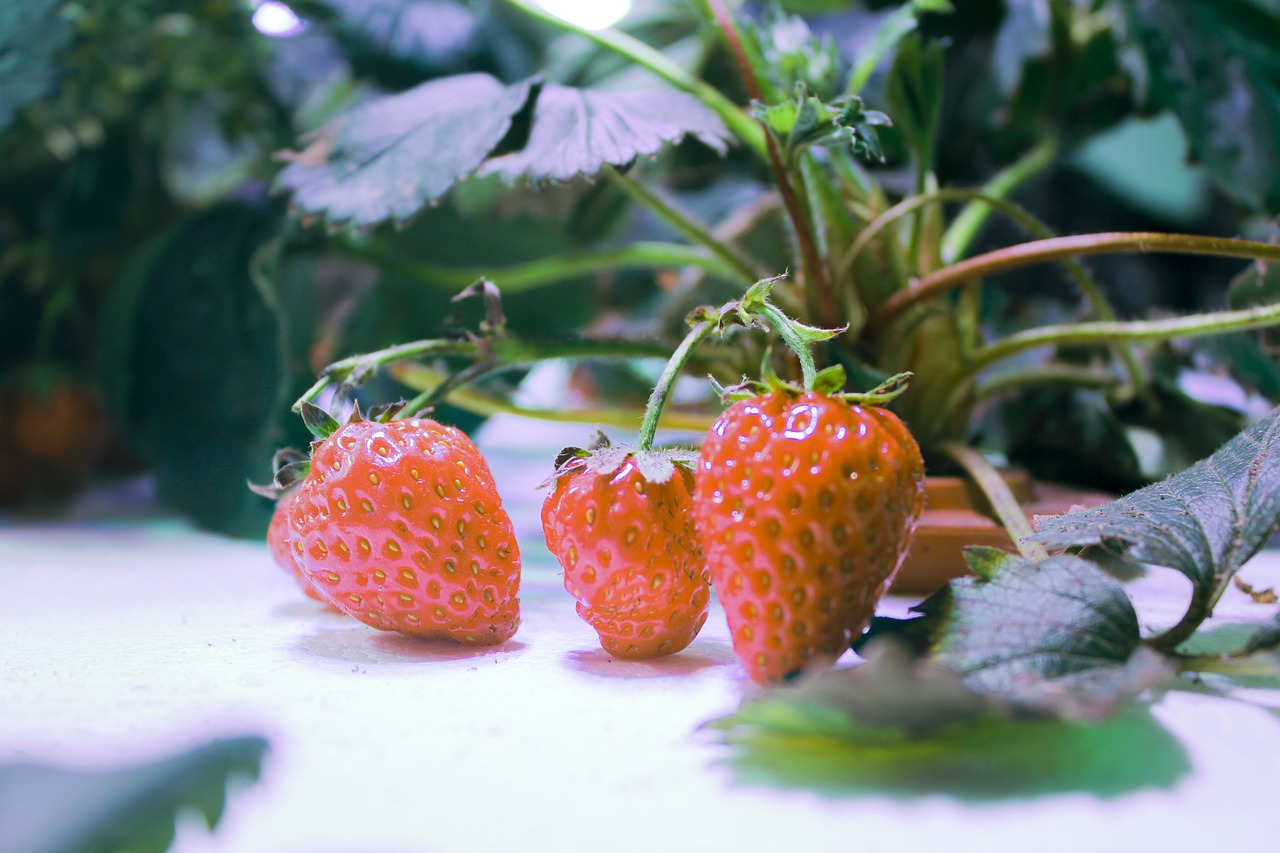
On top of a striking new exhibition hall in the southern 15th arrondissement of Paris, the world’s largest urban rooftop farm has started to bear fruit. Strawberries, to be precise: small, intensely flavored, and resplendently red.

They sprout abundantly from cream-colored plastic columns. Pluck one out to peer inside and you see the columns are completely hollow, the roots of dozens of strawberry plants dangling into thin air.

From identical vertical columns, nearby burst row upon row of lettuces; near those are aromatic basil, sage, and peppermint. Opposite, in narrow, horizontal trays packed not with soil but coco coir (coconut fiber), grow heirloom and cherry tomatoes, shiny aubergines, and brightly colored chards. (SEE PHOTO NOW!) -Sourced from The Guardian

READ THE FULL ARTICLE: https://livingarchitecturemonitor.com/news/2020/7/11/the-future-of-food-inside-the-worlds-largest-urban-farm-built-on-a-rooftop

What to Cross Off Your Gardening To-Do List This Month

Depending on your hardiness zone, July might be a good time to give plants another blast of fertilizer before they can harden off and survive the next winter. Or, it might be time to stake some of those tall floppy flowers.  Be sure to double check that your plants are getting enough water. You may need to consider a soaker hose to prevent evaporation in the hot summer air.  Adding some fresh mulch is always a good thing to do around this time.  Pull out the scissors and deadhead flowering annuals so they’ll produce more blooms. Remove spent blooms.  A light pruning will perk them up with strong new flowering growth.

July is also a good month to start thinking about the fall garden. Preparations should include getting the space and soil ready and deciding exactly what you want to plant. One suggestion, plant tomatoes and peppers as well as pumpkins that you will enjoy in the months ahead.

Listen to Cathy Isom’s This Land of Ours program HERE: http://southeastagnet.com/2020/07/06/what-to-cross-off-your-gardening-to-do-list-this-month/