YOUR GO – TO MODERN GARDEN ROOMS GUIDE (INFOGRAPHIC)

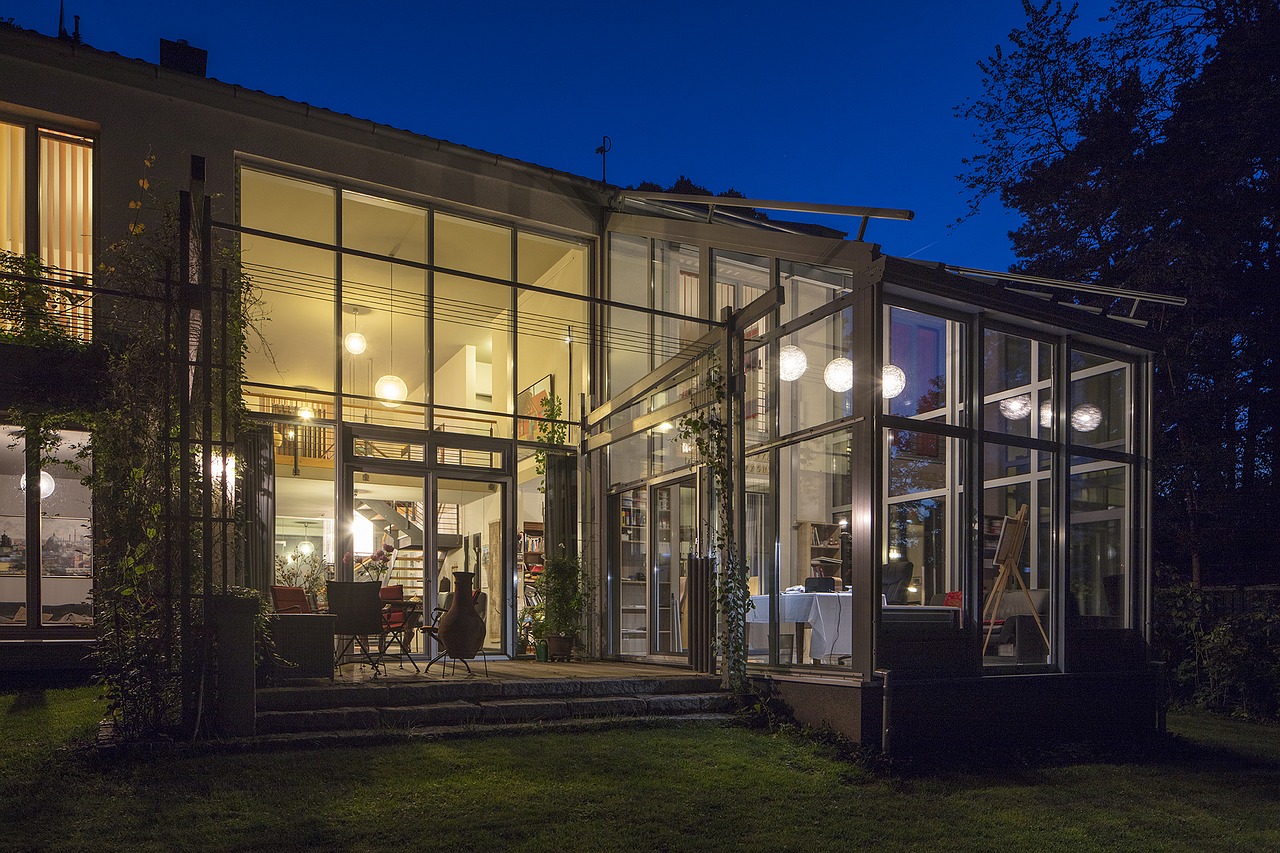
We’re right in the midst of the booming market of garden rooms. Perhaps you’ve taken the plunge and bought your first garden room, or you’re seriously considering one for your home business, study or music room. We here at Modern Garden Rooms are fully aware of a sea of questions that arise upon the consideration of a garden room:

What else is a garden room actually used for?

What are the legal legislation’s surrounding garden rooms?

How do I protect my garden room from damping?

Modern-Garden-Rooms-Infographic


Read the FULL article at: “ModernGardenRooms.com

Grow Together: The Benefits of Starting a School Garden Program

Click to Enlarge Image

School Garden Programs

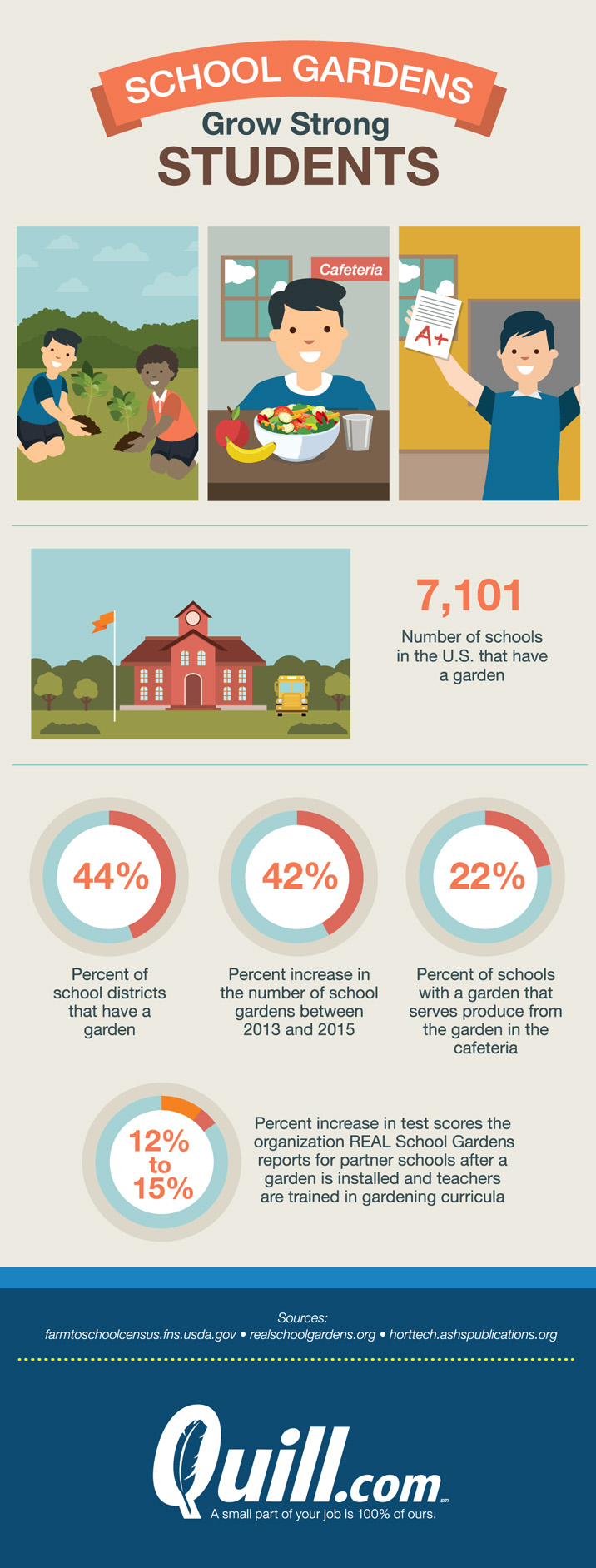
““A garden is a grand teacher,” horticulturist Gertrude Jekyll wrote. School administrators obviously agree because the nation is in the midst of a school gardening boom. The number of school gardens nearly doubled between 2013 and 2015. More than 7,000 American schools now have a garden.

Most teachers start a school garden program in elementary schools, and grow flowers or veggies. Some include unique features, such as chickens, orchards, and aquaponics systems (where students raise fish and use the fishes’ waste to feed plants). Teachers use gardening activities to teach nearly every discipline, including health, nutrition, science, math, environmental studies, language arts, art, and social studies. Students in one California school sow native plants to learn what the state looked like prior to European settlement. In other schools, kids test soil composition, learn about food chains and ecosystems, measure plants as they grow, calculate the perimeter and area of garden beds, and keep gardening journals.

Researchers examining how gardening impacts students have found that school gardens–sometimes called “living classrooms”–cultivate more than just plants. Students who participate in school gardens are on average more engaged in what they’re learning, boast higher science test scores, and eat more fruits and vegetables than their non-gardening peers.”

Read the FULL Article at: “Quill.com

Rooftop farms in Gaza provide a lifeline to the community

gazafarm-1-1020x610

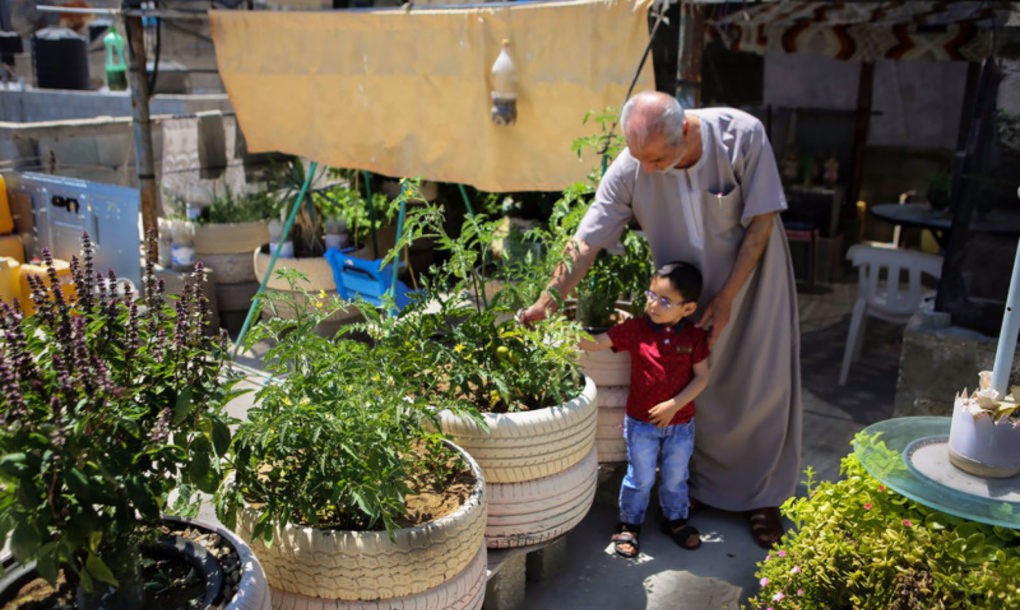
“Meeting even basic needs can be a challenge for the nearly 2 million people that live in Gaza. An Israeli blockade inhibits international trade and prevents vital supplies from reaching the 141 square mile territory, so the Palestinians living there rely on resilience and innovation to survive with the resources they have. Squeezed out of arable land, many Gaza residents are farming upwards, on the rooftops of the dense urban Mediterranean territory.”

View the Original Story at: “Inhabitat.com

New Orleans golf course transformed into city’s biggest urban farm with an Eco-Campus

Grow-Dat-Youth-Farm-New-Orleans-9-1020x610

“A former golf course in New Orleans’ City Park has been transformed into the city’s biggest urban farm—Grow Dat Youth Farm. The seven-acre sustainable farming nonprofit features a low-energy Eco-Campus built with seven recycled shipping containers and designed by Tulane University architecture students. The urban farming and leadership program teaches local youth how to sustainably grow fruits and veggies that are then sold to CSAs, local restaurants, and markets, as well as donated to neighborhoods lacking access to healthy, fresh food.”

Read the FULL STORY at: “Inhabitat.com

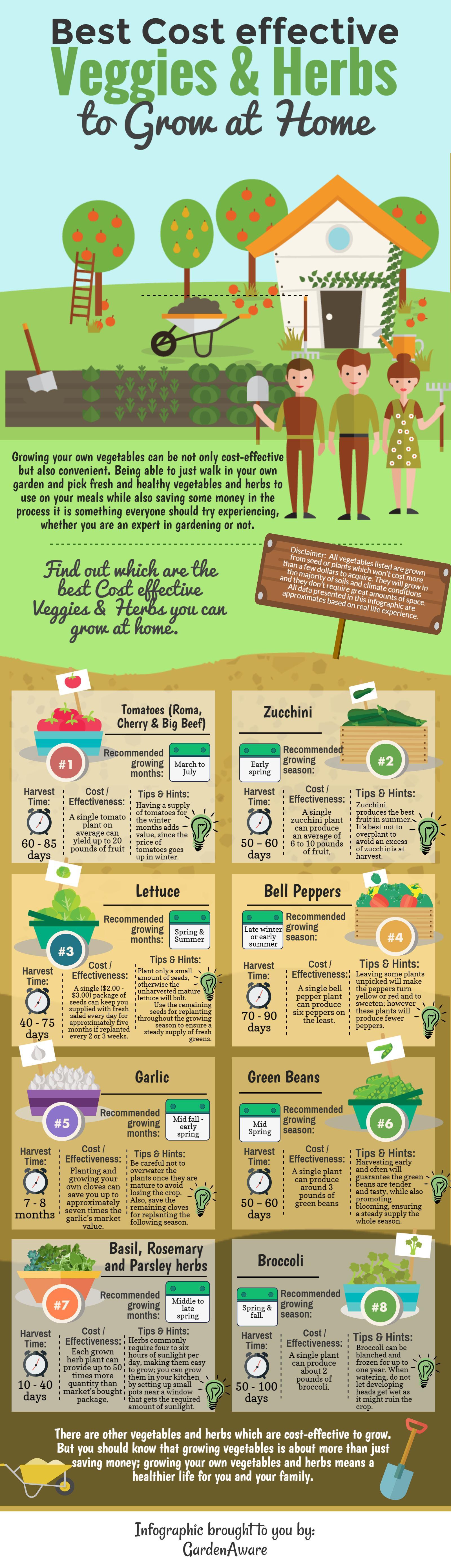
Top 10 Most Profitable Vegetables and Herbs to Grow at Home [Infographic]

gardening_Infographic-1

“In the past few years, the prices of conventional produce have increased steadily. As a result, many families have decided to grow their own foods at home, especially vegetables and herbs. Indoor or outdoor, almost everyone are now enjoying setting up their home organic garden so they can save money and keep their family healthy at all times.

Now, if you are new to gardening or have been doing it for a while and is looking for the most practical veggies and herbs to plant, we have compiled 10 of the best based on the recommendations given by garden experts as well as avid home gardeners. They are not only cost-effective or profitable but are also easy to grow in your indoor or outdoor home garden. They can give you abundant harvests in a short amount of time too.”

Read the FULL Story at: “GardenAware.com

Cut the Crap: Making Your Own Fertilizers is Easier Than You Think!

Sustainable Sushi

“Making your own natural fertilizers is a safe and effective way to grow a lush, chemical-free garden.

Since there are multiple options for DIY natural fertilizers, you may want to experiment with different formulations in different areas of the garden. For example, you could try compost tea for acid-loving plants, fireplace ashes for plants that prefer more alkaline soil, and recycled aquarium water for fruits, vegetables, herbs, and even houseplants.

You can switch things up further, using different natural fertilizers at different times of the year. Ashes may be more abundant in the spring after an entire winter of fires, and your compost might not be ready until the end of summer when the heat has worked its magic to transform waste into nutrient-rich soil.

Experiment with different kinds of natural fertilizers to see how DIY recipes provide the best results in your garden.

Depending on the type of natural fertilizer you choose, the “green” approach to gardening can also help you reduce waste and reuse or recycle natural materials, making DIY fertilizers both inexpensive and environmentally friendly.”

Source: eReplacementParts.com blog

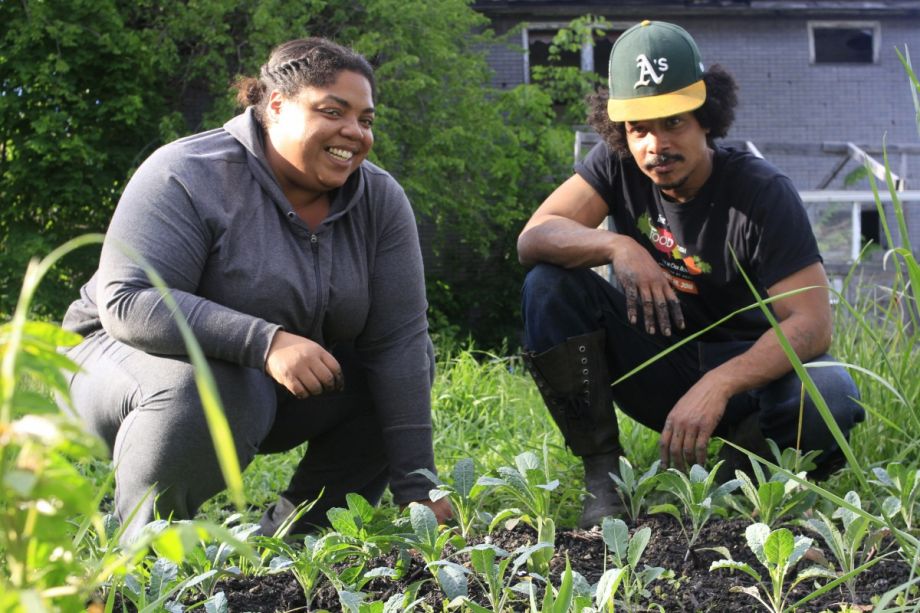
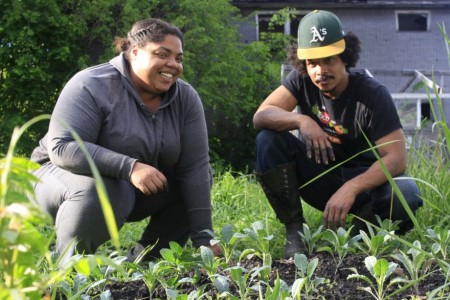
For These Urban Farmers, the Harvest Is About More Than Healthy Eating

_MG_9810_920_613_80

“Summer is usually the most exciting season for a gardener, but for many of Detroit’s black farmers, the harvest is also about survival.

In its annual look at the city’s food systems, the Detroit Food Policy Council, a food security advisory board, found in 2017 that 47 percent of Detroiters — roughly 300,000 residents — were eligible for food stamps. And nearly half of Detroiters are at the mercy of junk food retail. Fringe food retailers, such as liquor stores and convenience marts, make up 92 percent of the authorized food stamp retailers in the city, whose population is majority black.”

Read the REST OF THE STORY, here: “NextCity.org


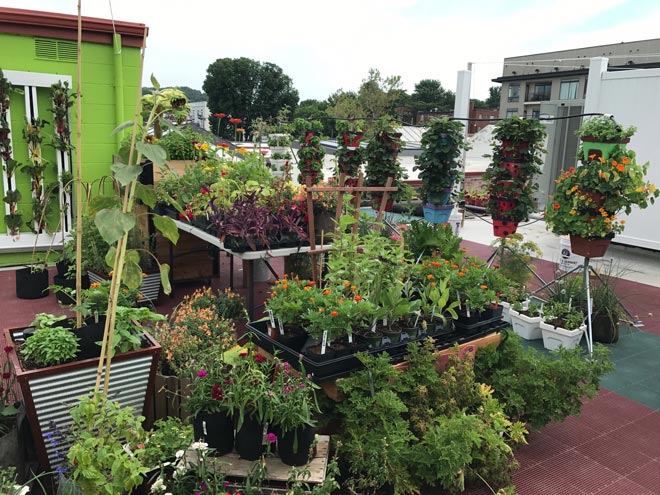
Washington Business Offers Rooftop Views, Urban Gardening and Yoga

WSJenks001_Web

“For nearly 150 years, many residents in the Washington, D.C., area have turned to W.S. Jenks & Son for their hardware and home improvement needs.

The product selection has shifted from wood-burning stoves, heaters and horseshoes to an array of modern hardware and lawn and garden products, but the business remains a spot for community members to gather.

In 2014, the family-owned and operated business moved to a new location in a unique, older building, says Jerry Siegel, president of W.S. Jenks & Son.”

See MORE Pictures at: “HardwareRetailing.com

Dream of urban gardens stymied by red tape

sd-1503096299-iyan92z1vv-snap-image

“The dream of urban gardens sprouting up across San Diego on small pockets of blighted, empty land has been stymied by legal wrangling over property tax incentives created to spur the creation of the gardens.

More than 18 months after the San Diego City Council approved one of the first urban garden incentives in the state, no gardens have been created because the city and county have been unable to hammer out details of the incentive.”

Read the FULL Article: “SanDiegoUnionTribune.com


Why my South Philly urban garden made me want to get up in the morning

dixon-135611-e-wp-content-uploads-2017-08-790007_2dce11284de3013-e1504195206231

“I spend a lot (probably too much) of time at home.

As a freelance writer, most of my days used to begin with a casual wake-up initiated by my internal alarm clock and a sluggish relocation from my bed to the kitchen table. Sometimes, I feared I might need to have the “I know it looks like I haven’t moved from this spot since you left, but I promise I have” talk with my roommates.

Basically, I can be a sad excuse for an “adult” who thrives most when there’s tangible proof that I have completed a task.

What I needed was something to foster and take care of, something that would inspire me to log off Twitter for a millisecond, something that would make my surroundings more stimulating, but something that was not as high-maintenance as an animal or a small human because, please, I’m not there yet.”

Read the full story at: “Philly.com

How a Quebec community is setting the standard for urban gardening

victoriaville-gardens-2

“Victoriaville, Que., has long defended its title as the greenest city in the province.

It was one of the first municipalities in the province to implement door-to-door composting back in 1998 and offers incentives for ecological home construction materials.

”People tell us they move to Victoriaville because they want to adhere to the movement that is happening here,” said city manager Martin Lessard.

Lessard said the city of 45,000, 170 kilometres northeast of Montreal, has invested more than $8 million to refurbish the downtown core and make it a place residents want to spend time in.Victoriaville has set itself a new goal for 2017: to install 100 shared garden boxes throughout town”

Victoriaville has set itself a new goal for 2017: to install 100 shared garden boxes throughout town.”

Read the rest of the article at:CBC.ca.com

Chickens embark on mission to feed East Chattanooga

alpine-meadow-2179053_1280

Starting this month, local nonprofit Hope for the Inner City will begin recruiting an army of chickens to aid in the nonprofit’s mission to bring fresh produce to low-income households, but recruiters say they still need community support.

Since early this summer, Hope for the Inner City has been asking community members for donations of $25 to sponsor laying hens whose fresh eggs would be sold to residents in East Chattanooga, which is still reeling from the loss of its last grocery store, Scarbrough’s Produce, in 2015.

Now considered a food desert, the neighborhood’s nearest supermarket is 3 miles away, making it that much more difficult for struggling families to bring healthy options to the table.

“You have to take three buses to get to a grocery store from this neighborhood,” said Joel Tippens, director of Grow Hope Urban Farm, Hope for the Inner City’s homegrown solution to bring food accessibility to the area.

Read the FULL ARTICLE at:TheTimesFreePress.com

Glass City Goat Gals show how to pave the way for urban farming

goat-208440_1280

Six-year-olds Darren Eaton and Rudi Petruziello climbed to the top of a dirt pile, took a seat, and started digging, but Glass City Goat Gals owner Liz Harris didn’t mind.

“I’m so glad they’re playing in the dirt,” she said. “That’s what it’s there for.”

It’s hard to imagine a cul-de-sac in central Toledo now occupied by goats, gardens, and a butterfly sanctuary was once known for nothing but blight.

Ms. Harris has spent seven years transforming an area that once consisted of 15 abandoned homes — before the Lucas County Land Bank tore them down — into an urban farm on Mentor Drive promoting wellness, healthy eating, and environmental sustainability.

Read the FULL STORY at: “ToledoBlade.com

Grow a Fall Garden! Join UOG’s Monthly Seed Club NOW!

UOG Seed Club

**IF you wish to receive a shipment for this month, you MUST JOIN before 11:59 pm PST Monday, September 4th!**

Now is the time to start collecting seeds for your fall/winter gardens. Let our Garden Guru’s hand select popular heirloom, GMO-FREE varieties for you to start each month, customized to your location and grow zone! (Think frost hardy crops or varieties that can be grown indoors such as sprouts, lettuces, leafy greens and MORE!)

Sign up today at https://urbanorganicgardener.cratejoy.com

During sign-up, just let us know whether you prefer to grow indoors, outdoors, in partial shade or in the sun. Do you grow hydroponically? Not a problem, we’ve got that figured out too!

Each month you’ll receive a 5 varieties, and everything you need to start growing more food! Happy Gardening to you, in 2017!

Former mailman builds geothermal greenhouse in the midwest; gets local citrus all year for $1 a day


Greenhouse in the Snow, built by a former mailman, grows an abundance of local produce high on the Nebraska plains.

“We can grow the best citrus in the world, right here on the high plains,” says Russ Finch, the former mailman (pictured above) who is the creative superstar genius responsible for building the Greenhouse in the Snow. And he can do it spending only $1 a day in energy costs.

For Midwesterners (and many of the rest of us) produce in the winter means things imported form warmer climes or grown in greenhouses, which typically have a prodigious hunger for energy and are fed by burning fossil fuels.

View the FULL ARTICLE at: “EcoNewsMedia.com

Grow an indoor herb garden: easily, sustainably and veganically

The Joy of Growing Window Herbs Year-Round

Have you ever thought about growing your own indoor herbs? If you’re kitchen windowsill isn’t already crammed full of pots overflowing with leaves, then it should be!

The beauty of keeping a “windowsill herb garden” is that you can rely on a steady supply of leaves all through the year. When outdoor plants have died back or gone dormant over winter, your window herbs will keep happily ticking along.

The process of starting your own “kitchen herb garden” from seed is simple. The great thing is that many plants not normally found in garden centers are available to you. Scrumptious edibles like dark basil, chamomile, lovage and yarrow (to name a few) are all options. What about the magical, medieval plant mugwort? Or that favourite for making lozenges, horehound?

Old favourites like thyme and rosemary will also fare wonderfully indoors as long as they’re properly looked after. Energetic perennials like chives will continue to grow even when light levels dip in winter. So you can lightly harvest even through the darkest months.

All you need are some pots, a good potting mix and some plant feed. If you’re starting your seeds indoors, where there’s no risk of critters eating the young seedlings, you can sow directly into the pots.

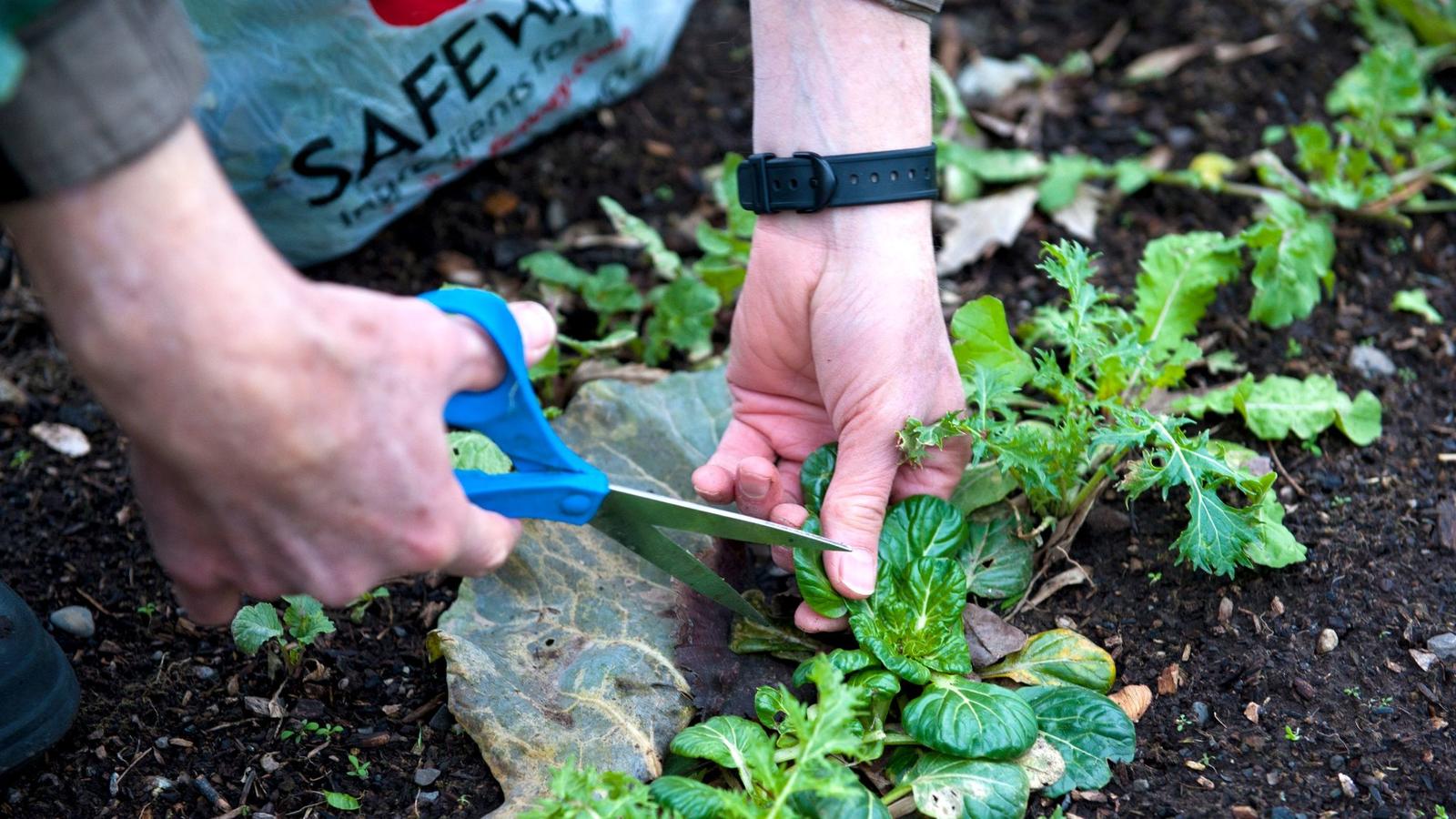
Let several seeds germinate and keep the best after they’ve put on some growth, snipping off the others with a pair of scissors. During late spring, summer and early autumn, your plants will be grateful for a bi-monthly or monthly liquid feed. Use a balanced NPK fertilizer (nitrogen-phosphorous-potassium) and a micronutrient feed like liquid seaweed. Many of the problems with herbs are due to trace element deficiencies.

And that’s it! The infographic included below is a visual guide to the process. Remember not to overcomplicate things and don’t be afraid of killing the odd plant…they don’t mind too much.

Herb-Gardening-Infographic

Indoor herb gardening is growing in popularity by the day. Space-stretched city-dwellers, foodies, and even people with big gardens are filling their kitchen windowsills with potted herbs.

There are so many benefits and almost no drawbacks. It’s cheaper, tastier and also possible to grow unusual and forgotten plants…yarrow or lovage, anyone?

In this little guide, and with the help of my infographic below, I want to cover the main steps involved in growing a scrumptious indoor herb garden.

View the original post with infographic at UrbanTurnip.org

Hilltop Urban Farm in South Pittsburgh is set to become the largest urban farm in the country

HilltopFarm-1

“First ribbon-cutting for a farm in probably 100 years in the City of Pittsburgh,” quipped Mayor Bill Peduto at the future site of Hilltop Urban Farm, a 107-acre property in the city’s tiny St. Clair neighborhood in South Pittsburgh that includes 23 acres of farmland.

Upon completion, it will be the largest urban farm in the United States.

Located on the site of the former St. Clair Village public housing neighborhood, 67 acres of the property is undeveloped hillside. In addition to 23 acres of farmland, 12 acres will be used for green spaces and other future development. Another 14 acres will be retained by the URA for potential future housing.

Read more about this project over at the original article, here: “NextPittsburgh.com

Judge Rules Government Can Ban Vegetable Gardens Because They’re ‘Ugly’ ( UPDATE!!! )

Front-Lawn-Vegetable-Garden

It may come as a surprise to most of the people who grow vegetable in their garden, that in the US, it is illegal! At least, that’s what a case in Miami has brought to public light. Bear in mind that we are talking about the front yard, which in the view of the State, represented by attorney Richard Sarafan in the above-mentioned case, is in the legitimate purpose of the government to make it aesthetically pleasing. In other words, your front yard is subject to government guidelines, just as the front of your home is. And there is no `fundamental right to grow vegetables in your front yard`. So if you are planning to grow your own vegetable plant, organic or otherwise, make sure you do it in the backyard. You will not be bothered by the government and you can plant them in any fashion and style you desire.

See more HERE: “GoodHomeDesign.com

Finish Line’s urban farm is helping feed its neighbors

“A new urban farm has sprouted on the east side in a most unlikely setting. Surrounded by industry, the 7-acre farm is in The Finish Line’s backyard.

The retailer, which has its corporate headquarters near 30th Street and Mitthoeffer Road in Indianapolis, is the latest organization to partner with Brandywine Creek Farms and its owner, Jonathan Lawler, to address food insecurity in Indianapolis.

Employees gathered among the rows of peppers, cucumbers, zucchini, tomatoes, and cantaloupe Thursday to hear from Lawler and Mayor Joe Hogsett on the farm operation, the fruit of which will benefit the 1,100 Finish Line employees and the surrounding community.”

Read the FULL STORY, here at: “IndyStar.com

This Urban Farming Accelerator Wants To Let Thousands Of New Farms Bloom

p-1-this-brooklyn-urban-farming-accelerator-is-planning-its-next-location

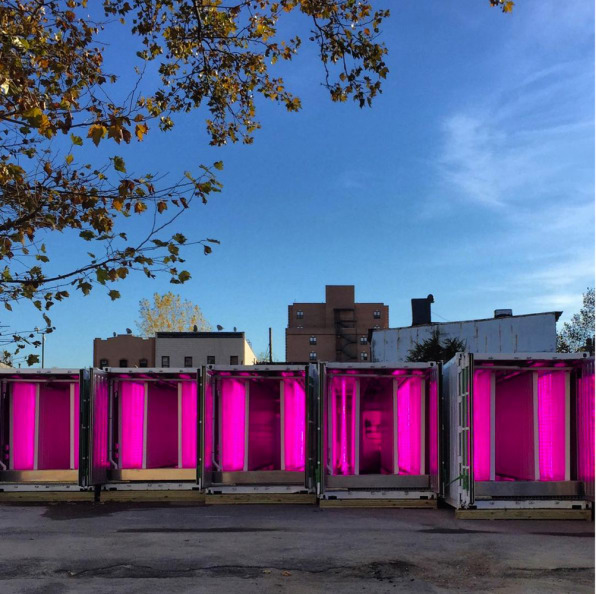
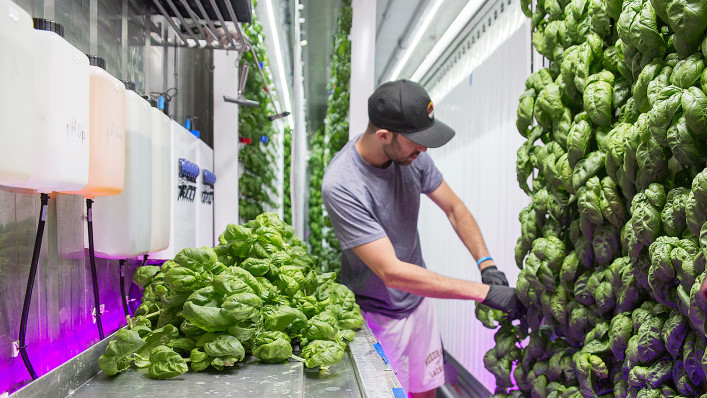
In a parking lot outside a former pharmaceutical factory in the Brooklyn neighborhood of Bedford-Stuyvesant, 10 entrepreneurs have spent the last nine and a half months learning how to take on the industrial food system through urban farming. Square Roots–a vertical farming accelerator co-founded by Kimbal Musk, with a campus of climate-controlled farms in shipping containers–is getting ready to graduate its first class.

With a new round of $5 million in seed funding, led by the Collaborative Fund, the accelerator is making plans to build new, larger campuses in other cities.

Read the FULL ARTICLE, here: FastCompany.com