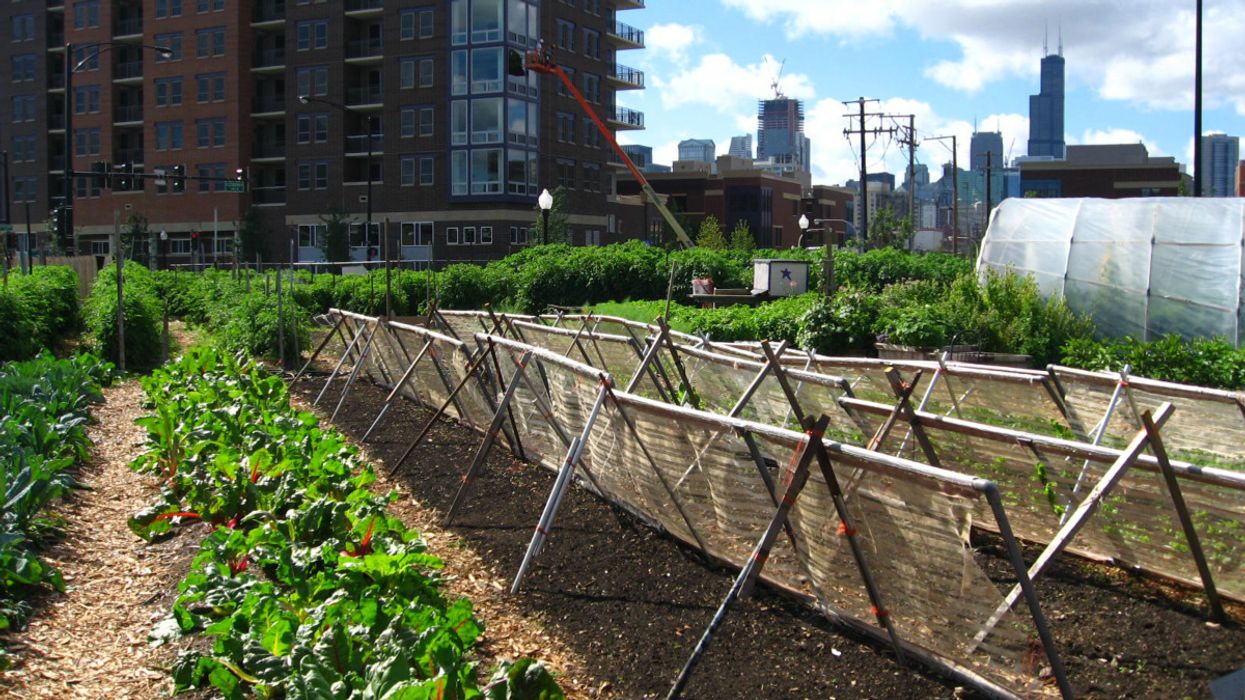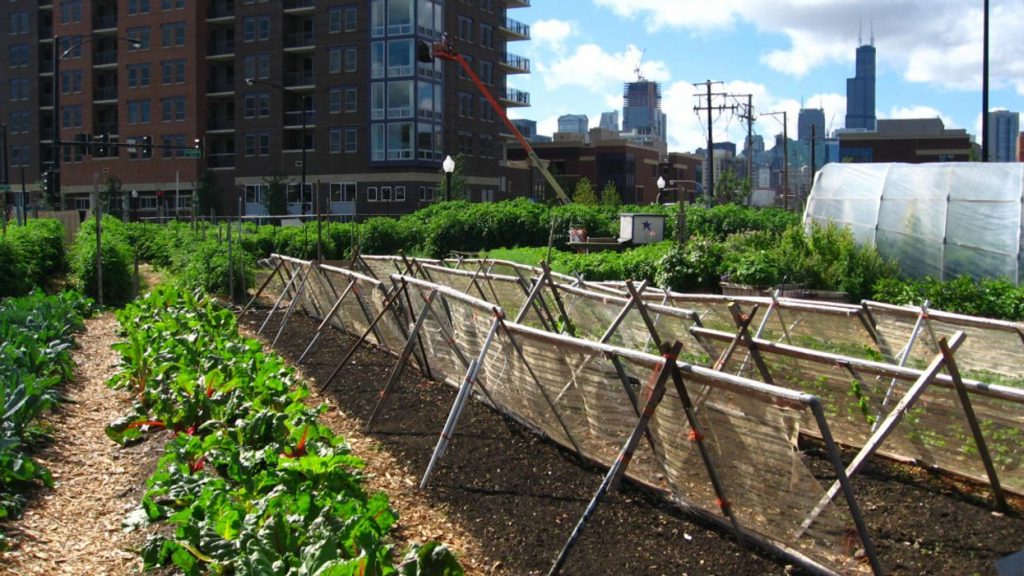

Amid COVID-19, Urban Growers Collective distributes nearly one million pounds of produce

ADAM M. RHODES

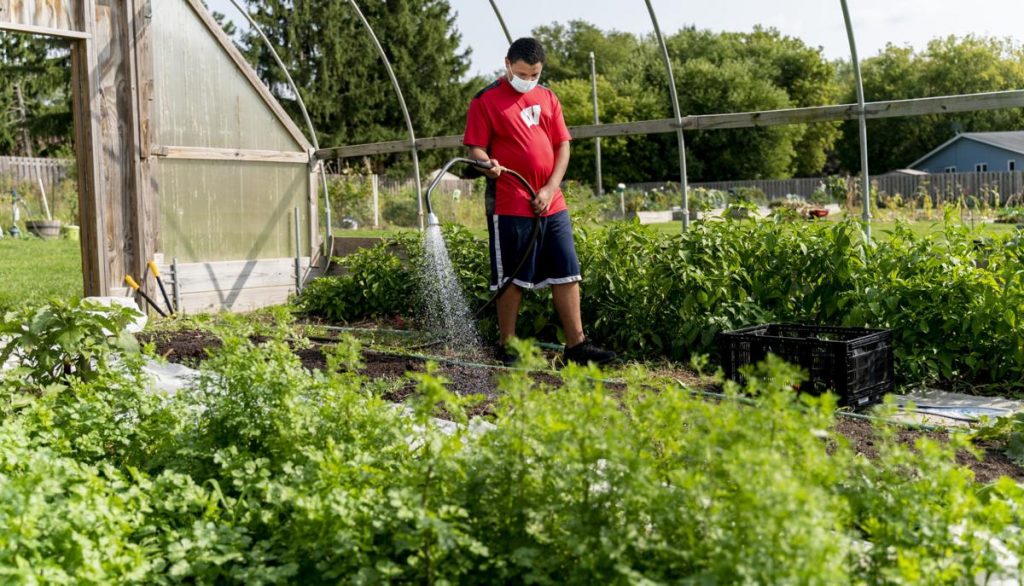
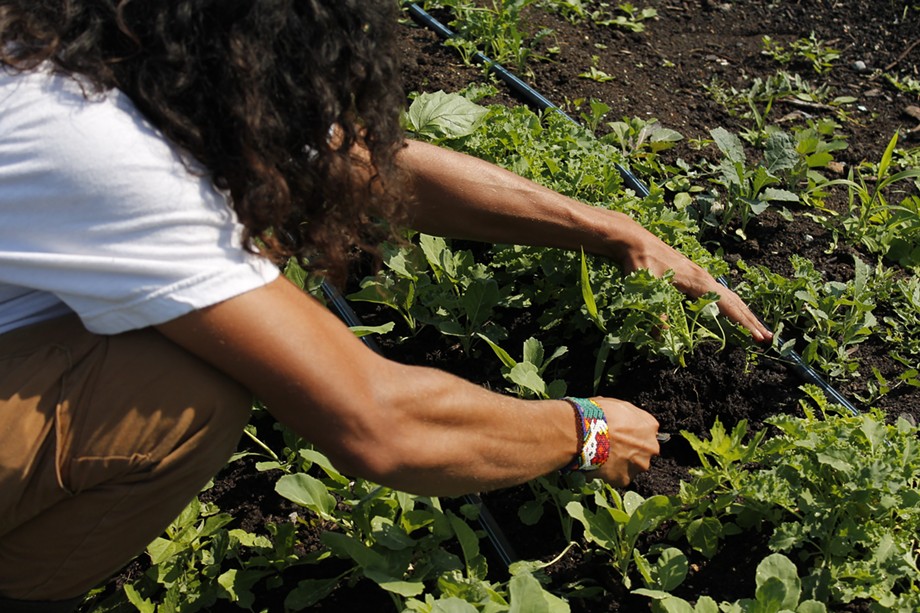
We’re now in the eighth month of the COVID-19 pandemic, and millions are struggling to maintain their incomes and housing. But even before the pandemic started, one Chicago nonprofit, the Urban Growers Collective, was working to address residents’ struggles to access another basic necessity—fresh, healthy food—and the current crisis has only emboldened that work.

From mid-March to the end of September, the group delivered nearly one million pounds of produce to more than 25 partner organizations across the city, including Howard Brown Health on 63rd, Grow Greater Englewood, and West Side Mutual Aid, says UGC development associate Brandon Lov. That number, Lov says, includes produce boxes UGC delivers directly, as well as deliveries the group coordinates with its partners, including prepared meals and boxes of fresh produce, dairy and meat as part of the U.S. Department of Agriculture’s Farmers to Families Food Box program.

READ THE FULL STORY: https://www.chicagoreader.com/chicago/amid-covid-19-urban-growers-collective-distributes-nearly-one-million-pounds-of-produce/Content?oid=83220311
Urban agriculture ‘not gonna feed the world,’ but has much to offer close to home

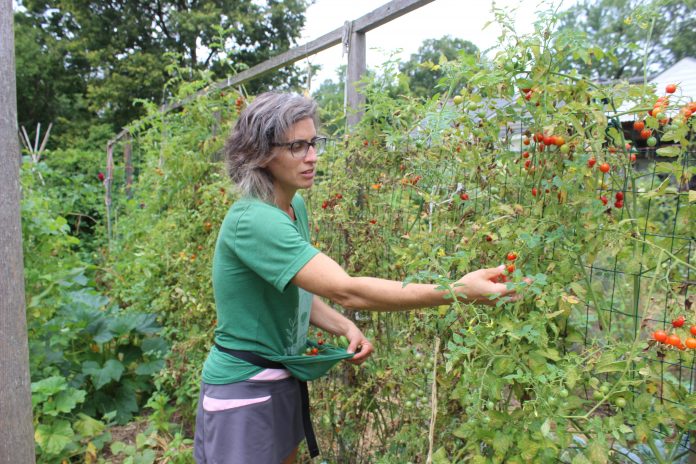
Jodi Kushins, of Over the Fence Urban Farm, in Columbus, picks cherry tomatoes at her farm Aug. 27. (Sarah Donaldson photo)

COLUMBUS — Jodi Kushins, of Over the Fence Urban Farm, knows she doesn’t grow a lot compared to some farms. She feeds about 20 households through her CSA program, with 2,500 square feet in her yard and her neighbor’s yard.

“It’s like a drop in the bucket,” she said. “Seeing a semi truck full of produce and then thinking about the very, very tiny amount of food I’m able to produce in my yard definitely gives me pause.”

READ THE FULL STORY: https://www.farmanddairy.com/news/more-than-a-token-urban-agriculture-not-gonna-feed-the-world-but-has-much-to-offer-close-to-home/626629.html

Urban poor families set up food gardens to cope with hunger amid pandemic

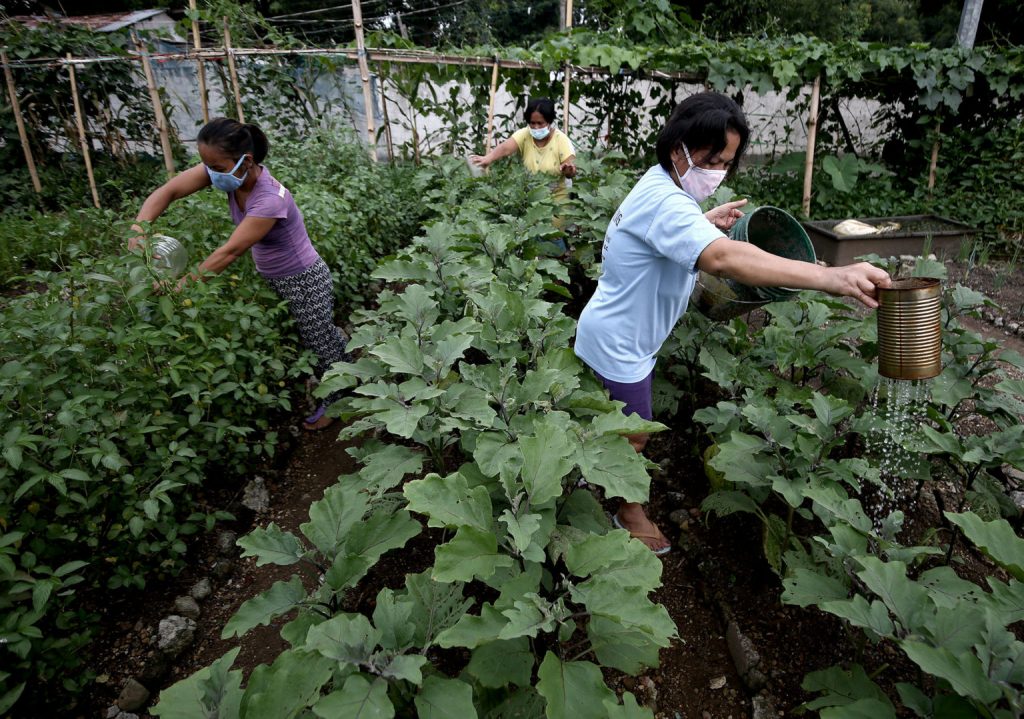
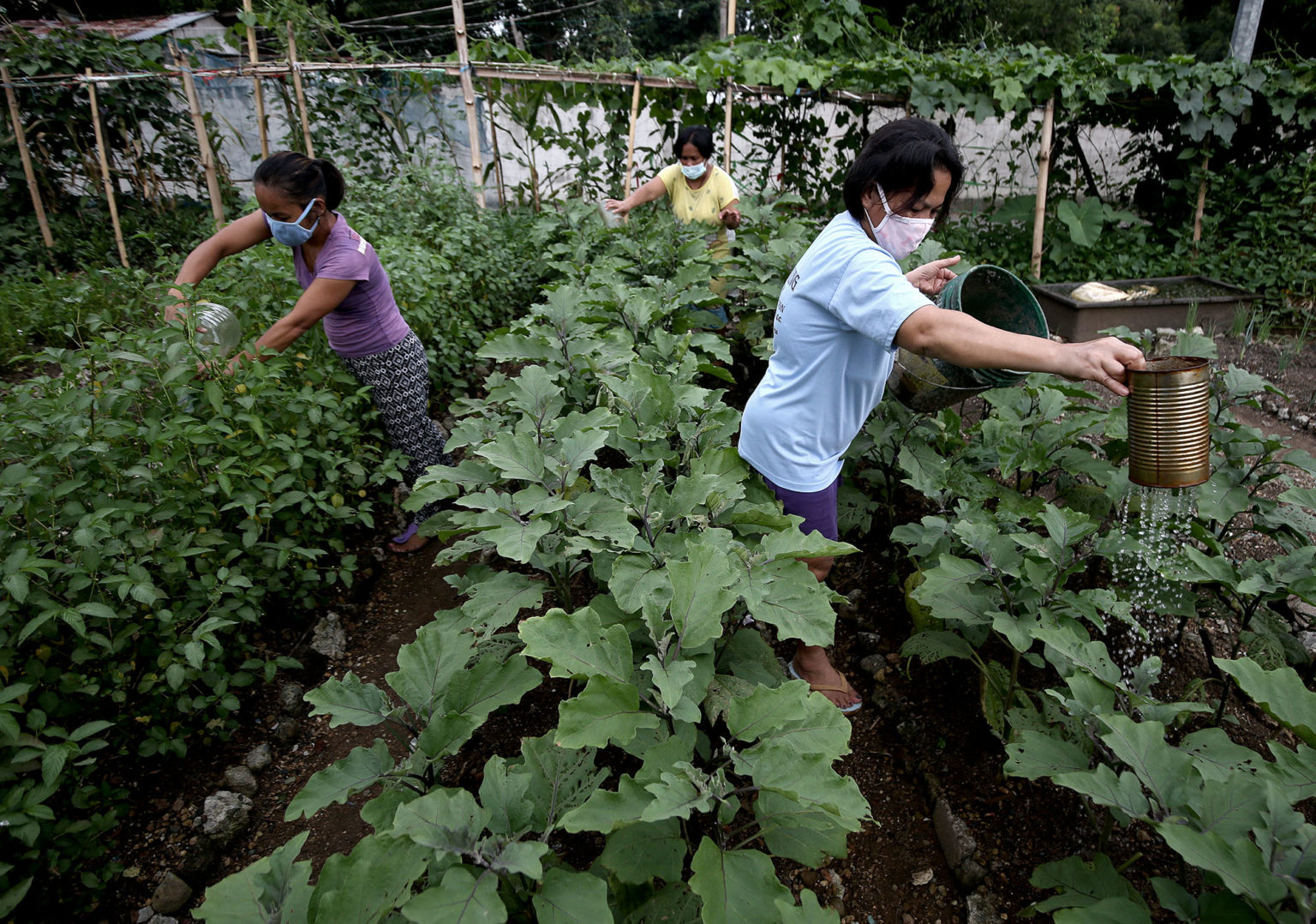
Monitoring leader Arbie Santacera with Apple Montales and Estrelita Sanchez water their vegetables on an empty lot turned into urban gardening along Clemente road, Barangay Payatas B, Quezon City.
INQUIRER PHOTO / RICHARD A. REYES

MANILA, Philippines — Struggling to put food on their tables through weeks into quarantine due to the new coronavirus pandemic, residents of Barangay Payatas in Quezon City have found a new reason to band together amid the scarcity of food aid and jobs.

They have transformed concrete walls, backyards and empty lots into urban food gardens — where patches of green, leafy vegetables keep their community vibrant despite months of lockdown.

“It also gives us the motivation to wake up every day to see how our vegetables are doing. It would make us smile to see our lettuce leaves or eggplants grow by the day,” said Gilda Rollamas, one of the volunteer mothers of Ina ng Lupang Pangako Parish.

Read the FULL STORY here: https://newsinfo.inquirer.net/1340874/urban-poor-families-set-up-food-gardens-to-cope-with-hunger-amid-pandemic

Denver Urban Gardens Plans Sale of El Oasis Land to Pay Off Debt

Extra food from El Oasis is donated to Bienvenidos Food Bank as part of DUG’s pledge to help those with low access to fresh produce. Claire Duncombe

Denver Urban Gardens plans to sell most of the land where it operates El Oasis, one of its Highland neighborhood gardens, to Caliber Construction in a $1.2 million deal set to close on December 1. But members of El Oasis, located at 1847 West 35th Avenue, are fighting the sale by raising public awareness in hopes of pressuring Caliber Construction to back out while the agreement is still under contract.

The money from the sale is intended to help DUG alleviate accumulated debt and continue to fulfill its role in offering gardens on more than 180 properties around the city, according to Ramonna Robinson, president of the nonprofit’s board. DUG informed El Oasis gardeners of the planned sale on September 9, with notices to vacate plots on the two-thirds of the land that Caliber will take over by October 5. The remaining third of the land will remain a garden in perpetuity. The gardeners, many of whom have tended El Oasis plots for years, believe that DUG has fundraising options other than selling the land, but DUG says that without the sale, the nonprofit will cease to exist.

READ THE FULL STORY: https://www.westword.com/restaurants/community-gardeners-try-to-stop-sale-of-denver-urban-gardens-property-11804554

Don’t panic, but it’s time to start your autumn gardening chores

Cooler nights bring questions, and we have been having cooler nights. I note more than a hint of panic, folks. Relax. The leaves have really not even started to turn color and lawns are still growing.

Let’s start with lawn questions. There were several about fertilizing, probably due to the influence of Madison Avenue. There is always inventory left in the fall that has to be moved, and this results in planted articles insisting fall is the time to fertilize your lawn with nitrogen-laden, synthetic fertilizer.

Here in Alaska, we don’t use synthetic fertilizers, only organic, but even if we did, we would realize the flush of growth they would cause is not what we want as we go into winter. Still, let me make it simple. Microbe foods can be put down any time of the year without causing the flush of growth and drain-off of chemical fertilizers.

READ THE FULL STORY: https://www.adn.com/alaska-life/gardening/2020/09/10/dont-panic-but-its-time-to-start-your-autumn-gardening-chores/

Farm to table to dirt to farm: This local business wants to make composting the next recycling

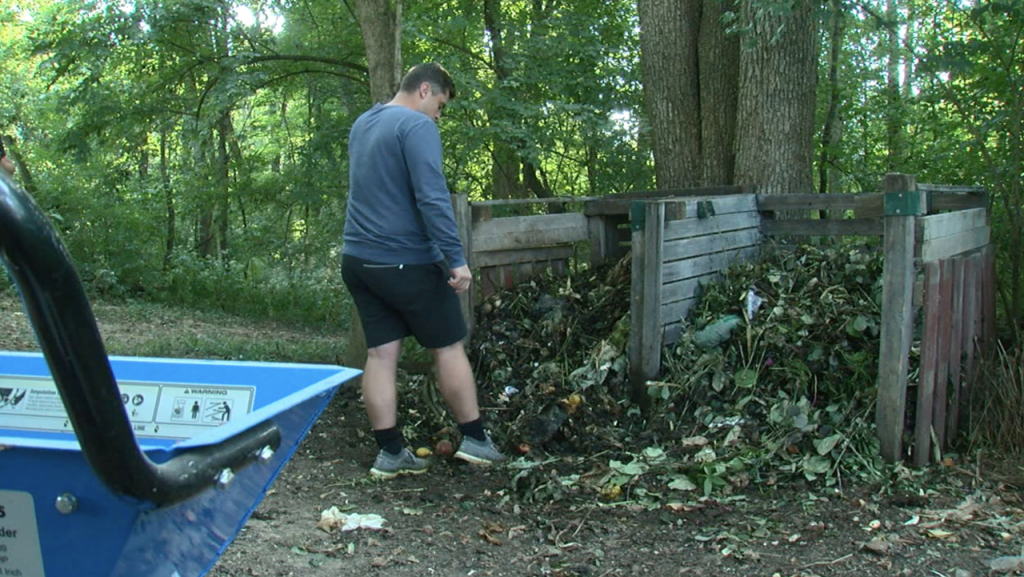
When Ben Bessler graduated with an accounting degree from Northern Kentucky University, he didn’t expect his work would one day have him shoveling dirt and food scraps in his parents’ backyard. But what began as a hobby at home has grown into a budding business addressing an environmental challenge alongside an emerging consumer demand. [WATCH VIDEO]

“My wife and I were trying to compost in Park Hills, and we realized that it was kind of inconvenient to take our food outside to the compost bin every day, and then at the end of the week take it out to the garden,” he told WCPO. “We thought, maybe there’s a convenient way we can get people composting and make it easy and affordable.”

READ THE FULL ARTICLE: https://www.wcpo.com/news/transportation-development/move-up-cincinnati/farm-to-table-to-dirt-to-farm-this-local-business-wants-to-make-composting-the-next-recycling

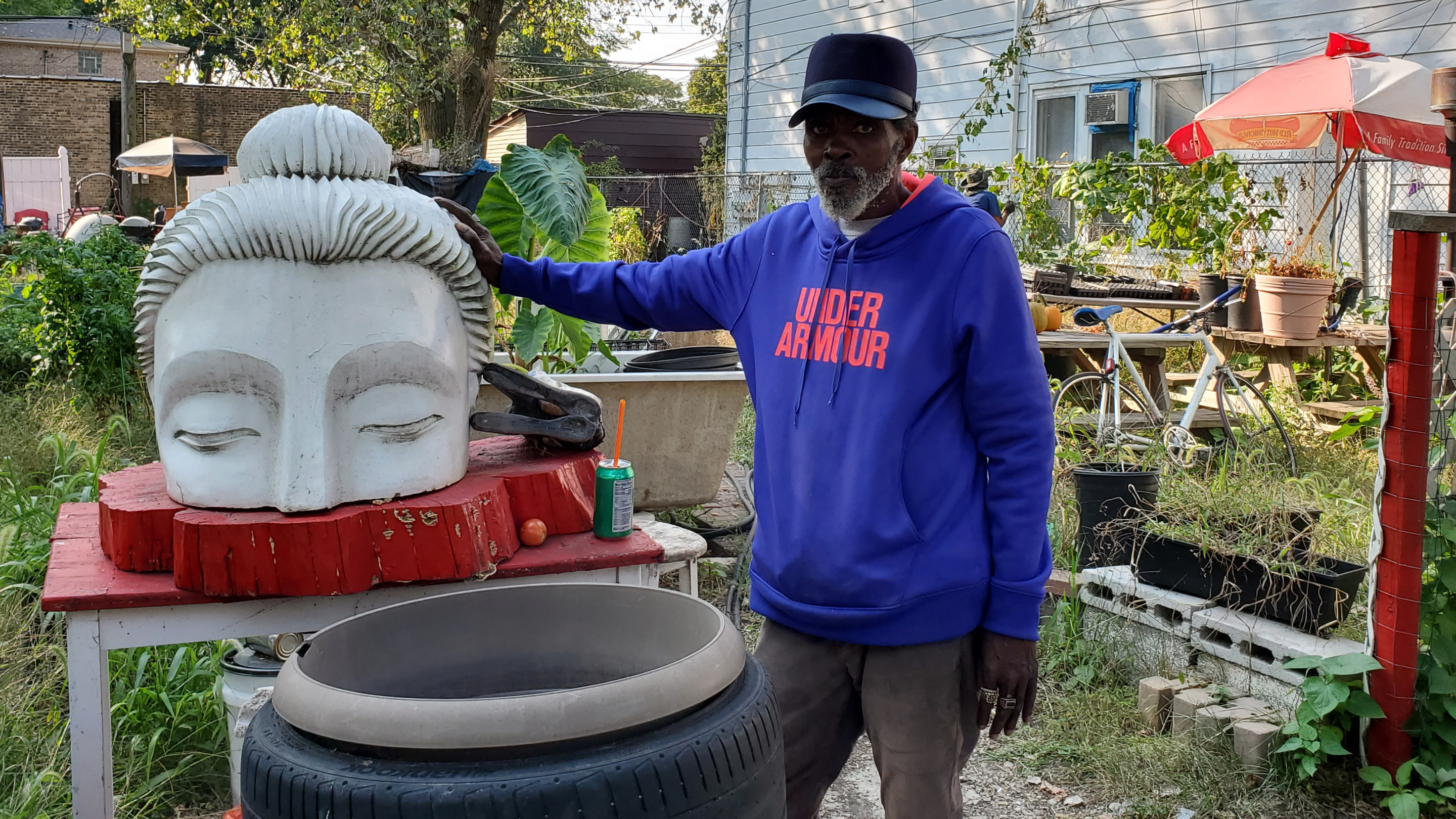
This South Side Gardener Is Behind Nearly 100 Urban Farms Across Chicago — And He’s Not Slowing Down

MAXWELL EVANS/BLOCK CLUB CHICAGO

SOUTH CHICAGO — Right as he’s detailing his urban farming work, Gregory Bratton abruptly stops and says he’ll need to continue the interview later.

Bratton is working with volunteers at one of the many South Side gardens he cares for, and he breaks up his interview answers to share knowledge and give directions to volunteers. His priorities lie with the garden.

“Make sure you put that in the story,” Bratton said before hanging up the phone. “I’m a busy man.”

He certainly is. The 68-year-old master gardener — 69 in a few weeks— works on 86 gardens across Chicago. More than 20 are on the Southeast Side.

READ THE FULL STORY: https://blockclubchicago.org/2020/09/24/this-south-side-gardener-is-behind-more-than-200-urban-farms-across-chicago-and-hes-not-slowing-down/

Small, modern homes with urban farming coming to Fort Worth suburb

URBAN CHIC PROPERTIES

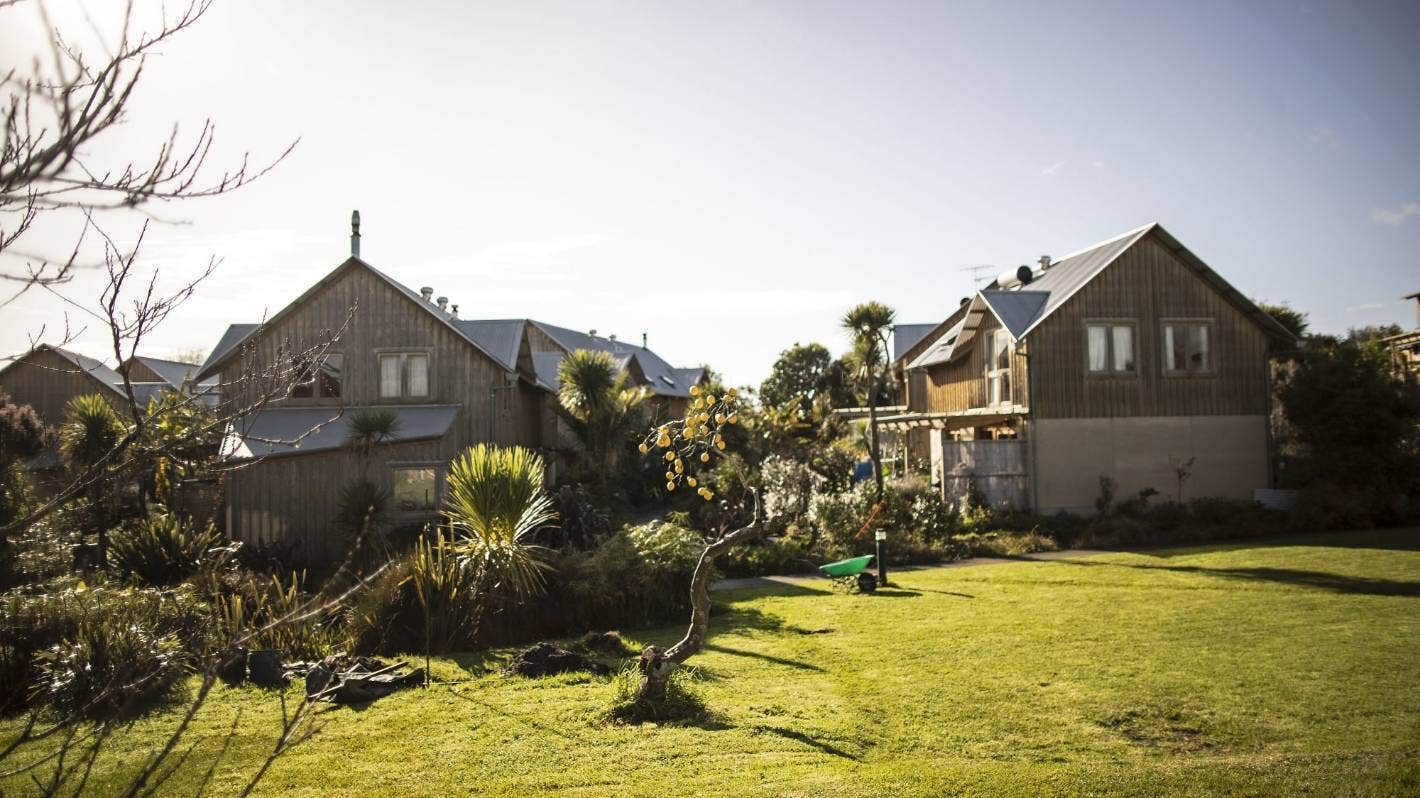
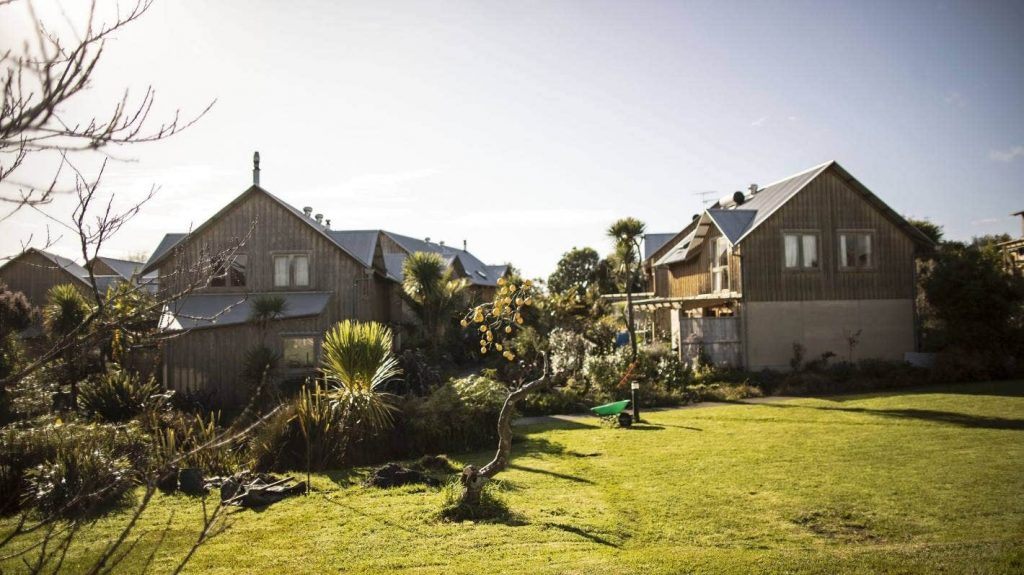
A developer is building a small “pocket neighborhood” in Kennedale with modern farm homes and lots of outdoor space where people can grow their own food and meet their neighbors.

“Millennials want that living experience. People don’t want to mow their yards anymore. They want a smaller, compact home that is cute and modern looking, creating a cottage feel,” Sumpter said in an interview.

The Moderno is designed with a “pocket neighborhood” concept where the homes face inward often into a courtyard or an open space where neighbors can gather and get to know one another. Pocket neighborhoods are popular in the Pacific Northwest, Sumpter said.

READ THE FULL STORY: https://www.star-telegram.com/news/business/growth/article245902885.html

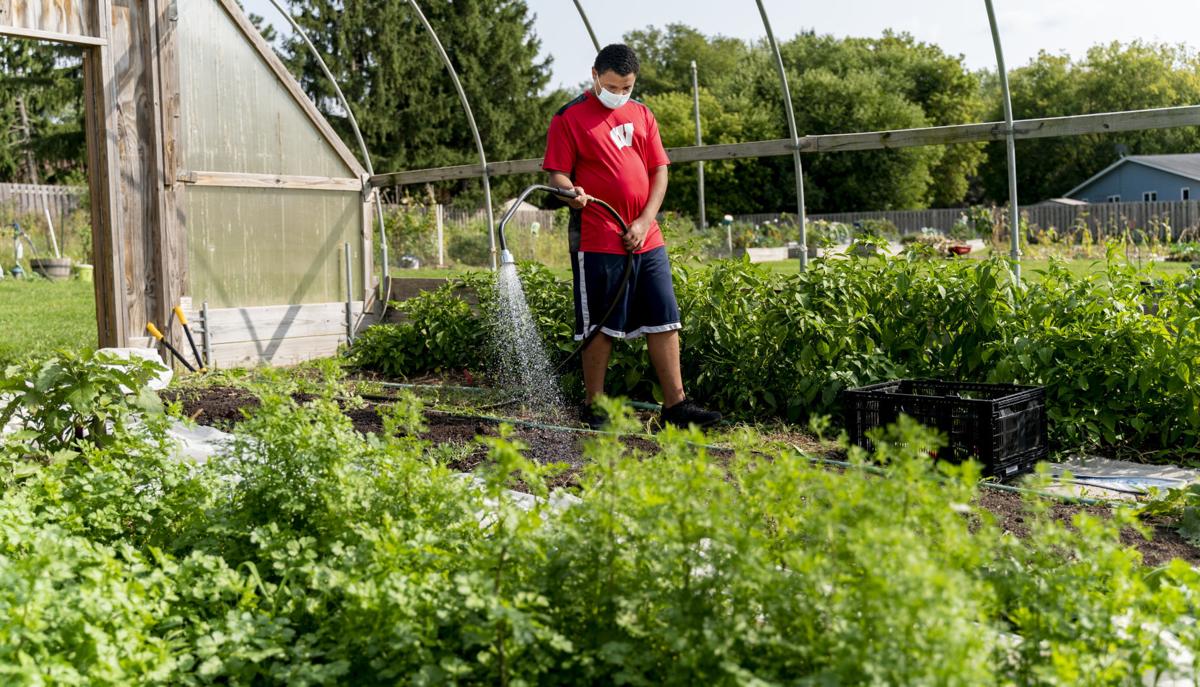
Gardening at Badger Rock lets students earn money, socialize during COVID-19 pandemic

ANDY MANIS, FOR THE STATE JOURNAL

Madison.com – Gardens are a source of income and a social oasis for high school students this fall.

“I was looking for a job that would be part-time and would be safe during the pandemic, so I wanted to work somewhere outside and I’ve always loved gardens,” said Evfrosiniia “Frosya” Mozhaeva, a sophomore at West High School.

She said she enjoys working with others in the gardens at Badger Rock Neighborhood Center, and it feels safe partly because the number of people working at one time is limited.

Sophomore Malik McDonald said he was drawn to a jo at the garden because a friend is also working there, it is something to do during the pandemic and he lives nearby.

READ THE FULL STORY: https://madison.com/wsj/news/local/education/local_schools/gardening-at-badger-rock-lets-students-earn-money-socialize-during-covid-19-pandemic/article_417fa38a-5139-577e-a8bc-86261ab2c941.html

Thousands chasing London allotments as supply dwindles

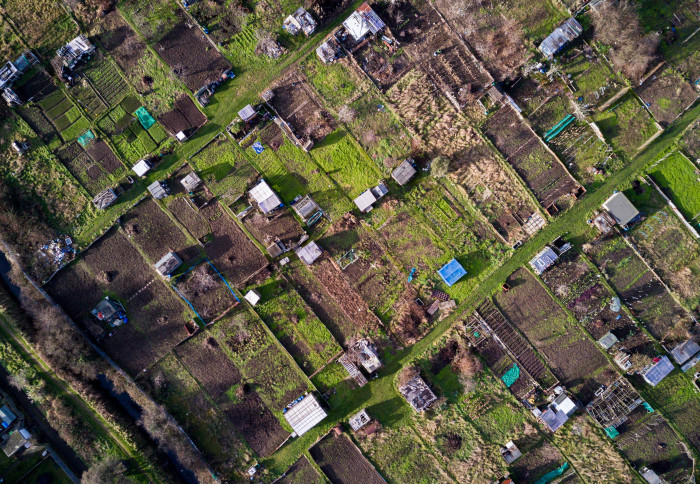
Hayley Dunning – The mental, physical and community benefits of allotment gardening are invaluable to city dwellers, but allotments are in short supply in London.

This is one of the conclusions of a new paper by Imperial College London researchers in the Centre for Environmental Policy, published in Urban Forestry & Urban Greening. MSc student Ellen Fletcher and Dr Tilly Collins assessed allotment supply and demand in London, finding plots are shrinking while tens of thousands of people remain on waiting lists.

Forty-one London sites have closed completely in the past seven years and with over 30,000 people now estimated to be on waiting lists, there is on average a delay of four to five years before receiving a plot. To try and meet this demand the number of individual plots has been increased as surrendered plots are often now split into ever-smaller units.

READ THE FULL STORY: https://www.imperial.ac.uk/news/204133/thousands-chasing-london-allotments-supply-dwindles/

Urban gardening just got a whole lot easier and more sustainable

Vogue.com.au – How many dead plants are you responsible for? How many green-tinged dreams of becoming an amalgamation of Martha Stewart and Gwyneth Paltrow have ended in sad, withered herbs on your windowsill?

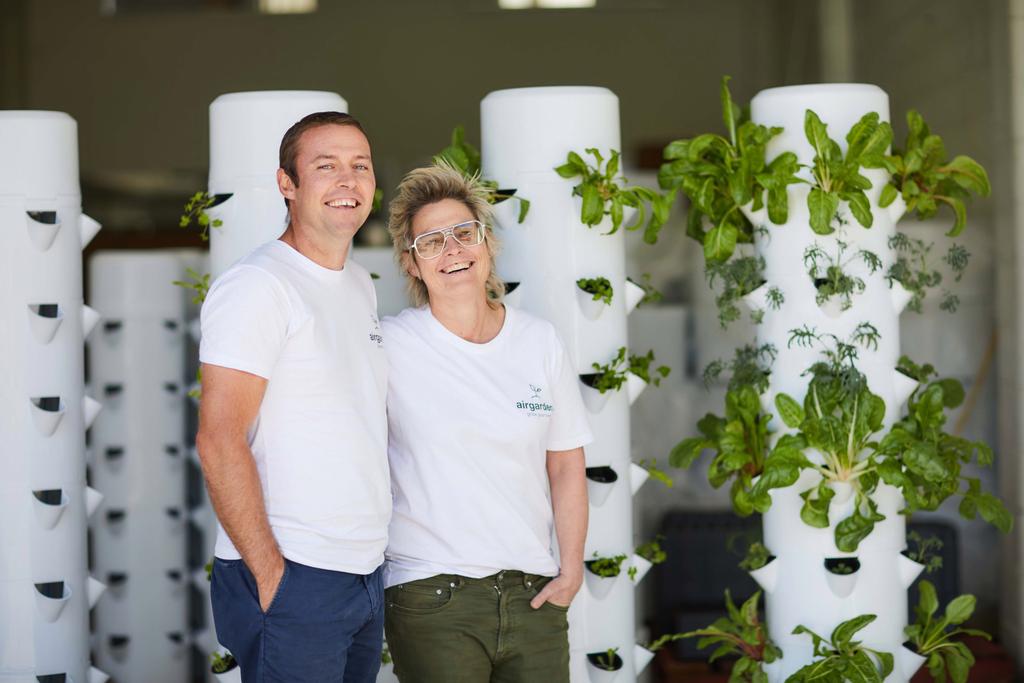
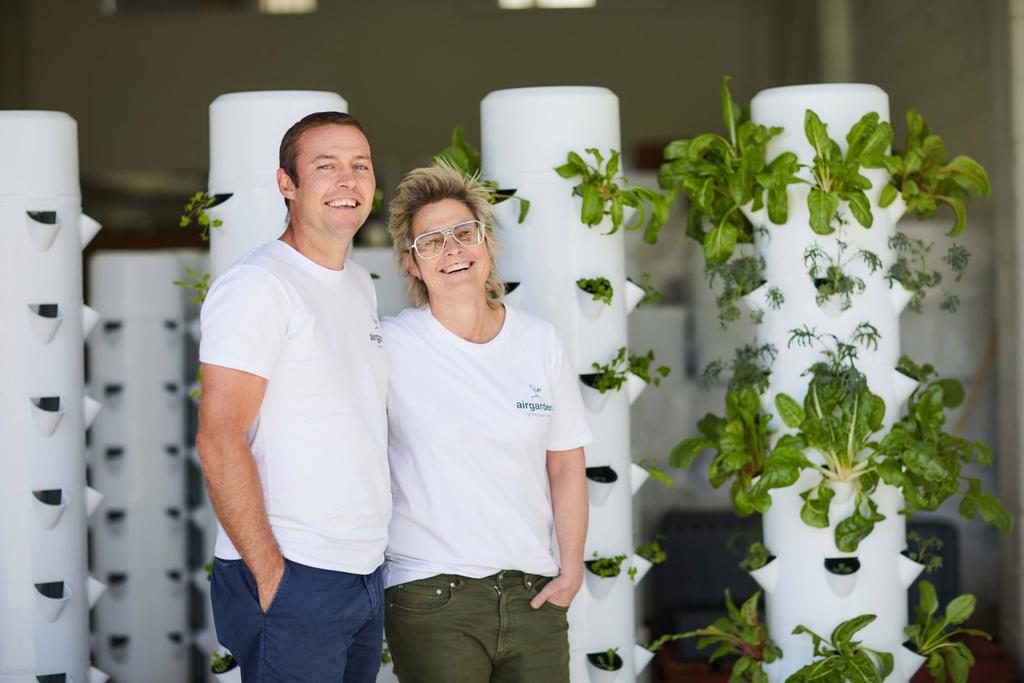
If you see yourself here and have minor amounts of regret or PTSD from killing plant after plant but still want to grow and garden, we may have just stumbled on the solution for you. Urban gardening is on the rise, as our homes are getting smaller and cities fuller, there’s still the urge to surround ourselves with greenery, especially if that greenery is ripe for eating. And Queensland-based Airgarden wants to help you do just that, by growing and gardening with their vertical, aeroponic garden.

READ THE FULL STORY: https://www.vogue.com.au/vogue-living/design/calling-all-green-thumbs-urban-gardening-just-got-a-whole-lot-easier-and-more-sustainable/image-gallery/202bc517e73c8cf6a5de1a8880a81d5c

Living Sustainably: Put nature to work for more effective gardening

HollandSentinel.com – The urban environment is dominated by buildings, pavement, lawns, and other non-natural elements. We constantly struggle against nature to maintain our built environment, especially our lawns and gardens.

This can include the use of fertilizers and pesticides that, if used improperly, can cause environmental harm. Our built landscapes can also be very water intensive, which can lead to high demand on our public water utilities.

However, there are ways to work with nature to create an attractive, low maintenance landscape that will help protect the environment, conserve water and provide places for urban wildlife.

Gardening with nature starts with careful planning. Take an inventory of what you already have.

READ THE FULL ARTICLE: https://www.hollandsentinel.com/news/20200914/living-sustainably-put-nature-to-work-for-more-effective-gardening

Purdue Extension: Growing communities one garden at a time

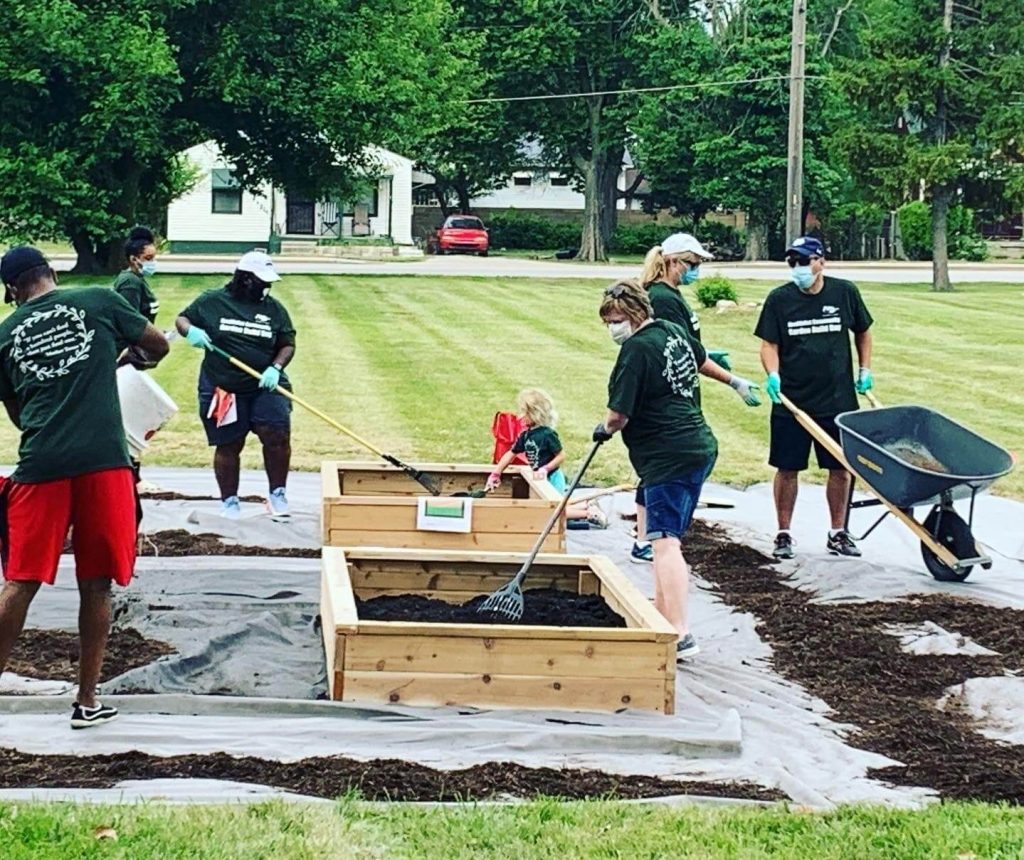
AGPURDUE.EDU – Located within an Indianapolis food desert, 25 volunteers gathered on a hot July day to build six raised garden beds and plant cool-season vegetable crops in a community garden on the campus of HealthNet Martindale-Brightwood Health Center. The volunteers made a vision for quality food access a reality sought by determined HealthNet employees, Martindale-Brightwood residents and the help of Purdue Extension.

HealthNet is one of Indiana’s largest Federally Qualified Health Centers (FQHC) with a network of nine community-based primary care health centers in Indianapolis and Bloomington, Ind. HealthNet provides health care services to the medically underserved, reaching more than 61,000 residents each year. The health center in the Martindale-Brightwood area serves residents with the highest poverty rate in Marion County who also happen to live in a food desert, meaning access to affordable or good-quality fresh food is severely limited.

READ THE FULL ARTICLE: https://ag.purdue.edu/stories/purdue-extension-growing-communities-one-garden-at-a-time/

Santa Rosa is a top spot for gardening in the US

PressDemocrat.com – If you like gardening, Santa Rosa is one of the best places in the country to be.

That’s the conclusion of a new nationwide survey that ranked Santa Rosa fourth in the nation for urban gardening. LawnStarter, an Austin, Texas-based lawn care company, compared 150 of the most populated cities in the U.S. for a variety of factors, including the number of garden clubs, community gardens and nurseries and the number of days of sunshine and length of the growing season.

Santa Rosa’s good scores placed it in the top tier, outranked only by three cities in The Sunshine State — Miami, Orlando and Tampa, Florida.

When it comes to the number of nurseries and garden centers per 100,000 residents, only Miami and Salem, Oregon, have better shopping opportunities for the green thumb crowd.

READ THE FULL STORY: https://www.pressdemocrat.com/article/lifestyle/santa-rosa-is-a-top-spot-for-gardening-in-the-us/

An urban homestead that nurtures, nourishes educates

Julie Pritchard Wright’s San Rafael urban homestead is home to vegetables, fruits, flowers and chickens. (Photo by Julie P. Wright)

Julie Pritchard Wright grew up on her family’s two-acre property in the hills of Cupertino, where her father grew grapes and fruit trees, and kept bees and sometimes chickens, while her mother tended a large vegetable garden.

“Whenever I smell the scent of tomato leaves, I think of her,” Wright says. “She also grew many kinds of flowers, and I grow many of the same varieties.”

Wright considers her own 5,000-square-foot San Rafael garden as an “urban homestead” where she can cultivate a sustainable, organic and “locavore” lifestyle, and nurture plants that, in return, nurture her and teach her patience, observation and mindfulness.

In keeping with her lifestyle, Wright likes to line-dry her laundry, can and ferment her own foods, host sausage- or salami-making gatherings, practice no-till gardening and some permaculture principles, and plans to eventually replace her lawn with edibles and exchanges her homegrown produce with Marin neighbors at the San Anselmo Garden Exchange.

READ THE FULL ARTICLE: https://www.marinij.com/2020/09/11/an-urban-homestead-that-nurtures-nourishes-educates/

Prep now for the veggie garden with a mix of transitional and cool-season plants

NOLA.com – When it comes to vegetable gardening, understanding the seasons and the proper time to plant various crops is so important to success. Although it certainly doesn’t feel like it, we are gradually transitioning into fall — and that affects what we can plant.

Cool fronts may begin to make their way into our area this month, bringing welcome relief from the heat. Still, daytime highs regularly reach the 80s and 90s well into October. During this transition period, warm- and cool-season vegetables rub elbows in the garden.

READ THE FULL STORY: https://www.nola.com/entertainment_life/home_garden/article_9b5e1e60-f177-11ea-9de3-176c3d5c2ceb.html

Dj Cavem drops beets for a healthy future

Dj Cavem Moetavation (Ietef Vitae) is all about seeds. He plants seeds in the soil to grow healthy food, sure, but he also plants the seeds of lifestyle change in kids. For him, these efforts are one and the same: they both hold the power to “sprout that life”—that life being a culture of wellness, for people and for the earth. He’s an urban grower, plant-based chef, educator, musician, and activist dedicated to healthier communities.

While he’s never been more certain that true success is health, that belief took lots of TLC. He grew up in the Five Points district of Denver, a historically Black neighborhood where processed food was wealth. You were cool if you came to school with a Big Mac, but kale? Not so much.

Ietef was raised to see this differently. With an artist-activist mother, he spent time as a kid around family and community elders who grew food. He considers himself lucky, because most of his peers didn’t get a chance to experience this kind of urban gardening at a young age—he recalls planting his first apricot tree at age three. He saw lines of folks waiting for government-assisted processed food at churches, but he also remembers eating pears, peaches, and watermelons from out of a neighbor’s pick-up truck.

READ THE FULL STORY: https://stonepierpress.org/goodfoodnews/djcavemecohiphop

54 Million People in the U.S. May Go Hungry During the Pandemic — Can Urban Farms Help?

An example of urban farming is seen on this Chicago rooftop. Linda / Wikimedia Commons / CC by 2.0

EcoWatch.com – When I call Chef Q. Ibraheem to discuss urban farming in her own cooking career, she’s in the middle of placing an order for microgreens from a small farm in Lake Forest, a ritzy suburb just north of downtown Chicago. Now’s a great time for her to chat, actually, because the Chicago-based chef is immersed in what she loves, sourcing ingredients as locally as possible.

“It’s really important we know where our food is coming from,” she says. “I know my farmers by name. I can go to the farms, see how they are growing everything, see it in the soil. It’s always nice to have something within reach and know your product.” Chef Q runs supper clubs and chef camps throughout Chicagoland, sustaining the local economy by purchasing ingredients from urban gardens and farms within miles of her pop-up experiences.

“As a chef, you realize you have a responsibility to your guests,” she says, and for her, that responsibility means being transparent about ingredients, and even educating diners about what’s on their plates. Growing up spending summers on a farm in Georgia, Chef Q has an innate curiosity about where and how her food is grown, and she recognizes the importance of farms in both urban and rural areas.

READ THE FULL ARTICLE: https://www.ecowatch.com/urban-farming-coronavirus-pandemic-2647433678.html?rebelltitem=1#rebelltitem1

Family farm is also a tree sanctuary and a home for rescued Taal horses

MB.Com – Sometimes, a farm isn’t just a place where crops grow. Sometimes, it can be a place of conservation and rejuvenation.

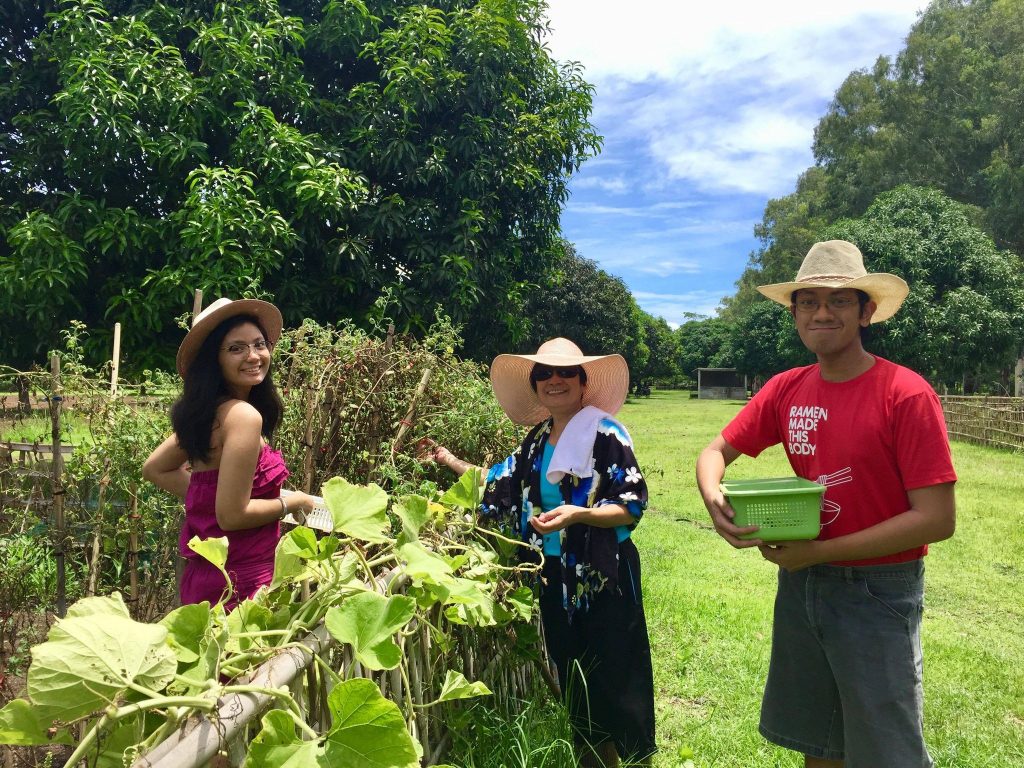
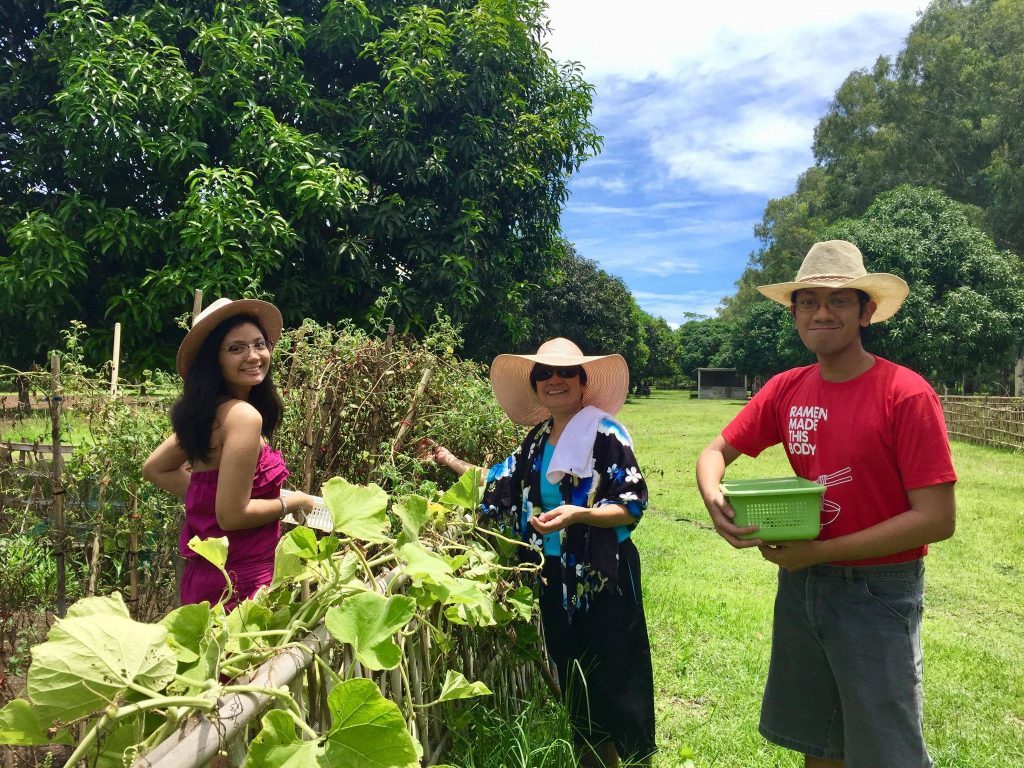
Artana Farm & Eco-Sanctuary is one such place. Located in Iba, Zambales, Artana is a family-owned, non-commercial agricultural estate that includes various planted crops,farm animals, a guesthouse for rent, an area dedicated to the preservation of native trees, and various farm tourism activities.

“Artana is a portmanteau of our parents’ names, Arturo and Ana Achacoso,” says Beng Achacoso-Pascua, a freelance voice talent and retired network executive who owns the farm together with her mom and seven siblings.

“All our lives, we had always referred to our farm as ‘Zambales,’” she says. In 2014, after our father passed on, my seven siblings and I came together to vote on an appropriate name for our farm-which we all acknowledged as the retreat we all loved, and our parents’ legacy.”

READ THE FULL STORY AT: https://mb.com.ph/2020/09/06/family-farm-is-also-a-tree-sanctuary-and-a-home-for-rescued-taal-horses/

How urban design can transform lonely cities into social societies

Stuff.co.nz – Yet another vibrant mural has sprouted in San Bernardino, this time with a community garden Loma Linda University and Huerta del Valle hope will foster wholeness around town.

Loma Linda University, meanwhile, provided an acre of land, water and financial support for the community garden, called El Jardín de la Salud.

Leaders hope the space promotes respect, unity, responsibility and justice.

Huerta del Valle, an Inland Valley group dedicated to encouraging community members to grow their own organic crops, hosts workshops, educational programming, urban farming and plots for personal gardening.

READ THE FULL ARTICLE:  https://www.stuff.co.nz/national/122579037/how-urban-design-can-transform-lonely-cities-into-social-societies