
Edible Landscapes Are Un-Lawning America

Lawns are ubiquitous in the United States and according to a 2015 NASA study, they take up three times as much space as the next largest irrigated crop, corn. These familiar patches of green require 9 billion gallons of water per day, around 90 million pounds of fertilizers and 75 million pounds of pesticides per year. Plus, the lawnmowers that maintain them largely use gas and emit pollutants. All for a crop we can’t eat.

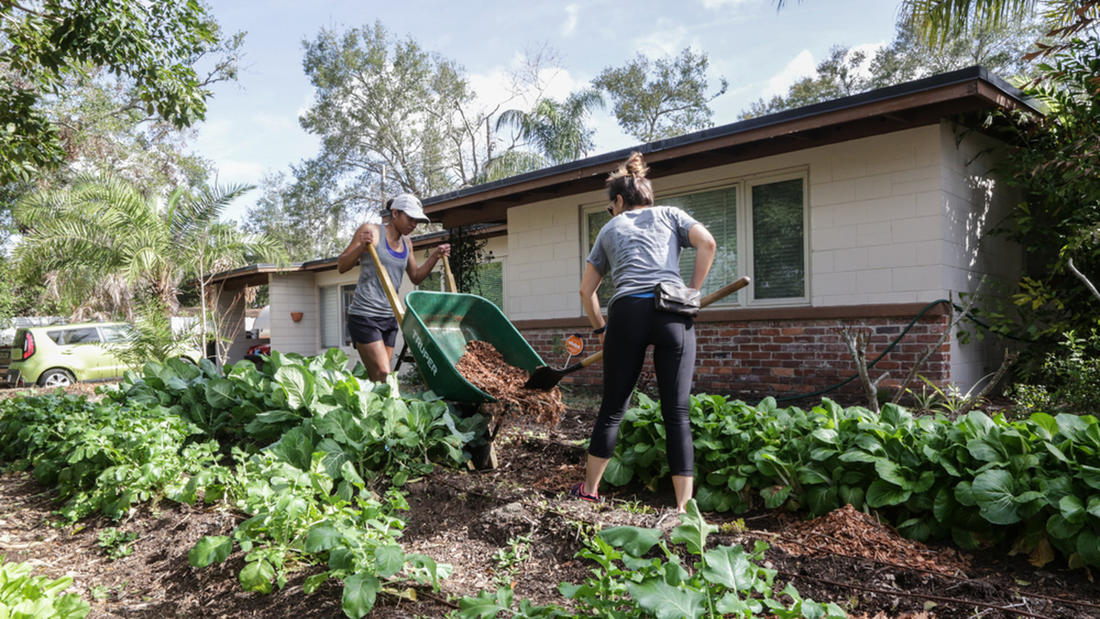
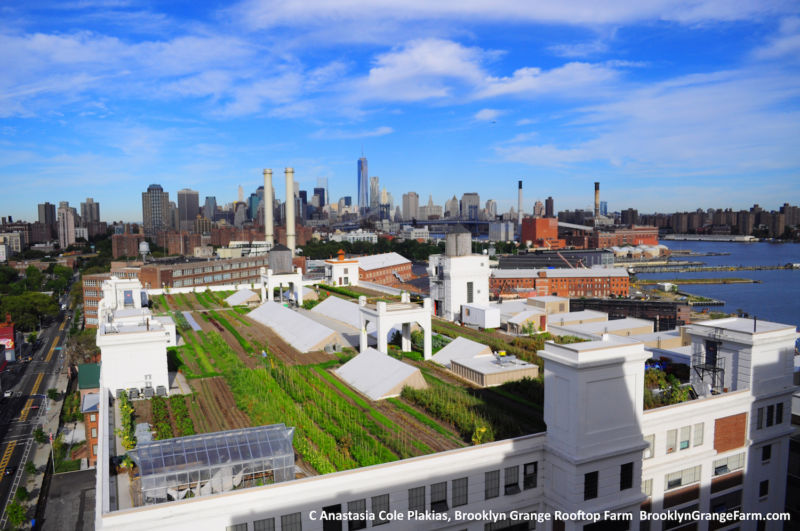
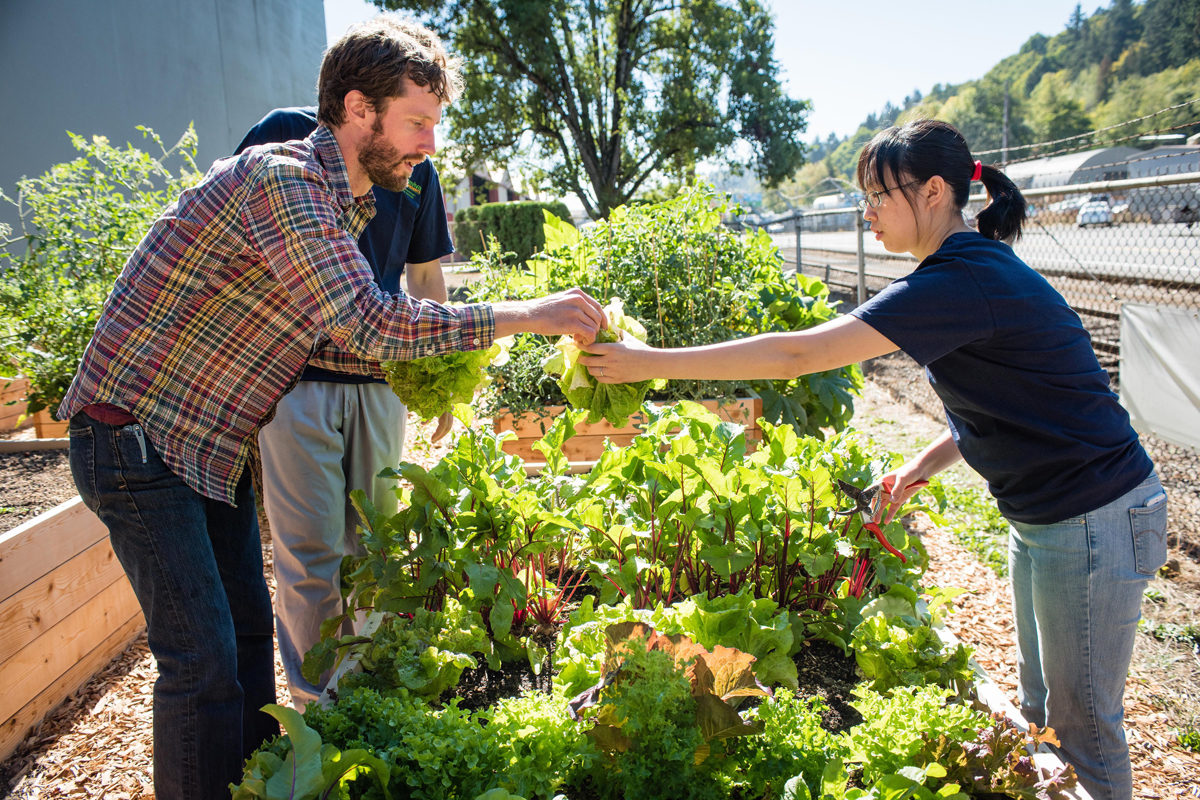
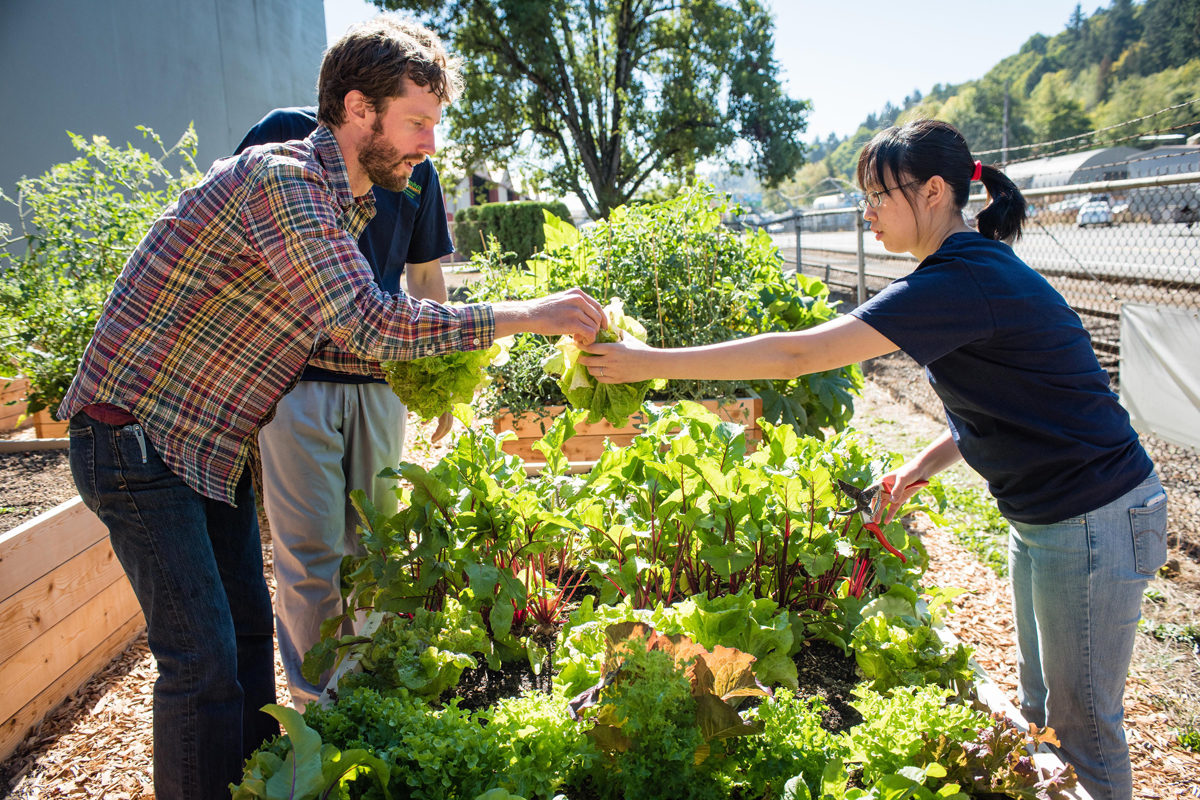
A growing group of people and businesses are trying to change that. For over a decade, “unlawning,” or the act of turning sterile lawns into fertile, edible landscapes, has been gaining popularity in the United States. These edible yards aren’t just backyard garden plots with a few squash and tomato plants, rather they are landscapes that incorporate edible native plants, like paw paw trees or bush cherries, along with fruit trees, pollinator habitats, medicinal herbs and water features.

One well-known proponent of edible landscapes is Fritz Haeg, an artist who in 2005 began a years-long project called “Edible Estates,” during which time he traveled the country and turned ordinary yards into edible masterpieces. In the years since Haeg’s project, there has been a steady growth in awareness of edible landscapes in the U.S.

READ THE REST OF THE ARTICLE: https://civileats.com/2019/01/14/edible-landscapes-are-un-lawning-america/
Santa Fe garden created to aid shooting survivors seeking donations

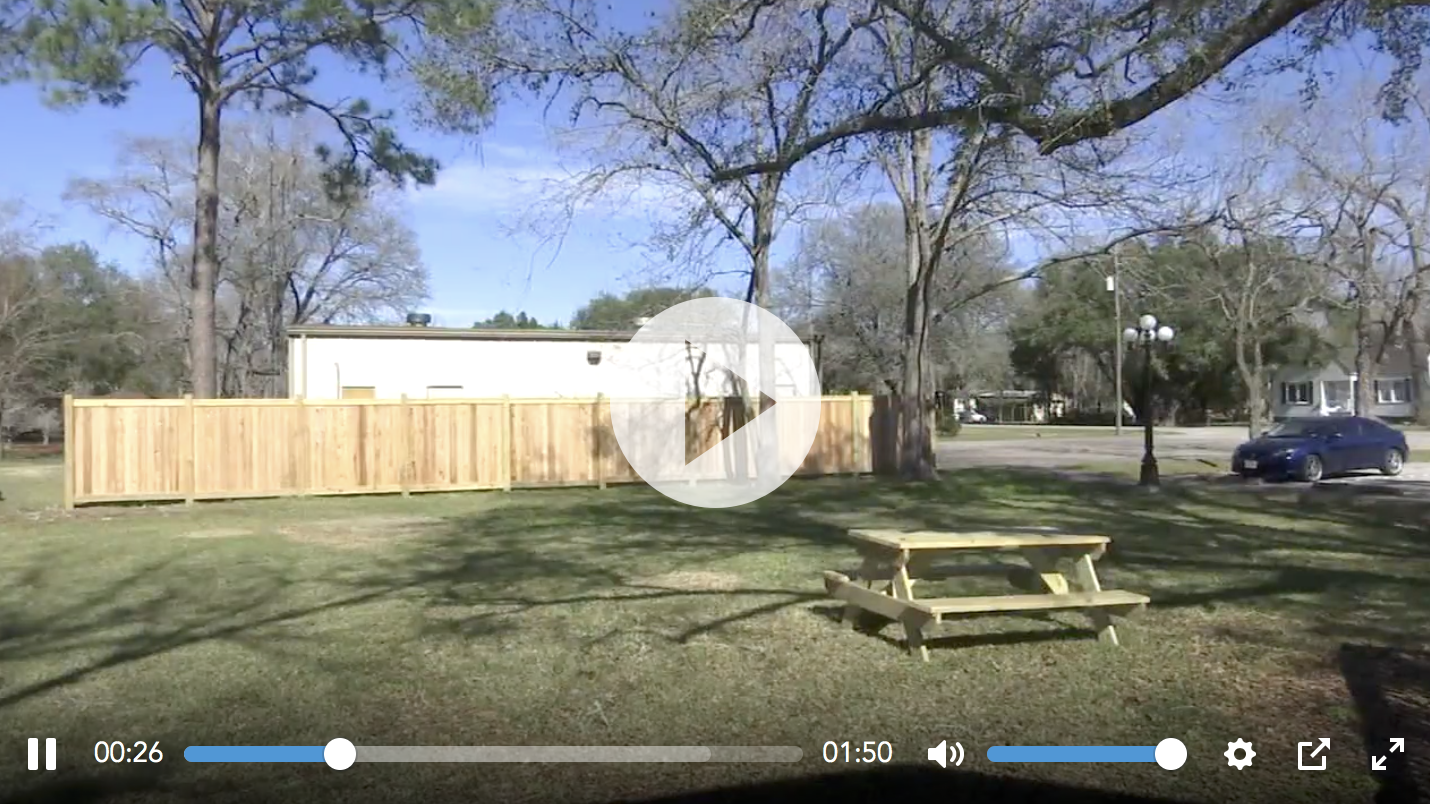
SANTA FE, Texas (KTRK) — Painted on Santa Fe City Hall, a mural serves as a reminder of the May 18 attack, but directly behind the building, there’s a place that could one day help survivors cope with the trauma.

Mandy Jordan leads the nonprofit Keep Santa Fe Beautiful. Jordan’s working to turn the greenspace behind City Hall into a therapeutic garden, and as the mother of a Santa Fe student, she knows how useful it could be to the entire community.

“During the holidays I wanted to lock myself away and that’s not good,” said Jordan. “Getting outside, feeling the sunshine, being around others, and having that group therapy is actually very beneficial to our emotional health.”

READ THE STORY: https://abc13.com/therapeutic-santa-fe-garden-seeking-donations/5063589/

Women who farm: The changing face of Indiana ag

INDIANAPOLIS — There is a burgeoning group of generationally and ethnically diverse women growing food in central Indiana.

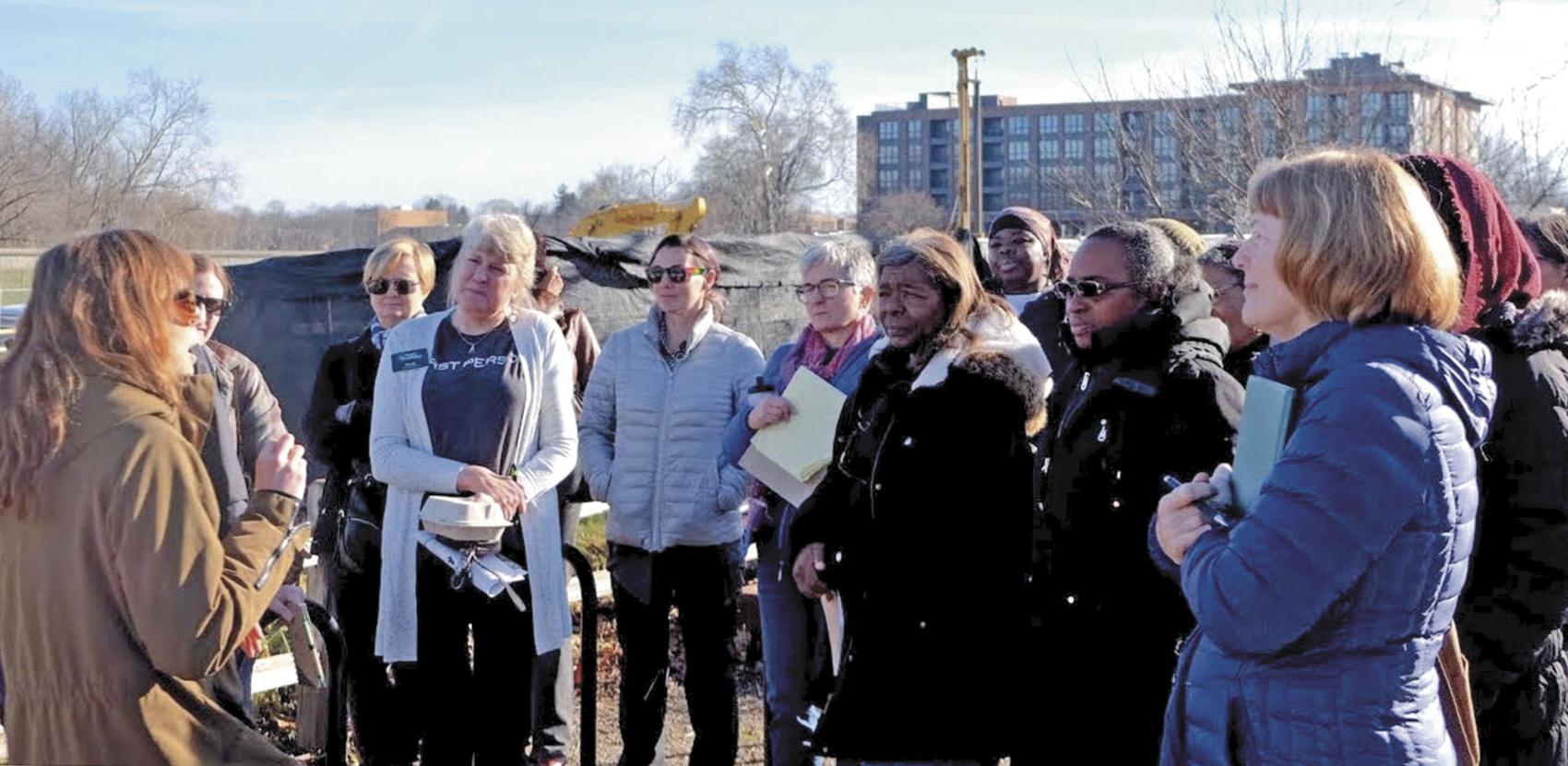
The face of agriculture is changing, and there is great momentum behind the trend of more women involved in agricultural enterprises, said Eliana Blaine, soil health outreach coordinator at Marion County Soil and Water Conservation District.

“Women run and work with a wide range of organizations that grow food as part of their mission and activities,” Blaine said. “These include market farms, community gardens, youth education and non-profit organizations, and school and university gardens.

READ THE STORY: http://www.agrinews-pubs.com/news/women-who-farm-the-changing-face-of-indiana-ag/article_1c58637d-d052-5e55-8916-0aa936fd4ea0.html

Bottle Tower Gardens Provide Exceptionally Efficient Small Space Growing

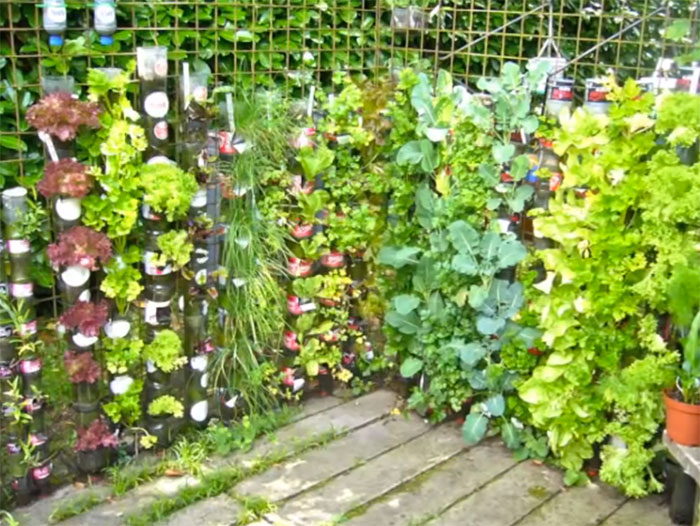
Dr. Willem Van Cotthem experimented with this vertical gardening system using recycled plastic bottles stacked and attached to a fence.  He began with the 2011 growing season and continued through 2012 with great success.  This type of garden is cheap to start and is extremely effective for those who do not have a lot of growing space.  A system like this could be built along a fence, wall, or on a balcony.

READ THE ORIGINAL STORY at “OffGridWorld.com”

Florida Senate bill that could usher more beds of beets revives home rule debate

More mushrooms?

A proposed bill in the Florida Senate could usher in more beds of beets at homes statewide by barring local governments from regulating vegetable gardens.

It would create a Catch-22 for cities such as Orlando, where city officials bristle at preemptive moves from Tallahassee and are looking to expand urban agriculture.

City officials said this week they plan to oppose the legislation (SB 82) because it flies in the face of home rule, which allows local governments to chart their own course. Orlando may argue for the city’s existing ordinance to be grandfathered into the proposed bill.

“We believe these decisions are best made locally,” assistant city attorney Kyle Shepherd said.

State Sen. Rob Bradley, R-Orange Park, first introduced the bill in January in reaction to a dispute in the Village of Miami Shores. A couple dug up a 17-year-old vegetable garden to avoid $50-per-day fines by the village, which passed an ordinance banning front-yard vegetable gardens.

The 3rd District Court of Appeal upheld the ordinance was constitutional after an appellate court ruled in favor of the Village.

READ THE STORY: https://www.orlandosentinel.com/news/orange/os-ne-vegetable-garden-bill-20181224-story.html

Beehive safety in parks debated

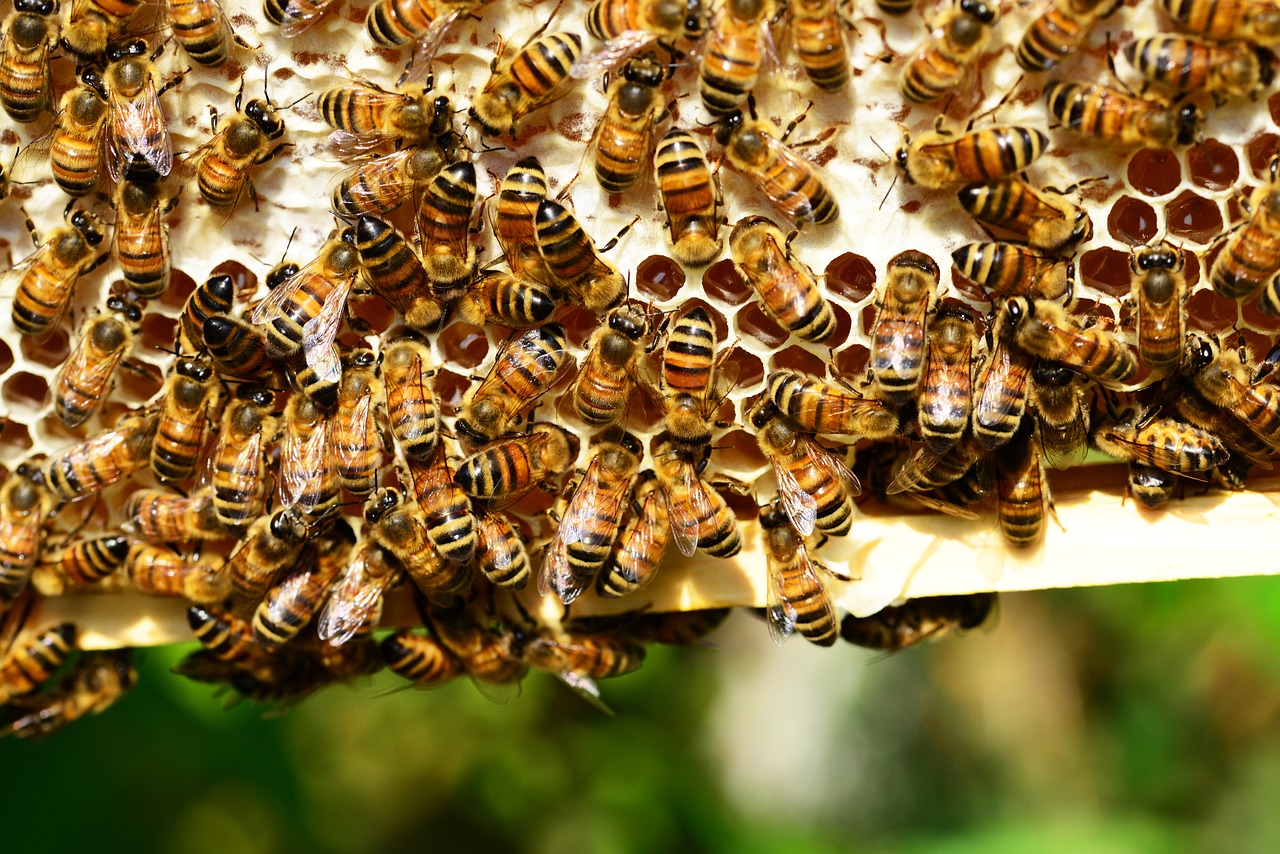
Before they might open up selected Eau Claire parks to beekeepers, City Council members want more details as they grapple with how that could affect residents who are allergic to the insects’ stings.

The council discussed potential changes Monday night to its ordinance that allows beekeeping, which are expected to come back for a vote later this month after undergoing some revision.

“Overall I like the direction this is going,” Councilman Jeremy Gragert said.

The changes would ease requirements for people seeking a license to have beehives in their backyards for personal use, while also allowing beekeeping in parts of six city-owned public spaces.

READ THE STORY: https://www.leadertelegram.com/news/front-page/beehive-safety-in-parks-debated/article_66d8c6c2-c91e-5d8f-8e18-a1914cbf4d8c.html

Make the most of ‘living green’ in Seattle

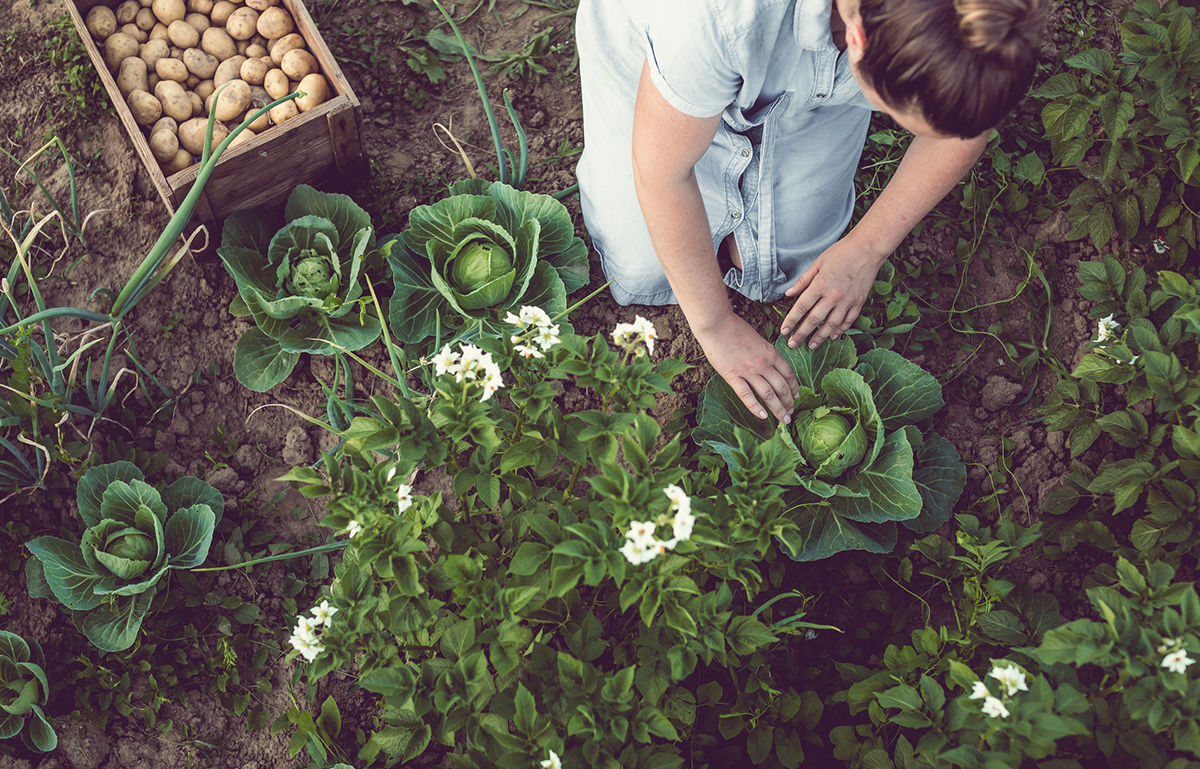
Young Woman Working in a Home Grown Vegetable Garden

Whether you’re a newcomer to the city or a born-and-bred Seattleite, it’s no surprise that the Emerald City has a reputation for being green in more ways than one. In July, Seattle became the first city in the nation to ban the use of plastic straws at cafés and restaurants. In 2015, composting became not just a nice alternative to trash and recycling, but mandatory within city limits.

“Living a greener lifestyle is almost second nature for Seattleites, whether that’s recycling, composting, riding a bike to work or carpooling,” says Randy Bodkin, assistant manager in Amica Insurance’s Seattle office.

If you’re looking to get into the Seattle groove and start living a more eco-friendly lifestyle, there are many ways you can get in on the action. “We suggest checking with local ‘green’ energy efficient affiliates, your power company, or your waste management company for safe and easy ways to live greener,” Bodkin says.

One quick and easy change to make? Sign up for paperless billing from your insurance company and other utilities. Many companies will even offer a discount for going paperless. “Insurance companies, for one, generally send many policy documents. When our customers go paperless, this helps in reducing their carbon footprint,” Bodkin says.

READ THE FULL ARTICLE: https://www.seattletimes.com/sponsored/make-the-most-of-living-green-in-seattle/

Opportunities abound for New York agriculture

SARATOGA SPRINGS, N.Y. — Saratoga County is a microcosm of New York’s diverse $5 billion agriculture industry, which ranks nationally as a leader for goods such as yogurt, cheese and sour cream (first); apples and maple syrup (second); and milk production (third).

Many more opportunities such as farm-to-school initiatives, urban gardening and enhanced marketing of products ranging from hemp to concord grapes are also on the horizon in 2019.

The state’s 35,000 farms encompass more than seven million acres and are responsible for nearly 200,000 jobs.

“There are a lot of positive trends,” state Agriculture Commissioner Richard Ball said. “We need to exploit these opportunities.”

But there are challenges as well, such as bringing state leaders, who make crucial budget decisions, up to speed on high-priority issues confronting farmers today.

Democrats now control the upper house of the Legislature so Sen. Jen Metzger, of Ulster County, has replaced Sen. Patty Ritchie, of St. Lawrence County, as chair of that body’s agriculture committee. In the Assembly, Donna Lupardo of Broome County, succeeds fellow Democrat Bill Magee, of Oneida County, as committee chair.

READ THE STORY: https://www.saratogian.com/news/local-news/opportunities-abound-for-new-york-agriculture/article_67f21f3c-1126-11e9-a03a-9b19258f0fbb.html

Farm Bill would benefit Detroit’s urban agriculture

Detroit — Democratic U.S. Sen. Debbie Stabenow on Monday championed reforms to encourage urban agriculture in the 2018 Farm Bill.

Stabenow, a ranking member of the U.S. Senate Committee on Agriculture, Nutrition, and Forestry, urged President Donald Trump to sign the bipartisan legislation that would widen a safety net for farmers, encourage conservation efforts and protect food assistance programs.

Both chambers of Congress passed the bill by wide margins last week after the 2014 Farm Bill expired Sept. 30.

“I see through the lens of Michigan, and Michigan really is on every page,” Stabenow said during a press conference at Eastern Market. “I’m proud we were able to get this done in the midst of all of what has been happening in Congress…This is something that will be a wonderful Christmas present for many, many, many people.”

READ THE FULL STORY https://www.detroitnews.com/story/news/politics/michigan/2018/12/17/stabenow-farm-bill-michigan-urban-agriculture/2332256002/

Uber CEO and Alphabet Invest in Urban Farming Startup

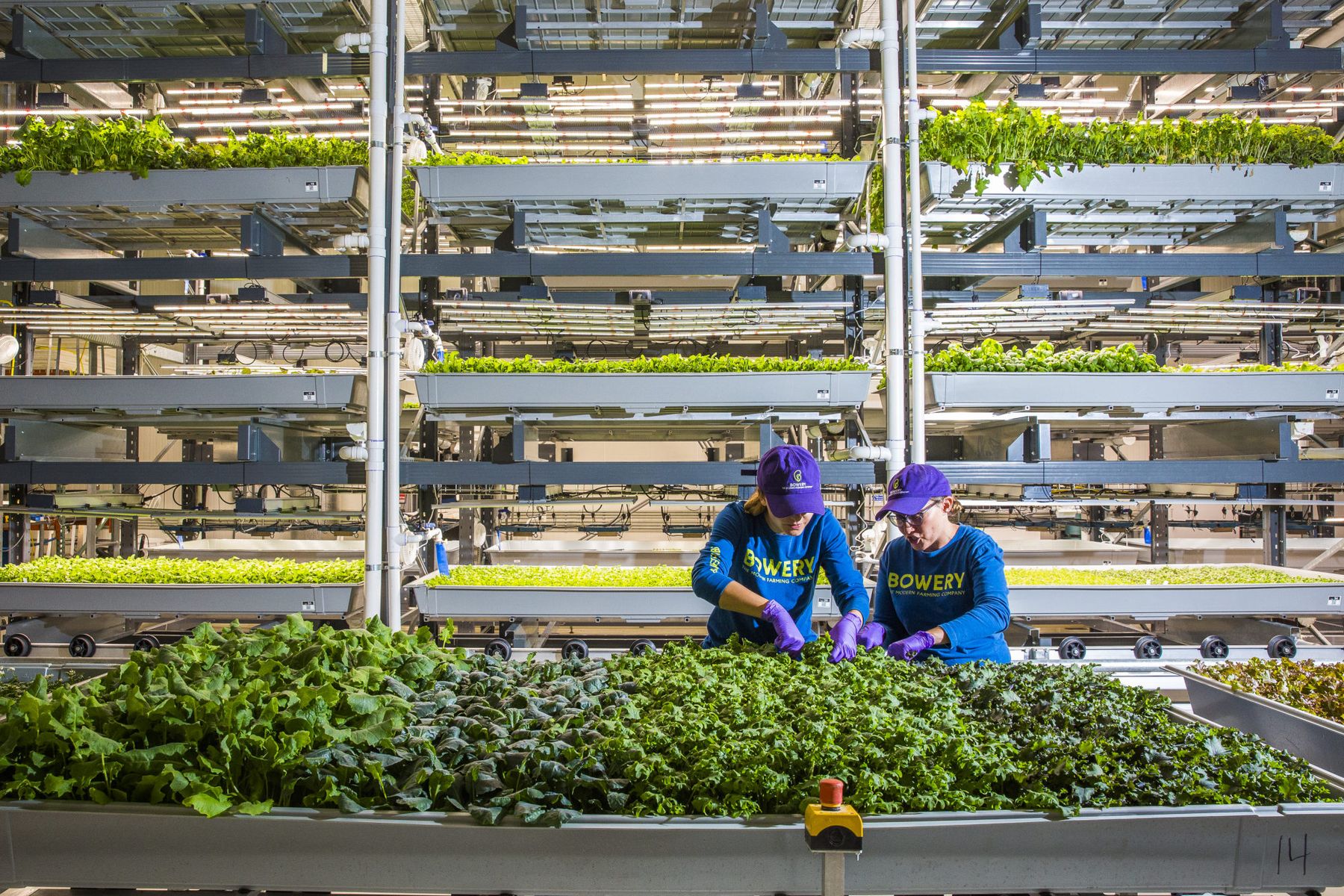
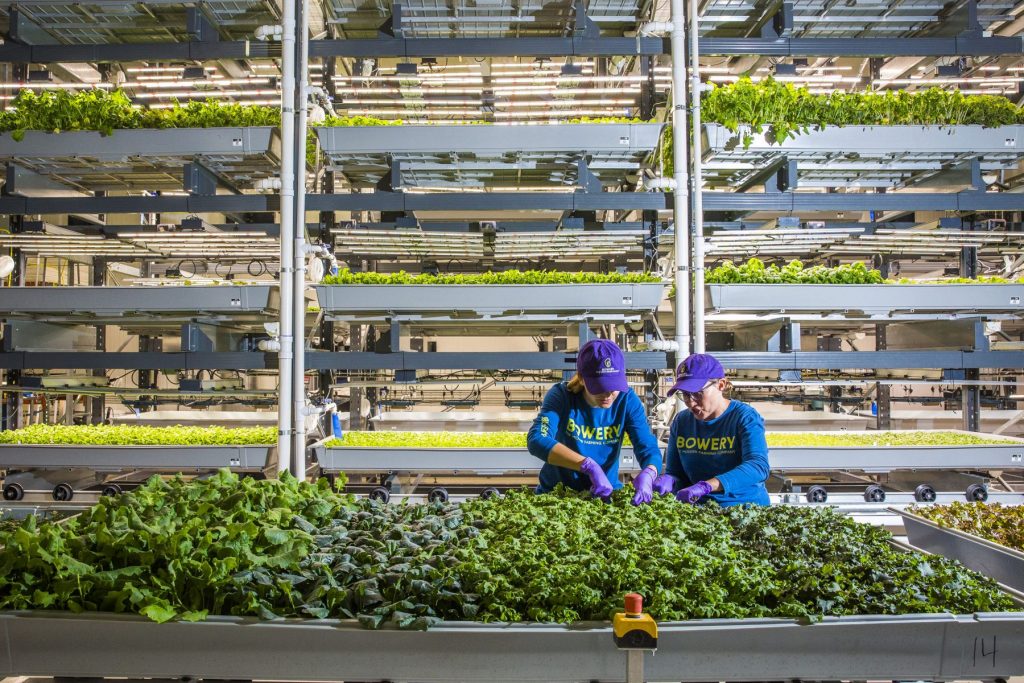
Bowery Farming Inc., a two-year-old startup that uses robotics to cultivate crops indoors, is on track for more growth. The New York-based company plans to announce on Wednesday that it raised $90 million from investors including Alphabet Inc.’s GV and Uber Chief Executive Officer Dara Khosrowshahi, said Bowery’s co-founder and CEO, Irving Fain. The company declined to provide its valuation.

Bowery is part of a new crop of agriculture technology startups growing leafy greens in controlled environments near cities. Last year, Plenty, a San Francisco-based vertical farming company, raised $200 million from the Japanese conglomerate SoftBank Group Corp.’s Vision Fund. Bowery grows its veggies in layers of sensor-rich trays that move and react to humidity, carbon dioxide and light. One square foot of Bowery’s indoor farm is 100 times more productive than an equivalent plot of arable land, Bowery says. Plenty makes similar claims.

READ THE FULL ARTICLE: https://www.bloomberg.com/news/articles/2018-12-12/uber-ceo-and-alphabet-invest-in-urban-farming-startup


Urban farms could be incredibly efficient—but aren’t yet

The green revolution that transformed modern agriculture has generally increased its scale. There’s tremendous potential for efficiencies in the large-scale application of mechanization, fertilization, and pesticide use. But operating at that level requires large tracts of land, which means sources of food have grown increasingly distant from the people in urban centers who will ultimately eat most of it.

In some ways, hyper-local food is a counterculture movement, focused on growing herbs and vegetables in the same dense urban environments where they will be eaten. It trades the huge efficiencies of modern agriculture for large savings in transportation and storage costs. But is urban farming environmentally friendly?

According to researchers at Australia’s University of New England, the answer is pretty complex. Within their somewhat limited group of gardeners, urban agriculture is far more productive for the amount of land used but isn’t especially efficient with labor and materials use. But the materials issue could be solved, and the labor inefficiency may be a product of the fact that most urban farmers are hobbyists and are doing it for fun.

READ THE REST OF THE STORY: https://arstechnica.com/science/2018/12/urban-farms-could-be-incredibly-efficient-but-arent-yet/

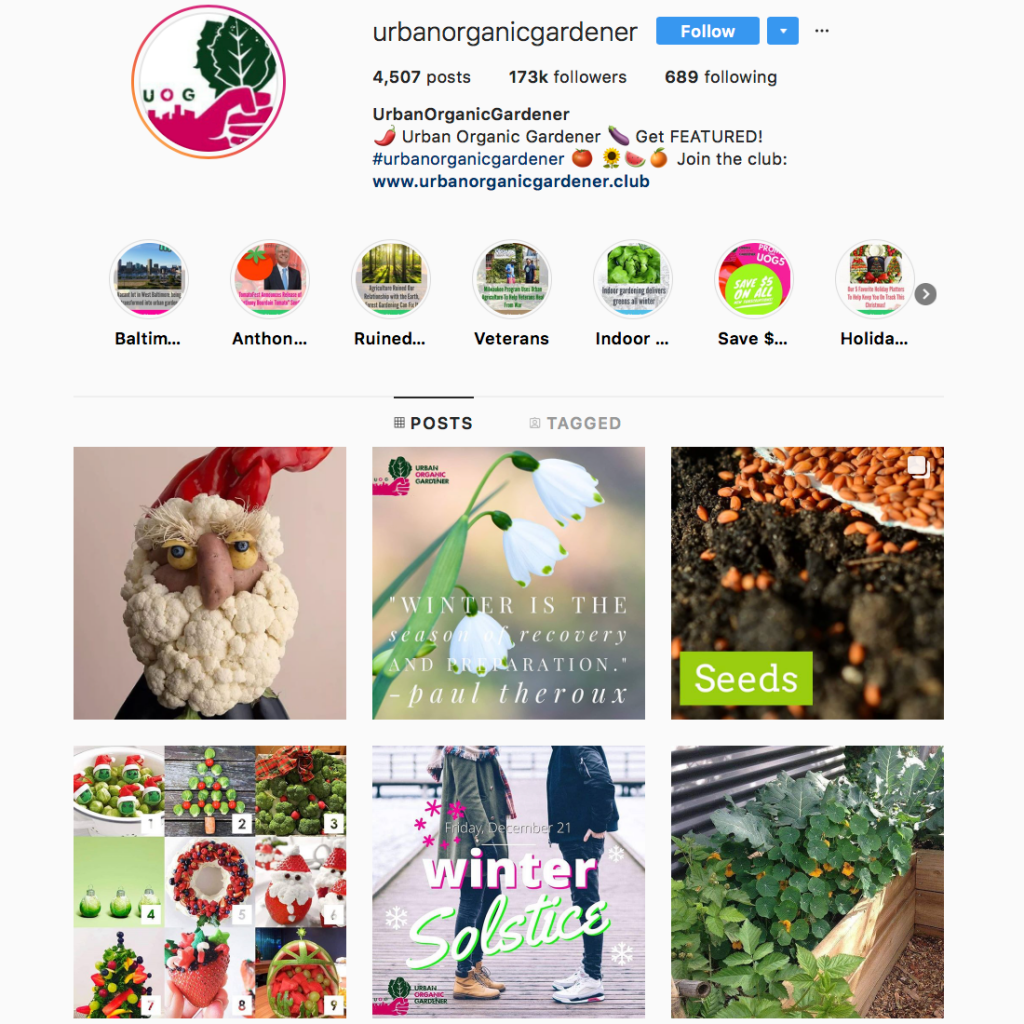
Most POPULAR Gardening Instagram Posts from 2018

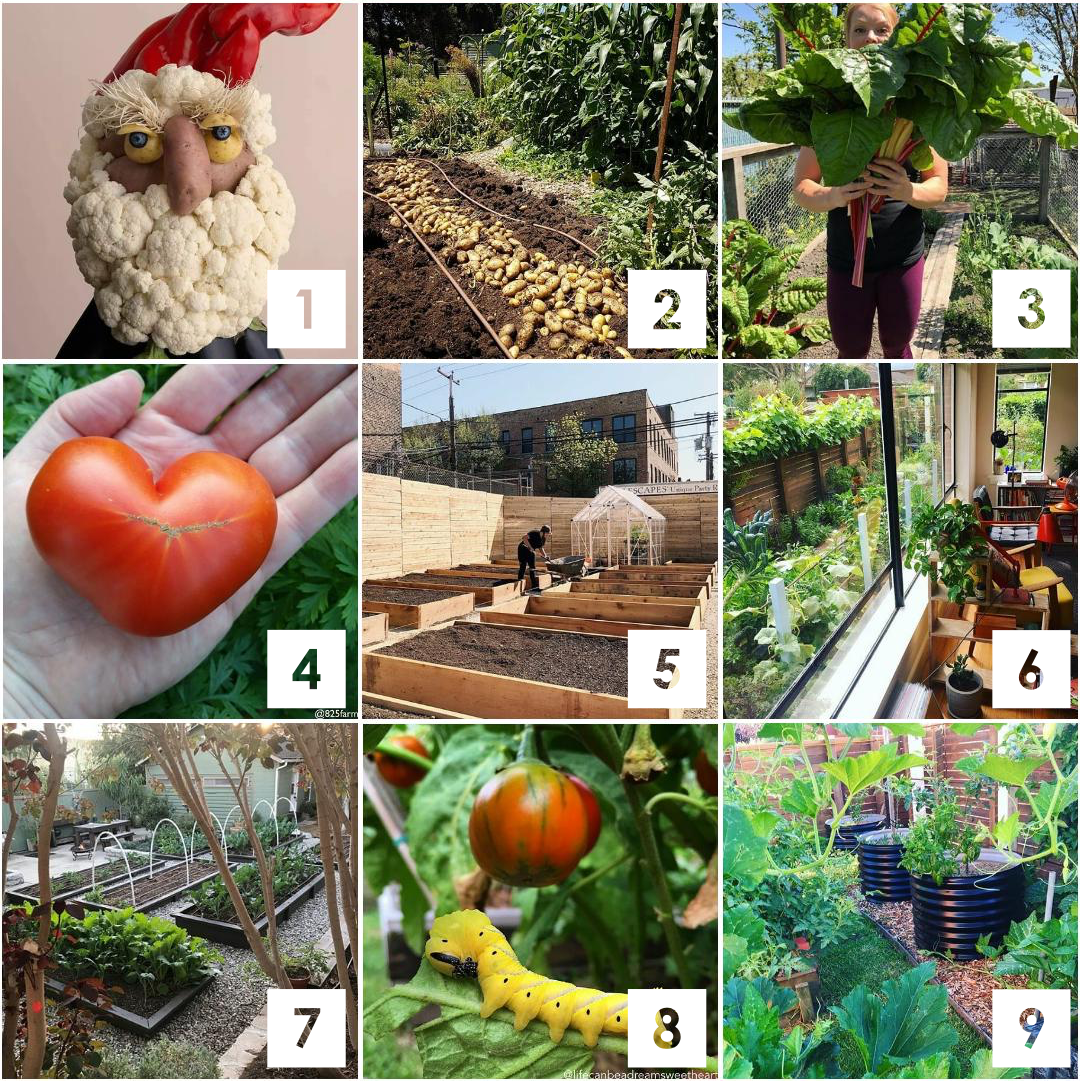
It’s been a BEAUTIFUL year! Now that it’s coming to an end let’s have some FUN and celebrate by looking back at our most POPULAR posts from 2018.

1. @urbanorganicgardener

2. @mimscuisine

3. @myactiveroots

4. @825farm

5. @bigdeliciousplanet

6. @suburban.existence

7. @almabackyardfarms

8. @lifecanbeadreamsweetheart

9. @suburban.existence

Happy 2019!

To see MORE great garden inspiration, make sure you’re following us on our Instagram Account, @urbanorganicgardener

Vacant lot in West Baltimore being transformed into urban garden

“An urban garden that will yield colorful plants to make dye for artists and educators is being planned for a vacant lot in West Baltimore.

The half-acre garden will be located in the Rosemont community as part of a nearly 6-acre parcel in the 800 block of Ashburton Street. The property is owned by Coppin State University and will be a part of a pilot urban farming project by the nonprofit Parks and People Foundation and a group of partners.

The program aims to produce a rainbow of vegetables and flora for natural dyes from Black-eyed Susans, marigolds, onions, indigo and beets with assistance and support from the Coppin Heights community.

“It will be transformative for the surrounding community in such a creative way,” said Lisa Millspaugh Schroeder, CEO of Parks and People.”

READ THE FULL ARTICLE: BIZJOURNALS.COM

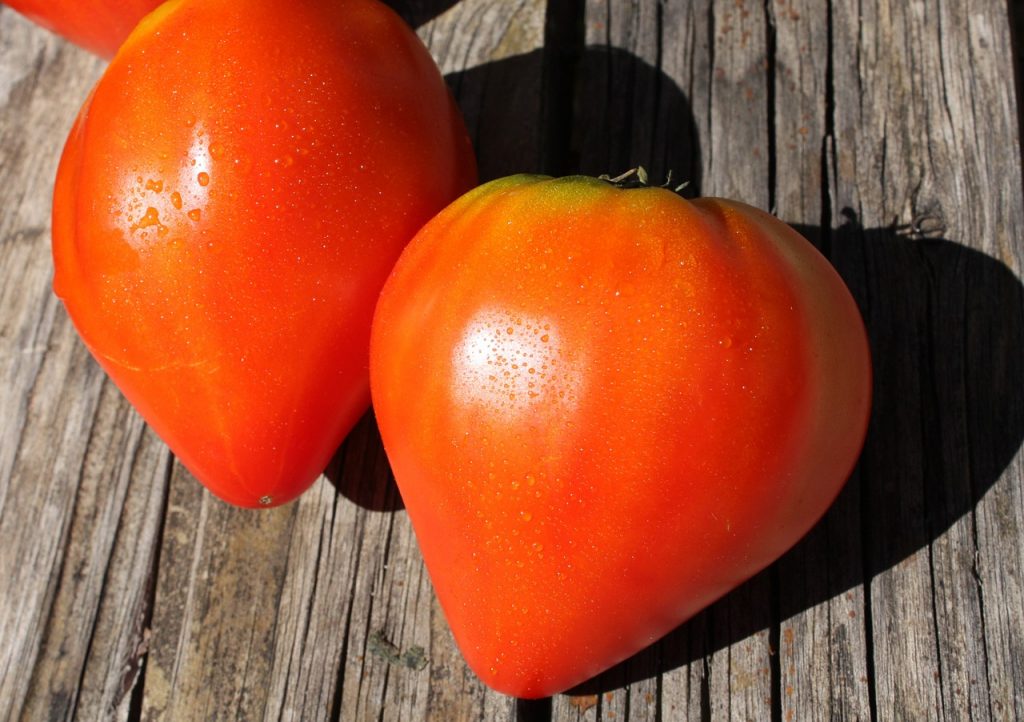
TomatoFest Announces Release of “Anthony Bourdain Tomato” Seeds

TomatoFest announces the release of “Anthony Bourdain Tomato” seeds.

Anthony Bourdain was an American celebrity chef, author, and television personality who explored the cuisines, culture, joys and essentials of human existence around the world. He was an icon to me, and many others, who love food and cooking as a most enjoyable way of gathering people together to celebrate our humanity.

“We wanted to pay tribute to Anthony Bourdain’s life by honoring his legacy with naming a tomato after him, a tomato heretofore unknown, that we have identified as particularly outstanding for its excellent flavors and beautiful, heart-shaped appearance, the ‘Anthony Bourdain Tomato’.

“We found it suitable that ‘the world’s most popular fruit’, a tomato, would carry Tony’s name and story through future generations in a way that would enrich the lives of many.”

READ THE FULL STORY AT BENZINGA.COM

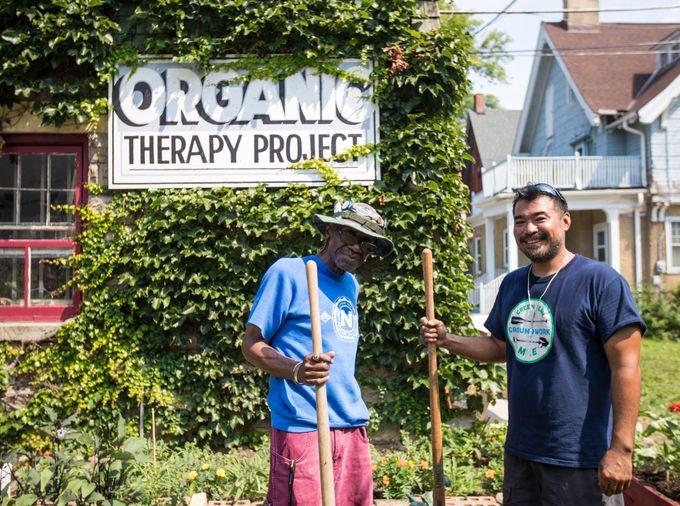
Milwaukee Program Uses Urban Agriculture To Help Veterans Heal From War

As far back as World War I, nature and farming have been used to help returning veterans heal invisible wounds from war.

Brian Sales, a disabled combat veteran who served nearly a decade in the U.S. Army Infantry, knows firsthand the power of connecting with nature after seeing war.

When he returned to civilian life after two tours in Iraq and one in Kosovo, he struggled to find purpose in his life.

“I went from the most important mission in the United States to facing jobs that I felt had no meaning,” he said. “The military turned me from a civilian into a soldier, but on returning I wasn’t turned from a soldier back to civilian, and that was pretty overwhelming.”

Sales floated between jobs and moved across the country looking for motivation, he said.

“I found myself going from organized, planned, team dynamics to unstructured chaos with very little transitional support,” Sales said. “I found myself, like so many other veterans, lacking direction and struggling with reintegration.”

READ THE FULL STORY AT: “WPR.org

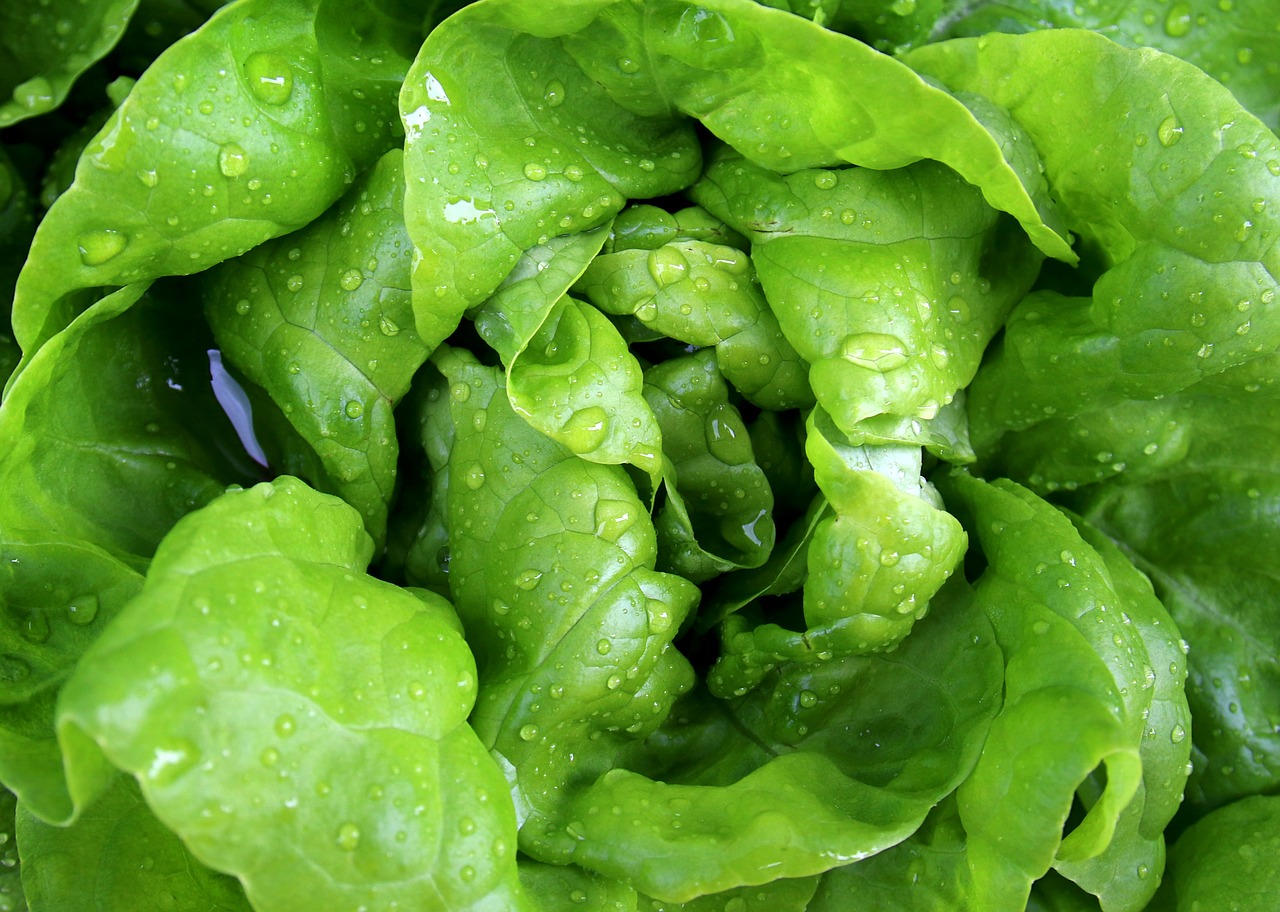
Q & A: Indoor gardening delivers greens all winter

Q: Now that winter has come, I miss my garden and eating what I grow. Can you give me some tips for things I could try growing inside during the winter? – Beth from Newburgh

A: It is tough when that frost-bite chill of winter nips at your green thumb and forces you inside, I know. And while I have some houseplants growing and they are nice to look at, and occasionally water, they don’t quite scratch the itch of gardening like growing food for the kitchen.

I do what I can to extend my outdoor growing season as long as possible, building small plastic tunnels over my beds of greens and lettuces and using row-cover fabric to protect my plants from killing frosts for as long as possible. And I’m able to continue my harvest well into November most years. But when the snow starts falling, I find it difficult to continue growing outdoors. So, a few years ago, I did some research to learn more about growing some food inside through the winter.

My dream is to one day build a small greenhouse or conservatory off the back of my home. I imagine opening the door to this light-filled space and feeling the warm, moist air float out into my arid, winter-parched home. Wandering in to pick fresh food for the kitchen every day of the week, while watching the cold winter winds blow snowdrifts outside.

Someday I’ll make this dream come true, but for now, I have to make do without. Fortunately, I do have some fluorescent grow lamps that I use to start my seedlings for spring planting, which does deliver faster results than a sunny windowsill alone. But you can be quite successful growing salad greens without a greenhouse or grow lamps and add to your winter diet.

READ THE FULL ARTICLE AT: “RecordOnline.com

How gardening can heal the land — and you

Maybe you think of your garden as a place to escape from work or other stresses. Or perhaps you see it as a special place where you can feel close to nature. But have you ever thought of it as a sanctuary? As a sacred space?

If you haven’t taken this leap of faith but are intrigued by the idea, then take the time to read “Creating Sanctuary: Sacred Garden Spaces, Plant-based Medicine, Daily Practices to Achieve Happiness and Well-Being”by Jessi Bloom (Timber Press, November 2018). The book serves as a guide to rejuvenating bodies, minds and spirits not in some faraway tropical resort but through plants and practices in your own backyard.

Bloom would know how to do this. An award-winning ecological landscape designer, professional horticulturalist, ISA-certified arborist and owner of NW Ecological Services in Woodinville, Washington, she wrote the book not just from a professional background but from personal experiences as well.

READ THE FULL STORY AT: “MNN.com

How to Bring Lush Greenhouse Vibes to Your Home During the Colder Months

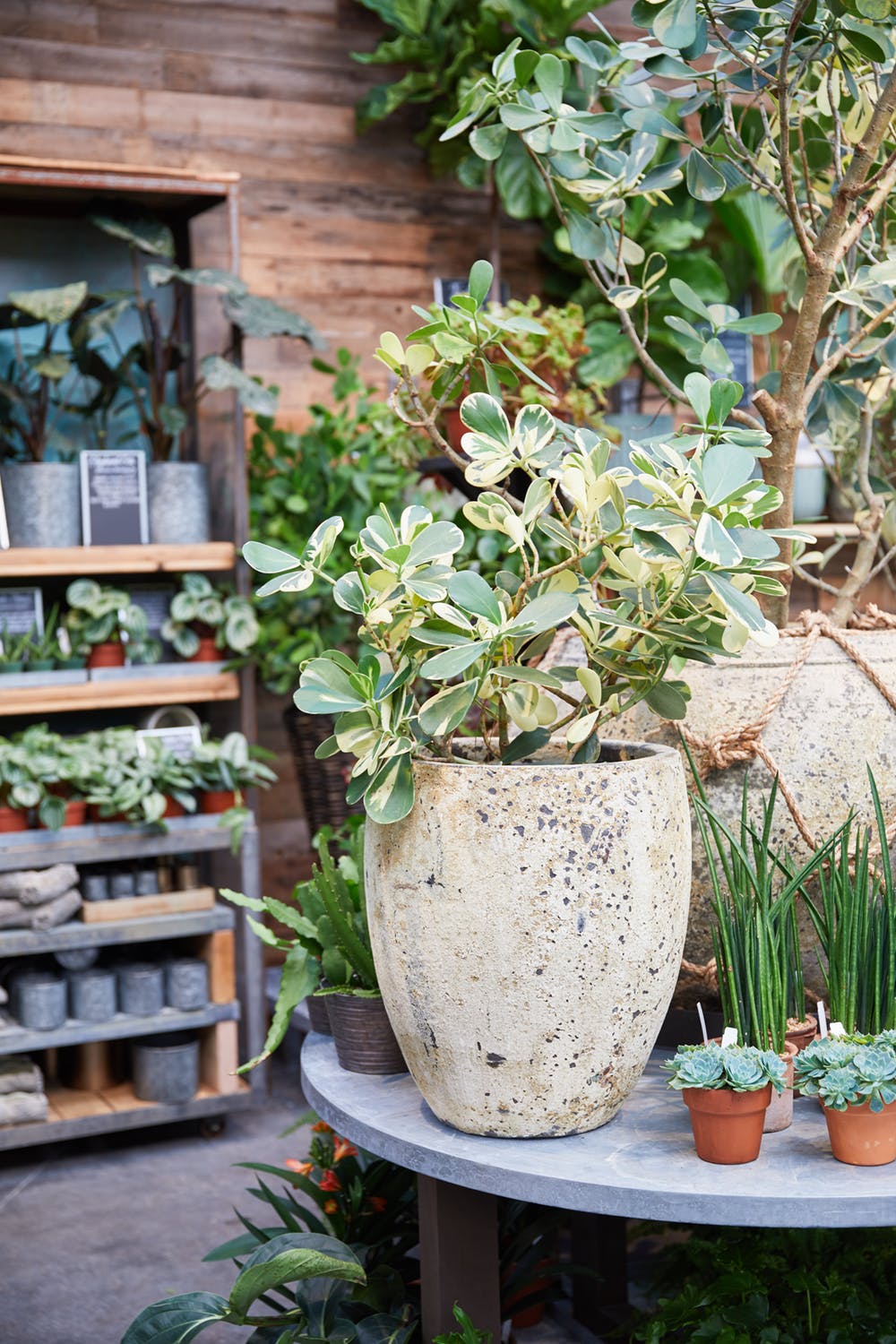
1. Pick hardy plants. Of course, if you don’t have a green thumb to start with, winter can pose a whole other challenge. Use this season to focus on naturally hardy and already well-established plants, rather than deciding now’s the time to try your hand at a new specialty. “Sansevieria is a standby as a truly solid, highly tolerant plant,” Lowrie tells Brit + Co. “[At Terrain], we are liking the narrow shape and natural form of Fernwood Sansevieria, or Sansevieria Moonshine, for its brighter, frosty green foliage.”

2. Stick to your routine. If tending to plants is part of your self-care, be sure to keep this habit going strong, especially since moods can plummet during the winter. “Beyond the air-purifying benefits and the way that plants brighten up and bring life to interior spaces, for us it’s about maintaining the connection to nature throughout the year and the ritual of tending them, especially in the colder months,” Lowrie says. Engaging in pruning and tending rituals can be a fulfilling part of your day and can boost your mood when you’re not getting as much interaction with the outdoors.

3. Make a mister your best friend. If your favorite plants are struggling as temperatures drop, remember that it’s not the heat, it’s the humidity. “Many ferns and other lush plants will thrive in low-light situations, but humidity is often the biggest challenge for otherwise tolerant houseplants,” says Lowrie. “To remedy, we scatter misters throughout the house, and I make habit of misting while on the phone or chatting with my partner.” A simple spritz here and there might be the difference between lush greenhouse vibes and saying goodbye to your favorite plant pal.

READ THE FULL ARTICLE AT: ” Brit.co

High-tech urban greenhouse takes local farming to a new level in Denver

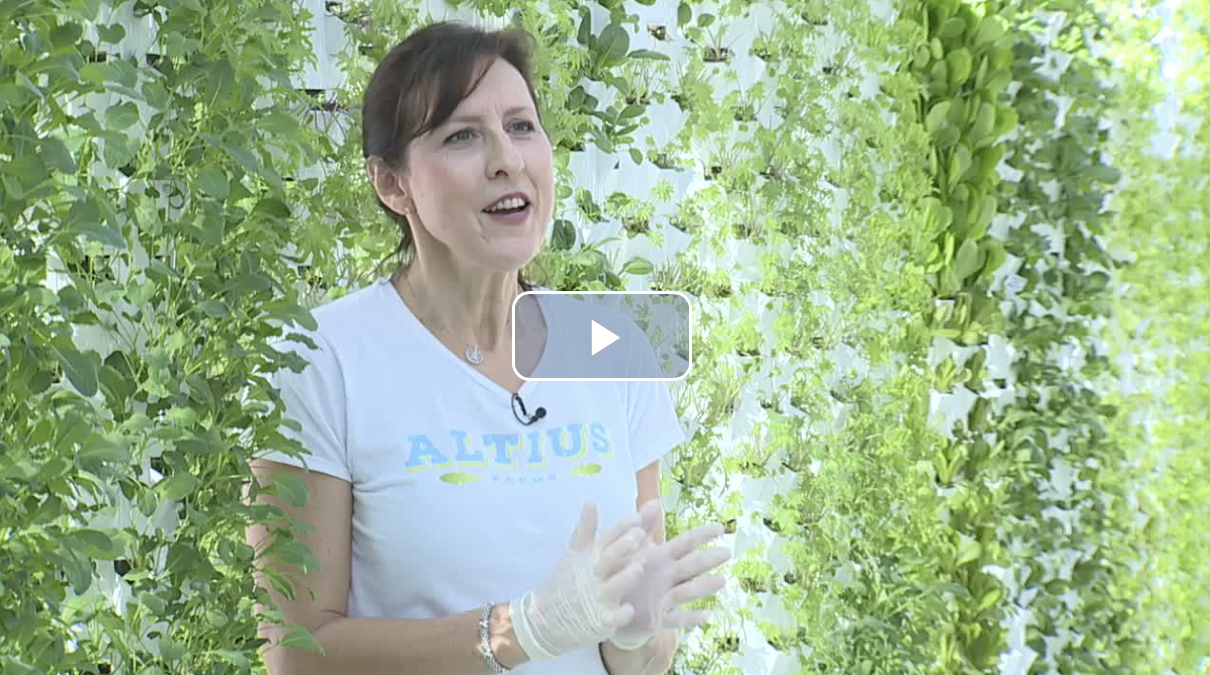
DENVER — People walking or driving by Altius Farms have picked up their phone to call and ask about the greenhouse at 25th and Lawrence. The glass-enclosed structure houses an urban farm that is using advanced technology to change the way we think about growing food.

“This is our mission, is to bring urban farming back into our communities,” said Altius Farms Founder and CEO Sally Herbert.

The farm is already supplying about 20 local restaurants and Marczyk’s Fine Foods with fresh produce. Herbert hopes to introduce a community-supported agriculture (CSA) program where people will be able to buy directly from the farm.

“People can know their farmer. These restaurateurs and their customers will understand where their food is coming from every day,” said Herbert.

READ THE FULL STORY AT: “TheDenverChannel.com

Community Garden on 40-Acres Gives Health To The People Who Run It

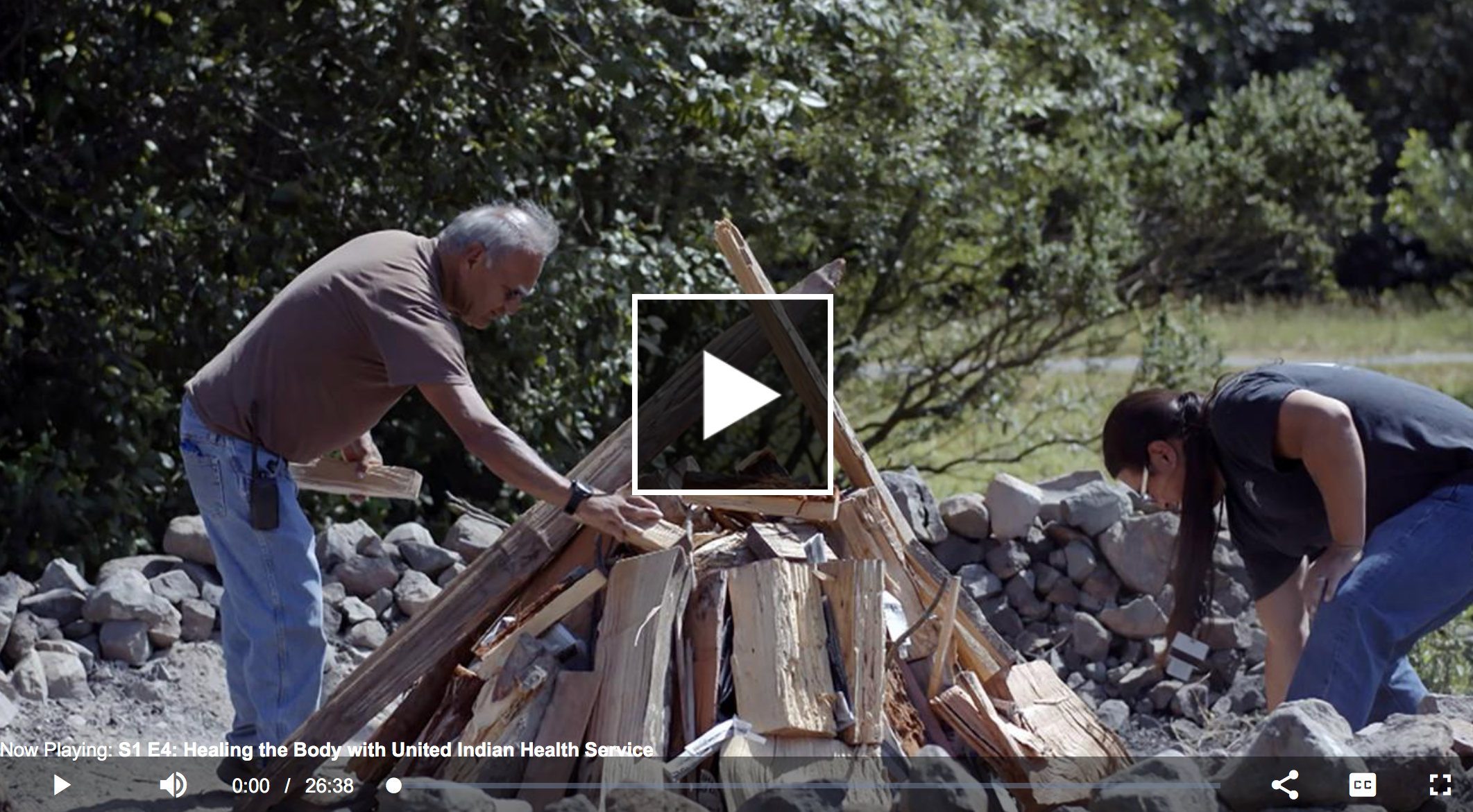
UIHS, an organization founded by a group of women in 1970, expanded from a small building in Weitchpec, CA to the 40-acre Village it manages today. When the board of directors purchased the land, which had been converted to cattle pasturage, they agreed with the city of Arcata to use 20 acres for the health village and restore 20 acres of land to its natural state. “The land itself called out and told us what needed to be done,” says Alme Allen, Karuk/Yurok, who works on land management at UIHS.

This aligned with the mission of the health agency, which serves the health and wellness needs of some 12,000 Native people in Northwestern California. “We could create what Native people wanted,” says Larsen. “With the agreement, we are able to eradicate the non-native plants and plant native plants in this area.”

The land now known as Ku’wah-dah-wilth Restoration Area includes plants used in basketry, one of the most important cultural activities of tribes in the region, as well as other culturally important plants. Ku’wah-dah-wilth is the Wiyot term for “comes back to life.” Endemic grasses, trees and bushes soon replaced the invasive species, and paths were created so people could wander the restored lands and refresh themselves — and, during gathering season, replenish weavers’ basket making an inventory.

In addition to plant species, Potawot also has a way of restoring people’s connection to the land. Ed Mata, Chumash, recalls his first involvement with Ku’wah-dah-wilth. “We collected and planted these trees in 1999,” says Mata, who at the time worked for California State Parks. The experience drew him back to Potawot a few years later, where he is now the head gardener. “I took classes and workshops in garden management” to master the job, he says.

WATCH THE VIDEO AT: “KCET.org