Win a FREE SEED VAULT – Tips for Saving Heirloom Garden Seeds

There is something very rewarding about saving seeds. 💪 Share them with your friends & neighbors, or give them away as small gifts. 🎁 By saving your own seeds you’ll help preserve important heirloom varieties. 

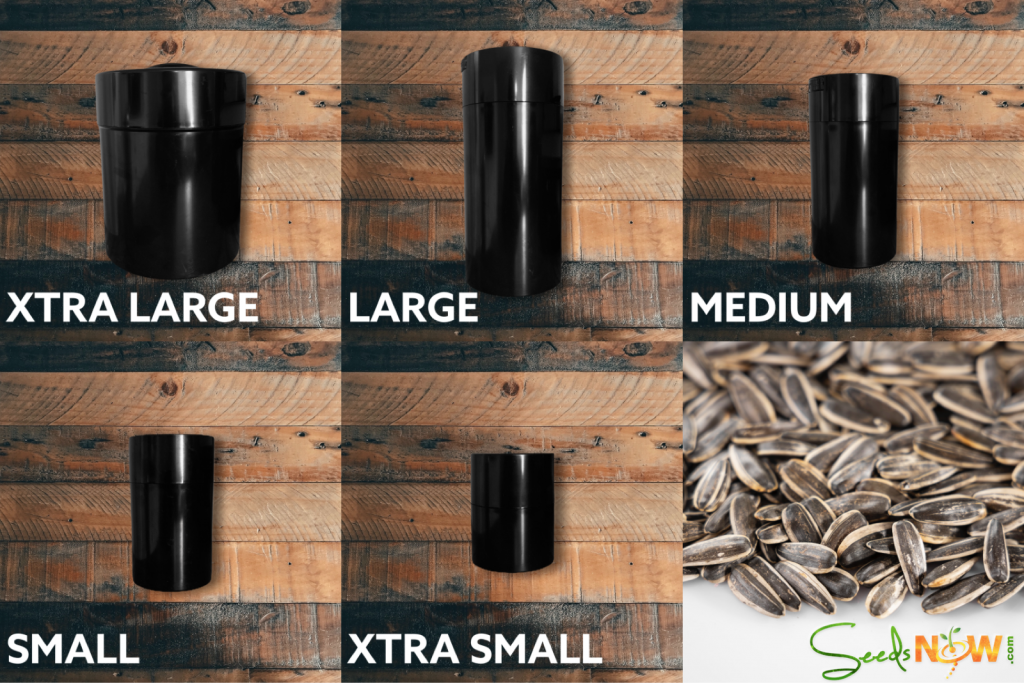
SeedsNow.com is giving away a FREE Large Seed Storage Seed Vault perfect for preserving your seeds for planting next year!

🏆 Enter to WIN a FREE Seed Vault, HERE:👇
🌟https://www.seedsnow.com/pages/win🌟


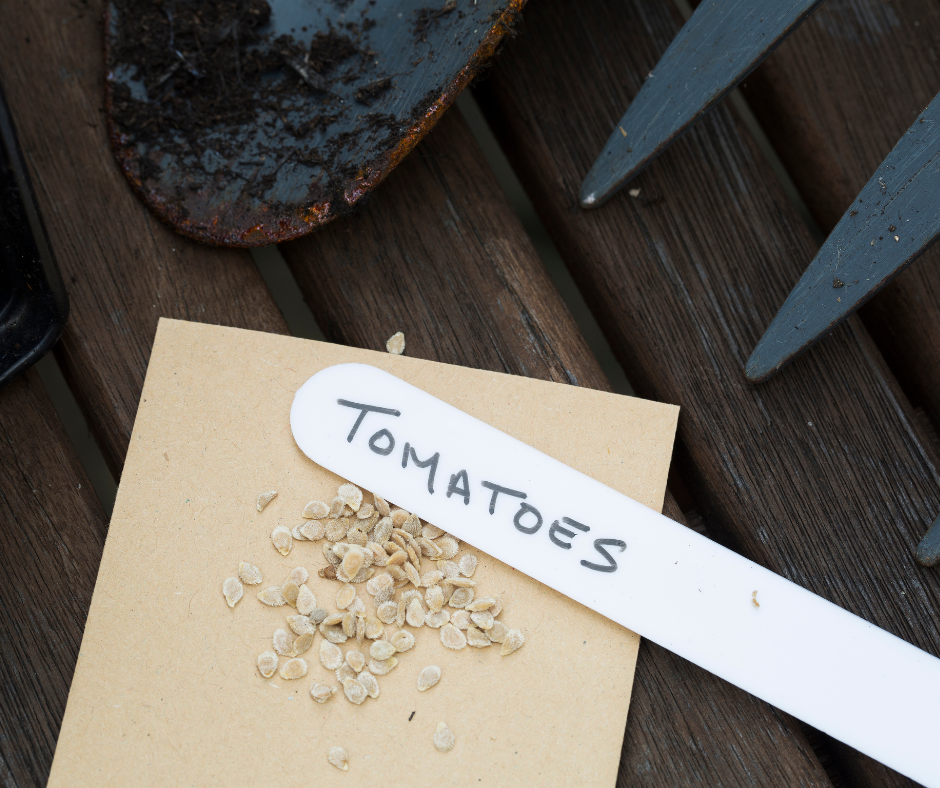
Tomato Seed Saving Tips and Tricks

Saving tomato seeds is a popular tradition amongst most gardeners. They take their most prolific plants, and favorite varieties and pay special attention to harvesting seed for the following year.

Hybrid vs. Heirloom and why it matters: Hybrid plants are a combination of two different sets of genetic material. If a hybrid tries to mate with another plant, even another plant of the same hybrid type, it may not be able to produce any fruit at all and will usually fail to show the desired characteristics of the mother plants. For example, if a large-fruited, disease-resistant tomato plant were allowed to mate with another similar plant, the offspring might have small fruits and lack disease resistance – the benefits of creating the hybrid, to begin with, would have disappeared in producing the next generation.

Heirloom varieties have been passed down from generation to generation and have stabilized over time. They will produce fruit true-to-type, like that of that plant it came from. Repeat variety and quality can be expected as long as you avoid any cross-pollination. Learn MORE About Hybrid vs. Heirloom Plants

There are several ways that you can save your heirloom tomato seeds, but here are two of the most popular techniques. 

Fermentation Method:

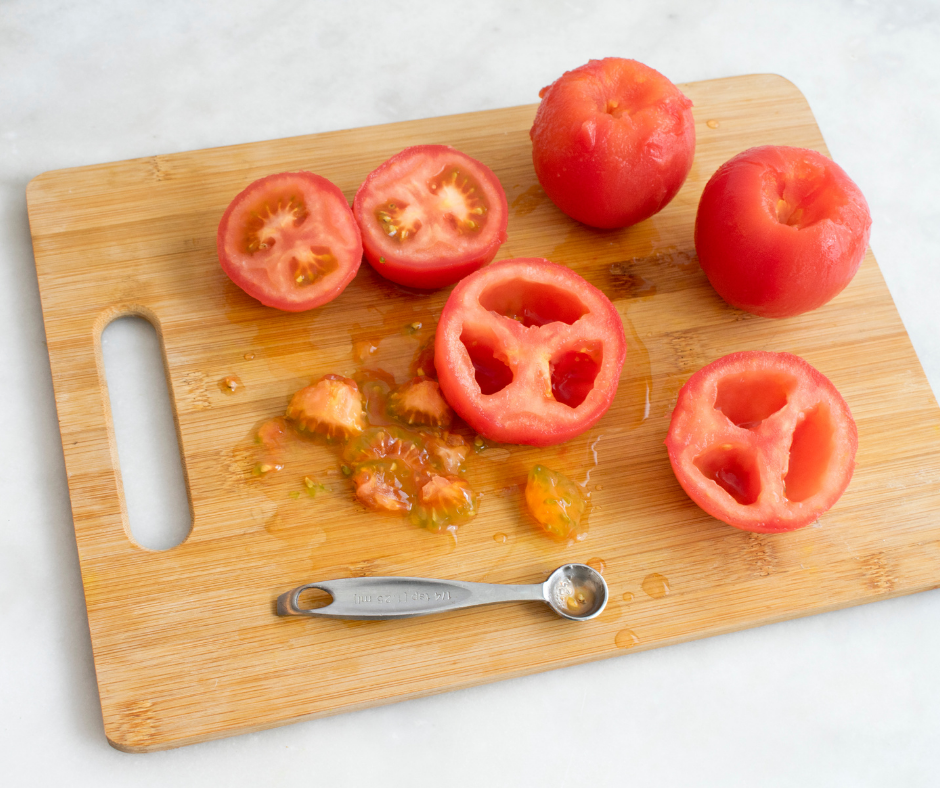
  1. Choose a beautiful, healthy fruit that is slightly over-ripe.
  2. Slice open.
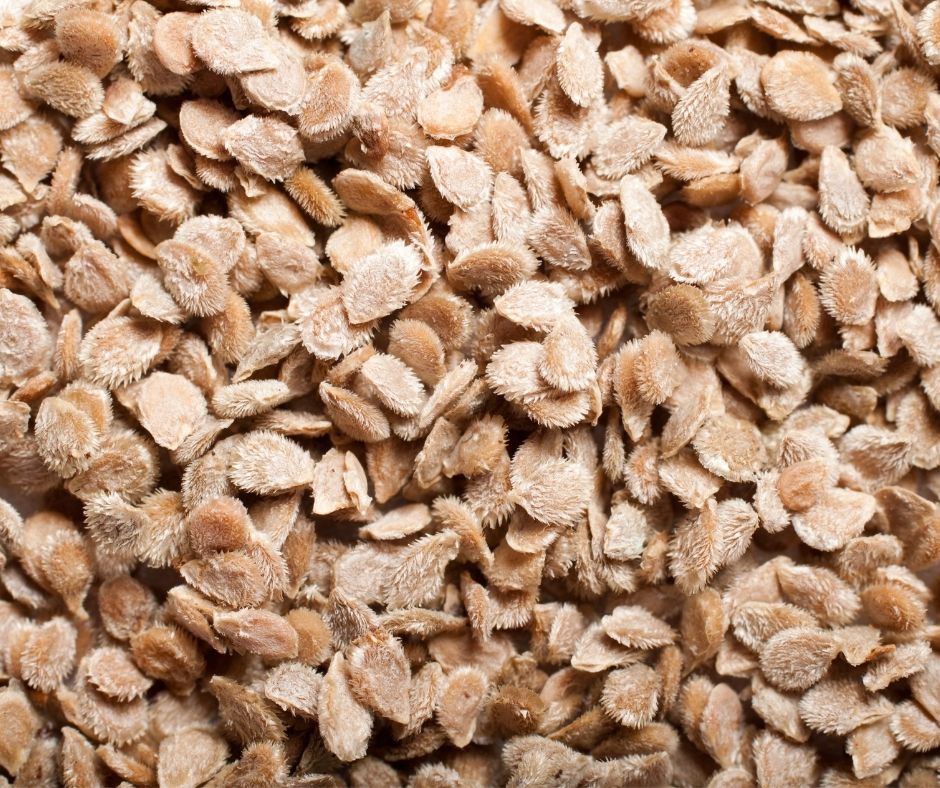
  3. Gently squeeze seeds into a cup.
  4. Add a small amount of water, just enough to cover the seeds.
  5. Cover the cup with a kitchen towel and make sure they don’t dry out. Let ferment for 3-7 days. (Mold will begin to grow, this is normal and expected.)
  6. Rinse well, and allow to fully dry on a paper towel.
  7. Store in a cool, dry place such as an airtight bag or seed vault.

Non-Fermentation Method:

  1. Choose a beautiful, healthy fruit that is slightly over-ripe.
  2. Slice open.
  3. Gently squeeze seeds onto a paper towel.
  4. Let fully dry for about 1 week.
  5. Store in a cool, dry place such as an airtight bag or seed vault.


What Seeds Should I Be Planting RIGHT NOW?

Growing food at home is one of the most rewarding things you can do for yourself and your family right now. Maybe you feel like the current growing season has passed you by, and you will need to wait until next spring to start? or maybe you want to try something new this coming fall or winter?

Regardless of why you found yourself reading this article, we’re going to point out some great tips for growing your favorite fruits, vegetables, and herbs.  We’re here to help you become successful at year-round gardening.

All vegetables need either a cool growing season, or a warm growing season to be healthy and prolific. Learning your correct grow zone/location is crucial to having a bountiful harvest. You may even want to contact your local Extension Office for exact planting dates and schedules.

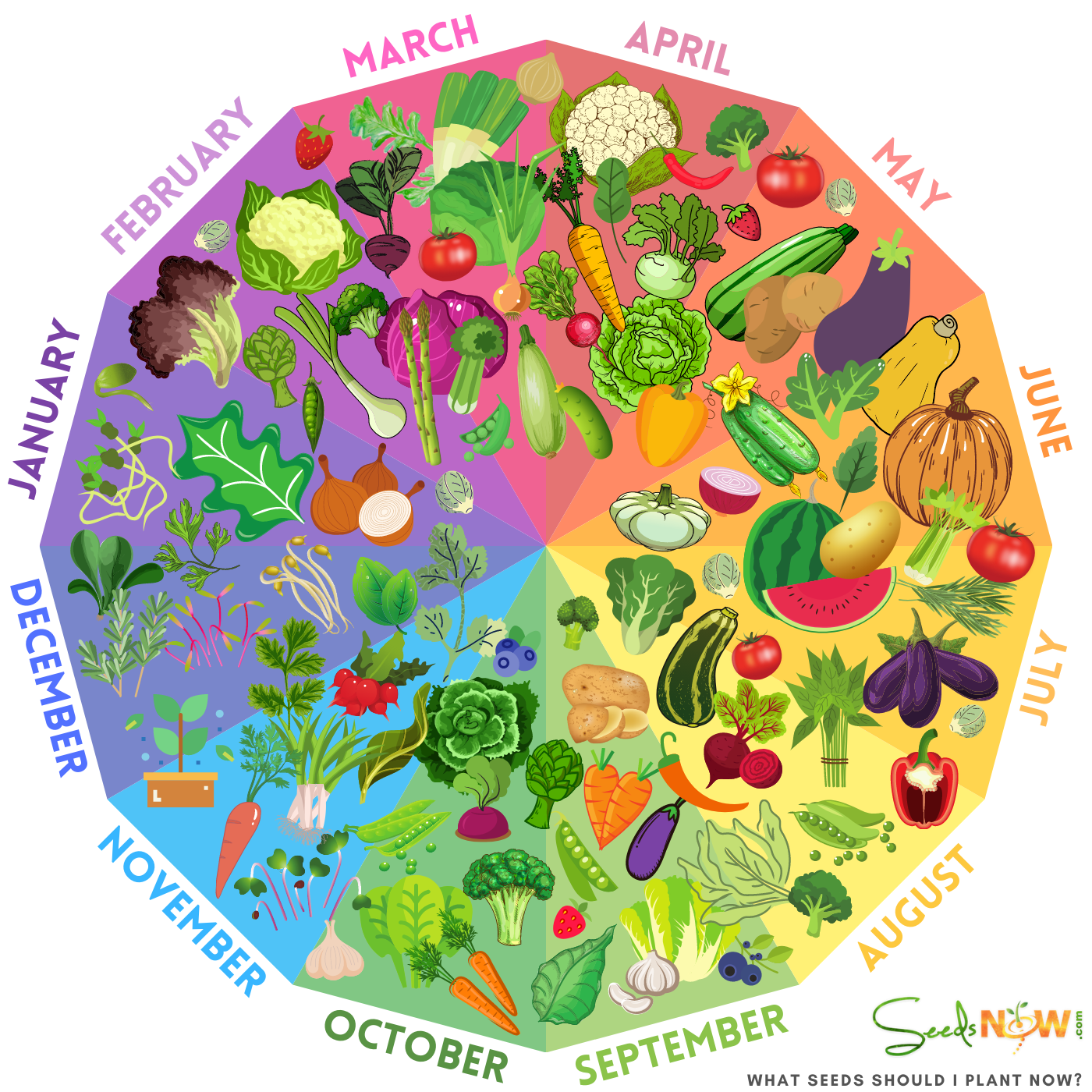
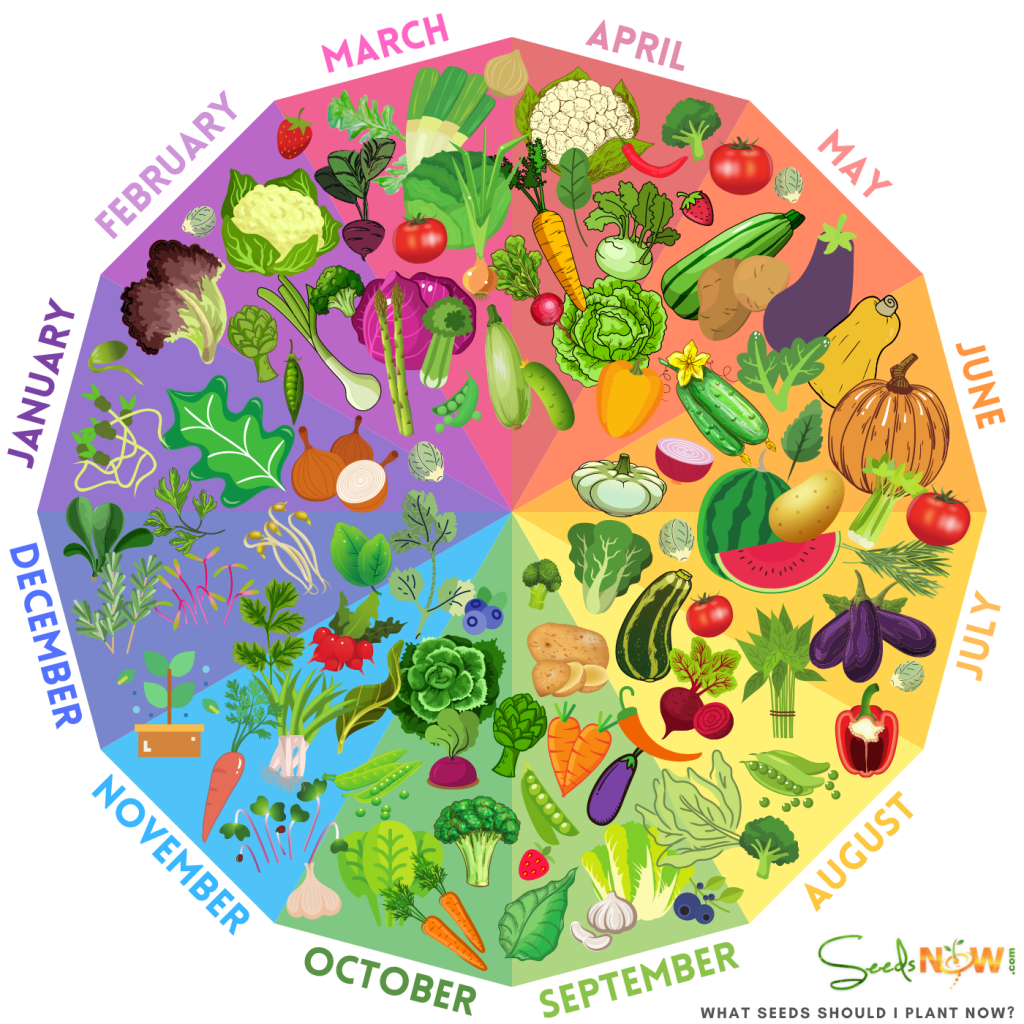
The graphic above shows you:

*These exact dates will obviously vary based on your location but this should help get you started!


SPRING  March 1st – May 31st

SHOP SEEDS FOR SPRING

WHAT TO PLANT NOW: In early spring, focus on sowing crops like: radish, carrots, turnips, peas, lettuce, spinach, kohlrabi, broccoli, cabbage, leeks, collards, onions, Brussels sprouts, asparagus, cauliflower, and herbs such as parsley, cilantro and dill.

As the season progresses, you’ll be ready to start your summer crops such as: tomatoes, peppers, eggplant, melons, cucumbers, squash, strawberries & more!

MORE THINGS TO DO: In early spring, you will want to start your seeds indoors and begin prepping your garden beds. Get a new garden hose or invest in a self-watering irrigation system. Learn how you can water more efficiently as things start to heat up and dry out. Sharpen and clean all of your garden tools to make sure they’re ready when you are.

As soon as the ground can be worked you should begin to:

  1. Amend your soil
  2. Remove any weeds
  3. Compost


SUMMER June 1st – August 31st

SHOP SEEDS FOR SUMMER

WHAT TO PLANT NOW: Continue planting your summer favorites such as tomatoes, peppers, eggplantsquash, melons, potatoes, onions, herbs, and maybe a few more root crops and leafy greens before it gets too hot for them. If you’re into fresh herbs, summer is the perfect time for growing basil, mint, lemongrass and chives.

MORE THINGS TO DO: Now is the time to get outside and “button-up” any gardening chores before the summer heat makes even the simplest jobs seem unbearable. Make sure you water your plants deep and regularly to ensure they aren’t drying up during the much longer, warmer days. As temperatures rise, so does your flexibility in terms of planting. No longer are you running the risk of an unexpected freeze damaging your newly planted seedlings, and your heat-loving crops will actually begin to thrive!

MORE TIPS AND TRICKS:

Herbs & Veggies to Plant NOW for a Summer Garden – View

Heat Loving Veggies & Herbs You Can Grow RIGHT NOW in Summer! – View

12 Plants That You Can Grow This Summer To DETER Mosquitoes – View

Have a Better Summer Garden With These 7 Tips! – View


FALL  September 1st – November 30th

SHOP SEEDS FOR FALL

WHAT TO PLANT NOW:

Most gardeners will agree, the crop they look forward to planting the most during fall is garlic! Drop your favorite soft or hardneck varieties as long as the soil remains workable (for most this falls somewhere between September/October). If you get them into the ground early enough, potatoes will do well until your first freeze arrives.

Fall is also the best time for planting blueberry bushes. Start planting your fall root vegetables such as carrots, radishes, beets, turnips and parsnips. Love salads? Your favorite greens will thrive in the cooler temperatures of fall.

September – October is prime time for sowing your favorite cover crop varieties! “A cover crop slows the velocity of runoff from rainfall and snowmelt, reducing soil loss due to sheet and rill erosion. Over time, a cover crop regimen will increase soil organic matter, leading to improvements in soil structure, stability, and increased moisture and nutrient holding capacity for plant growth.” source: nrcs.usda.gov

MORE THINGS TO DO:

As summer winds down, be sure to replenish the nutrients in your garden beds by adding fresh compost or manure. We hope you’ve collected seed from your previous harvests by allowing them to “go to seed” and then harvesting them for future growing seasons. Learn about Seed Saving tips and tricks.  Clean out any cold-frames you may have or the greenhouse in preparation for winter months ahead. Cut back any dead or dying perennials and clean/sterilize your garden tools. Take cuttings from your favorite herbs before they are destroyed by frost. Continue to enjoy them throughout fall and winter by growing an indoor container garden or grow them in the windowsill.

MORE TIPS AND TRICKS:

How to Plant a Fall Garden. Step-by-Step – View

Plant these seeds in July/August – View

Fall and Winter Gardening Made Easy – View

16 Crops To Plant NOW for Fall! – View

Our TOP 10 Favorite Fall & Winter Gardening YouTube Videos! – View

Quickest Crops to Mature for a Fall & Winter Harvest – View


WINTER  December 1st – February 28th 

SHOP SEEDS FOR WINTER

WHAT TO PLANT NOW:

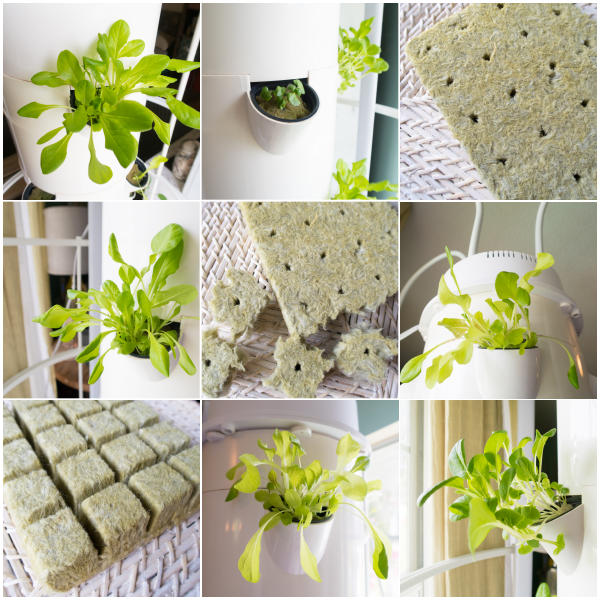
Grow sprouts & micro greens!  Most of your favorite spring and summer vegetables do well in the form of sprouts, so get your “nutrient fix” by starting a tray of them in the windowsill of a south facing window. Love to cook? Herbs can be planted in small pots or containers indoors if you supply them with enough light.

Do you still have some crops left out in the garden from fall? Some would say that beets, parsnips, carrots, Brussels sprouts, kale, turnips and rutabagas all taste sweeter after a frost!  So don’t be in such a hurry to pull these from your vegetable beds.  Let winter come, then enjoy!

MORE THINGS TO DO:

For most gardeners, winter becomes a season of rest. A lot of us enjoy taking a few months off, regrouping from the long hauls of summer and fall, but if you’re still craving fresh food from your garden, we have great news! You STILL have options!

Southern states and warmer regions can grow most of their favorite fruits, veggies and herbs all the way through winter, without hesitation.

Gardeners in the north who want to get a jump-start on the next growing season, will be able to start their favorite spring vegetables indoors and then move them outside once the threat of frost has passed.

MORE TIPS AND TRICKS:

How to Store Vegetables for Winter – View

10 Vegetables You Can Over-Winterize – View

It’s Winter!  What to do in the garden now?! – View

Most Popular Seeds to Plant Now for Fall/Winter Gardening – View
 

ENTER YOUR LOCATION —AND GET YOUR OWN PLANTING CALENDAR!


Gardening is Booming During This Pandemic – and You Can Still Start Planting in July

Time has not ran out! There’s still plenty of days left on the calendar to get your summer gardens planted. It’s all about variety and days to maturity.

“Gardening businesses have been booming during the coronavirus lockdowns, and nurseries have busily tried to keep up with the unexpected—and unprecedented—demand.

Tending plants has always been one of the world’s most popular hobbies, but no one was prepared for this surge in gardening—and nurseries are still propagating as fast as they can to keep up.

Even sales of houseplants are up, as people look for ways to brighten their days in lockdown.

“The establishment time for a plant is so much faster in the summer months, and the watering time for new plants is much shorter,” explains Avent. “If you plant in the winter, you can get by with infrequent waterings, but if you plant in summer, you need to water every day. But the tradeoff is that you only have to water for a week or so before the plant is fully established.”

Pollinators are also more active in the summer months and can be a gardener’s good friend; native bees, honeybees, butterflies, but also wasps.”

READ THE FULL STORY: https://www.goodnewsnetwork.org/gardening-is-booming-during-this-pandemic/

Tips For Becoming A Better Seed Saver

Saving your own heirloom garden seed year after year can be very rewarding! Here are just a few reasons why gardeners everywhere are saving their seeds! 

💰SAVE YOURSELF MONEY

🥗HAVE BETTER FLAVORED FOOD

❤️PRESERVE GENETIC DIVERSITY

🐝SAVE THE BEES

💪BECOME SELF-SUFFICIENT

👭SHARE WITH A NEIGHBOR/FRIEND

🌎CONNECT WITH YOUR GARDEN


Check out the 4 important TIPS below on how to get started saving your own garden seeds:


Seed Saving TIP #1:

When saving your seeds, make sure you are using open-pollinated varieties. These will produce true-to-type crops year after year!

Seed Saving TIP #2

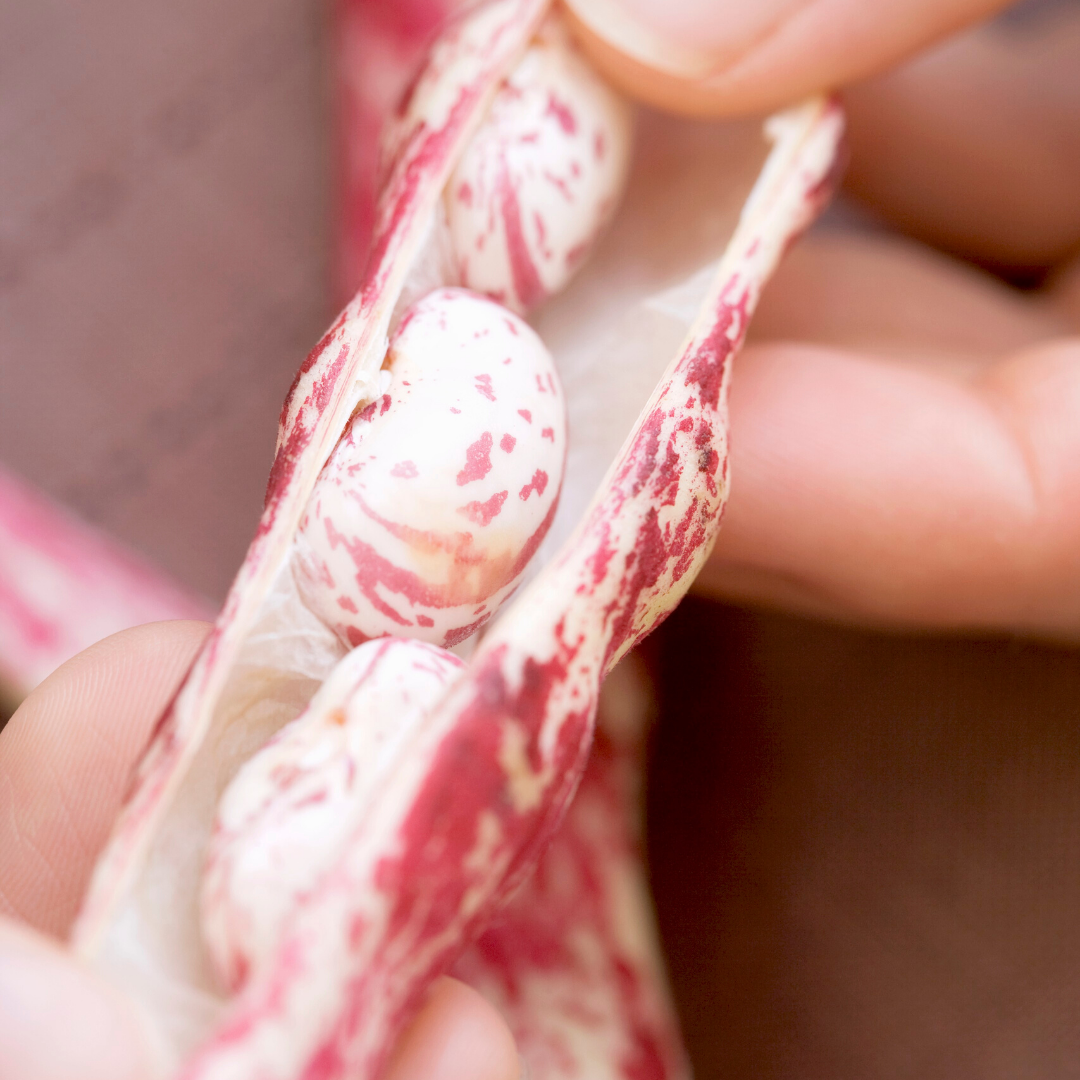
Start with EASY TO HARVEST crops such as peas, beans, lettuce, and tomatoes! Each of these are annuals and self-pollinating. Plus, you will only need a few plants to reap a decent harvest of seed.

Seed Saving TIP #3

Curious as to when it’s time to harvest? For crops with wet fruits, you’ll need to leave a few fruits on the plant to fully mature in the garden. If your harvesting from dry fruited crops such as grainslettuce, or beans… they can be removed from the plant once the seeds are dry and hard.

Seed Saving TIP #4

Always store your garden seeds in a cool, dark, and dry place. This rule of thumb makes THESE seed vaults the PERFECT solution for long term seed storage. Place your properly dried seeds into the airtight container and store it in the refrigerator or freezer for several years!

Gardening is Important, But Seed Saving is Crucial

The U.S. is in the midst of a gardening renaissance. As the coronavirus pandemic prompts big questions about the future of our food system, people everywhere are buying up seeds, pulling up lawns, building raised beds, and flocking to learn from Master Gardeners.

Most of these new and seasoned gardeners are making careful decisions about what type of plants they want to grow and how to organize the beds, but it’s also a good time to consider another, perhaps more important aspect of food sovereignty: what kind of seeds you’re planting and whether or not you’ll be able to save and share them next year.

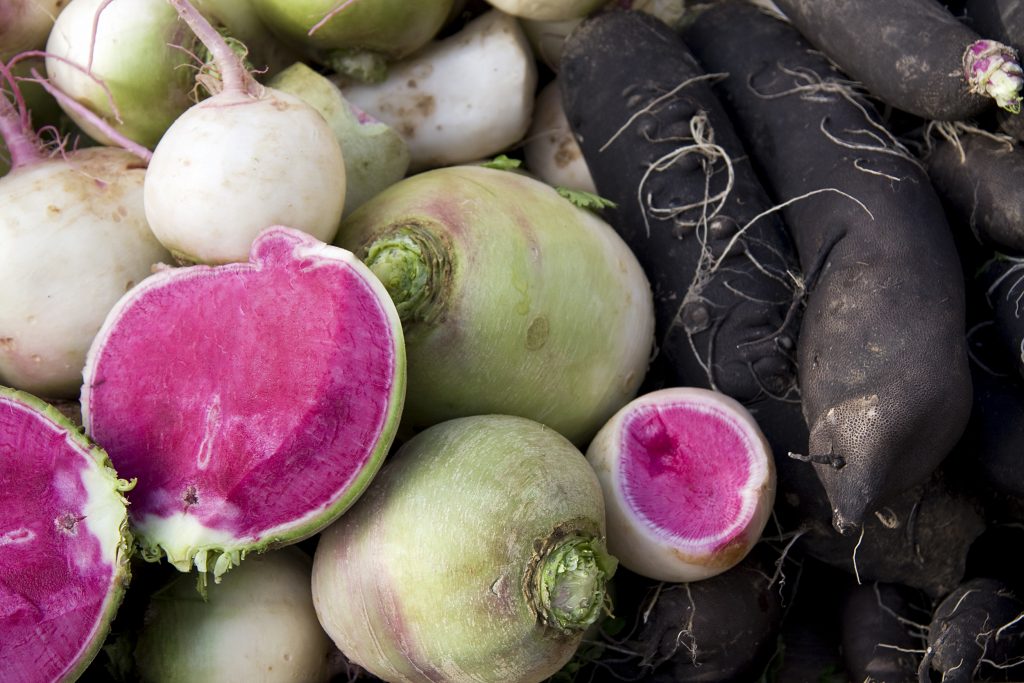
To save seeds is to preserve food culture. Heirloom crops wouldn’t exist if it weren’t for the gardeners who meticulously grew and saved seeds including the Brandywine tomato, Purple Top White Globe turnip, and many other varieties, passing them on to future generations.

READ THE FULL ARTICLE: https://civileats.com/2020/04/21/gardening-is-important-but-seed-saving-is-crucial/

$5 Monthly Mystery Seed Club (NEW)

🥦🍅🍆Grow your own organic food, year-round! 🥕🌶️🥒

Join today and become a member of the UOG Monthly Seed Club. Each month, members receive a curated collection of beautiful heirloom/non-gmo seeds & essential seed starting garden supplies – all customized around you, your garden, and location.

💯% SATISFACTION. GUARANTEED.
Join the community today, we promise it will be worth it! Sign-up today and get your first package delivered the second week of every month.

✳️ JOIN TODAY! https://urbanorganicgardener.cratejoy.com


Quick Maturing Crops You Can Grow Almost ANYWHERE!

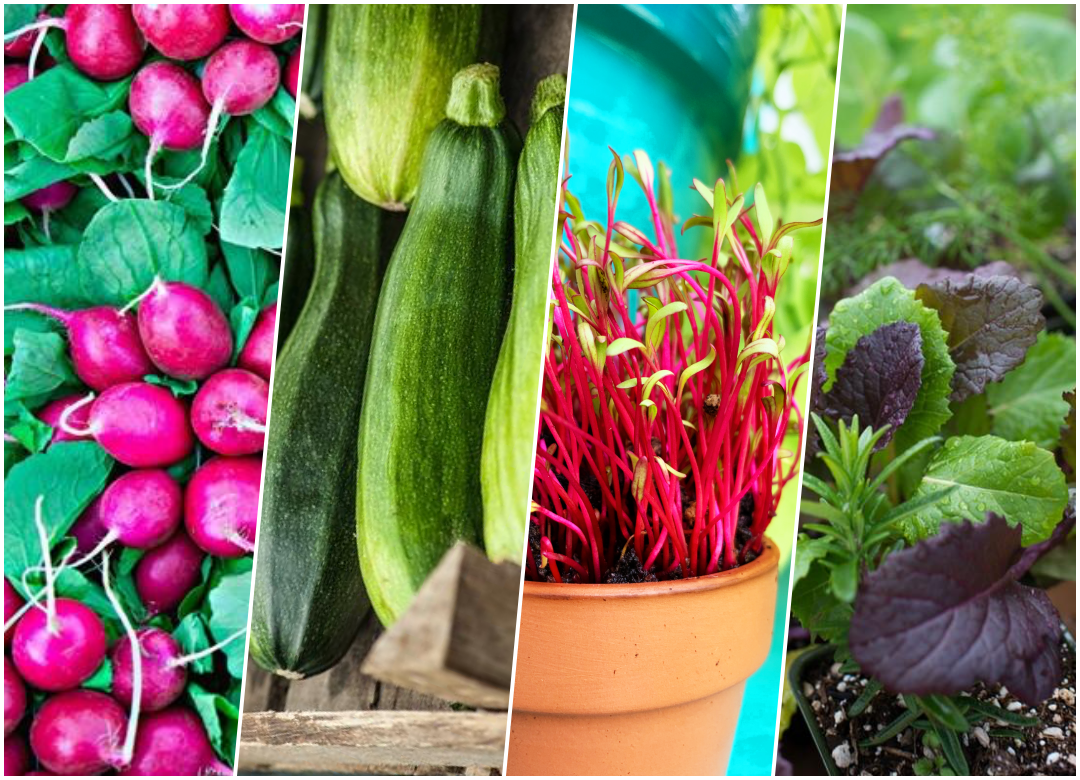
Don’t let space or time hold you back from growing your own food! There are plenty of things you can plant in your garden, windowsill or tiny patio that will produce in less than 45 days. In some cases, you can even enjoy homegrown food in less than 1 week! Here are our top selections if you’re short on time & space in the garden.

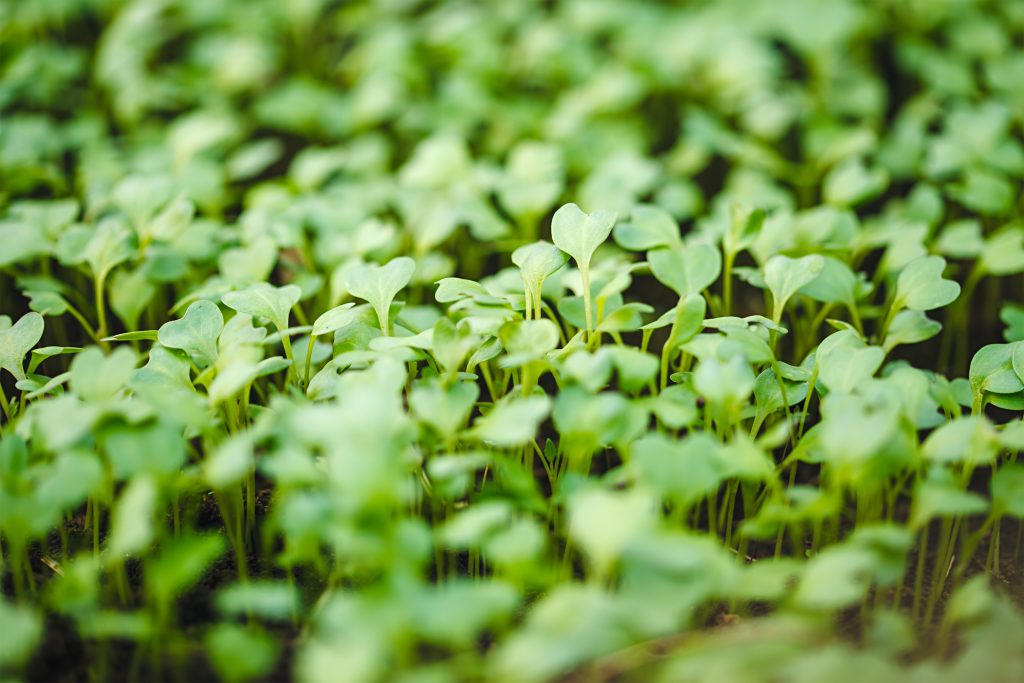
Sprouts / Microgreens – Ready to eat in 3 days to 2 weeks

Each and every living seed will grow into a plant. It’s when that seed begins to grow (germinate) that we call the beginning growth stage of the plant a “sprout”. They are a convenient way to have fresh vegetables for salads, or otherwise, in any season and can be germinated at home or produced industrially. Sprouts are said to be rich in digestible energy, vitamins, minerals, amino acids, proteins, and phytochemicals! See MORE Sprout/Microgreen Varieties, here! 


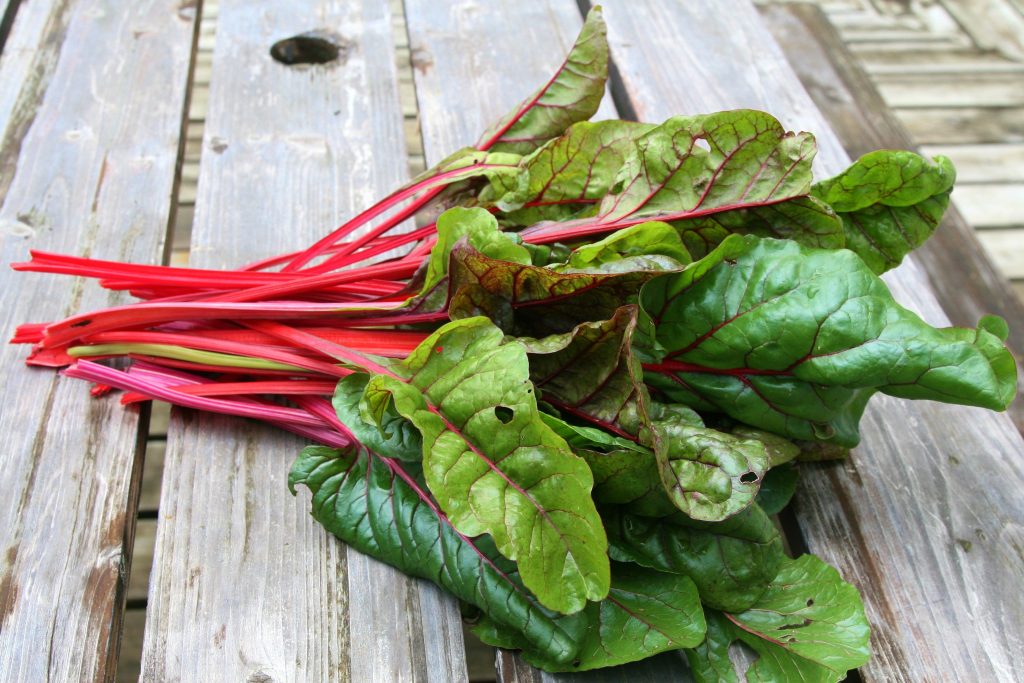
Swiss Chard – Ready to eat in about 5 weeks

Chard is a leafy green vegetable often used in Mediterranean cooking. Fresh young chard can be used raw in salads. Mature chard leaves and stalks are typically cooked or sauteed; their bitterness fades with cooking, leaving a refined flavor which is more delicate than that of cooked spinach. See MORE Swiss Chard Varieties, here!


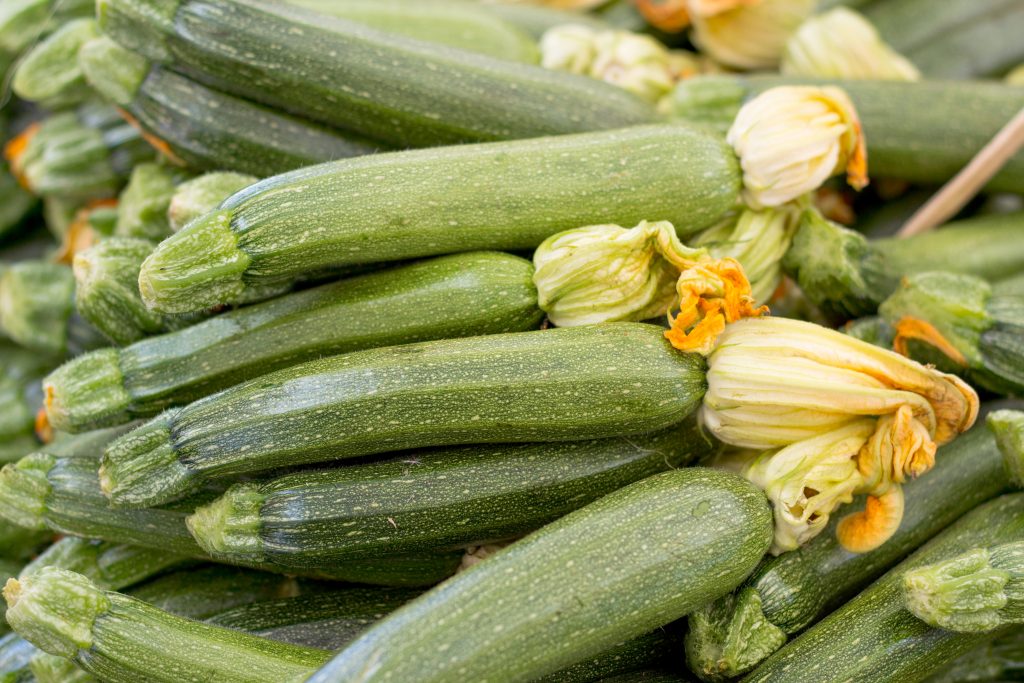
Zucchini Squash – Ready to eat in about 6 weeks

Though considered a vegetable in cooking, botanically speaking, squash is a fruit (being the receptacle for the plant’s seeds). Squash can be served fresh (in salads) and cooked (squash stuffed with meat, fried squash, baked squash). See MORE Squash Varieties, here!


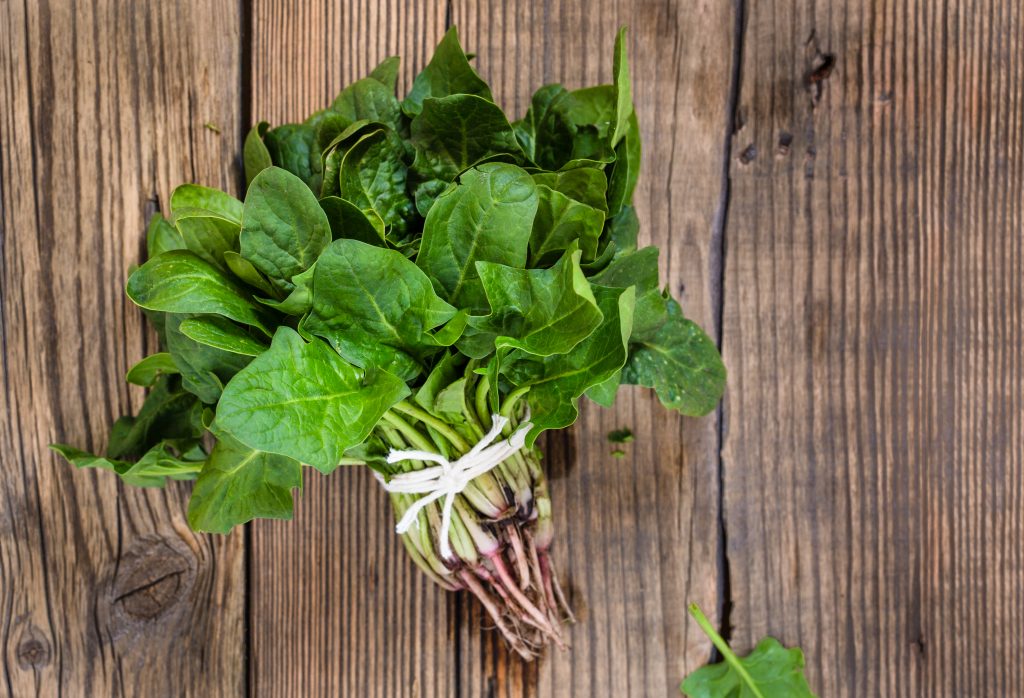
Spinach – Ready to eat in about 5 weeks

Spinach can grow anywhere there is at least a month and a half of cool growing weather. Spinach is a cool-season crop, hardy to frosts and light freezes. In rows 12 inches apart, space seedlings 3 inches apart. After thinning, cover the plants with row covers to keep the pests away.  (Soak seeds overnight before planting because it germinates slowly.) See MORE Spinach varieties, here!


Radishes – Ready to eat in 4 weeks

Radishes are a fast-growing, cool-season crop that can be harvested in as little as twenty days.  Eaten raw they can be whole, sliced, diced, or grated. You can also cook and pickle them. Most of them are typically eaten fresh and make a good addition to a salad or a substitute to pepper on a sandwich. See MORE Radish varieties, here!


Tiny Tim Tomatoes – Ready to eat in about 6-8 weeks

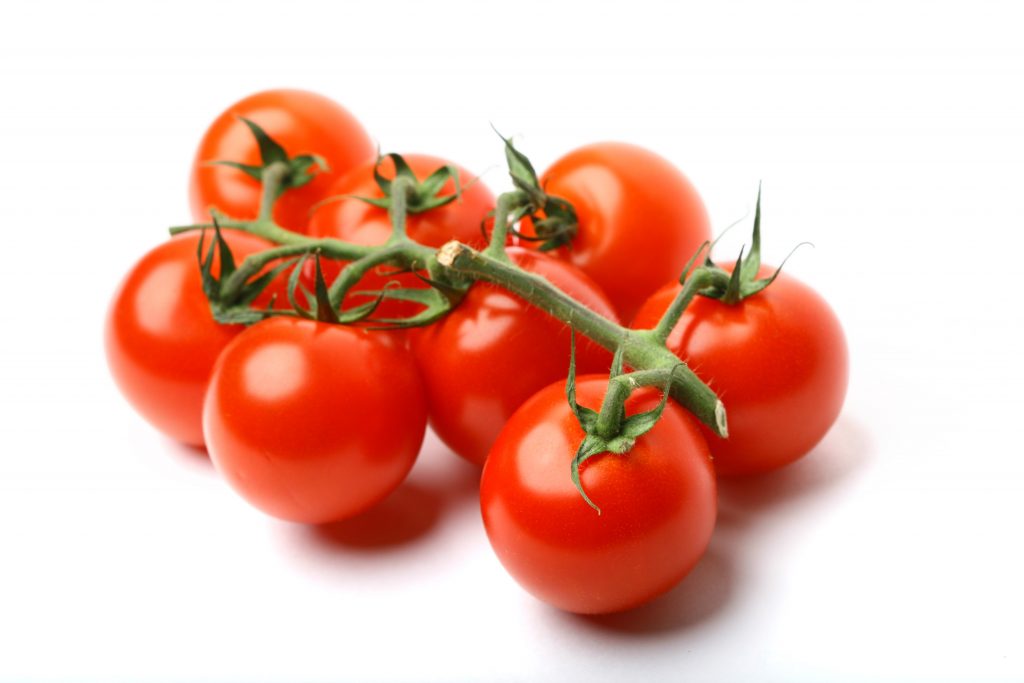
The Tiny Tim tomato plant is a dwarf type plant produces excellent yields of ¾” – 1″  bright red cherry tomatoes. They are perfect for patio gardens. Grows well in pots, containers, and windowsill gardens. See MORE Tomato varieties, here!


Mustard Greens – Ready to eat in about 6 weeks

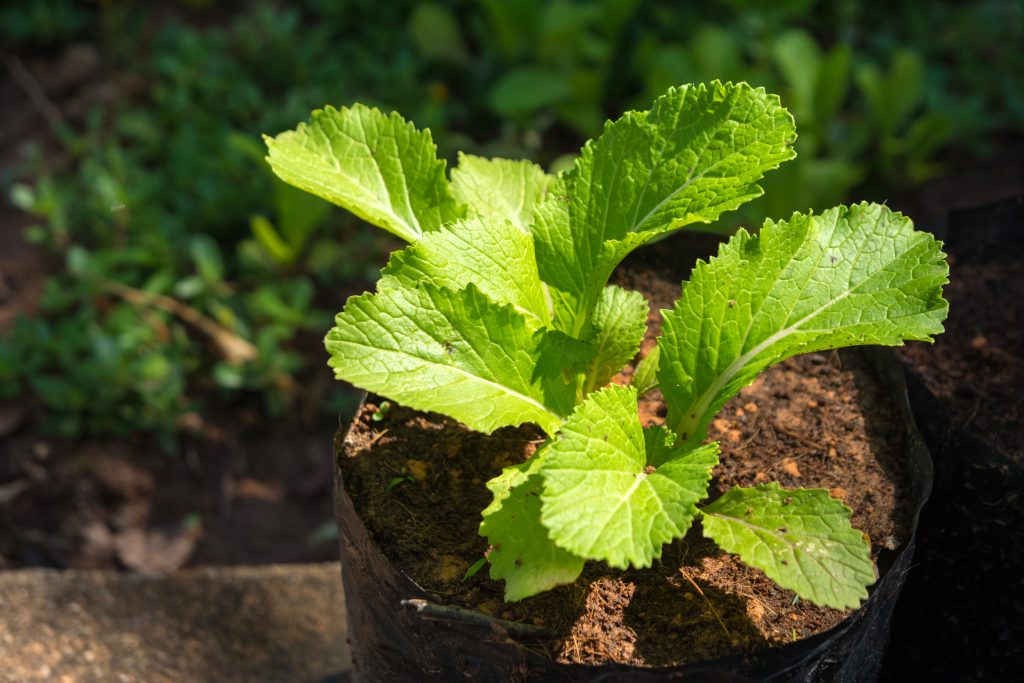
Growing mustards are a quick and easy crop to grow in your home garden.  They are a spicy green, which will quickly become one of your favorite crops. When growing from seed, start them outdoors 3 weeks before the last frost. For a more steady harvest, plant seeds about every 3 weeks or every month to give you a successive harvest. Mustard greens prefer cooler weather, so plant late in the summer for a fall harvest, or very early in spring before the summer heat sets in. See MORE Mustard varieties, here!


Lettuce – Ready to eat in as little as 6-8 weeks

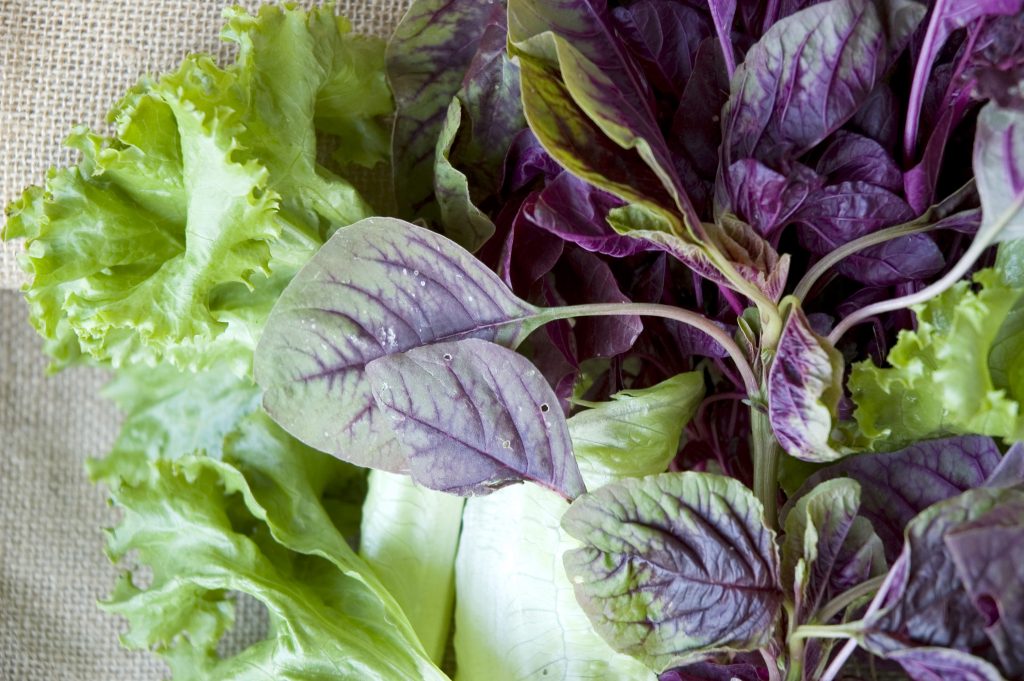
Seed should be sown thinly in rows 1 foot apart; for leaf types, thin plants to 2-3 inches apart, then thin again by pulling every other plant when half-grown. This will encourage thickly developed plants. For head types, space rows 18 inches apart, plants 8-10 inches apart. Closer spacing results in smaller heads, which may be preferable for small families. Specialty growers are spacing lettuce very close for selling baby lettuces, a rapidly growing produce market. See MORE Lettuce varieties, here!
 

Grow A Garden All Year Long! Join the Seed Club TODAY!

Welcome to the Club! UOG is a fully customized monthly garden club that is curated JUST FOR YOU, and full of unique garden seeds & supplies. #urbanorganicgardener
 

🐝 SHIPS ON THE 5TH OF EVERY MONTH
🍅 STARTS AT $9.99/MONTH
🌶 FREE TO CANCEL AT ANY TIME
🥦 100% SATISFACTION GUARANTEED
🍉 PURE RAW UN-TREATED HEIRLOOM NON-GMO SEEDS

LEARN MORE or SIGN-UP: www.urbanorganicgardener.club

📢[SAVE $5 ON YOUR FIRST MONTH BY USING CODE “UOG5” DURING SIGN-UP]

**SIGN-UP DEADLINE is JULY 4th at 11:59pm PST. Shipments will go out on the 5th.**

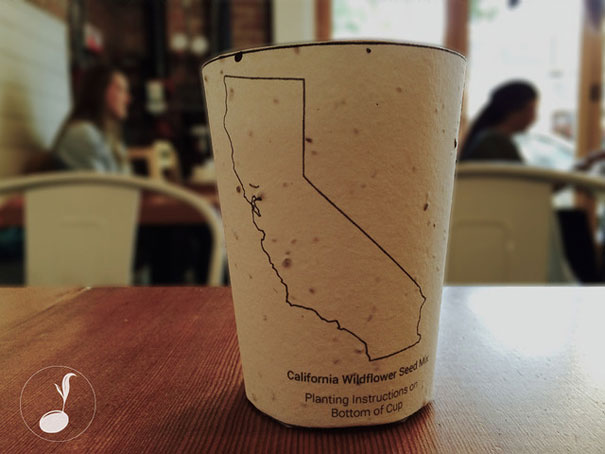
Biodegradable Coffee Cups Embedded With Seeds Grow Into Trees When Thrown Away

Here’s an amazing idea that really proves to you that anything is possible with the right approach. A small team based in California, USA that goes by the name of Reduce. Reuse. Grow. has devised an ingenious new type of coffee cup with seeds inside the walls. You can plant the cup when you are done and the seeds grow.
Some thought has clearly gone into this project: One thing that is clever about this cup is that the seeds included in the cups will be local to the region in which the cups are sold, so that the plants grown are appropriate for the local ecosystem.

With ingenuity like this it really might be possible to turn around some of our greatest waste problems. Styrofoam (another common material for hot beverage containers) is something of an ecological nightmare, breaking down into smaller and smaller pieces which blow away on the breeze, ending up possibly eaten by animals or causing widespread pollution. I also recently found out that the part of California that I am in does not have general facilities for styrofoam recycling.

LEARN MORE ABOUT THESE CUPS http://off-grid.info

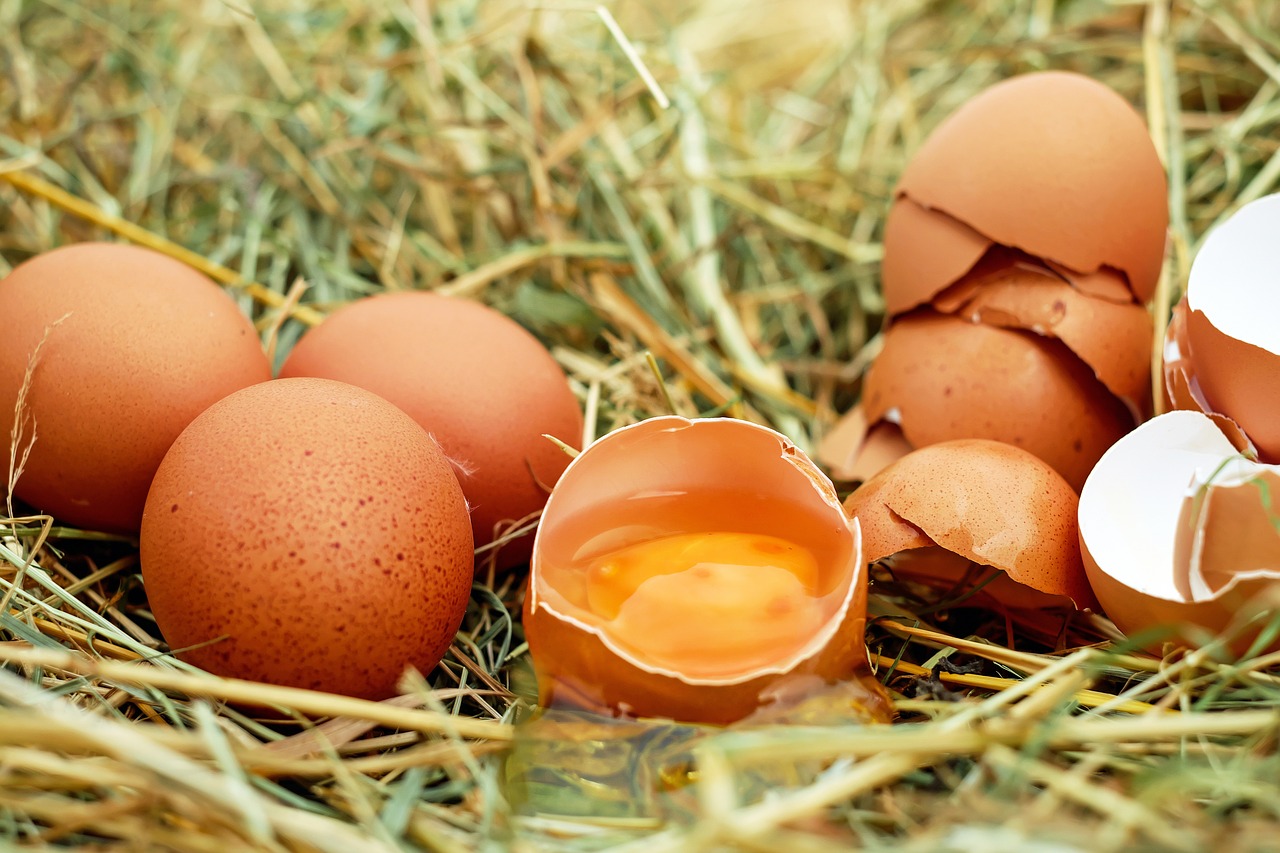
10 Uses For Eggshells In The Garden

Whenever I cook or use up the eggs that are in my refrigerator, I always make sure to save the shells so that I can use them again for one of these many garden-specific applications. It doesn’t seem to take long to accumulate a huge baking sheet of eggshells that I can then bake to dry and clean.

Consider these tips for using eggshells, and implement them in your garden this spring.

#1. Fertilizer

Ground eggshells serve as a fantastic source of calcium for your plants. While you can put them into the soil or toss them out into your garden whole, it may be more effective for you to dry and grind them first.

This will help keep any scavenging pests away and also allow them to break down more quickly, releasing their nutrients back into the soil more rapidly.

Most people don’t realize this, but many soil types are deficient in calcium. This is especially true if your soil has been exposed to extensive tilling or has seen lots of cultivation in the last few years.

Calcium is vital for building healthy cell walls in a plant – which are essentially the “bones” of the organism. Plants need calcium for these cell wall s just as we need calcium for our bones!

Eggshells decompose quickly because they have a high surface area to volume ratio. To add eggshells to your soil, you don’t have to dry them first or even grind them up – although keep in mind that ground eggshells will break down more quickly.

While you can till calcium into the soil at any time during the planting season, there are two best times to add eggshells to your garden. The first is when you’re planting in the spring.

Simply grind up your eggshells into a fine powder, and then place them at the bottom of the hole before you plant. This will help all of your plants, but particularly tomatoes, thrive. You can even mix your eggshells with coffee grounds, which provide lots of nitrogen. Together, the two pack a powerful dose of plant-boosting nutrients.

You can also add eggshells in the fall or in the spring in their whole forms, but remember that they will take longer to break down. In addition to providing your soil with lots of calcium, eggshells can also reduce the acidity of your soil and provide a nice aerating effect – a must if you have heavy, compacted soils.

READ THE OTHER 9 USES HERE https://www.newlifeonahomestead.com

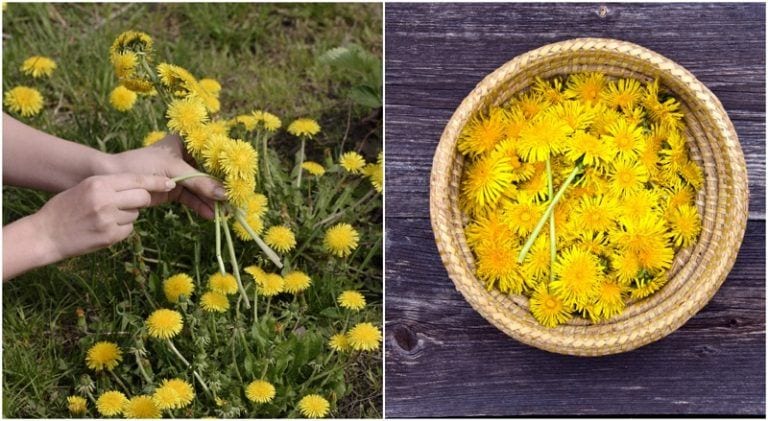
25 Reasons To Go & Pick Dandelions Right Now

Who hasn’t seen those pesky yellow weeds pop up in the garden from time to time? Yet try as you might – from picking them to poisoning them – nothing keeps them at bay for too long.

Perhaps it’s time you embraced the tenacious dandelion and all the benefits it can bring?

The Health Benefits of Dandelions

Dandelion has been used throughout history to treat everything from liver problems and kidney disease to heartburn and appendicitis.

Every part of this common weed – from the roots to the blossoms – is edible. It’s a good thing too, as the humble dandelion is bursting with vitamins A, B, C and D, as well as minerals such as iron, potassium, and zinc.

READ ALL OF THE HEALTH BENEFITS OF DANDELIONS AT https://www.naturallivingideas.com/things-to-do-with-dandelions/?fbclid=IwAR0uCT9KN5WPHDVUxdJFzg_NNz9X7yAymxePDZ-uIPTgw1zX7mLcX11z2XQ

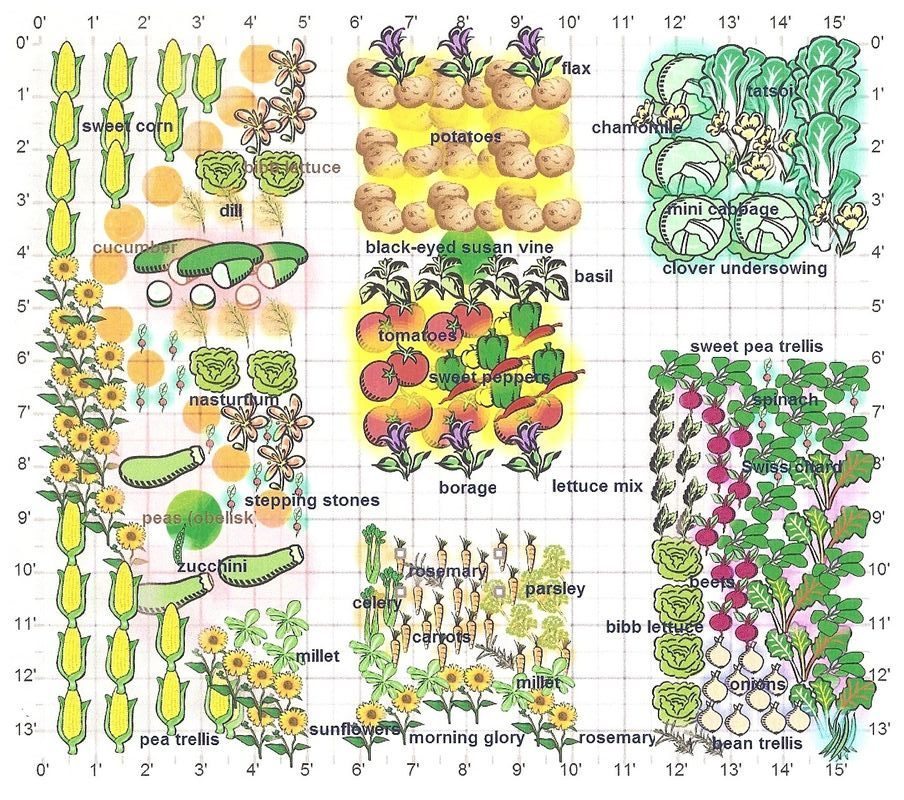
Secrets of Companion Planting + Popular Planting Combinations

Did you know that tomatoes hate cucumbers?

While they might taste great together in a salad, tomato plants actually dislike growing in close proximity to any member of the cucurbit family, which includes cucumbers.

Tomatoes love carrots and basil, however – so planting these together will actually make them each grow more vigorously!

Planting your veggies in neat rows with labels is satisfying to the eye, and easier to harvest. However, when we look to nature, we don’t see rows anywhere, nor do plants all grow clumped up in groups of the same thing together.

READ MORE FROM THE ORIGINAL STORY AT https://thehomestead.guru/companion-planting-2/?fbclid=IwAR05qOCv3BBuE4sa2BKzQaepcBMDtBzOaEaYUUezr8J6QsIcnd0dkGPK9gc

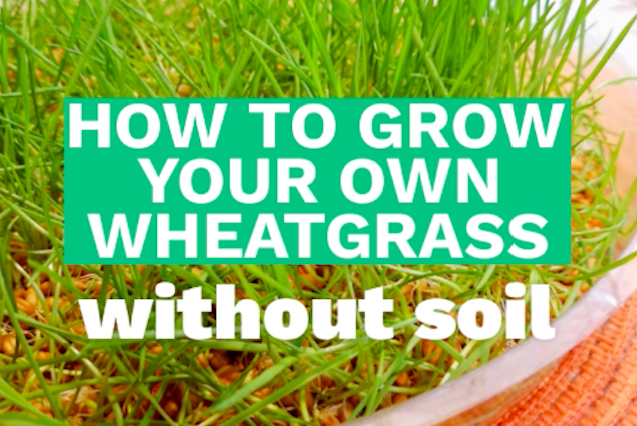
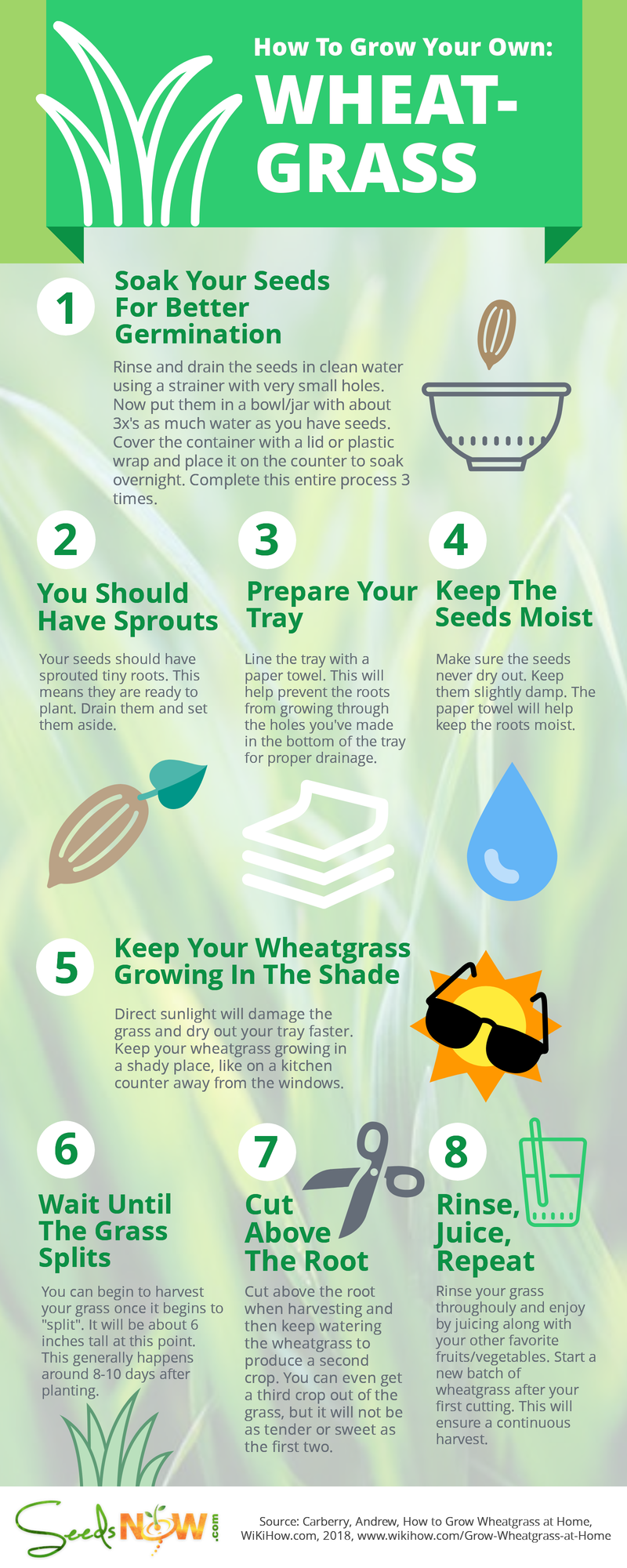
How To Grow Wheatgrass At Home *WITHOUT SOIL*

Growing your own wheatgrass at home is easy and fun to do – especially during the winter months!

There are a lot of different methods on how you can achieve this, so below we are going to share with you some of our favorite.

There are both soil and soil-less methods.  Today we are focusing on soil-less.  Make sure you choose which will work best for you.

Before you get started, purchase your wheatgrass seeds.

And this is how it’s done ….

As you can see, wheatgrass can be easily grown and prepared at home.

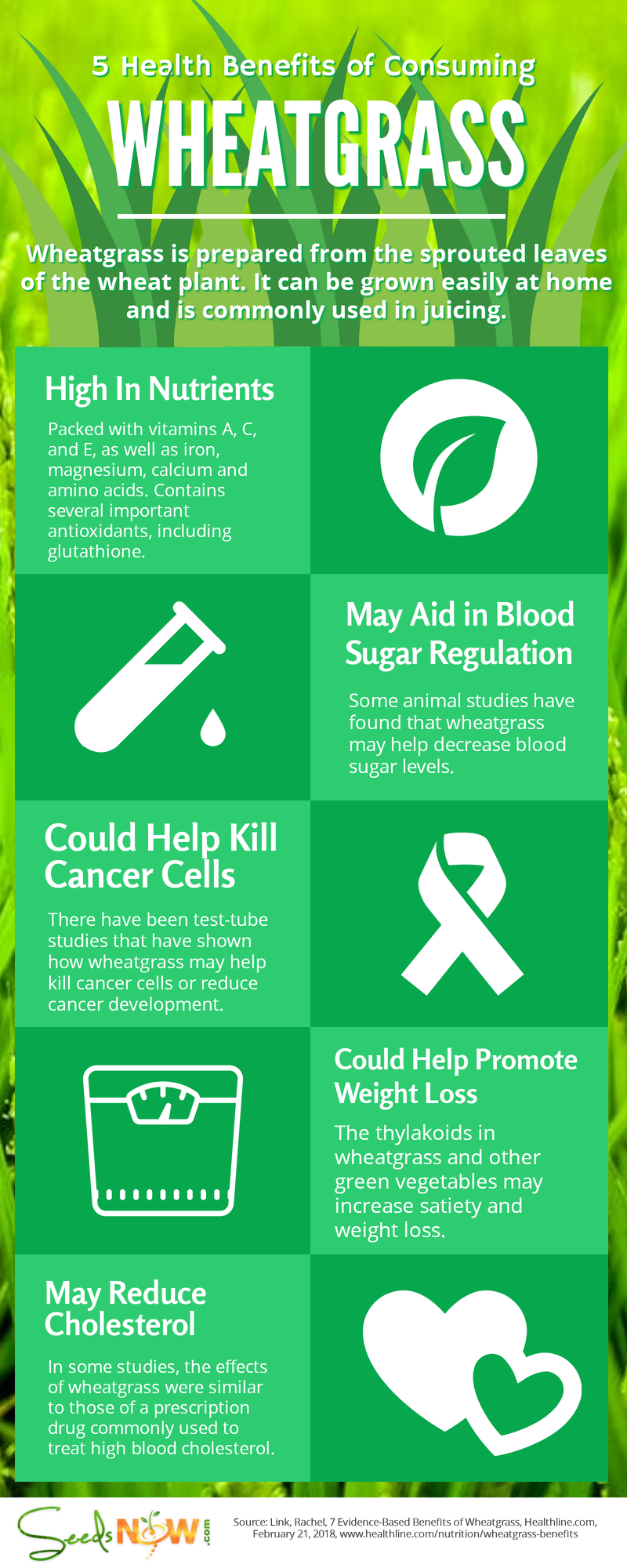
Some claim it can do everything from detoxifying the liver to improving immune function & boost weight loss. Nevertheless, wheatgrass delivers many amazing benefits.

Now, let’s see what happens to your body if you drink wheatgrass daily …


We’ve talked about the amazing health benefits of consuming wheatgrass and showed you how to grow your own, now here are some great ways to enjoy your raw, healthy, nutrient-packed wheatgrass!

Check out these wheatgrass recipes:


Ready to start growing your own Wheatgrass? 
SHOP Wheatgrass seeds!

9 QUICK GROWING Cool-Season Veggies

Curious as to what you should be planting before your first fall frost gets here? Take a look at these 9 cool-season veggies that you can start now, and enjoy in 60 days or less!

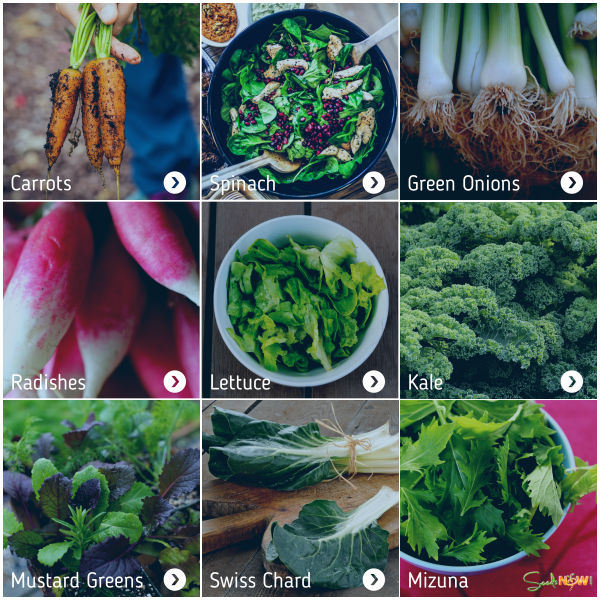
Carrots, Spinach, Green Onions, Radishes, Lettuce, Kale, Mustard Greens, Swiss Chard & Mizuna!

Carrots are an annual cool-season crop, half-hardy to frost and light freezes. They develop quite normally under a variety of temperature conditions, except very warm temperatures. It is often said that frost or cold weather will make them even sweeter. Shop all CARROT seeds! 

Spinach can grow anywhere there is at least a month and a half of cool growing weather. Spinach is a cool-season crop, hardy to frosts and light freezes. In rows 12 inches apart, space seedlings 3 inches apart. Shop all SPINACH seeds! 

Onions are easy to grow, have a fairly short growing period and take up little space in the garden. If you don’t have a vegetable garden, plant a few onions in your flower garden or in a pot or box and set them on your patio or in a sunny window. Plant onions 1/4 inch deep and 3 to 4 inches apart in double rows, leaving 6 to 10 inches between rows. If the onions are planted closer together, you can harvest every other plant as a green onion so that bulb development of the remaining plants is not impeded. Shop all GREEN ONION seeds!

Radishes are a fast-growing, cool-season crop that can be harvested in as little as twenty days.  Eaten raw they can be whole, sliced, diced, or grated. You can also cook and pickle them. Most of them are typically eaten fresh and make a good addition to a salad or a substitute to pepper on a sandwich. Shop all RADISH seeds!

Lettuce Seed should be sown thinly in rows 1 foot apart; for leaf types, thin plants to 2-3 inches apart, then thin again by pulling every other plant when half grown. This will encourage thickly developed plants. For head types, space rows 18 inches apart, plants 8-10 inches apart. Closer spacing results in smaller heads, which may be preferable for small families. Specialty growers are spacing lettuce very close for selling baby lettuces, a rapidly growing produce market. Shop all LETTUCE seeds!

Kale can be planted pretty much anywhere in the United States where there’s a cool fall growing season. It’s a cool-season crop, hardy to frosts and light freezes. Shop all KALE seeds!

Mustards are a quick and easy crop to grow in your home garden.  They are a spicy green, which will quickly become one of your favorite crops. When growing from seed, start them outdoors 3 weeks before the last frost. For a more steady harvest, plant seeds about every 3 weeks or every month to give you a successive harvest. Shop all MUSTARD seeds!

Swiss Chard is a leafy green vegetable often used in Mediterranean cooking. Fresh young chard can be used raw in salads. Mature chard leaves and stalks are typically cooked (like in pizzoccheri) or sauteed; their bitterness fades with cooking, leaving a refined flavor which is more delicate than that of cooked spinach. Shop all CHARD seeds!

Mizuna is a vigorous grower, which produces numerous stalks bearing dark green, deeply cut and fringed leaves. Shop MIZUNA seeds!

SHOP all of these varieties and more at: www.SeedsNow.com

Fall Planting Schedule, Down To Your First Frost Date


Now is the time to start making solid plans for your fall and winter garden. Follow this simple planting schedule for a great start, or visit our online interactive planting calendar for a more detailed description of what you should be planting when based on your exact location and grow zone. 


12-14 Weeks Before Your First Frost Date


Direct Sow: Snap Beans, Cucumbers, Summer Squash, Parsnips, Rutabagas, Cilantro, Lettuce & Radishes.


———————————


10-12 Weeks Before Your First Frost Date


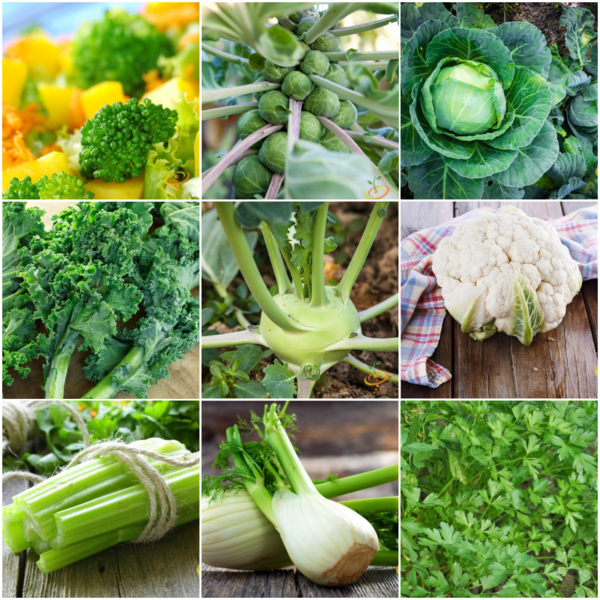
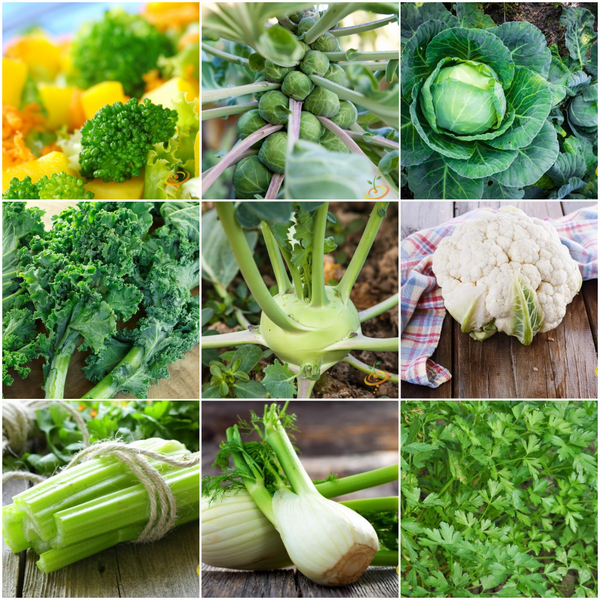
Set Out Starts: Broccoli, Brussels, Cabbage, Cauliflower, Kale, Kohlrabi, Celery, Fennel and Parsley.


Direct Sow: Beets, Carrots, Collards, Leeks, Scallions, Lettuce, Radish, Peas, and Potatoes.


———————————


8-10 Weeks Before Your First Frost Date


Direct Sow: Arugula, Cabbage, Lettuce, Turnips, Spinach, Mustard, Bok Choy & Radishes.


———————————


6-8 Weeks Before Your First Frost Date


Direct Sow: Spinach, Mache & Lettuce.


———————————


ON or AROUND Your First Frost Date


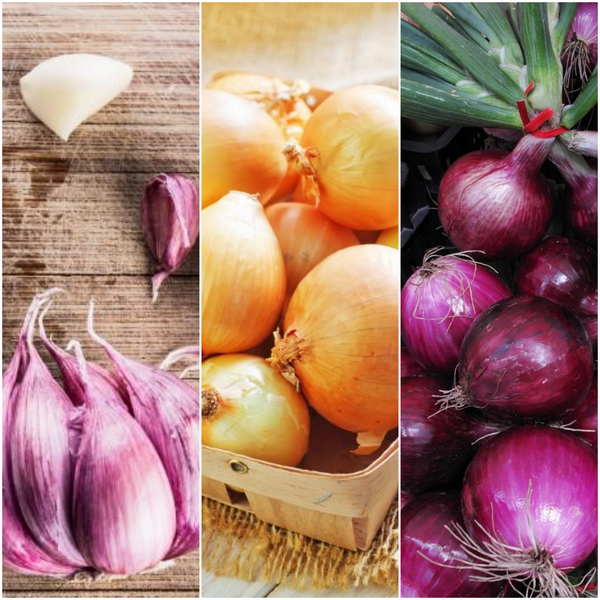
Direct Sow: Garlic, Shallots, & Onions.


Try our Online Planting Calendar, HERE

DOWNLOAD this APP to purchase or trade LOCAL, organic produce

The news many of you have been waiting to hear — Android!

We are looking at a beta release for August 21st to be in the Google Playstore

————————————————————–

About CropSwap

Our App:

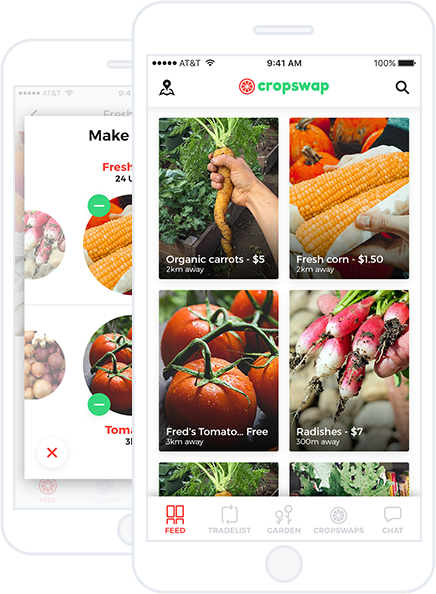
We’ve created an iOS application that allows you to purchase or trade organic produce being grown in your community.

Our Idea:

Our food system is broken. Produce available in grocery stores is often genetically modified, sprayed with chemicals, picked before it’s ripe, and shipped in gas guzzling semi trucks across the country (if not the world!) to get to you. Most people understand the importance of eating locally. CropSwap will provide the framework to do just this.

Our Goal:

We want everyone everywhere to grow food. We want to reawaken biodiversity and a LOVE of the seed. We want to work with the earth and take care of her. We want to lift up communities and change our food system.

 Go download it and start selling, buying and trading produce with folks around you.

Customer Reviews

Genius!!! Love the app 😀  //   by EstefaniaRebellon

I just signed up a friend recommended this app to me because I don’t like shopping at overpriced groceries stores like Whole Foods or even Ralph’s in LA. Sometimes you can taste the chemicals on the fruit and it’s expensive to eat healthy which is crazy to me but that’s a whole other deal. Anyways CROPSWAP is easy to follow and I love the chat option. I don’t have a garden so I don’t have anything to swap but I am on it as a hungry customer looking for organic produce from people who I don’t mind giving my money too lol. Great app if you’re trying to eat healthy and save!!! Love it!!!!

Revolutionary! //  by farmerjacky

This app is giving power to the people! We don’t have to rely on the industrial farming and grocery system, we can grow our own and share with others. Thank you Cropswap for making this life-changing tool! This is sure to reduce waste, packaging, travel distances, chemicals and everything else that gives conventionally grown and purchased food such a large carbon footprint. No more! Drawdown is within our hands. We can live in a way that sequesters carbon, fosters personal growth, and inspires community building. Three cheers for this app!

Love this!  //  by Mathgirl22

I grow a lot of my own food at home but don’t have room to grow everything I want. This app is awesome at connecting you with other local growers so you can trade for other crops! I love this idea, it’s so unique and helpful for people who want to be more self-sustaining. Just like the old days of bartering! I just wish more people would join soon so I can get more variety of crops 😉


15895486_1313907465319031_6592740219913917645_o