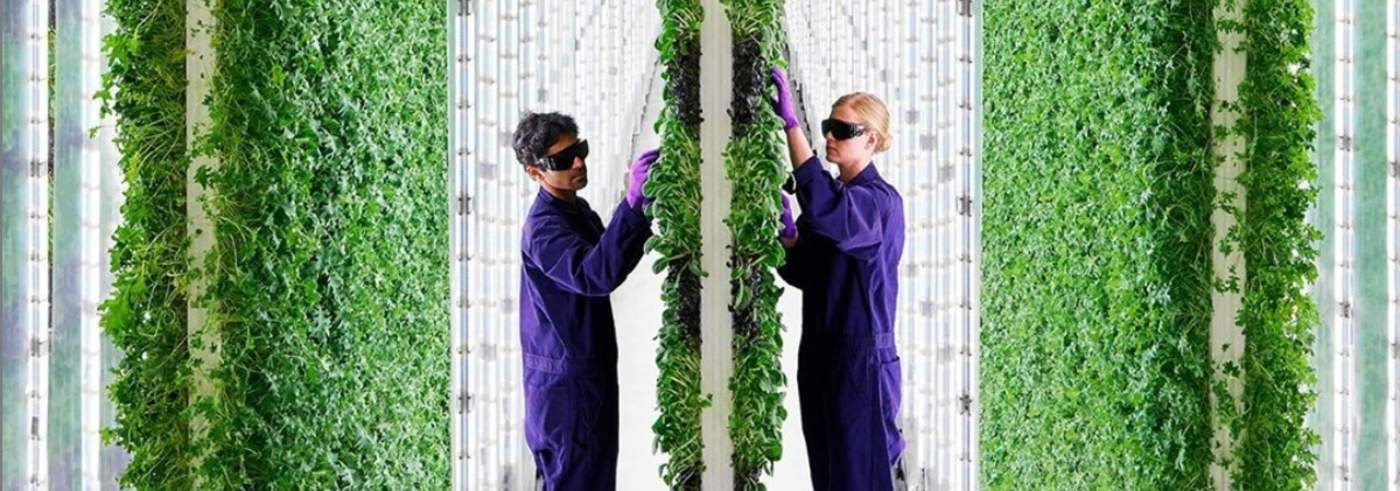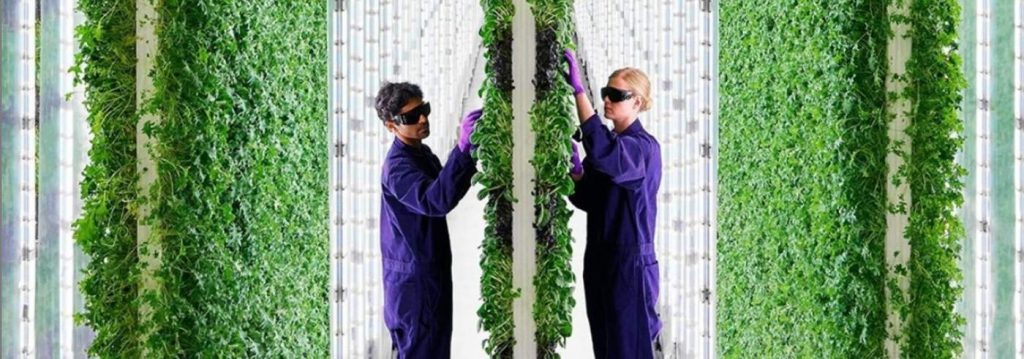
This 2-Acre Vertical Farm Produces More Than ‘Flat Farms’ That Use 720 Acres

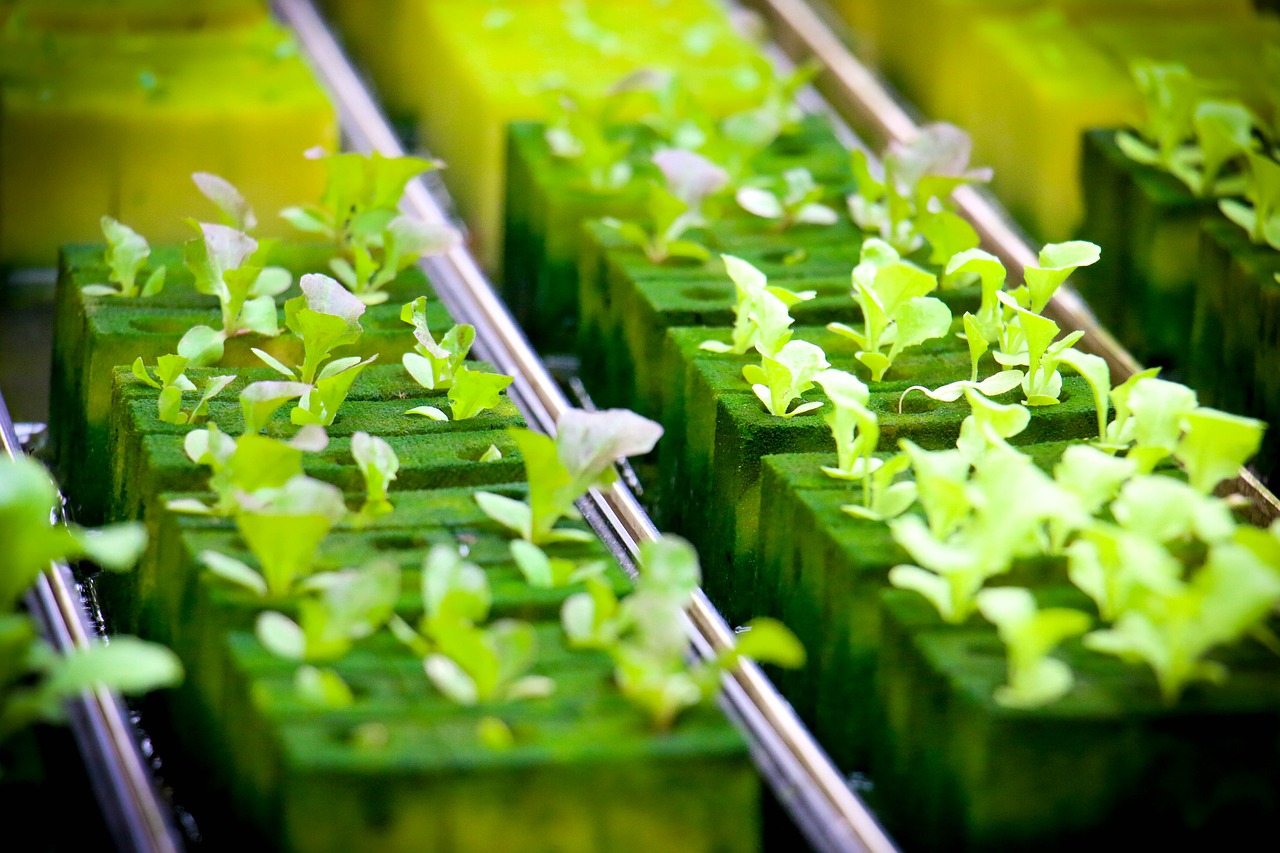
GOODNEWSNETWORK.ORG – From an ag-tech startup named Plenty, a two-acre indoor vertical farm produces yields that would normally require a 720-acre ‘flat farm’—and it can be done with 95% less water.

Saving water is critical in an agricultural state like arid California, where Plenty is set to supply fresh produce for 430 Albertsons grocery stores.

The vision is truly one out of Star Trek, with Plenty’s use of robotics and artificial intelligence to ensure perfect plants year-round.

The reasons to support indoor vertical farming are varied, ranging from climate-related benefits to removing cumbersome logistical challenges like long-distance transportation.

READ THE FULL ARTICLE: https://www.goodnewsnetwork.org/2-acre-vertical-farm-plenty-grows-350x-more/

How Arlington’s Only Commercial Urban Farm Shifted To ‘Community Supported Agriculture’

Thanks to changes brought about by the pandemic, Arlingtonians can now get farm-to-table produce delivered right to their door.

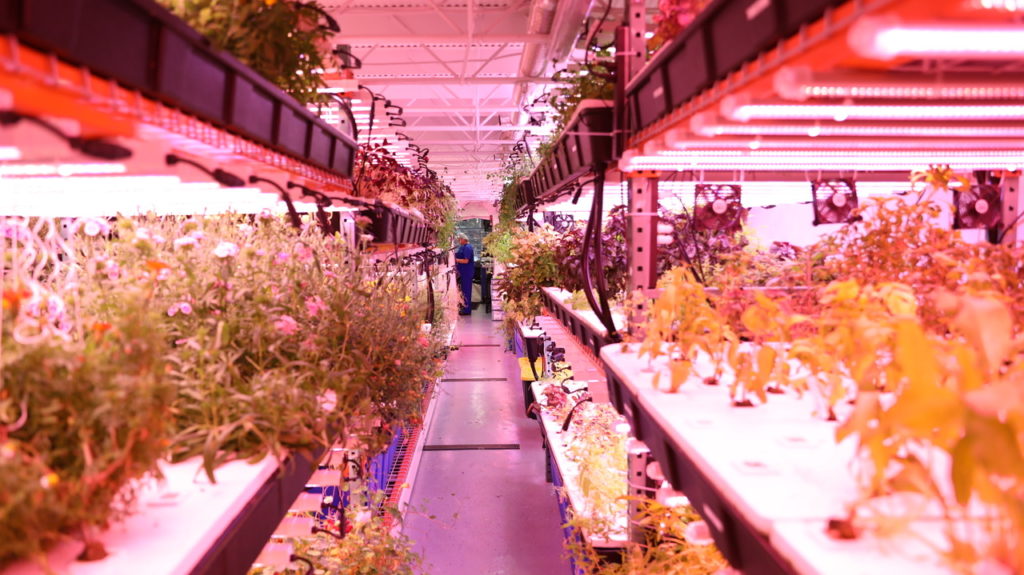
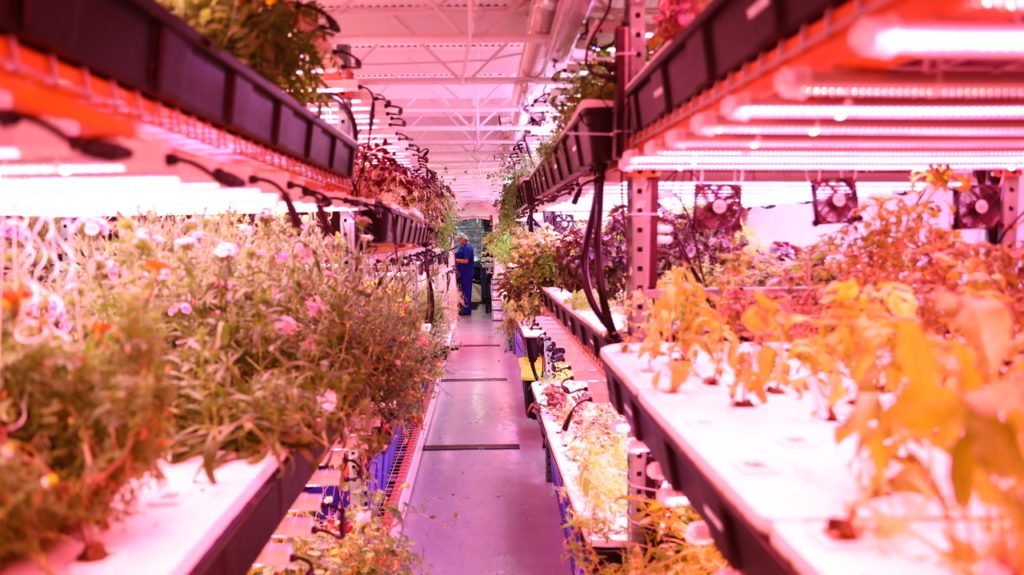
Tucked into an unassuming strip mall on Lee Highway, Fresh Impact — which we profiled in October — is the county’s only commercial urban farm. With no signage or disclosed address, Fresh Impact has been growing specialty ingredients such as edible flowers and microgreens for chefs in the local restaurant industry for over three years.

This past February, according to founder Ryan Pierce, the farm had its most profitable month yet. But a few weeks later as COVID-19 began to spread in the D.C. area, ultimately shutting down all dine-in restaurant service, Pierce said Fresh Impact lost every single customer.

“We were faced with a choice: do we shut it down and try to ride it out, which would have meant laying off our staff, or do we try to pivot to the consumer market?” said Pierce.

READ THE FULL ARTICLE: https://www.arlnow.com/2020/06/08/how-arlingtons-only-commercial-urban-farm-shifted-to-community-supported-agriculture/

Scientific Gardening: A Personal Experiment with Hydroponic Gardening

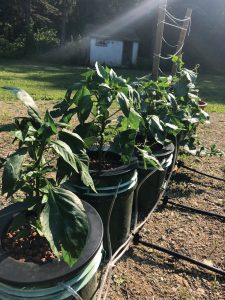
It’s that time of year again – to get your hands dirty and plant the yummy array of veggies you’ve picked for your garden. Traditionally, we plant our gardens in the ground, but last year my boyfriend and I investigated the topic of hydroponic gardening and were fascinated by the idea! He and I both being handy people plus his science major helped set us up for success with this new endeavor.

Don’t get me wrong, you don’t need to be super handy and/or have a science major to have hydroponic gardening work for you. When doing our research on how to get this project started, we found multiple pre-made kits you can buy online.

There are a couple of things to note if you want to try this project for your garden, which I will explain… roots cannot get direct sunlight indoors, therefore if you have five-gallon buckets laying around that you want to use, be sure the sun cannot penetrate through the plastic. When you hold the bucket up to the sun and can see through the plastic, similar to when you shine a flashlight on your fingertips at night, you need to spray paint them with a of couple coats until the sun can’t get through. Also, when it comes to nutrients and PH levels, be sure to do specific research on what your veggies will want.

READ THE REST OF THIS ARTICLE: https://www.sentinelsource.com/elf/scientific-gardening/article_f43ae68e-a5ba-11ea-8fe6-2f0b2336e337.html

Produce with a purpose: Aquaponics farm employs adults with disabilities

CHEVIOT, Ohio (WKRC) – An unconventional farm is helping it’s westside community in a unique way.

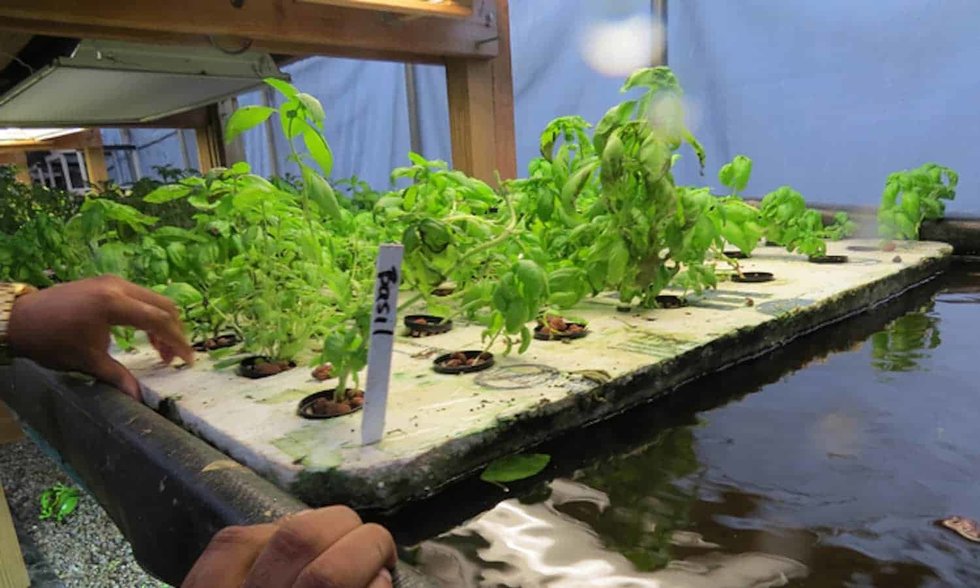
o2 Urban Farms uses aquaponics to grow fresh lettuce. It’s produce with a purpose. The farm employs adults with developmental disabilities to assist in germinating, transplanting and harvesting the produce at its Cheviot facility.

“It’s a wonderful opportunity,” Kevin Potts, executive director of the Ken Anderson Alliance, said.

Urban Farms is working in partnership with the Ken Anderson Alliance while utilizing the facility space provided by Vineyard Westside.

READ THE FULL ARTICLE AT: https://local12.com/news/local/produce-with-a-purpose-aquaponics-farm-employs-adults-with-disabilities

Central Oregon Food Pantry Creates Its Own Indoor Garden

A new nonprofit organization in Bend that focuses on urban gardening is partnering with The Giving Plate to build a garden inside the food pantry. Growing vegetables directly in the food pantry would be a first for Central Oregon.

The new organization, Around the Bend Farms, plans to build a hydroponic garden, which creates a controlled environment to grow vegetables indoors without soil. It will allow The Giving Plate to offer fresh vegetables on-site and year-round, said Ranae Staley, executive director at The Giving Plate.

“It’s a farm-to-table right inside our facility,” Staley said.

Plants grown in hydroponic gardens grow in water, not soil. Nutrients are dissolved in the water, which allows the plants to grow much faster. Among their advantages: Plants can be grown indoors, year-round and more of them can be put in a given area than a traditional soil garden. And there’s no weeding.

The Giving Plate and Around the Bend Farms are trying to raise $15,000 to design and build the indoor garden. So far, the organizations are $11,000 away from their goal.

READ THE FULL ARTICLE: https://www.bendbulletin.com/localstate/bend-food-pantry-creates-its-own-indoor-garden/article_290061d2-2839-11ea-a617-df1993c5596c.html

How Urban Farming With Hydroponics Can Help Feed the World While Saving Water

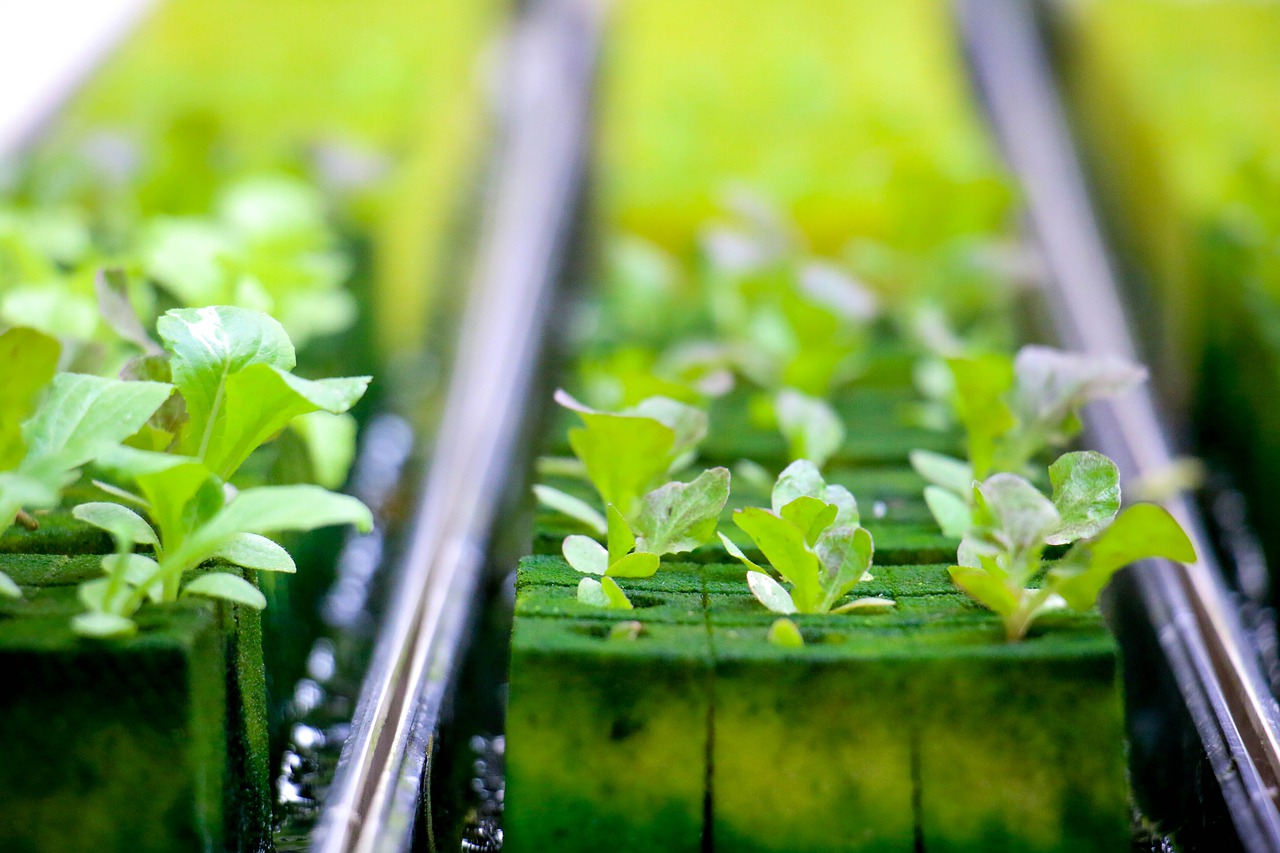
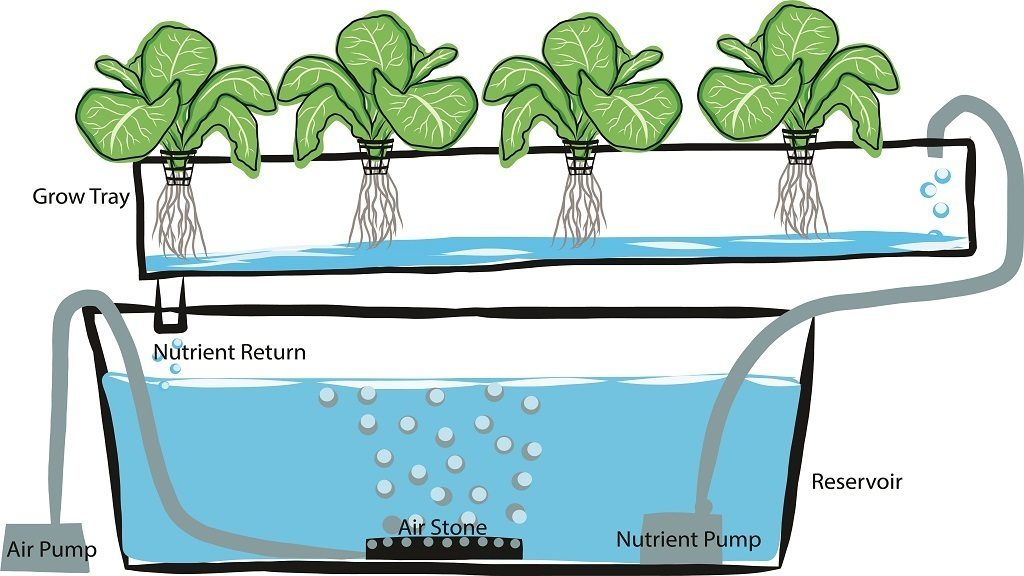
Unlike a traditional farm, the sprouting plants here grow without soil. They flourish atop vast racks with water trenches running through them that are slightly angled so that gravity helps the irrigation water shuttle around the closed system, instead of using energy-sucking pumps to move water around. Nutrients that the plants need are dissolved into the water, which comes from the local municipality’s supply. Any water runoff is purified, nutrient re-enriched, and released back into the channels.

The crops here grow year round and under relatively little stress, because conditions in the greenhouse, including the amount of sunlight and the temperature, are monitored closely by sensors. Water evaporation is also minimal.

READ THE FULL ARTICLE https://weather.com/forecast-change/marketing/news/2019-10-07-urban-farming-hydroponics-help-feed-world-saving-water

Quick Maturing Crops You Can Grow Almost ANYWHERE!

Don’t let space or time hold you back from growing your own food! There are plenty of things you can plant in your garden, windowsill or tiny patio that will produce in less than 45 days. In some cases, you can even enjoy homegrown food in less than 1 week! Here are our top selections if you’re short on time & space in the garden.
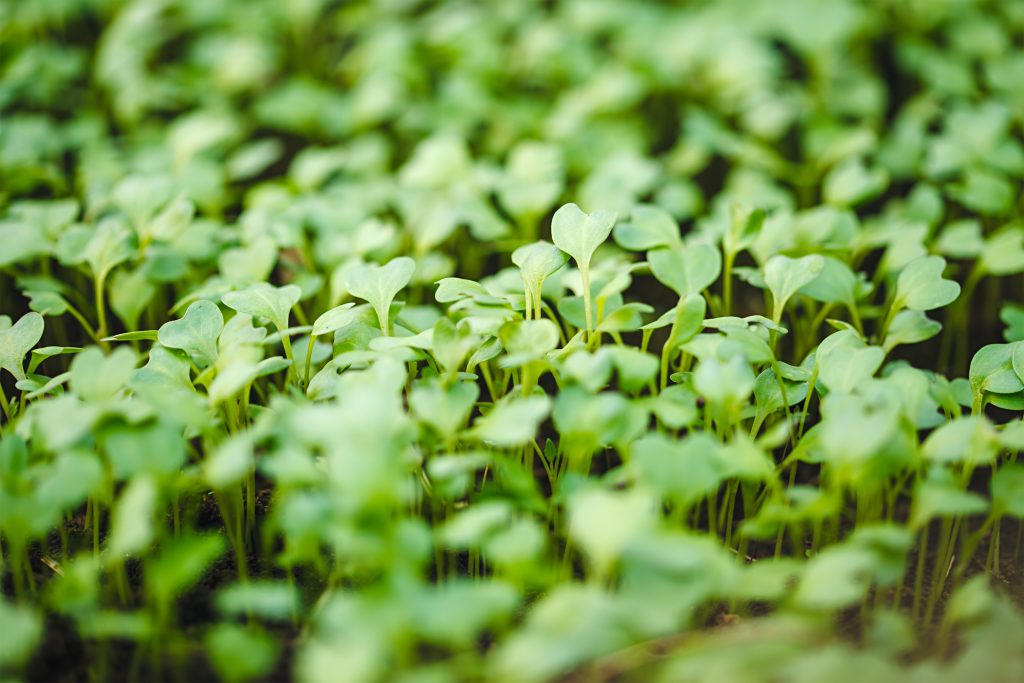
Sprouts / Microgreens – Ready to eat in 3 days to 2 weeks

Each and every living seed will grow into a plant. It’s when that seed begins to grow (germinate) that we call the beginning growth stage of the plant a “sprout”. They are a convenient way to have fresh vegetables for salads, or otherwise, in any season and can be germinated at home or produced industrially. Sprouts are said to be rich in digestible energy, vitamins, minerals, amino acids, proteins, and phytochemicals! See MORE Sprout/Microgreen Varieties, here! 
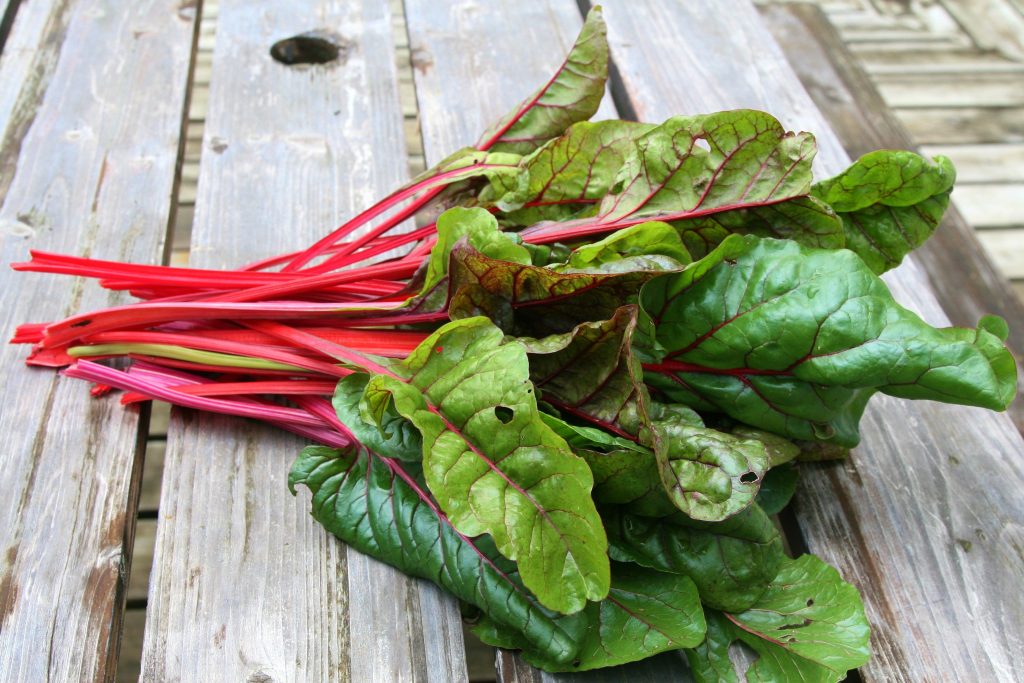
 

Swiss Chard – Ready to eat in about 5 weeks

Chard is a leafy green vegetable often used in Mediterranean cooking. Fresh young chard can be used raw in salads. Mature chard leaves and stalks are typically cooked or sauteed; their bitterness fades with cooking, leaving a refined flavor which is more delicate than that of cooked spinach. See MORE Swiss Chard Varieties, here!
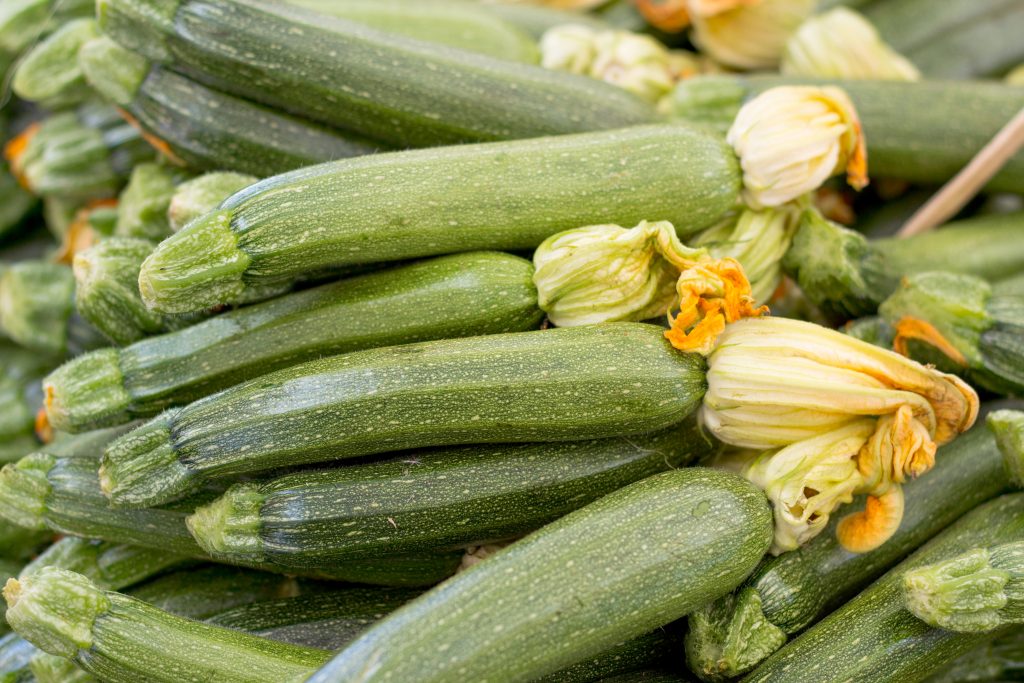
 

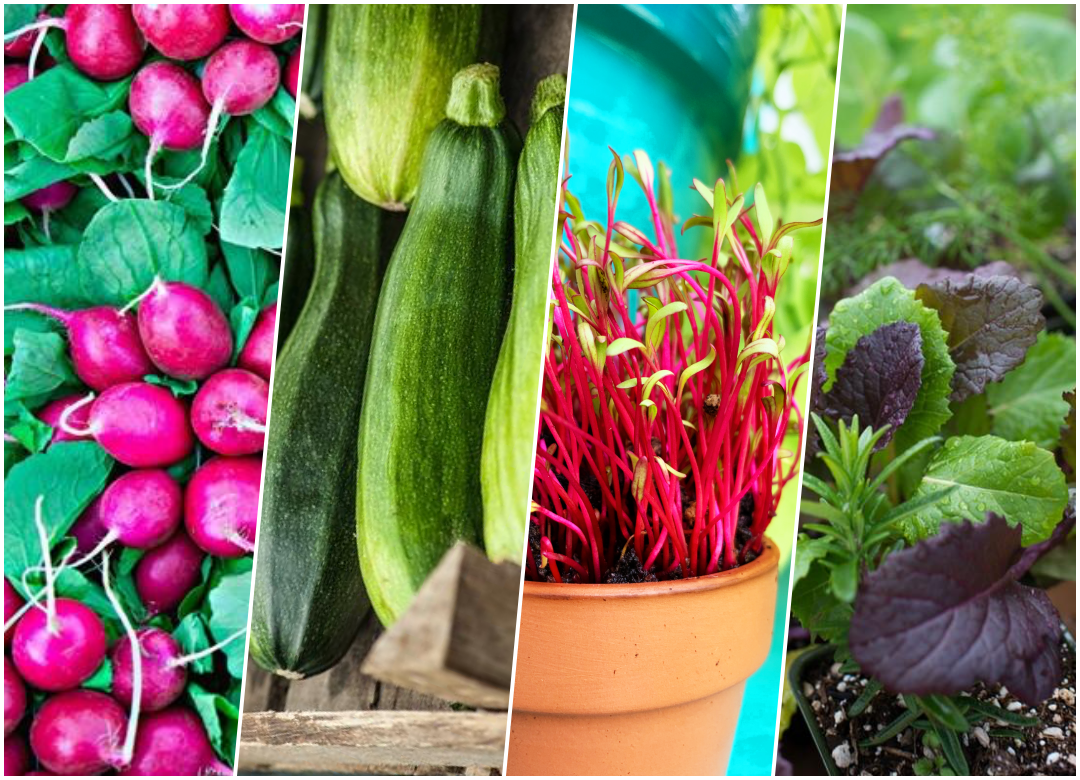
Zucchini Squash – Ready to eat in about 6 weeks

Though considered a vegetable in cooking, botanically speaking, squash is a fruit (being the receptacle for the plant’s seeds). Squash can be served fresh (in salads) and cooked (squash stuffed with meat, fried squash, baked squash). See MORE Squash Varieties, here!
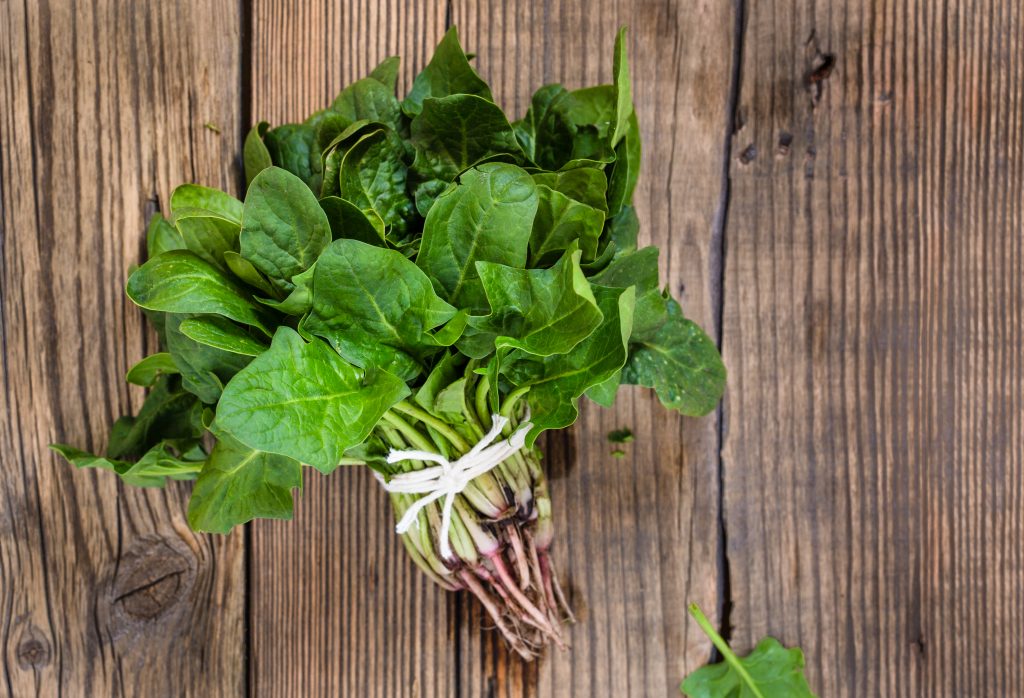
 

Spinach – Ready to eat in about 5 weeks

Spinach can grow anywhere there is at least a month and a half of cool growing weather. Spinach is a cool-season crop, hardy to frosts and light freezes. In rows 12 inches apart, space seedlings 3 inches apart. After thinning, cover the plants with row covers to keep the pests away.  (Soak seeds overnight before planting because it germinates slowly.) See MORE Spinach varieties, here!
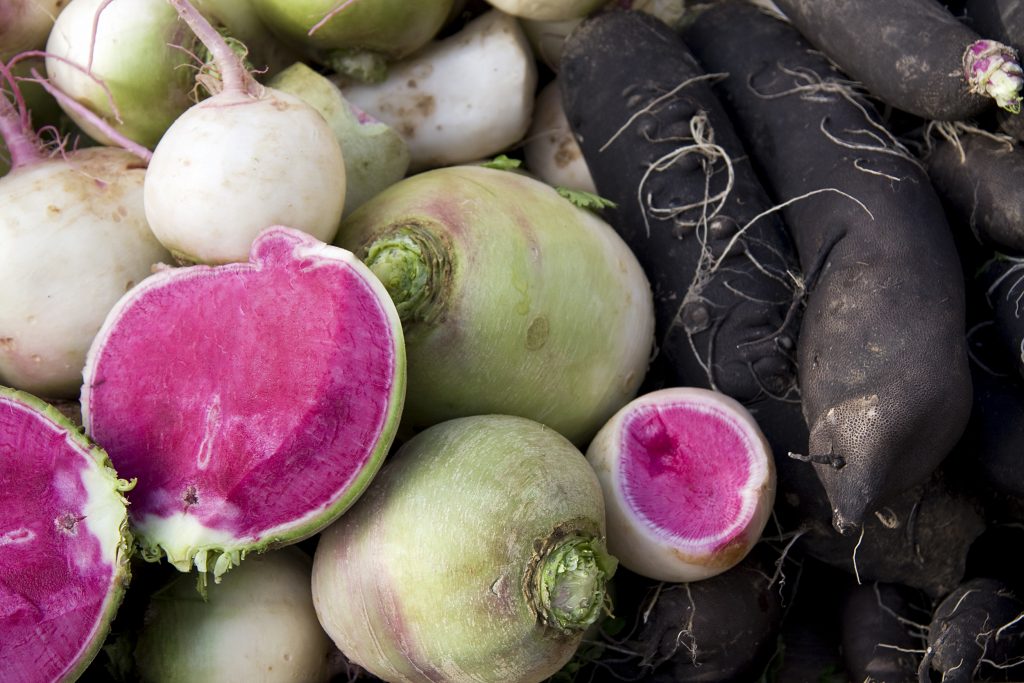
 

Radishes – Ready to eat in 4 weeks

Radishes are a fast-growing, cool-season crop that can be harvested in as little as twenty days.  Eaten raw they can be whole, sliced, diced, or grated. You can also cook and pickle them. Most of them are typically eaten fresh and make a good addition to a salad or a substitute to pepper on a sandwich. See MORE Radish varieties, here!
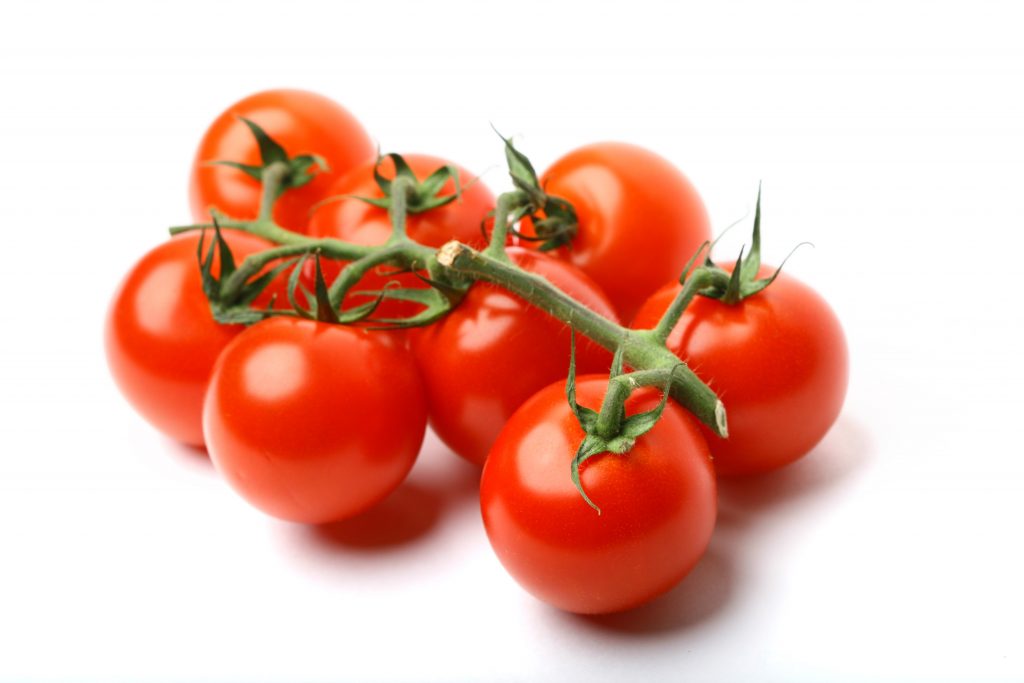
 

Tiny Tim Tomatoes – Ready to eat in about 6-8 weeks

The Tiny Tim tomato plant is a dwarf type plant produces excellent yields of ¾” – 1″  bright red cherry tomatoes. They are perfect for patio gardens. Grows well in pots, containers, and windowsill gardens. See MORE Tomato varieties, here!
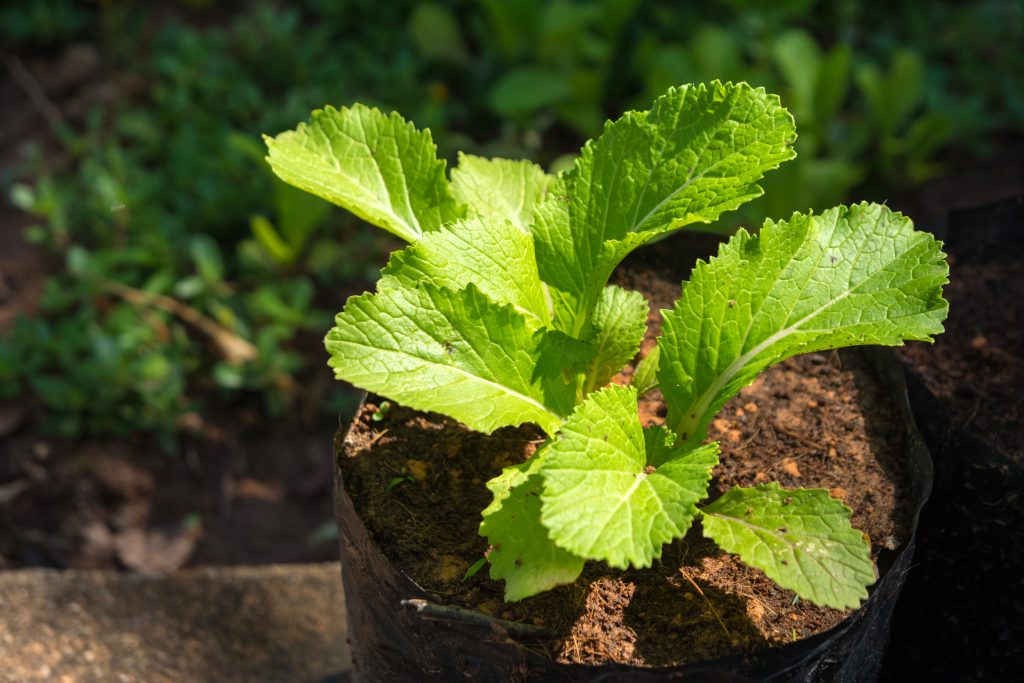
 

Mustard Greens – Ready to eat in about 6 weeks

Growing mustards are a quick and easy crop to grow in your home garden.  They are a spicy green, which will quickly become one of your favorite crops. When growing from seed, start them outdoors 3 weeks before the last frost. For a more steady harvest, plant seeds about every 3 weeks or every month to give you a successive harvest. Mustard greens prefer cooler weather, so plant late in the summer for a fall harvest, or very early in spring before the summer heat sets in. See MORE Mustard varieties, here!
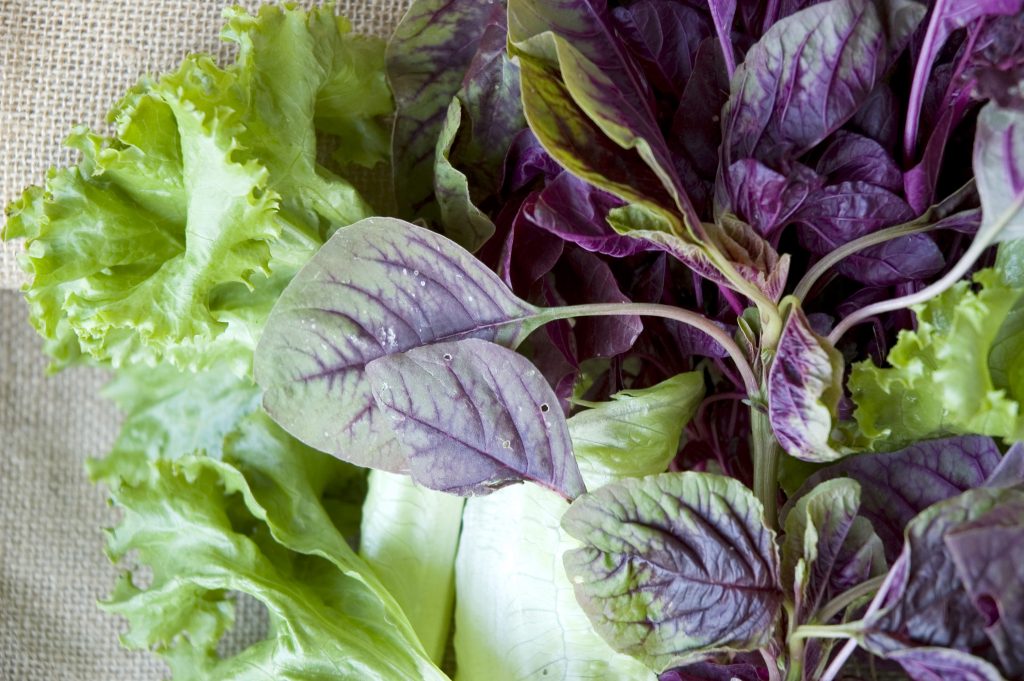
 

Lettuce – Ready to eat in as little as 6-8 weeks

Seed should be sown thinly in rows 1 foot apart; for leaf types, thin plants to 2-3 inches apart, then thin again by pulling every other plant when half-grown. This will encourage thickly developed plants. For head types, space rows 18 inches apart, plants 8-10 inches apart. Closer spacing results in smaller heads, which may be preferable for small families. Specialty growers are spacing lettuce very close for selling baby lettuces, a rapidly growing produce market. See MORE Lettuce varieties, here!
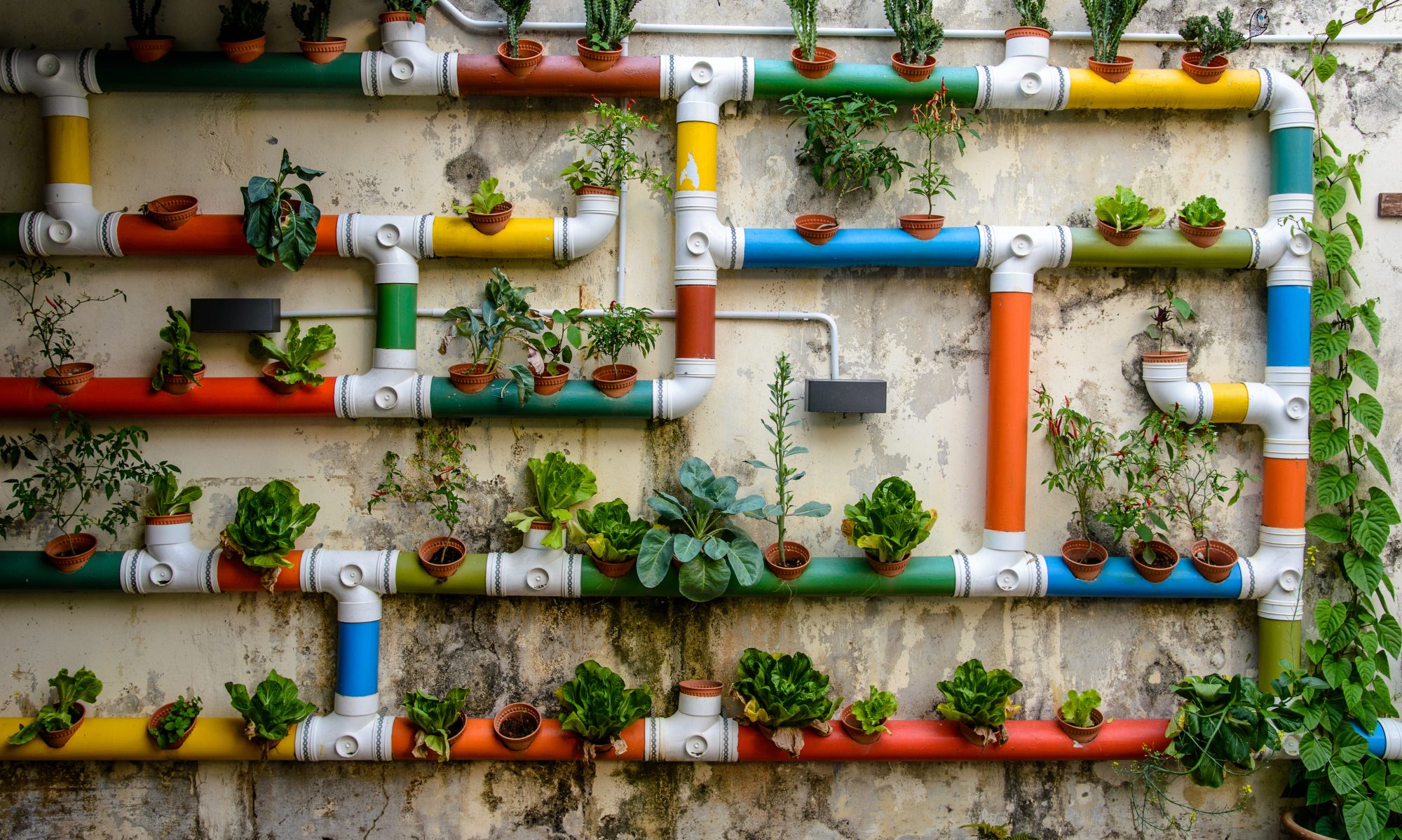

 

9 of The Best Vegetables to Grow in Small Gardens

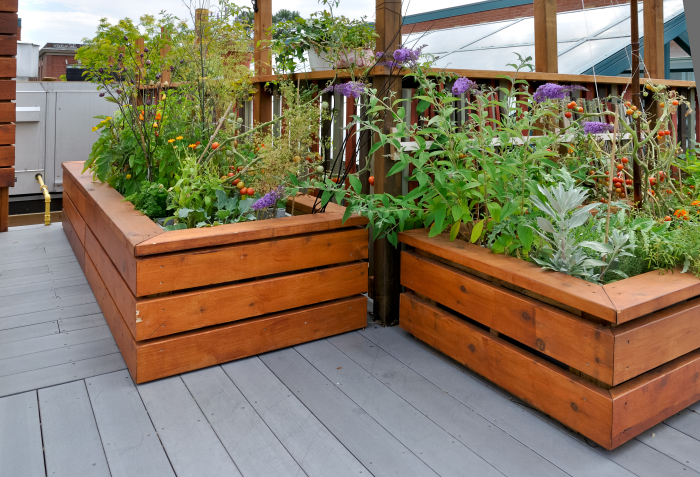
Gardening in a small space can be just as rewarding and fun as growing in a large garden area.  These days, urban gardeners are growing more of their own food in sometimes less than 100 square feet.  Balconies, patios, even indoor windowsills are a great place to grow vegetables and herbs.  Almost anything can be grown in a container, and if you’re wanting to know what you should plant to maximize your yield in a small area, here are 9 of the best vegetables/herbs to grow in a small garden.

1. Shallots:

Space shallots approx. 4-6 inches apart with the rows 18 inches apart. Plant the bulb root side down, the top of the bulb 1 inch below the surface. Planting too deep grows elongated bulbs that don’t store well.

2. Carrots:

Sow seeds evenly in a very shallow trench, about 1/4 inch deep. Keep seeds moist so they will germinate. Space rows about 12″ apart and when the first leaves emerge, thin to 1″ apart; when true leaves emerge, thin to 3″ apart.

3. Cherry Tomatoes:

To start tomatoes indoors, sow seeds using expanding seed starting soil pods about 8 weeks before the last frost date for your area. Seedlings will be spindly with less than 12-14 hours of light per day, try to keep them in a warm sunny location. When seedlings have 4 leaves, transfer to a deeper pot (3-4″) and again when 8-10 inches tall. Each time, place the uppermost leaves just above the soil line and remove all lower leaves. Transplant (see: guide to transplanting) into the garden when the stem above the soil has reached 8-10 inches tall. Be sure to harden them off before transplanting them outdoors. Allow up to 10 days for the tomato plants to harden off to the outside temperature fluctuations.

4. Runner Beans:

Set three 6 foot poles in the ground, tepee fashion, and tie together at the top. Leave 3 to 4 feet between the pole groups. Make a hill at the base of each pole, enriched with compost or well-rotted manure, and plant 6-8 seeds in each. After the second pair of true leaves appear, thin to 3 plants per pole. With regular harvesting, the pole beans should bear all summer.

5. Garlic:

Break apart cloves from bulb but keep the papery husk on each individual clove.
Ensure soil is well-drained with plenty of organic matter. Plant in Full Sun.
Plant 4 inches apart & 2 inches deep, in their upright position (the wide end down and pointed end facing up). Come springtime, shoots will begin to emerge.

6. Kale:

Plant Kale in rows 18 inches to 2 feet apart. When the seedlings are 3 or more inches high, thin plants to 10 inches apart (read about thinning) and use the thinnings for salads or as a cooked vegetable.

7. Basil:

Try to space your basil plants about 12 inches apart. As long as you harvest the leaves when they are young, basil plants make a wonderful container crop.

8. Lettuce:

Seed should be sown thinly in rows 1 foot apart; for leaf types, thin plants to 2-3 inches apart, then thin again by pulling every other plant when half grown. This will encourage thickly developed plants. For head, Bibb, and cos types, space rows 18 inches apart, plants 8-10 inches apart. Closer spacing results in smaller heads, which may be preferable for small families.

9. Beets:

Sow seed 1/2 inch deep in rows 12-18 inches apart. The beet seed is a compact ball of many tiny seeds. Many plants germinate where each seed is sown, so seed should be placed sparingly. When seedlings are 4-6 inches high, thin plants to stand 1 1/2 inches apart. (They can be used in salad or cooked like spinach.) Then, as these beets grow to about an inch in diameter, pull every other one to allow larger beets to grow.

READ MORE ABOUT GARDENING IN SMALL SPACES AT www.SeedsNow.com

Grow A Garden All Year Long! Join the Seed Club TODAY!

Welcome to the Club! UOG is a fully customized monthly garden club that is curated JUST FOR YOU, and full of unique garden seeds & supplies. #urbanorganicgardener


🐝 SHIPS ON THE 5TH OF EVERY MONTH
🍅 STARTS AT $9.99/MONTH
🌶 FREE TO CANCEL AT ANY TIME
🥦 100% SATISFACTION GUARANTEED
🍉 PURE RAW UN-TREATED HEIRLOOM NON-GMO SEEDS

LEARN MORE or SIGN-UP: www.urbanorganicgardener.club

📢[SAVE $5 ON YOUR FIRST MONTH BY USING CODE “UOG5” DURING SIGN-UP]

**SIGN-UP DEADLINE is JULY 4th at 11:59pm PST. Shipments will go out on the 5th.**

Grow Up to 90 Fruits and Vegetables in Your House With This Auto-Watering Indoor Garden

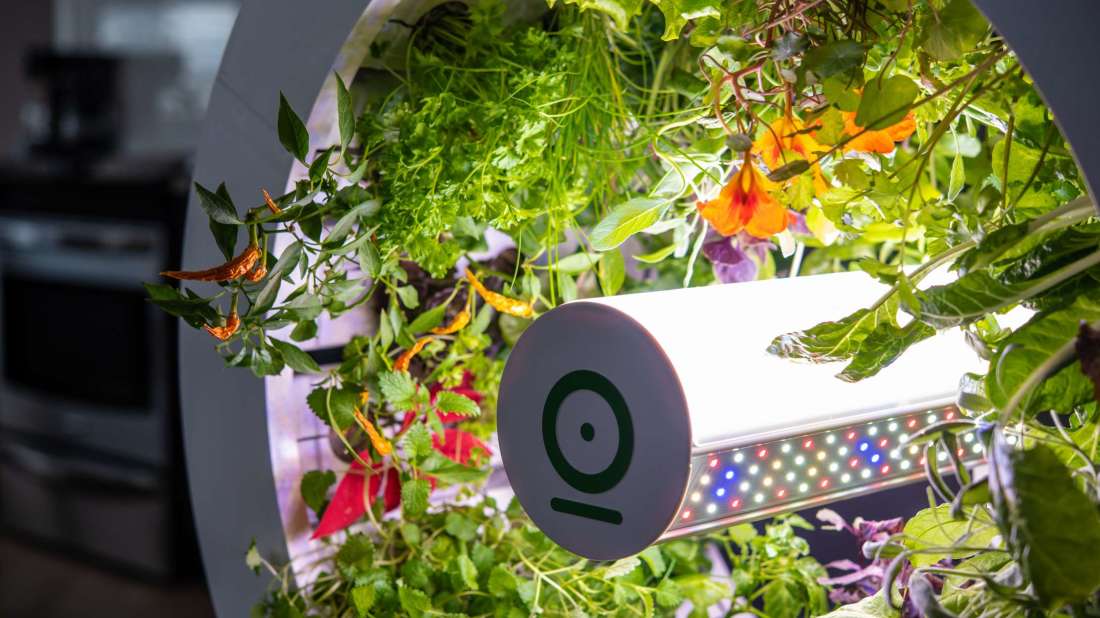
If you’ve always wanted to start your own herb or vegetable garden but don’t have the yard space or the “green thumb” to pull it off, there’s now another option. The OGarden Smart is an indoor gardening system that grows up to 90 plants at one time—20 of which are edible.

Strawberries, celery, kale, bok choy, green beans, cayenne pepper, green onion, and cherry tomatoes are just a few of the fruits and veggies the OGarden can grow. Up to 30 growing cups can be placed in a lower cabinet, where the seeds are allowed to germinate. Once they sprout, the plants can then be transferred to the rotating wheel up above, which holds up to 60 plants at a time. It takes about 30 to 40 days to harvest the produce, depending on the type of plant grown.

The system is self-watering and uses automatic LED lights to provide the right amount of sunlight, no matter what season it is. The only work that’s required is planting the seeds and refilling the water tank once a week.

LEARN MORE: http://mentalfloss.com/article/574691/grow-90-fruits-and-vegetables-your-house-auto-watering-indoor-garden

How To Grow Wheatgrass At Home *WITHOUT SOIL*

Growing your own wheatgrass at home is easy and fun to do – especially during the winter months!

There are a lot of different methods on how you can achieve this, so below we are going to share with you some of our favorite.

There are both soil and soil-less methods.  Today we are focusing on soil-less.  Make sure you choose which will work best for you.

Before you get started, purchase your wheatgrass seeds.

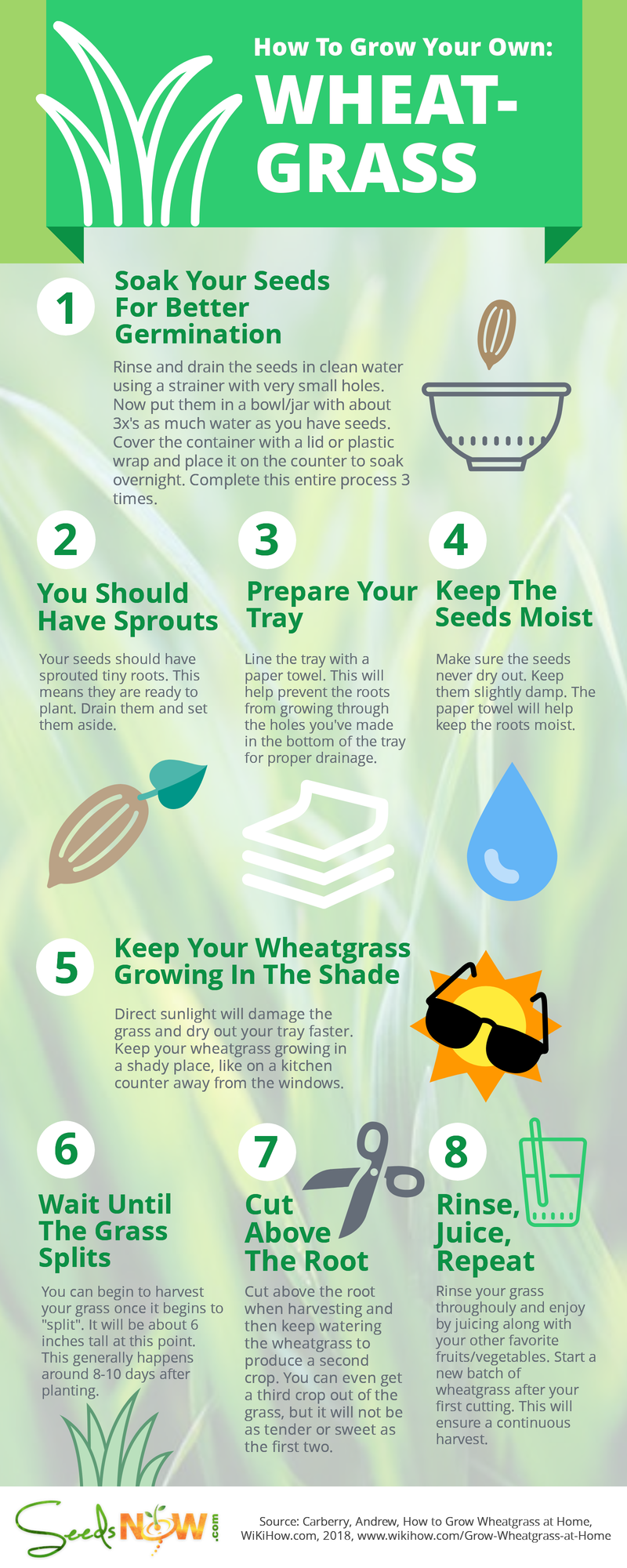
And this is how it’s done ….

As you can see, wheatgrass can be easily grown and prepared at home.

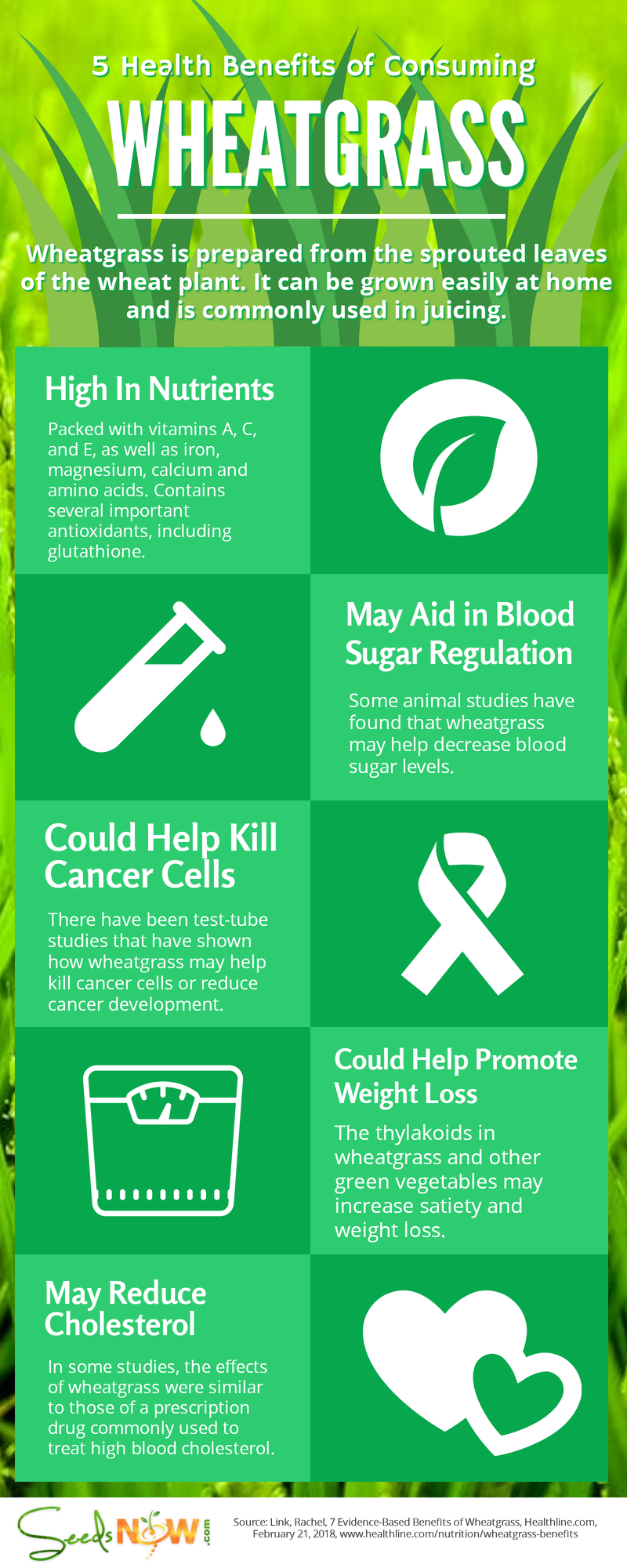
Some claim it can do everything from detoxifying the liver to improving immune function & boost weight loss. Nevertheless, wheatgrass delivers many amazing benefits.

Now, let’s see what happens to your body if you drink wheatgrass daily …


We’ve talked about the amazing health benefits of consuming wheatgrass and showed you how to grow your own, now here are some great ways to enjoy your raw, healthy, nutrient-packed wheatgrass!

Check out these wheatgrass recipes:


Ready to start growing your own Wheatgrass? 
SHOP Wheatgrass seeds!

Urban Farming Organization Visualizes a Franchise Model to Produce Fresh Fish and Vegetables

“On a cool September morning, Dre Taylor dodged raindrops while talking with several people tending beans, peppers, tomatillos, collards and more outside of a 4,500-square-foot building. This is Nile Valley Aquaponics, a vibrant fixture in Kansas City, Missouri’s urban core. The name came from Egypt where people cultivated plants and fish thousands of years ago. Goats and picnic tables share outdoor space and offices occupy a nearby house.

Last summer (2018), Nile Valley Aquaponics grew dozens of fruits, vegetables and herbs, from tomatoes and squash to basil and sage, kale and Swiss chard. Its 100,000 Pound Food Project seeks to produce 100,000 pounds of local fresh fish, vegetables and herbs, creating greater access to healthy food choices, while providing volunteer opportunities and economic stability in the area. Health education is also important. Several October classes will address growing mushrooms, building a greenhouse for less than US$500, and building a personal aquaponics system.”

READ THE FULL STORY AT: “EcoWatch.com

Hydroponics Guide: Learn To Grow Plants Without Soil 2018

“Hydroponics is the art/science of growing plants in a soil-free environment. Historically, hydroponics isn’t that new. In fact, there are many ancient records of people using the concept of hydroponics to grow plants.

One such important record is the Hanging Gardens of Babylon, which is considered one of the Wonders of the Ancient World. In Babylon, they used gravel and stones to grow plants.

While the system is certainly more primitive than what we can create now using our own two hands, it’s important to note that the underlying principles remain the same.

This hydroponics guide will give you a bird’s eye view of how hydroponics works, how it actually grows plants and how you can start your own hydroponic system.”

LEARN MORE about GROWING HYDROPONICALLY, Here!
Win a FREE Seed Club Subscription!

Seed Club GIF

Win a FREE 1 Month Subscription to UOG’s Monthly Seed & Garden Club! https://urbanorganicgardener.cratejoy.com/offer.html

Everything is delivered to you at just the right time of the year. [All based on your grow zone – growing conditions – garden location – preferences – and more!]

Now is the perfect time to join as we are currently getting ready for the upcoming spring planting season!

Let our Garden Guru’s curate a collection of seeds & garden supplies just for you – your grow zone – garden space – location – and more. Includes everything you need to grow 5 new edible plant varieties every month – varieties can include herbs, vegetables, flowers, sprouts, micro-greens, bulbs, and more! Join the rest of the UOG community and get growing now!
ENTER TO WIN: https://urbanorganicgardener.cratejoy.com/offer.html

Urban farmers are learning to grow food without soil or natural light

gettyimages-862655512Growing food in cities became popular in Europe and North America during and immediately after World War II. Urban farming provided citizens with food, at a time when resources were desperately scarce. In the decades that followed, parcels of land which had been given over to allotments and city farms were gradually taken up for urban development. But recently, there has been a renewed interest in urban farming – albeit for very different reasons than before.

As part of a recent research project investigating how urban farming is evolving across Europe, I found that in countries where growing food was embedded in the national culture, many people have started new food production projects. There was less uptake in countries such as Greece and Slovenia, where there was no tradition of urban farming. Yet a few community projects had recently been started in those places too.

Read the FULL Story at: “CityMetric.com


Join UOG’s Monthly Seed Club, Just in Time for Spring!

UOG GIF

Collect heritage seeds and GROW A GARDEN, ALL-Year-ROUND!

Join the club that delivers you garden seeds at just the right time of the year to plant them – hand selected based on your garden specs. Start by telling us a little bit about your garden, preferences, and location. Then, each month we’ll send you a curated collection of heritage garden seeds.

Now is the perfect time to join.
Spring is right around the corner!

Visit: https://urbanorganicgardener.cratejoy.com

**NEXT SHIPMENT: FEBRUARY 5**

The Science Behind Vertical Farming

“Everything we create, everything we build, and everything we send out into the world has an impact on people and the planet. We take that responsibility seriously. We operate ethically and strive constantly to increase our operational standards to deliver high quality food.”

Learn more about Aerofarms and their project by visiting: “AeroFarms.com

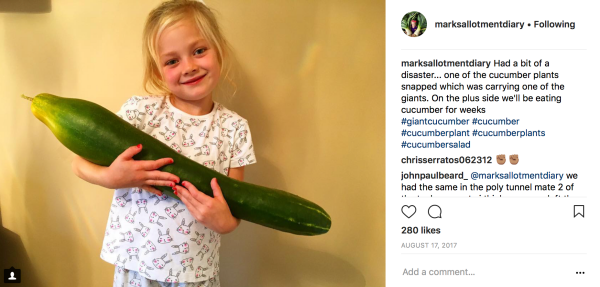
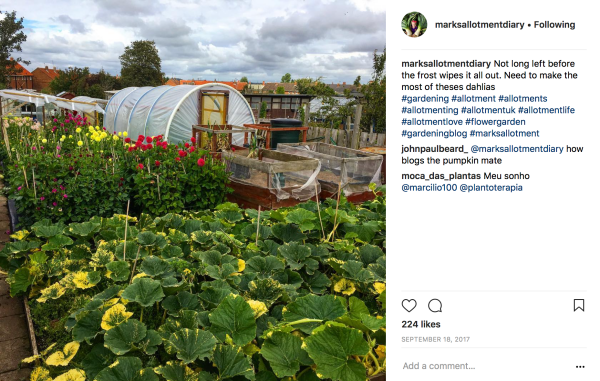
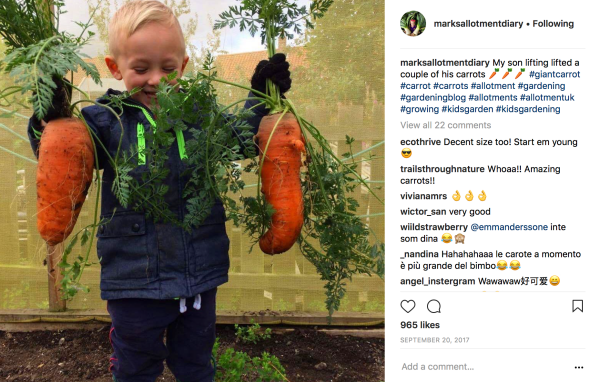
UK Gardener Grows Giant Organic Vegetables for Garden Shows

smallcapture-20180114-200308

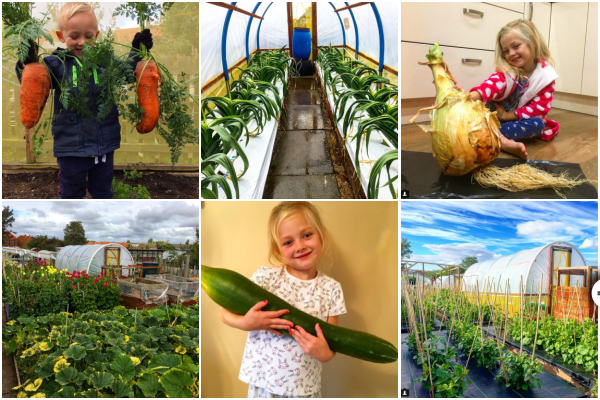
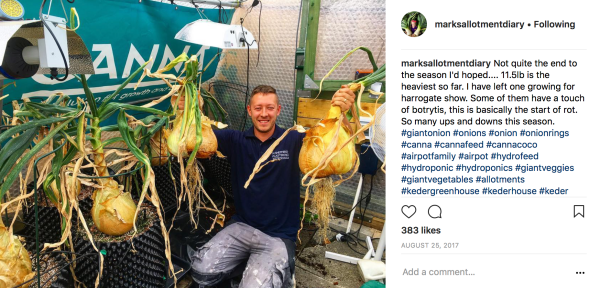
“Today I lifted my giant onions which have been growing for almost a year. They have been grown hydroponically in an RTA air-pot dripper system. There are a couple of things which I could have changed which could have altered the end result.”

smallcapture-20180114-195557

smallcapture-20180114-195732

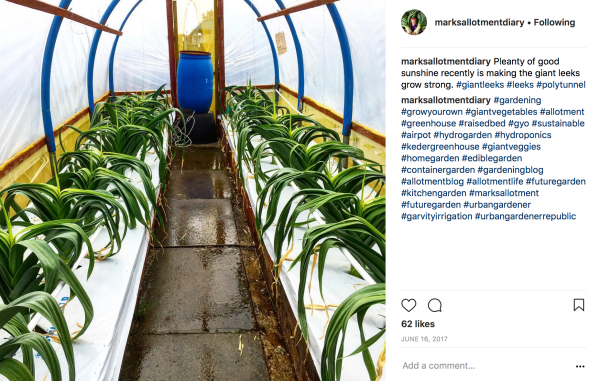
“Down on the allotment in the polytunnel I lifted my giant pot leeks for exhibition/show. This show requires 3 pot leeks 6 inches to a tight button. in this video I show you how I lift and wash my leeks in preparation for show. This was the second show (ever) that I had benched/ exhibited my leeks at and I managed to scoop first place in style by smashing the record and showing 512cc for three leeks. The purpose of growing these leeks is for exhibition but they are also edible and taste good. They are not genetically modified nor are they pumped with chemicals.”

smallcapture-20180114-200349

“Here’s how I prepare sand boxes to grow my exhibition stump root carrots.”

smallcapture-20180114-195802

smallcapture-20180114-195519

smallcapture-20180114-195436

Follow @marksallotmentdiary on Instagram, today!