
7 Trends That Will Define Gardening in 2019

Americans are gardening in record numbers but what are they most interested in this year?

Here are highlights of the seven top 2019 trends in gardening:

• The Slow Garden Movement: The same trends that millennials are driving across consumer brands — transparency, sustainability, hand-crafted, experiential, and authenticity — are showing up in gardens and garden centers nationwide.
• Architecture Rules: Garden designers will use plants with plenty of intriguing, often formal, shapes, forms, textures, and branching habits within otherwise naturalistic gardens, resulting in a delightful yin-yang effect.
• Desperately Seeking Season: With seasonal changes that are less distinct and predictable marked by longer summers and shorter winters, gardens that dramatically, graphically evolve over the seasons are becoming even more prized.
• Do it For Me!: Consumer research has identified a growing segment of “Do It for Me” homeowners who want the beauty and seasonal rhythm of a landscaped space, but may not have the time to make this happen.
• Working Overtime: With home lots getting smaller and less time for gardening, consumers are snapping up one-and-done plants that do double or even triple duty in the landscape.
• One-Stop Garden Shop: Seeking more than the free wifi and caffeine buzz offered at your local coffee shop, consumers are flocking to garden centers for a newer, fresher experience.
• Into the Woods: Cool, mossy, and damp, small space woodland gardens bring a welcome sense of organic zen and a respite from digital overload, especially in dense urban areas where they can help to mitigate the effects of pollution.

READ THE FULL ARTICLE AT: https://www.greenhousegrower.com/management/7-trends-that-will-define-gardening-in-2019/
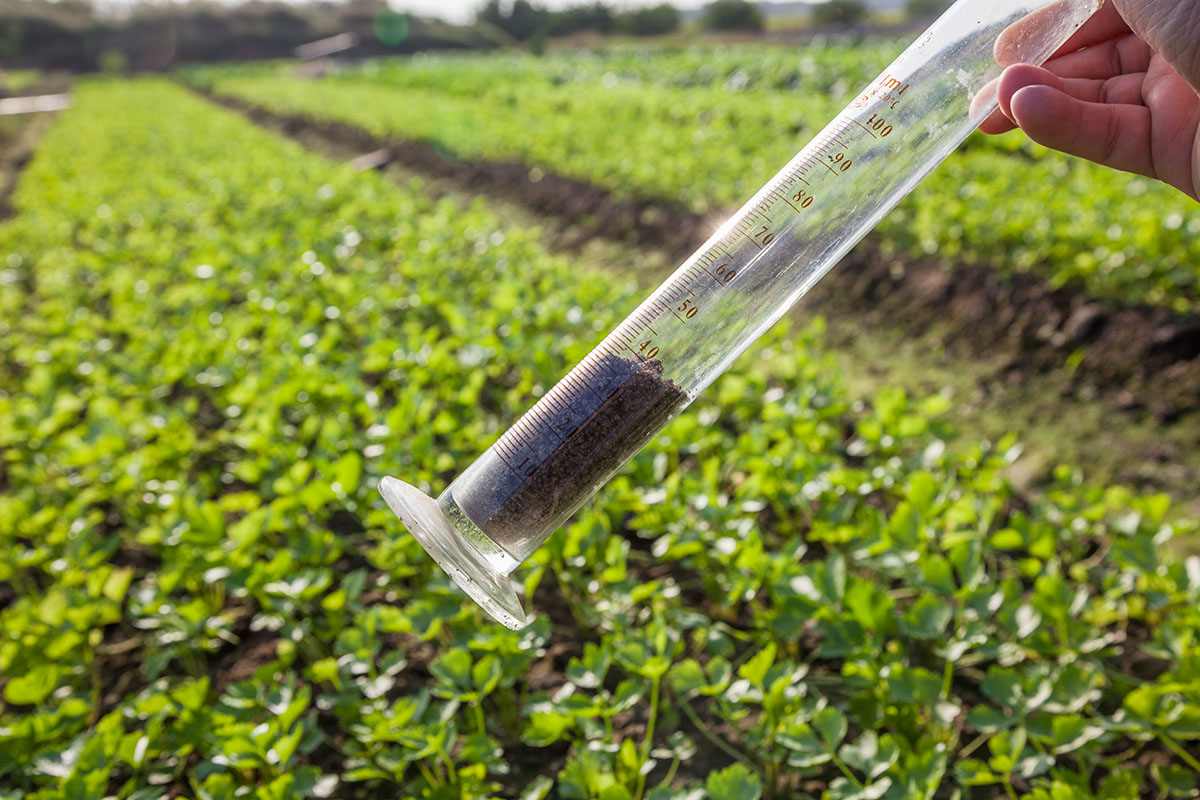
Urban Gardening 101: How to Deal with Contaminated Soil

Urban soils are particularly prone to contamination. 50 years ago, your yard could have belonged to a farmer, who, perhaps not knowing any better, disposed of old bottles of anti-freeze or contaminated diesel in a hole out behind the tractor garage. Or perhaps the remains of a fallen down outbuilding, long ago coated in lead-based paint, was buried on your property buy a lazy contractor when your subdivision was built.

For those wanting to garden on non-residential urban property – school yards, church grounds, parks, commercial areas, vacant lots – the likelihood of contamination is even higher. There is no telling what sort of past activities took place there, all visible signs of which have disappeared. Prior the 1970s, environmental rules were very lax, and it was not uncommon for all sorts of hazardous chemicals to be dumped at any location where they were used. Many such chemicals persist in the soil for decades, if not longer.

The good news is that if the property was redeveloped (any significant new construction, demolition, or change of use) since environmental laws tightened, it would have had to go through a strict assessment to determine if contamination was present. If anything unacceptable was found, the owner would have been forced to remediate the soil before starting construction. However, if the property has remained more or less as-is since the 1970s (or earlier), it is unlikely that anyone has ever investigated what might be lurking in the soil.

READ THE REST OF THE ARTICLE: https://modernfarmer.com/2018/06/urban-gardening-101-how-to-deal-with-contaminated-soil/

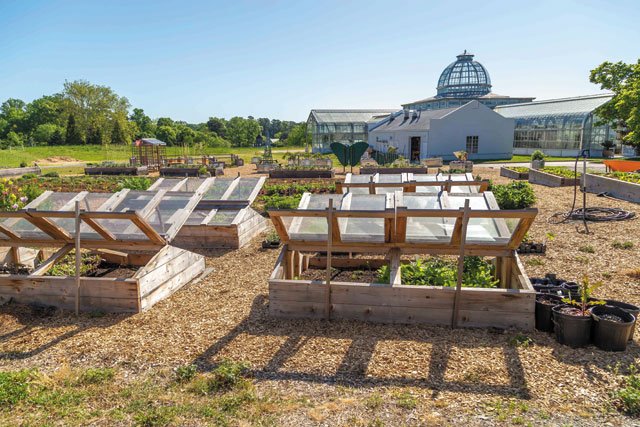
Buying Time: Extend your garden’s growing season with a cold frame

Part incubator, part greenhouse and part time machine, a cold frame is anything but cold. It’s an empty, bottomless box that protects plants from winter weather. With its hinged lid of glass or rigid plastic, a cold frame captures solar energy and converts it to radiant heat, creating a warm microclimate where plants thrive. Like the windshield of your car on a cloudless day, sunlight passing through the glass is absorbed by interior surfaces and re-radiated as heat. It makes for a snug, safe space for plants to grow when the weather is inhospitable.

Sara Barton is a big fan of a cold frame. Barton got her master’s degree in public health from the School of Public Health at City University of New York, but she likes to say she got her work experience “in the field,” on an organic farm. Since 2017, Barton has been the Learning Garden Coordinator with the VCU Office of Sustainability, where she manages three urban campus green spaces.

All three are “small-scale gardens where a cold frame is a very useful tool,” to extend the season and expand the harvest, she says. “Just like in a home garden.”

READ THE REST OF THE STORY: https://richmondmagazine.com/home/experts/buying-time/

Bottle Tower Gardens Provide Exceptionally Efficient Small Space Growing

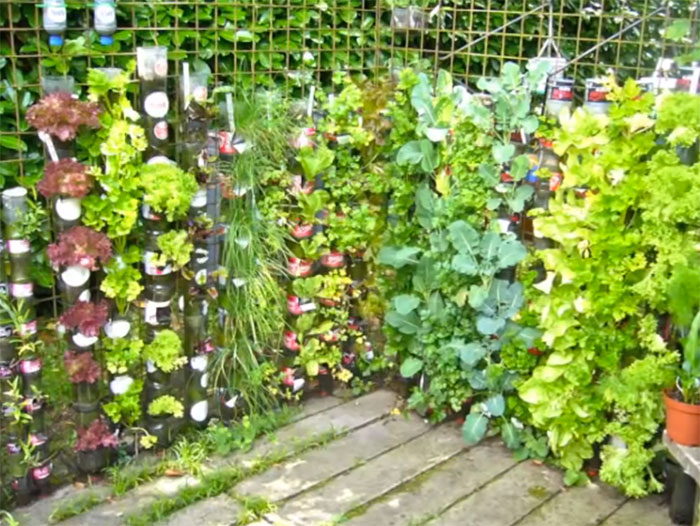
Dr. Willem Van Cotthem experimented with this vertical gardening system using recycled plastic bottles stacked and attached to a fence.  He began with the 2011 growing season and continued through 2012 with great success.  This type of garden is cheap to start and is extremely effective for those who do not have a lot of growing space.  A system like this could be built along a fence, wall, or on a balcony.

READ THE ORIGINAL STORY at “OffGridWorld.com”

Our 5 Favorite Holiday Platters To Help Keep You On Track This Christmas

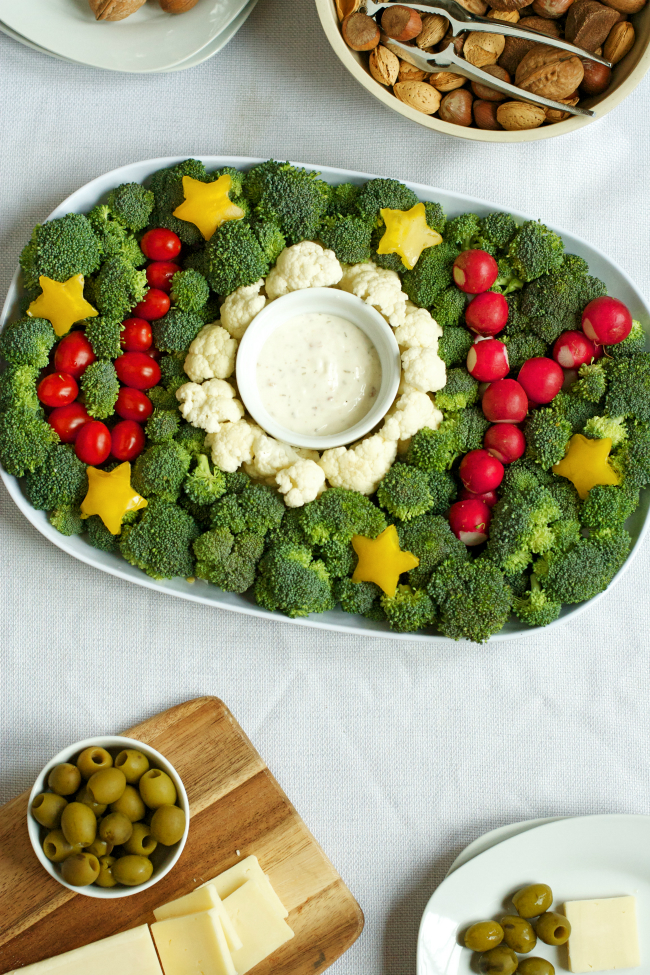
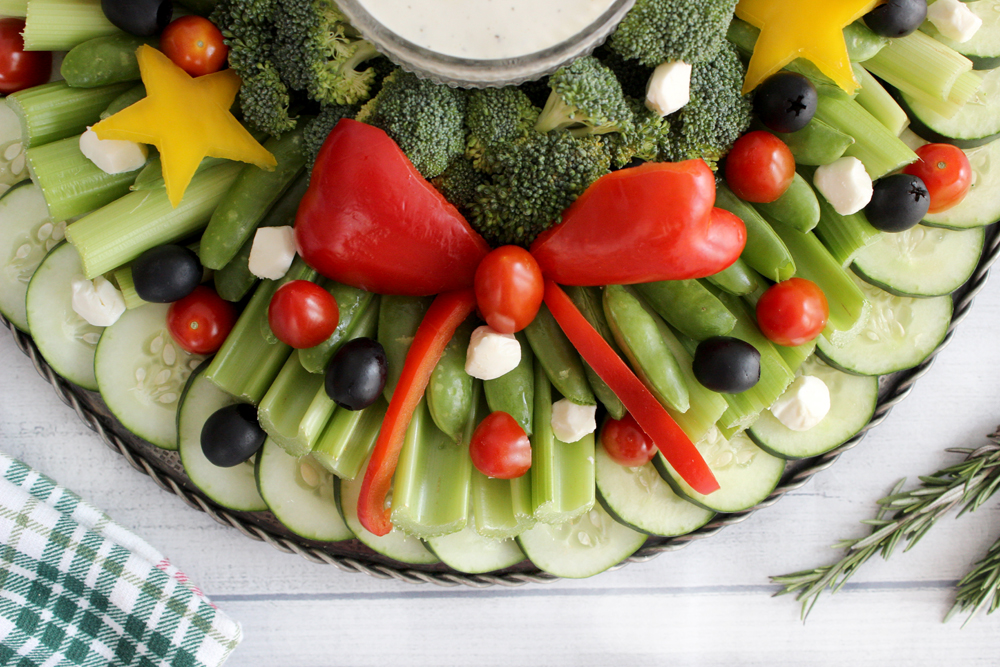
1. A Veggie Tray for the Holidays

 Try this healthy tray via “ModernParentsMessyKids.com

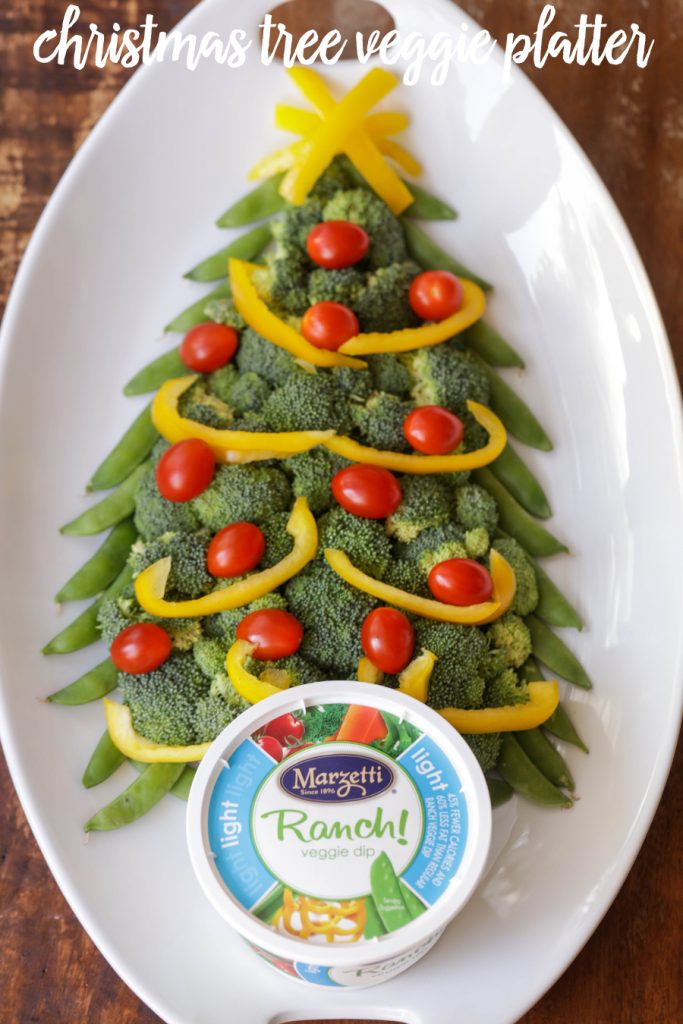
2. Christmas Tree Veggie Platter

The holidays are such a fun time to create fun and festive recipes and dishes. There are usually so many activities, get togethers and parties, providing countless opportunities to get creative and have some fun with these plates. via LilLuna.com

3. Easy Veggie Tray Wreath

Cutest veggie tray wreath, perfect for any Christmas party or get together! via PrettyProvidence.com

4. Santa Goes Healthy

This cute Santa veggie tray is a magical way to bring some healthy options to your Christmas table. via EatingRichly.com


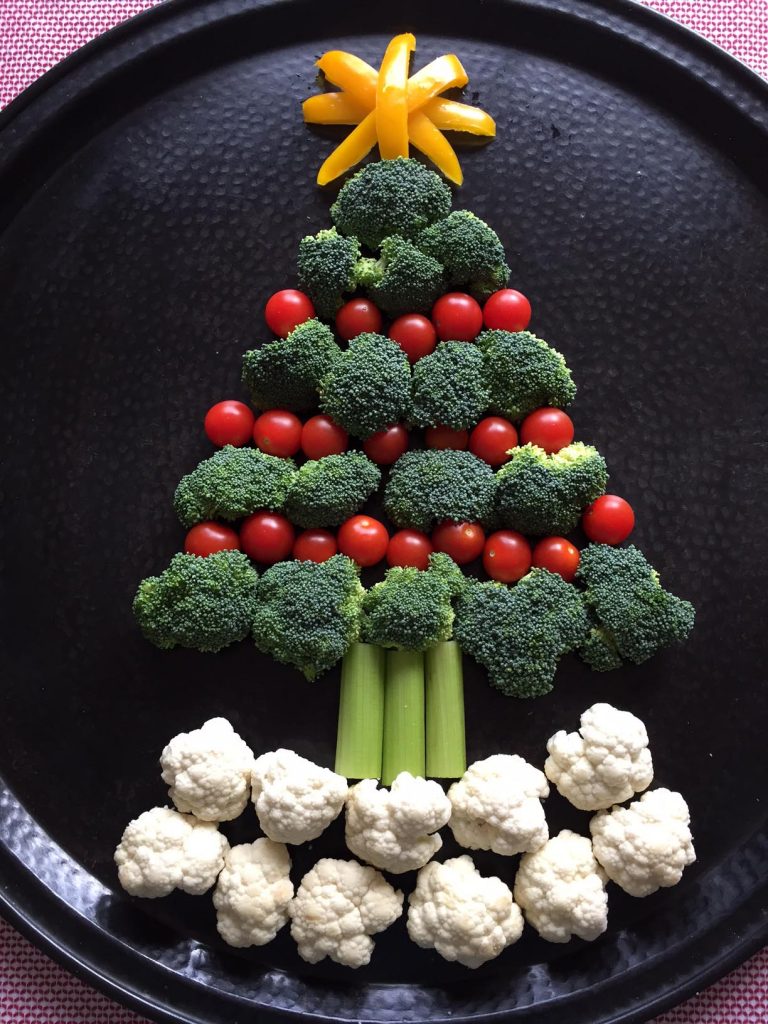
5. Christmas Tree Vegetable Platter Appetizer Tray

Celebrate Christmas in style with this cute Christmas tree shaped vegetable platter!  Broccoli makes the green branches, red cherry tomatoes make the ornaments, cauliflower makes the white snow and the yellow bell pepper makes the bright star! via MelanieCooks.com


How gardening can heal the land — and you

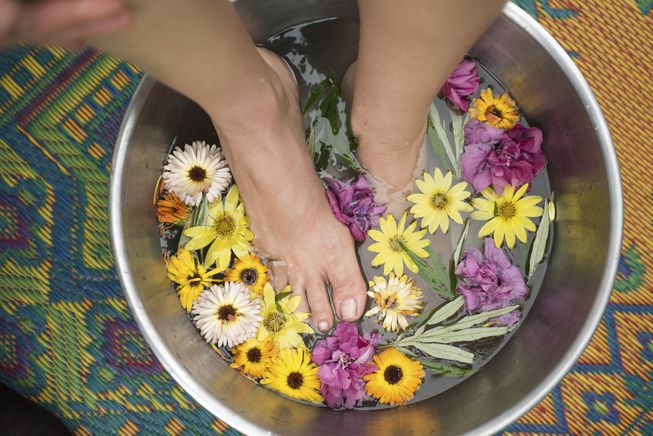
Maybe you think of your garden as a place to escape from work or other stresses. Or perhaps you see it as a special place where you can feel close to nature. But have you ever thought of it as a sanctuary? As a sacred space?

If you haven’t taken this leap of faith but are intrigued by the idea, then take the time to read “Creating Sanctuary: Sacred Garden Spaces, Plant-based Medicine, Daily Practices to Achieve Happiness and Well-Being”by Jessi Bloom (Timber Press, November 2018). The book serves as a guide to rejuvenating bodies, minds and spirits not in some faraway tropical resort but through plants and practices in your own backyard.

Bloom would know how to do this. An award-winning ecological landscape designer, professional horticulturalist, ISA-certified arborist and owner of NW Ecological Services in Woodinville, Washington, she wrote the book not just from a professional background but from personal experiences as well.

READ THE FULL STORY AT: “MNN.com

How to Bring Lush Greenhouse Vibes to Your Home During the Colder Months

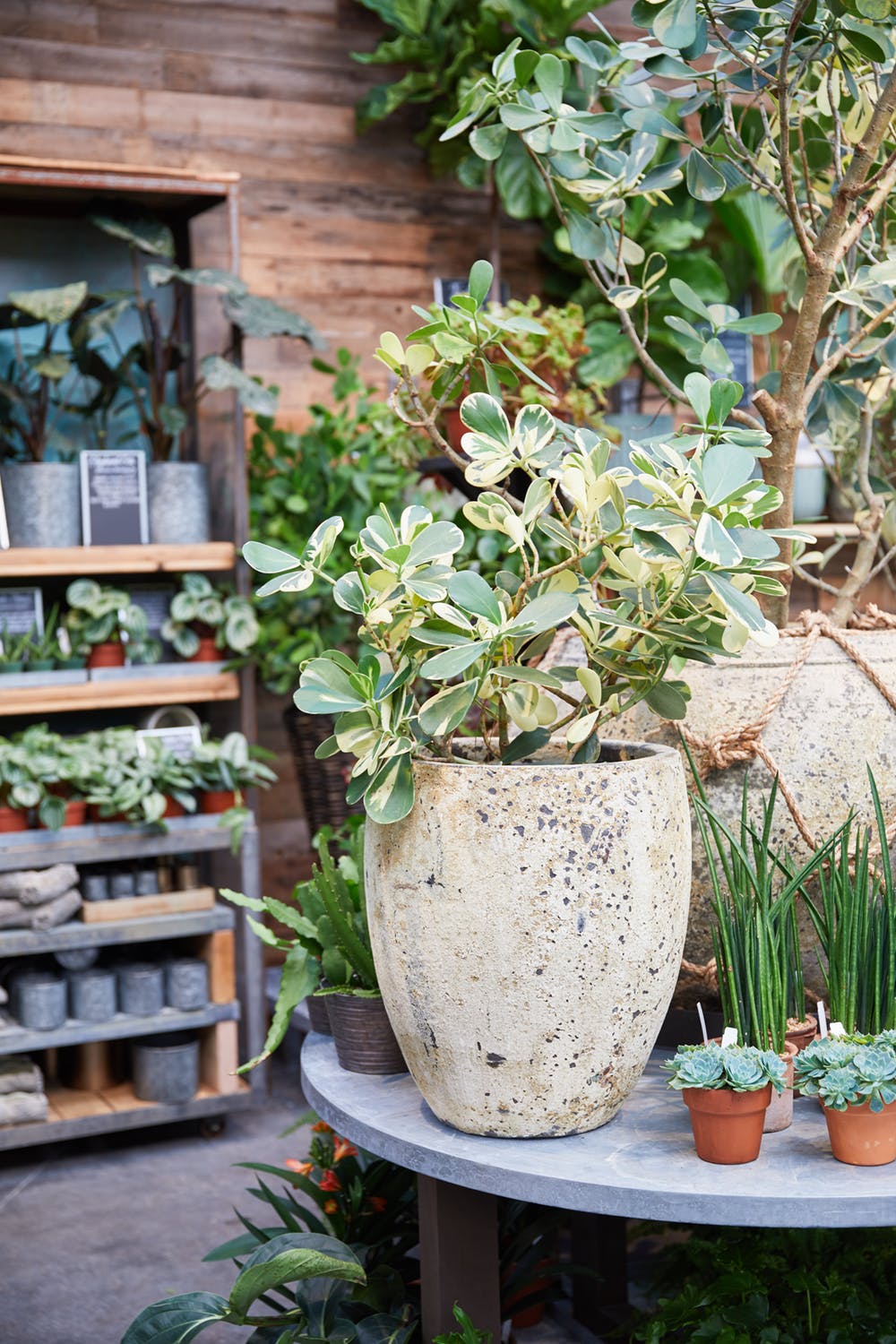
1. Pick hardy plants. Of course, if you don’t have a green thumb to start with, winter can pose a whole other challenge. Use this season to focus on naturally hardy and already well-established plants, rather than deciding now’s the time to try your hand at a new specialty. “Sansevieria is a standby as a truly solid, highly tolerant plant,” Lowrie tells Brit + Co. “[At Terrain], we are liking the narrow shape and natural form of Fernwood Sansevieria, or Sansevieria Moonshine, for its brighter, frosty green foliage.”

2. Stick to your routine. If tending to plants is part of your self-care, be sure to keep this habit going strong, especially since moods can plummet during the winter. “Beyond the air-purifying benefits and the way that plants brighten up and bring life to interior spaces, for us it’s about maintaining the connection to nature throughout the year and the ritual of tending them, especially in the colder months,” Lowrie says. Engaging in pruning and tending rituals can be a fulfilling part of your day and can boost your mood when you’re not getting as much interaction with the outdoors.

3. Make a mister your best friend. If your favorite plants are struggling as temperatures drop, remember that it’s not the heat, it’s the humidity. “Many ferns and other lush plants will thrive in low-light situations, but humidity is often the biggest challenge for otherwise tolerant houseplants,” says Lowrie. “To remedy, we scatter misters throughout the house, and I make habit of misting while on the phone or chatting with my partner.” A simple spritz here and there might be the difference between lush greenhouse vibes and saying goodbye to your favorite plant pal.

READ THE FULL ARTICLE AT: ” Brit.co

Gardening Could Be The Hobby That Helps You Live to 100

Dan Buettner has studied five places around the world where residents are famed for their longevity: Okinawa in Japan, Nicoya in Costa Rica, Icaria in Greece, and Loma Linda in California and Sardinia in Italy.

People living in these so-called “blue zones” have certain factors in common – social support networks, daily exercise habits and a plant-based diet, for starters. But they share another unexpected commonality. In each community, people are gardening well into old age – their 80s, 90s and beyond.

Could nurturing your green thumb help you live to 100?

“When you eat vegetables that you’ve grown yourself, it changes everything – they taste more delicious, and it really makes a difference in the health qualities (vitamins, minerals, phytoactive compounds etc.) of the food itself,” says Willcox. Buettner, the “blue zones” expert, recommends a diet of “90% plants, especially greens and beans”, and points out a simple truth: gardeners are more likely to plant what they want to eat.

READ THE FULL ARTICLE: “BBC.com

Indoor gardening: Add plants to every room of your home

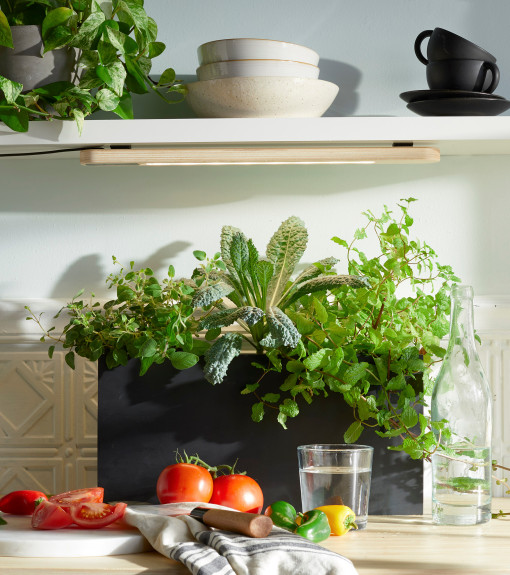
Grow herbs or other leafy greens indoors under a Growbar LED light fixture or near a sunny window. (photo contributed)

Gardeners know the benefits of digging in the soil. It elevates a person’s mood, improves mental and physical well-being and the outcome is always good – added beauty or tasty nutritional food. But many of us are stuck indoors for the winter, have a lack of space to garden outdoors or just can’t get enough of this healthful activity. Adding greenery indoors expands our gardening opportunities and provides the many benefits of living with and tending plants.

Let’s start with the kitchen. Boost the flavor and nutrition of winter meals by growing leafy greens and herbs in a sunny window or under a cabinet with the help of a Growbar LED light fixture. Start plants from seeds or purchase transplants to grow indoors. Place your indoor kitchen garden in a brightly lit location, free of cold drafts and with easy access to harvest and use. Then enlist the whole family and even your guests into harvesting greens for their salad and herbs to season their meals. This is sure to turn family and friend gatherings into unique and memorable experiences.

Include plants in your home or work office. Greenery helps reduce stress even when working at your desk or tackling homework at the end of a long day. Set a few plants on or near your desk or other workspace. And don’t let a lack of light stop you from growing a bit of green stress relief. Stylish energy efficient full spectrum plant lights, like the Felt Pendant Grow Light (modsprout.com), fit any décor, direct light where it is needed and promote healthy plant growth.

READ THE REST OF THE ARTICLE AT:ukiahdailyjournal.com

How to create an urban farm in your Austin backyard

Growing health, fitness and fresh food movements are fueling the rise of urban backyard gardens across the country. As studies identify food as a primary component of disease prevention, people are turning away from commercial, processed and packaged foods, instead working fresh food into their diets. Gardening itself has physical and mental health benefits.

The biggest gardening trend of 2018 was the emphasis on food. Large sections of lawn are being cleared to make room for tomatoes, cucumbers, peppers and squash. Gardeners embrace creativity by growing fruits and vegetables in increasingly smaller spaces like balconies, walls and patios. Back in fashion: companion planting and canning, key to the gardens of our grandmothers. (My husband’s canning jar collection keeps growing every year.)

Kids are also learning where their food comes from. School gardens expand science lessons by engaging students outdoors. Learning about photosynthesis back in my day would have been infinitely more fun in the sunshine getting dirt under my fingernails.

READ THE FULL STORY AT: “Austin360.com

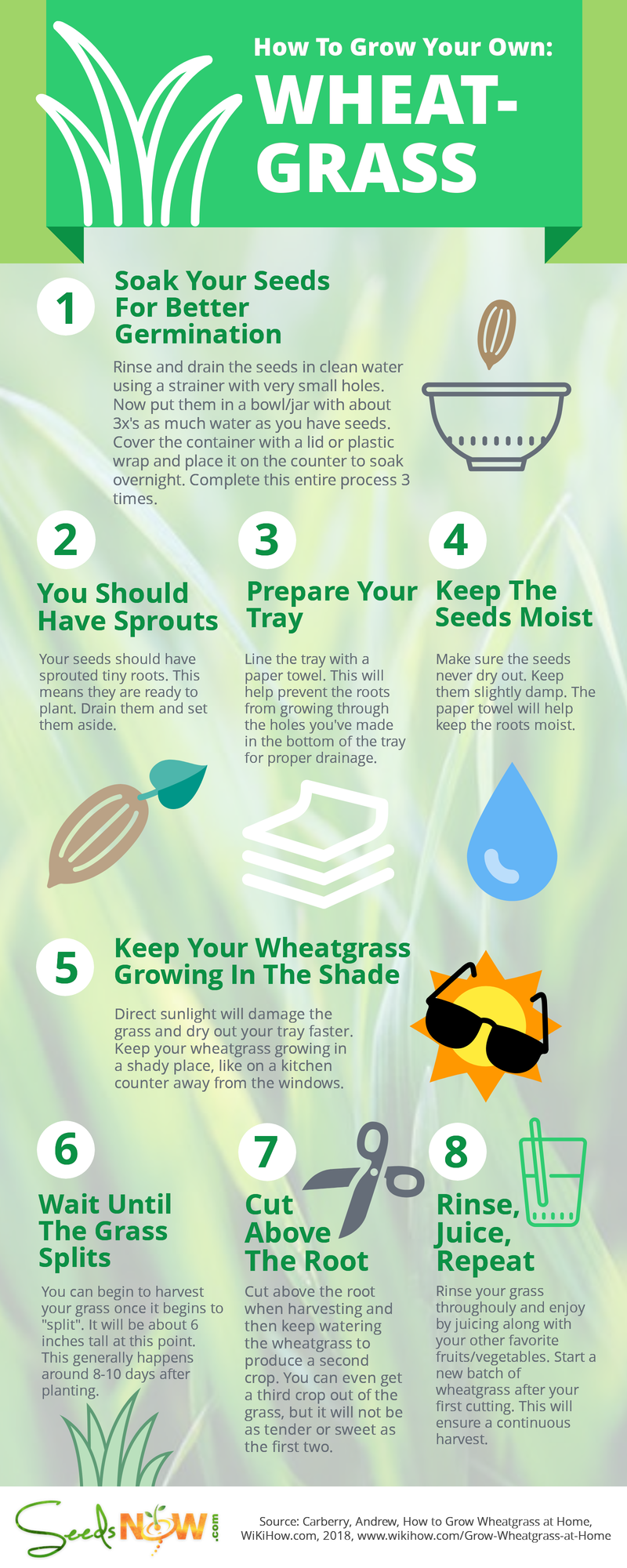
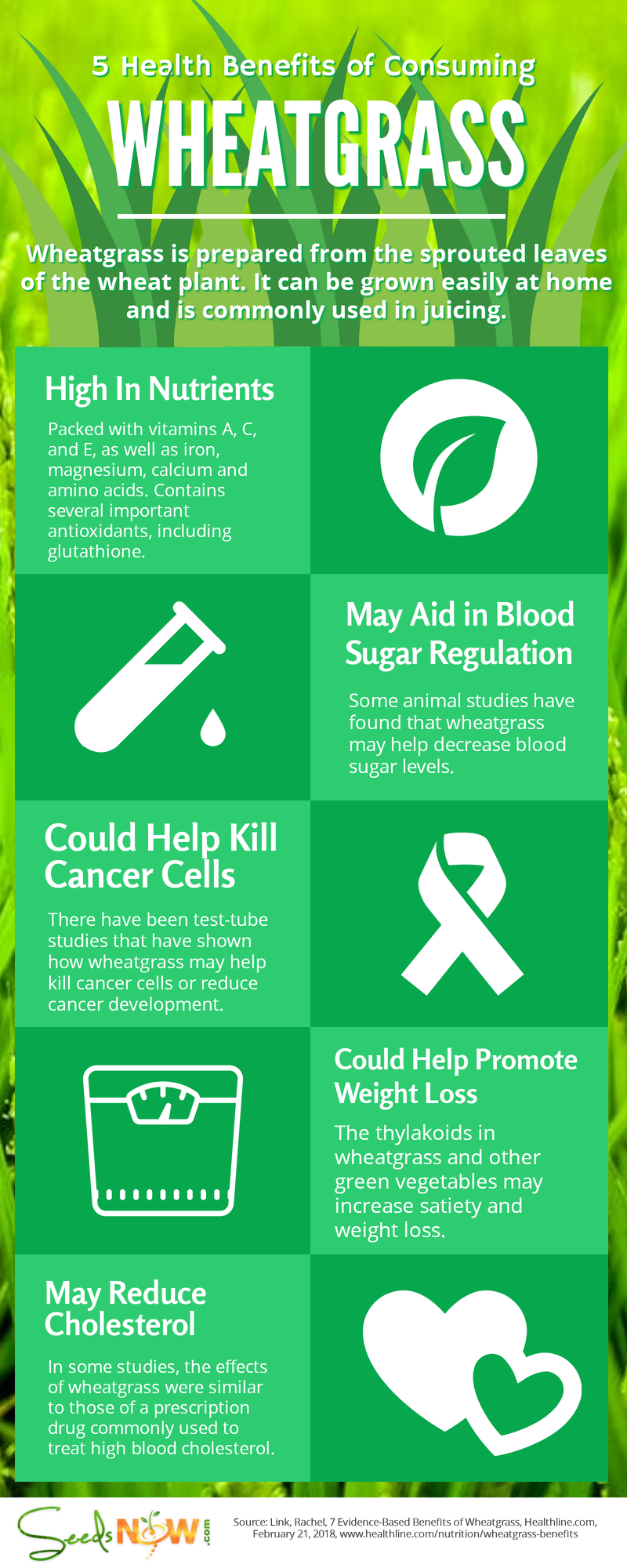
How To Grow Wheatgrass At Home *WITHOUT SOIL*

Growing your own wheatgrass at home is easy and fun to do – especially during the winter months!

There are a lot of different methods on how you can achieve this, so below we are going to share with you some of our favorite.

There are both soil and soil-less methods.  Today we are focusing on soil-less.  Make sure you choose which will work best for you.

Before you get started, purchase your wheatgrass seeds.

And this is how it’s done ….

As you can see, wheatgrass can be easily grown and prepared at home.

Some claim it can do everything from detoxifying the liver to improving immune function & boost weight loss. Nevertheless, wheatgrass delivers many amazing benefits.

Now, let’s see what happens to your body if you drink wheatgrass daily …


We’ve talked about the amazing health benefits of consuming wheatgrass and showed you how to grow your own, now here are some great ways to enjoy your raw, healthy, nutrient-packed wheatgrass!

Check out these wheatgrass recipes:


Ready to start growing your own Wheatgrass? 
SHOP Wheatgrass seeds!

Urban farms are becoming budding business enterprises

“Urban farms cropping up all over Richmond are more than backyard gardens on steroids.

Joe Jenkins and his wife, Whitney Maier, were growing more organic vegetables in raised beds in their backyard in North Richmond than they could eat, so he started taking some to his job at a restaurant to give to co-workers.

The chef there said the arugula was better than what he was getting from vendors and that he wanted to buy it from Jenkins.

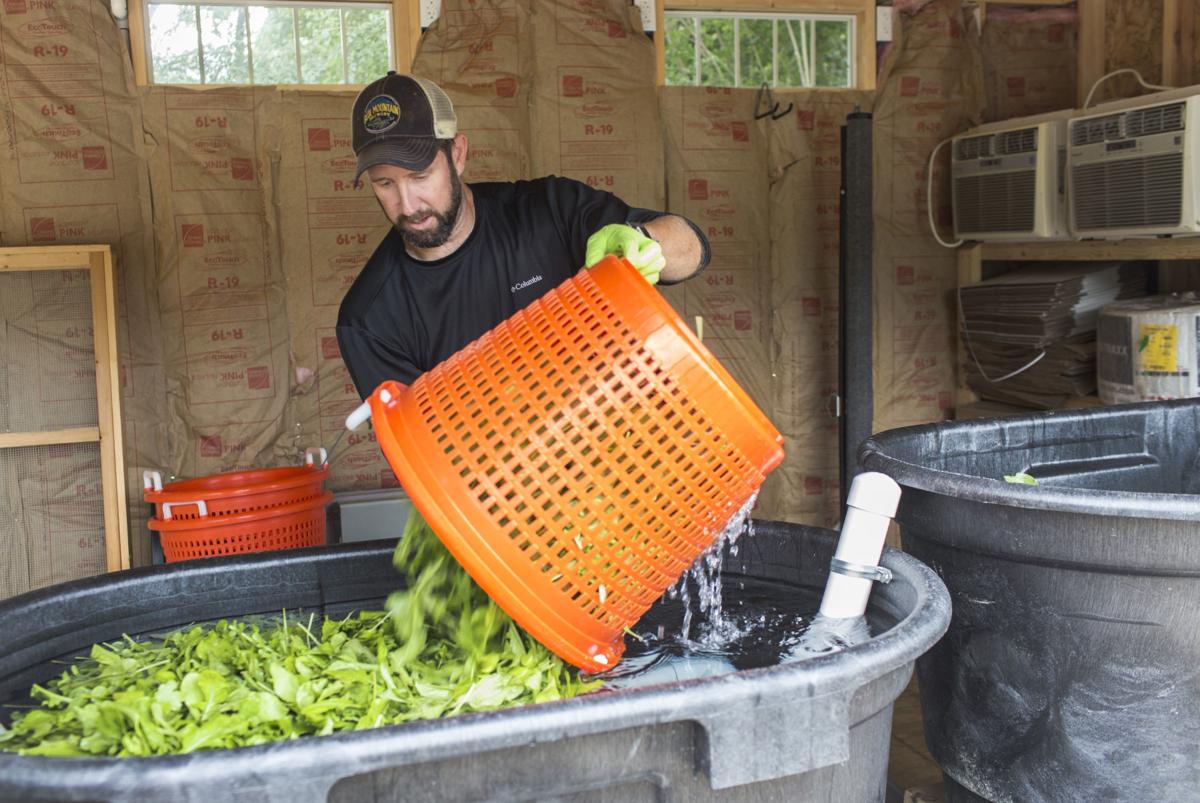
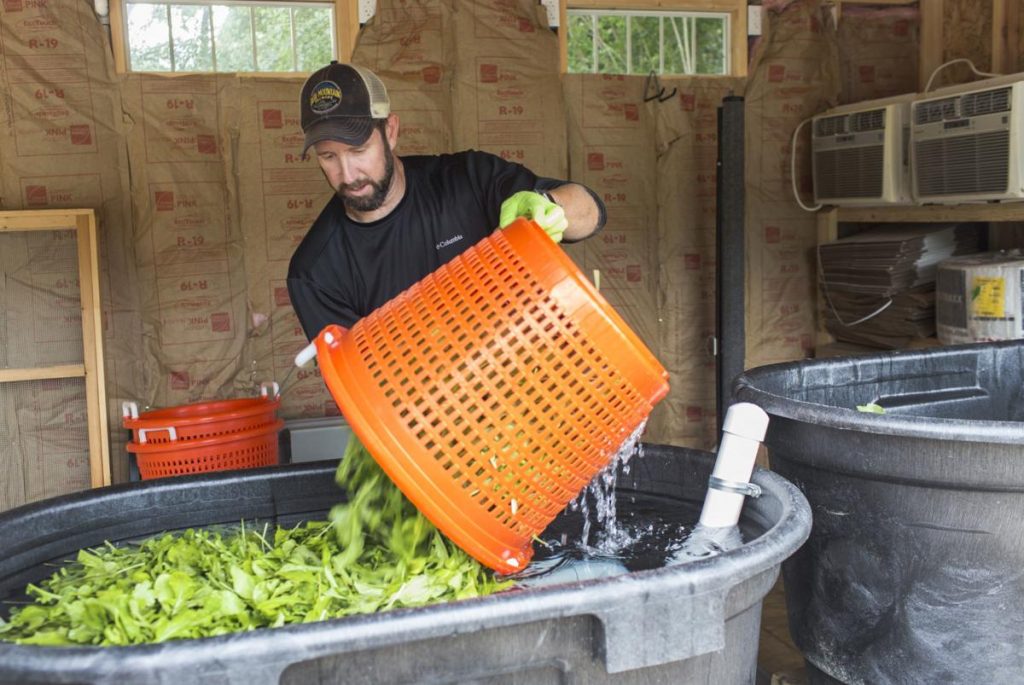
Jenkins and business partner Josh Dziegiel operate Bow Tide Farms, which grows and sells arugula, mixed greens and other produce to about half a dozen Richmond restaurants.

At Shalom Farms’ new Westwood urban farm in North Richmond, mostly volunteers work there, including those that recently helped farm manager Katharine Wilson harvest sweet potatoes — produce that went to food access initiatives such as a healthy corner store project, mobile markets and local food banks.”

READ THE FULL STORY AT: “Richmond.com

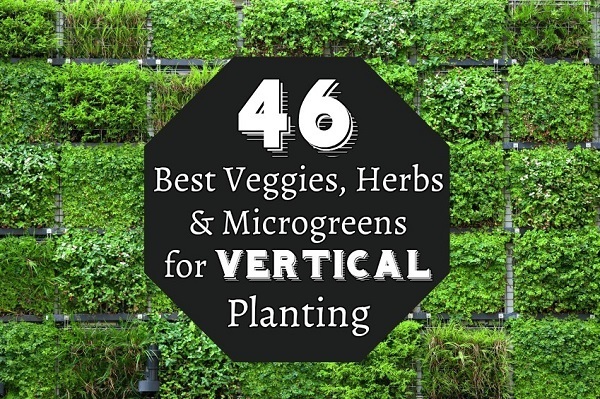
46 Best Veggies, Herbs & Microgreens for Vertical Planting

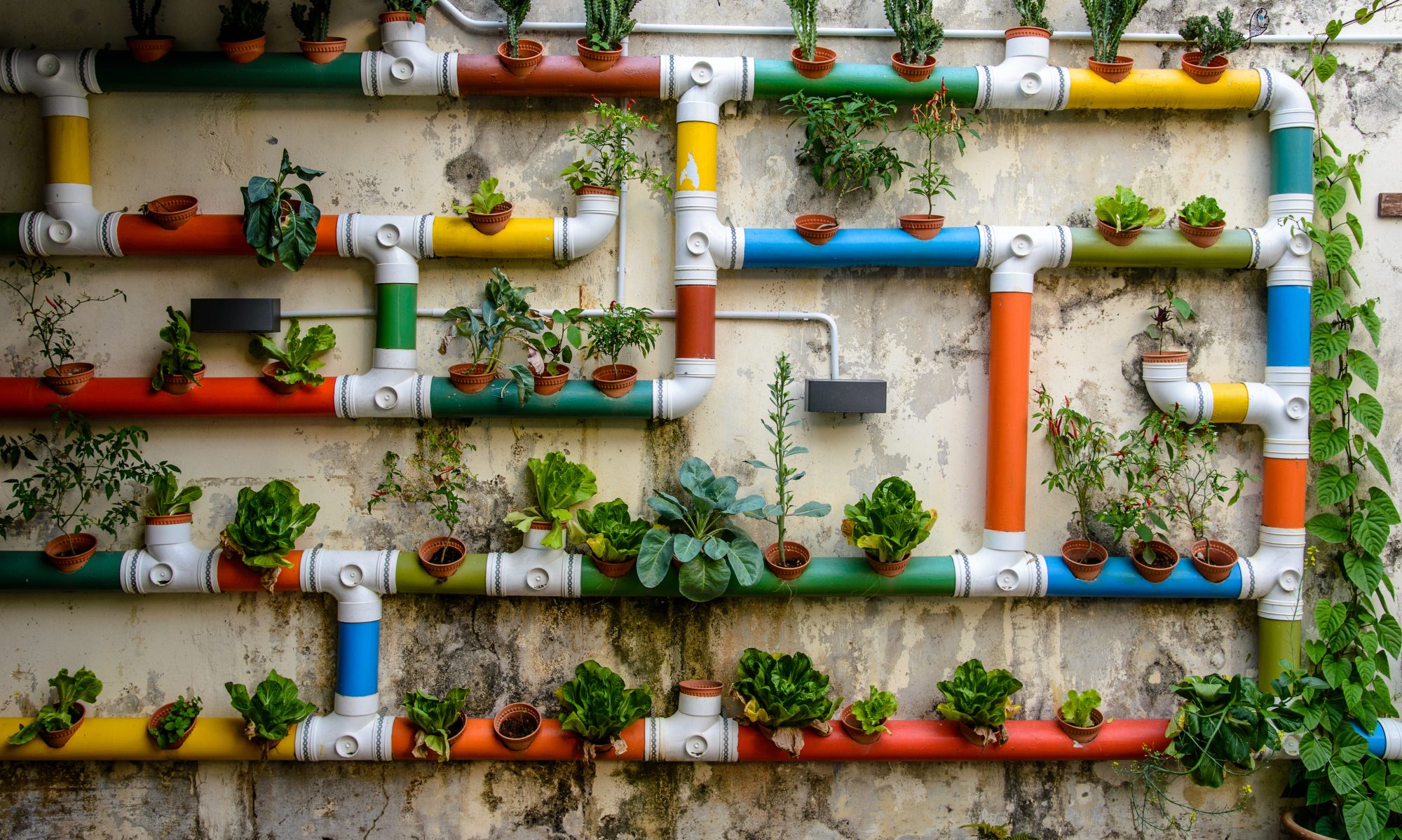
“Vertical gardens allow you grow veggies at several levels, so you can get more out of less space, a definite advantage if your growing area is limited. That is not to say that vertical gardening is just for those with space constraints.

Concentrating your food generation to a limited area frees up space for other uses while the veggies get more attention and care. You don’t have to walk around too much to care for your plants, a great plus in foul weather. Vertical gardening changes the old notion that gardening is back-breaking work. Even the mobility-challenged can enjoy growing food and ornamentals at a convenient height.

Plants grown vertically are more accessible, and gardening chores like planting, weeding, feeding and harvesting are much easier. Diseases and pests get noticed earlier on plants growing at eye level, so remedial actions can be taken right away… No more escape for pests hiding under leaves.”

READ THE FULL STORY AT: “NaturalLivingIdeas.com

11 Essential Fall Planting Tips

1. At the nursery: Buy the best

Look for plants that have healthy foliage and no roots creeping out of the nursery container’s bottom drain holes (which means they’re probably rootbound).

2. Small is smarter

When you have a choice, buy little plants (in 4-inch nursery pots); they’re less expensive (usually under $5), easier to handle, and will catch up to the larger ones with winter rains. Smaller plants are your best bet if you need multiples to fill out a bed. Gallon-size plants, on the other hand, start around $10 each but can provide instant effects.

3. Check plant tags

Find out how big the plants will grow, and whether they need sun or shade. Then choose plants that will thrive in the spot you have in mind for them. “Full sun,” for example, means you should plant in a spot that gets at least six hours of sun a day.

4. Consider compost

Unless you have your own compost pile at home, or perfect garden soil that drains well, buy bagged compost to add to the soil before planting annuals, edibles, and many ornamentals (trees and native plants generally do not need added compost). It’s often sold at nurseries in 1- and 2-cubic-foot bags, and in bulk at garden suppliers. Avoid bagged compost that looks as though it has been piled and stored in hot sun for months—it won’t do much for your soil.

SEE THE REST OF THE TIPS, HERE: “Sunset.com


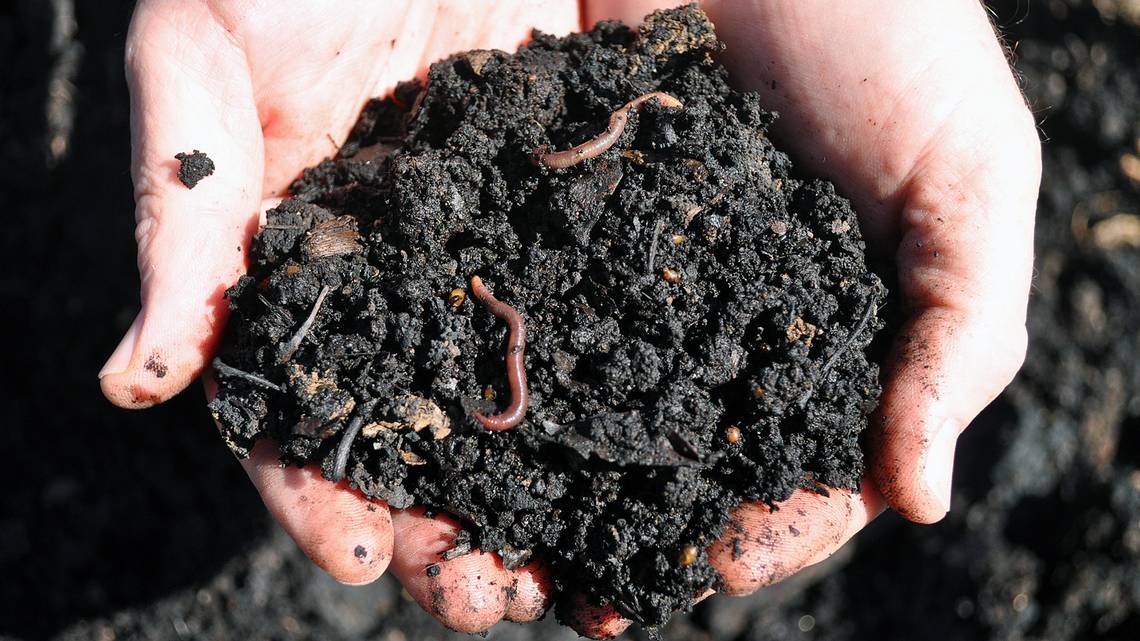
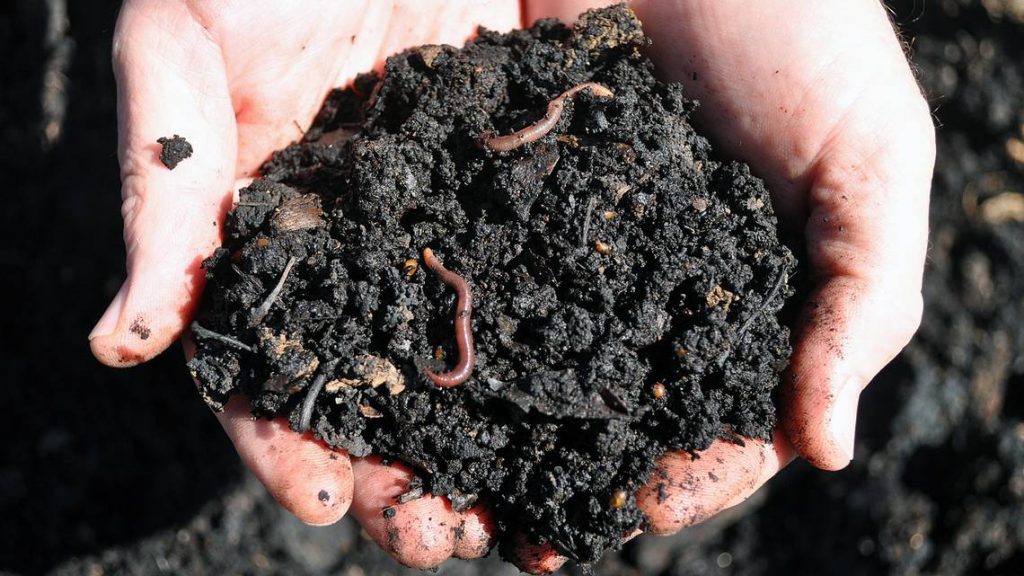
Fall gardening tip: Till your soil and add compost now, not in the spring

“Good gardening practices begin with the soil. Soil is the foundation of life for plants. I have found that many people take soil for granted. We should put its management higher in priority than the plants.

Fall is the best time to make improvements. Vegetable gardens and annual plantings can be prepared now so that come spring, they are ready for planting.

Turning the soil over in the fall is more about course tillage. Depending on the size of the garden, this can be done with a spade or tiller. The goal is to leave the bed with larger, chunkier clods that the freezing and thawing of winter will naturally break down.”

Read more here: “KansasCity.com”

Smash, Don’t Trash, Your Leftover Halloween Pumpkins

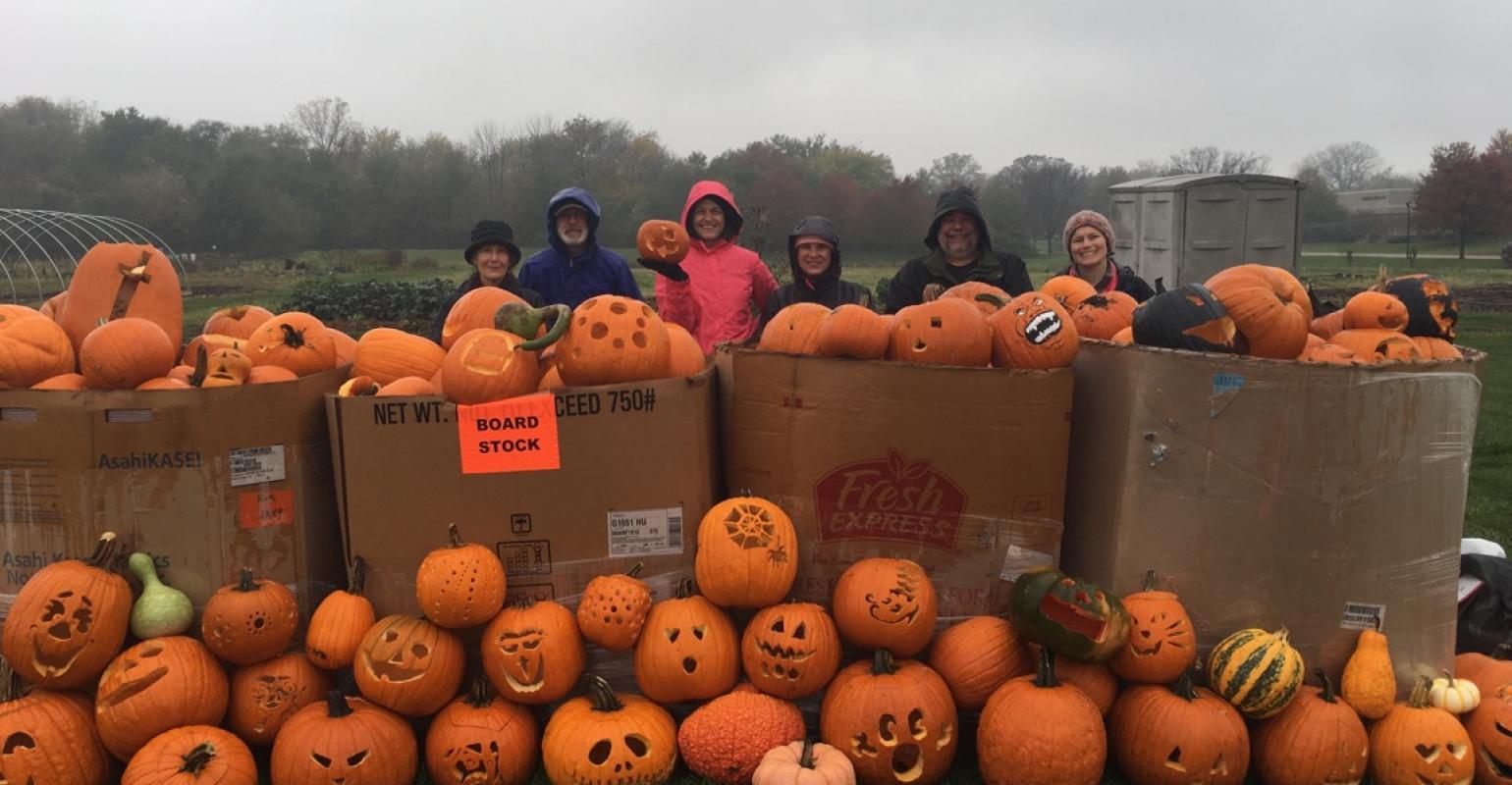
“SCARCE has developed an annual event to collect and compost post-Halloween pumpkins in an effort to divert organic waste from landfill.

This year’s event will be held on November 3 at various locations across the state, where people can bring their leftover Halloween pumpkins to be collected, catapulted, smashed or used for games before they are composted. SCARCE, with the help of the Illinois Environmental Council (IEC), started the event five years ago as a pilot program.

However, when it came time for the Pumpkin Smash event to take off in the state, a formal law for one-day collection events needed to be implemented. So, SCARCE and IEC worked together to write a law to allow for special events to divert organics and other types of food waste from landfill.”

READ THE FULL STORY AT: “Waste360.com

Can Maggots Fix Singapore’s Food Waste Problem?

SINGAPORE — IT’S HARD not to miss the giant black flies that flit within the white net enclosures at Insectta, Singapore‘s first licensed insect farm. The swarm of flies looks like something from the start of the apocalypse, but these flying insects are not here to mark humanity’s downfall – in fact, they may be here to save it.

Singapore is experiencing a trash crisis. Some predict the world’s second most-densely populated city will run out of room in its landfill by 2035. According to figures from the country’s National Environment Agency, while recycling rates for food waste are going up in Singapore, residents still threw away 676,800 metric tons of food in 2017. Only 16 percent of this was recycled – the rest went to the landfill.

Yet there may be a solution, according to a group of urban farmers and scientists in this Southeast Asian city-state, and it’s one that has been buzzing under everyone’s noses all along.

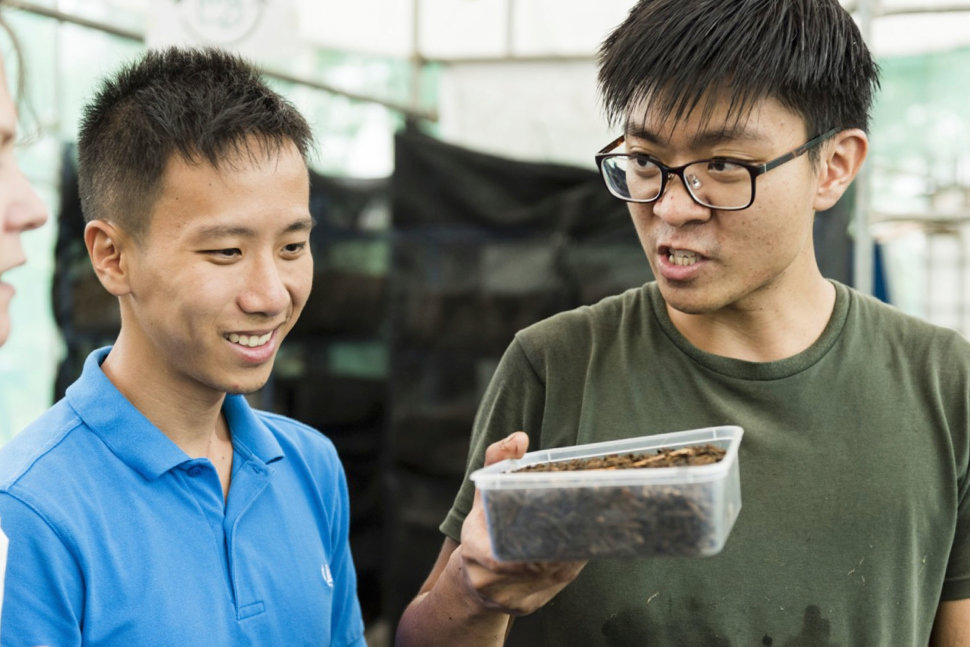
Living within the jungles of Singapore is the black soldier fly – nature’s own waste disposal unit. When its larvae are born, they voraciously eat almost any food waste left in their way. The sleek tropical insect is now being intentionally brought into the city by two entrepreneurial farmers, Darren Ho and Ng Jia Quan, who have created Insectta – an insect farm in the residential area of Queenstown. The goal of Ho, a natural resources management graduate, and Ng, a former chef, is to adopt sustainable farming practices that reduce urban waste and embrace the natural, eco-friendly food cycle long a feature of the island.”

READ THE FULL STORY AT: “USNews.com

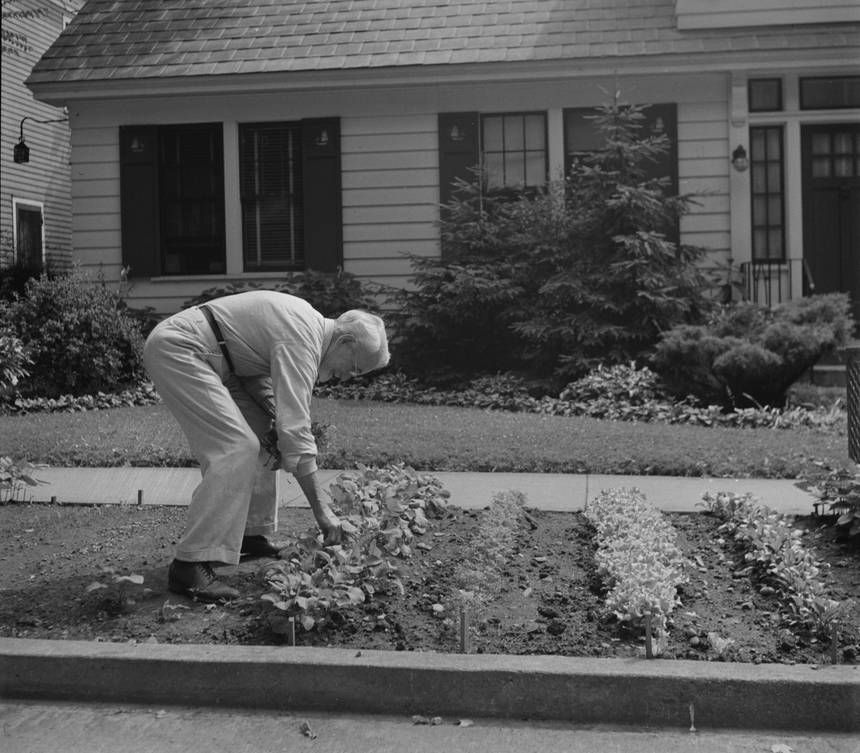
Vintage photos: World War II “victory gardens”

“Urban gardening may be catching on now, but today’s urban gardeners have nothing on their grandparents. During the World Wars, the U.S. government urged citizens to plant their own small vegetable gardens. It was a super positive spin on “We don’t have enough war rations.”

I don’t know what people would do today if the government asked them to grow cabbage in their front yards, but people back them were ready. Around 20 million families planted victory gardens. They grew 40 percent of the country’s vegetables by 1944.

Naturally, the government wanted to remember this successful project, so it kept a collection of photos. I happened upon them the other day, and I couldn’t stop looking. Some were sweet, some were inspiring, and some made me a little sad … even uncomfortable. I thought you might like to check them out too. (The 1940s captions are way too good to get stuck in tiny text.)”

SEE ALL THE PHOTOS HERE: “TreeHugger.com

9 QUICK GROWING Cool-Season Veggies

Curious as to what you should be planting before your first fall frost gets here? Take a look at these 9 cool-season veggies that you can start now, and enjoy in 60 days or less!

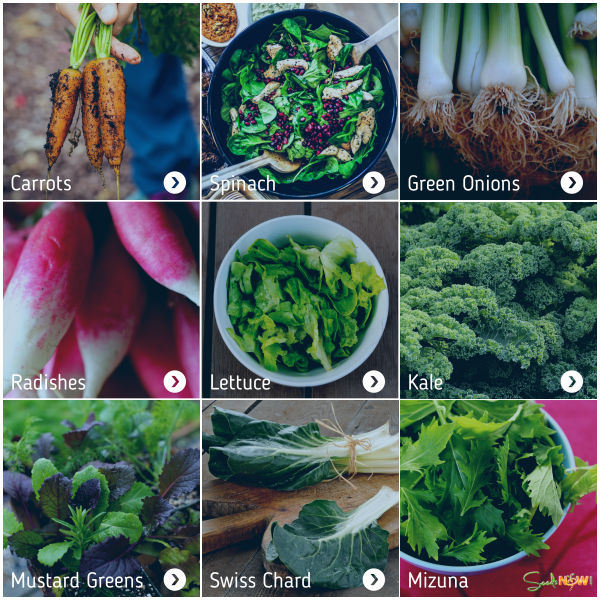
Carrots, Spinach, Green Onions, Radishes, Lettuce, Kale, Mustard Greens, Swiss Chard & Mizuna!

Carrots are an annual cool-season crop, half-hardy to frost and light freezes. They develop quite normally under a variety of temperature conditions, except very warm temperatures. It is often said that frost or cold weather will make them even sweeter. Shop all CARROT seeds! 

Spinach can grow anywhere there is at least a month and a half of cool growing weather. Spinach is a cool-season crop, hardy to frosts and light freezes. In rows 12 inches apart, space seedlings 3 inches apart. Shop all SPINACH seeds! 

Onions are easy to grow, have a fairly short growing period and take up little space in the garden. If you don’t have a vegetable garden, plant a few onions in your flower garden or in a pot or box and set them on your patio or in a sunny window. Plant onions 1/4 inch deep and 3 to 4 inches apart in double rows, leaving 6 to 10 inches between rows. If the onions are planted closer together, you can harvest every other plant as a green onion so that bulb development of the remaining plants is not impeded. Shop all GREEN ONION seeds!

Radishes are a fast-growing, cool-season crop that can be harvested in as little as twenty days.  Eaten raw they can be whole, sliced, diced, or grated. You can also cook and pickle them. Most of them are typically eaten fresh and make a good addition to a salad or a substitute to pepper on a sandwich. Shop all RADISH seeds!

Lettuce Seed should be sown thinly in rows 1 foot apart; for leaf types, thin plants to 2-3 inches apart, then thin again by pulling every other plant when half grown. This will encourage thickly developed plants. For head types, space rows 18 inches apart, plants 8-10 inches apart. Closer spacing results in smaller heads, which may be preferable for small families. Specialty growers are spacing lettuce very close for selling baby lettuces, a rapidly growing produce market. Shop all LETTUCE seeds!

Kale can be planted pretty much anywhere in the United States where there’s a cool fall growing season. It’s a cool-season crop, hardy to frosts and light freezes. Shop all KALE seeds!

Mustards are a quick and easy crop to grow in your home garden.  They are a spicy green, which will quickly become one of your favorite crops. When growing from seed, start them outdoors 3 weeks before the last frost. For a more steady harvest, plant seeds about every 3 weeks or every month to give you a successive harvest. Shop all MUSTARD seeds!

Swiss Chard is a leafy green vegetable often used in Mediterranean cooking. Fresh young chard can be used raw in salads. Mature chard leaves and stalks are typically cooked (like in pizzoccheri) or sauteed; their bitterness fades with cooking, leaving a refined flavor which is more delicate than that of cooked spinach. Shop all CHARD seeds!

Mizuna is a vigorous grower, which produces numerous stalks bearing dark green, deeply cut and fringed leaves. Shop MIZUNA seeds!

SHOP all of these varieties and more at: www.SeedsNow.com

Fall Planting Schedule, Down To Your First Frost Date


Now is the time to start making solid plans for your fall and winter garden. Follow this simple planting schedule for a great start, or visit our online interactive planting calendar for a more detailed description of what you should be planting when based on your exact location and grow zone. 


12-14 Weeks Before Your First Frost Date


Direct Sow: Snap Beans, Cucumbers, Summer Squash, Parsnips, Rutabagas, Cilantro, Lettuce & Radishes.


———————————


10-12 Weeks Before Your First Frost Date


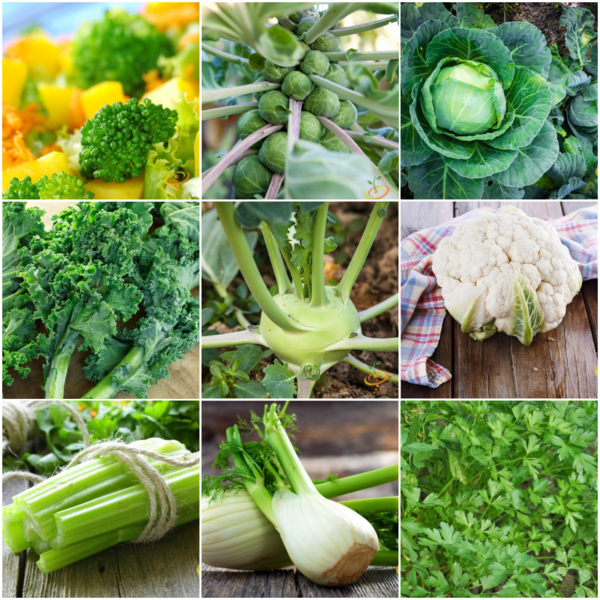
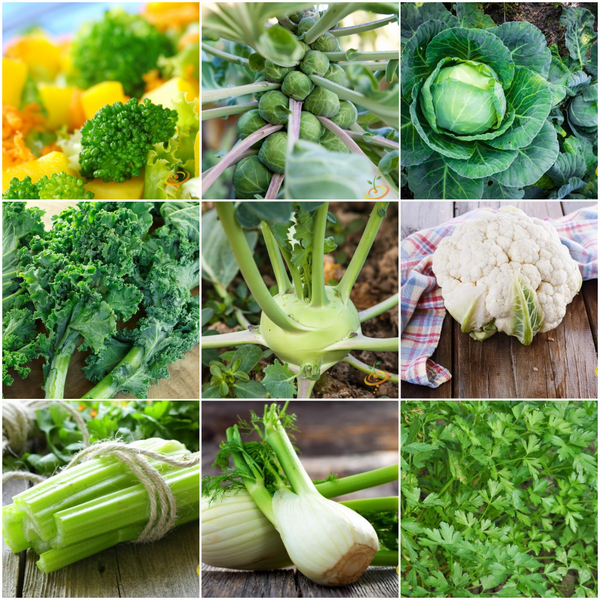
Set Out Starts: Broccoli, Brussels, Cabbage, Cauliflower, Kale, Kohlrabi, Celery, Fennel and Parsley.


Direct Sow: Beets, Carrots, Collards, Leeks, Scallions, Lettuce, Radish, Peas, and Potatoes.


———————————


8-10 Weeks Before Your First Frost Date


Direct Sow: Arugula, Cabbage, Lettuce, Turnips, Spinach, Mustard, Bok Choy & Radishes.


———————————


6-8 Weeks Before Your First Frost Date


Direct Sow: Spinach, Mache & Lettuce.


———————————


ON or AROUND Your First Frost Date


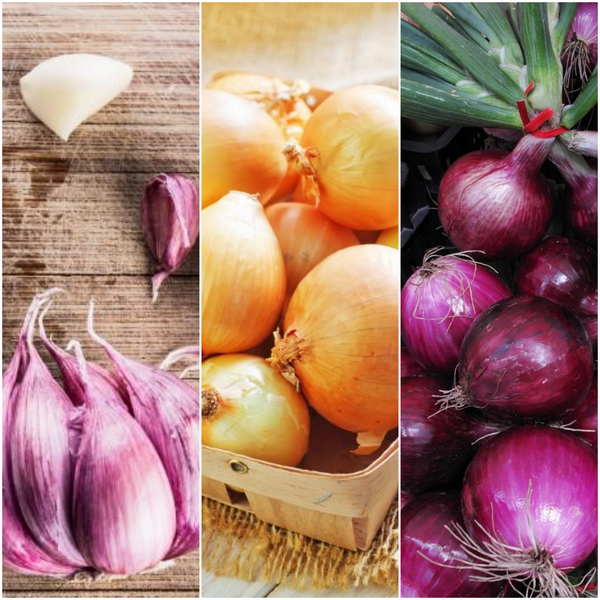
Direct Sow: Garlic, Shallots, & Onions.


Try our Online Planting Calendar, HERE