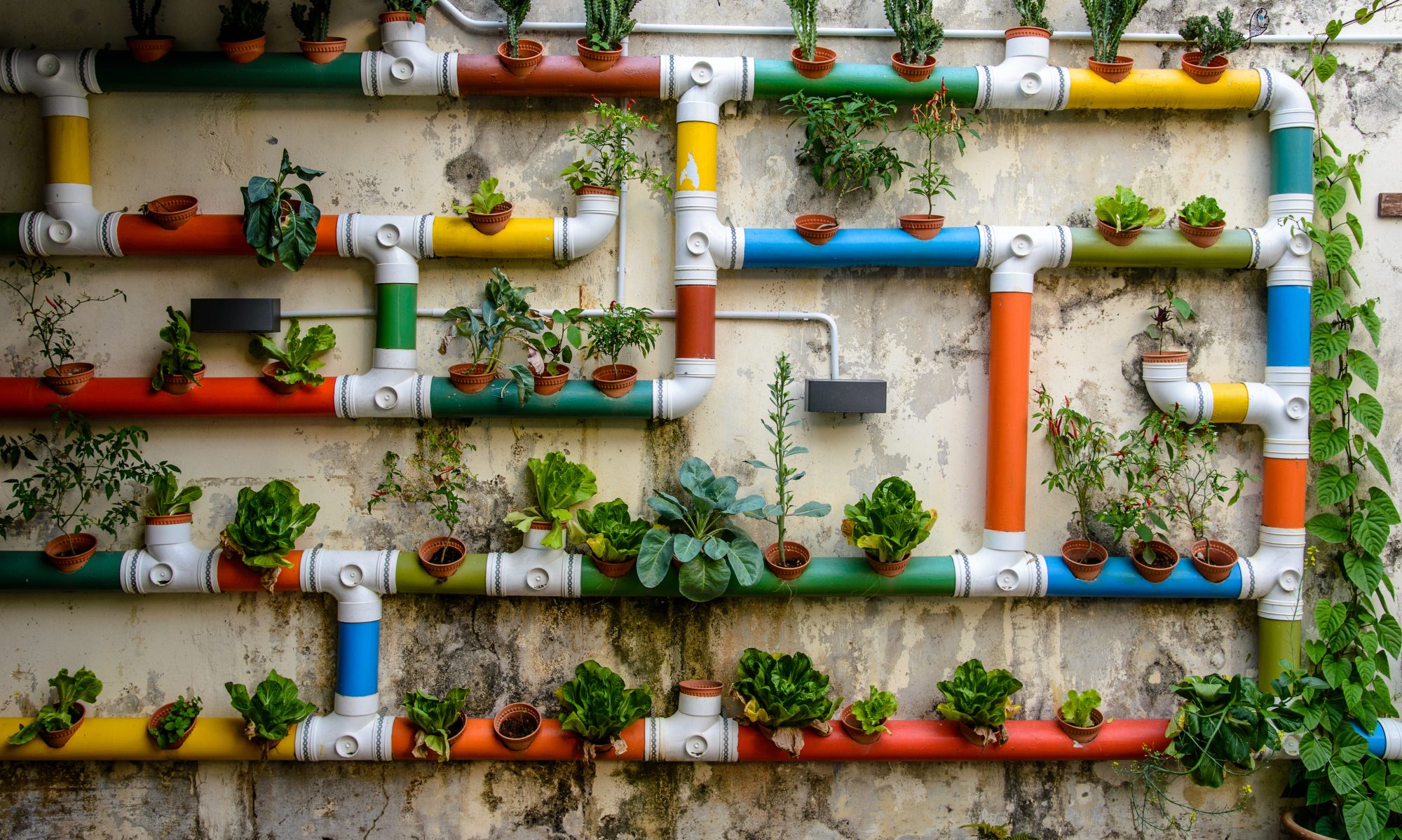

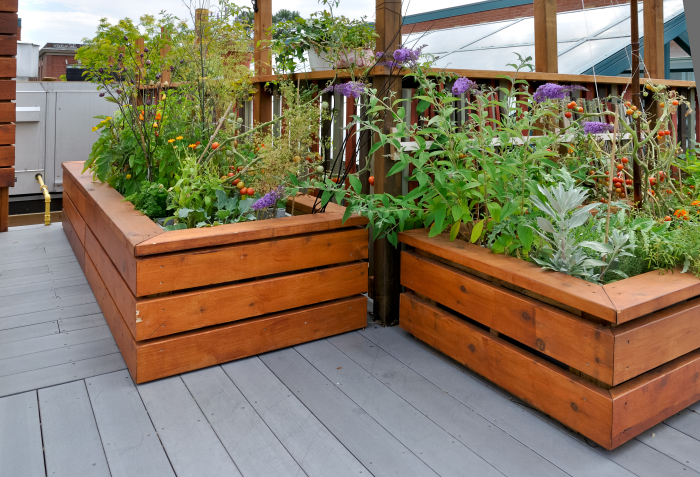
9 of The Best Vegetables to Grow in Small Gardens

Gardening in a small space can be just as rewarding and fun as growing in a large garden area.  These days, urban gardeners are growing more of their own food in sometimes less than 100 square feet.  Balconies, patios, even indoor windowsills are a great place to grow vegetables and herbs.  Almost anything can be grown in a container, and if you’re wanting to know what you should plant to maximize your yield in a small area, here are 9 of the best vegetables/herbs to grow in a small garden.

1. Shallots:

Space shallots approx. 4-6 inches apart with the rows 18 inches apart. Plant the bulb root side down, the top of the bulb 1 inch below the surface. Planting too deep grows elongated bulbs that don’t store well.

2. Carrots:

Sow seeds evenly in a very shallow trench, about 1/4 inch deep. Keep seeds moist so they will germinate. Space rows about 12″ apart and when the first leaves emerge, thin to 1″ apart; when true leaves emerge, thin to 3″ apart.

3. Cherry Tomatoes:

To start tomatoes indoors, sow seeds using expanding seed starting soil pods about 8 weeks before the last frost date for your area. Seedlings will be spindly with less than 12-14 hours of light per day, try to keep them in a warm sunny location. When seedlings have 4 leaves, transfer to a deeper pot (3-4″) and again when 8-10 inches tall. Each time, place the uppermost leaves just above the soil line and remove all lower leaves. Transplant (see: guide to transplanting) into the garden when the stem above the soil has reached 8-10 inches tall. Be sure to harden them off before transplanting them outdoors. Allow up to 10 days for the tomato plants to harden off to the outside temperature fluctuations.

4. Runner Beans:

Set three 6 foot poles in the ground, tepee fashion, and tie together at the top. Leave 3 to 4 feet between the pole groups. Make a hill at the base of each pole, enriched with compost or well-rotted manure, and plant 6-8 seeds in each. After the second pair of true leaves appear, thin to 3 plants per pole. With regular harvesting, the pole beans should bear all summer.

5. Garlic:

Break apart cloves from bulb but keep the papery husk on each individual clove.
Ensure soil is well-drained with plenty of organic matter. Plant in Full Sun.
Plant 4 inches apart & 2 inches deep, in their upright position (the wide end down and pointed end facing up). Come springtime, shoots will begin to emerge.

6. Kale:

Plant Kale in rows 18 inches to 2 feet apart. When the seedlings are 3 or more inches high, thin plants to 10 inches apart (read about thinning) and use the thinnings for salads or as a cooked vegetable.

7. Basil:

Try to space your basil plants about 12 inches apart. As long as you harvest the leaves when they are young, basil plants make a wonderful container crop.

8. Lettuce:

Seed should be sown thinly in rows 1 foot apart; for leaf types, thin plants to 2-3 inches apart, then thin again by pulling every other plant when half grown. This will encourage thickly developed plants. For head, Bibb, and cos types, space rows 18 inches apart, plants 8-10 inches apart. Closer spacing results in smaller heads, which may be preferable for small families.

9. Beets:

Sow seed 1/2 inch deep in rows 12-18 inches apart. The beet seed is a compact ball of many tiny seeds. Many plants germinate where each seed is sown, so seed should be placed sparingly. When seedlings are 4-6 inches high, thin plants to stand 1 1/2 inches apart. (They can be used in salad or cooked like spinach.) Then, as these beets grow to about an inch in diameter, pull every other one to allow larger beets to grow.

READ MORE ABOUT GARDENING IN SMALL SPACES AT www.SeedsNow.com

Create an Organized Home Apothecary

Choose Herbs That Meet Your Needs

The most important place to begin with any home apothecary is to accurately assess your home health care needs. If you know your family will need winter health support, then herbs to strengthen immunity will be the place to start. If you have a tendency to get colds that settle in the lungs, you may wish to have several lung-supporting herbs and expectorants on hand. Identifying the key areas where you need home remedies will help you focus your attention when stocking herbs and medicines.

The other key piece to efficiency in the home apothecary is to become as familiar as possible with the herbs you keep on hand. The more you understand about an herb, its properties, and its applications, the more versatile it will be. Most home apothecaries don’t have hundreds of herbs, and for good reason! A simple collection of 10 to 20 will do most people just fine. And the better you know those 10 to 20 herbs, the more useful you will find them.

READ THE FULL ARTICLE MotherEarthLiving.com
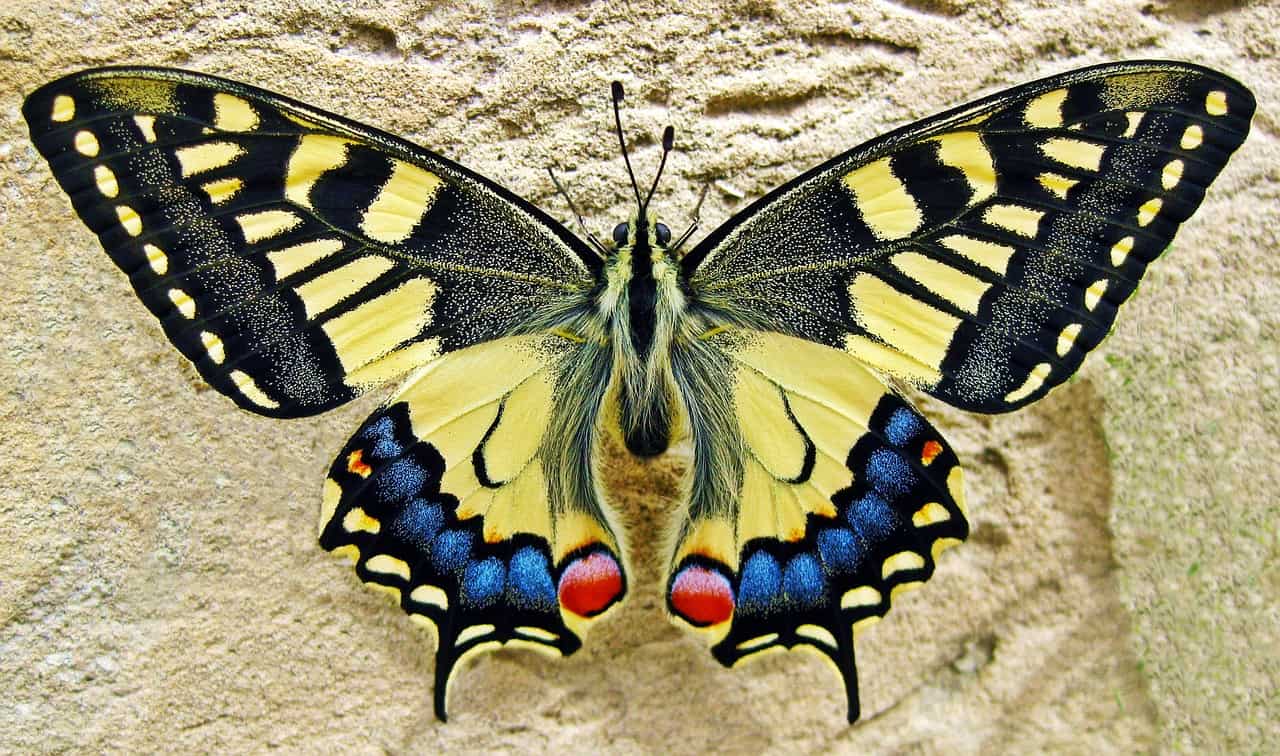
How One Man Singlehandedly Repopulated a Rare Butterfly Species in His Backyard


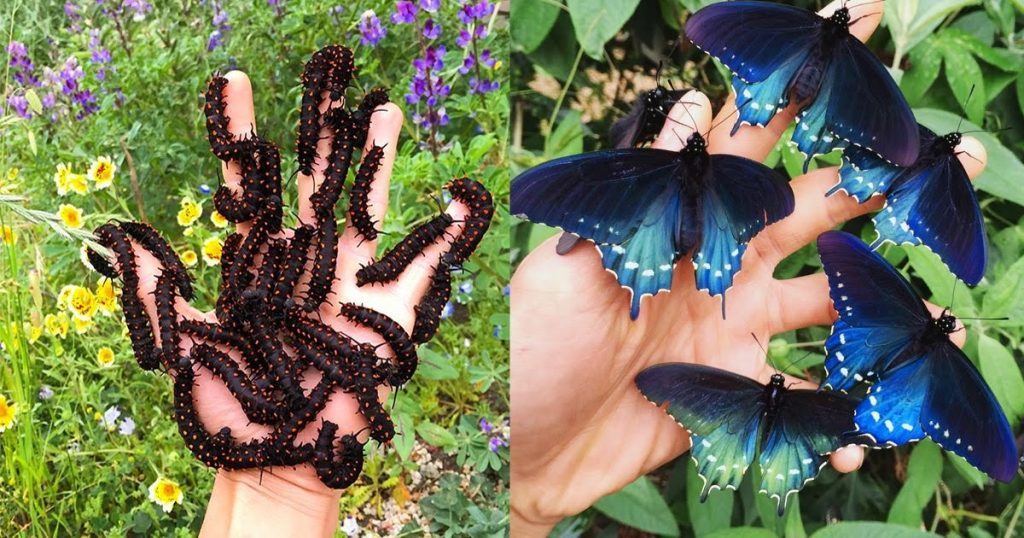
The iridescent blue wings of the California pipevine swallowtail are considered by collectors to be among the most magnificent in North America.

For centuries the beautiful butterfly thrived in the San Francisco and around the Bay Area. But as the region became increasingly urbanized in the early 1900s, the pipevine swallowtail began to disappear. Today it’s an extremely rare sight.

Aquatic biologist Tim Wong at the California Academy of Sciences has made it his personal mission to bring the butterfly back, and he’s off to a very promising start.

READ THE FULL STORY Return To Now

How to Build Hugelkultur Beds and Why You Need Them

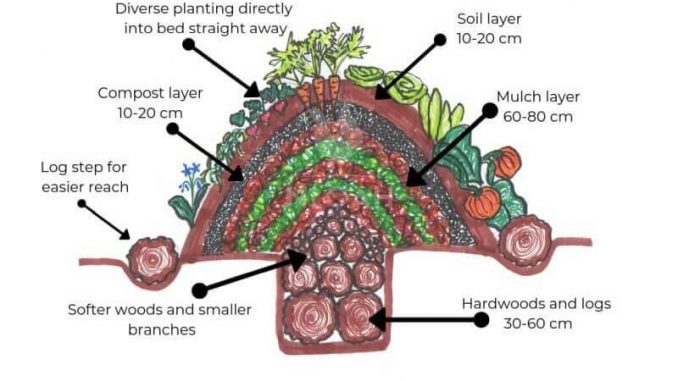
The concept of a permaculture garden is to provide long-term solutions that maximize outputs and minimize inputs while cycling energy and resources through the system. This creates closed-loop efficiency within your system and prevents excess waste. In fact, one of permaculture’s most favored sayings is ‘there’s no such thing as waste, just things in the wrong place’.

Hugelkultur is a great example of recycling resources on your site to create long-term fertility in the soil. In doing this, you create beds that become more productive over time, helping to produce better quality crops with higher yields.

READ MORE ABOUT THIS New Life On A Homestead

How to grow vegetables without a backyard

Living in an apartment, I long for a backyard where I can have sprawling planter beds, fruit trees and giant pots of flowers. I don’t have to put those dreams on hold entirely, though.

With a container garden, I can make use of what little outdoor space I have to grow fruits, vegetables, and herbs. Whether you have a few feet of balcony space or several inches on your counter, you can create a container garden, too.

Container gardening, simply put, is growing plants in containers or pots, rather than in the ground. If your yard is nothing more than a concrete slab, or you don’t have one at all, container gardening helps you overcome that.

There are big advantages to container gardening: Containers require less water, you can move plants around to meet their sunlight needs, and you can control pests and avoid soil-borne issues such as fungus and bacteria. They are also flexible, allowing you to add plants and rearrange pots as you want.

READ THE FULL ARTICLE CNET.com
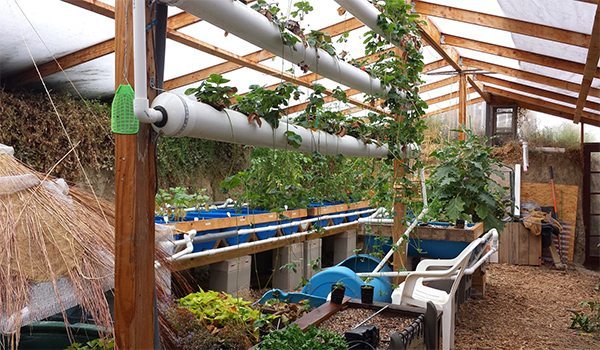
Grow Food Year Round in a $300 Underground Greenhouse

The word Walipini, derived from the Aymaran language and an indigenous Bolivian tribe, is translated as “a place of warmth” and is an earth-sheltered cold frame or transparent-roofed enclosure.
This underground greenhouse was created for the cold regions of South America to maintain food production year round but is now being adopted by gardeners of all skill levels across the world.

Most say that Walipinis should be at least 8’ by 12’ in size, but many people build even larger. Searching online you can find all types of plans and blueprints on how to design your underground greenhouse.

READ MORE ABOUT THIS PROJECT Homestead Guru

Grow A Garden All Year Long! Join the Seed Club TODAY!

Welcome to the Club! UOG is a fully customized monthly garden club that is curated JUST FOR YOU, and full of unique garden seeds & supplies. #urbanorganicgardener


🐝 SHIPS ON THE 5TH OF EVERY MONTH
🍅 STARTS AT $9.99/MONTH
🌶 FREE TO CANCEL AT ANY TIME
🥦 100% SATISFACTION GUARANTEED
🍉 PURE RAW UN-TREATED HEIRLOOM NON-GMO SEEDS

LEARN MORE or SIGN-UP: www.urbanorganicgardener.club

📢[SAVE $5 ON YOUR FIRST MONTH BY USING CODE “UOG5” DURING SIGN-UP]

**SIGN-UP DEADLINE is JULY 4th at 11:59pm PST. Shipments will go out on the 5th.**
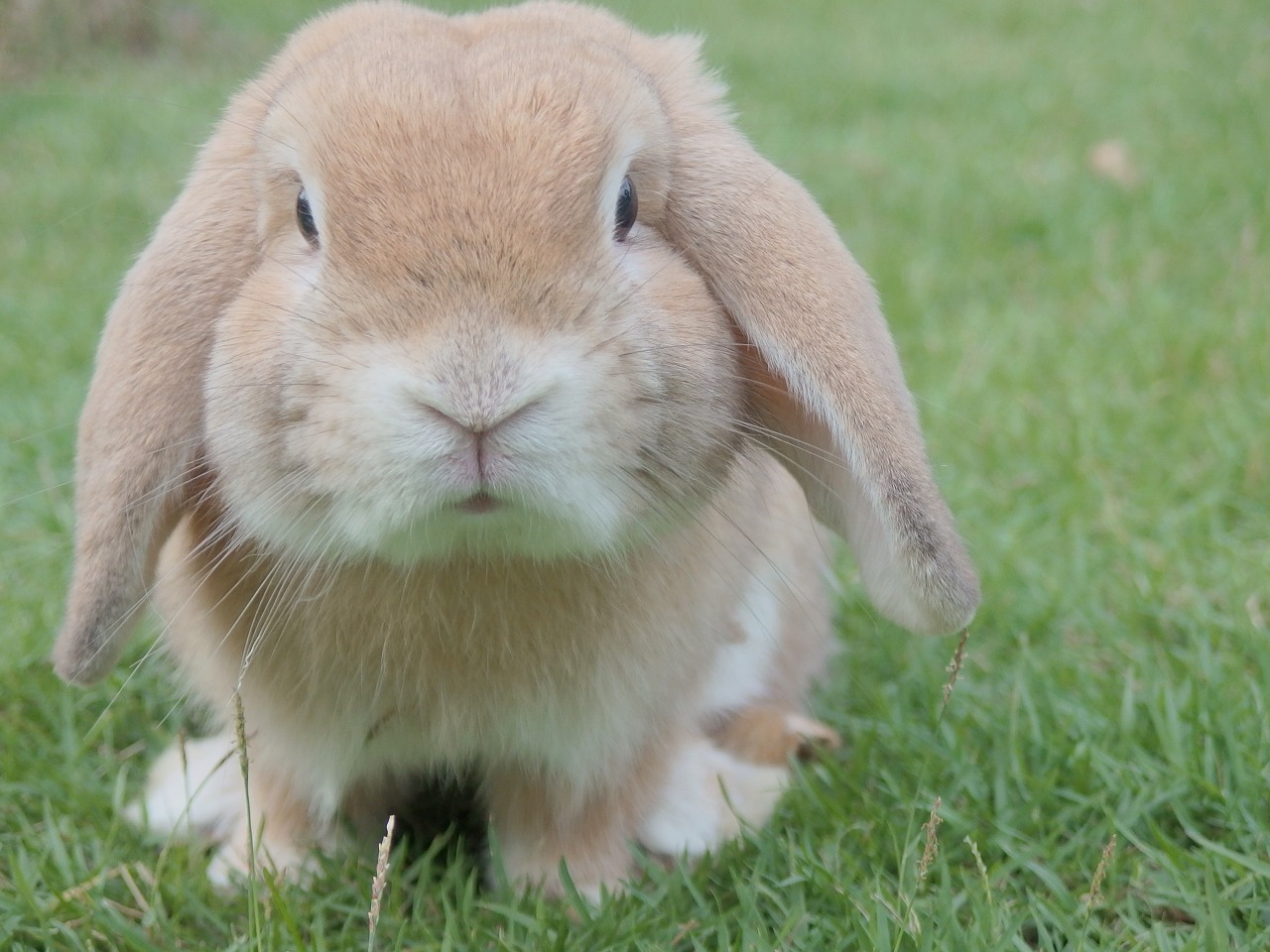
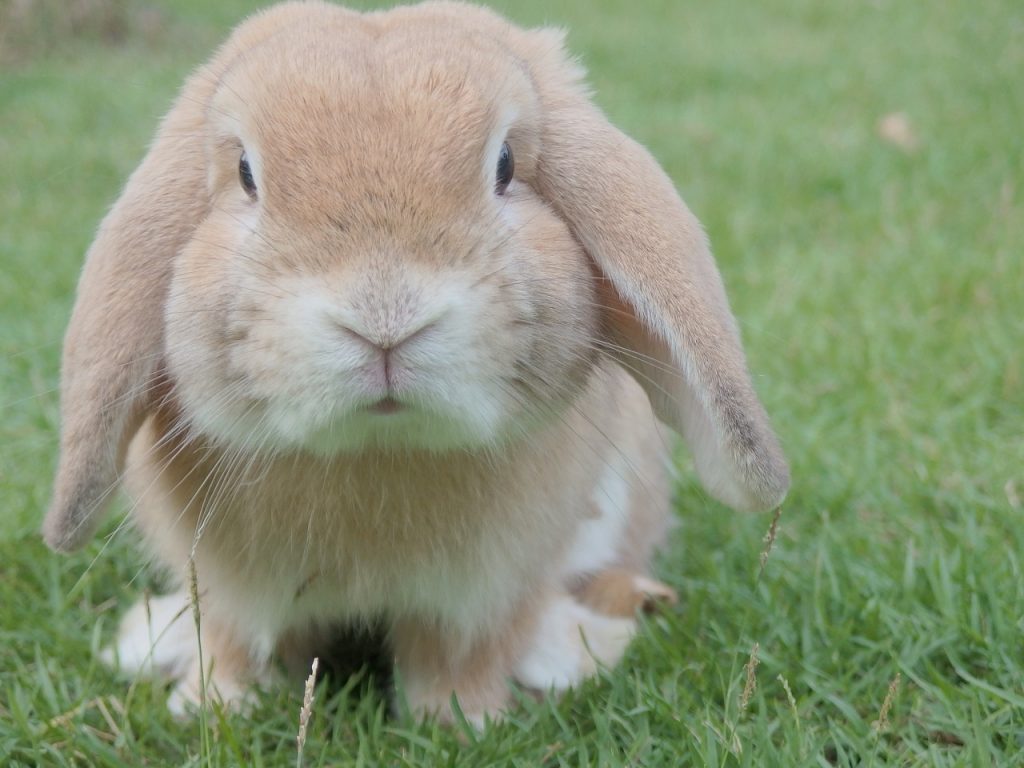
Garden Rabbits – a great addition for your vegetable patch

A few years ago we adopted a couple large rabbits from a local rescue organization.  They exclusively rescue rabbits from shuttered pet stores and from owners who no longer want to care for them.  They have many rabbits all waiting for a good home and we’ve discovered what valuable pets rabbits can be.

First, a little background.  We tried to keep the rabbits inside the house but soon found that they like to chew on anything and everything.  So, they needed to be caged just about all the time except under vigilant supervision.  I personally don’t like to see an animal caged too much and so, as my frustration rose at their furniture destruction, I cast about for an equitable solution.  I wanted to be happy, and I wanted the rabbits to be happy, too.

READ THE FULL ARTICLE AT Gardening Know How

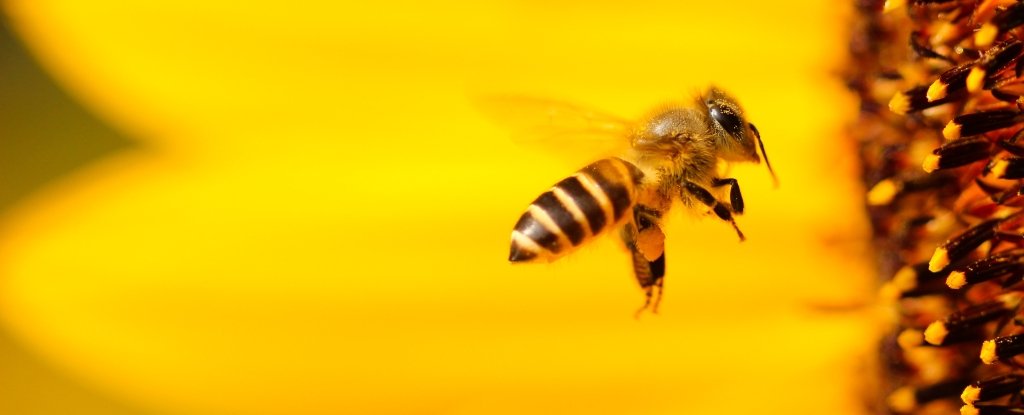
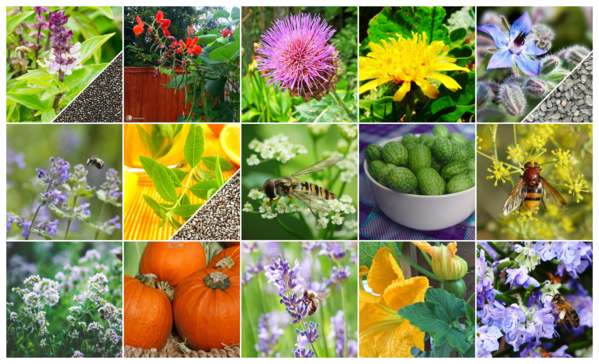
8 Practical Things You Can Do To Help Save The Bees

In case you’ve somehow missed it: The bees are dying and yes, it’s something we should all care a lot about, because bees are IMPORTANT.

We have bees to thank for around one-third of the world’s food supply, including avocados, almonds, onions, and a whole lot of fruits and vegetables that would be extremely missed if they were to disappear.

But in the past year alone, US beekeepers have reported that 40% of their hives have died unexpectedly, possibly partly due to erratic weather conditions that are a result of climate change. Other threats to bee populations include habitat loss, pesticides and herbicides, monoculture (where farmers only grow a single crop at a time), and disease.

READ 8 THINGS YOU CAN DO TO SAVE THE BEES: Buzzfeed.com

WIN A FREE SAVE THE BEES VARIETY PACK!

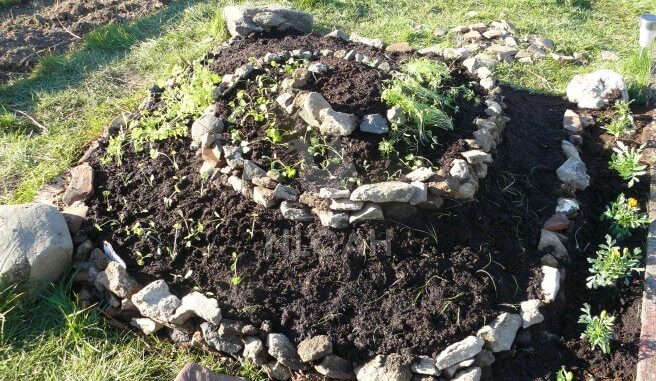
How to Build a Spiral Herb Garden

A herb spiral is one of the most clever permaculture techniques for utilizing space and allowing plants to work together in the garden. Usually located just outside the kitchen door, a herb spiral provides a menagerie of culinary and medicinal herbs, while saving space and helping with pest management in the garden.

Easy to build and fun to work with, herb spirals allow for herbal experimentation, based on some very simple principles.

The Benefits of Herb Spirals

Architecturally, the herb spiral is an example of excellent design and nature-forward engineering. While a long, thin garden bed provides ample space for a range of herbs, herb spirals play with multiple levels to take advantage of the sun’s path, water channels, and plant companions.

  1. Herb spirals increase surface area while reducing the footprint – If you are limited by the size of your garden, a herb spiral neatly extends into the 3rd vertical dimension, instead of sprawling outward. This allows you to get the same planting areas like a vegetable bed, but without it taking up so much space.
  2. The spiral design minimizes work, making it low maintenance – The spiral design means that plants are placed depending on their water and sunlight needs, which reduces the amount of work you need to put in to take care of the plants.
  3. The materials help to create better-growing environments – The stone used to create the spiral works using thermal mass, to absorb heat in the daytime, and insulate the soil at night.

GET THE STEP-BY-STEP DIRECTIONS – New Life On a Homestead

Hummus For Dessert?! 10 Recipes You HAVE TO TRY!

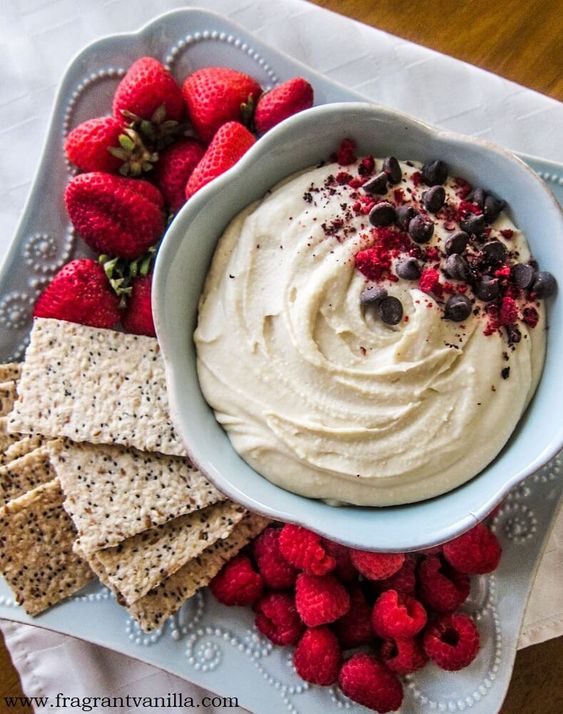
“If you haven’t heard about the latest trend in the last year of dessert hummus, and think it sounds weird, trust me it is amazing stuff.  I mean, you get to enjoy dessert and a protein and fiber-rich snack at the same time!  Which is why I love it.  I like my desserts to have nutritional benefits sometimes and this is perfect for that.” – Fragrant Vanilla

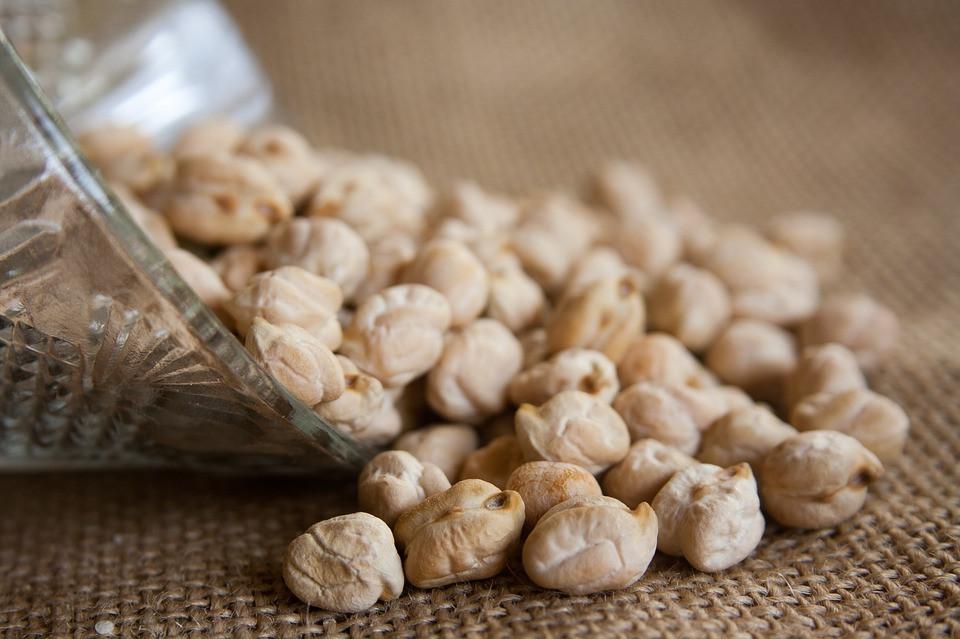
NEED CHICKPEAS to MAKE YOUR OWN HUMMUS? SHOP HERE!


1. Smores Dessert Hummus – S’mores Dessert Hummus is for the S’mores addict that loves a good treat, but wants it to be healthy too. You really won’t believe it’s a hummus! Yum! GET THE RECIPE: I Am A Honey Bee


2. Chocolate Snickerdoodle Hummus – Chocolate Snickerdoodle Dessert Hummus is a healthy protein-packed treat. It’s sweet enough to pass as a dessert and plant-based enough to pass as a healthy snack. I’d call that a win-win! GET THE RECIPE: Cozy Peach Kitchen


3. Raspberry Lemon Dessert Hummus – A sweet, tart, beautiful dessert hummus, perfect for meal prep snacking or school lunches! GET THE RECIPE: Radical Strength


4. Banana Bread Hummus – This hummus tasted exactly like banana bread but only took five minutes to prepare. GET THE RECIPE: Make The Best of Everything


5. Cake Batter Hummus  This cake batter hummus tastes like cake batter, is super low in sugar and passed the test for BOTH of my kids (including both Picky Eater and Wannabe Foodie). GET THE RECIPE: Don’t Waste The Crumbs


6. Brownie Batter Hummus – This Chocolate Brownie Batter Hummus is the perfect healthy chocolate treat! It requires just 5 everyday ingredients and can be made in 10 minutes with one simple step. GET THE RECIPE: Catching Seeds

7. Pumpkin Pie Hummus – A delicious dessert hummus that takes just minutes to make! Grab a cinnamon sugar pita chip and dig into this addicting fall appetizer! GET THE RECIPE: Mildly Meandering


8. Chocolate Chip Cookie Dough Hummus – A creamy and crunchy hummus recipe that’s actually a dessert!  Tastes like edible cookie dough that’s high in protein and oh so satisfying! Say hello to Chocolate Chip Cookie Dough Hummus! GET THE RECIPE: Natural Tasty Chef


9. Peanut Butter & Chocolate Hummus – Enjoy a healthier treat with this vegan, gluten-free Chocolate Peanut Butter Dessert Hummus. Filled with protein, fiber and a bit of sweetness to satisfy your chocolate craving in a good way! GET THE RECIPE: Your Choice Nutrition


10. Vegan Cheesecake Hummus –  I have made many different kinds, including chocolate cake batter, red velvet cake batter, mint chip, strawberry, pumpkin pie, and salted caramel and they were all delicious.  I realized, however, I was missing cheesecake dessert hummus. How could I miss my favorite dessert for a hummus flavor inspiration? GET THE RECIPE: Fragrant Vanilla


Looking for something more savory? 

This is how you make the best hummus dip! DIY Recipe…

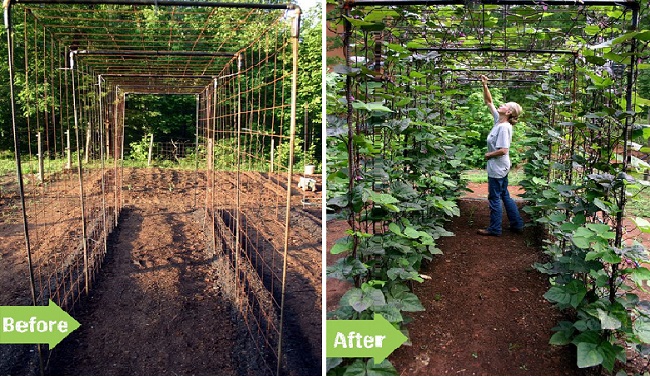
DIY Bean Trellis For Any Vegetable Garden

“When you have a large garden the DIY project possibilities are almost endless. You can build anything you wish if you have some extra time and some money to invest. So, if you’re looking for a new outdoor project, then this beautiful bean tunnel might be the inspiration you need. The owner of the tunnel is April from Wahsega Valley Farm and made the tunnel for her large and impressive vegetable garden. She made the structure first and then the vines started to grow all around and created the magical tunnel you can see in the before and after pictures. You can try to build this tunnel yourself with distinct kinds of vine plants, as the result will be an amazing hide-out with plenty of shade for warm days.”

READ THE ORIGINAL POST http://www.goodshomedesign.com

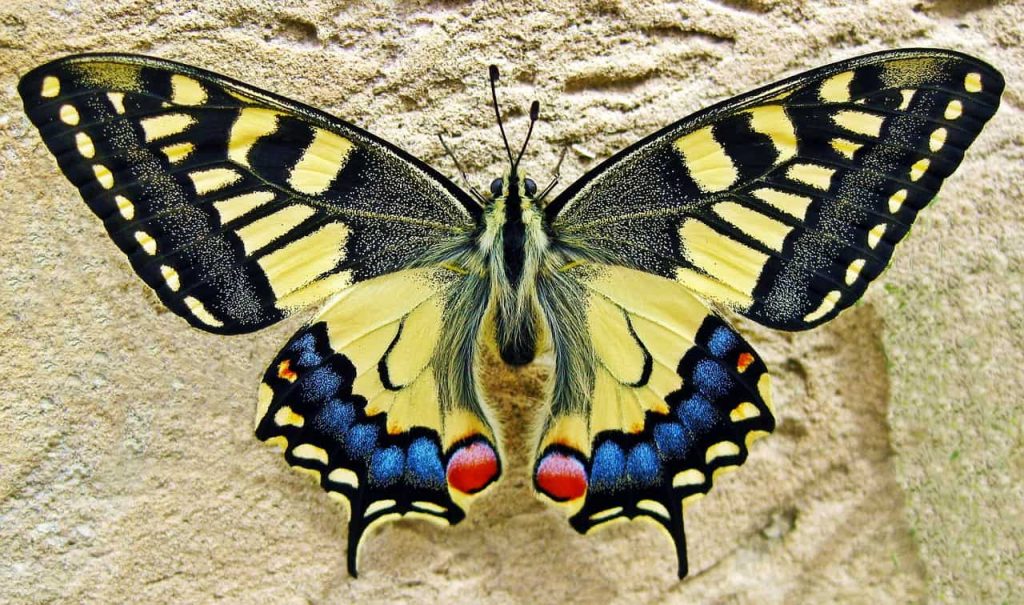
The Ultimate Guide to Butterflies & How to Prevent Their Decline

“Butterflies and moths have been around for millions of years. They used to be a common sight in gardens, but numbers have declined since the 1940s along with our other native wildlife species such as bees and hedgehogs.

It will come as no surprise to hear this loss is due to destruction of natural habitats such as wildflower meadows, peat bogs and ancient woodlands in favor of intensive farming practices, roads and housing developments that have stripped away the majority of their nesting and foods sites.

Climate change is partly responsible for butterfly decline too, producing wetter weather that alters the distribution of certain species.

The relentless march forward of ‘progress’ damages our 56 species of butterfly and 2,500 species of moths who are sensitive to change – but your garden can help them find food and shelter.”

READ THE FULL ARTICLE https://diygarden.co.uk

8 Best Homemade Garden Fertilizers

Organic gardening is as popular as ever, and the methods we use plays a critical role in our health and the health of the planet.

There are many different all-natural fertilizers that you can use in your garden or with potting soil. Some of these fertilizers can be made or collected at home using common items from your pantry or your backyard. Here are 8 of our favorite DIY fertilizers for a variety of needs.

  1. Grass clippings. If you have an organic lawn, make sure to collect your grass clippings to use on your gardens. Half an inch to an inch of grass clippings makes a great weed-blocking mulch, and it is also rich in nitrogen, which is an essential nutrient for most plants.
  2. Weeds. Just like grass clippings, many of the weeds that you’ll find in your gardens are very high in nitrogen and will make an excellent fertilizer. The problem is, once you’ve pulled the weeds, you certainly won’t want to put them back in the garden because any seeds will sprout and make new weeds. The solution? Make weed tea. To do this, fill a five-gallon bucket no more than 1/4 full with weeds that you’ve pulled. Then fill the bucket the rest of the way with water, and let the weeds soak for a week or two. Once the water turns nice and brown (like tea), pour this weed tea on your gardens.

READ THE REST OF THIS LIST OF FERTILIZERS: https://www.farmersalmanac.com

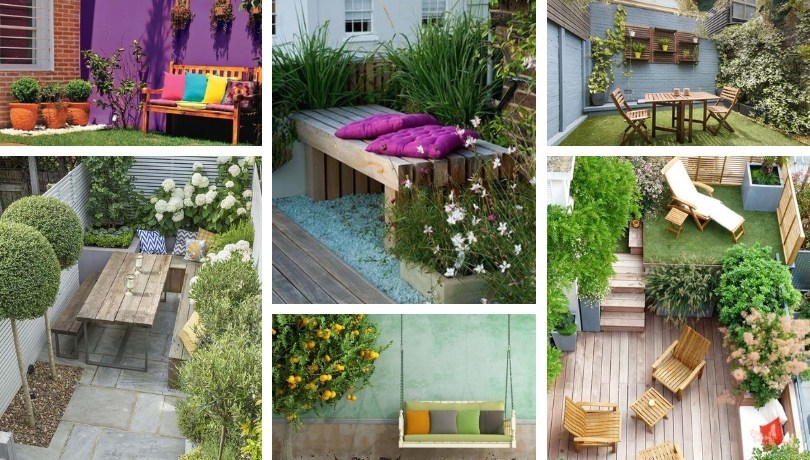
66 Inspired small gardens for houses and apartments

Inspired small gardens for houses and apartments

Many people have the desire to own a green area in their residence, so the small gardens have taken up space in the area of decorating and landscaping. To make a beautiful garden does not take many expenses, simply organize the essential items in stages and have a good taste in choosing the plants and accessories that will compose.

To start the project you need to keep in mind which plants you will use. It is recommended not to mix many types of flowers and foliage so as not to spoil the sense of balance of the environment. Another important item is to see the size of the plants to suit the space.

Using the pebbles and lawn as flooring is a good option to have a beautiful and clean garden. The cool thing is to go drawing with these materials, tracing paths and alternating with some plants.

For garden furniture, use few accessories and with simple lines. A pair of armchairs, a small table, bench with cushions or even those futton mattresses are enough. Nothing to carry too much environment, because this is not the proposal for the garden. Use vases to decorate the place and for those who live in an apartment is the most practical way to conserve a garden.

Check out our ideas of beautiful little gardens to inspire you: https://mydesiredhome.com

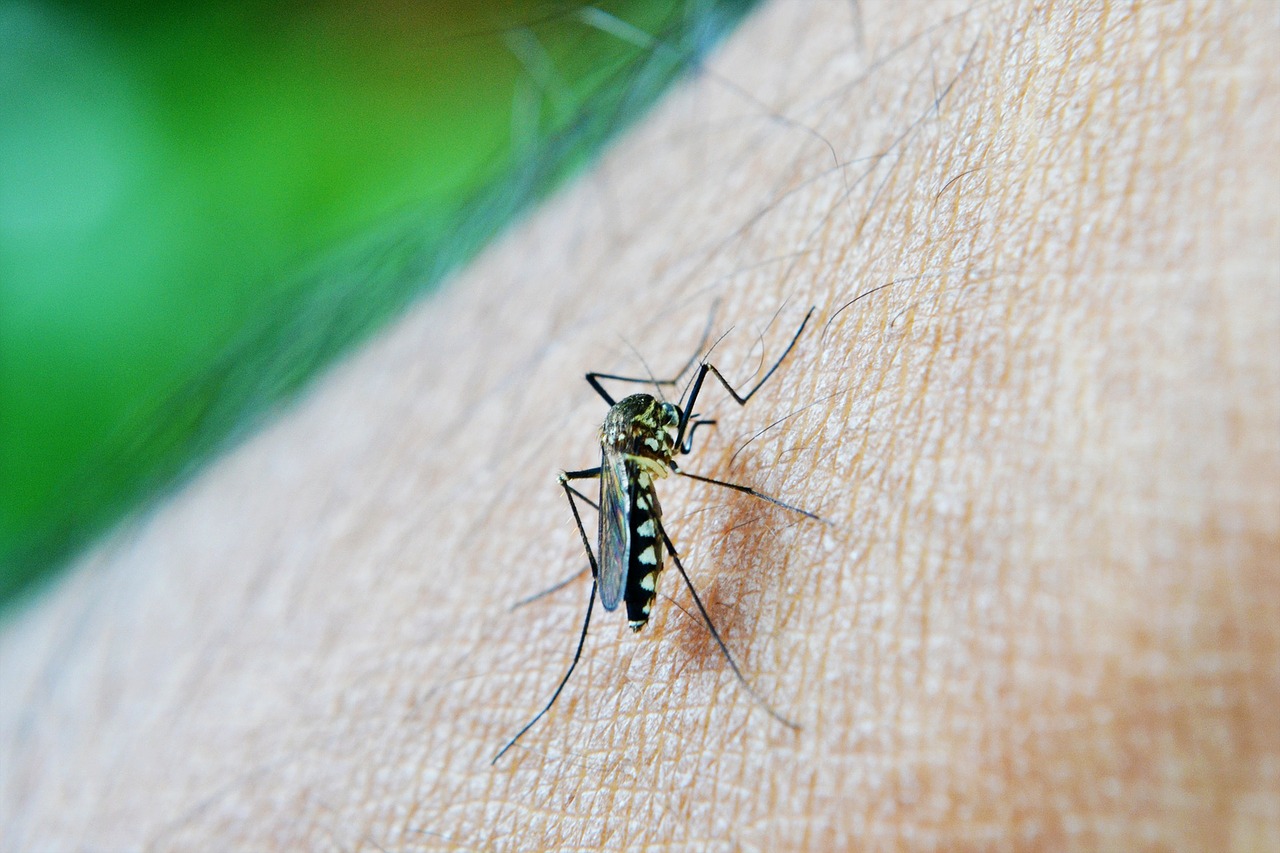
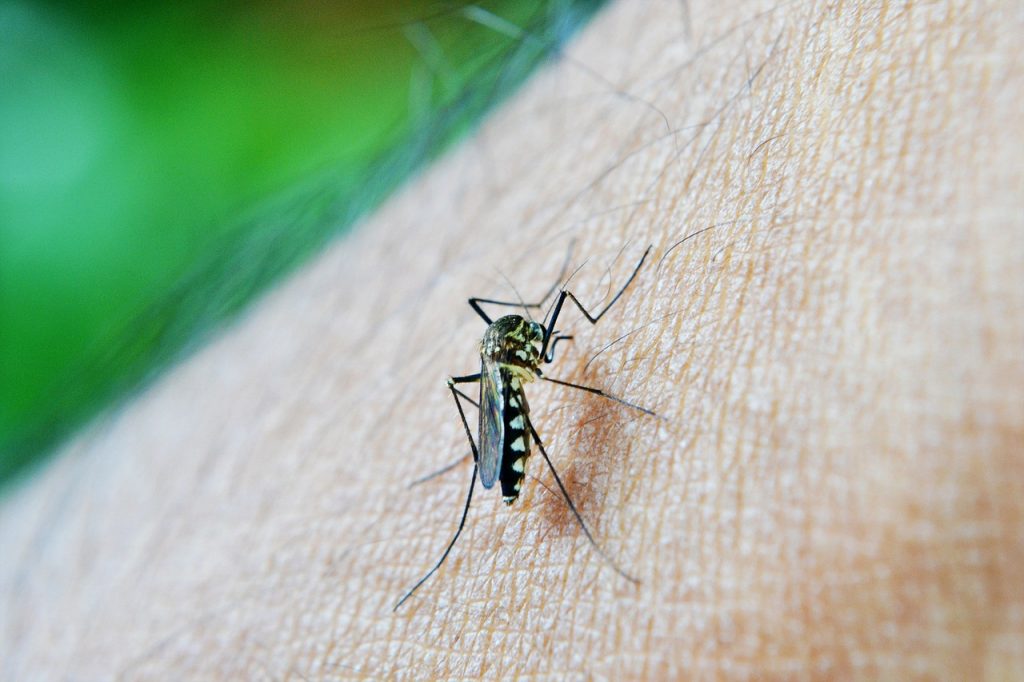
Mosquitoes Hate These Plants. Grow Them In Your Home

Scientists have already proven that mosquitoes choose their victims according to their body odor, and they are most fond of pregnant women and people with slightly higher body temperature. In addition, they also attract the smell of sweat, and some people simply have no luck with mosquitoes because they have a smell that draws them more intensely.

But some strong scent is extremely unpleasant for mosquitoes, not only masking our body odor. But also dulling insects pushing further. Some of the plants whose smell is considered very pleasant. Mosquitoes are a real natural repellent and keep them at a safe distance.

However, it is not enough to just plant plants in the garden or put them on a window board. The aroma must be in the air around you, but it is best if it is on the skin. To achieve maximum effectiveness, crush the leaves of these plants with your hands to release the flavor and infuse them directly onto the skin.

READ WHAT PLANTS MOSQUITOS HATE https://gardeningsoul.com

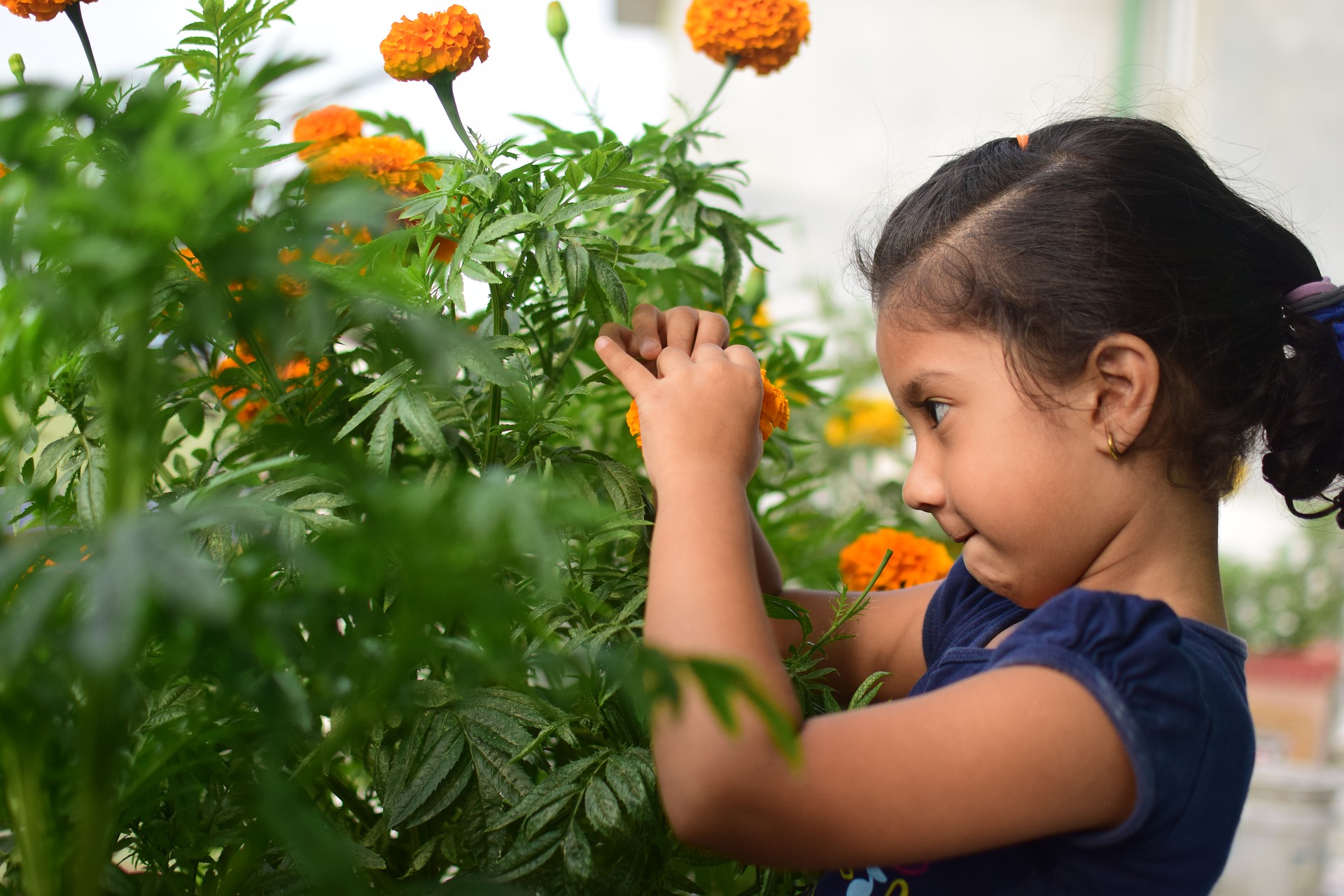
Should Children Be Taught How To Grow Food As Part of Their Schooling?

If you are a parent, you should probably think about one good question: should your children be taught to grow food at school?

The modern era is marked by the constant advancements in technology, and the new inventions have provided the comfort and conveniences that we never even imagined to live in.

However, we lost a large part of the needed real-world knowledge and skills to survive and take care of our families on our own.

This poses a question: If the current system suddenly collapses, do we know the basics of life in order to survive? Natural disasters happen all the time, so this is not that unreal as we believe.

Therefore, teaching our children to grow their own food would be a priceless lesson.

READ THE ORIGINAL ARTICLE https://www.healthyfoodhouse.com

8 Ways To Get Rid of Garden Pests Without Any Chemicals!

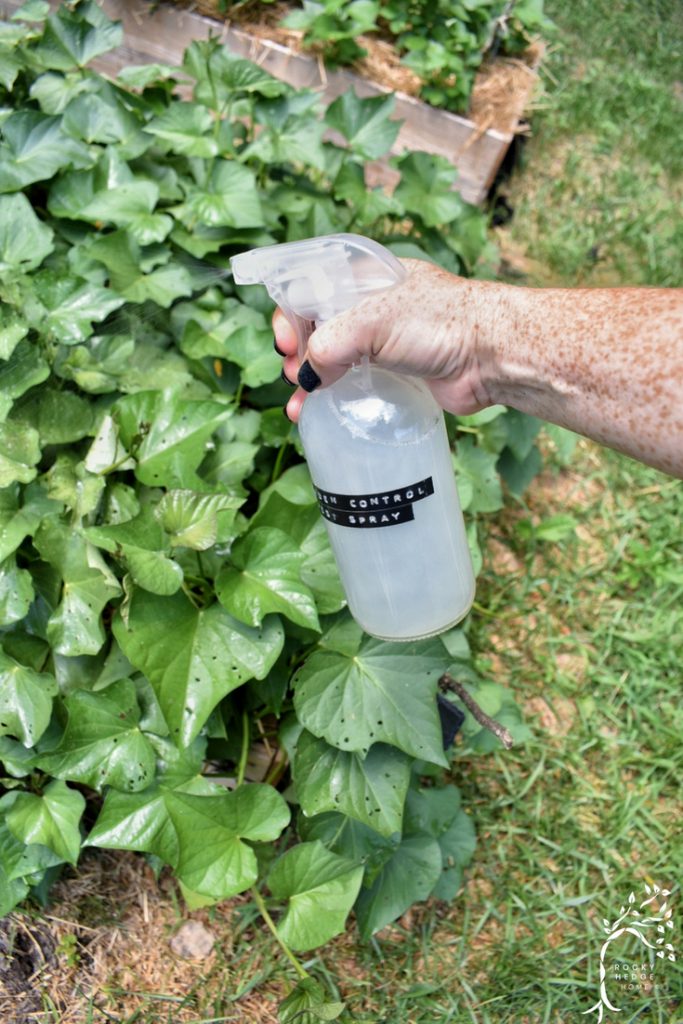
1. Peppermint Castile Soap, via Rocky Hedge FarmGET THE RECIPE!

“There is a variety of things that can be done in a garden to help control the critters and insects that find the vegetable patch their tasty treat for the day. Companion planting, attracting birds and good insects, and even hand picking some of the bugs and placing them in a bucket of soapy water.

Then there are the bugs that I don’t always see, like the ones that are eating holes in my sweet potato plants. So, that is when I pull out the spray.”


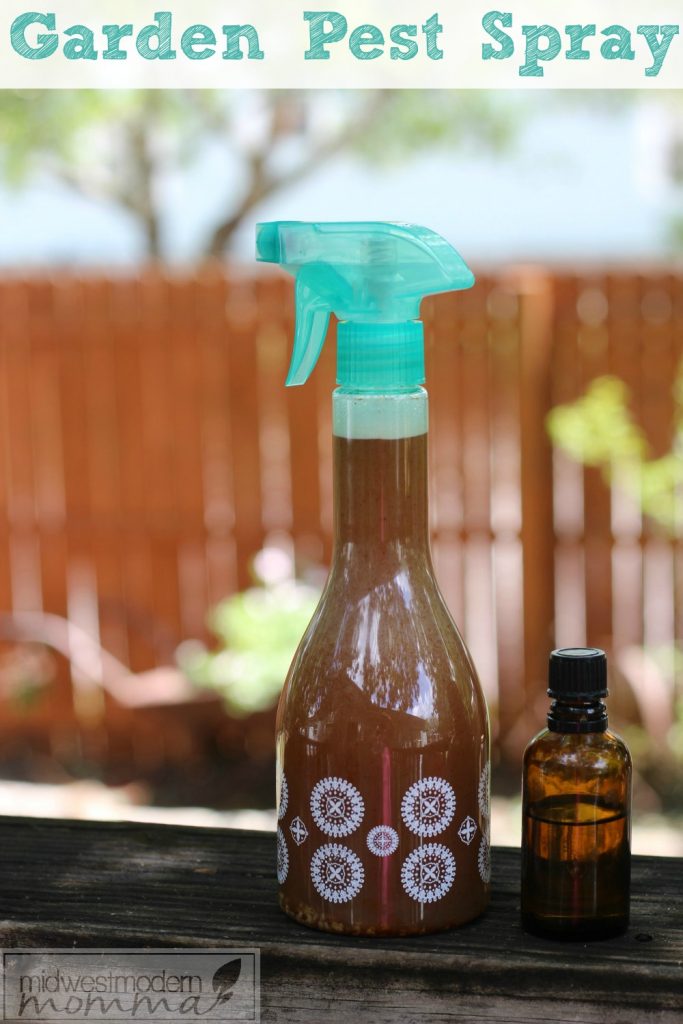
2. Garlic-Cayenne Pepper Spray, via Midwest Modern Momma – GET THE RECIPE!

I love using natural pest control throughout my home and garden.  This natural pest control spray for your garden is ideal for keeping those pesky critters away from your plants.  If you have a natural and organic garden that is thriving, this is going to be your best resource to keep your plants safe this summer!”


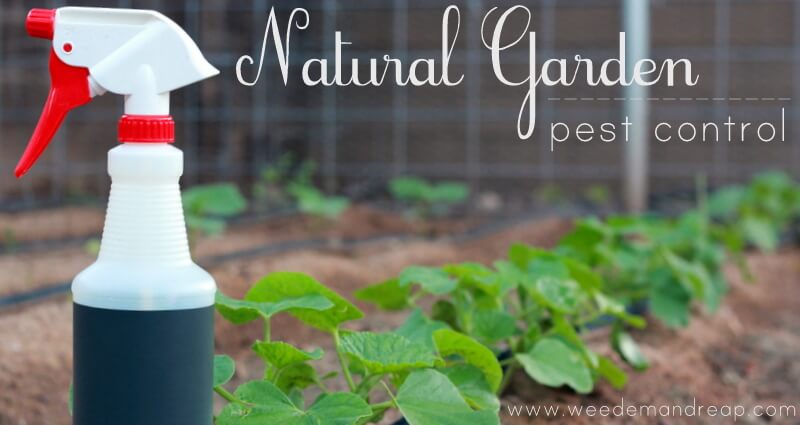
3. Organic Garden Pest Control, via Weed ’em and Reap – GET THE RECIPE!

“I don’t believe in pesticides. I’ve had many people recommend all sorts of chemical-laden products. But I decided long ago that this garden was going to be au naturale, dang it! My natural garden pest control will knock those bugs off their feet!”


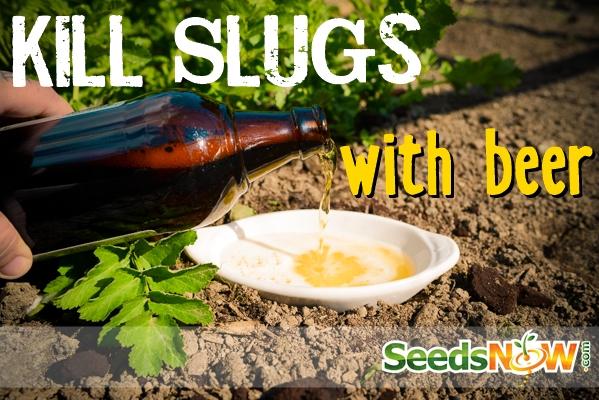
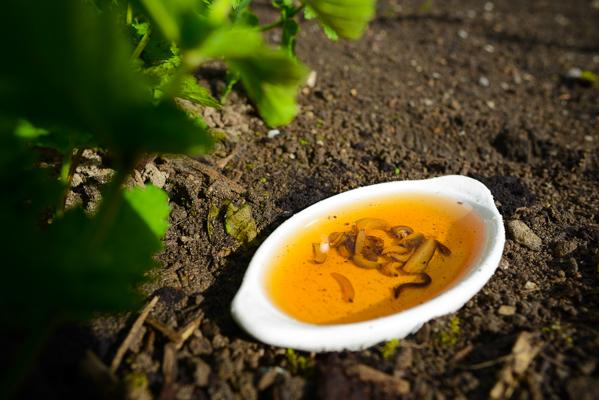
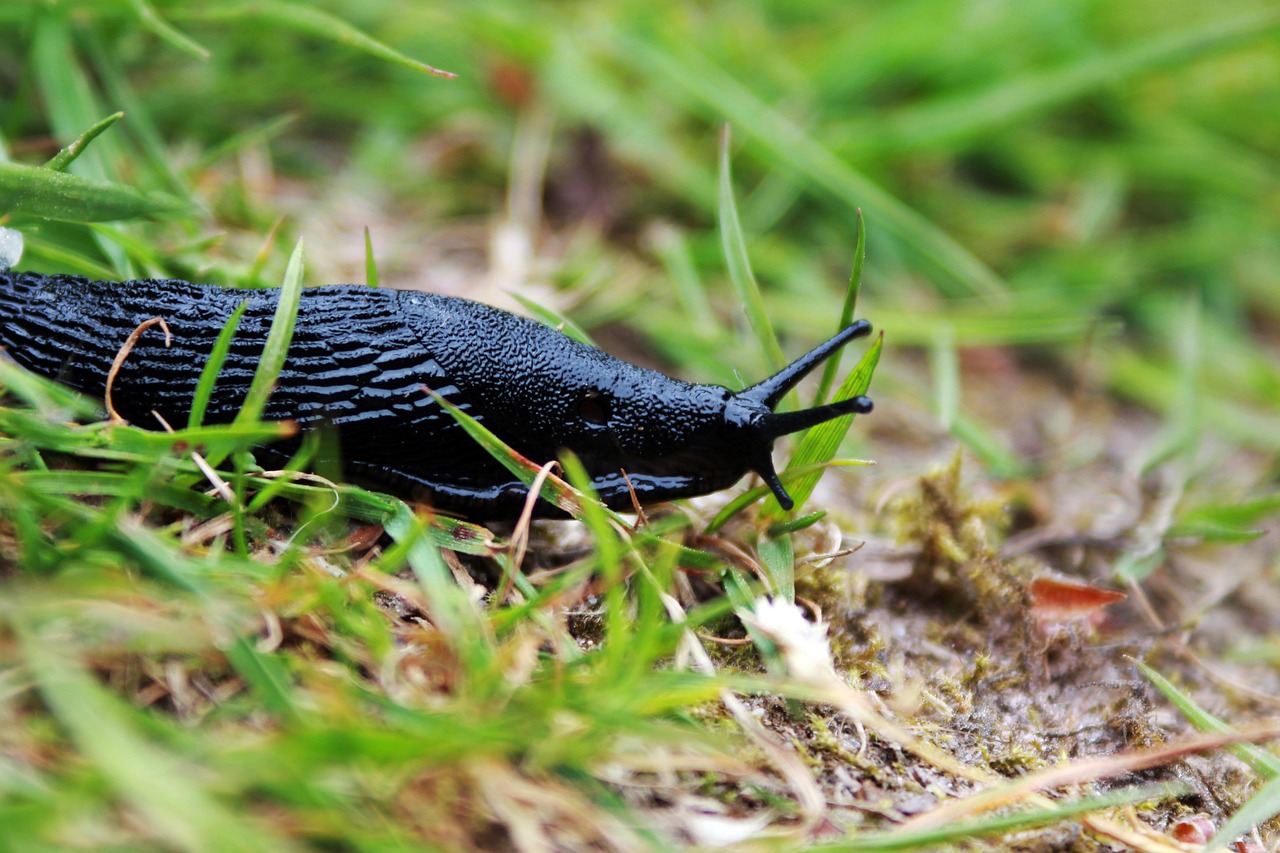
4. Trap and Kill Slugs with Beer!, via SeedsNow.comGET THE RECIPE! 

“One of the simplest ways to get rid of slugs is to pour them a beer. Literally.  Make sure to not waste a yummy and delicious beer on these nasty garden pests, though. An inexpensive, cheap beer will do the job just as well as your favorite will.”

5. Smothering Insect Oil, via The Rusted Garden – GET THE RECIPE!

“In this 4th video of my DIY garden recipe and tips series I cover how to use neem oil and smothering oils in the vegetable garden. I show you how to make them (with my recipes), discuss how to use them and provide you a general use routine. Any time you use new oils or sprays in your garden… test spray.”


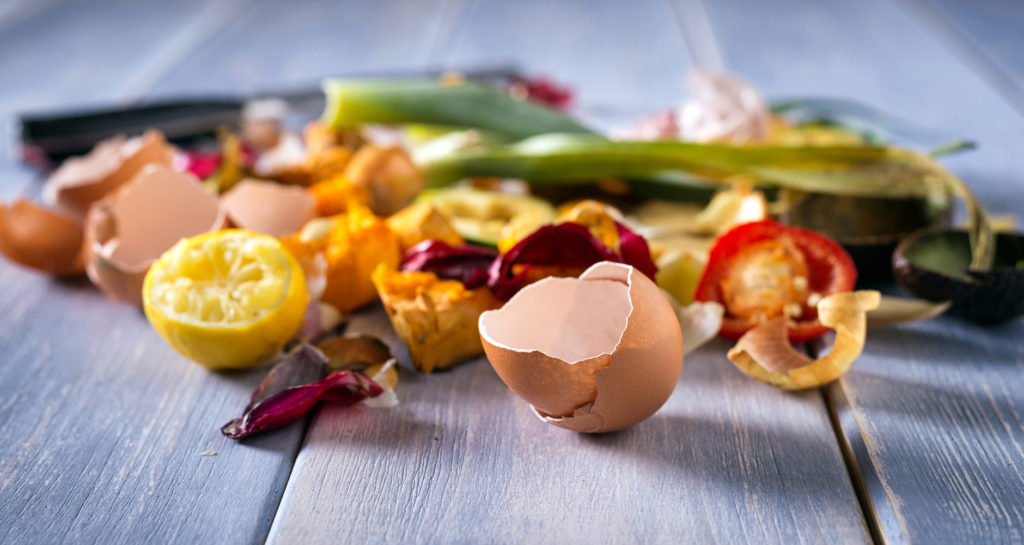
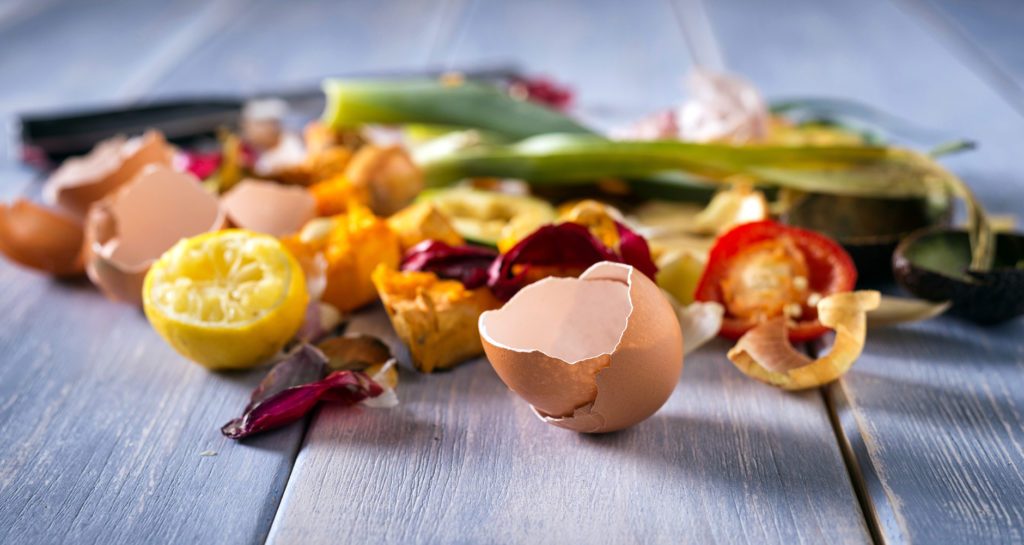
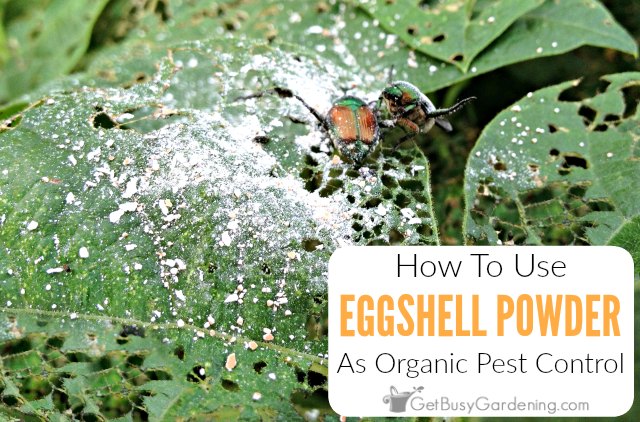
6. Eggshell Powder, via Get Busy Gardening – GET THE RECIPE!

“Using eggshells as organic pest control is inexpensive, and easy! In this post, not only will I show you how to use eggshells in your garden, I will also show you exactly how to prepare eggshells for garden use – including tips for cleaning and drying eggshells, grinding them into powder, and storing eggshells and powder for later use.”


7. Molasses Bug Spray, via SeedsNow.comGET THE RECIPE!

“Though bugs hate it, plants love it. Adding molasses to the soil in your garden helps to increase the microbial activity resulting in soil that holds moisture better and is also easier to plant in. When soil microbes are exposed to simple sugars, they multiply quickly. As microbes go through their living cycle, they add important nutrients to the soil, therefore, the more the merrier. You can also rid your yard of fire ants by spraying this over your grass too. This is the most inexpensive way to add sugars and ward off harmful insects to your garden and vegetable plants. ”

…and if all else fails, try growing a few TRAP PLANTS to deter pests away from the more valuable crops in your garden!


Tips For Keeping Rabbits Out Of Your Garden

Sometimes it’s better to see a pest problem as the normal way nature enters and adapts to a particular niche in the environment created by things like availability of food, cover, and absence of predators. Animals don’t appear magically on the scene for no reason, they simply exploit available food resources and habitat. Once we understand this, we can learn about them and adapt ourselves to their habits. That way, we not only enjoy wildlife but can minimize its impact on our homes and gardens.

Rabbits Habitat and History

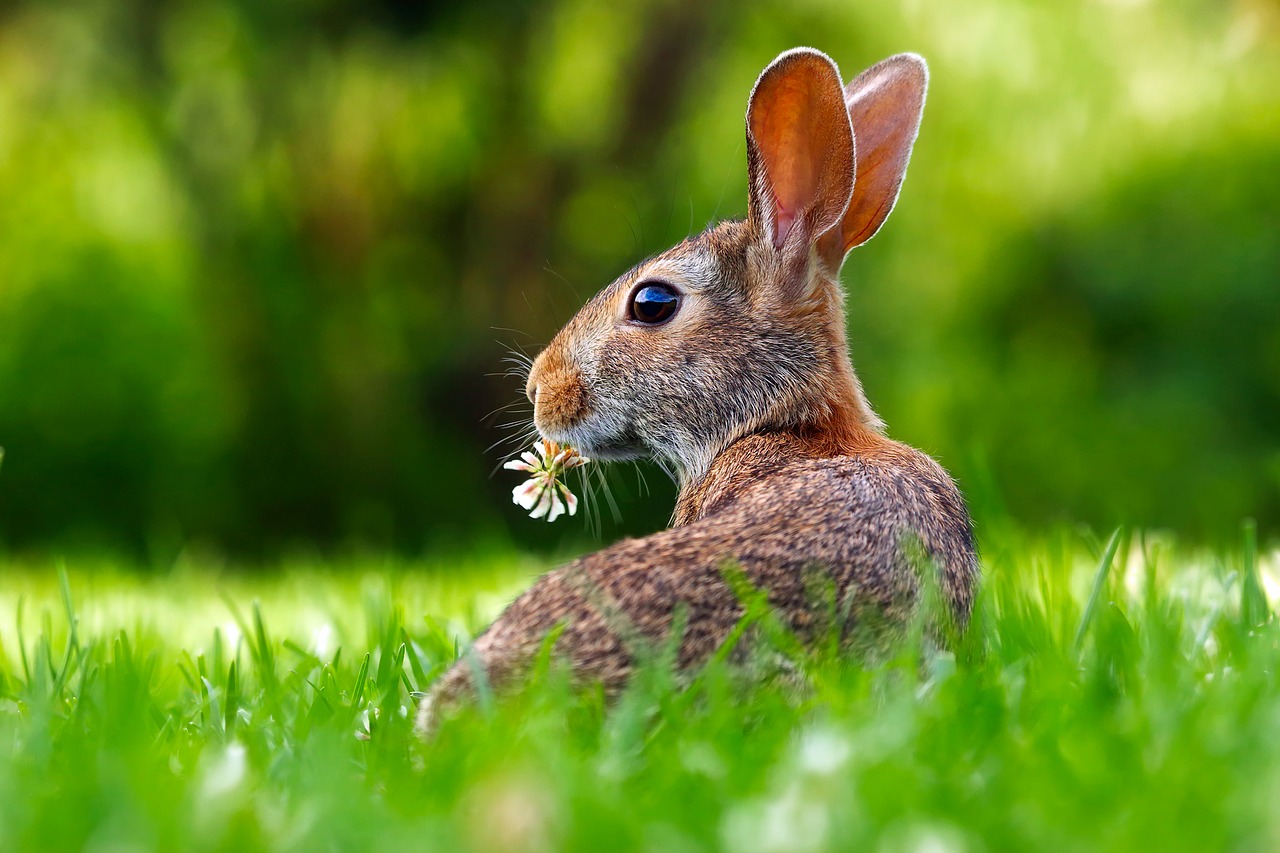
The Eastern cottontail, Sylvilagus floridanus, is one of the most common rabbit species in North America. It’s found in abundance over the entire eastern half of the United States, as well as into parts of central and South America. Recognizable instantly from the pure white fur on the underside of its tail, it is otherwise superbly camouflaged in shades of gray and brown. Most adult cottontails in the northeast average about 2 pounds, with larger specimens of about 3 pounds common in the south. In some instances, specimens of over 4 pounds have been recorded.

READ THE FULL ARTICLE https://www.farmersalmanac.com