‘Leave the Leaves!’

WMICENTRAL.COM – This has become a rallying cry by gardeners, natural landscape enthusiasts and ecologists. To let fallen leaves stay where they land in yards across America is becoming a popular trend. Not because homeowners and gardeners are lazy (so we claim), but because the leaves provide a protective habitat and ecosystem for the insects, critters and microbes that survive under a blanket of nutrients and protection that leaves furnish over the winter.

The latest natural science recommendation is to simply let the leaves fall where they may which allows insects, amphibians, worms, beetles, millipedes, mites, and larvae of pollinators such as butterflies, moths as well as bees to survive the winter months and complete their life cycle.

Nowadays, leaving the leaves is being a good steward of wildlife. That means we are no longer “leaf slackers.” We’re great contributors to providing eco habitats for pollinators such as the Monarch butterflies which are approaching massive depopulation due to urban sprawl and the heavy use of herbicides and insecticides. Bee populations are also decreasing due to Colony Collapse Disorder, whereby bees mysteriously disappear from their hives, never to return. The decline of these two important pollinators threatens food production which is becoming a worldwide problem. Therefore, leaving the leaves in yards and gardens is a good thing which leaf raking neatniks need to understand and appreciate.

Leave the leaves?! Yes or no…

READ THE FULL ARTICLE: https://www.wmicentral.com/outdoors_and_gardening/leave-the-leaves/article_c56e988a-f8da-583f-925e-5e115703ca67.html

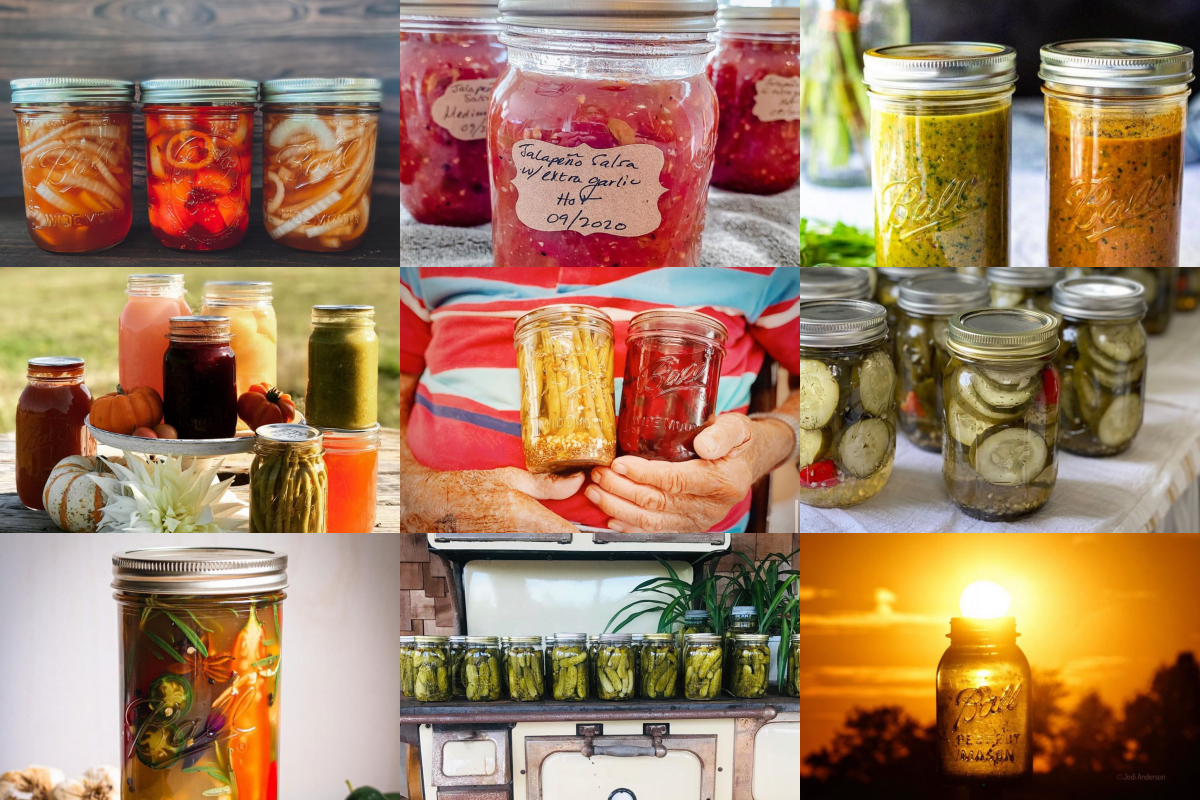
Happy National Mason Jar Day! Here’s Some Inspirational Food-In-Jars to Help You Celebrate!

On November, 30th people all over are celebrating National Mason Jar Day

This day celebrates the invention of the mason jar and its usability in homes everywhere. Since hipsters and homesteaders alike are making mason jars a staple, let’s drop some facts about mason jars and their fascinating past!

“The origins of the mason jar started with John Landis Mason’s patent #22186 in 1858, which issued a safer design for the screw neck bottles used to store food.” – Days Of The Year

“Even though Mason jars can be purchased at just about any store these days and have a multitude of uses, their creator, John L. Mason, didn’t make any money off of them. He patented his invention in 1858 (at the age of just 26!), but the patent expired in 1879. Since most competitor brands didn’t start making Mason jars until after 1879, he didn’t see any of the profit.” – Country Living

“Five brothers founded Ball in 1880 with a $200 loan from their Uncle George.” Initially, the company made wood-jacketed tin cans for products such as paint, kerosene, and other chemicals. Four years later, the brothers began manufacturing glass home-canning jars, the product that established Ball as a household name. – Mason Jars.com

“The decline in Mason jar manufacturing in North America is due to a sharp decline in popularity of home canning in the 1950s and 1960s with the rise of supermarket canned foods, and the consolidation of the US canning jar industry.” – Wikipedia

“…the rise of refrigeration in the post-war years pushed people to freeze rather than can. As the jar became less of a necessity, the culture surrounding it changed, Kelly writes. She notes that her mother and aunt canned with Mason jars in the 1960s and 70s, as part of a back-to-the-land movement. And now, the jar is back.” – Smithsonian Mag

“Half a century later, the Mason jar is having another moment. Thanks to writers like Michael Pollan, Dan Barber, and Alice Waters, many people are much more aware of the food that they’re eating and the high costs — environmental and economic — of transporting it to their plates, encouraging a return to locally grown produce and activities like canning. Whereas tinned food now connotes poverty, Mason jars, with their pleasing shape and transparency, suggest a kind of wholesome luxury.” – Ariana Kelly

“The Registrar at National Day Calendar® proclaimed National Mason Jar Day to be observed annually beginning in 2017.” – National Day Calendar

Below are some of the most gorgeous Mason Jar photos we came across on Instagram, so be sure to check out their accounts and give them a “like” and a “follow”! Happy Canning! 


View this post on Instagram


A post shared by Mai & Maxime (@mmbonappetit)


View this post on Instagram


A post shared by Carla Malloy (@elderflatfarm)


View this post on Instagram


A post shared by Caleb Richter (@closetoamish)


View this post on Instagram


A post shared by Megan Wilson (@wilsonfamilyhomestead)


View this post on Instagram


A post shared by Jason Will (@plantsandprofanity)


View this post on Instagram


A post shared by Ashley Z (@thetinrecipebox)


View this post on Instagram


A post shared by Christi (@farmwifedailylife)


View this post on Instagram


A post shared by Nikki Héri (@moodtoorude)


View this post on Instagram


A post shared by Sammy Jo Graham (@grahamfamilyranch)


View this post on Instagram


A post shared by Must Love Herbs (@mustloveherbs)


View this post on Instagram


A post shared by Must Love Herbs (@mustloveherbs)


View this post on Instagram


A post shared by Wilderstead (@wilderstead)


View this post on Instagram


A post shared by GivensFarm (@givensfarm)


View this post on Instagram


A post shared by Leah Hansen (@homegrownhansens)


View this post on Instagram


A post shared by Jodi (@stellasview8)

Repurpose Your Jack-O-Lantern!

FARMERSALMANAC.COM – You can easily repurpose your Halloween jack-o-lantern by turning it into a bird feeder provided the pumpkin is not rotted or decorated with unsafe accents. If you used a real candle to illuminate your jack-o-lantern, be sure to scrape away any wax or blackened areas on the flesh first.

Cut the pumpkin in half so it resembles a bowl, or carve around the face so it has a large opening. Fill it with birdseed.

SEE MORE WAYS YOU CAN REPURPOSE YOUR PUMPKIN THIS YEAR: https://www.farmersalmanac.com/pumpkin-bird-feeder-133746?fbclid=IwAR0e6zBI1OQUf7s_qzJo4h5m1k2idgFaOURbpzB_Dmo8iYGMNOEvf5uRstA

Gardening Tips for November

THESUZGAZETTE.COM – November is one of my favorite months in the California garden. Fragrances are earthy and fresh, especially after a rain, with hints of spice and healthy soil. I watch leaves descend, winds sway even large tree branches, and sheets of rain (hopefully!) wash off a year’s dust. Birds and even some late butterflies, moths and bees work feverishly to gather enough stored energy for hibernation or migration. The mornings are crisp and winter-cap weather, the afternoons can still hold a weak warm sun, or even a few days of bright above-normal temperatures. Since we all know our water supply depends on abundant mountain snow, we rejoice when we see snow-capped peaks after a good storm and there is still optimism that the upcoming winter, when our part of California receives the majority of the year’s precipitation, will be cold and wet.

READ THE FULL ARTICLE: https://thesungazette.com/article/opinion/gardening/2020/10/28/gardening-guru-tips-for-november-2/

Five Ways To Prepare Now For Gardening In 2021

HERALDANDNEWS.COM – Gardening in all forms — from window boxes to major landscape renovations — surged in 2020. Whether for mental peace, food security, or a meaningful “socially distanced pastime,” people turned to gardening this year. Increased interest in all things gardening led to temporary shortages in seeds and plants this year, causing a similar surge in interest in seed banks and seed saving.

Now that freezing nights have put an end to most gardening this year in the Klamath Basin, some forward-thinking gardeners are already looking ahead to next year. Recent horticulture questions at the Extension office included seed saving techniques, advice for overwintering small trees, how to prepare beds for winter, and the big question: Given that 2021 is projected to be equally popular food gardening, will there be shortages of seeds and plants again? How can a gardener prepare now, in the quiet time? The following are a few suggestions.

READ THE FULL STORY: https://www.heraldandnews.com/news/local_news/community/sanchez-five-ways-to-prepare-now-for-gardening-in-2021/article_1853e16a-2ce7-57b5-990a-a5e5aabbc47e.html

‘Gangsta Gardener’ Ron Finley’s easy guide to growing your own veggies

Never before has it been more important to consider growing you own vegetables.

But how? American gardening guru Ron Finley, aka the Gangsta Gardener, shares some down-to-earth advice with Sanet Oberholzer.

Is not having green fingers really a thing?

We all have green fingers because we all are carbon, we come from the earth and where do we go back to? We turn into soil. Everybody has green hands – you just have to put them to use. The bottom line is you are a custodian of the system. Mother Nature does everything else, we just are helping. I tell people: grow it to know it. People need to find the joy in this. It’s not just a hobby – it’s a life skill that we all should have.

READ THE FULL ARTICLE: https://www.timeslive.co.za/sunday-times/lifestyle/food/2020-10-21-gangsta-gardener-ron-finleys-easy-guide-to-growing-your-own-veggies/

10 Fall Gardening Practices That Will Protect Your Soil in Winter

BobVila.com – Throughout the growing season, garden plants work together with microbes to break down and use organic matter within the soil. During the off season, unprotected garden beds are at risk of erosion, a process that strips away the topsoil resulting in a loss of nutrients, and soil compaction, which reduces water infiltration and drainage, damaging the soil structure. Over time, this seasonal cycle can leave your garden infertile and unproductive. But this problem is easy to avoid by adopting a few soil friendly habits in the fall.

When the growing season comes to an end, the soil building season begins. This is the time to focus on rebuilding organic content, conserving nutrients, preventing erosion, and avoiding soil compaction.

READ THE ARTICLE: https://www.bobvila.com/slideshow/10-fall-gardening-practices-that-will-protect-your-soil-in-winter-577479

FORAGING – Coming Home Through Traditional Foods


Record-Eagle.com – Today’s mass-produced food landscape is often detrimental to food sovereignty efforts.

Indigenous ancestral teachings are anchored in creation stories and cover science, math, history, and sociology. They shaped the food systems of each community for thousands of years before colonization.

“Our foods speak their own ancestral language,” said Kirsten-Kirby Shoote, from the Tlingit tribe in what is now Alaska. Shoote has dedicated her life to bringing back Indigenous foods to her communities through seed saving.

She works for I-collective; a nonprofit organization of Indigenous chefs, farmers, activist, seed and knowledge keepers, and refers to herself as a “food activist, seed saver, chef and urban farmer.”

She grew up in Chinook territory in what is now Oregon, and moved to Waawiiyatanong (Detroit) in 2015 to explore urban Indigenous food sovereignty. Her project Leilu’ Gardens focuses on “cultivating relationships with plants to heal generational wounds through revitalizing urban gardening and seed saving. She hosts pop-up dinners for the community to explore dishes together.

READ THE FULL STORY: https://www.record-eagle.com/mishigamiing/coming-home-through-traditional-foods/article_d096e802-10c4-11eb-b8d7-777c2d3f9e71.html

Fresh Herbs Make A Great Gardening Addition For Holiday Cooking

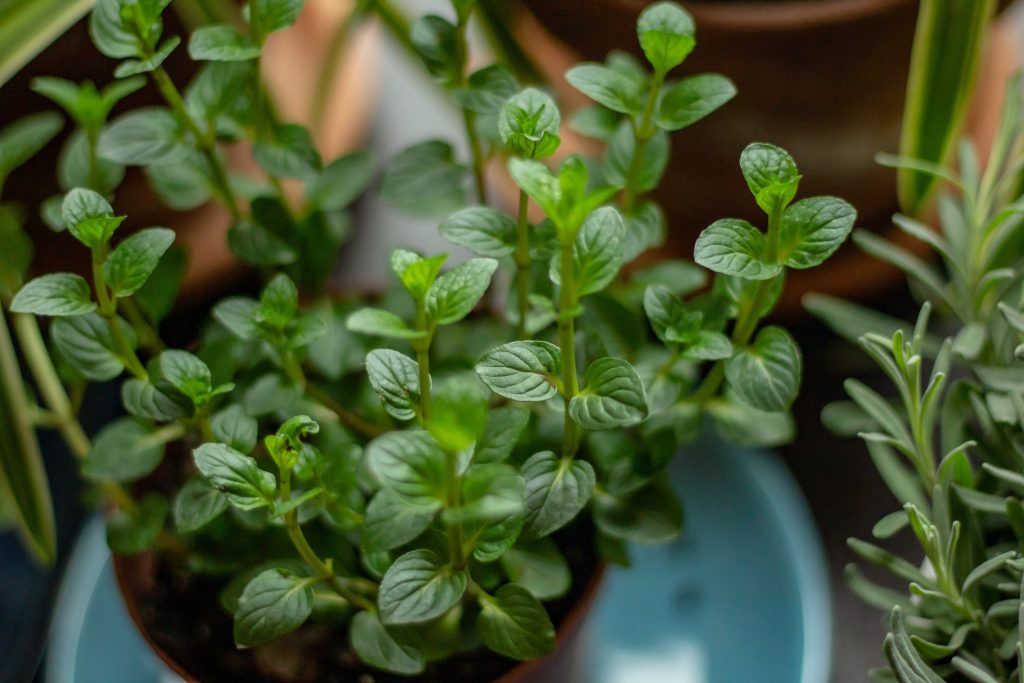
OAOnline.com – As your summer gardening winds down, it is a good time to plant a few herbs for your holiday cooking. Nothing is better than stepping out your backdoor and picking fresh herbs. Parsley, rosemary, sage, oregano, cilantro and chives are all great additions to dishes for the fall. Lavender and mint can be used for cooking, as well as teas and essential oils.

Each of these grow well in pots. In fact, mint should definitely be grown in a pot because it is so invasive. Mint spreads by the roots and if you plant it in a bed or a garden, it will quickly take over where you plant and everywhere around it. You will be digging and pulling roots for years to come.

READ THE FULL ARTICLE: https://www.oaoa.com/people/lifestyle/gardening/master-gardeners-fresh-herbs-make-a-great-gardening-addition-for-holiday-cooking/article_962aad78-109e-11eb-b33c-6367f9bb291a.html


Tomato Seed Saving Tips and Tricks

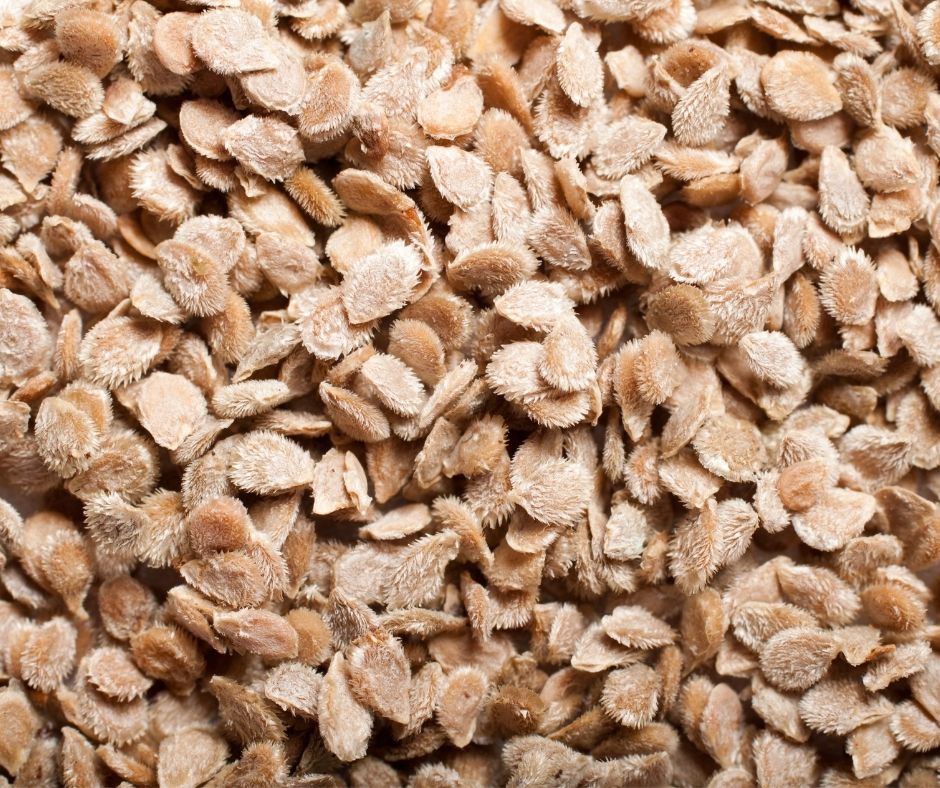
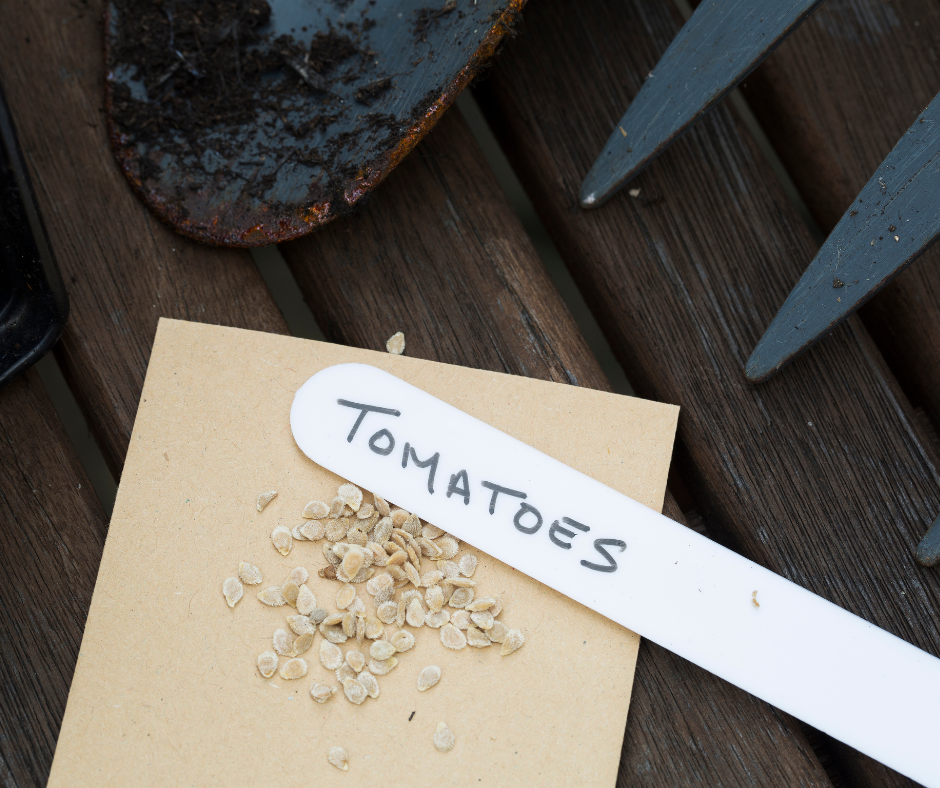
Saving tomato seeds is a popular tradition amongst most gardeners. They take their most prolific plants, and favorite varieties and pay special attention to harvesting seed for the following year.

Hybrid vs. Heirloom and why it matters: Hybrid plants are a combination of two different sets of genetic material. If a hybrid tries to mate with another plant, even another plant of the same hybrid type, it may not be able to produce any fruit at all and will usually fail to show the desired characteristics of the mother plants. For example, if a large-fruited, disease-resistant tomato plant were allowed to mate with another similar plant, the offspring might have small fruits and lack disease resistance – the benefits of creating the hybrid, to begin with, would have disappeared in producing the next generation.

Heirloom varieties have been passed down from generation to generation and have stabilized over time. They will produce fruit true-to-type, like that of that plant it came from. Repeat variety and quality can be expected as long as you avoid any cross-pollination. Learn MORE About Hybrid vs. Heirloom Plants

There are several ways that you can save your heirloom tomato seeds, but here are two of the most popular techniques. 

Fermentation Method:

  1. Choose a beautiful, healthy fruit that is slightly over-ripe.
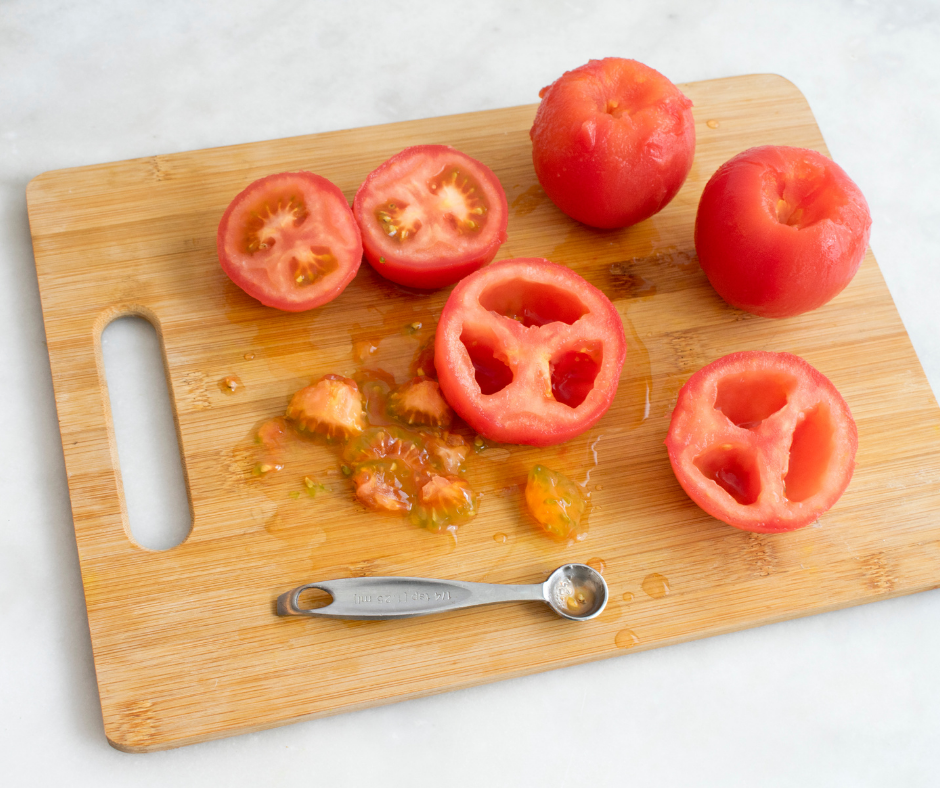
  2. Slice open.
  3. Gently squeeze seeds into a cup.
  4. Add a small amount of water, just enough to cover the seeds.
  5. Cover the cup with a kitchen towel and make sure they don’t dry out. Let ferment for 3-7 days. (Mold will begin to grow, this is normal and expected.)
  6. Rinse well, and allow to fully dry on a paper towel.
  7. Store in a cool, dry place such as an airtight bag or seed vault.

Non-Fermentation Method:

  1. Choose a beautiful, healthy fruit that is slightly over-ripe.
  2. Slice open.
  3. Gently squeeze seeds onto a paper towel.
  4. Let fully dry for about 1 week.
  5. Store in a cool, dry place such as an airtight bag or seed vault.


Gardening as a Radical Act

WSJ MAGAZINE – Linda Goode Bryant will be the first to tell you she didn’t know much about farming when she decided to open a community garden in Brooklyn, New York back in 2009.

“I have actually never been very good at putting seed in soil and watering it,” said Goode Bryant, an accomplished artist and filmmaker-turned-agrarian who founded Project EATS, a circuit of small plot, high-yield farms in New York City.

Determined to transform a local Brownsville lot into a sprawling farm, Goode Bryant endured a season of swiping her credit card to support her vision and relied on her trusty hammer and bucket for her daily chores. As community members slowly opened up to the farm and they began to lend their tools and their time. “That’s power,” Bryant said. “A belief in our own power to do for ourselves.”

READ THE FULL ARTICLE: https://www.wsj.com/articles/gardening-food-summer-ron-finley-11597840206

Urban gardeners share the ups and downs of growing food

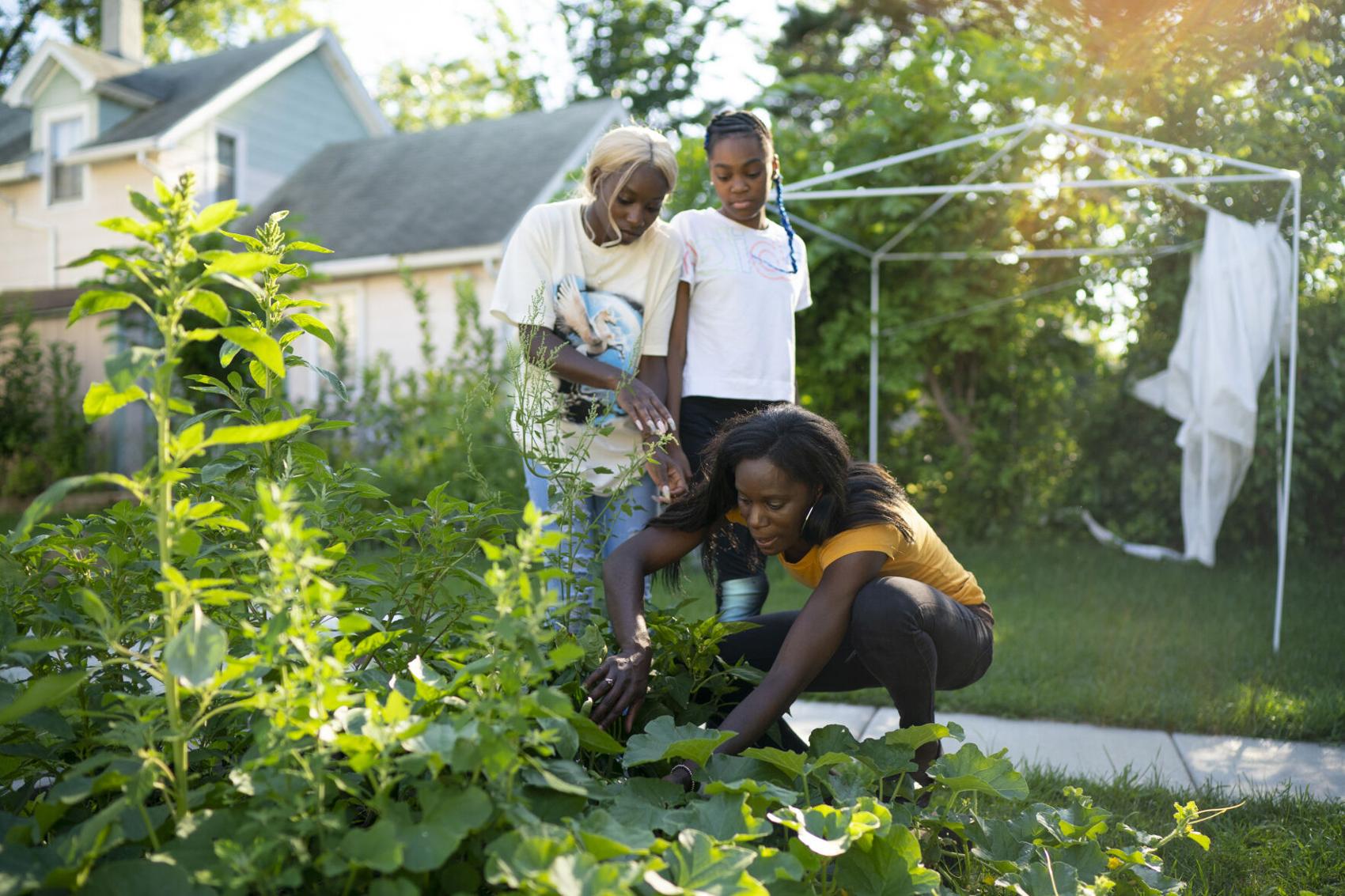
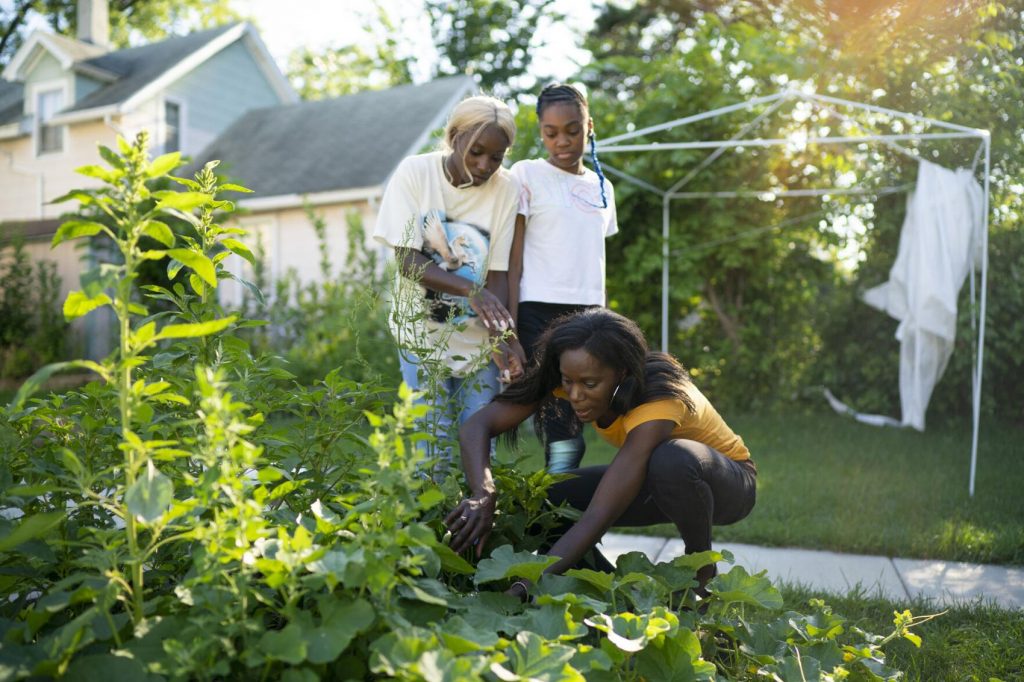
LeAndra Estis checked on the growth progress of vegetables in her backyard garden in St. Paul. Her daughters Quaia, left, and Lonna help in the garden and post their successes on social media. (Jeff Wheeler/Minneapolis Star Tribune/TNS)

MINNEAPOLIS — When a suspicious-looking sprout appeared in the St. Paul garden of LeAndra Estis, she plucked it. The willful plant popped up again. Instead of pulling it out a second time, the new gardener fired up Google. The would-be intruder was spinach.

“I kept thinking, ‘That’s not right,’ ” said Estis, who had never seen the leafy green emerge from the ground and was expecting the spinach she planted from seed to look more bushy, like the mustard and collard greens she watched grow as a child.

In Minneapolis, Christopher Lutter-Gardella faced a different problem. He had to sow peas several times because his plants were getting chewed down at the base from some unseen force.

READ THE REST OF THE ARTICLE: https://www.gmtoday.com/gardening/urban-gardeners-share-the-ups-and-downs-of-growing-food/article_beb94e8c-e873-11ea-9607-7b16a5b21269.html

8 Dehydrating Recipes You’ve Got To Try This Summer

Summer is coming to an end, and your gardens are bursting with produce! It’s time to break out your dehydrator to start preserving your fruits, vegetables, and herbs so that you can enjoy them later on in the season or throughout the fall and winter months.

Here are some of our favorite Instagram posts that deliver awesome dehydrated food inspiration!

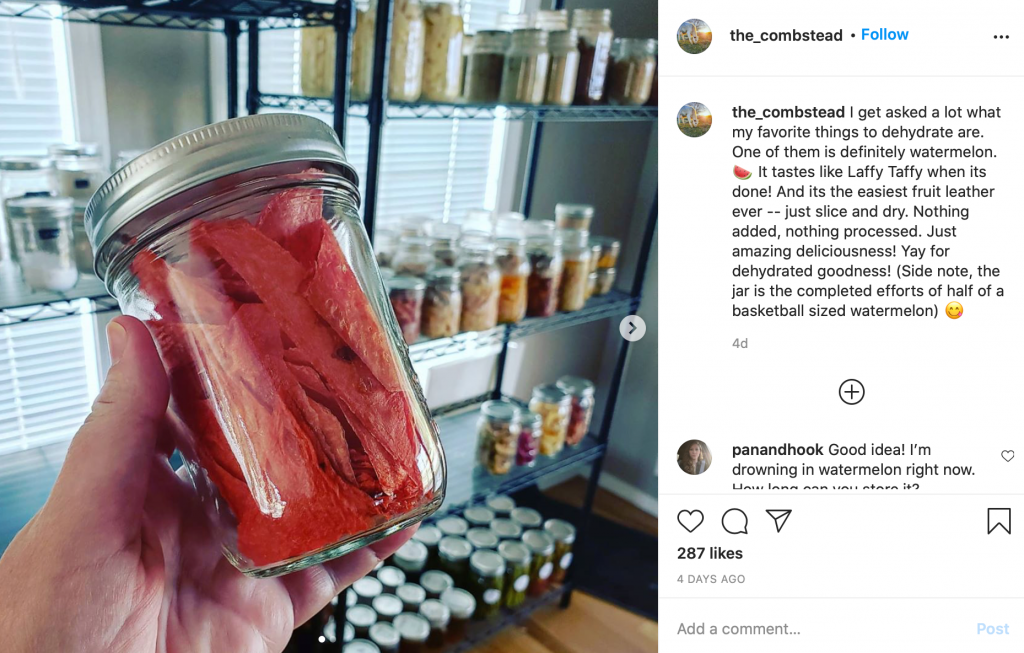
1. Watermelon Candy via @the_combstead 

Dried “watermelon jerky” or watermelon candy is a sweet and delightful treat! It’s chewy like taffy and the flavor is reminiscent of a watermelon Jolly Rancher. Generally, you can be enjoying this homemade snack in 24 hours or less.


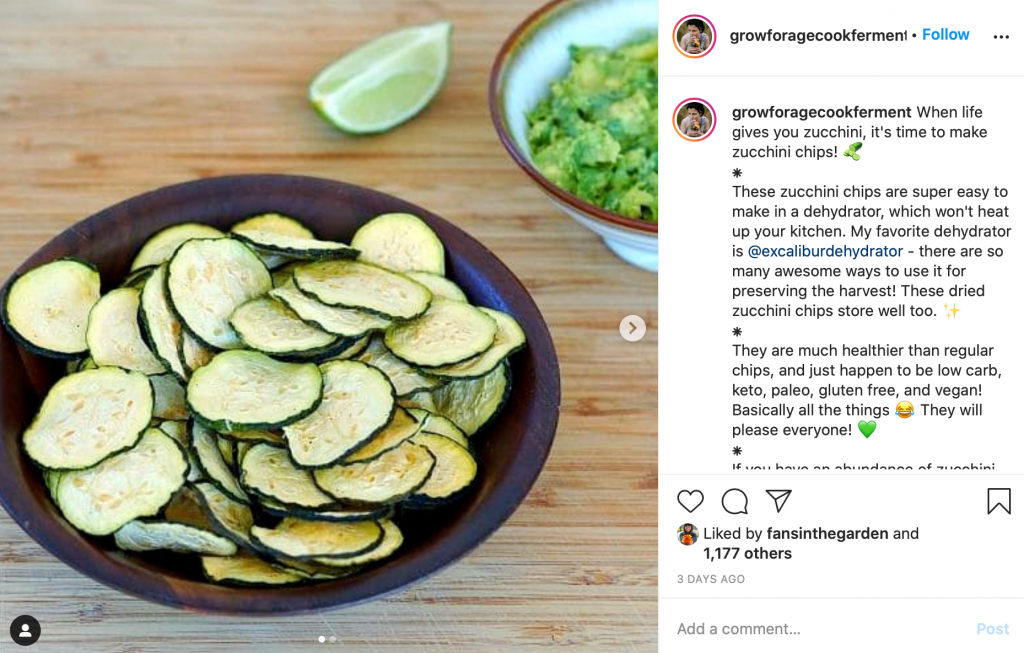
2. Zucchini Chips via @growforagecookferment

Skip the fatty potato chips and crunch on these! Zucchini chips can be seasoned with your favorite flavors and are completely guilt-free, so snack away!


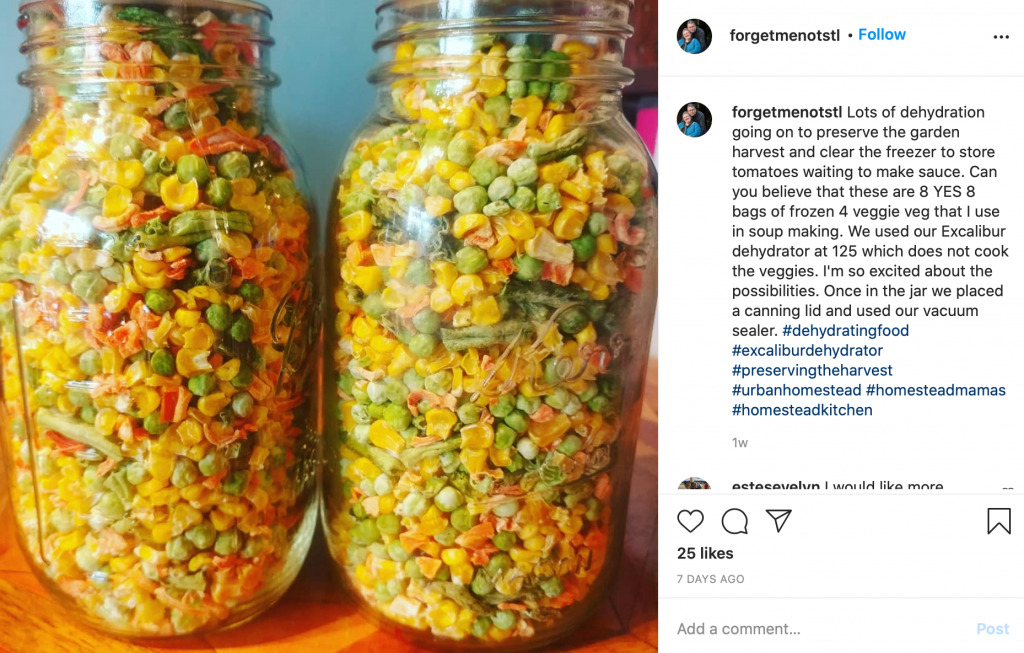
3. Frozen Mixed Veggies via @forgetmenotstl

Let us introduce you to this meal-prepping hack! Dehydrate your mixed veggies and then freeze for long term storage. Make sure to use your vacuum sealer before sealing them away.


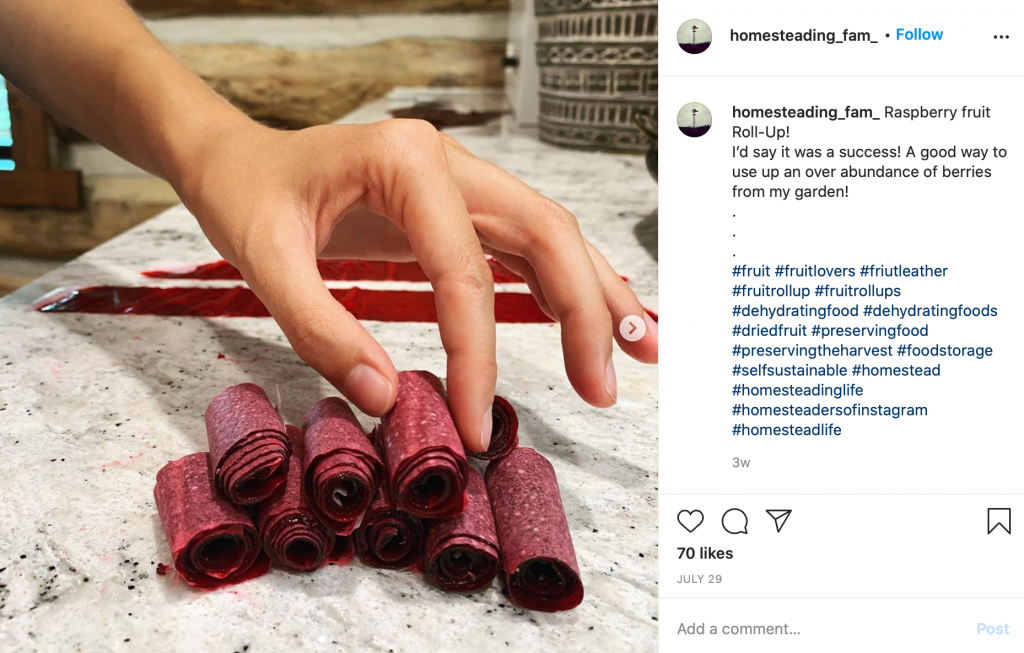
4. Fruit Leather Roll-Ups via @homesteading_fam_

If you have kids, this one’s for you! You’ll feel great about feeding your kids this healthy treat without any added sugar, colors, or preservatives. You’ll never buy store-bought fruit roll-ups again!

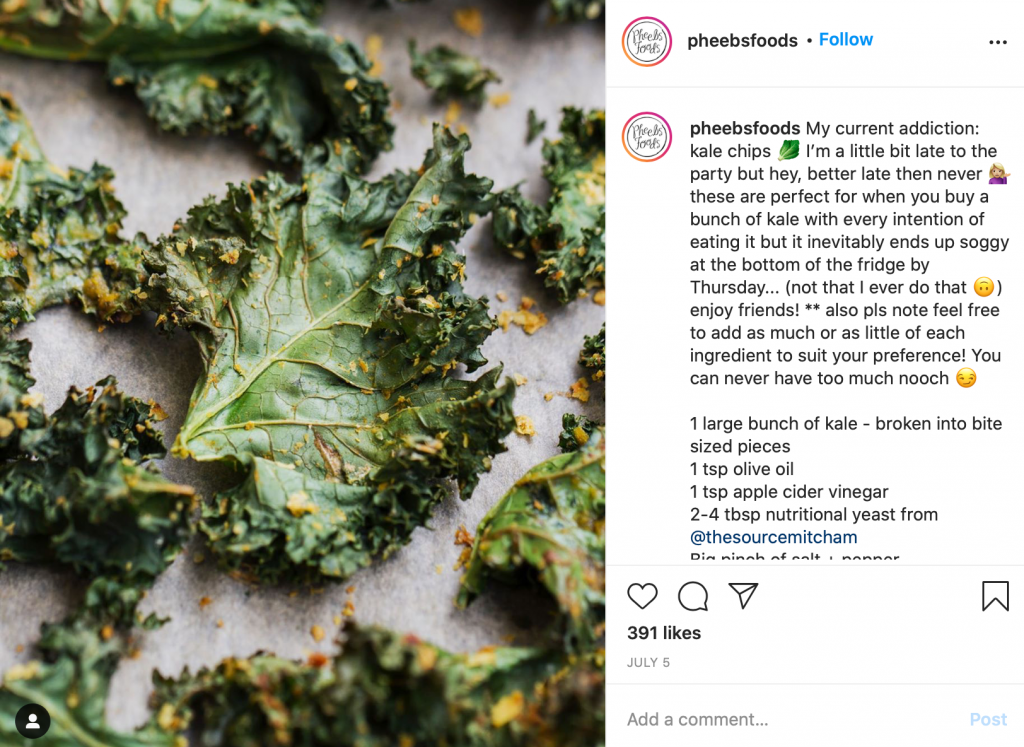
5. Kale Chips via @pheebsfoods

This light and flavorful snacks will satisfy your cravings for potato chips. Coat them with your favorite flavors and never let another leaf of kale from your garden go to waste.


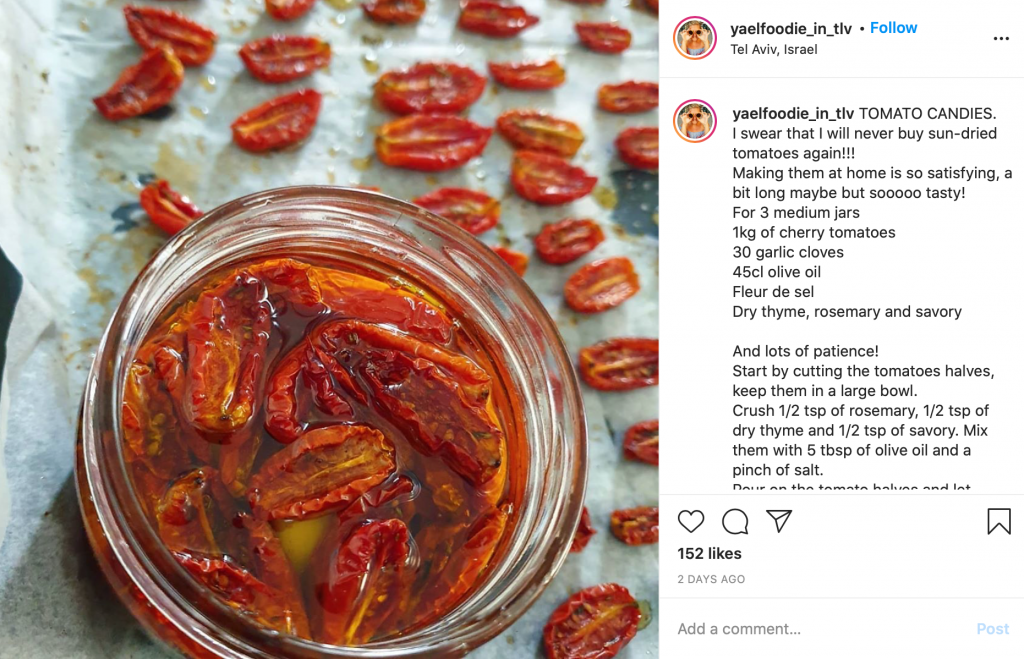
6. Sundried Tomato Candies via @yaelfoodie_in_tlv

These truly are nature’s candy! Enjoy them on salads, sandwiches or right out of the jar.


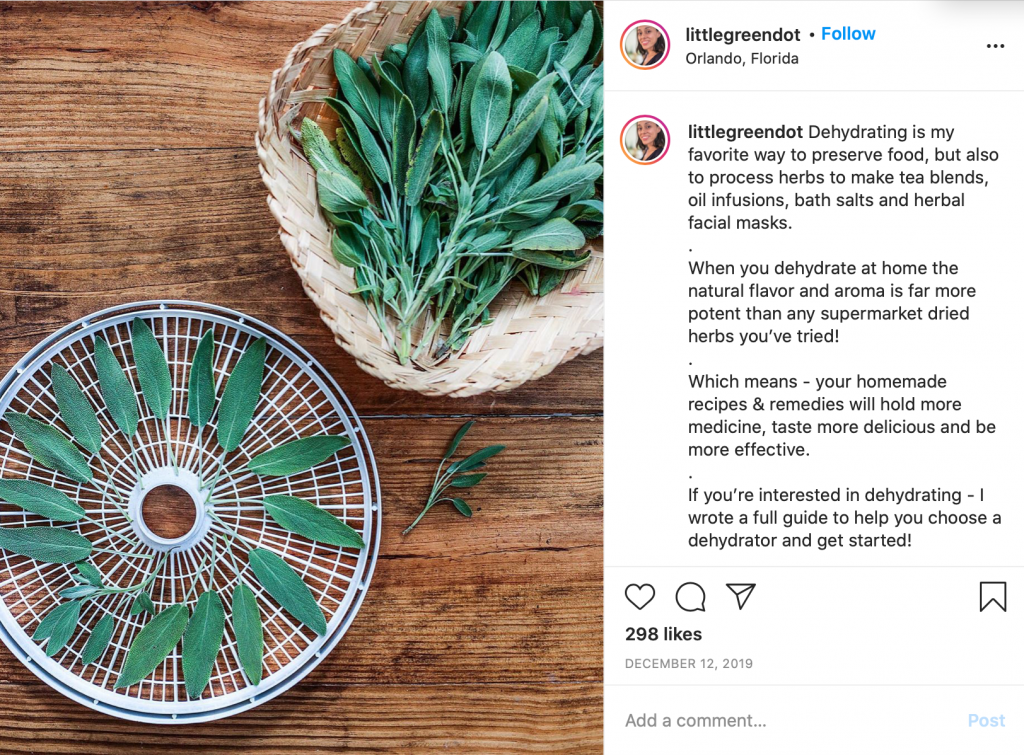
7. Dehydrated Herbs via @littlegreendot

Save your abundance of fresh herbs by dehydrating them for future use.


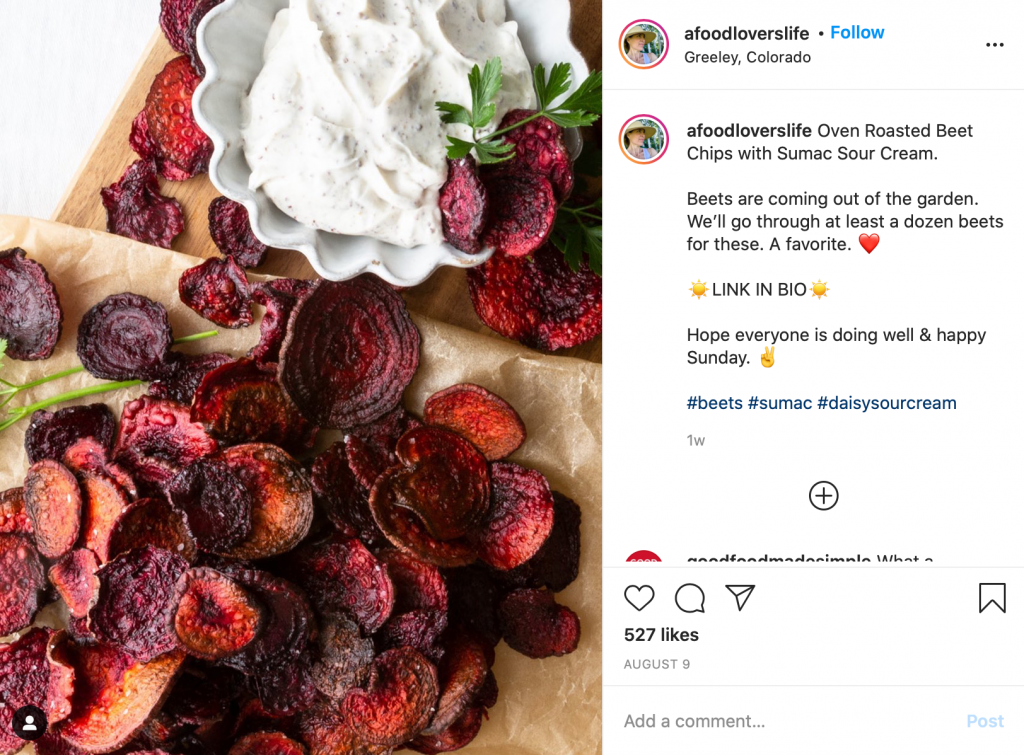
8. Beet Chips via @afoodloverslife

These crisp, crunchy and nutritious beet chips will satisfy even the pickiest of snackers in your home! They are super flavorful and delicious.


Ready To Build Your Urban Garden? How To Grow Healthy Plants Indoors

A survey by the Royal Horticultural Society found that 80% of millennials own a houseplant of some sort. But did you know that caring for indoor plants also comes with its share of benefits? Besides improving our well-being by boosting moods and concentration, indoor plants are beneficial to our home. Growing plants indoors, especially edibles, eliminates the need to package and transport produce. As a result, there is minimal waste created and reduced carbon emissions.

Indoor gardening also makes it easier to control pests and diseases without the use of chemical-based herbicides and pesticides. And as water shortages threaten the future of agriculture, cultivating indoor plants can boost sustainability. If you have been looking to create a more sustainable garden, here are tips on how to grow healthy indoor plants.

READ THE FULL ARTICLE: https://blueandgreentomorrow.com/environment/ready-to-build-urban-garden-how-to-grow-healthy-plants-indoors/

As the Pandemic Continues, Urban Gardening Is Growing on New Yorkers

Samuel S. T. Pressman had wanted to build a food garden on the rooftop of his Clinton Hill apartment for years. The artist and sculptor had lived on a farm when he was younger and had studied Sustainable Environmental Systems at Pratt. But in a city with a “time is money” mentality, he never found the right moment to start his passion project.

That changed when New York underwent a statewide Pause order in mid-March. Now, Samuel’s Food Gardens is tackling the city’s food insecurity problem by providing fresh fruits, vegetables, and herbs to community gardens that advocate for food security. “I wanted to explore what most people’s living situation is here,” Pressman said, “where they don’t have any land and have hardly any outdoor space that they own, and how they can still be able to grow some food using a system that is designed to actually make it possible to grow more food than you think per square foot.”

READ THE FULL ARTICLE: https://bedfordandbowery.com/2020/07/as-the-pandemic-continues-urban-gardening-is-growing-on-new-yorkers/

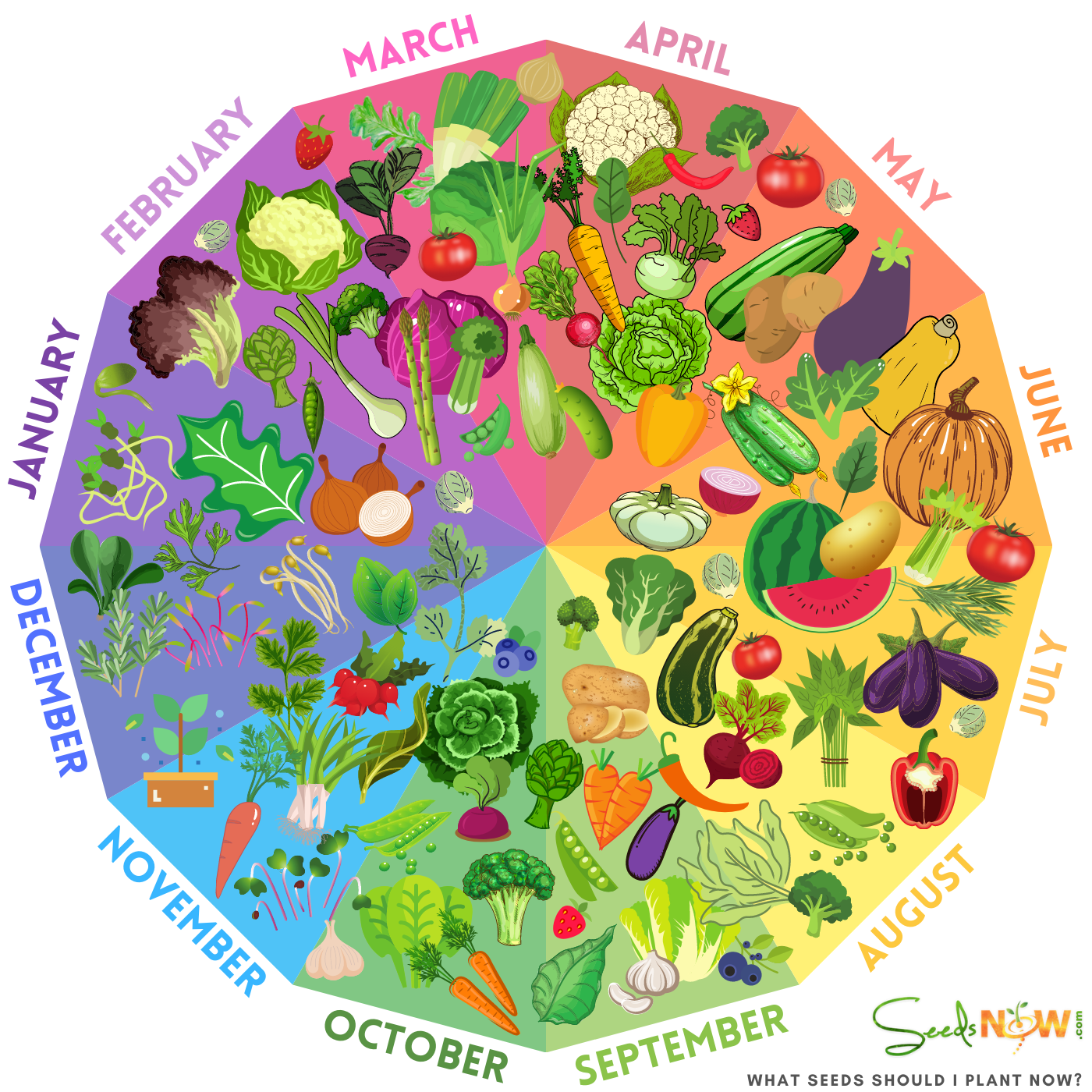
What Seeds Should I Be Planting RIGHT NOW?

Growing food at home is one of the most rewarding things you can do for yourself and your family right now. Maybe you feel like the current growing season has passed you by, and you will need to wait until next spring to start? or maybe you want to try something new this coming fall or winter?

Regardless of why you found yourself reading this article, we’re going to point out some great tips for growing your favorite fruits, vegetables, and herbs.  We’re here to help you become successful at year-round gardening.

All vegetables need either a cool growing season, or a warm growing season to be healthy and prolific. Learning your correct grow zone/location is crucial to having a bountiful harvest. You may even want to contact your local Extension Office for exact planting dates and schedules.

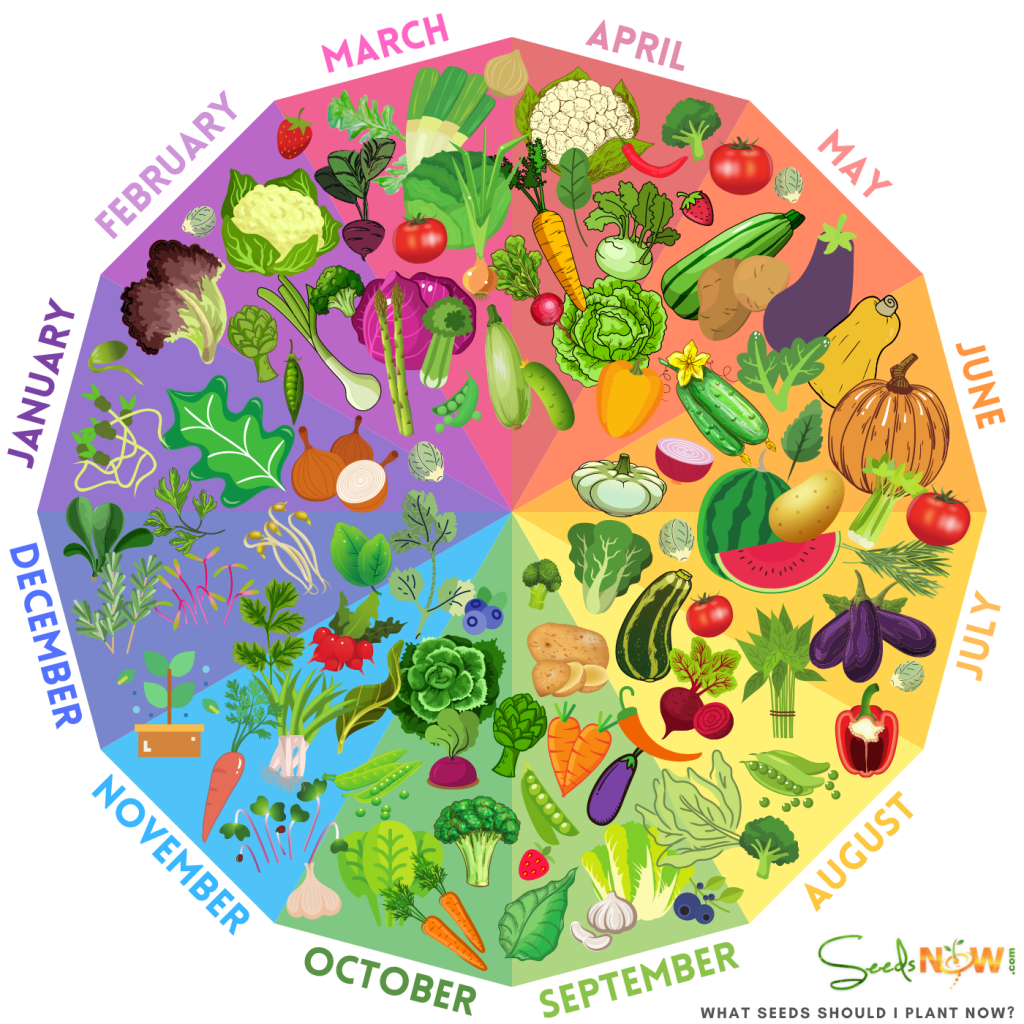
The graphic above shows you:

*These exact dates will obviously vary based on your location but this should help get you started!


SPRING  March 1st – May 31st

SHOP SEEDS FOR SPRING

WHAT TO PLANT NOW: In early spring, focus on sowing crops like: radish, carrots, turnips, peas, lettuce, spinach, kohlrabi, broccoli, cabbage, leeks, collards, onions, Brussels sprouts, asparagus, cauliflower, and herbs such as parsley, cilantro and dill.

As the season progresses, you’ll be ready to start your summer crops such as: tomatoes, peppers, eggplant, melons, cucumbers, squash, strawberries & more!

MORE THINGS TO DO: In early spring, you will want to start your seeds indoors and begin prepping your garden beds. Get a new garden hose or invest in a self-watering irrigation system. Learn how you can water more efficiently as things start to heat up and dry out. Sharpen and clean all of your garden tools to make sure they’re ready when you are.

As soon as the ground can be worked you should begin to:

  1. Amend your soil
  2. Remove any weeds
  3. Compost


SUMMER June 1st – August 31st

SHOP SEEDS FOR SUMMER

WHAT TO PLANT NOW: Continue planting your summer favorites such as tomatoes, peppers, eggplantsquash, melons, potatoes, onions, herbs, and maybe a few more root crops and leafy greens before it gets too hot for them. If you’re into fresh herbs, summer is the perfect time for growing basil, mint, lemongrass and chives.

MORE THINGS TO DO: Now is the time to get outside and “button-up” any gardening chores before the summer heat makes even the simplest jobs seem unbearable. Make sure you water your plants deep and regularly to ensure they aren’t drying up during the much longer, warmer days. As temperatures rise, so does your flexibility in terms of planting. No longer are you running the risk of an unexpected freeze damaging your newly planted seedlings, and your heat-loving crops will actually begin to thrive!

MORE TIPS AND TRICKS:

Herbs & Veggies to Plant NOW for a Summer Garden – View

Heat Loving Veggies & Herbs You Can Grow RIGHT NOW in Summer! – View

12 Plants That You Can Grow This Summer To DETER Mosquitoes – View

Have a Better Summer Garden With These 7 Tips! – View


FALL  September 1st – November 30th

SHOP SEEDS FOR FALL

WHAT TO PLANT NOW:

Most gardeners will agree, the crop they look forward to planting the most during fall is garlic! Drop your favorite soft or hardneck varieties as long as the soil remains workable (for most this falls somewhere between September/October). If you get them into the ground early enough, potatoes will do well until your first freeze arrives.

Fall is also the best time for planting blueberry bushes. Start planting your fall root vegetables such as carrots, radishes, beets, turnips and parsnips. Love salads? Your favorite greens will thrive in the cooler temperatures of fall.

September – October is prime time for sowing your favorite cover crop varieties! “A cover crop slows the velocity of runoff from rainfall and snowmelt, reducing soil loss due to sheet and rill erosion. Over time, a cover crop regimen will increase soil organic matter, leading to improvements in soil structure, stability, and increased moisture and nutrient holding capacity for plant growth.” source: nrcs.usda.gov

MORE THINGS TO DO:

As summer winds down, be sure to replenish the nutrients in your garden beds by adding fresh compost or manure. We hope you’ve collected seed from your previous harvests by allowing them to “go to seed” and then harvesting them for future growing seasons. Learn about Seed Saving tips and tricks.  Clean out any cold-frames you may have or the greenhouse in preparation for winter months ahead. Cut back any dead or dying perennials and clean/sterilize your garden tools. Take cuttings from your favorite herbs before they are destroyed by frost. Continue to enjoy them throughout fall and winter by growing an indoor container garden or grow them in the windowsill.

MORE TIPS AND TRICKS:

How to Plant a Fall Garden. Step-by-Step – View

Plant these seeds in July/August – View

Fall and Winter Gardening Made Easy – View

16 Crops To Plant NOW for Fall! – View

Our TOP 10 Favorite Fall & Winter Gardening YouTube Videos! – View

Quickest Crops to Mature for a Fall & Winter Harvest – View


WINTER  December 1st – February 28th 

SHOP SEEDS FOR WINTER

WHAT TO PLANT NOW:

Grow sprouts & micro greens!  Most of your favorite spring and summer vegetables do well in the form of sprouts, so get your “nutrient fix” by starting a tray of them in the windowsill of a south facing window. Love to cook? Herbs can be planted in small pots or containers indoors if you supply them with enough light.

Do you still have some crops left out in the garden from fall? Some would say that beets, parsnips, carrots, Brussels sprouts, kale, turnips and rutabagas all taste sweeter after a frost!  So don’t be in such a hurry to pull these from your vegetable beds.  Let winter come, then enjoy!

MORE THINGS TO DO:

For most gardeners, winter becomes a season of rest. A lot of us enjoy taking a few months off, regrouping from the long hauls of summer and fall, but if you’re still craving fresh food from your garden, we have great news! You STILL have options!

Southern states and warmer regions can grow most of their favorite fruits, veggies and herbs all the way through winter, without hesitation.

Gardeners in the north who want to get a jump-start on the next growing season, will be able to start their favorite spring vegetables indoors and then move them outside once the threat of frost has passed.

MORE TIPS AND TRICKS:

How to Store Vegetables for Winter – View

10 Vegetables You Can Over-Winterize – View

It’s Winter!  What to do in the garden now?! – View

Most Popular Seeds to Plant Now for Fall/Winter Gardening – View
 

ENTER YOUR LOCATION —AND GET YOUR OWN PLANTING CALENDAR!


Boise’s Urban Garden School teaches sustainable gardening

“Now more than ever it is especially important to know where your food comes from, the importance of environmental education is huge,” explains Executive Director of Boise Urban Garden, Lisa Duplessie. “Getting outside of that traditional classroom where they get to put their hands in the dirt.”
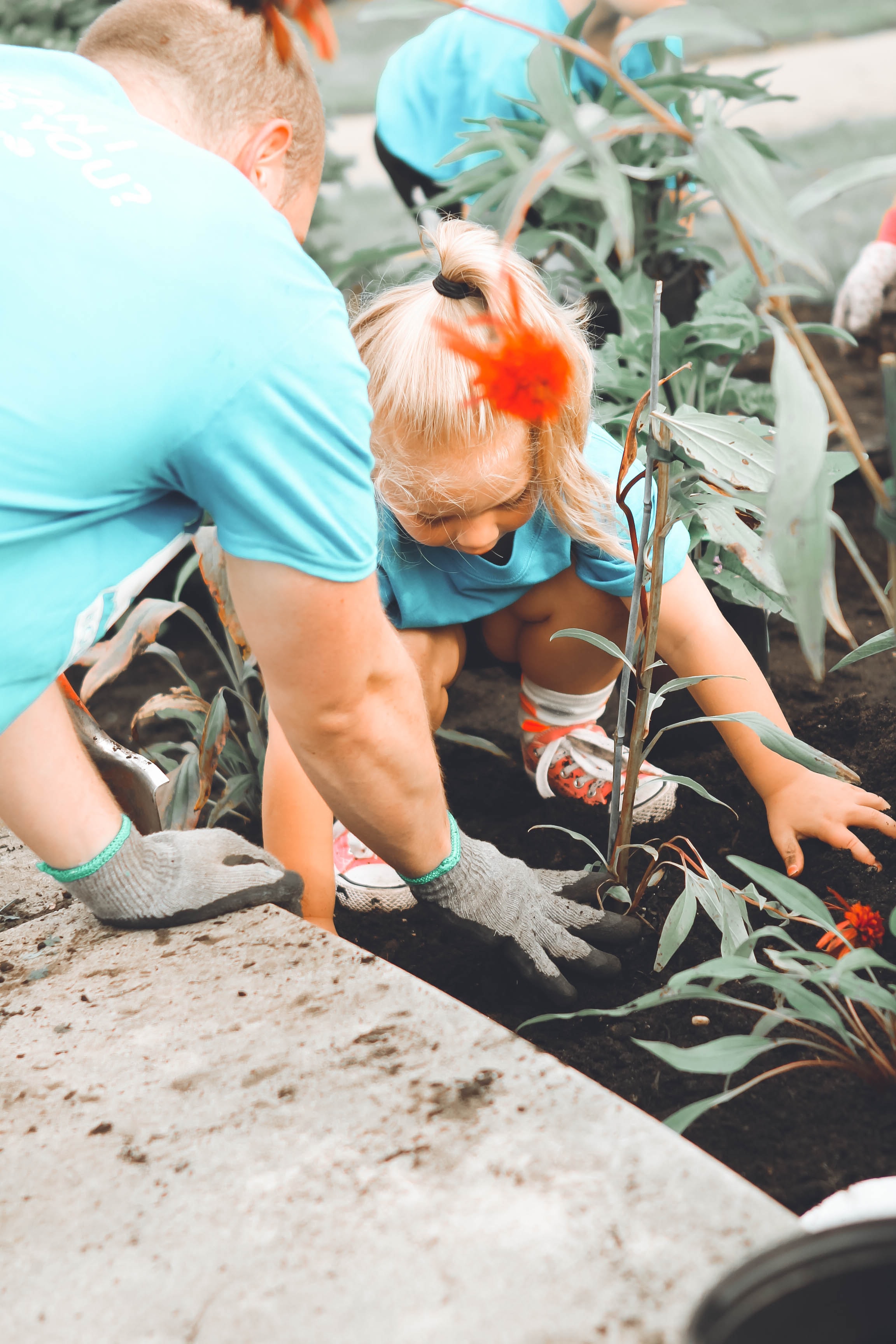
Boise’s Urban Garden School, located on Five Mile Road, is an outdoor learning environment, set on 1,500 square feet of outdoor classroom space and 3/4 acre teaching garden, this school gives our community the opportunity to learn about organic and science based gardening and how to grow your very own food.

“You know we are having to look outside of the box and out programs fit in perfectly,” Duplessie says.

READ THE FULL STORY: https://idahonews.com/features/leaders-in-learning/leaders-in-learning-boises-urban-garden-school-teaches-sustainable-gardening

Olean residents reap rewards of Healthy Families community gardens

OLEAN — A group of Olean residents are enjoying the “fruits of their labor” this summer as they work in two community gardens sponsored by Healthy Families Allegany-Cattaraugus and Rural Revitalization Corporation.

During the COVID-19 pandemic, there has been an increase in the self-reliance of communities to provide for their own food needs. In collaboration, Healthy Families Allegany-Cattaraugus (HFAC) and Rural Revitalization Corporation (RRC) have made it possible for people living in two Olean neighborhoods to raise produce to supplement nutritious food for their families.

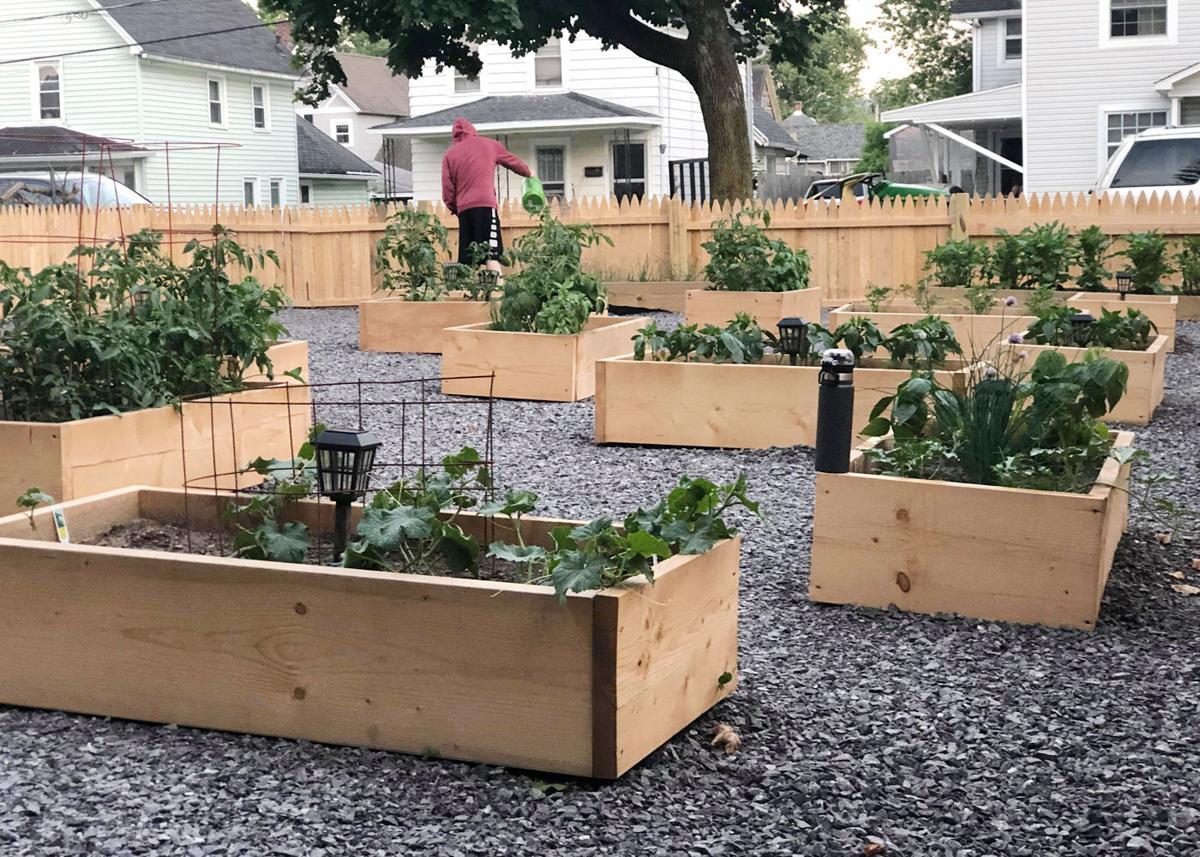
Program Supervisor Jasmine Hall said the Healthy Families community garden, located on Reed Street, has 16 raised garden beds with picnic tables for staff to meet with families. She said Rural Revitalization is also involved with a community garden on Green Street.

READ THE FULL ARTICLE: https://www.oleantimesherald.com/news/olean-residents-reap-rewards-of-healthy-families-community-gardens/article_54bc3e3d-e8cd-56fb-b0ea-7760a0654fd2.html

City Launches Website to Help Prospective Urban Farmers Get Started

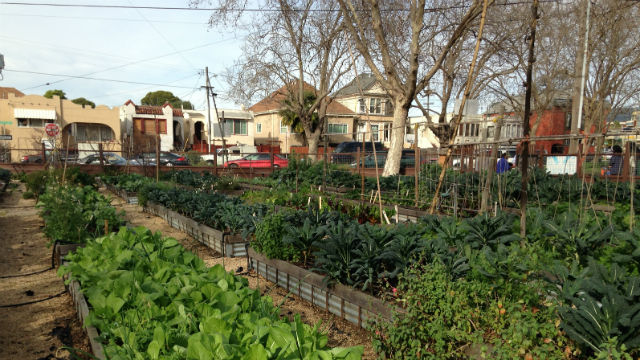
“Just because we live in a big city doesn’t mean we cannot become small-scale farmers,” said Erik Caldwell, the city’s deputy chief operating officer for Smart & Sustainable Communities. “The urban farming website is a one-stop shop with a lot of great information to help San Diegans produce their own food.”

According to a city statement, urban farming supports the city’s Climate Action Plan in that producing food locally can help San Diego become more sustainable. In addition, urban farming can help residents lower their grocery bills, provide more healthy produce for their families and neighbors and improve the environment.

READ THE FULL STORY FOR MORE INFORMATION: https://timesofsandiego.com/politics/2020/06/16/san-diego-debuts-website-to-help-prospective-urban-farmers-get-started/

How 6 Problem-Solvers Tackled Pandemic Challenges In Their Neighborhoods

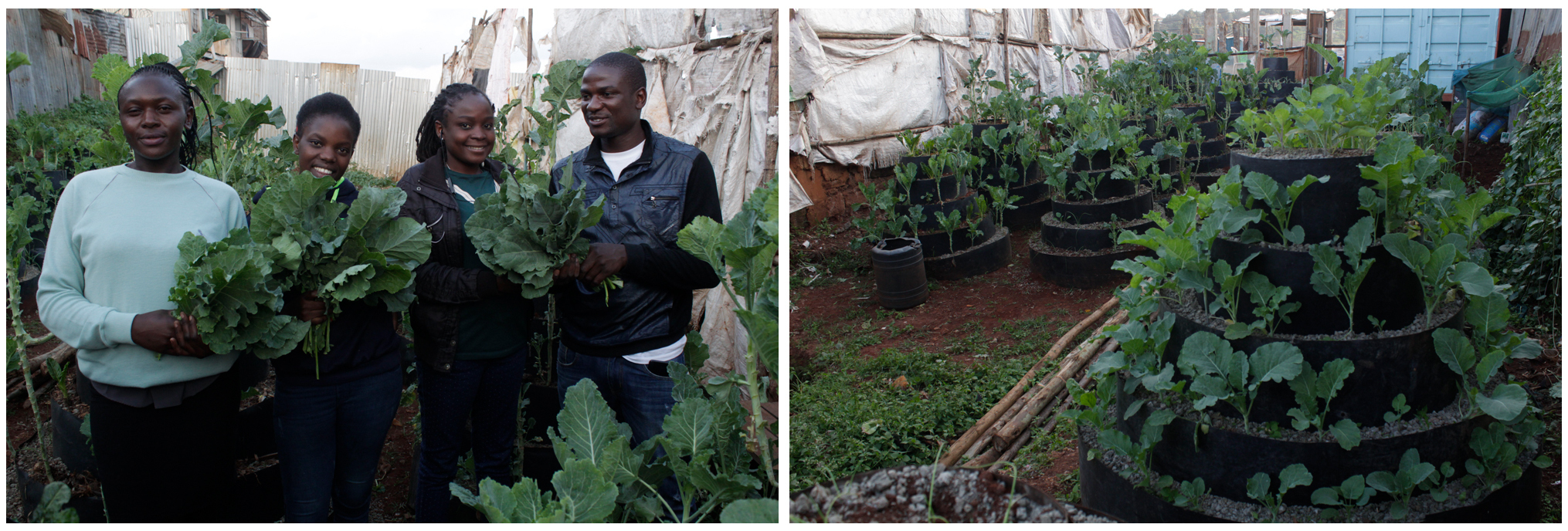
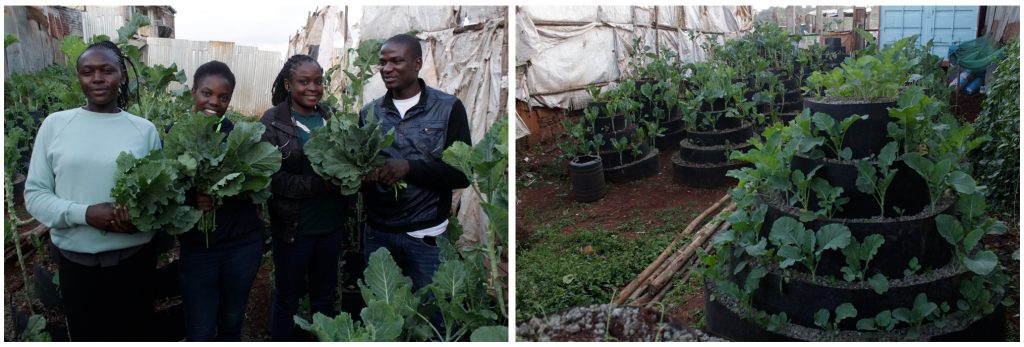
Left: Urban farmer Victor Edalia (in white shirt) with three beneficiaries of his free veggies (left to right): Sheila Musimbi, a single mom; Celine Oinga, who comes from a family of 9 siblings; and Jackline Oyamo, jobless due to the pandemic. Right: Edalia uses modern urban farming methods, including this spiral planter that holds up to 100 seedlings. Photo: THOMAS BWIRE

In April, Jackline Oyamo, 31, was laid off from her job as an electronic sales assistant at a shop in Kibera, one of the world’s largest slums on the outskirts of Nairobi, Kenya. The curfews to control the pandemic meant fewer customers – and staff cutbacks. “After losing my job, it was extremely difficult to keep feeding myself after I exhausted my small savings,” she says.

But Oyamo is able to get fresh produce for free from Victor Edalia, a 30-year-old urban farmer in her neighborhood. Last November, Edalia, who works as a driver by day, converted a trash dump site in the slum into an urban garden. He signed an agreement with a local chief to use the land. Now, the plot, about a quarter of an acre, grows vegetables such as kale, onions and spinach.

Edalia originally started the farm to boost his income. The idea was to sell vegetables to hotels. But once the pandemic hit, he changed the plan. He wanted to find a way to “give back,” he says.

READ THE ENTIRE STORY: https://www.wxxinews.org/post/how-6-problem-solvers-tackled-pandemic-challenges-their-neighborhoods