Recently, Venezuela has declared a “food emergency”. Because it is facing a shortage of bread, milk, and meat, along with other staples…the government has urged Venezuelans to help feed themselves by growing food in their own urban gardens. They’ve also encouraged keeping chickens, even in urban areas.
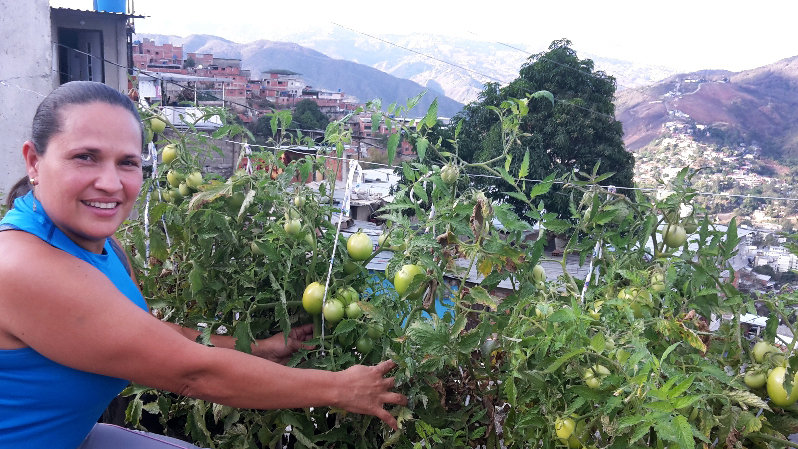
Josefina Requena is one citizen who has heeded the call. “Cucumbers, green pepper, passion fruit and other produce grow in the front yard of her home in a slum in Caracas, the Venezuelan capital. She also has a chicken coop.”
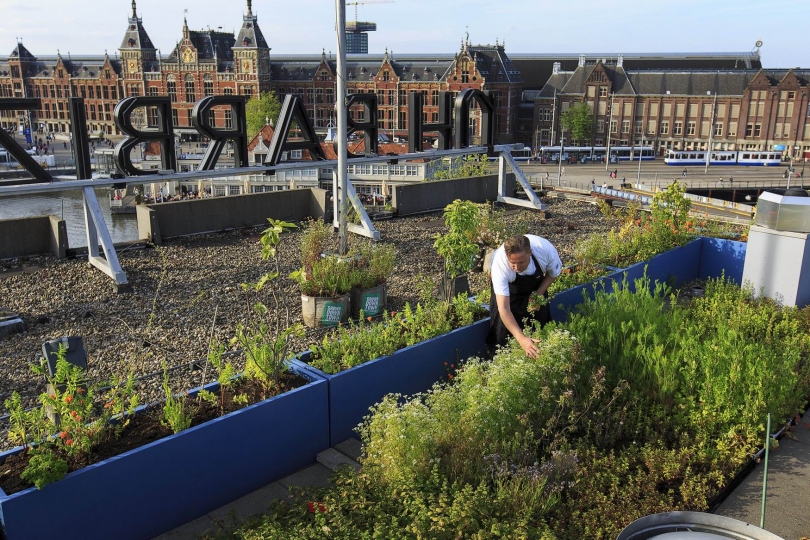
Around the world, urban farming is becoming an important part of the city landscape. The new reality in which we live in, is that more than half of the worlds population is now urbanized. That number is expected to rise to nearly 70% by the middle of this century.
“Today, urban farming is the buzzword for urban planners, whether it is in the industrialized or developing world.”
In places like “Manila, Bangkok and Jakarta, people grow vegetables on any land they can find for day-to-day survival. Meanwhile, in Tokyo it is high-tech vertical farming on a massive commercial scale.”
People living in urban areas are sometimes frightened about lead being in their soil. In a new study, they found that by using compost you can help keep yourself and your family safe from toxic lead poisoning. “Good compost will also guarantee that you will have plenty of vegetables to harvest.”
The University of Washington led a study that looked at potential risks that commonly are associated with urban gardening. The conclusion was, that the benefits of consuming locally produced vegetables, outweighed any risks from gardening in “contaminated” soils.
“We’ve shown that lead is harmful by eating the dirt, not from eating the lettuce grown in the dirt.”“People are terrified of soils in urban areas. They always think it’s a mystery brew of toxins in the soil, but in vast majority of cases, the contamination is lead,” said lead author Sally Brown, a UW research associate professor of environmental and forest sciences.
Go here to read the rest of the article at: “WashingtonEdu“
“Growing one’s own food in urban areas can seem like a far-fetched idea. But not for one Pasadena family.
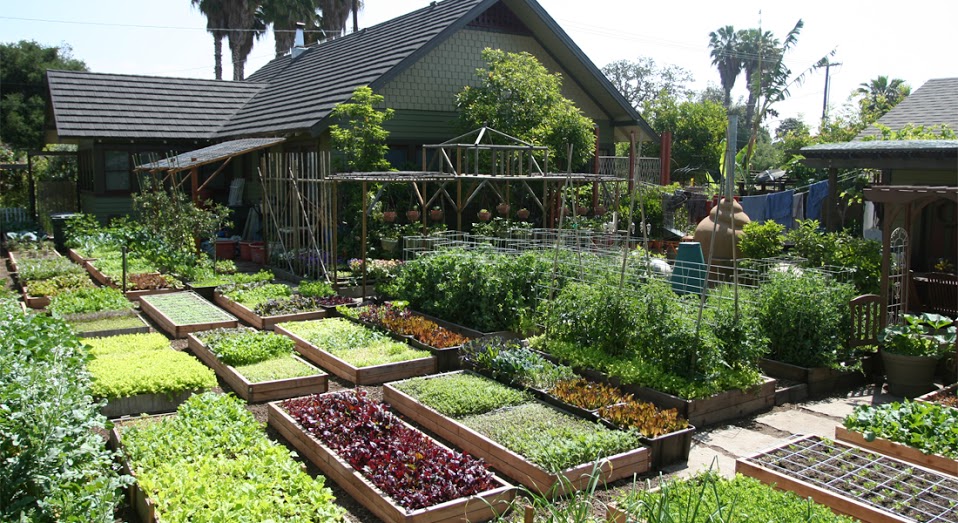
The Dervaes family has been growing their own food for more than a decade. They’ve been at the forefront of urban homesteading by growing thousands of pounds of food annually in an average-size backyard.
“I brought the country to the city rather than having to go out to the country,” said Jules Dervaes, the man behind the self-sufficient farm he created with his three adult children.
The Dervaes’ Urban Homestead is sustainable and dense. They grow and raise 400 varieties of vegetables, fruits, and edible flowers that amount to about 6,000 pounds of food a year, enough to feed the family with surplus left over to sell. Fresh eggs from chickens round out their diet.
The family-owned city farm is the talk of the town for many local chefs looking to cook up a tasty meal. The family makes roughly $20,000 just from selling their freshly grown produce. They use the money to buy staples that they can’t grow like wheat, rice, and oats.
Reporter Val Zavala visits the Dervaes’ homestead to find out what inspired Jules Dervaes to go green in the extreme.”
If you’re looking to landscape your yard why not landscape with edibles? These edible plants will not only provide you beautiful surroundings to look at, but some healthy and nutritious food to eat. These days a lot of people are finding ways to put their yard to work for them by planting edible trees, shrubs, and vines which will provide their family with edibles year-round.
Before you go laying all new sod or traditional hedges/bushes think outside the “norm” by focusing on herbs, vegetables, edible vines and ground covers, maybe even some fruit trees.
Tryplanting in a wheelbarrow.
“What you plant depends on the depth of the wheel barrow. Carrots may not work because they need plenty of soil to grow in. But shallow-growing greens such as Swiss chard as well as strawberries and most herbs, including thyme and basil, should all be right at home in a wheelbarrow garden.
Finally, before filling it with dirt, drill several drainage holes in the bottom of the wheelbarrow to help keep the soil from getting — and staying — too wet.”
Try herbs as borders.
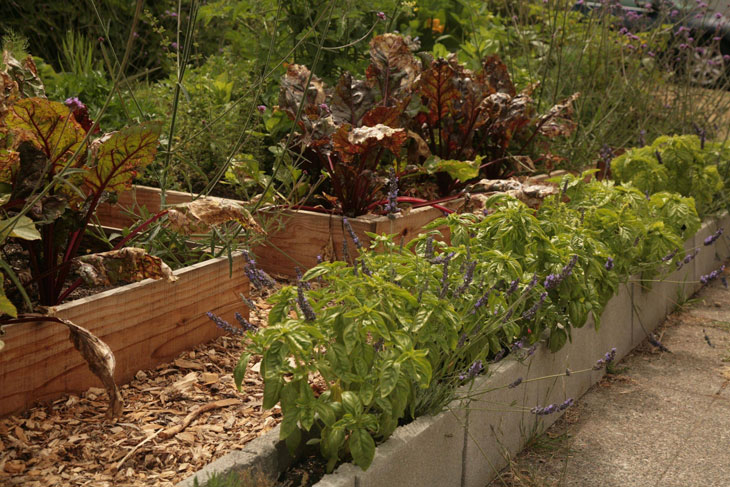
“Consider planting herbs such as bay or rosemary instead. Not only will they provide a year-round screen, thrive in full sun and require little water or other maintenance once established, but you can use the leaves while cooking.”
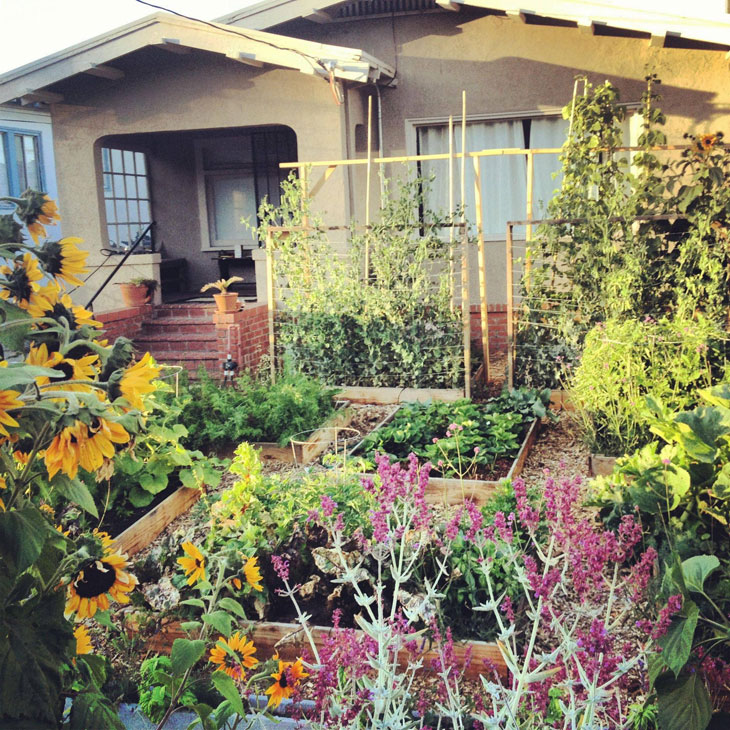
Try planting veggies in the front yard.
“For example, ornamental sweet potato vines, are popular for their attractive leaves, but the sweet potato tubers they produce tend to be bitter. How about planting pumpkin, melon or cucumber instead? They grow well in full sun, all produce long, interesting vines that, at the end of the growing season leave you with something good to eat.”
To read the rest of the article and find more ways you can landscape with edibles, visit: “ExpressNews.com”
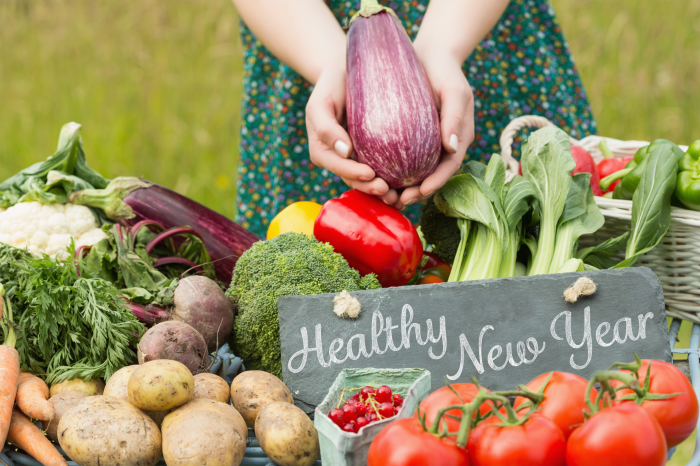
“The new year is the perfect time to set new goals for yourself, especially if you have been thinking about growing a garden. THIS IS YOUR YEAR! Don’t be discouraged by lack of space, or knowledge about growing specific varieties. Set some small attainable goals for yourself in the gardening department and before the year is over you’ll be sporting that new green thumb you’ve always wanted but thought you’d never have.”-SeedsNow.com
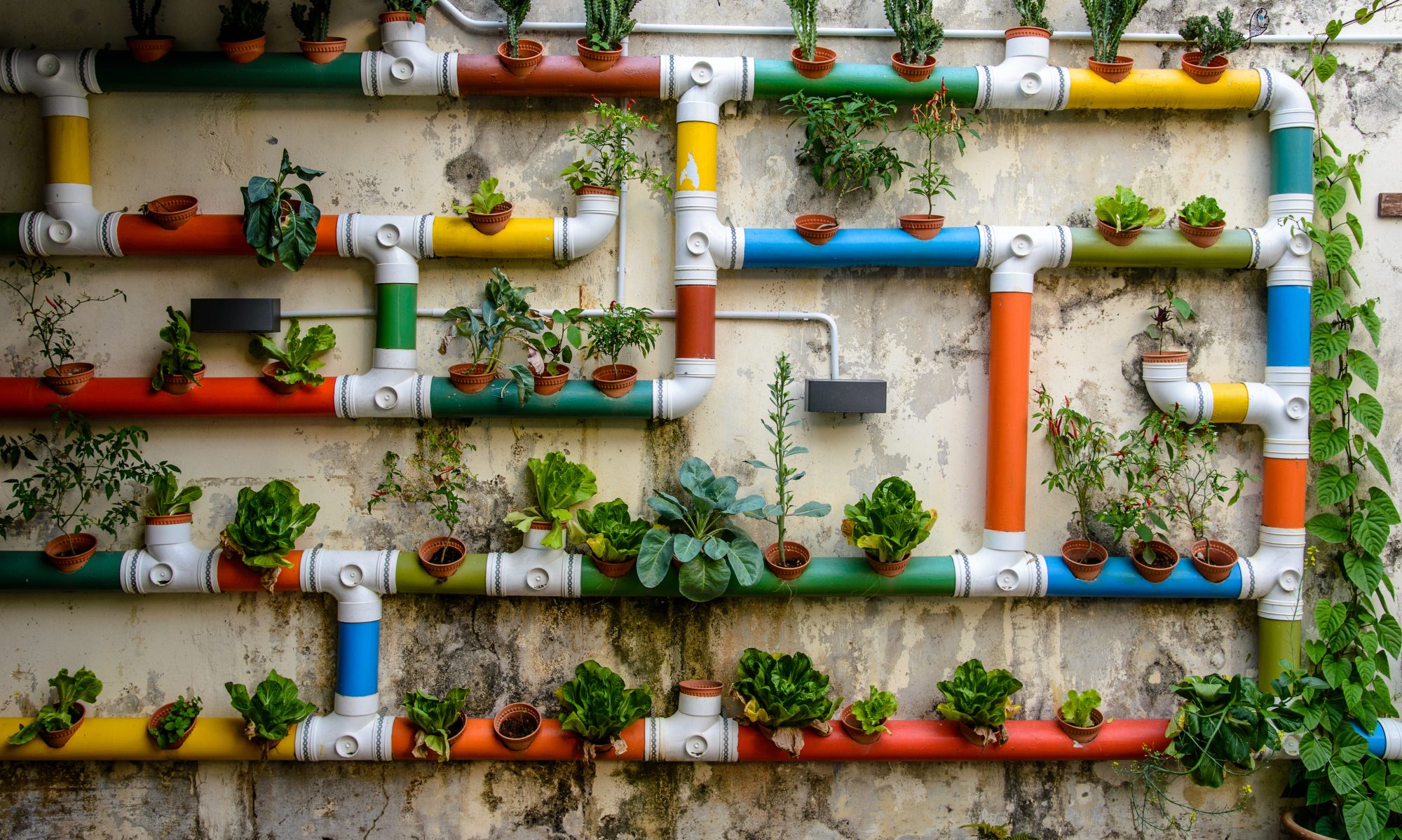
Get some houseplants growing. Pick several varieties of herbs or maybe a pepper plant and place them in a sunny windowsill. Get your green thumb without having to even go outside. By growing food indoors where you’re likely to pass the plant numerous times a day, it will make it easier to care for. Windowsill gardens are a fun way to bring the outdoors in, and grow some food with very little effort.
Get some books. Find some aspects of gardening that you’re interested in and begin digging a little deeper for the knowledge you’re looking to gain. Interested in hydroponics, aquaponics, herb gardening, or composting? There’s plenty gardening books per topic available. Grab your reading glasses and soak up all the information you can.
Take some classes. One of the best sources you may find is your local Master Gardener Chapter in your area. You can take classes that will teach you the “in’s and out’s” of everything gardening and work with others who have like-minded goals. Plus, gardening is always more fun when you have someone to share your successes with!
Join a community garden. This is one of the best ways to be a part of a community and learn a lot about gardening. Here you’ll see countless different approaches to growing many crops and you’ll be able to take those examples with you to try in your own plot at the garden. Plus, it’s great exercise, tending to your garden plot throughout the year. You’re most likely to keep up with something if you’ve made a commitment on paper, like what you usually find with “renting” a community garden plot.” -Full article can be found at “SeedsNow.com“
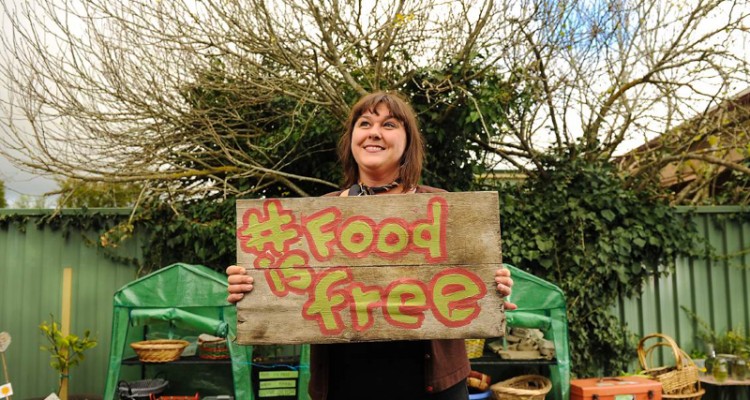
This woman started a “Food is Free” laneway next to the side of her house that she rents. The entire community supports the project by sharing their own “extras” and working together to take care of the plants that are growing there. Everything is free.
“The concept that something is free blows peoples’ minds,” says Risdale to Happen. And yet the rewards far outreach the giving or receiving of food, as Risdale has seen from her own experience with the free-food laneway she started at the corner of Ripon St Sth and Warrior Place, Ballarat, Australia. The laneway has reinvigorated the sense of community.-“ThePlaidZebra.com”
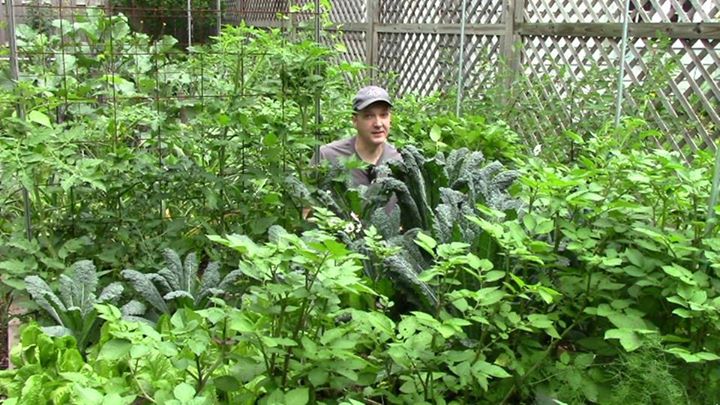
My wife Karen and I live in Chicago and love organic gardening. We started with a small vegetable garden many years ago, but over time it expanded to take over most of the backyard. Now we’re growing in the front yard too. During the summer and early fall, we don’t buy any vegetables from the store and buy very little fruit as well. We also use cold frames and hoop houses to extend the growing season, so we always have some fresh food to harvest, even in the winter.
How did you get started with your One Yard Revolution YouTube channel and Facebook page?
I started my YouTube gardening channel and Facebook page in hopes of promoting a low cost, low effort, sustainable approach to organic gardening that relies minimally on store-bought products. There has been huge a proliferation of organic gardening products in recent years. If you believe the marketing, you could easily get the impression that growing your own food requires a wide array of costly fertilizers and amendments that need to be applied year after year.
Our approach improves soil fertility with compost and mulch from free local resources like autumn leaves, grass clippings, wood chips, and used coffee grounds. We also plant a nitrogen fixing cover crop in late summer. We don’t use any store-bought fertilizers, and we get excellent results. Soil testing has proven that our approach provides more than enough organic matter and nutrients.
I’m passionate about this approach, first of all, because it works very well. But, more importantly, I think all the marketing creates false barriers. It creates financial barriers for those who don’t have the financial resources. It creates access barriers for those who don’t have access to the products. I want to advocate an approach that has few, if any, barriers.
There are also environmental issues with many organic products. For example, rock dust and rock phosphate are mined resources. Bat habitats are disrupted when bat guano is collected, and harvesting kelp from the ocean disrupts a very fragile ecosystem. Using free local resources, on the other hand, actually improves the environment by building soil fertility with material that otherwise may end up in a landfill.
I hope to advocate an environmentally friendly approach that anyone can use to grow healthy food no matter where you live and no matter how much money you have.
Did you start your YouTube channel when you started your transition to live this life style?
In my case, the lifestyle definitely came first. I’ve had a vegetable garden nearly all my life, but I didn’t start my YouTube channel until the spring of 2013.
Have you always been growing your own food? If not, what sparked your passion?
Both of my parents grew up on dairy farms in Pennsylvania, where they produced most of their own food, including vegetables. Though my father wanted to remain on the farm, my grandfather was all too aware of the economic challenges faced by small family farms and insisted my father learn a new trade and find work elsewhere.
When my parents moved to a small town to start their family, they took a little bit of the farm with them by always planting a vegetable garden. Though my approach is somewhat different than that of my parents, I learned a lot of what I know today from my experiences in our family’s vegetable garden.
My wife Karen also grew up with a garden, so it was almost inevitable that we would start our own when we bought our home 25 years ago.
Have you ever made mistakes or failed doing something? How did you overcome any obstacles?
Sure, I make mistakes all the time, but I just learn from them and move on. One great thing about growing your own food is that it’s a lifelong learning experience. No matter how much you learn, it’s still just the tip of the iceberg. This makes gardening both challenging and endlessly fascinating.
Have you ever dealt with a person who disregards your lifestyle?
Not really. I’m a vegetarian, and sometimes get teased about that, but I don’t take it to heart and it’s usually in good fun. As far as my YouTube channel goes, I’ve found that the overwhelming majority of people who leave comments are very kind, positive, and supportive. I think this says a lot about the online gardening community.
What are some of your greatest rewards with a lifestyle such as the one you live?
To me, gardening is a form of meditation. It helps me relax and keeps me grounded and connected to nature, despite the fact I live in a heavy populated urban area. It’s also something my wife and I enjoy doing together, which is great for our relationship. And because we rely on free local resources and nitrogen fixing cover crops to improve soil fertility, our gardening costs are very low and we save a lot of money on groceries. Of course, the flavor and nutritional value of homegrown produce simply can’t be beat.
What are some of the things you would like to have other people understand about living a healthier and self-sufficient lifestyle?
For someone new to gardening, the idea of growing more of your own food might seem like a daunting task. As I mentioned earlier, there are so many gardening products and practices marketed to consumers that it’s easy to get the impression that starting a new garden is very expensive, time consuming, and complicated. I’d like people to know that, while some products can be helpful, most are not needed and many are of questionable value. You can improve soil fertility with homemade compost and mulch from free local resources. You can fix nitrogen in the soil by growing inexpensive nitrogen fixing cover crops. You can all but eliminate weeding by using mulch. Simply put, my message is that you can grow a lot of food on a little land using sustainable organic practices without spending a lot of money or working very hard. This is the message I try to communicate in my videos, and I share specific strategies on how to make it a reality.
What are your favorite plants to grow in the garden?
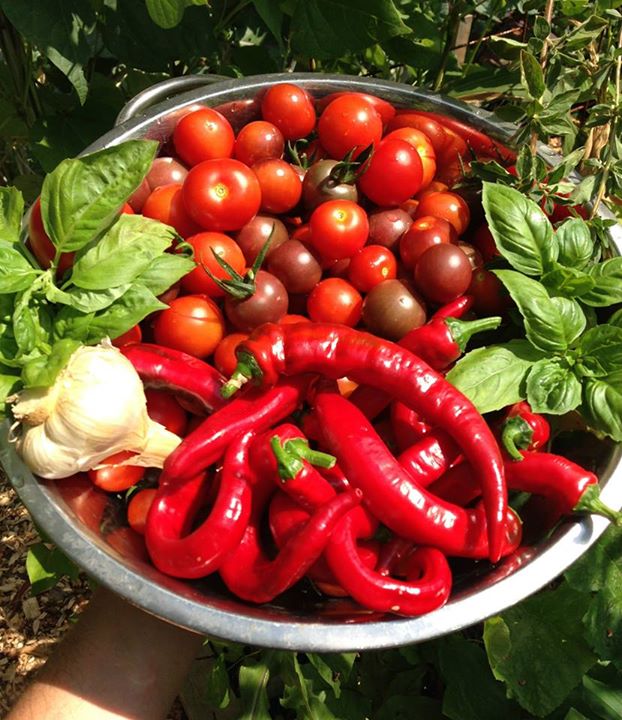
That’s a tough one to answer, because we grow a wide variety of crops and love them all. Given our goal of working less and growing more, though, I have to say that I really enjoy growing edible perennials like strawberries, blackberries, blueberries, sorrel, Good King Henry, and sun-chokes. They come back year and year with very little effort on our part. Of course, you have to love annuals too. Our garden wouldn’t be the same without tomatoes, peppers, potatoes, kale, and squash. Like I said; it’s really hard to pick favorites.
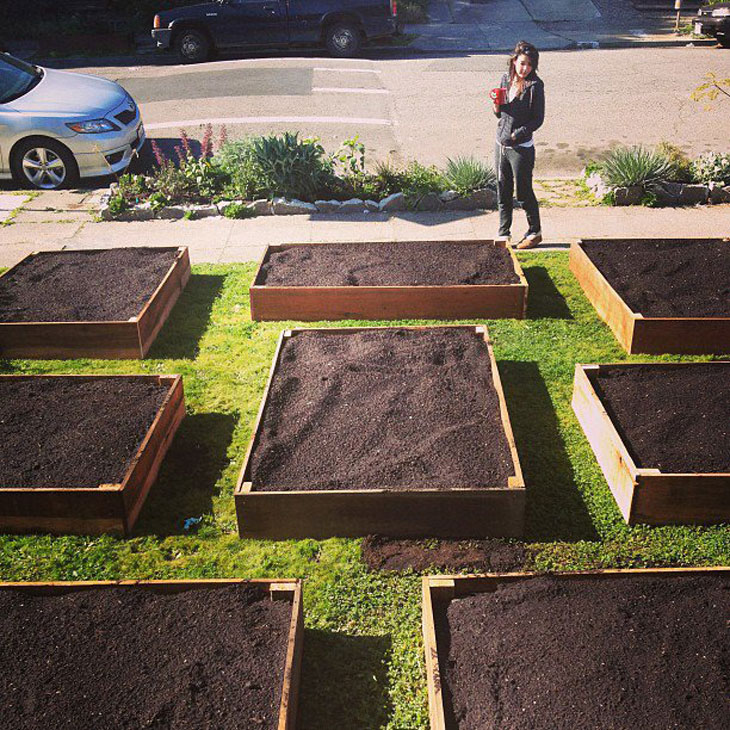
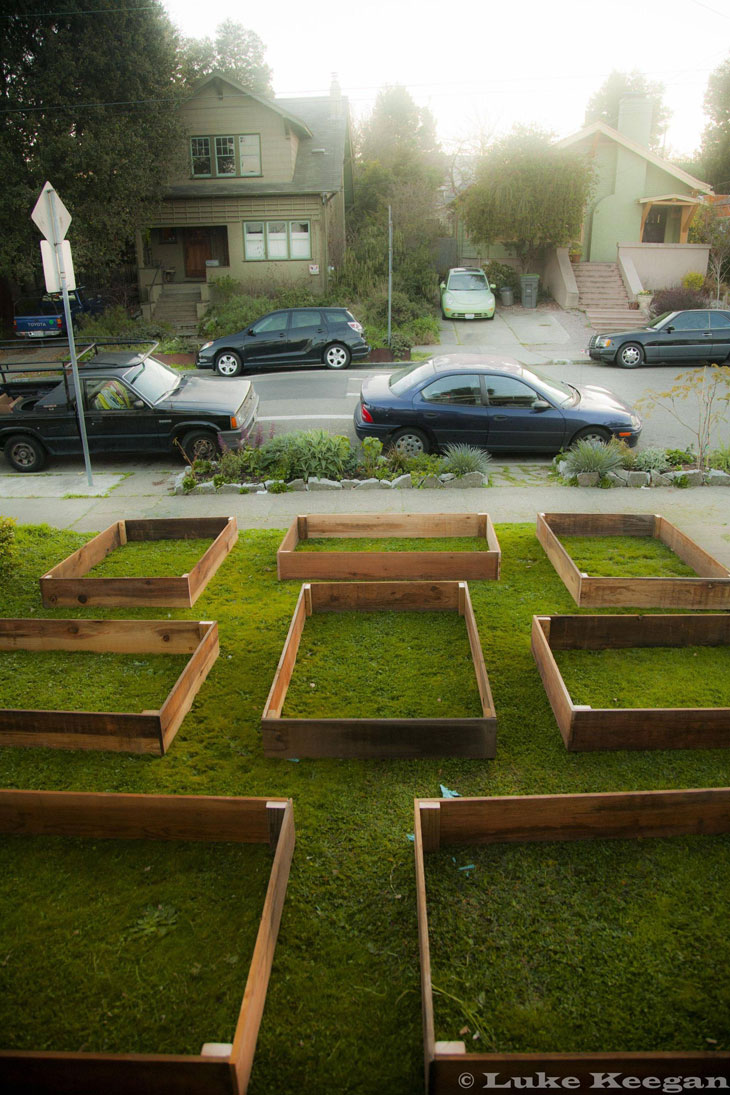
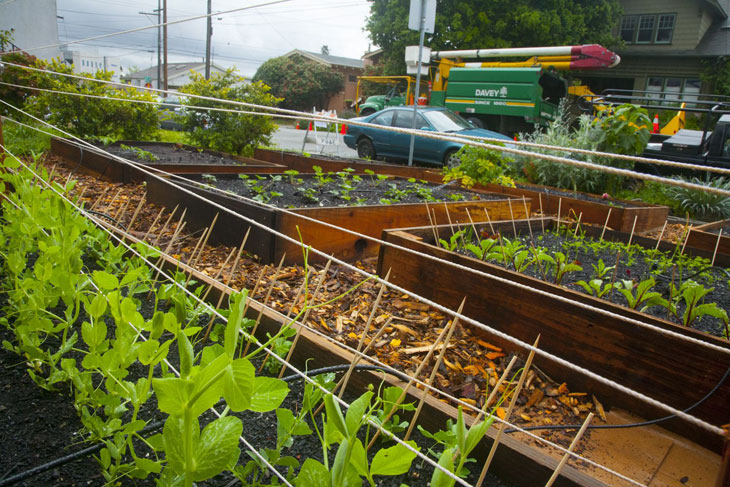
This homeowner observed his boring green lawn, and he started to ask himself, “so what’s the point?” Although it looked nice, it gave him no satisfaction. It was a lot of work to keep too. So he decided to try something else. Check out what he did next.
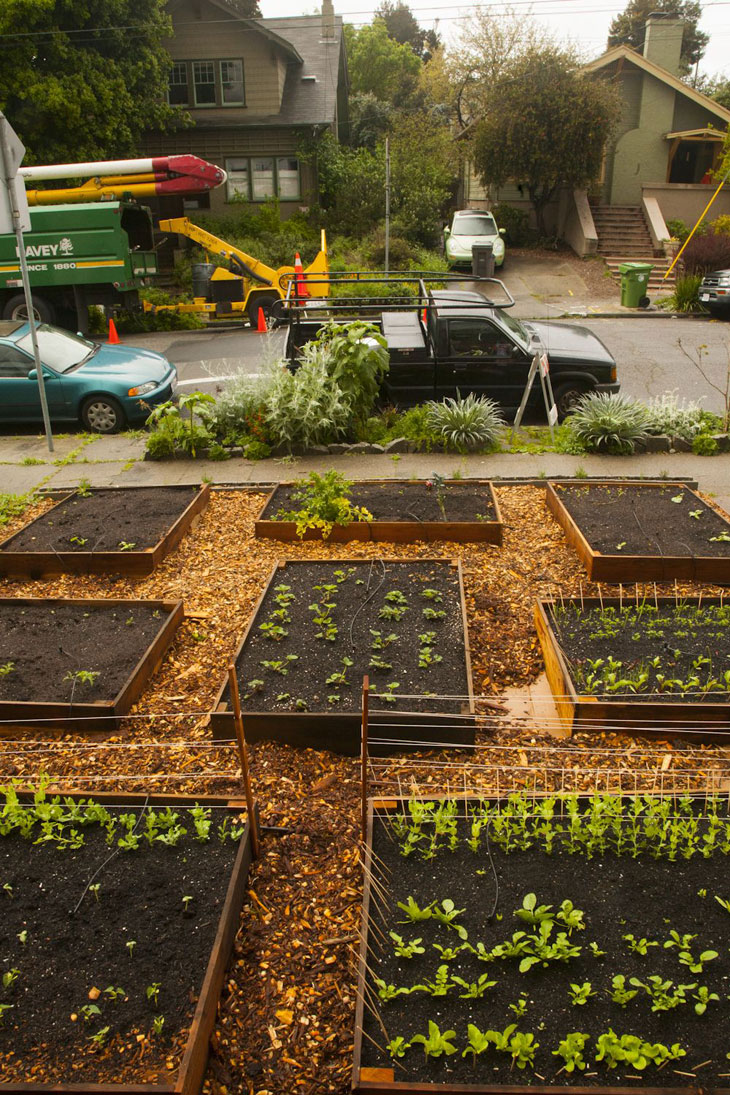
Since the city was giving away compost for free, he got some and that’s what you see in the boxes.
Support systems started coming up as the seeds began sprouting.
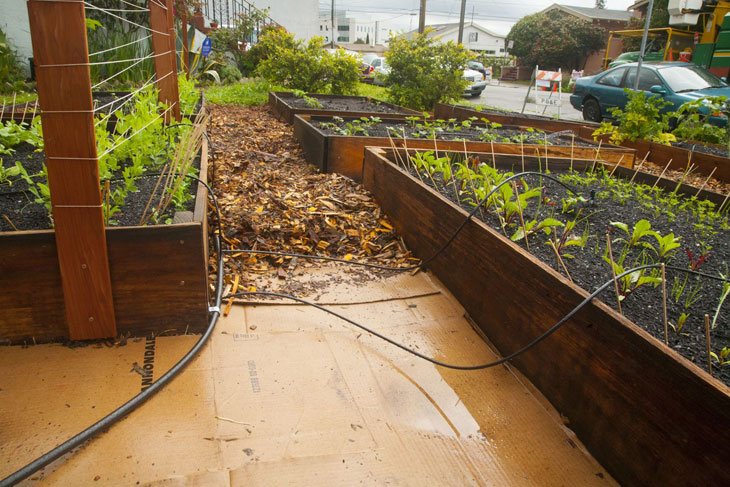
For this guy, the hardest part was developing the irrigation system.
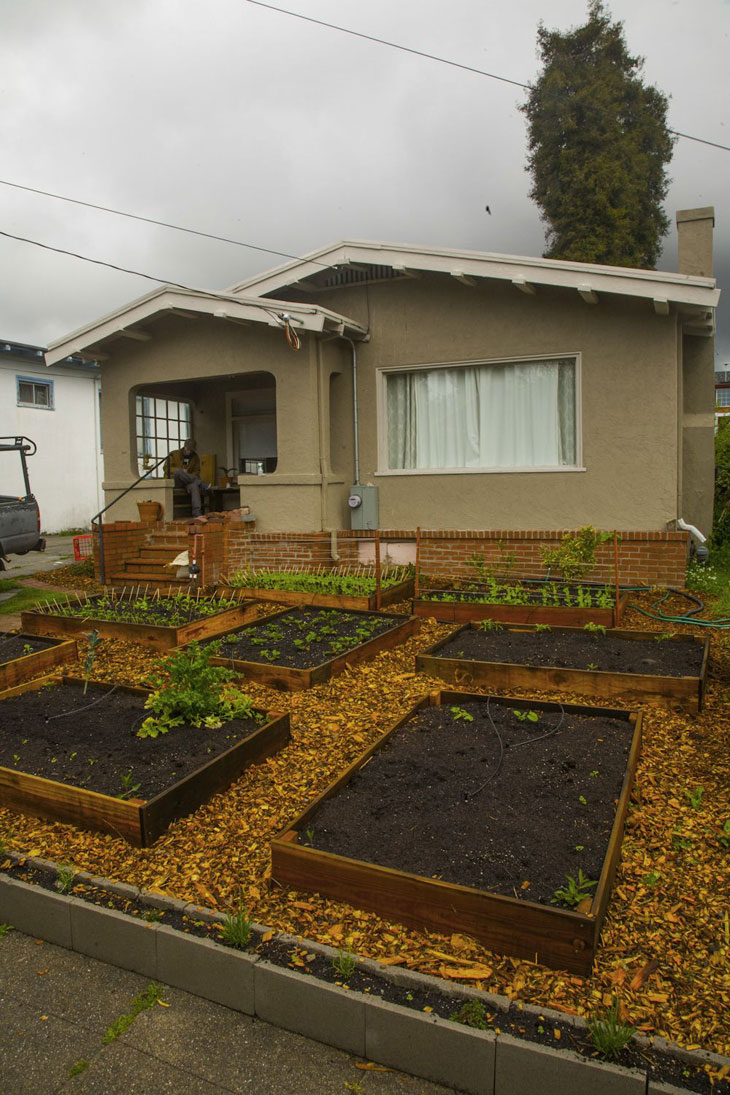
Cinder blocks and wood chips fill in the rest of the lawn.
erer
The arugula came first.
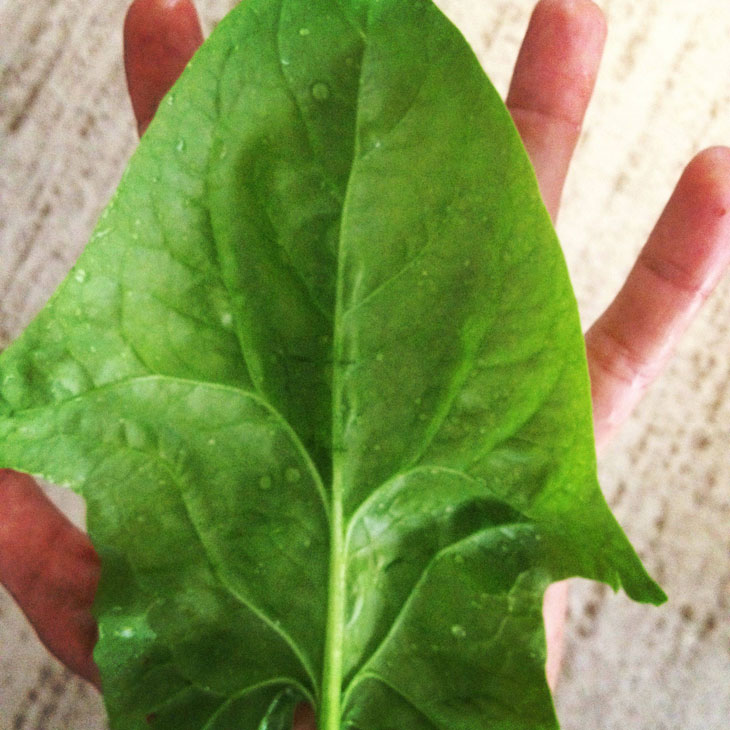
Then spinach was the next to arrive.
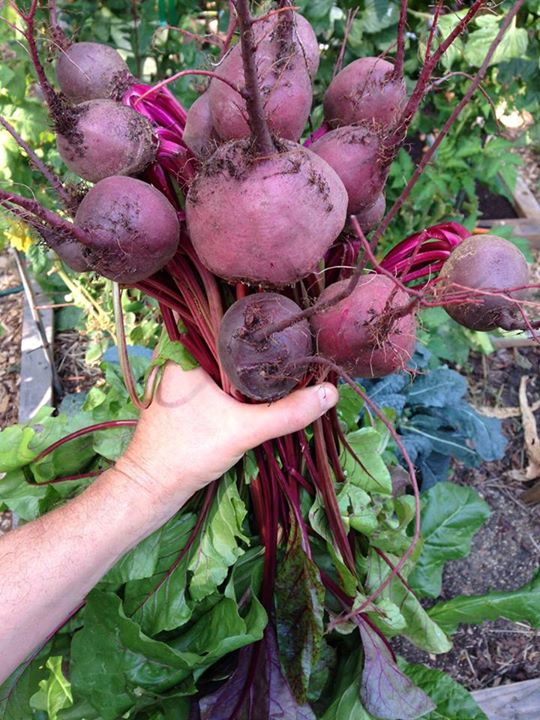
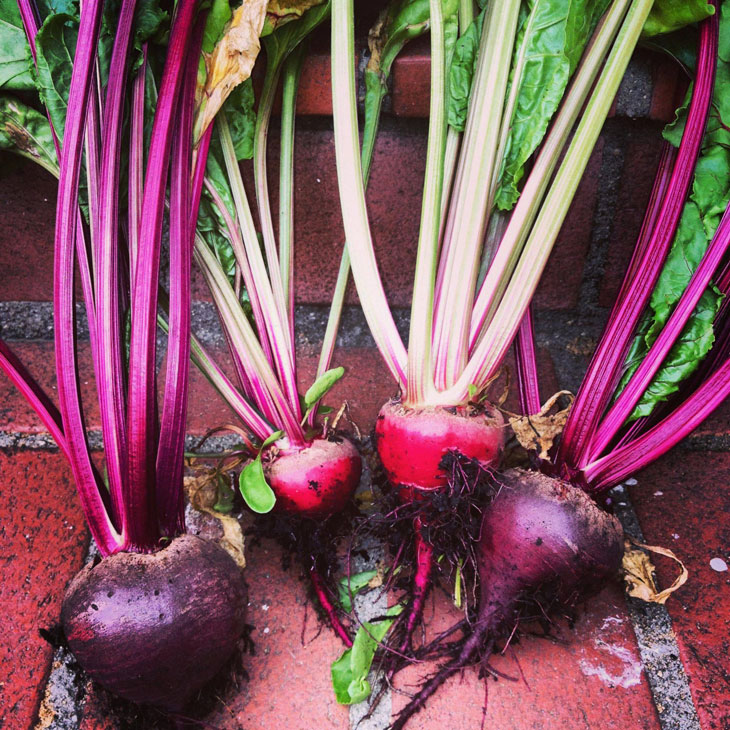
Beautiful beets brought some color.
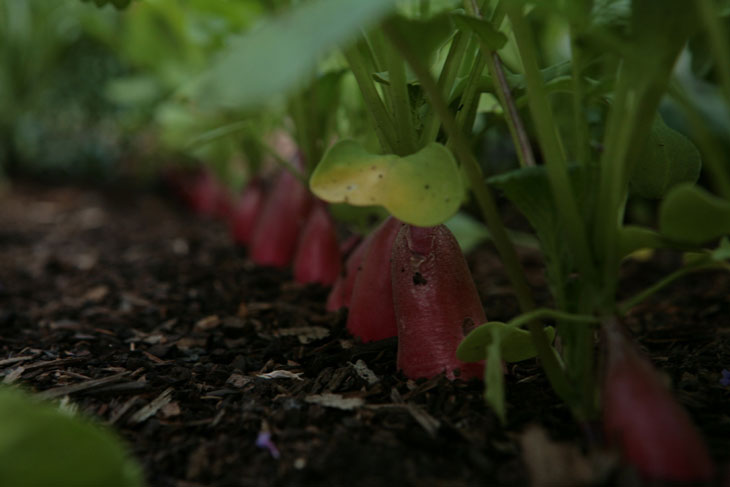
Everything’s coming up radishes.
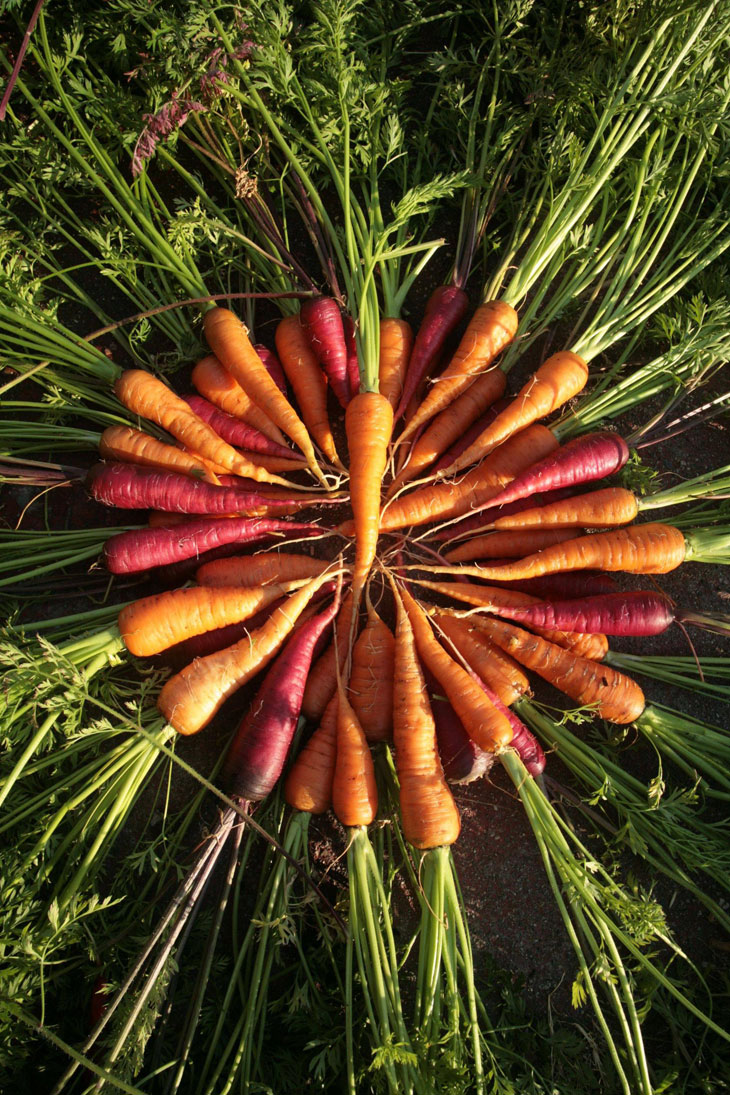
Here’s a whole wreath of carrots, pulled from this man’s lawn.
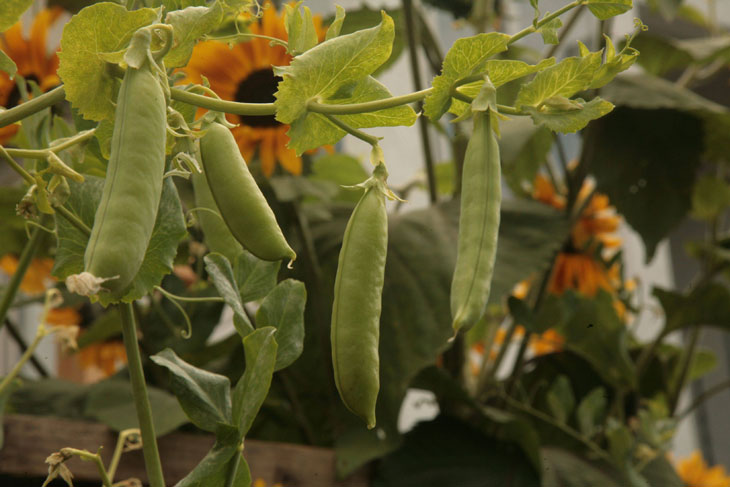
Yes peas.
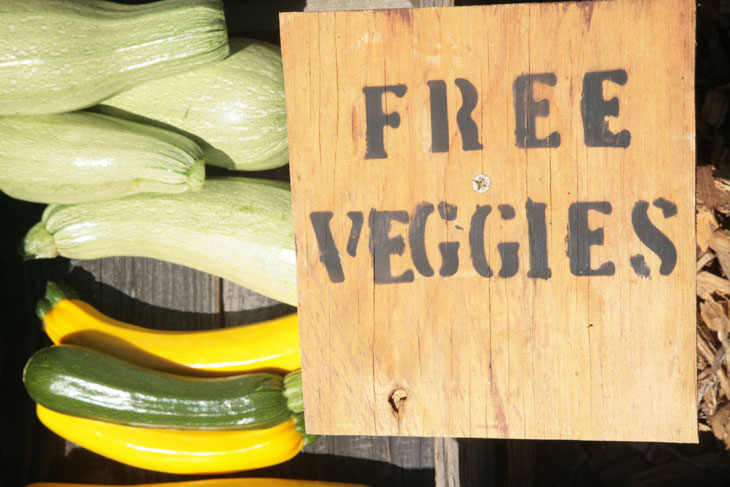
There was so much yield, the guy had to give away some of his vegetables.
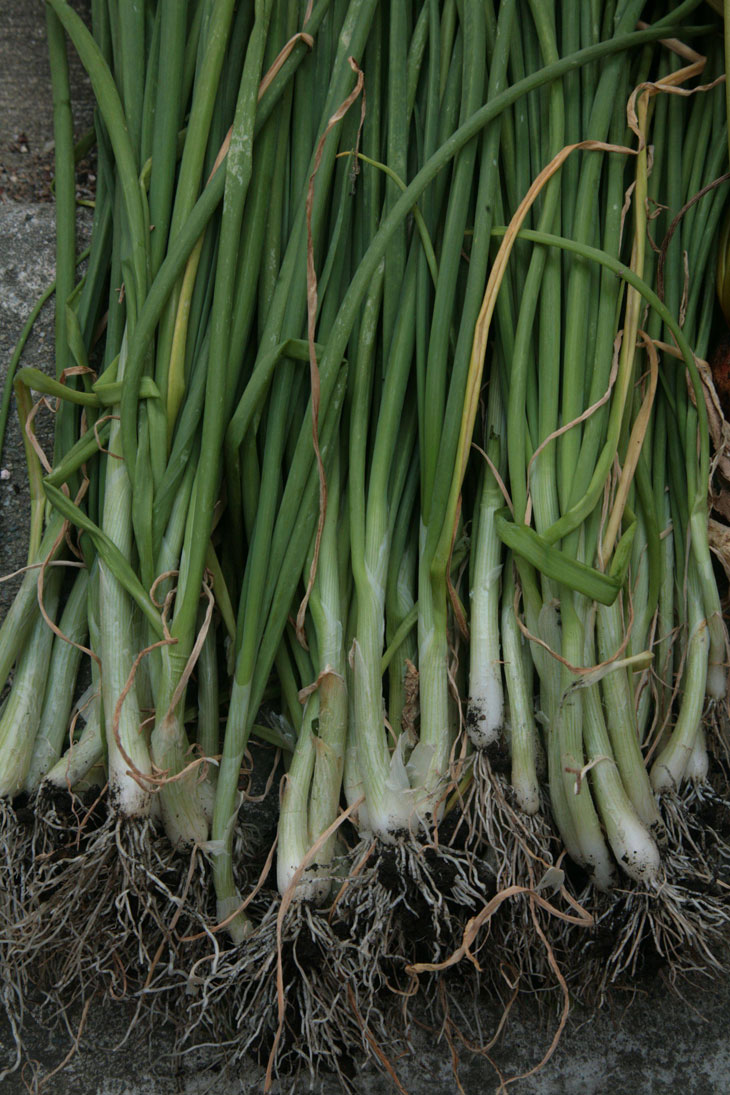
Some good-looking green onions.
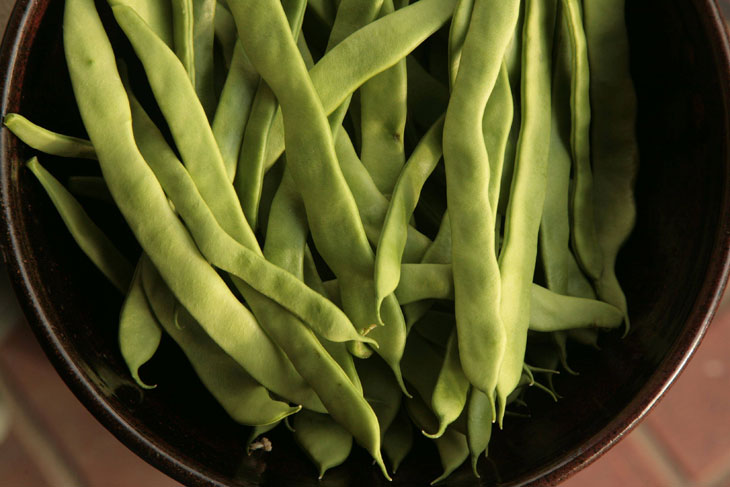
The green of these beans is perfect.
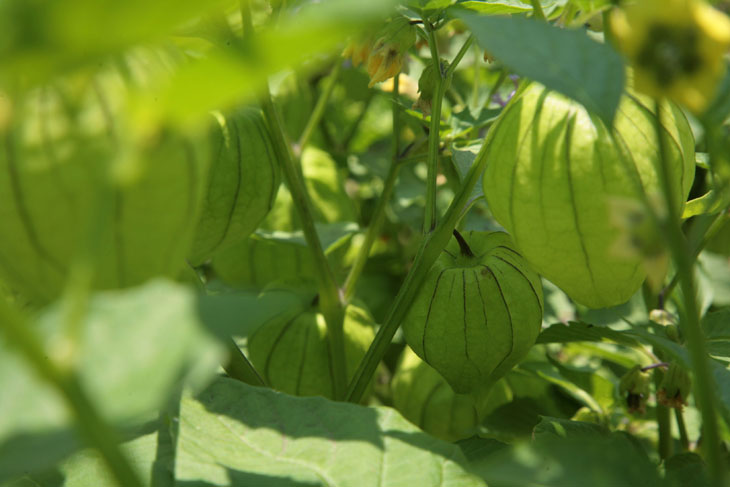
What a lovely bunch of tomatillos.
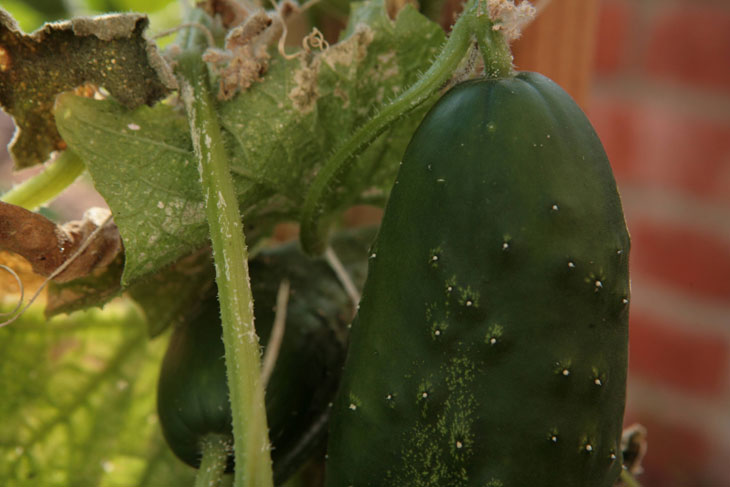
Big and beautiful cucumbers.
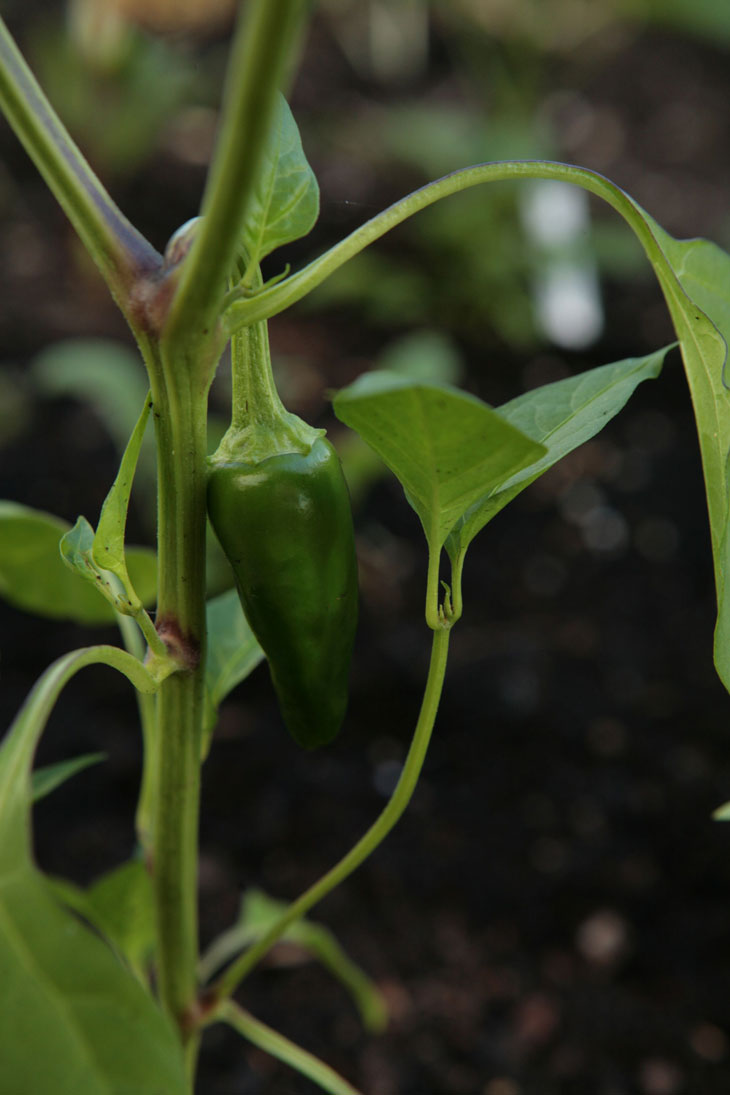
Just one of a bunch of peppers.
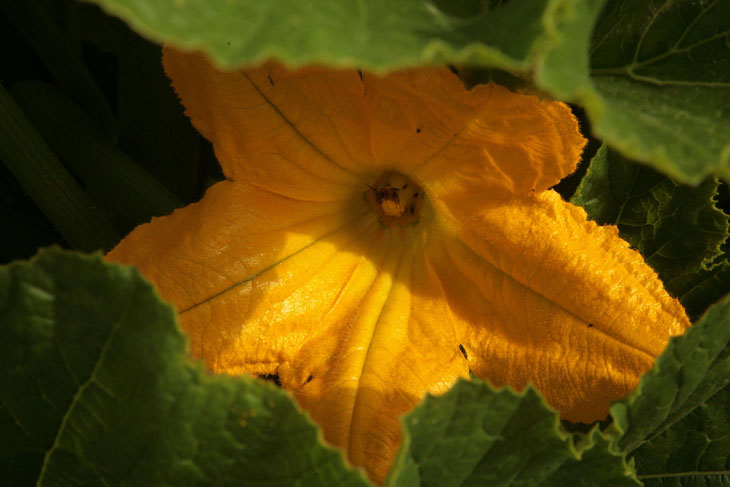
As an added bonus, he noticed beautiful flowers blossom before squash grows.
 “The new year is the perfect time to set new goals for yourself, especially if you have been thinking about growing a garden. THIS IS YOUR YEAR! Don’t be discouraged by lack of space, or knowledge about growing specific varieties. Set some small attainable goals for yourself in the gardening department and before the year is over you’ll be sporting that new green thumb you’ve always wanted but thought you’d never have.”-