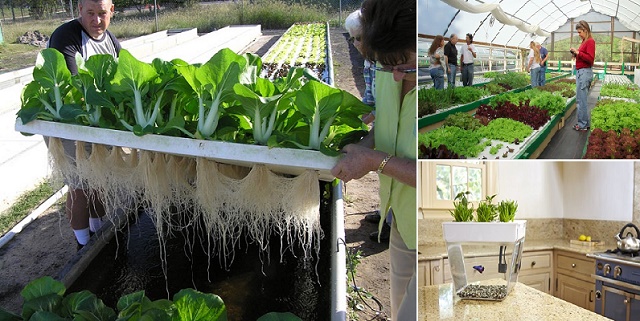
Minnesotans Don’t Care About the Snow! Still growing strong.

ows_141875704417544

Season-extending structures are helping some Minnesota gardeners defy winter.

Even in late November, Dawn Pape’s newest garden was a welcome sight for winter-weary eyes.

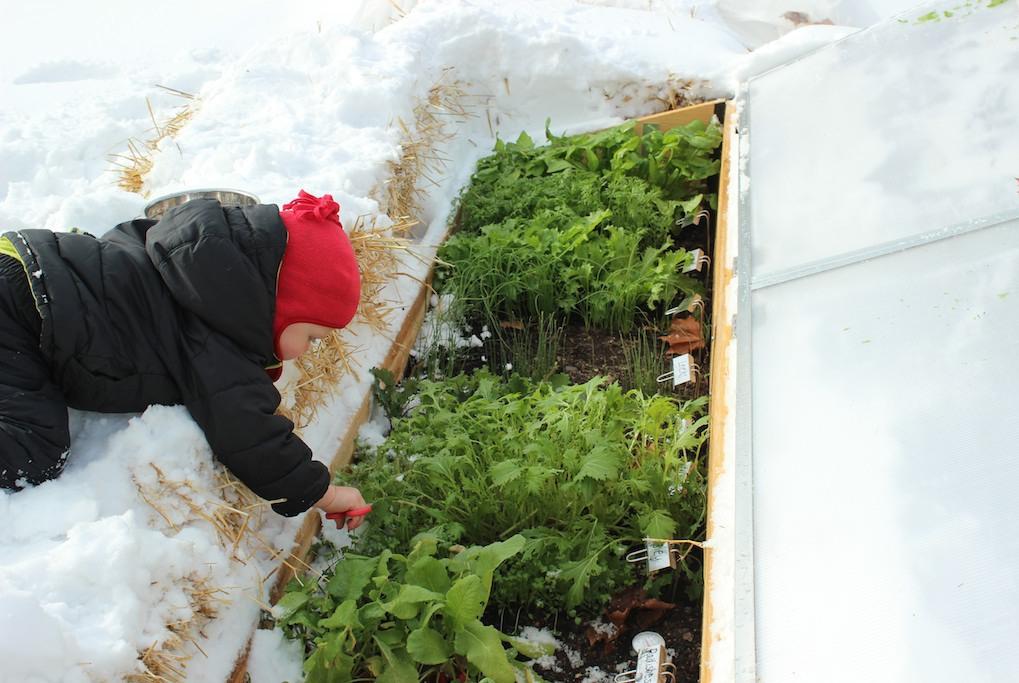
In her Shoreview yard, under a blanket of snow, is a polycarbonate-topped, 2- by 8-foot box — or “cold frame.” Brush aside the show, lift the lid, and inside was an improbable vision: healthy spinach, kale, salad greens and other veggies growing in the frigid ground.

“It’s so uplifting to see green when it’s kind of bleak outside,” said Pape, a master gardener and garden-book author, who was still harvesting around Thanksgiving — and hoping for at least a few more weeks of homegrown produce. “If I can make it to Christmas, I’ll be pretty happy,” she said.

Cold-weather gardening is not for everyone, but a hardy few are giving it a try.

Some are market gardeners who erect plastic-covered shelters (often called hoop houses or high tunnels) so that they can produce food earlier in the spring and later in the fall. Urban agriculture consultants Cherry Flowers and Tim Page of Page & Flowers (www.pageandflowers.com) grow vegetables in high tunnels at their home in St. Paul and at an apartment in Minneapolis that serves as their office. They sell their produce at the Mill City Farmers Market.

“In the spring, you can get a jump on greens, even in March, and have them ready for the May farmers market,” Flowers said.

Pape is growing on a very small scale, just for her family’s table.

“I’ve read about it [cold-frame gardening] for several years and decided to try it,” she said. She found a kit online (at www.gardeners.com) that was the same size as one of her existing garden beds, ordered it and installed it in the fall, surrounding it with straw bales for extra insulation.

Cold-frame gardening has its limitations in Minnesota, she’s discovered. “The harvest’s not as plentiful” as during the regular growing season. Plant growth is minimal. “You’re not really gardening, just sort of picking. It’s basically a refrigerator.”

But Pape enjoys the challenge of pushing the growing season to its outer limits. “It’s thumbing your nose at Old Man Winter,” she said.

Read the full article here: http://m.startribune.com/lifestyle/homegarden/285986551.html

COMING SOON! Urban Organic Gardener’s MONTHLY SEED CLUB

Screen Shot 2014-11-25 at 8.49.20 AM

Join the Urban Organic Gardener’s (UOG) SEED CLUB and get exclusive access to new and exotic seed varieties delivered to your door. Click here to fill out the online registration form.

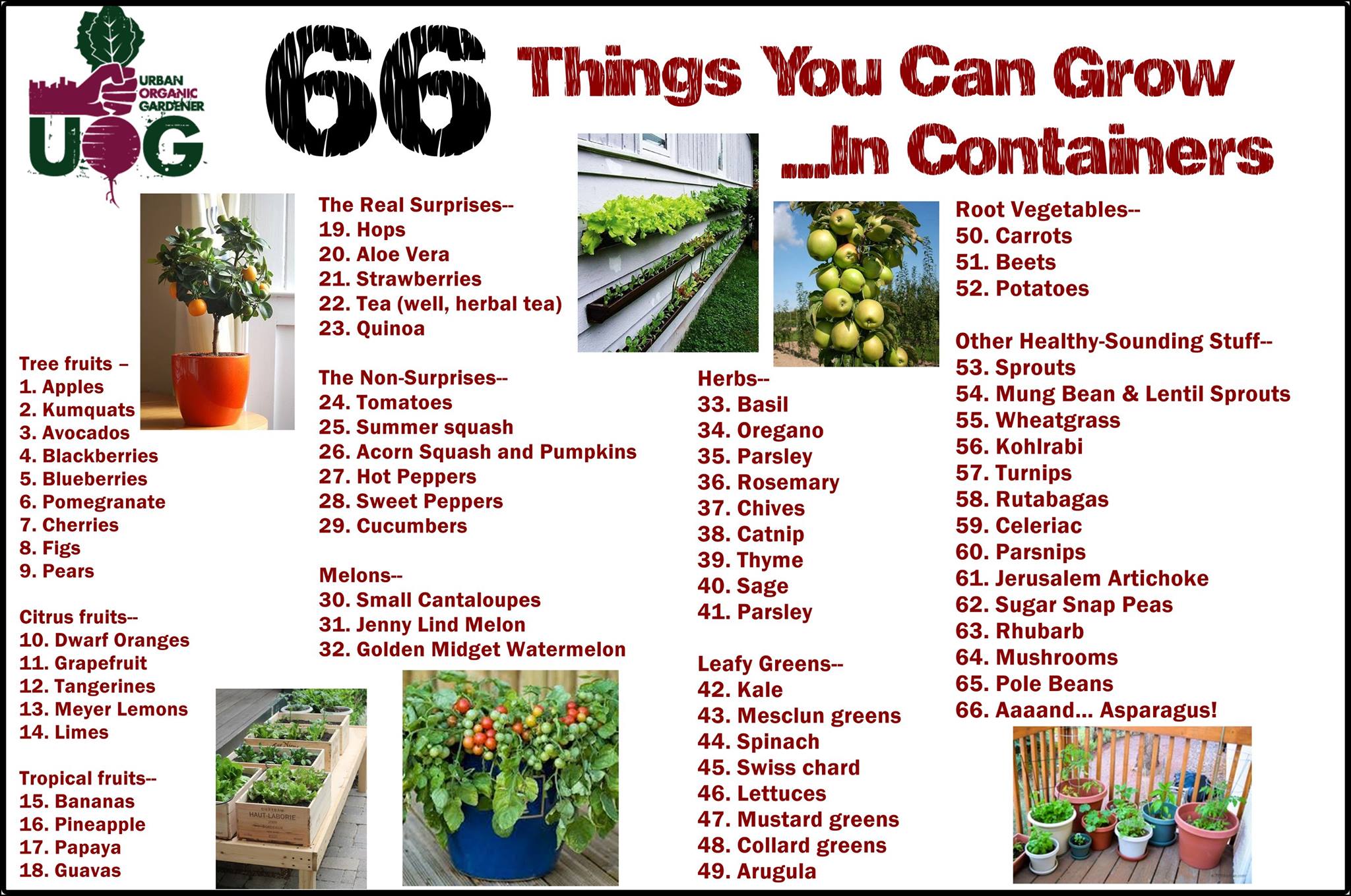
WHAT?!! 66 Things You Can Grow At Home?? In Containers?!?!?!?

Growing your own food is exciting, not only because you get to see things grow from nothing into ready-to-eat fruits and veggies, but you also don’t have to worry about the pesticides they might contain, and you definitely cut down on the miles they—and you—have to travel.

If you’re up to the challenge—and it really isn’t much of one—growing your own food can be so rewarding. And so much cheaper! Just be sure to choose the right planter or container, learn how to maintain it properly, and go find yourself some seeds! (Or starter plants.)

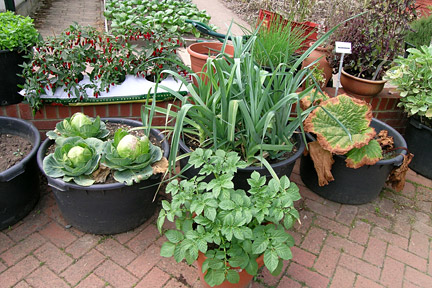
Here’s a starter list of all the crazy things even urban gardeners, without space for a garden, can grow at home.

1. Apples can be grown in a container; you can also grow them on the balcony or other small space using a technique called espaliering.
2. Kumquats
3. Avocados (plenty of extra tips online if you search)
4. Blackberries
5. Blueberries (sometimes helpful videos are available online)
6. Pomegranate
7. Cherries
8. Figs
9. Pears
10. Dwarf oranges
11. Grapefruit
12. Tangerines
13. Meyer lemons
14. Limes
15. Bananas (look for container gardening tips online)
16. Pineapple
17. Papaya
18. Guavas (several varieties)
19. Hops—yes, as in the ”spice” ingredient in beer. Turns out they’re easy to grow!
20. Aloe Vera
21. Strawberries
22. Tea (well, herbal tea)
23. Quinoa!
24. Tomatoes
25. Summer squash
26. Other squashes, like acorn and pumpkin
27. Hot Peppers
28. Sweet peppers
29. Cucumbers
30. Small cantaloupe
31. Jenny Lind melon (an heirloom cantaloupe)
32. Golden Midget Watermelon
33. Basil
34. Oregano
35. Parsley
36. Rosemary
37. Chives
38. Catnip
39. Thyme
40. Sage
41. Parsley
42. Kale
43. Mesclun greens
44. Spinach
45. Swiss chard
46. Lettuces (plenty of options there, from micro-greens to head or loose-leaf)
47. Mustard greens
48. Collard greens
49. Arugula
50. Carrots
51. Beets
52. Potatoes
53. Sprouts
54. More sprouts: mung bean and lentil sprouts
55. Wheatgrass
56. Kohlrabi
57. Turnips
58. Rutabagas
59. Celeriac
60. Parsnips
61. Jerusalem Artichoke
62. Sugar snap peas
63. Rhubarb (not ideal in a container, but it can work)
64. Mushrooms (again, more tips online if you look)
65. Pole Beans
66. Aaaand… asparagus, although some disagree that it does well in a container. Try it if you’re ok with a risk!

Source: http://planetgreen.discovery.com/home-garden/sixtysixthings-growhome-containers-withoutgarden.html

How To Make An Awesome Aquaponics System [VIDEO]

It’s obvious Ann Forsthoefel of “Aqua Annie” is excited by aquaponics, the growing of plants fed by nutrients from fish, which in turn provide a source of food when they reach maturity. “There are so few inputs compared to growing crops in the soil,” she said. With her gardens, she’s constantly building up the soil that is depleted at the end of each growing season. The beauty of aquaponics, she said, is that there isn’t that constant work because the fish are giving nutrients to the plants. Read her full post on Cooking Up a Story: http://cookingupastory.com/aquaponics

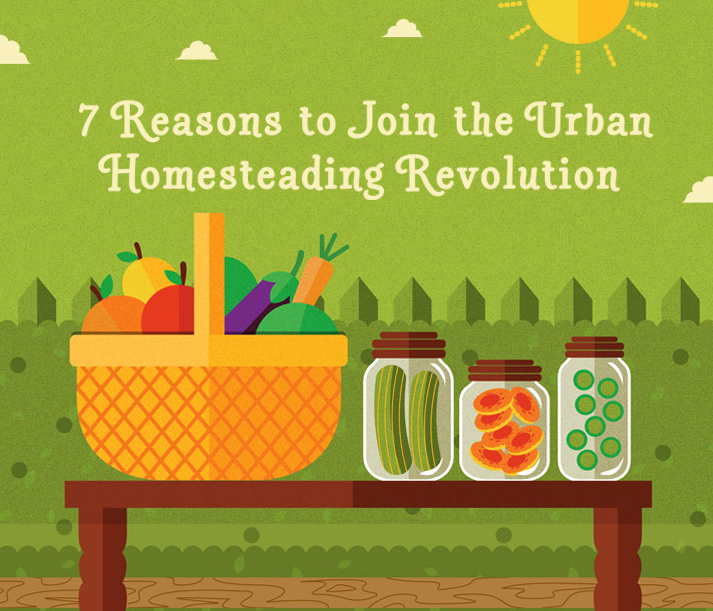
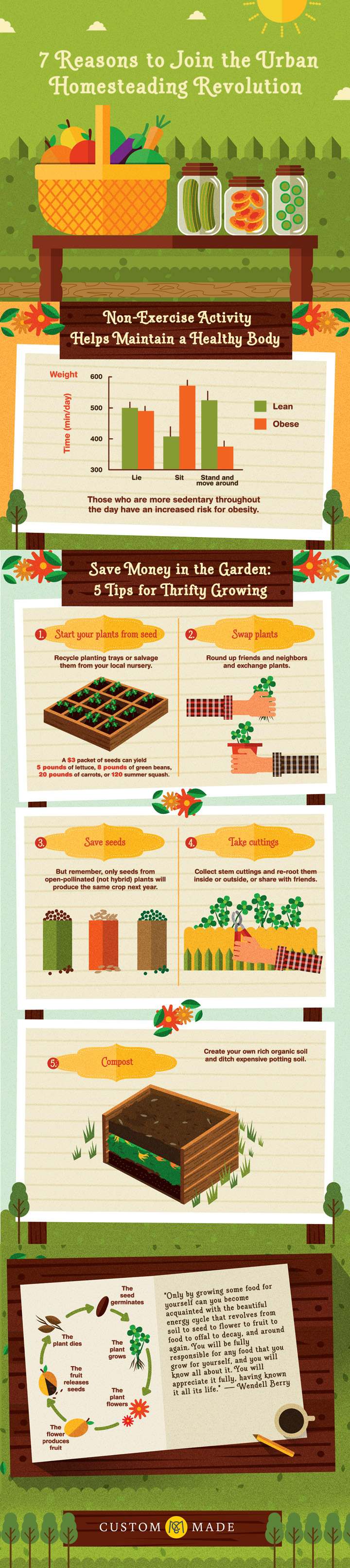
7 Reasons to Join the Urban Homesteading Revolution

Screen Shot 2014-11-06 at 11.27.57 AMby

1. Homegrown food is safer, more nutritious, and tastes better.

When the latest salmonella or e-coli outbreak dominates the headlines, it’s comforting to know exactly where your food comes from and how it’s raised. And because vitamin content is depleted by light, temperature, and time, freshly picked produce grown near your house is more nutritious than conventional produce, which is transported an average of 1,494 miles before it reaches the grocery store.

An even more delicious reason to celebrate homegrown food is the flavor. Gourmet chefs use the freshest ingredients they can find for a reason. The first time I cooked one of the eggs laid by our hens, I couldn’t believe how large and yellow the yolk was or how delectable it tasted. And it’s easy to appreciate novelist Barbara Kingsolver’s zeal for sun-ripened garden tomatoes. “The first tomato brings me to my knees,” she writes. “Its vital stats are recorded in my journal with the care of a birth announcement.”

2. Urban homesteading encourages healthy movement.

When I started gardening and making more things around the house and yard, I noticed a side effect: I felt better. It’s not surprising. Digging the dandelions out of a raised bed, brewing an India Pale Ale, and peeling potatoes fall in line with the sort of daily activities most important for maintaining a healthy body weight, according to research conducted by Dr. James Levine at the Mayo Clinic. In Levine’s study, people were fed an extra thousand calories a day. Those who did the most daily non-exercise activity (as opposed to deliberate exercise for fitness) gained the least weight.

3. Urban homesteading helps families connect with nature and the seasons.

Growing up in Colorado, I was fortunate to spend a lot of time hiking and camping. Gardening has given me an even more intimate connection with the natural world, since now I must work with it as a co-creator. And it has given my two young sons a wonderful relationship with plants and seasonal rhythms. They love the garden and beg to help plant seeds, pull weeds, and harvest. Every time one of them asks me if it’s pea or fig season yet, or recognizes an edible plant in someone’s yard, I smile. Those may seem like simple things, but for me as a kid, produce was something that was shipped across the country and delivered to a refrigerated section of the grocery store.

4. Urban homesteading is thrifty. 

It’s no coincidence the urban homesteading boom coincided with a worldwide economic recession. If you build your soil, save seeds, and tend your garden well, you can save hundreds of dollars on organic produce each season by growing your own. Keeping chickens can also save you money. We estimate that our eggs cost $3.35 a dozen (in organic chicken feed) at the most, compared to $5 to $7 for similar eggs at the health food store. However, we were lucky to inherit our chicken coop, so others may have to include that expense as well.

Cooking from scratch saves us the most money. It’s not just that making stock, microbrews, and bread products from bulk ingredients is cheaper than buying them. As we’ve become better chefs, we’re also not as apt to go to restaurants, which used to be a huge drain on our finances.

5. Turning a lawn into a homestead makes productive use of land and supports healthier ecosystems.

In the memoir Paradise Lot, Eric Toensmeier and Jonathan Bates recount how they transformed their backyard—one-tenth of an acre of compacted soil in Holyoke, Massachusetts—into a permaculture oasis where they grow about 160 edible perennials. What was once a barren lot is now habitat for fish, snails, frogs, salamanders, raccoons, opossums, woodchucks, bugs, and worms. “Imagine what would happen,” Toensmeier writes, “if we as a species paid similar attention to all the degraded and abandoned lands of the world.”

Most of us don’t have the skills or desire to garden on the scale that Toensmeier and Bates do. But by planting a few vegetables, herbs, or fruit trees, we create habitats for birds, butterflies, and pollinators. And by composting kitchen waste, chicken manure, and fallen leaves, we improve the ecosystem that supports all life.

6. Gardening and creating things boosts the spirits.

Author Matthew Crawford traded his job at a Washington think tank for a career fixing motorcycles because working with his hands made him feel more alive. “Seeing a motorcycle about to leave my shop under its own power, several days after arriving in the back of a pickup truck, I don’t feel tired even though I’ve been standing on a concrete floor all day,” Crawford writes.

We’ve all experienced the thrill that comes from making or fixing something. In her book Lifting Depression, neuroscientist Dr. Kelly Lambert explains that association. “When we knit a sweater, prepare a meal, or simply repair a lamp, we’re actually bathing our brain in ‘feel-good’ chemicals,” she explains. Lambert contends that in our drive to do less physical work to acquire what we want and need, we may have lost something vital to our mental well-being—an innate resistance to depression.

I can attest to what Lambert says. Almost nothing is as satisfying as appraising a finished scarf or jar of sauerkraut, or cutting the first slice off a loaf of homemade bread. I have no doubt that creating something with my hands every day—even a meal—is imperative for my mental health.

7. Urban homesteading encourages families to live, work, and buy more intentionally.

These days, before we buy something impulsively, my husband and I are more likely to ask ourselves some simple questions. Can we make, fix, or do this ourselves, and is it worth the time and energy? Sometimes the answer is no. For me, canning and making clothing are not worth the effort. But just asking these questions makes our family more intentional about how we live and work, and what we buy.

As a society, we’re often encouraged to make decisions based on two variables: time and labor. When it comes to household tasks, it’s usually seen as preferable to save both time and labor. While making a stew will take longer and require more physical work than buying a can, the process is enjoyable and good for the body. In addition, the homemade variety is healthier, tastes better, and brings greater satisfaction. Equations look different when you add in all of the variables.

I hardly think of my family as urban homesteaders anymore, because the parts of the lifestyle that once seemed foreign and daunting, such as gardening, composting, and cooking from scratch, are now routine. They help us stay connected and make our lives feel richer. It’s powerful to produce some of what we need to survive, especially food.
7 Reasons to Join the Urban Homesteading Revolution

7 Reasons to Join the Urban Homesteading Revolution
Infographic by CustomMade
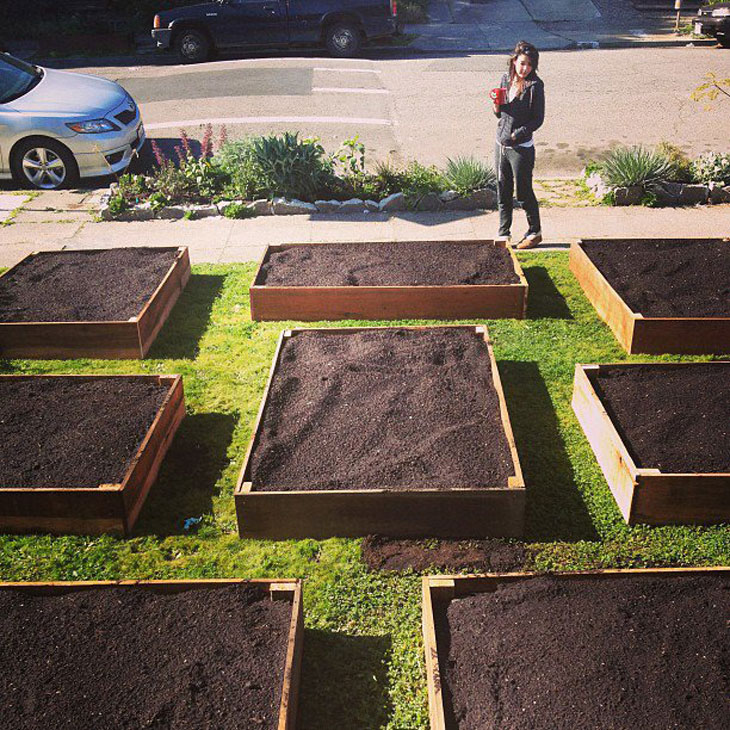
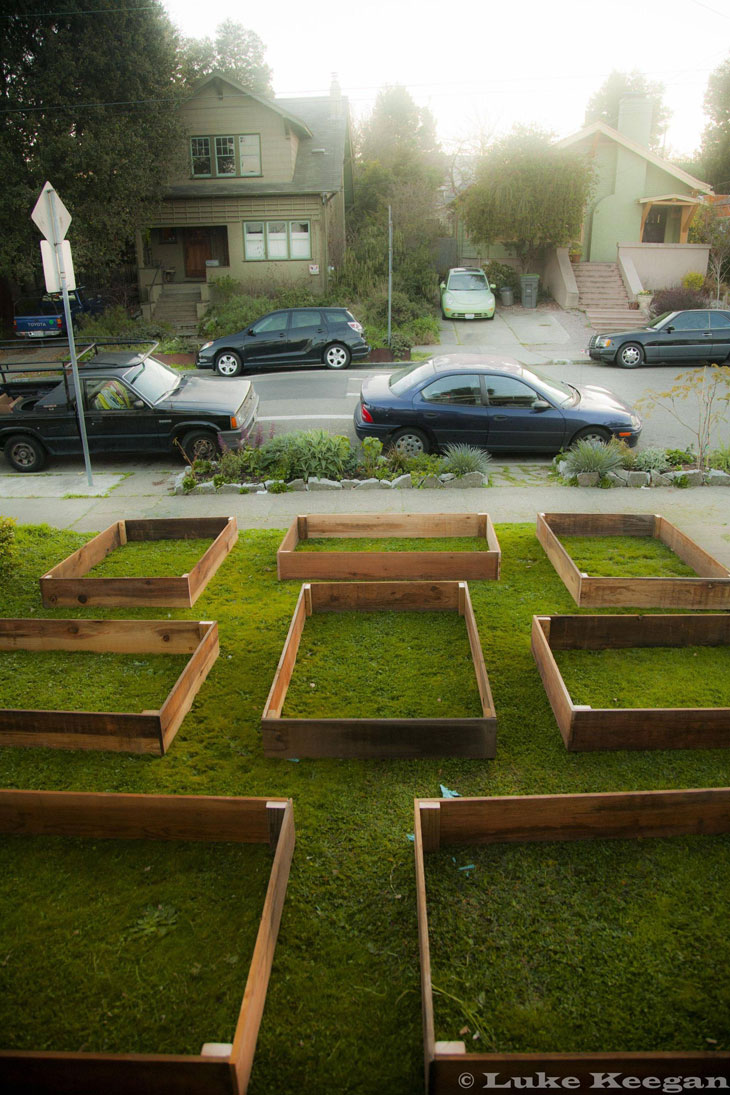
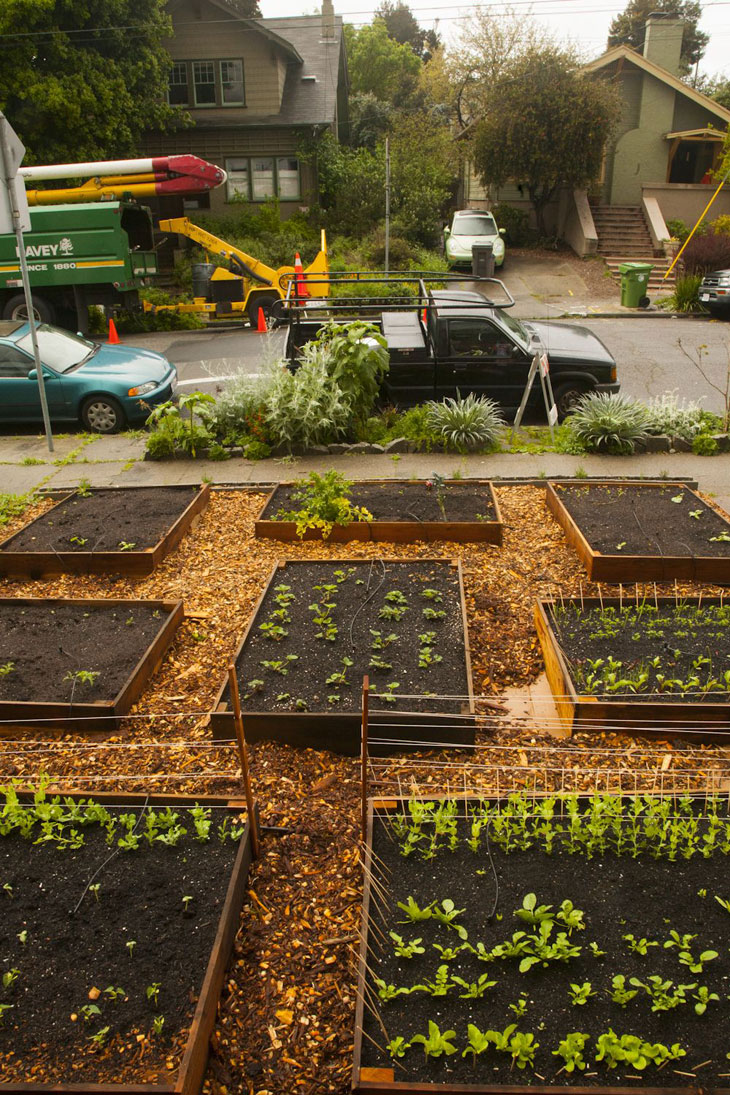
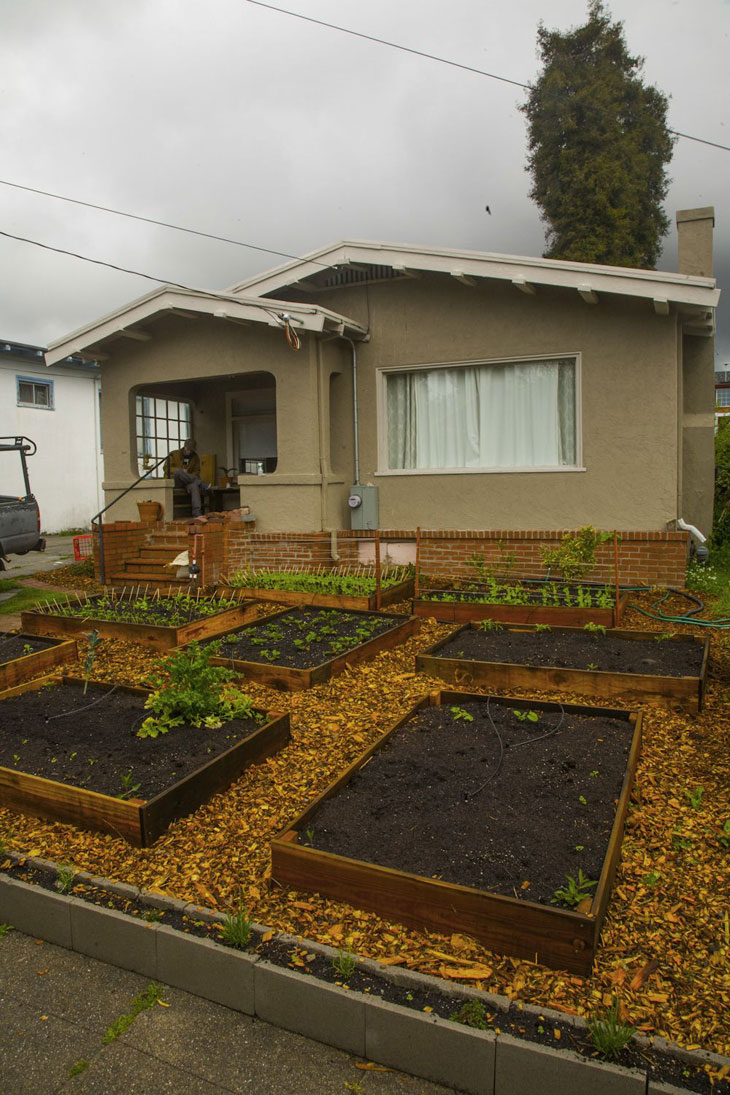
He Started With Some Boxes, 60 Days Later, The Neighbors Could Not Believe What He Built

This homeowner observed his boring green lawn, and he started to ask himself, “so what’s the point?” Although it looked nice, it gave him no satisfaction. It was a lot of work to keep too. So he decided to try something else. Check out what he did next.
cool-plants-lawn-boxes
Since the city was giving away compost for free, he got some and that’s what you see in the boxes.

2

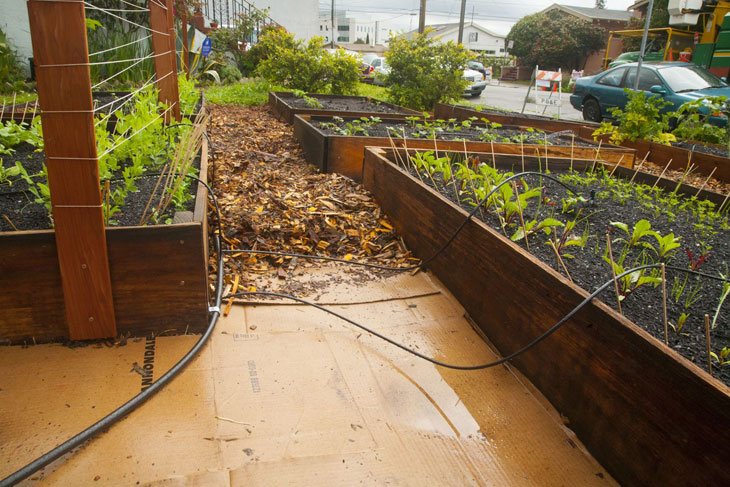
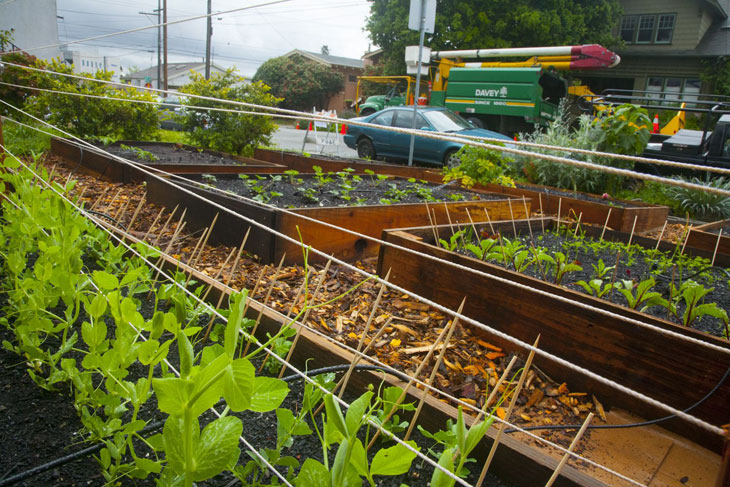
Support systems started coming up as the seeds began sprouting.

3

For this guy, the hardest part was developing the irrigation system.

4

Cinder blocks and wood chips fill in the rest of the lawn.

5
erer
6

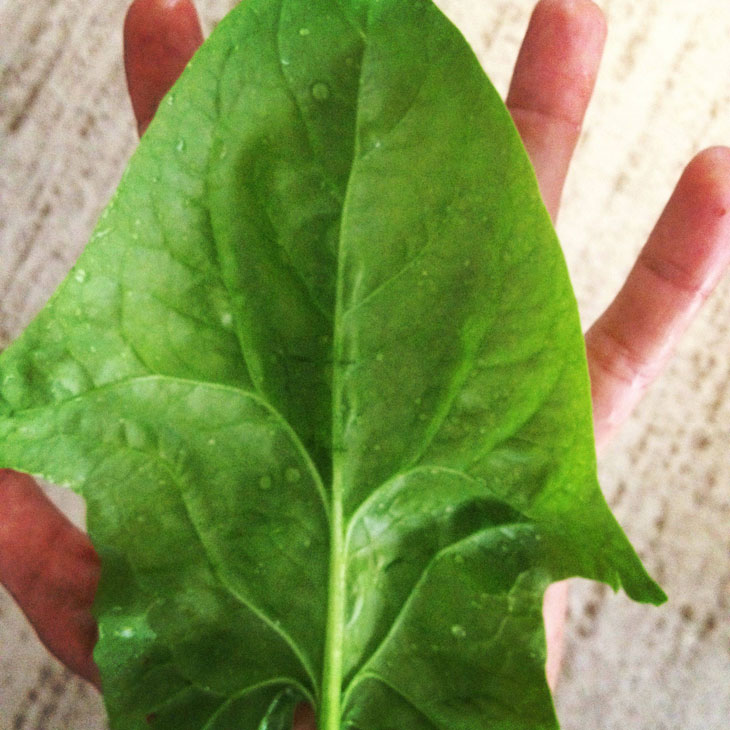
The arugula came first.

spinach

Then spinach was the next to arrive.

beets

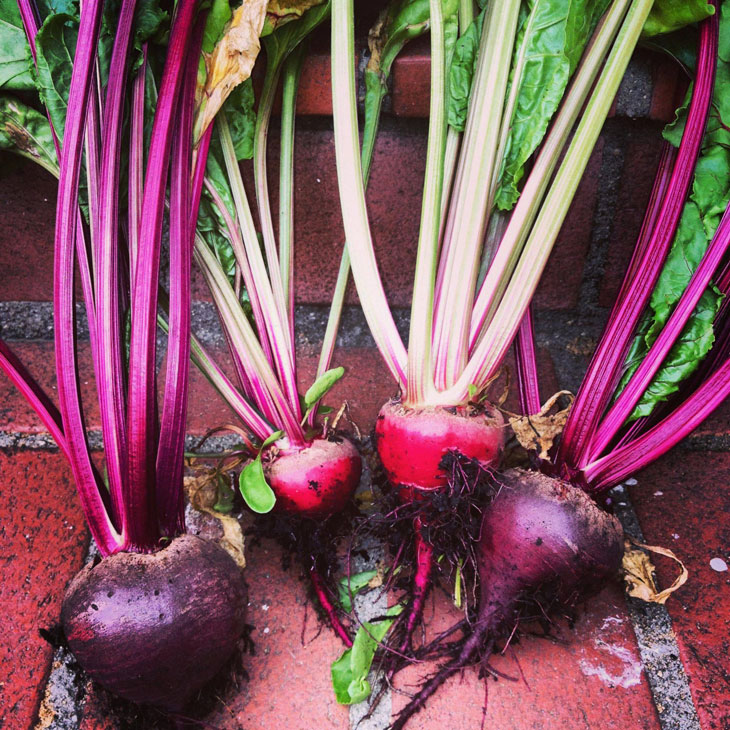
Beautiful beets brought some color.

radishes

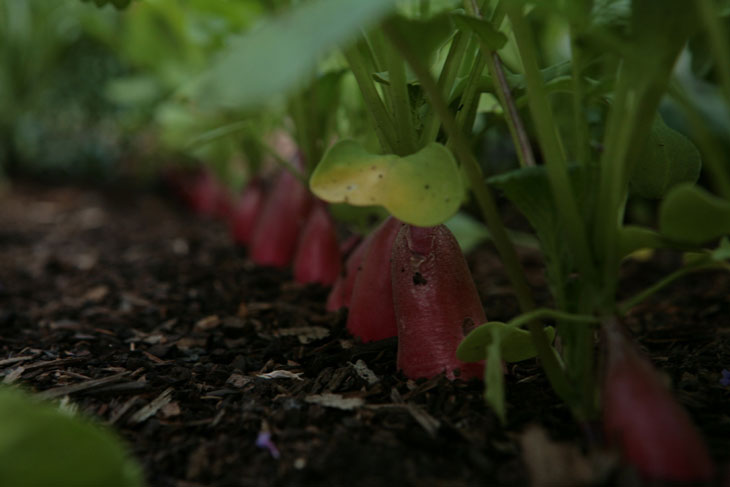
Everything’s coming up radishes.

carrots

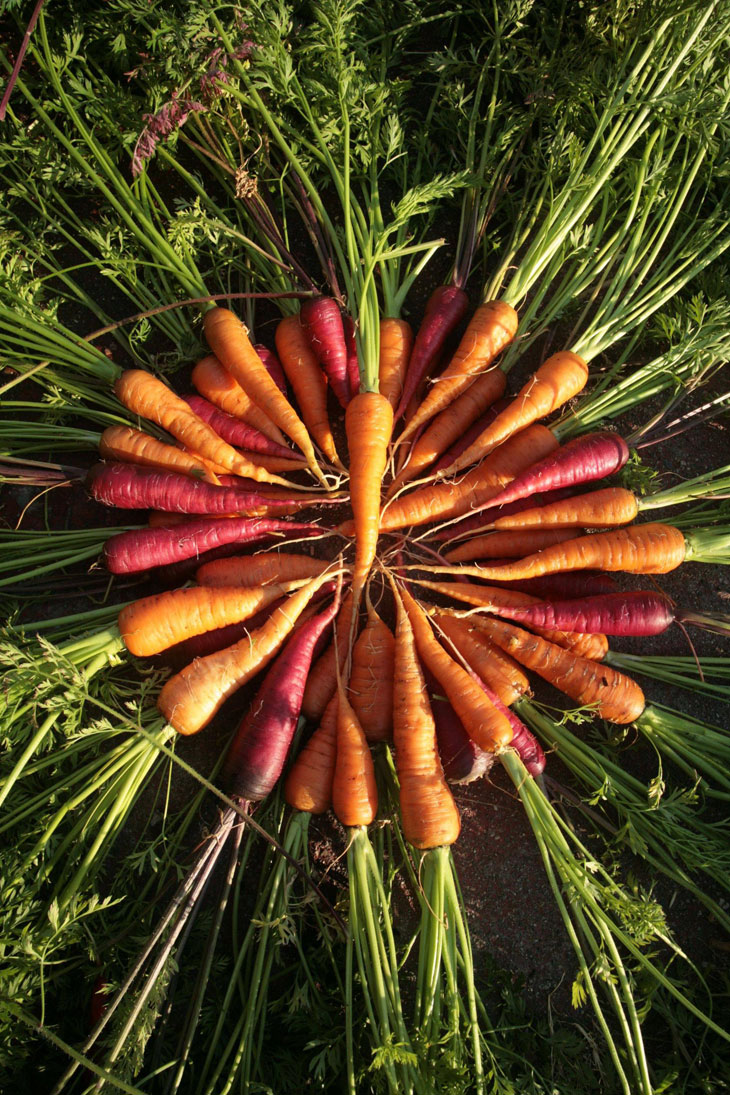
Here’s a whole wreath of carrots, pulled from this man’s lawn.

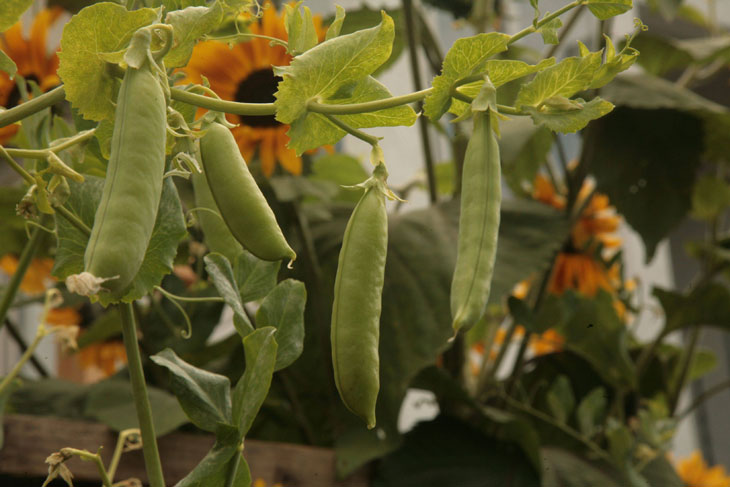
peas

Yes peas.

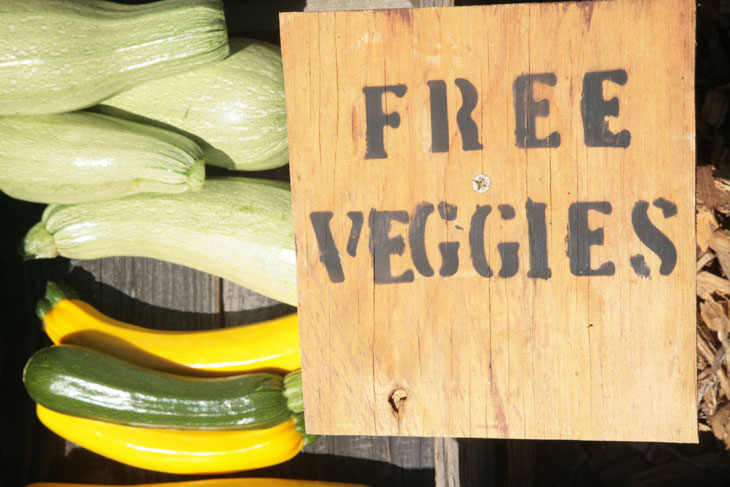
free

There was so much yield, the guy had to give away some of his vegetables.

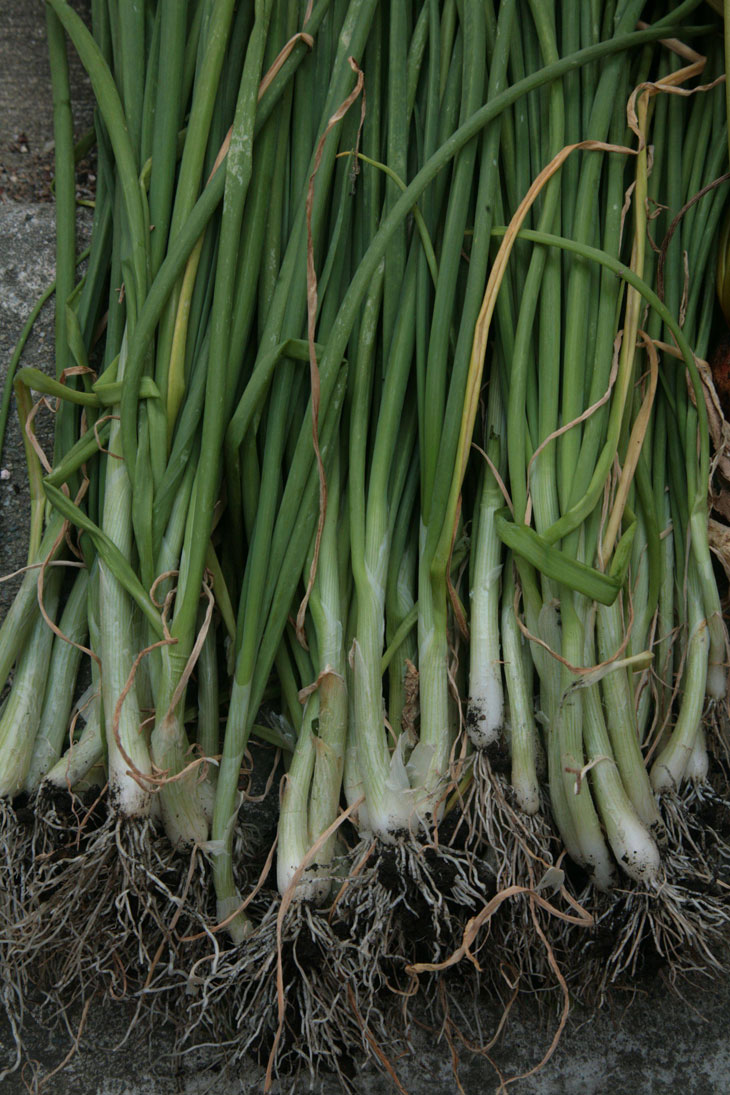
onions

Some good-looking green onions.

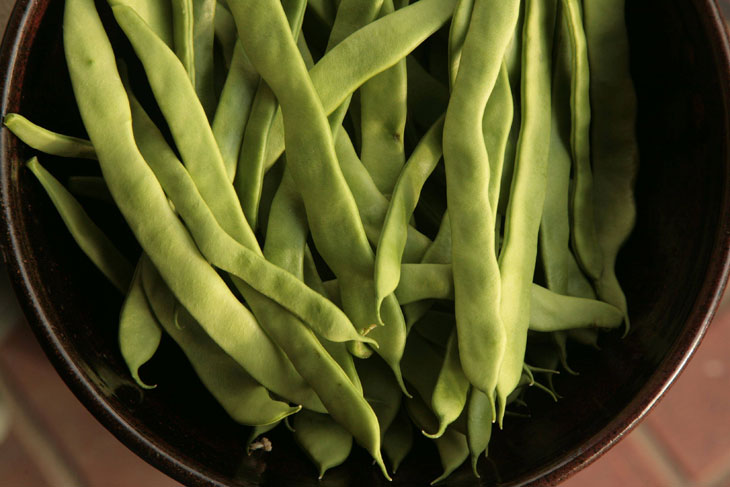
beans

The green of these beans is perfect.

tomatillos

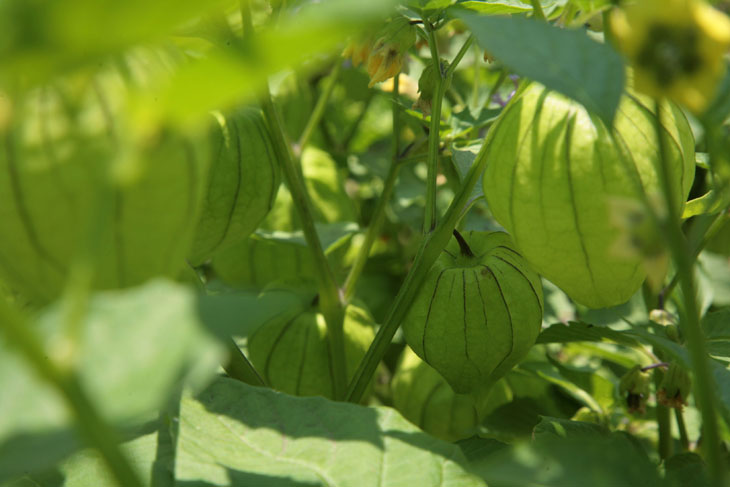
What a lovely bunch of tomatillos.

cucumber

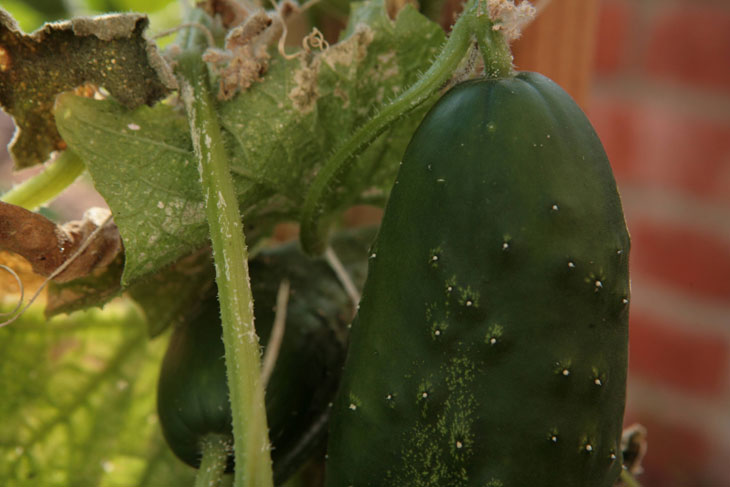
Big and beautiful cucumbers.

peppers

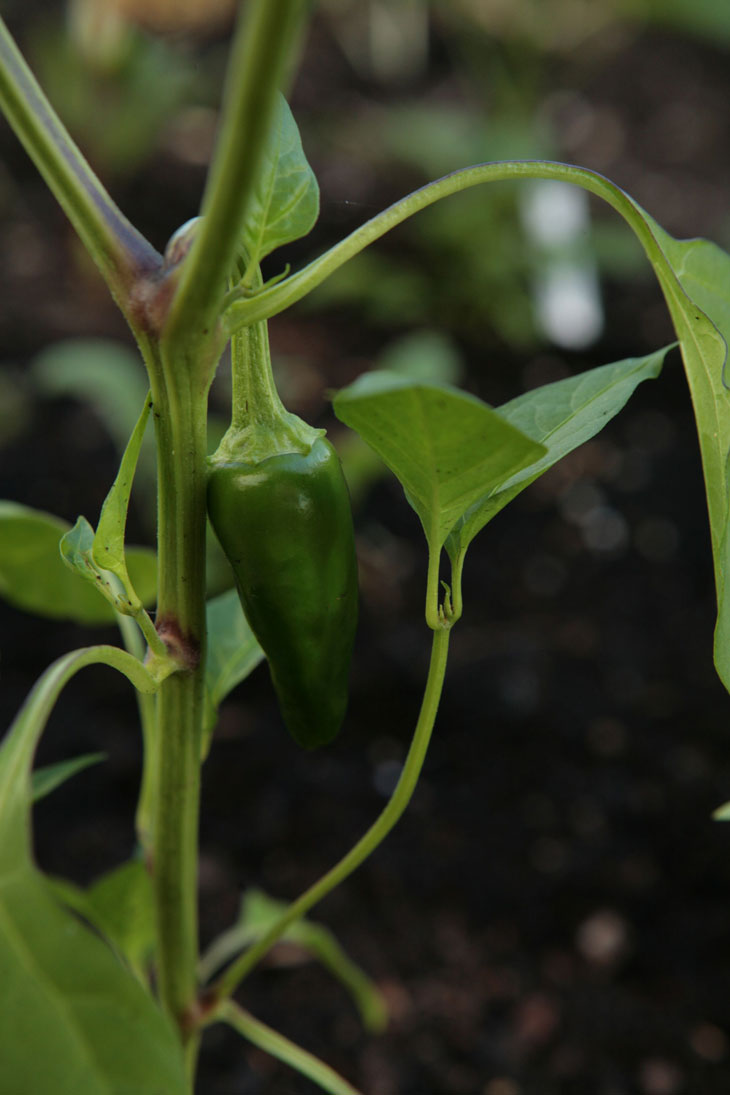
Just one of a bunch of peppers.

blossom

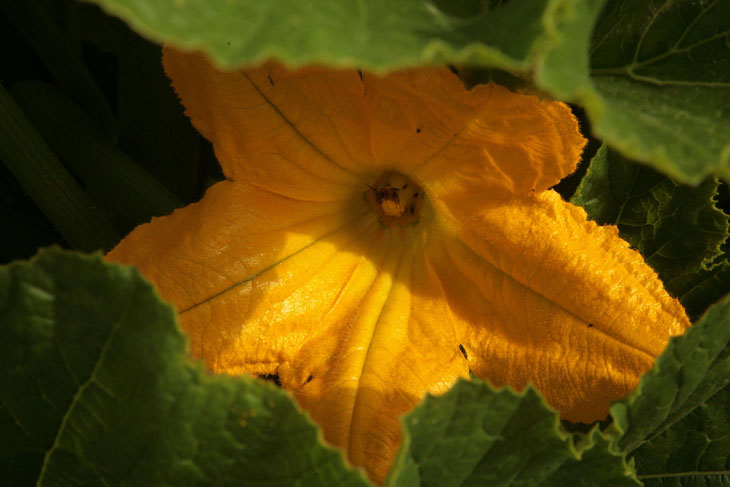
As an added bonus, he noticed beautiful flowers blossom before squash grows.

cinder blocks

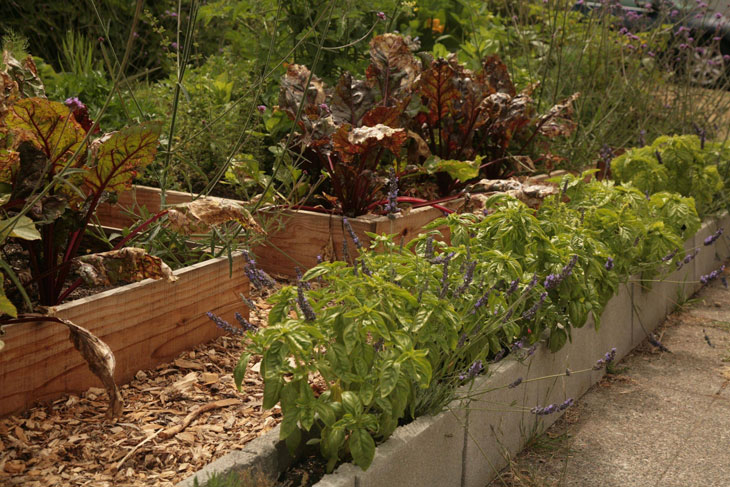
Cinder blocks are perfect for growing herbs.

boom

Feast your eyes on this!

Source: http://themetapicture.com
Images: imgur

Too Poor to Be Healthy?

obese mom

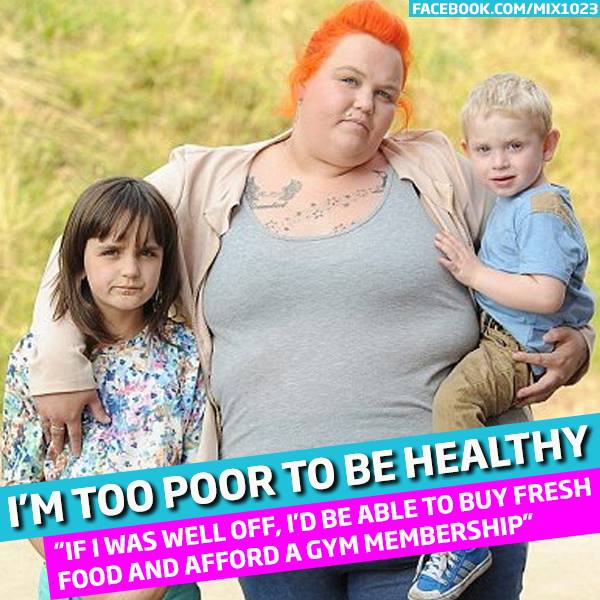
“An obese mother-of-two who lives on benefits says she needs more of taxpayers’ money to overhaul her unhealthy lifestyle.  Christina Briggs, 26, says she hates being 160 kilos but she can’t do anything about it because she can only afford junk food. Meanwhile, exercise is out of the question because she doesn’t have the funds to join a gym.”

Unemployed Christina gets £20,000 in benefits a year and lives in a council house with her two children by different fathers, Helena, 10, and Robert, two.

She left school as a teenager after falling pregnant with her daughter following a one night stand.

The family feast everyday on takeaways, chocolate and crisps as Christina says they can’t afford low fat foods. As a result, the mother is currently a dress size 26.

She has been warned by her GP that her health is in danger because of her size – medical complications relating to obesity include heart disease and diabetes.

Christina is desperate not to leave her two children without a mother and doesn’t want her size to take her to an early grave.

But she insists ‘it’s not my fault – healthy food is too expensive’.

She feels her only hope is for the government to give her more money so she can afford to buy fruit and vegetables and join a gym.

She also believes she should be paid to lose weight as that would give her the motivation to fight the flab.

She told the magazine: ‘I need more benefits to eat healthily and exercise. It would be good if the government offered a cash incentive for me to lose weight. I’d like to get £1 for every pound I lose, or healthy food vouchers.

‘If the price of healthy food was lowered that would help, too. I need help, but I need it from the government.’

She added that she can’t get a job to gain more money because she’s needed at home to care for her children, especially as her daughter has attention deficit hyperactivity disorder and issues with her kidneys.

She explained: ‘There’s no way I could get a job. I don’t feel bad about the taxpayer funding my life and my child’s medical problems, because I don’t treat myself or buy anything excessive. I just get enough money to live on – the taxpayers should help fund my diet.’

Read more: http://www.dailymail.co.uk/femail/article-2768442/It-s-not-easy-overweight-benefits-says-25-stone-mother-two-wants-MORE-money-government-help-diet.html#ixzz3EPLyvREY

Is she too poor to be healthy?   Comment below.

How to Select the Best Grow Light for Indoor Growing

Not all light is the same by Michelle Moore

Plants respond differently to different colors of light. Light on either end of the spectrum, blue light or red light, have the greatest impact on photosynthesis.

Kind of Lights

Blue light, referred to as cool light, encourages compact bushy growth.

Red light, on the opposite end of the spectrum, triggers a hormone response which creates blooms.

Orange and reddish light typically produce substantial heat, however, some lights are able to produce full spectrum light without the heat.

Grow lights come in all shapes, sizes and price ranges.

As a general rule, inexpensive lights to purchase tend to be the most expensive to operate and the least effective. While price is not necessarily an indicator of performance, many of the efficient grow lights require ballasts as well as specialized fixtures.

new

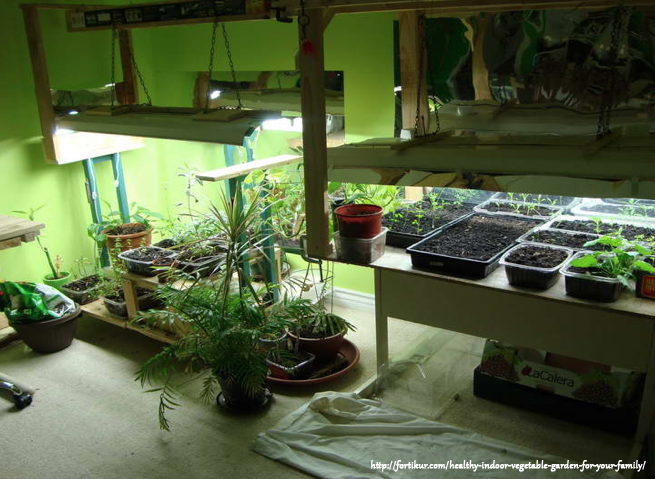
Image of vegetable being grown indoors under artificial light is via fortikur.com.

Check out SeedsNow.com if you’re looking to grow organic vegetable and herbs from seed. They have a huge selection of seeds that grow well using indoor hydroponic systems!

Click here to read more about what GMOs are. It’s really easy for you to grow all kinds of vegetables, herbs, and sprouts inside.  All year long!  Invest in a grow light and you’ll be happy.
Your turn!  Are you growing anything indoors?  Which grow lights have you found to be most effective?

The film the food industry doesn’t want you to see. #FedUp — NOW PLAYING.

This is the movie the food industry doesn’t want you to see. FED UP blows the lid off everything we thought we knew about food and weight loss, revealing a 30-year campaign by the food industry, aided by the U.S. government, to mislead and confuse the American public, resulting in one of the largest health epidemics in history. From Katie Couric, Laurie David (Oscar winning producer of AN INCONVENIENT TRUTH) and director Stephanie Soechtig, FED UP will change the way you eat forever.

See the film and then join the filmmakers in taking THE FED UP CHALLENGE. Join us in our cause and go sugar-free for 10 days. Get details and sign up for updates here:
http://fedupmovie.com/fedupchallenge/ Worth the watch.

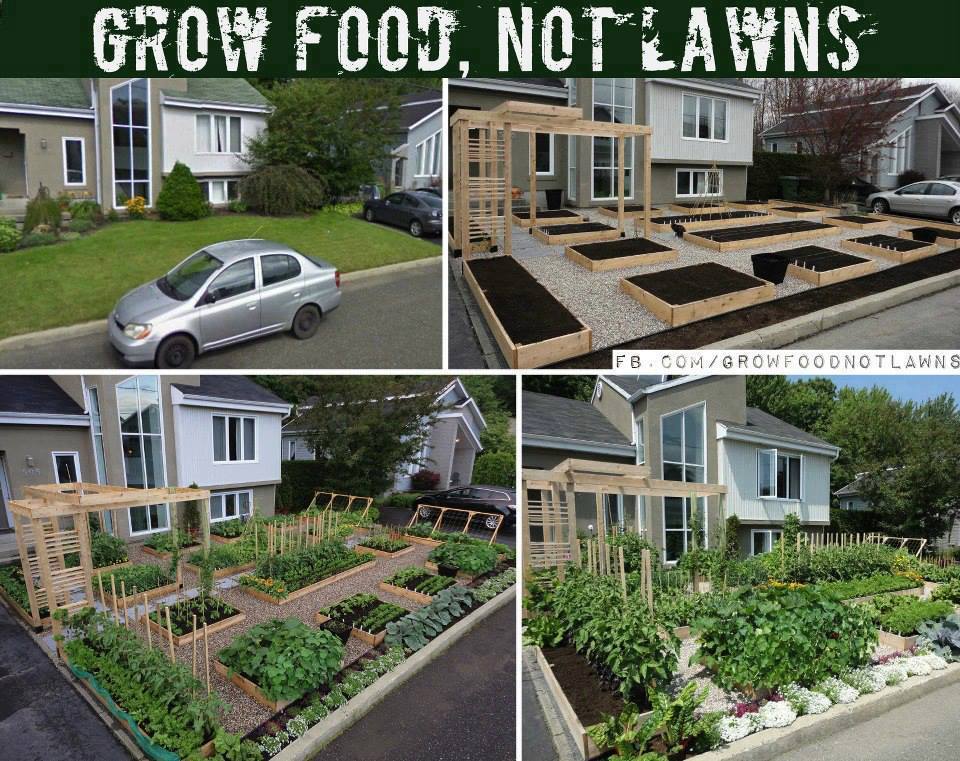
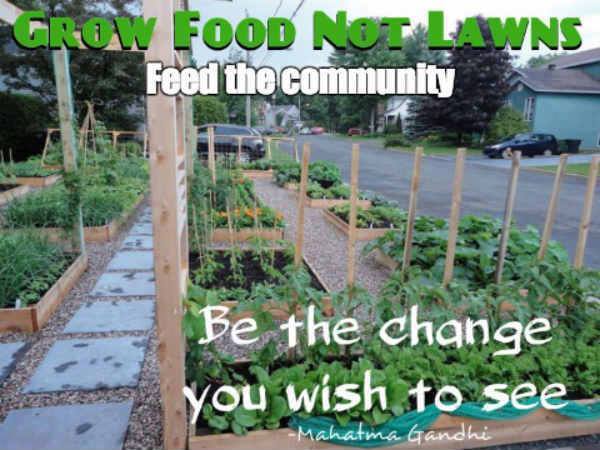
Grow Food, Not Lawns [Photo Gallery]

This is a collection of images we’ve found floating around the Urban Organic Gardener facebook page. Hopefully this will give you some motivation to transform your yards into something like this. 10537077_10153074255558082_1075346034231245651_n

1555380_10153074256893082_6168153103152187879_n d


1wqwq

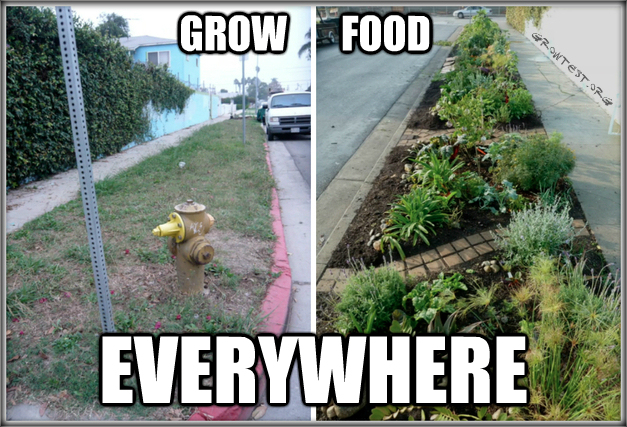
2Grow your own food! Everywhere!

3Urban Gardening Masterpiece! Photo Credit: crustyroll35
63

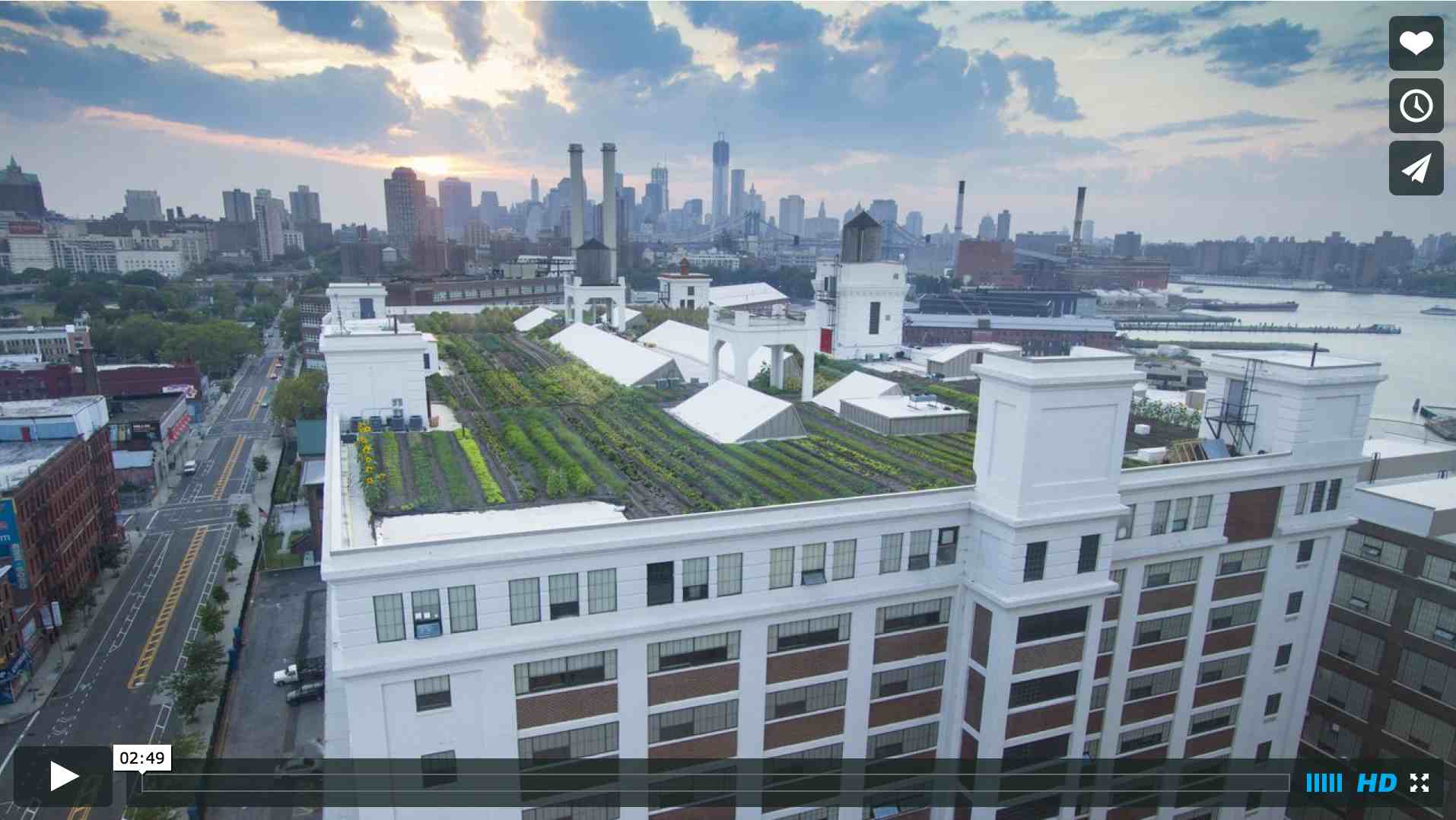
See the largest rooftop farm in the world – the “Brooklyn Grange Farm” (NYC).

A 7-month time lapse documenting the first full growing season at the Brooklyn Grange’s farm in the Brooklyn Navy Yard. At 65,000 square feet, it’s the largest rooftop farm in the world.

Brooklyn Grange – A New York Growing Season from Christopher St. John on Vimeo.

For more info, check out brooklyngrangefarm.com

Shot and edited by Christopher St. John

A big thanks to Ratatat for the music!
Song: Montanita – itunes.apple.com/us/album/classics/id354003618

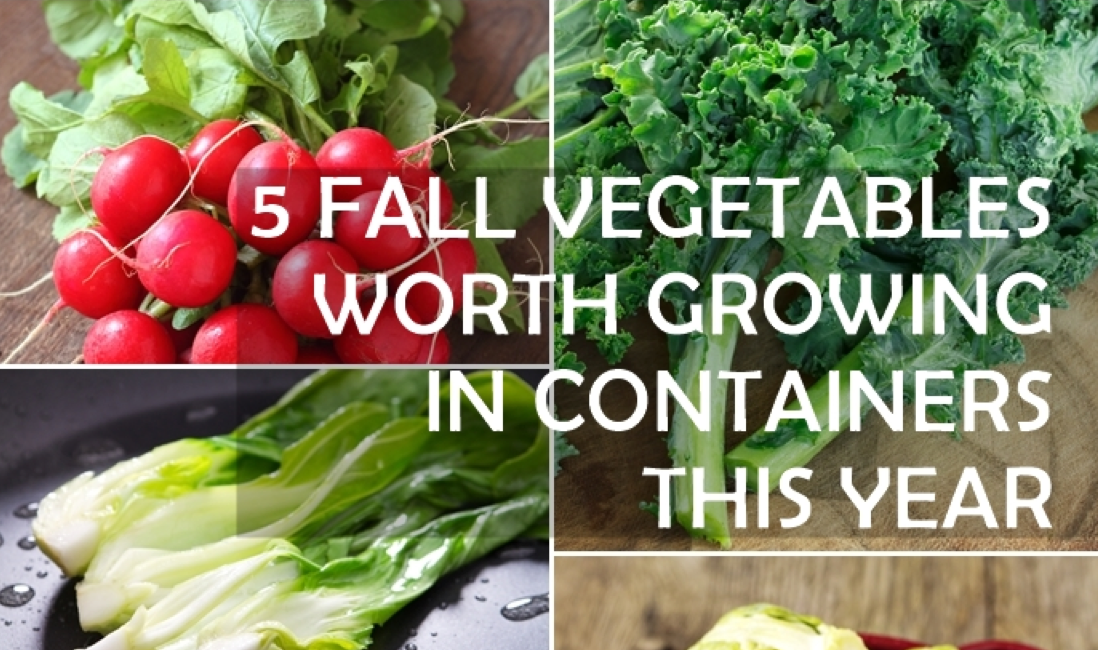
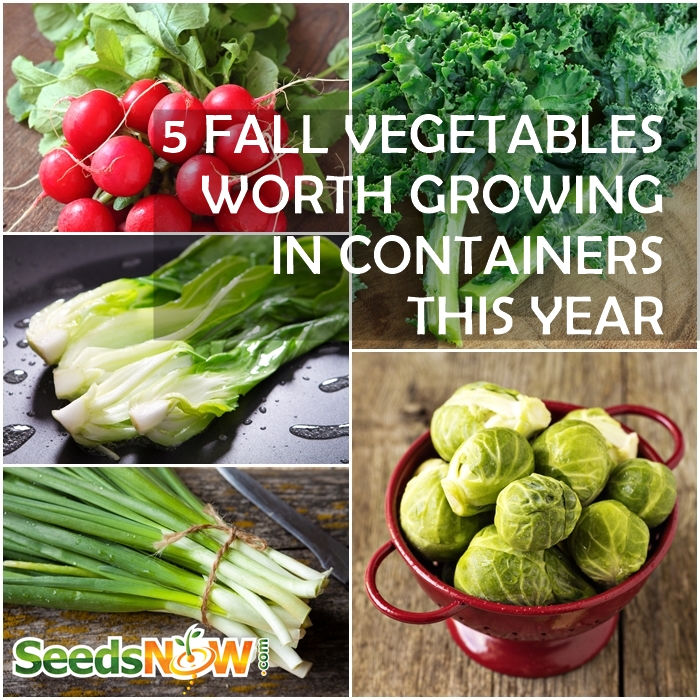
{Fall & Winter Season} 5 Cool-Weather Vegetables to Grow In Containers

This post was found from SeedsNow.com BLOG

5FALLCONTAINERVEGGIESX700
If you want to have vegetables to eat this fall, then you need to start planting in summertime. This might be your first time growing a fall garden, & these vegetables are a great place to start because they can all be grown in containers!

1. Radishes– The trick with growing perfect radishes, lays in the soil. Literally. Keep the moisture level of the soil close to that of a wrung out sponge. Don’t feel limited to growing common varieties like you’d find in the store. Try varieties like Japanese Minowase or Hailstone White radishes!

2. Kale– Kale is not only beautiful, but very tasty.  It will look great growing in a container! Keep the soil evenly moist and stop watering after the first frost.  You’ll be on your way to making healthy and delicious kale chips in no time! To keep with the theme of fall colors, try growing the Red Russian variety!

3. Bok Choy– Don’t let your soil get too soggy, and try staggering their plantings so you’ll have a new one to harvest every week or so. They love being fertilized every few weeks with an organic, time-released fertilizer.  They take less than 60 days to mature, and are great sauteed! Get Bok Choy seeds here!

4. Bunching Onions– The great thing about growing scallions or bunching onions in containers is that they are actually a perennial plant and will come back year after year if you leave a few behind. When you’re planting your bunching onions, don’t fill the pot completely full. As they grow, add a little more soil on top of the onions. The more plant that is under the soil, the more “white part” of the onion you’ll have at harvest time.

5. Brussels Sprouts– Plant your Brussels Sprouts in a deep pot, and place in full sun. One plant can produce up to 100 sprouts which is more than enough for several meals.  Start your harvest from the bottom of the plant up, as the ones closer to the ground will mature first.  Harvest when they are just smaller than a golf ball! We recommend Long Island Catskill Brussels!

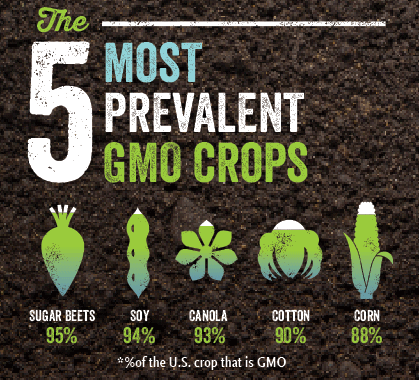
The Top “Dirty 5”. Time for you to GROW ORGANIC!

TOP 5 Source: Whole Foods Market:

UOG’ers know all too well about the top 5 Genetically Engineered crops grown and consumed here in the United States of America.

  1. Sugar Beets – A lot of people actually don’t know about this one.
  2. Soy – Yup!  Pretty much in everything.
  3. Canola – No Canola Oil in my kitchen.
  4. Cotton – Like the shirt you’re wearing,
  5. Corn – This chart says 80% but actually it’s a lot more than that now – probably closer to 93%.

The best way to stay away from GMO is to grow your own. Start a organic garden. Start seeds in 5 gallon containers. It’s not that hard.  Follow UOG on Instagram for tips and tricks.

Looking for NON-GMO seeds? Sources for Buying Non-GMO Seeds

A a great TED Talk on how you can grow your own food, regardless of your living situation.

“Britta Riley wanted to grow her own food (in her tiny apartment). So she and her friends developed a system for growing plants in discarded plastic bottles — researching, testing and tweaking the system using social media, trying many variations at once and quickly arriving at the optimal system. Call it distributed DIY. And the results? Delicious.” –http://www.ted.com

66 Things You Can Grow In Containers! No Excuses – Just GROW FOOD!

Heather Chapin from our Facebook page writes, “I have a tiny apartment and I’ve managed to grow 30 tomato plants, 3 flats of lettuce, peppers, green beans, sugar snap peas, avacado, basil, rosemary, potatoes and many more plants in just my kitchen and living room using the light that comes from three windows. Didn’t even have a grow light until just recently and I’ve had fresh veggies all winter long!” Check out the entire discussion here!

66 Things You Can Grow In Containers

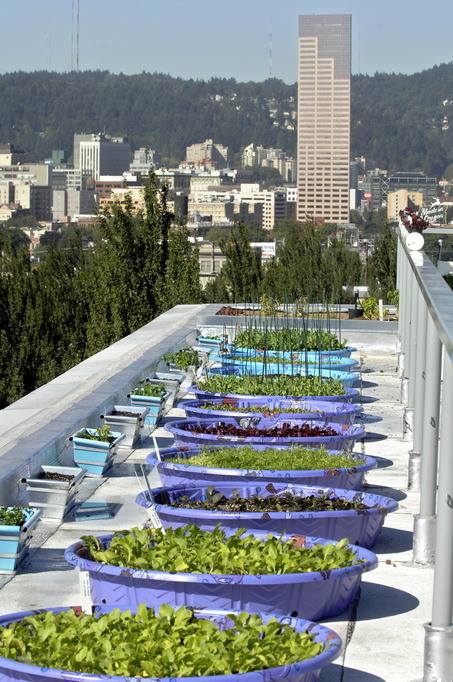
Urban Organic Kiddie-Pool Rooftop Garden

I don’t know about you guys but I think this is pretty badass!

The produce grown on the roof goes directly to a restaurant one floor down. The practices are innovative — like growing arugula in round kiddie pools to save space and resources — and sustainable.

1