PressDemocrat.com – If you like gardening, Santa Rosa is one of the best places in the country to be.
That’s the conclusion of a new nationwide survey that ranked Santa Rosa fourth in the nation for urban gardening. LawnStarter, an Austin, Texas-based lawn care company, compared 150 of the most populated cities in the U.S. for a variety of factors, including the number of garden clubs, community gardens and nurseries and the number of days of sunshine and length of the growing season.
Santa Rosa’s good scores placed it in the top tier, outranked only by three cities in The Sunshine State — Miami, Orlando and Tampa, Florida.
When it comes to the number of nurseries and garden centers per 100,000 residents, only Miami and Salem, Oregon, have better shopping opportunities for the green thumb crowd.
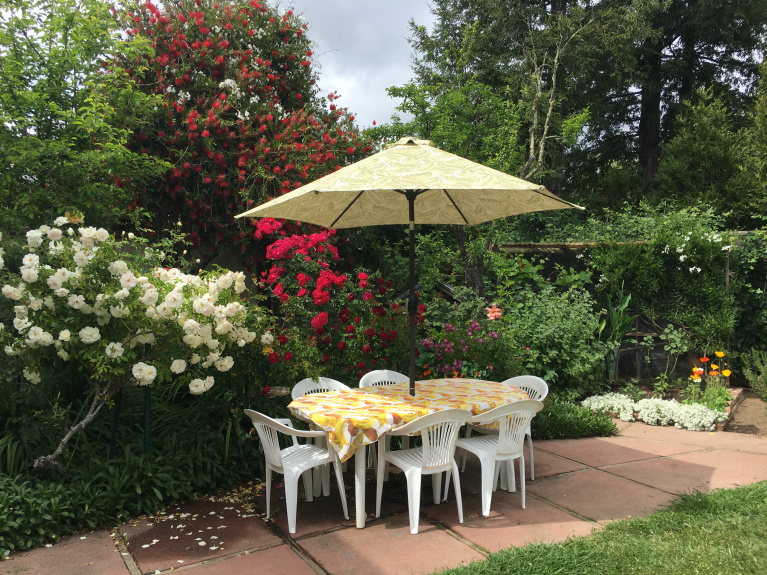
Julie Pritchard Wright’s San Rafael urban homestead is home to vegetables, fruits, flowers and chickens. (Photo by Julie P. Wright)
Julie Pritchard Wright grew up on her family’s two-acre property in the hills of Cupertino, where her father grew grapes and fruit trees, and kept bees and sometimes chickens, while her mother tended a large vegetable garden.
“Whenever I smell the scent of tomato leaves, I think of her,” Wright says. “She also grew many kinds of flowers, and I grow many of the same varieties.”
Wright considers her own 5,000-square-foot San Rafael garden as an “urban homestead” where she can cultivate a sustainable, organic and “locavore” lifestyle, and nurture plants that, in return, nurture her and teach her patience, observation and mindfulness.
In keeping with her lifestyle, Wright likes to line-dry her laundry, can and ferment her own foods, host sausage- or salami-making gatherings, practice no-till gardening and some permaculture principles, and plans to eventually replace her lawn with edibles and exchanges her homegrown produce with Marin neighbors at the San Anselmo Garden Exchange.
NOLA.com – When it comes to vegetable gardening, understanding the seasons and the proper time to plant various crops is so important to success. Although it certainly doesn’t feel like it, we are gradually transitioning into fall — and that affects what we can plant.
Cool fronts may begin to make their way into our area this month, bringing welcome relief from the heat. Still, daytime highs regularly reach the 80s and 90s well into October. During this transition period, warm- and cool-season vegetables rub elbows in the garden.
Dj Cavem Moetavation (Ietef Vitae) is all about seeds. He plants seeds in the soil to grow healthy food, sure, but he also plants the seeds of lifestyle change in kids. For him, these efforts are one and the same: they both hold the power to “sprout that life”—that life being a culture of wellness, for people and for the earth. He’s an urban grower, plant-based chef, educator, musician, and activist dedicated to healthier communities.
While he’s never been more certain that true success is health, that belief took lots of TLC. He grew up in the Five Points district of Denver, a historically Black neighborhood where processed food was wealth. You were cool if you came to school with a Big Mac, but kale? Not so much.
Ietef was raised to see this differently. With an artist-activist mother, he spent time as a kid around family and community elders who grew food. He considers himself lucky, because most of his peers didn’t get a chance to experience this kind of urban gardening at a young age—he recalls planting his first apricot tree at age three. He saw lines of folks waiting for government-assisted processed food at churches, but he also remembers eating pears, peaches, and watermelons from out of a neighbor’s pick-up truck.
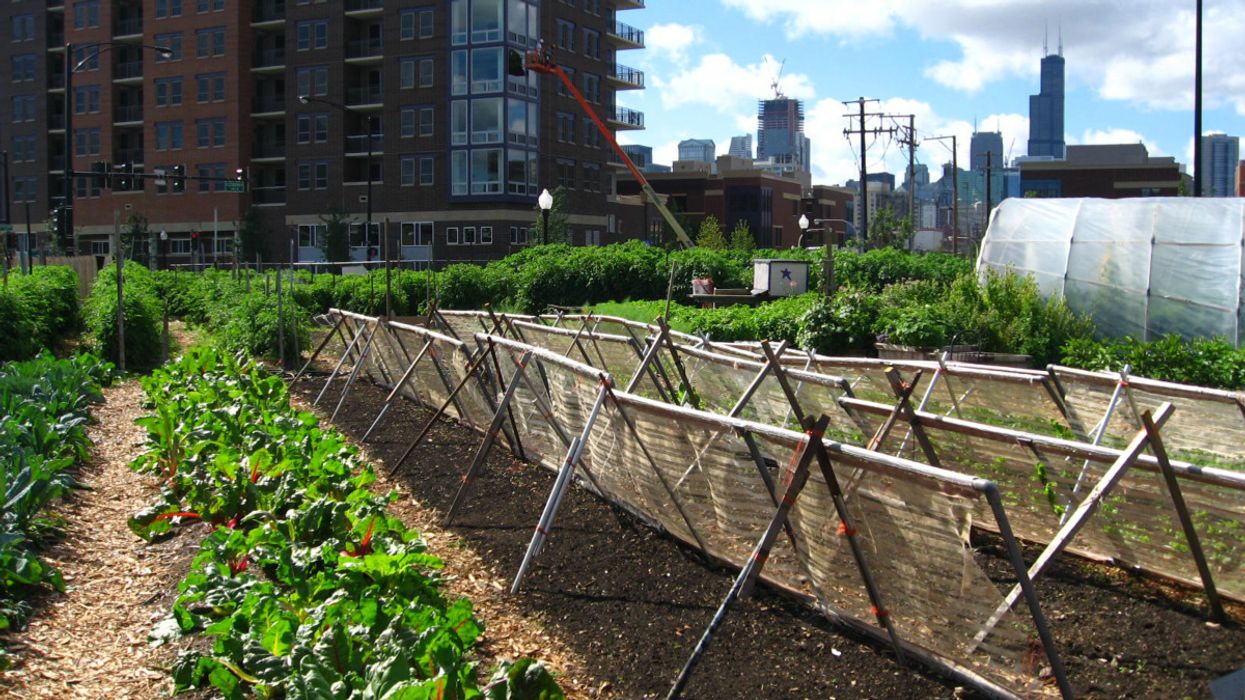
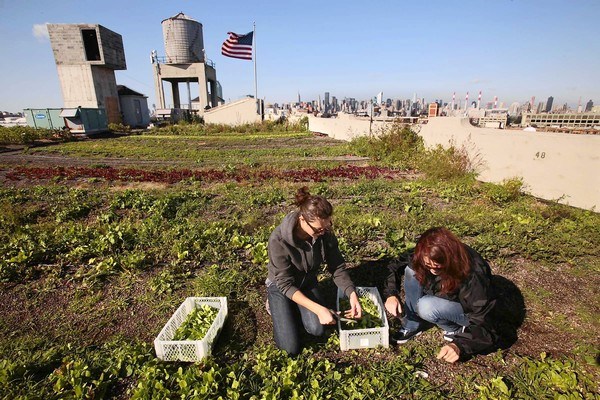
An example of urban farming is seen on this Chicago rooftop. Linda / Wikimedia Commons / CC by 2.0
EcoWatch.com – When I call Chef Q. Ibraheem to discuss urban farming in her own cooking career, she’s in the middle of placing an order for microgreens from a small farm in Lake Forest, a ritzy suburb just north of downtown Chicago. Now’s a great time for her to chat, actually, because the Chicago-based chef is immersed in what she loves, sourcing ingredients as locally as possible.
“It’s really important we know where our food is coming from,” she says. “I know my farmers by name. I can go to the farms, see how they are growing everything, see it in the soil. It’s always nice to have something within reach and know your product.” Chef Q runs supper clubs and chef camps throughout Chicagoland, sustaining the local economy by purchasing ingredients from urban gardens and farms within miles of her pop-up experiences.
“As a chef, you realize you have a responsibility to your guests,” she says, and for her, that responsibility means being transparent about ingredients, and even educating diners about what’s on their plates. Growing up spending summers on a farm in Georgia, Chef Q has an innate curiosity about where and how her food is grown, and she recognizes the importance of farms in both urban and rural areas.
MB.Com – Sometimes, a farm isn’t just a place where crops grow. Sometimes, it can be a place of conservation and rejuvenation.
Artana Farm & Eco-Sanctuary is one such place. Located in Iba, Zambales, Artana is a family-owned, non-commercial agricultural estate that includes various planted crops,farm animals, a guesthouse for rent, an area dedicated to the preservation of native trees, and various farm tourism activities.
“Artana is a portmanteau of our parents’ names, Arturo and Ana Achacoso,” says Beng Achacoso-Pascua, a freelance voice talent and retired network executive who owns the farm together with her mom and seven siblings.
“All our lives, we had always referred to our farm as ‘Zambales,’” she says. In 2014, after our father passed on, my seven siblings and I came together to vote on an appropriate name for our farm-which we all acknowledged as the retreat we all loved, and our parents’ legacy.”
READ THE FULL STORY AT: https://mb.com.ph/2020/09/06/family-farm-is-also-a-tree-sanctuary-and-a-home-for-rescued-taal-horses/
Stuff.co.nz – Yet another vibrant mural has sprouted in San Bernardino, this time with a community garden Loma Linda University and Huerta del Valle hope will foster wholeness around town.
Loma Linda University, meanwhile, provided an acre of land, water and financial support for the community garden, called El Jardín de la Salud.
Leaders hope the space promotes respect, unity, responsibility and justice.
Huerta del Valle, an Inland Valley group dedicated to encouraging community members to grow their own organic crops, hosts workshops, educational programming, urban farming and plots for personal gardening.
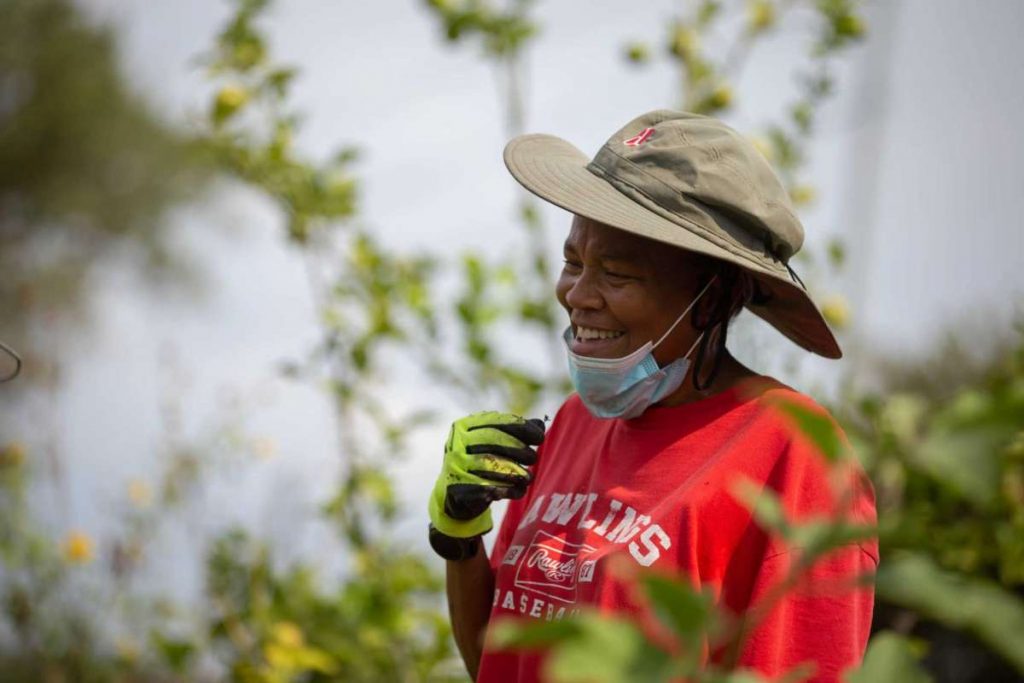
Dr. Sheri Smith is a professor of Urban Planning and Environmental Policy at Texas Southern University and a board member of Blodgett Urban Gardens. Her students first came to her with the idea of starting a community garden.
Sheri Smith is on a mission. It’s Saturday, which means it’s farm stand day at Blodgett Urban Gardens, the Texas Southern University community garden she leads in Third Ward.
Smith, who teaches urban planning and environmental policy at TSU, is wearing an oversize red Rawlings T-shirt; her eyes are darting left and right between her beige sun hat and face mask, surveilling the activity in the garden and the handful of volunteers tending their beds.
WeForum.org – Since lockdown, public interest in growing fruit and vegetables at home has soared. Seed packets are flying off shelves and allotment waiting lists are swelling, with one council receiving a 300% increase in applications. Fear of food shortages will have motivated some, but others with more time on their hands at home will have been tempted by the chance to relieve stress doing a wholesome family activity.
The seeds of enthusiasm for home-grown food may have been sown, but sustaining this is essential. Urban farming has much to offer in the wake of the pandemic. It could help communities boost the resilience of their fresh fruit and vegetable supplies, improve the health of residents and help them lead more sustainable lifestyles.
WSJ MAGAZINE – Linda Goode Bryant will be the first to tell you she didn’t know much about farming when she decided to open a community garden in Brooklyn, New York back in 2009.
“I have actually never been very good at putting seed in soil and watering it,” said Goode Bryant, an accomplished artist and filmmaker-turned-agrarian who founded Project EATS, a circuit of small plot, high-yield farms in New York City.
Determined to transform a local Brownsville lot into a sprawling farm, Goode Bryant endured a season of swiping her credit card to support her vision and relied on her trusty hammer and bucket for her daily chores. As community members slowly opened up to the farm and they began to lend their tools and their time. “That’s power,” Bryant said. “A belief in our own power to do for ourselves.”
SAVANNAHNOW.COM – Students at Savannah-Chatham schools will have more fresh veggies to eat this year thanks to a $100,000 grant the district recently received from the U.S. Department of Agriculture. They will also learn how vegetables are planted, grown and prepared for meals.
The grant is part of the national Farm-to-School program that encourages schools to start or augment their on-campus vegetable gardens and incorporate lessons from science, math, language arts and other core subjects into the project.
Even though the schools are open in a virtual-only format for now, Dorothy Dupree, district school nutrition coordinator, is confident she will still be able to do the program and work with students.
“Many of our in-person activities can be bumped to Year 2 or to the spring,” she said. ”[We are] definitely thinking of some creative ways to get materials out. A lot of the planned work in the fall is more behind the scenes stuff, so I am optimistic that key in-person student interactions we had planned for will not be impacted.
This article was produced by Earth | Food | Life, a project of the Independent Media Institute.
When I call Chef Q. Ibraheem to discuss urban farming in her own cooking career, she’s in the middle of placing an order for microgreens from a small farm in Lake Forest, a ritzy suburb just north of downtown Chicago. Now’s a great time for her to chat, actually, because the Chicago-based chef is immersed in what she loves, sourcing ingredients as locally as possible.
“It’s really important we know where our food is coming from,” she says. “I know my farmers by name. I can go to the farms, see how they are growing everything, see it in the soil. It’s always nice to have something within reach and know your produce.” Chef Q runs supper clubs and chef camps throughout Chicagoland, sustaining the local economy by purchasing ingredients from urban gardens and farms within miles of her pop-up experiences.
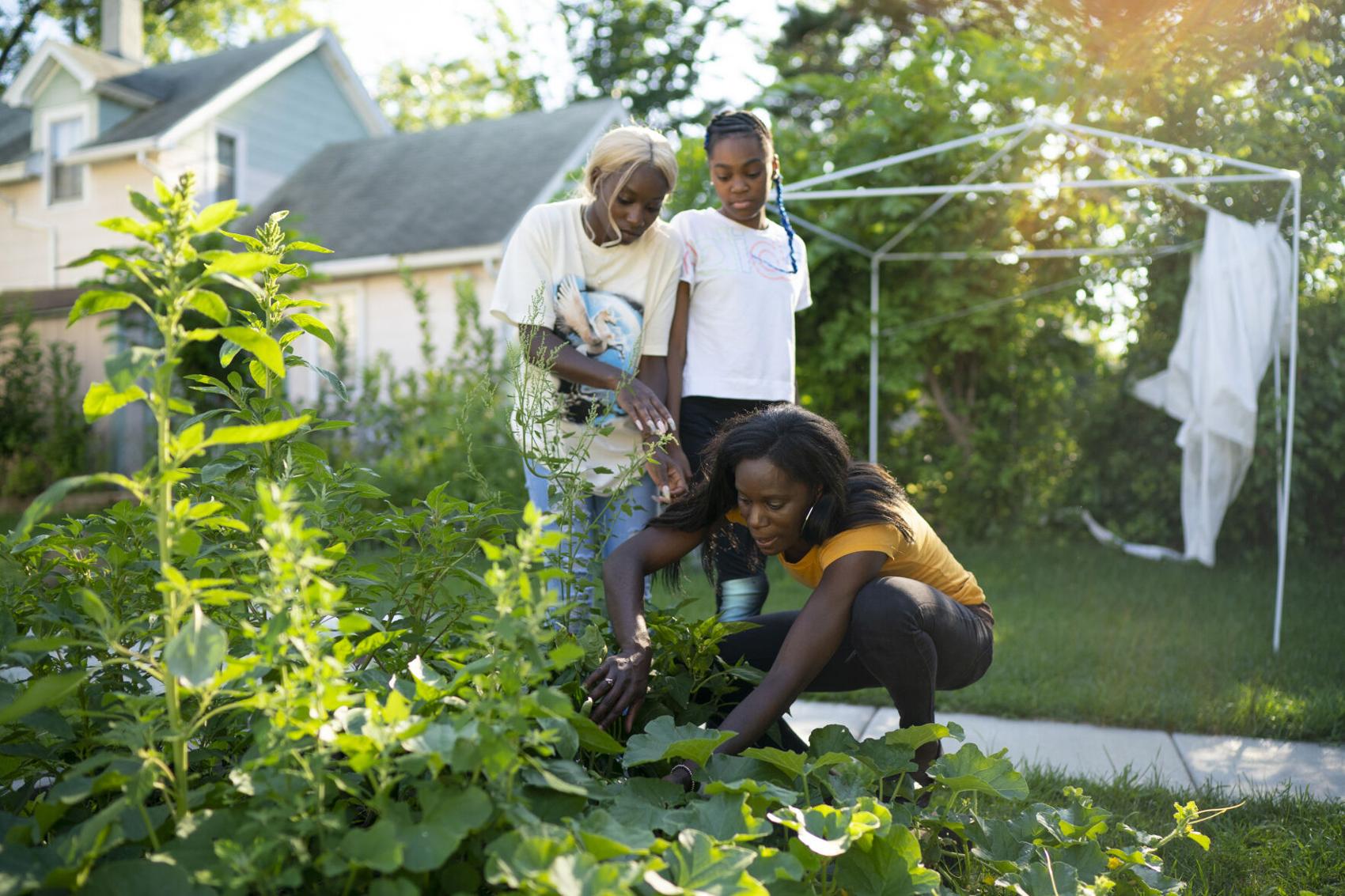
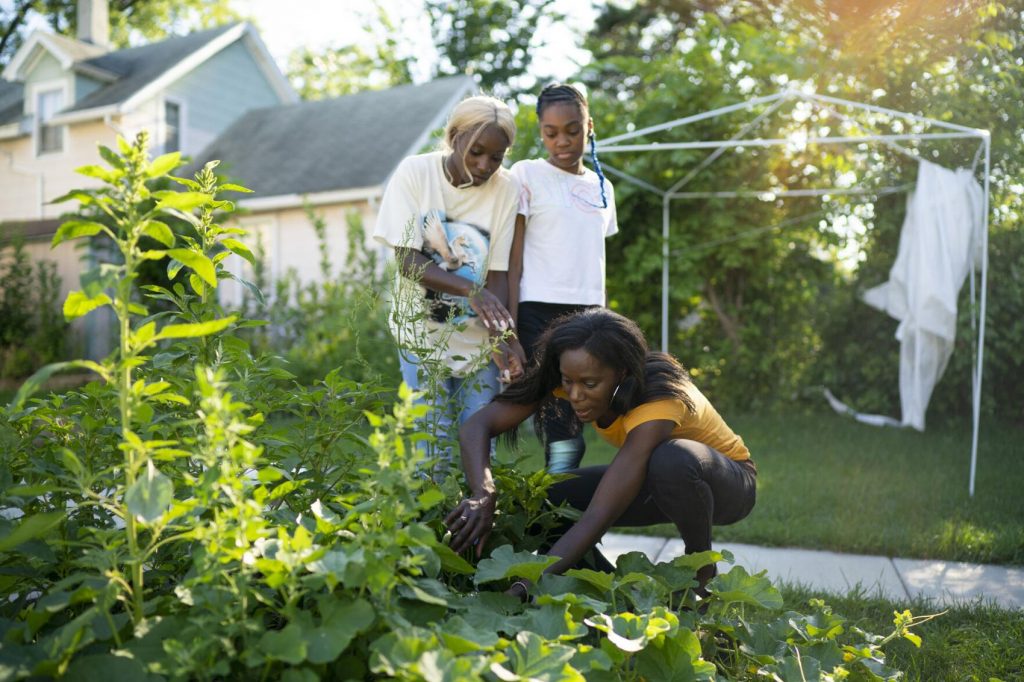
LeAndra Estis checked on the growth progress of vegetables in her backyard garden in St. Paul. Her daughters Quaia, left, and Lonna help in the garden and post their successes on social media. (Jeff Wheeler/Minneapolis Star Tribune/TNS)
MINNEAPOLIS — When a suspicious-looking sprout appeared in the St. Paul garden of LeAndra Estis, she plucked it. The willful plant popped up again. Instead of pulling it out a second time, the new gardener fired up Google. The would-be intruder was spinach.
“I kept thinking, ‘That’s not right,’ ” said Estis, who had never seen the leafy green emerge from the ground and was expecting the spinach she planted from seed to look more bushy, like the mustard and collard greens she watched grow as a child.
In Minneapolis, Christopher Lutter-Gardella faced a different problem. He had to sow peas several times because his plants were getting chewed down at the base from some unseen force.
“Florida may be known as the Sunshine State, but it deserves another nickname — the Gardening State (not to be confused with New Jersey, the Garden State). Three cities in Florida are at the top of our list of America’s Best Cities for Urban Gardening, and another three Sunshine State cities finished in the top 12.
Another sunny state — California — boasts two cities in the top tier.
What about the four other cities in the top 12? Well, they might be as surprising as a rose bush blooming during the winter in Minneapolis.
LawnStarter ranked the 150 biggest cities for urban gardening because tending to herbs, vegetables, and fruit trees is especially popular during the coronavirus pandemic.
With more of us stuck at home, gardening gets us outside. It also provides food security at a time when store shelves are running bare.
So, what are the best U.S. cities for urban gardening? CLICK THE LINK BELOW!”
In urban areas like New York City, green space might be limited, especially at apartments and brownstones. This can mean you might have to get creative if you’re surrounded by concrete and want to grow a garden. Plus, soil contamination is a big problem all over New York. So, it’s important to consider health and safety in your growing endeavor.
Fear not, lots of New Yorkers nurture flourishing gardens. These tips and ideas should help you get growing.
Considering Soil Contamination – Important Safety Tips
Unfortunately, soil in urban garden areas might contain toxic chemicals or pollutants. As such, exposure to and contact with these contaminants can pose health risks for people of all ages. However, young children are especially at risk because they are more likely to play with the soil and even put it in their mouths.
Furthermore, eating food grown in contaminated soil or putting your hands in your mouth after touching it, can cause health problems. So, first and foremost, monitor children’s actions when they are in an urban garden and make sure they (and you) avoid doing these things.
“Food insecurity is an all too real problem for many in our state, and it only got worse due to the recent pandemic. It stems from many issues: lack of money to afford food, food deserts where grocery stores simply don’t exist, and even where things like convenience stores are an option, fresh foods aren’t available or are too expensive to purchase.
Add to that school’s closing due to COVID-19, cutting access to free meals for students who needed it (though many schools went above and beyond to try to get that food to their students and families), and we are in the midst of a crisis.
Fortunately, there are several individual and organization leaders who are cultivating new ways to both provide access to fresh food and access to the community, including Growhaus, Fresh Food Connect, and SummerHom Garden.”
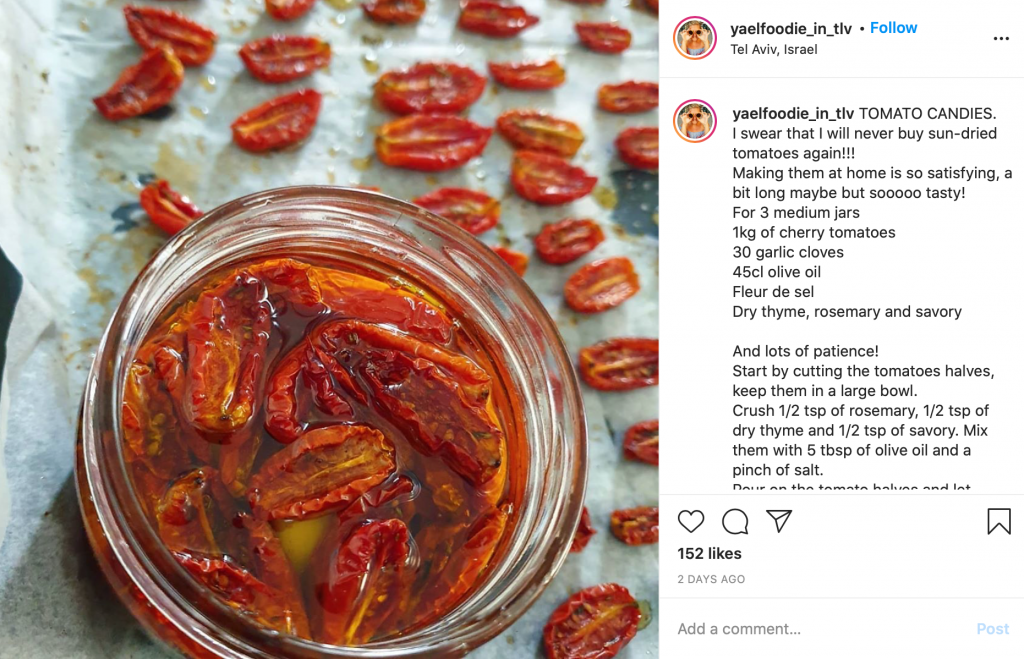
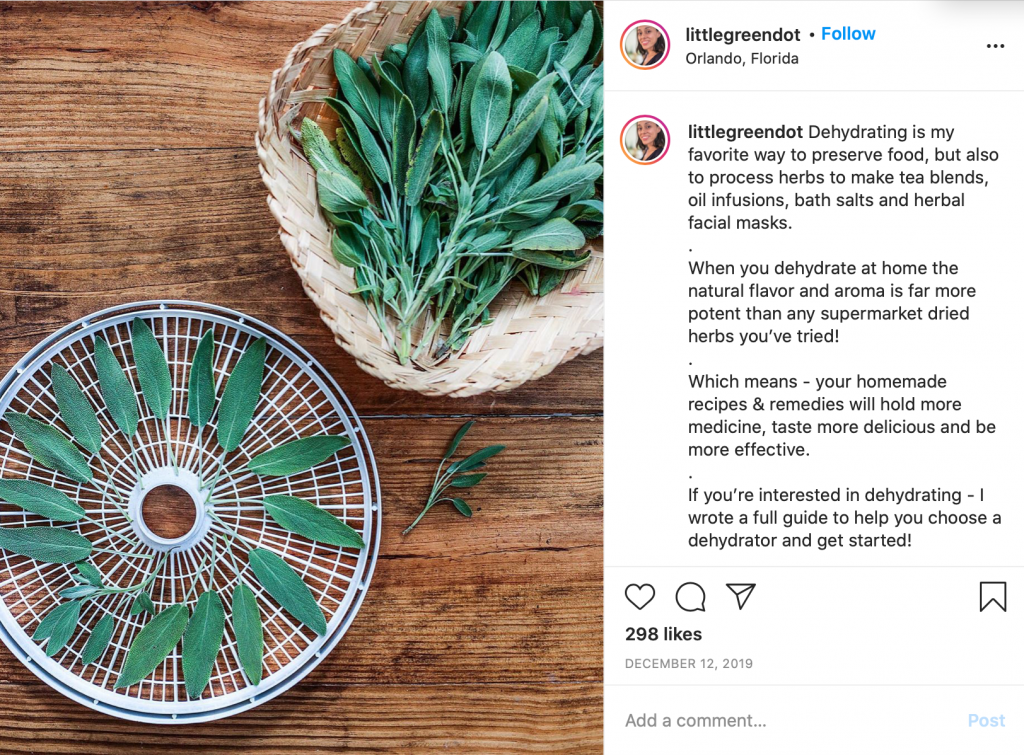
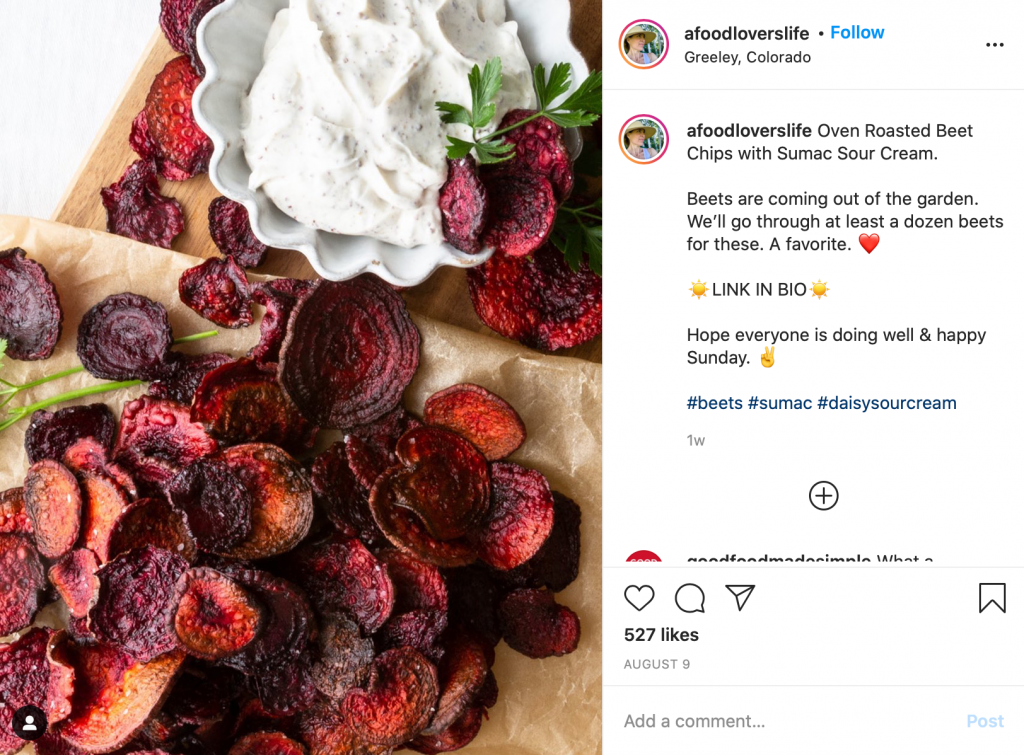
Summer is coming to an end, and your gardens are bursting with produce! It’s time to break out your dehydrator to start preserving your fruits, vegetables, and herbs so that you can enjoy them later on in the season or throughout the fall and winter months.
Here are some of our favorite Instagram posts that deliver awesome dehydrated food inspiration!
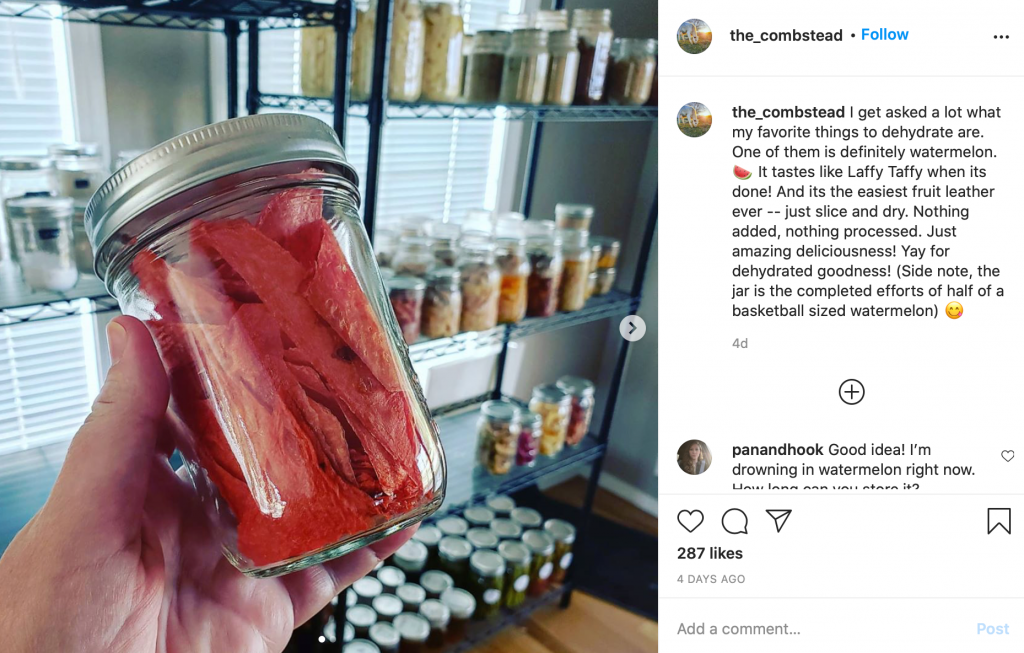
Dried “watermelon jerky” or watermelon candy is a sweet and delightful treat! It’s chewy like taffy and the flavor is reminiscent of a watermelon Jolly Rancher. Generally, you can be enjoying this homemade snack in 24 hours or less.
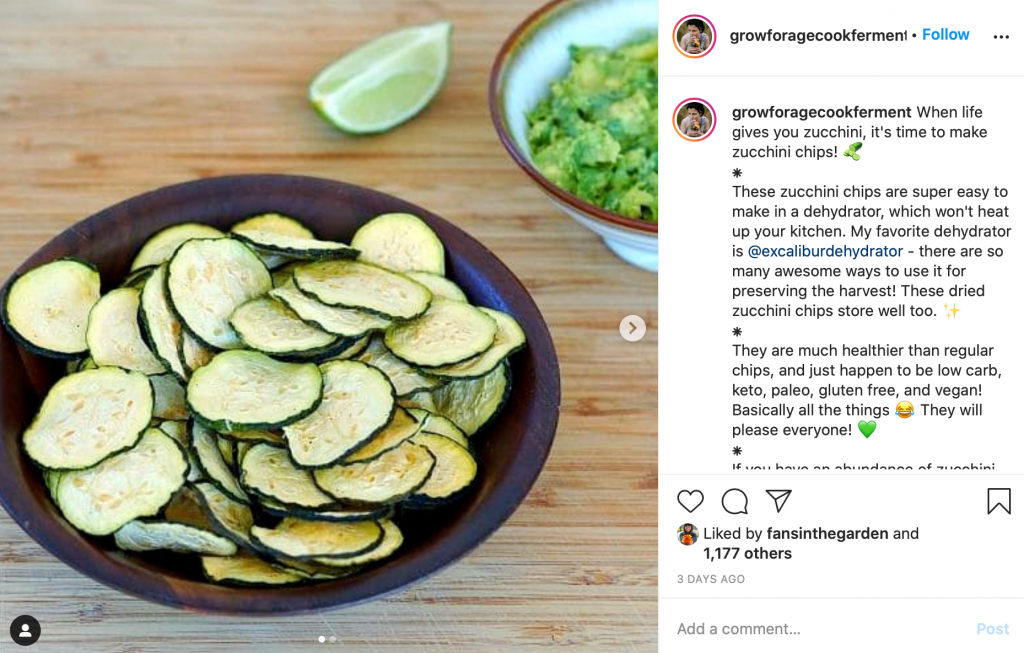
Skip the fatty potato chips and crunch on these! Zucchini chips can be seasoned with your favorite flavors and are completely guilt-free, so snack away!
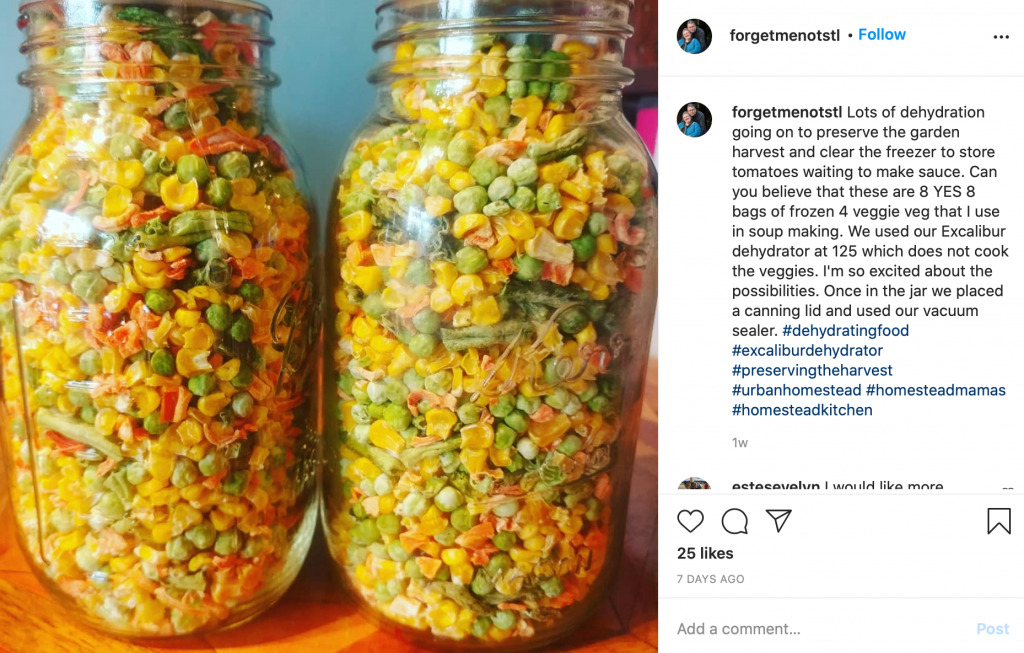
Let us introduce you to this meal-prepping hack! Dehydrate your mixed veggies and then freeze for long term storage. Make sure to use your vacuum sealer before sealing them away.
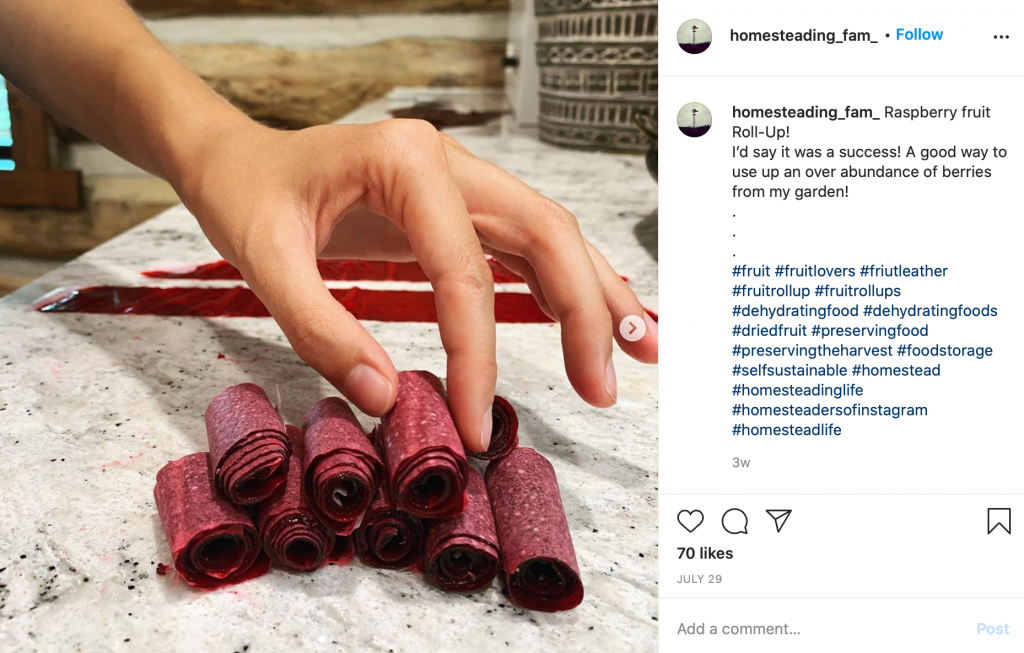
If you have kids, this one’s for you! You’ll feel great about feeding your kids this healthy treat without any added sugar, colors, or preservatives. You’ll never buy store-bought fruit roll-ups again!
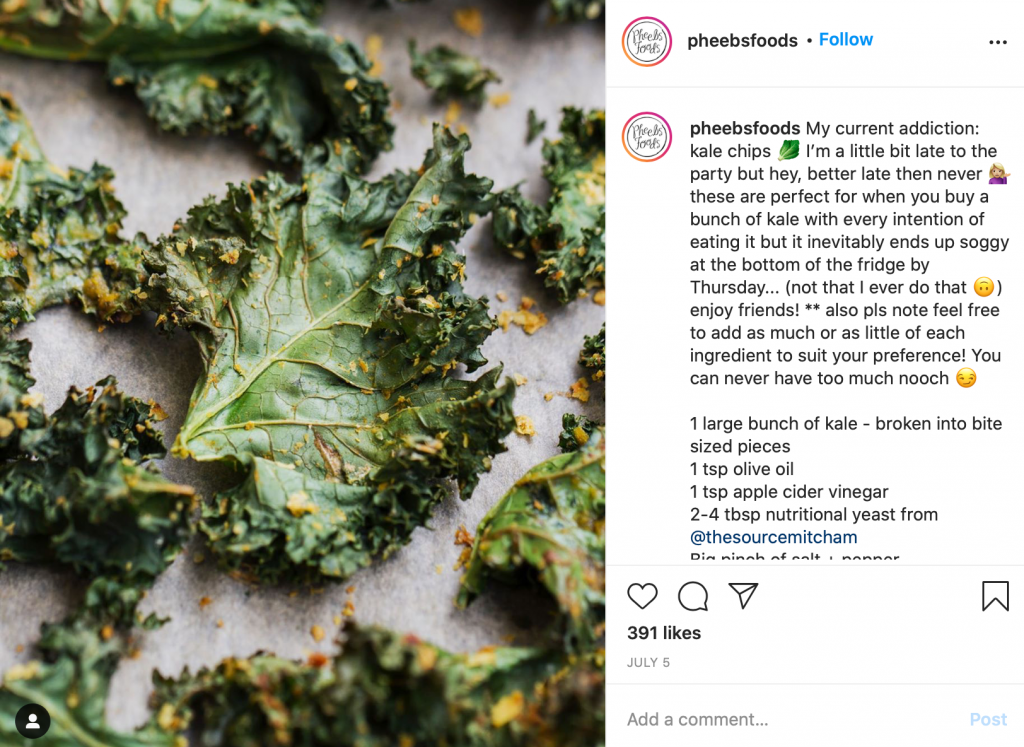
This light and flavorful snacks will satisfy your cravings for potato chips. Coat them with your favorite flavors and never let another leaf of kale from your garden go to waste.
“Way back in March, definitely after 15 Days to Stop the Spread; maybe during 30 Days to Stop the Spread, when we were all heading toward the realization that we had no real plan to stop the spread, I ordered a window-garden flower starter kit.
This wasn’t my inaugural attempt at urban gardening. Last year, in my first stab at growing things, I’d gone to Home Depot for tomato and eggplant and pepper plants and put them in pots on my roof deck.
This year, though, I wasn’t sure that I’d be able to go shopping, or that anyone would be able to go anywhere. Better safe than sorry, I thought.
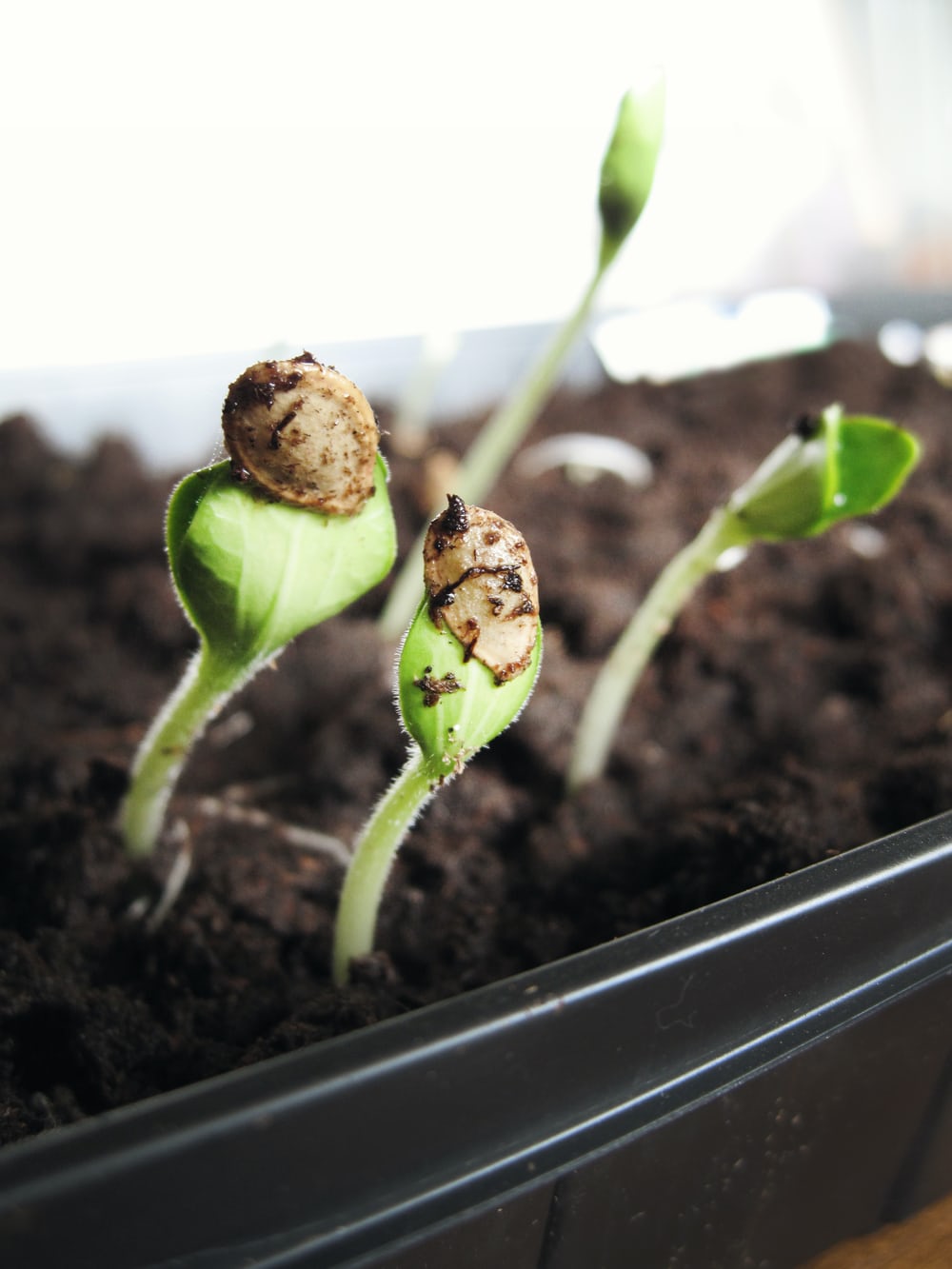
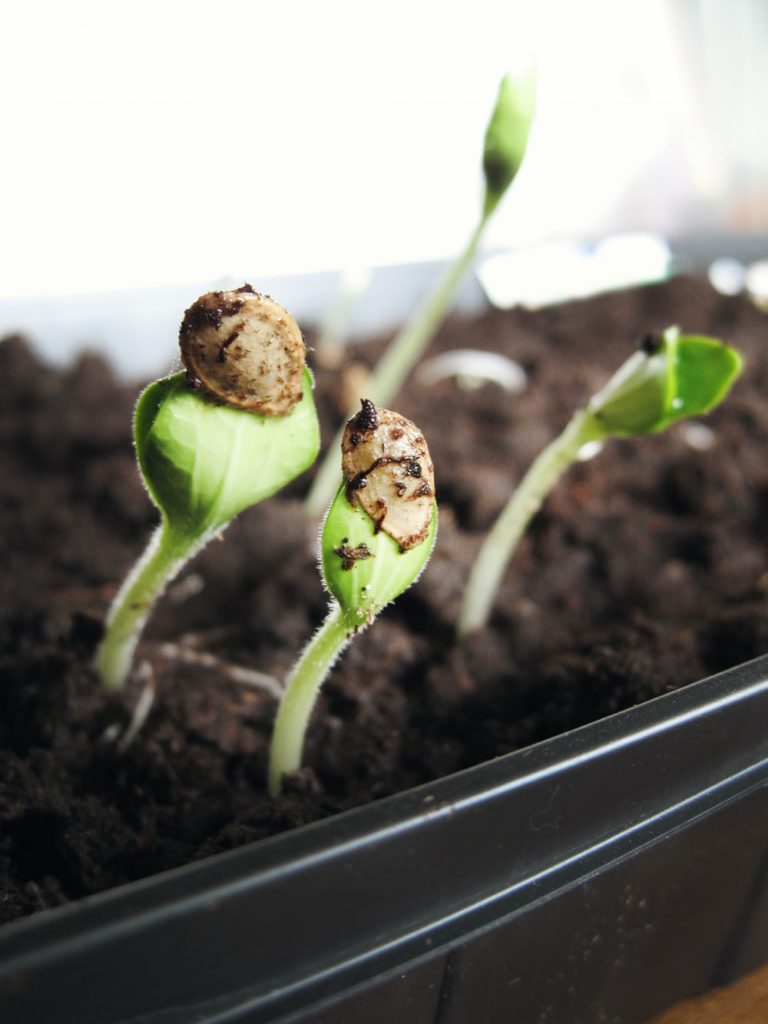
When the kit arrived, I soaked the seeds overnight. In the morning, I pushed them deep into their little cylinders of soil. I left them on the windowsill. The next morning, tiny shoots of green had poked their way into the world. It felt like a miniature miracle.”
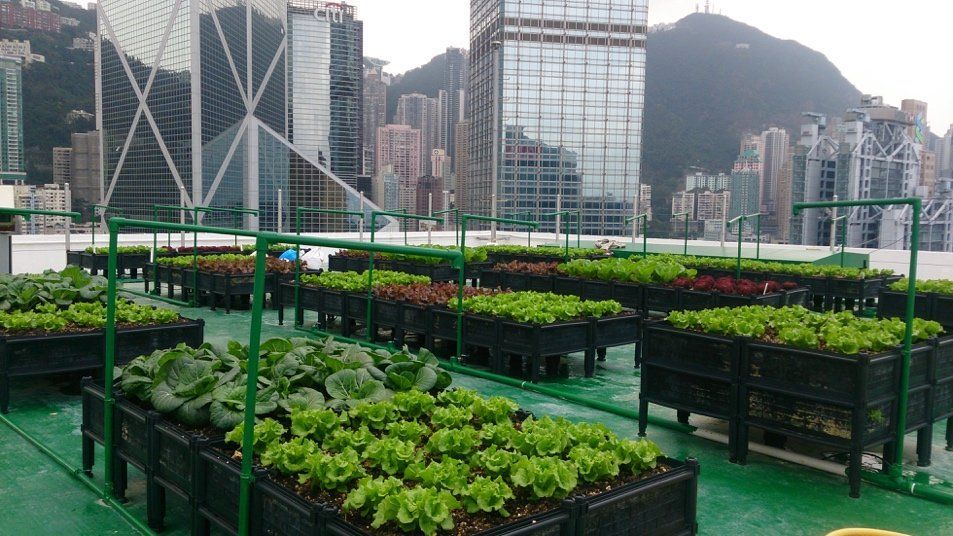
Roofs with vegetation are widely believed to extend roof life, conserve energy, and reduce stormwater runoff and air pollution; new studies show they can also boost the performance of solar panels. Plants reduce a roof’s contribution to the urban heat-island effect by lowering the surrounding air temperature through evaporation; this cooling can also make photovoltaic panels perform more efficiently. Plants also reduce airborne pollutants and dust particles, allowing the panels to absorb more sunlight.
GSFI CEO Madeline Cammarata comments, “In the last few years, rooftop gardening has been growing exponentially. The opportunity and necessity to grow crops on rooftops and inside tall buildings allows for efficient use of the limited space found in cities and we have the infrastructure in place to begin cultivating these structures alongside and even within a select group of our current projects.”