D.C. Urban Gardens Flourish In The Pandemic As People Dig In To ‘Fill The Isolated Life’

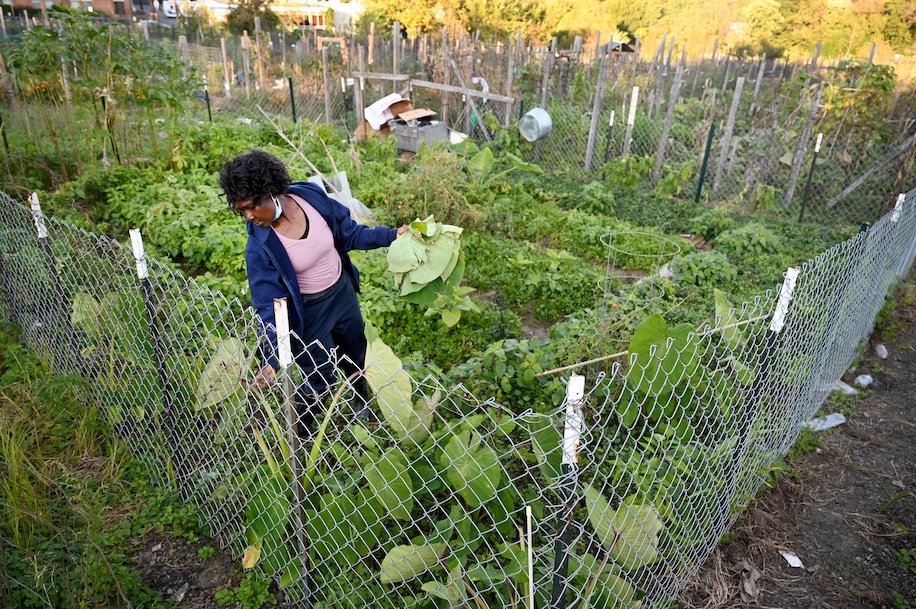
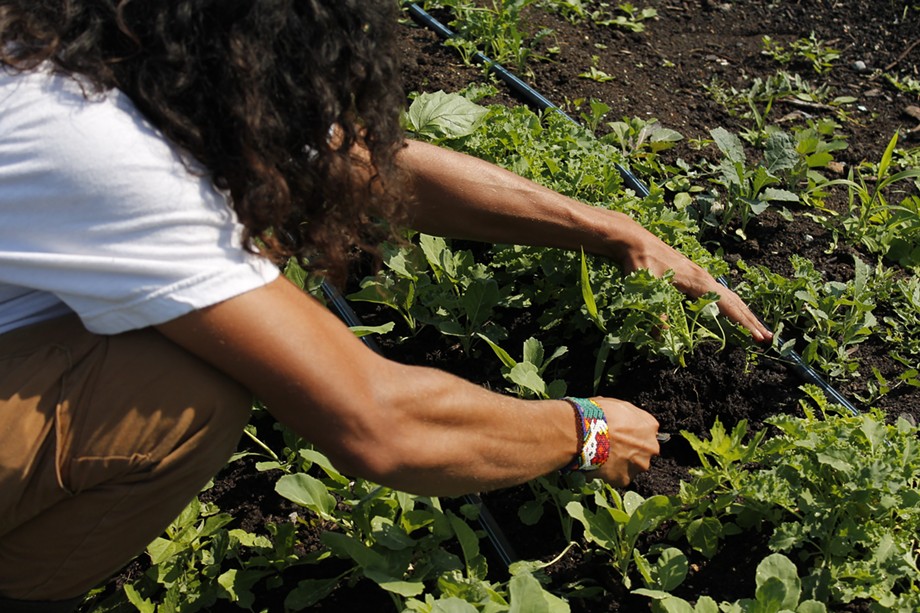
Victorine Mbazang harvests greens from her plot at Blair Road Community Garden. (Katherine Frey/The Washington Post)

WASHINGTONPOST.COM -Victorine Mbazang proudly stands in a sea of green fruit and vegetable plants at her plot at Blair Road Community Garden in Northwest Washington’s Manor Park.

“This garden is very important to me, like my grandbaby,” said Mbazang, 50, who has grown produce such as waterleaf, similar to spinach, since she moved to D.C. from Cameroon five years ago.

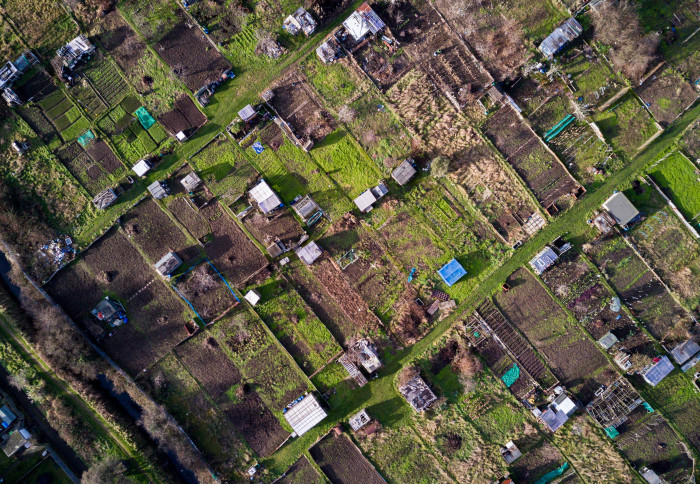
Mbazang is part of a swelling group of Washingtonians who grow produce in the city’s 68 community gardens, which offer free plots of fertile land. Many gardens have years-long waitlists and have become even more in-demand during the pandemic, as people are stuck at home, and many are looking for new, healthy hobbies.

READ THE FULL STORY: https://www.washingtonpost.com/lifestyle/2020/10/09/dc-urban-gardens-flourish-pandemic-people-dig-fill-isolated-life/

Why Fall Gardens Need Compost And Amendments

LA TIMES – So you likely spent a bundle on preparing your first victory garden last spring, with organic potting soils, compost and manures. Why should you have to go out to buy more for your cool-weather garden this fall?

Because the veggies you planted last spring devoured those beneficial microbes, said master gardener Yvonne Savio, creator of GardeningInLA.net, and your depleted soil needs another jolt to feed the greens and other goodies you want to grow this fall.

“The plants you grew this summer sucked up the energy and nutrition you put in your soil, just like it sucked up the moisture you put in the ground,” Savio said. “It’s like asking, ‘I ate dinner last Sunday. Why should I have dinner again this Sunday?’”

Like most garden experts, Savio preaches the benefits of feeding your soil, not your plants. In other words, forget about fertilizers and concentrate on building healthy, nutrient-rich soil.

READ THE FULL ARTICLE: https://www.latimes.com/lifestyle/story/2020-10-01/why-fall-gardens-need-compost-amendments
Grow Food, De-stress: Rooted Offers Corporate Employees Micro-Learning Urban Farming Platform

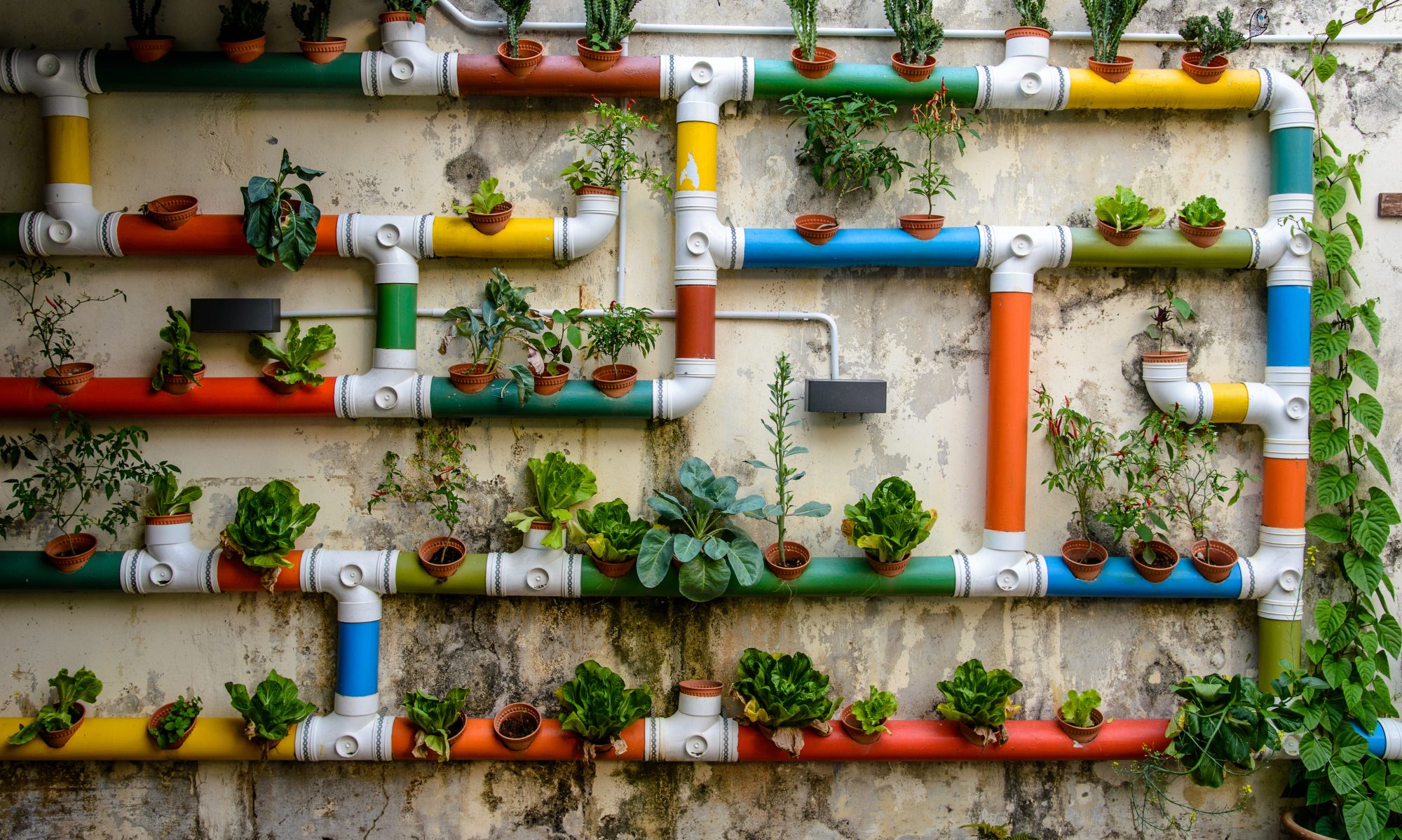
GreenQueen.com – Agtech startup Rooted wants to make urban farming the new corporate hobby with its new micro-learning platform, which offers users the tools and skills they need to grow their own food at home. Launched amid the coronavirus pandemic at the agri-food conference Future Food Asia 2020, which has led most of us to rethink food safety and health, the first-of-its-kind global farming hub will offer bite-sized and interactive information with input from farming experts so corporates can engage their employees to cultivate fresh produce at their own pace.

“We realized people were weary of endless webinars and Zoom meetings, we wanted to create something bite-sized and interactive,” said Nicola Kerslake, co-founder of Contain Inc.

Isabelle Decitre, the co-founder of ID Capital, added that because Rooted is designed for all individuals, it makes it the perfect platform for corporate wellness and sustainability programs to engage workforces in activities that are particularly pertinent to the global issues of today – health and the environment. 

“Farming is a fantastic way to bring together employees in a positive project. With Rooted we are pioneering new, social, ways of learning,” Decitre explains.

READ THE FULL ARTICLE: https://www.greenqueen.com.hk/grow-food-de-stress-rooted-offers-corporate-employees-micro-learning-urban-farming-platform/

10 Influencers and Instagram Accounts to Follow for Gardening Advice

We don’t just turn to Instagram to stalk our favorite celebrities and social influencers to find out what they’re wearing, eating or where they hang out. Instagram also has a bevy of great accounts that celebrate and share knowledge about the dirty but glorious world of gardening.

So, for those who’ve started to dabble in urban gardening during the pandemic lockdowns, we’ve rounded up a list of 10 gardening accounts to provide you with the ultimate inspiration for plant cultivation. You’re welcome!

FOLLOW THESE TOP 10 INFLUENCERS NOW: https://ecowarriorprincess.net/2020/09/10-influencers-instagram-accounts-gardening-advice/

Urban farm grows fresh produce and sense of community

John Roark / Post Register

Post Register: Claudia Pine spent Wednesday morning at Happyville Farm digging up carrots, picking tomatoes and washing cucumbers. By the time she was done, Pine had 58 pounds of fresh vegetables that were separated into one-pound bunches. Each family who visited the Community Food Basket – Idaho Falls that day was given one.

“Fresh, farm-raised produce is good for you. We are trying to provide people with the most nutritional food we can. People can then incorporate this fresh produce into their packaged food to help them go farther and make those meals healthier,” Ariel Jackson, executive director of the Community Food Basket – Idaho Falls.

Happyville Farm is a large garden just over one acre in size tucked into a neighborhood west of downtown at 600 S. Saturn Avenue. The farm is an offshoot of the Community Food Basket that Food Basket volunteer Pine dreamed up six years ago. This autumn she is reaping her first harvest.

READ THE FULL ARTICLE: https://www.postregister.com/news/local/urban-farm-grows-fresh-produce-and-sense-of-community/article_4679d34e-4832-5b8f-98ed-667a2d5d2193.html

Tomato Seed Saving Tips and Tricks

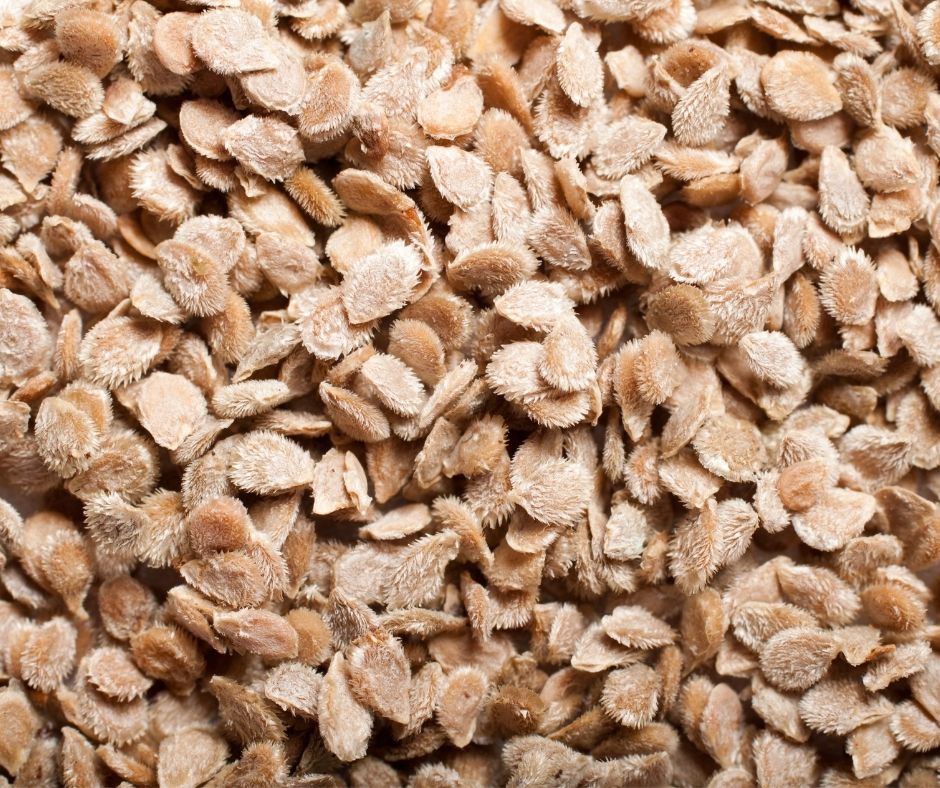
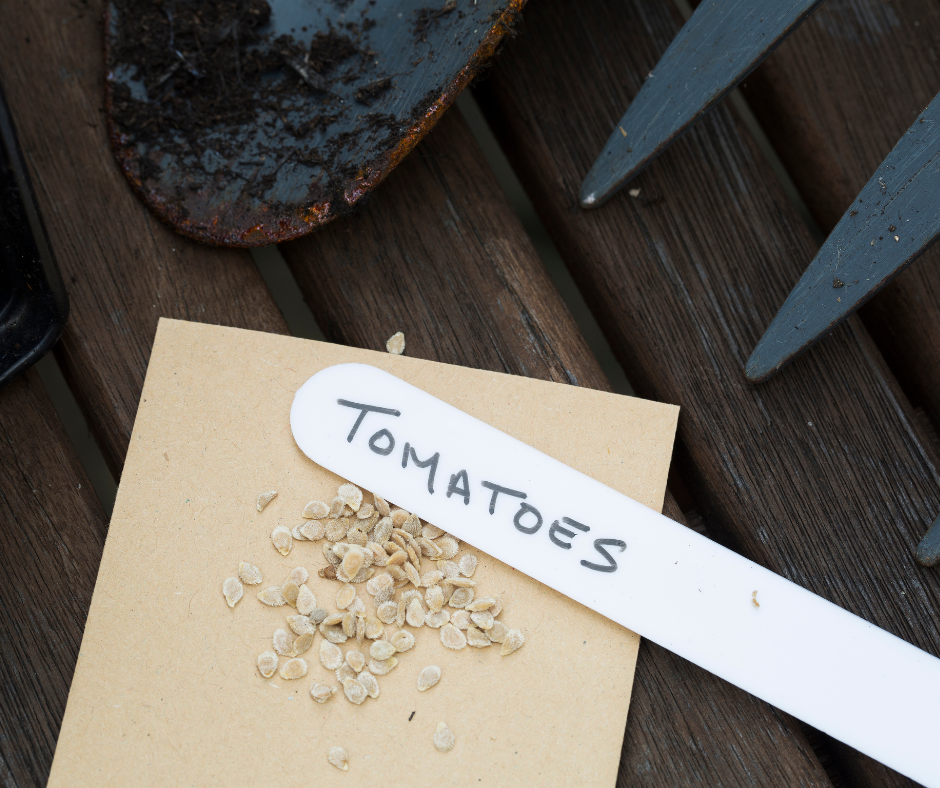
Saving tomato seeds is a popular tradition amongst most gardeners. They take their most prolific plants, and favorite varieties and pay special attention to harvesting seed for the following year.

Hybrid vs. Heirloom and why it matters: Hybrid plants are a combination of two different sets of genetic material. If a hybrid tries to mate with another plant, even another plant of the same hybrid type, it may not be able to produce any fruit at all and will usually fail to show the desired characteristics of the mother plants. For example, if a large-fruited, disease-resistant tomato plant were allowed to mate with another similar plant, the offspring might have small fruits and lack disease resistance – the benefits of creating the hybrid, to begin with, would have disappeared in producing the next generation.

Heirloom varieties have been passed down from generation to generation and have stabilized over time. They will produce fruit true-to-type, like that of that plant it came from. Repeat variety and quality can be expected as long as you avoid any cross-pollination. Learn MORE About Hybrid vs. Heirloom Plants

There are several ways that you can save your heirloom tomato seeds, but here are two of the most popular techniques. 

Fermentation Method:

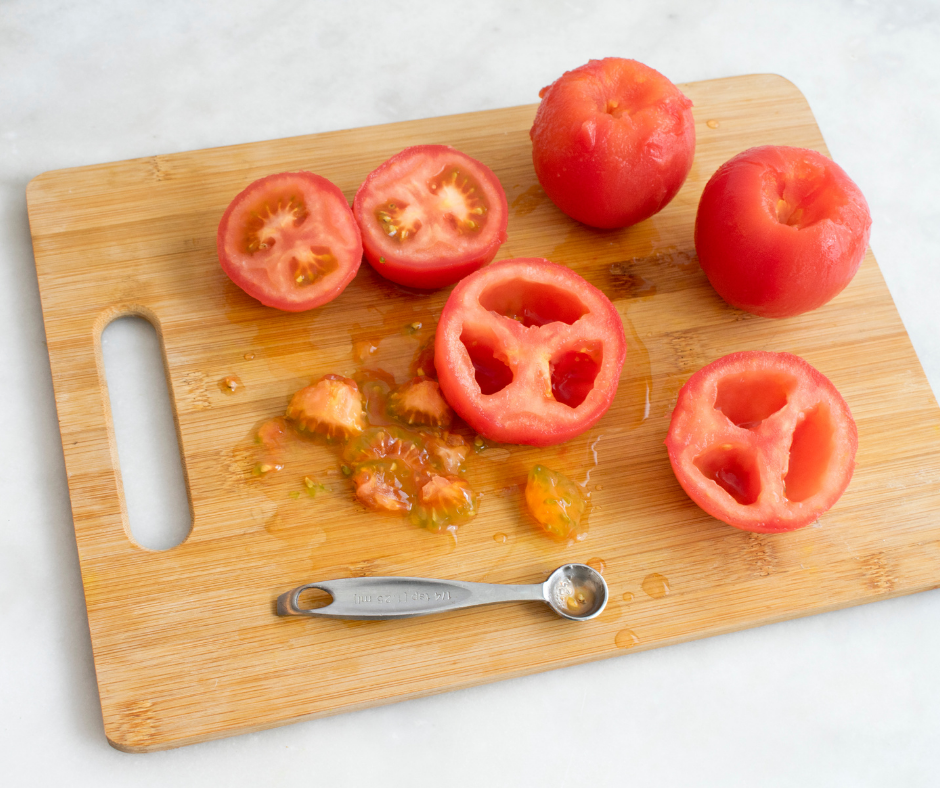
  1. Choose a beautiful, healthy fruit that is slightly over-ripe.
  2. Slice open.
  3. Gently squeeze seeds into a cup.
  4. Add a small amount of water, just enough to cover the seeds.
  5. Cover the cup with a kitchen towel and make sure they don’t dry out. Let ferment for 3-7 days. (Mold will begin to grow, this is normal and expected.)
  6. Rinse well, and allow to fully dry on a paper towel.
  7. Store in a cool, dry place such as an airtight bag or seed vault.

Non-Fermentation Method:

  1. Choose a beautiful, healthy fruit that is slightly over-ripe.
  2. Slice open.
  3. Gently squeeze seeds onto a paper towel.
  4. Let fully dry for about 1 week.
  5. Store in a cool, dry place such as an airtight bag or seed vault.


Can small pieces of land bring neighborhoods together? Milwaukee urban garden, community education center proposed.

Michael Sears

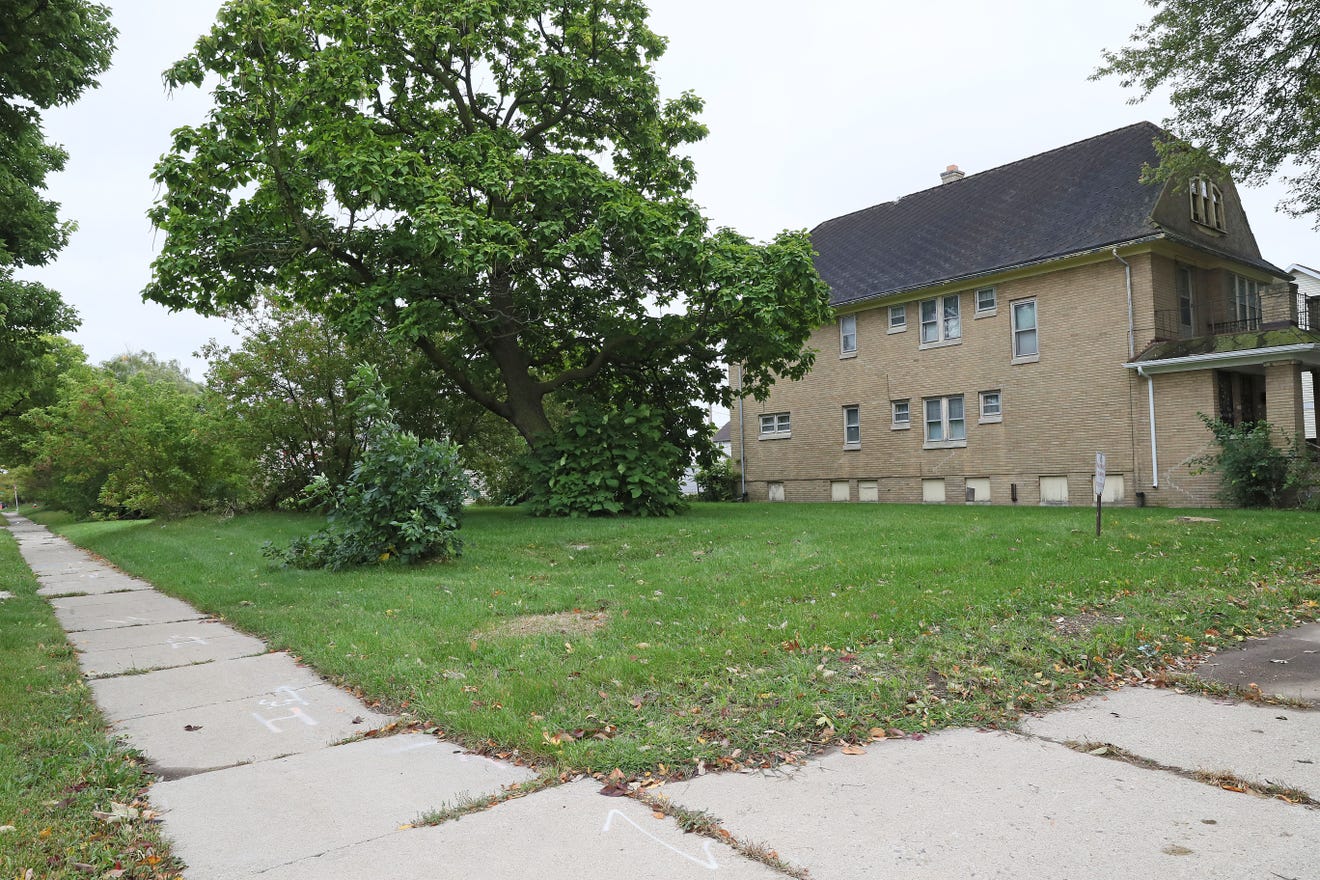
JSOnline: An urban garden and community education center is being proposed for a central city site northwest of downtown Milwaukee.

It would be developed on a 9,000-square-foot vacant lot, south of West Walnut Street between North 14th Lane and North 15th Street, by Venus Consulting LLC, according to a new Common Council resolution.

That resolution calls for selling the city-owned lot for $1 to Venus Consulting, which a Department of City Development report describes as community advocacy, activism, and education organization.

READ THE FULL STORY: https://www.jsonline.com/story/money/real-estate/commercial/2020/09/28/milwaukee-urban-garden-community-education-center-proposed-central-city/3559624001/

Amid COVID-19, Urban Growers Collective distributes nearly one million pounds of produce

ADAM M. RHODES

We’re now in the eighth month of the COVID-19 pandemic, and millions are struggling to maintain their incomes and housing. But even before the pandemic started, one Chicago nonprofit, the Urban Growers Collective, was working to address residents’ struggles to access another basic necessity—fresh, healthy food—and the current crisis has only emboldened that work.

From mid-March to the end of September, the group delivered nearly one million pounds of produce to more than 25 partner organizations across the city, including Howard Brown Health on 63rd, Grow Greater Englewood, and West Side Mutual Aid, says UGC development associate Brandon Lov. That number, Lov says, includes produce boxes UGC delivers directly, as well as deliveries the group coordinates with its partners, including prepared meals and boxes of fresh produce, dairy and meat as part of the U.S. Department of Agriculture’s Farmers to Families Food Box program.

READ THE FULL STORY: https://www.chicagoreader.com/chicago/amid-covid-19-urban-growers-collective-distributes-nearly-one-million-pounds-of-produce/Content?oid=83220311

Urban agriculture ‘not gonna feed the world,’ but has much to offer close to home

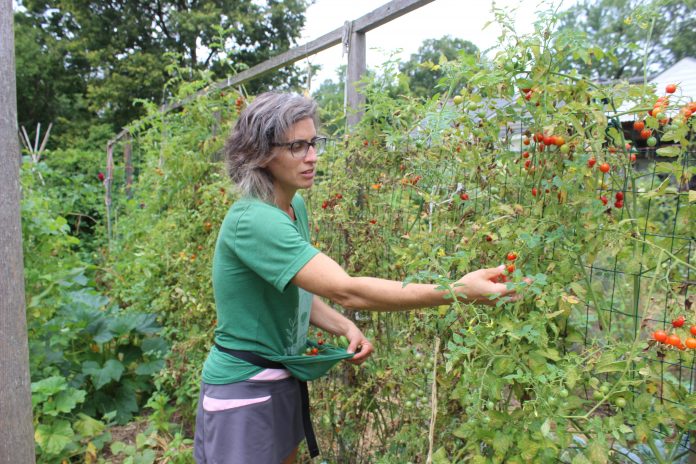
Jodi Kushins, of Over the Fence Urban Farm, in Columbus, picks cherry tomatoes at her farm Aug. 27. (Sarah Donaldson photo)

COLUMBUS — Jodi Kushins, of Over the Fence Urban Farm, knows she doesn’t grow a lot compared to some farms. She feeds about 20 households through her CSA program, with 2,500 square feet in her yard and her neighbor’s yard.

“It’s like a drop in the bucket,” she said. “Seeing a semi truck full of produce and then thinking about the very, very tiny amount of food I’m able to produce in my yard definitely gives me pause.”

READ THE FULL STORY: https://www.farmanddairy.com/news/more-than-a-token-urban-agriculture-not-gonna-feed-the-world-but-has-much-to-offer-close-to-home/626629.html

Urban poor families set up food gardens to cope with hunger amid pandemic

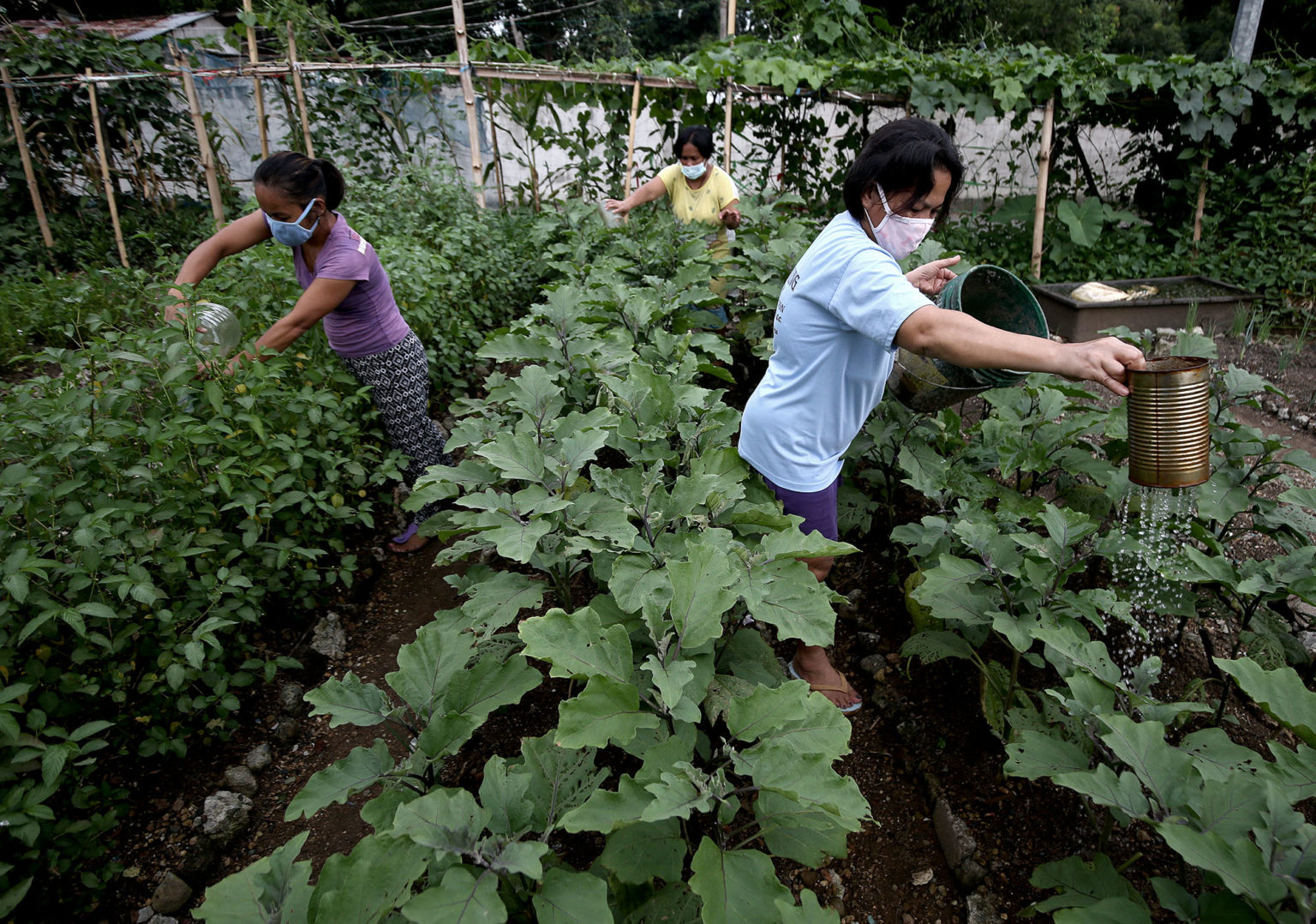
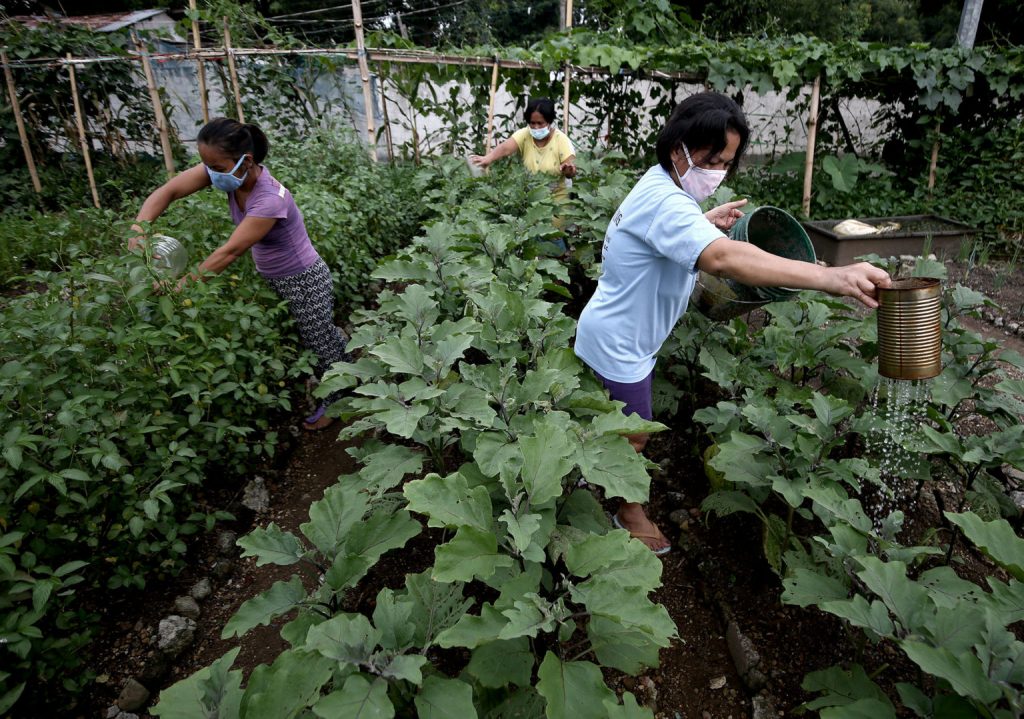
Monitoring leader Arbie Santacera with Apple Montales and Estrelita Sanchez water their vegetables on an empty lot turned into urban gardening along Clemente road, Barangay Payatas B, Quezon City.
INQUIRER PHOTO / RICHARD A. REYES

MANILA, Philippines — Struggling to put food on their tables through weeks into quarantine due to the new coronavirus pandemic, residents of Barangay Payatas in Quezon City have found a new reason to band together amid the scarcity of food aid and jobs.

They have transformed concrete walls, backyards and empty lots into urban food gardens — where patches of green, leafy vegetables keep their community vibrant despite months of lockdown.

“It also gives us the motivation to wake up every day to see how our vegetables are doing. It would make us smile to see our lettuce leaves or eggplants grow by the day,” said Gilda Rollamas, one of the volunteer mothers of Ina ng Lupang Pangako Parish.

Read the FULL STORY here: https://newsinfo.inquirer.net/1340874/urban-poor-families-set-up-food-gardens-to-cope-with-hunger-amid-pandemic

Denver Urban Gardens Plans Sale of El Oasis Land to Pay Off Debt

Extra food from El Oasis is donated to Bienvenidos Food Bank as part of DUG’s pledge to help those with low access to fresh produce. Claire Duncombe

Denver Urban Gardens plans to sell most of the land where it operates El Oasis, one of its Highland neighborhood gardens, to Caliber Construction in a $1.2 million deal set to close on December 1. But members of El Oasis, located at 1847 West 35th Avenue, are fighting the sale by raising public awareness in hopes of pressuring Caliber Construction to back out while the agreement is still under contract.

The money from the sale is intended to help DUG alleviate accumulated debt and continue to fulfill its role in offering gardens on more than 180 properties around the city, according to Ramonna Robinson, president of the nonprofit’s board. DUG informed El Oasis gardeners of the planned sale on September 9, with notices to vacate plots on the two-thirds of the land that Caliber will take over by October 5. The remaining third of the land will remain a garden in perpetuity. The gardeners, many of whom have tended El Oasis plots for years, believe that DUG has fundraising options other than selling the land, but DUG says that without the sale, the nonprofit will cease to exist.

READ THE FULL STORY: https://www.westword.com/restaurants/community-gardeners-try-to-stop-sale-of-denver-urban-gardens-property-11804554

Don’t panic, but it’s time to start your autumn gardening chores

Cooler nights bring questions, and we have been having cooler nights. I note more than a hint of panic, folks. Relax. The leaves have really not even started to turn color and lawns are still growing.

Let’s start with lawn questions. There were several about fertilizing, probably due to the influence of Madison Avenue. There is always inventory left in the fall that has to be moved, and this results in planted articles insisting fall is the time to fertilize your lawn with nitrogen-laden, synthetic fertilizer.

Here in Alaska, we don’t use synthetic fertilizers, only organic, but even if we did, we would realize the flush of growth they would cause is not what we want as we go into winter. Still, let me make it simple. Microbe foods can be put down any time of the year without causing the flush of growth and drain-off of chemical fertilizers.

READ THE FULL STORY: https://www.adn.com/alaska-life/gardening/2020/09/10/dont-panic-but-its-time-to-start-your-autumn-gardening-chores/

Farm to table to dirt to farm: This local business wants to make composting the next recycling

When Ben Bessler graduated with an accounting degree from Northern Kentucky University, he didn’t expect his work would one day have him shoveling dirt and food scraps in his parents’ backyard. But what began as a hobby at home has grown into a budding business addressing an environmental challenge alongside an emerging consumer demand. [WATCH VIDEO]

“My wife and I were trying to compost in Park Hills, and we realized that it was kind of inconvenient to take our food outside to the compost bin every day, and then at the end of the week take it out to the garden,” he told WCPO. “We thought, maybe there’s a convenient way we can get people composting and make it easy and affordable.”

READ THE FULL ARTICLE: https://www.wcpo.com/news/transportation-development/move-up-cincinnati/farm-to-table-to-dirt-to-farm-this-local-business-wants-to-make-composting-the-next-recycling

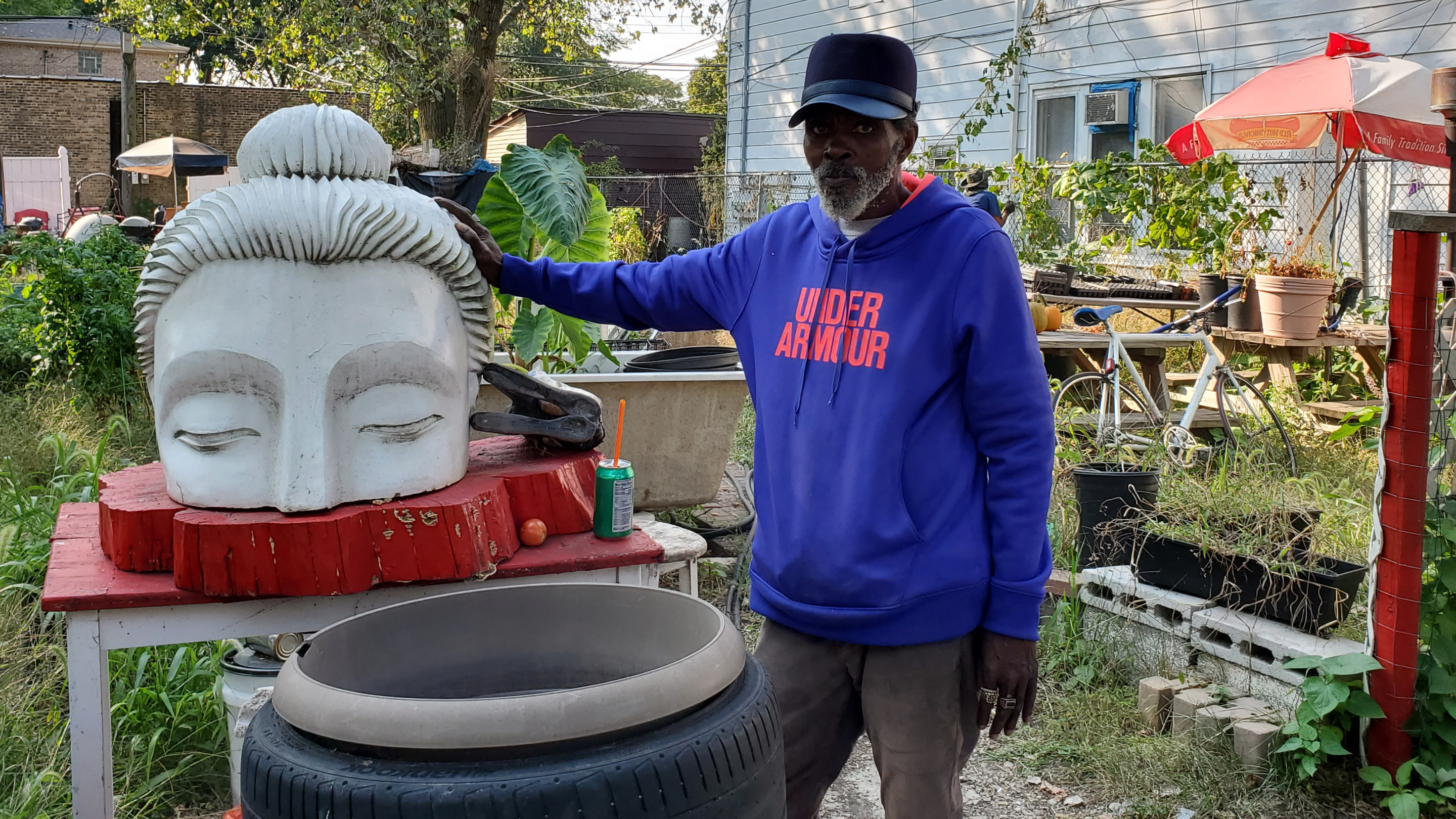
This South Side Gardener Is Behind Nearly 100 Urban Farms Across Chicago — And He’s Not Slowing Down

MAXWELL EVANS/BLOCK CLUB CHICAGO

SOUTH CHICAGO — Right as he’s detailing his urban farming work, Gregory Bratton abruptly stops and says he’ll need to continue the interview later.

Bratton is working with volunteers at one of the many South Side gardens he cares for, and he breaks up his interview answers to share knowledge and give directions to volunteers. His priorities lie with the garden.

“Make sure you put that in the story,” Bratton said before hanging up the phone. “I’m a busy man.”

He certainly is. The 68-year-old master gardener — 69 in a few weeks— works on 86 gardens across Chicago. More than 20 are on the Southeast Side.

READ THE FULL STORY: https://blockclubchicago.org/2020/09/24/this-south-side-gardener-is-behind-more-than-200-urban-farms-across-chicago-and-hes-not-slowing-down/

Small, modern homes with urban farming coming to Fort Worth suburb

URBAN CHIC PROPERTIES

A developer is building a small “pocket neighborhood” in Kennedale with modern farm homes and lots of outdoor space where people can grow their own food and meet their neighbors.

“Millennials want that living experience. People don’t want to mow their yards anymore. They want a smaller, compact home that is cute and modern looking, creating a cottage feel,” Sumpter said in an interview.

The Moderno is designed with a “pocket neighborhood” concept where the homes face inward often into a courtyard or an open space where neighbors can gather and get to know one another. Pocket neighborhoods are popular in the Pacific Northwest, Sumpter said.

READ THE FULL STORY: https://www.star-telegram.com/news/business/growth/article245902885.html

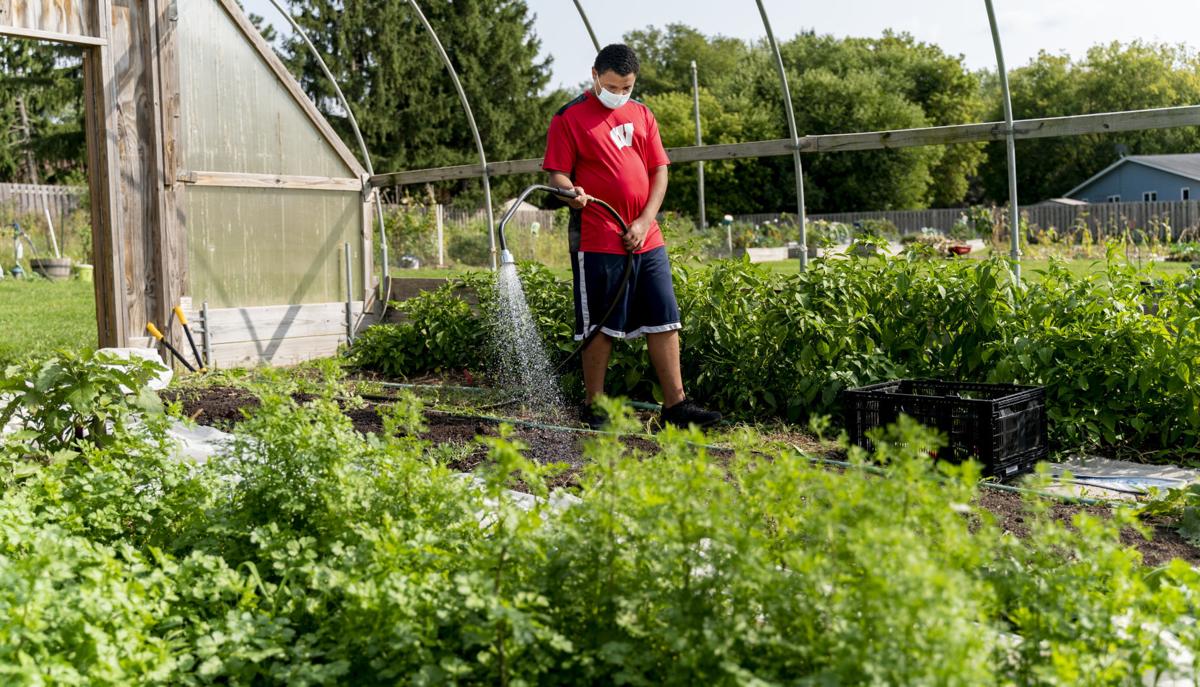
Gardening at Badger Rock lets students earn money, socialize during COVID-19 pandemic

ANDY MANIS, FOR THE STATE JOURNAL

Madison.com – Gardens are a source of income and a social oasis for high school students this fall.

“I was looking for a job that would be part-time and would be safe during the pandemic, so I wanted to work somewhere outside and I’ve always loved gardens,” said Evfrosiniia “Frosya” Mozhaeva, a sophomore at West High School.

She said she enjoys working with others in the gardens at Badger Rock Neighborhood Center, and it feels safe partly because the number of people working at one time is limited.

Sophomore Malik McDonald said he was drawn to a jo at the garden because a friend is also working there, it is something to do during the pandemic and he lives nearby.

READ THE FULL STORY: https://madison.com/wsj/news/local/education/local_schools/gardening-at-badger-rock-lets-students-earn-money-socialize-during-covid-19-pandemic/article_417fa38a-5139-577e-a8bc-86261ab2c941.html

Thousands chasing London allotments as supply dwindles

Hayley Dunning – The mental, physical and community benefits of allotment gardening are invaluable to city dwellers, but allotments are in short supply in London.
This is one of the conclusions of a new paper by Imperial College London researchers in the Centre for Environmental Policy, published in Urban Forestry & Urban Greening. MSc student Ellen Fletcher and Dr Tilly Collins assessed allotment supply and demand in London, finding plots are shrinking while tens of thousands of people remain on waiting lists.

Forty-one London sites have closed completely in the past seven years and with over 30,000 people now estimated to be on waiting lists, there is on average a delay of four to five years before receiving a plot. To try and meet this demand the number of individual plots has been increased as surrendered plots are often now split into ever-smaller units.

READ THE FULL STORY: https://www.imperial.ac.uk/news/204133/thousands-chasing-london-allotments-supply-dwindles/

Urban gardening just got a whole lot easier and more sustainable

Vogue.com.au – How many dead plants are you responsible for? How many green-tinged dreams of becoming an amalgamation of Martha Stewart and Gwyneth Paltrow have ended in sad, withered herbs on your windowsill?

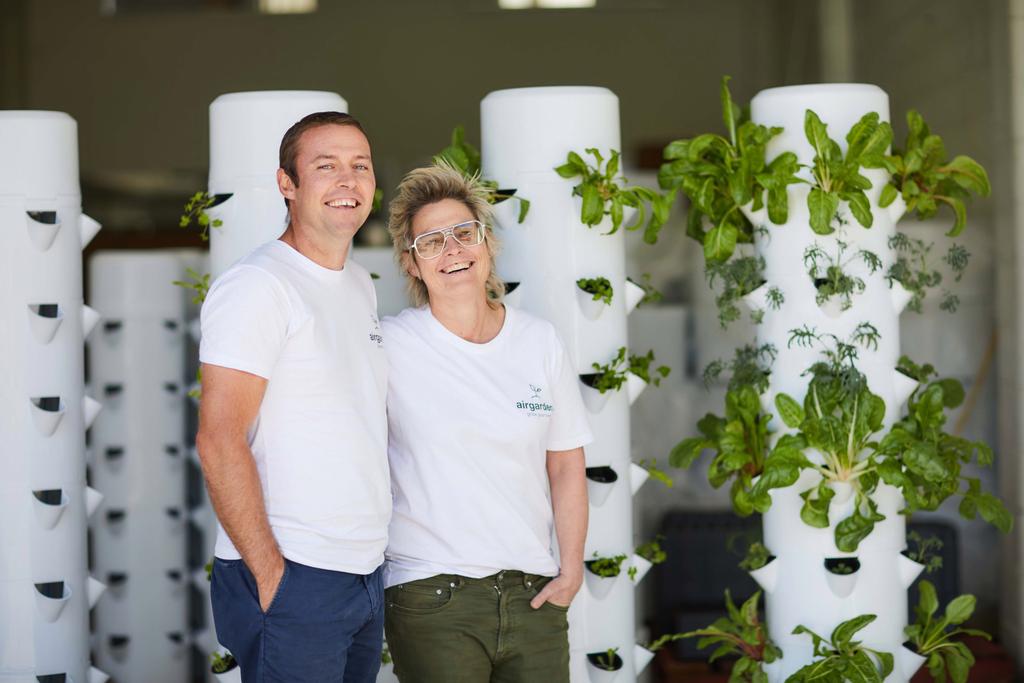
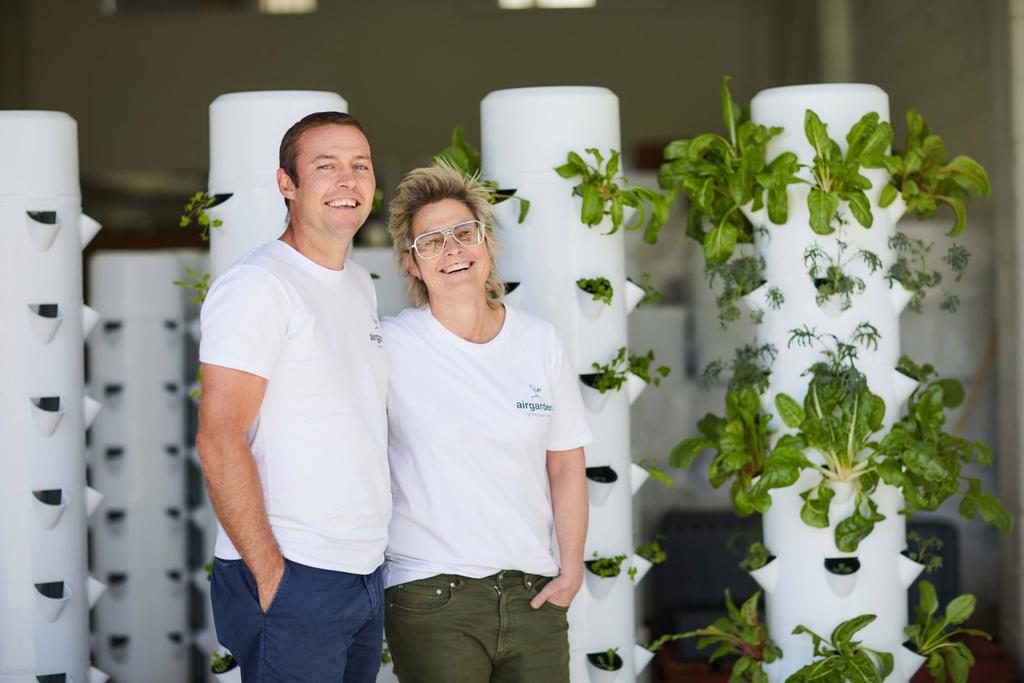
If you see yourself here and have minor amounts of regret or PTSD from killing plant after plant but still want to grow and garden, we may have just stumbled on the solution for you. Urban gardening is on the rise, as our homes are getting smaller and cities fuller, there’s still the urge to surround ourselves with greenery, especially if that greenery is ripe for eating. And Queensland-based Airgarden wants to help you do just that, by growing and gardening with their vertical, aeroponic garden.

READ THE FULL STORY: https://www.vogue.com.au/vogue-living/design/calling-all-green-thumbs-urban-gardening-just-got-a-whole-lot-easier-and-more-sustainable/image-gallery/202bc517e73c8cf6a5de1a8880a81d5c

Living Sustainably: Put nature to work for more effective gardening

HollandSentinel.com – The urban environment is dominated by buildings, pavement, lawns, and other non-natural elements. We constantly struggle against nature to maintain our built environment, especially our lawns and gardens.

This can include the use of fertilizers and pesticides that, if used improperly, can cause environmental harm. Our built landscapes can also be very water intensive, which can lead to high demand on our public water utilities.

However, there are ways to work with nature to create an attractive, low maintenance landscape that will help protect the environment, conserve water and provide places for urban wildlife.

Gardening with nature starts with careful planning. Take an inventory of what you already have.

READ THE FULL ARTICLE: https://www.hollandsentinel.com/news/20200914/living-sustainably-put-nature-to-work-for-more-effective-gardening

Purdue Extension: Growing communities one garden at a time

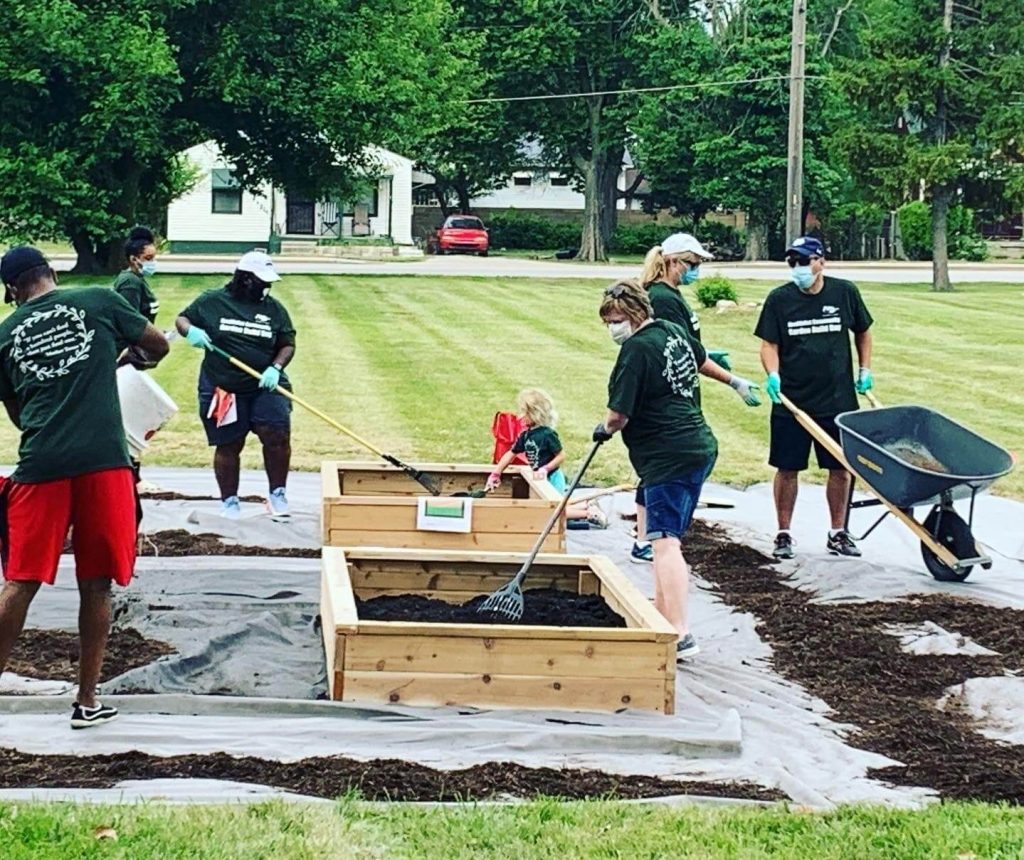
AGPURDUE.EDU – Located within an Indianapolis food desert, 25 volunteers gathered on a hot July day to build six raised garden beds and plant cool-season vegetable crops in a community garden on the campus of HealthNet Martindale-Brightwood Health Center. The volunteers made a vision for quality food access a reality sought by determined HealthNet employees, Martindale-Brightwood residents and the help of Purdue Extension.

HealthNet is one of Indiana’s largest Federally Qualified Health Centers (FQHC) with a network of nine community-based primary care health centers in Indianapolis and Bloomington, Ind. HealthNet provides health care services to the medically underserved, reaching more than 61,000 residents each year. The health center in the Martindale-Brightwood area serves residents with the highest poverty rate in Marion County who also happen to live in a food desert, meaning access to affordable or good-quality fresh food is severely limited.

READ THE FULL ARTICLE: https://ag.purdue.edu/stories/purdue-extension-growing-communities-one-garden-at-a-time/