
7 Trends That Will Define Gardening in 2019

Americans are gardening in record numbers but what are they most interested in this year?

Here are highlights of the seven top 2019 trends in gardening:

• The Slow Garden Movement: The same trends that millennials are driving across consumer brands — transparency, sustainability, hand-crafted, experiential, and authenticity — are showing up in gardens and garden centers nationwide.
• Architecture Rules: Garden designers will use plants with plenty of intriguing, often formal, shapes, forms, textures, and branching habits within otherwise naturalistic gardens, resulting in a delightful yin-yang effect.
• Desperately Seeking Season: With seasonal changes that are less distinct and predictable marked by longer summers and shorter winters, gardens that dramatically, graphically evolve over the seasons are becoming even more prized.
• Do it For Me!: Consumer research has identified a growing segment of “Do It for Me” homeowners who want the beauty and seasonal rhythm of a landscaped space, but may not have the time to make this happen.
• Working Overtime: With home lots getting smaller and less time for gardening, consumers are snapping up one-and-done plants that do double or even triple duty in the landscape.
• One-Stop Garden Shop: Seeking more than the free wifi and caffeine buzz offered at your local coffee shop, consumers are flocking to garden centers for a newer, fresher experience.
• Into the Woods: Cool, mossy, and damp, small space woodland gardens bring a welcome sense of organic zen and a respite from digital overload, especially in dense urban areas where they can help to mitigate the effects of pollution.

READ THE FULL ARTICLE AT: https://www.greenhousegrower.com/management/7-trends-that-will-define-gardening-in-2019/
A Phoenix Urban Garden Provides At-Risk Individuals a Path Forward

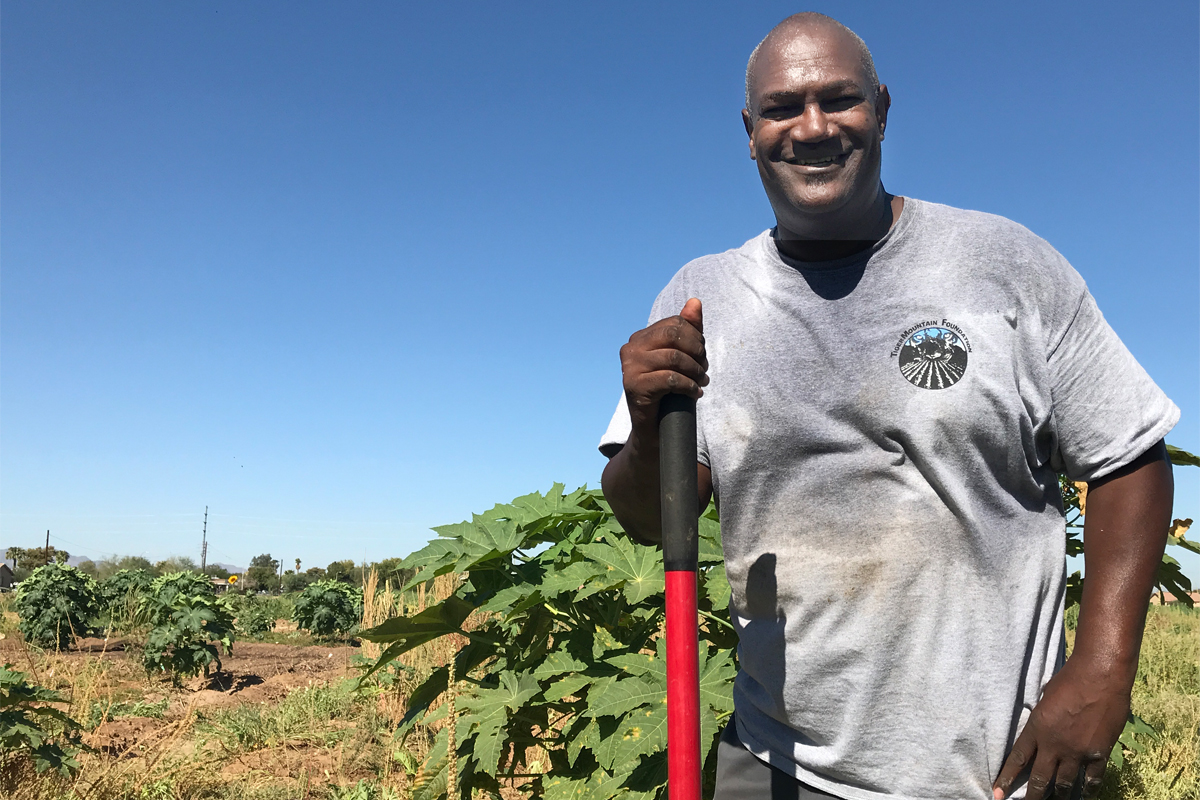
Incarcerated a total of eight times over 15 years, Darren Chapman sat in a maximum-security prison cell at age 25 and thought of happier times.

“I remember[ed] watching my grandfather trade collard greens and carrots with others and interacting with his community,” he says. “My dream as a little boy was to do the same; I wanted to work with others in the same community [of South Phoenix] where I grew up.”

After Chapman’s final release in 2005, he followed the example his grandfather had set and established TigerMountain Foundation (TMF), an organization that focuses on working the land and producing sustainable foods for the local economy, while also creating a sense of community.

“Community doesn’t happen unless people share something in common,” Chapman says. He felt that a community garden had the potential to bring people together around a singular goal and create “a classroom without walls and a place where people could feel proactive hope.”

READ THE FULL STORY HERE: https://civileats.com/2019/01/17/a-phoenix-urban-garden-provides-at-risk-individuals-a-path-forward/

A LOOK INSIDE RINO’S ROOFTOP URBAN FARM

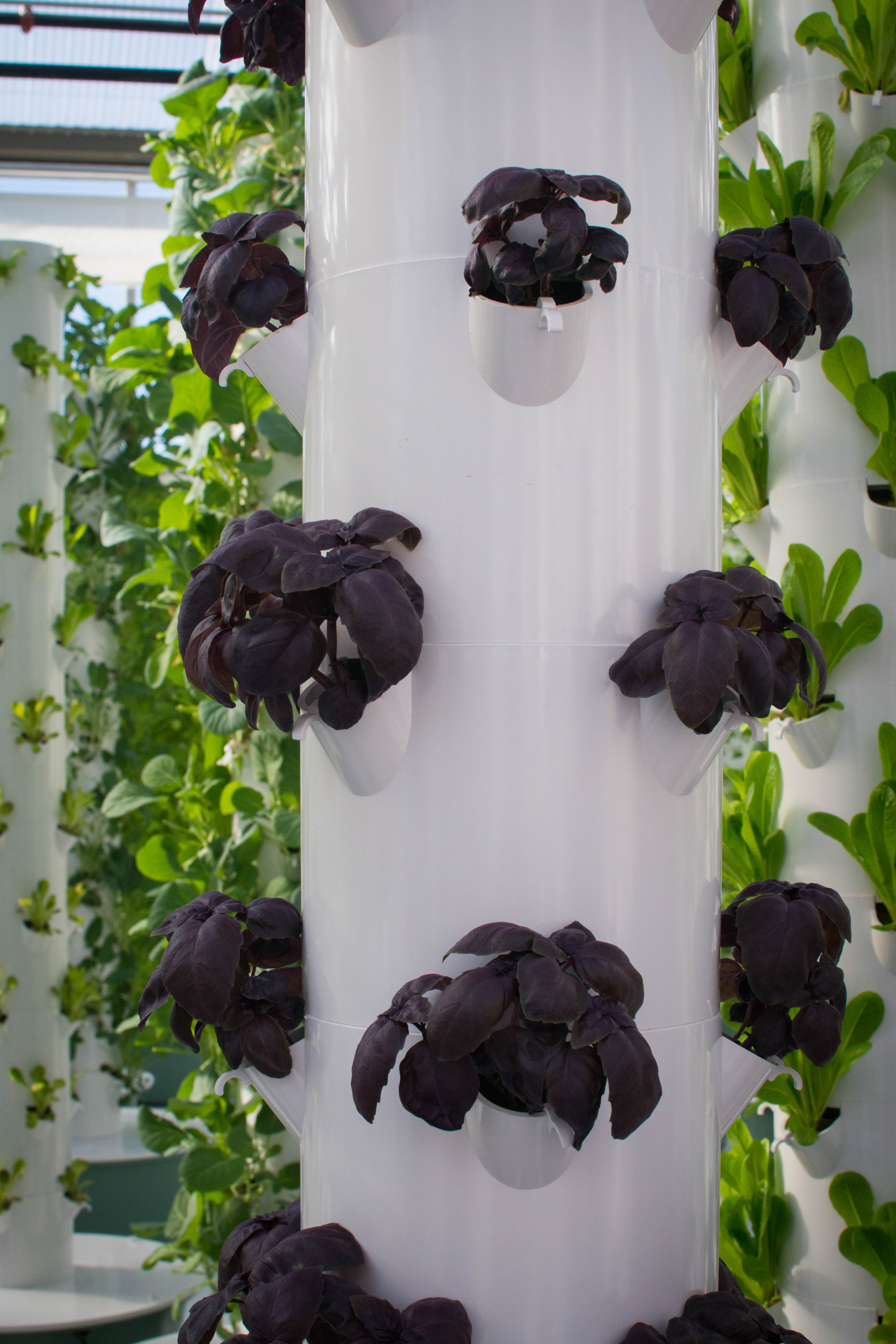
If you’ve recently walked down Lawrence Street in RiNo,  you have probably have been stopped in your tracks by the sight of a rooftop garden. At the very least, you’ve probably wondered what was going on above Uchi. This beautiful greenhouse space is home to Altius Farms. As one of the largest vertical aeroponic rooftop gardens in the country, Altius currently grows varieties of lettuce, herbs and edible flowers galore.

Part of the new S*Park condo community, Altius landed at the RiNo location where the land historically has been farmed since the 1930s. The greenhouse itself offers 8,000 square feet to run operations, and the community garden outside will double the growing space once the spring comes. S*Park and Altius are planning to team up for great farm-to-table events and community dinners come warmer temperatures.

READ THE FULL STORY AT: https://303magazine.com/2019/01/altius-rino-rooftop-farm/

Reviving monastery’s city farm, started a century before urban agriculture was cool

Members of religious orders have always had a need to garden, inspired no doubt by one of the Christian faith’s noted cultivators, Saint Fiacre, a green-fingered holy man who became the patron saint of gardeners.

When monks, friars and nuns established their enclaves, they turned to gardens of herbs, wildflowers and vegetables to feed and heal themselves. Other essential elements: a dairy and a fruit orchard. Apiaries also played a key role, providing honey, mead and beeswax for candles.

The garden, as Westerners know it, survived the Dark Ages because of monasteries. Given these traditions, it was natural for the founders of the Franciscan Monastery of the Holy Land in America to count on a small farm when in 1897 they purchased 100 acres of open land in Northeast Washington.

READ THE ARTICLE: https://www.washingtonpost.com/lifestyle/home/a-city-farm-is-revived-faithfully/2018/07/10/713f1f40-7e23-11e8-b0ef-fffcabeff946_story.html?utm_term=.eaa91050eb78

Urban Gardening 101: How to Deal with Contaminated Soil

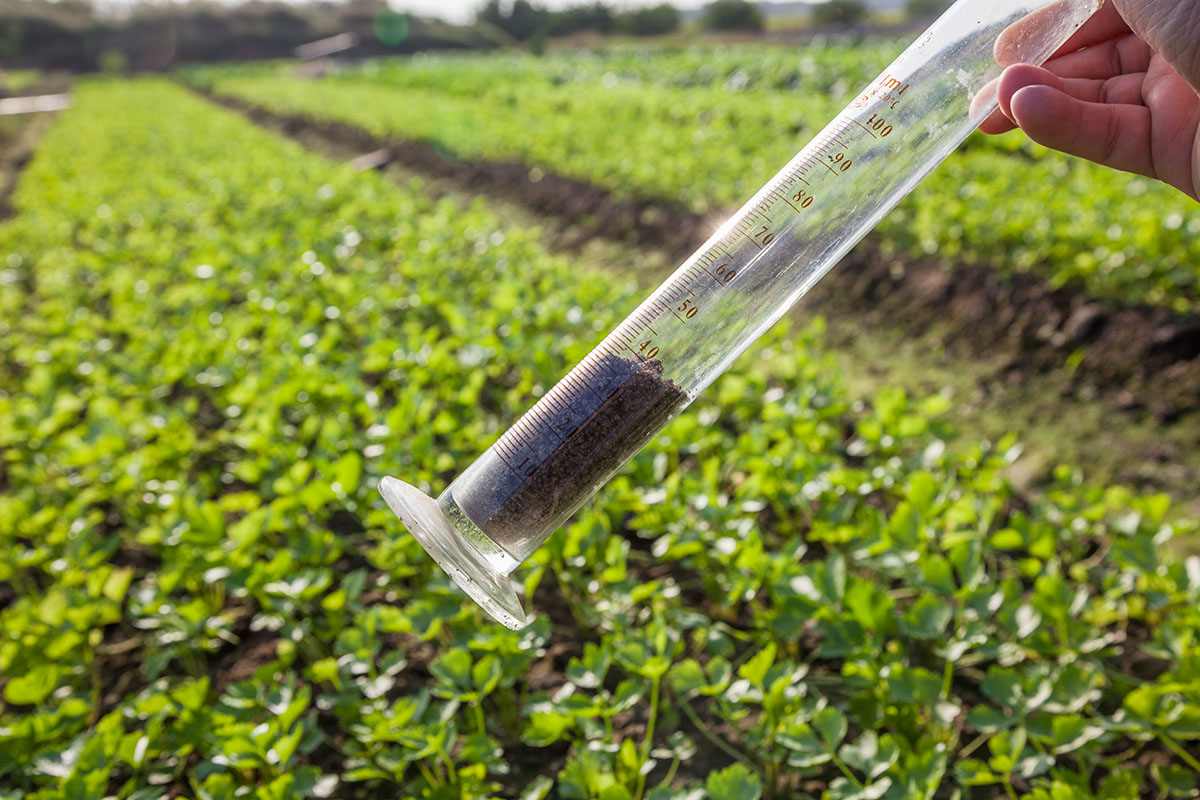
Urban soils are particularly prone to contamination. 50 years ago, your yard could have belonged to a farmer, who, perhaps not knowing any better, disposed of old bottles of anti-freeze or contaminated diesel in a hole out behind the tractor garage. Or perhaps the remains of a fallen down outbuilding, long ago coated in lead-based paint, was buried on your property buy a lazy contractor when your subdivision was built.

For those wanting to garden on non-residential urban property – school yards, church grounds, parks, commercial areas, vacant lots – the likelihood of contamination is even higher. There is no telling what sort of past activities took place there, all visible signs of which have disappeared. Prior the 1970s, environmental rules were very lax, and it was not uncommon for all sorts of hazardous chemicals to be dumped at any location where they were used. Many such chemicals persist in the soil for decades, if not longer.

The good news is that if the property was redeveloped (any significant new construction, demolition, or change of use) since environmental laws tightened, it would have had to go through a strict assessment to determine if contamination was present. If anything unacceptable was found, the owner would have been forced to remediate the soil before starting construction. However, if the property has remained more or less as-is since the 1970s (or earlier), it is unlikely that anyone has ever investigated what might be lurking in the soil.

READ THE REST OF THE ARTICLE: https://modernfarmer.com/2018/06/urban-gardening-101-how-to-deal-with-contaminated-soil/

Long Beach Gears Up For Martin Luther King Jr. Day Of Service

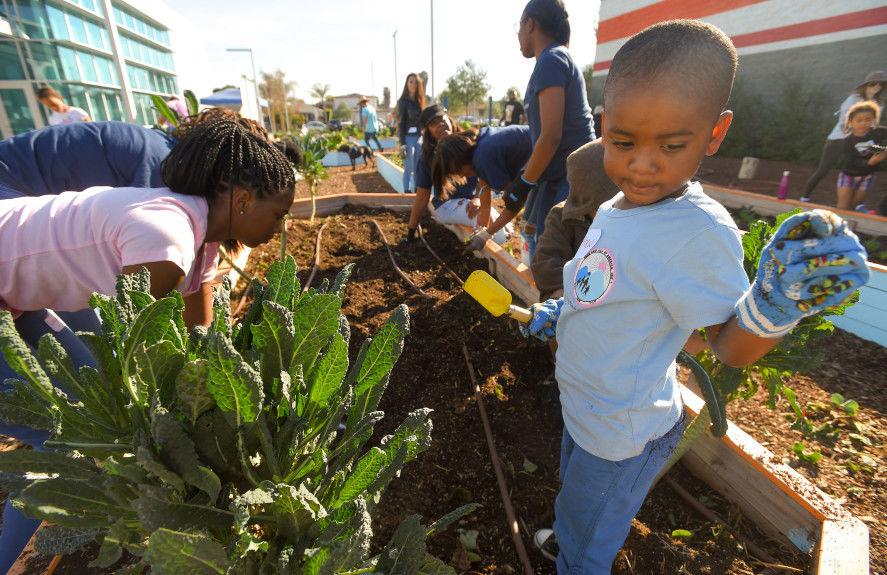
More than 400 Long Beach-area volunteers are expected to give back to the community to mark the national MLK Day of Service in honor of Dr. Martin Luther King Jr. Monday, Jan. 21.

The civil rights leader who fought against racism is honored with a federal holiday every January, around the time of his birthday. Some people get the day off from work, but others take part in the National Day of Service — where people are encouraged to participate in community work.

For the ninth year, Long Beach’s MLK Day of Service will connect volunteers to 16 local service projects for “Day On, not a Day Off.” The event is hosted by Leadership Long Beach, the Port of Long Beach and Mayor Robert Garcia, in addition to council offices and some neighborhood groups.

READ THE FULL STORY: http://www.gazettes.com/entertainment/nonprofits/long-beach-gears-up-for-martin-luther-king-jr-day/article_12781f62-1508-11e9-9ecc-772ea4330ed2.html

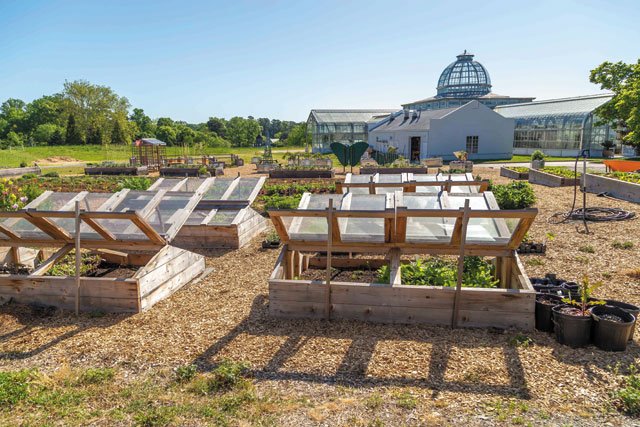
Buying Time: Extend your garden’s growing season with a cold frame

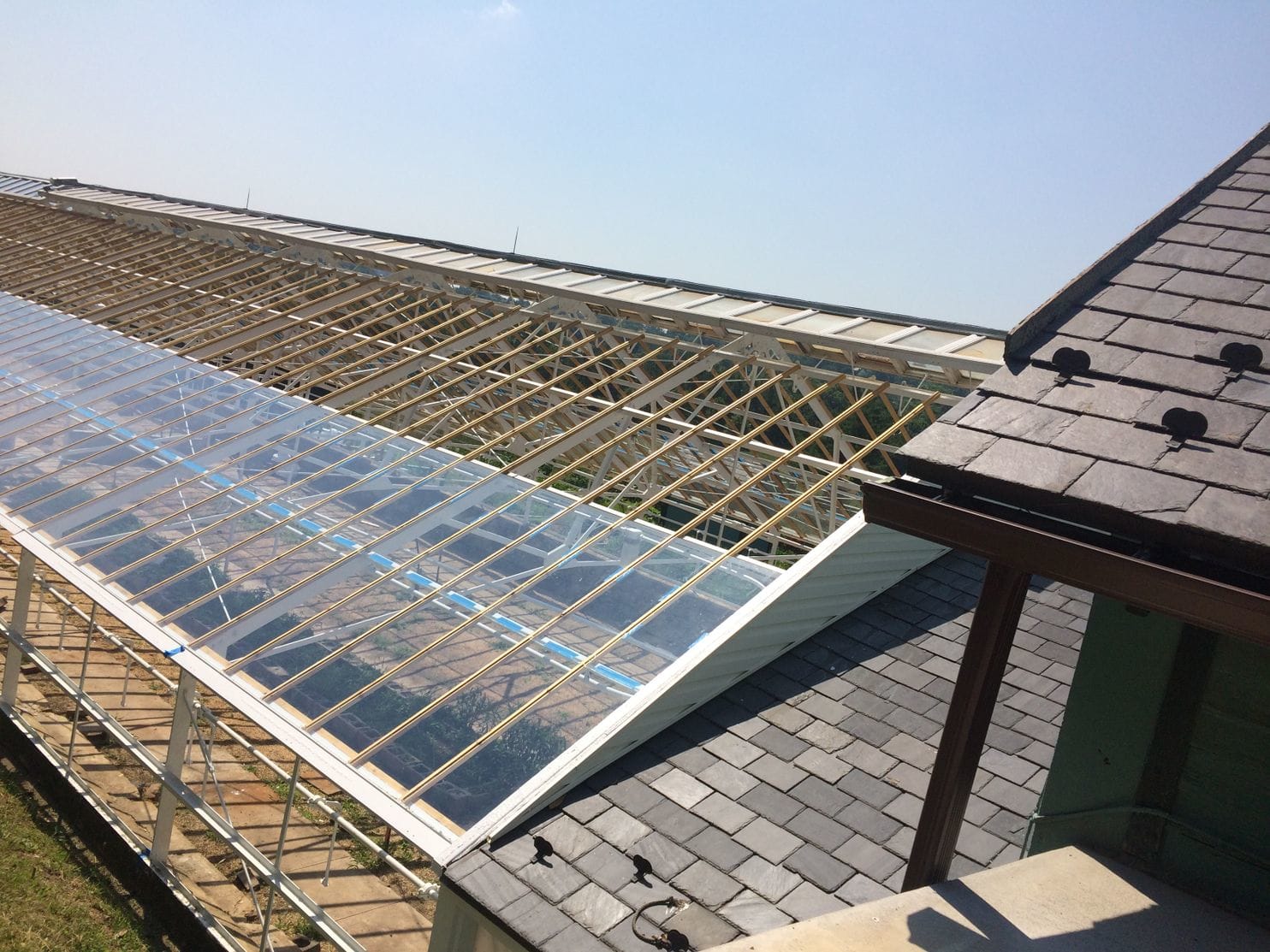
Part incubator, part greenhouse and part time machine, a cold frame is anything but cold. It’s an empty, bottomless box that protects plants from winter weather. With its hinged lid of glass or rigid plastic, a cold frame captures solar energy and converts it to radiant heat, creating a warm microclimate where plants thrive. Like the windshield of your car on a cloudless day, sunlight passing through the glass is absorbed by interior surfaces and re-radiated as heat. It makes for a snug, safe space for plants to grow when the weather is inhospitable.

Sara Barton is a big fan of a cold frame. Barton got her master’s degree in public health from the School of Public Health at City University of New York, but she likes to say she got her work experience “in the field,” on an organic farm. Since 2017, Barton has been the Learning Garden Coordinator with the VCU Office of Sustainability, where she manages three urban campus green spaces.

All three are “small-scale gardens where a cold frame is a very useful tool,” to extend the season and expand the harvest, she says. “Just like in a home garden.”

READ THE REST OF THE STORY: https://richmondmagazine.com/home/experts/buying-time/

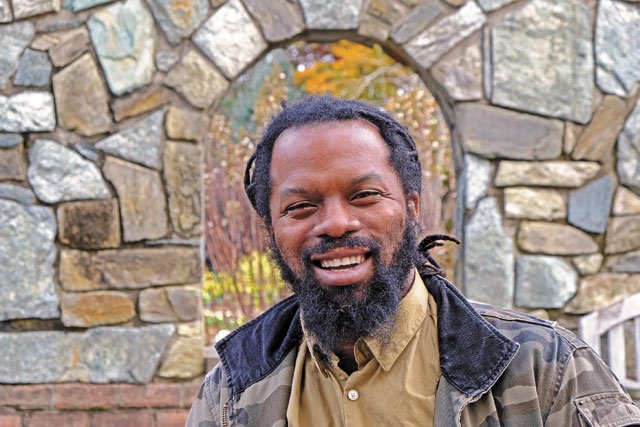
Urban Gardening Activist Works To Connect People To Their Food Sources

Activist Duron Chavis realized early on he needed to get his hands dirty, and that his work begins in the soil.

The 38-year-old is a proponent of urban gardening, an effort he says can address the disconnect African-Americans feel toward growing and accessing food, along with promoting self-sustainability. It’s not just about eating healthy; it’s about being able to provide for yourself.

“The urban gardening stuff has been an exercise in building community in its truest sense, and it changes the conversation,” Chavis says. “It’s one thing to talk about community issues and another to advocate about them.”

Growing up in the city’s South Side, Chavis, with friends, frequented convenience stores. Honey buns, soda, chips, ramen noodles and processed foods were all part of their diets. Nearby, the golden arches of McDonald’s, the smiling Hardee’s star, and the pink and purple hues of the Taco Bell sign shone brightly. The closest grocery store was miles away. The place he called home was smack dab in a food desert, an urban area with limited access to healthy and affordable food.

READ THE REST OF THE STORY: https://richmondmagazine.com/news/features/growing-activist/

Edible Landscapes Are Un-Lawning America

Lawns are ubiquitous in the United States and according to a 2015 NASA study, they take up three times as much space as the next largest irrigated crop, corn. These familiar patches of green require 9 billion gallons of water per day, around 90 million pounds of fertilizers and 75 million pounds of pesticides per year. Plus, the lawnmowers that maintain them largely use gas and emit pollutants. All for a crop we can’t eat.

A growing group of people and businesses are trying to change that. For over a decade, “unlawning,” or the act of turning sterile lawns into fertile, edible landscapes, has been gaining popularity in the United States. These edible yards aren’t just backyard garden plots with a few squash and tomato plants, rather they are landscapes that incorporate edible native plants, like paw paw trees or bush cherries, along with fruit trees, pollinator habitats, medicinal herbs and water features.

One well-known proponent of edible landscapes is Fritz Haeg, an artist who in 2005 began a years-long project called “Edible Estates,” during which time he traveled the country and turned ordinary yards into edible masterpieces. In the years since Haeg’s project, there has been a steady growth in awareness of edible landscapes in the U.S.

READ THE REST OF THE ARTICLE: https://civileats.com/2019/01/14/edible-landscapes-are-un-lawning-america/

Santa Fe garden created to aid shooting survivors seeking donations

SANTA FE, Texas (KTRK) — Painted on Santa Fe City Hall, a mural serves as a reminder of the May 18 attack, but directly behind the building, there’s a place that could one day help survivors cope with the trauma.

Mandy Jordan leads the nonprofit Keep Santa Fe Beautiful. Jordan’s working to turn the greenspace behind City Hall into a therapeutic garden, and as the mother of a Santa Fe student, she knows how useful it could be to the entire community.

“During the holidays I wanted to lock myself away and that’s not good,” said Jordan. “Getting outside, feeling the sunshine, being around others, and having that group therapy is actually very beneficial to our emotional health.”

READ THE STORY: https://abc13.com/therapeutic-santa-fe-garden-seeking-donations/5063589/

Women who farm: The changing face of Indiana ag

INDIANAPOLIS — There is a burgeoning group of generationally and ethnically diverse women growing food in central Indiana.

The face of agriculture is changing, and there is great momentum behind the trend of more women involved in agricultural enterprises, said Eliana Blaine, soil health outreach coordinator at Marion County Soil and Water Conservation District.

“Women run and work with a wide range of organizations that grow food as part of their mission and activities,” Blaine said. “These include market farms, community gardens, youth education and non-profit organizations, and school and university gardens.

READ THE STORY: http://www.agrinews-pubs.com/news/women-who-farm-the-changing-face-of-indiana-ag/article_1c58637d-d052-5e55-8916-0aa936fd4ea0.html

Bottle Tower Gardens Provide Exceptionally Efficient Small Space Growing

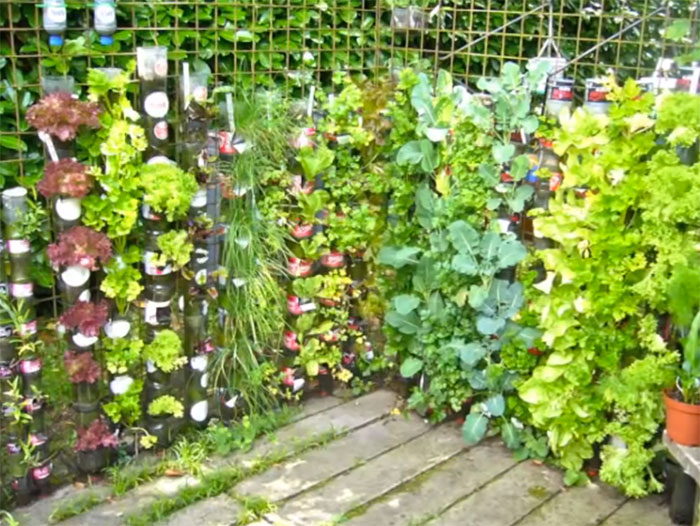
Dr. Willem Van Cotthem experimented with this vertical gardening system using recycled plastic bottles stacked and attached to a fence.  He began with the 2011 growing season and continued through 2012 with great success.  This type of garden is cheap to start and is extremely effective for those who do not have a lot of growing space.  A system like this could be built along a fence, wall, or on a balcony.

READ THE ORIGINAL STORY at “OffGridWorld.com”

Florida Senate bill that could usher more beds of beets revives home rule debate

More mushrooms?

A proposed bill in the Florida Senate could usher in more beds of beets at homes statewide by barring local governments from regulating vegetable gardens.

It would create a Catch-22 for cities such as Orlando, where city officials bristle at preemptive moves from Tallahassee and are looking to expand urban agriculture.

City officials said this week they plan to oppose the legislation (SB 82) because it flies in the face of home rule, which allows local governments to chart their own course. Orlando may argue for the city’s existing ordinance to be grandfathered into the proposed bill.

“We believe these decisions are best made locally,” assistant city attorney Kyle Shepherd said.

State Sen. Rob Bradley, R-Orange Park, first introduced the bill in January in reaction to a dispute in the Village of Miami Shores. A couple dug up a 17-year-old vegetable garden to avoid $50-per-day fines by the village, which passed an ordinance banning front-yard vegetable gardens.

The 3rd District Court of Appeal upheld the ordinance was constitutional after an appellate court ruled in favor of the Village.

READ THE STORY: https://www.orlandosentinel.com/news/orange/os-ne-vegetable-garden-bill-20181224-story.html

WIN A FREE SEED CLUB MEMBERSHIP


When you join UOG’s Seed & Garden Club, you are joining a community dedicated to helping you grow organic food all-year-round.  Each month you will receive a fully customized collection of totally raw un-treated GMO-FREE Heirloom seeds & garden supplies.

Beehive safety in parks debated

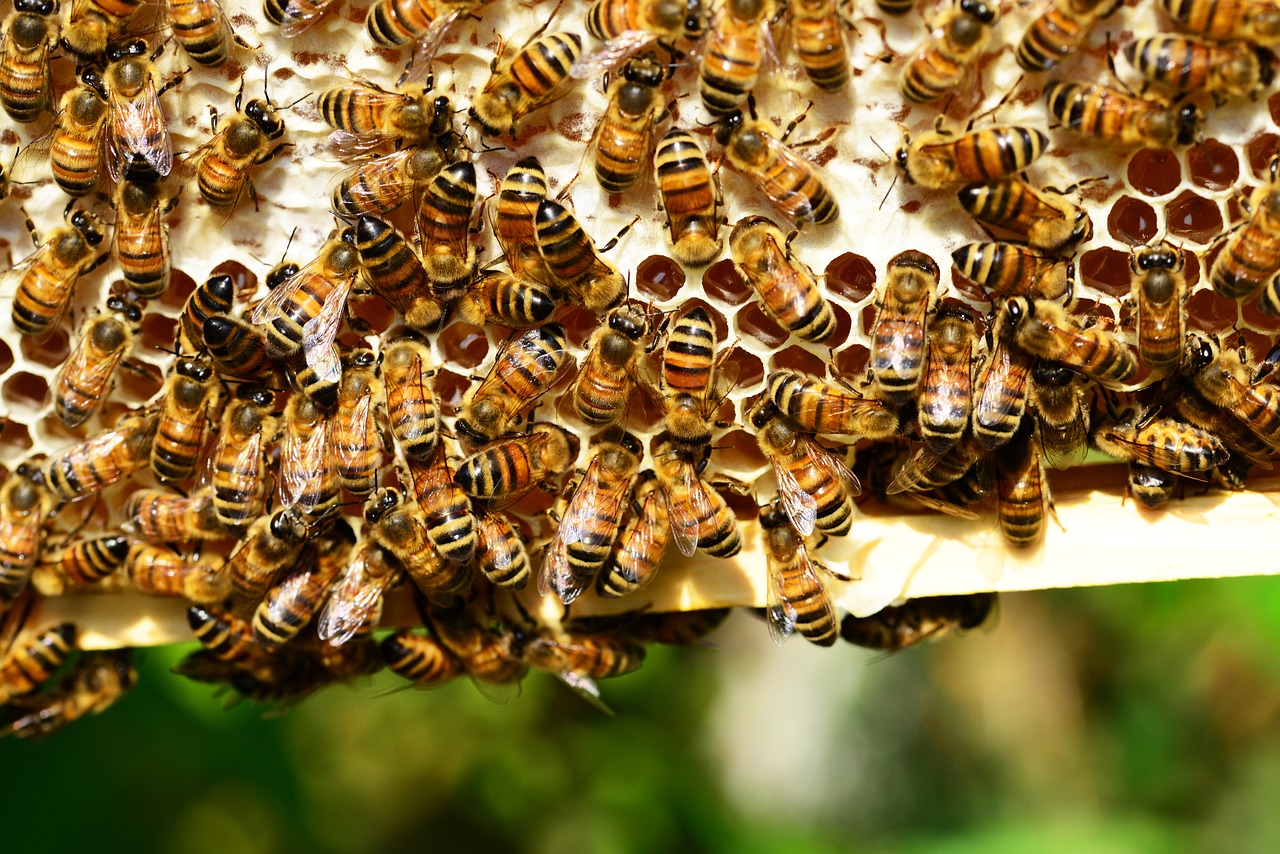
Before they might open up selected Eau Claire parks to beekeepers, City Council members want more details as they grapple with how that could affect residents who are allergic to the insects’ stings.

The council discussed potential changes Monday night to its ordinance that allows beekeeping, which are expected to come back for a vote later this month after undergoing some revision.

“Overall I like the direction this is going,” Councilman Jeremy Gragert said.

The changes would ease requirements for people seeking a license to have beehives in their backyards for personal use, while also allowing beekeeping in parts of six city-owned public spaces.

READ THE STORY: https://www.leadertelegram.com/news/front-page/beehive-safety-in-parks-debated/article_66d8c6c2-c91e-5d8f-8e18-a1914cbf4d8c.html

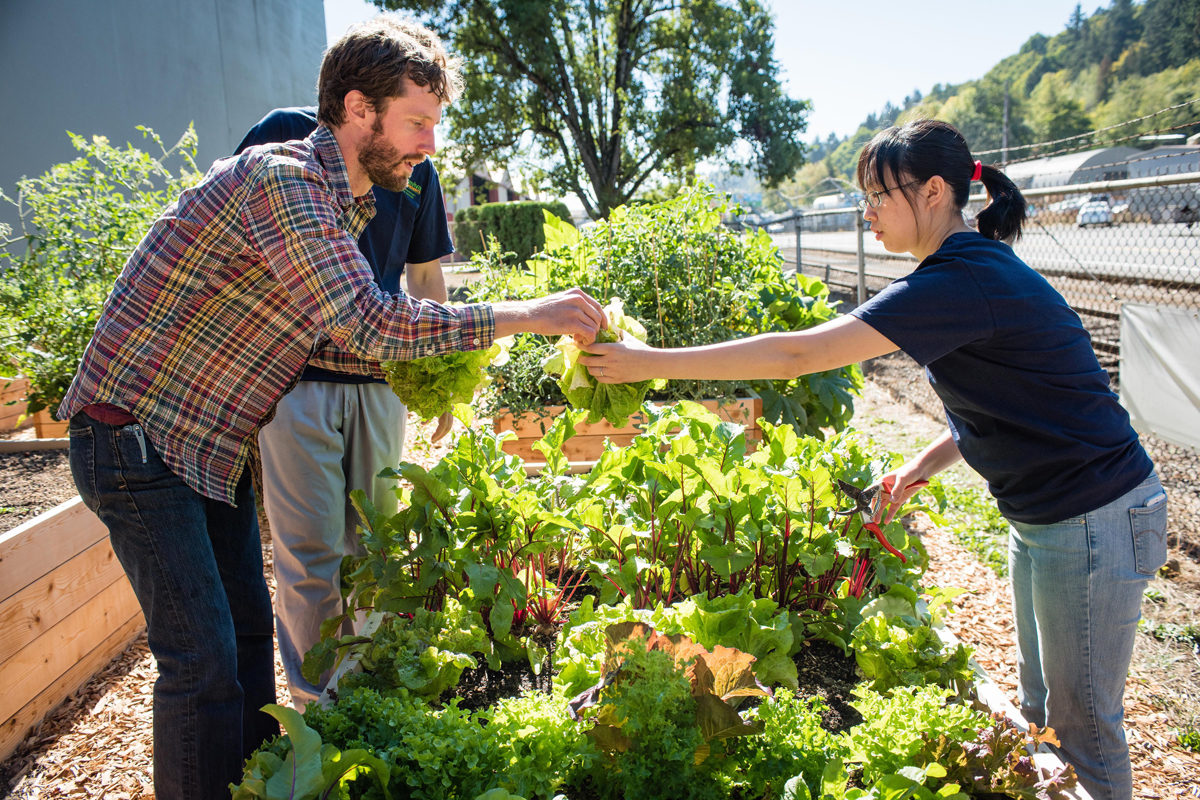
Make the most of ‘living green’ in Seattle

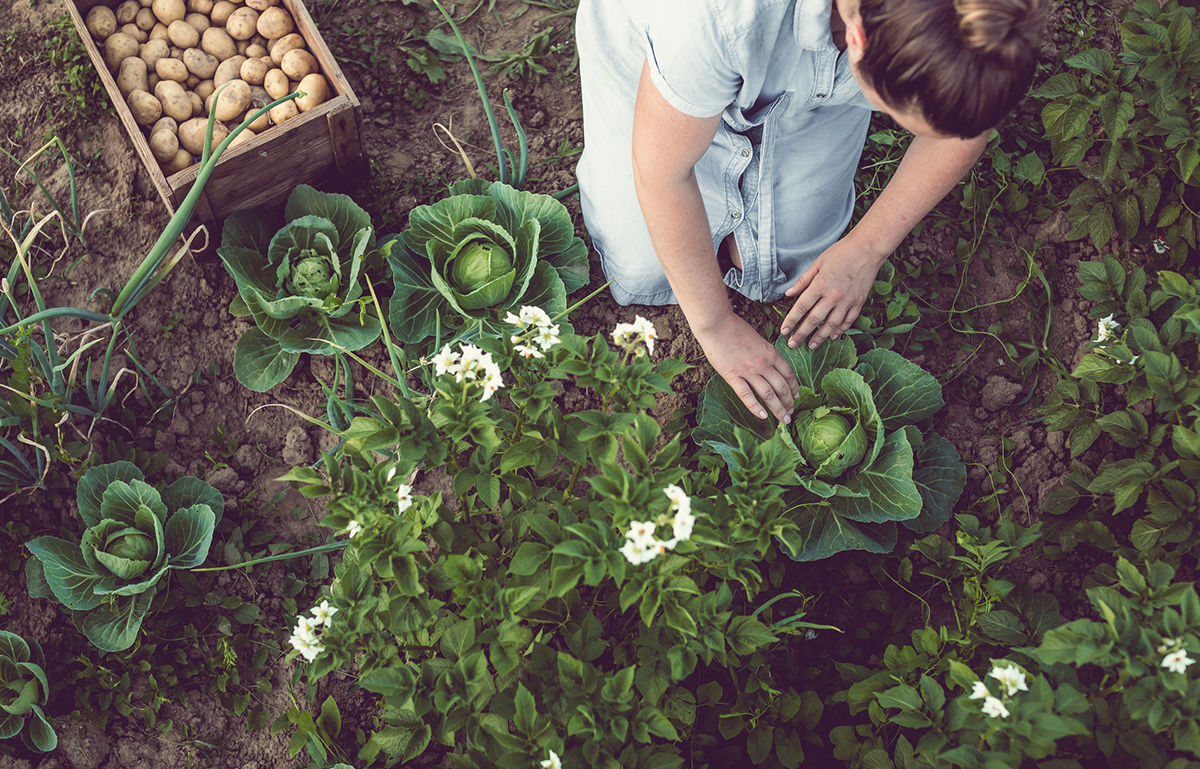
Young Woman Working in a Home Grown Vegetable Garden

Whether you’re a newcomer to the city or a born-and-bred Seattleite, it’s no surprise that the Emerald City has a reputation for being green in more ways than one. In July, Seattle became the first city in the nation to ban the use of plastic straws at cafés and restaurants. In 2015, composting became not just a nice alternative to trash and recycling, but mandatory within city limits.

“Living a greener lifestyle is almost second nature for Seattleites, whether that’s recycling, composting, riding a bike to work or carpooling,” says Randy Bodkin, assistant manager in Amica Insurance’s Seattle office.

If you’re looking to get into the Seattle groove and start living a more eco-friendly lifestyle, there are many ways you can get in on the action. “We suggest checking with local ‘green’ energy efficient affiliates, your power company, or your waste management company for safe and easy ways to live greener,” Bodkin says.

One quick and easy change to make? Sign up for paperless billing from your insurance company and other utilities. Many companies will even offer a discount for going paperless. “Insurance companies, for one, generally send many policy documents. When our customers go paperless, this helps in reducing their carbon footprint,” Bodkin says.

READ THE FULL ARTICLE: https://www.seattletimes.com/sponsored/make-the-most-of-living-green-in-seattle/

Opportunities abound for New York agriculture

SARATOGA SPRINGS, N.Y. — Saratoga County is a microcosm of New York’s diverse $5 billion agriculture industry, which ranks nationally as a leader for goods such as yogurt, cheese and sour cream (first); apples and maple syrup (second); and milk production (third).

Many more opportunities such as farm-to-school initiatives, urban gardening and enhanced marketing of products ranging from hemp to concord grapes are also on the horizon in 2019.

The state’s 35,000 farms encompass more than seven million acres and are responsible for nearly 200,000 jobs.

“There are a lot of positive trends,” state Agriculture Commissioner Richard Ball said. “We need to exploit these opportunities.”

But there are challenges as well, such as bringing state leaders, who make crucial budget decisions, up to speed on high-priority issues confronting farmers today.

Democrats now control the upper house of the Legislature so Sen. Jen Metzger, of Ulster County, has replaced Sen. Patty Ritchie, of St. Lawrence County, as chair of that body’s agriculture committee. In the Assembly, Donna Lupardo of Broome County, succeeds fellow Democrat Bill Magee, of Oneida County, as committee chair.

READ THE STORY: https://www.saratogian.com/news/local-news/opportunities-abound-for-new-york-agriculture/article_67f21f3c-1126-11e9-a03a-9b19258f0fbb.html

Farm Bill would benefit Detroit’s urban agriculture

Detroit — Democratic U.S. Sen. Debbie Stabenow on Monday championed reforms to encourage urban agriculture in the 2018 Farm Bill.

Stabenow, a ranking member of the U.S. Senate Committee on Agriculture, Nutrition, and Forestry, urged President Donald Trump to sign the bipartisan legislation that would widen a safety net for farmers, encourage conservation efforts and protect food assistance programs.

Both chambers of Congress passed the bill by wide margins last week after the 2014 Farm Bill expired Sept. 30.

“I see through the lens of Michigan, and Michigan really is on every page,” Stabenow said during a press conference at Eastern Market. “I’m proud we were able to get this done in the midst of all of what has been happening in Congress…This is something that will be a wonderful Christmas present for many, many, many people.”

READ THE FULL STORY https://www.detroitnews.com/story/news/politics/michigan/2018/12/17/stabenow-farm-bill-michigan-urban-agriculture/2332256002/

Uber CEO and Alphabet Invest in Urban Farming Startup

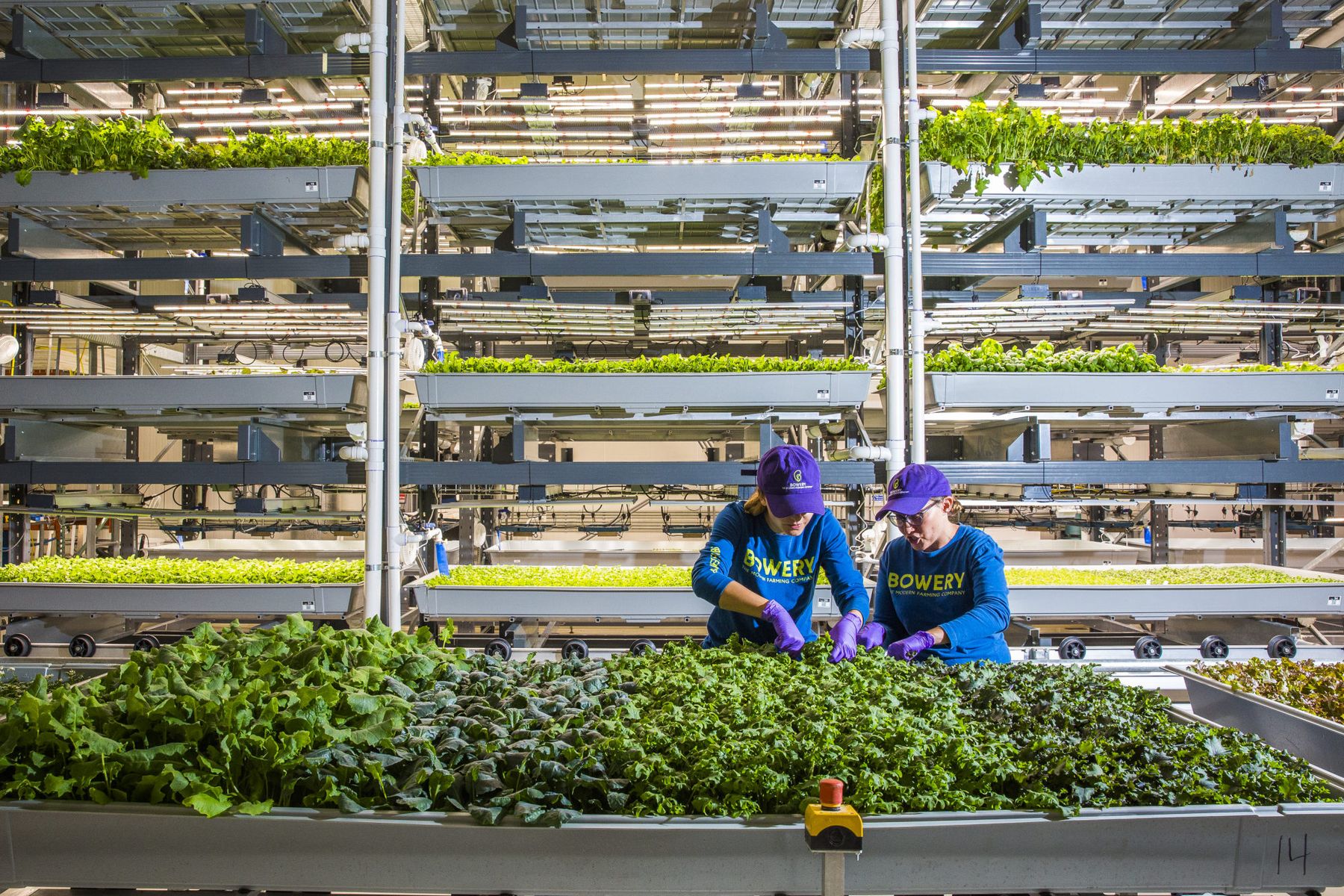
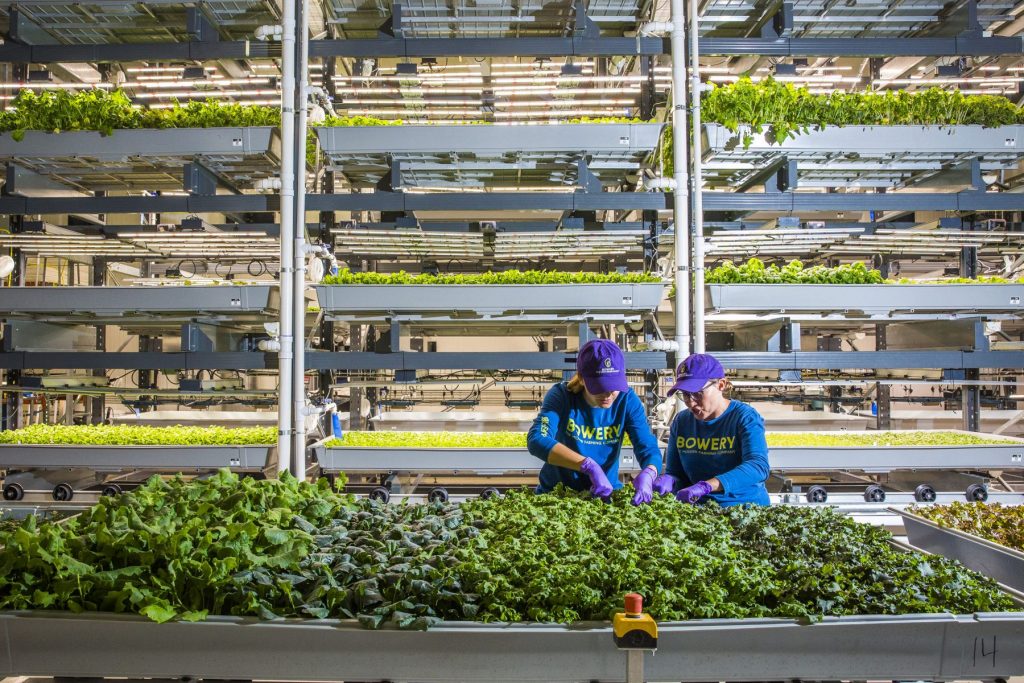
Bowery Farming Inc., a two-year-old startup that uses robotics to cultivate crops indoors, is on track for more growth. The New York-based company plans to announce on Wednesday that it raised $90 million from investors including Alphabet Inc.’s GV and Uber Chief Executive Officer Dara Khosrowshahi, said Bowery’s co-founder and CEO, Irving Fain. The company declined to provide its valuation.

Bowery is part of a new crop of agriculture technology startups growing leafy greens in controlled environments near cities. Last year, Plenty, a San Francisco-based vertical farming company, raised $200 million from the Japanese conglomerate SoftBank Group Corp.’s Vision Fund. Bowery grows its veggies in layers of sensor-rich trays that move and react to humidity, carbon dioxide and light. One square foot of Bowery’s indoor farm is 100 times more productive than an equivalent plot of arable land, Bowery says. Plenty makes similar claims.

READ THE FULL ARTICLE: https://www.bloomberg.com/news/articles/2018-12-12/uber-ceo-and-alphabet-invest-in-urban-farming-startup