Corner Garden to Supply Veggies & Provide Jobs to Individuals with Learning Disabilities.

635941751071386574-jeff-scornervolunteers

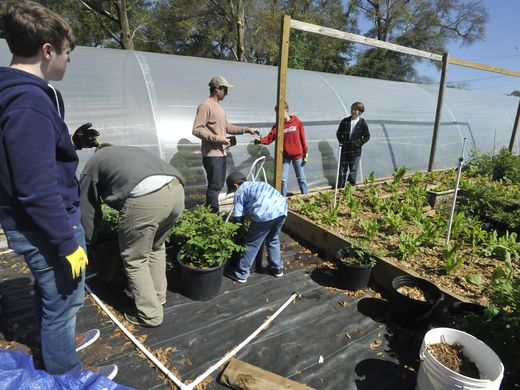
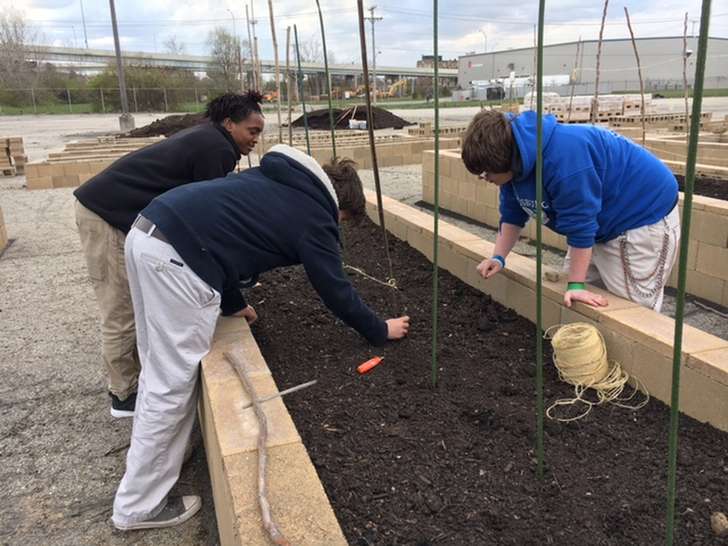
Last October, two brothers launched an organic heirloom produce business and this year they have their eyes set on some bigger goals. Not only will they supply produce to local restaurants through bicycle delivery but they want to provide jobs to individuals with learning disabilities.

Ancient German City Turns Public Spaces Into Gardens and Pastures

FT-AA093_EDIBLE_J_20160407155114

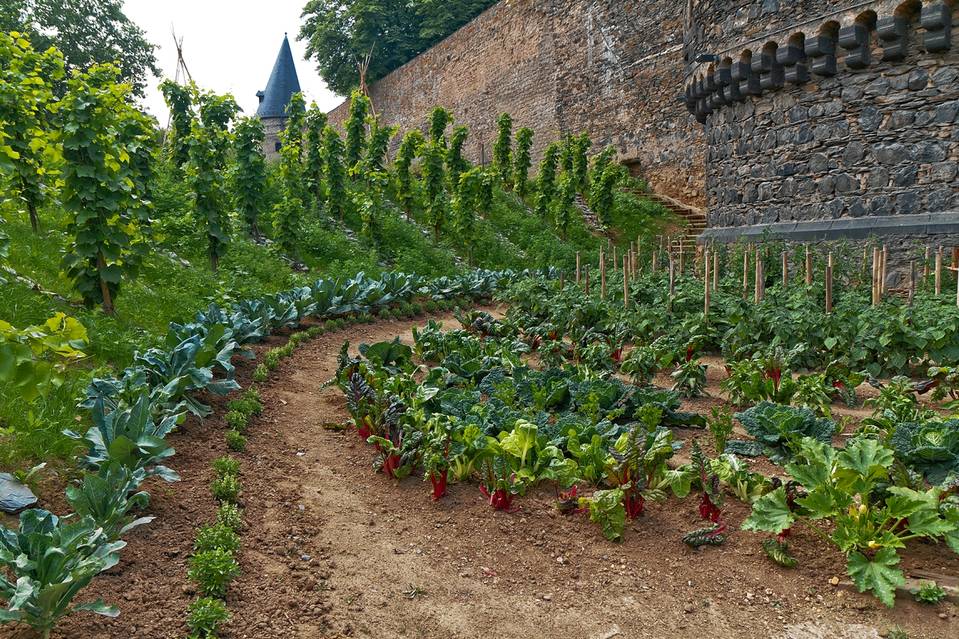
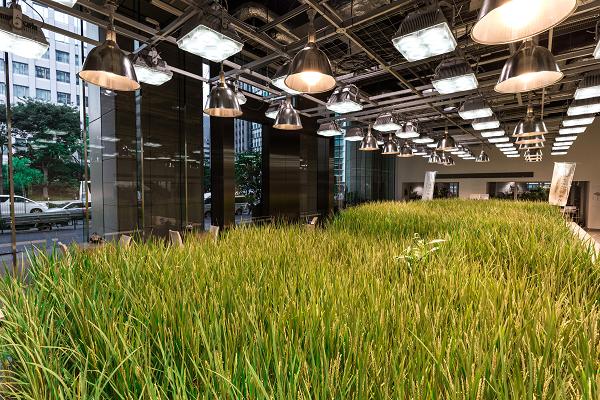
In 2008 this German city started turning public spaces and abandoned lots into vegetable gardens where local residents and even visitors were encouraged to harvest vegetables free of charge. They grow mostly lettuce, pole beans, and even tomatoes.

“It’s hard for townspeople to experience nature, so we’ve decided to bring nature back into the city,” says Lutz Kosack, the town hall’s resident botanist and driving force behind the project. Andernach has turned intimidating and abandoned public spaces into pleasant meeting spots, he says.

To read the entire article, visit: “WSJ.com

Albany Bistro offers new urban garden as farm-to-table movement takes hold

57241f496399d.image

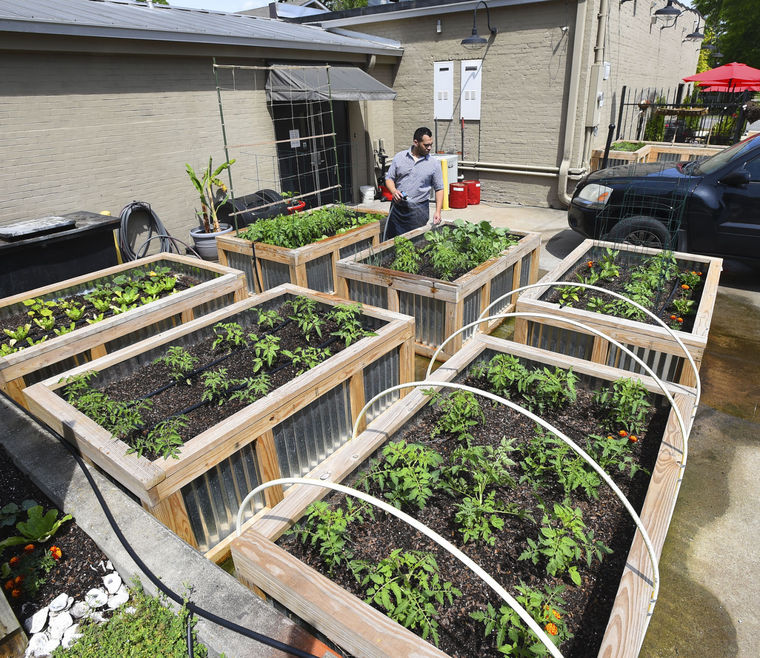
People want food that is more locally grown, and this trend just keeps growing.  “For the past three seasons, Albany Bistro, a high-end restaurant in the Albany Historic District, has worked with local farmers to produce meals made with fresh, locally grown produce.”

Their restaurant has now become a “destination”. They attract plenty of visitors from not only nearby neighborhoods but “out of towers” too.

“According to Reed, the restaurant has proved consumers are willing to pay a little more to know where the food comes from. He said buying local ensures the food is served at its freshest as opposed to produce from large-scale distributors that often is picked weeks or months in advance and allowed to ripen in boxes with the aid of chemical gases.”

To read the entire article, visit: “DecaturDaily.com

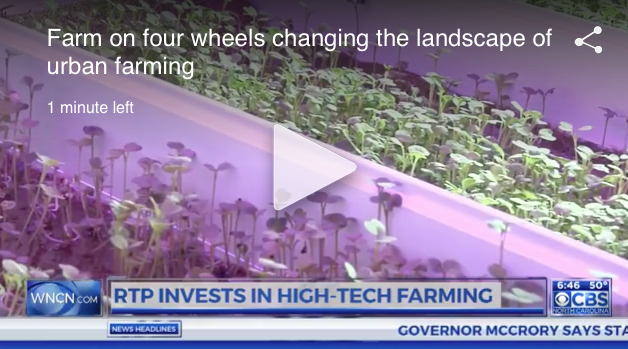
Farm on Four Wheels Changing The Landscape of Urban Farming

A new way of urban farming has just pulled into town, literally. A shipping container on wheels is changing the way many people view urban agriculture. “These are just traditional hydroponic growing systems that’d you’d find in a greenhouse and we layered it,” explained Ben Greene, CEO and Founder of The Farmery.

To read the entire article, visit: “WNCN.com

5 Veggies You Can Easily Grow in a Container

There are many reasons why you might choose container gardening over more traditional methods. Maybe you’re short on space, have trouble bending over, or are just really, really lazy (like me). Regardless of why you settle on container gardening, I’m here to tell you that it’s an absolute delight and has the potential to be incredibly productive.

After a few years of gardening, I’ve found a slew of vegetables that grow effortlessly in containers.

peppers

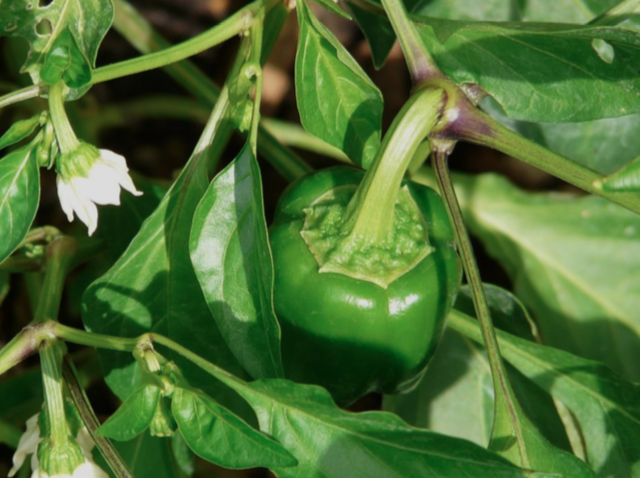
Bell Peppers

Container Type: 2 gallons or larger, 14­16 inches deep, 24 inch diameter with multiple drainage holes. Ensure there is room for stakes.
Sun: 6 ­8 hours daily

Peppers like consistently moist — but not soggy — soil. Water them whenever the top of the soil is dry, and be careful to never let the soil dry out completely. You can help them avoid drying

out by covering the top of the potting soil with mulch. Bell peppers are sweetest when they’ve ripened fully on the plant in full sunshine.

carrots

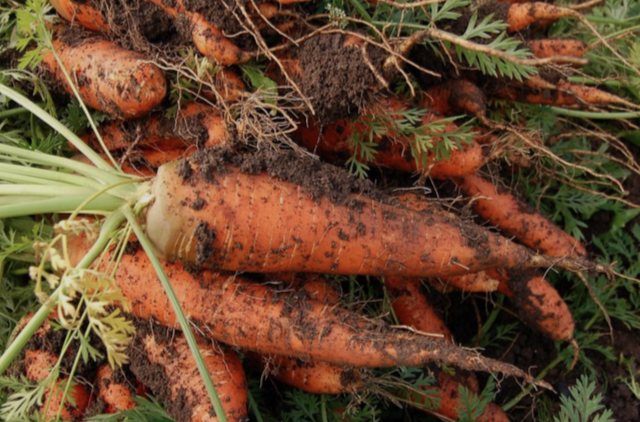
Carrots

Container Type: M ore than 12 inches deep to give carrots room to develop. Make sure there are multiple drainage holes.
Sun: At least 6­8 hours daily, more is better.

Carrots require little skill, minimal care, and minimal effort — perfect for beginning gardeners. Grow carrots in soil that is loose, lightweight, and well drained. They’ll need regular moisture, but not too much as root crops may rot if left in soggy soil.

cucumbers

Cucumbers

Container Type: M inimum 12 inches deep, 24 inch diameter with multiple drainage holes. Ensure there is room for a cage or trellis. When in doubt, go with a larger container rather than a smaller one.
Sun: 6 ­8 hours daily

Cucumbers absolutely depend on water, so you want to make sure they get a consistent level — you must ensure the soil never dries out completely. Add a trellis or tomato cage as the plant grows to maximize floor space and allow the plant’s leaves to get more sun.

tomatoes

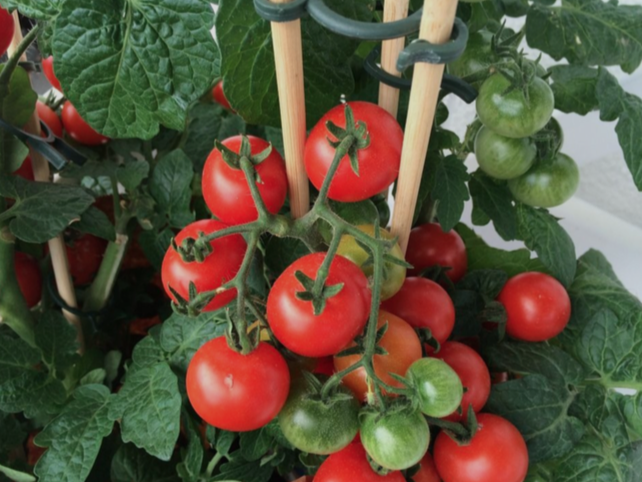
Tomatoes

Container Type: 1 5 gallon minimum, 18 inch diameter (determinate), 24 inch diameter (indeterminate). Ensure there is room for a cage. When in doubt, go with a larger container rather than a smaller one.

Sun: 6 ­8 hours daily

Tomatoes have extensive root systems, and once they become root bound, their fruit production tanks. They need large containers, plenty of room, and lots of water once they start producing..

zucchini

Zucchini
Container Type: B road and deep, at least 24 inch diameter.

Sun: A t least 6­8 hours daily, more is better.
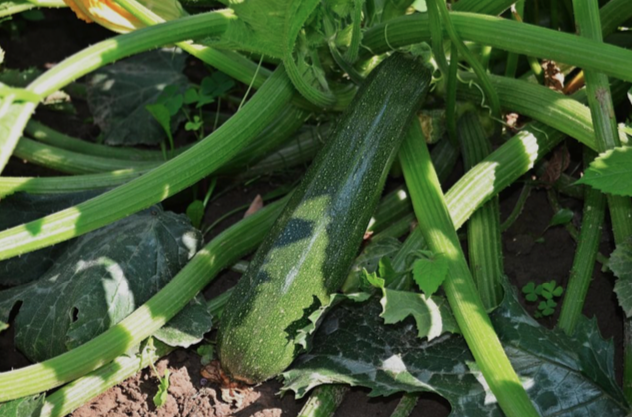
Zucchini plants have high yields, even when grown in containers. They sprawl, naturally

reaching diameters of three plus feet, so take that into consideration when choosing a container.

Tips

The most important thing to remember about container gardening is that containers lose moisture quickly, especially when they’re in full sun. In the spring, you’ll water everyday, and in the heat of summer, when plants are producing, you may need to water two or three times daily, depending on the temperature.

I’ve spent the last few evenings dutifully watering my tomatoes and cucumbers, checking the leaves for damage, and looking closely for any signs of insects. The time I devote to my container garden is some of the happiest and most peaceful I have each day. I’m looking forward to seeing what my plants produce this season.

**Liz Greene is a dog loving, history studying, pop culture geek from the beautiful City of Trees, Boise, Idaho. You can catch her latest misadventures on her blog, Instant Lo.

A Cab Driver Creates a Rooftop Garden on his Ambassador Taxi

11167977_1434920233476298_4783039778295666790_n

“Mr. Dhananjay Chakraborty, a taxi driver in Kolkata…has created a rooftop garden on his cab and has a mini green cavern in the trunk of his car with potted plants. It was truly an amazing and awe-worthy sight. He calls it the ‘subuj rath’ or the green chariot.”

His car has metal containers on the rooftop, and he has planted flowers at his taxi stand too.  You can view potted plants in the trunk and a completely green interior.   This all started about three years ago when he potted a money plant that a passenger had left behind in his cab. Since then he has nurtured and cared for it, and added even more living plants to his taxi.

You can see more pictures and read the full article at: “TheBetterIndia.com

Inside Europe’s Largest Urban Farm

UF002rooftopgarden

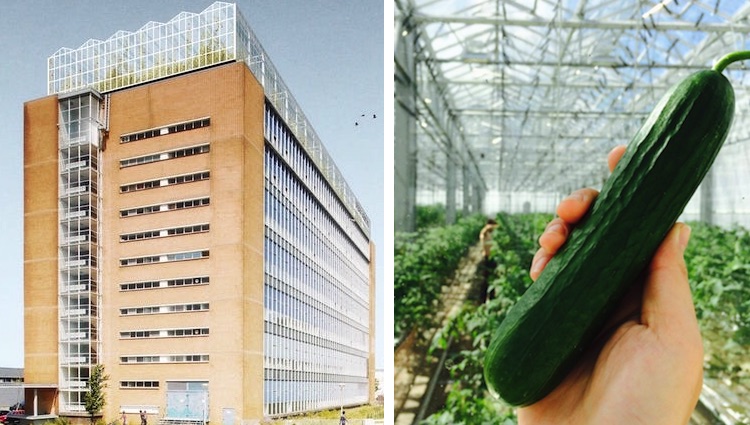
There’s an urban farm in Europe, named the “Times Square of Urban Farming because of it’s downtown prime location within the city.  It boasts a 1200 square foot rooftop greenhouse and a 370 square meter indoor fish farm where they grow tilapia.

“Opening next month, developers estimate that the farm will churn out 45 tons of vegetables such as cucumbers, tomatoes and microgreens and 19 tons of fish a year.”

They hope to deliver fresh produce to a local 900+ families, schools and restaurants.

To read more about this European Urban Farm, visit: “EcoWatch.com

How to Grow Fruit All Year Round

“Our handy new infographic lays out all the best options for home-grown fruit, so that you can match your soil type and climate to your preferred fruits and create a calendar that matches your needs. Get planting today, and you’ll soon be reaping the benefits of fresh air, lush surroundings, and healthy fruits whose sweetness is embellished with a hint of accomplishment.”

How to grow fruit all year round

How to grow fruit all year round by team at Happy to Survive.

Unique Urban Garden Planned for East Side in San Antonio

east side garden_1459200770064_2467740_ver1.0_1280_720

In San Antonio, the East Side is seeing a neat transformation all because of a new Urban Garden Project.

“Visitors can learn about fresh vegetables, canning, making honey, even beer and wine…a restaurant may even be in the works along with a vineyard. ”

It’s location takes up about a 10-acre plot which runs along a railway near a middle school.  Once the neglected grounds is converted into a modern urban farm they plan to name the project “the Greenies” as opposed to the name the area has now ‘The Goonies’, because of how overgrown it is.

To read more about this project, visit: “KSAT.com


Floating Urban Garden Coming to New York City This Summer

swale

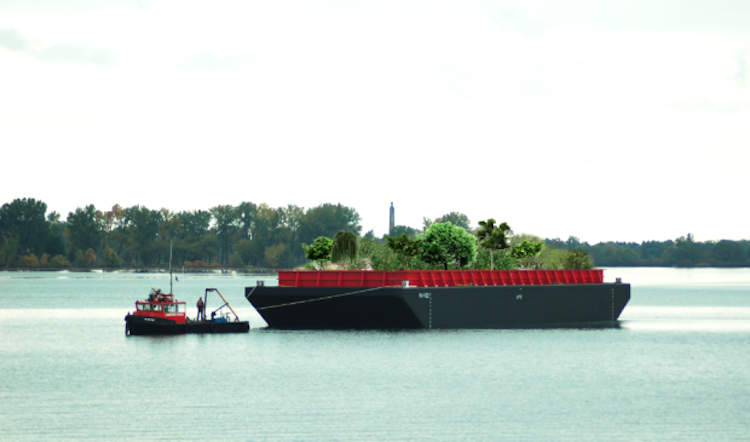
If you’re anywhere near New York City’s Hudson river this summer, make sure you visit Swale, a floating garden of edible plants.  An 80 by 30 foot area will sit on top of recycled shipping containers and literally be a floating food forest with fruit trees, herbs, kale, blueberries, gooseberries, huckleberries, and smaller plants like asparagus, cherry tomatoes, yams and greens. The best part? visitors on the vessel will be allowed to harvest their food for free.

“Not only is it a floating urban farm, a pavilion erected on the structure will also serve as home-base for Eco_Hack 2016, “a large-scale eco/social/digital installation and performance series.” The free, month-long gathering will consist of performances, gallery shows and activist meetings, and is open to the public.”

To read more about the Floating Food Forest, visit: “EcoWatch.com


SekuraGarden – Hang it. Grow it. Eat it.

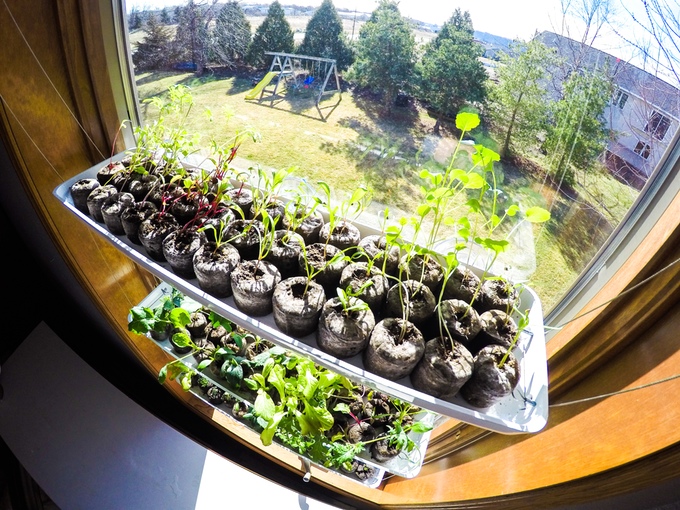
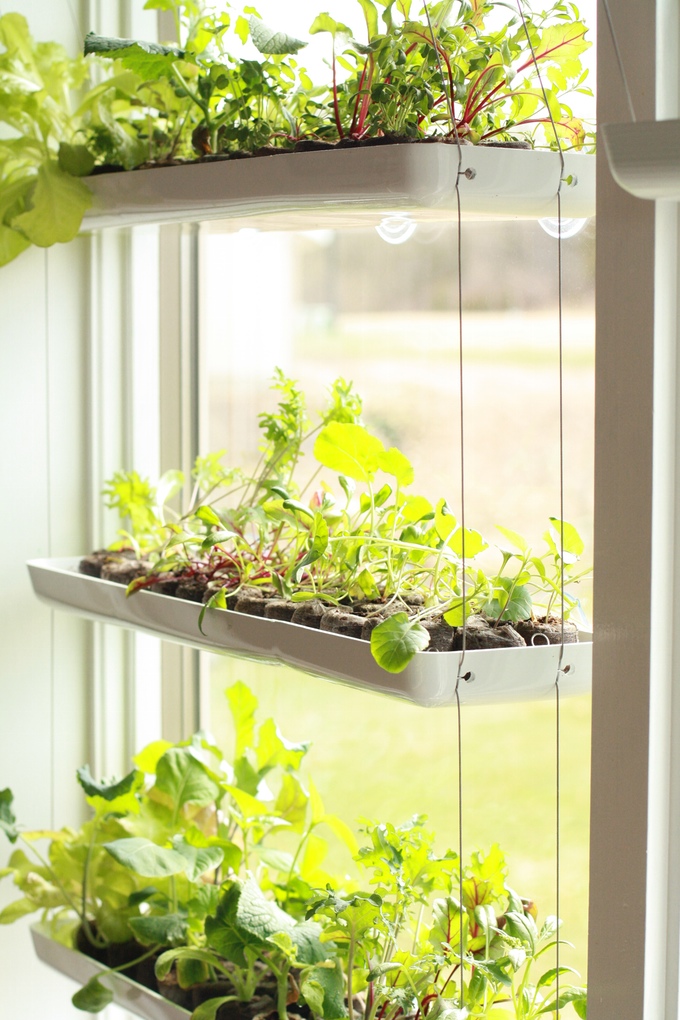
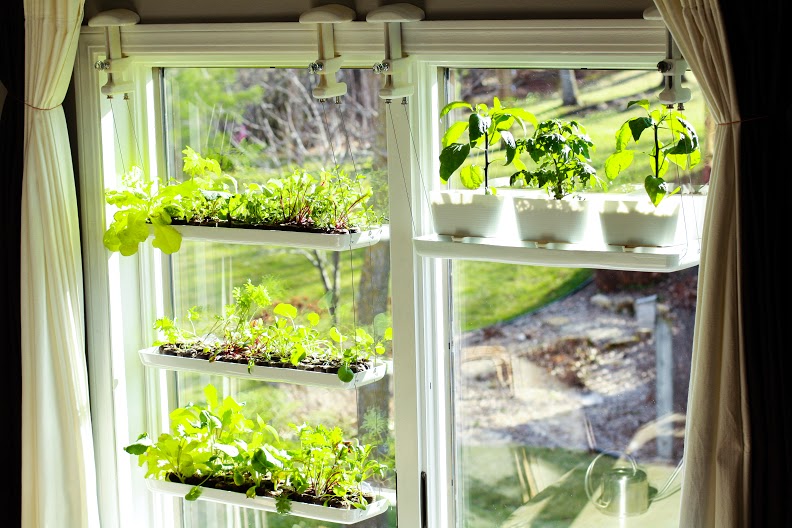
0206f0874afe3b2c4a12350395549702_originalThe SekuraGarden is a new kind of gardening system that makes it easy to create beautiful, multi-shelved hanging gardens in unused window space. Best of all, the system adjusts to fit most windows, install in just a few minutes, and does no damage in or around your window!

The SekuraGarden uses specially designed support arms that adjust to fit most window trim. Shelves hang below the support arms suspended by steel cables. The hanging shelves swing forward and are secured against the window with powerful suction cups. Being right up against the window gives plants full access to the sunlight and turns windows into a sort of mini-greenhouse.

“I created the SekuraGarden to get my seedlings off of messy crowded tables in front of windows and up into the window taking full advantage of the light. With the SekuraGarden I can start over 100 seedlings in a single window. It makes starting my garden each spring so much easier!” says the SekuraGarden inventor Jacob Ricks.
813ed58da7bad9fe8fb709702beac685_original

The SekuraGarden is perfect for city dwellers looking for gardening space in small apartments and makes it easy to grow year round herbs, greens, or other small plants.

The SekuraGarden is available in two-shelf units or can be ordered as part of the SekuraGarden Educational Pack. This pack includes a gardening curriculum for young children, a two-shelf SekuraGarden, 100 seed pods, and a selection of seeds.

“We currently have a SekuraGarden hanging in a window at our local library. It has been a huge success and the kids have loved learning about plants and watching their seeds grow! We hope that the SekuraGarden can be used by educators everywhere to help children develop a love of plants and gardening early in their lives.”
2 SekuraGardens

The SekuraGarden is available now for preorder on Kickstarter. “We chose to launch the SekuraGarden on Kickstarter to help cover the expensive up front production costs like plastic injection molds. It will also allow us to make a large order and receive a volume discount on the parts.” says Ricks.

SekuraGardens and SekuraGarden Education Packs can be pre-ordered for backers themselves or the teachers/schools of their choice from April 20, 2016 until May 25, 2016. Early backers of the campaign can get up to 27% the retail value.

Backers of the SekuraGarden during the Kickstarter campaign will be the first to receive their SekuraGardens with an estimated delivery date of August, 2016.

To learn more about the SekuraGarden, click here! 
 

Foodbank Creates Urban Garden

Garden-Students

In Dayton, Ohio there’s a new urban garden that has sprouted up. It belongs to the FoodBank of Dayton and serves fresh produce to around 130,000 people from numerous counties.

“We want to bring more fresh produce, more fresh food to those who can’t afford to go to their closest grocery store which may be miles and miles away,” Lora Davenport, community relations manager for the Foodbank, said.

Ohio is ranked as one of the top states in the US where households are forced to eat less because they can’t afford more food.  “Dayton ranked fourth in 2012 for food hardship, according to the Food Research and Action Center, a national organization working to eradicate hunger and undernutrition in the U. S.”

To read more about the FoodBank’s Urban Garden visit: “MyDaytonDailyNews.com

How Urban Farms Are Changing The Way We Eat

103551999-GettyImages-483776942.600x400

The demand for locally-grown produce is on the rise, and a 2015 report found that the number of farms with direct sales to consumers increased by 17%.  Another grocery shopper trend survey found that 29% of shoppers want to purchase more of their food from local sources.

“But some are asking the question: Is arugula that’s grown in a greenhouse in Chicago but owned by a multi-million-dollar company based in New York City really “local”?

To be clear, greenhouse farming is nothing new. The growing method is especially popular in Canada because of its cold climate that makes outdoor farming difficult, but most in the past have fallen into two camps: very small (local farmers tending to herbs and tomatoes) or massive industrial operations that ship the produce all over the world.”

To read the entire article visit: “CNBC.com

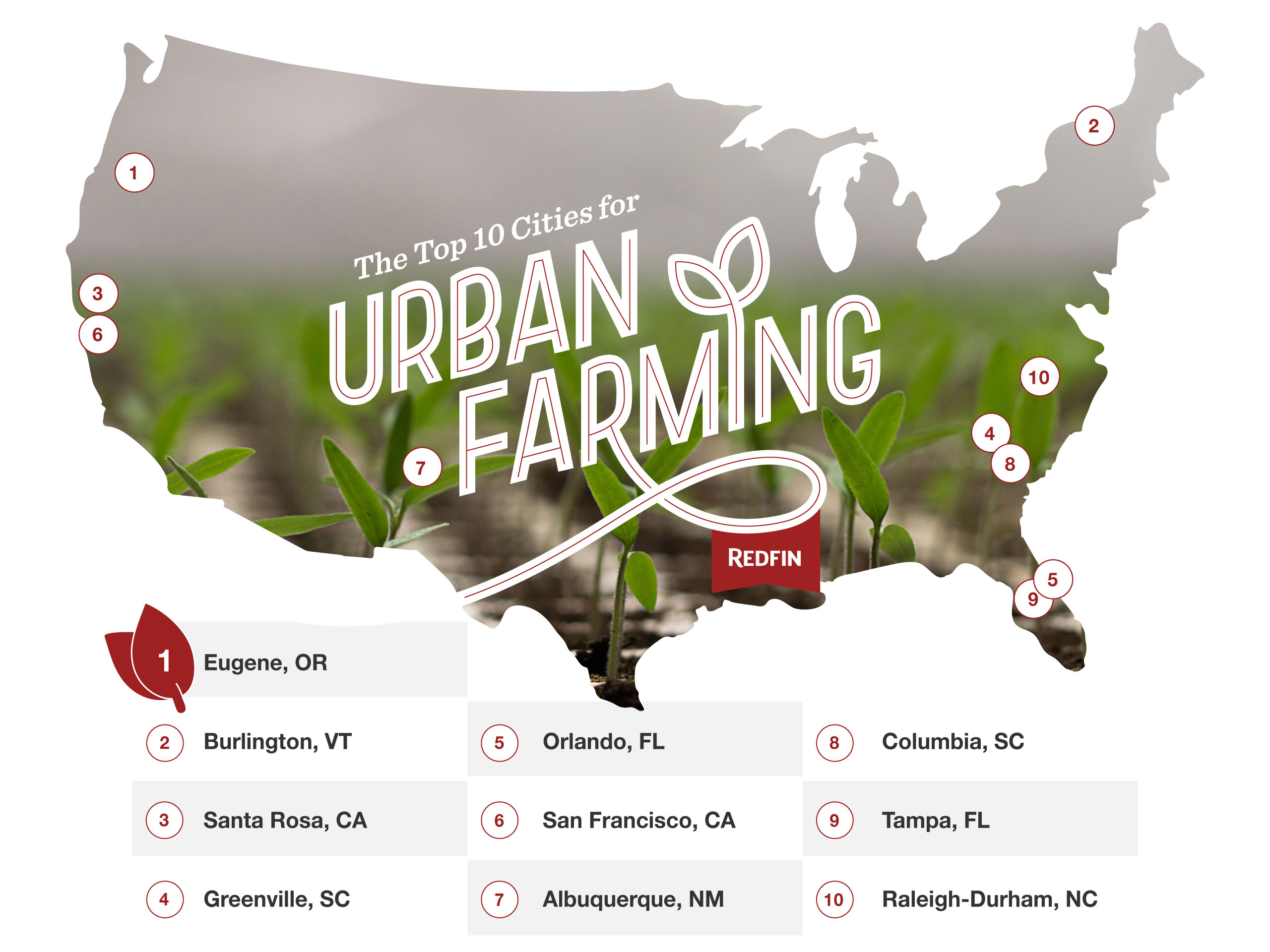
THE TOP 10 CITIES FOR URBAN FARMING

UrbanFarming_1280x960-new

“Urban farming has become a growing trend in recent years and farm-centric communities are winning with buyers. Here, Redfin managing editor Natalie Schwab presents the ten cities across the nation that are best for urban farming, where consumers can grow herbs and small crops of vegetables on a rooftop, raise chickens in their backyard, or plant food in a community garden.”

Eugene, Oregon made the top of the list in their TOP 10 CITIES FOR URBAN GARDENING.  To view the other 9 cities that made the list, and find out why, visit: “BuilderOnline.com