Urban Farming Takes Root in Baltimore

farm_pic_9

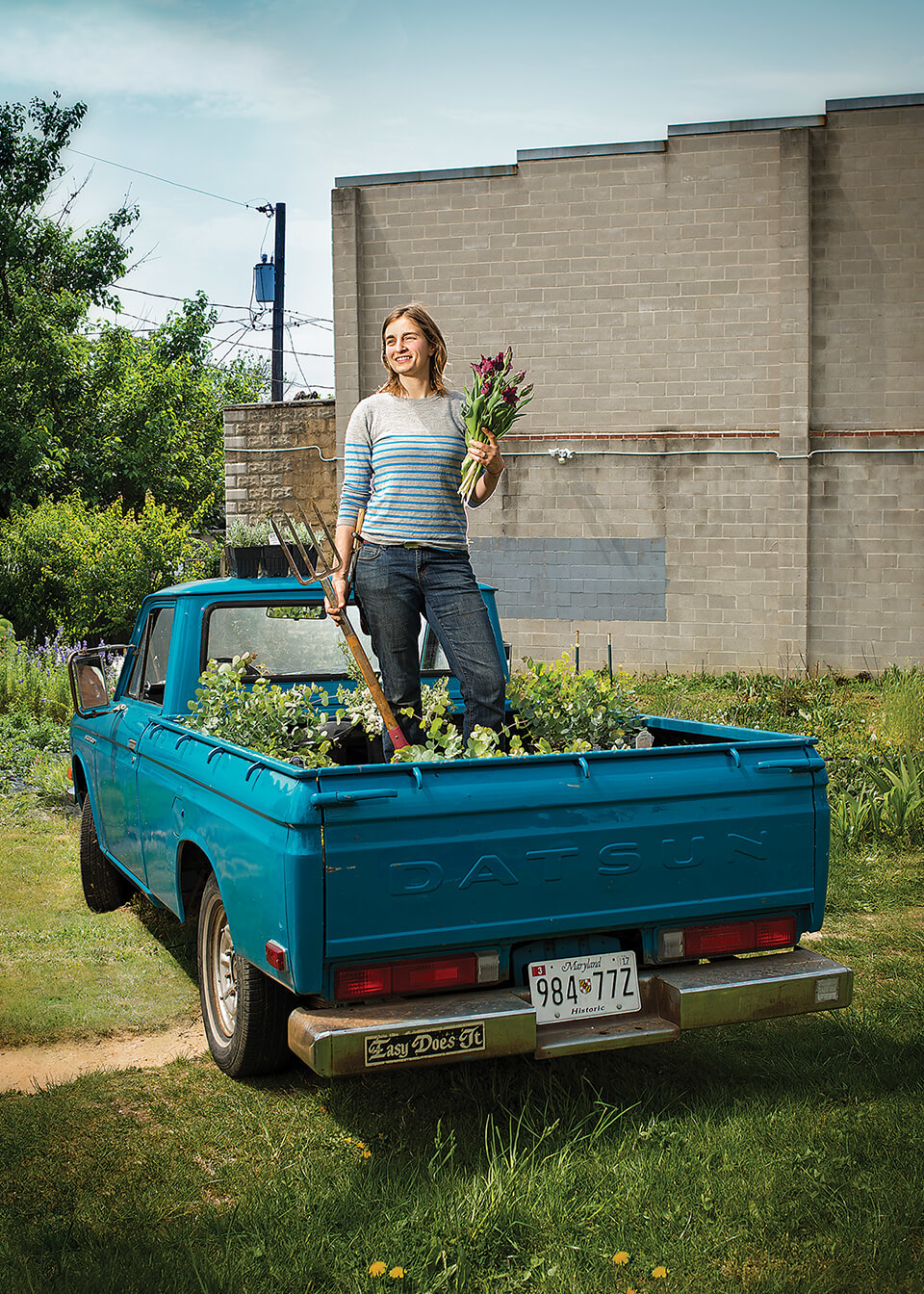
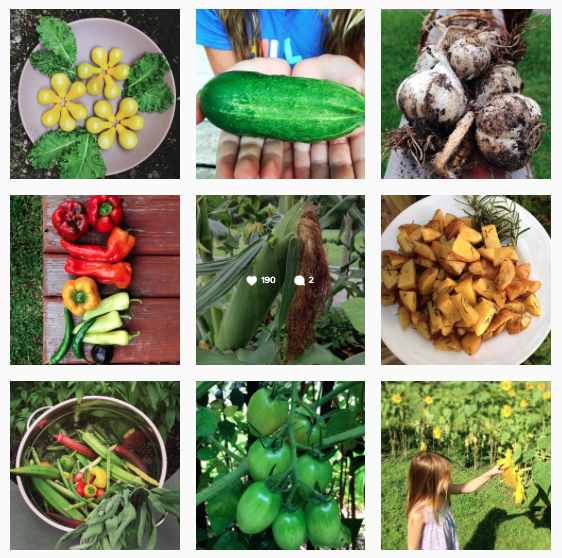
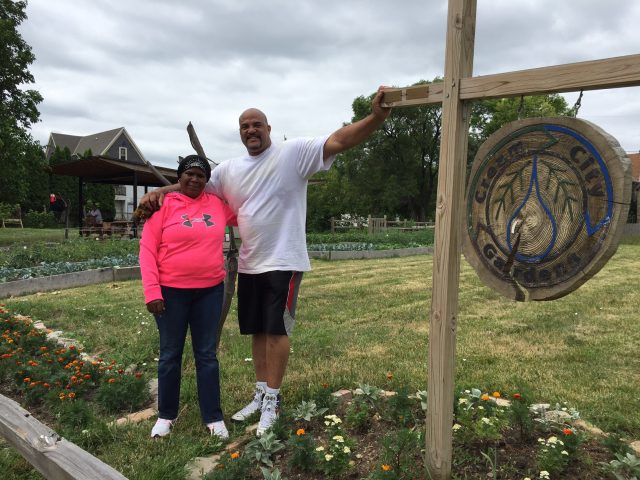
People have been growing food in urban areas for years, and you can remember how “victory gardens” were common even during World War II.  This idea of growing food, in small areas and urban neighborhoods is sweeping the nation and Baltimore has joined the trend.

“Because of urban agriculture’s potential to feed, employ, beautify, and improve ecological and health outcomes, it is often touted as a promising solution to the ills of urbanity, especially in cities like Baltimore where vacant land is plentiful, food insecurity and blight are rampant, and community resources are scarce.”

Read the entire article at: “BaltimoreMagazine.net

Urban Farmer Sharing Produce and Inspiration in Sacramento, CA

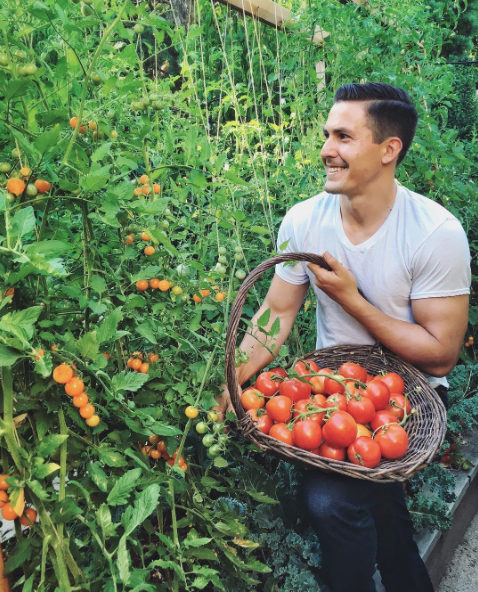
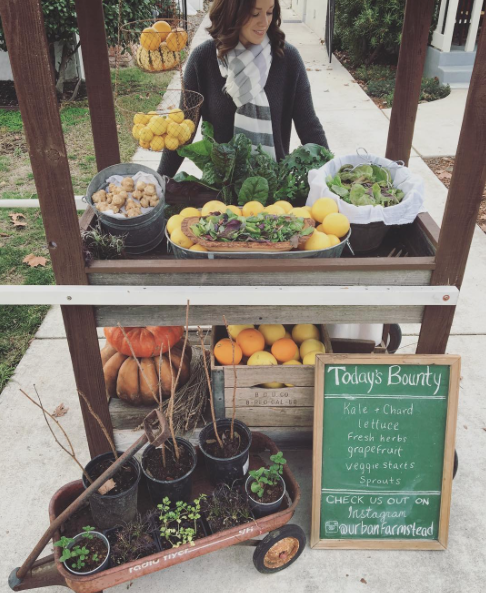
In Sacramento California, Zone 9b, Kyle Hagerty is inspiring Urban Gardeners around the world. They started growing just enough food for themselves, but now they have opened up a farm stand in their front yard where they share their homegrown goodness with their entire community. 

2

Tell us more about your amazing little farm stand and how it makes you feel being able to share your harvests with your local community.  Just over two years ago when I bought the house, the yard was completely empty but full of sunshine. I designed, planted, and built the urban farm with a focus on sustainability and it has grown into a wonderful place for sharing produce and inspiration with our community. The farm stand is wheeled out into the driveway full of anything that’s growing in the back yard and we give it all away to everyone who stops by. I also invite visitors to take a walk in the back yard to see where the magic is happening, and to hopefully inspire them to start their own garden or share some gardening tips with other gardeners. Being able to connect with my community through sustainable food and re-establishing the relationship between people and the food that they eat brings me immense joy. I am extremely grateful for all of the support I receive from my community here in the Farm-to-Fork Capital of America, and the social media community on Instagram who continue to encourage and inspire me every day. 

3

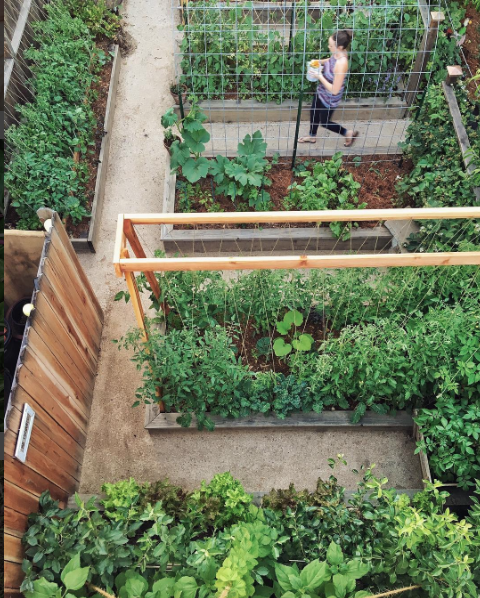
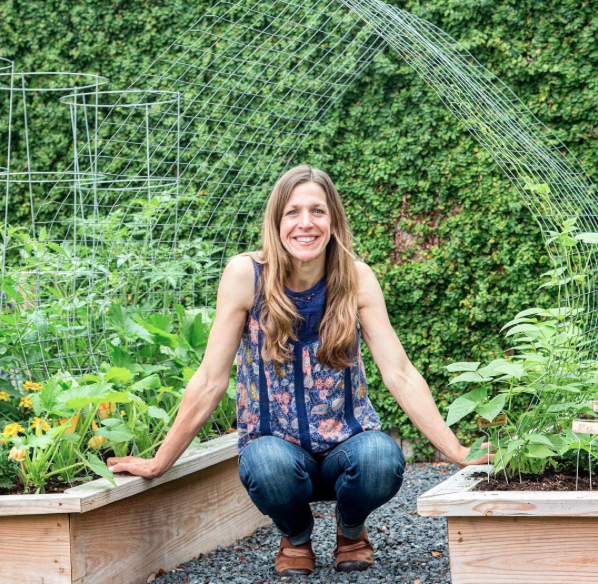
What’s your favorite part of your amazing backyard garden? My favorite feature in my garden is my tunnel trellis entryway into the raised bed area of the garden. I used two 16’x4’ galvanized  livestock panels bent into and arch and held in place by T-posts. The trellis spans the pathway between two raised beds and supports a wide variety of fruits and vegetables year round. I originally designed it with tomatoes in mind but through crop rotation it has hosted and supported gourds, pumpkins, zucchini, pole beans, peas, tomatillos, blackberries, cucumbers, butternut squash and more. I have recently noticed a few people re-create this trellis in their gardens and I hope to inspire everyone who has the space, to do the same. It is an easy, inexpensive, attractive, and highly effective trellising system!

4

Any plans or projects you’re working on currently for your garden? The projects are never ending. I am currently working on a design to build a vertical growing system for my zucchini and summer squash. With my limited space I am constantly experimenting with and developing ways to take advantage of vertical space by encouraging plants to grow up rather than out. 

I am also in the planning stages of incorporating chickens into the urban farm. Stay tuned for that this summer!

Follow @Urbanfarmstead on Instagram! 

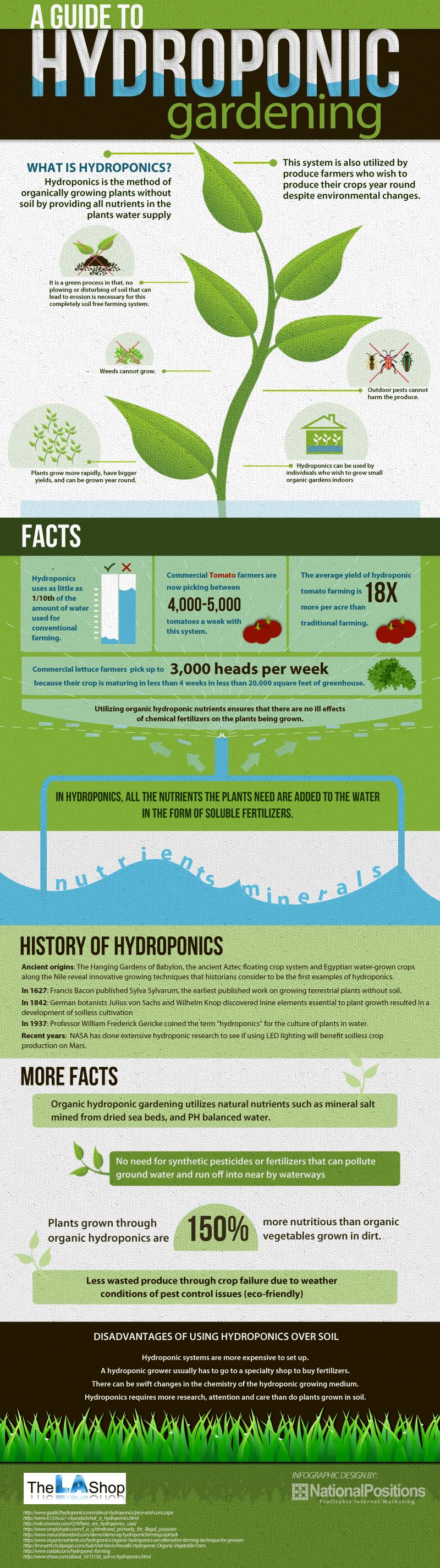
A Guide to Hydroponic Gardening – Get the Facts!

Pros-and-Cons-of-hydroponic-farming

Pros and Cons of Hydroponic Farming

“Hydroponics can be a great alternative for the farmers who want to produce their crops round the year despite the environmental changes. The use of organic fertilizers in the hydroponic farming ensures that there will be no ill-effects of the chemical fertilizers. No doubt, the innovative concept has various advantages but the initial set up of the system is relatively expensive.” –source: Graphs.net

Last Chance! August Seed Club Shipments Go Out Soon…

UOG August
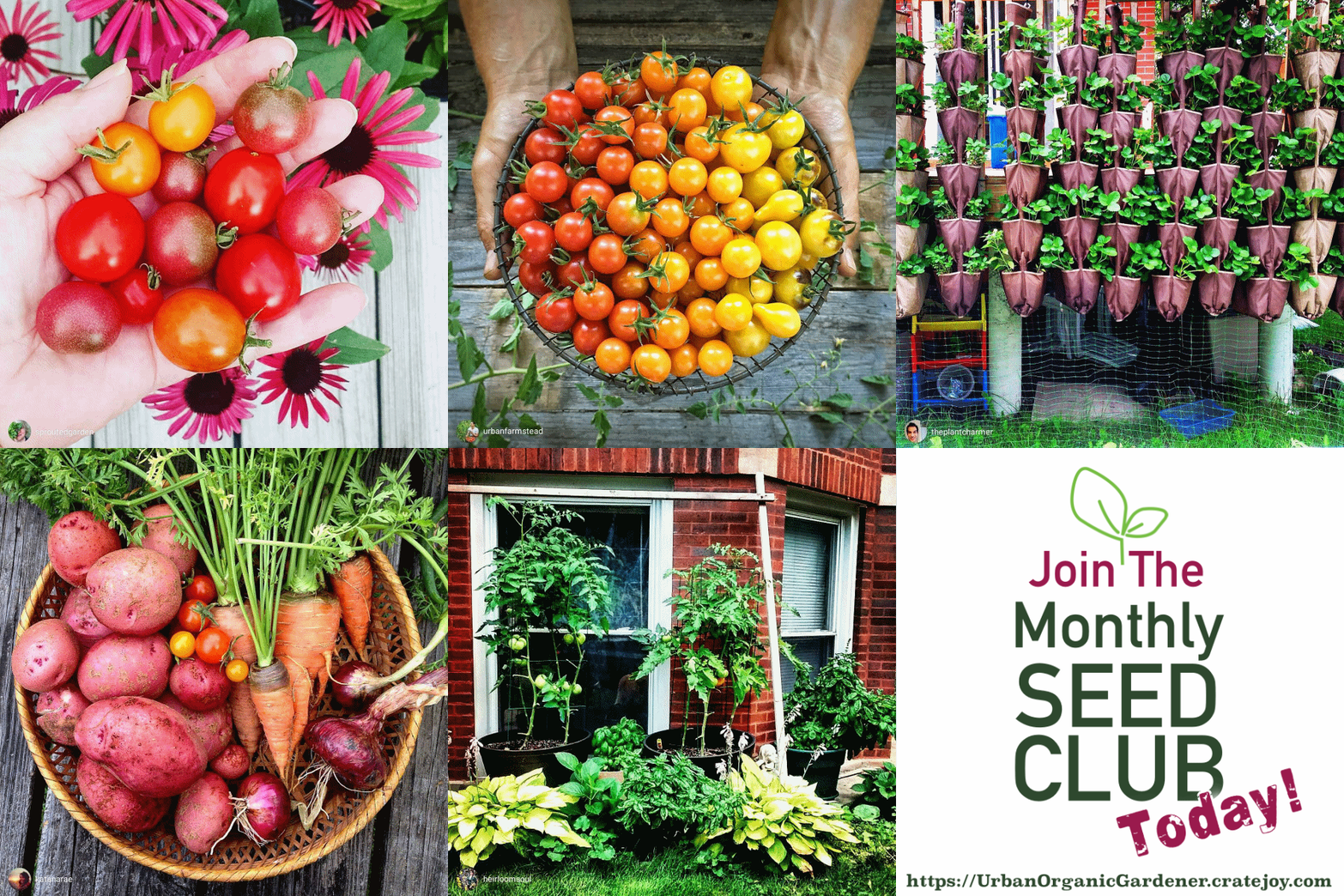
JOIN the Urban Organic Gardener’s MONTHLY SEED CLUB TODAY!
**To receive a shipment for the month of August, you must join before August 4th at 11:59pm PST.

Sign up now at: https://urbanorganicgardener.cratejoy.com

For $10/month our garden experts will build a custom curated collection of seeds & garden supplies designed around YOU – your grow zone – your garden space/location – and your preferences.

Join the community on Instagram: https://www.instagram.com/urbanorganicgardener/

The weather in August is oftentimes more mild than we anticipate, especially as we get closer to the rapidly approaching first day of Fall. This is a great time to get things growing again, after July’s hot temperatures. A garden is hardier than you may think, and there are plenty of varieties that will do well and actually THRIVE this time of year.

The ‘World’s First Underground Park’ Is One Step Closer To Becoming Real

“New York City just approved the Lowline, a dreamy, eco-friendly project.”

5798e31b1200007404a53c3e

The world’s first underground park and public cultural space will soon be on the “must-see” list of many visitors world-wide. The team who dreamed up this underground oasis will soon use “cutting edge solar technology to transform the abandoned Williamsburg Bridge Trolley Terminal located under Delancey Street into a one-acre underground public park. Here, sunlight is delivered underground, activating photosynthesis to create a lush garden space year-round.”

In an area where a much needed public space is highly desired, the Lowline team is hoping to be a model of success for reusing and cultivating underground spaces.  There vision is “to shape the future of the City through innovation, deep community engagement, education, and youth development.”

“New York City is the place where visionary ideas get turned into tangible realities,” said NYCEDC President Maria Torres-Springer. “Today we move one step closer to making the Lowline a reality, which will serve as a cultural and educational hub for this vibrant community and pioneer cutting-edge technology.”

To read the entire article, visit: “HuffingtonPost.com


Grow a THRIVING Garden in Late Summer and Early Fall – JOIN the Urban Organic Gardener’s MONTHLY SEED CLUB TODAY!

August Seed Club GIF
JOIN the Urban Organic Gardener’s MONTHLY SEED CLUB TODAY!

For $10/month our garden experts will build a custom curated collection of seeds & garden supplies designed around YOU – your grow zone – your garden space/location – and your preferences.

Sign up now at: https://urbanorganicgardener.cratejoy.com

The weather in August is oftentimes more mild than we anticipate, especially as we get closer to the rapidly approaching first day of Fall. This is a great time to get things growing again, after July’s hot temperatures. A garden is hardier than you may think, and there are plenty of varieties that will do well and actually THRIVE this time of year.

To receive a shipment for the month of August, you must join before August 4th at 11:59pm PST.

Meet One of Houston’s Newest Urban Culinary Garden Consultants {INTERVIEW}

Whether you’re in the Houston area or not, we’ve stumbled upon a great Instagram account that will give you wonderful gardening tips and beautiful imagery. Nicole Burke (@rootedgarden) is one of the Houston’s most up-and-coming garden consultants and her clients rave about the work she does.

The Rooted Garden designs, installs and maintains organic vegetable and herb gardens in Houston, TX. Providing consulting, high quality garden beds, and local sources for plants and soil, The Rooted Garden is a leader in Houston’s edible gardening market.”

photo credit: Meredith Flaherty (http://www.meredithflaherty.com)

We’d love to hear about your gardening business and what you do.

In the fall of 2015, my youngest child entered preschool.  While I was already employed as a philanthropy advisor, I was quietly looking for a way to be out and about in Houston and gardening more.  The business happened almost accidentally as a few friends asked me to help them begin a backyard garden.  In November, I registered ‘Rooted Garden’ as a business and formally announced my enterprise to friends and neighbors.  My first six gardens were standard 4′ x 8′ or 4′ x 4′ cedar gardens.  But within a few months, friends began to tell other friends and I was soon working with clients on gardens of 150 square feet or more.  Now, eight months in, I have served over 45 clients and the phone keeps ringing!  Just recently, I’ve begun garden consulting for clients in other cities as well.  It’s a dream come true and a real joy to share the garden with so many new friends.

photo credit: Meredith Flaherty (http://www.meredithflaherty.com)

How has having a family garden improved your quality of living for your kids? What do they most love about growing their own food?

As parents, we all feel the need to provide a wide open space for our kids to run free but that is not always possible for families in the city.  We have a fairly small backyard but our vegetable garden still provides some of the aspects of adventure and discovery that kids often miss in urban settings.  In a relatively small space, my children can explore, work, forage, discover and eat. The novelty that my kids crave can often be met in the garden with an emerging butterfly, a new seedling, a hidden fruit or a pest infestation.  Every day and every season is unique.  With a family of four children close in age, it’s difficult to find an activity in which we can all participate fully but the garden has become such a place.  When my kids are fully grown, I believe they’ll look back and remember our garden as a central part of their family and life.

2

What have you been most successful at growing up until now? What would you still like to try?

Lettuce!  Lettuce crops are incredible in Houston.  We plant seed in October and we can cut and come again until April and then grow Arugula and Mizuna throughout the hot months.  Because our winter temps don’t drop very low, the winter garden is actually (I think) the best.  I love to grow a huge variety of lettuces with different colors, textures, and tastes.  I think most people that tire of salads do so because they’ve never had a freshly cut salad full of bitter and sweet, crunchy and soft lettuce.  It’s so satisfying and delicious and it’s one of the main reasons that I desire to see more Houstonians growing.

What would I still like to grow?  I’d love to grow Chia seeds, Amaranth, or Quinoa.  Unlike most of the country, Houston’s toughest time to grow is June through August so I’m always looking for new crops that can stand the heat and humidity and help me hold on till its sweet lettuce season again.

photo credit: Michele Grifiths (http://michelegriffiths.com)

Do you have any tips on how to keep your garden area free of weeds? Your gardens always look so tidy and well-kept! 

Thank you!  I almost always work with raised garden beds.  Houston’s soil is gumbo clay and while it has some beneficial properties, the proven method for successful edible gardens here is raising the garden bed and filling it with soil and compost.  I work with several local soil companies that are amazing.  Their soil and compost are so clean and nutritious that weeds are really not a thing for the first year.  There are airborne weeds to contend with, but I try to fight them by keeping the gardens full.  My clients will tell you that I don’t waste an inch of the garden.  Some may say that things are too crowded but if I can see a weed finding its way into the garden, I figure there might as well be something edible growing there instead.

5

A Beginner’s Urban Garden (No Yard Required!)

Getting out and joining your community garden is great. It’s a fun social activity, promotes community, and is a great way to get some free fruits and vegetables. If you’re a gardening guru who needs their fix, or just want to try growing something green, consider these indoor plants that offer an soft intro to more gardening.


Cheaper and Greener Sometimes Work Together:

Reusing old milk cartons and reducing the amount of waste your garden creates by making your own compost or loam will not only reduce the cost of your garden, but it will be better for the environment. Depending on what you have laying around or what sort of heat/light you have in your house means that you have different plant options that might work for you. Use what you have to get the most individualized plants for your home.


What a Garden Will Help You Do

Gardens are great! They are a money saving hobby that gives you free-food. It can be a great way to get exercise, or just achieve some New Year’s Resolutions. Gardening is a rich and rewarding hobby for anyone who wants to live longer, better, happier lives.


Why It’ll Make Your House Nicer

Indoor plants will not only provide your home with beauty, but they have been shown to promote good health and improve the ability to learn. Whether it’s a dorm room or a kitchen, improved health and learning ability is not something to scoff at. Making your home a nicer place to be is always worth it. Down below are a few edible indoor plants to really get your ideas flowing.


Papayas

Papayas are a great option for anyone who loves papaya and wants something a little unusual. Without two trees though, the papaya plants will not yield fruit.

Getting seeds for a papaya is pretty easy, drying out the thousands of black peppercorn like seeds of any grocery store papaya will give you enough seeds to grow for life. After a week of drying out the seeds, they can be rolled to remove the seed husk and placed in a warm, moist starter pod. Papayas are fast growing and will need to be trimmed back often to keep them indoor sized. When growing indoors the papaya should be kept in a warm, sunny, humid place (as tropical as possible).


Fig Trees

Fig trees are pretty and fit well with a variety of styles. They are typically extremely hardy in a pot that isn’t too big and do well in indirect light. The best benefit of a fig tree is that you get figs, the biggest downside, is that fig trees are about four feet tall and have big gorgeous leaves, meaning that this might not be the best fit for small studio apartments. So, while the bathroom is a perfect place for fig trees to flourish (indirect sunlight and loads of moisture) planning on fitting a fig tree might be difficult.


Berries

Berries are great for smaller apartments and can be grown year-round. Strawberries are one of the better berries to choose because they do not need a deep tap root and can grow in less than a foot of soil. Their hardiness means that even the most beginner could grow lots of berries (of if you’re real handy, this guide will water them for you). Other berries like blueberries can be grown hydroponically and can have some serious ph needs, so they can be reserved for a more attentive gardener.


Watermelon

Watermelon is great to grow hydroponically, but for the beginner indoor plant lover, a wide, brightly lit window that receives direct sunlight for the next 80 days is enough. To get your watermelon to grow, you should attach a sturdy frame to wrap the watermelon up (very sturdy, watermelons are heavy!).


Mushrooms

Mushrooms are super great to grow indoors. While some kinds have to be foraged for in the forest (like morel mushrooms) others can be grown in your own kitchen. While there are kits to get you started, you could also start a mushroom terrarium from scratch as long as you live somewhere that you can keep clean.
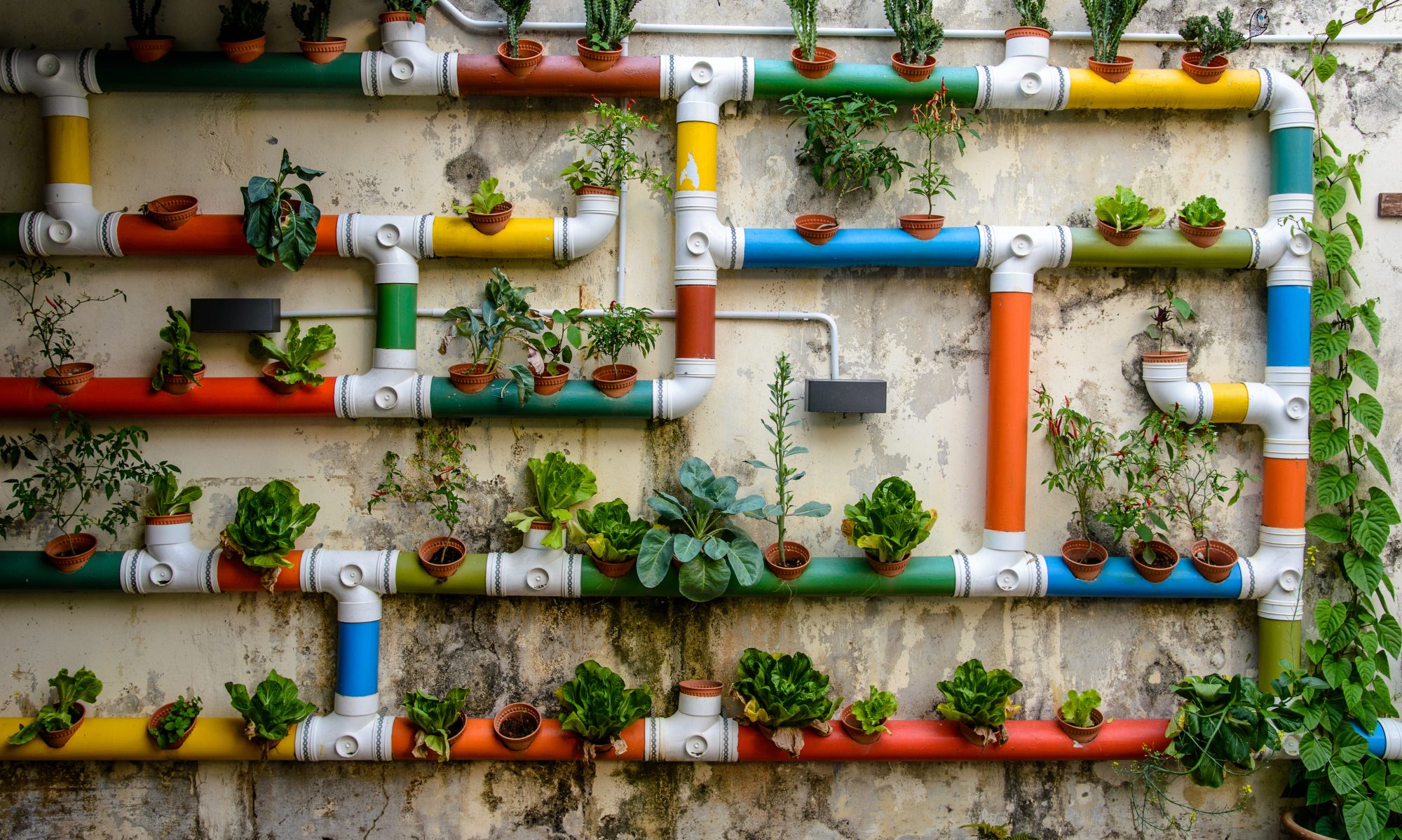
 

Atlanta’s Urban Farmers Show Creativity Growing Food in the City

aluma_farm2Any patch of land can be used to grow food. You don’t need acres and acres of land to have a successful farming operation on your hands.  Atlanta has over 40+ farmers markets, all being supplied by local farmers, on many types of land using countless growing methods.

“Indeed, one of the advantages of being in an urban setting is close proximity to neighbors, including neighboring school children.”

To read more about specific urban farms popping up in Atlanta, visit: “myajc.com


Syrians Under Siege Plant Urban Gardens to Grow Food

Syrians-under-siege-plant-urban-gardens-to-grow-food

People from Madaya have been known for their farms that once sloped down toward the valley. About one year ago that picturesque scene has changed because Madaya has been under siege by the Syrian government and their allies.  Due to the siege, farmers are no longer able to access their once rolling hillside farms.

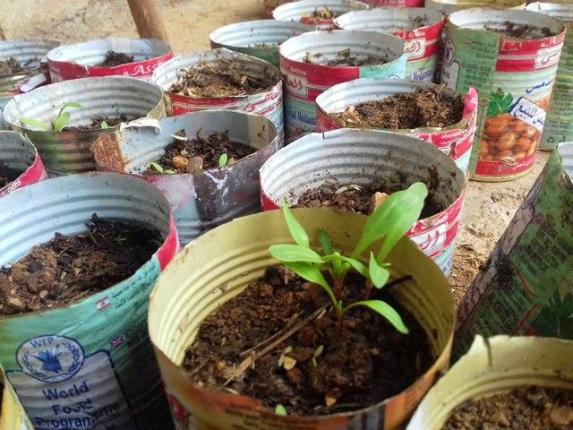
“We’ve been farmers from the first day,” says Abu Khalil, nom de guerre of a civil activist and independent citizen-journalist from Madaya. “We used to plant our land. But the siege cut us off from our fields. So we brought boxes and filled them with red soil for planting. We put them on balconies, on verandas of houses, any place where the sun can reach.”

To read the entire article, visit: “UPI.com

How An Urban Garden is Attacking Homelessness

IMG_7060-640x480

One woman, who’s “been there herself”, is lending a helping hand to those struggling with homelessness. She knows her purpose is to help others, and she delights in serving her community by running an urban garden.  She says “I was homeless for a year and a half,” James said. “Everything happened at once.”

“Mental illness, lost my job, daddy died, daughter got involved with the kingpin drug dealers.  Four different things transpired in my life that sent me down a spiral.”

To listen to the entire radio show, and read the full article please visit: “RadioMilwaukee.org

Boston Urban Farm Provides Unique Program To Help Homeless


“It’s called Revision Urban Farm which is part of Victory Programs, an agency that works on a wide range of social issues.  The goal of the farm is to help homeless families and young people move ahead in a sometimes difficult world.  At Revision Farm, young people with summer jobs, many volunteers and staff work together to provide fresh, healthy produce for the community.”

Read the full article at: “BostonCBSLocal.com

Northern Alabama Woman Grows Edibles in her Front Yard & Loves Spreading Happiness {INTERVIEW}

5

Urban Organic Gardener Interviewing @mujerlocaplanta, from Instagram!

What inspired you to start a front yard, urban garden? I grew up in a rural area about 30 minutes from where I live now. My grandparents and various other family members all live on “the Farm” and pretty much all of them are and have always been farmers in some capacity. My granddad is 85 years old, and at the end of May the family helped him get his garden in the ground to celebrate his last chemo treatment. He has taught us all to love a garden, to respect the land, and to find joy in watching things grow. My grandmother is the same way, but she favors flowers and shrubs instead of vegetables. She is a butterfly and hummingbird guru, and grows the most incredible roses I’ve ever seen. My mother’s partner is a chef and owns a farm-to-table restaurant. He uses our family farm these days to supply the café with heirloom, organic produce. His specialty is tomatoes. I work at the café, and Chef Garfrerick has taught me how to be a bangin’ craft cocktail bartender. I grow most of my herbs and edible flowers with boozy drinks in mind. I have had a lot of wonderful influences in my life, thankfully, and many of the most powerful and lasting lessons I’ve learned and concepts I’ve discovered have come to me in a garden, some with the help of some truly incredible people. I plant a garden to share the wisdom they handed down to me with the people I love. Also, it makes for really good Instagram pics 😉

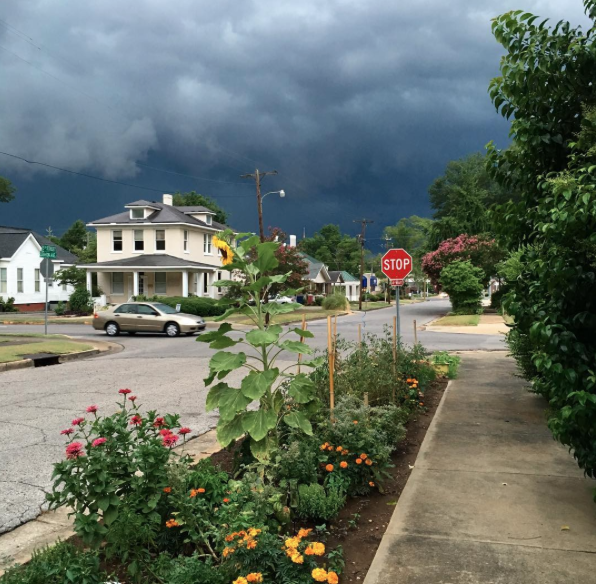
What do you suppose your neighbors think about your gardening efforts? My neighbors know I am crazy. They don’t think it, they know. I mean, I’m growing squash between the sidewalk and the road in front of a 1-bedroom, upstairs apartment. I’m out there at midnight with a headlamp watering everything. I literally stand in the street sometimes in my wide-brim straw hat and my galoshes and a sundress to gather hard-to-reach tomatoes or zucchini. It’s not uncommon to find me in the garden either crouched down into some undignified position that would make my grandmother fuss like mad, or twisted up like a contortionist trying to take a picture or string up twinkle lights. My neighbors and community are convinced that I’m a little off, but they seem to find it endearing. I have made a lot of friends. People stop while I’m out there all the time and tell me that they love my garden and it makes them happy every time they see it. People like to take note of how things change from day to day as they drive by.

Have you run into any challenges with having a front yard vegetable garden? 
Challenges? The whole thing is a challenge! The first one was getting permission from the city. They had no idea what I was asking permission to do. No one had ever done this here before, so they didn’t have any idea what I was talking about. After a while, we figured something out. Another challenge is city employees. City “groundskeepers” seem to think that their weedeater gives them authority, and they do not like being asked to keep their tools out of my garden. They also don’t like being asked to not spray herbicide in the gutter next to the garden, and mosquito truck drivers resent being detoured away from my street corner. But hey, pick your battles, right? I pick this one. My landlord’s yard crew is another special case. Jerry is the yard crew supervisor. He and his guys aren’t so bad, but it took some tricky conversations to get everyone on the same page as far as the garden is concerned. The worst was my landlord’s handyman who was determined to drive a bucket truck through my garden to paint some trim on my building. I had to make a few phone calls that day, and say a few ugly words, and I may have threatened to kill the guy’s truck with a frying pan. People force you to be mean, I swear.

Other than location-related challenges, there are just regular old garden challenges, too. Space is a big issue. I amended the soil with organic compost so I could plant everything close together, bio-intensive style. Because everything is packed in together, the ground stays shaded, which is necessary when you’re working with a 6-foot wide strip of dirt between a sidewalk and a paved road, and daily temperature highs here are over 100 degrees for days at a time. It gets really, really hot down there. Some things just couldn’t make it, so I’m going to try again with them in the fall. The catch-22 of planting close together is that circulation is a problem, and powdery mildew will take over your whole life if you don’t stay on top of it. A spray bottle of water +1 tsp neem oil, +2 tbsp dish soap, +1 tsp baking soda will help. 
Also, my garden isn’t level. Water runs down the sidewalk and pools up in the west end of the garden, where all my okra is. Instead of fighting this, I pretended that I was a Roman aqueduct engineer and dug some trenches that channel water runoff into hard-to-reach areas of the garden. It’s probably not going to last for millennia like the Romans’ did, but it works just fine for now. Work with what you’ve got, right?

Do you have any tips/tricks to share with our readers on how to start or maintain an urban garden or how to garden in small spaces?  
Be nice. Urban gardening isn’t remote. This type of gardening is art. It’s on public display, and people are going to be interested. Talk to people about your garden when they ask. Educate them. Even though people around here grew up in a traditionally agrarian culture, they are shockingly under-informed about organic gardening and a healthy lifestyle. I spend at least half of the time that I’m in my garden standing in the street, chatting to strangers about compost and heirloom tomatoes. Also, be nice to city employees. They’re just doing their jobs, and honestly, they probably don’t get paid well enough to put up with some crazy plant lady’s crap. Be flexible. Things change. Some kid may drive his mud tires through my tomatoes tonight. I can’t pretend that I wouldn’t be pissed about that, but I have about half a dozen more tomato seedlings just waiting for their turn in the sun.
Don’t forget to follow this Instagram page, here!

New Urban Garden Brings Increased Sustainability to Safeco Field

q9u0077

If you’re familiar with baseball or live in the Pacific Northwest, you know Safeco Field is home to the Mariners, their fans and “all the trappings of an American sporting event.”

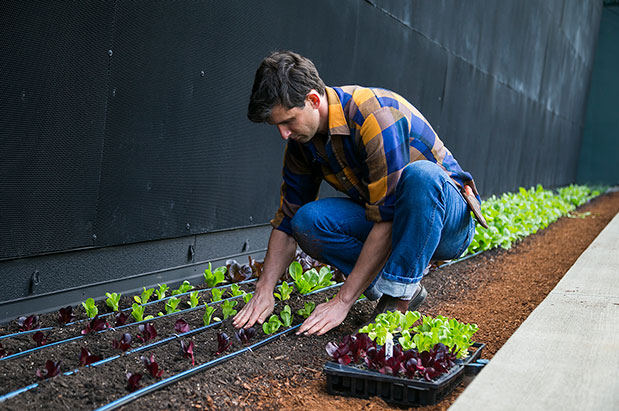
What you may not know is that they now have a 450 square foot urban garden beneath the batter’s eye against a dark backdrop.

“Previously home to evergreen trees (removed, too distracting), flowers (often unattended), the raised bed now plays host to a variety of long-season plants, including peppers, basil, tomatoes, beans, chard and parsely, among other things.”

“The project is exciting because everyone at the Mariners organization is very dedicated to its success,” McCrate says. “Our work is most enjoyable when our clients and partners are eager to learn, enthusiastic and genuinely appreciative of the harvests that come from the garden. At the stadium, everyone seems to be rooting for the crops.”

To read more about Safeco Field’s Urban Garden, visit: “SeattleMag.com

Meet Mike, a 4 Year Old Gardener Living in our Nations “Farm to Fork Capital”!

4_934eda82-4e8c-452e-a422-5ad93338ffbbGardening is so easy, a 4 year old can do it! If you’re looking for an inspirational Instagram account to begin following, we highly suggest visiting @mikes_homegarden! This charming little boy will inspire you to garden like you’ve never gardened before.  Below you can read our interview with Mike’s Mommy, who kindly gave us an in-depth look at this adorable pint-sized gardener.

What made you want to start documenting Mike’s home garden? What sparked his interest AND yours to start growing your own food? We’ve been fans of homesteading for a while, and right now we are working with what we have to come as close as we can to it. With a backyard of about 800sqft in a urban area we have managed to grow food for two years now, and we absolutely love it. We come from families that know what it means to work with the soil and grow food, and we wanted Mikey, our son, to learn where food comes from and appreciate all the hard work and dedication put into farming/gardening in order for people to eat good food.

Read the entire interview at: “SeedsNow.com

Israeli Brings Urban Gardening to Harlem Kids

SeedStreet_2CreditNickSmithA new urban farm has sprouted up in Harlem “the northern Manhattan neighborhood synonymous with New York City’s African-American culture”.  A woman with strong hometown roots in Israel, had the goal to supply her community with organic and locally grown produce.

Children from her community are now planting hydroponic vegetable gardens inside of repurposed, old shipping containers.

“Israel was out of necessity forced to innovate agriculturally and generate its own food sources, and became a leader in agriculture innovation,” she says. “As a result, it has a much more natural cohesive ecosystem and way of being. People are already eating directly from the farm. That’s really beautiful, but it makes hydroponic farming a more difficult market to penetrate in the mainstream.”

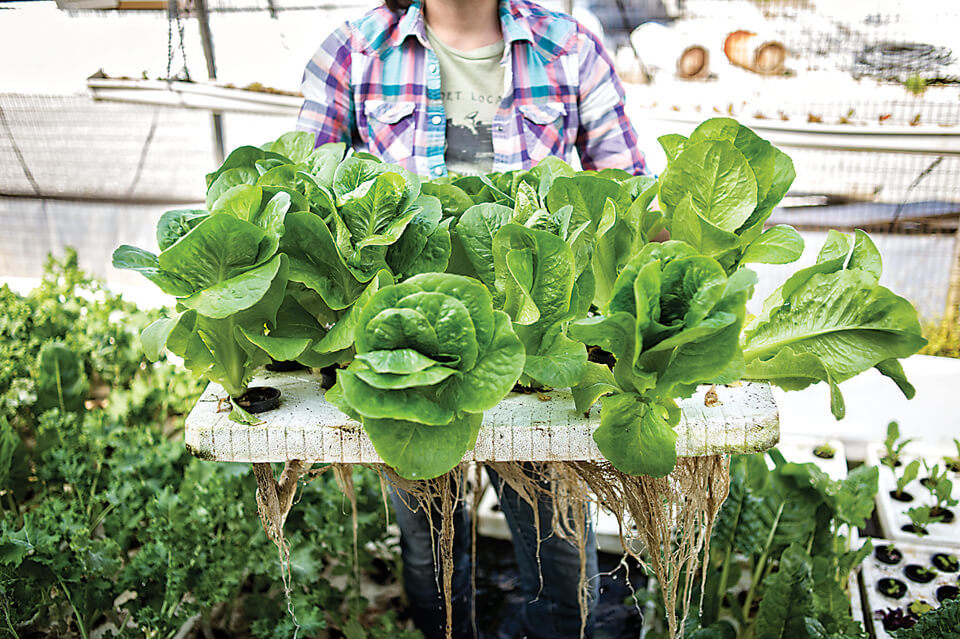
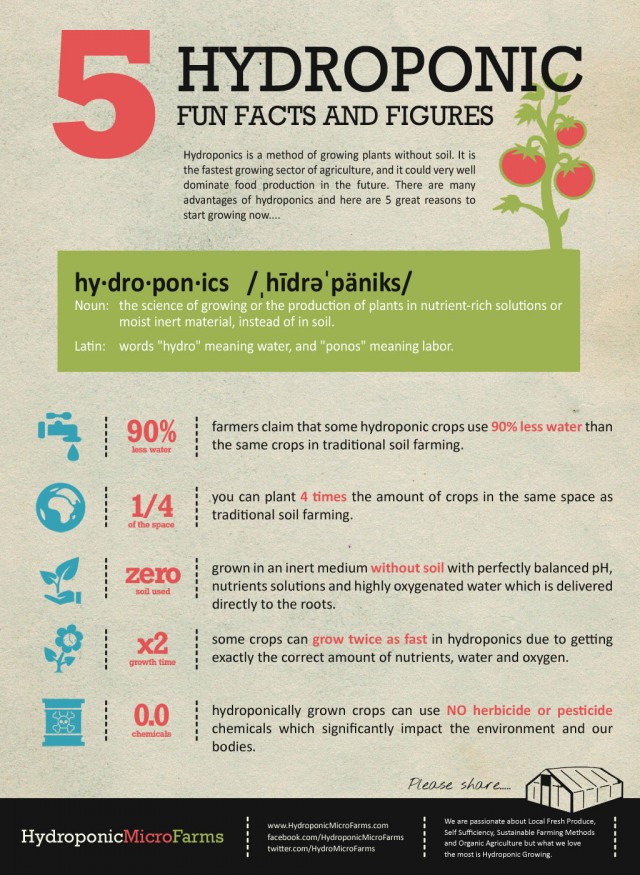
Growing hydroponically requires about 90 percent less water, takes up less space, and can produce more than growing in tradition soil.

To read more about this project, visit: “TheTower.org


Fort Worth Rolls Out Veggie-To-Curbside Delivery Service & More Urban Farms are Planned for Vacant Properties


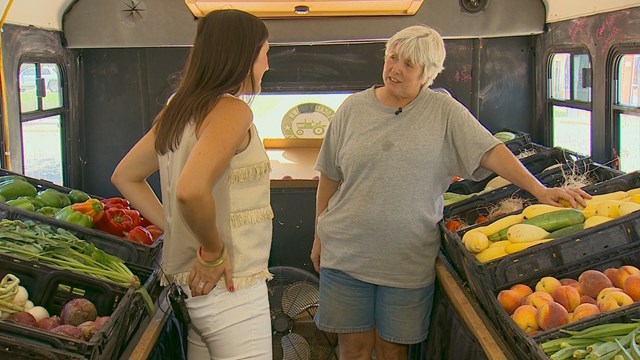
“Currently there is one woman, Beverly Thomas of Cold Springs Farm running what she calls her “Veggie Van”. It’s packed with vegetables she grows locally on her own farm. Currently she is restricted to only distributing to existing members or customers and she can only do it on commercially zoned areas.”

Read more about Urban Farming coming to Fort Worth, here: “WFAA.com

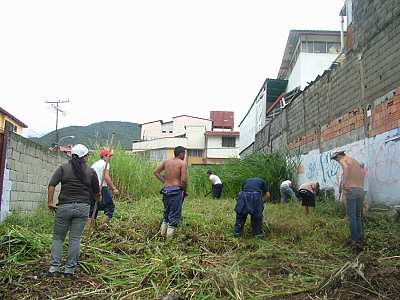
Starved by Socialist Policies, Venezuelans Urged to Take Up Urban Farming

dscf5088“In February, the country launched a Ministry of Urban Farming, tasked with encouraging more home and community gardening and chicken-keeping. Its head, Lorena Freitez, said the push will help bring “food sovereignty” to Venezuelan cities, where both local food production and food imports are down and social unrest is increasing. ”

So now between narrow roads and dilapidated homes, you might just find the unexpected tomato plant or patch of fresh herbs growing.  Neighbors are working together to grow things like root crops, beans, lettuces and leafy greens just to name a few.

Residents of these “slums” are hauling garden soil to balconies, rooftops, basically anywhere they think they can grow a little bit of food.

Read the entire article at: “Reason.com