An Urban Farmer’s Manifesto

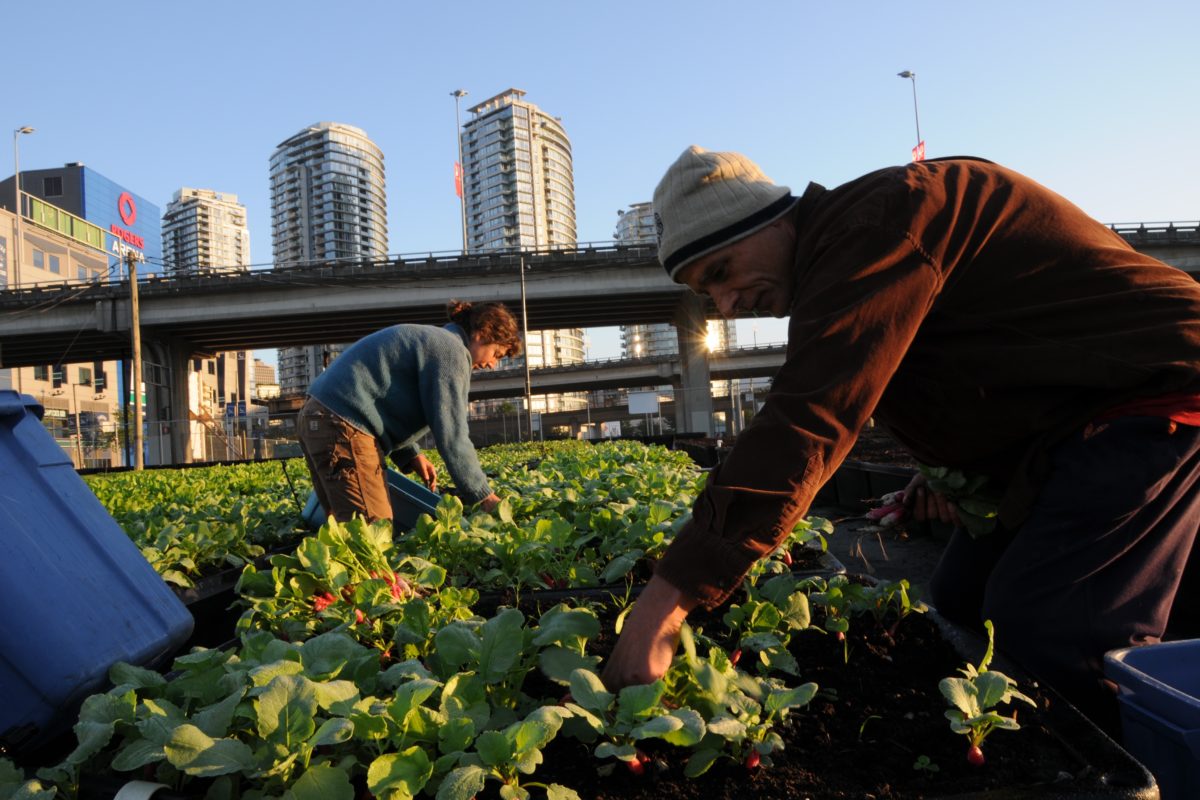
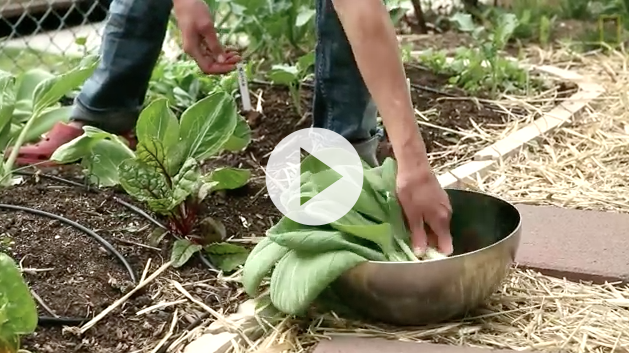
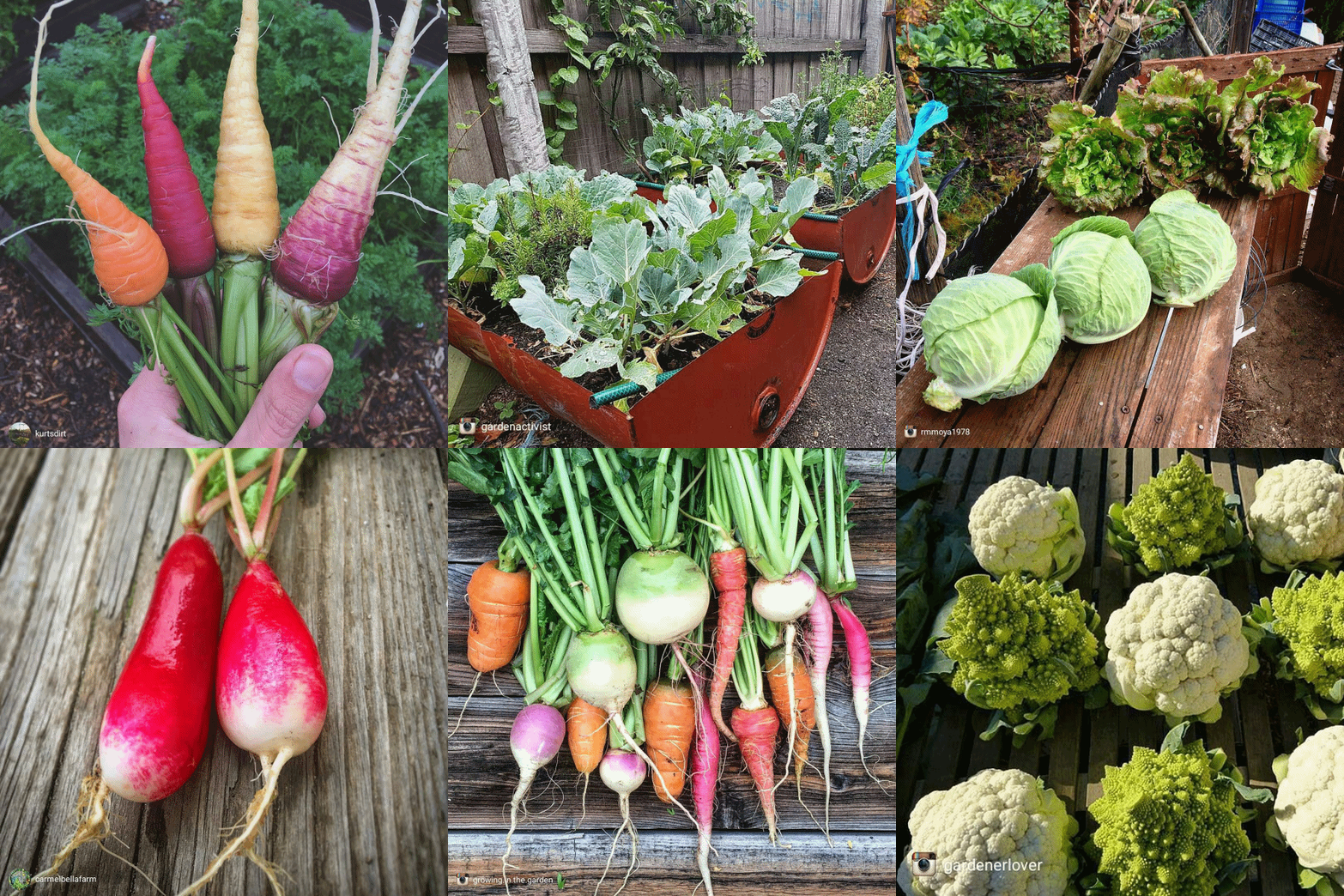
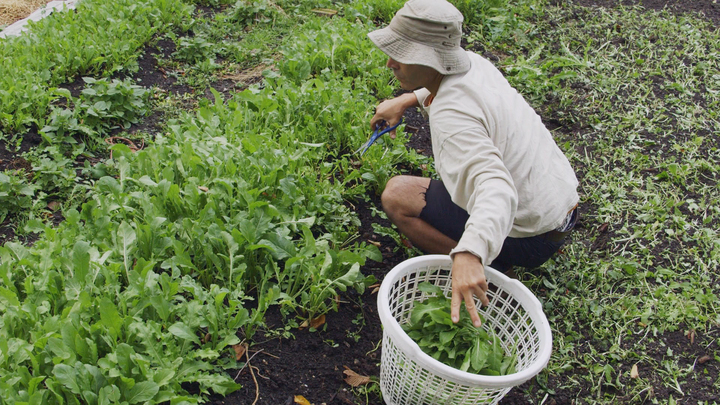
63-Early morning radish harvest

“If we want to help make urban farms viable we must discourage lawns, mandate composting, bring back home-ec, and treat farmland like it’s valuable—and that’s just the tip of the iceberg.” What we could be doing is:

-Invest in Training Urban Farmers
-Bring Back Ag Education and “Home Economics”
-Make Land Available to Farmers
-Invest in Year-Round Farmers’ Market Spaces
-Incorporate Farms into Housing Developments
-Create More Public Kitchens
-Treat Farmland Like it’s Valuable
-Lawns Should be Discouraged
-Prioritize the Nutrient Cycle
-Create New, Local Sources of Essential Soil Nutrients
-Change our Relationship to Human Waste
-Looking Ahead: Carbon and Water

“When it comes to food, what we are really facing is a crisis of participation. We don’t really need the federal government to achieve any or all of the above. We can roll up our sleeves and talk to our neighbors and community leaders about making these things happen now. All that’s required is a little imagination and the willingness to make a start.”

Read the full article at: “CivilEats.com

Wild Bees are Trading in Rural Life for the Big City

l_bees-4Bees are losing their habitats in rural areas and moving to cities and urban areas. “Industrial agriculture has promoted the development of monocultures, a practice where farmers plant one crop over a large area.”

“That’s not particularly welcoming for wild bees—especially the many species that are specialist. The squash bee, for example, prefers the pollen from squash plants. When a farmer who used to grow a variety of crops, such as squash, zucchini, and pumpkins, replaces them with a single crop, such as corn, that change forces bees to find food elsewhere.”

“The expansion of monocultures has resulted in very little land left untouched,” Camilo says. “The less area we have for native plants, the less habitat and the less resources we have for these beautiful, beautiful organisms.”

Read the full article at: “NewsWorks.org

Farming Preschool Would Teach Kids How To Grow Their Own Food

farming-preschool-640x528

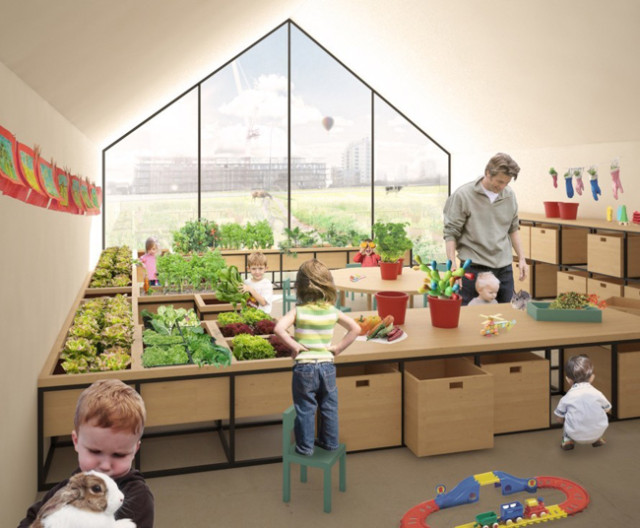
The “Nursery Fields Forever”, a part farm and part school offers three approaches to learning: learning from nature, learning from technique, and learning from practice. “We think that kids should enjoy nature,” said Edoardo Capuzzo Dolcetta to Fast Company. “So we designed this strange school: No classrooms, but open spaces where vegetables grow inside and animals can come in too. It’s a mixing of the two things, school and nature.”

See more at: “GoodsHomeDesign.com

Happy New Year! Grow Organic Food All-Year-Round.

seed-club
DEADLINE! To receive a shipment for JANUARY you MUST join before 1/04/17 at 11:59pm PST.

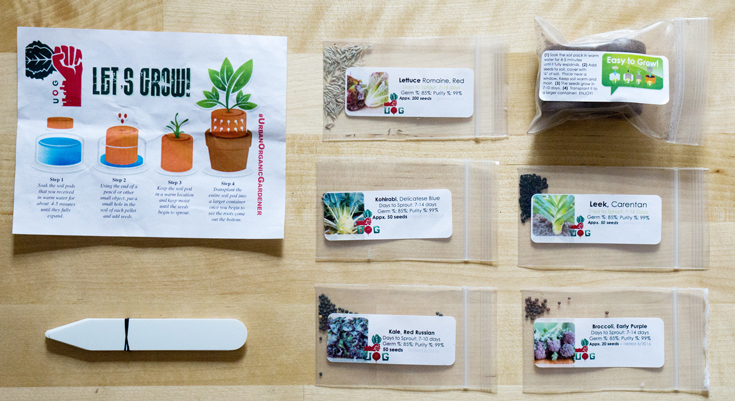
When you join the UOG Seed & Garden Club, you are joining a community dedicated to helping you grow organic food all-year-round. 

Each month you will receive a fully customized collection of totally raw un-treated GMO-FREE Heirloom seeds and garden supplies. Everything will be delivered to you at just the right time of the year – based on your grow zone – growing conditions – location – preferences – and more. 

Join the UOG Seed Club today and let’s grow together. We promise to make this a rewarding & exciting experience for you.

Sign Up Today!

#URBANORGANICGARDENER

Urban Gardeners Grow Crops in Spare Spaces


“Urban living does not always allow space or conditions for gardening. But more and more people are finding ways to use limited resources to grow vegetables and even raise chickens. Follow some urban gardeners in Washington, D.C., and meet a garden designer who helps them make the best with what’s available.”

No sunlight, no soil, no problem: Vertical farms take growing indoors

vertical-farms-1

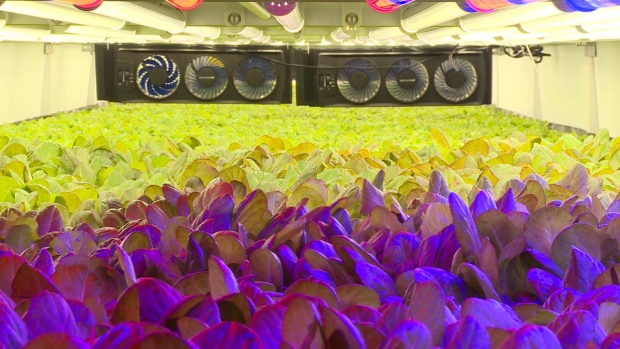
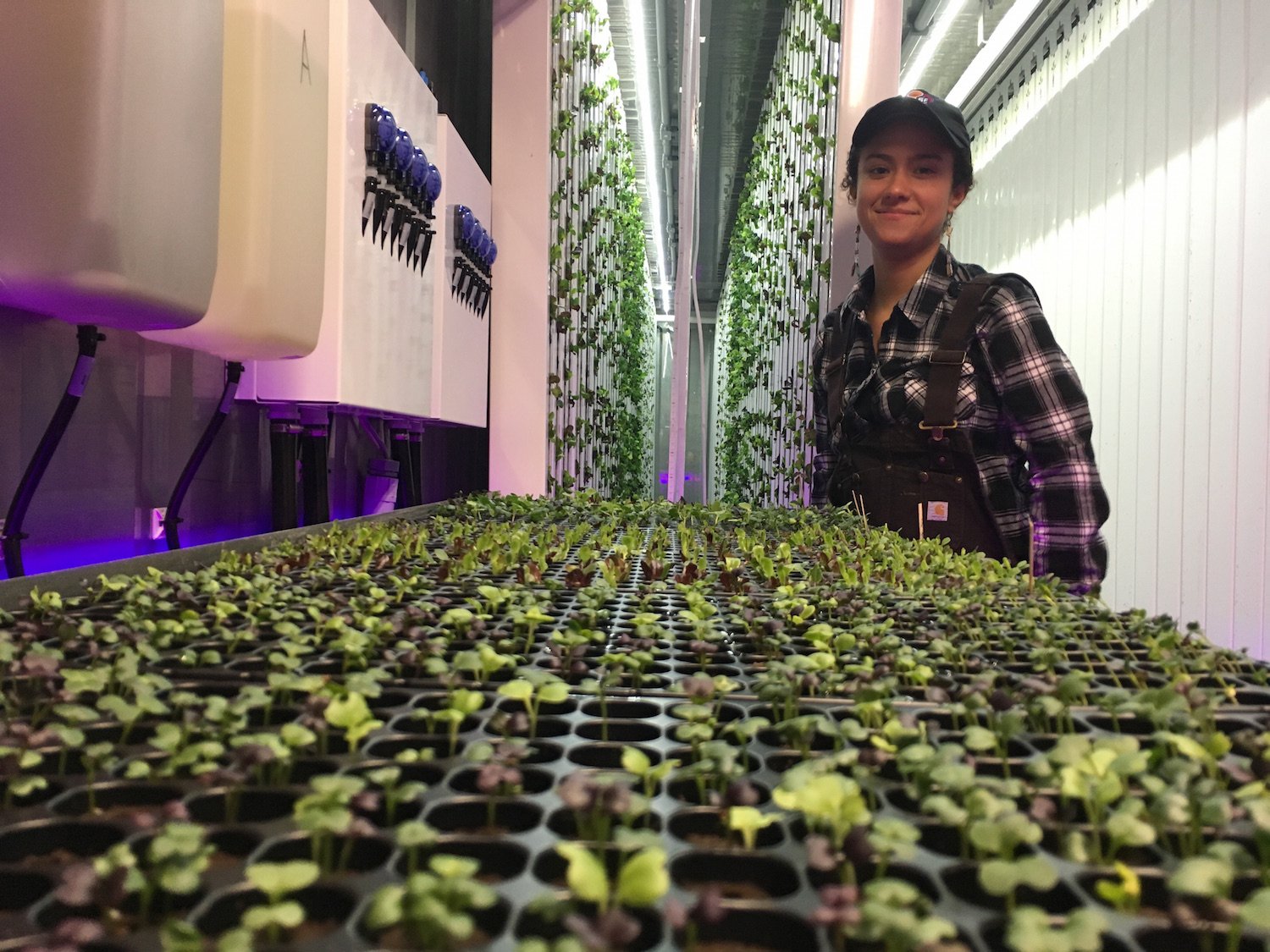
“Inside a windowless warehouse once used for paintball, with planes heading to nearby Newark airport overhead, an industrial park in New Jersey seems an unlikely place to find fresh locally grown produce.”

LED lights have replaced the natural sunlight and cloth has replaced the soil.  The entire operation is in a fully controlled environment.

“This is fully controlled agriculture and allows us to understand plant biology in ways that, as humans, we’ve never achieved,” said AeroFarms CEO and co-founder David Rosenberg, standing in front of rows of kale, arugula, lettuce and other leafy greens.

To read the entire article at: “cbc.ca

The US Government is Loaning Millions of Dollars to Jumpstart Urban Farming

img3974

Did you know that each year millions of dollars are donated by the USDA to farmers in rural areas? Now the government is offering assistance to people who want to try urban farming as well. Money is now being sent to farmers who wish to grow on rooftops, inside greenhouses and even in shipping containers and warehouses.

“USDA Microloans, a program that offers funding up to $50,000, is specifically geared toward urban farmers.  Established in 2013, the program has awarded 23,000 loans worth $518 million to farms in California, Connecticut, and Massachusetts. Though it is open to all farmers, urban farmers often apply for it because it offers the money on a smaller scale than other programs. Seventy percent (or about 16,100 of those loans) have gone to new farmers, many of them in cities.”

Read the entire article at: “BusinessInsider.com

Grow Your Own Garden in 2017

uog-monthly-seed-and-garden-club

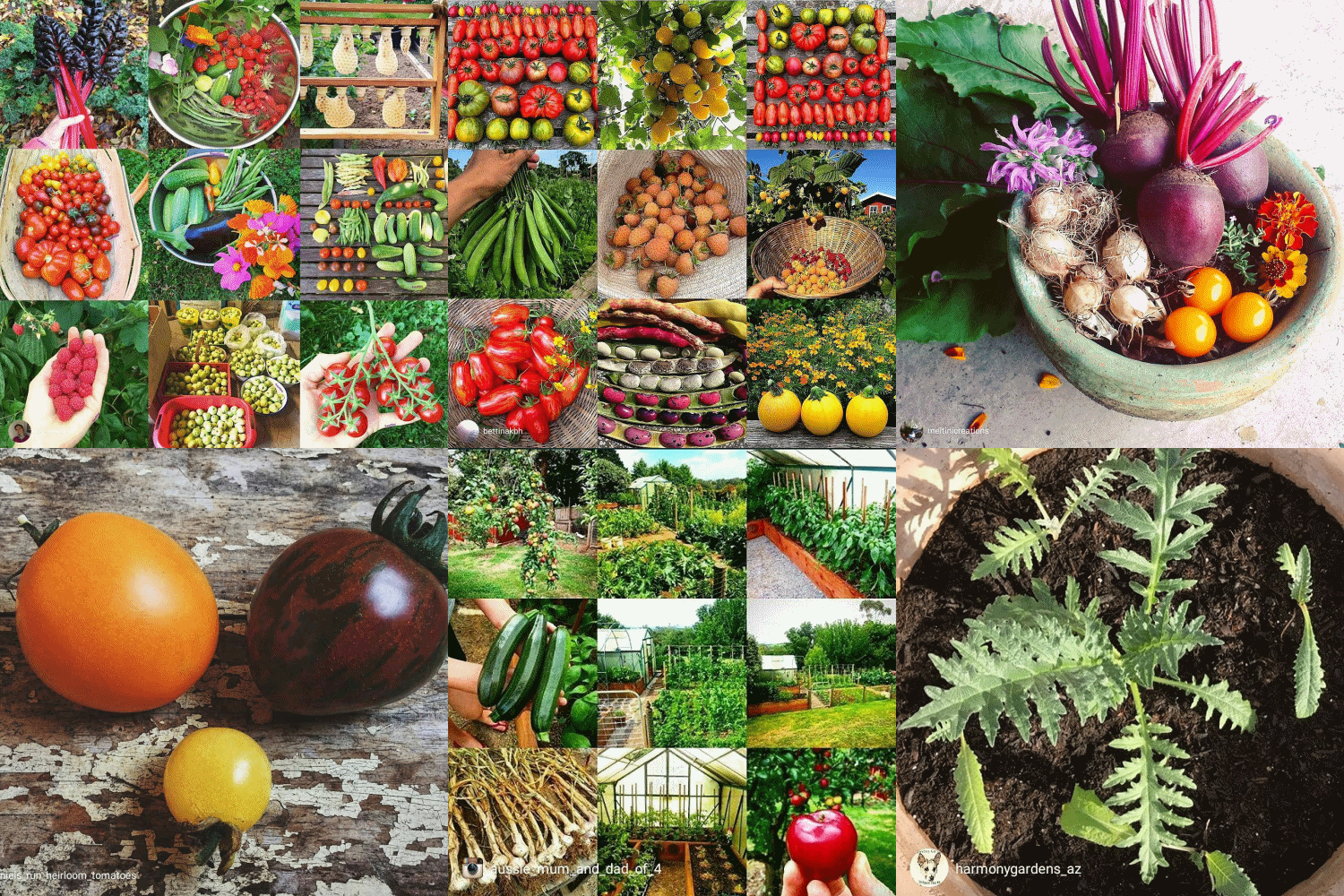
Begin the New Year right by signing up for UOG’s Monthly Seed and Garden Club. Our Garden Guru’s will hand select popular heirloom, GMO-FREE varieties for you to start each month, customized to your location and grow zone!

During sign-up, just let us know whether you prefer to grow indoors, outdoors, in partial shade or in the sun. Do you grow hydroponically? Not a problem, we’ve got that figured out too!

Each month you’ll receive a 5 varieties, and everything you need to start growing more food! 

Read a FULL Review of UOG’s Monthly Seed and Garden Club at: “Desima.co

dsc05636-2

Turn Lawn Into Food on a Budget

“When Meredith Thomas traded lawn for something her family could eat, she relied on scavenged materials to build her ever-producing vegetable beds. Putting discarded materials back into use, she builds trellises, beds, and even a hugelkultur with a keyhole concept addition. She doesn’t buy fertilizer. To nourish her plants, she simply tucks in plant waste or fish heads free from a local seafood store. She adds art to the garden, too, with simple finds that in in her creative hands, take on a lovely new purpose.”

Which Vertical Garden System is Right For You?

More people are wanting to grow food in their small urban spaces like on their decks, patios, balconies and even indoors!  Regardless of your budget or style, there’s a system that will suit your taste and your wallet. Here’s a few of our favorites and why we love them so much.

Growing outdoors has never been easier or more beautiful. This system has a composter built into the center that you can add your kitchen scraps and “compostables” into it. Make sure you load up your tower with plenty of worms so you can take advantage of the compost tray at the bottom. It also has a container that stores compost tea that is automatically created when you water your Garden Tower.
Pallet Gardenimage via @midlifegardener
Affordable and readily available to most gardeners, pallets are becoming the new “craze” in vertical gardening. Usually the perfect size for a small deck or patio and a great place to grow things like strawberries, leafy greens and herbs. Just make sure you don’t pick up a chemically treated pallet, as they aren’t safe to grow edibles in. Make sure your pallet is either un-treated or heat-treated.
Gronomicsimage via @txmerebear
Raised garden beds make gardening a cinch! No more bending over to harvest your favorite fruits, veggies and herbs. These are also the perfect solution to those who are renting and are unable to “alter” the appearance of their landscaping. Plus, you can easily take this raised bed with you if you relocate.


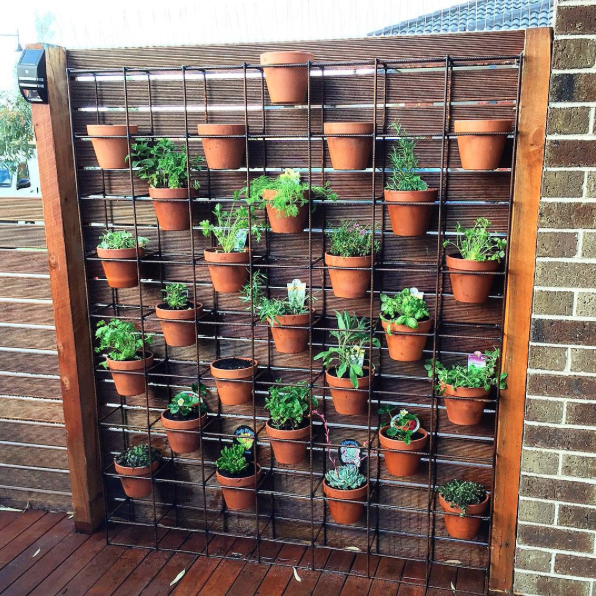
ReoGro Vertical Gardens
Made from something resembling rebar and terra-cotta pots, this system is clean, and function-able. Create this system as small or as large as you like for a stunning piece that will have all of your urban gardening friends green with envy.


Recycled Bottle Garden, via @giobelkoicenter
If you’re big into recycling, this garden is for you. Constructed from leftover water bottles, this garden is extremely cost-effective and fun to look at. Stick to small crops when planting in such a small container so that the roots do not become crowded.

Tower Garden, image via @fitninja_dan
If you’re thinking about dabbling in hydroponics or aeroponics a Tower Garden might be for you! This system takes up very little space and does well both indoors and out. The “once a month” feeding regime will allow you more time to do what you enjoy and you won’t have to ever worry about watering your garden again. Simply keep the reservoir at the bottom filled with water and nutrients, and a timer will spray just the right amount of water onto the roots of your plants throughout the day.


Rain Gutter Garden, image via @frk_munkeby
This is the perfect set-up if you have a wall or fence line you are looking to grow on. Simply attach some rain gutters to your vertical space, add soil and start growing. Just make sure you drill a few drainage holes throughout the gutter. Strawberries look stunning when grown on a wall in this type of system.

Wall Pockets by Florideja 
Looking for a small, simple way to grow a few lettuces or leafy greens indoors? Perhaps you’d enjoy having your favorite culinary herbs right at your fingertips near your kitchen. Wall Pockets allow you to grow indoors inside a felt pocket which ensures the plants roots are able to breathe.Original blog post can be found at: SeedsNow.com
Need a Last Minute Gift Idea?? Subscribe to the UOG Seed Club

finalz

Join Urban Organic Gardener’s Monthly Seed & Garden Club!

Looking for a “last minute” Christmas gift for your favorite gardener? Purchase them a subscription to UOG’s Monthly Seed Club and give them a gift they’ll truly appreciate and benefit from ALL-YEAR-LONG!

Receive a custom curated collection unique of garden seeds specific to your GROW ZONE, MONTH, and PREFERENCES.

TO LEARN MORE or SIGN UP visit: https://urbanorganicgardener.cratejoy.com/subscribe/

ORDER BEFORE 11:59 PM PST January 4th TO RECEIVE a shipment NEXT MONTH!

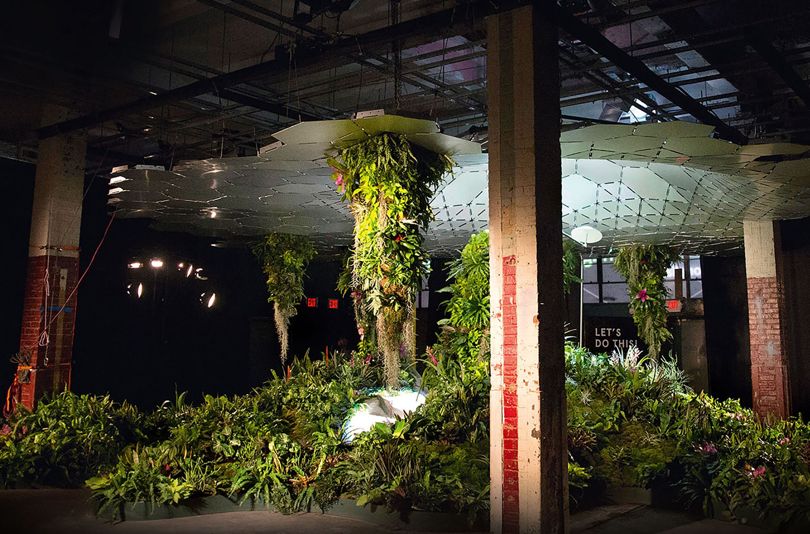
The Lowline Urban Garden Buried in New York’s Catacombs

810

“What do you do once you’ve built a 450-square-metre underground park? If you’re Daniel Barasch and James Ramsey, you make it 100 times bigger. In October 2015, ex-Googler Barasch and former Nasa satellite engineer Ramsey, both 39, raised $223,506 (£170,000) on Kickstarter and took over a downtown warehouse in New York City to create the indoor Lowline Lab.”

So far there’s been over 75,000 visitors and have plans to upgrade, moving across the street taking up an additional 4,000 square meters of subterranean space.

“The Lowline’s skylight system uses external Sun-tracking parabolic dishes to gather and concentrate sunlight to 30 times its regular intensity. Internal optics filter out the hot rays, and the incoming sunlight is then distributed in a modulated way, to suit the vegetation – including exotic plants, mosses and hops. “Tropical species do best, but flowering varieties have also done very well,” says Barasch.”

Read the entire article at: “Wired.Co.Uk

The Urban Farming Revolution


“Jesse DuBois is an urban agriculturalist. He moved to Los Angeles to become a screenwriter, but instead got caught up in reshaping the food system. He is the CoFounder and currently serves as the Chief Eclectic Officer for two start-ups: Farmscape, an urban farming maintenance company, and Agrisaurus, a web-based polyculture gardening assistant. Horticulturally, he is a big fan of the nightshade family.” –TEDx

Twelve Organizations Promoting Urban Agriculture around the World

12-urban-ag-770x462

“The international community is beginning to recognize the integral role of urban agriculture in improving the economy, environment, and health of cities. Food Tank has put together a list of 12 organizations that are propelling urban agriculture in cities around the world. –source FoodTank.com

  1. Camp Green (Kampala, Uganda): Harriet Nakabaale, one of the Uganda’s most successful urban farmers, runs Camp Green, a space where young people can learn the fundamentals of urban agriculture and how to develop their own urban farms with limited space. Since Camp Green started in 2012, they have reached over 10,000 city residents, teaching them how to compost waste, grow their own produce, raise their own chickens, and eat nutritiously. New Vision, Uganda’s government-owned daily newspaper, recognized Nakabaale as the woman achiever of the year in 2012, citing her outstanding dedication to ensuring food security in the community.
  2. Ciades Sem Fome (São Paulo, Brazil): Established in 2004 by social entrepreneur Hans Dieter Temp, Ciades Sem Fome (Cities Without Hunger) transforms São Paulo’s unused land into community gardens, school gardens, and agricultural greenhouses to improve the diets and health of local communities. The NGO provides local community members with the tools and training to start cultivating produce on the organization’s land. In doing so, they provide quality produce and food security to São Paulo’s deprived favelas, while also addressing unemployment.
  3. City Farm Project (Bangkok, Thailand): Nakorn Limpacuptathavon, known in Thailand as the Veggie Prince, founded the City Farm Project in 2014 as Thailand’s first NGO to promote and practice urban farming. The farm, which is about 650 square meters, produces pesticide-free produce for urban residents and provides workshops to people interested in urban farming. The workshops cover the principles of urban farming and organic food and provide experiential training on composting and recycling. Limpacuptathavon and the City Farm Project’s supporters also advocate for changes to local agriculture policy.”

To read the other 9 Organizations Promoting Urban Agriculture, visit: “FoodTank.com

Urban Garden Center to Open a New Organic Cafe

extralarge

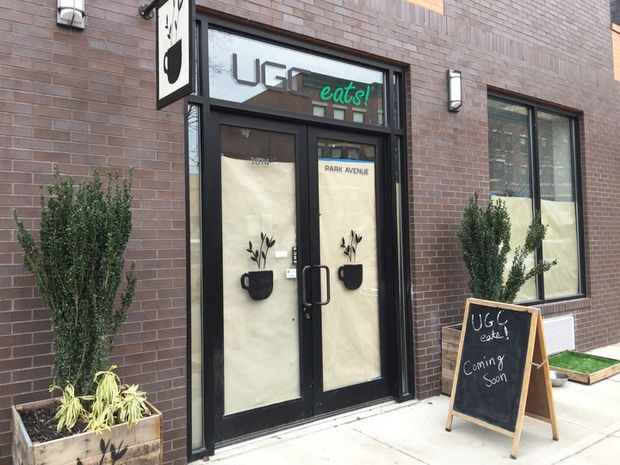
In East Harlem, a new Urban Garden Cafe will soon be opening right in the middle of a neighborhood covered in graffiti, organic food, vintage parking meters and more.

“It’s a bizarre combination, but these items — among many others — are the central pieces of an East Harlem cafe being opened as a spin-off of the Urban Garden Center.” The new eatery “is designed to make the future more settled and ‘co-mingle the brands.’ He said he wants to look ahead as spaces for urban farming and gardening in the city become scarce.”

Read more at “DNAInfo.com

FYI’s ‘Farming Detroit’ Documentary Highlights the Urban Farming Revolution

brand_fyi_fdet_161826_tve_000_2398_60_20150409_00_hd
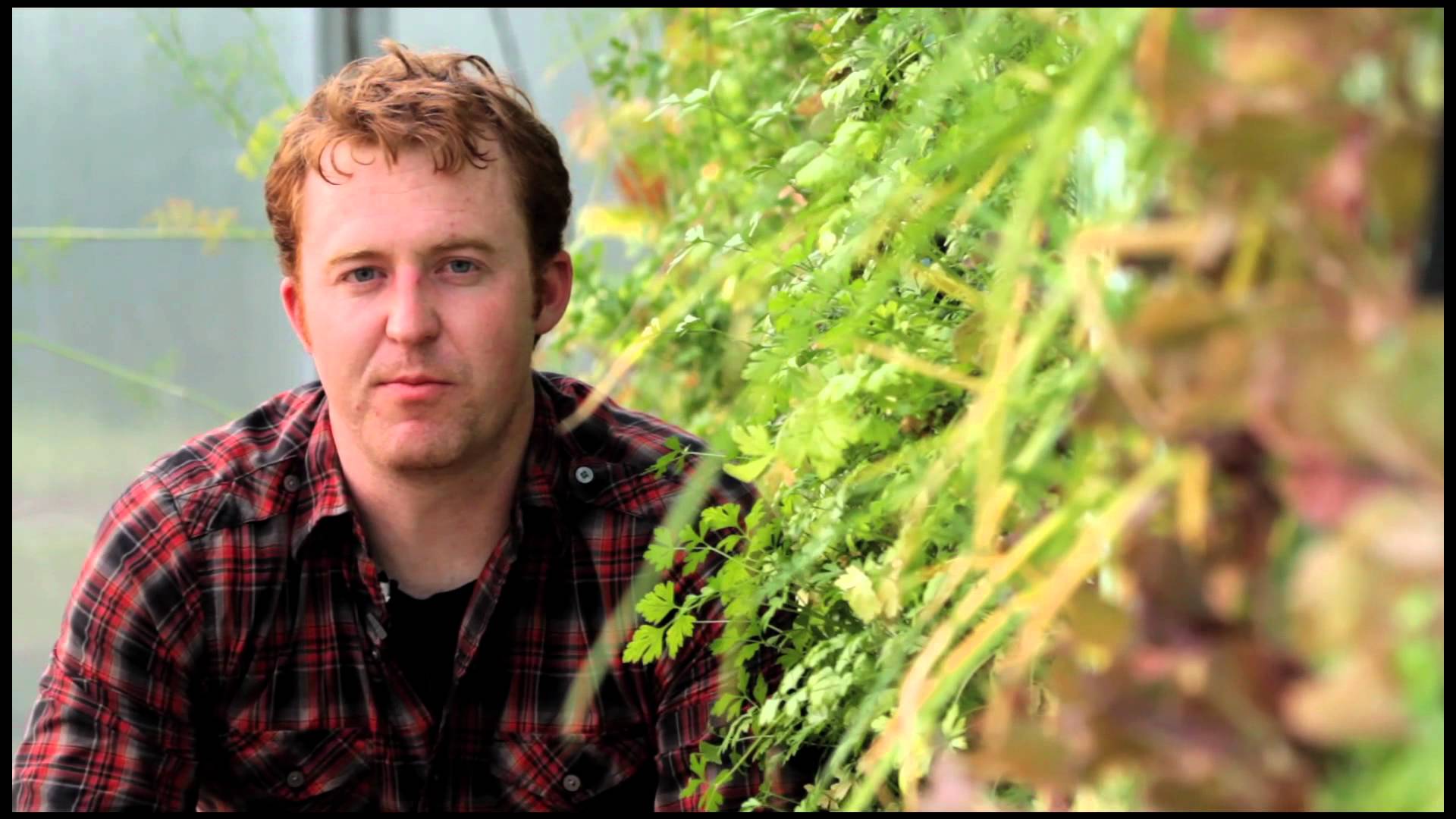
“On Saturday, Dec. 10, FYI premiered the documentary Farming Detroit, which follows the rise of urban agriculture and its impact on the city.”

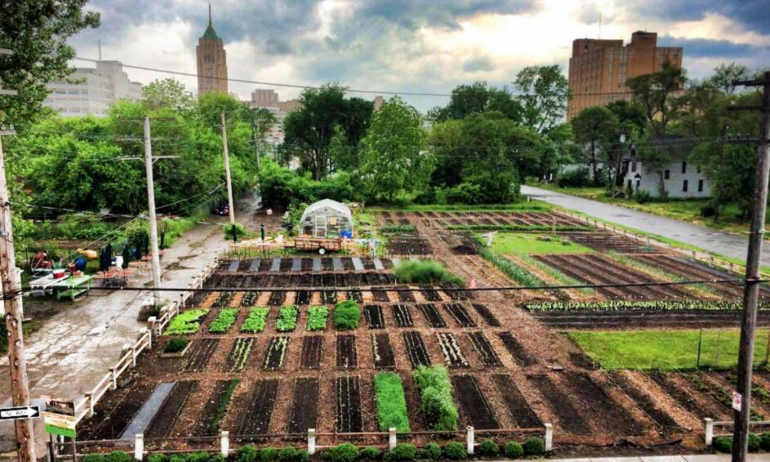
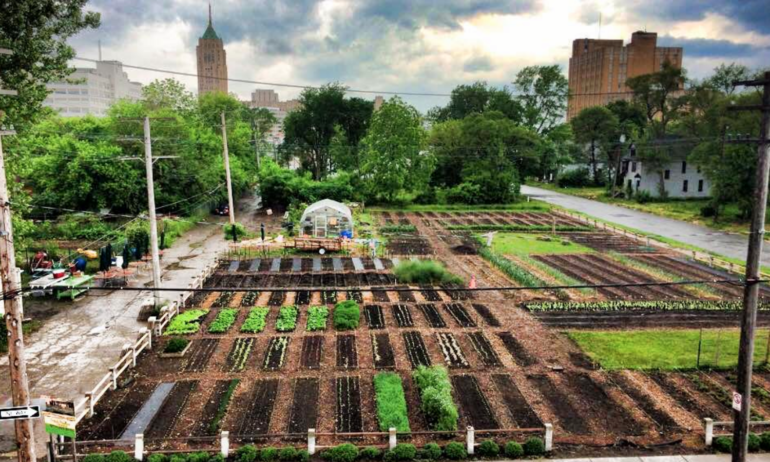
In Detroit, there are more than 30,000 acres of abandoned and distressed properties that are being reclaimed by residents and turned into urban farms. “The documentary follows the stories of six pioneers who are utilizing these spaces to fuel the urban farming revolution.”

Watch : Farming Detroit, TV-PG

Available Until: Jan 14, 2017 Duration:1h 0m 12s