WINTER IS COMING AND CHICAGO’S URBAN GARDENERS ARE GETTING READY

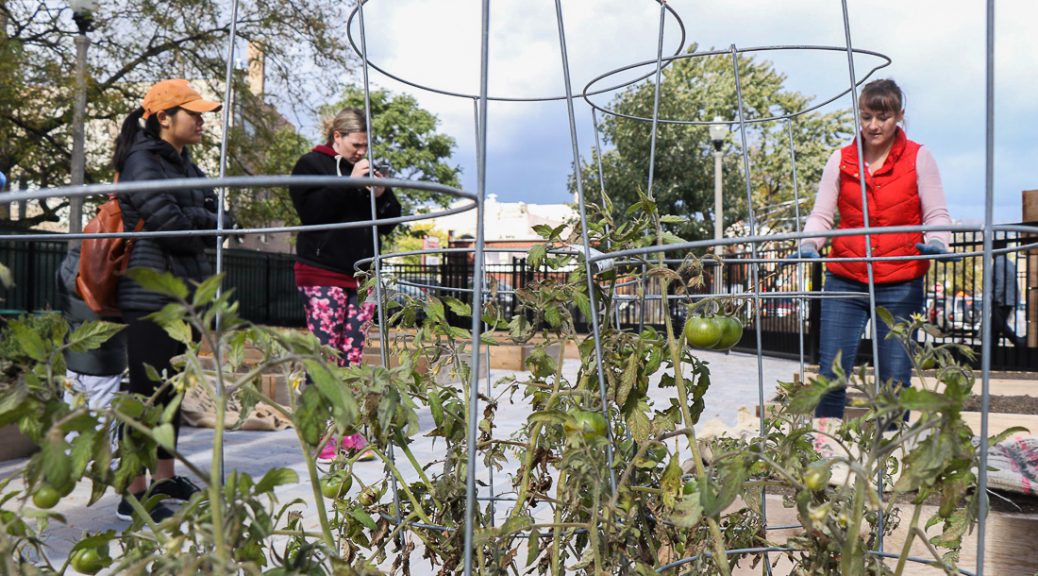
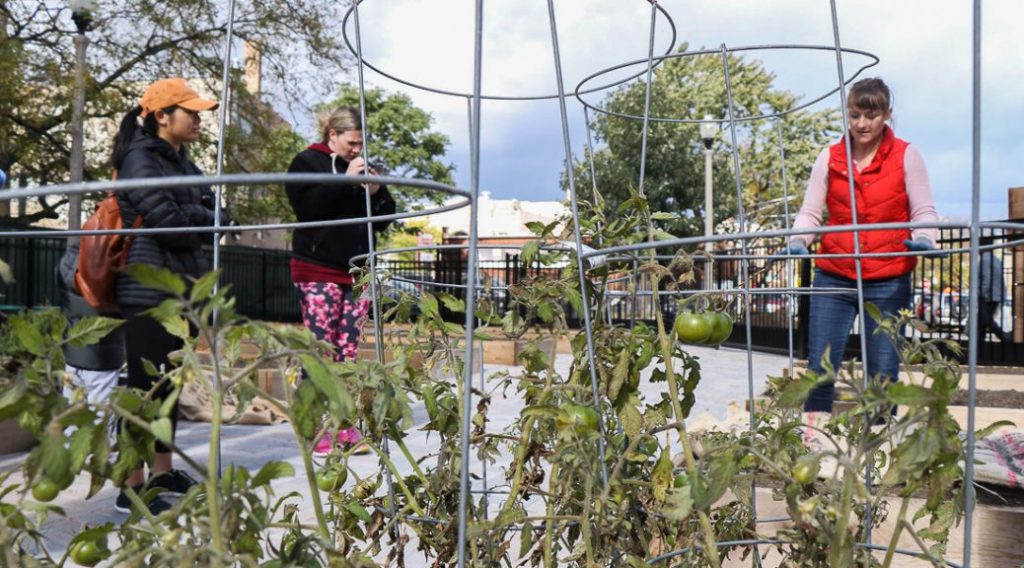
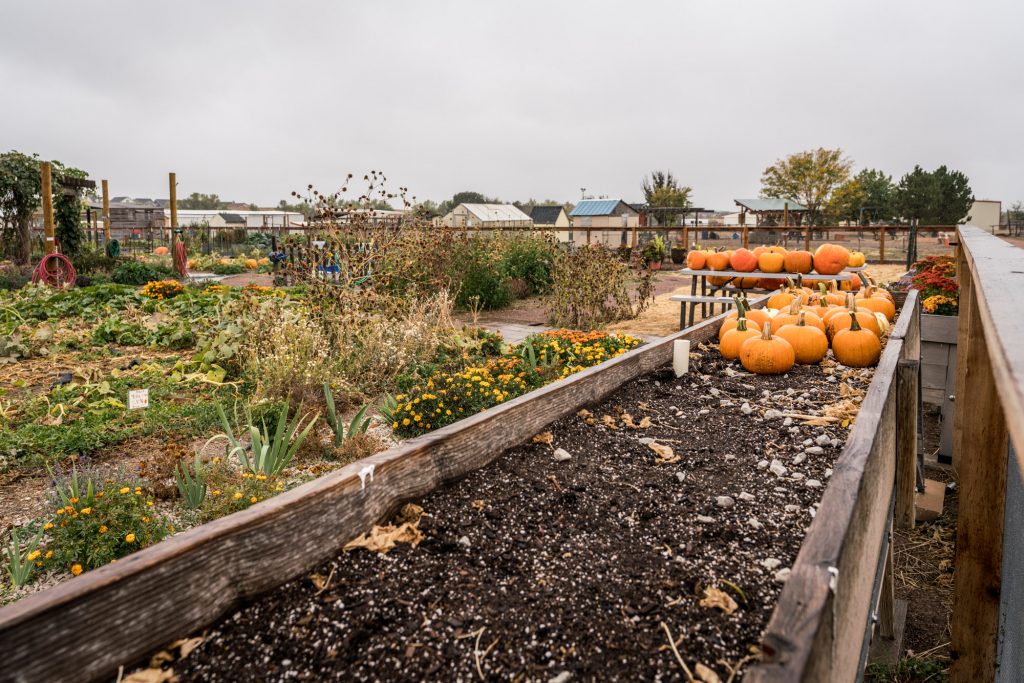
“Local gardening enthusiasts on Saturday braved freezing winds to learn winter plant management techniques at an urban garden in Uptown, the latest in a series of grassroots workshops aimed at educating city growers.

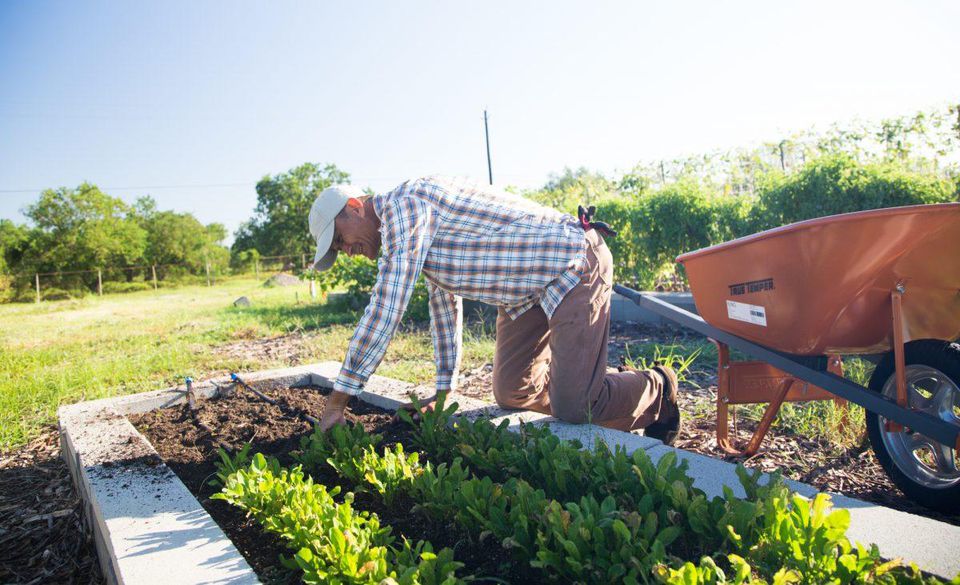
Breanne Heath, the education program manager at Peterson Garden Project, offered participants tips for caring for perennial herbs, planting garlic and preparing unplanted raised garden beds to weather an oppressive Chicago winter until the spring growing season.

Peterson Garden Project, a Chicago-based non-profit founded in 2010, provides 4-foot by 8-foot raised garden beds, growing materials and learning resources for members, who pay an annual $85 fee to participate. However, membership was not required for the weekend workshop, which cost $25.”

READ THE FULL STORY HERE: Medill Reports Chicago

This Houston Urban Farm Honors Veterans With Jobs

“When Gracie and Bob Cavnar launched the Recipe for Success Foundation in 2005, their main goals were to battle childhood obesity by changing the way children understand, appreciate and eat their food, and to provide the community with healthier diets. Today, their hands-on curriculum is the largest outreach of its kind in the nation, empowering over 4,000 children every month through various initiatives.  But rather than sitting on their laurels, the couple became inspired to do even more. In the historic Sunnyside neighborhood of southeast Houston, they found the ideal location for an urban farm to expand their mission.

Thanks to a generous seed grant from Wells Fargo Foundation and support from the UnitedHealth Foundation and other corporations and philanthropists, the Hope Farms Showcase and Training Center came to life in one of the city’s largest food deserts.  To further their important mission, Hope Farms instated a grant-supported program to train U.S. military veterans to become new urban farmers.”

READ THE FULL STORY HERE: “Forbes.com

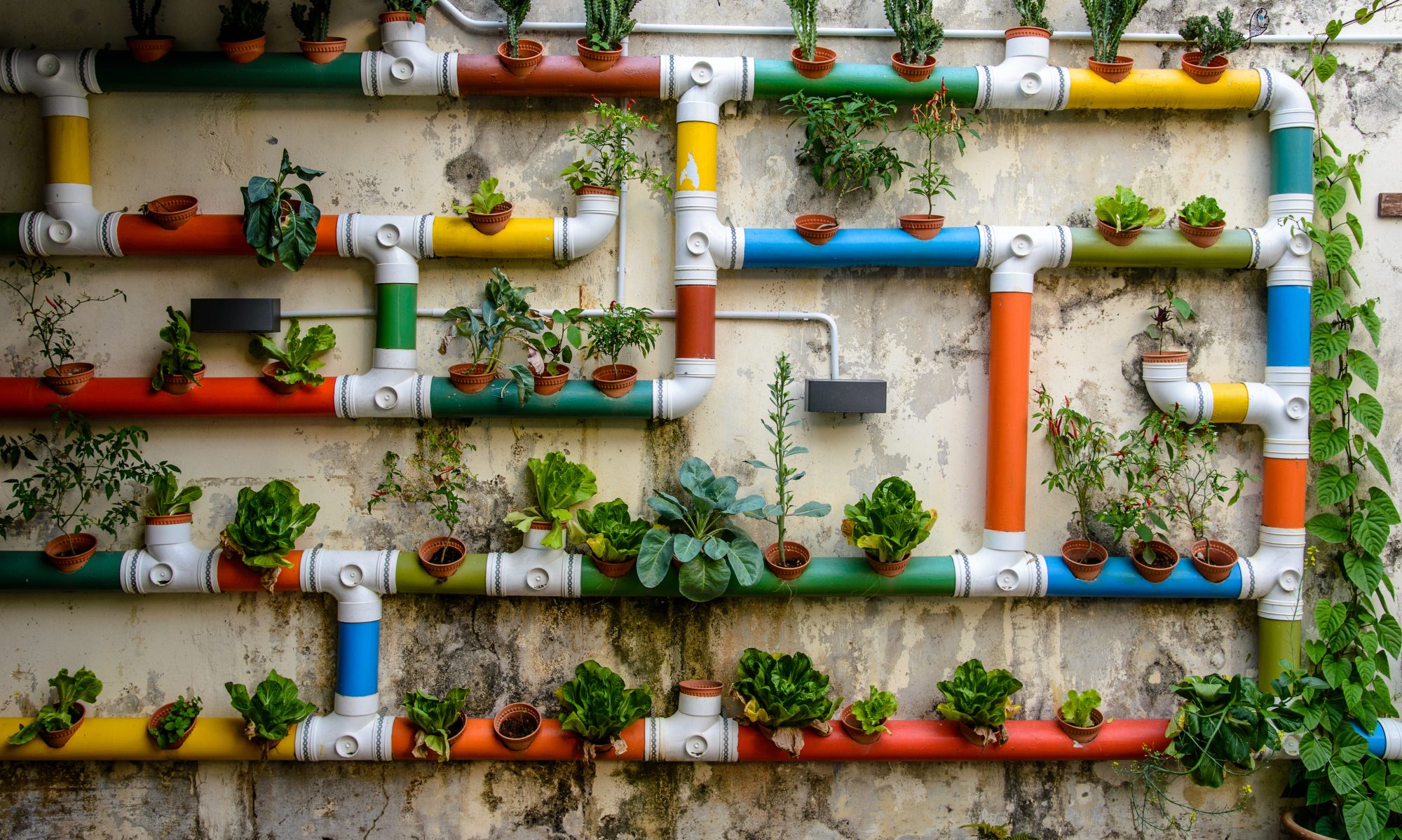
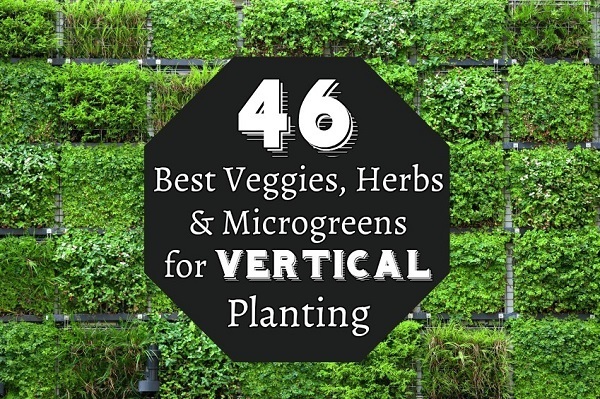
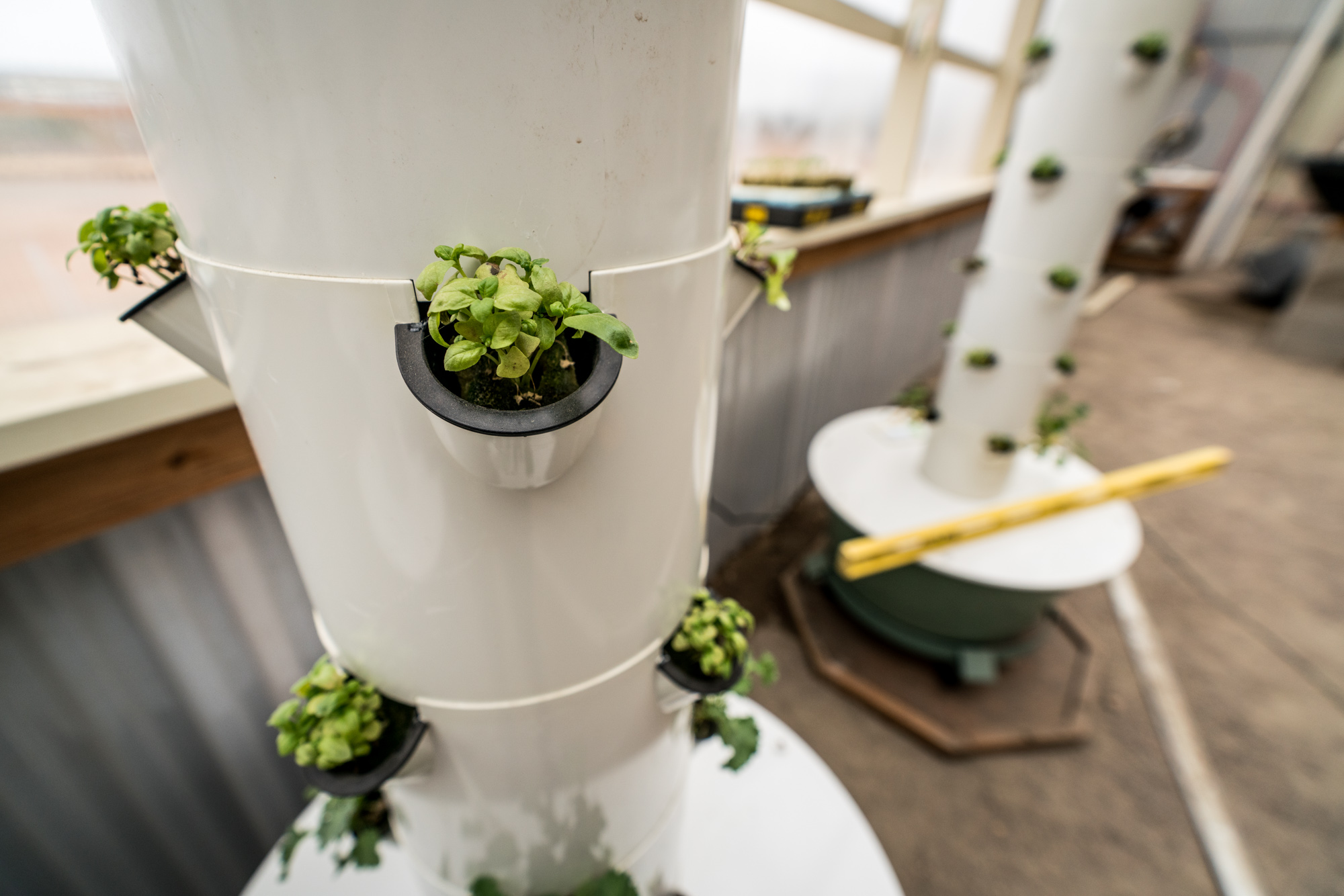
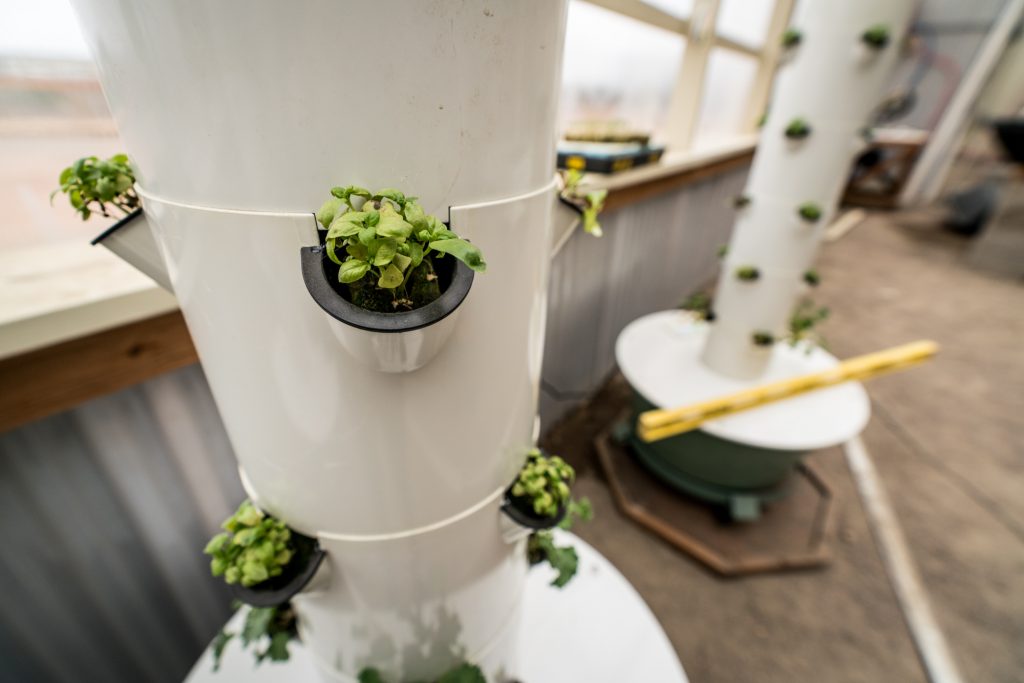
46 Best Veggies, Herbs & Microgreens for Vertical Planting

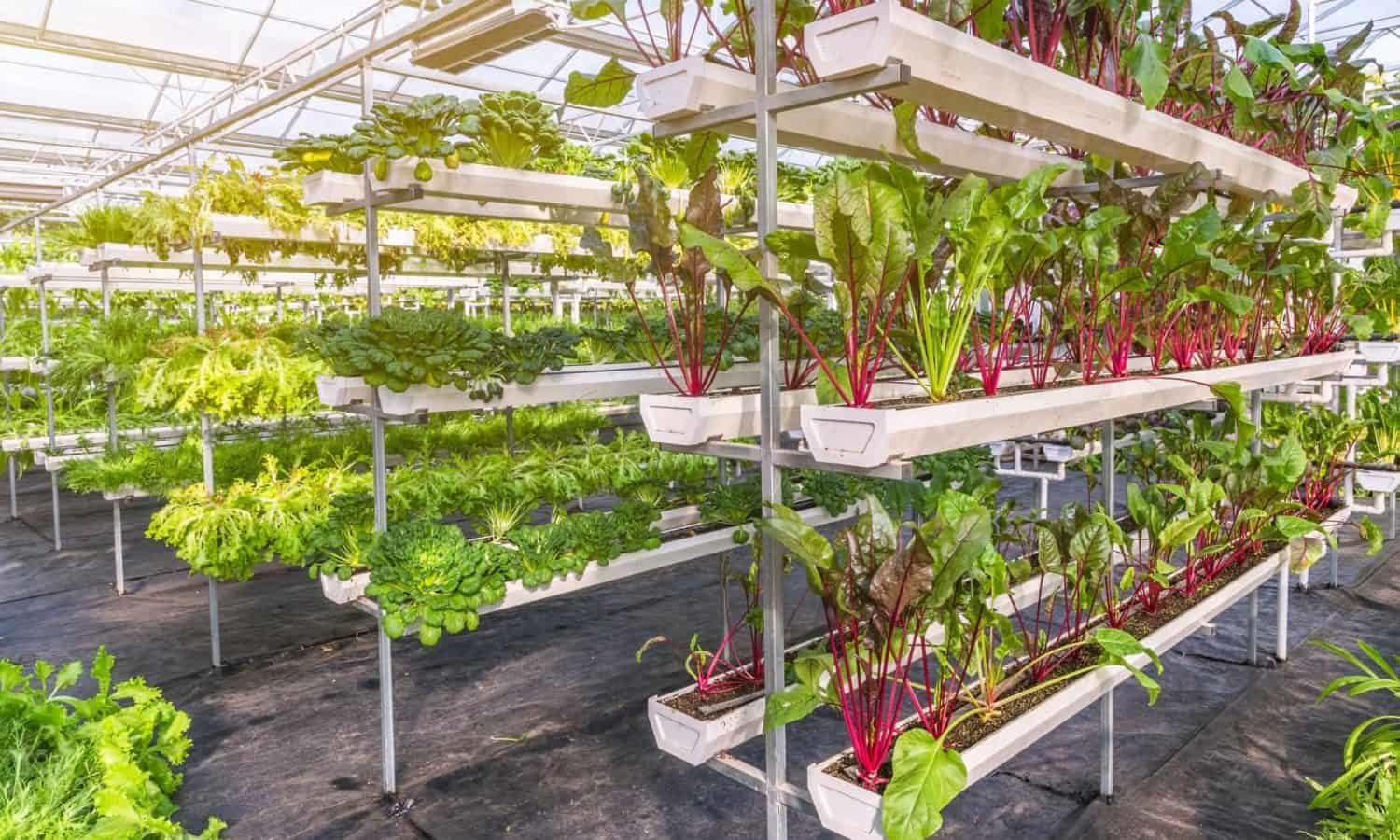
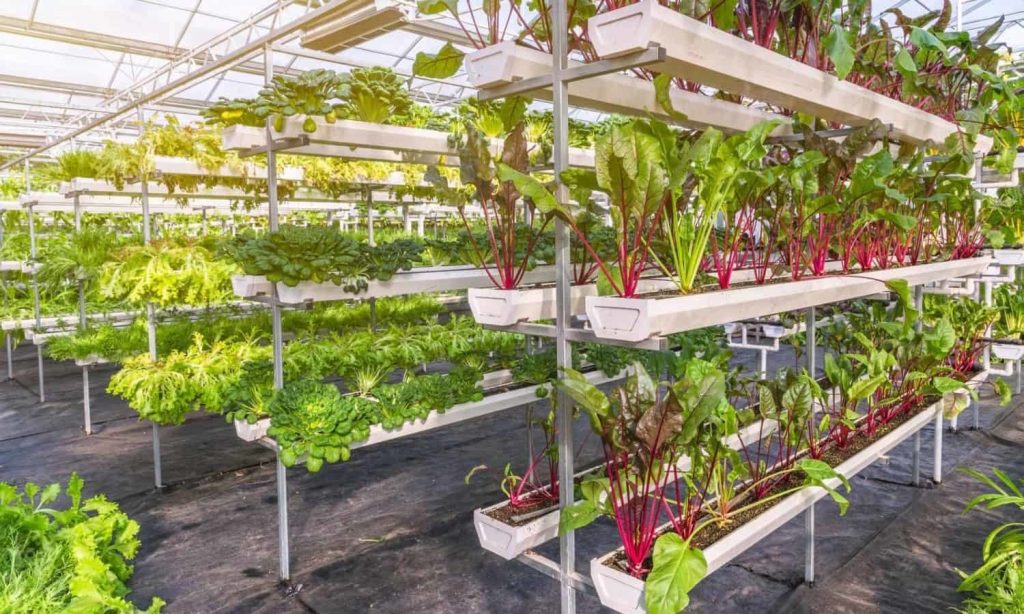
“Vertical gardens allow you grow veggies at several levels, so you can get more out of less space, a definite advantage if your growing area is limited. That is not to say that vertical gardening is just for those with space constraints.

Concentrating your food generation to a limited area frees up space for other uses while the veggies get more attention and care. You don’t have to walk around too much to care for your plants, a great plus in foul weather. Vertical gardening changes the old notion that gardening is back-breaking work. Even the mobility-challenged can enjoy growing food and ornamentals at a convenient height.

Plants grown vertically are more accessible, and gardening chores like planting, weeding, feeding and harvesting are much easier. Diseases and pests get noticed earlier on plants growing at eye level, so remedial actions can be taken right away… No more escape for pests hiding under leaves.”

READ THE FULL STORY AT: “NaturalLivingIdeas.com

11 Essential Fall Planting Tips

1. At the nursery: Buy the best

Look for plants that have healthy foliage and no roots creeping out of the nursery container’s bottom drain holes (which means they’re probably rootbound).

2. Small is smarter

When you have a choice, buy little plants (in 4-inch nursery pots); they’re less expensive (usually under $5), easier to handle, and will catch up to the larger ones with winter rains. Smaller plants are your best bet if you need multiples to fill out a bed. Gallon-size plants, on the other hand, start around $10 each but can provide instant effects.

3. Check plant tags

Find out how big the plants will grow, and whether they need sun or shade. Then choose plants that will thrive in the spot you have in mind for them. “Full sun,” for example, means you should plant in a spot that gets at least six hours of sun a day.

4. Consider compost

Unless you have your own compost pile at home, or perfect garden soil that drains well, buy bagged compost to add to the soil before planting annuals, edibles, and many ornamentals (trees and native plants generally do not need added compost). It’s often sold at nurseries in 1- and 2-cubic-foot bags, and in bulk at garden suppliers. Avoid bagged compost that looks as though it has been piled and stored in hot sun for months—it won’t do much for your soil.

SEE THE REST OF THE TIPS, HERE: “Sunset.com


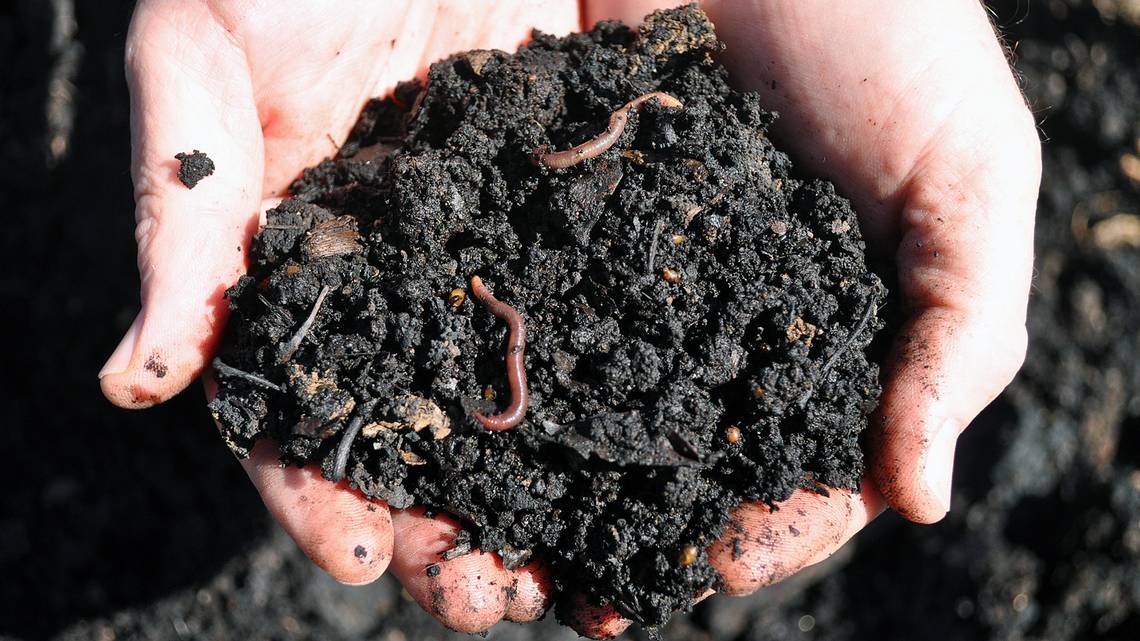
Fall gardening tip: Till your soil and add compost now, not in the spring

“Good gardening practices begin with the soil. Soil is the foundation of life for plants. I have found that many people take soil for granted. We should put its management higher in priority than the plants.

Fall is the best time to make improvements. Vegetable gardens and annual plantings can be prepared now so that come spring, they are ready for planting.

Turning the soil over in the fall is more about course tillage. Depending on the size of the garden, this can be done with a spade or tiller. The goal is to leave the bed with larger, chunkier clods that the freezing and thawing of winter will naturally break down.”

Read more here: “KansasCity.com”

Neighbors Have Questions As The City Solicits Proposals For Two Urban Farms

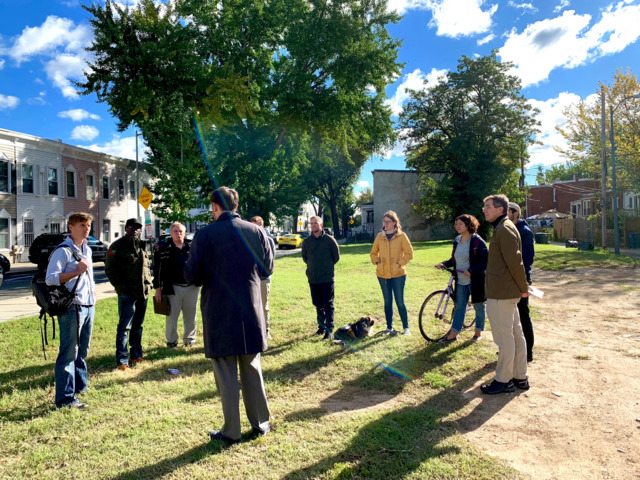
Marcus Roberson has a vision. He wants to grow crops on an empty lot in the Kingman Park-Rosedale neighborhood, close enough to Miner Elementary School to hear children during recess. “If we can get to the kids, we can get to the parents and touch the community,” he says.

Roberson is the co-owner of Woodbox Farms in Alexandria and graduated from Arcadia Farm’s 2017 Arcadia Veteran Farmer Program. The Southwest D.C. resident is submitting a plan to the city, hoping to be awarded the 10,000 square feet of public land to use as an urban farm.

In addition to engaging the elementary school through educational programming, Roberson imagines creating a Community Supported Agriculture (CSA) program that relies on cyclists to deliver produce to neighbors. He was among a handful of likely bidders at a site visit on Oct. 24.

Earlier this month, the Department of General Services put out a request for proposals for two plots of land totaling 20,000 square feet as a part of D.C.’s Urban Farming Land Lease Program. Site one is on the 1600 block of Kramer St. NE between 16th and 17th streets NE in Ward 6. Site two is at Longfellow and 9th streets NW in Brightwood Park. ”

READ THE FULL STORY: “WashingtonCityPaper.com

Smash, Don’t Trash, Your Leftover Halloween Pumpkins

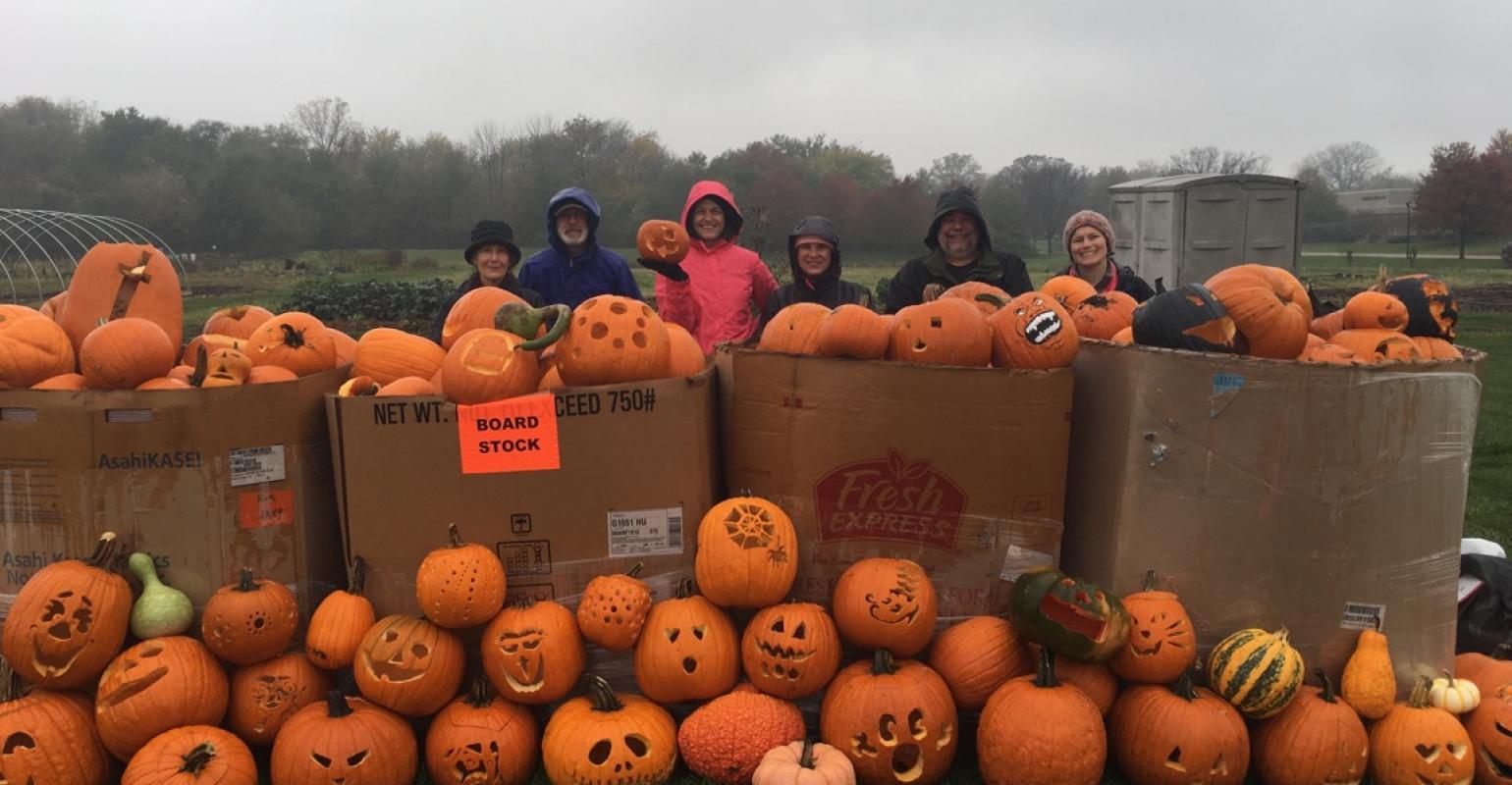
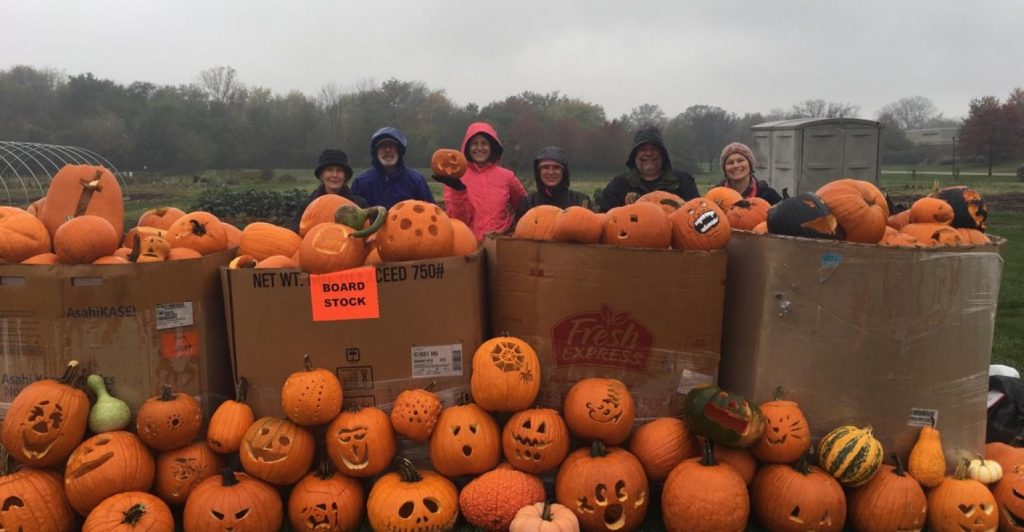
“SCARCE has developed an annual event to collect and compost post-Halloween pumpkins in an effort to divert organic waste from landfill.

This year’s event will be held on November 3 at various locations across the state, where people can bring their leftover Halloween pumpkins to be collected, catapulted, smashed or used for games before they are composted. SCARCE, with the help of the Illinois Environmental Council (IEC), started the event five years ago as a pilot program.

However, when it came time for the Pumpkin Smash event to take off in the state, a formal law for one-day collection events needed to be implemented. So, SCARCE and IEC worked together to write a law to allow for special events to divert organics and other types of food waste from landfill.”

READ THE FULL STORY AT: “Waste360.com

Urban farming is alive and well in La Jolla

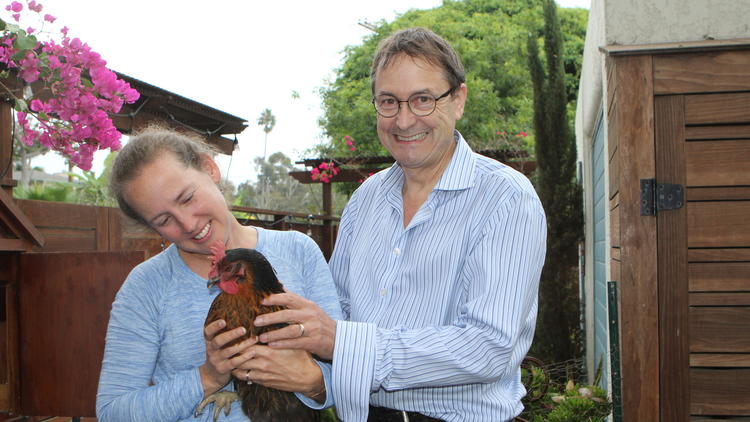
“Regulations allow two miniature goats, two beehives and up to 25 hens (not roosters, because those are the chickens that crow at sunrise) on every residential property in the City of San Diego — with restrictions depending on the distance they’re kept from property lines.

Considering how crowded La Jolla is, these regulations do not affect very many of its residents. But a maverick few dozen — those with larger houses and, usually, income streams — pour dozens of hours of hard and dirty work and hundreds of dollars a month into food they’re proud to grow themselves.

Todd Lesser, owner of a telecommunications company, grew up on an old apricot and prune orchard in the Bay Area and has done his best to reproduce it on the half acre he and his wife, Nanette, own on Mt. Soledad.”

READ THE FULL ARTICLE AT: “JaJollaLight.com

Women farmers earn about $58,000 a year—but they still outearn their male counterparts

“Kriss Marion wasn’t planning to become a farmer when she moved to Blanchardville, Wisconsin. The goal was to get out into green space with her family and be around farms, she tells CNBC Make It.

But after working on farms in the area and growing her own garden, Marion took the plunge and opened a community supported agriculture operation (CSA) in 2007. Today, her farm, CircleM Market Farm, continues to grow for CSA, offers a bed and breakfast for guests and raises sheep and cows. “It’s been really delightful to grow and change on this farm, and I feel like a rural place like this offers a lot of opportunities,” says Marion.

Marion is one of a growing number of women making a living running her own farm. In fact, according to data from the Bureau of Labor Statistics,women farmers, ranchers and agricultural managers outearned their male counterparts in 2017, one of just 10 occupations in which that’s the case. The weekly median salary for women in this field was $1,114. Men took home $963.”

READ THE FULL STORY: “CNBC.COM

Can Maggots Fix Singapore’s Food Waste Problem?

SINGAPORE — IT’S HARD not to miss the giant black flies that flit within the white net enclosures at Insectta, Singapore‘s first licensed insect farm. The swarm of flies looks like something from the start of the apocalypse, but these flying insects are not here to mark humanity’s downfall – in fact, they may be here to save it.

Singapore is experiencing a trash crisis. Some predict the world’s second most-densely populated city will run out of room in its landfill by 2035. According to figures from the country’s National Environment Agency, while recycling rates for food waste are going up in Singapore, residents still threw away 676,800 metric tons of food in 2017. Only 16 percent of this was recycled – the rest went to the landfill.

Yet there may be a solution, according to a group of urban farmers and scientists in this Southeast Asian city-state, and it’s one that has been buzzing under everyone’s noses all along.

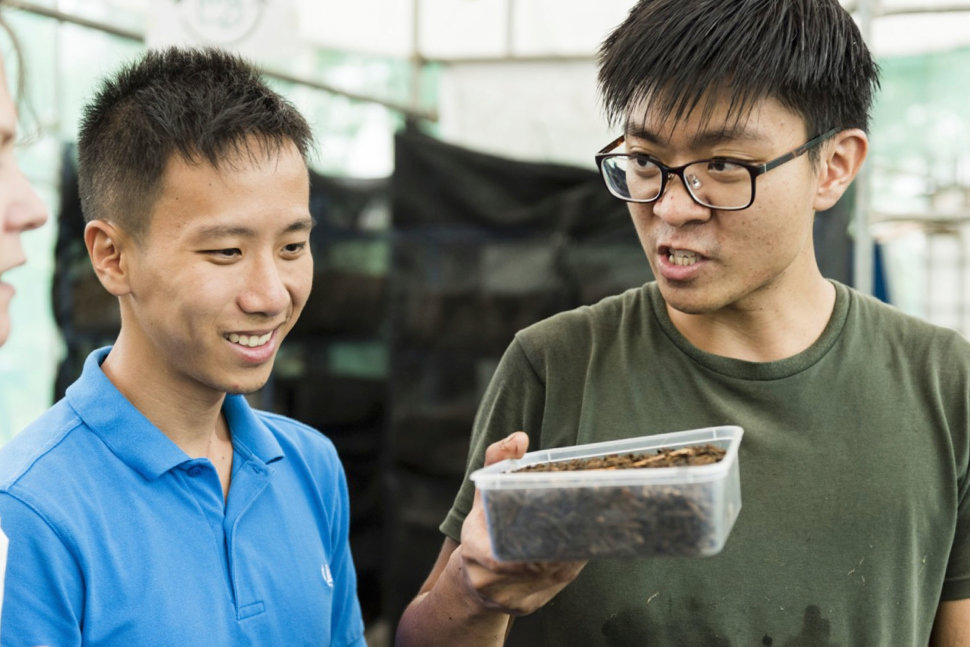
Living within the jungles of Singapore is the black soldier fly – nature’s own waste disposal unit. When its larvae are born, they voraciously eat almost any food waste left in their way. The sleek tropical insect is now being intentionally brought into the city by two entrepreneurial farmers, Darren Ho and Ng Jia Quan, who have created Insectta – an insect farm in the residential area of Queenstown. The goal of Ho, a natural resources management graduate, and Ng, a former chef, is to adopt sustainable farming practices that reduce urban waste and embrace the natural, eco-friendly food cycle long a feature of the island.”

READ THE FULL STORY AT: “USNews.com

Reinventing Food One Shipping Container at a Time

“The low-slung building on Evans Avenue with the greenhouse roof blends into the surroundings in an uninspiring stretch of Denver, all nondescript retail and pockets of ranch homes. It’s a hydroponic farm, run by partners Jake Olson and Lauren Brettschneider. The produce is all on tables at waist height, and the plumbing is subtle and minimalist. There is no soil anywhere. From the street it’s easy to miss Rebel Farm; inside, it looks like an Apple Store hosting a farmer’s market.

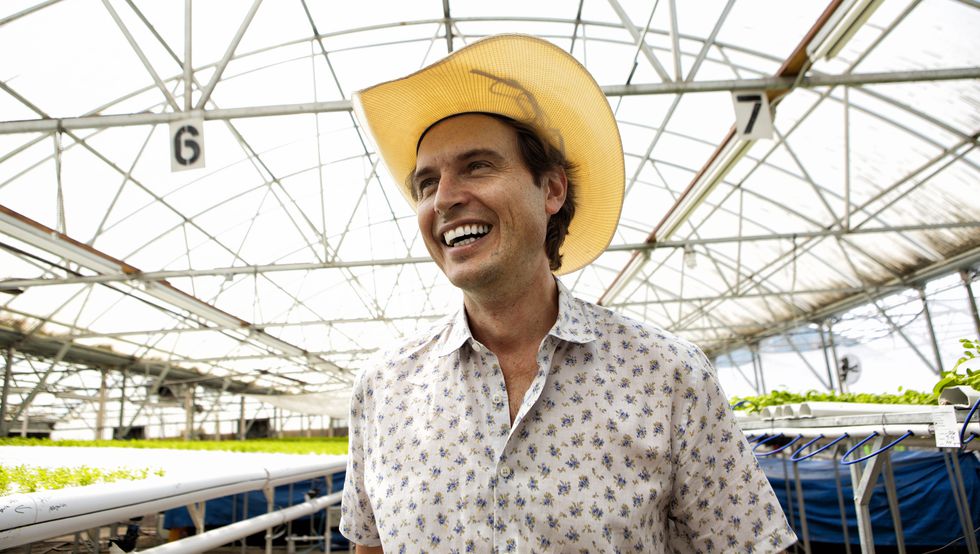
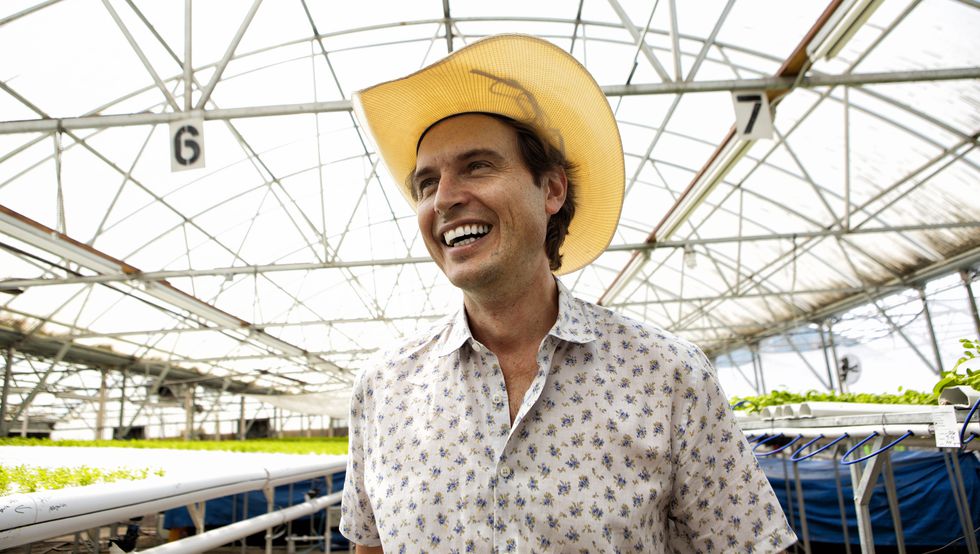
One afternoon this summer, Kimbal Musk, a tall, lanky man in a cowboy hat, ducked in through the front door. He was here to see about the produce for his Denver-area restaurants. Unlike, perhaps, the average restaurateur, he’d brought a couple of assistants, who used smartphones to photograph his entrance, and his greeting with Olson and Brettschneider, and the huge smile he put on when he surveyed the farm. He’d never been to Rebel Farm before, but the operation was already providing him gem lettuce, a trendy green, and now he wanted to see what else it might offer. Olson and Brettschneider start walking him up and down the aisles. The building’s southern exposure is a heat-exchanging wall, and they start there, in the cool-climate crops.”

READ THE FULL ARTICLE AT: “PopularMechanics.com

Urban farm bounties benefit cancer patients

“MURRAY — Brent Ottley drives a truck that gathers produce from the Green Urban Lunch Box farm and a bunch of unused backyard gardens across the Salt Lake valley, then delivers it to seniors and others in need of freshly picked food.

On Thursday, the recipients were cancer patients, and proper nutrition — particularly from fruits and vegetables — is key to treatment.

“There are definitely phases of treatment where nutrition plays different roles — there are moments you just want them to eat anything,” said Elisa Soulier, oncology LiVe Well program manager at Intermountain Medical Center. “Then there are moments where they are merely surviving, where we emphasize a plant-based diet, one that contains all the antioxidants and healing properties they need to prevent complications of treatment and recurrence of the disease or other types of cancer.””

READ THE FULL STORY AT: “DeseretNews.com

Rooftop Gardens Are Turning the Urban Shopping Scene Green

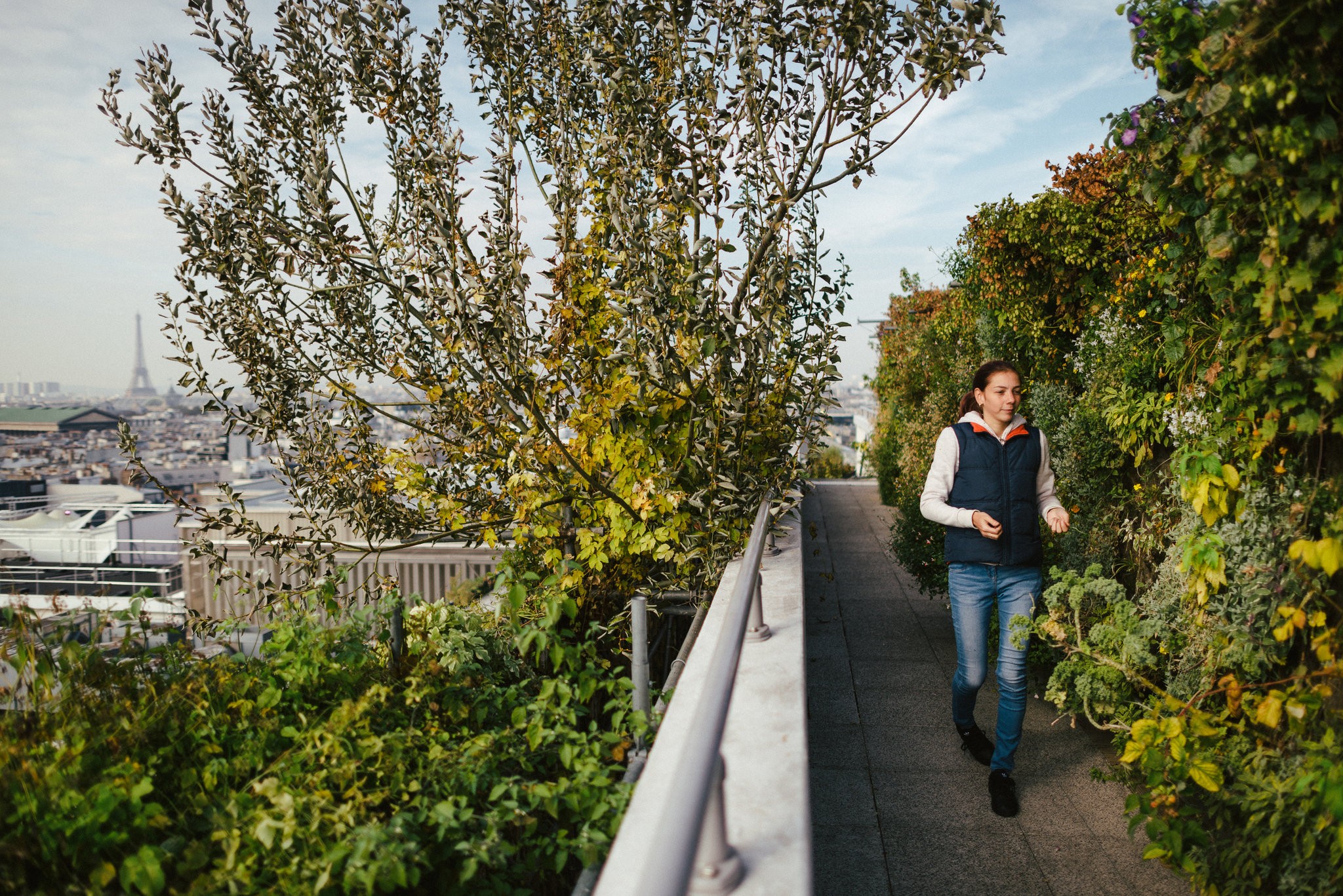
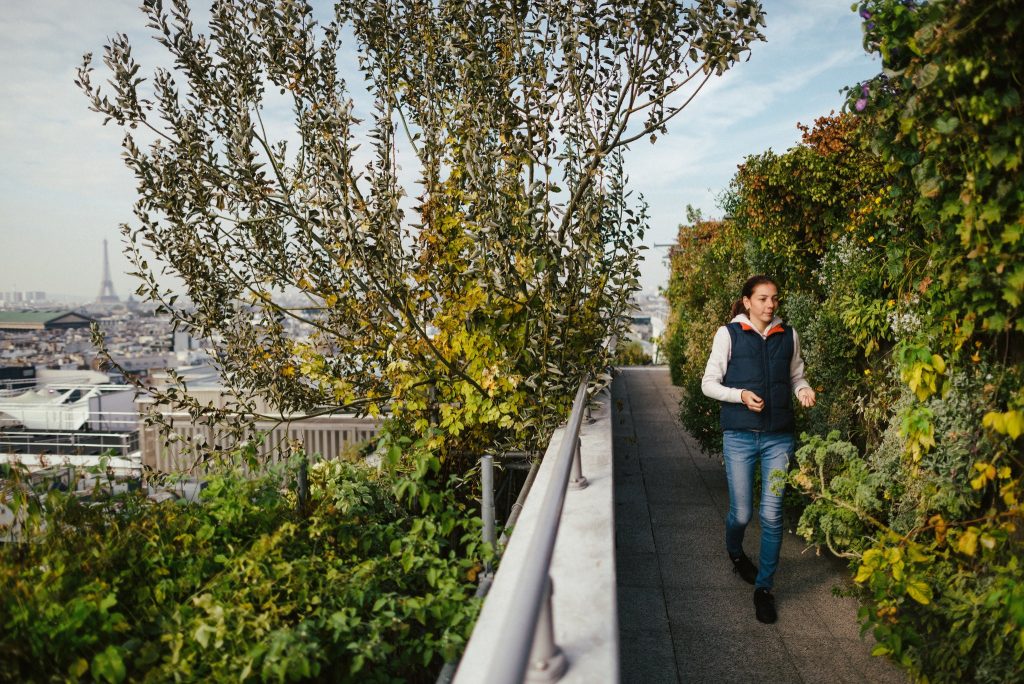
“PARIS — It’s a swift ride by elevator from Galeries Lafayette’sperfume section to the grand department store’s 10th-floor luxury farm with its signature scent of sage, rosemary and compost.

The rooftop garden, lush with climbing plants, tomatoes, marigolds and strawberries, is part of a plan to transform city farming into a deluxe shopping attraction for customers yearning for an exclusive green refuge — and perhaps a taste of beer brewed from the store’s homegrown hops.

For now, only select customers can experience this haute farm on the Right Bank with weekly reserved tours. Eventually, Galeries Lafayette intends to expand to other roof sections to host larger events and fashion shows among leafy, vertical walls of plants with a panoramic view of the Eiffel Tower and the city’s opera house.”

READ THE FULL STORY AT: “NYTimes.com

‘Urban farm’ shuts down as proponents call for more understanding

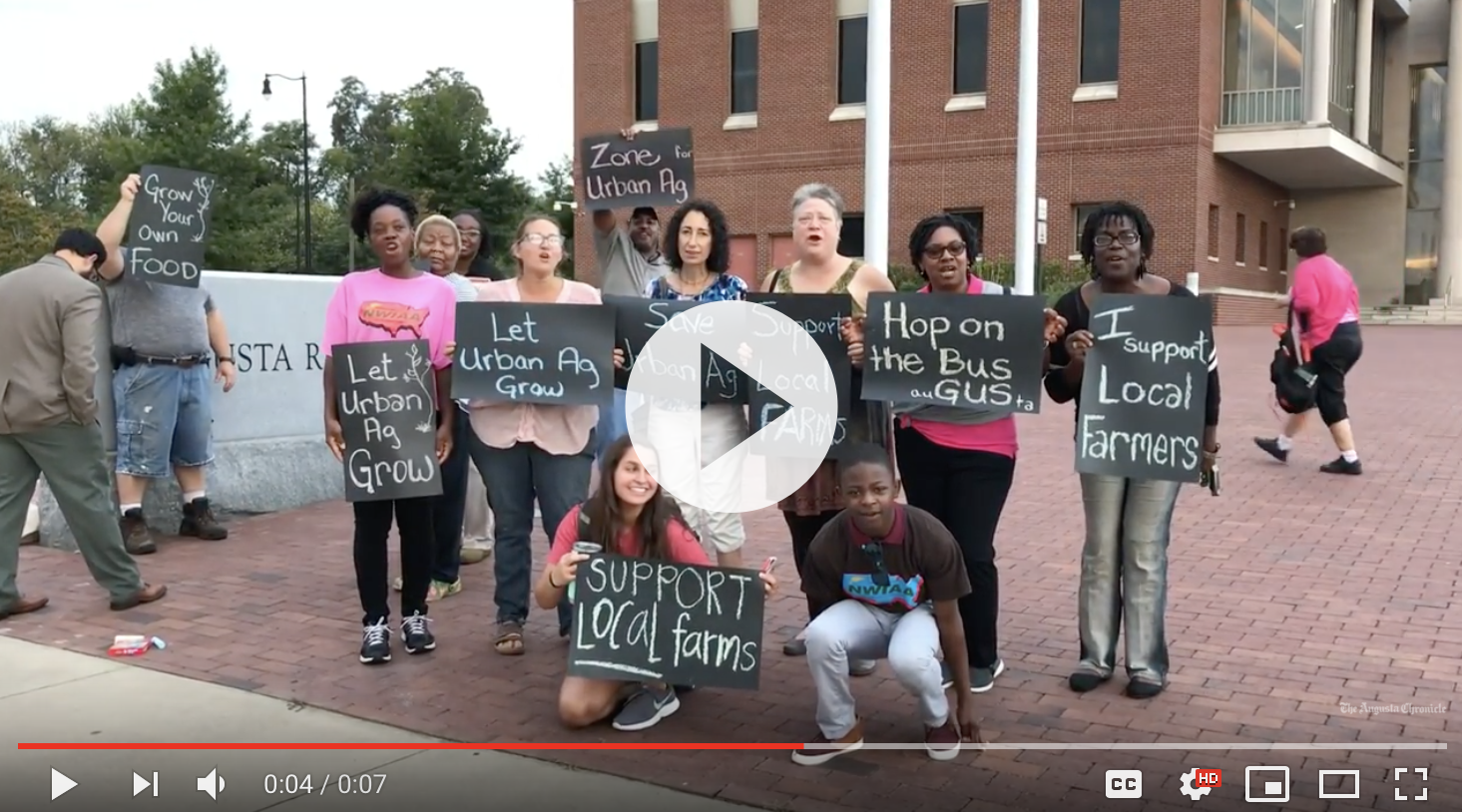
“Activists are calling for greater understanding of urban farming after a small farm run by two veterans near Hephzibah is shutting its doors.

Urban Grange Farm, owned since 2015 by Alesha and Thomas Gonzales, is moving out of Augusta after being cited for animal cruelty, allowing livestock to run at large, operating in a residential zone and not obtaining a local business license. The four-acre farm, located in a rural neighborhood of large-acreage lots, had become a regular vendor at Augusta’s Saturday market and the Veggie Park Farmers Market and sold its produce and meat to local caterers and restaurants.

An Augusta animal services officer told the court she responded to a report of ducks in the road in September and found some in a ditch in front of the Gonzales’ Seago Road home. Behind the house, the birds had access to water from a small swimming pool, she said.

Returning with department of health and codes enforcement officers a few days later, she photographed chickens and turkeys she said were crowded in a coop with little or no access to water. Augusta Code Enforcement Officer James Robinson said he saw four piglets scamper into the yard next door, then run back.”

READ THE FULL ARTICLE HERE: “AugustaChronicle.com

[VIDEO] Community Resists CPS Plans To Destroy Urban Garden

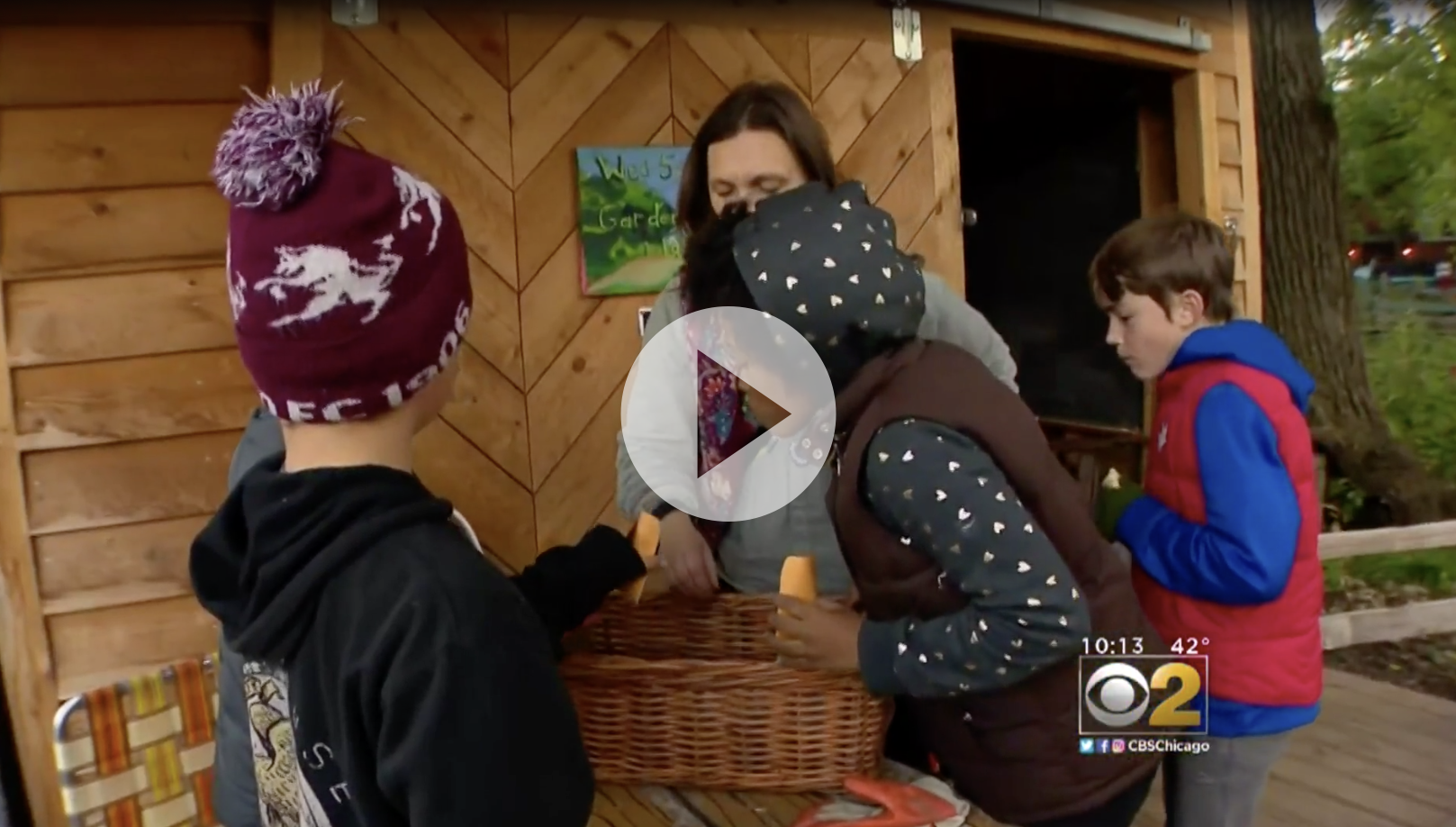
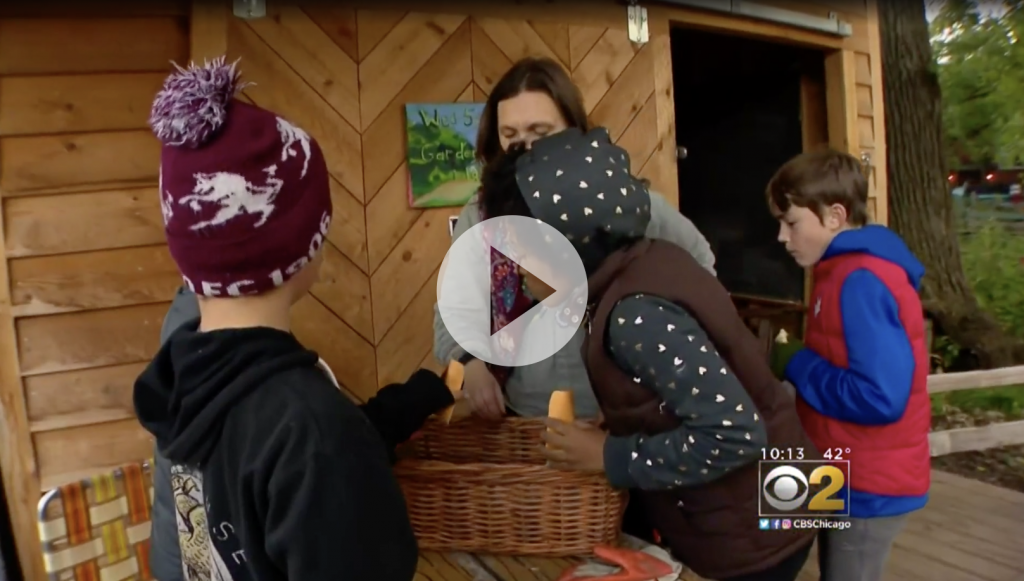
CHICAGO (CBS)–Plans to expand a Chicago Public School in the Lincoln Square neighborhood have hit a roadblock after some neighbors are fighting to keep a piece of the community threatened by the project at Waters School.

The school houses one of the oldest urban gardens in the city, and neighbors are at odds with CPS’s plans to build an addition to the school right in the middle of the garden.

Restored and cultivated by staff, students and nearby residents for decades, the garden is home to four 300-year-old trees towering above the sprawling city space.”

WATCH THE VIDEO HERE: “ChicagoCBSLocal.com

Urban farm success story is something to celebrate

“Tour any number of farms in the “inner city,” check out the rows of planted tomatoes, kale, peppers, asparagus and berries and it becomes crystal clear: Here, it’s a city in name only.

Urban farms stand as proof that the once-scarred earth can be restored across swaths of land once deemed fit only for the purpose of populating cities and towns. It’s a lesson for urban governments to look beyond traditional ideas of development.

Consider the story of Janice and Mark Stevens. Ten years ago, they had the improbable dream of purchasing a field, composed at the time of 27 vacant, connected lots. They wanted to buy the land from the city and start an urban farm in the middle of Buffalo’s East Side.

City officials hesitated, eventually agreeing on a lease.

The Stevenses started the Wilson Street Urban Farm, and, on a 2-acre field, spent a decade dedicating themselves to the effort of not only feeding their own family but providing for the neighborhood and the city. Anyone who happened upon the urban farm through word of mouth, or just by riding around the once desolate area might have stopped at the sight of fresh vegetables.”

READ THE FULL STORY AT: “BuffaloNews.com

Farming the Cities: An Excerpt from Nourished Planet

“By 2050, 70 percent of the world’s people are expected to live in urban areas, and if we’re going to feed all those people, we’ll need to continue to make cities and towns into centers of food production as well as consumption. Worldwide, there are nearly a billion urban farmers, and many are having the greatest impact in communities where hunger and poverty are most acute. For example, the Kibera Slum in Nairobi, Kenya, is believed to be the largest slum in sub-Saharan Africa, with somewhere between 700,000 and a million people. In Kibera, urban farmers have developed what they call vertical gardens, growing vegetables, such as kale or spinach, in tall empty rice and maize sacks, growing different crops on different levels of the bags. At harvest time they sell part of their produce to their neighbors and keep the rest for themselves.

The value of these sacks shouldn’t be underestimated. During the riots that occurred in Nairobi in 2007 and 2008, when the normal flow of food into Kibera was interrupted, these urban “sack” farmers were credited with helping to keep thousands of women, men, and children from starving.

The role urban farmers played in saving lives in Kibera is probably only a precursor of things to come. In large parts of the less developed world, as much as 80 percent of a family’s income can be spent on food. In countries where wars and instability can disrupt the food system and where the cost of food can skyrocket overnight, urban agriculture can play a fundamental role in helping prevent food riots and large-scale hunger. In that respect, promoting urban agriculture isn’t only morally right or environmentally smart, it’s necessary for regional stability.”

READ THE WHOLE STORY AT: “FoodTank.com

URBAN FARM BRINGS FARM LIFE TO INNER CITY KIDS

“Founded under the initial name Embracing Horses in 1993, The Urban Farm at Stapleton was established to provide equine education and interaction for 15 inner-city youth. In the 25 years since its establishment, The Urban Farm has expanded its programming. They now offer educational opportunities in animal husbandry and agriculture.

The original goal of the organization was to “work with inner-city kids get them experience riding horses, develop them, make them more responsible, build respect for the animals.” Executive director, Mike Nicks explained that the present mission stays true to the farm’s origins. “We use practical work experience in the farm setting to inspire excitement for learning while fostering respect, responsibility, curiosity, caring and grit.””

READ THE FULL STORY AT: “303Magazine.com

D.C. looks for groups to transform vacant land into urban farms at two locations

“The District is searching for organizations to create and run urban farms at two locations in Kingman Park and Brightwood Park. Totaling more than 20,000 square feet, the parcels are currently vacant. Once redeveloped, they would be managed through D.C.’s Urban Farming Land Lease Program, which was established to foster a sustainable system for locally grown food. The D.C. Department of General Services (DGS) recently put out a solicitation for bids.

“The Department reserves the right to make multiple awards to different applicants for sub-areas within each Site, however no such subarea will be less than 2,500 square feet,” notes DGS in its request for proposals. The Brightwood Park site is situated on an (unnamed) alley between 9th and 8th streets NW, near Longfellow Street NW, while the Kingman Park site is located in the 600 block of Kramer Street NE between 16th and 17th streets NE. Applicants must have “experience in agricultural production,” per DGS, and responses are due Nov. 21.

The opportunity arises as urban farms are becoming more popular across D.C., particularly in underserved areas where traditional grocery stores are lacking—areas commonly known as “food deserts.” Other major cities like New York are also seeing an uptick in urban farms.”

READ THE FULL STORY AT: “DCCurbed.com

The Artist Creating Urban Farms to Feed Philadelphia

“Not many churches can boast their own Garden of Eden, but South Philadelphia’s historic Union Baptist Church (UBC) can. When Loretta Lewis and other veteran congregants of UBC opened a soup kitchen 20 years ago, they made a solemn pledge: “We just vowed that we’re not going feed people anything that we wouldn’t eat or feed our families,” she says. “The people who come are used to eating substandard food, but here they have never had substandard food.”

The soup kitchen volunteers have always prepared for the weekly Friday luncheon by shopping for and cooking food in an industrial kitchen in the church’s basement, adjacent to a dining room with cloth-covered tables, where people from nearby shelters are welcome to enjoy a free, nutritious meal.

And for the past year, sourcing fresh vegetables—often a big challenge for the church—has been easy. The soup kitchen’s pantry is now supplemented by hyper-local produce, harvested the same day from a new garden in a previously underused plot next door to the church.

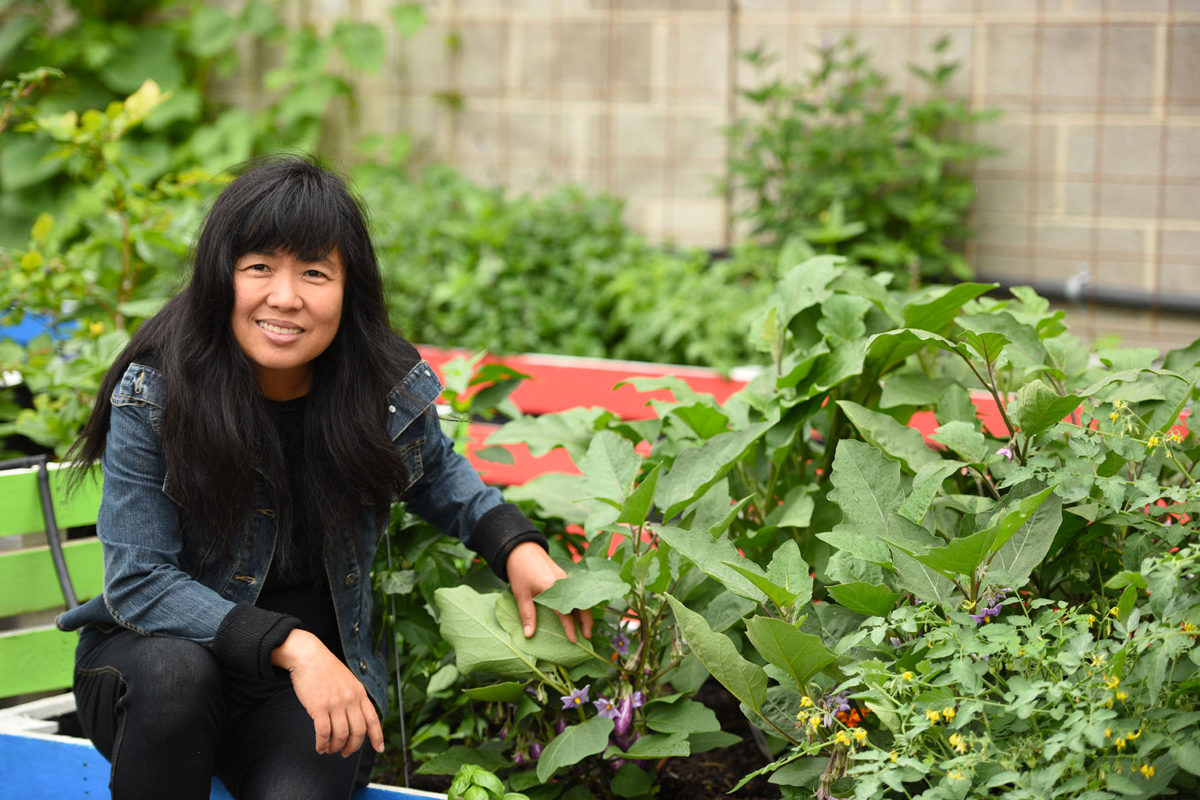
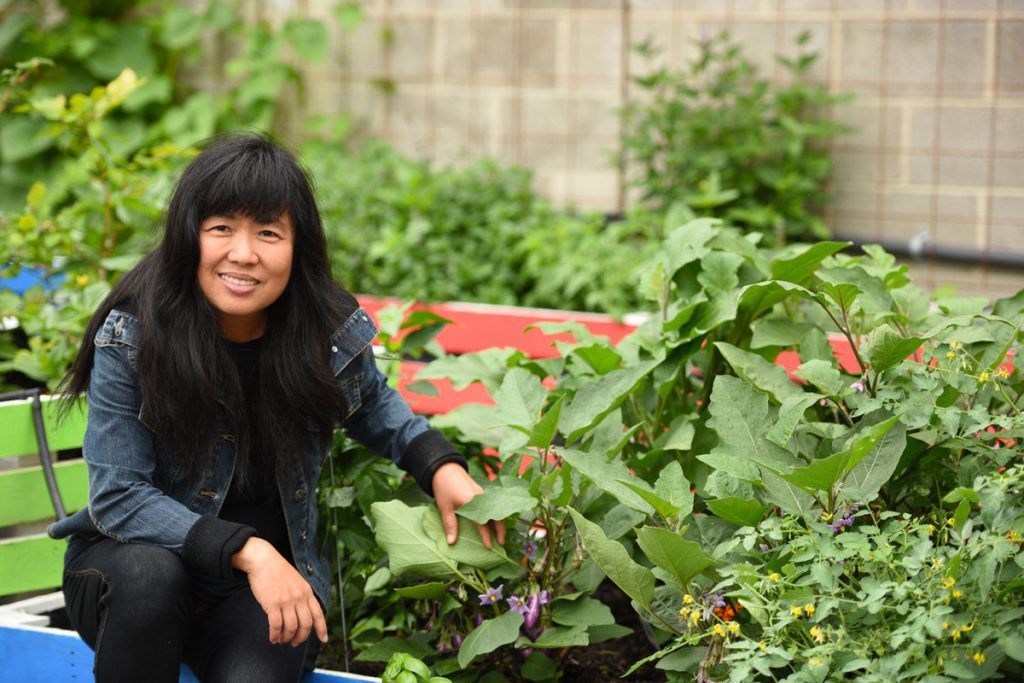
Meei Ling Ng, an artist and urban grower who lives nearby, began a collaboration with the church a year and a half ago to develop what they’ve jointly called the UBC Garden of Eden. “I want to promote ‘grow food where you live,’” Ng says. “That’s always my project title, everywhere. And ‘provide fresh, healthy food to the needy, to the homeless.’ It benefits the rest of the community, too, through educating how to grow.”

READ THE FULL STORY AT: “CivilEats.com