In Milwaukee’s poorest ZIP code, fruits and vegetables become powerful weapons

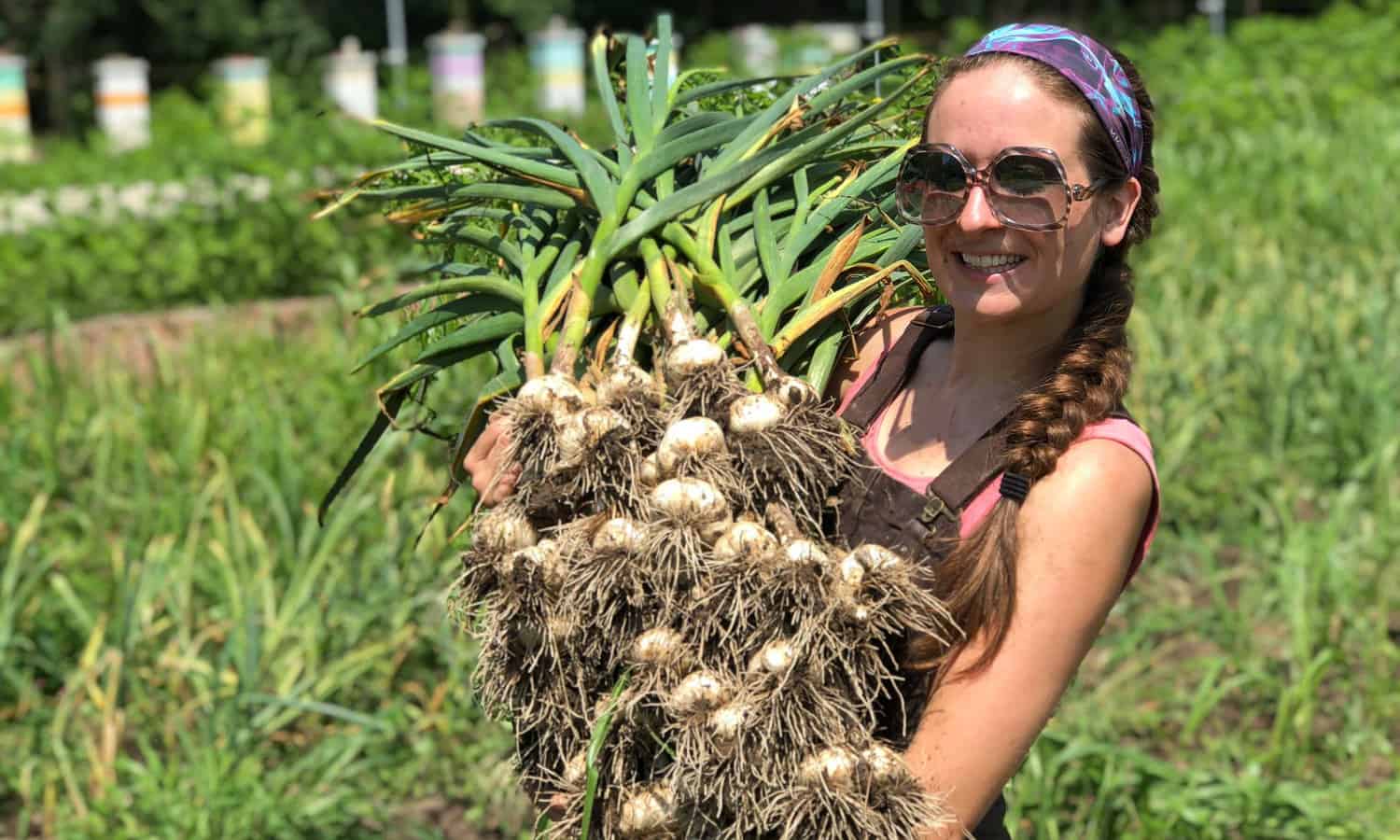
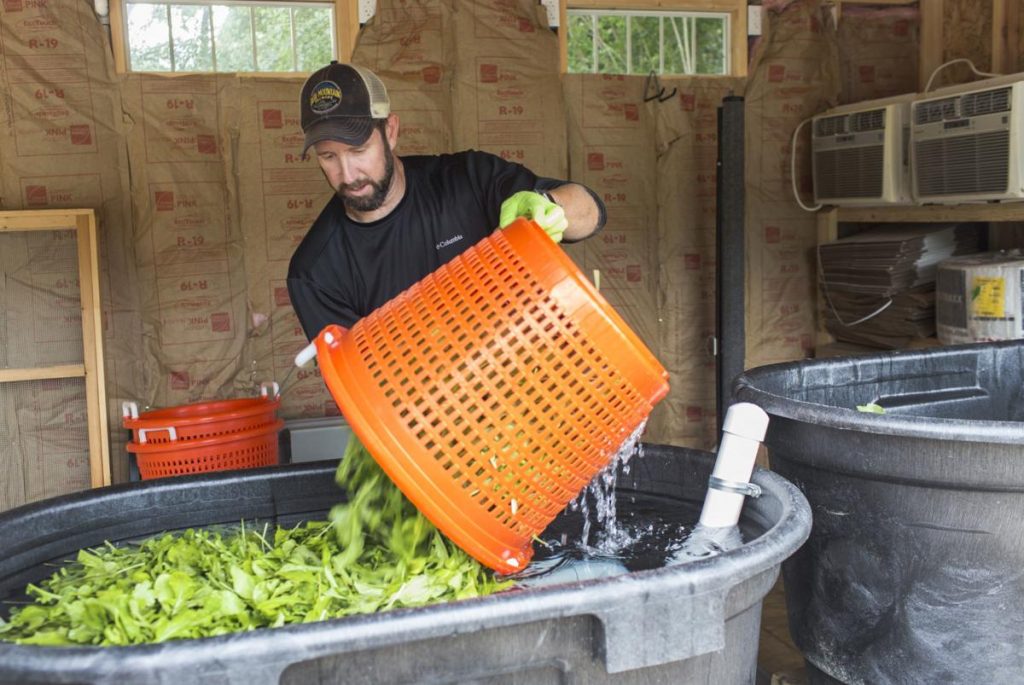
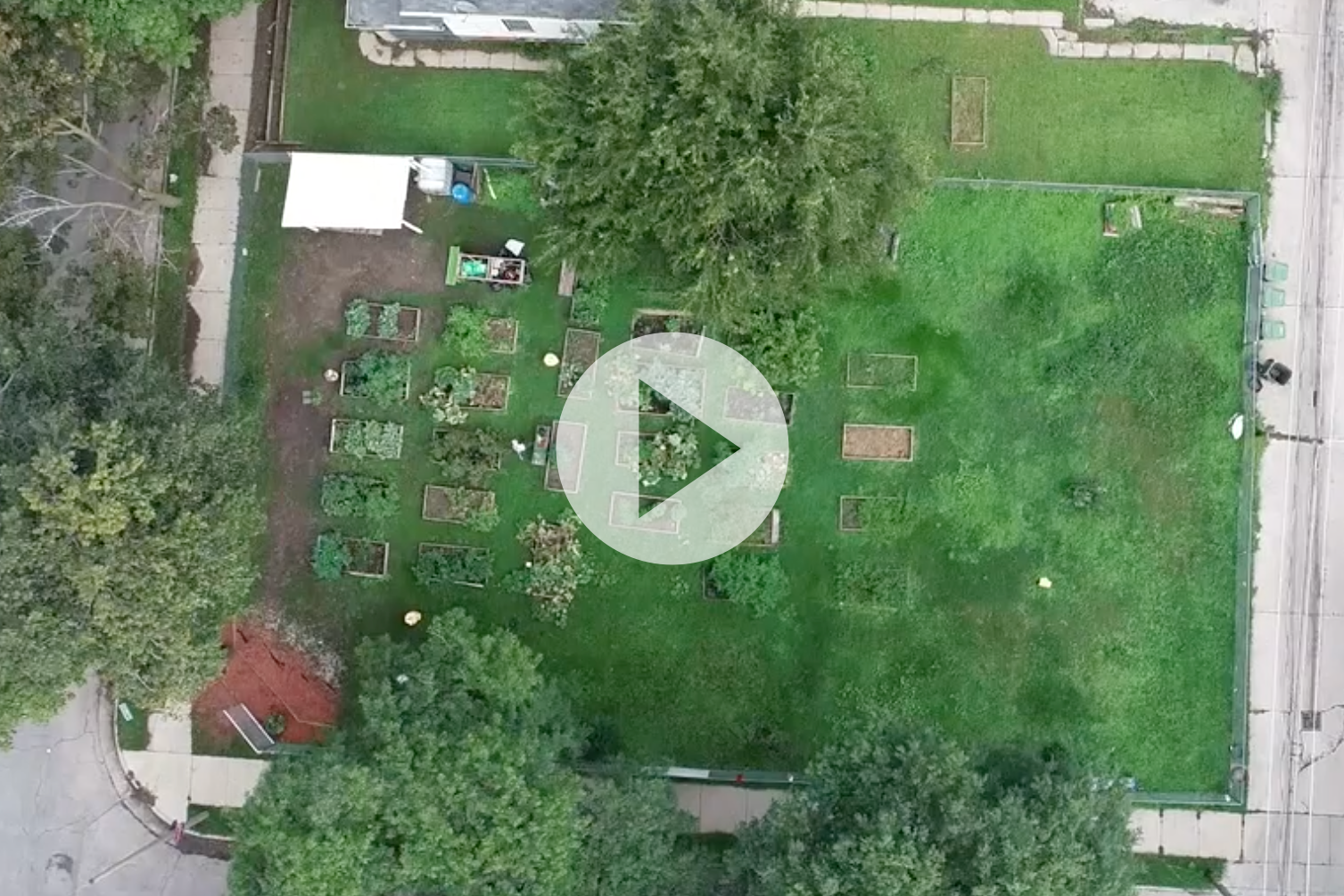
It’s 6:35 a.m. on a humid Saturday in a community garden on Milwaukee’s north side, and a black man is kneeling to inspect the green tomatoes starting to form on a vine.

He’s singing an old Negro spiritual: I am on the battlefield for my Lord. And I promised him that I would serve him till I die.

Andre Lee Ellis spends every day on the battlefield.

It surrounds his home, his garden, his neighborhood. His fight is to save boys growing up in the 53206 ZIP code, which has one of the highest incarceration rates for black men in the nation — and one of the shortest life expectancy rates.

I am on the battlefield for my Lord.

Ellis’ weapons are fruits and vegetables, mentorship and love. And, when called for, a stern demeanor.

READ THE FULL STORY AT: “ProjectsJSOnline.com

Gardening Could Be The Hobby That Helps You Live to 100

Dan Buettner has studied five places around the world where residents are famed for their longevity: Okinawa in Japan, Nicoya in Costa Rica, Icaria in Greece, and Loma Linda in California and Sardinia in Italy.

People living in these so-called “blue zones” have certain factors in common – social support networks, daily exercise habits and a plant-based diet, for starters. But they share another unexpected commonality. In each community, people are gardening well into old age – their 80s, 90s and beyond.

Could nurturing your green thumb help you live to 100?

“When you eat vegetables that you’ve grown yourself, it changes everything – they taste more delicious, and it really makes a difference in the health qualities (vitamins, minerals, phytoactive compounds etc.) of the food itself,” says Willcox. Buettner, the “blue zones” expert, recommends a diet of “90% plants, especially greens and beans”, and points out a simple truth: gardeners are more likely to plant what they want to eat.

READ THE FULL ARTICLE: “BBC.com

Indoor gardening: Add plants to every room of your home

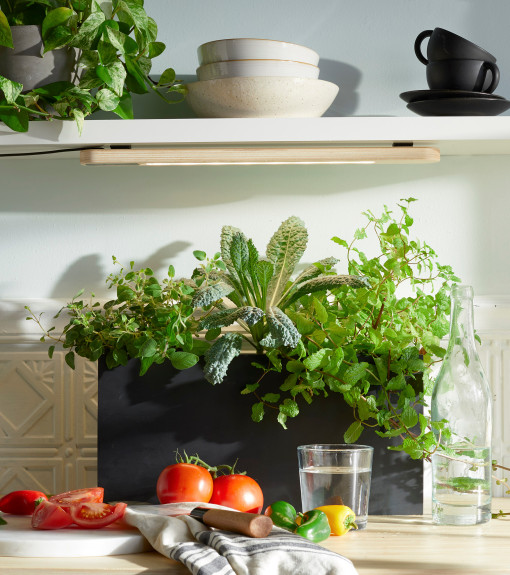
Grow herbs or other leafy greens indoors under a Growbar LED light fixture or near a sunny window. (photo contributed)

Gardeners know the benefits of digging in the soil. It elevates a person’s mood, improves mental and physical well-being and the outcome is always good – added beauty or tasty nutritional food. But many of us are stuck indoors for the winter, have a lack of space to garden outdoors or just can’t get enough of this healthful activity. Adding greenery indoors expands our gardening opportunities and provides the many benefits of living with and tending plants.

Let’s start with the kitchen. Boost the flavor and nutrition of winter meals by growing leafy greens and herbs in a sunny window or under a cabinet with the help of a Growbar LED light fixture. Start plants from seeds or purchase transplants to grow indoors. Place your indoor kitchen garden in a brightly lit location, free of cold drafts and with easy access to harvest and use. Then enlist the whole family and even your guests into harvesting greens for their salad and herbs to season their meals. This is sure to turn family and friend gatherings into unique and memorable experiences.

Include plants in your home or work office. Greenery helps reduce stress even when working at your desk or tackling homework at the end of a long day. Set a few plants on or near your desk or other workspace. And don’t let a lack of light stop you from growing a bit of green stress relief. Stylish energy efficient full spectrum plant lights, like the Felt Pendant Grow Light (modsprout.com), fit any décor, direct light where it is needed and promote healthy plant growth.

READ THE REST OF THE ARTICLE AT:ukiahdailyjournal.com

Paris-based Agricool raises $28 million to expand its urban farming tech

Agricool today announced it has raised $28 million for its system that uses specially designed trailers to grow strawberries in big cities.

The Paris-based company has now raised a total of $41 million as it works to meet the growing demand for locally grown produce through technological innovation.

“We are very excited about the idea of supporting urban farming toward massive development, and it will soon no longer be a luxury to eat exceptional fruits and vegetables in the city,” said Agricool cofounder and CEO Guillaume Fourdinier in a statement.

READ THE FULL ARTICLE AT: “VentureBeat.com”

How Atlanta Is Turning Ex-Cons Into Urban Farmers

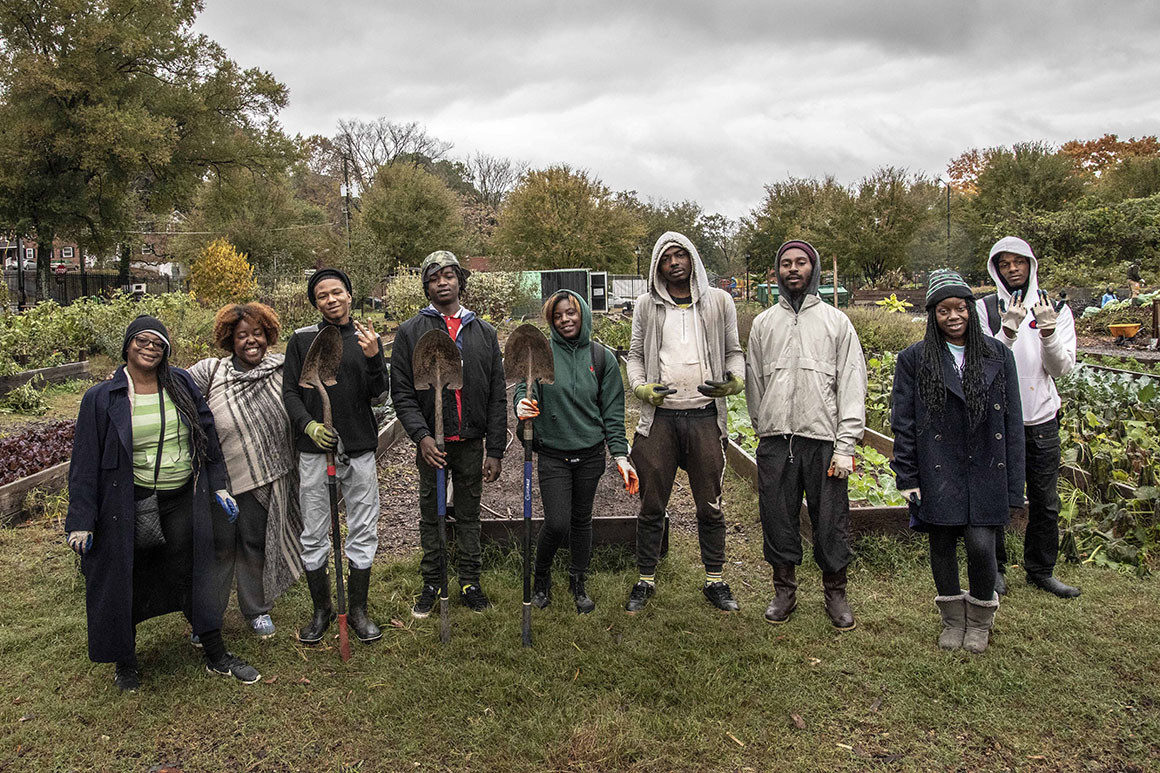
“ATLANTA—On a 4-acre farm a few miles south of the Fulton County Jail, Abiodun Henderson swung a pickax into the soil at her feet. She kept at it until she was winded and sweating on this brisk October morning. Around her, 10 young men and women tentatively swung their own tools at the ground, loosening the soil for a set of raised beds where turmeric and ginger plants would grow inside a hoop house through the mild Georgia winter.

“This is how deep we’re going!” Henderson shouted over to Derriontae Trent, one of her trainees, as she pointed to a rusted spike hammered nearly a foot down in the soil. “Teamwork makes the dream work!”

Trent, a smart and wiry father in his early 20s, had recently completed a 2-year prison sentence for multiple weapons and drug charges. He figured that with a rap sheet longer than his résumé his only choice might be a return to the streets. Over the summer, a friend suggested he call Henderson, who had just started a program that would train previously incarcerated youth how to harvest crops. Best of all, it promised to pay $15 an hour. Even though Trent had never worked on a farm before, by early August he was enrolled as the newest member of Gangstas to Growers. Two months after that, he was gripping a hoe, shoulder to shoulder with Henderson while trying to keep the mud off his fresh white sneakers.”

READ THE FULL ARTICLE: “Politico.com

Why You Might Want To Consider Starting Your Own Urban Garden

The growing information about possible negative health effects caused by over-processed foods and artificial additives like artificial sweeteners has fueled interest in eating clean. Now more people are opting to eliminate artificial additives, such as flavors and preservatives, and replace them with simpler whole ingredients like fresh produce and whole grains.

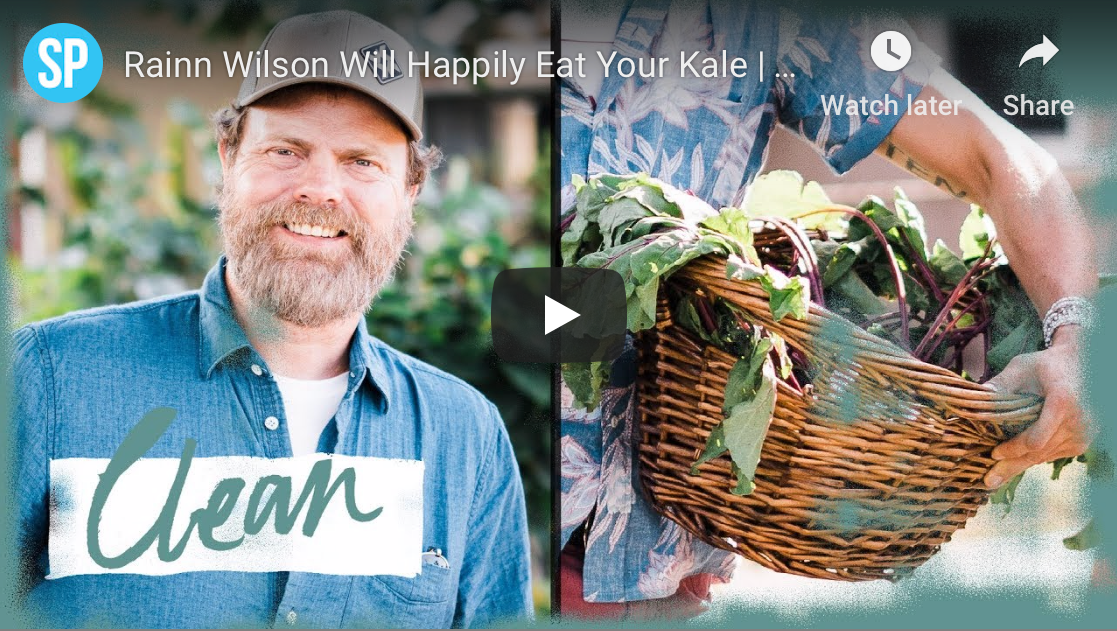
If you’re looking to add more clean ingredients to your diet, one answer might be to start incorporating more whole, fresh or frozen fruits and veggies into your daily menu. You can grow your own produce, too, even if it’s something small like an herb plant in your kitchen windowsill. People across the country are doing this more and more, even in cities like Los Angeles and New York. To find out more about clean eating and the urban gardening movement, actor Rainn Wilson met with Daniel McCollister, the founder of the app Cropswap, which allows you to purchase or trade produce being grown in your community.

Watch the video above, created in partnership with Panera, alongside Wilson, to see how urban gardeners like McCollister are lifting up their communities by changing the food system and creating access to clean, organic ingredients.

READ THE FULL STORY: “HuffPost.com

Urban farm sprouting at old Native Hospital site

The plot of land where the old Alaska Native Medical Center used to be near Ship Creek is getting a makeover.

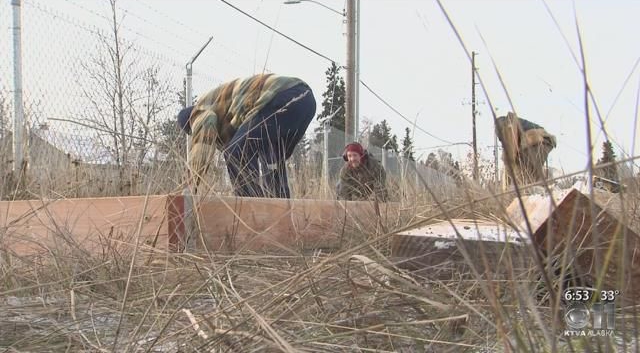
The 10-acre tract of land at Third Avenue and Ingra Street has been vacant since the hospital came down in 1992. While the overall plan for the entire space is still being discussed, the University of Alaska Anchorage and the Alaska Food Policy Council hope to bring new life to a piece of the property with an urban farm.

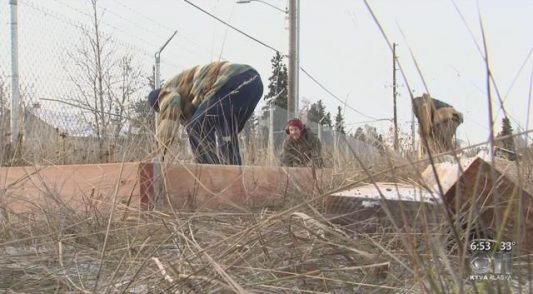
Following a crowdfunding campaign that has already raised more than $2,300, volunteers installed nine raised beds for plant crops next spring. Beds will be filled with soil at a work party Saturday at noon. Even though the ground is a little hard and there’s a layer of snow on top, UAA professor Micah Hahn says they’re ready to plant at least one crop.

READ THE FULL STORY AT: “KTVA.com

How to create an urban farm in your Austin backyard

Growing health, fitness and fresh food movements are fueling the rise of urban backyard gardens across the country. As studies identify food as a primary component of disease prevention, people are turning away from commercial, processed and packaged foods, instead working fresh food into their diets. Gardening itself has physical and mental health benefits.

The biggest gardening trend of 2018 was the emphasis on food. Large sections of lawn are being cleared to make room for tomatoes, cucumbers, peppers and squash. Gardeners embrace creativity by growing fruits and vegetables in increasingly smaller spaces like balconies, walls and patios. Back in fashion: companion planting and canning, key to the gardens of our grandmothers. (My husband’s canning jar collection keeps growing every year.)

Kids are also learning where their food comes from. School gardens expand science lessons by engaging students outdoors. Learning about photosynthesis back in my day would have been infinitely more fun in the sunshine getting dirt under my fingernails.

READ THE FULL STORY AT: “Austin360.com

An arts-focused urban farm initiative is coming to Baltimore

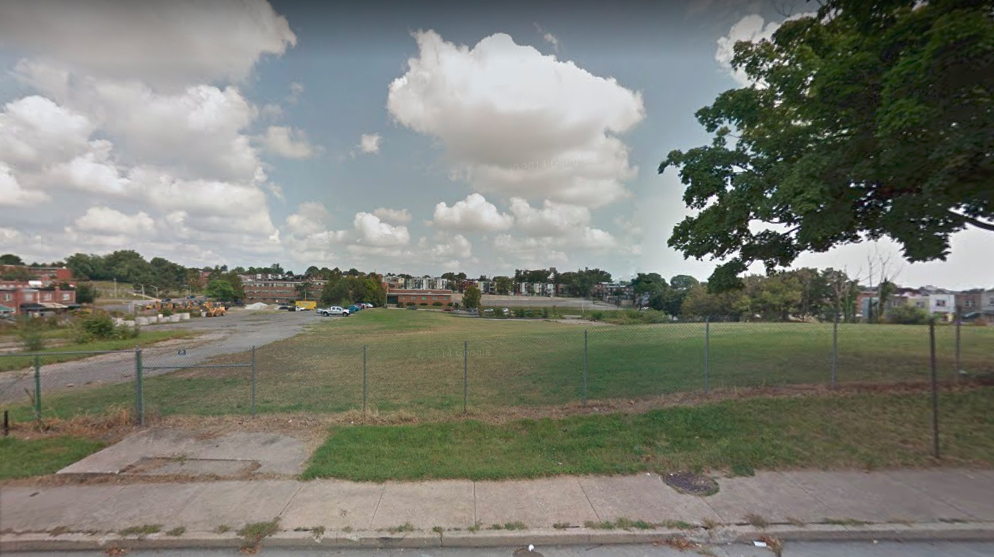
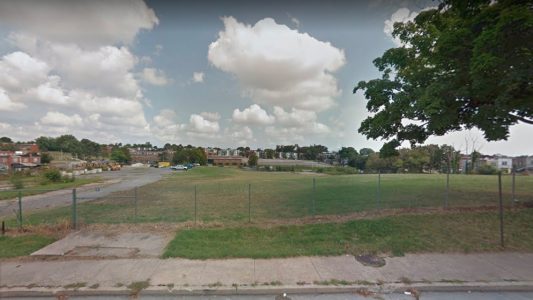
A new state initiative will bring an urban farm to a vacant lot in West Baltimore, but instead of growing fruits and vegetables to eat, the focus will be on plants that can be turned into natural dyes for artists, Gov. Larry Hogan’s office announced Wednesday.

The inspiration comes from the governor’s trade mission to Asia in 2015, and a 2017 visit by first lady Yumi Hogan to her native South Korea, where she toured the Natural Dyeing Cultural Center in Naju. A delegation from the center came to the area earlier this year to demonstrate natural dyeing for potential partners in the farm.

Indigo, marigolds and the state flower, the Black-eyed Susan, are among the crops that will be grown on the plot of land at 731 Ashburton St., which is currently owned by Coppin State University.

“Our trade mission to Asia yielded many positive results, and we are proud to work with our partners in Korea to bring this innovative initiative to Maryland,” Gov. Hogan said in a statement. “This urban garden will have a tremendous impact towards the community revitalization of West Baltimore and our economy – from the natural dyes produced by the crops to the unique apparel which will be manufactured for the marketplace.”

READ THE FULL STORY AT:”BaltimoreFishBowl.com

Ikea wants to help you farm in your house

Ikea doesn’t just want to sell you furniture–it also wants to sell you on sustainable living. And how best to live sustainably than to grow your own food?

That’s the idea behind a new line of products the Swedish company is developing with British industrial designer Tom Dixon. Due to be announced in May 2019 and released in Ikea stores in 2021, the products will be focused on making it easier for people to farm in an urban environment.

For Ikea, this collaboration is about challenging the way society looks at growing in general and addressing that it’s both possible and rewarding to have a place to grow your own plants in the city,” James Futcher, creative leader at Ikea Range and Supply, said in a statement. “Food is key to humanity and design can support with better solutions.”

READ THE FULL ARTICLE: “FastCompany.com

How Women Are Changing Agriculture, Despite a History of Discrimination

Women have been contributing to American agriculture (often invisibly) for centuries. Now, they’re stepping into the profession’s spotlight in a new way.

When the National Young Farmers Coalition (NYFC) surveyed more than 3,500 farmers under 40 in 2017, 60 percent of the farmer respondents were women. And in 2012, the United States Department of Agriculture (USDA) Census of Agriculture found that 14 percent of principal farm operators were women, a nearly 300 percent increase since 1978, when it began counting women as farmers.

Before that, as “farm wives,” women’s work went unnoticed. “There are real implications from that,” says Audra Mulkern, who started the Female Farmer Project to call attention to how women were missing from agricultural narratives. “What have we missed because we haven’t heard women’s voices? What lessons did we not learn? What knowledge is missing?”

READ THE FULL ARTICLE: “FoodTank.com

Urban farms are becoming budding business enterprises

“Urban farms cropping up all over Richmond are more than backyard gardens on steroids.

Joe Jenkins and his wife, Whitney Maier, were growing more organic vegetables in raised beds in their backyard in North Richmond than they could eat, so he started taking some to his job at a restaurant to give to co-workers.

The chef there said the arugula was better than what he was getting from vendors and that he wanted to buy it from Jenkins.

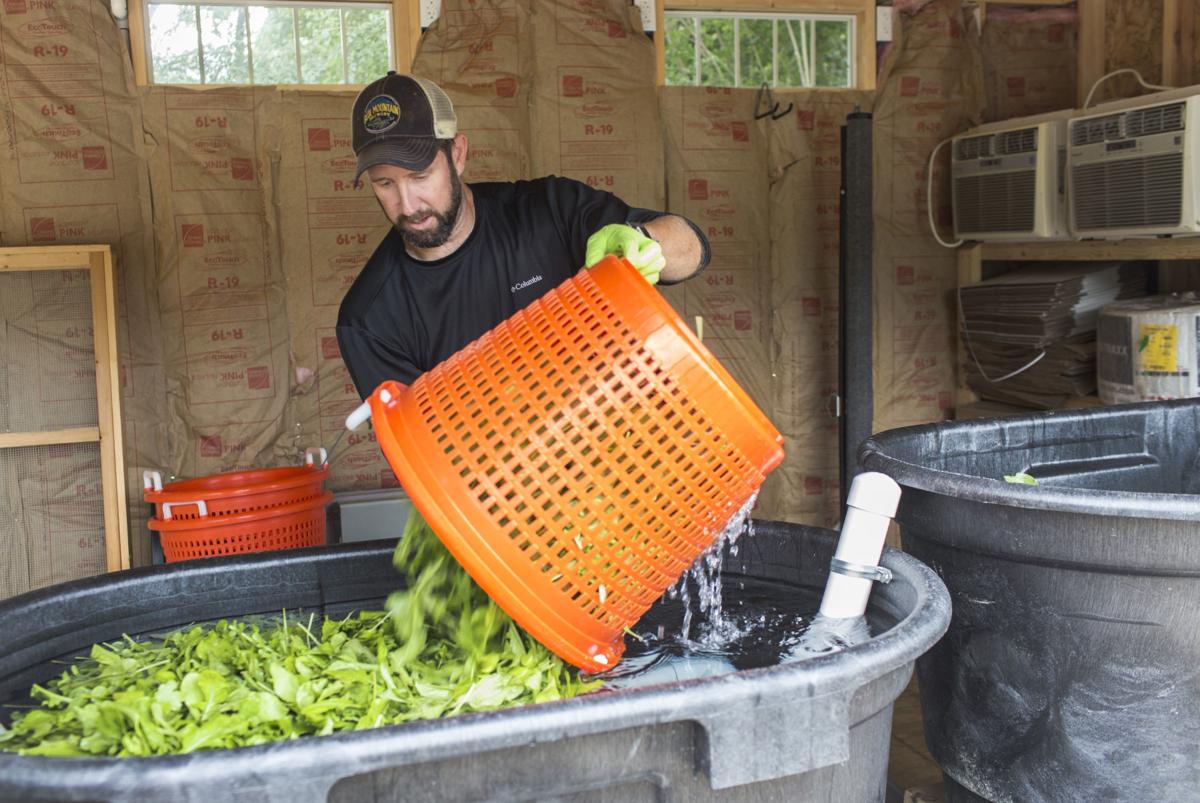
Jenkins and business partner Josh Dziegiel operate Bow Tide Farms, which grows and sells arugula, mixed greens and other produce to about half a dozen Richmond restaurants.

At Shalom Farms’ new Westwood urban farm in North Richmond, mostly volunteers work there, including those that recently helped farm manager Katharine Wilson harvest sweet potatoes — produce that went to food access initiatives such as a healthy corner store project, mobile markets and local food banks.”

READ THE FULL STORY AT: “Richmond.com

Why You Might Want To Consider Starting Your Own Urban Garden

“The growing information about possible negative health effects caused by over-processed foods and artificial additives like artificial sweeteners has fueled interest in eating clean. Now more people are opting to eliminate artificial additives, such as flavors and preservatives, and replace them with simpler whole ingredients like fresh produce and whole grains.

Watch the video above, created in partnership with Panera, alongside Wilson, to see how urban gardeners like McCollister are lifting up their communities by changing the food system and creating access to clean, organic ingredients.”

READ THE FULL STORY at: “HuffPost.com

In Order To Find The Perfect Antidepressant: Get Your Hands Dirty While Gardening!

“There is a small bacteria called mycobacterium that people who are suffering from depression, anxiety, or other similar issues, should know all about. Scientists claim that this – and maybe other microorganisms – has a comparable positive effect on humans as pharmaceutical have. However, it is important to mention that the negative side effects, observed with regards to pharmaceutical, are not included in the case of this bacteria. Start getting your hands dirty in the compost or topsoil while gardening. The only thing you need is to get into direct contact with the soil or even just breathe the air around it.

The microbes found in the soil have similar effects on the brain as antidepressant medicines have, but without creating a potential chemical dependence. You can become happier and healthier by using this 100% natural antidepressant. Dirt can bring happiness in your life. The natural effects of the soil bacteria can be noticed for up to 3 weeks, or at least that was what rat experiments have indicated. People have been using natural remedies for centuries as cures for physical pain and even mental and emotional afflictions. Even if historically people couldn’t explain why a natural remedy worked, they still observed the changes it brought and used it as often as necessary.”

Read the FULL article at: “GoodsHomeDesign.com

Silicon Valley ‘Agrihood’ Project Combines Senior Housing and an Urban Farm

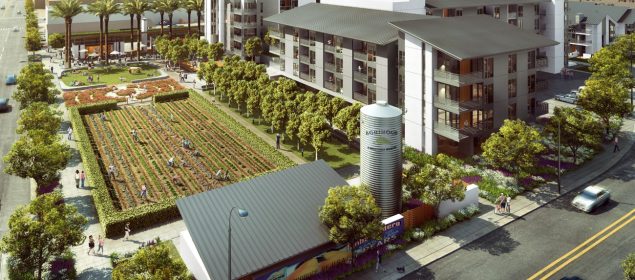
“A real estate development in the works for Silicon Valley is bringing together affordable senior housing with an urban farm, as part of the “agrihood” movement. The project exemplifies the growing trend of combining farming and senior living, as well as the trend of multi-generational housing.

An agrihood places agriculture right in the midst of residential neighborhoods. The concept has gained in popularity over the last several years and seemed a natural fit for a 6-acre parcel of land in Santa Clara, California, said Vince Cantore, senior development manager at The Core Companies. Based in nearby San Jose, Core was awarded the site through a request for proposals issued in 2015, and now the integrated development and construction firm is in the last stages of the entitlement process.

“We’re paying homage to the past history of the site,” Cantore told SHN.

The site — 17 acres in its entirety — was previously used by the University of California to conduct research on agricultural best practices. The real estate also included housing constructed in the 1920s to house widows of Civil War veterans.”

READ THE FULL ARTICLE AT: “SeniorHousingNews.com

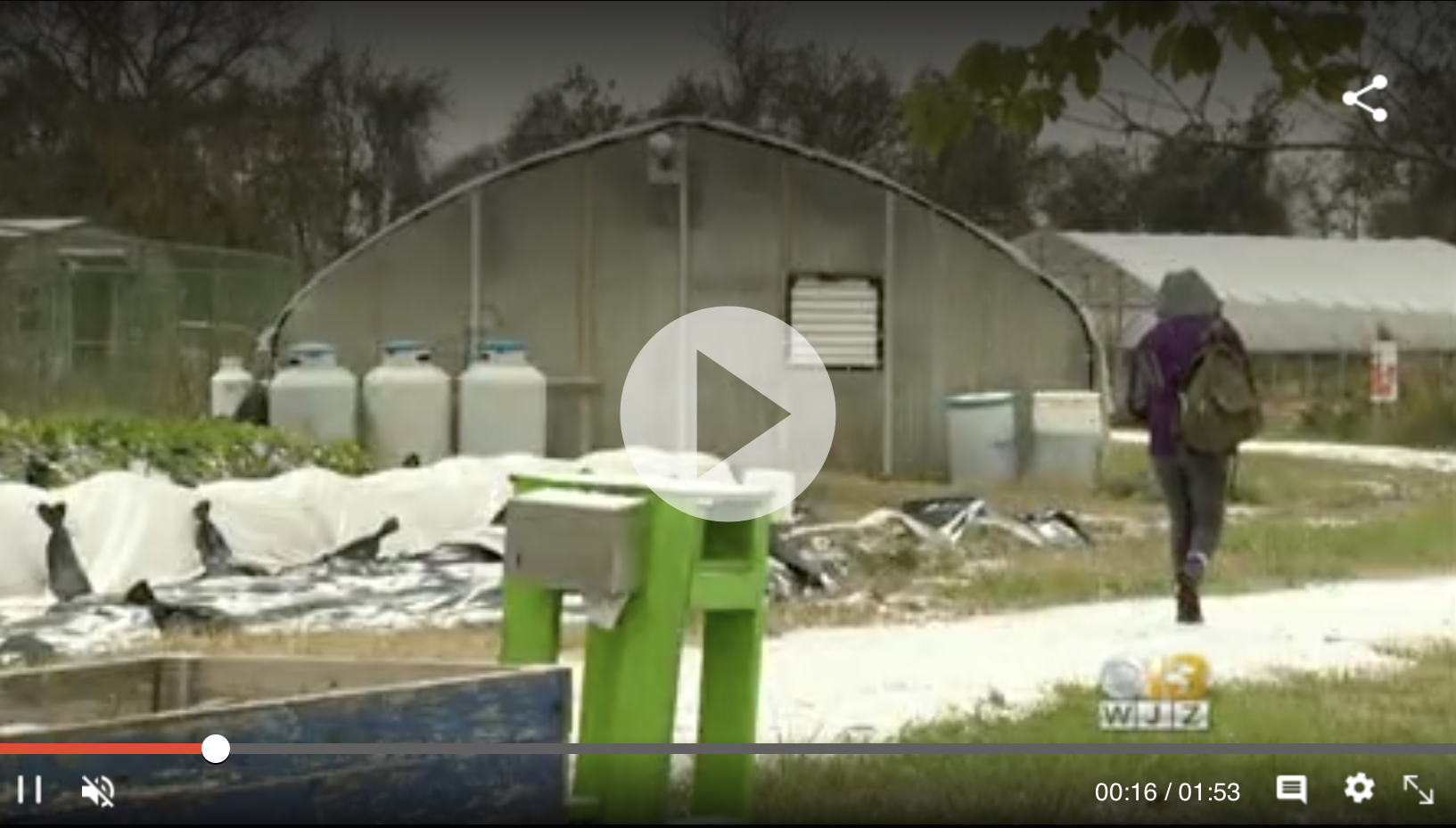
Wet Weather Could Be Affecting Urban Farms’ Harvest, But Farmers Stay Positive


BALTIMORE (WJZ) — Many city residents have come to rely on small urban farms to put fresh crops on their tables as they supplement what they buy at the grocery store.

“Right now we’re in the fall season so we’ve got lots of greens, you’re looking at lettuces, kale, collards, mustard greens, cabbage, radishes, all that fun stuff,” said Charlotte Haase, with Civic Works.

READ THE FULL STORY AT: “Baltimore.CBSLocal.com

For eco-conscious city dwellers, urban agriculture is one road to real impact

“Eco-consciousness is a hot trend. It’s become a common occurrence to see shoppers with reusable grocery totes at the supermarket. Bamboo straws are flying off shelves as people opt for eco-friendly products. Urban gardening and composting, too, has taken root as consumers try to minimize their carbon footprints.

These small actions are encouraging first steps, but they’re not enough when it comes to tackling agricultural contributions to climate change. Strong-worded warnings from the UN’s Intergovernmental Panel on Climate Change (IPCC) detail the potential for climate disasters to worsen if modern consumption patterns don’t change — and soon.

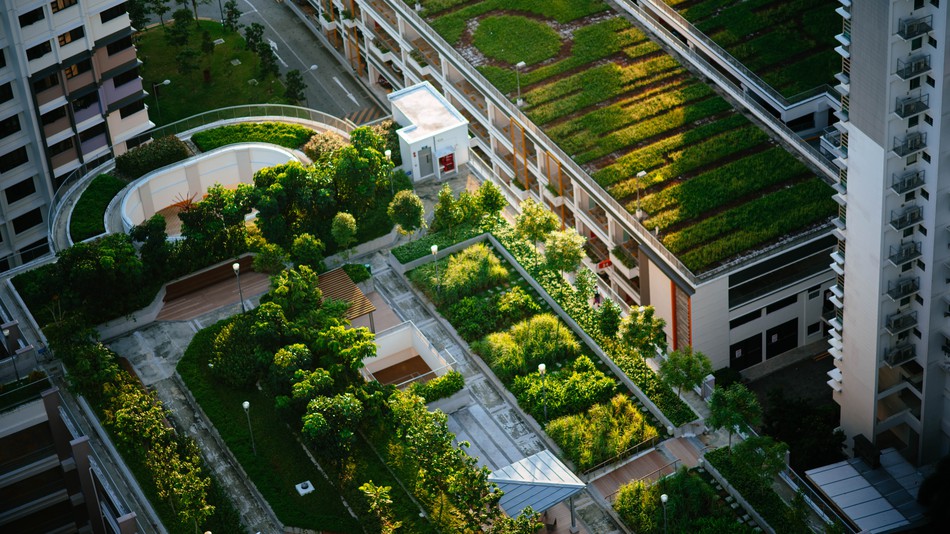
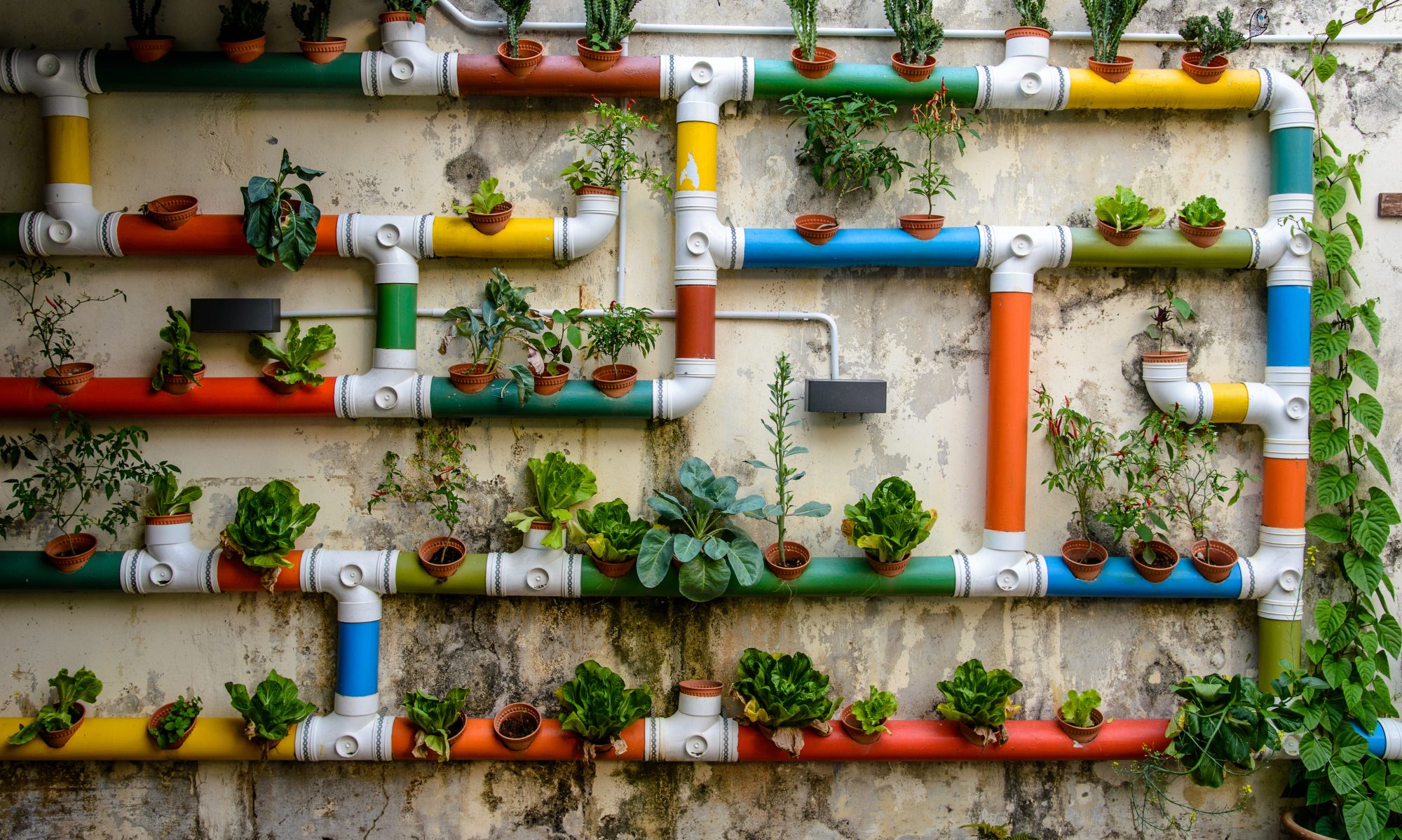
There’s evidence that reimagining urban environments’ food systems might help reduce carbon emissions. With more than 60% of the global population expected to live in cities by 2030, urban agriculture might be one piece of the puzzle for reducing strain on city resources. The practice typically involves growing food in smaller, city environments such as on rooftops, apartment balconies, or even walls.”

READ THE FULL STORY AT: “Mashable.com

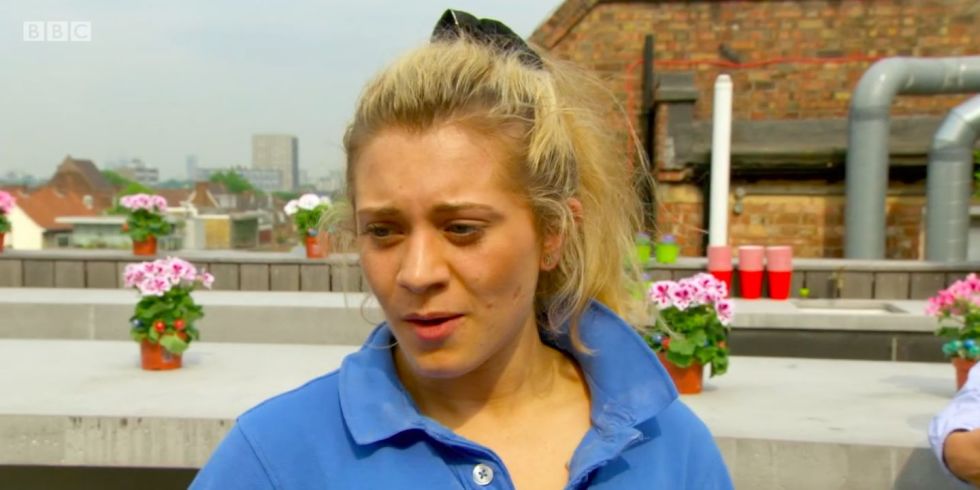
The Apprentice viewers brand the urban gardening task the “worst” ever

The Apprentice sent its remaining contestants into the brave new world of urban gardening in last night’s (November 14) episode, with the not-so-green-fingered candidates being asked to make London a little bit brighter.

The task saw the teams set up their own urban gardening businesses, where they carried out commercial and domestic jobs for their (often not very happy) clients, which included laying some astroturf, popping a few plants along a wall and forgetting to tell the driver of the van that contained everything they needed where he should be going.”

READ THE FULL STORY AT: “DigitalSpy.com

Here’s how local communities are turning vacant lots into thriving urban farms

“In the Kensington neighborhood of Philadelphia, locals stroll through Greensgrow Farms. A couple picks up baby spinach and collard greens grown on site, while a few teenagers greet Milkshake, the farm’s resident pet pig. Neighbors ask each other for recipe ideas as they reach for bundles of fresh herbs. Looking in on this lively urban farm, it is hard to believe that just over 20 years ago this space was nothing more than a vacant lot in a forgotten space.

The chances that more urban farms will grow in the city’s empty lots improved dramatically with the recent launch of the Philadelphia Land Bank, which makes it much easier for the city to transfer its 8,700 vacant lots into private ownership. How easy? It costs about $1 to acquire the vacant lot next door, plus closing fees. Says Mayor Michael Nutter, “We would have liked to have had this about a decade ago.”

Vacant lots, which account for roughly 16.7 percent of large U.S. cities’ land area, have long been perceived as eyesores. Many are unkempt, empty hunks of land between buildings that all too often become sites choked with litter, contaminated by asbestos, lead, and arsenic, and breeding grounds for disease-carrying animals like rats. But more cities are seeing in vacant lots an opportunity to revive neighborhoods.”

READ THE FULL ARTICLE AT: “AlterNet.org

Meet the Plantfluencers

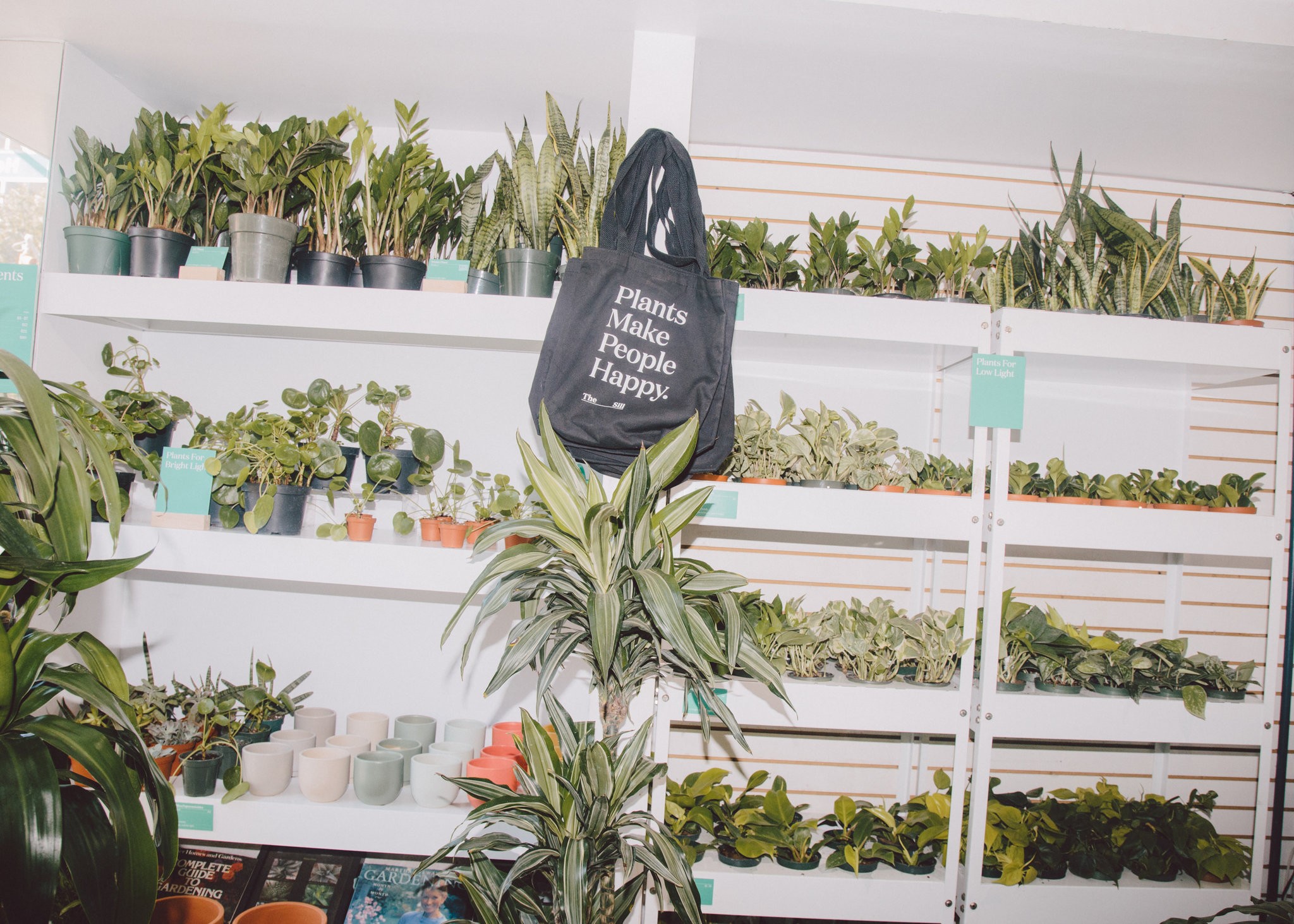
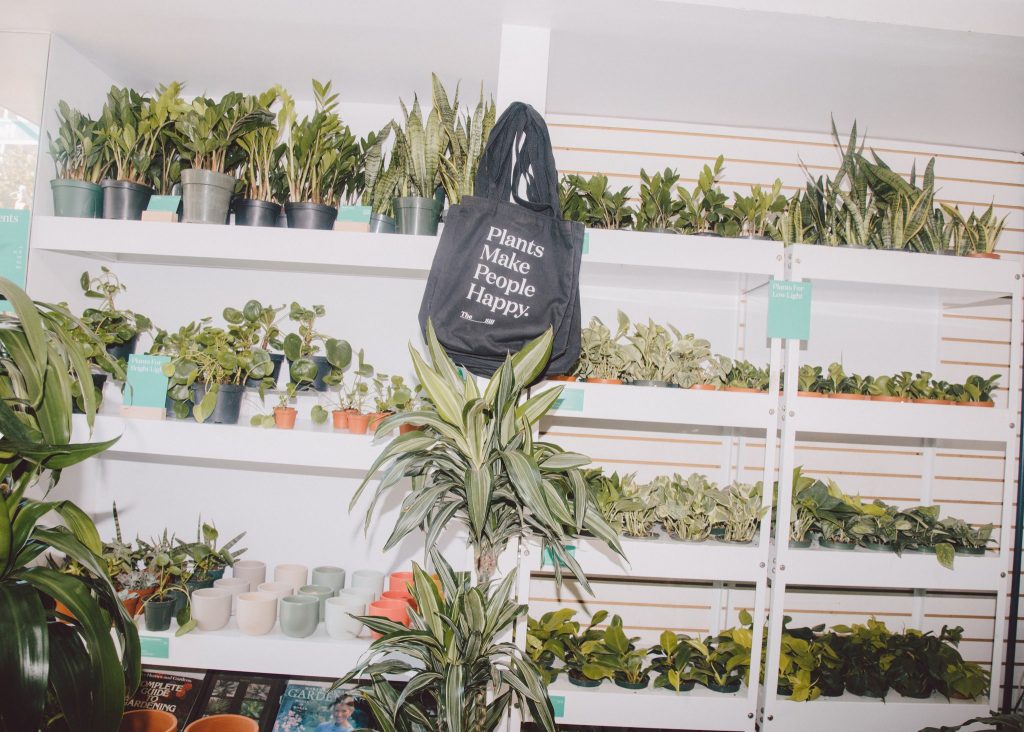
“Horticulture and red wine were served up the other night at the Sill, a boutique on Hester Street, as Christopher Satch, a botanist wearing a T-shirt that read, “Plants Make People Happy,” the company motto, led a workshop on carnivorous plants.

It was plant stand-up — slightly blue patter with quick takes on Linnaeus and Darwin; binomial nomenclature (note the shape of the Venus fly trap for cues to how it got its name); detailed care instructions (carnivorous plants evolved in acidic bogs, which means they need distilled water, not tap, and lots of it); and a show-and-tell of Mr. Satch’s collection of butterworts and sundews.

Among the rapt attendees were Madison Steinberg and Lindsay Reisman, both 23 and working in public relations, and Brayan Poma, also 23, who works in construction; afterward they each took home an attractive tropical pitcher plant. “I like plants, but I kill so many of them,” said Mr. Poma, who wore a green hoodie and a goatee. “Maybe that’s why I find them so alluring.””

MEET THE PLANTFLUENCERS HERE: “NYTimes.com