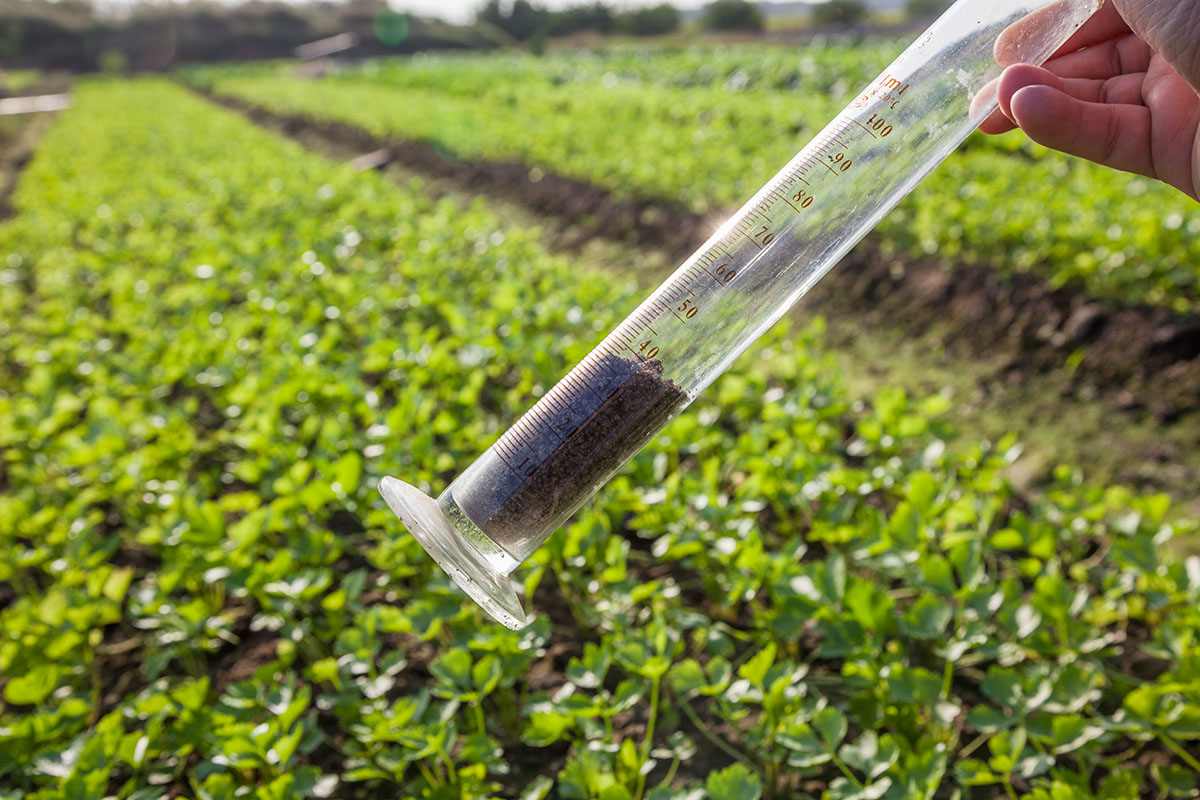
Urban agriculture gives Paris space to breathe

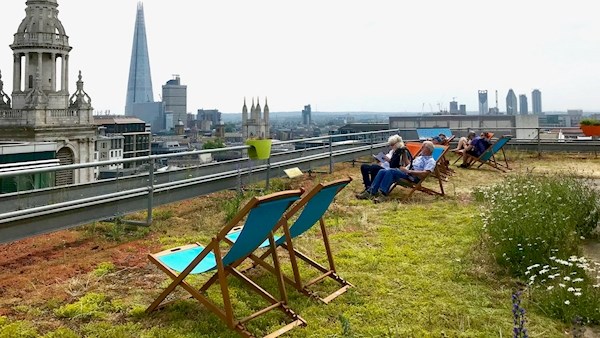
Green walls, rooftop gardens, and urban farms are aiming to bring nature back into central Paris as the city looks to improve its air quality and create a more sustainable future.  

In the last few decades, manmade surfaces have taken over green space, leading to urban heat islands and more pollution in the air. It’s left Paris, like many other big cities, with higher urban temperatures and a greater risk of flooding as rain can no longer be absorbed into the ground.

To counter these issues, local authorities are increasingly looking to incorporate more greenery into both old and new buildings as well as developing public parks and gardens.

READ THE FULL STORY: https://www.jllrealviews.com/places/emea/france/urban-agriculture-gives-paris-breathing-space/

A Farm and Restaurant Program that Helps Foster Kids Succeed

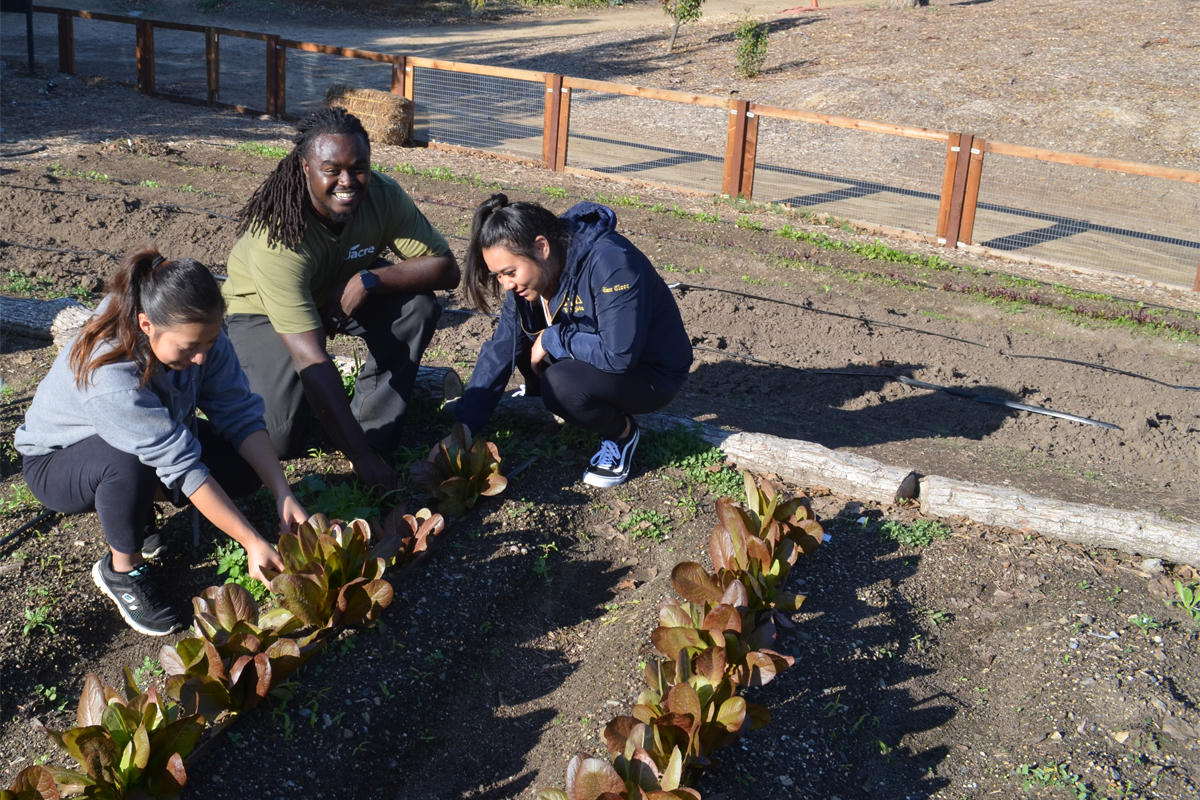
By the time Will Nash got to the Hart Community Homes (HCH) in Fullerton, California, he’d temporarily lived—and lost placement—in 19 foster and four group homes. Dealing with intense feelings of abandonment and anger in ways that caused those into whose care he’d been placed to label him “troublesome,” he was bounced from house to house. “You’re told you’re loved,” he says. “Then you get kicked out and you’re like, ‘Wait, I thought you loved me.’”

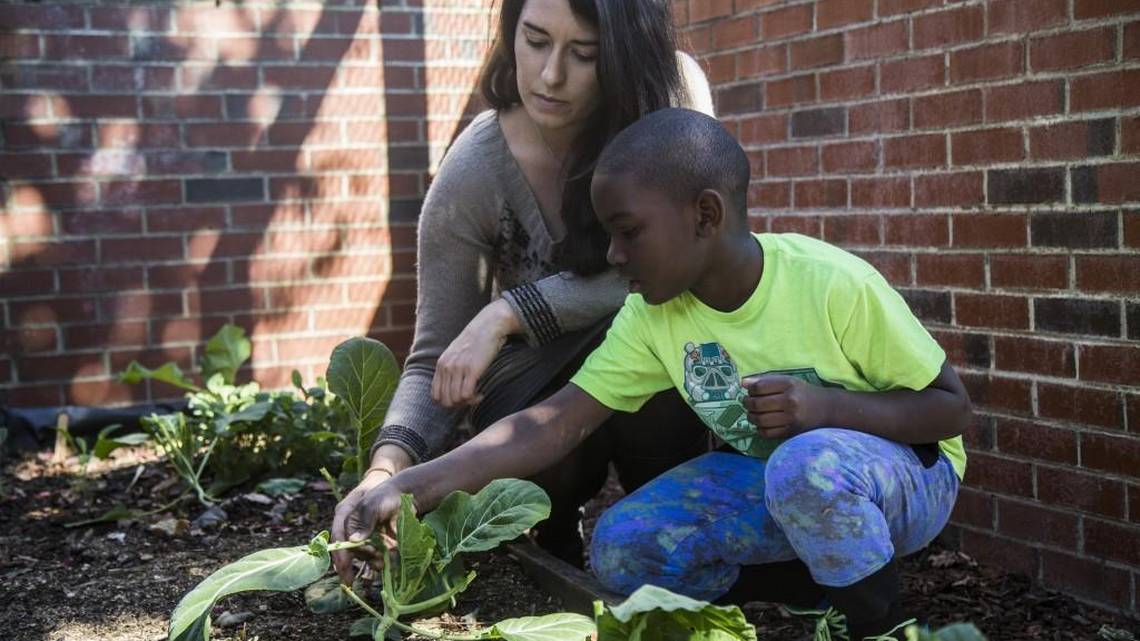
But at HCH, Nash landed among 11 other similarly hard-to-place boys aged 13 to 18, the older of whom—those eligible to work outside the house—were granted an opportunity rare among foster kids: after-school afternoons and weekends spent on a farm at nearby California State University, Fullerton (CSUF), tending crops alongside college students, faculty, and retired volunteers. It was a welcome new world of hands-on learning, camaraderie, and tentative belonging.

READ THE FULL STORY: https://civileats.com/2019/01/15/a-farm-and-restaurant-program-that-helps-foster-kids-succeed/?fbclid=IwAR3gT2NdZ2C_gZeEInVF0xZOOZYWdXqkKSlOvZ5_gIW1JZ-R4AB_zdLfCUk

How a low-income Louisville neighborhood became a fresh food oasis

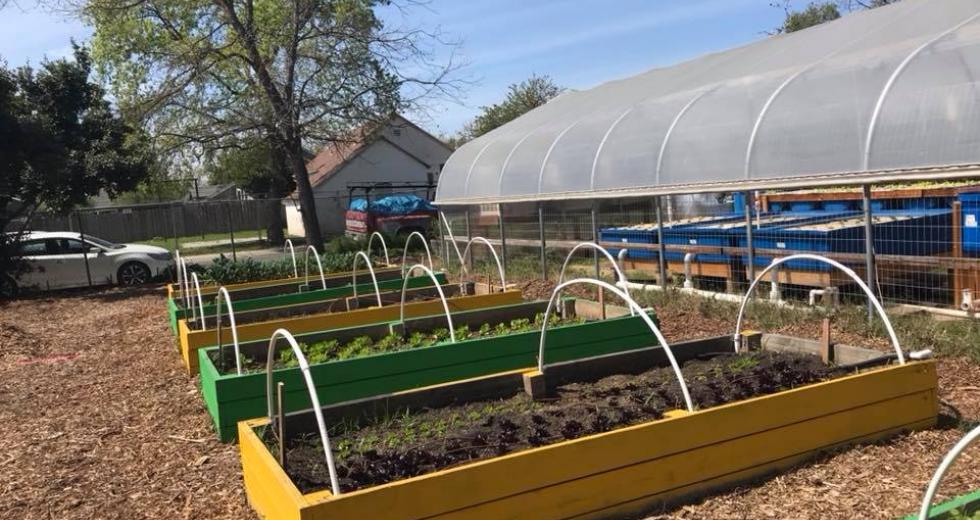
In Louisville’s Hazelwood neighborhood, where a third of the residents live in poverty, an urban farm has grown from the site of a former low-income housing complex.

It took two years for community members to remove truckloads of concrete from the 14 acres where the farm now resides. But come spring, the farm will produce crops that the nonprofit Food Literacy Project can use to teach youth leadership skills and engage with residents who want to reconnect with the land.

The farm has become central to a communitywide movement to improve food access within the Hazelwood and Iroquois neighborhoods, located in southern Jefferson County.

SEE THE REST OF THE ARTICLE: https://www.courier-journal.com

We Need to Prioritize Urban Farming in City Planning

Last November, I stood on the stage of the Meeting of the Minds Summit in Sacramento, sandwiched between a panel led by energetic Stockton Mayor Michael Tubbs and his vision for economic prosperity, and a talk on the future of autonomous delivery vehicles. My talk? To encourage city planners, developers and urban architects to bring agriculture back to cities and urban spaces, and what this addition can do for the future of their communities’ resiliency, job creation, healthy citizens and carbon footprint.

Stay with me here. I know, agriculture is not “the new wave.” It’s not even close. I mean, we’re talking something that started about 10,000 years ago when eight of the Neolithic founder crops, like emmer wheat, hulled barley, lentils, and chickpeas, were first cultivated. Fast forward to the late 1800s in the Sacramento Valley, when Yolo County was the largest producer of wheat in the entire United States.

READ THE ARTICLE AT: https://www.comstocksmag.com/article/we-need-prioritize-urban-farming-city-planning

14 Year Old Donates EVERYTHING He Grows To Families In Need

Help Ian WIN a $10,000 grant for Katie’s Krops!
(SCROLL TO THE BOTTOM OF THIS POST)

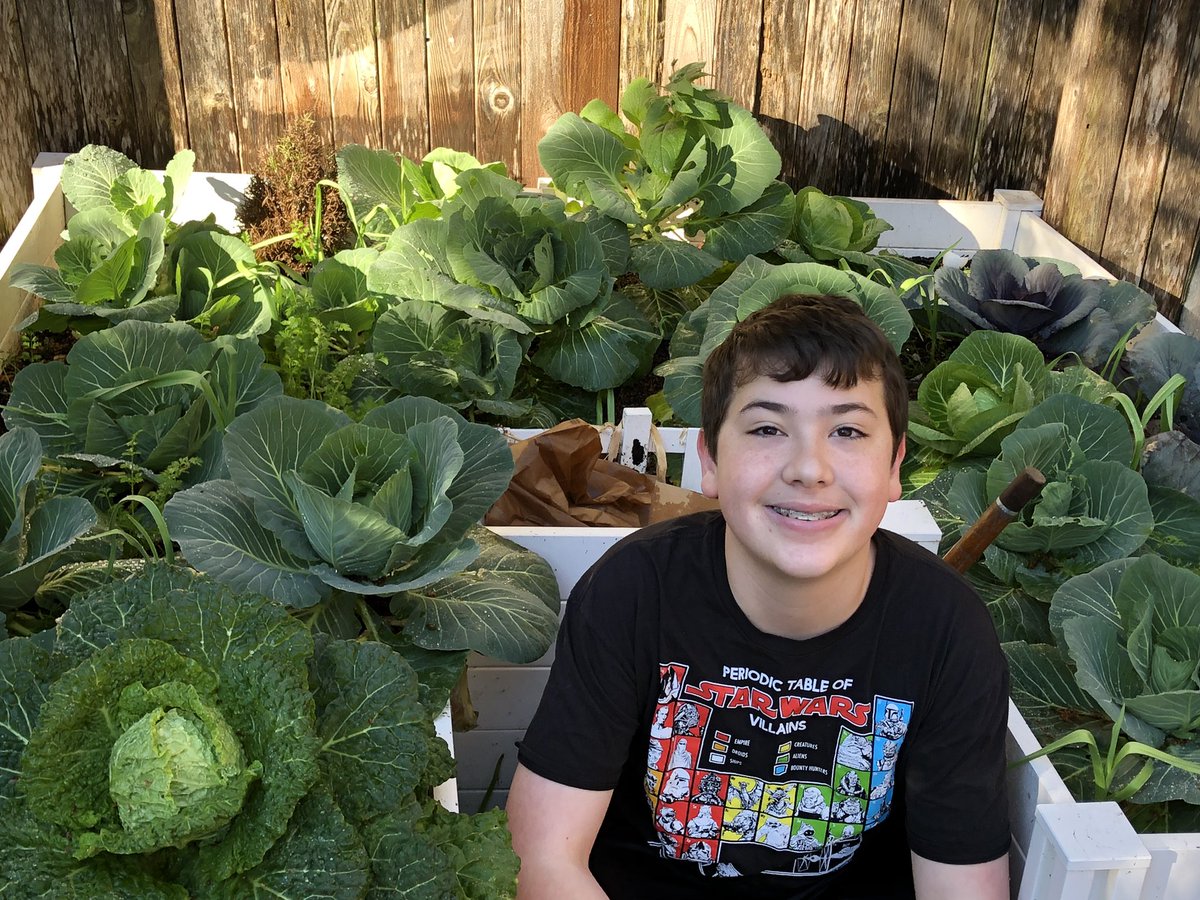
“The Giving Garden was created when Ian learned there were children at his school going to bed hungry. Wanting to make a difference for his classmates, Ian decided to take action. He raised funds and solicited volunteers to construct a raised bed garden and small fruit orchard at his elementary school to provide free access to fresh produce for anyone in need in his community. Ian began to realize that many students didn’t have the knowledge to prepare the produce they were receiving from the gardens. He began offering cooking demonstrations and provided sample recipes to help teach the students that healthy food can taste good. He didn’t stop there. Ian has continued to install gardens in local schools and communities in the Austin area. In the spring of 2016, his sister, Addison, joined the fight against hunger by developing the Frutas Frescas Orchard Program. The siblings have partnered with each other to help fight hunger in their community. In 2016, Ian became part of the Katie’s Krops garden program. He was able to build a garden in his own backyard and donates 100% of the produce to local hunger relief organizations or to families in need. In 2016, Ian grew and donate 869 lbs of organic produce. He reached his goal of growing and donating 1,000 lbs of organic produce in his backyard Katie’s Krops garden in 2017 and will exceed his donation totals in 2018.”

LEARN MORE ABOUT IAN AND HIS GARDENS: https://iansgivinggarden.weebly.com/about-us.html

Help Ian WIN a $10,000 grant for Katie’s Krops!

  1. CLICK – Ian McKenna’s name at the “Vote Say Thanks, Austin” link 
  2. TEXT – MCKENNA to (512) 456-9244
  3. MESSAGE – MCKENNA to our Facebook fan page at facebook.com/recognizegood
  4. TWEET – MCKENNA to @RecognizeGood with the hashtag #saythanksaustin
  5. EMAIL – MCKENNA (in the subject line) to saythanks@recognizegood.org
  6. WRITE IN – your name, then sign and date where indicated on Say Thanks forms (also downloadable) – I can pick up write in votes locally or if you’re out of town, you can scan or take a picture and email them to saythanks@recognizegood.org with MCKENNA in the subject line. 

Why Raleigh needs a stronger commitment to urban agriculture

The City of Raleigh supports urban agriculture rhetorically in its Strategic Plan. The city has made ad hoc interventions, like providing resources for rain harvesting at Raleigh City Farm and the Inter-Faith Food Shuttle farm.

Yet this leaves Raleigh behind other cities, like Atlanta, that implement systematic programs supporting the wide array of urban agriculture. Without a comprehensive plan, programs like land for community gardens, setting up organic matter drop-offs for composting, hiring master gardeners to provide expert knowledge, and more do not have the municipal support they need.

This is the case, even though the city’s Environmental Advisory Board has unanimously adopted an Urban Agriculture Program recommendation. That recommendation includes important steps, such as surveying vacant and public land, building a farm incubator system, and hiring a full-time city employee to administer urban agriculture programs. Implementing the recommendations will bring stability and growth to urban agriculture, which will entail beneficial impacts on communities, such as food security, food literacy, biodiversity, and income.

READ MORE HERE: https://www.newsobserver.com/opinion/article220040400.html

The city needs more gardens — urban gardening in Berlin [VIDEO]

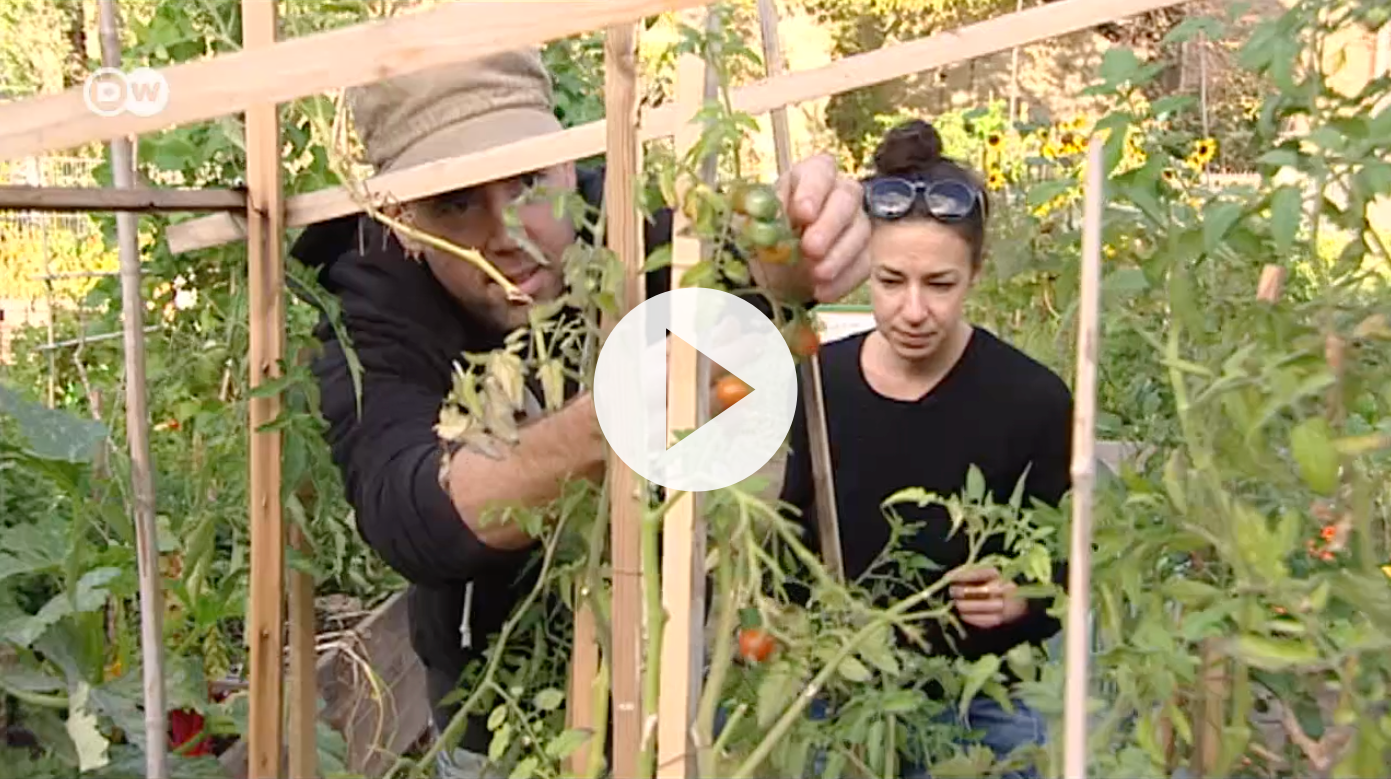
What was once a gloomy parking lot is now a green oasis in the middle of the German capital, Berlin. The “Prinzessinnengarten” (princesses’ garden) has become one of the best-known urban gardening projects in Europe. Neighborhood city gardening is on trend and in the last few years, pretty plots have been sprouting like mushrooms from the earth.

WATCH THE VIDEO/STORY: https://www.dw.com/en/the-city-needs-more-gardens-urban-gardening-in-berlin/av-46264250

DIY Fungi – Interview: William Padilla-Brown

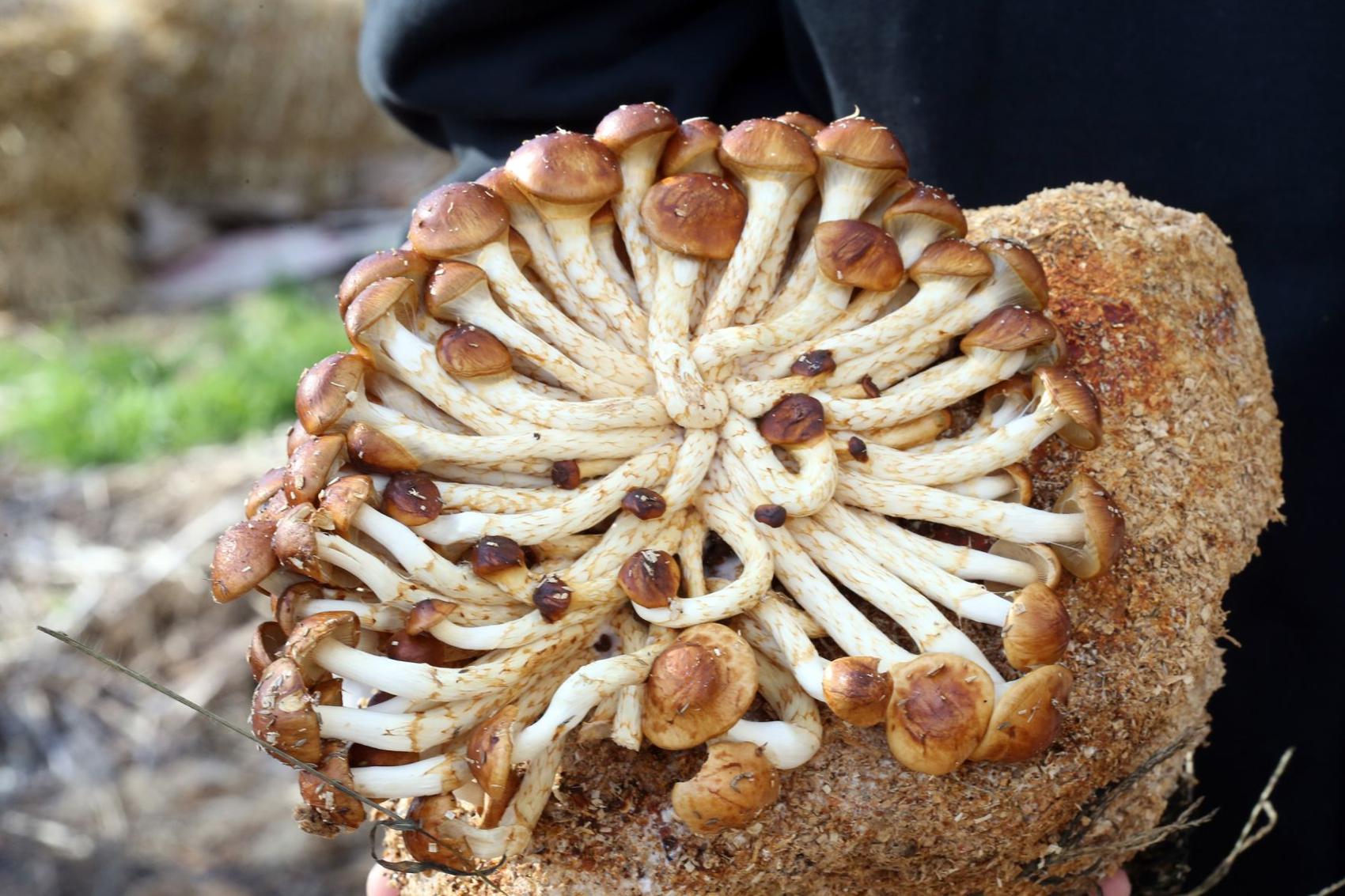
Not long into our conversation at his lab based in Lemoyne, I decide that William Padilla-Brown, of Elizabethtown, is one of the most fascinating people I’ve ever met. At 24, Padilla-Brown is the founder of his own mushroom cultivation company, MycoSymbiotics. He’s traveled the world, attending schools here in central Pennsylvania, in Taipei, London and elsewhere. He dropped out, got a GED and a permaculture certification. He designed his own model for a DIY college-level curriculum. He learned all he could about growing mushrooms from experts and online videos and started his own business, which he has slowly grown in the past few years. He wrote “Cordyceps Cultivation Handbook Vol. 1” — one of the first books written in English detailing the process of growing cordyceps, a type of fungus used in traditional Chinese medicine. He organizes mushroom festivals and foraging expeditions. He lectures about sustainable, low-tech, DIY gardening and growing methods with the aim of making it so anyone, anywhere can grow their own food.

READ THE STORY: https://lancasteronline.com/sunday/interview-william-padilla-brown-on-diy-fungi/article_b1bc0f70-1fee-11e9-b44b-db2654101d38.html

Urban farmers seek stability

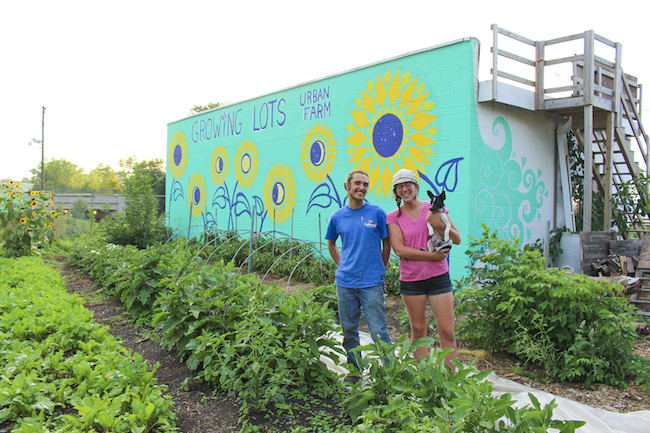
Growing Lots is a working farm tucked into an increasingly dense urban landscape.

It used to occupy three sites in South Minneapolis where co-owners by Taya Schulte and Seamus Fitzgerald grew vegetables, operated a community-supported agriculture program, or CSA, and sold produce to local chefs. In 2018 those three sites were reduced to two.

Growing Lots lost access to the third site after their Longfellow landlords decided to sell. Schulte and Fitzgerald had been leasing the property for a few years, but for the landowners, the process of renting out to urban farmers with a labor-intensive business and slim profit margins got too complicated. Add that to neighborhood development pressure and the outcome became almost inevitable.

Fitzgerald certainly wasn’t surprised.

READ THE FULL ARTICLE: http://www.southwestjournal.com/news/green-digest/2019/01/urban-farmers-seek-stability/

Now, Rent a Farm and Harvest Your own Veggies. Real-Life Farmville is Here

Most people living in apartments are deprived of the luxury of owning a terrace or garden farm, where they can grow vegetables. Yet, many living in big cities dream of spending their time on a farm after retirement and eat the produce of their own farm. Now, to live that dream you won’t have to leave behind your city life nor live at a farm. Bangalore-based Farmizen — a farming Airbnb of sorts — is connecting urbanites to farmers who help you rent a mini-farm and grow your organic veggies.

What’s more, you get to see the harvest not only through pictures and videos but you can also visit your farm over the weekend. It was the question: whether the organic veggies we buy from the market are truly organic or not that got co-founders — Shameek Chakravarty, Gitanjali Rajamani and Sudaakeran Balasubramanian — thinking. In 2017, they founded Farmizen, an app-based service to rent a mini-farm and grow chemical-free vegetables. This concept not only helps the urban buyers but also provides regular income to farmers. After Bangalore, the startup has now expanded to Hyderabad and Surat. In the next phase of growth, it plans to enter Chennai, Pune, and Mumbai. The third phase of growth would take it to Delhi and other cities.

READ THE ARTICLE: https://www.entrepreneur.com/article/326404

How some home truths can help save the planet

The garden is one of the keys to solving the two greatest problems facing humankind, namely rapid species extinction and the effects of our changing climate.

Gardens, plants, and the ecosystems in which they thrive will act as carbon sinks and filter the air that we breathe. It has never been more important that we realize this and that we protect our garden spaces, and by this, I don’t just mean our few square meters outside the back door. No, I also mean the wild public spaces. They are ours and they are helping us all to survive. We need to think about how, in our own gardens and in public spaces, by welcoming in nature, we can play an extremely important role in saving the planet.

Most of us don’t want to damage the natural world, the great outdoors, even though we sometimes unwittingly do. Thus, we need to educate ourselves as to what all of us can do with our gardens.

READ THE FULL STORY: https://www.irishexaminer.com/breakingnews/lifestyle/outdoorsandgarden/how-some-home-truths-can-help-save-the-planet-898556.html

‘We’re black sheep’: the people who are fascinated by soil in cities

A recent gathering of scientists on the upper west side of Manhattan enthused about a crucial element in the formation of the surrounding city. The substance talked about in revered tones? Soil.

In a fairer world, soil would be receiving reverence from people well beyond the fourth annual NYC Urban Soils Symposium, given that the slender outer layer of the planet supports the life that treads, grows and flies above it. As it is, though, it is up to soil aficionados to extol the urban importance of this crumbly manna.

“Soil is a neglected resource; it can solve a lot of the environmental problems we have,” says Richard Shaw, a US Department of Agriculture soil scientist who grew up in urban New Jersey but was drawn to the outdoors and found himself fascinated by soils.

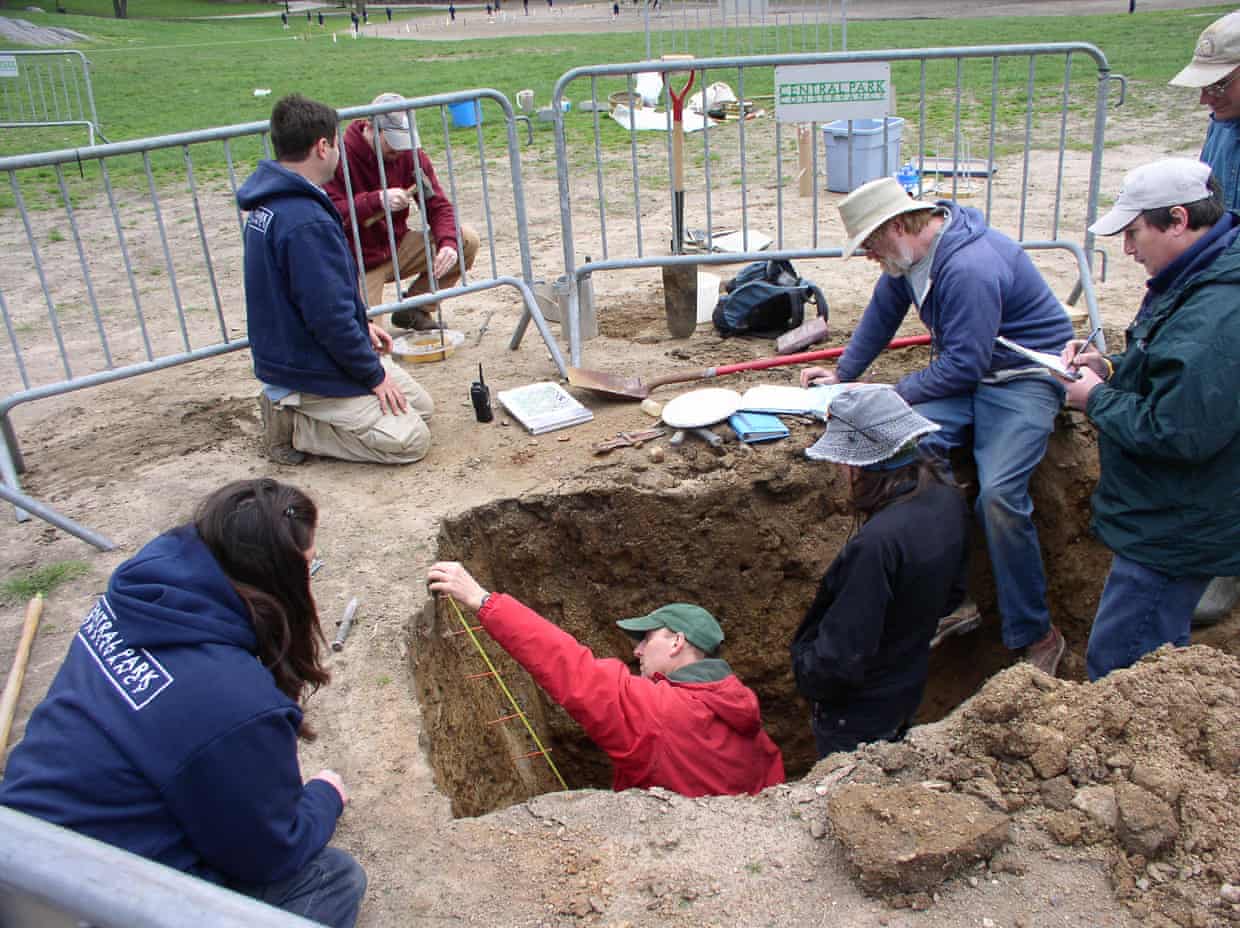
For the past decade Shaw has been involved in the New York soil survey, plodding around the city’s parks and community gardens taking soil samples. This has usually involved digging a 4ft-deep pit, a process that has attracted police attention. “They’d ask what we are doing and then they’d spend half a day talking to us once we told them,” he says. “Others will say ‘sorry to hear that’, like it’s the worst job in the world.”

READ THE FULL STORY AT: https://www.theguardian.com/cities/2019/jan/16/dirty-secret-can-urban-soil-help-solve-our-environmental-problems

7 Trends That Will Define Gardening in 2019

Americans are gardening in record numbers but what are they most interested in this year?

Here are highlights of the seven top 2019 trends in gardening:

• The Slow Garden Movement: The same trends that millennials are driving across consumer brands — transparency, sustainability, hand-crafted, experiential, and authenticity — are showing up in gardens and garden centers nationwide.
• Architecture Rules: Garden designers will use plants with plenty of intriguing, often formal, shapes, forms, textures, and branching habits within otherwise naturalistic gardens, resulting in a delightful yin-yang effect.
• Desperately Seeking Season: With seasonal changes that are less distinct and predictable marked by longer summers and shorter winters, gardens that dramatically, graphically evolve over the seasons are becoming even more prized.
• Do it For Me!: Consumer research has identified a growing segment of “Do It for Me” homeowners who want the beauty and seasonal rhythm of a landscaped space, but may not have the time to make this happen.
• Working Overtime: With home lots getting smaller and less time for gardening, consumers are snapping up one-and-done plants that do double or even triple duty in the landscape.
• One-Stop Garden Shop: Seeking more than the free wifi and caffeine buzz offered at your local coffee shop, consumers are flocking to garden centers for a newer, fresher experience.
• Into the Woods: Cool, mossy, and damp, small space woodland gardens bring a welcome sense of organic zen and a respite from digital overload, especially in dense urban areas where they can help to mitigate the effects of pollution.

READ THE FULL ARTICLE AT: https://www.greenhousegrower.com/management/7-trends-that-will-define-gardening-in-2019/

A Phoenix Urban Garden Provides At-Risk Individuals a Path Forward

Incarcerated a total of eight times over 15 years, Darren Chapman sat in a maximum-security prison cell at age 25 and thought of happier times.

“I remember[ed] watching my grandfather trade collard greens and carrots with others and interacting with his community,” he says. “My dream as a little boy was to do the same; I wanted to work with others in the same community [of South Phoenix] where I grew up.”

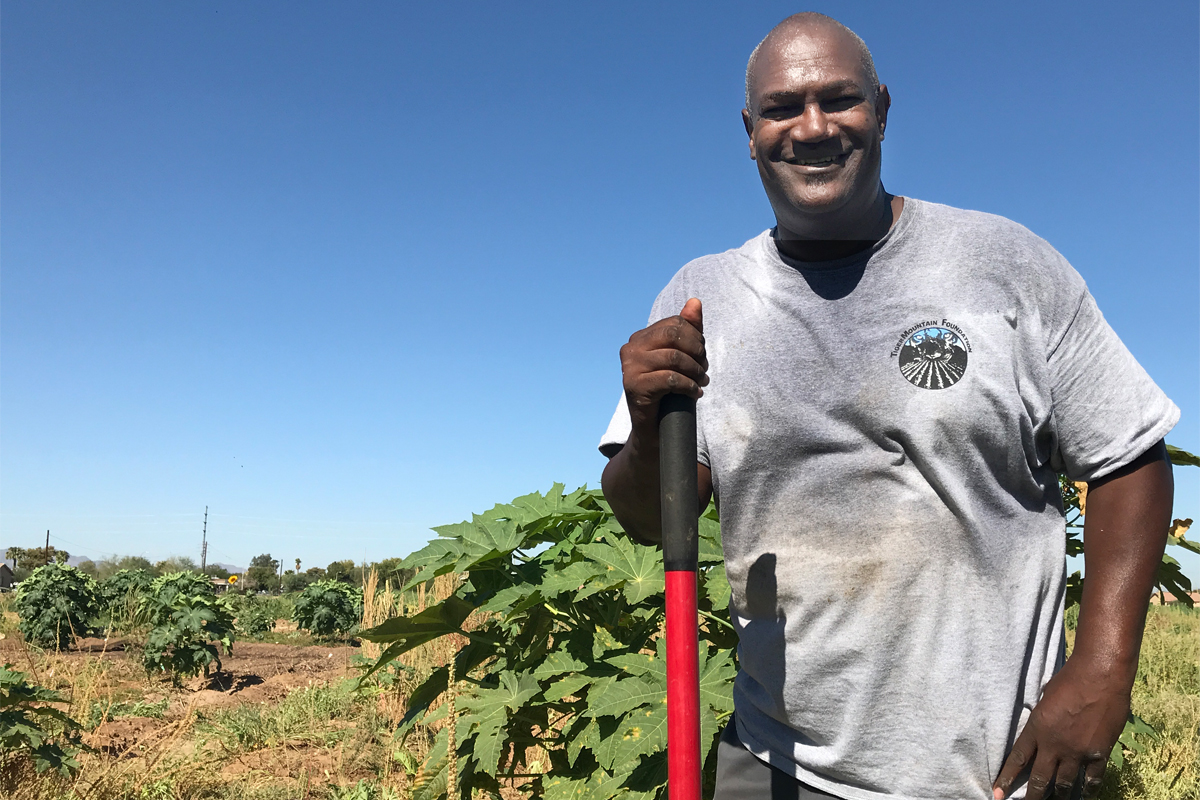
After Chapman’s final release in 2005, he followed the example his grandfather had set and established TigerMountain Foundation (TMF), an organization that focuses on working the land and producing sustainable foods for the local economy, while also creating a sense of community.

“Community doesn’t happen unless people share something in common,” Chapman says. He felt that a community garden had the potential to bring people together around a singular goal and create “a classroom without walls and a place where people could feel proactive hope.”

READ THE FULL STORY HERE: https://civileats.com/2019/01/17/a-phoenix-urban-garden-provides-at-risk-individuals-a-path-forward/

A LOOK INSIDE RINO’S ROOFTOP URBAN FARM

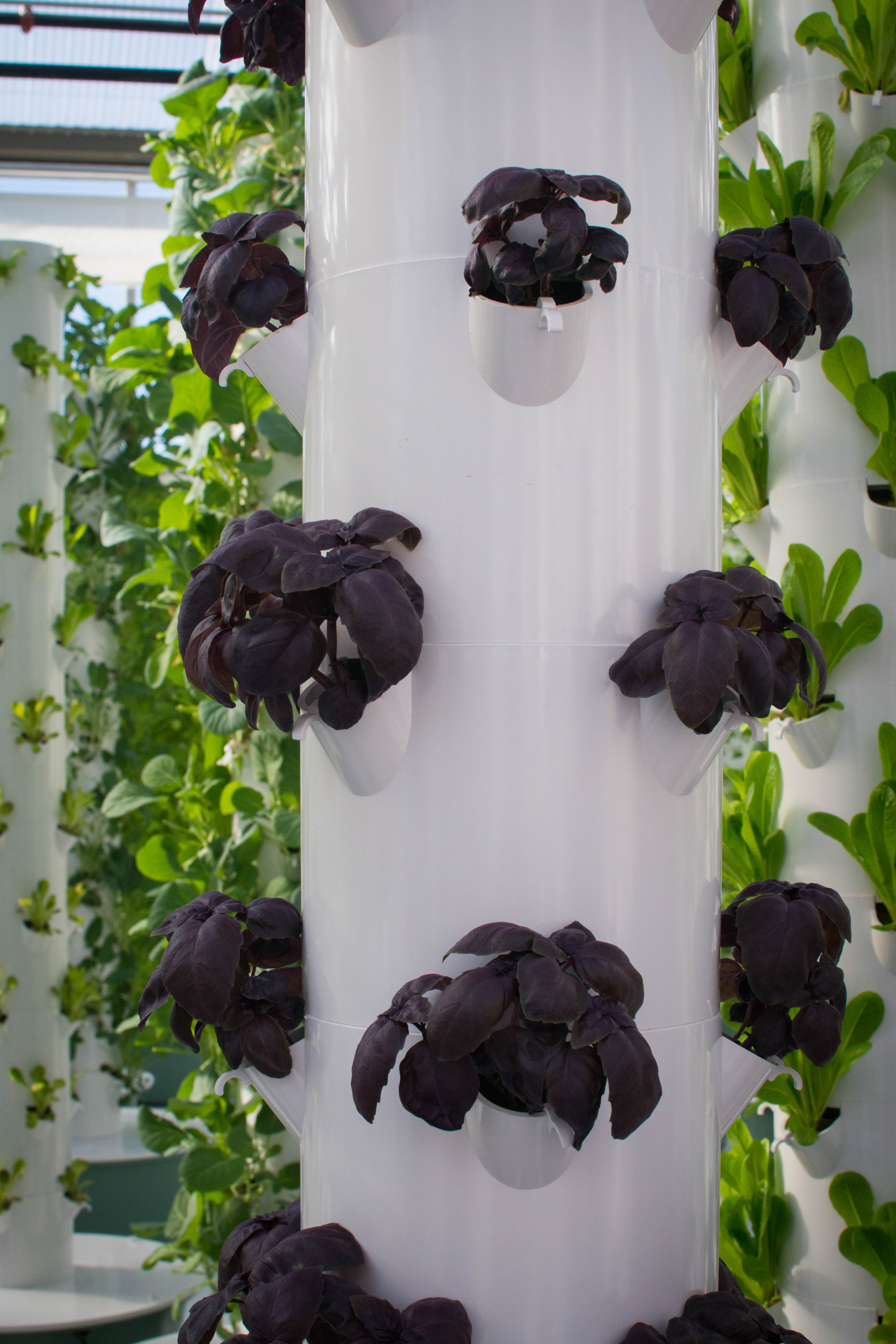
If you’ve recently walked down Lawrence Street in RiNo,  you have probably have been stopped in your tracks by the sight of a rooftop garden. At the very least, you’ve probably wondered what was going on above Uchi. This beautiful greenhouse space is home to Altius Farms. As one of the largest vertical aeroponic rooftop gardens in the country, Altius currently grows varieties of lettuce, herbs and edible flowers galore.

Part of the new S*Park condo community, Altius landed at the RiNo location where the land historically has been farmed since the 1930s. The greenhouse itself offers 8,000 square feet to run operations, and the community garden outside will double the growing space once the spring comes. S*Park and Altius are planning to team up for great farm-to-table events and community dinners come warmer temperatures.

READ THE FULL STORY AT: https://303magazine.com/2019/01/altius-rino-rooftop-farm/

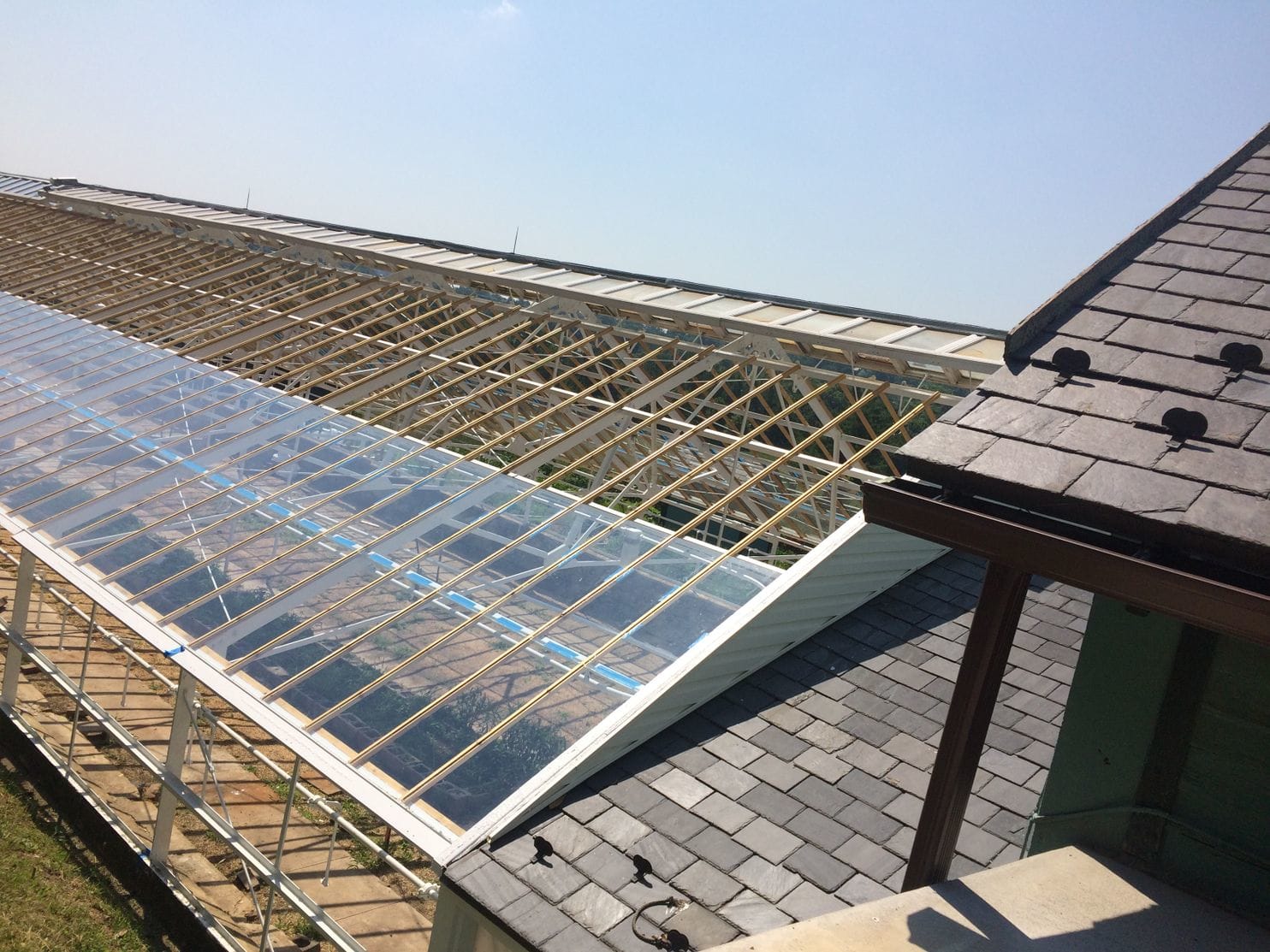
Reviving monastery’s city farm, started a century before urban agriculture was cool

Members of religious orders have always had a need to garden, inspired no doubt by one of the Christian faith’s noted cultivators, Saint Fiacre, a green-fingered holy man who became the patron saint of gardeners.

When monks, friars and nuns established their enclaves, they turned to gardens of herbs, wildflowers and vegetables to feed and heal themselves. Other essential elements: a dairy and a fruit orchard. Apiaries also played a key role, providing honey, mead and beeswax for candles.

The garden, as Westerners know it, survived the Dark Ages because of monasteries. Given these traditions, it was natural for the founders of the Franciscan Monastery of the Holy Land in America to count on a small farm when in 1897 they purchased 100 acres of open land in Northeast Washington.

READ THE ARTICLE: https://www.washingtonpost.com/lifestyle/home/a-city-farm-is-revived-faithfully/2018/07/10/713f1f40-7e23-11e8-b0ef-fffcabeff946_story.html?utm_term=.eaa91050eb78

Urban Gardening 101: How to Deal with Contaminated Soil

Urban soils are particularly prone to contamination. 50 years ago, your yard could have belonged to a farmer, who, perhaps not knowing any better, disposed of old bottles of anti-freeze or contaminated diesel in a hole out behind the tractor garage. Or perhaps the remains of a fallen down outbuilding, long ago coated in lead-based paint, was buried on your property buy a lazy contractor when your subdivision was built.

For those wanting to garden on non-residential urban property – school yards, church grounds, parks, commercial areas, vacant lots – the likelihood of contamination is even higher. There is no telling what sort of past activities took place there, all visible signs of which have disappeared. Prior the 1970s, environmental rules were very lax, and it was not uncommon for all sorts of hazardous chemicals to be dumped at any location where they were used. Many such chemicals persist in the soil for decades, if not longer.

The good news is that if the property was redeveloped (any significant new construction, demolition, or change of use) since environmental laws tightened, it would have had to go through a strict assessment to determine if contamination was present. If anything unacceptable was found, the owner would have been forced to remediate the soil before starting construction. However, if the property has remained more or less as-is since the 1970s (or earlier), it is unlikely that anyone has ever investigated what might be lurking in the soil.

READ THE REST OF THE ARTICLE: https://modernfarmer.com/2018/06/urban-gardening-101-how-to-deal-with-contaminated-soil/
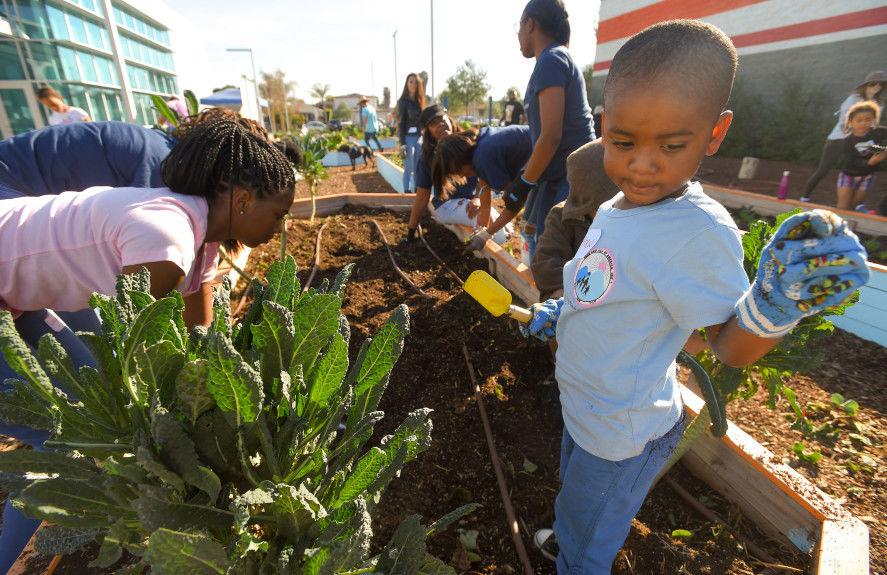
Long Beach Gears Up For Martin Luther King Jr. Day Of Service

More than 400 Long Beach-area volunteers are expected to give back to the community to mark the national MLK Day of Service in honor of Dr. Martin Luther King Jr. Monday, Jan. 21.

The civil rights leader who fought against racism is honored with a federal holiday every January, around the time of his birthday. Some people get the day off from work, but others take part in the National Day of Service — where people are encouraged to participate in community work.

For the ninth year, Long Beach’s MLK Day of Service will connect volunteers to 16 local service projects for “Day On, not a Day Off.” The event is hosted by Leadership Long Beach, the Port of Long Beach and Mayor Robert Garcia, in addition to council offices and some neighborhood groups.

READ THE FULL STORY: http://www.gazettes.com/entertainment/nonprofits/long-beach-gears-up-for-martin-luther-king-jr-day/article_12781f62-1508-11e9-9ecc-772ea4330ed2.html

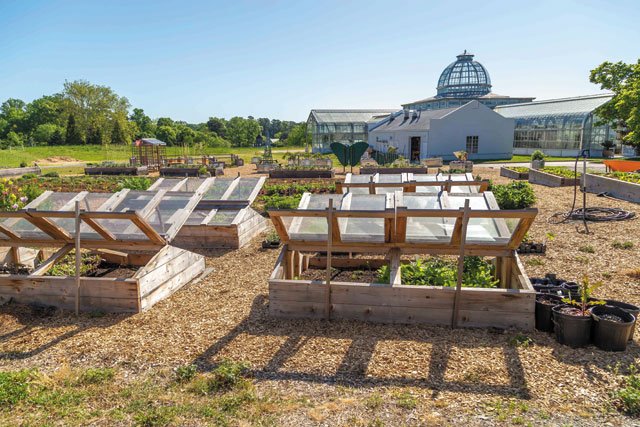
Buying Time: Extend your garden’s growing season with a cold frame

Part incubator, part greenhouse and part time machine, a cold frame is anything but cold. It’s an empty, bottomless box that protects plants from winter weather. With its hinged lid of glass or rigid plastic, a cold frame captures solar energy and converts it to radiant heat, creating a warm microclimate where plants thrive. Like the windshield of your car on a cloudless day, sunlight passing through the glass is absorbed by interior surfaces and re-radiated as heat. It makes for a snug, safe space for plants to grow when the weather is inhospitable.

Sara Barton is a big fan of a cold frame. Barton got her master’s degree in public health from the School of Public Health at City University of New York, but she likes to say she got her work experience “in the field,” on an organic farm. Since 2017, Barton has been the Learning Garden Coordinator with the VCU Office of Sustainability, where she manages three urban campus green spaces.

All three are “small-scale gardens where a cold frame is a very useful tool,” to extend the season and expand the harvest, she says. “Just like in a home garden.”

READ THE REST OF THE STORY: https://richmondmagazine.com/home/experts/buying-time/

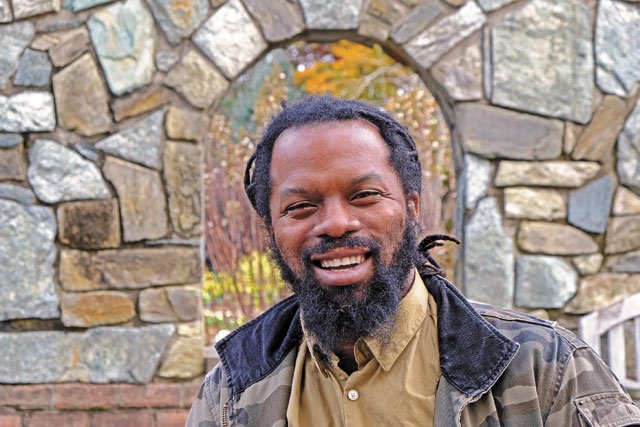
Urban Gardening Activist Works To Connect People To Their Food Sources

Activist Duron Chavis realized early on he needed to get his hands dirty, and that his work begins in the soil.

The 38-year-old is a proponent of urban gardening, an effort he says can address the disconnect African-Americans feel toward growing and accessing food, along with promoting self-sustainability. It’s not just about eating healthy; it’s about being able to provide for yourself.

“The urban gardening stuff has been an exercise in building community in its truest sense, and it changes the conversation,” Chavis says. “It’s one thing to talk about community issues and another to advocate about them.”

Growing up in the city’s South Side, Chavis, with friends, frequented convenience stores. Honey buns, soda, chips, ramen noodles and processed foods were all part of their diets. Nearby, the golden arches of McDonald’s, the smiling Hardee’s star, and the pink and purple hues of the Taco Bell sign shone brightly. The closest grocery store was miles away. The place he called home was smack dab in a food desert, an urban area with limited access to healthy and affordable food.

READ THE REST OF THE STORY: https://richmondmagazine.com/news/features/growing-activist/