


A Lush Urban Garden or Senior Citizen Housing: Which Would You Choose?

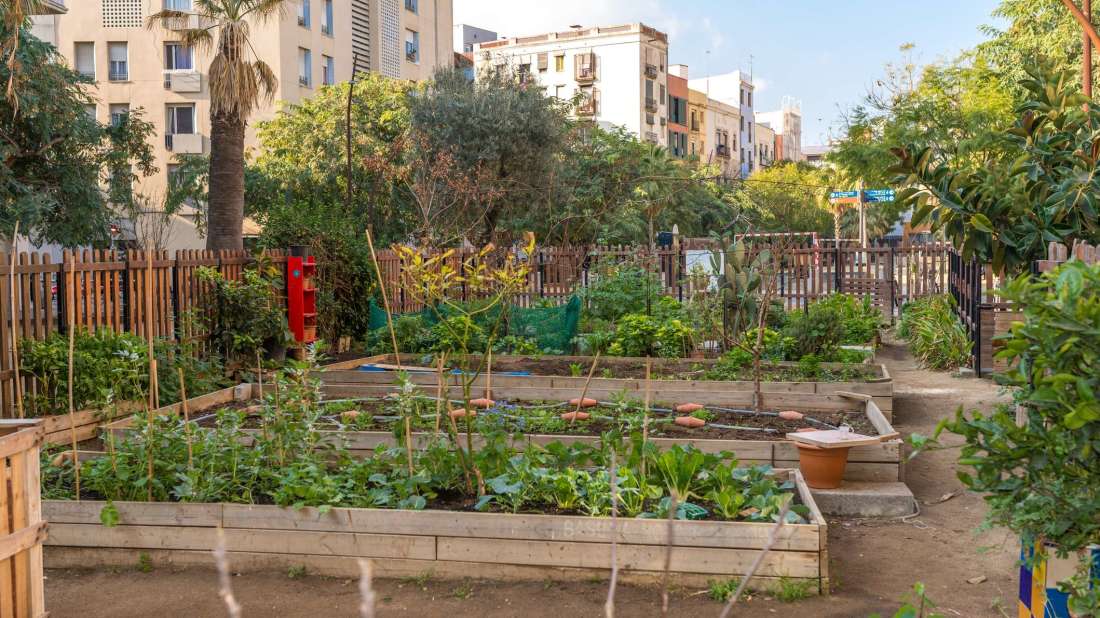
The Elizabeth Street Garden’s paved paths meander around a granite balustrade from the early 20th century, limestone lion statues, benches and beds of roses and daffodils.

For years, the half-acre of green grass and leafy trees, tucked in between Spring and Prince Streets in Manhattan, has been a lush backdrop for fashion shows, photo shoots, games of hopscotch and quiet afternoons.

But the city plans to sell the land soon to build a seven-story, 123-apartment elevator building for low-income seniors.

The plans have spurred a clash in the neighborhood, turning the garden in Little Italy into a quintessential New York City power struggle that pits two of the city’s scarcest resources — affordable housing and green spaces — against each other.

READ THE STORY https://www.nytimes.com/2019/03/07/nyregion/garden-little-italy-senior-housing.html
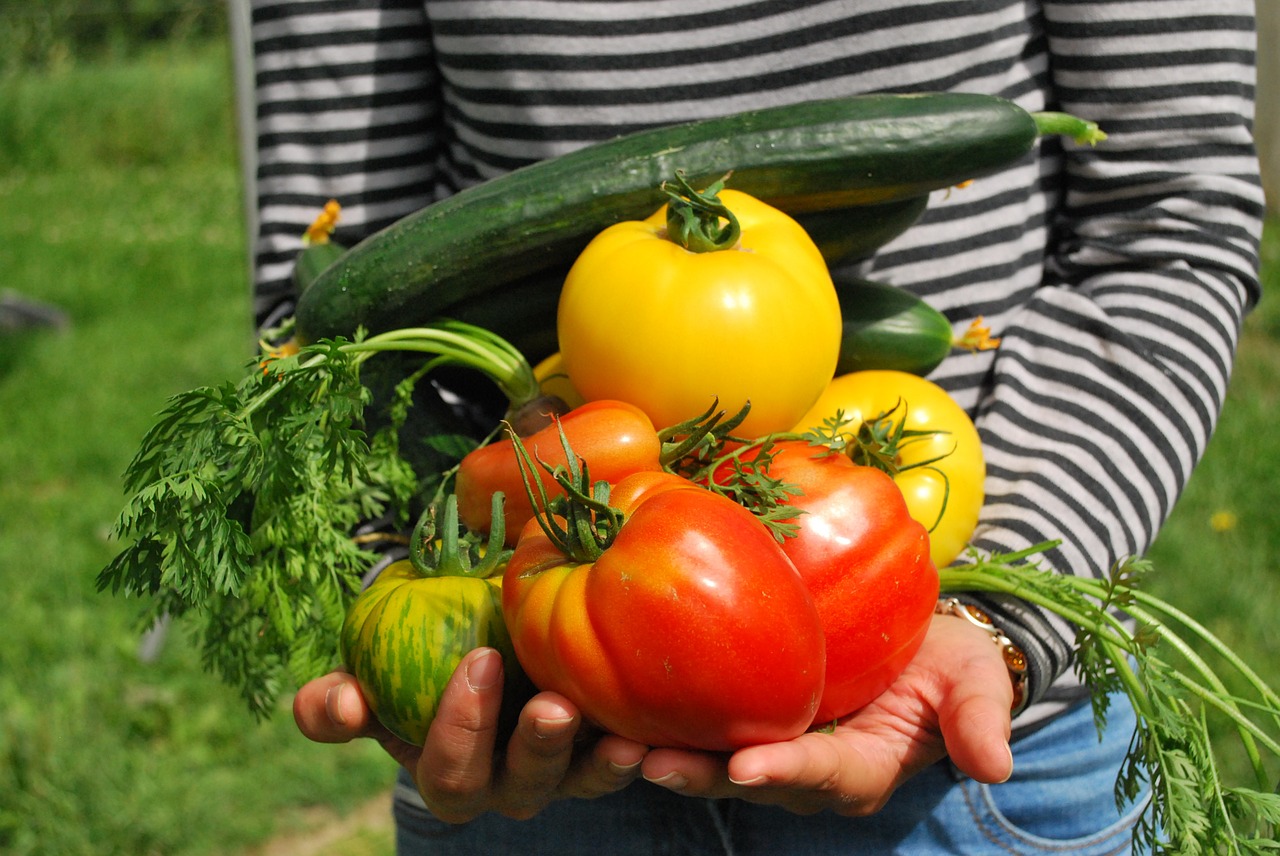
25 Gardening Tips Every Gardener SHOULD KNOW!

1. If it’s getting cold and you have tomatoes still ripening on the vine — save your tomatoes! Pull the plants up and bring them inside to a warm dry place. Hang them up, and the tomatoes will ripen on the vine.

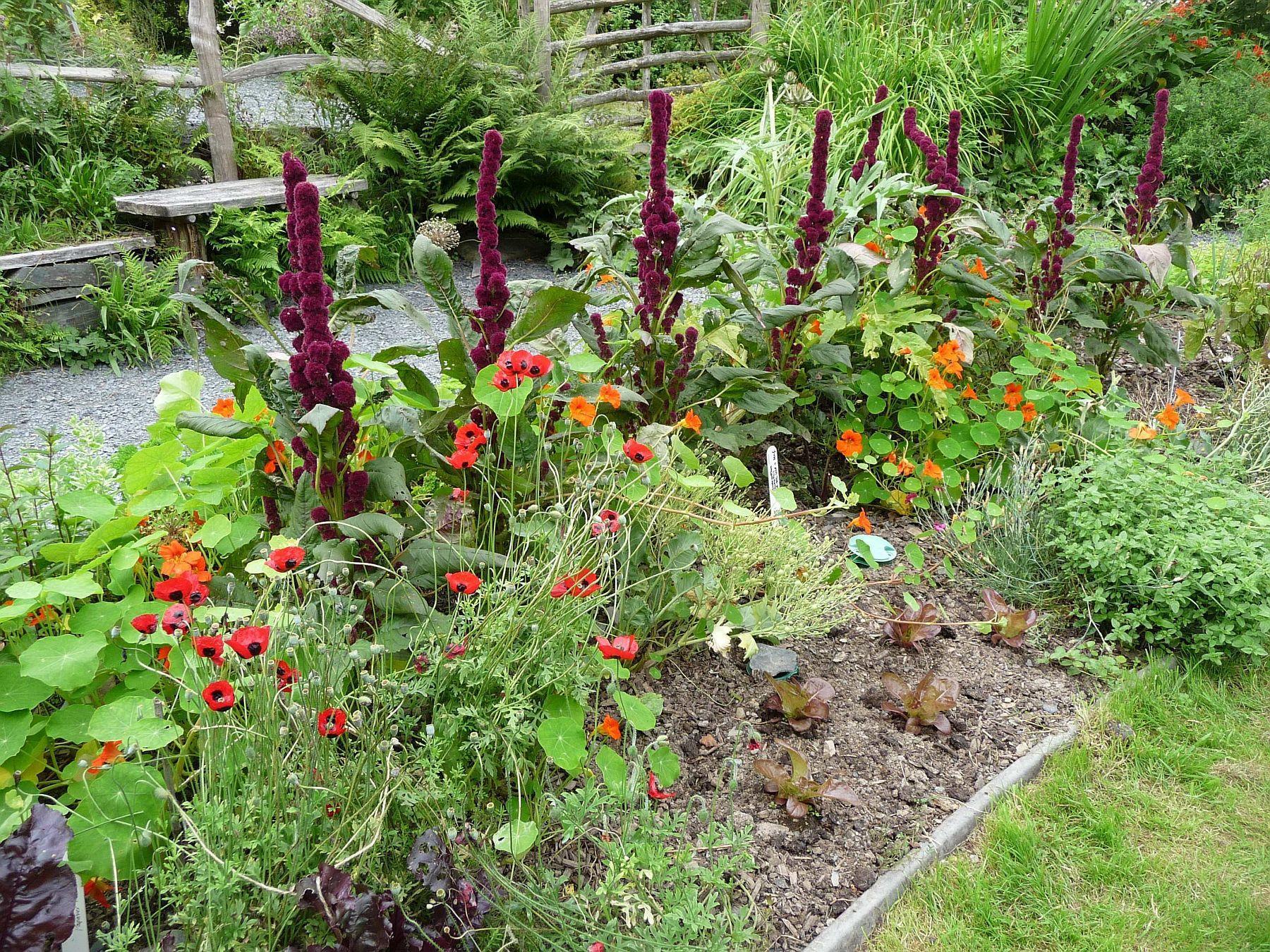
2. Companion planting is an excellent way to improve your garden. Some plants replenish nutrients lost by another one, and some combinations effectively keep pests away.

3. Paint the handles of your gardens tools a bright, color other than green to help you find them amongst your plants. You can also keep a mailbox in your garden for easy tool storage.

4. Compost needs time to integrate and stabilize in the soil. Apply two to three weeks prior to planting.

5. There is an easy way to mix compost into your soil without a lot of back-breaking work: Spread the compost over your garden in the late fall, after all the harvesting is done. Cover with a winter mulch such as hay or chopped leaves and let nature take its course. By spring, the melting snow and soil organisms will have worked the compost in for you.

READ THE OTHER 20 TIPS HERE: https://www.planetnatural.com/vegetable-gardening-guru/tips/

Growth In Gardening: Companion Gardening

I am jumping on the companion gardening bandwagon with both feet this year. I have experimented with companion planting in small ways in my gardens over the last several seasons and I am 100 percent convinced that the system is the way to go.

The basic idea behind companion planting is as simple as it is sensible: many plants grow better near some comrades than they do near other plants or when alone. By itself companion planting your garden will not work miracles but applied in a well-maintained garden, it can produce startling results. It sure has for me. It can drastically improve the use of space, reduce the number of weeds and garden pests, and provide protection from both heat and wind, two problems I run into every year. So, as far as I am concerned, in my vegetable garden, this all adds up to getting me what I really want: increased yield.

I will be employing companion planting in my vegetable gardens, but it can also be used when flower gardening and in full-scale farm fields. In fact, some of the most familiar examples come from farming, where it’s a long-standing practice to sow vetch or some other legume in the fall after the harvest. This cover crop provides erosion control through storms and supplies both nitrogen and organic material to the soil when it is plowed under in spring. Most such crops themselves need a helper, known as a nurse crop, usually, a grain that is sown along with the legume. The grain provides weed control while the legume gets established, and helps protect the legume from both wind and the weight of snow.

READ THE FULL ARTICLE: https://www.sanmarcosrecord.com/features/growth-gardening-companion-gardening

Pet-Friendly Indoor Gardening

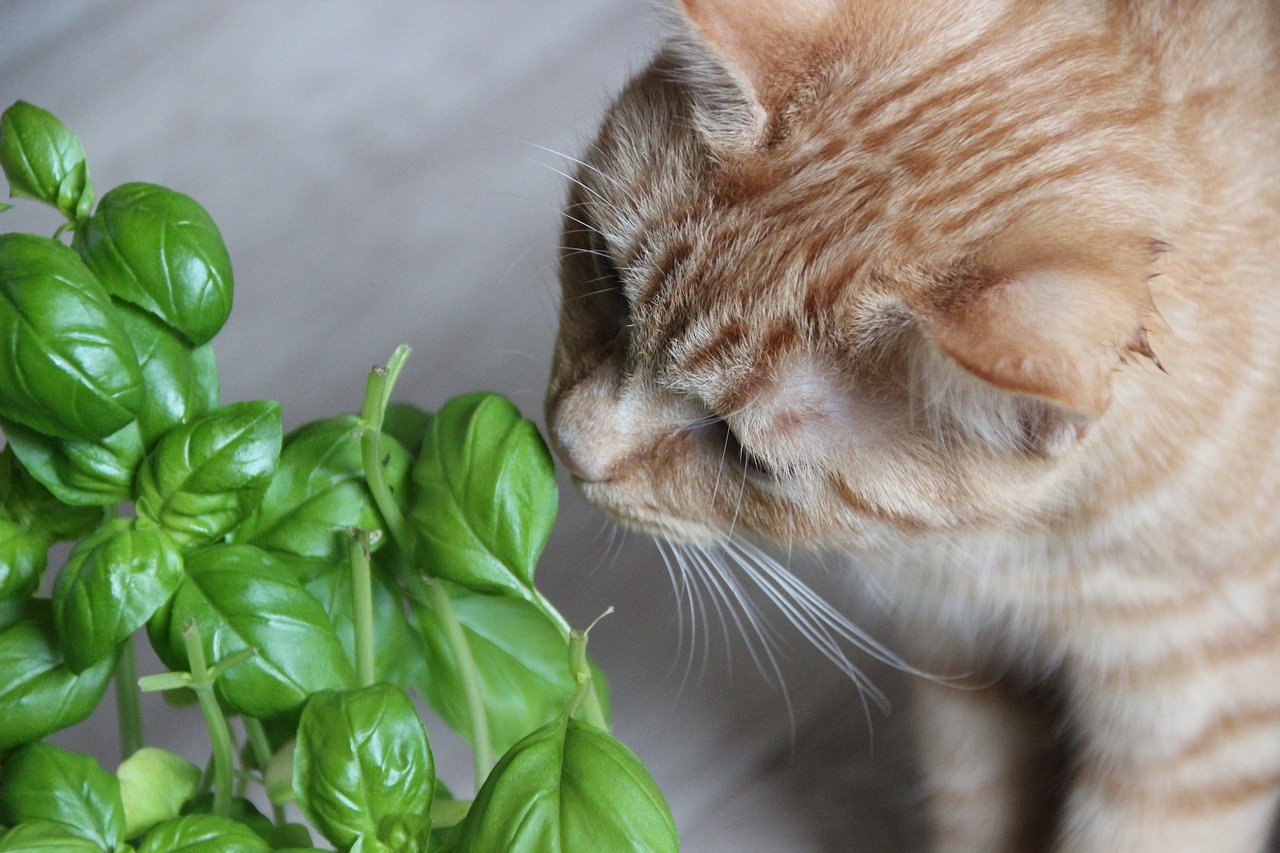
Houseplants make a wonderful addition to our home’s décor and improve the indoor air quality.  Those with pets, however, may struggle with keeping plants safe from curious pets and the pets safe from indoor greenery.

The good news is you can grow an indoor garden even when you own pets. Yes, some do love to dig in the soil or even eat our favorite houseplants, but with proper plant selection and planning, you can keep your pets safe while enjoying an indoor garden.

Start by selecting plants that are safe for your pets.  Consult the American Society for the Prevention of Cruelty to Animals website for a list of pet-safe plants to grow and toxic plants you should avoid.  This will reduce your anxiety by helping you create an indoor green space safe for your pets.

READ THE FULL ARTICLE: https://www.tapinto.net/towns/belmar-slash-lake-como/articles/pet-friendly-indoor-gardening-477c2881-e5be-4de5-bace-0397f405593c

Urban wasteland into flourishing vegetable garden

COIMBATORE: A piece of open space reserved (OSR) land near a busy residential area at Thudiyalur, which was overgrown with thorny bushes and stinking of garbage, is now producing organic vegetables, thanks to a city-based NGO.
Local residents, who used to avoid the place at any cost, now find a stroll through the vegetable garden refreshing.

NGO Helping Hearts had signed a memorandum of understanding with the city corporation to convert the 50-cent land at VKL Nagar into a vegetable garden one-and-a-half-year ago.

READ THE FULL STORY:  https://timesofindia.indiatimes.com/city/coimbatore/ngo-turns-urban-wasteland-into-flourishing-vegetable-garden/articleshow/68143208.cms

Grow Up to 90 Fruits and Vegetables in Your House With This Auto-Watering Indoor Garden

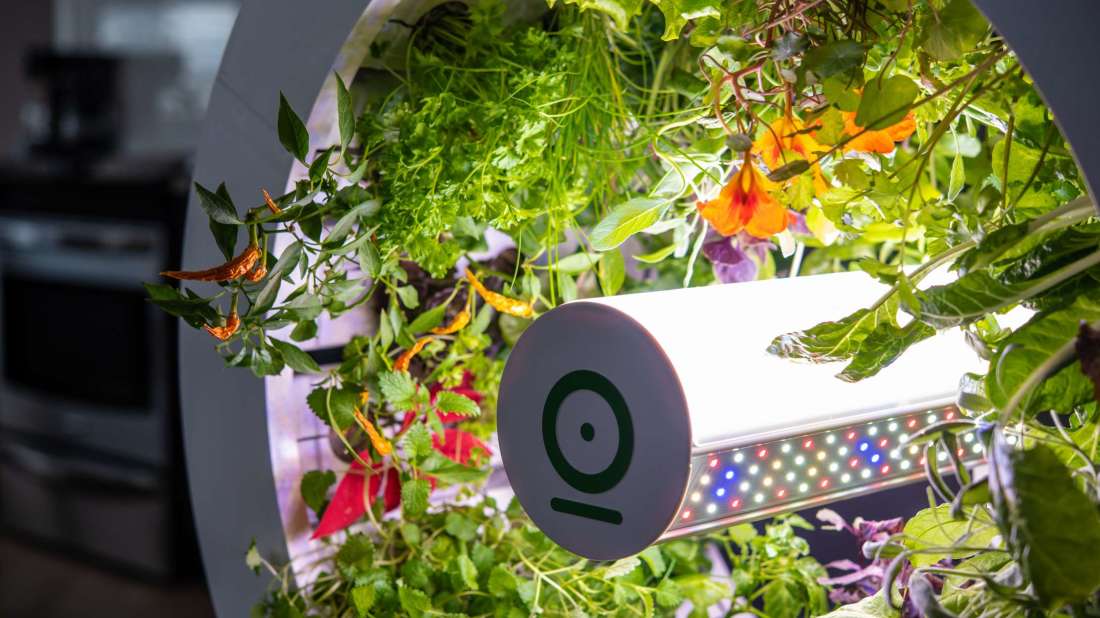
If you’ve always wanted to start your own herb or vegetable garden but don’t have the yard space or the “green thumb” to pull it off, there’s now another option. The OGarden Smart is an indoor gardening system that grows up to 90 plants at one time—20 of which are edible.

Strawberries, celery, kale, bok choy, green beans, cayenne pepper, green onion, and cherry tomatoes are just a few of the fruits and veggies the OGarden can grow. Up to 30 growing cups can be placed in a lower cabinet, where the seeds are allowed to germinate. Once they sprout, the plants can then be transferred to the rotating wheel up above, which holds up to 60 plants at a time. It takes about 30 to 40 days to harvest the produce, depending on the type of plant grown.

The system is self-watering and uses automatic LED lights to provide the right amount of sunlight, no matter what season it is. The only work that’s required is planting the seeds and refilling the water tank once a week.

LEARN MORE: http://mentalfloss.com/article/574691/grow-90-fruits-and-vegetables-your-house-auto-watering-indoor-garden

‘Growing Place’ Sheds Light on History of Growing Food in Milwaukee

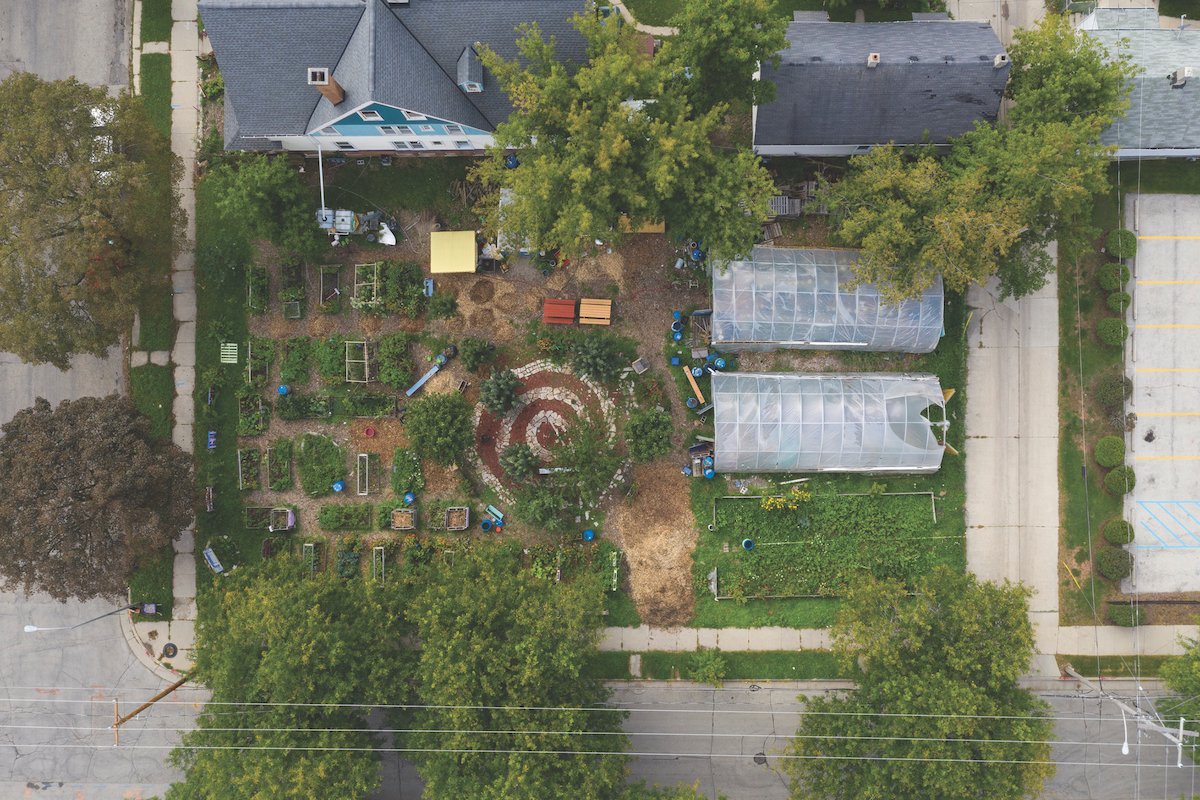
Milwaukee’s past is often seen through the lens of industry and big factories, but “Growing Place: A Visual Study of Urban Farming,” now at MSOE’s Grohmann Museum, shows there were more ways to grow a city. Milwaukee was a frontrunner in gardening dating back to the late 1800s, laying the groundwork for the urban farm visionaries of today.

Guest curators Michael Carriere, assistant professor at MSOE’s Humanities, Social Science and Communications Department, and David Schalliol, assistant professor of sociology and anthropology at St. Olaf College, gathered a collection of photographs, documents, signs, posters and farm tools to tell Milwaukee’s agricultural story. Items were acquired from UW-Milwaukee, Milwaukee Public Library, the Milwaukee County Historical Society and individuals.

“Growing Place” was born out of a broader project Carriere had been involved with, which studied placemaking (a multi-faceted approach to the planning, design, and management of public spaces) following the Great Recession, and how cities try to bounce back from severe financial crisis.

READ THE FULL STORY: https://shepherdexpress.com/food/eat-drink/growing-place-sheds-light-on-history-of-growing-food-in-milw/

Urban Roots celebrating 50th anniversary

East Side youth nonprofit Urban Roots will spend 2019 celebrating its 50th anniversary.

The urban agriculture organization will kick off celebrations with an event at Summit Brewing Company, 910 Montreal Circle in St. Paul, on Wednesday, March 6, from 5:30 to 8 p.m.

The organization has grown substantially over the past half-century, starting with one small garden and expanding to include not only gardening but conservation and wellness to its programming.

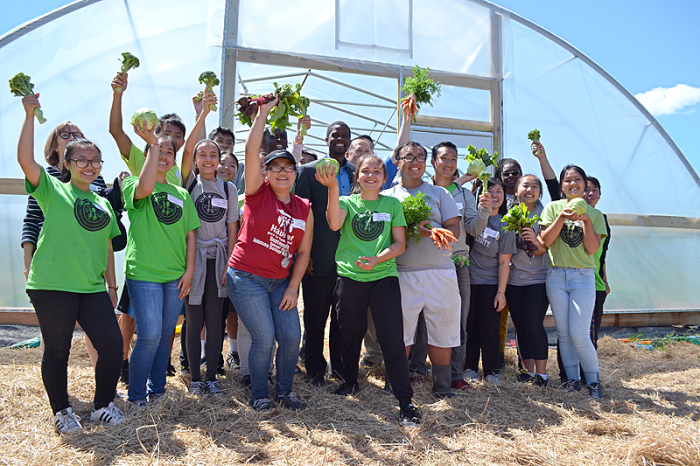
Today, Urban Roots has three main programs for high school students: the Market Garden program, where students grow and sell produce; conservation, which involves students working on a number of natural resources projects on the East Side; and Cook Fresh, a healthy eating and wellness program.

With each program, not only are students getting job experience, they’re also learning leadership skills, self-development and about possible future careers, said Patsy Noble, executive director of the organization.

READ MORE: http://www.lillienews.com/articles/2019/02/25/urban-roots-celebrating-50th-anniversary

This Garden Planner makes urban gardening easy

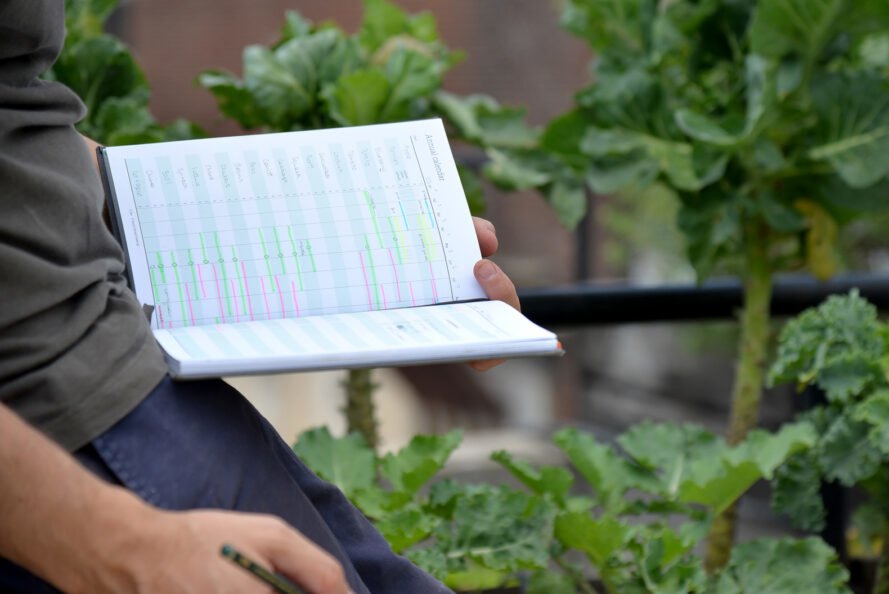
Gardening can seem like a daunting task. When do you plant? What should you plant in your area? How can you effectively grow produce? When you start asking the questions, it may become too overwhelming to tackle. But don’t walk away from the idea of a balcony overflowing with greenery just yet, because the team at The Green Conspiracy understands your angst.

The template allows the user to list what was planted and then chart the plant growth in order to keep a record of problems, timelines, and harvests. The goal is not only to identify problems early but also to produce a record that will provide information for successful subsequent planting seasons. Another section of the planner actually includes a planting calendar, so you can organize when seeds or plants should go into the ground.

LEARN MORE ABOUT THIS: https://inhabitat.com/this-garden-planner-makes-urban-gardening-easy/

SF plans to launch an Urban Agriculture Resource Center for community gardeners

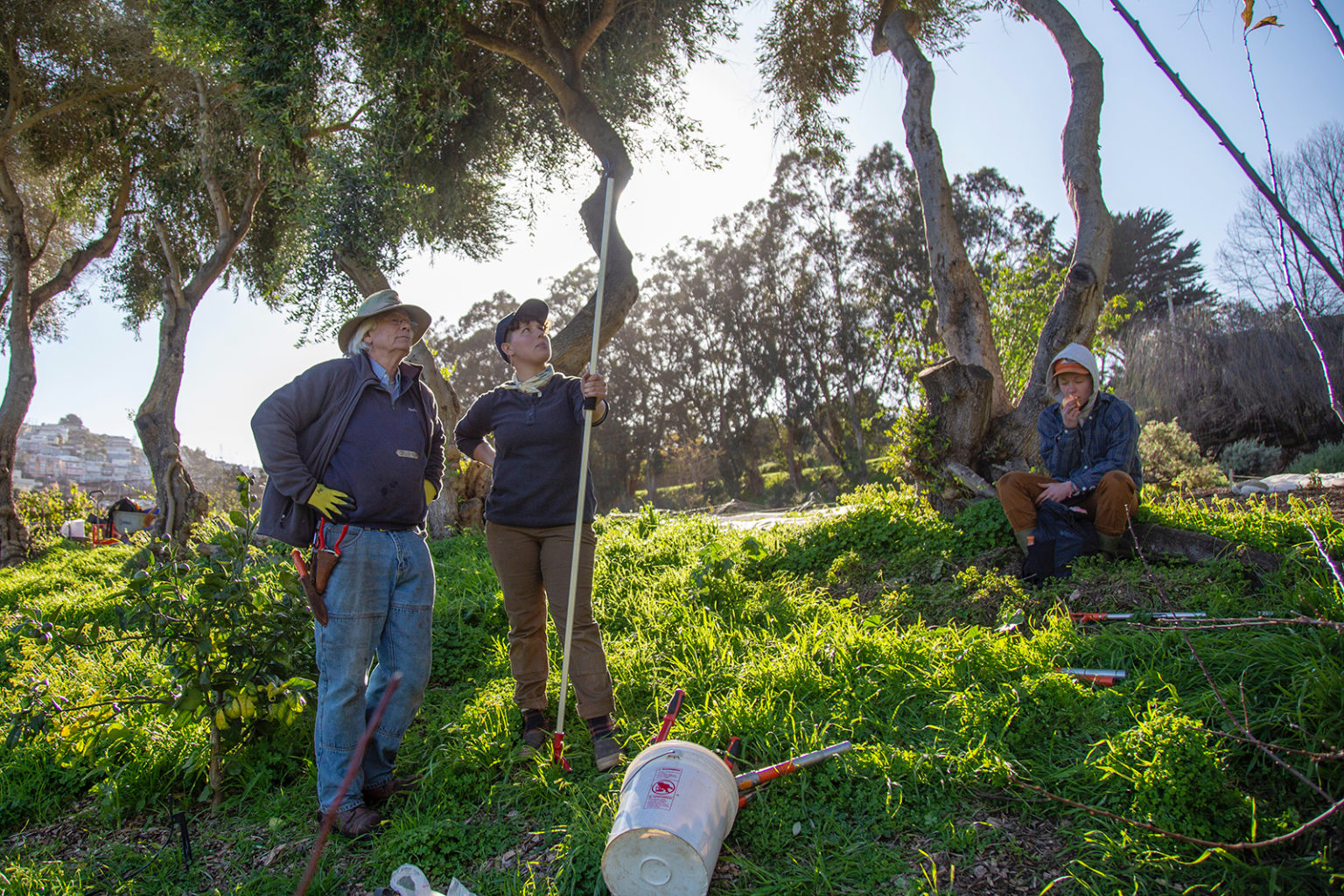
As part of its growing support for urban agriculture, the Recreation and Park Department plans to launch a new garden resource center in the southeast part of San Francisco to provide supplies, plant starters, and advice for community gardeners.

The site would include a fruit tree nursery, orchard space, and space for managed beehives.

Mei Ling Hui, Rec and Park’s program manager of community gardens and urban agriculture, told the Recreation and Parks Commission about the plans for the center Thursday when presenting an annual report on the department’s Urban Agriculture Program.

The center would have demonstration plant beds, a greenhouse to grow plant starts to give away to gardeners and a station for experienced gardeners to give all sorts of gardening advice.

READ THE FULL STORY: http://www.sfexaminer.com/sf-plans-launch-urban-agriculture-resource-center-community-gardeners/

Race on to make urban agriculture viable, durable

In a world faced with the conundrum of mountains of waste and obesity for some and dire shortages and malnutrition for others, the future of food is the main dish on today’s global menu.

A key ingredient is a trend in ever more imaginative forms towards , a multi-faceted recipe already being pored over by some 800 million people globally, according to the UN’s Food and Agriculture Organization.

The trend takes many forms—from collective market gardens in even the most run-down of urban districts to connected vertical farms using indoor farming techniques to meet spiraling food demand in areas largely bereft of arable land.

The FAO wants to see the trend prosper and become durable and sustainably embedded within .

Yves Christol, of French cooperative In Vivo, has identified six models of the genre.

They include a key European variant, electronically managed without recourse to pesticide—or even soil or sunshine.

Read more: https://phys.org/news/2019-02-urban-agriculture-viable-durable.html

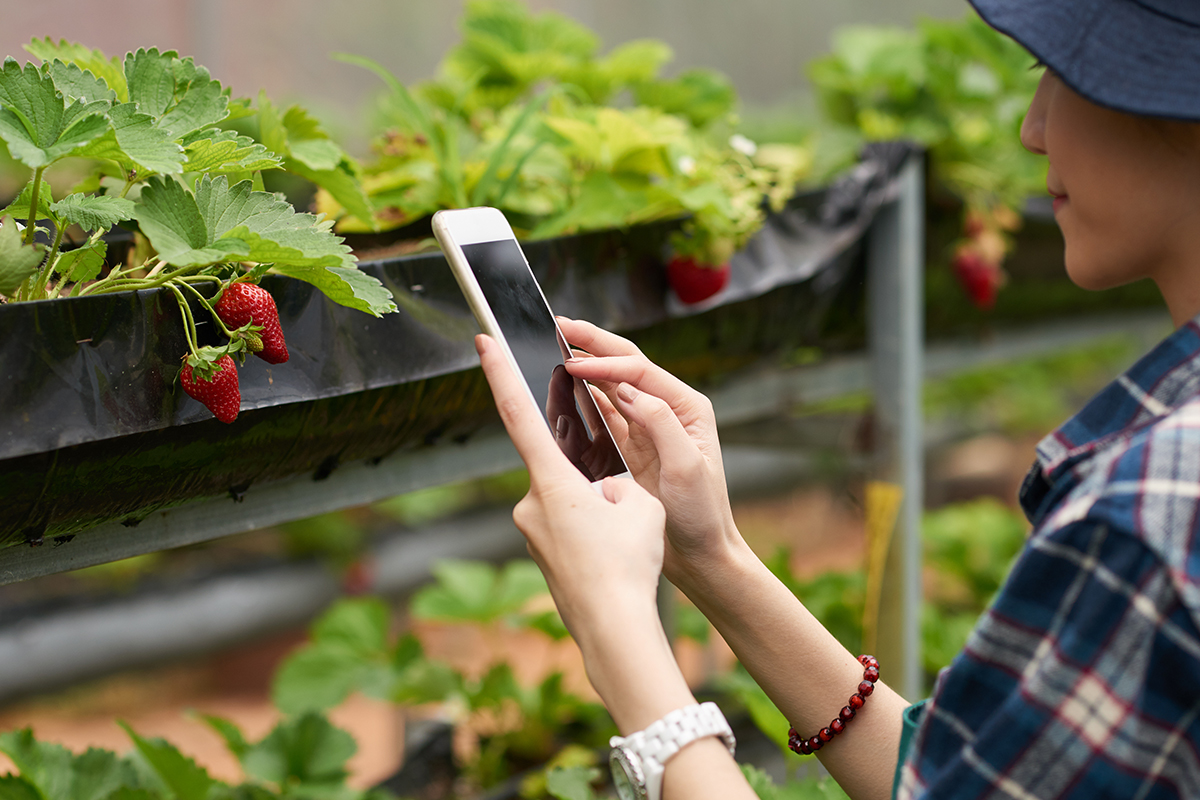
An app can help introduce newbies to the garden. But the real rewards are in the dirt.

Some children garden at the knee of their parents or grandparents, and by the time they are young adults and ready to start their own plant adventures, a lot of the horticulture comes naturally.

But such lucky people are thinner on the ground than in previous generations, I suspect, even though there has never been a more urgent time to introduce younger folks to the power of the plant kingdom, given the issues of climate change.

The battle against bugs: it’s time to end chemical warfare

Insects are important wildlife often overlooked in urban habitats. What we do notice are the cockroaches, ants, and mosquitoes in and around our homes. All too often we reach for the insect spray.

But not all insects are pests – a wide variety of them help keep our cities healthy. They pollinate plants, feed other wildlife, recycle our rubbish, and eat other insect pests. Insects are vital to our well-being.

Unfortunately, like many other wild animals, insects are under threat. A recent study warned that 40% of the world’s insect species face the prospect of extinction, amid threats such as , habitat loss, and humanity’s overenthusiastic use of synthetic chemicals.

Australians use large amounts of pesticides to tackle creepy crawlies in their homes and gardens. But our fondness for fly spray has potentially serious impacts on urban ecosystems and public health.

READ MORE AT: https://phys.org/news/2019-02-bugs-chemical-warfare.html

What are soil contaminants—and how did soil get contaminated?

“The biggest risks for soil contamination are in urban areas, and former industrial sites,” writes Lauren Svejcar, a researcher at Murdoch University. “Common contaminants in urban soils include pesticides, petroleum products, radon, asbestos, lead, chromated copper arsenate, and creosote.”

Svejcar has specific tips for gardeners. “Urban gardens are usually a good idea, but it’s best to know your soil. Many vegetables and herbs can absorb contaminants as they grow. That puts you at risk if you eat them. Also, vegetables and herbs can have dust on them coming from contaminated soil. If not properly washed, you could ingest the contaminants. Some garden beds may also be lined with chemically treated wood. If you did not build your garden beds yourself, it’s best to test your soil because the chemicals can leach into the garden soil.”

READ THE ARTICLE: https://www.newswise.com/articles/what-are-soil-contaminants-and-how-did-soil-get-contaminated

High School Garden Club Helps Students ‘Grow’ Their Skills

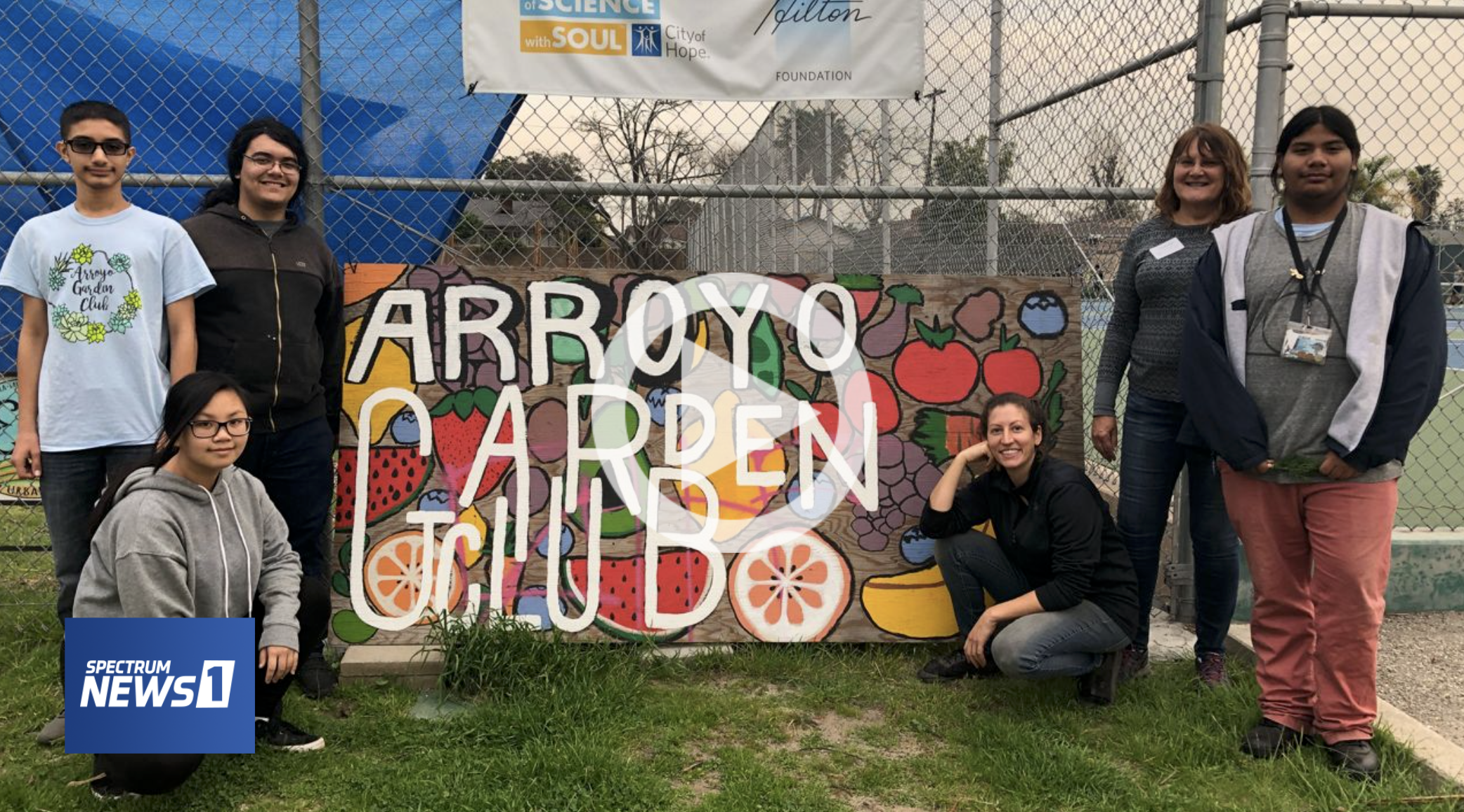
LOS ANGELES, CA – Pens and paper are the typical supplies for many high school students, but that is not the case at Arroyo High School in El Monte.

  • Students growing their skills in garden club
  • Found in part by Eco Urban Gardens
  • Helping students learn about agriculture, nutrition

The school is part of a growing program, founded in partnership with a local nonprofit Eco Urban Gardens, meant to help students learn skills in agriculture, environment, and nutrition. Arroyo’s garden club features about 15 students who meet regularly after school to tend to their crops.

“What school wouldn’t have a garden because it honestly promotes healthy living and gives students a place to chill if they’re stressed out,” said senior Oscar Ramos, the president of the club.

READ THE STORY: https://spectrumnews1.com/ca/la-east/education/2019/02/13/gardening-program-grows-at-arroyo-high-school#

7 Innovative Architectural Ideas With World-Changing Potential

Our ancient relatives, Homo heidelbergensis, were constructing shelters at least 400,000 years ago, and architectural innovation has been a defining feature of societies since then, changing to suit the needs and desires of the builders and occupants as they evolved. From energy-efficient designs to community-based spaces, these seven designs could help shape the future.

As the population ages, society is faced with a challenge: How to help people who require special care. The current way that many buildings are designed—and even the way hospitals are set up—makes it difficult for older people to get around and be independent. This is a big problem, because older people are a huge part of the population. As of 2015, there were nearly 50 million people in the United States over the age of 65. By 2030, the Census projects that 20 percent of Americans will be older than 65. “By 2035, there will be 78.0 million people 65 years and older compared to 76.7 million … under the age of 18,” Jonathan Vespa, a demographer with the U.S. Census Bureau, stated in a 2018 press release.

READ THE FULL ARTICLE: http://mentalfloss.com/article/91686/innovative-architectural-designs


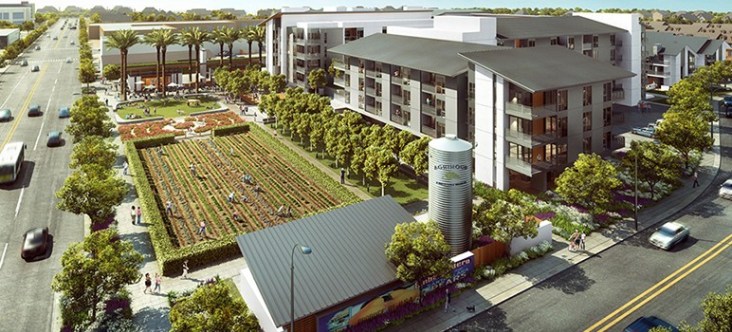
After Years of Planning Santa Clara’s Urban Farm ‘Agrihood’ is Set to Break Ground by 2020

One of Santa Clara’s biggest and most unique affordable housing projects in the pipeline promises to offer a blend of urban living and farm life.

The City Council last week granted final approvals to a housing project on a six-acre plot of land across the street from Westfield Valley Fair mall. The project, known as the “Agrihood,” will to provide 361 new homes, 181 of which will be below market rate. Of these 181 homes, 160 will be set aside for low-income seniors. The project will additionally feature a 1.7-acre urban farm and community retail and open space.

The Agrihood, which is on track to break ground by next year, consists of a partnership among real estate firm The Core Companies, the nonprofit California Native Garden Foundation and the city of Santa Clara. But it came to fruition in no small part because of its biggest champion, local business owner and activist Kirk Vartan.

“We wanted to make a vibrant place,” Vartan said. “Somewhere where people can engage. A place to go for people to unwind, meander, walkable and be human.”

READ THE FULL ARTICLE: http://www.sanjoseinside.com/2019/02/07/after-years-of-planning-santa-claras-urban-farm-agrihood-is-set-to-break-ground-by-2020/

Will The Generation That Wants To Change Agriculture Show Up To Work?

What is interesting about this younger generation, who are stereotypically labeled as harsh critics of our current food production system, is that on the surface most only seem to want to voice their dissatisfaction vicariously. It is easy and safe to go after genetically modified apples and Roundup in your Cheerios via your Facebook and Twitter accounts. What is becoming increasingly apparent is that there is a much, much lower percentage of this next generation that actually wants to “get their hands dirty” when it comes to becoming a part of the solution to the problem that they are essentially creating.

How bad is that problem?  Well according to a 2016 National Science Foundation survey, the percentage of adults who now find GMOs dangerous was at a staggering 79 percent. That is up dramatically from numbers from similar surveys taken in the previous years of 2010 and 2000.  Want more proof? A study last year by the International Food Information Council concluded that six in 10 consumers tagged food sustainability as important to them. The better question may be, do consumers really know what sustainability even means?

For something that is so dangerous and so important you would think there would be more bodies and minds actually flocking to the industry of agriculture to “transform” it more to their liking. Right now, the numbers are showing that not to be the case. In 2016, an industry study by food and agriculture conglomerate Land O’Lakes found that only 3 percent of college graduates and 9 percent of millennials have or would consider a career in agriculture. Such numbers, if true should not just be concerning but instead alarming. If according to recent statistics it takes 15 percent of the American workforce to produce, process and sell our nation’s food and fiber, then Houston we have a problem. A math problem.

READ THE FULL STORY: https://www.agweb.com/article/will-the-generation-that-wants-to-change-agriculture-show-up-to-work/

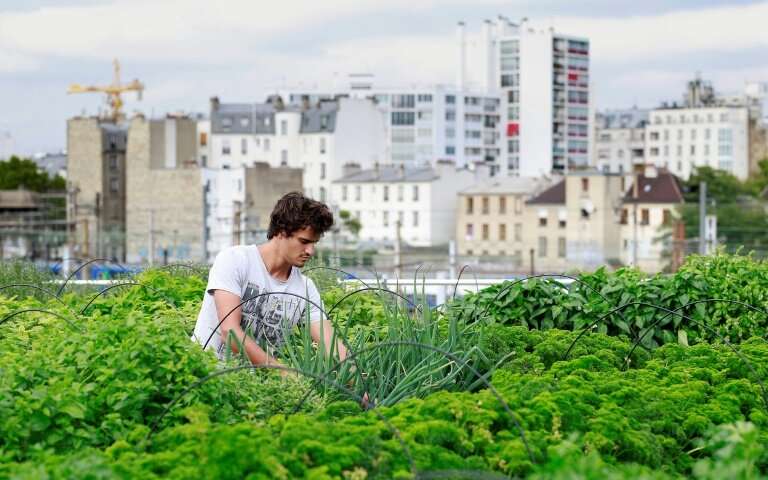
On rooftops and in tunnels, city farms lead food revolution

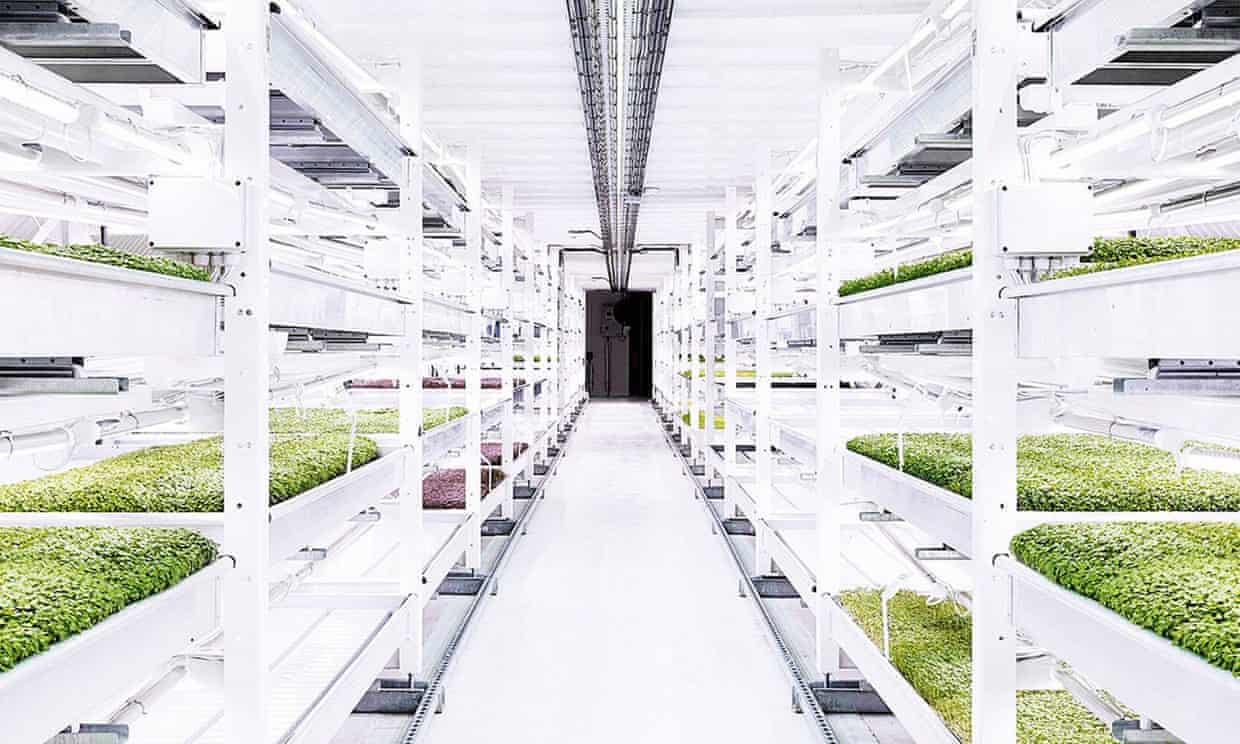
Only the Northern line tube trains rumbling through tunnels overhead provide any clue that Growing Underground is not a standard farm.

The rows of fennel, purple radish and wasabi shoots could be in almost any polytunnel, but these plants are 100 feet below Clapham High Street and show that urban agriculture is, in some cases at least, not a fad.

The underground farm has occupied a section of the second world war air-raid shelters for nearly five years, and Richard Ballard, one of the founders, is planning to expand into the rest of the space later this year.

“The UK is the hardest market for growing salad,” he said. “We’ve got very low prices in the supermarket, so if we can make it work here we can make it work anywhere.”

Plants ‘talk to’ each other through their roots

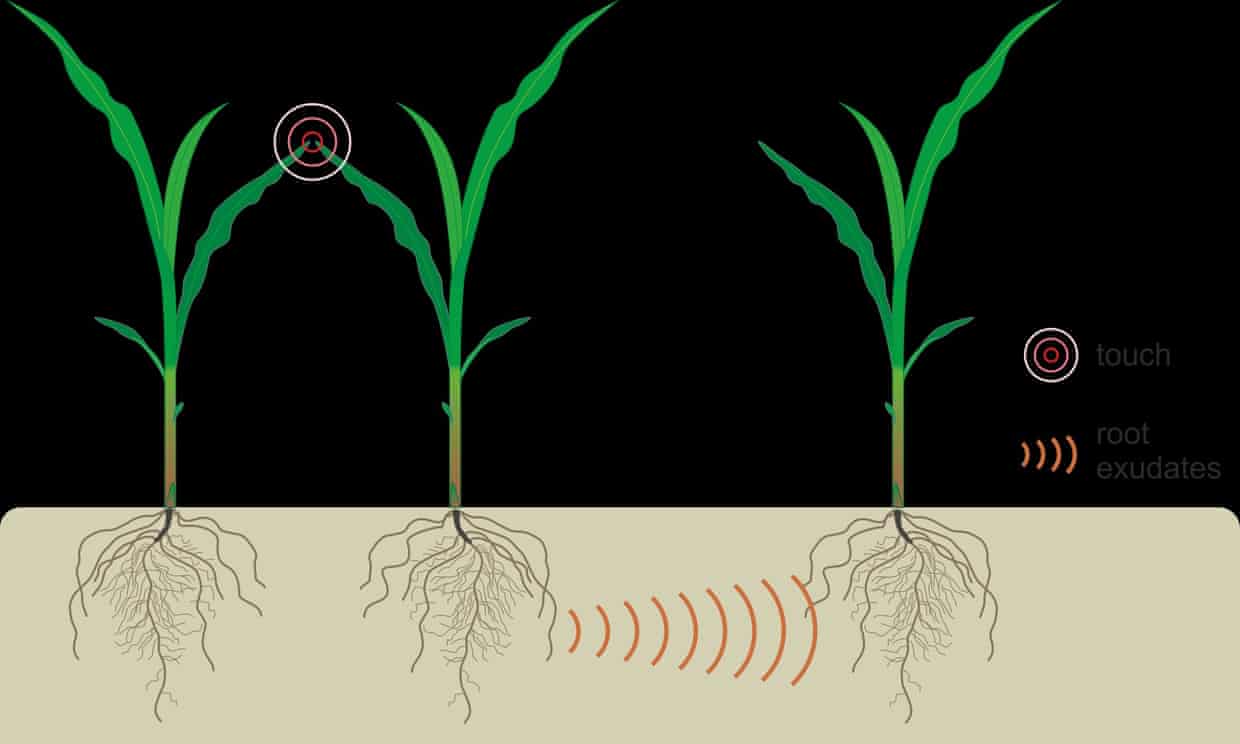
Plants use their roots to “listen in” on their neighbors, according to research that adds to evidence that plants have their own unique forms of communication.

The study found that plants in a crowded environment secrete chemicals into the soil that prompt their neighbors to grow more aggressively, presumably to avoid being left in the shade.

“If we have a problem with our neighbors, we can move flat,” said Velemir Ninkovic, an ecologist at the Swedish University of Agricultural Sciences in Uppsala and lead author. “Plants can’t do that. They’ve accepted that and they use signals to avoid competing situations and to prepare for future competition.”