
Gardening Made Easy With Straw Bales!

Image credit: Ruth Temple @ Flickr

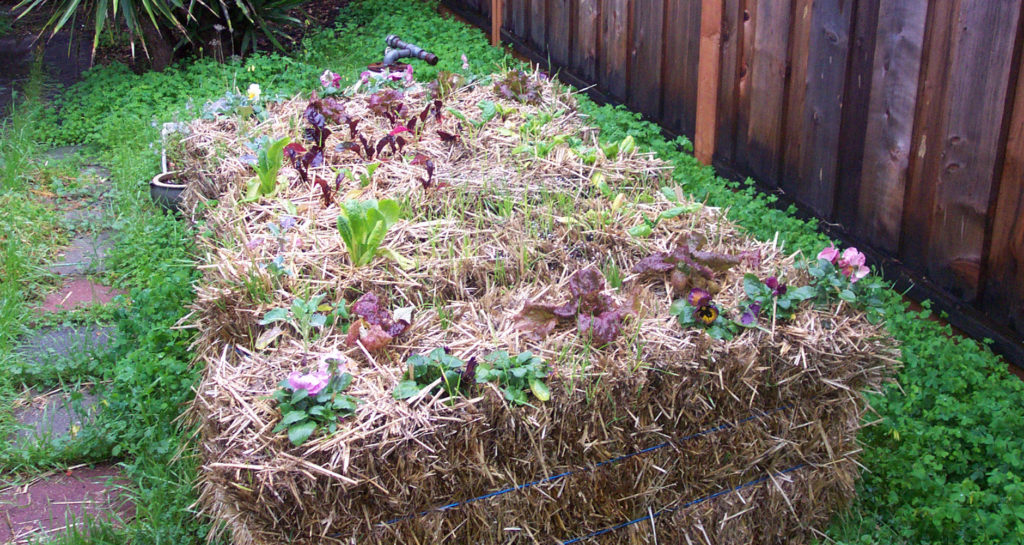
Gardening can be tricky even when you are graced with good soil, but what if you’re dealing with unpleasant growing conditions? Or does the very idea of endless weeding give you a backache? Starting a straw bale garden this spring may be the answer to all your gardening prayers. This method of gardening uses bales of straw as your garden beds — with no soil — and is a versatile, thrifty, and easy way to garden.

What Is Straw Bale Gardening?

Straw bale gardening is essentially a form of container gardening with the container being the bale of straw itself. Straw’s hollow tube design helps to soak up and hold moisture, making it an ideal material for growing vegetables. These mud-free and weed-free gardens can be started anywhere that gets six to eight hours per day of direct sunlight. Arrange as few or as many bales as you wish right on your lawn, or even in your driveway (maybe you will inspire a neighbor or two!).

READ THE REST OF THE ARTICLE AT https://www.farmersalmanac.com
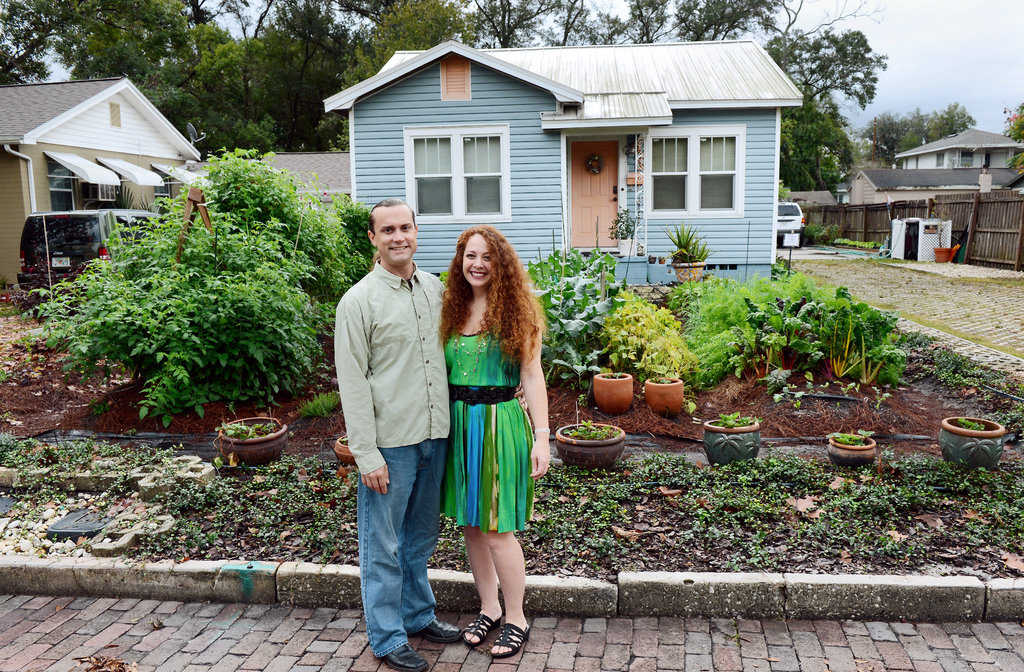
Florida Lifts Ban on Front-Yard Vegetable Gardens

Credit: Todd Anderson New York Times, Orlando couple will now be able to keep vegetable garden

Florida passes law saying cities can’t stop people from growing food on their own property, even in their front yards.

State lawmakers in Florida have told cities they must respect citizens’ property rights, and seemingly even more basic right to grow their own food.

They just passed a bill “prohibiting local governments from regulating vegetable gardens on residential properties.”

“Such regulations are void and unenforceable,” the new law says.

The legislation was inspired by a couple who had had been tending a beautiful front-yard vegetable garden for 17 years when the town of Miami Shores told them it was illegal and made them tear it up.

READ THE FULL STORY AT https://returntonow.net

Keto Garden – Easy Low Carb Vegetables You Can Grow At Home!

One thing you may have noticed about a plant-based diet – it’s expensive!  Growing your own Keto garden and these five low-carb vegetables can save money while providing you with fresh, local produce for your family.  After all, you can’t get more local and fresh than your own backyard!  Tips for growing in container-growing, too, for you small space gardeners.

Five Low-Carb Vegetables to Grow

There are a lot of Keto diet approved vegetables we could discuss as we find the best low-carb vegetables to grow, but we’re going to stick with just five.  If you’re new to growing your own food, I don’t want to overwhelm you.  If you’re a seasoned gardener, you may already be familiar with these crops but are getting used to thinking of them as low-carb vegetables for your new eating plans.

The five low-carb vegetables we’ll be covering here are:

  1. Spinach
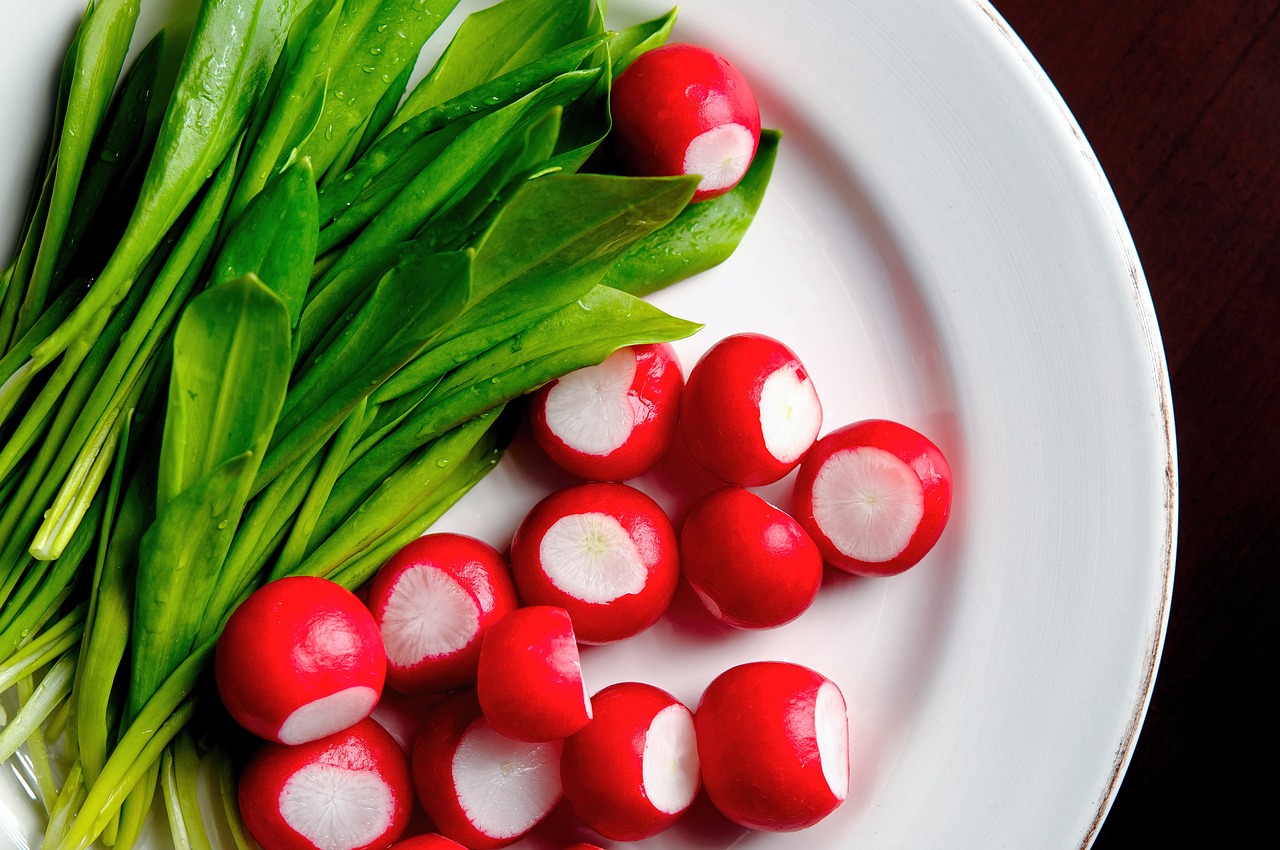
  2. Radish
  3. Swiss Chard
  4. Kohlrabi
  5. Tomatoes

READ THE REST OF THE ARTICLE AT https://homesteadlady.com

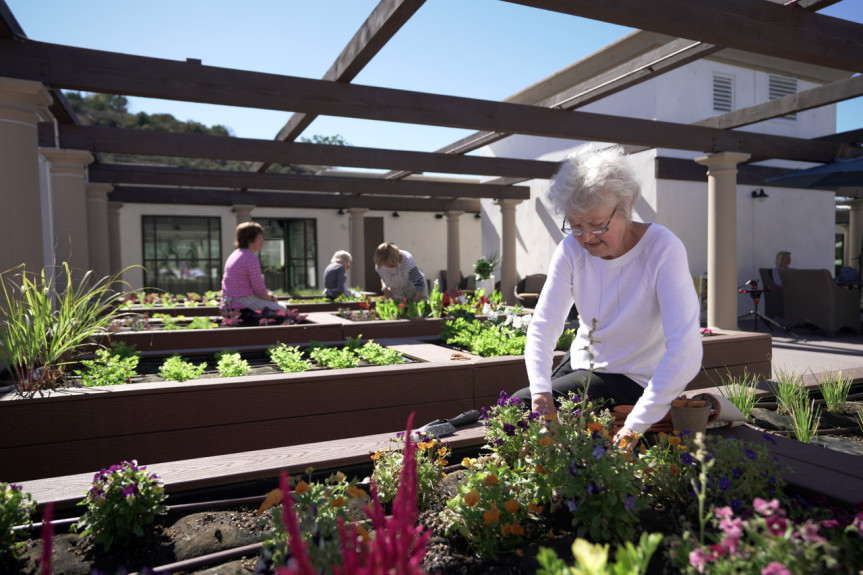
Gardening for just 10 minutes a week can cut risk of death, study suggests

Walking or gardening for just 10 minutes per week could cut the risk of death, new research suggests.

Even low levels of physical activity are linked to a reduced chance of dying from cancer, cardiovascular disease and other illnesses, according to a study published in the British Journal of Sports Medicine.

The researchers said spending just a little time on active leisure pursuits could bring health benefits.

The study analysed data from more than 88,000 adults aged 40 to 85 years old between 1997 and 2008, and linked this with deaths registered until the end of 2011.

READ THE FULL STORY: http://home.bt.com

Backyard biodiversity: A few tips for gardening for wildlife

Plants are big business in Florida. According to the University of Florida Institute for Food and Agricultural Sciences’ most recent survey, sales related to the environmental horticulture industry accounted for over $10.7 billion in 2015 of which native plant sales were estimated at $427 million.

Nurseries employ over 19,000 people around the state. More people are flocking into local businesses and farmer’s markets for flowers to attract butterflies, bees and hummingbirds. As our springtime flowers burst into view, you probably have noticed that the neighbors are out in the yard, removing limbs and sprucing up the flower beds.

Two main ingredients comprise most yards in Tallahassee and the entire U.S. for that matter. The first is lawn: a carpet of non-native grass (must be green) that has been an American standard since the 1950’s. The second consists of non-native plants growing around the non-native lawn.

READ THE FULL ARTICLE: https://www.tallahassee.com

Save bees by holding back on the mowing, gardeners urged

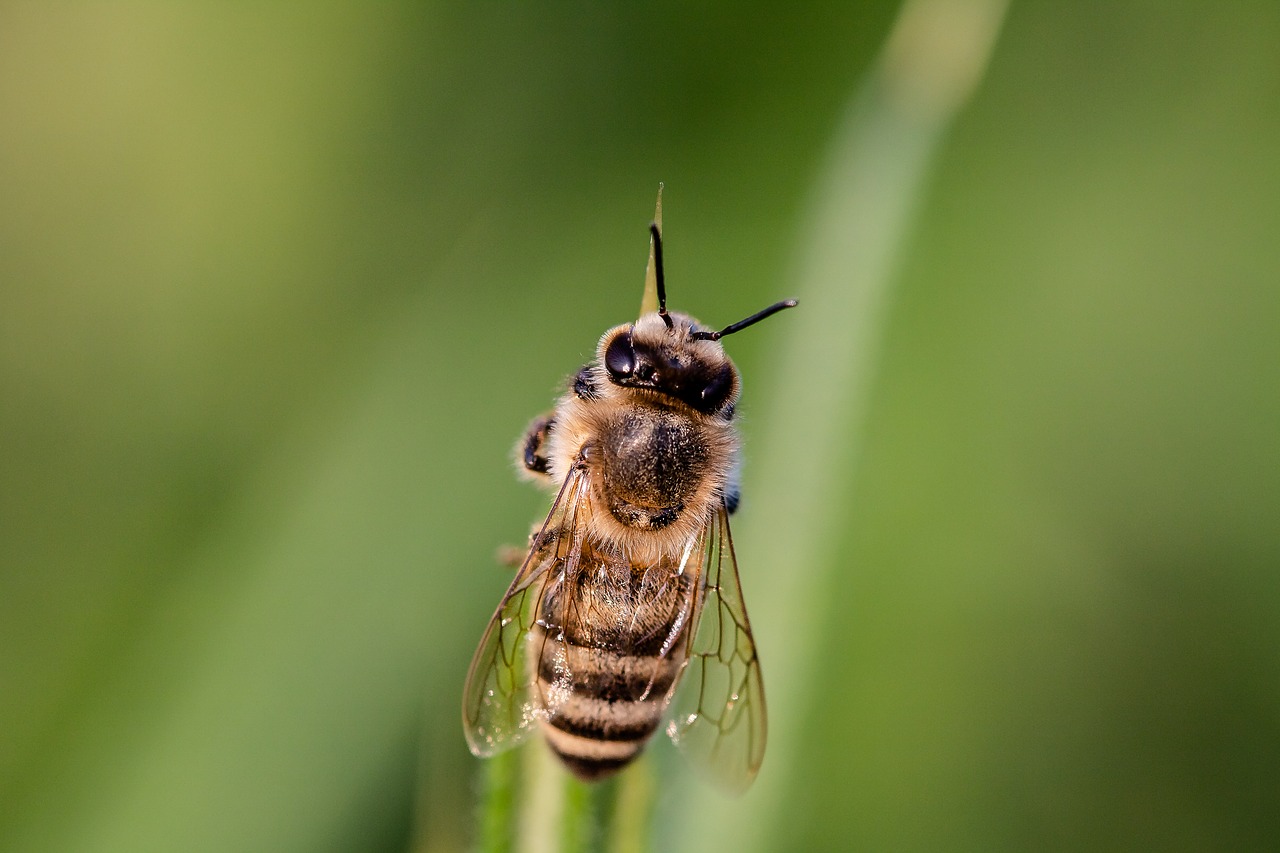
Gardeners should leave at least a strip of their lawn un-mowed this summer to help halt the decline in bees, experts have said.

Perfectly manicured grass is depriving the crucial pollinating insects of the wildflowers they need to feed on, according to the Centre for Ecology and Hydrology (CEH).

A major study by the organization, published on Tuesday, shows wild bees and hoverflies have suffered widespread losses across the UK in recent decades.

It found that between 1980 and 2013 a third of the more than 300 pollinating species included in the research experienced population declines, while only 11 per cent became more abundant.

READ THE FULL ARTICLE AT: https://www.telegraph.co.uk

How gardening may be helping people live longer

Gardening saved Mary Lou Heard’s life.

In the 1970s, Heard, who would later become known as Orange County’s patron saint of cottage gardens, went through a divorce that was so devastating she was hospitalized. On the grounds of the hospital, there

was a small neglected garden. Mary Lou got down on her hands and knees and, for the first time in a long time, she would later write, felt peace.

Now more and more studies are supporting what Mary Lou and many others have known in their hearts all along: Gardening is good for you, and not just in the calorie-burning way.

There is even some anecdotal evidence it might help you live longer.

READ THE FULL STORY AT https://www.ocregister.com

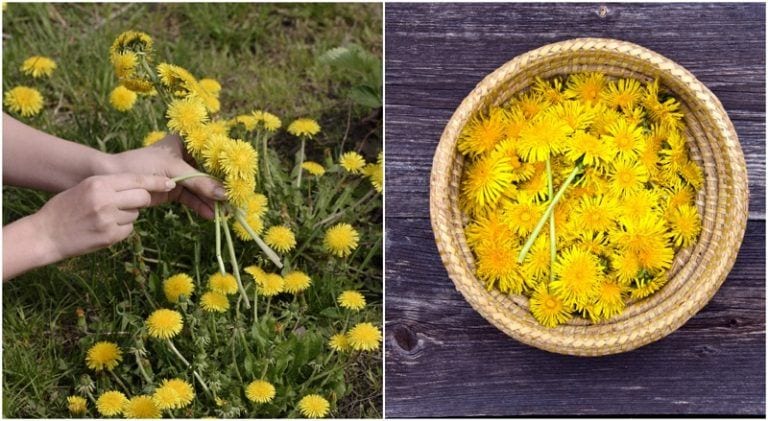
25 Reasons To Go & Pick Dandelions Right Now

Who hasn’t seen those pesky yellow weeds pop up in the garden from time to time? Yet try as you might – from picking them to poisoning them – nothing keeps them at bay for too long.

Perhaps it’s time you embraced the tenacious dandelion and all the benefits it can bring?

The Health Benefits of Dandelions

Dandelion has been used throughout history to treat everything from liver problems and kidney disease to heartburn and appendicitis.

Every part of this common weed – from the roots to the blossoms – is edible. It’s a good thing too, as the humble dandelion is bursting with vitamins A, B, C and D, as well as minerals such as iron, potassium, and zinc.

READ ALL OF THE HEALTH BENEFITS OF DANDELIONS AT https://www.naturallivingideas.com/things-to-do-with-dandelions/?fbclid=IwAR0uCT9KN5WPHDVUxdJFzg_NNz9X7yAymxePDZ-uIPTgw1zX7mLcX11z2XQ

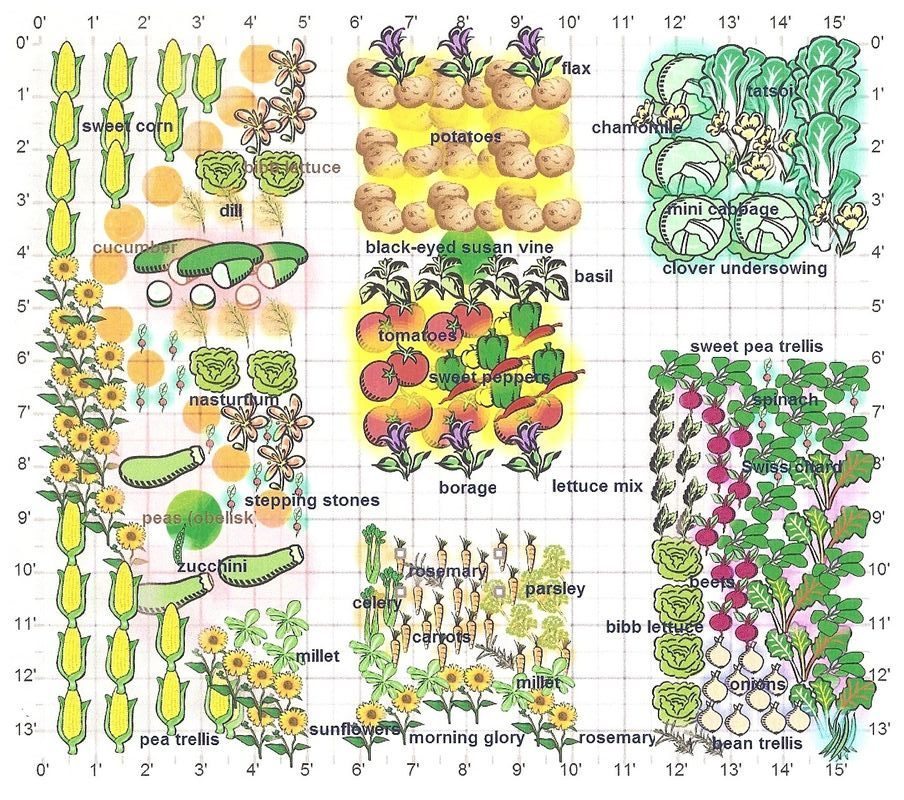
Secrets of Companion Planting + Popular Planting Combinations

Did you know that tomatoes hate cucumbers?

While they might taste great together in a salad, tomato plants actually dislike growing in close proximity to any member of the cucurbit family, which includes cucumbers.

Tomatoes love carrots and basil, however – so planting these together will actually make them each grow more vigorously!

Planting your veggies in neat rows with labels is satisfying to the eye, and easier to harvest. However, when we look to nature, we don’t see rows anywhere, nor do plants all grow clumped up in groups of the same thing together.

READ MORE FROM THE ORIGINAL STORY AT https://thehomestead.guru/companion-planting-2/?fbclid=IwAR05qOCv3BBuE4sa2BKzQaepcBMDtBzOaEaYUUezr8J6QsIcnd0dkGPK9gc

Permaculture Puts Organic Gardening on Autopilot

Organic food and farming have seen a huge increase over the past ten years, and for good reason. Farming and gardening techniques that use fewer harmful, synthetic fertilizers and pesticides are better for the environment and better for human health. Permaculture methods of growing food reach far beyond these benefits. Growing food organically is just the starting point.

According to a report from 2014 by Stephen Daniells titled US organic food market to grow 14% from 2013-18, 81% of American families reported buying organic food at least sometimes. For many people, the barriers to buying organic food are accessibility and cost. Growing organic produce at home overcomes both of those issues. Permaculture practices are a great way to achieve the best results.

What is Permaculture 

Permaculture (permanent + agriculture) was developed in the late 1970s by Bill Mollison and David Holmgren. It’s a set of principles and techniques for food production at any scale that focuses on mimicking natural systems, instead of competing against them. It puts humans into the system as engaged participants, departing from the conventional agricultural approach of conquering nature. The principles can be applied to container gardens on apartment balconies, large scale agricultural operations, and anything in between.

READ THE FULL STORY AT https://thehomestead.guru/permaculture/?fbclid=IwAR2uez2yUOTZ4_KM8Yttd92ZXYK6rCKTNAUUUnmHn33hPA3h7YLh4K7ATHM

How the humble marigold outsmarts a devastating tomato pest

Scientists have revealed for the first time the natural weapon used by marigolds to protect tomato plants against destructive whiteflies.

Researchers from Newcastle University’s School of Natural and Environmental Sciences carried out a study to prove what gardeners around the world have known for generations — marigolds repel tomato whiteflies.

Publishing their findings today (1 March) in the journal PLOS ONE, the experts have identified limonene — released by marigolds — as the main component responsible for keeping tomato whiteflies at bay. The insects find the smell of limonene repellent and are slowed down by the powerful chemical.

READ THE FULL ARTICLE AT https://www.sciencedaily.com/releases/2019/03/190301160909.htm?fbclid=IwAR1pjbDZ-CXBamdFowvimdELr4S1KWfJRGbUdoY2Rd6qA4WtcIzchUyKbIo

Of course this gardener is ‘getting ready for spring.’ He never stopped.

Spring is the short, simple title we give to the complex and drawn-out awakening of the natural world after winter dormancy.

We declare the season underway next week, but the natural stirring has been going on for some time, although probably unnoticed unless you grow camellias or witch hazels or keep honeybees. The process of rebirth lasts well into May, when most trees have finished unfurling their solar panels.

The most evident aspects of the season — the warming temperatures, the longer days, the arrival of the cherry blossoms — have a way of exciting those among us who are least connected to the cycle of life forces at play.

Why should these phenomena even register, you ask? Phenologically, we may be the one species on the planet that is the farthest removed from the spring. We don’t have babies just during lambing season or grow hair only after the vernal equinox or mark spring by growing a new pair of antlers.

READ THE FULL STORY at WashingtonPost.com

Do’s and don’ts for early spring gardening

“A warm day in March can inspire a kind of madness in gardeners. It can cause them to burst out the door, desperate after months cooped up by cold and snow, and start work way too soon.

“Be careful what you do right now,” said Sharon Yiesla, plant knowledge specialist at the Morton Arboretum in Lisle. “There are things it’s just too early for.”

Here are some do’s and don’ts for early spring gardening:

Do get rid of tree wrap. If you wrapped the trunk of a young tree to protect it from animals over the winter, unwrap it now. “Leaving tree wrap on too long can trap moisture and encourage disease,” Yiesla said.

Don’t walk on or dig in wet soil. “That can compact the soil, which smothers plant roots,” Yiesla said. “Compacted soil is a very difficult condition to correct.” Even as the soil thaws at the surface, a hidden layer of impermeable ice often remains below, trapping water like a soup bowl. Wait until the soil has thawed all the way down and water is draining freely through it before you start digging or even walking on any part of the yard, including the lawn.

Do force branches of flowering shrubs. Cut branches of forsythia, flowering quince or other spring bloomers and stand them in a vase of warm water to encourage them to bloom indoors. “Just make sure you prune carefully and leave the overall shape of the shrub looking good,” Yiesla said.”

READ THE REST OF THE ARTICLE at ChicagoTribune.com

Best apps for gardening and yard work for spring 2019

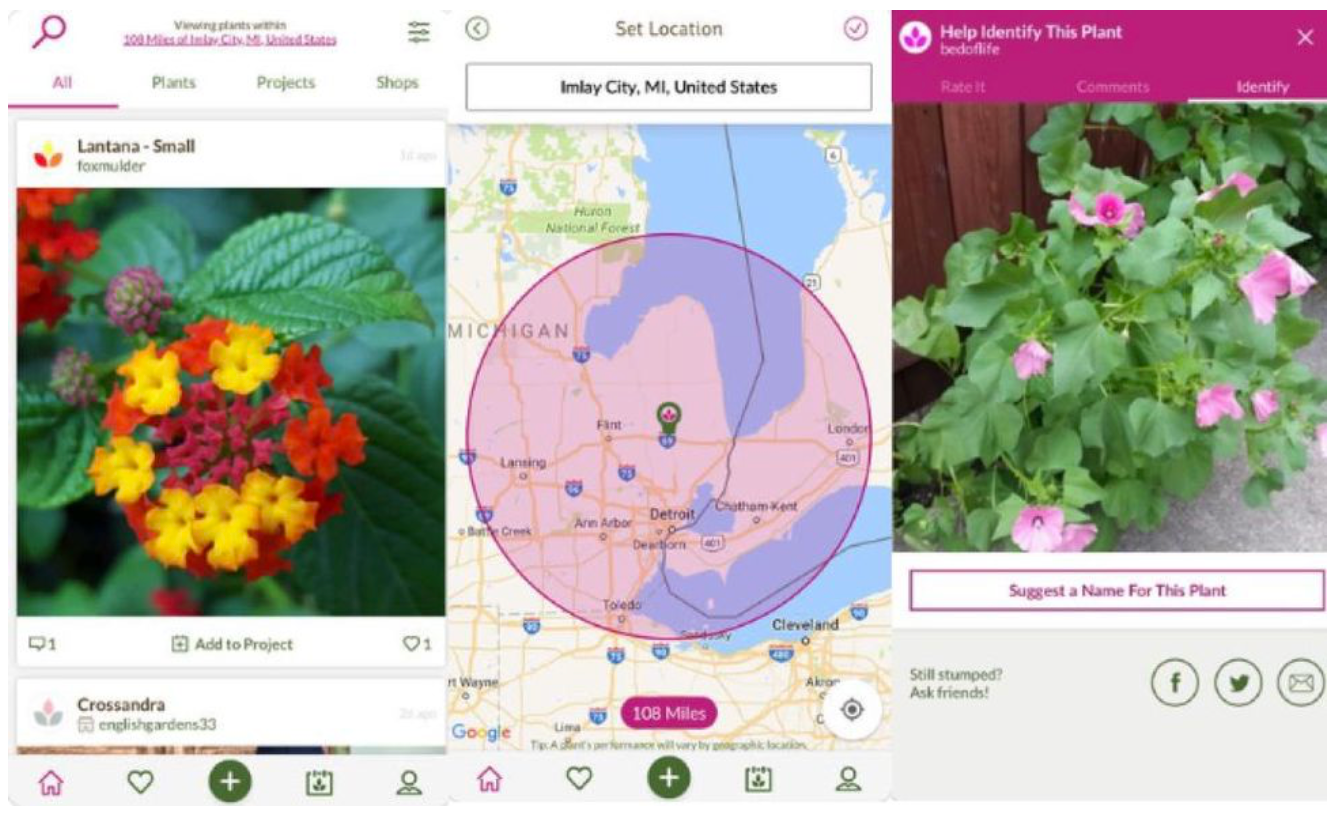
“Not everyone has a green thumb or an eye for landscaping. Some people don’t even get to try because they’re so busy. Others watch HGTV over and over again and still never achieve the yard of their dreams because it’s easy to forget most of what you learned by the time you get outside.

But since you can take your phone with you when you walk out into the yard, there are now some digital tools that can make you a more effective gardener. We’ve gathered together some gardening and landscaping apps that can walk you through how to take care of your plants and keep your yard looking fabulous.”

See the BEST APPS NOW, at CNET.com

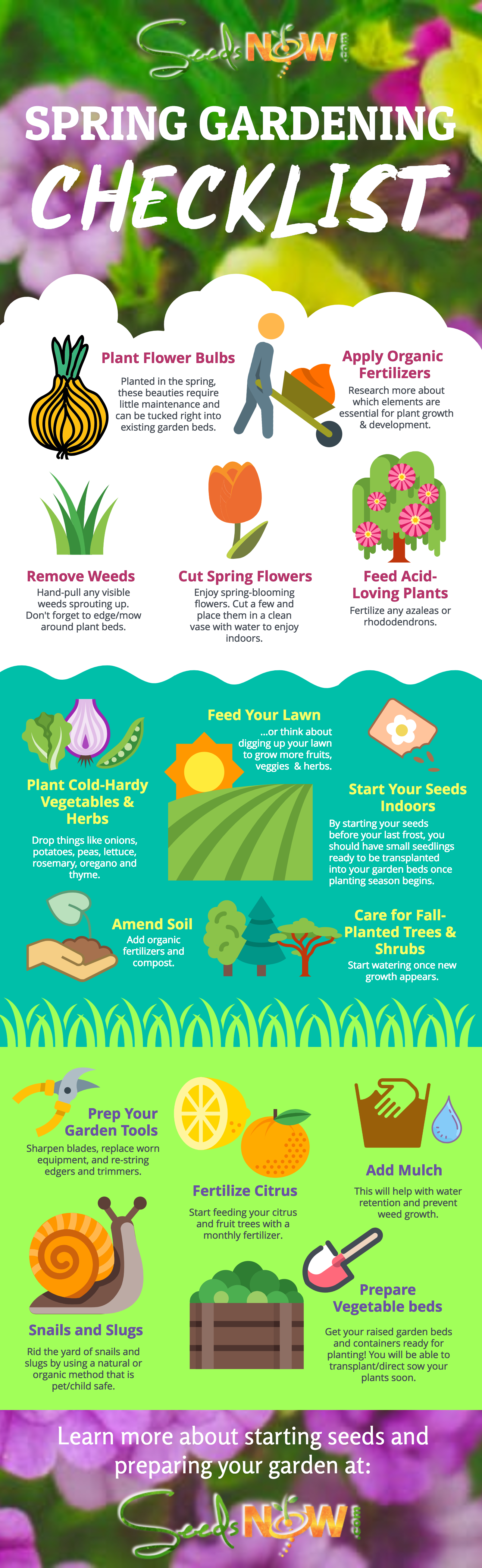
Spring Gardening Checklist


Spring will officially be here on March 20th and whether there’s still snow out where you are, or it’s already feeling like summer… Spring is a great time of year to start working on a few things in the gardening department.

In March, in addition to starting seeds indoors, gardeners with cold frames (see season extension techniques) may use them either to start an early crop of greens (especially spinach) or to start plants like broccoli that will later get transplanted outside the cold frame.

Each grow zone will be a little bit different when Spring finally does roll around, so we encourage you to do what you can and what the weather is permitting in your unique location.

Below is a list of chores that we’ve compiled to help give you some things to start thinking about this time of year.

  • Plant summer bulbs.
  • Read up on applying organic fertilizers.
  • Remove winter weeds and edge plant beds.
  • Cut flowers of spring-blooming bulbs and place them in water & a clean vase to enjoy indoors.
  • Feed acid-loving plants such as azalea & rhododendron.
  • Plant cold-hardy vegetables and herbs, such as onions, potatoes, peas, lettuce, rosemary, oregano, and thyme. (View more cold-hardy vegetables and herbs, here!) 
  • Feed your lawn with a high nitrogen fertilizer. (Or think about digging up your lawn to grow more fruits, veggies and herbs!)
  • Remove weeds before they flower, to keep them from multiplying.

  • Start seeds indoors. (Read our tips on how to start seeds indoors!) 
  • Amend soil by adding organic fertilizers and compost.
  • Water fall-planted trees and shrubs once new growth appears.
  • Sharpen hand tool blades, replace worn equipment, and re-string edgers and trimmers.
  • Fertilize citrus and feed it monthly thereafter.
  • Prepare vegetable beds for when the soil is warm enough to sow seeds or transplant tender plants. For tomatoes, that temperature is 55 degrees.
  • Deadhead spent spring bulb blooms leaving the leaves to continue to produce food that will be stored in the bulb for next year’s blooms.
  • Plant bare root trees and plants just as they are about to break dormancy.
  • Apply mulch around the base of trees. This will help with water retention and prevent weed growth.
  • Rid the yard of snails and slugs, using a natural or organic method that is pet/child safe.
  • Take cuttings of roses, azaleas & geraniums to start new plants.

How urban agriculture could improve food security in U.S. cities

During the partial federal shutdown in December and January, news reports showed furloughed government workers standing in line for donated meals. These images were reminders that for an estimated one out of eight Americans, food insecurity is a near-term risk.

In California, where I teach, 80 percent of the population lives in cities. Feeding the cities of the nine-county San Francisco Bay Area, with a total population of some 7 million, involves importing 2.5 to 3 million tons of food per day over an average distance of 500 to 1,000 miles (PDF).

This system requires enormous amounts of energy and generates significant greenhouse gas emissions. It also is extremely vulnerable to large-scale disruptions, such as major earthquakes.

And the food it delivers fails to reach one out of every eight people in the region who live under the poverty line — mostly senior citizens, children and minorities. Access to quality food is limited both by poverty and the fact that on average, California’s low-income communities have 32.7 percent fewer supermarkets than high-income areas (PDF) within the same cities.

READ THE STORY https://www.greenbiz.com/article/how-urban-agriculture-could-improve-food-security-us-cities

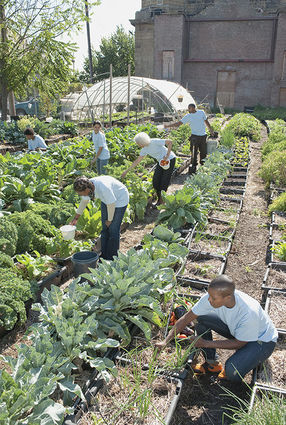
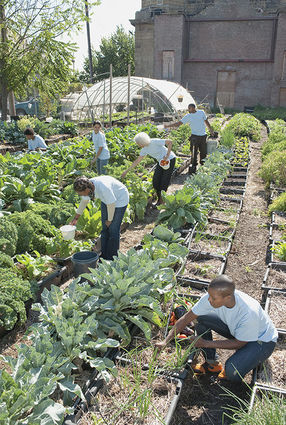
Urban agriculture may uproot traditional farms in world of food ethics

Family-owned farms are decreasing as community gardens and urban agriculture find their footing in a world of food ethics.

In Arizona, it is not atypical to see farmland sold for urban development. Arcadia, a neighborhood located 10 miles from ASU’s downtown Phoenix campus, was originally known for its citrus groves before the land was sold for development.

Similarly, the ASU Polytechnic campus hosts the Morrison School of Agribusiness, which was given its name to honor ASU alumni Marvin and June Morrison, who donated farmland to the school in 1998.

David King, an assistant professor in the School of Geographical Science and Urban Planning, said larger farms may be suffering from a shifting economy that relies less on citrus and more on housing.

READ THE STORY http://www.statepress.com/article/2019/02/spcommunity-urban-agriculture-may-uproot-traditional-farms-in-world-of-food-ethics

Urban gardens: Healthy or harmful?

Home-grown vegetables are only as good as their soil and environment. For urban gardeners, that can be a challenge.

“In food deserts and other areas where people don’t have access to food, they take matters into their own hands through urban gardening,” said Ahkinyala Cobb-Abdullah, an associate professor of environmental science and ecology at Virginia Union University.

“We encourage people to get out and get into the soil to grow their own food, but there can possibly be metal toxicity in plants grown in urban gardens,” said Cobb-Abdullah, whose doctorate is in environmental science.

Duron Chavis, the manager of community engagement at Lewis Ginter Botanical Garden, echoed Cobb-Abdullah’s concerns.

“Many Richmond homes that were built in the 1920s and ’30s were torn down,” Chavis said. “They were hauled away, but they may have already leached asbestos and lead into the soil.”

READ THE STORY https://www.richmond.com/life/home-garden/urban-gardens-healthy-or-harmful/article_134cba9d-31fa-514f-ba53-843baf864c9c.html

How urban gardeners can lower their risk of contact with soil contaminants

TEMECULA – City dwellers may once have thought that gardening was a hobby for suburbanites or those living in rural areas. But urban gardening has grown in popularity as more and more city folk have looked for ways to increase their access to healthy, low-cost produce.

Urban agriculture may seem like a relatively new idea, but according to National Geographic, it actually dates back to the 19th century, when former Detroit Mayor Hazen Pingree devised a plan to help the city’s unemployed laborers during a period of economic crisis. Pingree developed an idea to use acres of vacant and idle lands throughout the city to create subsistence gardens. Begun in 1894, the program would peak in 1897 with the participation of more than 1,500 families. The program would taper by 1901 as the economy improved, but there’s no denying the relative success of the mayor’s program.

READ THE STORY https://www.myvalleynews.com/story/2019/03/08/lifestyles/how-urban-gardeners-can-lower-their-risk-of-contact-with-soil-contaminants/64932.html