Fall Gardening a Time to Think Holistically [PODCAST]

If you’re like many people you might think of fall as the end of the gardening and landscaping season: time to rake the leaves and clear out the veggie beds. That’s definitely part of it, but there’s a lot more to fall gardening than that.

It’s a good time to plant bulbs of course. It’s also a good time for planting trees and shrubs, and it may be the right time to set the stage –maybe even literally sow the seeds –for certain types of gardens or ecosystems.

Uli Lorimer, director of horticulture at the Native Plant Trust, formerly the New England Wild Flower Society, thinks that gardens are more than just a pretty landscape. “They are part of a larger whole in that increasingly we treat our gardens and the maintenance of our gardens with a much more holistic approach,” Lorimer said.

LISTEN TO THE PODCAST https://www.capeandislands.org
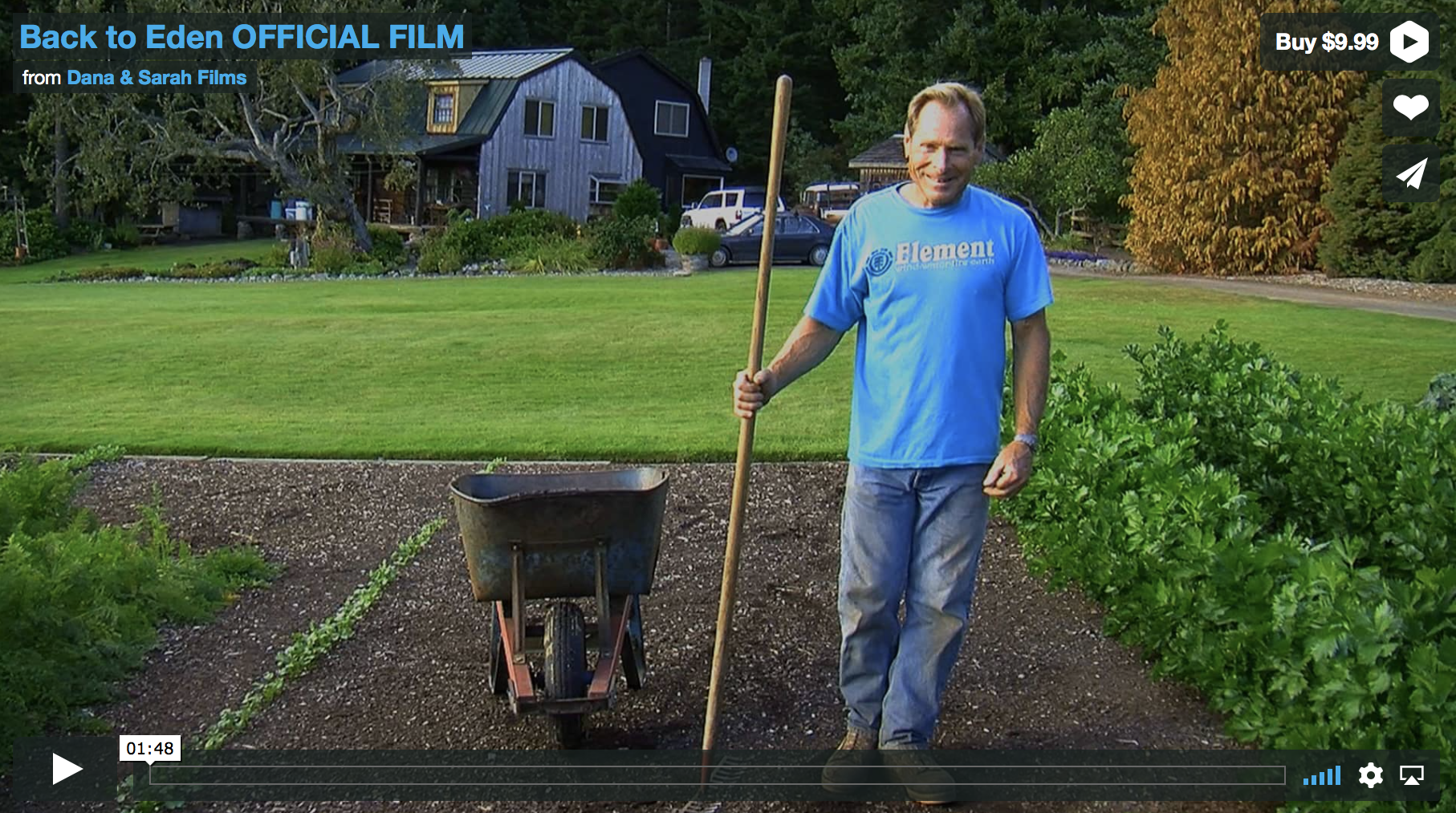
BACK TO EDEN GARDENING – Learn how to grow a vegetable garden!

“Back to Eden shares the story of Paul Gautschi and his lifelong journey walking with God and learning how to get back to the simple, productive organic gardening methods of sustainable provision that were given to man in the garden of Eden. The food growing system that has resulted from Paul Gautschi’s incredible experiences has garnered the interest of visitors from around the world. Never, until now, have Paul’s organic gardening methods been documented and shared like this! You will walk away from Back to Eden Film with the knowledge of how to plant an organic garden and how to grow your own food. Back to Eden gardening is the best gardening technique!”

LEARN MORE: Back To Eden

Hospital’s Rooftop Garden Provides 7000 Pounds of Organic Veggies a Year for Patients

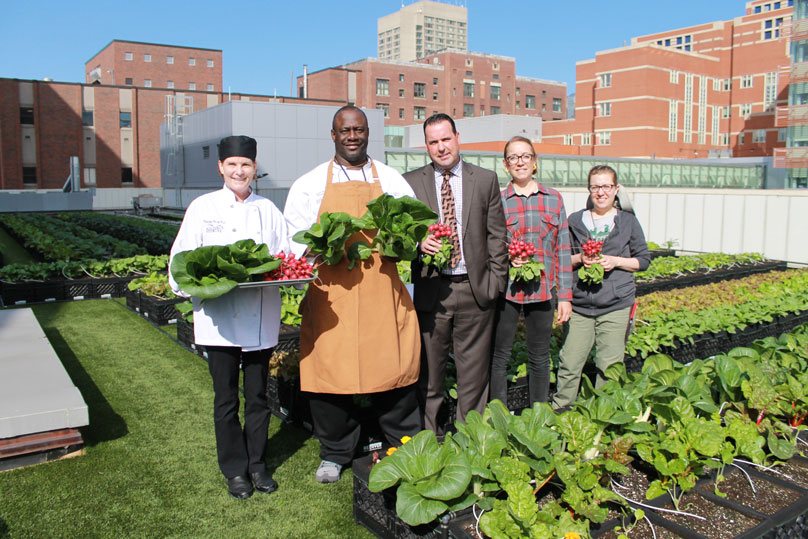
High above the Boston Medical Center grows a bountiful organic vegetable garden that feeds patients, staff and the poor.

More than a hundred volunteers tend the garden, which includes kale, collard greens, bok choy, tomatoes, carrots, cucumbers, peppers, eggplant, beans, squash and a wide variety of herbs.

The crops are grown in organic soil in recycled milk crates and are pollinated by two onsite beehives that provide honey as well. The 2500-square-foot farm also provides habitat for bees in an otherwise uninhabitable urban setting.

The eco-farm insulates the building reducing cooling and heating costs and absorbs rainwater that would otherwise contribute to sewage overflow in the city streets below.

But most of all, the rooftop garden provides nutritious food for those who need it most, between 5000 and 7000 pounds of it per year.

“Food is medicine. That’s why we’re doing what we’re doing,” says David Maffeo, the hospital’s senior director of support services.

READ THE FULL ARTICLE: https://returntonow.net

Anxiety and depression: why doctors are prescribing gardening rather than drugs

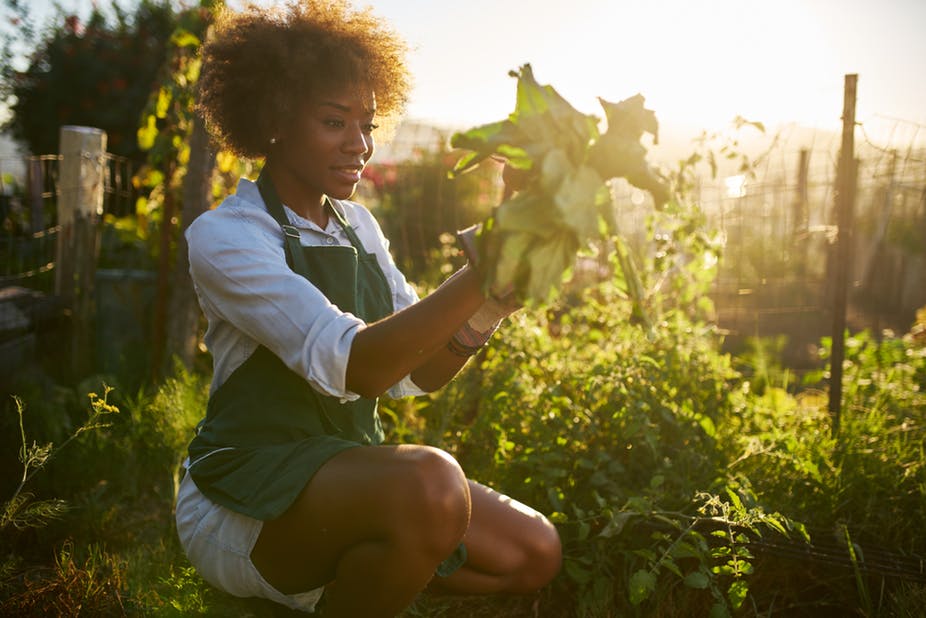
Spending time in outdoors, taking time out of every day to surround yourself with greenery and living things can be one of life’s great joys – and recent research also suggests it’s good for your body and your brain.

Scientists have found that spending two hours a week in nature is linked to better health and well-being. It’s maybe not entirely surprising then that some patients are increasingly being prescribed time in nature and community gardening projects as part of “green prescriptions” by the NHS. In Shetland, for example, islanders with depression and anxiety may be given “nature prescriptions”, with doctors there recommending walks and activities that allow people to connect with the outdoors.

Social prescriptions – non-medical treatments which have health benefits – are already used across the NHS to tackle anxiety, loneliness, and depression. They often involve the referral of patients to a community or voluntary organization, where they can carry out activities which help to meet their social and emotional needs, and increasingly doctors are opting for community gardening – as this also has the added benefit of involving time spent in nature – even in highly built-up areas.

READ THE FULL ARTICLE https://theconversation.com

Chicago urban farm collective provides network for food security, social justice

<
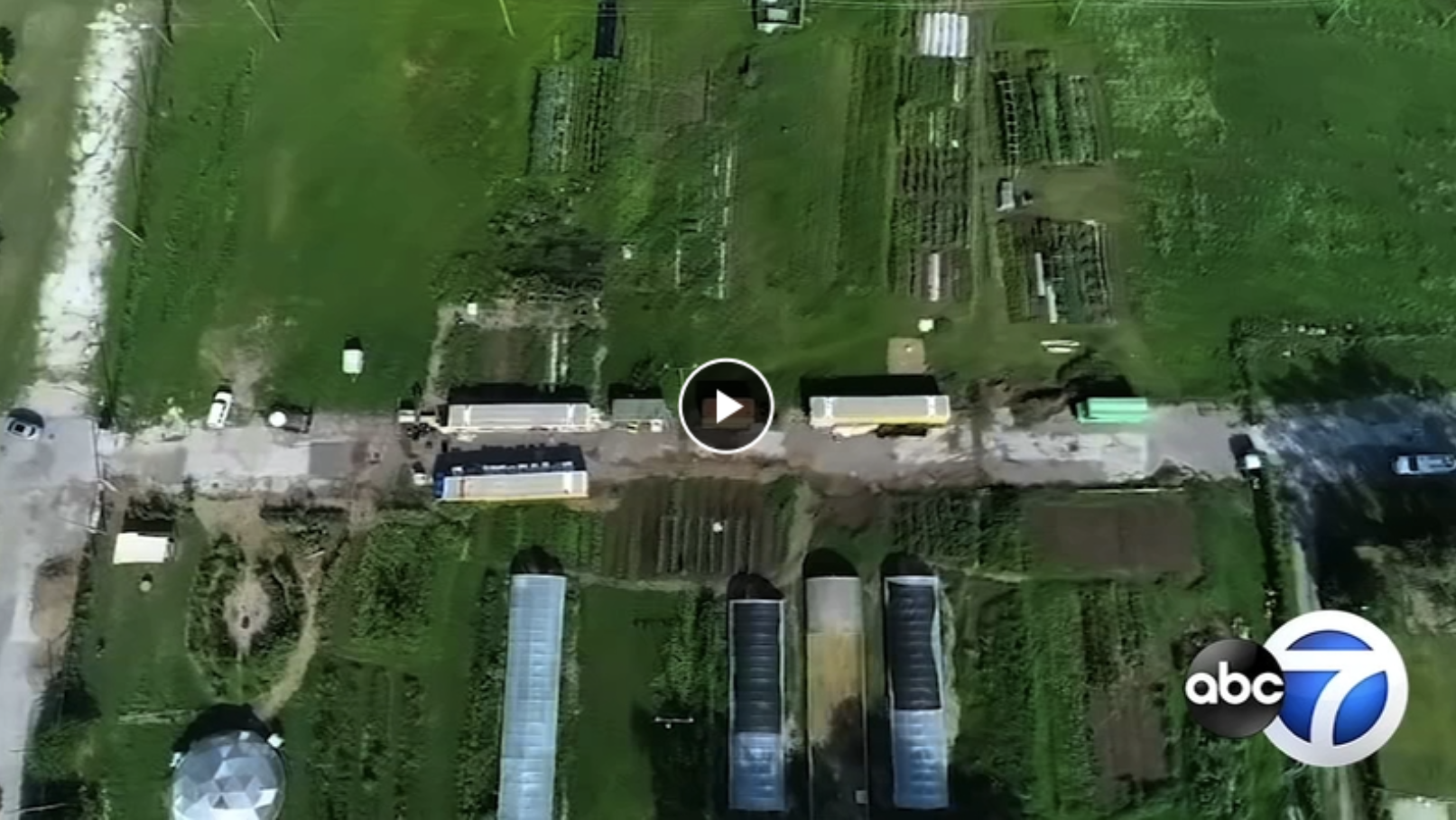
CHICAGO (WLS) — At sites throughout the city, the women-owned farms of Urban Growers Collective are providing a vehicle for social justice and food security through urban farming and gardening.

“We farm and use farming as a way to create social change,” said co-founder Erika Allen, who serves as CEO and Director of Operations.

The collective operates at seven full-time sites around the city, along with pop-up beautification spaces.

Their largest farm is in South Chicago, a large Park District plot located right along the lakefront’s former industrial hub. Half of the space is used as an incubator for small local farmers, while the other half is farmed by Urban Growers Collective staff.

The collective’s portion has goats, bees, medicinal herbs, vegetables, a fruit orchard, and more.

For Allen and her co-founder Laurell Sims, part of the collective’s mission is to provide work opportunities and safe spaces for marginalized communities.

READ THE FULL ARTICLE: https://abc7chicago.com

Explore Sprouting Crops at an Urban Farm on Randall’s Island

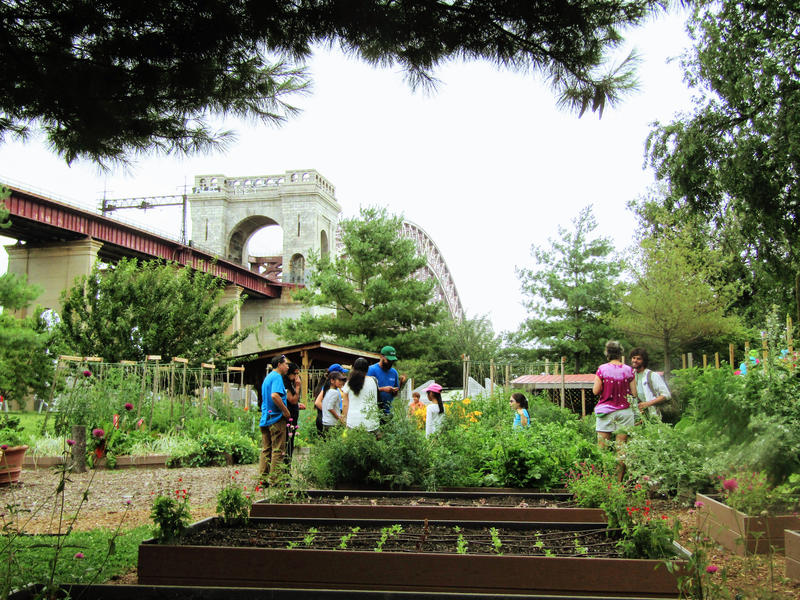
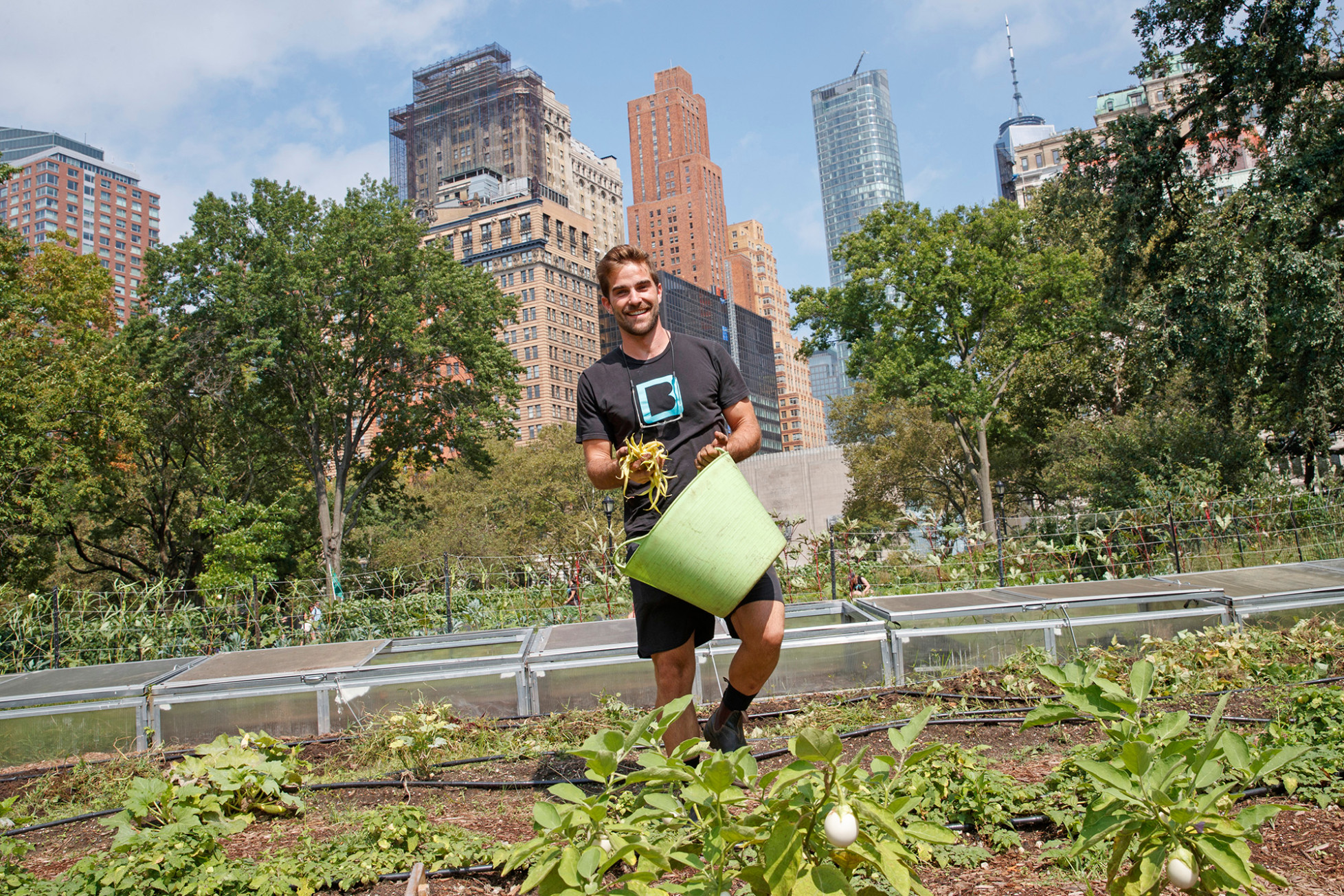
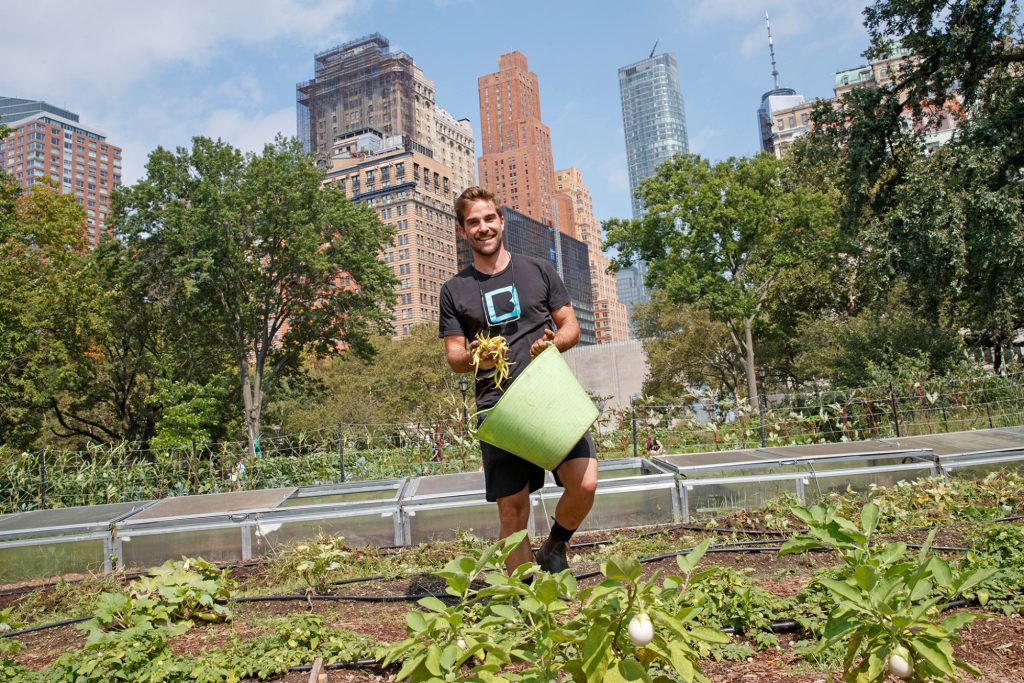
Rice paddies in New York City? You will find them among the 40,000-square feet of urban farm that stretched across the southern end of Randall’s Island. Along with the boasting the only rice paddies in New York City (there are four), the Urban Farm at Randall’s Island also has 100 raised beds, two greenhouses, an outdoor kitchen, and an integrated compost bin that is fed by a solar-powered forced-air system. The farm grows all kinds of produce including eggplant, edamame, kohlrabi, kale, lemon sorrel, cucamelon and more. If you are an Untapped Cities Insider, you can see what’s sprouting on the farm at a special tour led by an experienced urban farmer on September 20th. Not an Insider yet? Become a member today to gain access to free behind-the-scenes tours and special events all year long.

READ THE FULL ARTICLE: https://untappedcities.com

Urban farms are sprouting up all over NYC

September has hit New York, and that means the air is getting cooler, the subways are getting slightly less sweaty and we can all resume arguing whether pumpkin-flavored things are good. It’s the time of year that makes us start thinking of farm life, getting the flannel out of the closet and hitting a hayride.

You might be thinking that farms and New York City go together like good pizza and rural Iowa. But the city’s farm history dates to its founding. Orchard Street was once an actual orchard and in the 17th century, the Bowery was called Bouwerij, the Dutch word for farm. Today, farming in the Big Apple is making a big comeback.

You just have to look around a little — or sometimes, look up — to find it. A new wave of urban farms are inviting city dwellers to get back to their roots, literally, this fall, and teach all of us why vibrant green space is so necessary in the growing city. Here’s how New Yorkers can get dirty — in a good way — and get some hyper local produce without leaving the five boroughs.

READ THE FULL ARTICLE: https://nypost.com

Fresh Fest shows just how charming is urban farming

Growing a food oasis

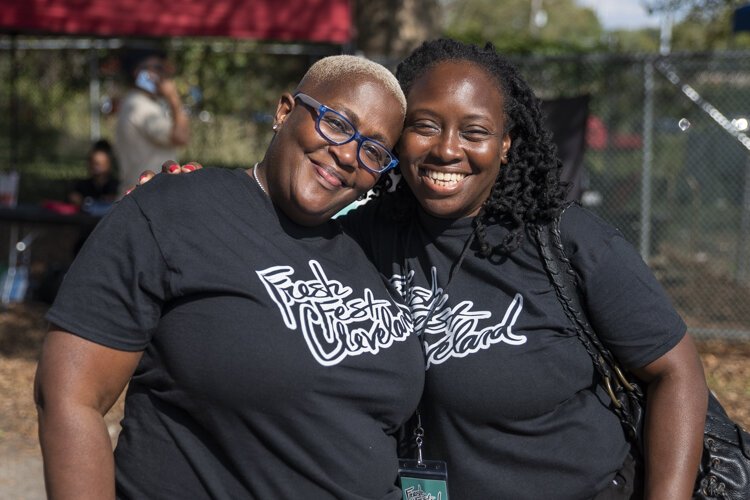
On Saturday, Sept. 7, Fresh Fest Cleveland 2019 celebrated agriculture, entrepreneurship, and the arts at popular Rid-All Farm and Otter Park.

Fresh Fest visitors sampled ingredients that make up healthy meals and a sustainable community. “This is primarily a place-making project,” said Kim Foreman, executive director of Environmental Health Watch, the lead agency that organized Fresh Fest. “We want to make food more accessible. And to promote healthy lifestyles, we added connections with local entrepreneurs.” Her assistant, Windi Moore, helped coordinate these area artists and businesses.

“To support our entrepreneurs and artists, we invited them to display their music, arts, and businesses, free of charge,” said Foreman. Red tents lined the festival grounds with tables of colorful products and wellness services.

READ THE FULL ARTICLE: https://www.freshwatercleveland.com

What’s The Difference Between Sprouts vs. Microgreens?

SPROUTS: Each and every living seed will grow into a plant. It’s when that seed begins to grow (germinate) that we call the beginning growth stage of the plant a “sprout”. Oftentimes, people germinate will grow sprouts in water. To ensure that they do not get moldy, those seeds are rinsed several times a day. Sprouts grow very quickly, and can be harvested in about four to six days!

This is the practice of germinating seeds to be eaten either raw or cooked. They are a convenient way to have fresh vegetables for salads, or otherwise, in any season and can be germinated at home or produced industrially.

Sprouts are said to be rich in digestible energy, vitamins, minerals, amino acids, proteins, and phytochemicals!

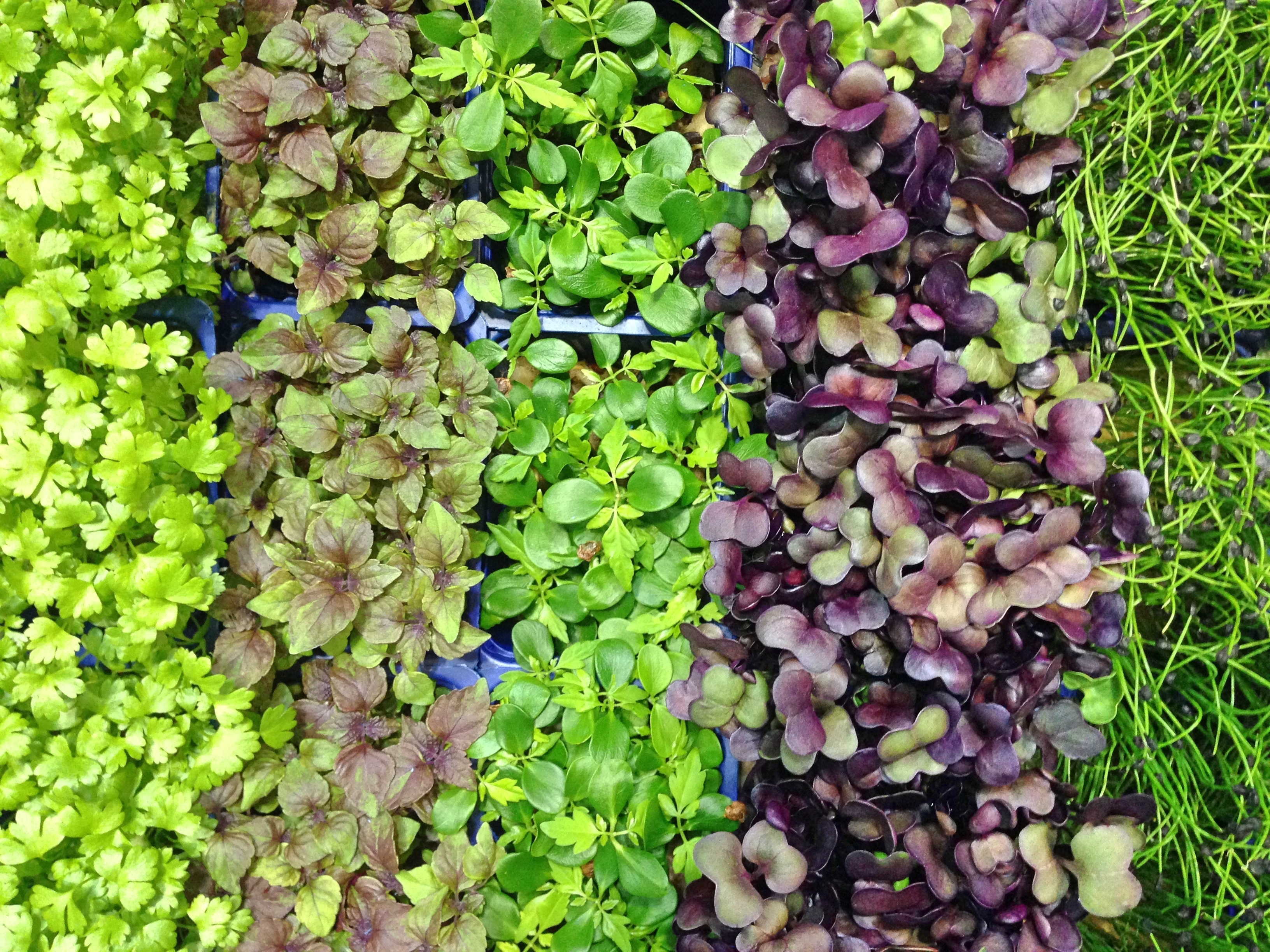
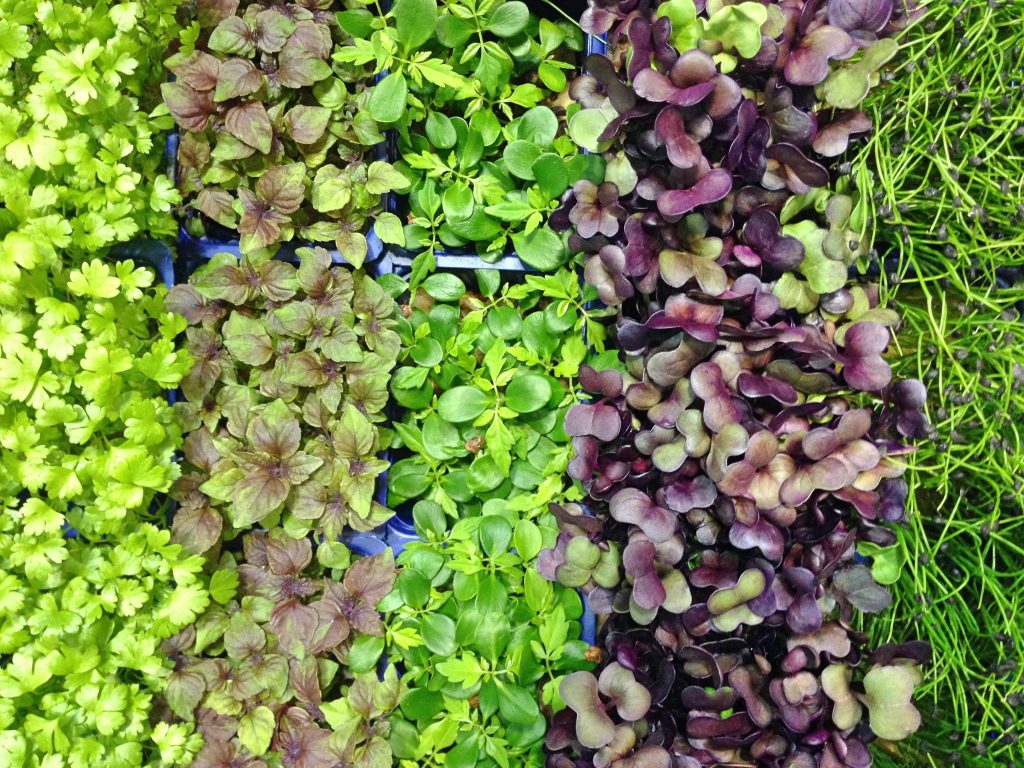
MICRO-GREENS: Studies say that Micro-greens are “the new nutritional powerhouse”. Baby spinach and baby lettuces are available in most grocery stores, but a new study says that even younger greens might give us more nutritional benefits. Micro-greens are tiny leaves that are less than 14 days old. They take a little longer to grow, around one to three weeks, depending on the variety. The seed, unlike sprouts, cannot be eaten because it is in the soil. These greens can provide you with plenty of nutrients, possibly even more than the full-sized varieties.

These are nutrient-dense greens. They make perfect salads and are best suiting for appetizers or adding to green drinks and smoothies. They’re often used in fancy restaurants and they can be pricey in health food stores. But there’s no need to pay a small fortune for them. For the price of a few tubs of regular salad greens, you can grow enough Micro-greens to enjoy a whole seasons worth of salads, packed with top-notch vitamins, minerals, and phytonutrients.


TAKE AWAY: 
Grown in water? – YES Sprouts, NO Micro-greens.
Edible leaves and stems? – YES Sprouts, YES Micro-greens.

Days to maturity? – DAYS Sprouts, WEEKS Micro-greens.

If you’re looking for an all-in-one seed sprout kit check out the all-new Micro-Greens & Sprouts Seed Bank  includes everything you need to start growing fresh nutrient-rich Micro-greens in as little as 3 days.

Urban-Farming Camps Have Kids Asking, Where’s the Healthy Food?

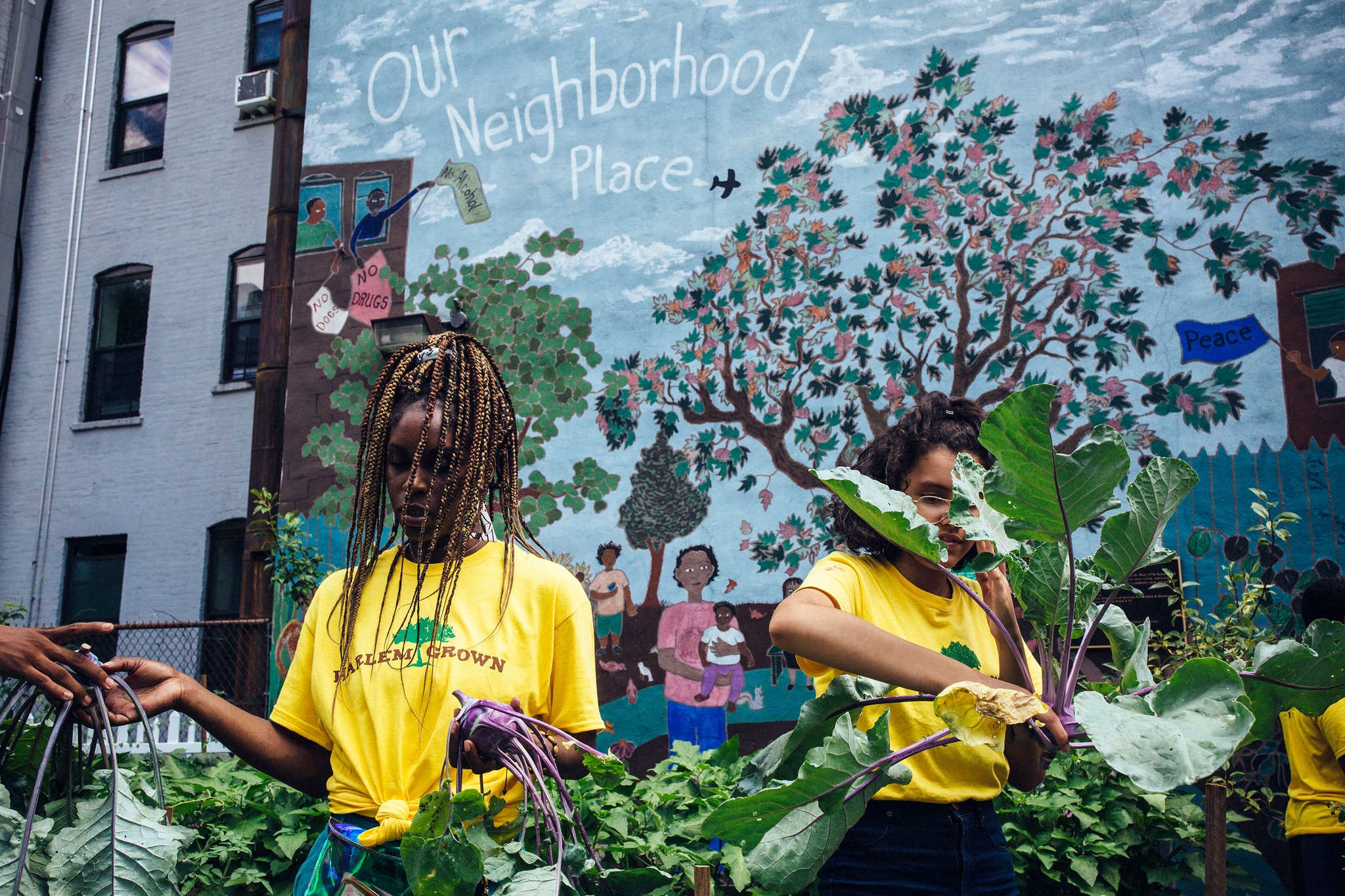
Standing between two buildings on 127th Street, a group of campers on the cusp of adolescence mulled over a change in schedule. Normally, they would spend the morning planting and gardening as part of Harlem Grown, a youth development nonprofit that uses gardening and cooking to teach and empower children in Harlem.

But on this Friday, they would become amateur cartographers, mapping their local food landscape.

The 15 campers walked through their neighborhood, paper and pencils in hand. How many delis? (By some counts, 17, by others, 14.) Supermarkets? (Three.) Fast-food restaurants? (Twenty-two, they estimated, but lost count.)

READ THE FULL STORY NYTimes.com

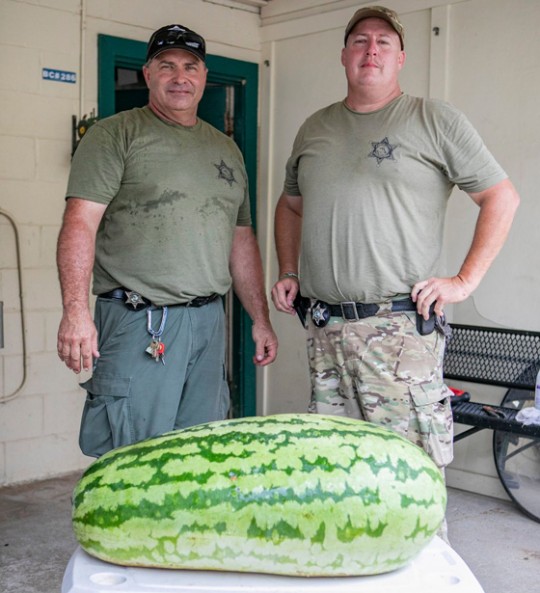
Road Prison Grows Over 40 Tons Of Food For Inmates – Including This 134 LB Watermelon

“In the last 10 months, the Escambia County Road Prison work camp in Cantonment has produced over 40 tons of fruits, vegetables and fish used to feed inmates and save taxpayer dollars.

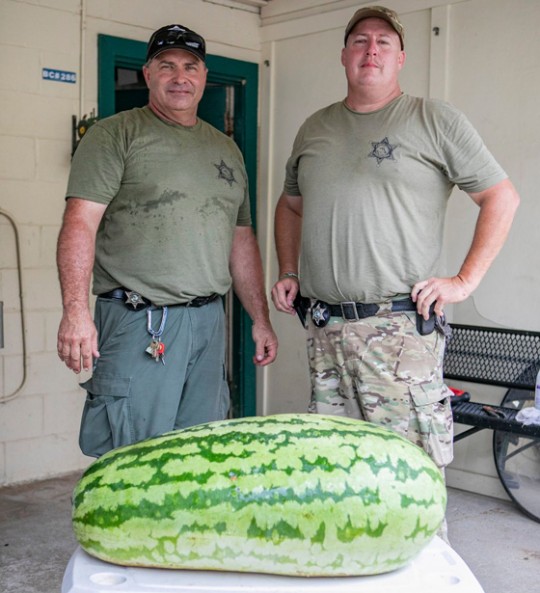
The facility has grown over 80,000 pounds of fruits and vegetables in the last 10 months, including a 134 pound watermelon, at the facility on Highway 297A.

Inmates who work at the Road Prison camp also typically produce thousands of pounds of tilapia annually through an aquaculture program that’s been in operation for almost a decade.”

Pictured top: Escambia County Road Prison Officers Larry Meacham and Robert Olive with a 134 pound watermelon, just a small part of over 80 tons of food grown at the facility. 

READ THE ORIGINAL ARTICLE: http://www.northescambia.com

Habitat gardens support native ecosystems

Habitat gardens are purposeful, planned and planted areas that support our native flora and fauna ecosystems. These gardens follow a few steps that promote healthy life cycles for pollinators and create pockets or bridges that help connect the fragmentation of our natural areas.

In all geographic areas, plant, animal and insect species evolved together over millennia. They support each other and keep our natural world functioning and in balance. Introduction and spread of non-native plant and insect varieties have been systematically endangering our original, native plants and pollinators. Pesticides, urban sprawl, improper land and watershed practices further impact and destroy necessary areas for native plants and creatures to flourish. These factors contribute to what is known as habitat fragmentation in local ecosystems.

Everyone can make a habitat garden. Each garden promotes pockets and bridges that encourage plant and pollinator activities and sustainability. Habitat gardens can be as small as a well-planned container planting or as large as acres of purposefully planted meadow and everything in between. Some examples to get you thinking include a dedicated raised bed, curb planting, front or backyard bed that reduces lawn area, pollinator planting row between rows of a vegetable garden, native flowering shrubs for a hedge, or a section of bee lawn. Using native plants and a variety of pollen- and nectar-producing flowers are beneficial.

READ THE FULL ARTICLE: Ellwood City Ledger

At an urban farm in Baltimore, plans for activism, African American history and maybe even tiny houses!

Tucked between rows of brick homes in Northeast Baltimore, Atiya Wells discovered an extraordinary place.

The budding naturalist was driving around her neighborhood in February 2018 when she stumbled upon a vacant lot bursting with flora and fauna on Plainfield Avenue in Frankford. Wells spotted a red fox slinking through the unruly tangle of trees, grasses and bushes. She was enchanted.

Her search for the owner of the lot led to a partnership that has resulted in a community farm on the 2½-acre tract where Wells and a small team of volunteers grow sweet peppers, tomatoes, squash and more. But Wells has a loftier goal — to transform the property called BLISS Meadows into an educational center that, in part, will teach about the troubled and triumphant agricultural history of African Americans.

READ THE FULL ARTICLE: Baltimore Sun

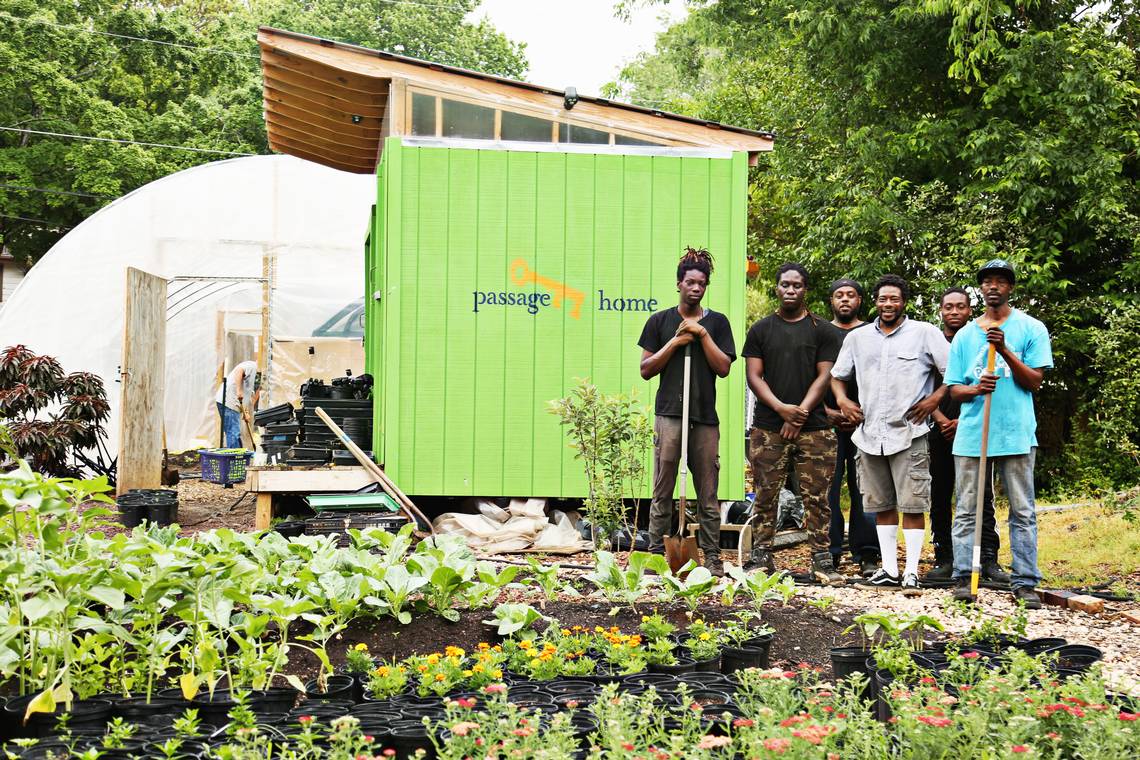
At Passage Home, the road out of poverty may start on an urban garden path.

In the Bible, planting is a metaphor for faith, pruning is a response to disobedience and the harvest is a blessing to be shared.

Those and other lessons come to life in the half-acre gardens of Passage Home, an East Raleigh faith-based nonprofit that helps its clients break out of poverty. Working in the community gardens is one of several job-training opportunities the agency offers; there are others in the construction and hospitality trades.

Like other job training, gardening values reliability, coming to work on time and staying on task. It also requires a certain toughness when the weather is especially cold or, as it has been this July, sweltering hot. Groups of four to five clients work in the garden at a time on an eight-week cycle.

Read more here: News Observer

Why You Should Try Growing A Fall Garden

Growing a fall garden can be a lot of fun and extremely rewarding. You may even enjoy it more than having a traditional summer/spring garden! A lot of gardeners will tell you that there are many perks to gardening once the fall months arrive.

Want to start your fall garden? NOW is the perfect time to be starting some of your favorite varieties indoors to later be transplanted outside. Do some research and choose quick to grow, & fast maturing varieties.

Here is a list of some of the most popular crops grown during fall:


Arugula: Arugula seeds

Beans (Bush): Bean seeds

Beets: Beet seeds

Mustard Greens: Mustard seeds

Broccoli: Broccoli seeds

Cabbage: Cabbage seeds

Cauliflower: Cauliflower seeds

Chard: Chard seeds

Chicory: Chicory seeds

Cilantro: Cilantro seeds

Collards: Collard seeds

Radish: Radish seeds

Dill: Dill seeds

Kale: Kale seeds

Lettuce: Lettuce seeds

Peas: Pea seeds

Scallions: Scallion seeds

Spinach: Spinach seeds

Turnip: Turnip seeds

Want to stock up?!  All-in-One Fall/Winter Seed Bank

THE INDOOR FARMER WHO WANTS TO REMAKE APPALACHIA’S AGRICULTURE

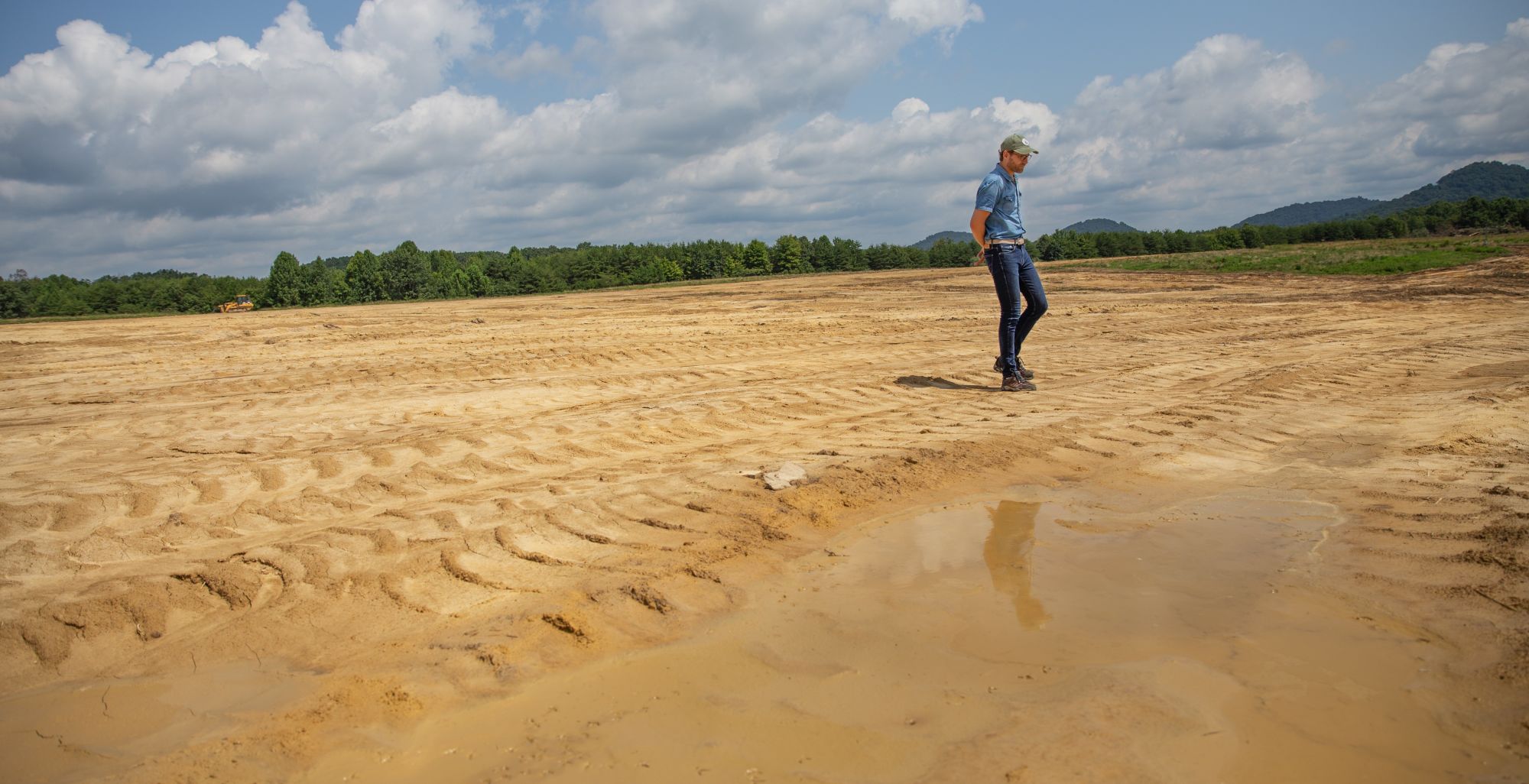
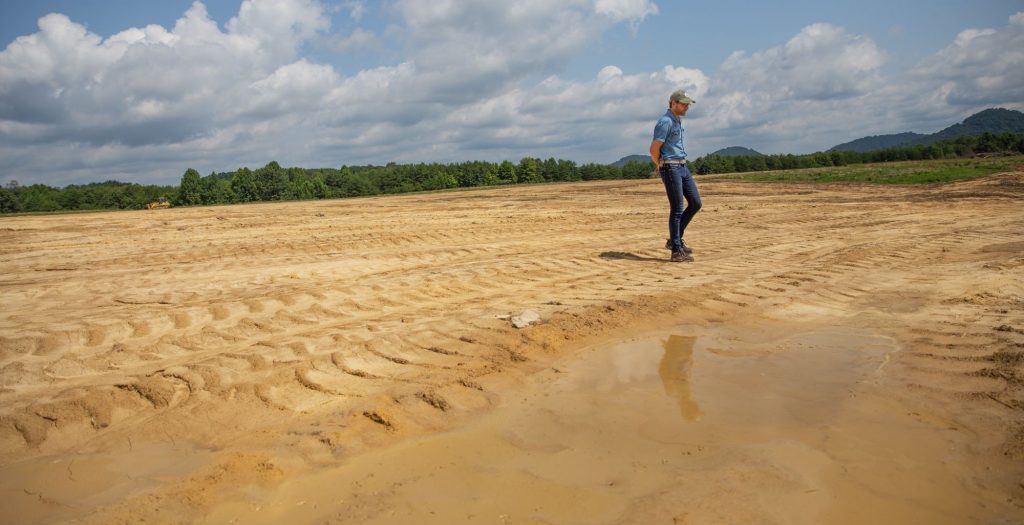
Jonathan Webb’s farm doesn’t look like much: tawny soil stretching to a line of trees, a trailer with a few makeshift desks. But if Mr. Webb gets his way, by mid-2020, the Morehead, Ky., the property will house a 60-acre greenhouse—the first in a series of multi-acre, technology-augmented indoor farms meant to bring jobs to Appalachia and fresh-picked tomatoes to surrounding states.

“If we had 500 acres of supply tomorrow, we could sell all of that supply to U.S. grocers,” said Mr. Webb, 34, who wears a uniform of dark jeans, a light denim shirt, round glasses and a Kentucky ball cap. “We cannot build fast enough or grow fast enough to meet the demand of grocers or consumers.”

Mr. Webb’s vision is to turn economically distressed eastern Kentucky into the high-tech agriculture capital of the country. He has no prior experience in farming, but he has managed to attract $97 million in project financing and a list of noteworthy partners. Ultimately, he plans to spend $1 billion to $2 billion on greenhouses—even if it takes a decade or two.

READ THE STORY Wall Street Journal

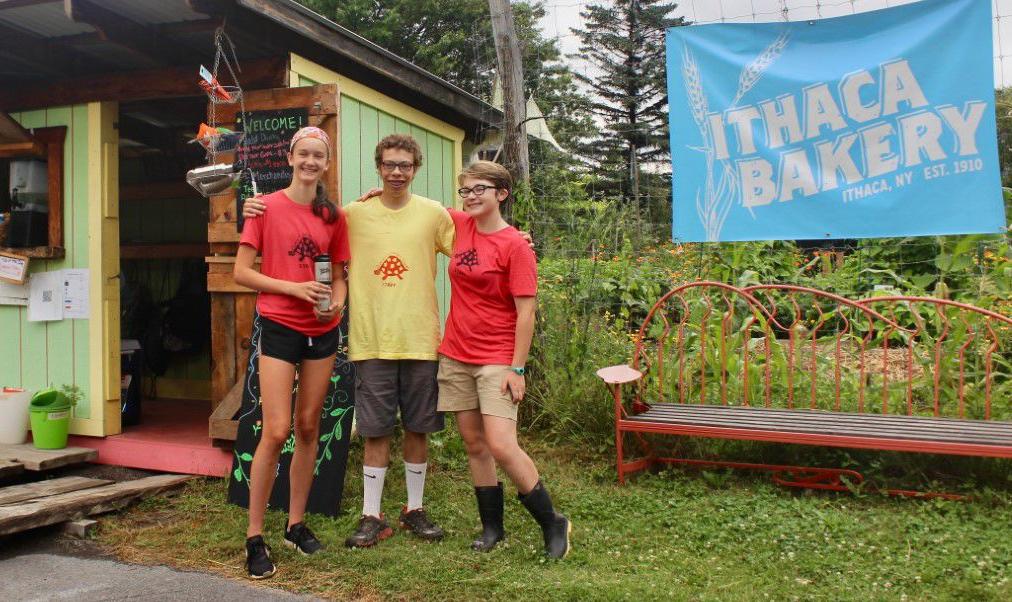
Teen Urban Farmers expand work through partnership with Ithaca Bakery

The Ithaca Children’s Garden (ICG) is an award-winning public children’s garden free and open to all every day of the year, from dawn to dusk. Its mission is to inspire the next generation of environmental stewards, and does so through authentic, hands-on, child-led engagement with the natural world.

Ithaca Bakery is a local destination that has stood the test of time and remains today one of the busiest eateries in town. And so it made perfect sense for these two Ithaca favorites to work together in the best interests of our community. Ithaca Bakery donates cold brew coffee to be sold at the garden’s Teen Urban Farmers (TUF) Farm Stand Café all summer long. Emmy’s Organics macaroons, other drinks, healthy snacks and new ICG merchandise will also be available for purchase. Pete’s Dandy Mart supplies daily ice needs. Feel free to enjoy your refreshments on the new Farm Stand patio area, which was made possible by support from the Haslinger Foundation out of Akron, Ohio. All proceeds from sales at the stand will go toward providing critical support for the TUF program.

READ THE FULL ARTICLE Ithaca.com

Free Soil Tests Offered as U. of I. Studies Lead’s Impact on Urban Farming

As urban agriculture programs expand in Chicago and other cities, a new project aims to unearth data on one of the biggest potential obstacles to city-based farming efforts: soil contamination.

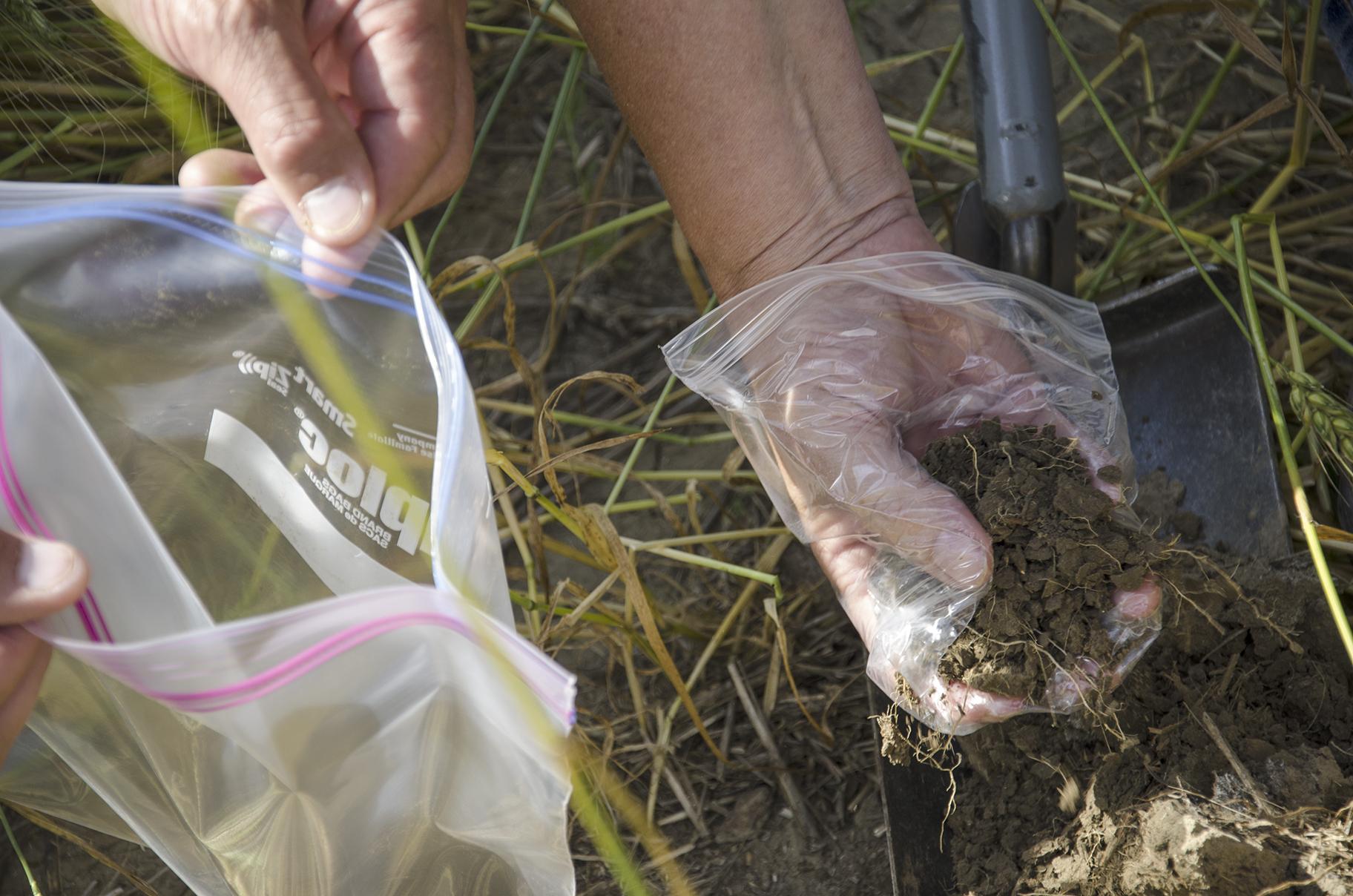
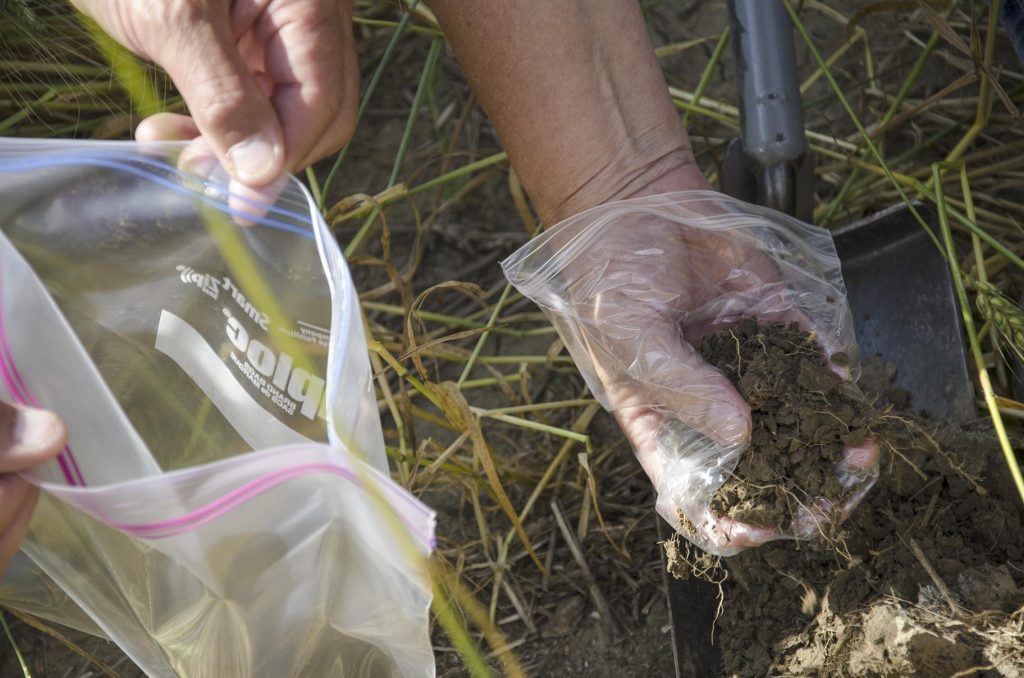
The University of Illinois’ Chicago Safe Soils Initiative is offering free soil lead tests to home gardeners and urban farmers across the Chicago area.

The new effort – led by the university’s College of Agricultural, Consumer and Environmental Sciences in partnership with U. of I. Extension and Chicago-based nonprofit Advocates for Urban Agriculture – is looking to collect thousands of soil samples from backyards, community gardens and larger-scale urban farms over the next two years.

Researchers say the results will allow them to map lead hot spots across the area. The data can then be used to guide decisions about where to start new urban gardens or farms and inform mitigation strategies in areas with contaminated soil.

READ THE FULL ARTICLE News WTTW

Food after oil: how urban farmers are preparing us for a self-sufficient future

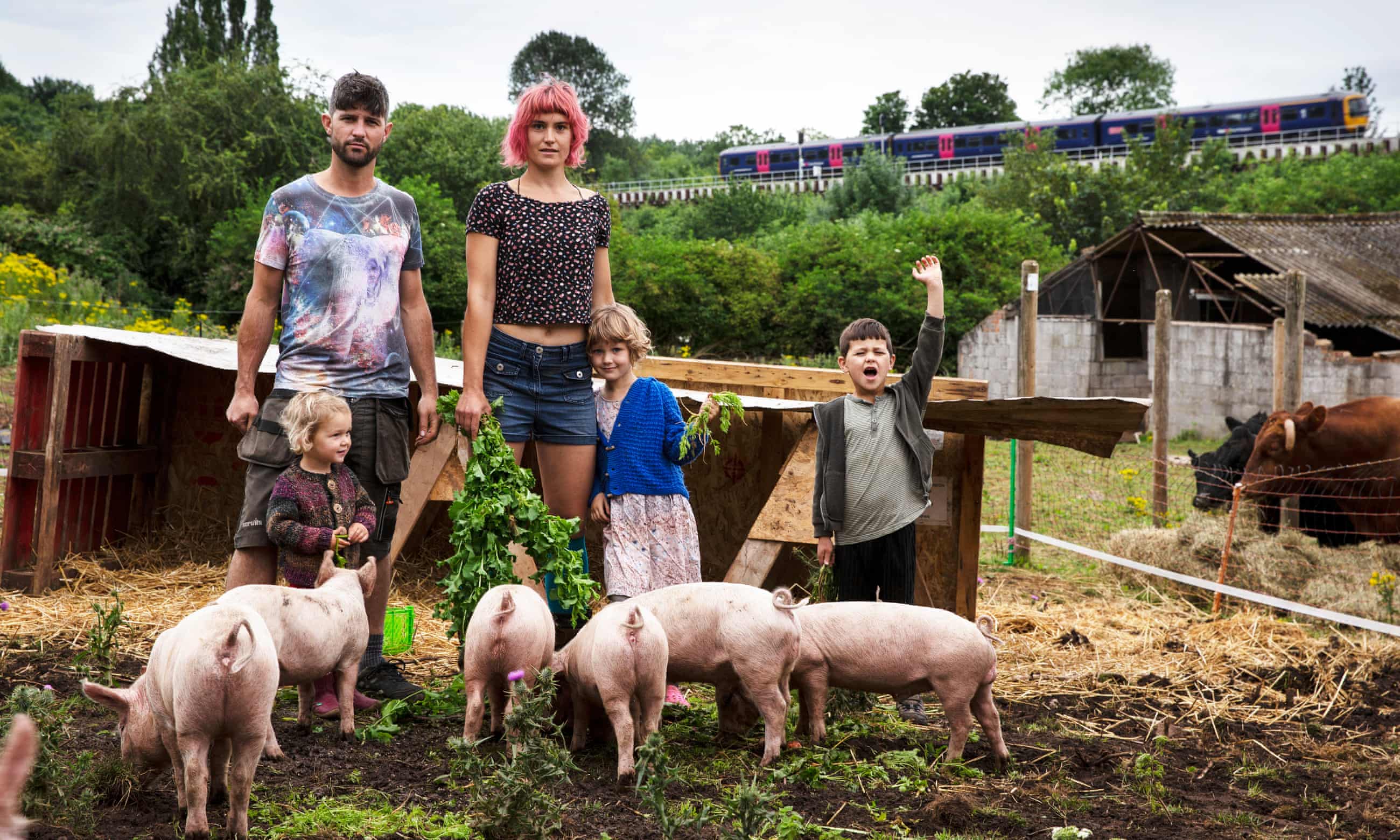
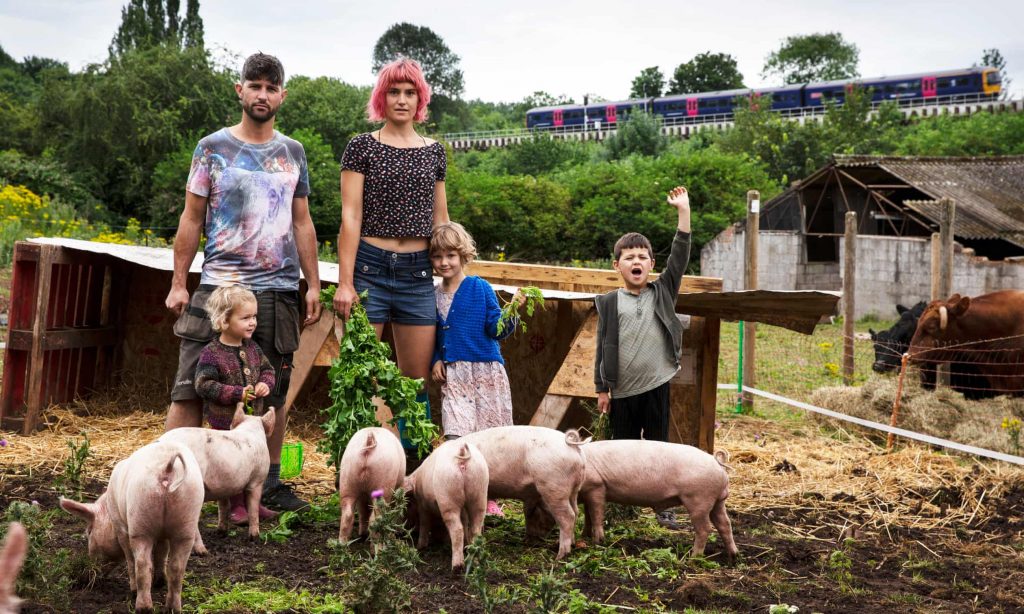
If you travel by train into Bristol from north of the city, there is a point two miles from the center when you can catch sight of a tiny farmyard. Nestling at the bottom of a railway embankment between houses, builders yards, and a car rental depot, it has sties, snoozing Gloucester Old Spot pigs, a paddock with caramel-colored Dexter cattle grazing and vegetable plots in which you might see the farmer and her three young children at work.

It is not, as you might assume, a visitor attraction. Founded on the council-owned site of a former market garden, Purple Patch is a fully functioning four-acre smallholding that turns a profit from vegetable boxes, bagged salads and meat. Mary Conway, the 32-year-old who formerly worked for a veg-box scheme in Norwich, set it up five years ago and has become something of a local hero. Her salads – blends of unusual leaves, herbs and edible flowers – are popular in the nearby liberal enclave of St Werburghs. She lives in a converted shed on Purple Patch, with her kids and her husband, Jona, a carpenter, and finds any missing suburban comforts amply compensated for by the friendships she makes.

READ THE FULL STORY The Guardian