
Tomato Seed Saving Tips and Tricks

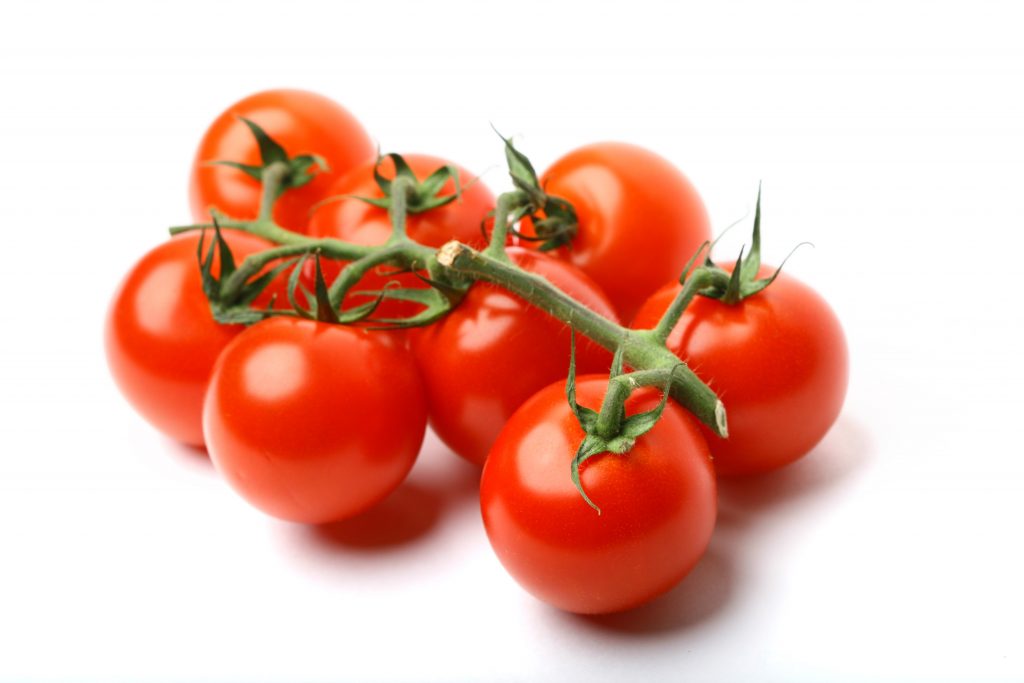
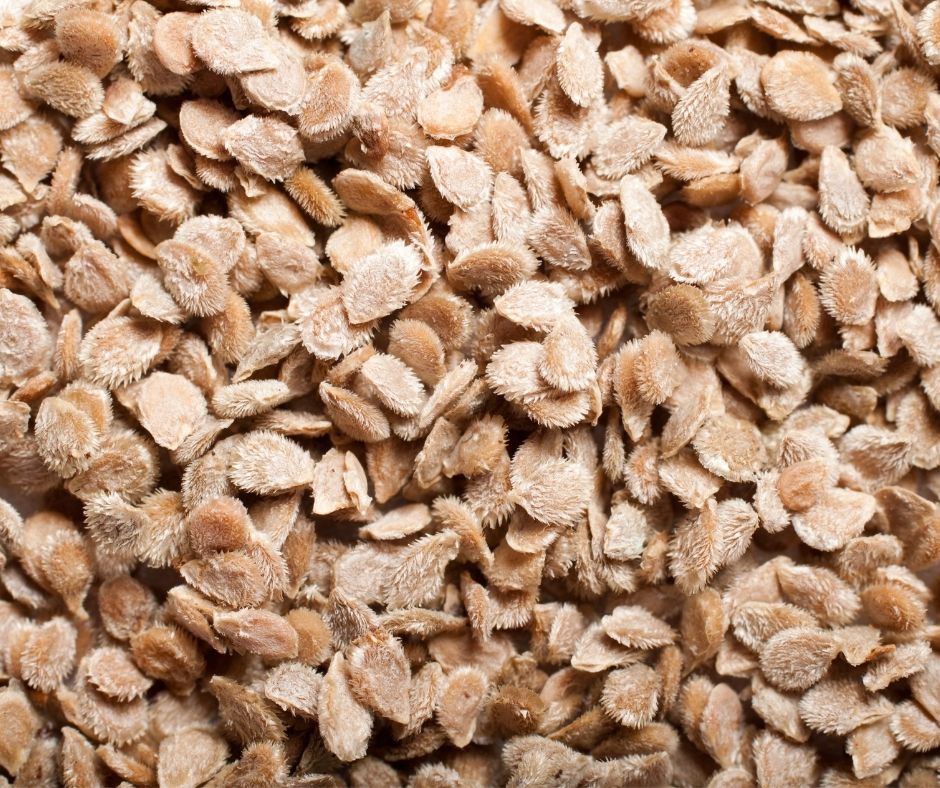
Saving tomato seeds is a popular tradition amongst most gardeners. They take their most prolific plants, and favorite varieties and pay special attention to harvesting seed for the following year.

Hybrid vs. Heirloom and why it matters: Hybrid plants are a combination of two different sets of genetic material. If a hybrid tries to mate with another plant, even another plant of the same hybrid type, it may not be able to produce any fruit at all and will usually fail to show the desired characteristics of the mother plants. For example, if a large-fruited, disease-resistant tomato plant were allowed to mate with another similar plant, the offspring might have small fruits and lack disease resistance – the benefits of creating the hybrid, to begin with, would have disappeared in producing the next generation.

Heirloom varieties have been passed down from generation to generation and have stabilized over time. They will produce fruit true-to-type, like that of that plant it came from. Repeat variety and quality can be expected as long as you avoid any cross-pollination. Learn MORE About Hybrid vs. Heirloom Plants
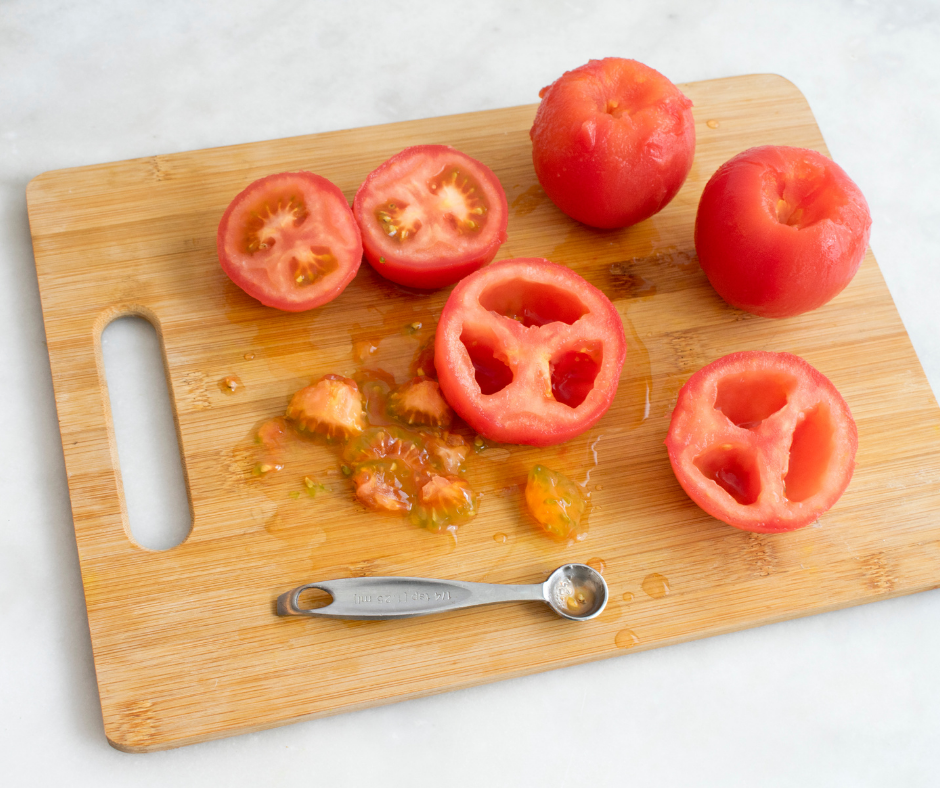
There are several ways that you can save your heirloom tomato seeds, but here are two of the most popular techniques. 

Fermentation Method:

  1. Choose a beautiful, healthy fruit that is slightly over-ripe.
  2. Slice open.
  3. Gently squeeze seeds into a cup.
  4. Add a small amount of water, just enough to cover the seeds.
  5. Cover the cup with a kitchen towel and make sure they don’t dry out. Let ferment for 3-7 days. (Mold will begin to grow, this is normal and expected.)
  6. Rinse well, and allow to fully dry on a paper towel.
  7. Store in a cool, dry place such as an airtight bag or seed vault.
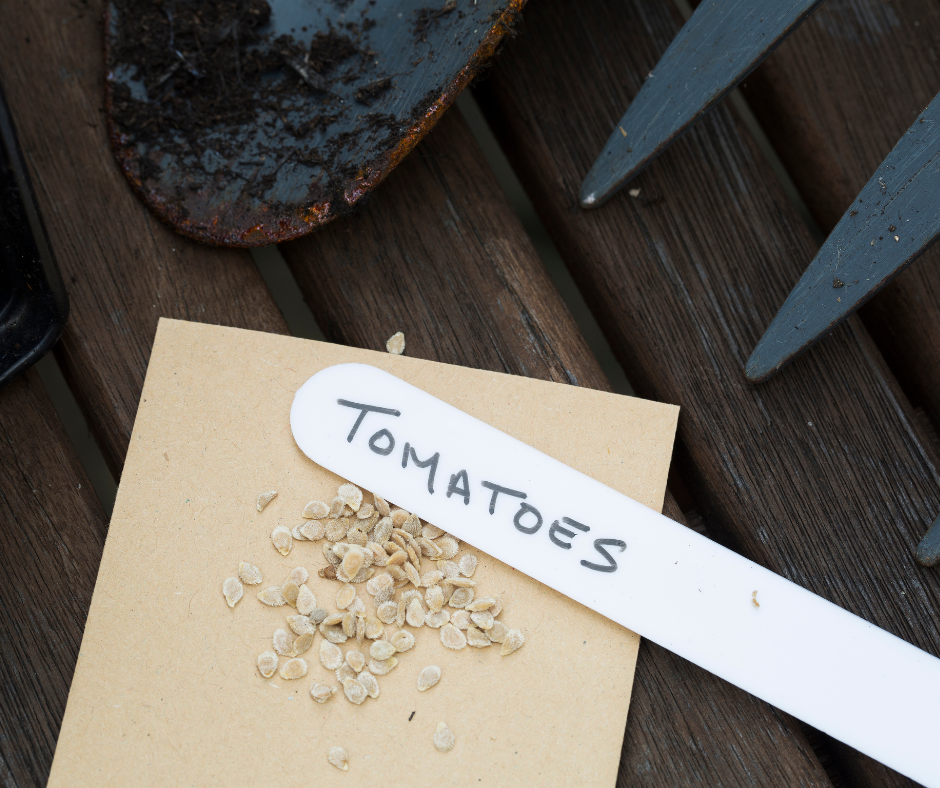
Non-Fermentation Method:

  1. Choose a beautiful, healthy fruit that is slightly over-ripe.
  2. Slice open.
  3. Gently squeeze seeds onto a paper towel.
  4. Let fully dry for about 1 week.
  5. Store in a cool, dry place such as an airtight bag or seed vault.


8 Dehydrating Recipes You’ve Got To Try This Summer

Summer is coming to an end, and your gardens are bursting with produce! It’s time to break out your dehydrator to start preserving your fruits, vegetables, and herbs so that you can enjoy them later on in the season or throughout the fall and winter months.

Here are some of our favorite Instagram posts that deliver awesome dehydrated food inspiration!

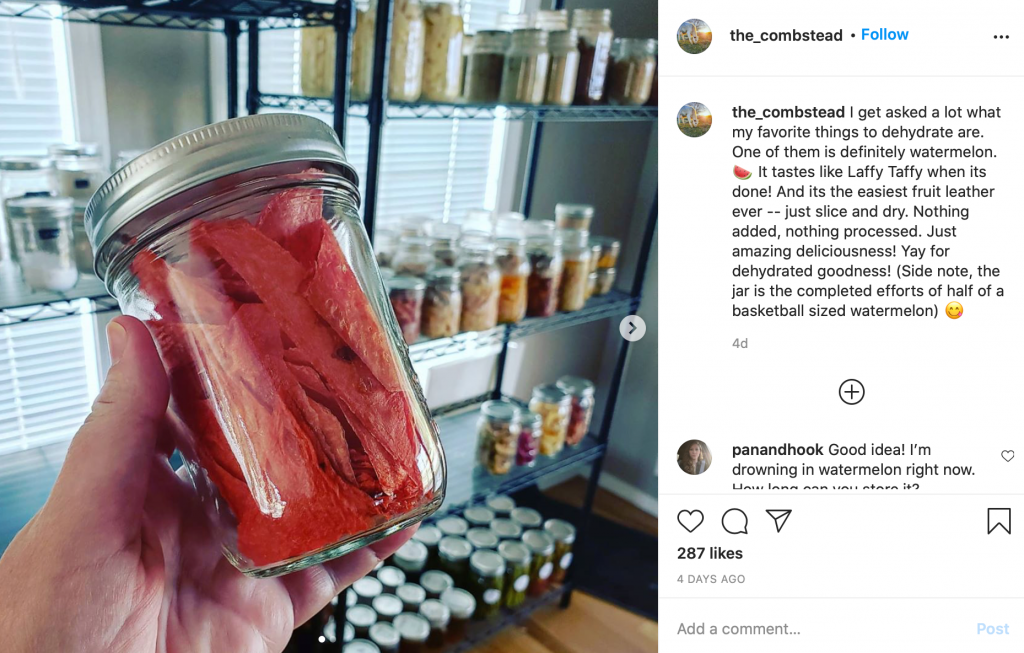
1. Watermelon Candy via @the_combstead 

Dried “watermelon jerky” or watermelon candy is a sweet and delightful treat! It’s chewy like taffy and the flavor is reminiscent of a watermelon Jolly Rancher. Generally, you can be enjoying this homemade snack in 24 hours or less.


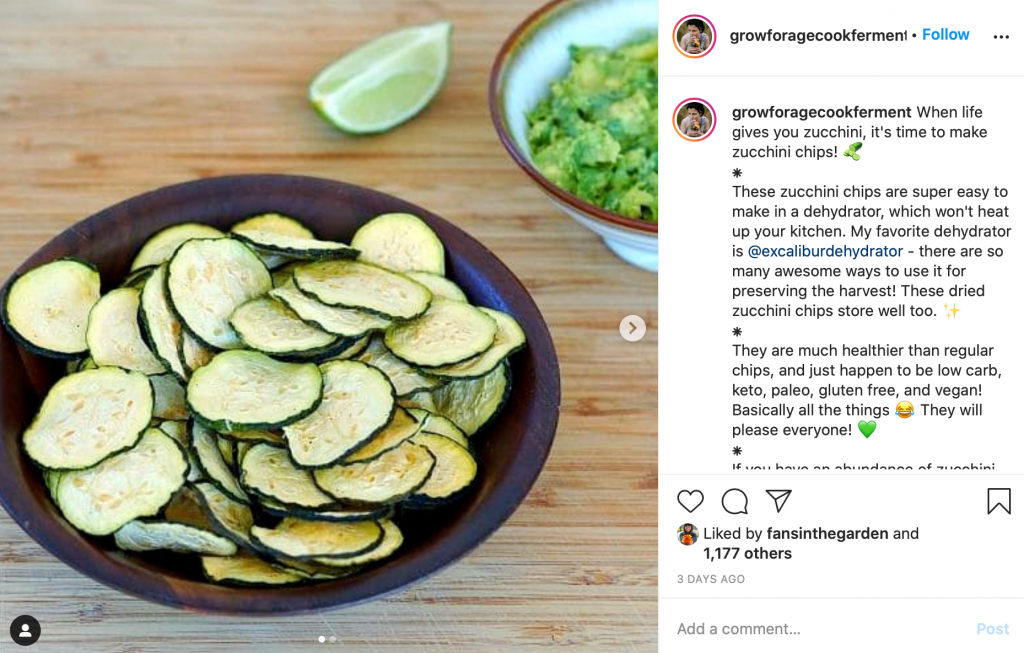
2. Zucchini Chips via @growforagecookferment

Skip the fatty potato chips and crunch on these! Zucchini chips can be seasoned with your favorite flavors and are completely guilt-free, so snack away!


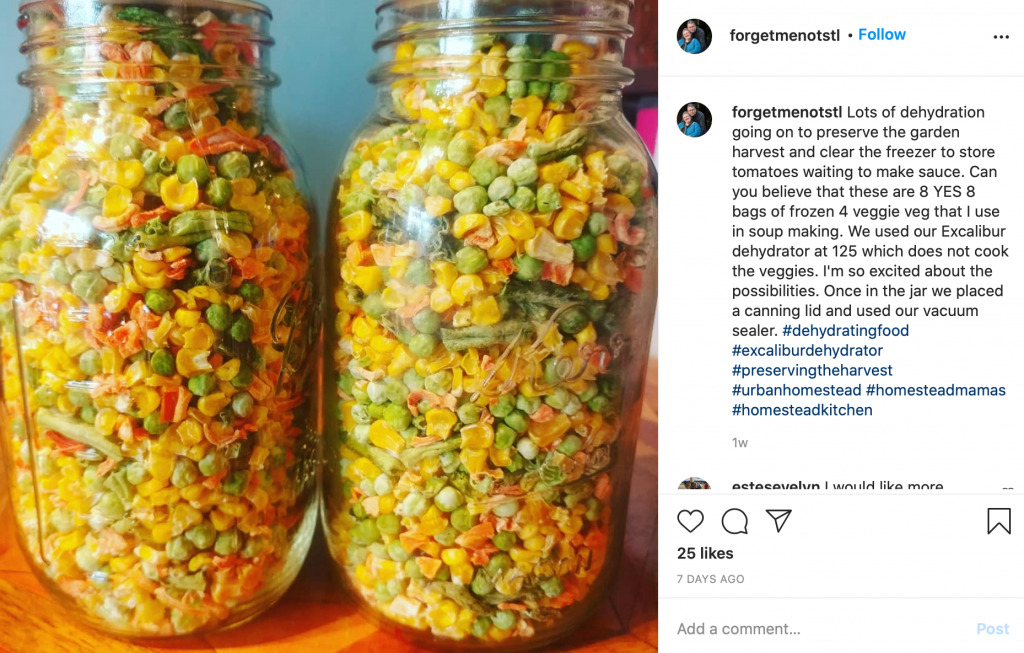
3. Frozen Mixed Veggies via @forgetmenotstl

Let us introduce you to this meal-prepping hack! Dehydrate your mixed veggies and then freeze for long term storage. Make sure to use your vacuum sealer before sealing them away.


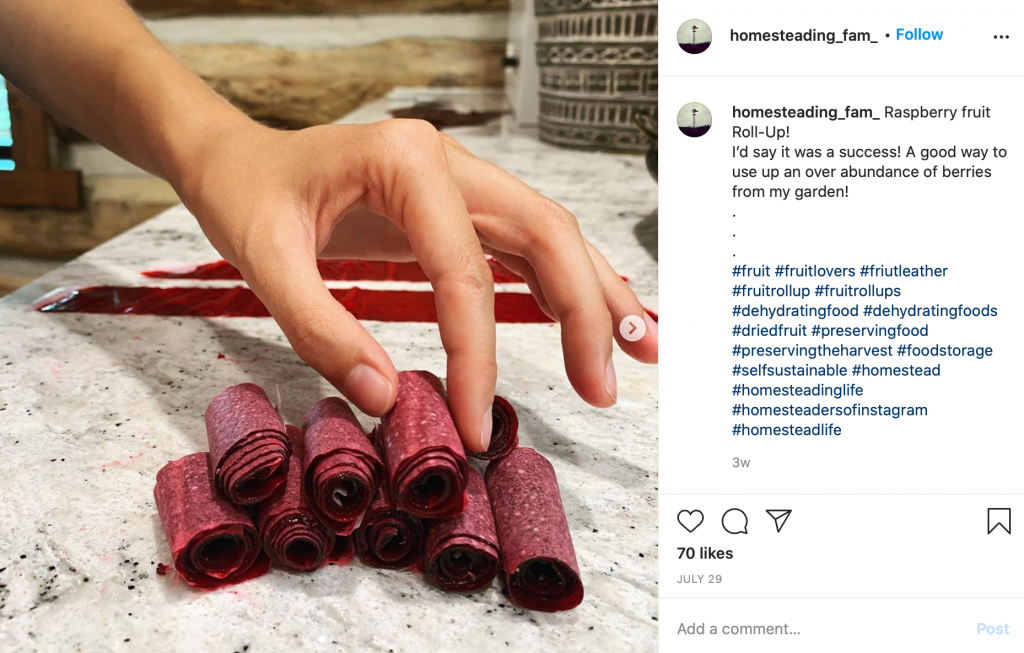
4. Fruit Leather Roll-Ups via @homesteading_fam_

If you have kids, this one’s for you! You’ll feel great about feeding your kids this healthy treat without any added sugar, colors, or preservatives. You’ll never buy store-bought fruit roll-ups again!

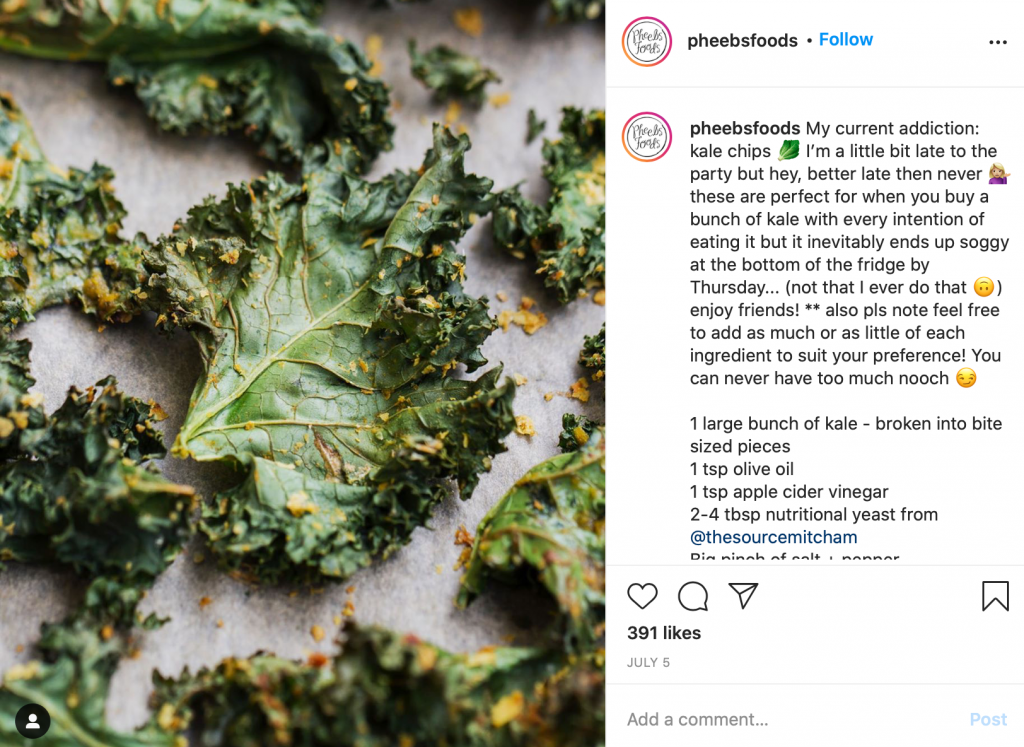
5. Kale Chips via @pheebsfoods

This light and flavorful snacks will satisfy your cravings for potato chips. Coat them with your favorite flavors and never let another leaf of kale from your garden go to waste.


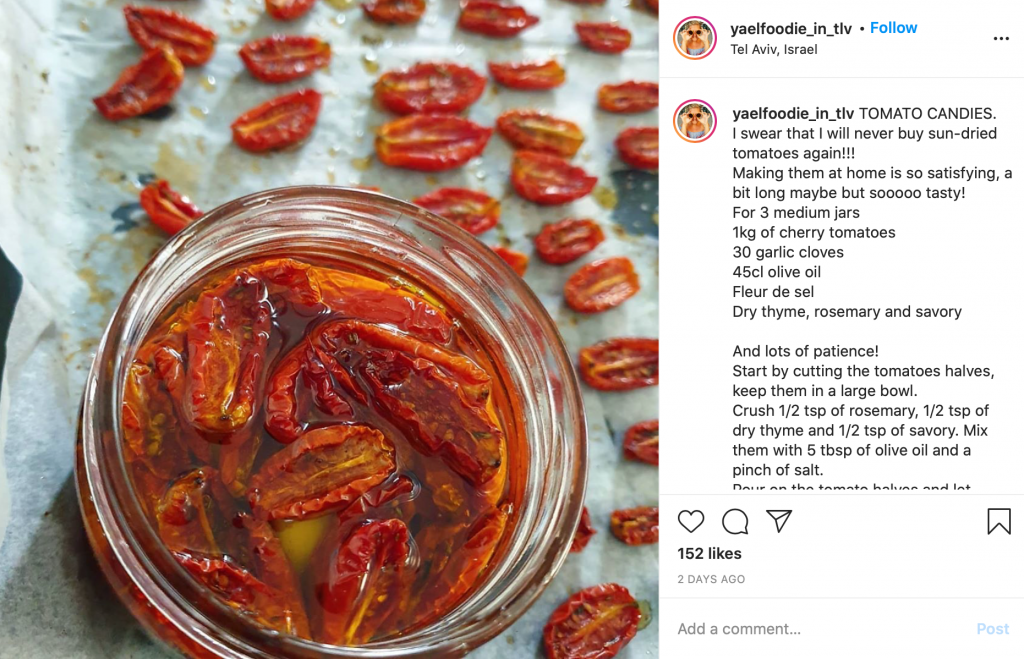
6. Sundried Tomato Candies via @yaelfoodie_in_tlv

These truly are nature’s candy! Enjoy them on salads, sandwiches or right out of the jar.


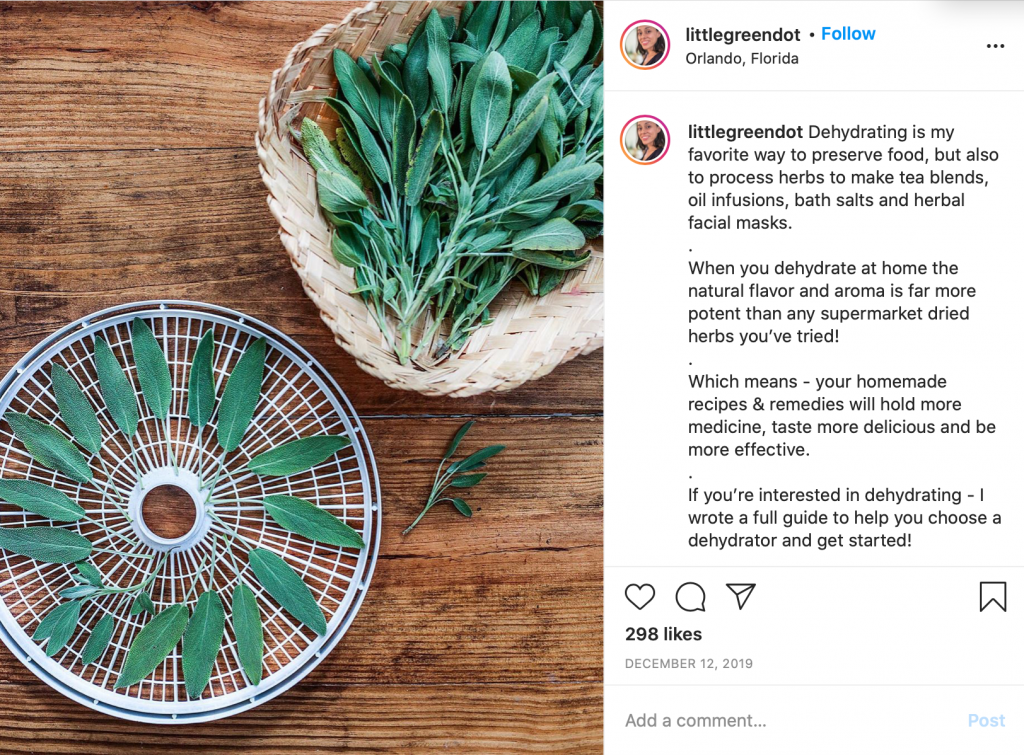
7. Dehydrated Herbs via @littlegreendot

Save your abundance of fresh herbs by dehydrating them for future use.


8. Beet Chips via @afoodloverslife

These crisp, crunchy and nutritious beet chips will satisfy even the pickiest of snackers in your home! They are super flavorful and delicious.


How to Grow Competition-Sized Pumpkins!

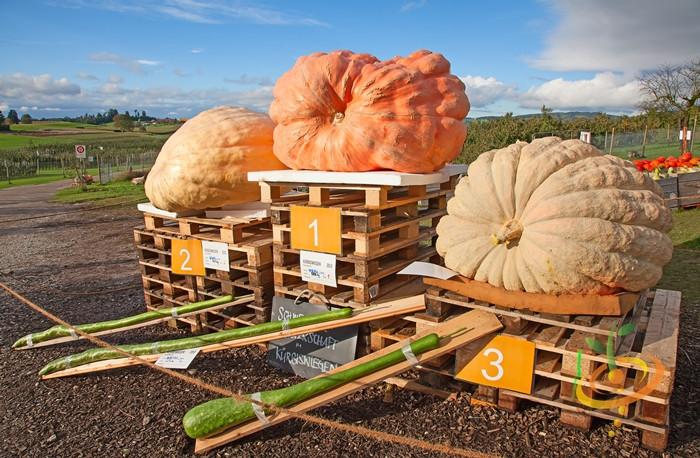
Do you want to grow MASSIVE pumpkins? Are you interested in making this a new hobby or perhaps you’re wanting to take it to the “next level” and start entering competitions? Either way, we’ve gathered some of the best tips and tricks to help you start growing MASSIVELY large, competition-size pumpkins right in your own backyard!

First, you want to make sure you’re starting with the correct type of pumpkin. Sure, you can always bend genetics, slightly, but you’ll have better success if you choose an heirloom pumpkin that organically grows larger than most varieties. We highly recommend if you’re just getting started to try the BIG MAX or ATLANTIC GIANT variety.

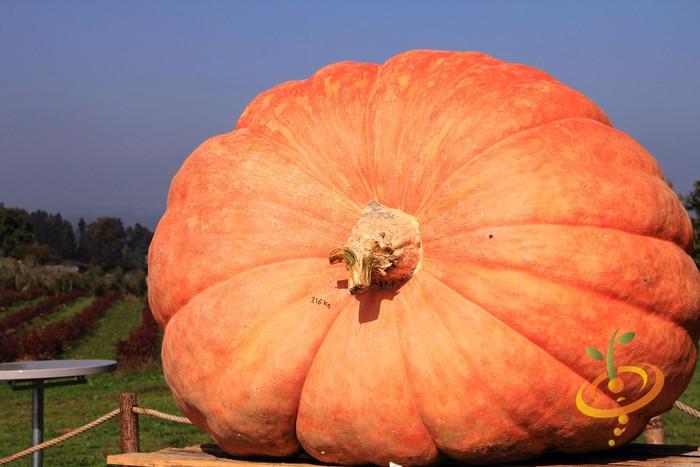
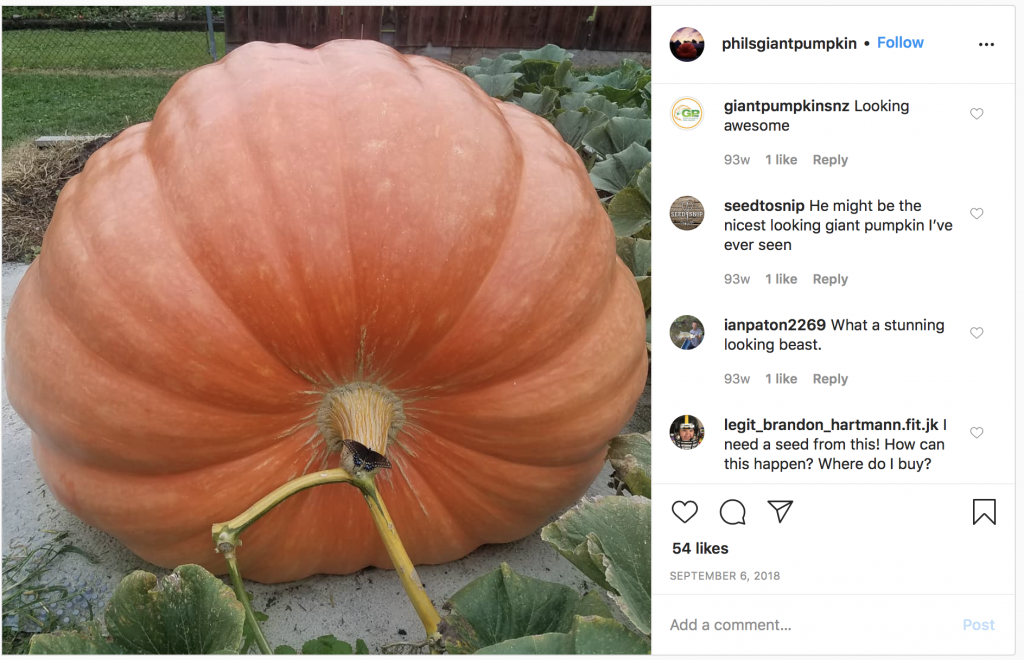
Atlantic Giant Pumpkin – The Atlantic Giant pumpkin has been known to grow over 1,500 pounds!  Without special treatment, the Atlantic Giant Pumpkin can grow up to 200 to 300 pounds – easily.
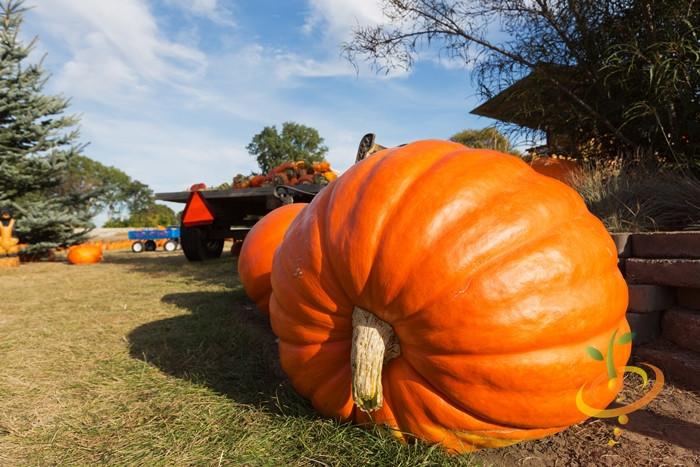
Big Max Pumpkin – The Big Max pumpkin produces an extremely large (60″+ diameter and weighs 100+ lbs.) bright orange pumpkin.

Once you have chosen your variety of pumpkin, you’ll need ideal growing conditions. Depending on your location, garden type, and grow zone many factors will come into play but let’s start off with the basics:

Temperature:

  • In order to germinate properly, pumpkin seeds generally need temperatures between 65 and 75 degrees F.
  • Ideal soil temperatures should fall into the 70-90 degrees F. range.

Sunlight: 

  • Pumpkins need A LOT of sunlight to grow and develop. Pick a location with FULL SUN, and stay away from anything that gets partial shade.

Soil Quality:

  • Not only is the type of pumpkin you choose to grow, and the location important, but let’s not skip over one of the MOST important factors to growing a successfully LARGE pumpkin…the soil! Your pumpkins will do best if you choose a location that has either a slightly acidic or neutral soil. Make sure the ground is loose and drains well. Loam soil is best.

Spacing:

  • If you’re planning on growing a LARGE pumpkin, keep in mind that you’ll need up to 1200 sq. feet for just ONE pumpkin! Spacing is everything, so don’t crowd them together. The larger you want to grow, the further apart the spacing should be.

Watering

  • The larger the pumpkin gets, the more water it will need! It’s not uncommon for competition-sized pumpkins to use up to 500 gallons of water per week! After watering, the ground should be evenly moist, but never soggy. Like many fruits, try to keep the water off the foliage of the plants. This will discourage disease.

Feeding / Fertilizing:

  • Early in spring, you’ll want to add something like aged manure or compost into your soil. In the fall, lime can help bring the soil back to neutral if it’s more on the acidic side. During your growing season, apply aged compost or manure to fertilize.
  • Fertilize with fish emulsion early on, and then as the pumpkin starts to develop, switch to phosphorus or bone meal. Near the end of the growing season move onto potassium or greensand.

Growing/ Harvesting:

  • Pinch off all flowers in the beginning to encourage growth. Until your plant reaches about 10 feet long, there should be no flowers left on the plant. Pinch. Pinch. Pinch.
  • Once your vine is 10 feet long, allow it to start setting fruit. Remove ALL but the largest pumpkins for the next few weeks.
  • Try placing your “strongest/largest” pumpkin on a piece of cardboard to help repel any insects that live in the soil.
  • Stake down any large vines or bury them to help keep them from rolling.
  • Keep the area you’re growing in “weed-free” so your pumpkin plant won’t have to compete for nutrients in the soil.
  • As the pumpkin matures, keep it shaded to help prevent it from overheating or being scalded by the sun. This also will help prevent splitting or cracking.
  • Harvest your pumpkin RIGHT before your first frost, and if you’re planning on entering any competitions be careful to harvest before any cracks appear as this might disqualify you and your pumpkin.

Ready to start growing MASSIVE PUMPKINS? SHOP the BEST SEEDS HERE!

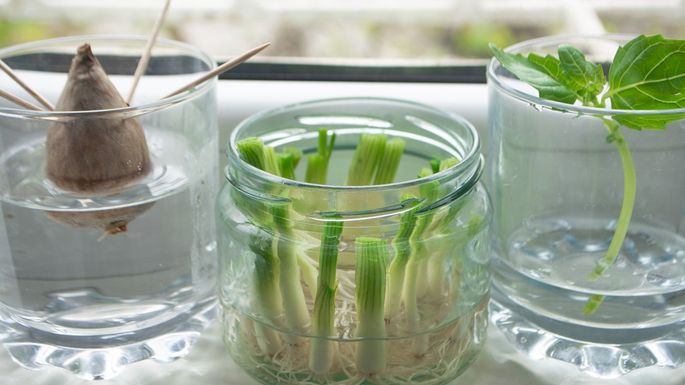
The Easiest Gardening Trick Ever: Vegetables You Can Regrow in Nothing but Water

Mehriban Aliyeva/Getty Images

These days, it seems like everyone is jumping into the victory garden trend, enjoying the benefits of a soothing activity in the fresh air while reaping fresh and tasty produce to eat. But even those who don’t have a yard, or just don’t want to get dirt under their nails, can still enjoy the miracle of growing something that’s destined for the dinner table—without even ordering vegetable seeds.

That’s because you can start an indoor garden from your kitchen leftovers. No soil required!

We talked to master gardener Linda Tyson, owner of garden design and maintenance company South Suburban Garden Girl, and Kevin Espiritu, author and the founder of Epic Gardening, to get their tips on growing vegetables without getting down and dirty.

READ THE FULL ARTICLE: https://www.realtor.com/advice/home-improvement/regrow-vegetables-in-water/

Greener, healthier, more sustainable: why cities of the future need more biodiversity

Modern science has proven environmental factors heavily influence human health – which is why each and every one of us would benefit from an intact ecosphere with good quality air, water and produce. In fact, by changing the conditions in which we live, we might be able to improve our health and reduce costs for healthcare systems.

And since biodiversity is a reasonable indicator of the overall health of an ecosystem, we should try to optimize it. In consequence we might improve the health of the inhabitants and liveability of urban environments.

Ecologists bemoan the fact that urban environments are often left out of biodiversity studies – and that urban environments lack true biodiversity, period, due to the lack of spaces undisturbed by humans, the lack of corridors between green patches and the overall level of pollution.

How can cities of the future transform themselves to be more sustainable, healthier and biodiverse? Here are a few ideas.

READ THE FULL STORY: https://www.weforum.org/agenda/2020/01/future-cities-smart-sustainable-biodiverse-health/

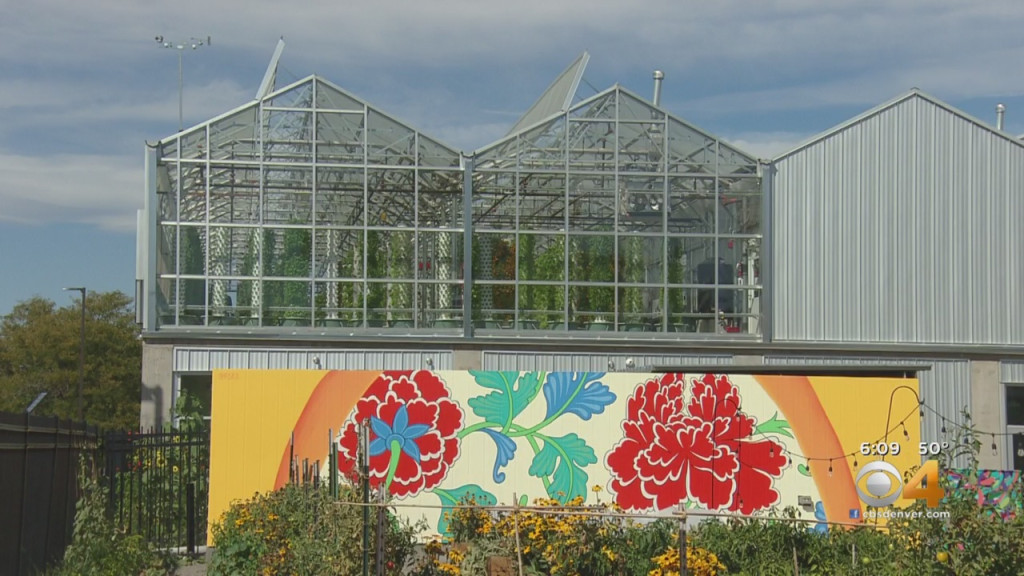
High Point’s Heroes Center wants its urban agriculture to benefit veterans and the whole community

HIGH POINT — Paula Sieber can see long into the future and well beyond the dingy white cabins that hug the trees at the Heroes Center Veterans Support Camp.

She sees an urban farm that grows up to 100,000 pounds of fruits, vegetables, and eggs a year for veterans, community customers and people who can’t afford or can’t find the finest produce.

She sees a place where veterans can learn job skills, from solar-power installation to hydroponic agriculture.

And she sees a place where people can find some of the best-tasting food in the Triad from the first-of-its-kind farm in High Point.

The work to renovate the cabins has already started and the first crop, Lion’s Mane mushrooms, could come out of the first grow house next month.

“I’m gonna serve it at the first board meeting in January,” Sieber said.

READ THE FULL ARTICLE: https://www.urbanorganicgardener.com/wp-admin/post-new.php

Still Looking For The Perfect Christmas Gift? Join The Club!

🥦🍅🍆Grow your own organic food, year-round! 🥕🌶️🥒

SIGN UP or learn more: https://urbanorganicgardener.cratejoy.com

Join today and become a member of the UOG Monthly Seed Club. Each month, members receive a curated collection of beautiful heirloom/non-gmo seeds & essential seed starting garden supplies – all customized around you, your garden, and location.

💯% SATISFACTION. GUARANTEED.
Join the community today, we promise it will be worth it! Sign-up today and get your first package delivered the second week of every month.

✳️ JOIN TODAY! https://urbanorganicgardener.cratejoy.com

Got dirt? Grow food cheaply.

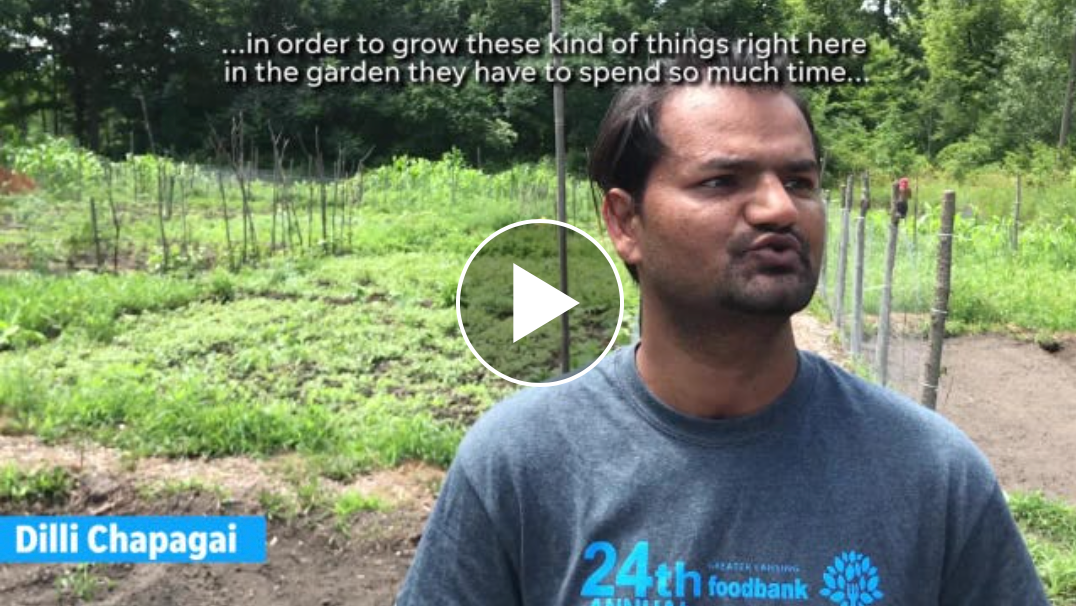
LANSING — The city is growing — in population and also vertically.

Tomatoes, greens, squash and more sprout in garden plots and small farms across Lansing.

More than 100 community gardens are tucked into vacant lots sitting in Lansing neighborhoods, their use coordinated by the Ingham County Land Bank, which owns them.

There were only nine such gardens in 1983 that were managed through the Garden Project, a Greater Lansing Food Bank program that’s partnered with the land bank.

“(It’s) growing every year,” said Dilli Chapagai, 31, a liaison to immigrants and refugees through the Garden Project.

READ THE FULL ARTICLE Lansing State Journal

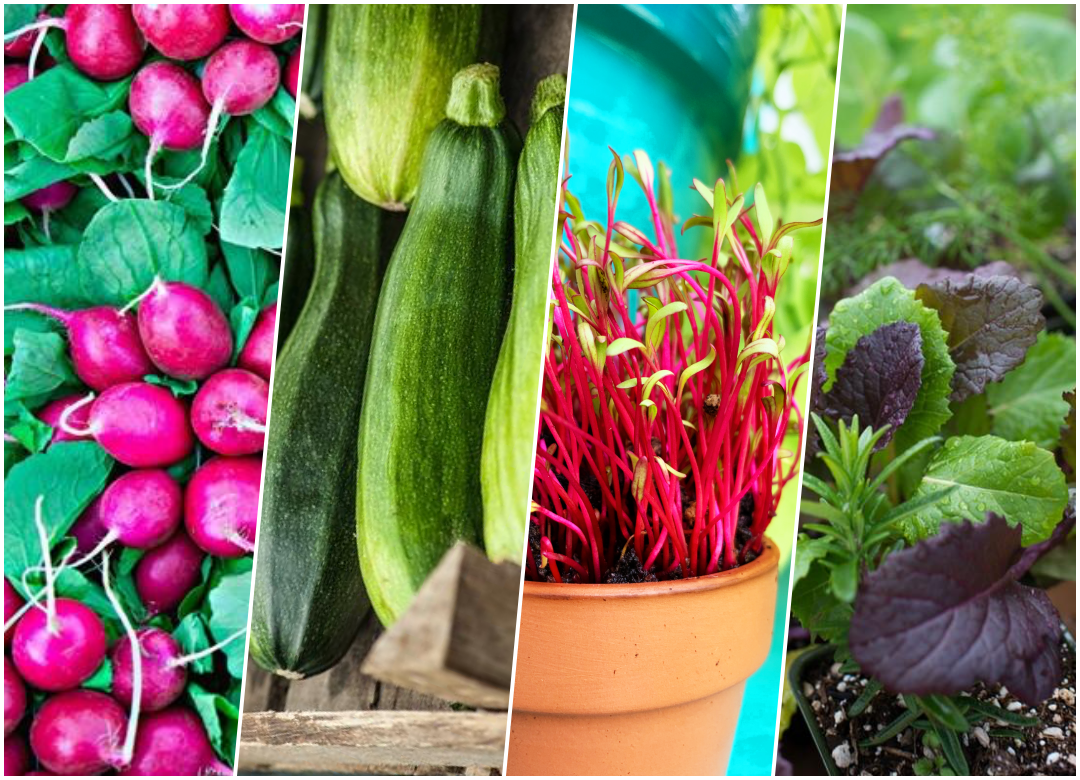
Quick Maturing Crops You Can Grow Almost ANYWHERE!

Don’t let space or time hold you back from growing your own food! There are plenty of things you can plant in your garden, windowsill or tiny patio that will produce in less than 45 days. In some cases, you can even enjoy homegrown food in less than 1 week! Here are our top selections if you’re short on time & space in the garden.

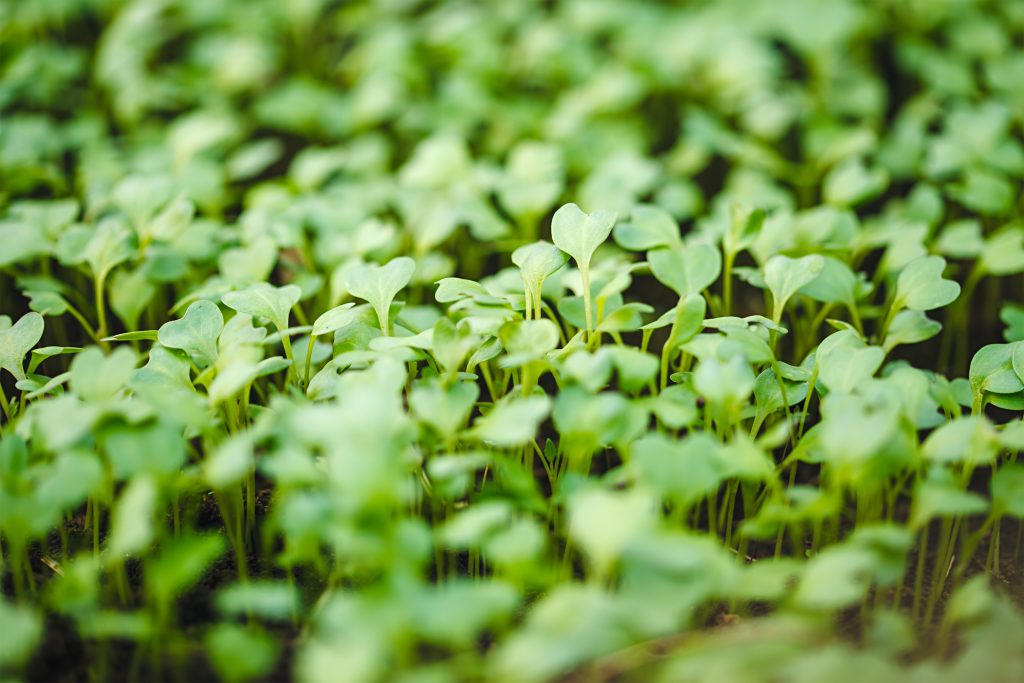
Sprouts / Microgreens – Ready to eat in 3 days to 2 weeks

Each and every living seed will grow into a plant. It’s when that seed begins to grow (germinate) that we call the beginning growth stage of the plant a “sprout”. They are a convenient way to have fresh vegetables for salads, or otherwise, in any season and can be germinated at home or produced industrially. Sprouts are said to be rich in digestible energy, vitamins, minerals, amino acids, proteins, and phytochemicals! See MORE Sprout/Microgreen Varieties, here! 


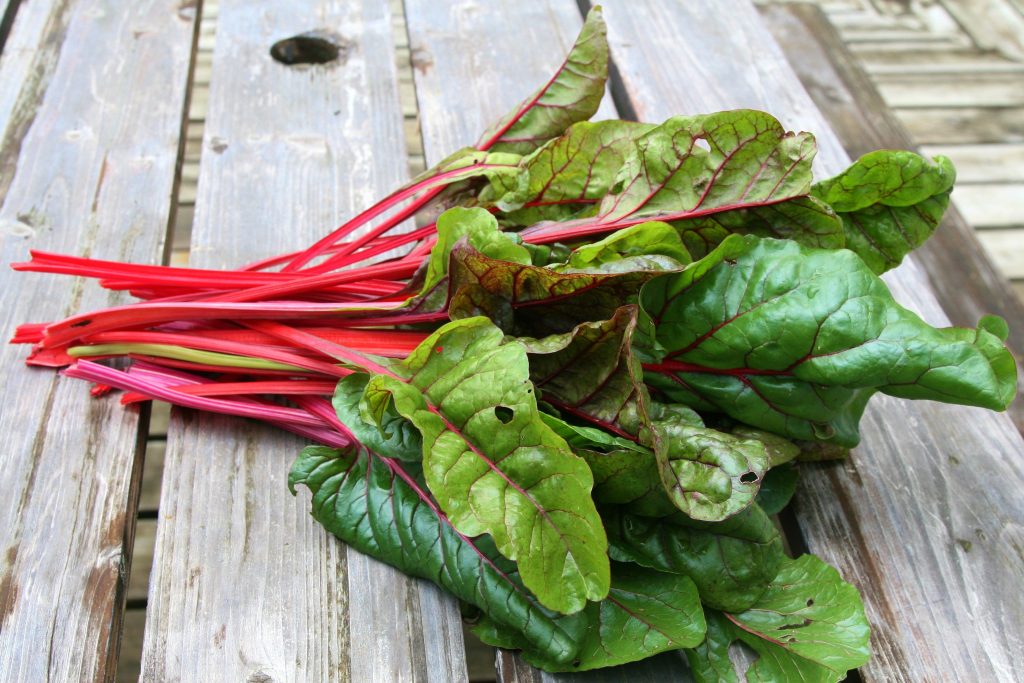
Swiss Chard – Ready to eat in about 5 weeks

Chard is a leafy green vegetable often used in Mediterranean cooking. Fresh young chard can be used raw in salads. Mature chard leaves and stalks are typically cooked or sauteed; their bitterness fades with cooking, leaving a refined flavor which is more delicate than that of cooked spinach. See MORE Swiss Chard Varieties, here!


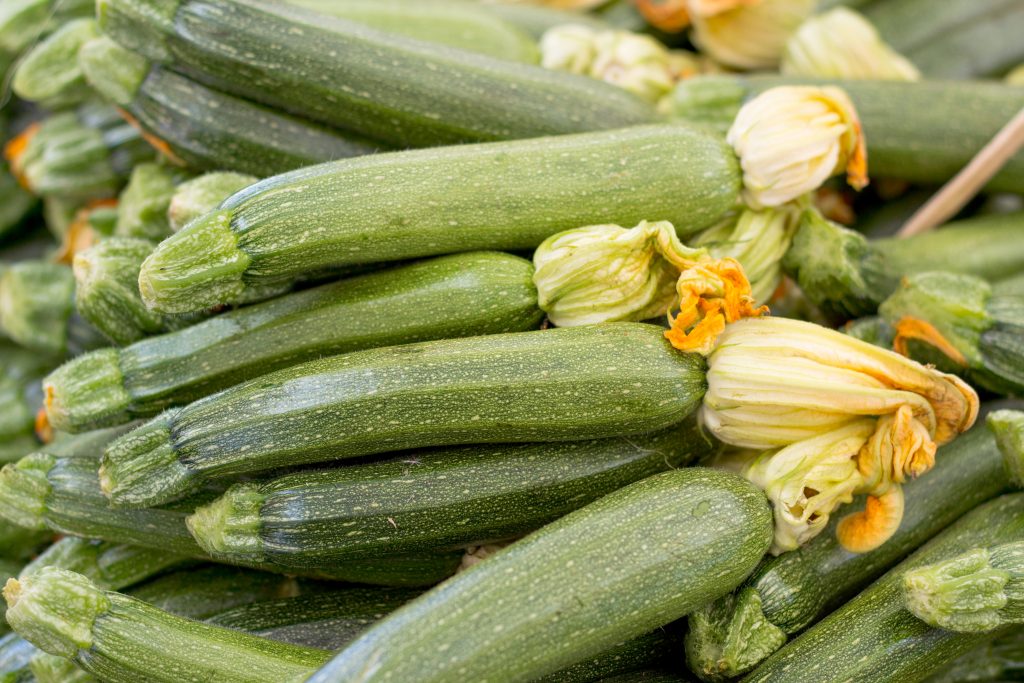
Zucchini Squash – Ready to eat in about 6 weeks

Though considered a vegetable in cooking, botanically speaking, squash is a fruit (being the receptacle for the plant’s seeds). Squash can be served fresh (in salads) and cooked (squash stuffed with meat, fried squash, baked squash). See MORE Squash Varieties, here!


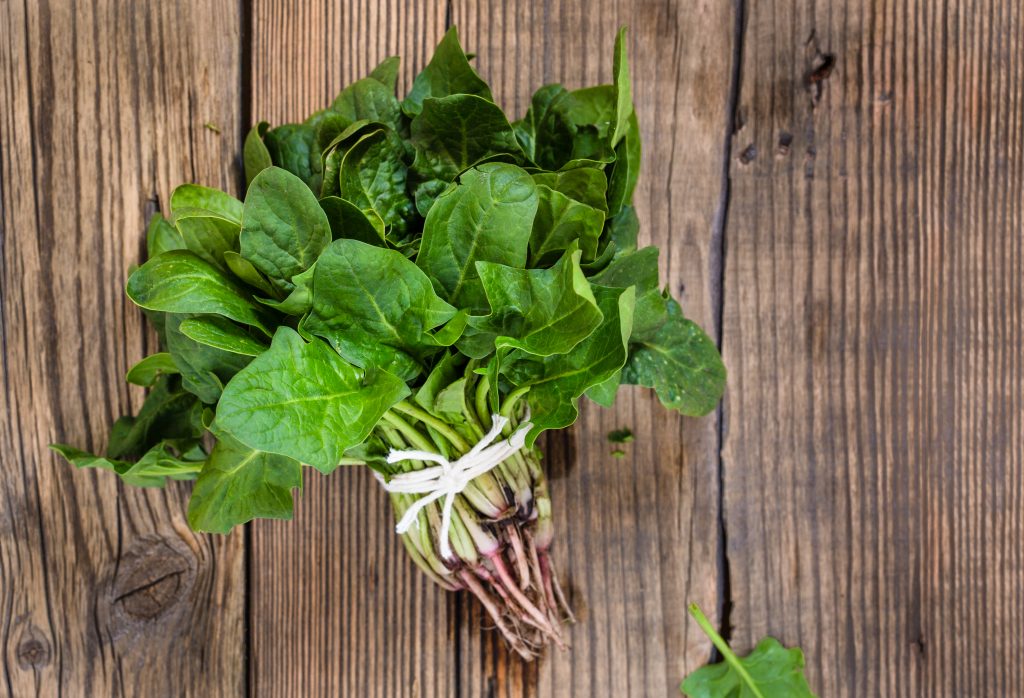
Spinach – Ready to eat in about 5 weeks

Spinach can grow anywhere there is at least a month and a half of cool growing weather. Spinach is a cool-season crop, hardy to frosts and light freezes. In rows 12 inches apart, space seedlings 3 inches apart. After thinning, cover the plants with row covers to keep the pests away.  (Soak seeds overnight before planting because it germinates slowly.) See MORE Spinach varieties, here!


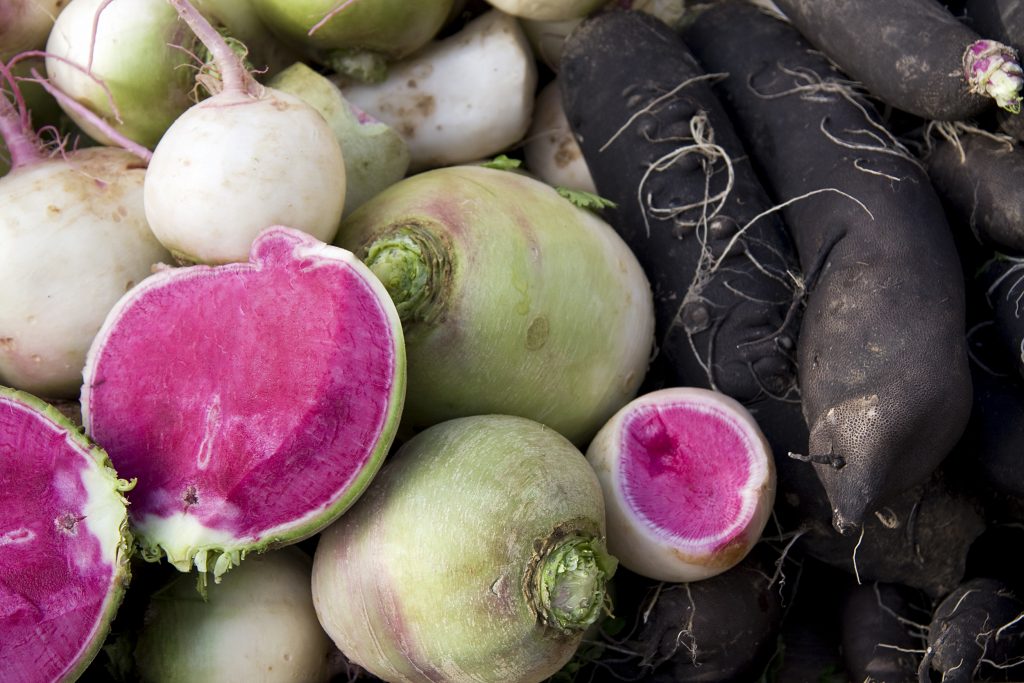
Radishes – Ready to eat in 4 weeks

Radishes are a fast-growing, cool-season crop that can be harvested in as little as twenty days.  Eaten raw they can be whole, sliced, diced, or grated. You can also cook and pickle them. Most of them are typically eaten fresh and make a good addition to a salad or a substitute to pepper on a sandwich. See MORE Radish varieties, here!


Tiny Tim Tomatoes – Ready to eat in about 6-8 weeks

The Tiny Tim tomato plant is a dwarf type plant produces excellent yields of ¾” – 1″  bright red cherry tomatoes. They are perfect for patio gardens. Grows well in pots, containers, and windowsill gardens. See MORE Tomato varieties, here!


Mustard Greens – Ready to eat in about 6 weeks

Growing mustards are a quick and easy crop to grow in your home garden.  They are a spicy green, which will quickly become one of your favorite crops. When growing from seed, start them outdoors 3 weeks before the last frost. For a more steady harvest, plant seeds about every 3 weeks or every month to give you a successive harvest. Mustard greens prefer cooler weather, so plant late in the summer for a fall harvest, or very early in spring before the summer heat sets in. See MORE Mustard varieties, here!


Lettuce – Ready to eat in as little as 6-8 weeks

Seed should be sown thinly in rows 1 foot apart; for leaf types, thin plants to 2-3 inches apart, then thin again by pulling every other plant when half-grown. This will encourage thickly developed plants. For head types, space rows 18 inches apart, plants 8-10 inches apart. Closer spacing results in smaller heads, which may be preferable for small families. Specialty growers are spacing lettuce very close for selling baby lettuces, a rapidly growing produce market. See MORE Lettuce varieties, here!


10 Effective Ways To Protect Your Garden From Birds

Photo by: Agonjaka [CC BY-SA 3.0 (https://creativecommons.org/licenses/by-sa/3.0)]
So spring has arrived, and you’re feeling accomplished! You carefully transplant your young plants out into the garden and sow your seeds into the soil.  Days later you come out to find all of your newly planted crops have disappeared! Birds have been eating away at your tiny seedlings faster than they could grow, which devastates your crop.

Let’s explore 10 easy ways you can keep birds from entering your garden:

1. Garden netting: Garden netting is light-weight and easy to install. It is recommended to suspend it over your crops. Not only will netting protect against birds, but it is also great at deterring other small animals. Keep the mesh size small, so that birds can not try to squeeze through and injure themselves or get stuck.


2. Soda bottles: Soda bottles are a cheap, easy, and effective way to protect young seedlings from birds, snails, slugs, etc. Just make sure you vent the top, by removing the cap, otherwise, your young tender plants can get too hot and die.


3. Motion activated sprinklers: Highly effective, these motion activated sprinker “scarecrows” will deter more than just birds! Water your garden and keep pests away at the same time.


4. Chicken wire: Chicken wire is cheap and versatile. You may already have a roll laying around that you can cut some small pieces from to protect your newly planted crops. You can also use chicken wire to cover a constructed wood frame that can easily be placed over an entire raised bed.


5. Scare Balloons: Most garden centers carry some type of “scare balloon”. They are generally inflatable mylar balloons with large printed eyes on them. Most have reflective material somewhere on the balloon, and often will have “streamer-like” tails.


6. Electronic scarecrows: While motionless electronic scarecrows can be very effective at chasing away birds, it is recommended to move them often.


7. Garden fleece: Garden fabric helps protect young plants from many things, not just birds! Cover your crops to help protect against light freezes, wind, insects while also providing light shade.


8.  Plastic predators (owls and toy snakes): Place plastic snakes and owls in and around your garden space. Often birds flying overhead can’t tell the difference between plastic and the real thing! Move them frequently to keep the birds away.


9. CD’s and mirrors: Birds do not like shiny or weirdly reflective objects.  Hanging CD’s can play tricks with the light and cast weird shadows.


10. Bird repellent tape: This works very similar to CD’s or mirrors, but can be easier to work with. Simply cut to your desired length, and tie around objects that need protecting. This can be a very effective tool tied around fruit trees or blueberry bushes.


WIN A FREE SEED CLUB MEMBERSHIP


When you join UOG’s Seed & Garden Club, you are joining a community dedicated to helping you grow organic food all-year-round.  Each month you will receive a fully customized collection of totally raw un-treated GMO-FREE Heirloom seeds & garden supplies.

An arts-focused urban farm initiative is coming to Baltimore

A new state initiative will bring an urban farm to a vacant lot in West Baltimore, but instead of growing fruits and vegetables to eat, the focus will be on plants that can be turned into natural dyes for artists, Gov. Larry Hogan’s office announced Wednesday.

The inspiration comes from the governor’s trade mission to Asia in 2015, and a 2017 visit by first lady Yumi Hogan to her native South Korea, where she toured the Natural Dyeing Cultural Center in Naju. A delegation from the center came to the area earlier this year to demonstrate natural dyeing for potential partners in the farm.

Indigo, marigolds and the state flower, the Black-eyed Susan, are among the crops that will be grown on the plot of land at 731 Ashburton St., which is currently owned by Coppin State University.

“Our trade mission to Asia yielded many positive results, and we are proud to work with our partners in Korea to bring this innovative initiative to Maryland,” Gov. Hogan said in a statement. “This urban garden will have a tremendous impact towards the community revitalization of West Baltimore and our economy – from the natural dyes produced by the crops to the unique apparel which will be manufactured for the marketplace.”

READ THE FULL STORY AT:”BaltimoreFishBowl.com

11 Essential Fall Planting Tips

1. At the nursery: Buy the best

Look for plants that have healthy foliage and no roots creeping out of the nursery container’s bottom drain holes (which means they’re probably rootbound).

2. Small is smarter

When you have a choice, buy little plants (in 4-inch nursery pots); they’re less expensive (usually under $5), easier to handle, and will catch up to the larger ones with winter rains. Smaller plants are your best bet if you need multiples to fill out a bed. Gallon-size plants, on the other hand, start around $10 each but can provide instant effects.

3. Check plant tags

Find out how big the plants will grow, and whether they need sun or shade. Then choose plants that will thrive in the spot you have in mind for them. “Full sun,” for example, means you should plant in a spot that gets at least six hours of sun a day.

4. Consider compost

Unless you have your own compost pile at home, or perfect garden soil that drains well, buy bagged compost to add to the soil before planting annuals, edibles, and many ornamentals (trees and native plants generally do not need added compost). It’s often sold at nurseries in 1- and 2-cubic-foot bags, and in bulk at garden suppliers. Avoid bagged compost that looks as though it has been piled and stored in hot sun for months—it won’t do much for your soil.

SEE THE REST OF THE TIPS, HERE: “Sunset.com


Urban farm success story is something to celebrate

“Tour any number of farms in the “inner city,” check out the rows of planted tomatoes, kale, peppers, asparagus and berries and it becomes crystal clear: Here, it’s a city in name only.

Urban farms stand as proof that the once-scarred earth can be restored across swaths of land once deemed fit only for the purpose of populating cities and towns. It’s a lesson for urban governments to look beyond traditional ideas of development.

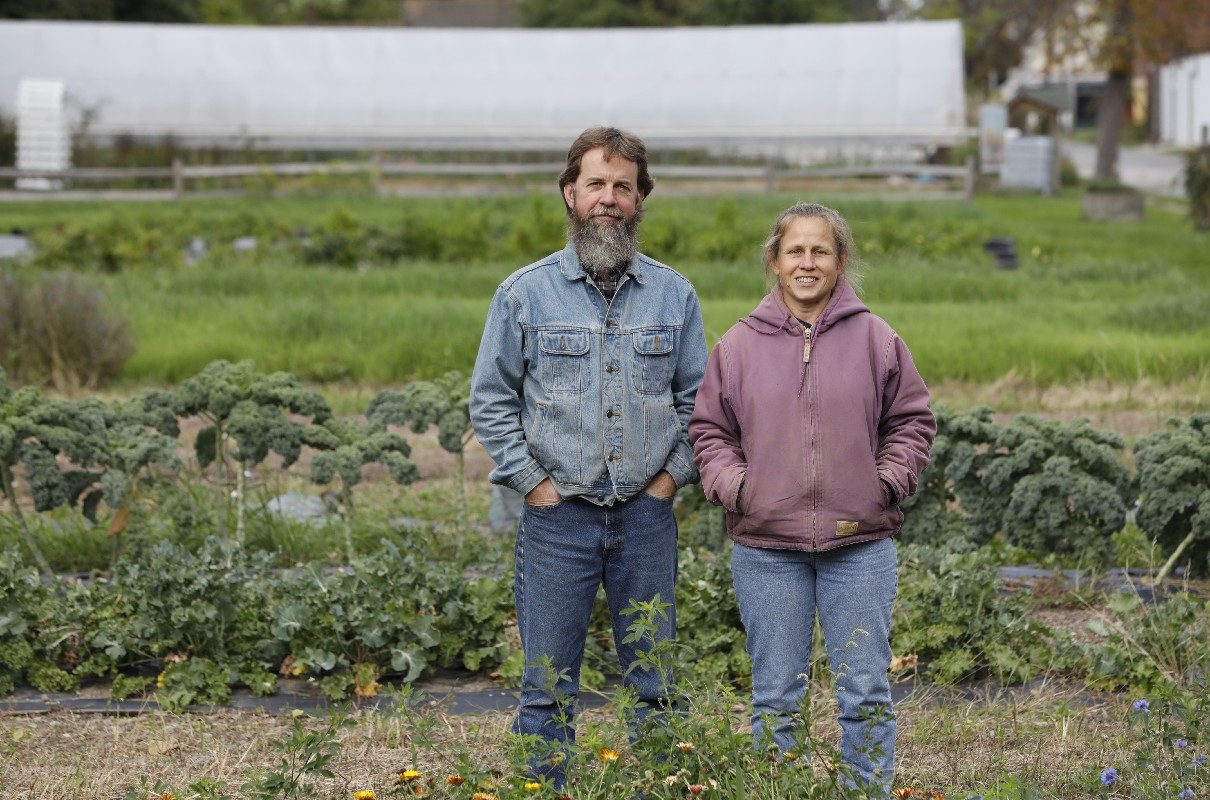
Consider the story of Janice and Mark Stevens. Ten years ago, they had the improbable dream of purchasing a field, composed at the time of 27 vacant, connected lots. They wanted to buy the land from the city and start an urban farm in the middle of Buffalo’s East Side.

City officials hesitated, eventually agreeing on a lease.

The Stevenses started the Wilson Street Urban Farm, and, on a 2-acre field, spent a decade dedicating themselves to the effort of not only feeding their own family but providing for the neighborhood and the city. Anyone who happened upon the urban farm through word of mouth, or just by riding around the once desolate area might have stopped at the sight of fresh vegetables.”

READ THE FULL STORY AT: “BuffaloNews.com

Fall Planting Schedule, Down To Your First Frost Date


Now is the time to start making solid plans for your fall and winter garden. Follow this simple planting schedule for a great start, or visit our online interactive planting calendar for a more detailed description of what you should be planting when based on your exact location and grow zone. 


12-14 Weeks Before Your First Frost Date


Direct Sow: Snap Beans, Cucumbers, Summer Squash, Parsnips, Rutabagas, Cilantro, Lettuce & Radishes.


———————————


10-12 Weeks Before Your First Frost Date


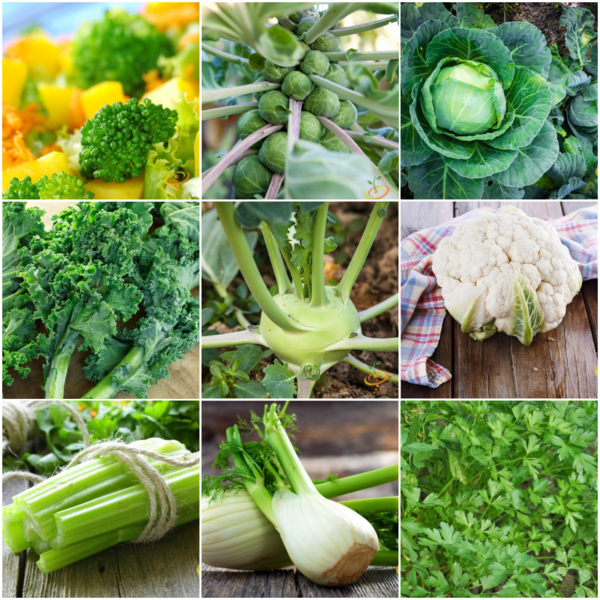
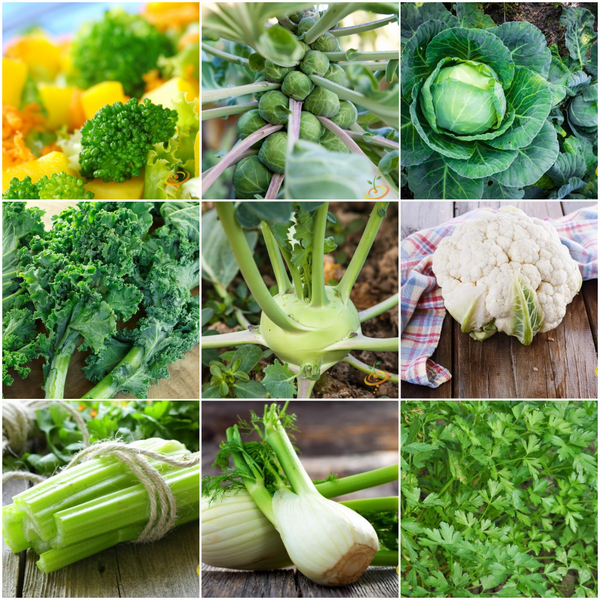
Set Out Starts: Broccoli, Brussels, Cabbage, Cauliflower, Kale, Kohlrabi, Celery, Fennel and Parsley.


Direct Sow: Beets, Carrots, Collards, Leeks, Scallions, Lettuce, Radish, Peas, and Potatoes.


———————————


8-10 Weeks Before Your First Frost Date


Direct Sow: Arugula, Cabbage, Lettuce, Turnips, Spinach, Mustard, Bok Choy & Radishes.


———————————


6-8 Weeks Before Your First Frost Date


Direct Sow: Spinach, Mache & Lettuce.


———————————


ON or AROUND Your First Frost Date


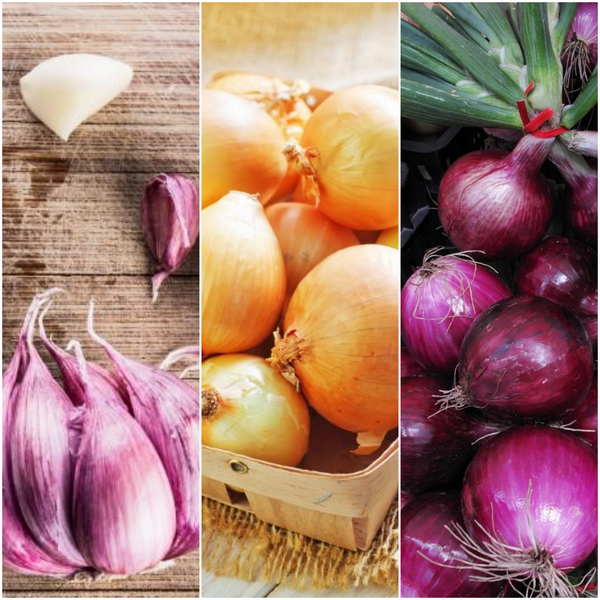
Direct Sow: Garlic, Shallots, & Onions.


Try our Online Planting Calendar, HERE

Richmond couple creates urban farm to help feed their community

NBC12 – WWBT – Richmond, VA News On Your Side (WATCH THE VIDEO!)

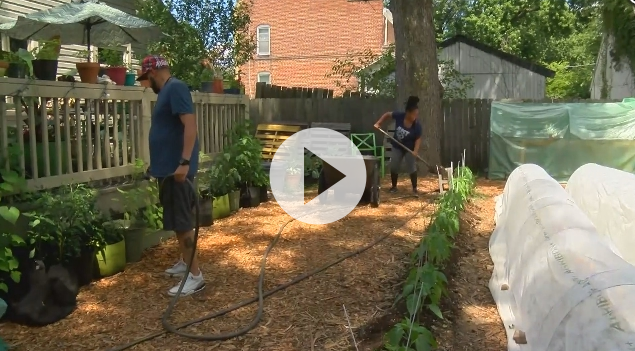
“From high above, the Bellemeade-Oak Grove neighborhood looks like any other one in south Richmond. However, if you move in a bit closer, you’ll see one backyard on Wright Avenue that makes the neighborhood unique. That’s because you are looking at a farm right in the heart of the area, and it yields much more than fruits and vegetables. Farm life. It is the lesson of the day for these young ladies of Camp Diva.”

“They are showing them that no matter the size of a farm, if they till the soil and plant the seed, greatness can grow. It’s a lesson that applies in many areas of life. “If they feel like they don’t have access to it, well guess what? You can create it,” said Chambers. You can usually find Alia and Jeremy at the Birdhouse Farm Market every other Tuesday. However, later this month, they will begin opening the farm to everyone on Saturday mornings.

READ THE FULL STORY AT: “NBC12.COM


Replacing Vacant Lots With Green Spaces Can Ease Depression In Urban Communities

“Growing up in Washington, D.C.’s Columbia Heights neighborhood, Rebecca Lemos-Otero says her first experience with nature came in her late teens when her mother started a community garden.

“I was really surprised and quickly fell in love,” she recalls. The garden was peaceful, and a “respite” from the neighborhood, which had high crime rates, abandoned lots and buildings, she says.

Inspired by that experience, years later, Lemos-Otero, 39, started City Blossoms, a local nonprofit that has about 15 children-focused community green spaces across Washington, D.C. She wanted to give kids from minority and low-income communities easy access to some greenery.

Kids love the gardens, she says. It gives them a way to briefly forget their worries.”

READ THE REST OF THE STORY AT: “NPR.ORG

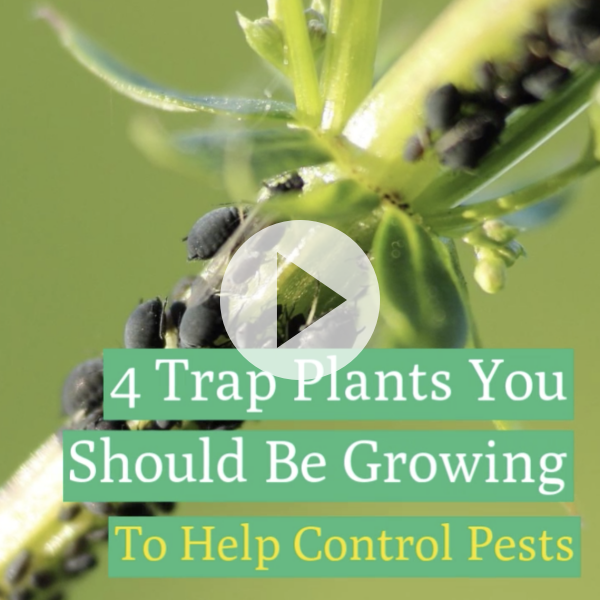
4 Trap Plants You Can Grow To Help Control Pests


Controlling insects in the garden may seem like a never ending battle for some, but have you ever considered that fixing the problem may be as simple as just planting a few “sacrificial crops” for the problematic bugs to feast on instead of your prized fruits or vegetables?

Planting a variety of “trap plants” will lure those pests away from your favorite crops. It is an organic, natural, and quite effective way to approach controlling pests and insects in your garden.

Different insects prefer different types of crops, so do your research to find out what those pesky buggers are drawn to, and plant them in your garden away from the crop you’re trying to protect. Usually a border of “trap plants” around your garden area will help minimize the damage to the plants you want to thrive.

Always practice good crop rotation, and companion planting to help maximize the effectiveness of growing “trap plants”.

When your “trap plants” become over-run with insects, feel free to remove the plant all-together and dispose of it to keep the pests from breeding and creating a larger habitat in your garden.

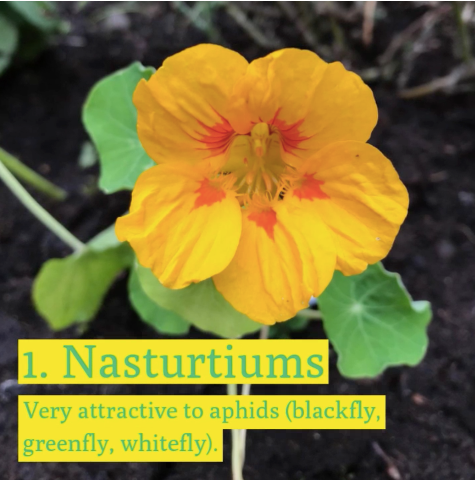
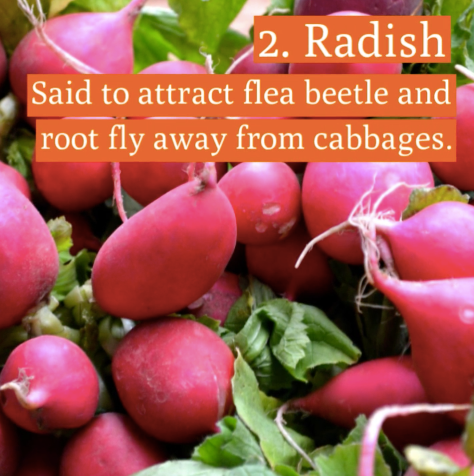
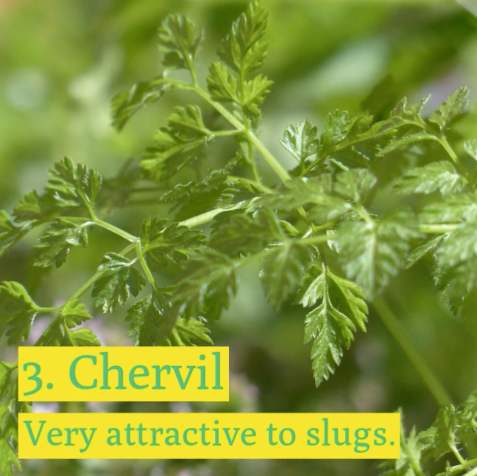
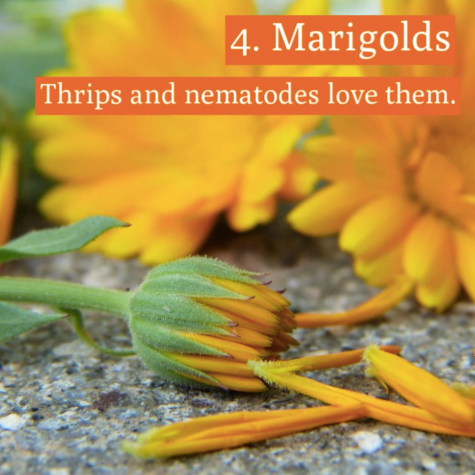
Nasturtium, Marigold, Chervil, & Radish are some of our favorite “Trap Plants”! Planting each of these will cover a wide variety of pests you may have lurking in your garden waiting to destroy your precious crops.

Controlling insects in the garden may seem like a never ending battle for some, but have you ever considered that fixing the problem may be as simple as just planting a few “sacrificial crops” for the problematic bugs to feast on instead of your prized fruits or vegetables?

Planting a variety of “trap plants” will lure those pests away from your favorite crops. It is an organic, natural, and quite effective way to approach controlling pests and insects in your garden.

Different insects prefer different types of crops, so do your research to find out what those pesky buggers are drawn to, and plant them in your garden away from the crop you’re trying to protect. Usually a border of “trap plants” around your garden area will help minimize the damage to the plants you want to thrive.

Always practice good crop rotation, and companion planting to help maximize the effectiveness of growing “trap plants”.

When your “trap plants” become over-run with insects, feel free to remove the plant all-together and dispose of it to keep the pests from breeding and creating a larger habitat in your garden.

Nasturtium, Marigold, Chervil, & Radish are some of our favorite “Trap Plants”! Planting each of these will cover a wide variety of pests you may have lurking in your garden waiting to destroy your precious crops.