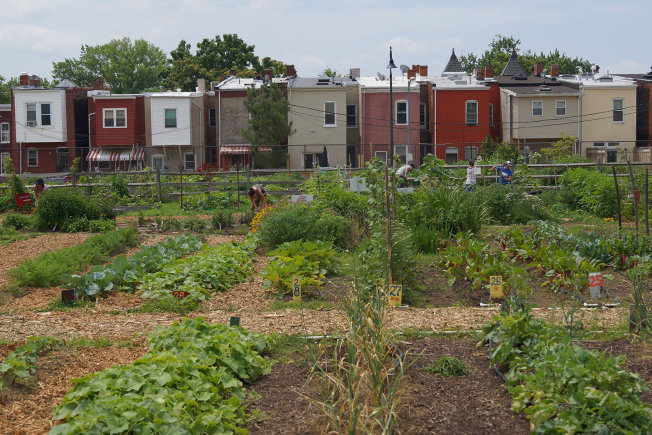
Should Children Be Taught How To Grow Food As Part of Their Schooling?

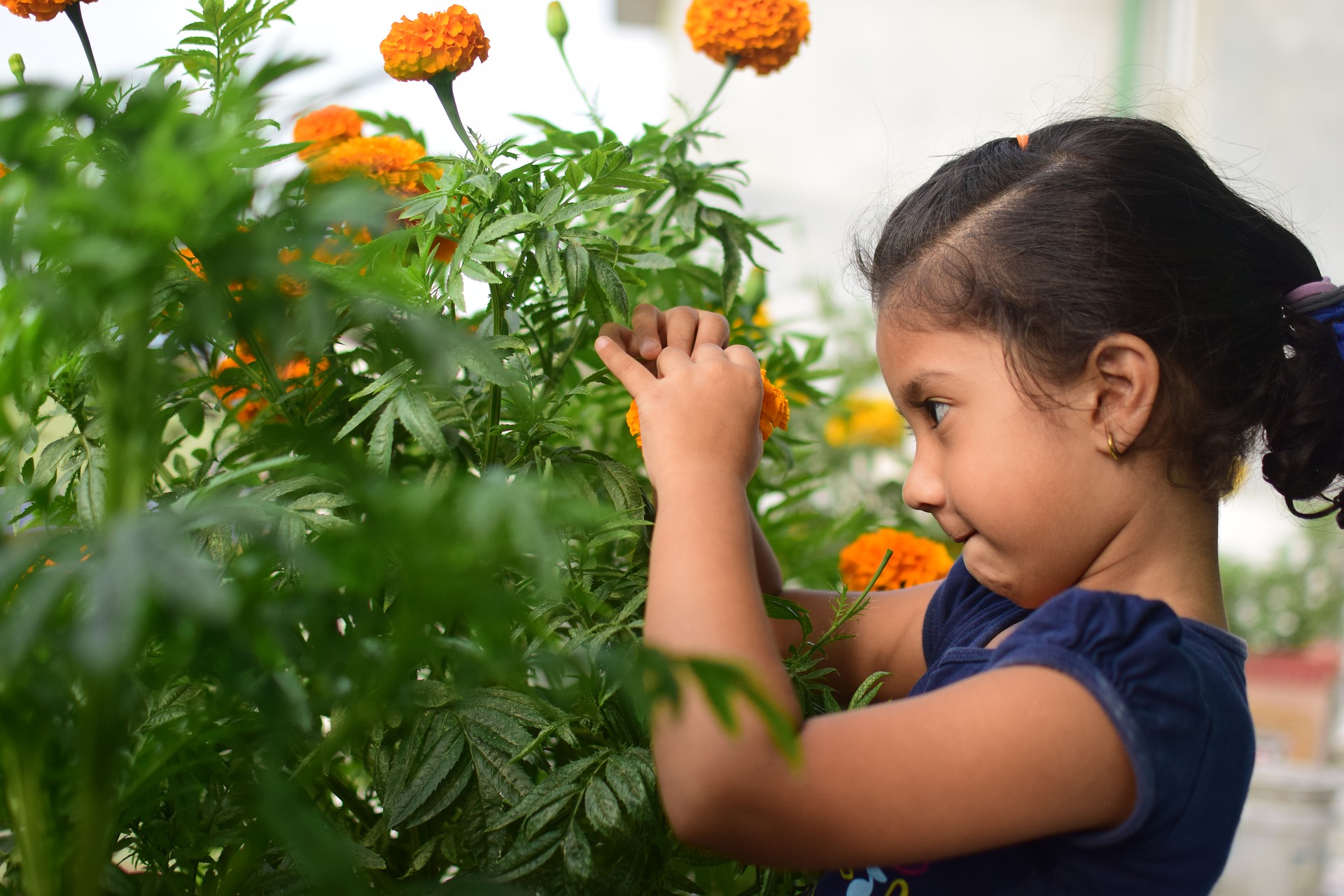
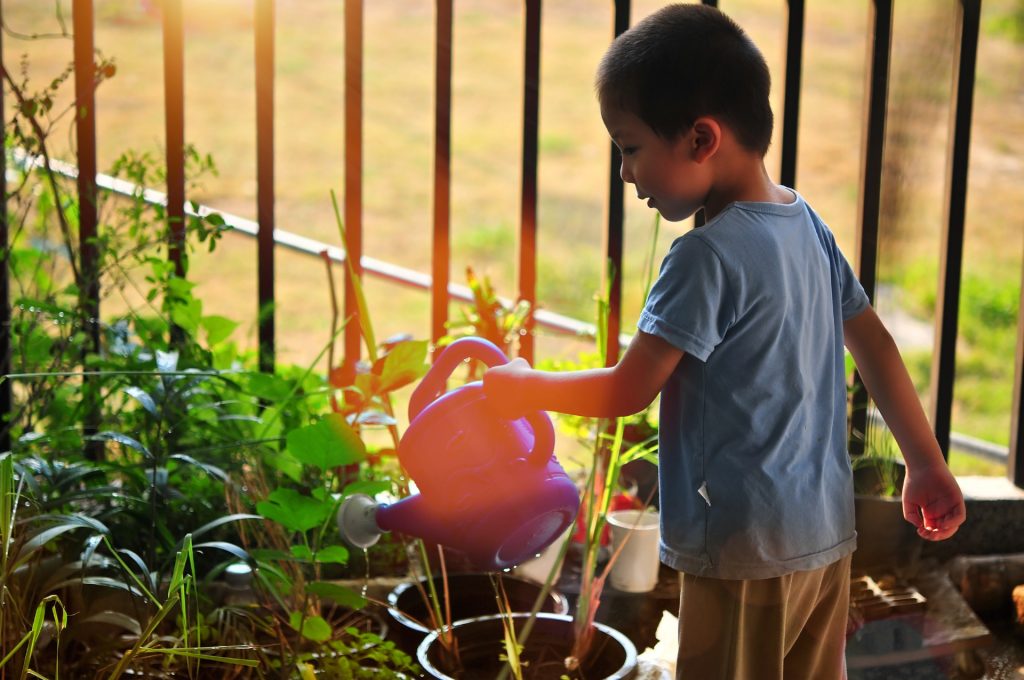
If you are a parent, you should probably think about one good question: should your children be taught to grow food at school?

The modern era is marked by the constant advancements in technology, and the new inventions have provided the comfort and conveniences that we never even imagined to live in.

However, we lost a large part of the needed real-world knowledge and skills to survive and take care of our families on our own.

This poses a question: If the current system suddenly collapses, do we know the basics of life in order to survive? Natural disasters happen all the time, so this is not that unreal as we believe.

Therefore, teaching our children to grow their own food would be a priceless lesson.

READ THE ORIGINAL ARTICLE https://www.healthyfoodhouse.com

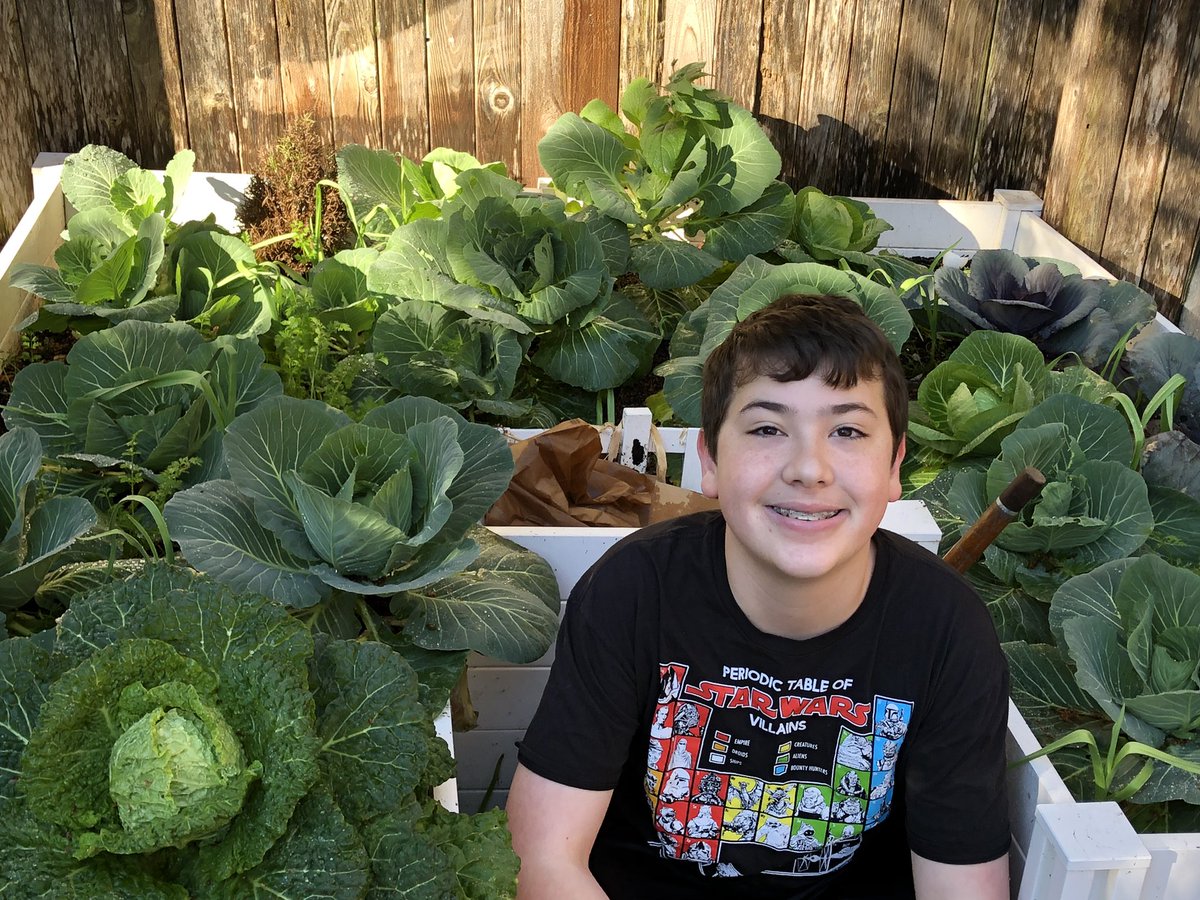
14 Year Old Donates EVERYTHING He Grows To Families In Need

Help Ian WIN a $10,000 grant for Katie’s Krops!
(SCROLL TO THE BOTTOM OF THIS POST)

“The Giving Garden was created when Ian learned there were children at his school going to bed hungry. Wanting to make a difference for his classmates, Ian decided to take action. He raised funds and solicited volunteers to construct a raised bed garden and small fruit orchard at his elementary school to provide free access to fresh produce for anyone in need in his community. Ian began to realize that many students didn’t have the knowledge to prepare the produce they were receiving from the gardens. He began offering cooking demonstrations and provided sample recipes to help teach the students that healthy food can taste good. He didn’t stop there. Ian has continued to install gardens in local schools and communities in the Austin area. In the spring of 2016, his sister, Addison, joined the fight against hunger by developing the Frutas Frescas Orchard Program. The siblings have partnered with each other to help fight hunger in their community. In 2016, Ian became part of the Katie’s Krops garden program. He was able to build a garden in his own backyard and donates 100% of the produce to local hunger relief organizations or to families in need. In 2016, Ian grew and donate 869 lbs of organic produce. He reached his goal of growing and donating 1,000 lbs of organic produce in his backyard Katie’s Krops garden in 2017 and will exceed his donation totals in 2018.”

LEARN MORE ABOUT IAN AND HIS GARDENS: https://iansgivinggarden.weebly.com/about-us.html

Help Ian WIN a $10,000 grant for Katie’s Krops!

  1. CLICK – Ian McKenna’s name at the “Vote Say Thanks, Austin” link 
  2. TEXT – MCKENNA to (512) 456-9244
  3. MESSAGE – MCKENNA to our Facebook fan page at facebook.com/recognizegood
  4. TWEET – MCKENNA to @RecognizeGood with the hashtag #saythanksaustin
  5. EMAIL – MCKENNA (in the subject line) to saythanks@recognizegood.org
  6. WRITE IN – your name, then sign and date where indicated on Say Thanks forms (also downloadable) – I can pick up write in votes locally or if you’re out of town, you can scan or take a picture and email them to saythanks@recognizegood.org with MCKENNA in the subject line. 

Urban Farming Organization Visualizes a Franchise Model to Produce Fresh Fish and Vegetables

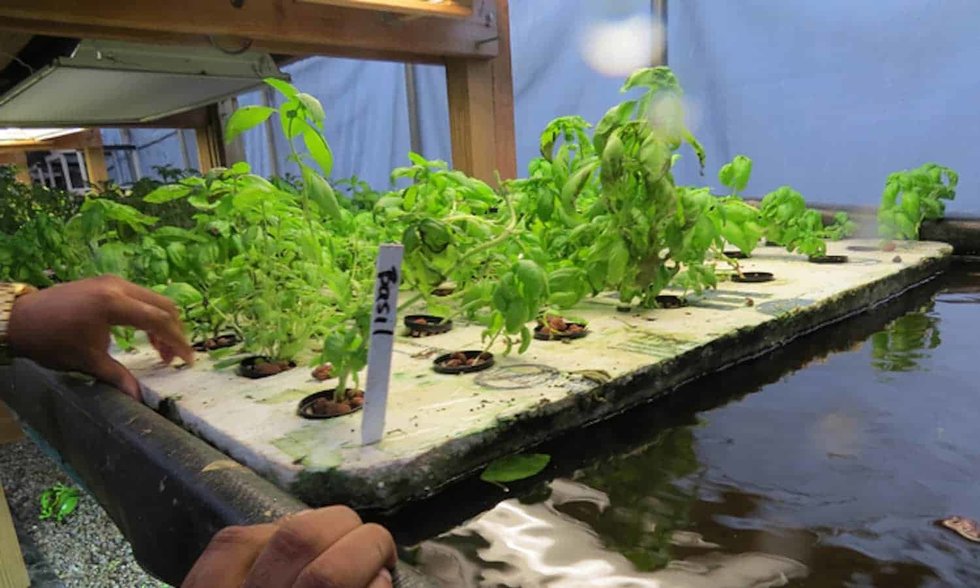
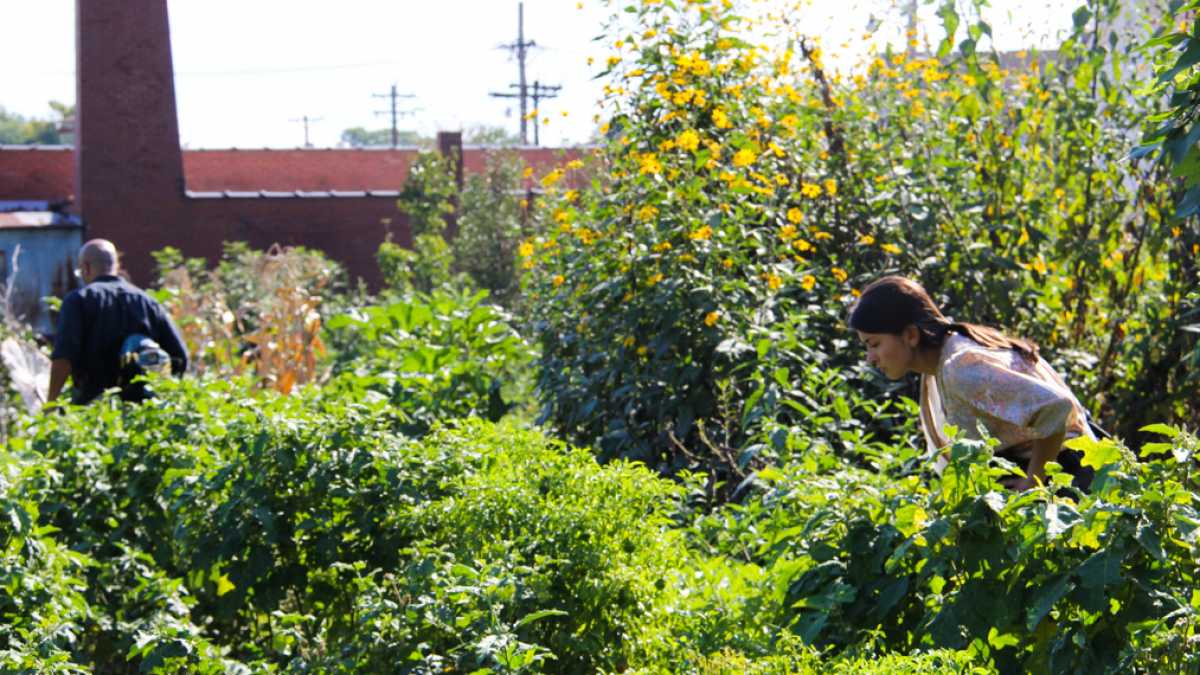
“On a cool September morning, Dre Taylor dodged raindrops while talking with several people tending beans, peppers, tomatillos, collards and more outside of a 4,500-square-foot building. This is Nile Valley Aquaponics, a vibrant fixture in Kansas City, Missouri’s urban core. The name came from Egypt where people cultivated plants and fish thousands of years ago. Goats and picnic tables share outdoor space and offices occupy a nearby house.

Last summer (2018), Nile Valley Aquaponics grew dozens of fruits, vegetables and herbs, from tomatoes and squash to basil and sage, kale and Swiss chard. Its 100,000 Pound Food Project seeks to produce 100,000 pounds of local fresh fish, vegetables and herbs, creating greater access to healthy food choices, while providing volunteer opportunities and economic stability in the area. Health education is also important. Several October classes will address growing mushrooms, building a greenhouse for less than US$500, and building a personal aquaponics system.”

READ THE FULL STORY AT: “EcoWatch.com

We’re on SNAPCHAT! [Let’s Get Snapping]

We want to be where our fans and fellow gardeners are, so we’ve headed over to snapchat and created an account! We hope you’ll share all of your awesome gardening successes/tips/and learning experiences with us over there.

Let’s be friends! Just use the snap code below to quickly and easily add us and see more great content from us, everyday!

SnapChat UOG IG


UOG SnapChat Logo

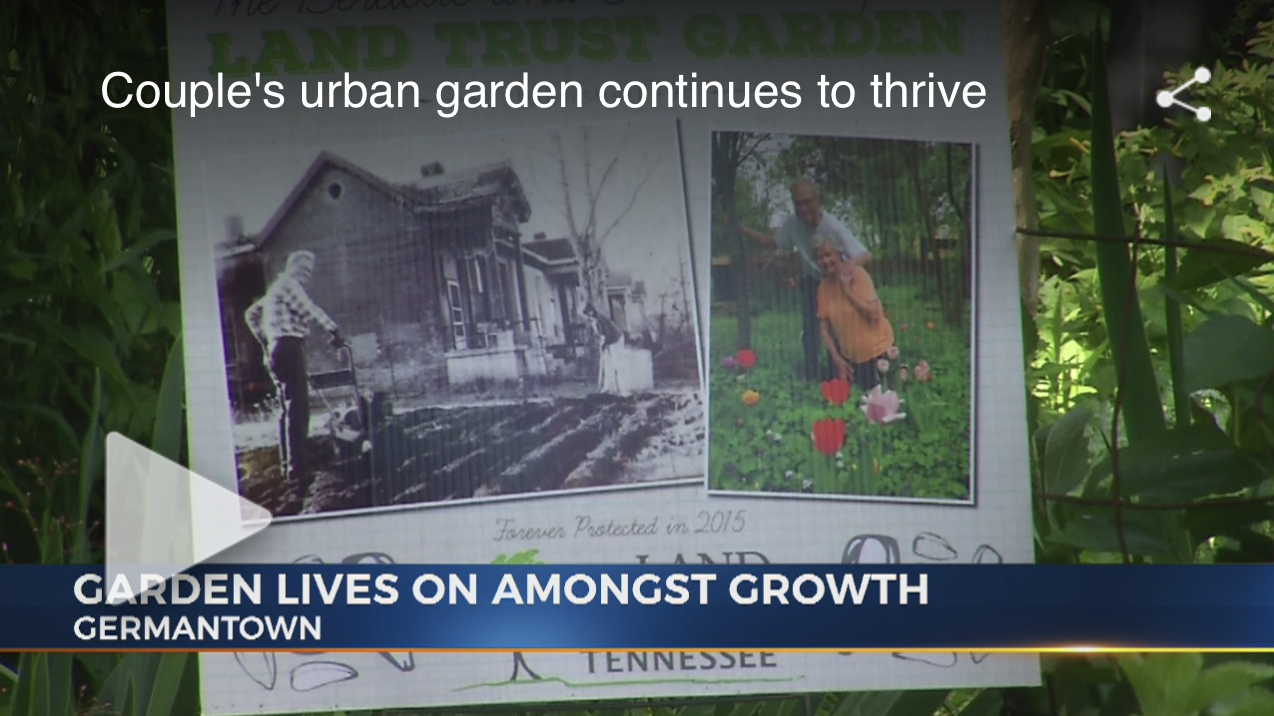
Germantown Couple’s Legacy Will Live on Forever in Protected Urban Garden

“NASHVILLE, Tenn. (WKRN) – A Germantown couple’s legacy will grow forever, thanks to an agreement that will always protect their urban garden.

When Ernest and Berdelle Campbell left their Belle Meade home and moved to Germantown, they knew an urban garden would be a part of their retired life.

Now, more than 30 years later, that garden is still thriving and thanks to the Land Trust for Tennessee, its future is forever.”

READ THE FULL STORY at: “WKRN.com

Wild Bees are Trading in Rural Life for the Big City

l_bees-4Bees are losing their habitats in rural areas and moving to cities and urban areas. “Industrial agriculture has promoted the development of monocultures, a practice where farmers plant one crop over a large area.”

“That’s not particularly welcoming for wild bees—especially the many species that are specialist. The squash bee, for example, prefers the pollen from squash plants. When a farmer who used to grow a variety of crops, such as squash, zucchini, and pumpkins, replaces them with a single crop, such as corn, that change forces bees to find food elsewhere.”

“The expansion of monocultures has resulted in very little land left untouched,” Camilo says. “The less area we have for native plants, the less habitat and the less resources we have for these beautiful, beautiful organisms.”

Read the full article at: “NewsWorks.org

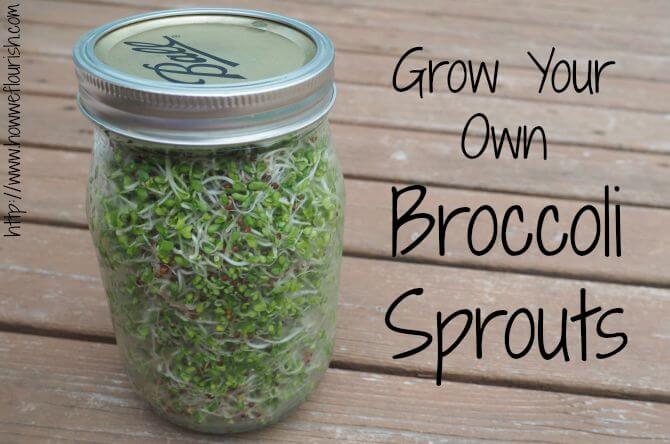
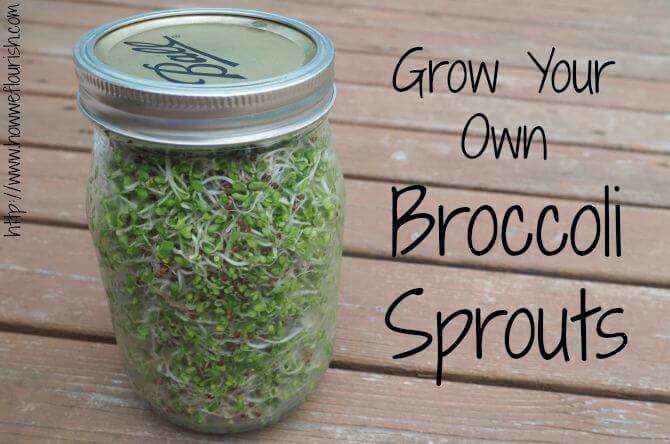
How to Grow Broccoli Sprouts at Home! SUPER HEALTHY!!!

Original source of this post: www.howweflourish.com

Growing Broccoli Sprouts at Home

There is a great blog we recently came across, howweflourish.com.  She recently wrote about why and how everyone should be growing and eating broccoli sprouts.  The results are overwhelmingly positive.

DID YOU KNOW?  Broccoli sprouts are 10x – 100x higher in some cancer fighting compounds than the actual mature vegetable!

She mentions in her article,  …”this past spring, we purchased the seeds for our garden from SeedsNow. I love this company because all their seeds are non-GMO as well as being raw, untreated, pure heirloom, non-hybridized varieties. This means you can save all your seeds from the plants you grow for next season!

But anyway, while I was there, I noticed that they also sell seeds for growing sprouts. I had just finished reading The Elimination Diet, where the praise the benefits of broccoli sprouts, so I thought I would check it out. I picked up a bag of the sprouts and anxiously awaited my delivery. Remember, I was waiting for my garden seeds AND the broccoli sprouts! It was an exciting day at the mailbox.”

Click here to read the full article about why and how to grow organic broccoli sprouts:

Instructions for Growing Broccoli sprouts:

  1. Add 2 tablespoons of broccoli sprouting seeds to a widemouthed quart jar.
  2. Cover with a few inches of filtered water and cap with the sprouting lid.
  3. Store in a warm, dark place overnight. I use a kitchen cabinet for this.
  4. The next morning, drain the liquid off and rinse with fresh water. Be sure to drain all the water off.
  5. Repeat this 3-4 times a day. Continue to store your seeds in a warm, dark place. After a few days, the seeds will start to break open and grow. The biology major in me is absolutely enamored with this process!
  6. Eventually, the sprouts will be an inch or so long and have yellow leaves. Now you can move the sprouts out into the sunlight.
  7. Continue to rinse them 3-4 times a day until the leaves are dark green. Now they are ready to eat!
  8. This whole process will take about a week. Patience is key!
  9. Once they are ready, replace the sprouting lid with a standard mason jar lid and store in the refrigerator.
  10. Serve on top of salads, stirred into soups, or however strikes your fancy.
Schema/Recipe SEO Data Markup by Yummly Rich Recipes

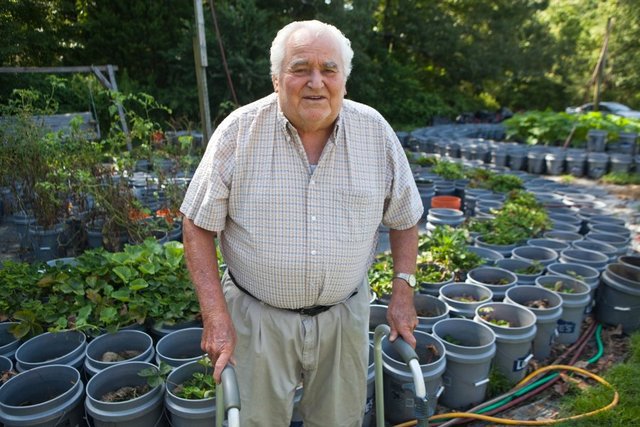
This 82 year old man, maintains a garden of 1,000 fruit and vegetable plants in buckets

This post is originally from commercialappeal.com

Some people are happy with a patio tomato on the porch.

Willie Anderson, 82, took container gardening to another level; he planted tomatoes, cucumbers, corn, okra, squash, peppers and eggplants in five-gallon plastic buckets in his yard in Red Banks, Mississippi. He now has plants in more than 1,000 buckets.

Willie Anderson, 82, maintains a garden of 1,000 fruit and vegetable plants in buckets at his home in Red Banks, Miss. The garden requires no special equipment. There'€™s no hoe on the place, he said. And it'€™s totally organic. I use grass clippings, soybean stalks, cotton hulls, he said.
Willie Anderson, 82, maintains a garden of 1,000 fruit and vegetable plants in buckets at his home in Red Banks, Miss. The garden requires no special equipment. There’€™s no hoe on the place, he said. And it’€™s totally organic. I use grass clippings, soybean stalks, cotton hulls, he said.

It’s easier to grow an entire garden if you’re planting everything in buckets, Anderson said. “There’s no hoe on the place,” he said. “We don’t need one.”

“You don’t have to have any equipment,” said his son, Ron Anderson. “You don’t have to have any utensils to farm with as far as hoes and shovels. You don’t have to have a tiller. All you do is plant, water and harvest.”

The garden is totally organic. “I use grass clippings, soybean stalks, cotton hulls — that’s the waste that comes out when they gin the cotton,” Willie said.

Ron came up with the idea of the bucket garden for his dad nine years ago. Willie always was a robust man, he said. He was in farming, raised hogs and cattle and went into the home building business with Ron and his other son, Mark Anderson. “He had a hip that deteriorated and he had to have hip surgery and replacement,” Ron said of his father. “When he had that, he was pretty much home bound and his hopes and dreams were just going down. He had cabin fever. He didn’t have anything to look forward to or to do. He couldn’t get out like he had all his life.”

Willie liked the idea of the bucket garden. “I was just tired of sitting up in the house,” he said.

Ron bought 100 buckets from Lowe’s and some Miracle-Gro potting soil. He said, “Dad, let’s try this and see if we can do this for your hobby.”

Ron punched holes in the bottoms of the buckets for drainage and put them on sheets of black plastic to keep weeds from growing around them. “We raised our own tomato plants from seed,” Ron said. “We planted one tomato to a bucket, one squash seed to a bucket, one corn seed to a bucket.”

Willie didn’t want to stay in the house anymore. “We got him a little four-wheel scooter and he’s out the first thing every morning to check his garden,” Ron said.

“You can garden in the shade,” Willie said. “It needs to get at least five hours of sunshine a day. That’s enough for the plants.”

Their first harvest was better than they expected. “We probably had about 10 cases of tomatoes that weighed 30 pounds apiece,” Ron said. “I sold them to some pizza companies in the Olive Branch area. They froze them and canned them for soups.”

Now they mostly give away the produce they don’t use. “I thought at first there might be a little money to be made in it,” Willie said. “But I don’t think there is. I just give what I grow to whoever wants it.”

They stopped using Miracle-Gro after the first year and went organic. “We don’t use any kind of chemical fertilizer and we use the same dirt year after year,” Ron said. “We plant them in the same pots every year. After people cut their grass and sack the grass cuttings on the side of the curb, my brother and myself go around with a trailer and bring home 20 to 30 sacks. He puts it around the top of the buckets. The grass fertilizes every time you water.”

To irrigate, they attach water hoses to sprinklers atop 10-foot landscape timber posts, which are stuck in the ground. They use one sprinkler per each group of 350 buckets. “All I do is turn the faucet on,” Willie said. “It wets everything down in about an hour and a half. It usually lasts about a week if it’s not too dry.”

They’ve experimented with different vegetables. “We had a cabbage big as our granddaughter,” Willie said. “I got a cantaloupe this year. It’s ripe down there now. It’s the first one we’ve been able to raise in the buckets. We haven’t been able to raise a watermelon. I don’t believe the bucket’s big enough to raise a watermelon.”

They haven’t tried everything. “We haven’t grown any field peas, but they’re so simple to grow,” Willie said. “I don’t see a problem with them.”

Plastic buckets aren’t the only container gardeners can use, Willie said. “These gardens can be grown in a plastic shopping sack like you get at the grocery store if you want to, but they’ll only last one year and you’ll have to redo it every year,” he said. “I have done it. It’ll work. But the plastic will rot out by the end of the year.”

Ron, his mother, Geneva, his wife, Gidget, the grandchildren and a hired man help with the garden. Willie basically oversees the garden.

Willie also gives the plants pep talks. “I say, ‘Now, y’all got to do better than that,’” he said.

“He does go down there and talk to them three times a day,” Ron said.

Garden writer Felder Rushing, a former Extension Service urban horticulture specialist, is a fan of bucket gardening. “I have grown veggies and herbs in five-gallon buckets in my Mississippi garden for years,” he said. “So cool. So easy. Just the right size. Can’t grow a decent tomato or pepper in anything smaller. And no worries about soil diseases.”

Rushing doesn’t stick with drab-colored buckets. “I spray paint mine to make them more cheery.”

As for Willie’s 1,000-plus bucket garden, Rushing said, “I totally agree with the sentiments of Mae West, who once said too much of a good thing is — wonderful.”

Read the full story here: http://www.commercialappeal.com/entertainment/lifestyle/home/bucket-crops-mississippi-man-takes-container-gardening-to-another-level-ep-1211661529-324126561.html

Hive of Industry, a Husband-and-Wife Partnership Living in Portland, OR.

capture-20150909-102941How would you quickly describe yourself to others?

We’re Evan and Judith, a husband-and-wife partnership living in a small house in Portland, Oregon. We are trying to grow and make things and carve out a good life for ourselves that hopefully doesn’t hurt or impede on the lives of those around us in the process. Together we have created a little urban homestead that we love and hope will produce a lot of healthy food for us. Though we each currently maintain fulltime jobs in the city, our goal is to someday work a modest piece of land in order to provide as much as we can for ourselves using our own capabilities, time, and effort.

How did you get started with your blog/Instagram page/etc.? 

We started our blog and Instagram account in June of 2014, about one year after purchasing our home in Portland. Our goal was simply to document our attempt at learning to grow some of our own food and live a more self-reliant lifestyle. We created our blog to join in a global community of homesteaders and their useful and inspiring conversation.

capture-20150909-103217Did you start when you began your transition to live this lifestyle? 

For as long as we can remember, we’ve each been interested in living a slower, simpler existence where we are actively involved in the process of growing and making more of what we need to subsist. When we bought our home, we finally had the space we needed in order to begin doing these things more regularly and, as we worked together to renovate and put infrastructure in place for gardening and homesteading, we realized that we wanted to find a community of like-minded people to exchange ideas with around homesteading and self-reliance. 

Have you always been growing your own food? If not, what sparked your passion? 

We haven’t always grown our own food, but we have both had an individual interest in gardening and farming since we were very young. We both have roots in farming, and each participated in a family garden when we were growing up. As we each have gotten older together, our interest in growing our own food expanded beyond our individual family pastimes to include the environmental, social, health, and philosophical aspects, as well.

capture-20150909-103442Have you ever made mistakes or failed doing something? How did you overcome any obstacles? 

We fail at things all of the time, and we’re beginning to realize that failure goes hand-in-hand with doing more things for oneself. We can’t be experts in everything, or even many things, but homesteading has given us the opportunity to try to do a lot of things on our own. The first time Judith tried to make fermented pickles with our cucumber harvest last year, for example, they turned out to be a mushy mess of mold. When Evan started out trying to construct a simple chicken run for our future hens, it took him over six months and a couple different iterations to finish it. Then there was the time we remodeled our own bathroom, which took us just shy of seven weeks due to some serious trial-and-error and watching of YouTube how-to videos (it really did turn out pretty well, though). We just try to learn from our mistakes and try to make better decisions going forward. 

capture-20150909-103614Have you ever dealt with a person who disregards your lifestyle? 

We haven’t yet, at least not to our knowledge, but we’re prepared to encounter this eventually. Most people are incredibly supportive, and are interested in learning more about growing food and homesteading. One of the reasons we are committed to living as we do is that it doesn’t much threaten or impede on anyone else’s way of life. We know that there are flaws in what we do, and this lifestyle probably won’t appeal to most people, but we aren’t living this way to convince anyone else to do what we’re doing—we’re just living in a way that feels best for us.

What are some of your greatest rewards with a lifestyle such as the one you live?

The greatest reward for us is being connected to our daily life in the most physical and basic sense. Our food tastes better when we watch it grow from seed or forage it in the woods; transportation feels truly remarkable when our bodies are the engine; heat seems hotter when we have to chop the wood and nurture a spark. There is enough detail and beauty in the most fundamental and biological cycles of life to entertain and educate us for a long time.

capture-20150909-103855What tips and tricks would you like to share with other people? 

This is going to be a boring answer, but to be honest, one of the best tips we have for transitioning into a more self-sufficient lifestyle is to keep an overall family budget that everyone agrees upon and that you all consult often. One of the biggest challenges we have faced from the onset in conceptualizing how to live a more self-reliant existence is figuring out how we’re going to support ourselves financially. We want to do more for ourselves, but this requires an investment of money for infrastructure and personal time for labor. We sometimes feel like we’re stuck in an ongoing game of tug-of-war with our day jobs and accomplishing what we need to do around our homestead. We still have a long way to go before we can rely on the homestead to support us in a way that would allow one or both of us to leave our jobs, but having a budget has been critical in moving us in that direction. What we have realized is that homesteading takes a lot of time, but also has the potential to significantly reduce our monthly expenses. As we begin to make the shift away from a system where we work for cash and then trade cash for goods and services, it has become very important for us to understand the resources we have to work with and what we are obligated to pay each month. Once we started to identify (and really think about) what our household expenses are, as well as what we want our lifestyle to look like, the easier it has become to make decisions that are in line with our overall vision.

capture-20150909-104018What are some of the other things you would like to have other people understand about living a healthier and self-sufficient lifestyle?

For as much hard work and planning go into living an intentionally more self-sufficient life, it’s a truly fun and exciting way to exist in the world! We look forward to every evening and weekend, when we can turn our attention back to the simple, basic projects we need to complete to live well. When we’re working on projects around the house and garden, it requires us to employ our intellectual, creative, and physical selves, which truly feels fantastic.

What are your favorite plants to grow in the garden?

We love growing plants that seem to thrive in our space and climate: a wide variety of greens (kale, chard, arugula, lettuces, et cetera), carrots, beets, peas, beans, and all sorts of summer and winter squashes. We’re also very excited to be growing many different kinds of herbs and flowers, which add color, texture, and aroma to our garden. We’re studying the value of pollinators, too, and love adding new plants that will attract them to our yard. Someday soon we want to take a class or classes about soil science, as well, to more fully understand the value of good dirt.

Links:

Hive of Industry Blog / hiveofindustryblog.com

Hive of Industry on Instagram (@hiveofindustry) / instagram.com/hiveofindustry

Hive of Industry on Tumbler / hiveofindustryblog.tumblr.com

Do you believe that diseases can heal with the correct diet and absolutely no medication?

FoodIsYourMedicineNotPillsEatRightToBeHealthyThis post was found originally from vegfriend.com

Not just a few, but all diseases can heal with the correct diet and absolutely no medication. Your body is capable of handling and recovering from any ailment provided you give it the appropriate terrain to heal. Supplements may at times be beneficial, but your true medicine is food and always has been.

The next time your blood pressure shoots up, remember that your body is capable of controlling it without a trip to the GP. Dr Nandita Shah, a  homeopath, says simple dietary changes can help prevent, and more importantly reverse, ailments like osteoporosis, diabetes and even high blood pressure without popping pills.

Shah, who has been a homeopathic practitioner for 30 years, says the biggest hurdle most of us encounter is that we fail to understand our body. “If you put kerosene in a car that runs on petrol, the car will break down,” Shah says, adding that the human body functions better if it consumes foods that are a better fit.

She offers an instance. Our body is mostly alkaline, she explains. A pH (potential Hydrogen) level between 1 and 6.9 is considered acidic, while one between 7.1 and 14 is marked alkaline. The human body’s natural pH level stands at 7.45, making it alkaline. All fruits and vegetables, natural juices like coconut water are alkaline, which make them a better nutrition fit than say animal proteins, tea, coffee, sugar, alcohol, and packaged foods that have high acidic levels. An imbalance in pH levels, says Shah, can lead to a disruption in cellular activity, causing health problems that range from heartburn to heart disease.

Nutrients in foods do not work alone in isolation, instead they work together as a powerhouse team in what’s called synergy. We’re often so focused on single nutrients like vitamin c and calcium, that we don’t consider that maybe it’s how these nutrients work with one another that make them so great.

The Journal of Nutrition in 2004 conducted a study on rats that were fed tomatoes and broccoli. Prostate tumors grew less in rats fed a combination of tomatoes and broccoli versus rats who were fed tomatoes and broccoli on its own. They even isolated and removed the cancer fighting substances found in tomatoes and broccoli and fed them to the rats, but they were ineffective. The point I’m trying to make is, a lycopene (the potent nutrient in tomatoes) supplement might be useful, but the whole tomato is better, and that tomato with a bit of fat is even better, but that tomato with a bit of fat and some broccoli is so much better. Why exactly? Scientists are still unsure but it’s all attributed to food synergy.

Eat Right To Be Healthy

Osteoporosis cause: Calcium deficiency is not the cause of this condition. It’s a diet that’s either very rich in acidic foods or high in protein. Proteins are broken down into amino acids which are acid yeilding. And so, consuming large amounts of animal protein results in the body extracting calcium from the bones to neutralise the effect of acids. When the lost calcium is not restored, it causes osteoporosis over a period of time.

Food solution: Eat foods rich in vitamin D (it helps the body absorb calcium from foods), eliminate acidic foods like colas and caffeine. Include more fruits and vegetables in your meals. Green leafy veggies are rich in Vitamin K, and help rebuild bones.

Diabetes cause: Sugar is not the cause of diabetes, rather high blood sugar is the result of diabetes. The real cause of type 2 diabetes is the presence of fats in muscle cells. Beta cells present in the pancreas monitor the bloodstream for glucose. When blood sugar levels rise after meals, the beta cells respond by secreting insulin. Insulin helps in the further absorption of glucose. Consumption of unhealthy fats causes beta cells to lose their ability to sense glucose in the blood, allowing blood sugar to rise unnaturally.

Food solution: Avoid unhealthy fats found in fried foods, packaged foods, butter, meat, whole fat dairy products, and most vegetable oils. Any fat that comes with fibre is good for you. Think peanuts, cashew, and sunflower, sesame and pumpkin seeds.

Acne cause: Eating processed foods increases the body’s insulin levels, causing skin inflammation and breakouts. An imbalance of Omega-3 fats in the diet can also aggravate acne. Omega-3 fats are known to counter the effect of inflammatory chemicals that lead to breakouts.

Food solution: Have a diet that’s low on sugar and rich in whole grains, fibre, fruits and vegetables. It will balance the body’s insulin levels. Go for Omega-3 rich walnuts, flaxseeds, spinach and strawberries. Avoid fried and greasy foods.

High blood pressure cause: Blood pressure is the force ex- erted against the walls of the arteries as blood flows through them. If a person has high blood pressure, it means that the walls of the arteries are receiving too much pressure repeatedly. Consumption of unhealthy fats leads to a build up of cholesterol deposits along the artery walls, thinning the passage for blood flow, and thereby adding to the pressure.

Food solution: Adopt a two-pronged approach — stay away from unhealthy fats found in fried and packaged foods, and boost the intake of potassium, a mineral that reduces the effect of sodium on blood pressure levels. Mushrooms, bananas, dark green leafy vegetables, sweet potatoes, oranges and dates are high in potassium.

Asthma cause: Asthma is an allergic response of the body to a substance, such as foreign dust particles or foods that cause swelling or inflammation of the airways. High levels of histamine, a chemical messenger that helps direct the body’s response to a foreign invader, have been found to inflammate respiratory airways.

Food solution: Although no diet can guarantee the reversal of asthma, avoiding foods that up histamine levels can help control it. These include: alcohol, vinegar, ketchup, confectionary made with yeast, sour cream and fermented and processed foods.

This post is continued here … http://www.vegfriend.com/profiles/blogs/food-is-your-medicine-not-pills-eat-right-to-be-healthy

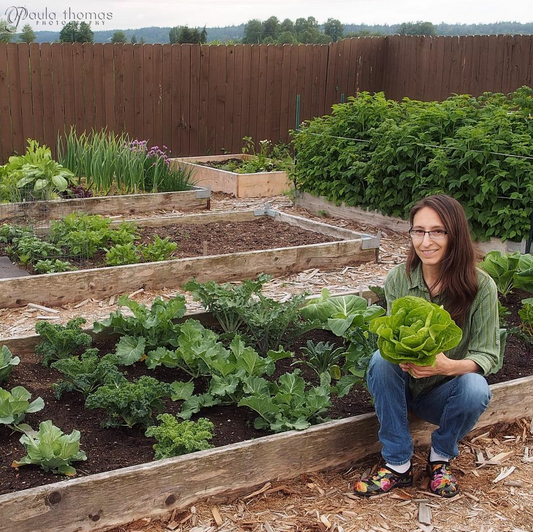
Red Wine Lover. Easy Going Photographer & Gardener. Meet Paula!

capture-20150819-100831How would you quickly describe yourself to others?
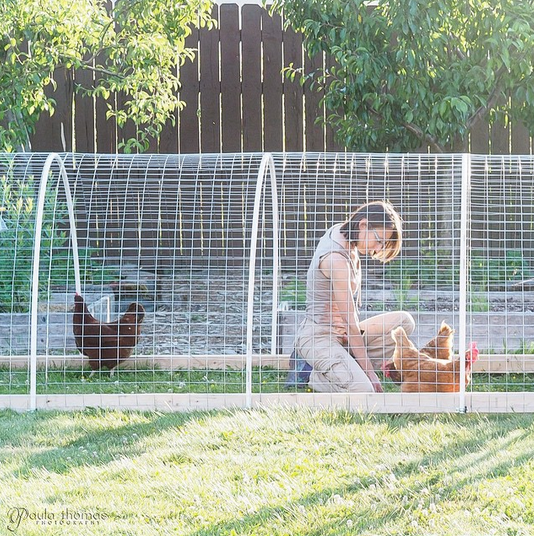
I’m easy-going and like to spend time at home tending to my garden and watching my chickens while enjoying a glass of red wine.

How did you get started with your blog/instagram page/etc? 
I’ve had a blog ever since I can remember and it started out as being more of an online journal but morphed into a food blog and now have integrated gardening. Photography has always been a part of my blog no matter what the topic. I started on instagram mainly posting photos of food from restaurants and my home-cooked meals but started posting more on a daily basis and gaining followers when I moved and started posting chicken and gardening photos.

Did you start when you began your transition to live this life style?
No, my instagram, blog and youtube channels were around much longer than my life style change however the subjects and audience have changed since then.

Have you always been growing your own food?
I’ve always grown some of my own food. My staples were always herbs, tomatoes and zucchini. It wasn’t until my move last year that I started growing a wider variety of fruits and vegetables. I also grew up in a family that planted a backyard garden every year.

capture-20150819-100358Have you ever made mistakes or failed doing something?  How did you overcome any obstacles?

I’ve had a lot of failures in the garden, some from my own mistakes and some beyond my control. I posted a couple of videos on youtube detailing some of those failures. I always learn from my mistakes and will not repeat them. For example one of the mistakes I made this year is planting all of my lettuce at the same time instead of staggering the plantings so they were all ready to harvest at the same time and we couldn’t possibly eat it all before it began to bolt. The chickens enjoyed my mistake though and were happy to have the bolted lettuce. Next time I’ll be sure to not plant 25 lettuce plants at the same time.

Have you ever dealt with a person who disregards your life style?

No, quite the opposite. I hear about a lot of people that tell me they are jealous of my lifestyle and younger people that want to do what I do when they are older.

capture-20150819-100946What are some of your greatest rewards with a lifestyle such as the one you live?

The greatest reward is being able to eat straight from my backyard without having to go to the store and sharing it with friends and co-workers. I frequently give away or share the extra produce and eggs from the chickens at work.

What tips and tricks would you like to share with other people?

Don’t plant things you don’t like. I’ve been known to make that mistake and I know others have to. If you are unsuccessful growing something, don’t give up. Try again next year in a different location in the garden and look up growing guides online to see if there’s something you might have missed. If you have more than just a couple of garden beds, use a garden planner! There’s no way I could have planted out my garden without one.

What are some of the other things you would like to have other people understand about living a healthier and self-sufficient life style?

You are what you eat. You only get one body and it’s important to take care of it. There’s nothing better for you than eating fresh, clean food that you know where it came from. It doesn’t get any fresher than your own backyard.

capture-20150819-100703What are your favorite plants to grow in the garden?

Now that I have a large garden and room to plant just about anything I want, my favorites are cherry tomatoes, kale, cabbage and lettuce. Kale and cabbage can be tricky to keep bugs off of. I had some challenges this year with that but used neem oil to keep it under control and they are doing well now. Cabbage takes up quite a bit of room and after planting it, I was thinking I may not plant it next year but I quickly changed my mind after tasting it. I was surprised how much better it tasted than store bought cabbage so I might plant it again after all.

capture-20150819-100508Is there anything else you would like readers to know about you?

In addition to spending a lot of time taking care of chickens and gardening I also have a full time job. It’s not easy, but it can be done. There’s nothing more rewarding than turning seeds into food and being able to share it with others. I also started beekeeping this year and have two hives to help pollinate the garden and hope to get a honey harvest next year.

Family Gal. Floridian. Quick-Witted Goofball. On a Journey to Grow More Food.

UntitledHow would you quickly describe yourself to others?
I am a wife and a step-mom who is a kind hearted, quick witted goofball with a goal of making everyday full of laughter!  


How did you get started with your blog/instagram page/etc?
I had an instagram page for a while but I hardly ever used it. About a year ago I decided that I wanted to start a home garden in efforts to help me and my family lead a healthier lifestyle. I thought that Instagram would be a great outlet to document my journey. Never did I imagine that one small raised bed, that I thought would probably fail, would turn into a passion for growing my own food.


Did you start when you began your transition to live this life style?
Yes, actually I did. I started documenting my journey on instagram just for my benefit really. Then once I started gaining followers and noticed that I was inspiring other’s to also grow their own food, I knew that this was something that I wanted to do. I wanted to inspire others to be more conscious of the food they put in their bodies and the bodies of their families.

capture-20150806-191358

Have you always been growing your own food?  If not, what sparked your passion?

I have never grown anything successfully before I embarked on my journey! I would try to grow a few flowers here and there but I never took the time to dedicate myself to it. It wasn’t until I started learning about GMO’s and the dangers of pesticides in non-organic foods after watching documentaries like “GMO-OMG” and “Food Inc.” and hours of my own online research, that something inside of me told me that growing my own food was something that I just had to do. I knew that I could no longer leave my family’s health in the hands of someone else.

capture-20150806-191819

Have you ever made mistakes or failed doing something?  How did you overcome any obstacles?
Absolutely! I was a little over-zealous the first time I started my garden. I packed so many different vegetable into one small bed that I ended up with a jungle! Many of the plants still produced a good amount of fruit but it was difficult to manage so many plants in such a small space. I had 6 tomato plants, 4 zucchini plants, 7-8 baby spinach, 10 carrots, 4 bell pepper plants, and 4 heads of lettuce packed into ONE 8-4 raised bed! Needless to say I have learned my lesson and now understand the space that is needed for everything I grow. I also learned the concept of companion planting the hard way. I know that every day is a learning experience. Sometimes you will fail at growing a certain plant but you learn from your mistakes and keep your chin up. It is worth it! 
capture-20150806-192008
Have you ever dealt with a person who disregards your life style?
I have not so far! Everyone has been really encouraging! There are those that say they could never do what I do because they don’t like to get dirty or they just don’t have the time. Some people just assume because they “killed” a plant at one time or another in the past, that they must have a “brown thumb”. Those are the vary same people who are my target audience. I tell people that I was once just like them! ( I once killed a bamboo desk plant y’all! That is very hard to do! Haha!) But after a little research anyone can do it! If I can be a recovering “brown-Thumb”, so can you! 😉 

What are some of your greatest rewards with a lifestyle such as the one you live?
My very first harvest was a bunch of cilantro and two green bell peppers. That night I made a fajitas. While slicing up the bell peppers my husband wanted a sample. After one bit he looked at me and said this was the best tasting bell pepper he has ever eaten. THAT was the first time I made a real  commitment to this lifestyle. There is no going back. The fact that I sowed a seed and now my family is eating from something that I grew is the greatest reward I could get. 
capture-20150806-191637
What tips and tricks would you like to share with other people?
If you are interested in starting a home garden, don’t think that you need 10 acres to do so. You can easily have a successful garden even in a small space. There are so many amazing urban gardeners out there that are feeding their families with what they grow on the balcony of their apartments! The sense of accomplishment you will feel after your first harvest will make you wonder why you didn’t start you home garden sooner! 

What are some of the other things you would like to have other people understand about living a healthier and self-sufficient life style?
There will be bumps along the road. Pests, birds and seeds that just don’t germinate are just some examples that can make any organic gardener want to pull their hair out. But KEEP TRYING! The reward outweighs all obstacles. 
capture-20150806-191915
What are your favorite plants to grow in the garden?
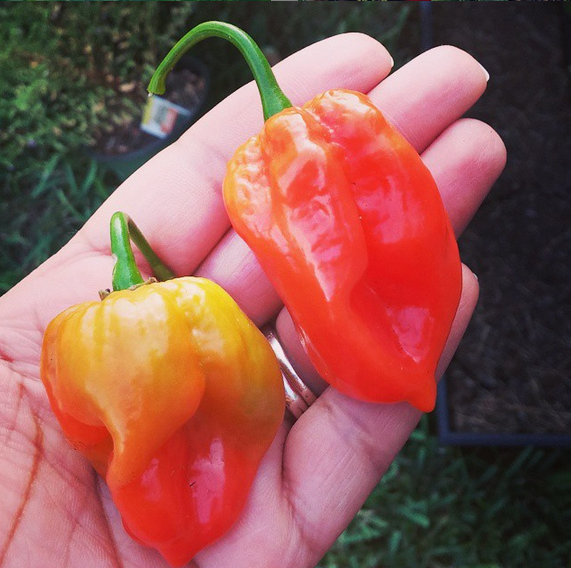
In the hot Florida sun, peppers seem to be the most successful in my garden. I have been able to grow various types of peppers from Ghost peppers and Habanero peppers to delicious sweet bell peppers. 


Follow @GreenThumbJourney on Instagram! 

St. Luke’s Hospital sends all new moms home from the hospital with a basket of fresh produce …

Post/content/images are from CivilEats.com – and – anderson.slhn.org

Are Hospital Farms the Next Big Thing in Healthcare Reform?
When it comes to improving the food on today’s hospital trays, some medical institutions are finding that onsite farms are the next logical step. By Jodi Helmer on July 21, 2015

image003
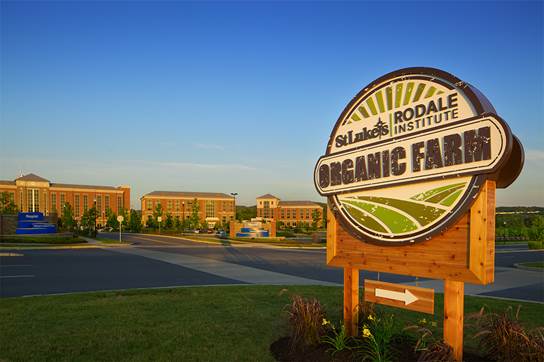
St. Luke’s Rodale Institute Organic Farm

This summer, St. Luke’s Hospital started sending all new moms home from the hospital with a basket of fresh produce, recipes and literature about the importance of a healthy diet.

All of the produce in the basket was grown on an organic farm on the hospital’s Anderson campus in Bethlehem, Pennsylvania. The hospital—part of a six-campus network—has been running a farm on the 500-acre grounds since 2014.

“Our mission is to provide great healthcare and part of that is educating patients about the benefits of a plant-based, organic diet,” explains Ed Nawrocki, president of the Anderson campus. “One of the best ways to do that is to lead by example and show them how delicious produce grown on our farm tastes.

14120-Farm-62e-cropLR
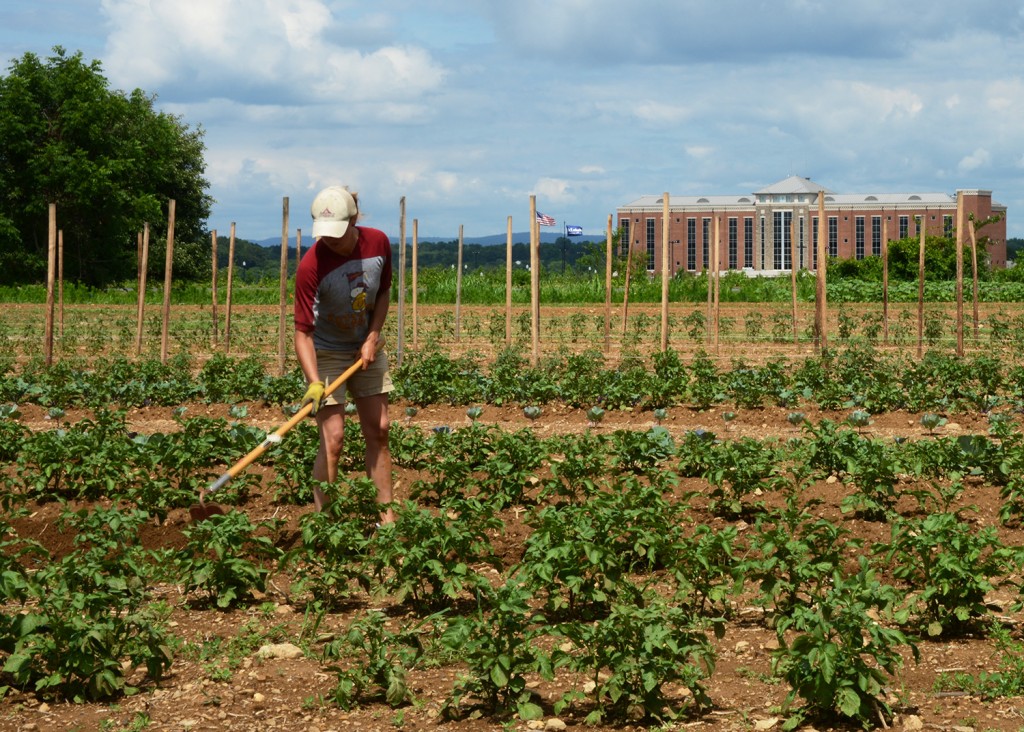
Produce from the farm will be utilized in our network cafeterias and served to patients, employees, and visitors.

But it’s not just new moms who benefit from the hospital’s bounty. In its first season, the farm at St. Luke’s grew 12 varieties of vegetables on five acres, producing 44,000 pounds of produce that was served to patients, incorporated into the cafeteria menu, and sold at weekly farmers markets on several hospital campuses. This year, the farm expanded to 10 acres and 30 varieties of fruits and vegetables.

Mark “Coach” Smallwood, executive director at the Rodale Institute, the nonprofit organization that worked with St. Luke’s to help get its farm off the ground, believes there is a growing interest in serving organic, locally grown produce at hospitals.

Some, like the University of Wisconsin Hospital, buy produce from local farms, others allow the community to use land on their campuses for community gardens. Now, a few hospitals are taking the next step, starting farms on hospital campuses. Among them are Stony Brook University Hospital on Long Island and Watertown Regional Medical Center in Wisconsin. Both are now using produce grown onsite to replace fruits and vegetables that are packaged and shipped thousands of miles before reaching patients.

“Hippocrates talked about food as medicine and we believe that to be true,” Smallwood says. “There is a paradigm shift happening and hospitals are realizing the value of producing fresh, local, organic food to serve to their patients.”

St.Joseph-hospital_farm

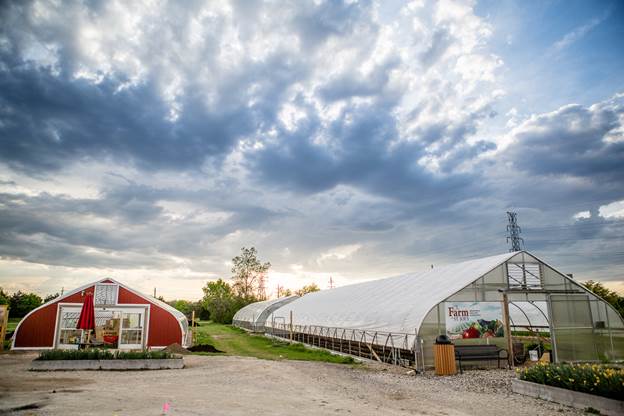
St. Joseph Mercy Ann Arbor Hospital in Ypsilanti, Michigan, planted the first crops on a 10-acre onsite farm in 2010 after patient satisfaction surveys revealed a demand. Over the past five years, the farm has grown to 25 acres, three hoop houses and four beehives. The farm grows fresh spinach, garlic, basil, collard greens and strawberries.

“The farm helps us support a culture of wellness in the hospital,” says director of nutrition and wellness Lisa McDowell. “We can’t grow enough to meet the needs of all of our patients and staff, but we can make an educational statement about the importance of eating a healthy diet.”

While farm-to-hospital efforts have been well received by patients and created PR opportunities, operating a hospital-run farm is not without its challenges.

For starters, administrators are experts in healthcare, not agriculture.

To help launch its farm, St. Luke’s partnered with the Rodale Institute for assistance in creating and implementing a plan, hiring a farmer, and managing operations. At St. Joseph Mercy, the hospital invested $32,000 in two hoop houses, hired a full-time farmer to manage farming operations for the 537-bed hospital and relies on interns and volunteers to handle most of the labor.

14120-Farm-55eLR
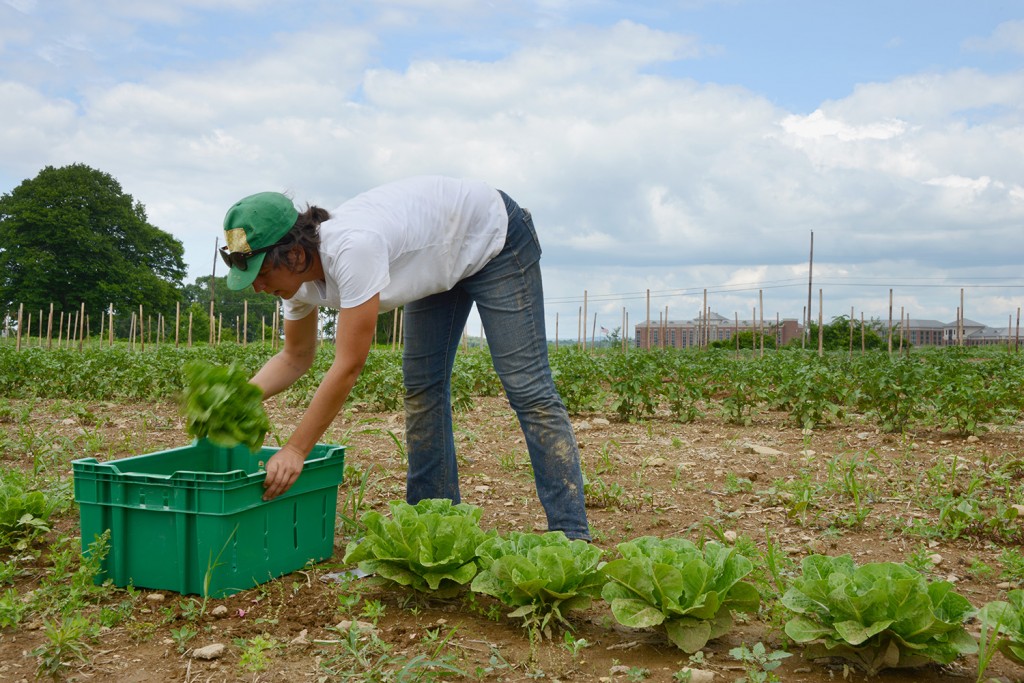
As an employee of the Rodale Institute, Lynn Trizna, an organic vegetable farmer, is excited to work with St. Luke’s on developing the St. Luke’s Rodale Institute Organic Farm. Farmer Lynn’s passion for organic agriculture began the summer of 2007, when she spent the summer working on her first farm.

It took a $125,000 capital investment to start the farm at St. Luke’s and, after two growing seasons, the farm is operating at a loss (with a goal of breaking even in 2016). The reason: Growing organic produce on the farm is more expensive than purchasing it through a foodservice supplier or sourcing it from local farms. But Nawrocki still champions the idea, explaining that encouraging patients to eat healthier diets now could improve their health in the future.

In addition to the capital investment to start farms, hospitals that want to serve fresh produce must invest in recipe development and training foodservice workers to transition from heating and reheating prepared foods to making dishes from scratch.

“When we order produce from a food service provider, it comes peeled and chopped and portioned; all our staff has to do is open the package and add it to the recipe,” McDowell explains. “Cooking with fresh foods from our farm is much more labor intense.”

In the future, the hospital hopes to partner with a local culinary program, using interns to offset the additional labor costs and make its hospital farm cost neutral by 2020.

Read more here: http://civileats.com/2015/07/21/are-hospital-farms-the-next-big-thing-in-healthcare-reform/

For more information about St. Luke’s Rodale Institute Organic Farm please visit their page here: http://anderson.slhn.org/About/Organic-Farm

Chicken Keeper. Urban Organic Gardener. Advocate of REAL food. Meet Kati, the Urban Lady Bug!

This post/content/images are from www.SeedsNow.com

How did you get started with your blog?

How I got started with my blog, The Urban Lady Bug, was through Facebook originally, I posted pictures of our garden on my personal page almost everyday and had dozens of my friends and their friends, comment, tag and ask a bunch of questions. So I figured I should create a page where people who might not know me or be my friend on fb, would still “like” my page and gain gardening information or advice from me! Once Instagram took off (follow The Urban Lady Bug on Instagram), I decided to make a IG for my blog as well and because of hashtags, it has really become popular!

Did you start your blog when you started your transition to live this life style?

Once I had completely transitioned my life over to home gardening and homesteading is when I created my blog. Although I had began this life transition about 2 years prior to creating my blog.

Have you always been this way?

No I have not, I grew up in a military family. My mother worked all the time and didn’t have much time to cook us wholesome dinners, my father being in the military didn’t have much time either. So we often settled for hamburger helpers, sloppy joes, anything that was quick, easy and inexpensive!

After moving out of my parents at 19 and into my first home is when the transition to this lifestyle really started. I began to like cooking and wanted to be able to walk into my own backyard and pick dinner, instead of having to drive to the grocery store and pay for it! Even with such little knowledge back then, we knew the importance of using only organic soils and seeds.

What sparked your passion?


It all started when I moved out on my own, I had a huge back yard and with a lemon and apricot tree that were both struggling to survive. Nursing them both back to health is what sparked my passion! I realized how bad I wanted to be able to grow all my food, and so I bought a few 2x4s & built my first raised bed. Not the best raised bed but a learning experience nonetheless!

Then about a year after I built my first garden, I unexpectedly lost my mother to colorectal cancer. Absolutely heart broken and convinced it was all caused by the foods she ate & unhealthy lifestyle she lived, I was determined with a fiery passion to change my life completely. She was only 51 years old and wasn’t a drinker or a smoker, her kryptonite was processed foods & the doctors say the cancer started when she was in her 20s.

The transition soon became an obsession which was kicked into high gear, focusing on repairing and preserving my health and body. So after purchasing my mother’s home, I planted our second garden. Which was a lot bigger than the first but was hardly an educated decision. I dug holes and planted directly into the grass (that was the bad decision). It ended up being such a pain to maintain throughout the season because of the overgrown grass and bugs that the grass attracted. This is the reason why most people and why I eventually built raised beds to plant in!
I also got our first two chickens,

Lucy & Ethel that year.

The next year, which was last summer, is when my passion for gardening and self sustaining really took off, I decided to invest the money and time needed to create the dream backyard garden that I have always wanted. I researched a local lumber yard that had rough cut untreated redwood (one of the most durable and long lasting) and ordered them to my house. With the help of my boyfriend, Kyle. Together we measured cut and built the raised beds by hand. Then I researched a local organic soil provider and had organic sandy loam soil in large quantities, I ordered 5 cubic yards and filled all of our beds up. Then added organic compost, organic peat, perlite, a bag of OG Tea per bed, and organic chicken manure. I ordered the Patriot Seeds “Survival Seed Vault” which contains a large variety of organic, non GMO, heirloom veggies and fruit, which we sowed our entire garden when. I also installed drip lines from my automatic sprinkler system so I could vacation or work and not worry about having to water my garden and saving massive amounts of time everyday from not having to hand water the entire garden!!

This summer…is where my blog and passion for organic home gardening and homesteading has really really blossomed into something fun and educational. I have learned so much over the years and the progression is clearly noticeable via the pictures!

Time is everything, so don’t worry about rushing into a large undertaking. Even a few potted herbs and tomatoes can help prepare you for a garden like mine!


What are some of the other things you would like to have other people understand about living a healthier and self-sufficient lifestyle?

It’s not an overnight thing, it is a gradual life change that you don’t want or need to rush into. It takes time to learn how to properly read labels, make better eating choices, grow your own food, and then learn how to cook the food you grow from your garden. It is impossible to learn that amount of information overnight.

Many people are super eager to jump in head over heels, without understanding that becoming self-sufficient is all about learning and experiencing through trial and error. Gardening and being self sufficient can be extremely frustrating & overwhelming to someone who has yet to live this lifestyle, so jumping too much into it will often lead to giving up. Take your time, read a lot, ask lots of questions and gradually change your life, at times when your ready!

Another thing to keep in mind is that it is an investment. It does take money & time to invest if it is something that you want to last more than just one summer. Once the initial investment is made you reap the rewards and benefits from your garden, for years and years to come!! Saving you tenfold of your original investment!

What tips and tricks could you share with other people?

DONT GIVE UP! Gardening can be so frustrating when you have no idea what to do or where to begin. I always tell people to start small, then build after you gain some experience. There is no way I would be able to successfully care for what I have now without the knowledge I have slowly gained over the last 4 years through experiments, trial & error and failing!

Have you ever made mistakes or failed doing something?


Yes!!!!! A millions times and I still
make mistakes! That is how you learn what works and what doesn’t! The important thing is to never beat yourself up over a mistake. It happens to everyone, just remember you learned something from it and that will all come into play at some point later in your gardening!

How did you overcome any obstacles?

I have overcame many obstacles in gardening, that is when you learn the most I believe! A large obstacle I have encountered and have overcome is root knot nematode. Which causes extreme scarring on the roots of your plants causing them to suffocate and eventually die. Gardening in unknown soil can lead to a lot of issues, and this is one of them! Even though I built raised beds with my own hand built super soil, the nematodes made their way into the new soil. These nematodes are not beneficial and can destroy your entire garden! I use Monterey brand “Nematode Control” which is OMRI listed, to help kill and control our nematode problem. Many obstacles like this can be very easily addressed and shouldn’t ever be stressed over!

Have you ever dealt with a person who disregards your lifestyle?

Oh my gosh!! All the time! Often time it is family! Educating them is the most important thing you can do! With education comes understanding and with understanding comes knowledge, which is what sparks desire to want to also live the same lifestyle!! Although I haven’t been able to convince all of my friends & family to live this lifestyle, I have been able to change a lot of them! Including my entire immediate family, all of which are now tending to their own backyard gardens!!

I have learned the easiest way is to lead by example. To show them what a healthy person looks like and how I healthy I feel on a daily basis! People ask me all the time what my secret is to looking 16 years old when I’m actually 26 years old, and I tell all of them what I firmly believe is the reason, the pure, clean food & water I put in my body every single day! Balanced, wholesome & organic meals made from home, straight out of the garden!

My biggest motto is – You are what you eat!! Most people don’t realize the reason they feel and look like crap is because they literally eat crap!


What are some of your greatest rewards with a lifestyle such as the one you live?

Gosh, how do I just pick a few? The rewards are so endless.. But I guess if I had to name a few, the first would certainly be the money saved. What an incredible amount of money I have saved because my grocery store is my backyard! My initial investment into my backyard garden was probably around $1500. Now because I am able to garden all year long, through the summer, fall, winter and spring months it has been over a year since I’ve had to buy veggies from the grocery store! Saving me thousands of dollars on organic foods & hundreds in gas to drive to the store! I also raise my own backyard chickens and ducks and it has been over two years since I’ve bought a carton of eggs, saving me $850 alone just on eggs!

My garden will be here for years & years to come and we have already made back our investment in food alone!

A second huge reward is that when you grow your own food you have ability to grow your favorite veggies & fruit and know without a doubt exactly where they came from, that they are farm fresh, you know how they were grown, what fertilizers were used to grow them, what pesticides were & weren’t sprayed on them and if they are really Organic, Heirloom & NON GMO!

So many times, we over pay for “organically” labeled veggies and fruit, that have still been treated with some sort of pesticide! An “organic pesticide” but a pesticide nonetheless!! When you grow yourself, you control what goes into your body!

A third but certainly not the last reward that I get to benefit from, is that gardening has become an extremely therapeutic activity for me. Losing my mother to cancer has been the hardest thing I have ever had to go through. So being able to nurture and grow plants which produces me, my friends and family wholesome organic clean food, brings me a sense of fulfillment and pride that cannot be obtained by anything else! It has also been scientifically proven that the microbial life inside of soil is beneficial to our mental health and over-all well being!

What’s your favorite variety of crop to grow and why?

Summer squash! I love summer squash of all different varieties! Crook-neck, straight-neck, zucchini. Etc. There is a million and one ways to cook summer squash! From soup, to lasagna, you can make summer squash into noodles or even just as a simple side dish! You can cook them for breakfast, lunch or dinner! There are endless ways to prepare them and they are so tasty, good for you, very low in calories and the easiest plant to grow! Not to mention you can harvest tons and tons of squash off of just one plant!
 

Follow Urban Lady Bug’s Instagram Profile

Why Joining the Urban Agriculture Movement Will Make You Healthier

Source of this contest is from usnews.com by Corinne Ruff

-1
Common Good City Farm produces food for low-income neighborhoods in the District of Columbia.

Nearly a decade ago, neighbors living near an abandoned elementary school in LeDroit Park in the District of Columbia described the area as a “thriving, open-air crack market.” But today, the once dangerous lot is flourishing with leafy greens, medicinal herbs and sour cherries.

Common Good City Farm
Entrance to Common Good City Farm.

“Our community has gentrified rapidly, and that creates some tension, but us being a safe place where people can interact is helping to facilitate conversation,” says Rachael Callahan, executive director of Common Good City Farm.

As she walks around the half-acre farm on paths of mulch that cover the old-school baseball field, she proudly points to ripening fig trees and red-veined rhubarb. “Our main goal is food production,” says Callahan, adding that at 5,000 pounds annually, the farm produces the most food for low-income neighborhoods in the District. In 2007, a community task force worked with the District to gain access to the land and transform it into the vibrant farm that attracts about 500 volunteers each season.

The nation’s capitol isn’t the only city lacking food security. More than 2.3 million people live in food deserts, or urban areas that do not have access to fresh produce, according to the U.S. Department of Agriculture. This issue contributes to poor diet, obesity and illnesses like diabetes. Urban agriculture initiatives – producing food in a community for the community – are one solution working to relieve these problems and increase healthy living one garden at a time.

Common Good City Farm is one of thousands in the country to join the growing urban farming movement.​ ​With the help of financial incentives from state governments, urban farms have sprouted up from coast to coast, gaining support in major cities such as Chicago, Detroit and Los Angeles. From 2007 to 2013, 13 states and the District of Columbia passed legislation to authorize zoning for urban farms and create councils that promote local food economies, according to the National Conference of State Legislatures.

Why Local Matters to Your Health

​In 2014, the USDA reported a total of 8,268 farmers markets nationwide, an increase of 76 percent since 2008. That increase was partly due to demand for more local food.

The mission of many urban farms, like Common Good City Farm, is to sell their harvested produce at farmers markets to low-income residents​​, Callahan says.

As a gardener and researcher of human rights for adequate food and nutrition, Anne Bellows, professor of food studies at Syracuse University, says these ​urban farms play an important role in retaining public health.

Cheery tree
Cherry tree at Common Good City Farm.

“It’s important to understand and be aware of what the huge multitude of benefits are,” she says. “The food and the nutrition are important, but also very critical are benefits like access to green, quiet, safe space where other people are meeting and working – some place that is a refuge.”

In her research ​on the health benefits of urban agriculture, she found that a five- to 10-day lag time between produce transportation and consumption can result in a 30 to 50 percent loss of nutritional value. In other words, instead of buying tomatoes from a supermarket that imports them from hundreds of miles away, Bellows says urban farms provide a local option that give consumers better tasting, more nutritious food.

​Urban farms also offer local education programs that teach community members how to cook vegetables to retain the most nutrients. On many of these farms, like Common Good City Farm, volunteers can earn a free bag of fresh produce every week by spending a few​ hours planting, weeding or harvesting at the farm.

Read the full article here: http://health.usnews.com/health-news/health-wellness/articles/2015/06/23/why-joining-the-urban-agriculture-movement-will-make-you-healthier

Seattle Mom Quits Her Job to Become a Full-Time Homesteader

5698ec41-af8c-474c-bbb0-71ed984cc706

Most of us may have thought once or twice about throwing in the towel, walking up to our boss and calling it quits.

Maybe you’ve gotten to a point in your life where what’s important to you now isn’t what was important to you when you first started your career.

We all have moments in life when we need to re-evaluate what we’re doing with our time and energy. Sometimes you just need to overcome your fears and do what your gut is telling you to do.  The results just might surprise you.

Here’s a story about how one Seattle mom decided to close her business of over 10 years and started homesteading full time on their 1/2 acre urban farm.

This is her story about how she was able to not only make ends meet without the income she was missing, but how she actually started saving money & became self-sufficient.

Screen Shot 2015-04-30 at 10.46.00 AM