LancasterFarming.com – Late summer and fall plantings are of key importance for birds and insects, says Judy Semroc, a conservation specialist with Ohio’s Cleveland Museum of Natural History, who recently presented a webinar as part of Butler County Penn State Extension’s fall garden seminar.
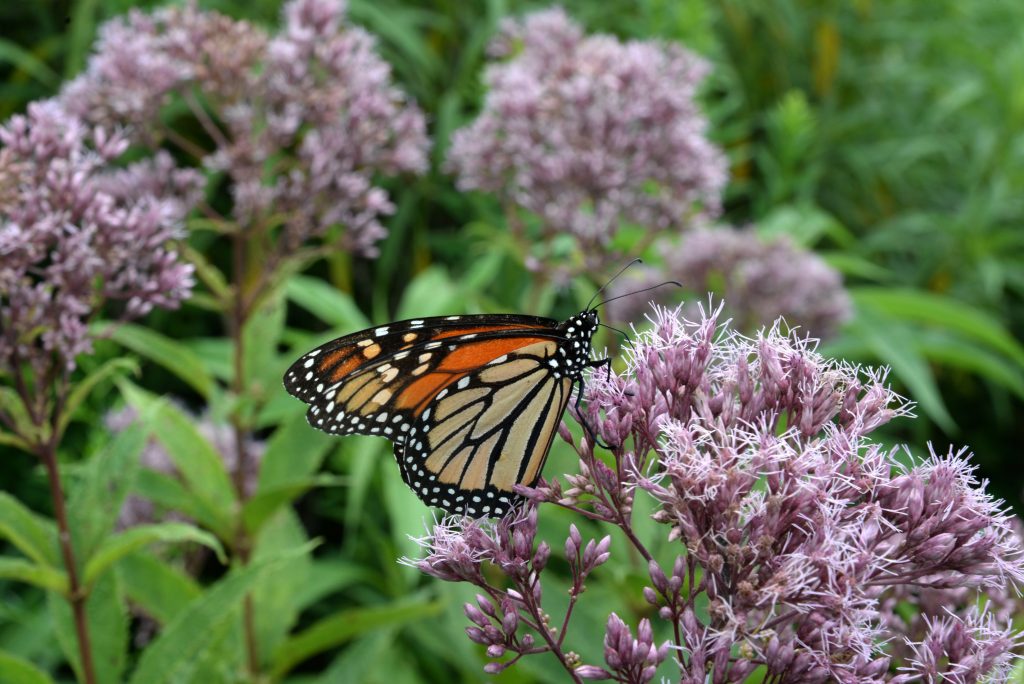
Semroc said that some of the best plants, with high pollen-nectar contents for attracting pollinators and aiding migratory species at this time of year, don’t get much respect. That’s because they are actually weeds. She listed jewelweed, sneezeweed, milkweed, ironweed and Joe-Pye weed among the plants with a weed’s bad reputation that shouldn’t overshadow their benefits to autumn’s insects and birds. Berry or fruit-producing weeds like pokeweed also deserve credit for persisting into winter, when birds are most in need of food sources.
New study reveals the importance of cities for pollinators and highlights how to attract bees and other insects to urban areas
It is well documented that access to parks, gardens and forests is good for our mental health. One study, by Denmark’s University of Aarhus, found that children who grew up without regular access to green spaces were up to 55 per cent more likely to develop depression and other psychiatric disorders than those who grow up with it.
But creating oases in our cities isn’t just beneficial for human health. New research published by the scientific journal Plos One, suggests that urban gardens, parks and roadside verges play a vital role in boosting bee and other pollinator numbers thanks to their diversity of blooming plants and absence of pesticides.
The report – titled, A Plan Bee for Cities – identified urban community gardens as particularly beneficial to insects due to the diversity of seasonal flowers. Researchers found that pollinator numbers in the urban gardens they studied were comparable to rural sites they looked at – and significantly higher than other green spaces such as parks.
The study indicates that, “With the recent Environmental Protection Agency (EPA) approval for use of both flupyradifurone and sulfoxaflor, and with the growing concern regarding pollinator health, it is important to better understand any potential negative impacts (especially sub-lethal) of these pesticides on bees.” However, this statement begs the question ‘why these two new bee-toxic pesticide were approved by EPA in the first place.’
This process is familiar and frustrating to those who continue to fight against the decline of pollinators: the chemical industry introduces and EPA approves new toxic pesticides marketed as “safer” to the specific problem caused by its older products, only to find out through independent and academic research that the problem is not solved in the least.
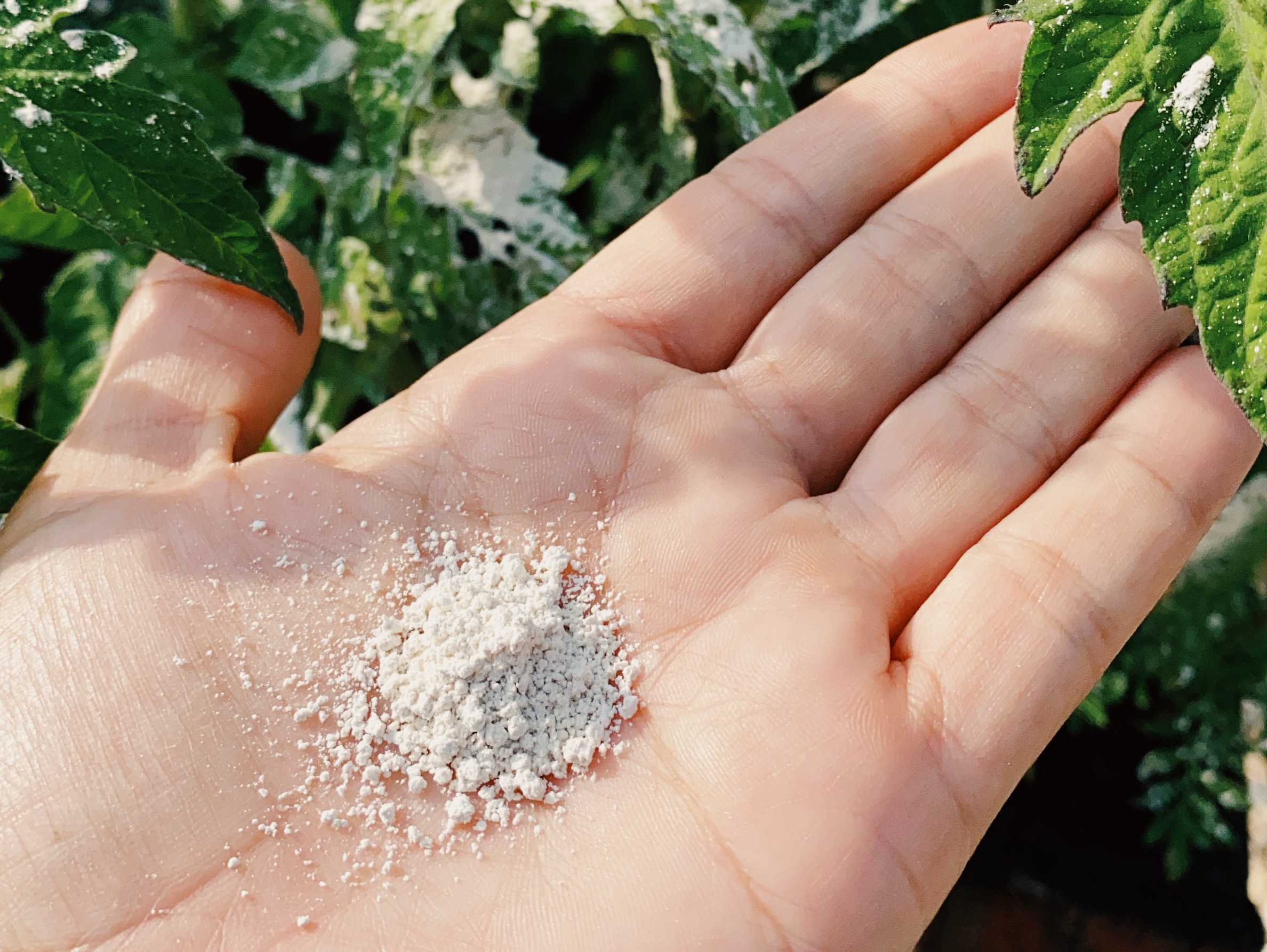
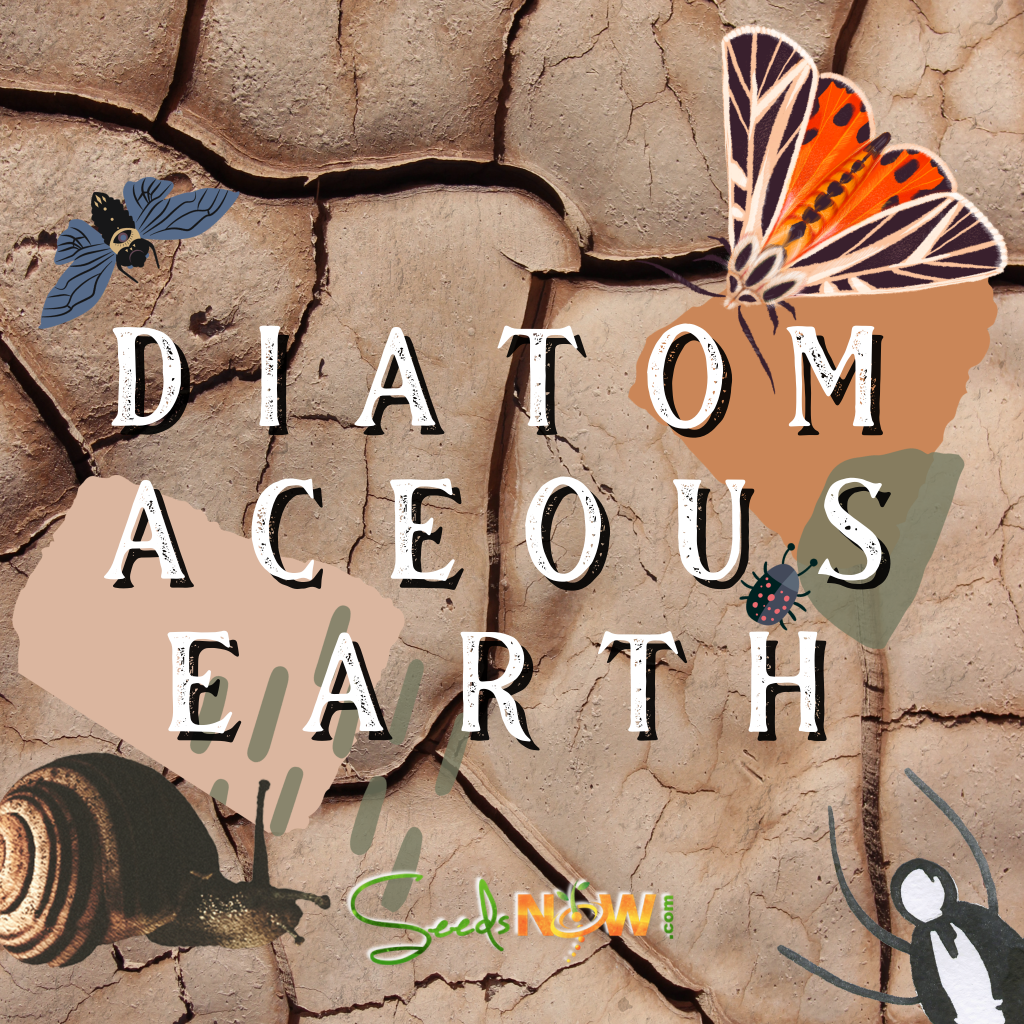
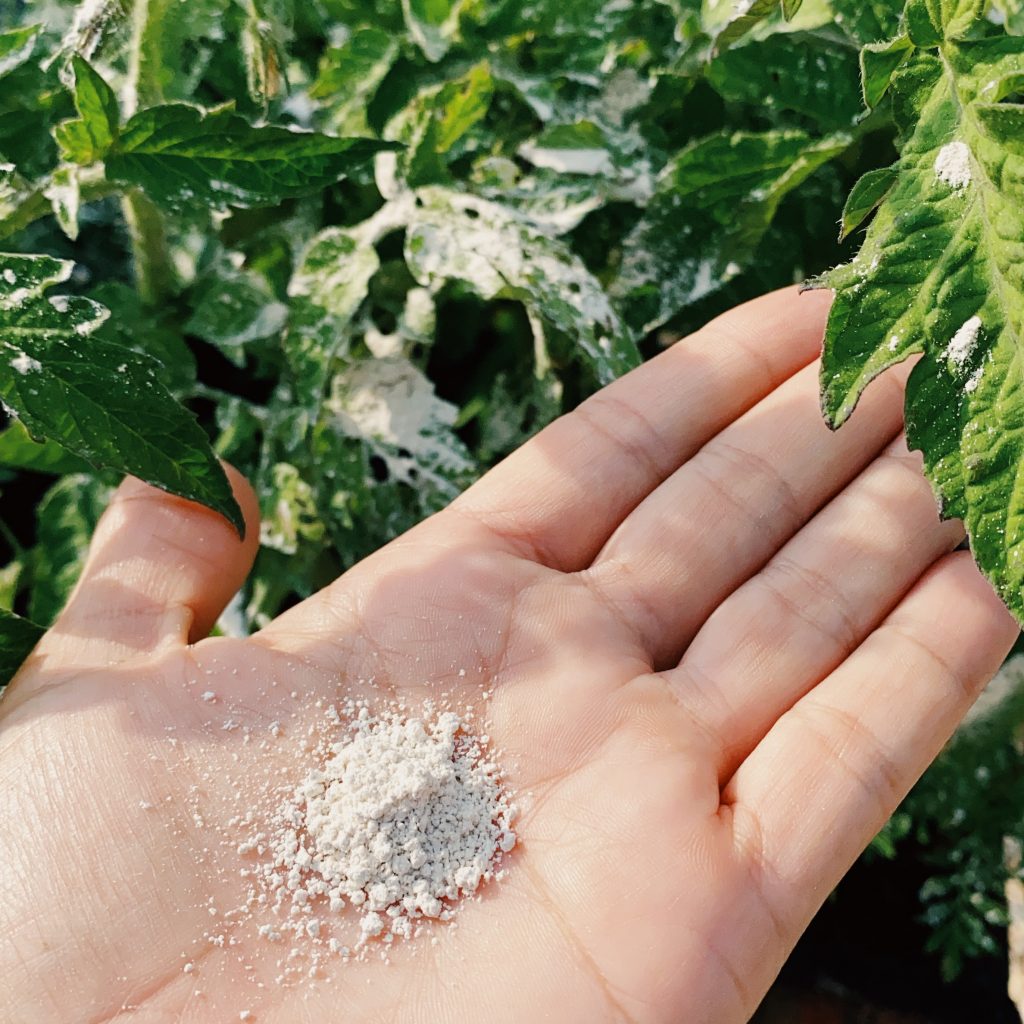
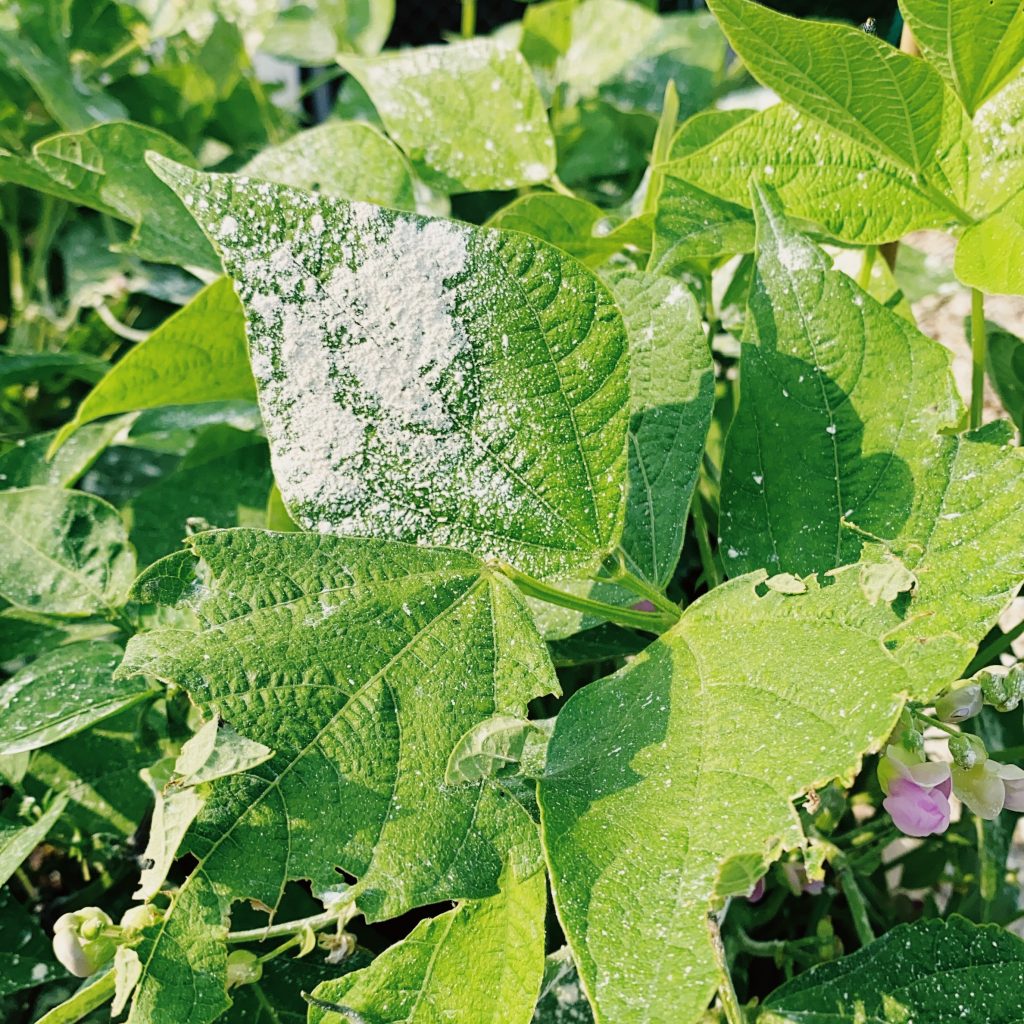
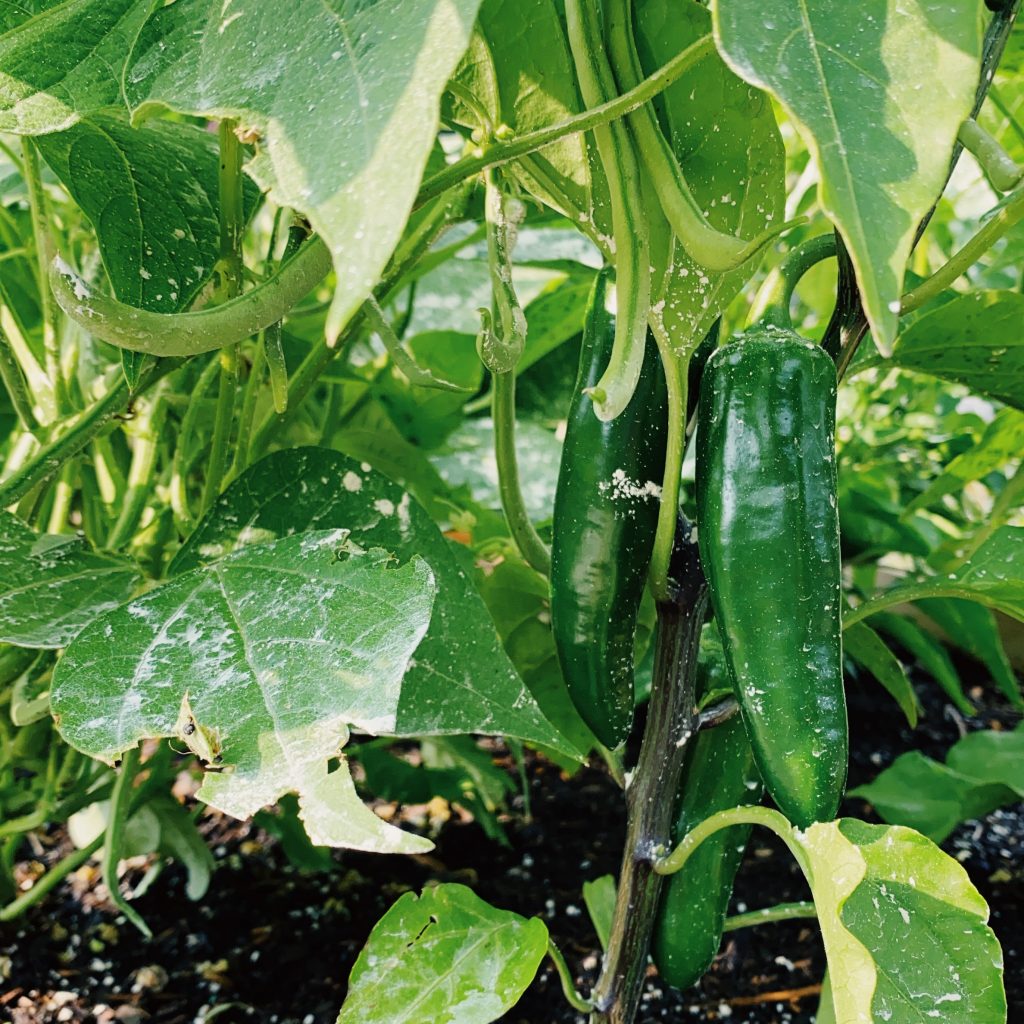
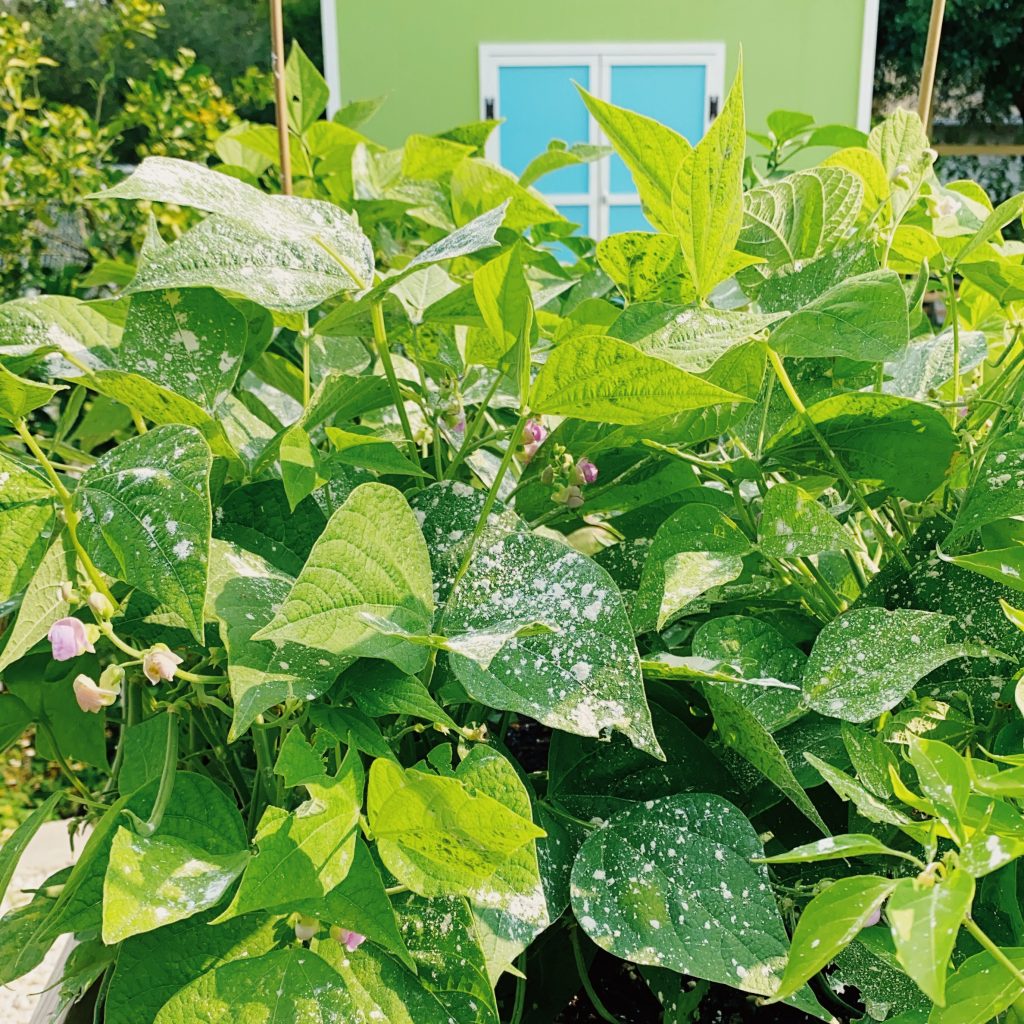
Diatomaceous earth is a naturally occurring, soft sedimentary rock that is crumbled into a fine white powder. Wondering how you can use DE in your garden? Well, as a natural method of pest control!
DE works at killing insects because the microscopic particles are very sharp and as an insect crawls over it, it gets cut. DE also can stick to the insect causing it to dry out.
Diatomaceous Earth is completely NON-TOXIC! Because it harms insects physically, and not chemically, it is very safe for you and your garden. Just remember to wear a mask, to avoid breathing in the dust particles.
It is very effective against slugs, beetles, worms, fleas, mites, spiders and MORE! Have you tried DE in your garden?
MORGAN FREEMAN’S MISSISSIPPI RANCH IS NOW A SAFE HAVEN FOR BEES
Famous as one of America’s favorite narrators, Morgan Freeman is hoping to tell a new story for the world’s declining honeybee population by giving them his 124-acre (50 hectares) ranch to live on. The 81-year-old actor took up beekeeping as a hobby in 2014 and converted his Mississippi ranch into a bee sanctuary.
FREEMAN FED HIS NEW BEES SUGAR WATER WHEN THEY FIRST ARRIVED
Back in 2014, Morgan Freeman decided to turn his 124-acre ranch into a pollinator sanctuary, specifically bees.
He brought in 26 bee hives from Arkansas and planted acre upon acre of bee-attracting vegetation including magnolia trees, lavender, and clover.
At first Freeman fed the bees sugar water himself as they adjusted to their new home, and has said that he’s never been stung despite not wearing a protective suit or hat.
WASHINGTON – The landmark Food Quality Protection Act requires the Environmental Protection Agency to protect children’s health by applying an extra margin of safety to legal limits for pesticides in food. But an investigation by EWG, published this week in a peer-reviewed scientific journal, found that the EPA has failed to add the mandated children’s health safety factor to the allowable limits for almost 90 percent of the most common pesticides.
The study in Environmental Health examined the EPA’s risk assessments for 47 non-organophosphate pesticides since 2011, including those most commonly found on fresh fruits and vegetables, and found that the required additional tenfold safety factor was applied in only five cases.
“Given the potential health hazards of pesticides in our food, it is disturbing that the EPA has largely ignored the law’s requirement to ensure adequate protection for children,” said the study’s author, Olga Naidenko, Ph.D., vice president for science investigations at EWG. “The added safety factor is essential to protect children from pesticides that can cause harm to the nervous system, hormonal disruption and cancer.”
Unless you have been living on Mars, you have probably seen the TV ads from law firms seeking cancer patients who have used the ubiquitous herbicide brand Roundup.
Three recent high-profile cases in California have brought verdicts against Roundup’s maker, Monsanto, one with a jury award of $2 billion, later reduced to $86.7 million. To date, more than 18,000 plaintiffs are suing Monsanto in state and federal courts alleging Roundup-related cancers.
Monsanto insists Roundup is not carcinogenic, says it has no plans to pull it from the market and is appealing the verdicts. “It’s clear these products are safe when used as directed,” said Rakesh Kilaru, a Washington attorney for Monsanto.
LOS ANGELES – A widely used agricultural pesticide that California environmental officials have said has been linked to brain damage in children will be banned after next year under an agreement reached with the manufacturer, state officials announced Wednesday.
Under the deal, all California sales of chlorpyrifos will end on Feb. 6, 2020, and farmers will have until the end of 2020 to exhaust their supplies.
The pesticide is used on numerous crops in the nation’s largest agriculture-producing state – including alfalfa, almonds, citrus, cotton, grapes and walnuts.
State regulators have said chlorpyrifos has been linked to health defects in children, including brain impairment, and to illnesses in others with compromised immune systems.
GREENFIELD — Winter is coming and as the frost begins to linger, bees and butterflies are searching for somewhere to survive the freezing months.
On Wednesday, gardener, photographer and pollinator advocate Larri Cochran will give a talk entitled “Fall Gardening for Pollinators: Helping Bees and Butterflies Survive Winter,” during which attendees will learn how to make a garden bed into a winter home for pollinators.
The free talk, offered by Greening Greenfield’s Planting for Pollinators campaign, will be held at the First Congregational Church, 43 Silver St., at 6:30 p.m. The talk will be followed by questions, and refreshments will be served.
“Having pollen and nectar-providing plants growing right up until hard frost is important to ensure pollinators can load up on food before the winter,” Cochran said. “They also need shelter throughout the year, and food in the early spring.”
After a hearing a passionate debate among a panel of international scientists over which endangered species is the most important, the audience voted bees.
The annual debate sponsored by Earthwatch took place at the Royal Geographical Society in London.
The audience was asked if they had a trillion dollars to spend on the conservation of a single endangered species, which would it be.
Five scientists made the cases for five different endangered species, making arguments for why each are invaluable and irreplaceable cornerstones of various ecosystems.
The species were bees, fungi, plankton, primates and bats.
While all are essential to keeping their respective ecosystems from collapsing, the potential extinction of bees was voted to be the most disastrous.
Habitat gardens are purposeful, planned and planted areas that support our native flora and fauna ecosystems. These gardens follow a few steps that promote healthy life cycles for pollinators and create pockets or bridges that help connect the fragmentation of our natural areas.
In all geographic areas, plant, animal and insect species evolved together over millennia. They support each other and keep our natural world functioning and in balance. Introduction and spread of non-native plant and insect varieties have been systematically endangering our original, native plants and pollinators. Pesticides, urban sprawl, improper land and watershed practices further impact and destroy necessary areas for native plants and creatures to flourish. These factors contribute to what is known as habitat fragmentation in local ecosystems.
Everyone can make a habitat garden. Each garden promotes pockets and bridges that encourage plant and pollinator activities and sustainability. Habitat gardens can be as small as a well-planned container planting or as large as acres of purposefully planted meadow and everything in between. Some examples to get you thinking include a dedicated raised bed, curb planting, front or backyard bed that reduces lawn area, pollinator planting row between rows of a vegetable garden, native flowering shrubs for a hedge, or a section of bee lawn. Using native plants and a variety of pollen- and nectar-producing flowers are beneficial.
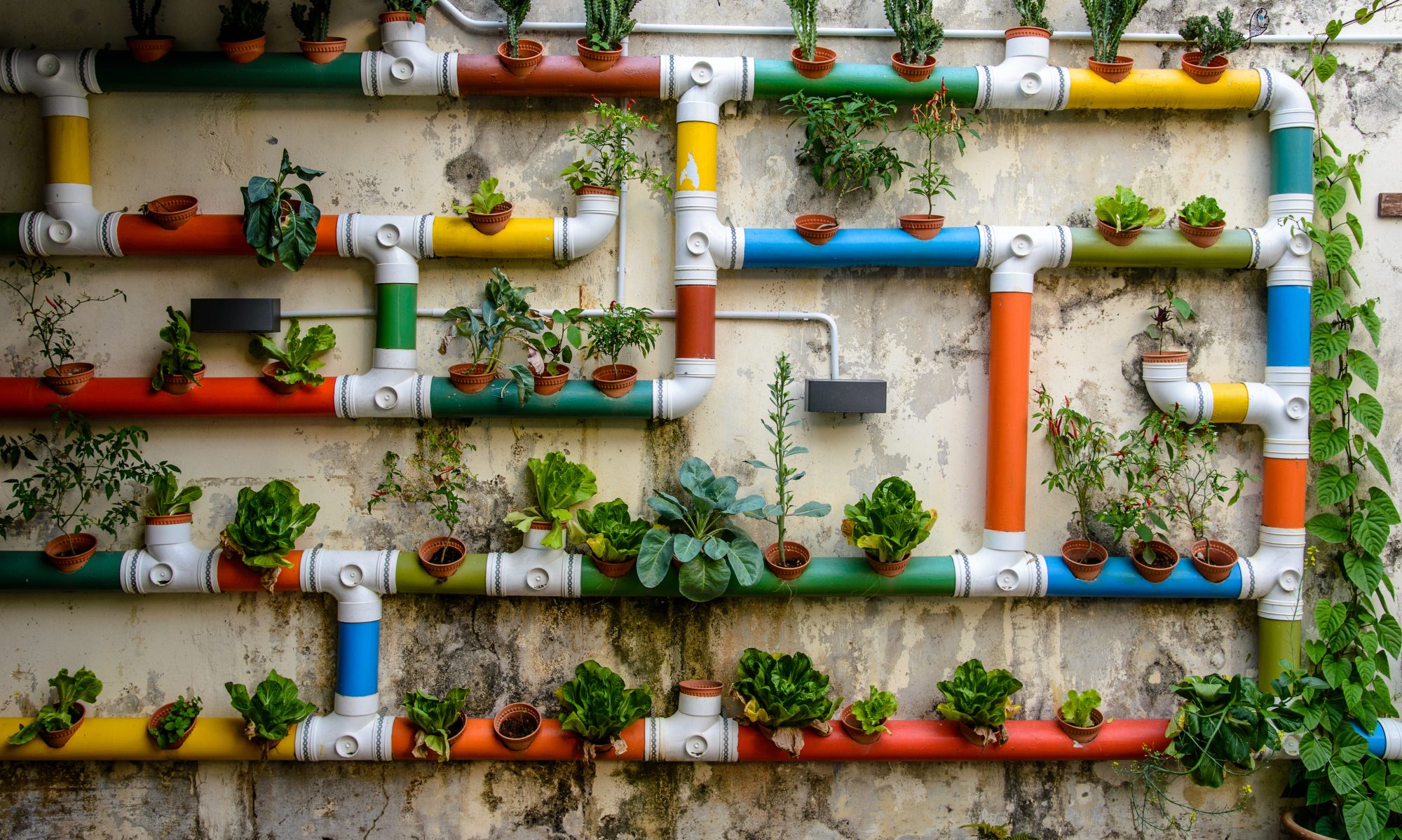
Post YOUR practical container gardening tips and encourage others to grow their own food. Share your gardening pictures, tips, or questions today. 🤗See you there! 💪Let’s build this community!
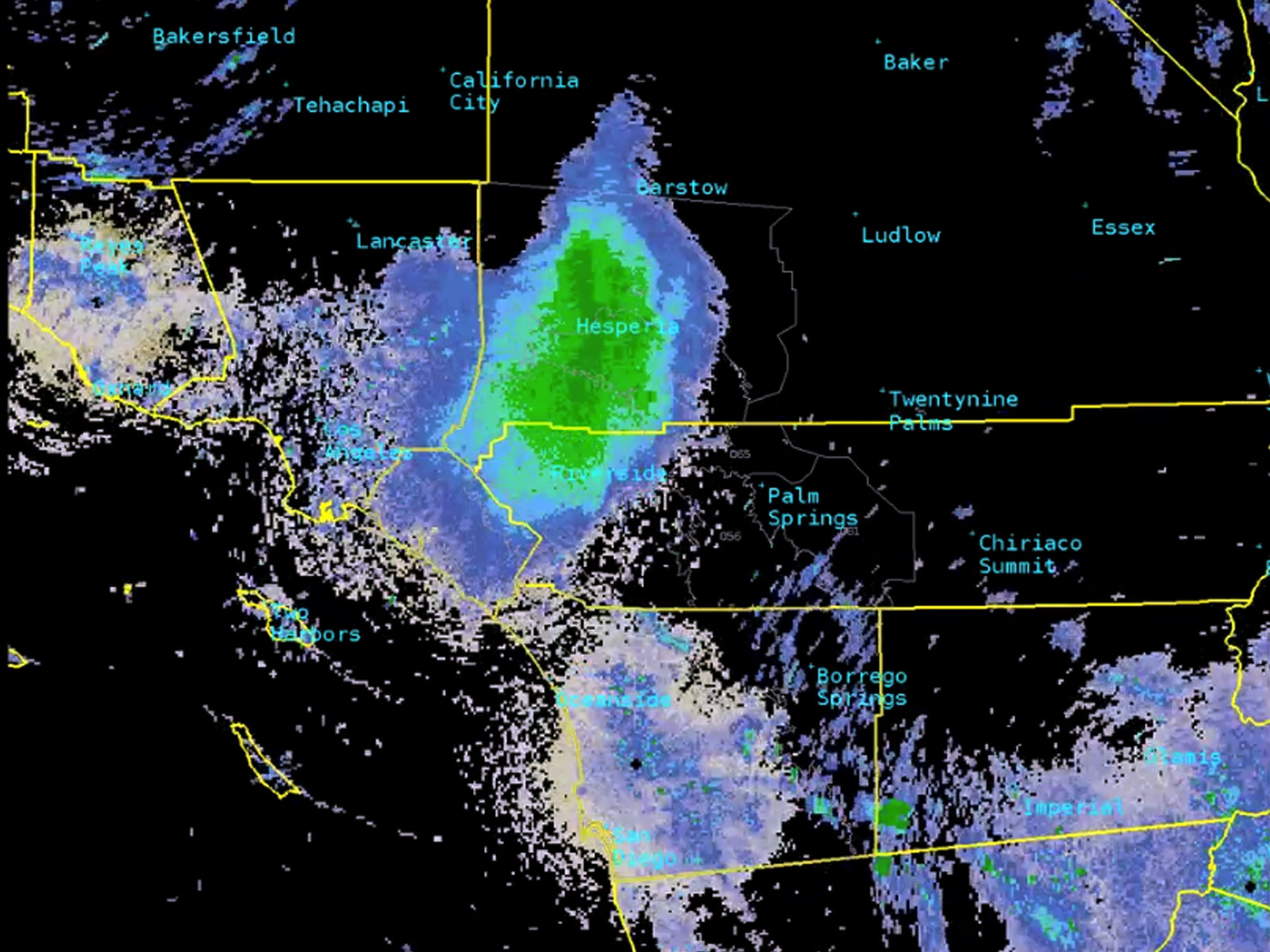
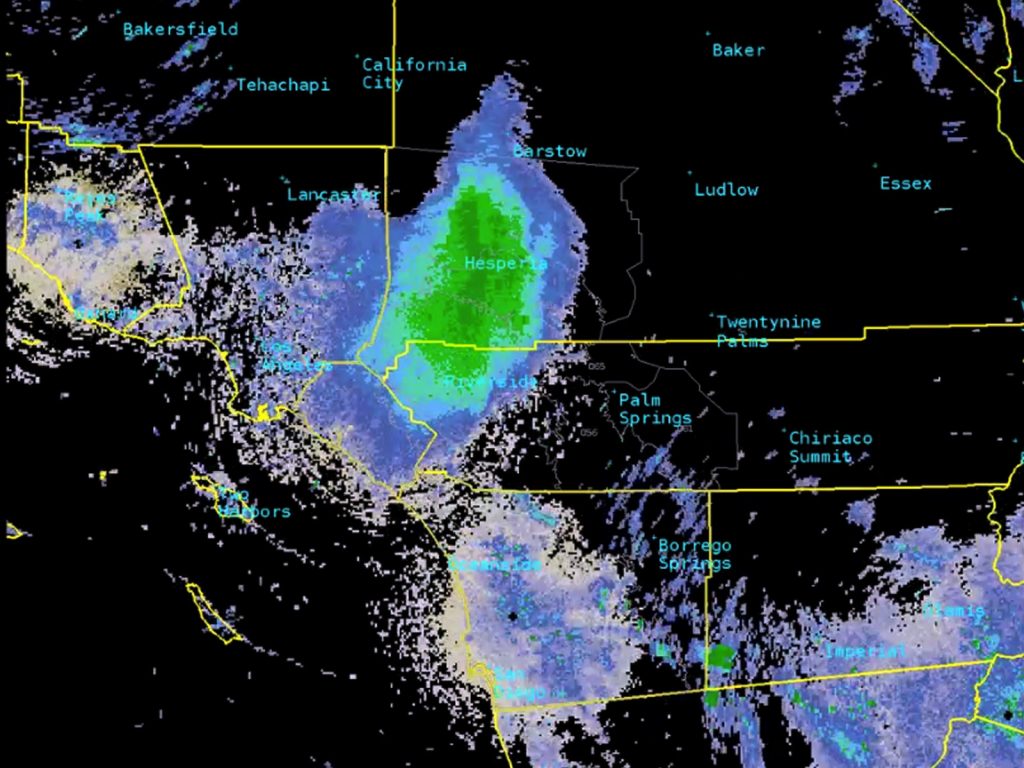
“National Weather Service meteorologists noticed something puzzling on their radar screens in Southern California on Tuesday evening — a big green blob.
“It was very strange because it was a relatively clear day and we weren’t really expecting any rain or thunderstorms,” Casey Oswant, a NWS meteorologist in San Diego, tells NPR. “But on our radar, we were seeing something that indicated there was something out there.”
So the meteorologists called a weather spotter in Wrightwood, Calif., near the blob’s location in San Bernardino County. Oswant says the spotter told them the mysterious cloud was actually a giant swarm of ladybugs.
The phenomenon is known as a ladybug “bloom,” and while this one appears particularly large, Oswant says it’s not the first time local meteorologists have spotted the beetles.”
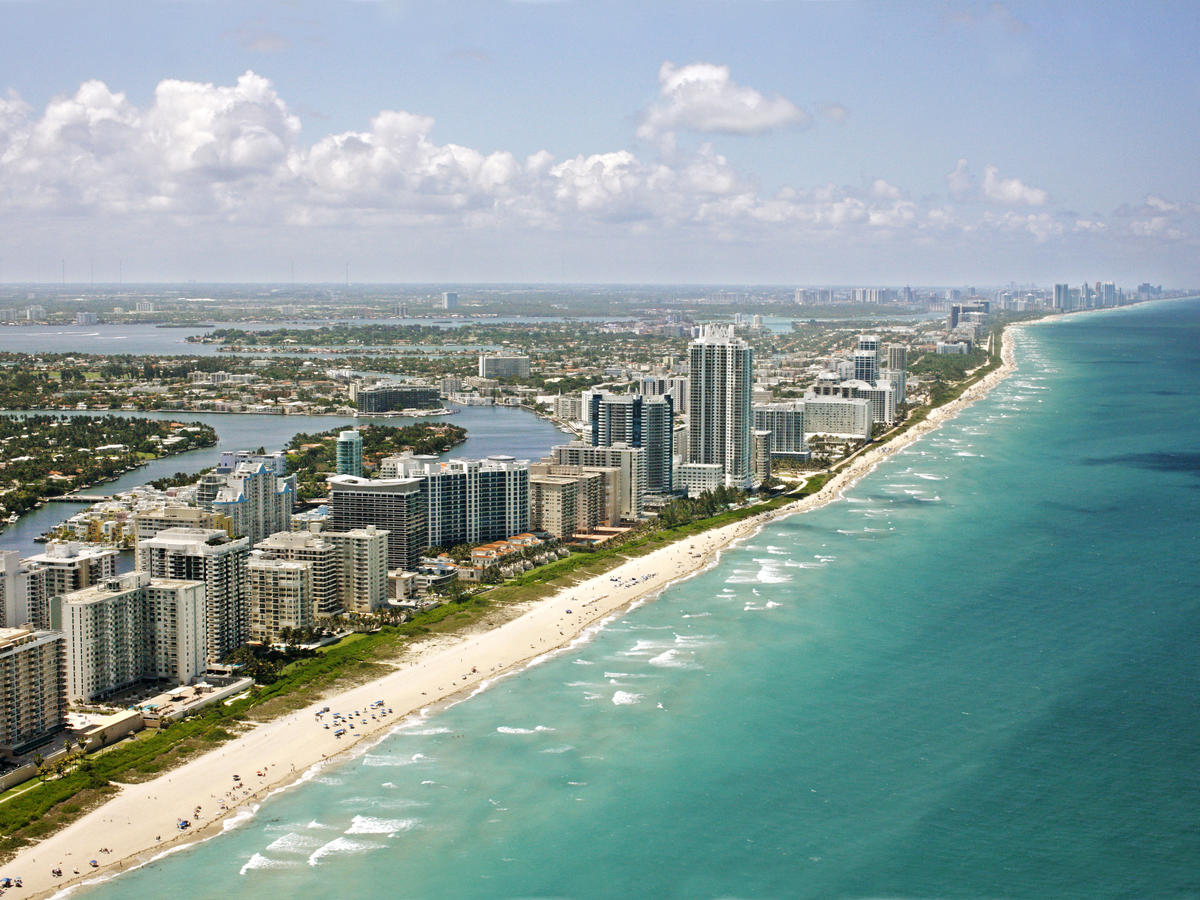
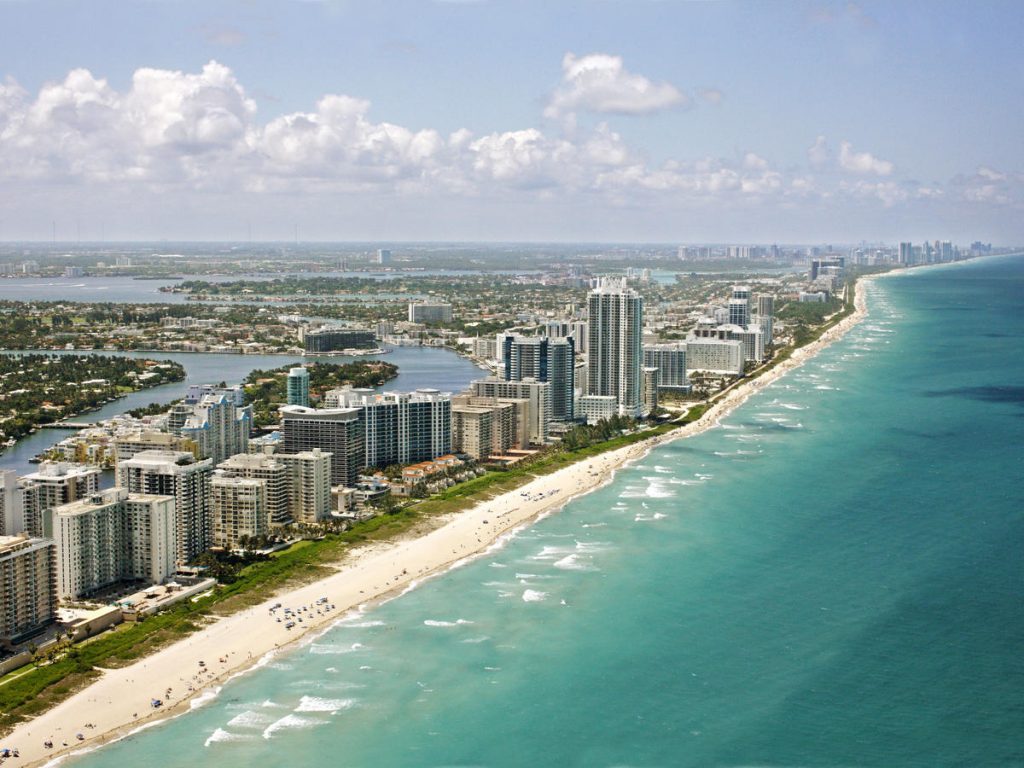
Miami Beach Coast, Florida (Photo by Hoberman Collection/UIG via Getty Images)
“Miami city commissioners voted to outlaw the use of all weedkillers containing glyphosate on all city-owned property Thursday.
City employees and contractors will have to find more eco-friendly alternatives to use on city streets, sidewalks, and parks, and residents are strongly advised to discontinue use of glyphosate on their lawns and gardens.
The ban is effective immediately.
City commissioner Ken Russell sponsored the legislation after looking into the link between the city’s use of herbicides and pesticides and the blue-green algae blooms and red tide that have overwhelmed Miami in recent years.
One of his main concerns was the city’s stormwater outfalls, which pump dirty, unfiltered water from the streets into Biscayne Bay, he told the Miami New Times.”
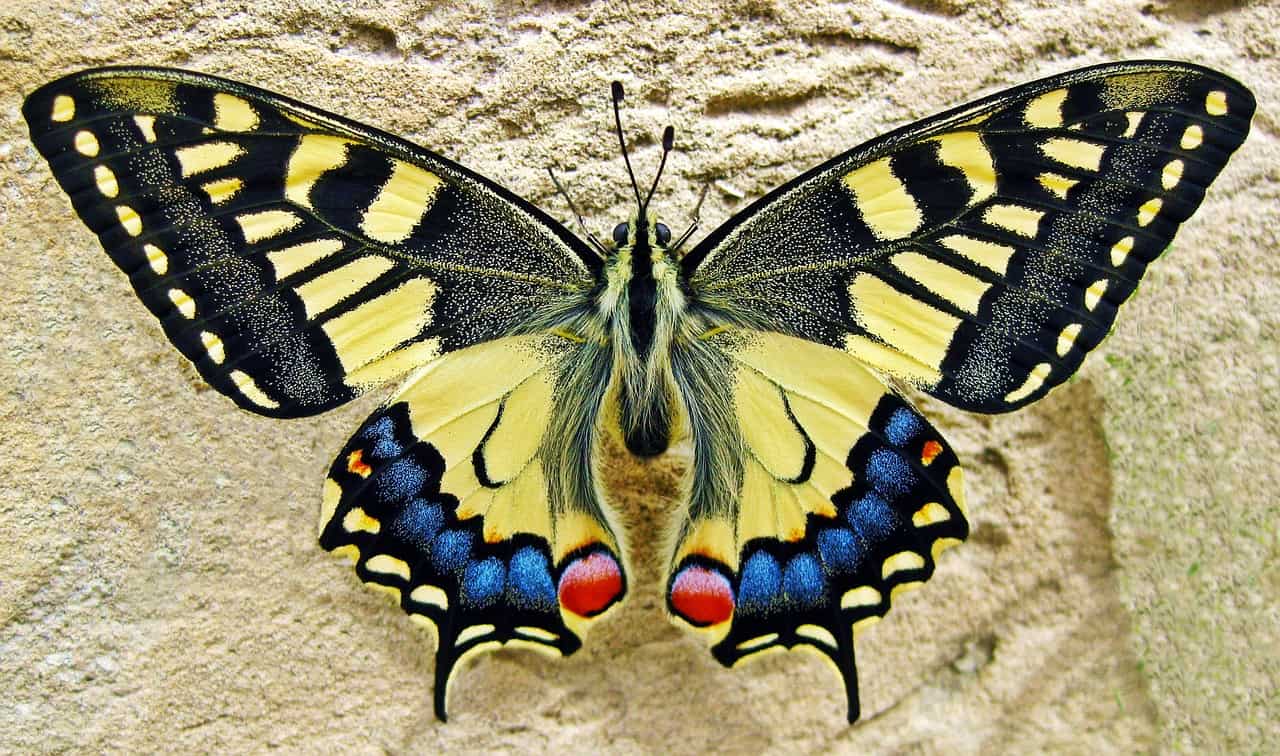
“Butterflies and moths have been around for millions of years. They used to be a common sight in gardens, but numbers have declined since the 1940s along with our other native wildlife species such as bees and hedgehogs.
It will come as no surprise to hear this loss is due to destruction of natural habitats such as wildflower meadows, peat bogs and ancient woodlands in favor of intensive farming practices, roads and housing developments that have stripped away the majority of their nesting and foods sites.
Climate change is partly responsible for butterfly decline too, producing wetter weather that alters the distribution of certain species.
The relentless march forward of ‘progress’ damages our 56 species of butterfly and 2,500 species of moths who are sensitive to change – but your garden can help them find food and shelter.”
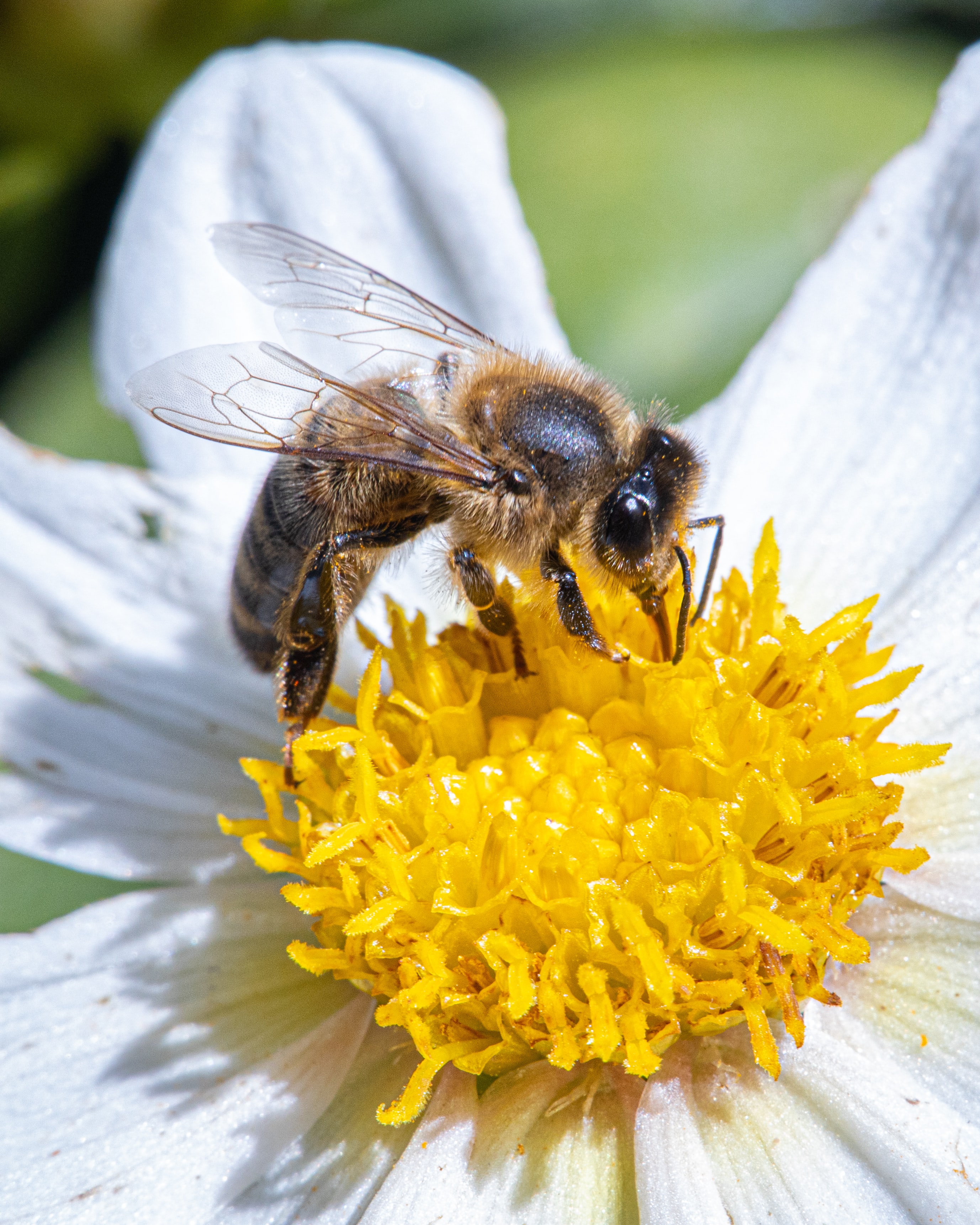
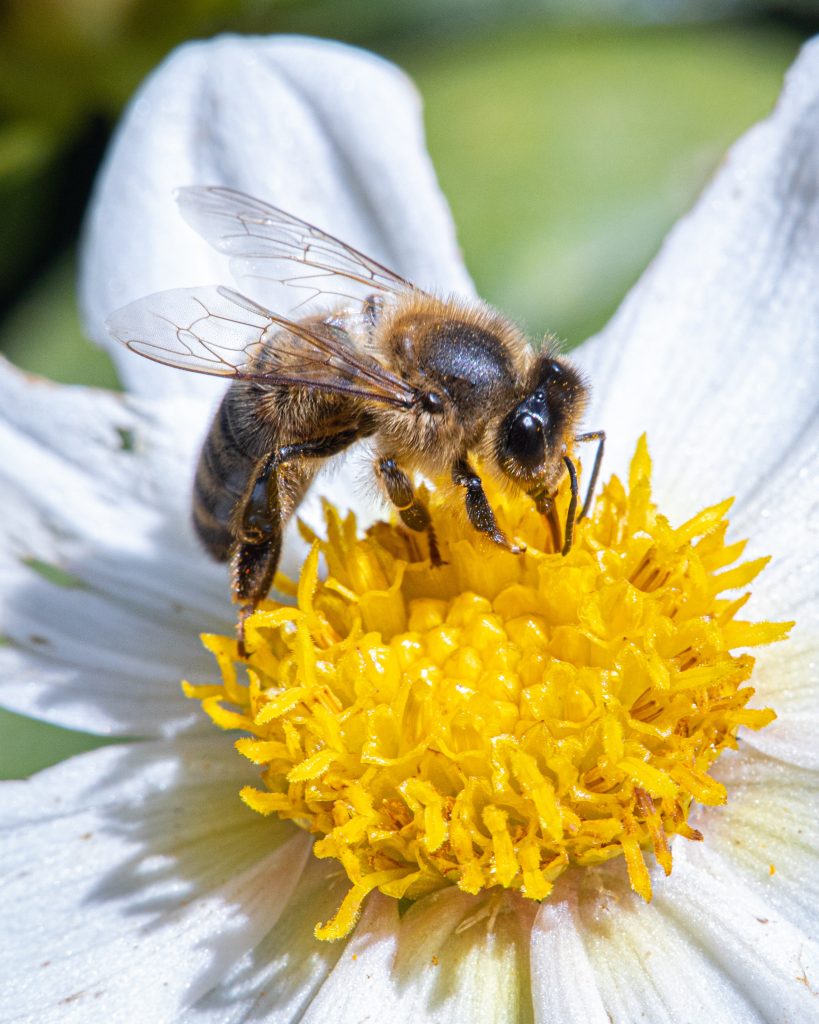
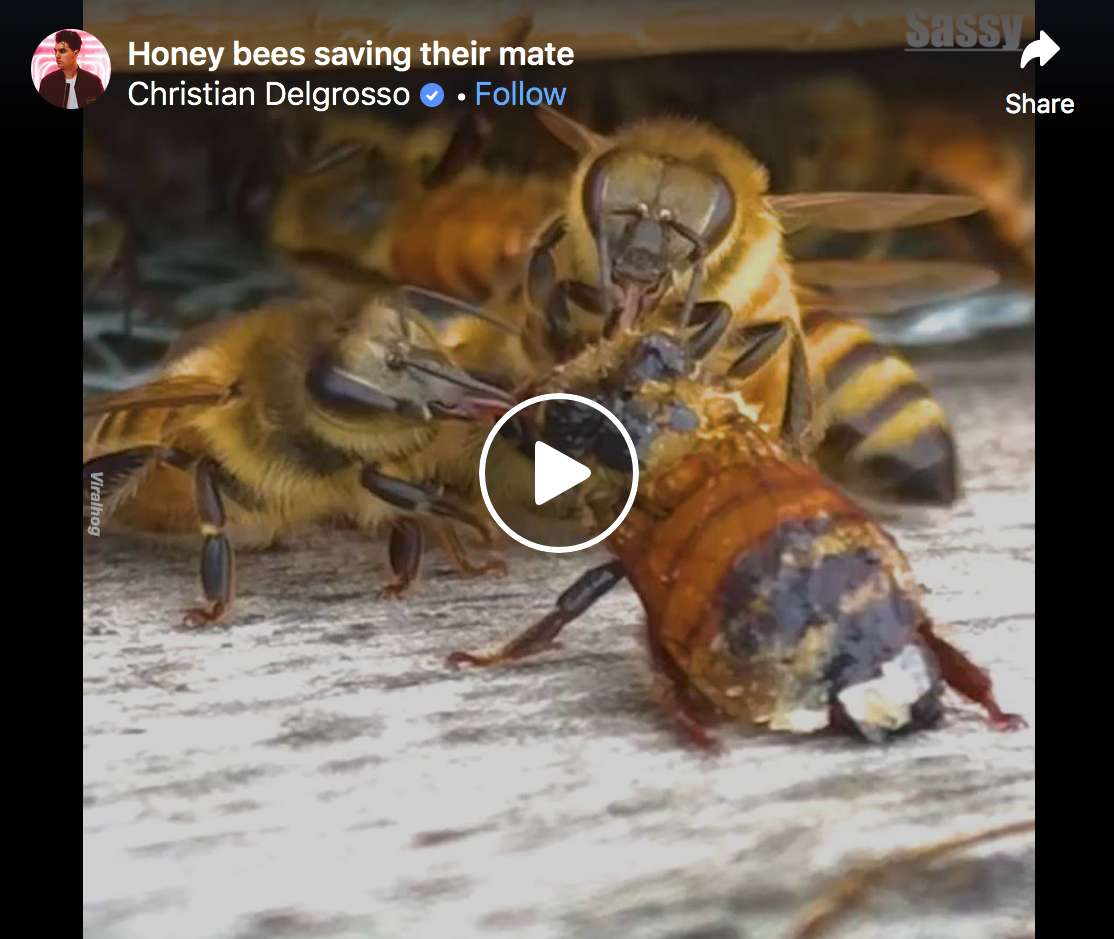
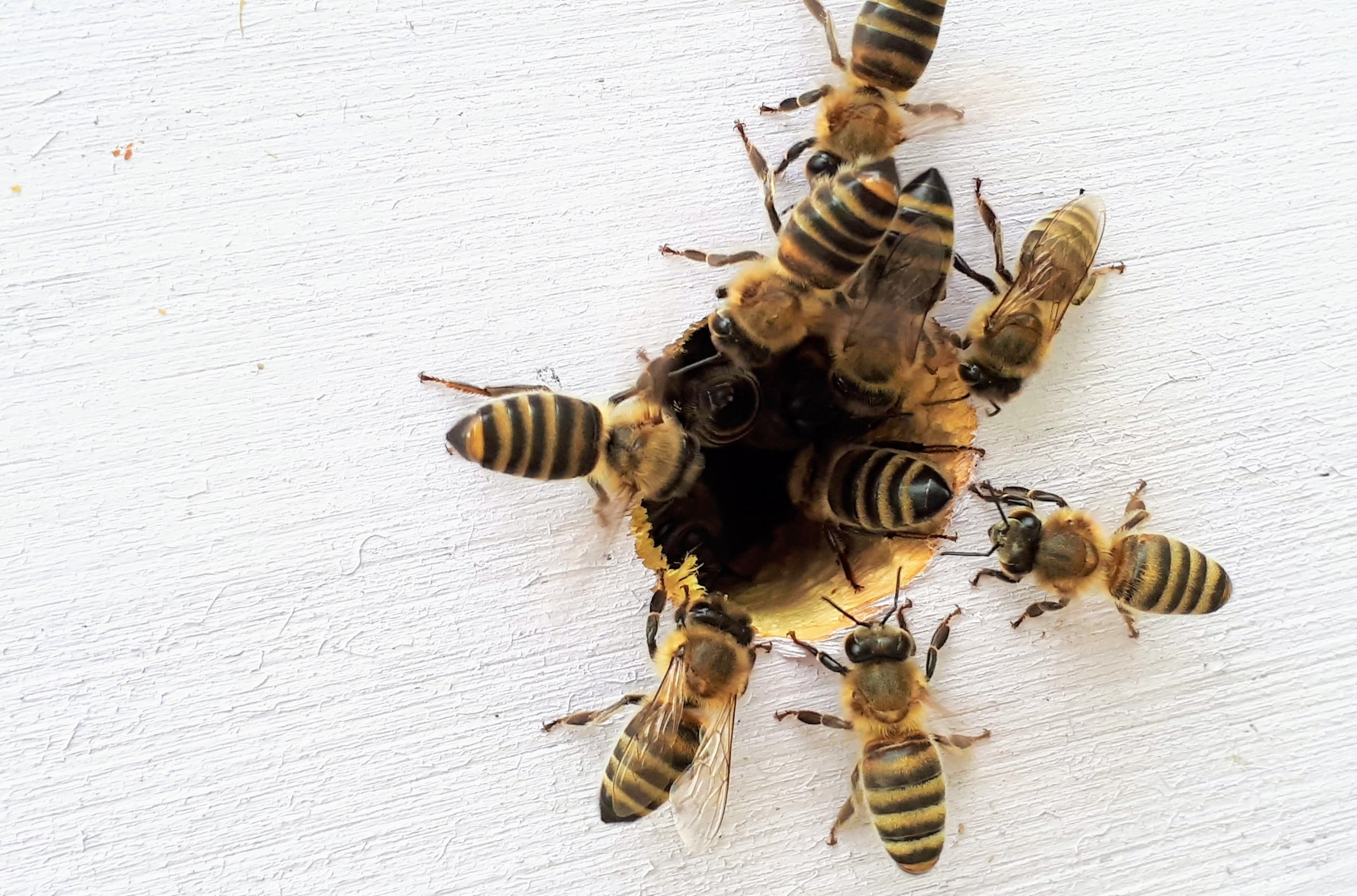
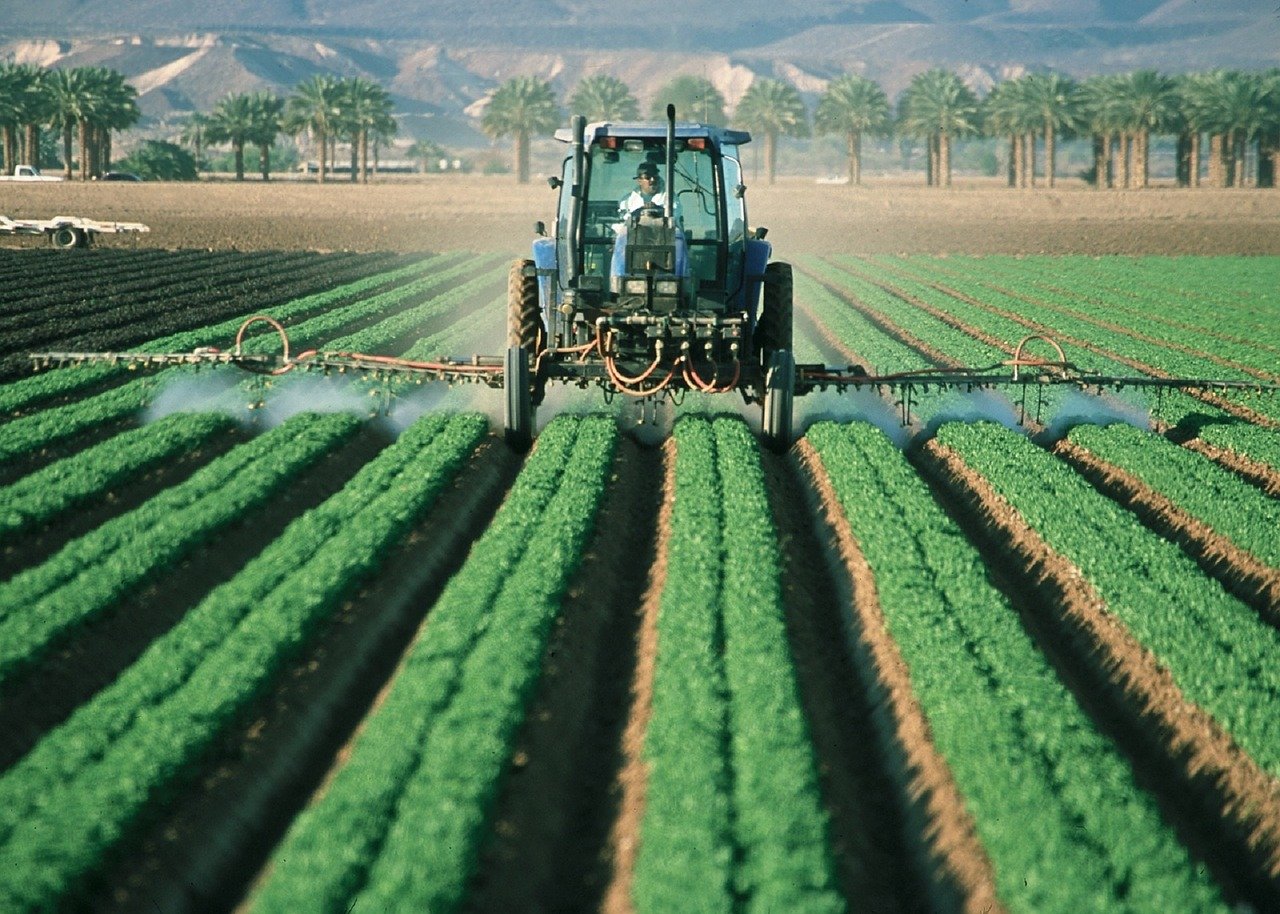
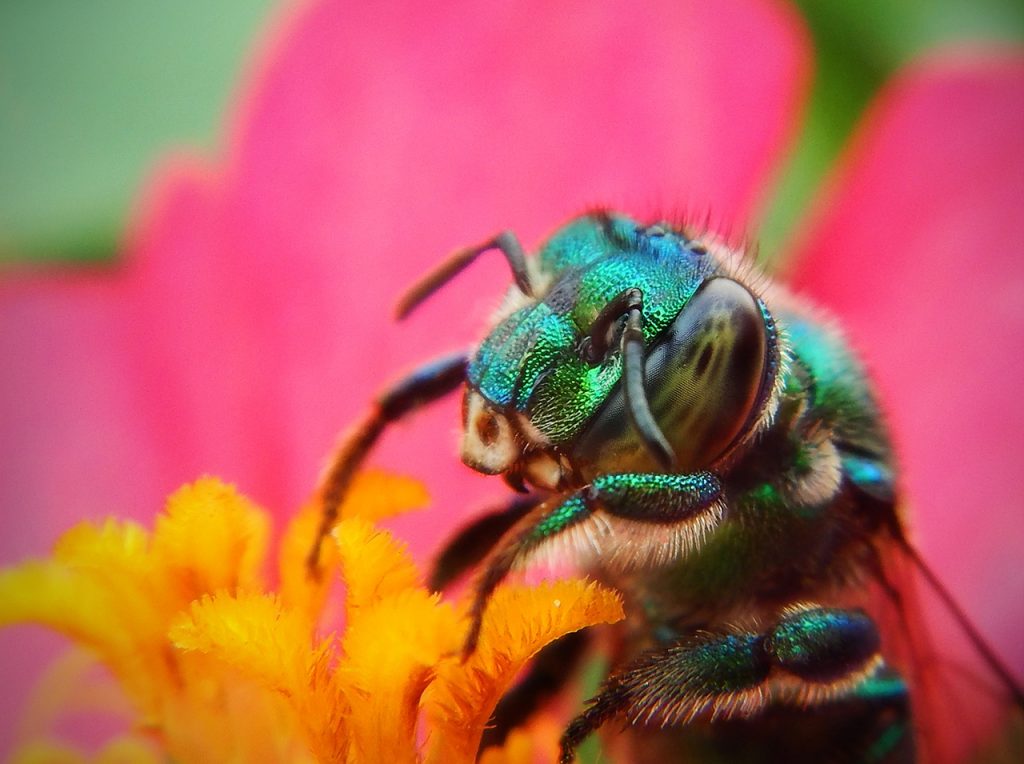
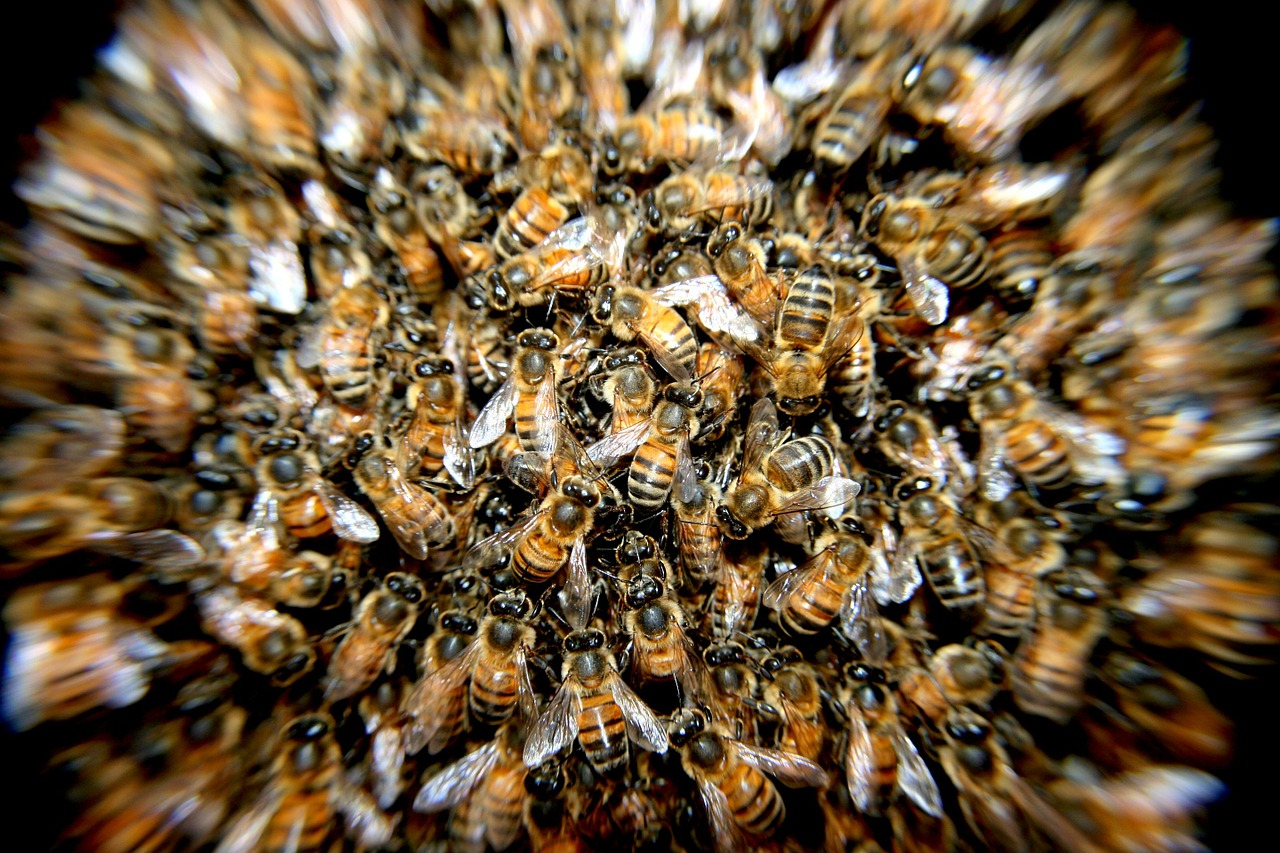
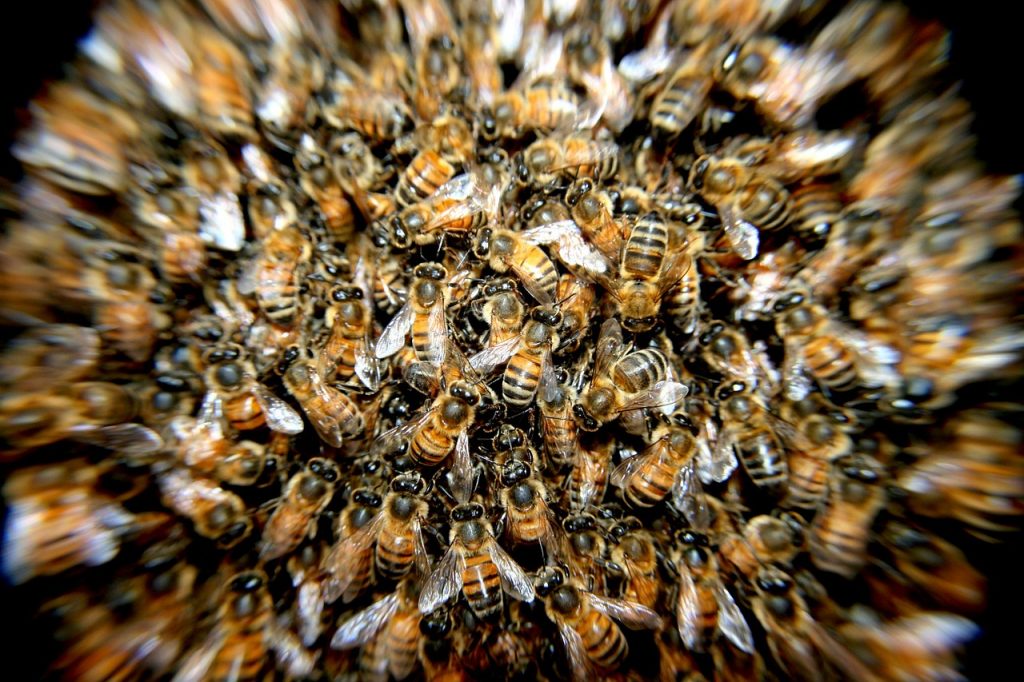
The Environmental Protection Agency is pulling from the market a dozen products containing pesticides known to be toxic to a linchpin of the U.S. food system — the honeybee.
The agency announced Monday it has canceled the registrations of 12 pest-killing products with compounds belonging to a class of chemicals known as neonicotinoids, as part of a legal settlement.
For years, beekeepers and wildlife conversationalists alike have voiced concern that the widespread use of neonics, as the chemicals are commonly called, is imperiling wild and domesticated bees crucial to pollinating commercial fruit, nut and vegetable crops.
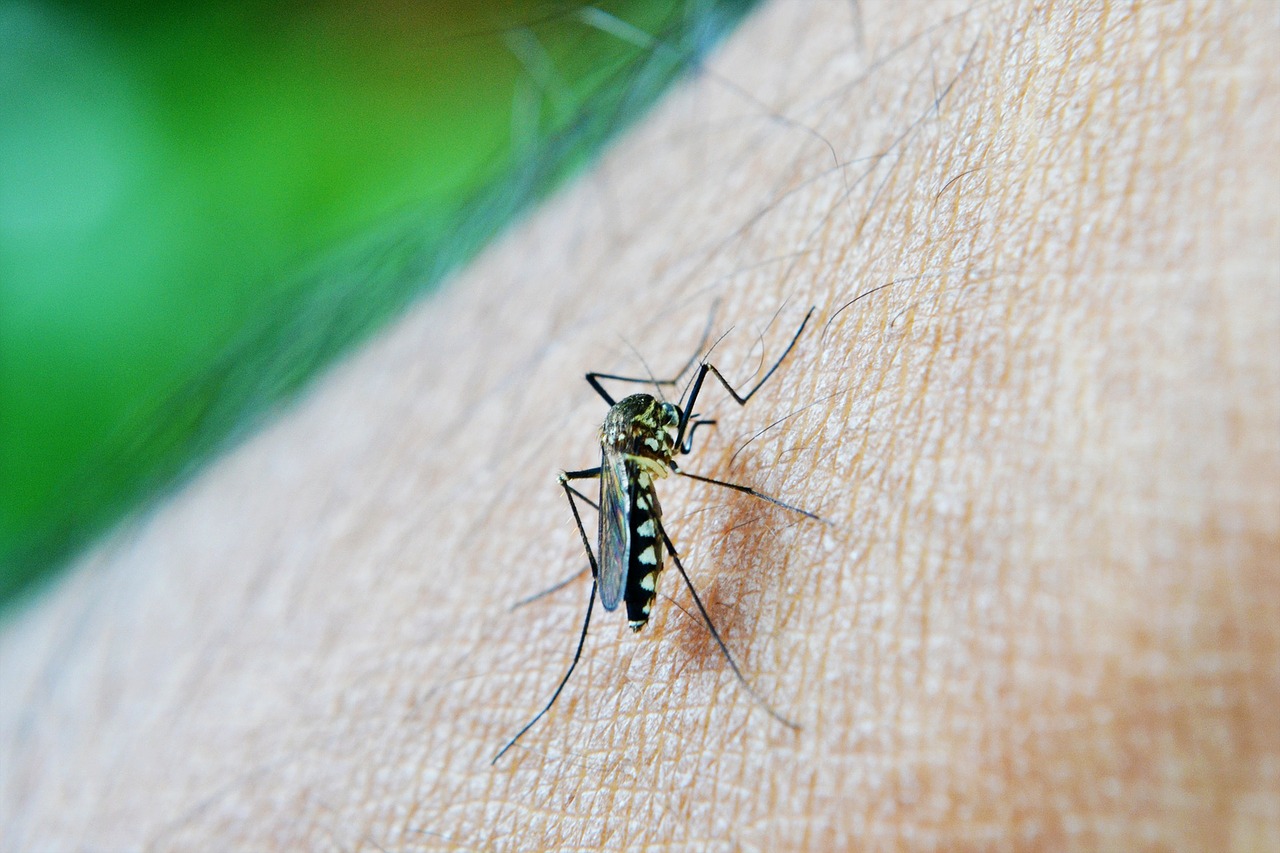
Scientists have already proven that mosquitoes choose their victims according to their body odor, and they are most fond of pregnant women and people with slightly higher body temperature. In addition, they also attract the smell of sweat, and some people simply have no luck with mosquitoes because they have a smell that draws them more intensely.
But some strong scent is extremely unpleasant for mosquitoes, not only masking our body odor. But also dulling insects pushing further. Some of the plants whose smell is considered very pleasant. Mosquitoes are a real natural repellent and keep them at a safe distance.
However, it is not enough to just plant plants in the garden or put them on a window board. The aroma must be in the air around you, but it is best if it is on the skin. To achieve maximum effectiveness, crush the leaves of these plants with your hands to release the flavor and infuse them directly onto the skin.
1. Peppermint Castile Soap, via Rocky Hedge Farm – GET THE RECIPE!
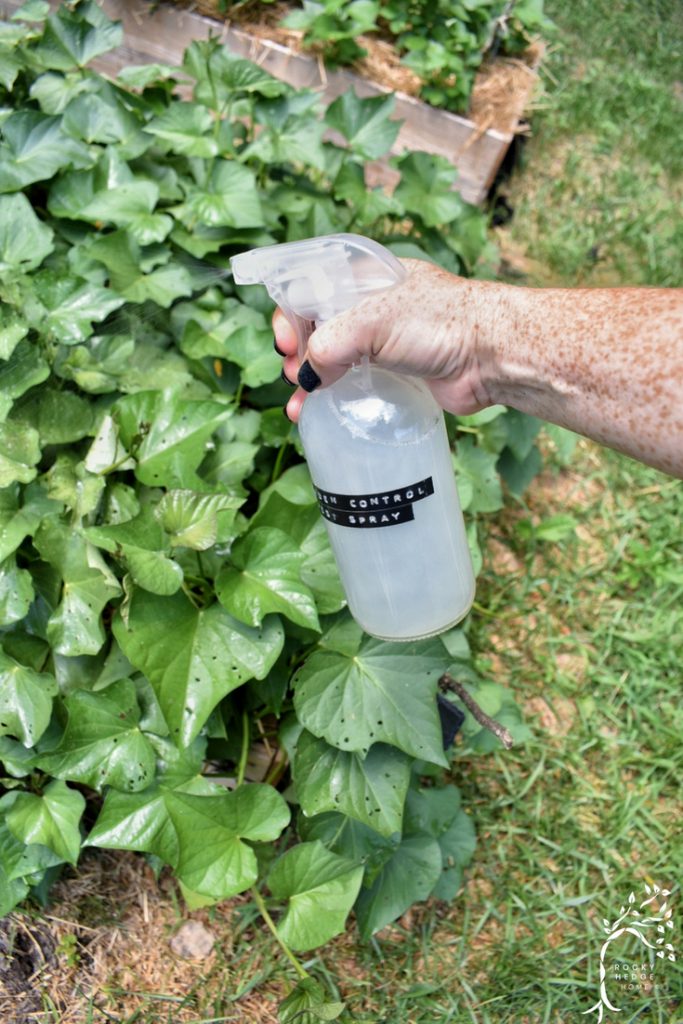
“There is a variety of things that can be done in a garden to help control the critters and insects that find the vegetable patch their tasty treat for the day. Companion planting, attracting birds and good insects, and even hand picking some of the bugs and placing them in a bucket of soapy water.
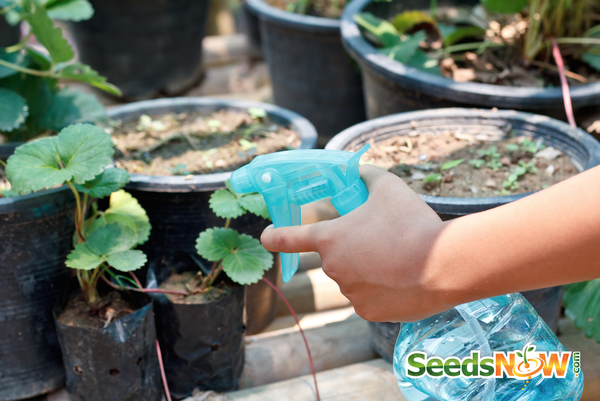
Then there are the bugs that I don’t always see, like the ones that are eating holes in my sweet potato plants. So, that is when I pull out the spray.”
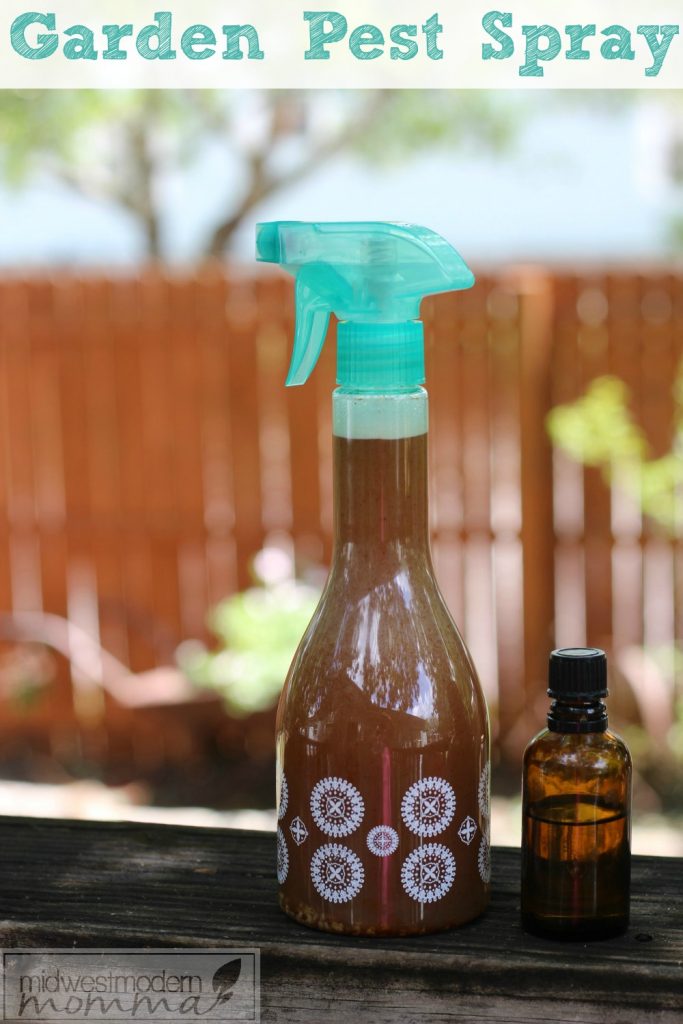
2. Garlic-Cayenne Pepper Spray, via Midwest Modern Momma – GET THE RECIPE!
“I love using natural pest control throughout my home and garden. This natural pest control spray for your garden is ideal for keeping those pesky critters away from your plants. If you have a natural and organic garden that is thriving, this is going to be your best resource to keep your plants safe this summer!”
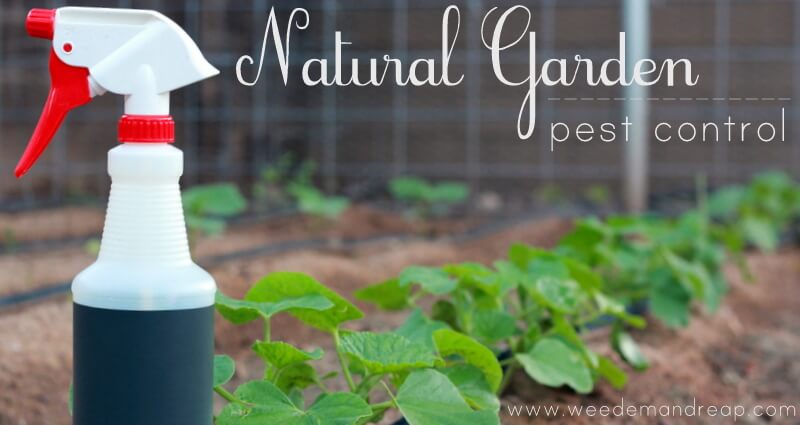
3. Organic Garden Pest Control, via Weed ’em and Reap – GET THE RECIPE!
“I don’t believe in pesticides. I’ve had many people recommend all sorts of chemical-laden products. But I decided long ago that this garden was going to be au naturale, dang it! My natural garden pest control will knock those bugs off their feet!”
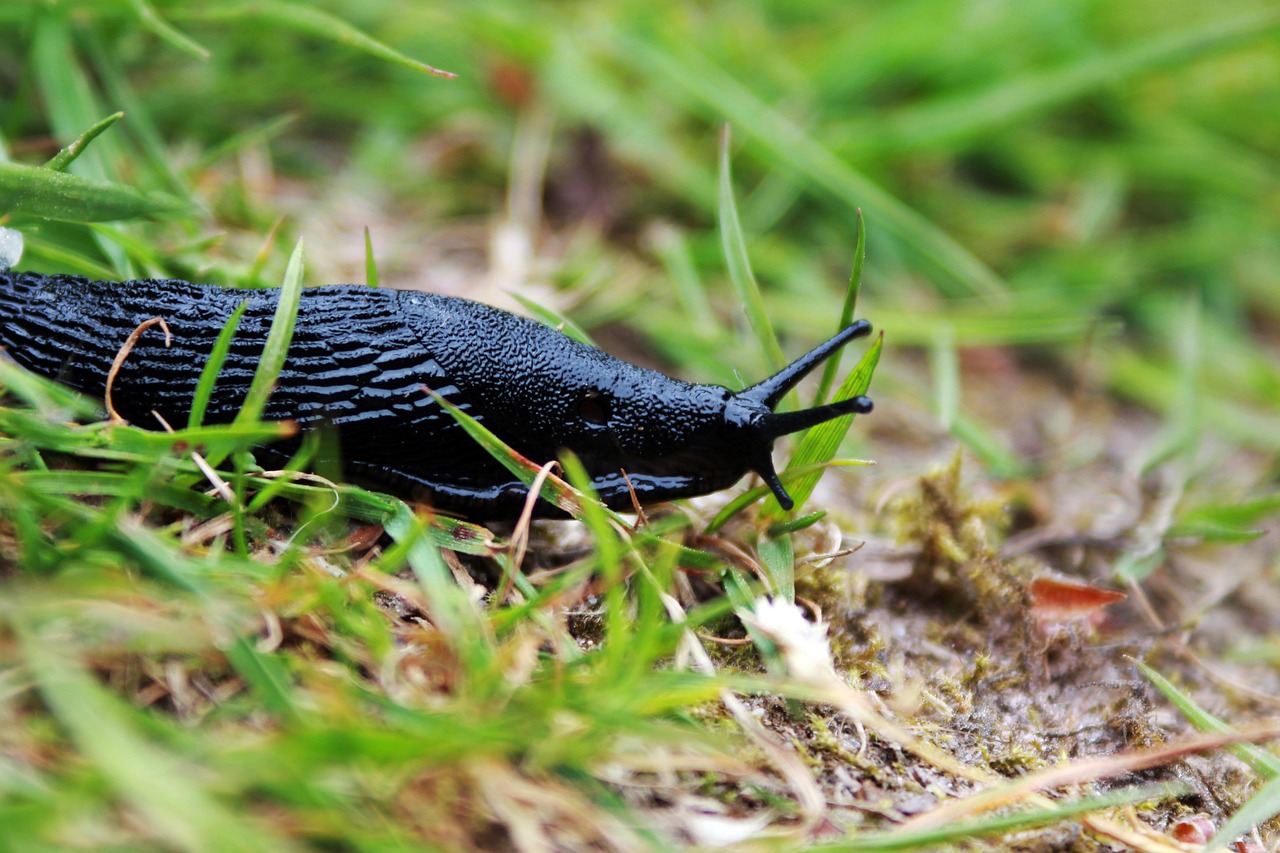
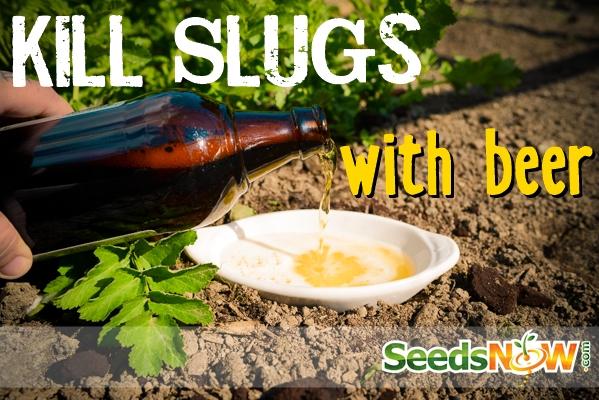
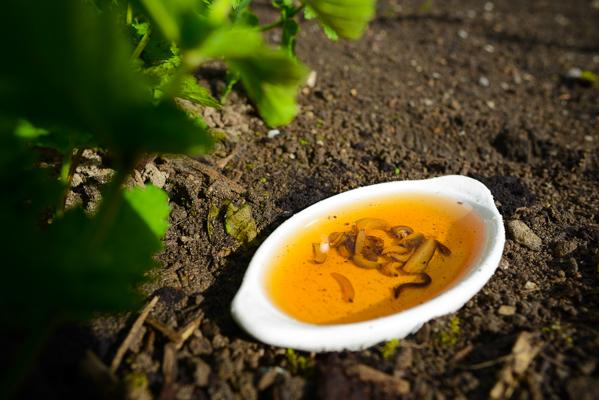
“One of the simplest ways to get rid of slugs is to pour them a beer. Literally. Make sure to not waste a yummy and delicious beer on these nasty garden pests, though. An inexpensive, cheap beer will do the job just as well as your favorite will.”
5. Smothering Insect Oil, via The Rusted Garden – GET THE RECIPE!
“In this 4th video of my DIY garden recipe and tips series I cover how to use neem oil and smothering oils in the vegetable garden. I show you how to make them (with my recipes), discuss how to use them and provide you a general use routine. Any time you use new oils or sprays in your garden… test spray.”
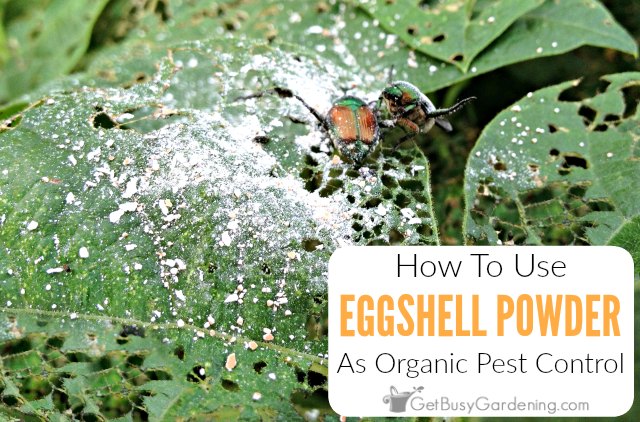
6. Eggshell Powder, via Get Busy Gardening – GET THE RECIPE!
“Using eggshells as organic pest control is inexpensive, and easy! In this post, not only will I show you how to use eggshells in your garden, I will also show you exactly how to prepare eggshells for garden use – including tips for cleaning and drying eggshells, grinding them into powder, and storing eggshells and powder for later use.”
“Though bugs hate it, plants love it. Adding molasses to the soil in your garden helps to increase the microbial activity resulting in soil that holds moisture better and is also easier to plant in. When soil microbes are exposed to simple sugars, they multiply quickly. As microbes go through their living cycle, they add important nutrients to the soil, therefore, the more the merrier. You can also rid your yard of fire ants by spraying this over your grass too. This is the most inexpensive way to add sugars and ward off harmful insects to your garden and vegetable plants. ”
…and if all else fails, try growing a few TRAP PLANTS to deter pests away from the more valuable crops in your garden!
Sometimes it’s better to see a pest problem as the normal way nature enters and adapts to a particular niche in the environment created by things like availability of food, cover, and absence of predators. Animals don’t appear magically on the scene for no reason, they simply exploit available food resources and habitat. Once we understand this, we can learn about them and adapt ourselves to their habits. That way, we not only enjoy wildlife but can minimize its impact on our homes and gardens.
Rabbits Habitat and History
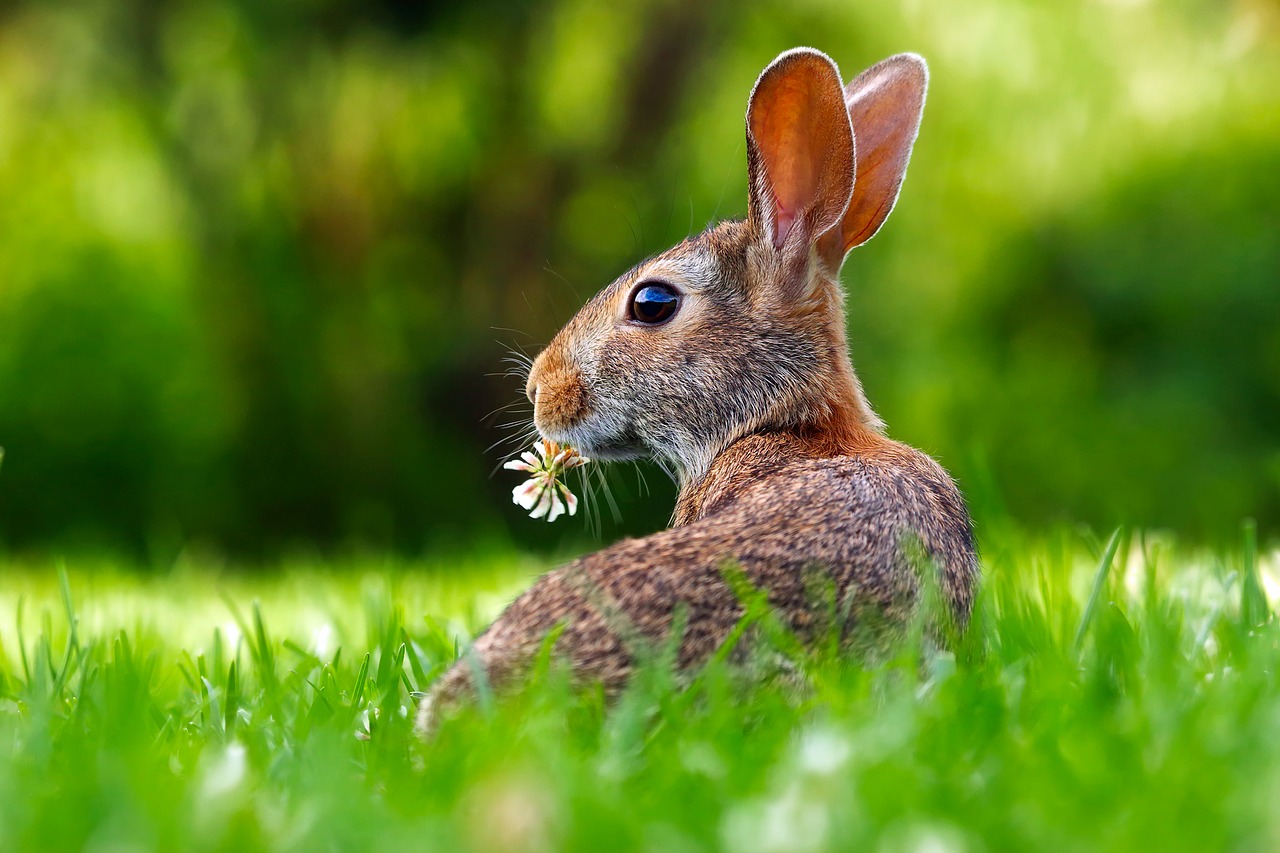
The Eastern cottontail, Sylvilagus floridanus, is one of the most common rabbit species in North America. It’s found in abundance over the entire eastern half of the United States, as well as into parts of central and South America. Recognizable instantly from the pure white fur on the underside of its tail, it is otherwise superbly camouflaged in shades of gray and brown. Most adult cottontails in the northeast average about 2 pounds, with larger specimens of about 3 pounds common in the south. In some instances, specimens of over 4 pounds have been recorded.
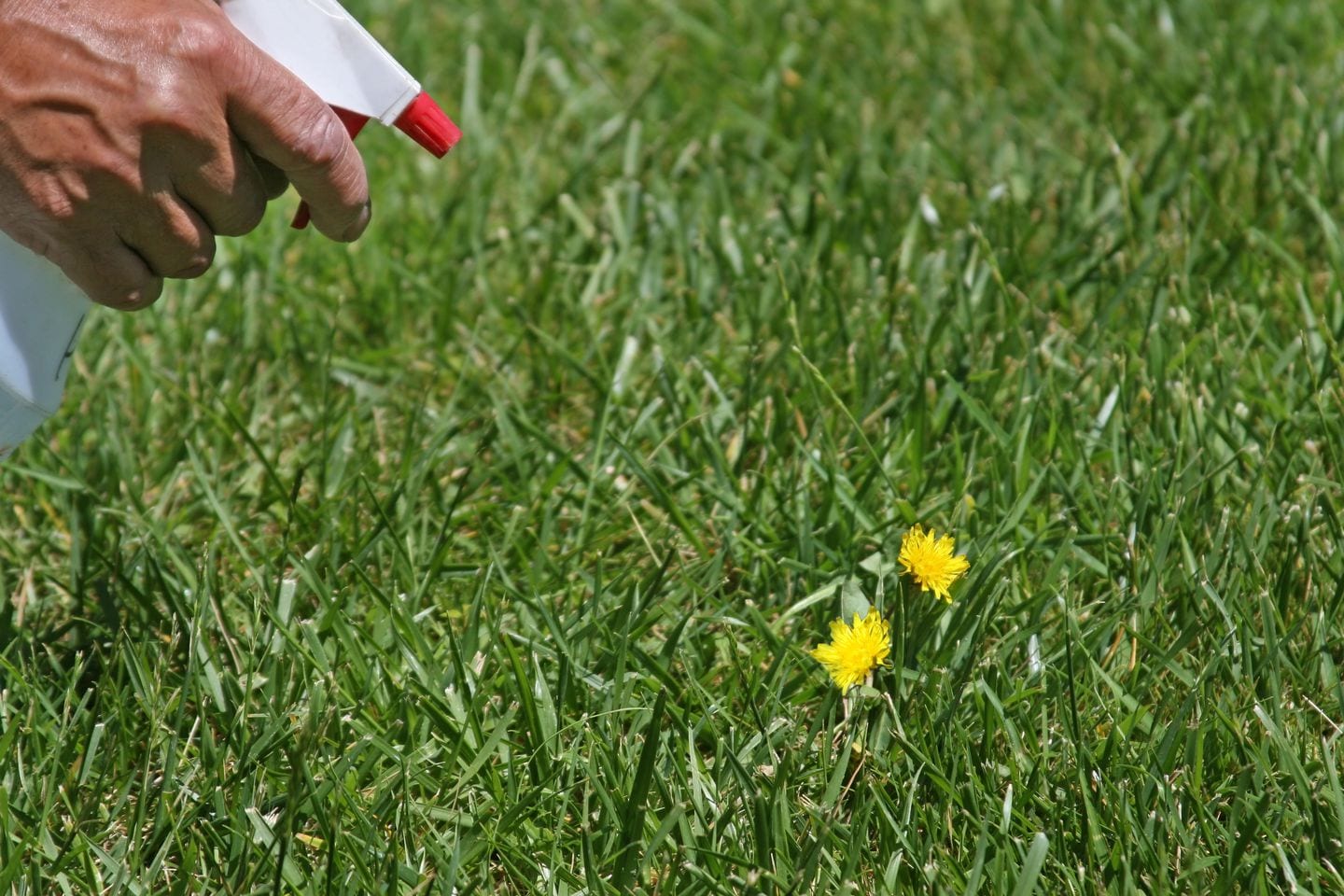
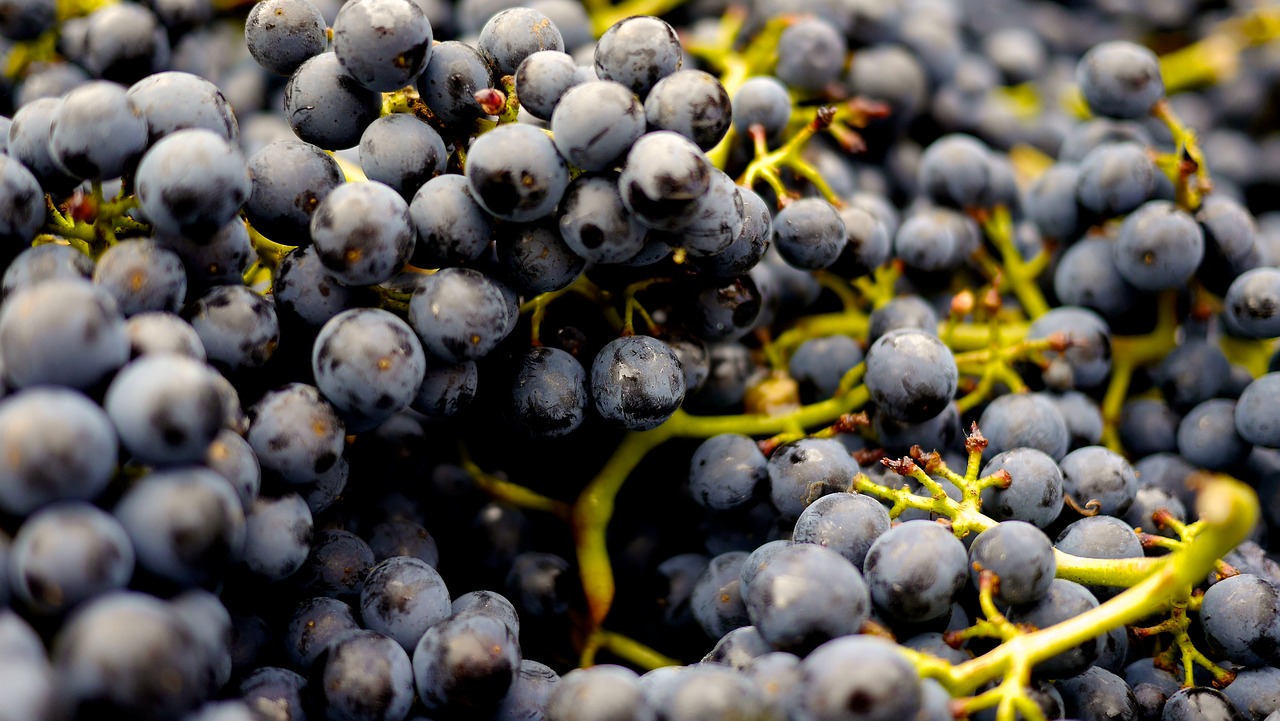
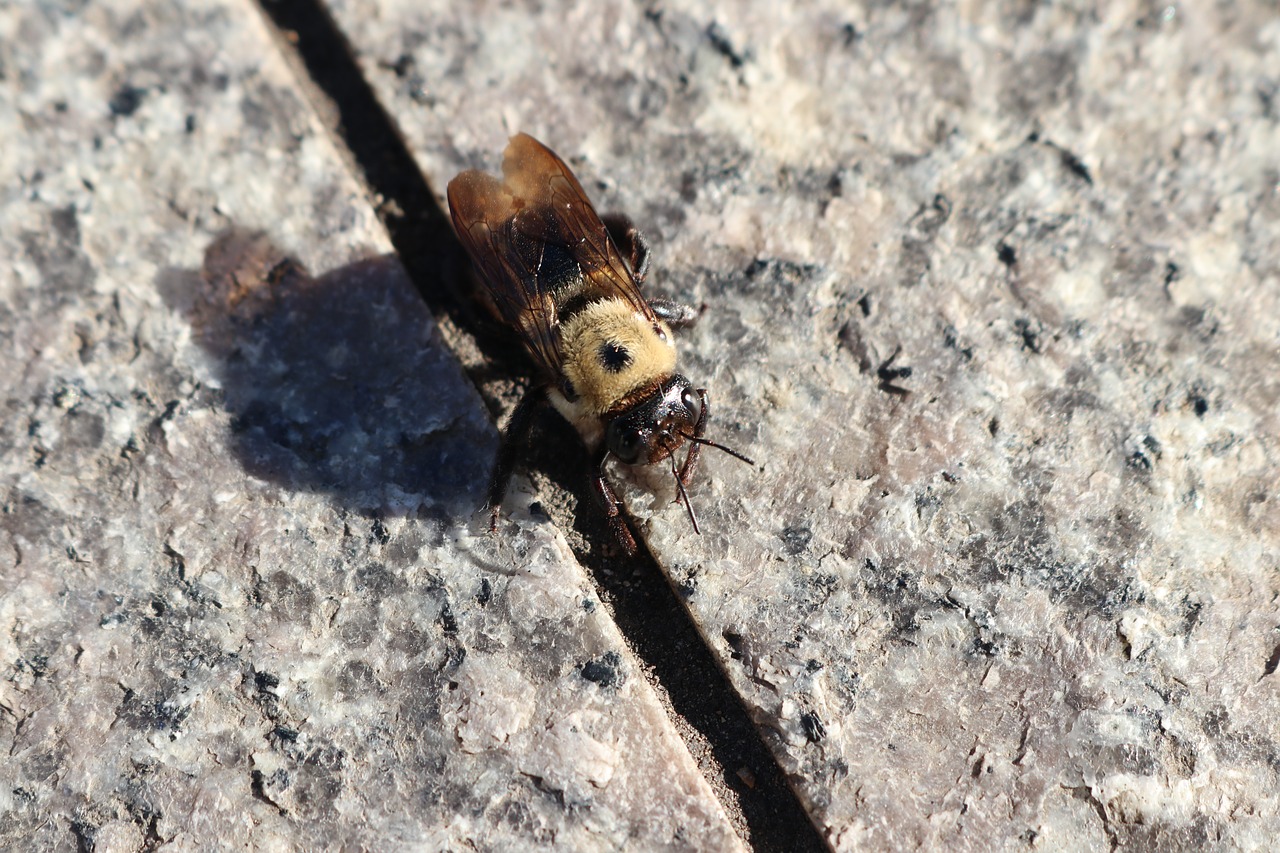
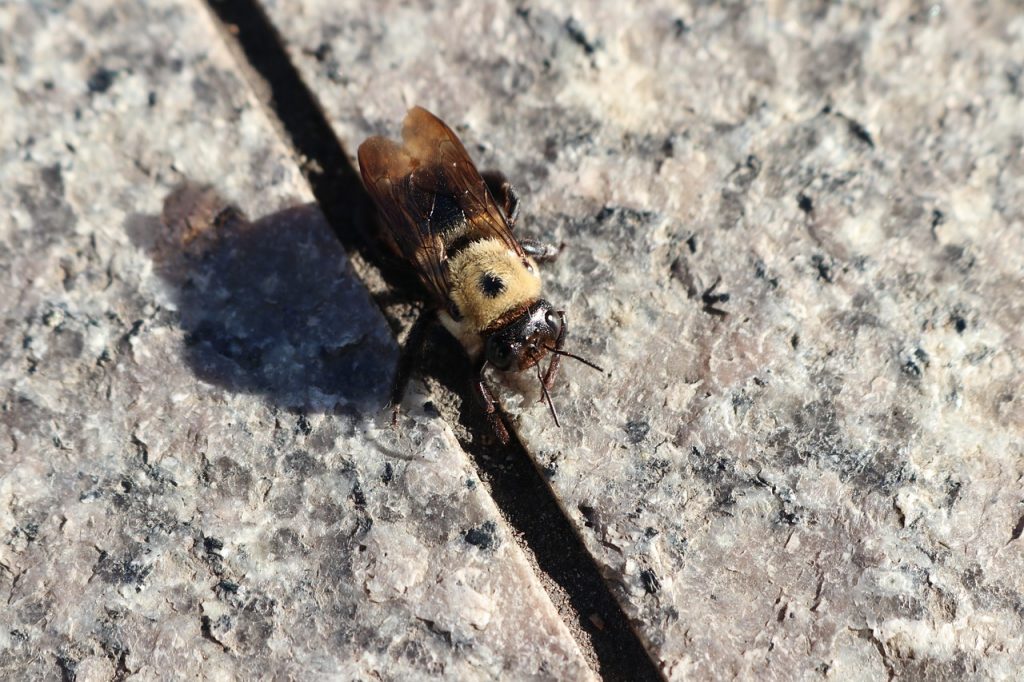
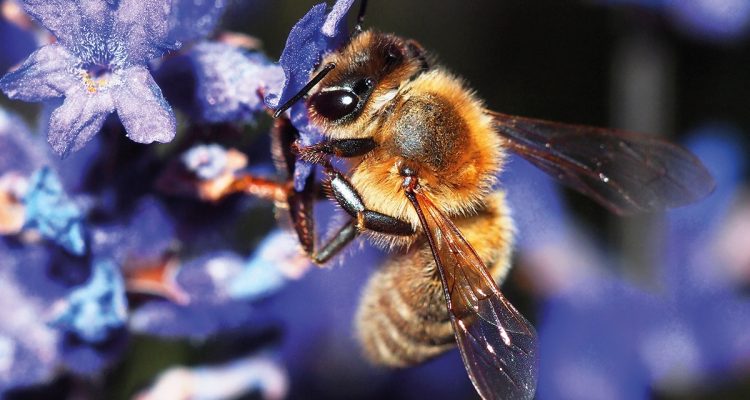
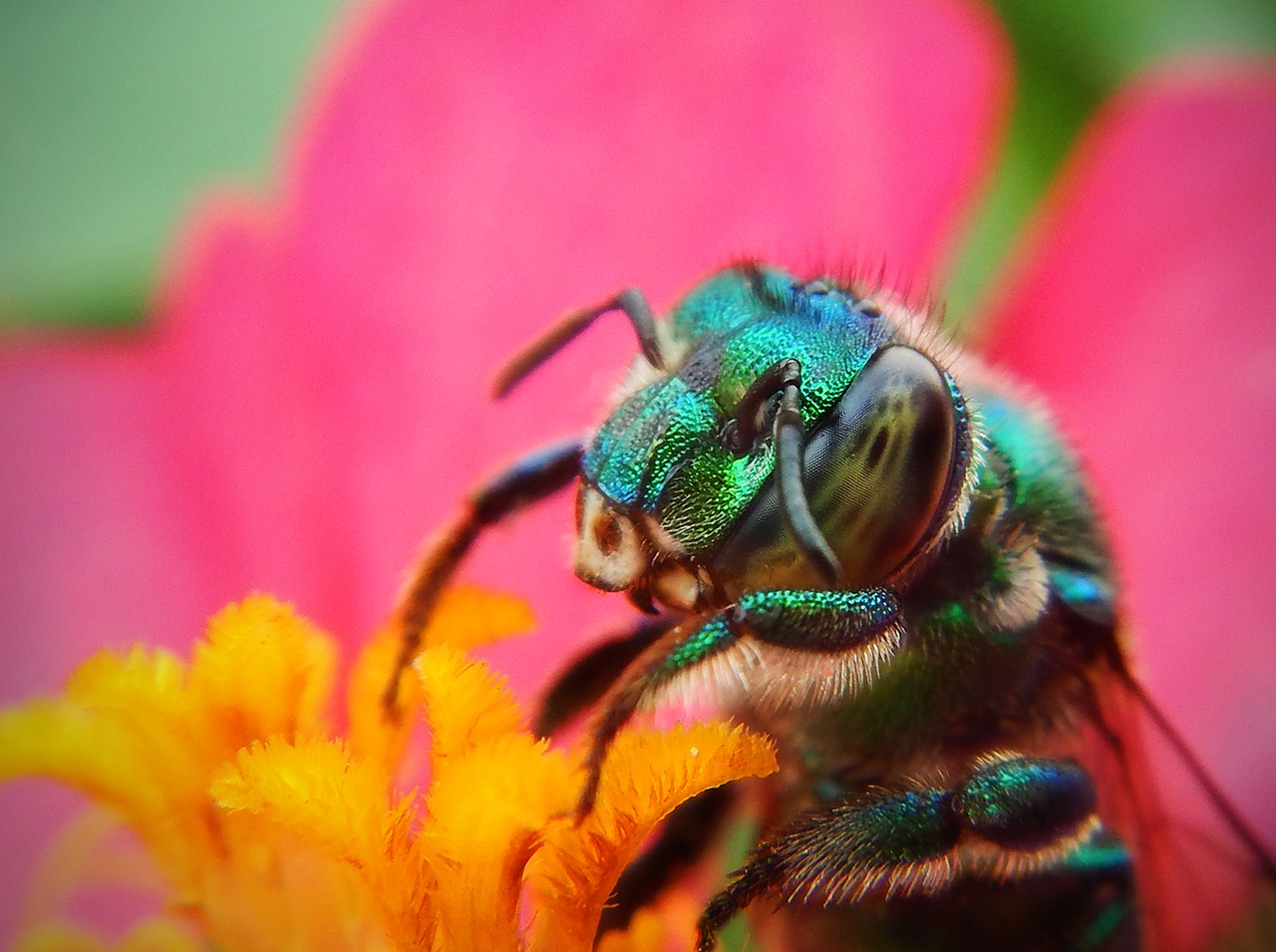


 The Environmental Protection Agency is pulling from the market a dozen products containing pesticides known to be toxic to a linchpin of the U.S. food system — the honeybee.