YOUR GO – TO MODERN GARDEN ROOMS GUIDE (INFOGRAPHIC)

We’re right in the midst of the booming market of garden rooms. Perhaps you’ve taken the plunge and bought your first garden room, or you’re seriously considering one for your home business, study or music room. We here at Modern Garden Rooms are fully aware of a sea of questions that arise upon the consideration of a garden room:

What else is a garden room actually used for?

What are the legal legislation’s surrounding garden rooms?

How do I protect my garden room from damping?

Modern-Garden-Rooms-Infographic


Read the FULL article at: “ModernGardenRooms.com

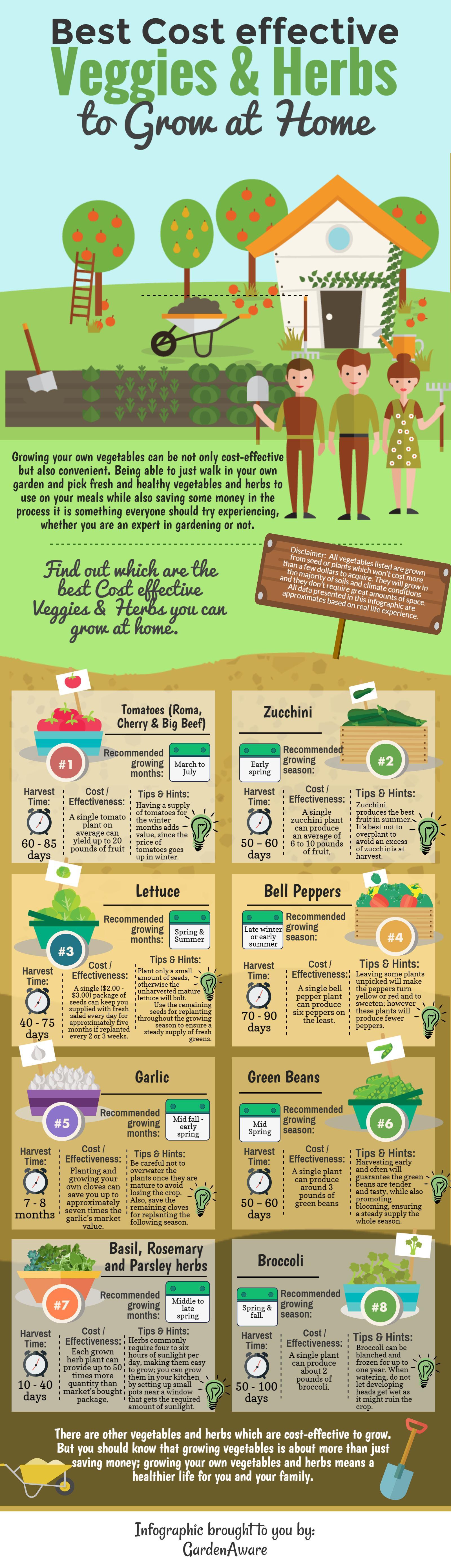
Top 10 Most Profitable Vegetables and Herbs to Grow at Home [Infographic]

gardening_Infographic-1

“In the past few years, the prices of conventional produce have increased steadily. As a result, many families have decided to grow their own foods at home, especially vegetables and herbs. Indoor or outdoor, almost everyone are now enjoying setting up their home organic garden so they can save money and keep their family healthy at all times.

Now, if you are new to gardening or have been doing it for a while and is looking for the most practical veggies and herbs to plant, we have compiled 10 of the best based on the recommendations given by garden experts as well as avid home gardeners. They are not only cost-effective or profitable but are also easy to grow in your indoor or outdoor home garden. They can give you abundant harvests in a short amount of time too.”

Read the FULL Story at: “GardenAware.com

Cut the Crap: Making Your Own Fertilizers is Easier Than You Think!

Sustainable Sushi

“Making your own natural fertilizers is a safe and effective way to grow a lush, chemical-free garden.

Since there are multiple options for DIY natural fertilizers, you may want to experiment with different formulations in different areas of the garden. For example, you could try compost tea for acid-loving plants, fireplace ashes for plants that prefer more alkaline soil, and recycled aquarium water for fruits, vegetables, herbs, and even houseplants.

You can switch things up further, using different natural fertilizers at different times of the year. Ashes may be more abundant in the spring after an entire winter of fires, and your compost might not be ready until the end of summer when the heat has worked its magic to transform waste into nutrient-rich soil.

Experiment with different kinds of natural fertilizers to see how DIY recipes provide the best results in your garden.

Depending on the type of natural fertilizer you choose, the “green” approach to gardening can also help you reduce waste and reuse or recycle natural materials, making DIY fertilizers both inexpensive and environmentally friendly.”

Source: eReplacementParts.com blog

Grow a Fall Garden! Join UOG’s Monthly Seed Club NOW!

UOG Seed Club

**IF you wish to receive a shipment for this month, you MUST JOIN before 11:59 pm PST Monday, September 4th!**

Now is the time to start collecting seeds for your fall/winter gardens. Let our Garden Guru’s hand select popular heirloom, GMO-FREE varieties for you to start each month, customized to your location and grow zone! (Think frost hardy crops or varieties that can be grown indoors such as sprouts, lettuces, leafy greens and MORE!)

Sign up today at https://urbanorganicgardener.cratejoy.com

During sign-up, just let us know whether you prefer to grow indoors, outdoors, in partial shade or in the sun. Do you grow hydroponically? Not a problem, we’ve got that figured out too!

Each month you’ll receive a 5 varieties, and everything you need to start growing more food! Happy Gardening to you, in 2017!

Former mailman builds geothermal greenhouse in the midwest; gets local citrus all year for $1 a day


Greenhouse in the Snow, built by a former mailman, grows an abundance of local produce high on the Nebraska plains.

“We can grow the best citrus in the world, right here on the high plains,” says Russ Finch, the former mailman (pictured above) who is the creative superstar genius responsible for building the Greenhouse in the Snow. And he can do it spending only $1 a day in energy costs.

For Midwesterners (and many of the rest of us) produce in the winter means things imported form warmer climes or grown in greenhouses, which typically have a prodigious hunger for energy and are fed by burning fossil fuels.

View the FULL ARTICLE at: “EcoNewsMedia.com

Grow an indoor herb garden: easily, sustainably and veganically

The Joy of Growing Window Herbs Year-Round

Have you ever thought about growing your own indoor herbs? If you’re kitchen windowsill isn’t already crammed full of pots overflowing with leaves, then it should be!

The beauty of keeping a “windowsill herb garden” is that you can rely on a steady supply of leaves all through the year. When outdoor plants have died back or gone dormant over winter, your window herbs will keep happily ticking along.

The process of starting your own “kitchen herb garden” from seed is simple. The great thing is that many plants not normally found in garden centers are available to you. Scrumptious edibles like dark basil, chamomile, lovage and yarrow (to name a few) are all options. What about the magical, medieval plant mugwort? Or that favourite for making lozenges, horehound?

Old favourites like thyme and rosemary will also fare wonderfully indoors as long as they’re properly looked after. Energetic perennials like chives will continue to grow even when light levels dip in winter. So you can lightly harvest even through the darkest months.

All you need are some pots, a good potting mix and some plant feed. If you’re starting your seeds indoors, where there’s no risk of critters eating the young seedlings, you can sow directly into the pots.

Let several seeds germinate and keep the best after they’ve put on some growth, snipping off the others with a pair of scissors. During late spring, summer and early autumn, your plants will be grateful for a bi-monthly or monthly liquid feed. Use a balanced NPK fertilizer (nitrogen-phosphorous-potassium) and a micronutrient feed like liquid seaweed. Many of the problems with herbs are due to trace element deficiencies.

And that’s it! The infographic included below is a visual guide to the process. Remember not to overcomplicate things and don’t be afraid of killing the odd plant…they don’t mind too much.

Herb-Gardening-Infographic

Indoor herb gardening is growing in popularity by the day. Space-stretched city-dwellers, foodies, and even people with big gardens are filling their kitchen windowsills with potted herbs.

There are so many benefits and almost no drawbacks. It’s cheaper, tastier and also possible to grow unusual and forgotten plants…yarrow or lovage, anyone?

In this little guide, and with the help of my infographic below, I want to cover the main steps involved in growing a scrumptious indoor herb garden.

View the original post with infographic at UrbanTurnip.org

L.A.’s New Urban Farm Initiative Struggles to Sow its Seeds

manhattanbeach2

Los Angeles is offering landowners financial incentives to turn their urban property into green spaces. Unfortunately, nobody has applied yet.

The program is part of the Urban Agriculture Incentive Zone Act (AB 551), which offers tax cuts to landowners who promise to use their property for urban gardens and agriculture for at least five years. San Francisco was the first city to sign on when the bill was passed in 2014 and Los Angeles County followed earlier this year. The City of Los Angeles will be taking applications in August.

garden-509550_1280

While the thought of luscious greenery and locally grown food sounds great, the program has had a slow start.

“We haven’t had a single contract come through,” says Bruce Durbin, Supervising Planner at Los Angeles County Department of Regional Planning.

Read the FULL Article at: “KCET.org

Food From Around the World, Homegrown in New York

00garden1-master768
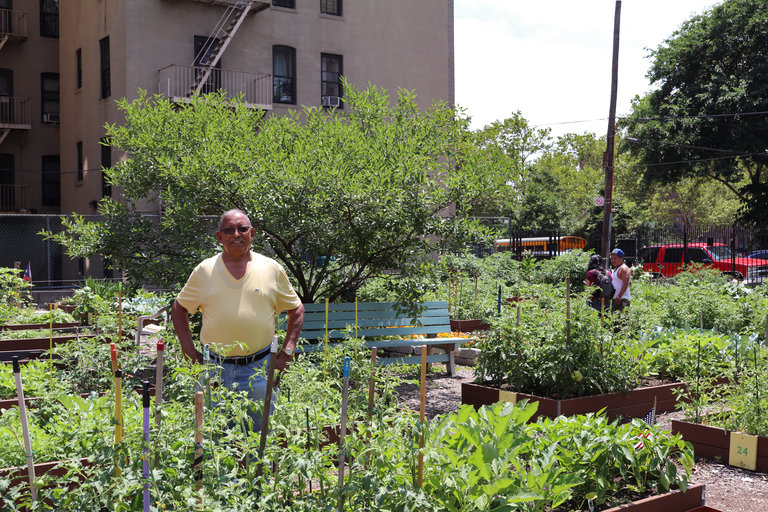
Efrain Estrada grows so many peppers, eggplants, okra and squash that he sends the extras to his relatives in Puerto Rico.

Though Mr. Estrada calls himself a farmer, his bounty sprouts from the unlikeliest of settings: a patch of green wedged among the bodegas and public housing projects of the South Bronx. There, in a community garden where Mr. Estrada is one of dozens of urban farmers, he fills a box of soil no larger than a child’s sandbox with the things he used to grow with his father on a farm in Puerto Rico.

“If I knew what I know now, I would have helped my father a lot more,” said Mr. Estrada, 74, a retired cook. “There would have been more food.”

Mr. Estrada is able to carry on his family’s agrarian tradition in a teeming metropolis as a result of New York City’s thriving network of community gardens, which is being expanded at a time when an onslaught of development has made these public green spaces more valuable than ever. The community gardens are a refuge for immigrants and those without farms or country houses to escape to in the summer as well as a homegrown source of fruits and vegetables in food deserts like the South Bronx.

Read the FULL ARTICLE at: “NYTimes.com

Enter to WIN a FREE 1 Month Subscription to UOG’S Monthly Seed & Garden Club!


How To Start a Garden That Yields The Crops You Want!

gardening-2448134_1920“People garden with different objectives in mind. Some are seeking a serene oasis, a time they can spend alone in nature, even if it is just a tiny plot on their urban lot. Many do not know of the serenity gardening brings until they have one. Some simply want an ornamental garden, pretty landscaping to admire. Some people just want tomatoes and basil for spaghetti sauce.”
Whatever your desired results from gardening are, here JenReviews shares a wealth of knowledge when it comes to starting a vegetable garden of your own!

Table of Contents

  • Garden with Nature
    The first rule is to garden with nature, not against it. What type of soil do you have? Is it sandy or is it clay or is it a mix? What is the acidic level? How long is your growing season? How hot does it get? How cold does it get? How much rain do you get?
  • Follow the Sun
    Go out to your proposed site and take a look at where the sun is in the morning, in the afternoon and in the evening. Bear in mind that if it is winter, the arc of the sun is going to be a bit different than in the summer.
  • Don’t Try to Keep Out what you Can’t Keep Out
    There are gadgets and gizmos and wives tales of many a fix to deter animals, but save your money and just nod kindly at the neighbor telling his tall tales. The scarecrow with the banging pans, the sensor flood lights, the hose blasting shots of cold water, the fox urine, the Irish Spring soap, the locks of cut hair… these things may cause a deer or groundhog to hesitate once, but the second time they will simply ignore it.
  • It’s All in the Soil
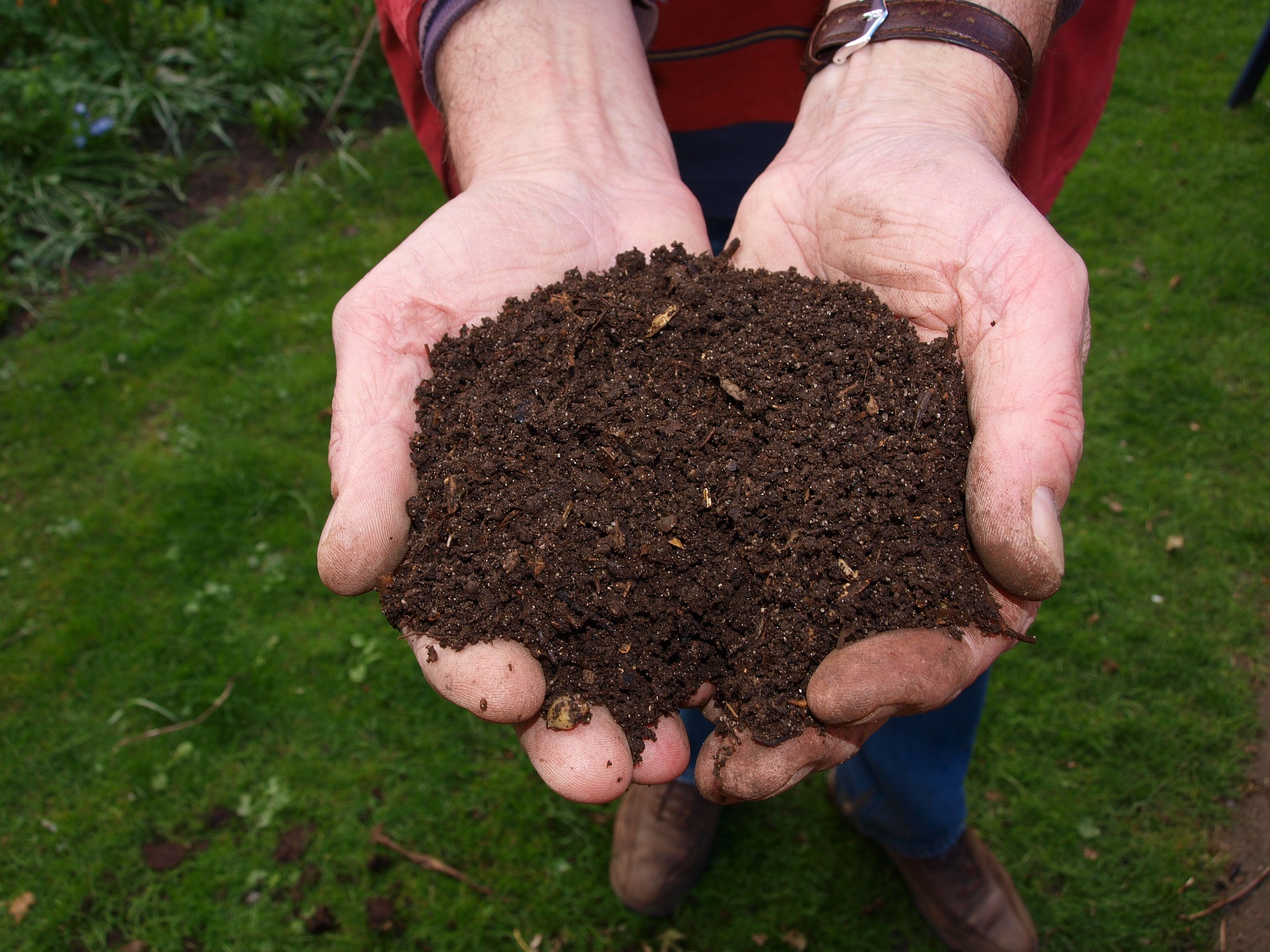
    By-products from growing roots and plant debris feed soil organisms. Soil organisms help plants by decomposing organic matter, cycling nutrients to make them more available to the plant, enhancing soil structure and porosity and controlling the populations of soil organisms, including crop pests. Healthy soil means healthy plants.
  • Organizing the Garden
    I would recommend a garden no larger than 25 x 30 feet to begin.
  • Buying Seeds, Starters, Bulbs and Seedlings
  • Companion Planting
    It is based upon observations of plants that grow better together, due to the nutrients their root systems exchange and because the pests they naturally attract are pests that control the population of pests of their companion.
  • Supplies
    Take good care of your tools and make sure they are always clean. Be sensitive to what you are doing. If you cut off a diseased leaf, clean the shears with soap before you use them on another plant or you are likely to spread the disease. Keep them sharp so that your cuts are clean, not sloppy and tearing, thus weakening the plant.

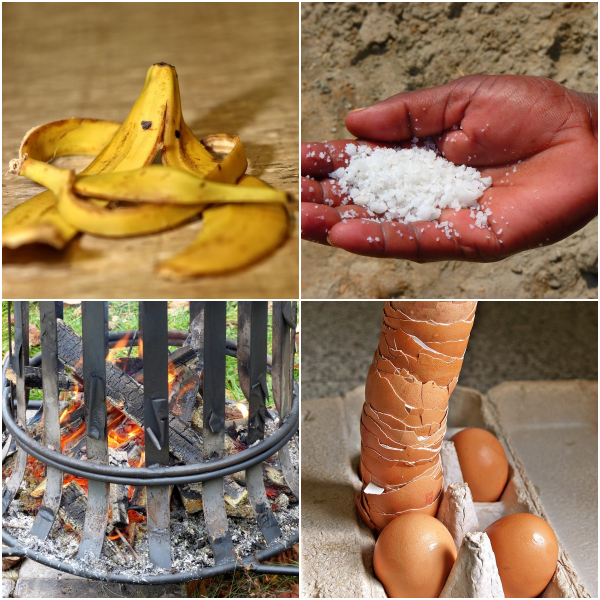
15 Simple and Inexpensive Homemade Fertilizers

fertilizers
“There is one basic role that applies when it comes to using fertilizers – “less is more”. If you apply too much fertilizer or a concentration that is too strong, you could do much more harm than good. You can harm plant roots and soon you will see the tell-tale symptoms of fertilizer burn – brown curled leaf edges and leaves that wither and fall from the stem.”

We have prepared a list of 15 homemade fertilizers, HERE: “GardeningSoul.com

Join UOG’s Monthly SEED & GARDEN Club!

🍉 Get Seeds & Garden Supplies Delivered Every Month – Fully Customized Around You! We are now preparing our members for Fall planting season! 👏 Visit: www.UrbanOrganicGardener.club

Subscriptions are only $9.99/month + s/h.

💧🌱💧 NOW AVAILABLE: Options for RAISED BEDS -&- CONTAINER GARDENS -&- TOWER GARDENS – & – HYDROPONIC SYSTEMS💧🌿💧

We’re making it easy for everyone to grow organic food all-year-round! 👍

Ready to sign-up or just learn more? Visit: www.UrbanOrganicGardener.club

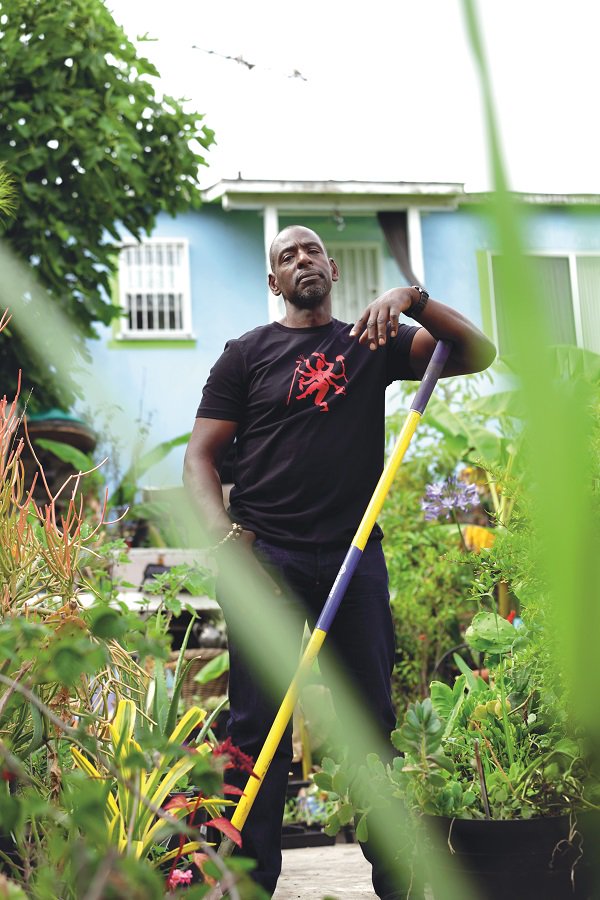
The “Gangsta Gardener” Who Believes REAL Masculinity Is About Being a Conscious Citizen of the Planet

theojemison_472a1618_rt1
“Los Angeles-based ‘gangsta gardener’ and community leader Ron Finley is determined to redefine ‘gangsta’ as being about building thriving communities, not machismo.”

“Gardening is gangsta: Mother Nature is gangsta. Being educated, creative and self-sustaining is gangsta. That whole concept was about turning a negative into a positive. If you want to be gangsta about anything, make it about building your community, sharing knowledge.

Men are brought up being told that we’re supposed to be provider and protector. But, as far as I can see, a lot of our communities are basically designed to kill people, because you can’t find healthy or nutritious food in them. Why is it easier to get alcohol than an organic apple? Why, in certain communities here, is it easier to get a gun than it is to get an organic carrot? Cities are designed for commerce, not for people.”

This article was first published by Positive News and is republished with permission.

10 Ways to Use Baking Soda in Your Garden

baking-soda-768950_640

“We are sure you already know baking soda is beneficial for your home and kitchen as it offers a safe and inexpensive way to clean the kitchen and bathroom. What about the garden? Here are the top 10 ways you can use baking soda in the garden to keep it healthy and pest-free.

1. Use Baking Soda To Test the PH Level of the Soil

Wet your soil with distilled water and sprinkle some baking soda over the damp part. If the soil starts bubbling, you have acidic soil with a pH level lower than 5.

2. Homemade Plant Fungicide

Mix four tablespoons with 1 gallon of water and you will get a homemade fungicide a lot cheaper and with much fewer chemicals and toxins than other harmful fungicides.”

Read 8 MORE ways to use baking soda in your garden, HERE: GardeningSoul.com

Solar-Powered Aquaponic Greenhouses Grow Up To 880 lbs Of Produce Each Year

Myfood-Greenhouses-Family-889x592
“Fresh produce – ideally grown locally right in your backyard – is essential to a healthy diet, but with scores of people either lacking the space, time, or knowledge to cultivate their own food, for many that ideal simply isn’t attainable. Enter French company Myfood. They aim to bring food production back home, and they’re doing it with smart solar aquaponic greenhouses. These groundbreaking greenhouses, which are small enough to fit in a yard or even a city balcony, can produce 660 to 880 pounds of vegetables every year.” –via “HealthAdvisor.care”

Myfood-Smart-Solar-Aquaponic-Greenhouses-889x667

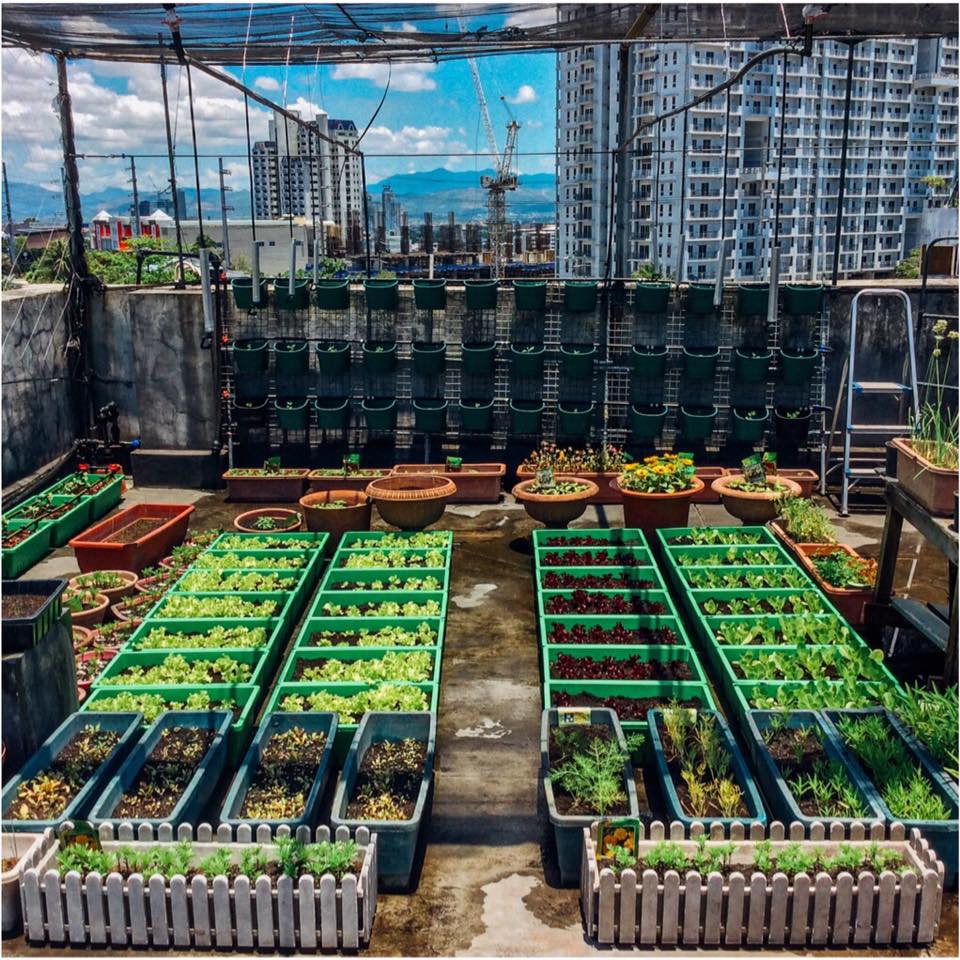
AMAZING “Before & After” Pictures of a Rooftop Urban Garden

18423968_1927060550652999_6485885428583693272_n

18342428_1927060607319660_4938806487396095718_n
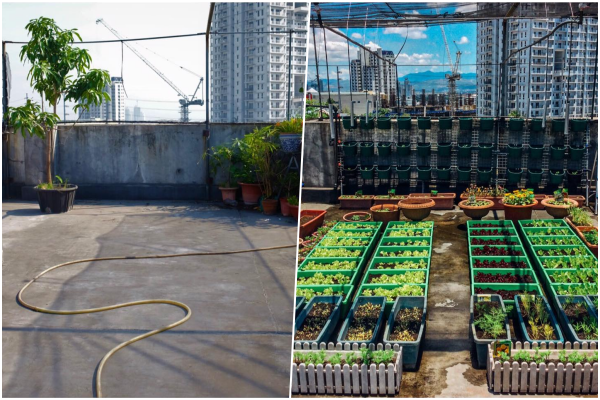
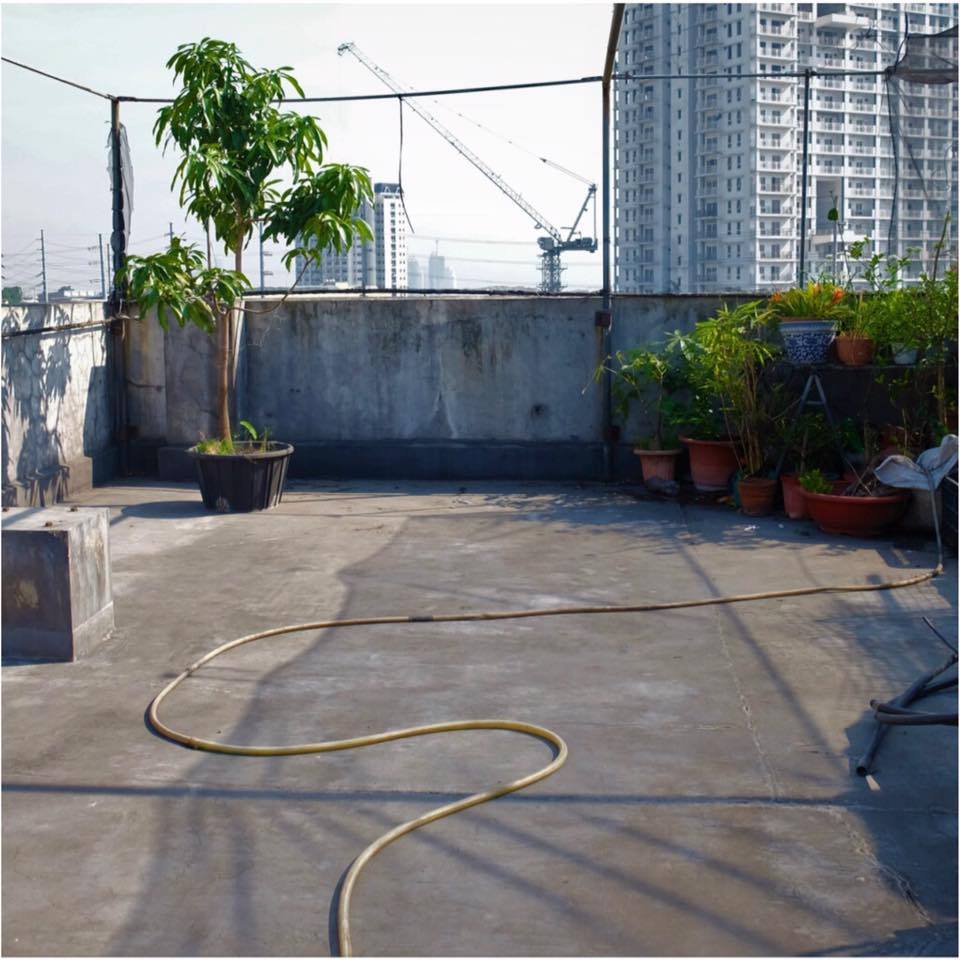
“I just started gardening in February and I just wanted to share how container gardening literally transformed my roof deck. Who says you can’t grow food in the big city?” says Julius Barcelona.

He also notes: “We’re five floors up and yes, the wind really is a big problem here. My herbs and leafy veg are okay since they’re low lying plants, but all my other plants like tomatoes and cucumbers are along the western wall so they are protected from the wind while they are small. I’ve put up some trellis net to support the taller plants along the side of the garden. There’s one good thing about the wind though; pests have a harder time establishing since they get whipped around a lot.”

Images via Julius Barcelona, Container Gardening and Vertical Gardening (Facebook Group)

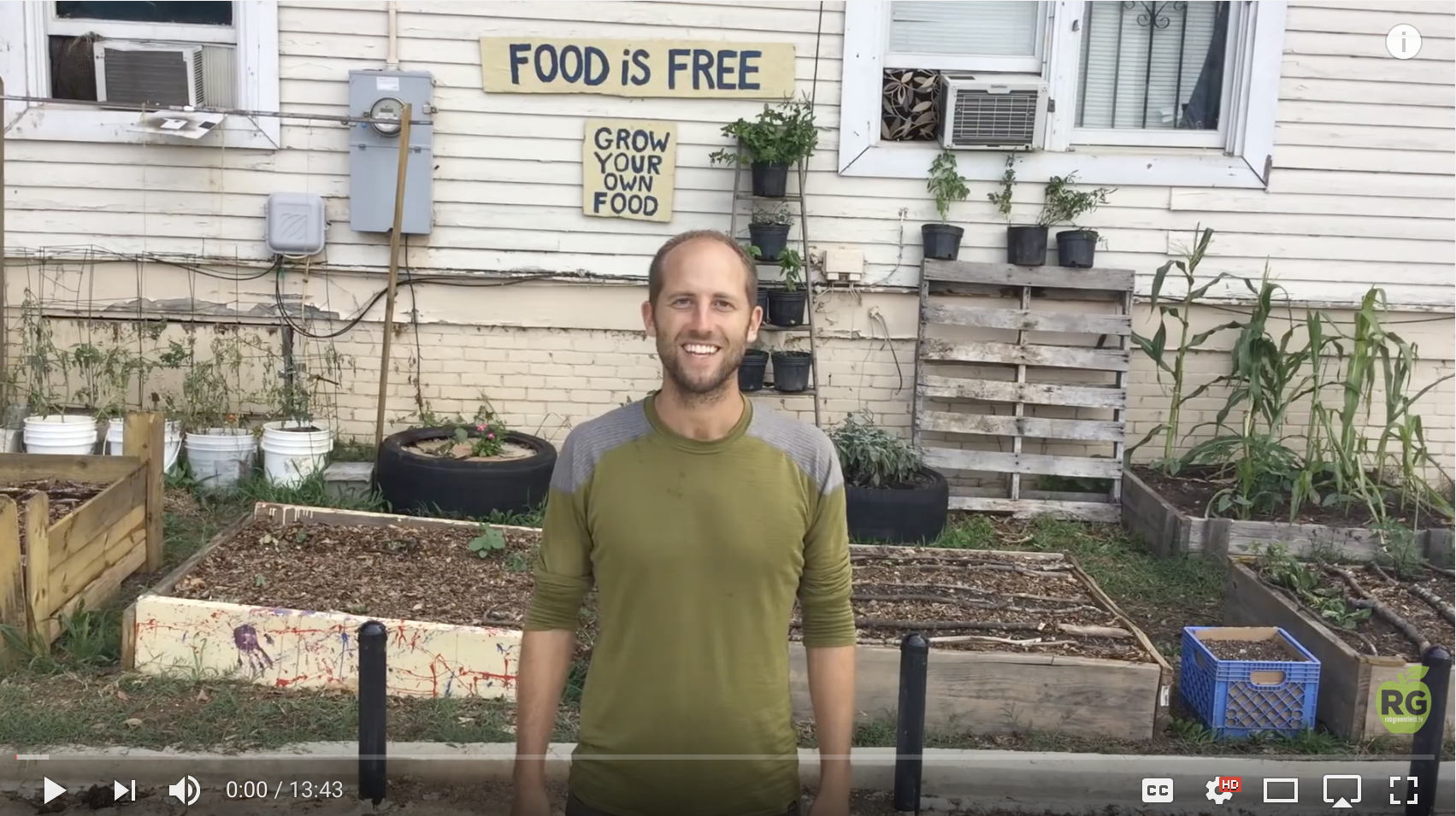
How to Grow Food for FREE in the City


This is a guide on how to grow food for free or with very little money in an urban environment. I cover all the limiting factors that typically prevent people from gardening including space, raised beds and containers, water, compost, soil, mulch, seeds and go into how to compost, how to make a compost bin, how to harvest rainwater, how to do grey water, how to forage and much more. The idea of this video and guide is to help you get past all the limiting challenges of gardening in the city and get you to start growing some food. This guide is geared particularly at how to grow food for free or with very little money in an urban environment where space may be limited. One of the main keys to growing food for free in the city is to utilize wasted materials and resources. Creating a minimal environmental impact is a central part of everything in this guide and utilizing wasted materials and resources is one of the best ways to keep our environmental impact small.

For more information go to: https://www.RobGreenfield.tv/growfood

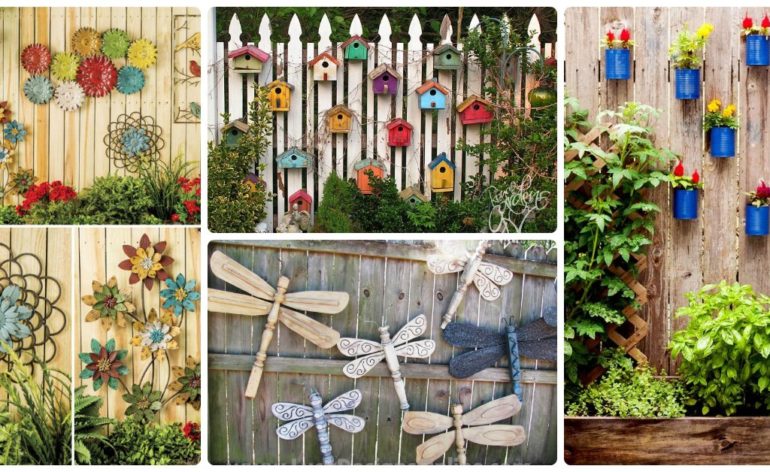
12 Incredible Ways To Decorate Your Fence

Decorate-Fence-Ft-770x472
“Every garden, backyard or patio has some kind of fence. They can be pretty dull and even can make the surrounding area uglier than it probably is. That’s why we decided to present you a dozen of great ideas that can unbelievably transform your garden and make it an enjoyable place.”

Enjoy and get inspired: “SiteForEverything.com