
Could Dandelion “Weeds” Kill Cancer Cells & Leave Healthy Cells Intact?

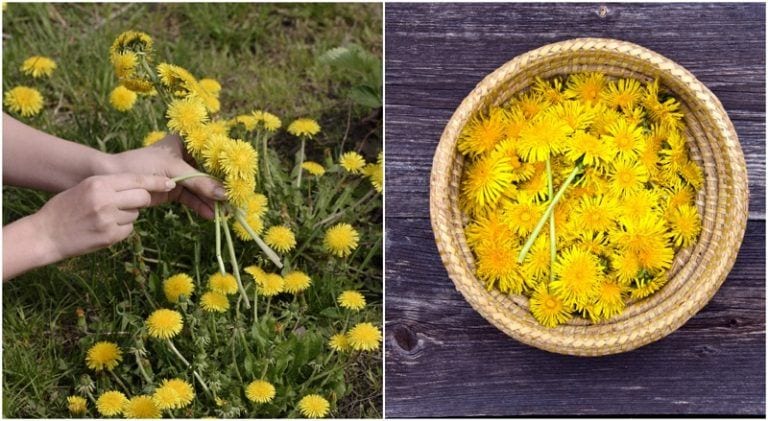
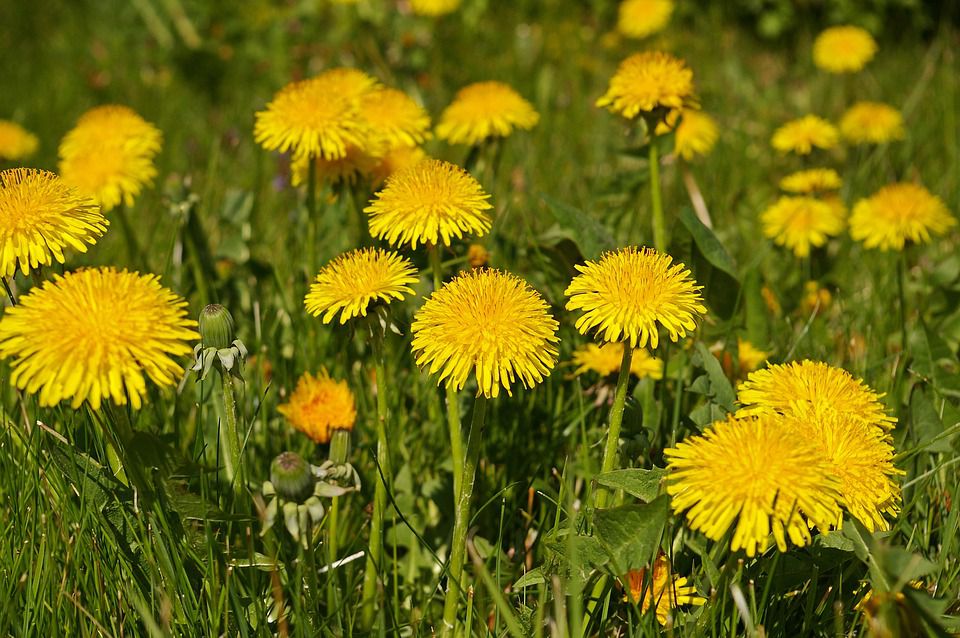
Those yellow dots that “litter” your otherwise “perfectly green” lawn are more than just pesky weeds. Dandelion has been considered a valuable food and medicine in both Eastern and Western culture for thousands of years and is now being researched for it’s cancer-fighting abilities.

The use of the dandelion plant in both Greek and Chinese medicine predates written records.  Traditional healers use it to cleanse the liver, flush toxins from the kidneys and purify the blood.

It’s blood purifying compounds led researchers at the University of Windsor in Canada to hypothesize that dandelion could help patients with end-stage blood cancer.

READ THE FULL ARTICLE Return To Now
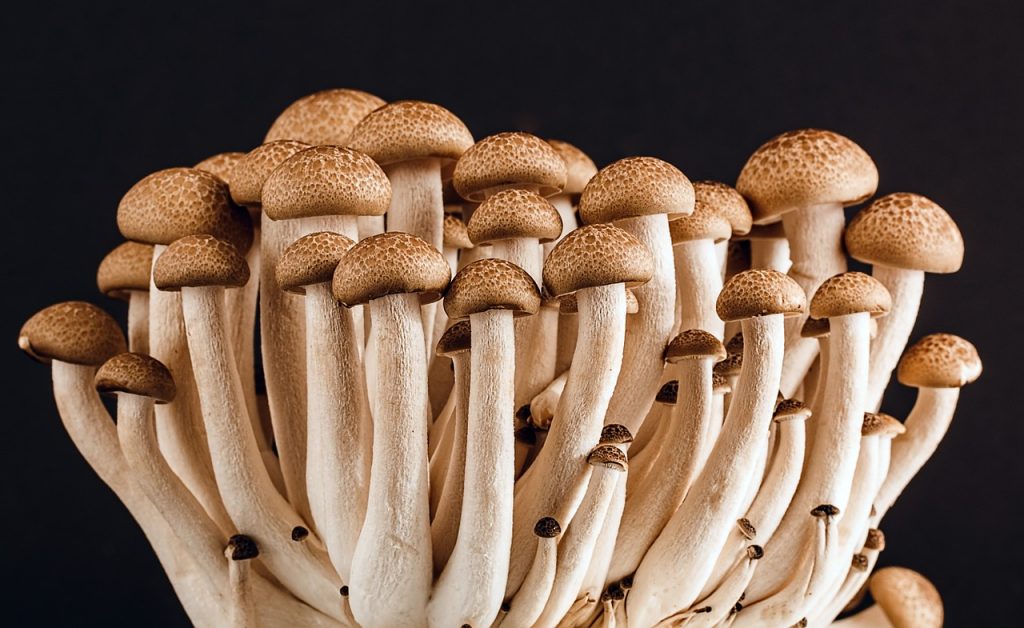
Study: Eating Mushrooms Twice a Week Dramatically Reduces Cognitive Decline

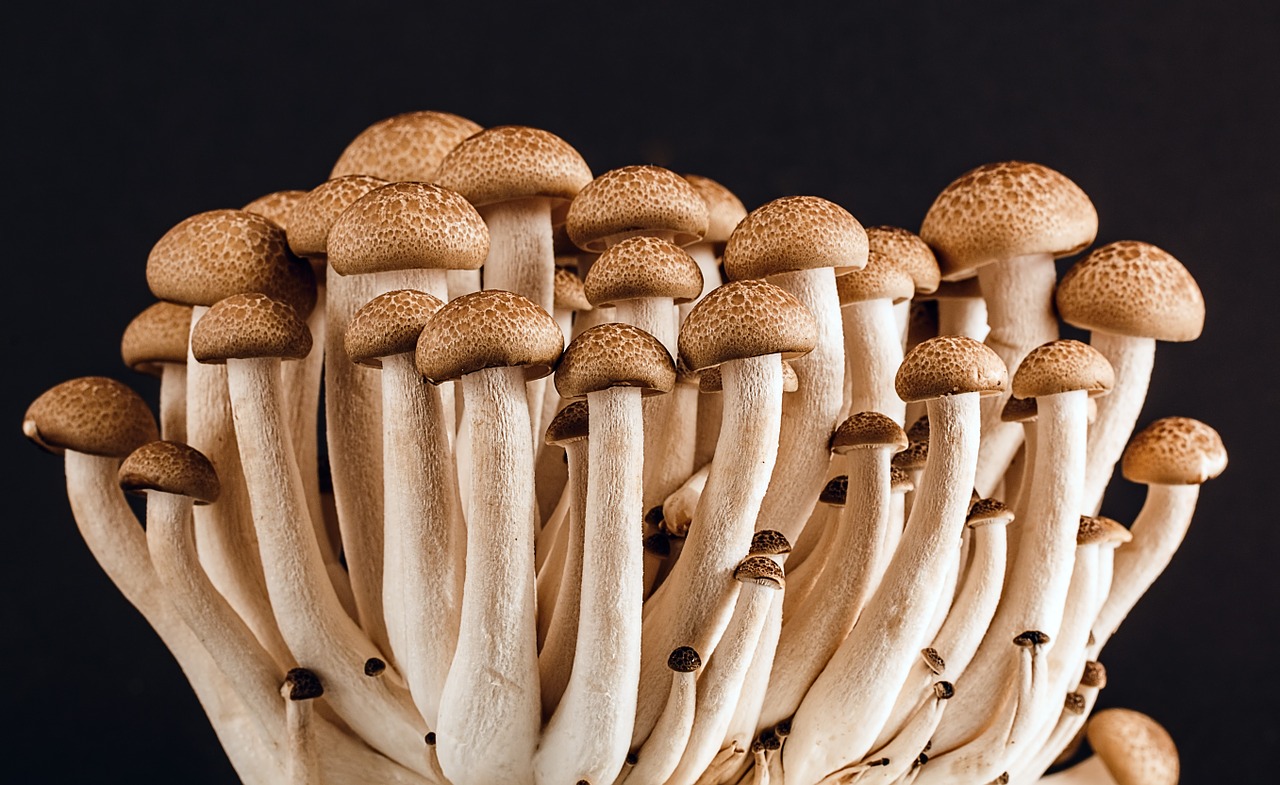
A new study found people who ate mushrooms at least twice a week were half as likely to develop mild cognitive impairment.

Mild cognitive impairment is the stage between the expected cognitive decline of normal aging and the more serious decline of dementia.

It can cause problems with memory, language, attention and locating objects.

For the study, researchers from the National University of Singapore followed the diets of over 600 senior citizens for 6 years.

Participants were asked how often they ate six different types of mushrooms: oyster, shiitake, white button, dried, golden and tinned.

Original article can be found at https://returntonow.net

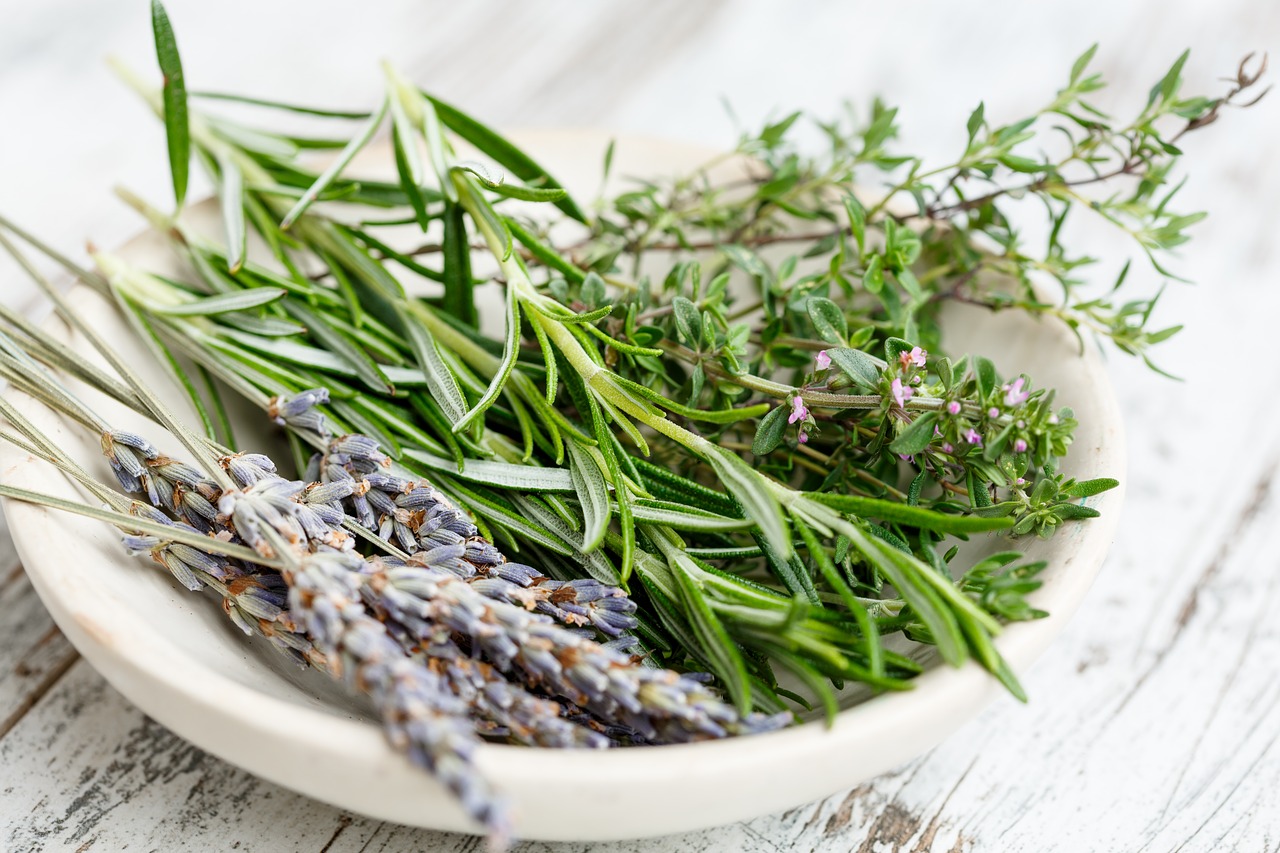
Study: Sniffing Rosemary Improves Memory

The smell of rosemary enhances our ability to recall past events and remember what to do in the future studies find.

For one recent study, researchers from Northumbria University placed 150 healthy senior citizens in rooms which had been infused with either rosemary essential oil, lavender essential oil, or no scent at all, and then tested them on their ability to remember to do something at a given time, such as taking medication or posting a letter after seeing a mail box.

Those who had been in the rosemary-scented room demonstrated significantly improved prospective memory and alertness, with test scores 15% higher than those who had been in the room with no aroma.

Those who started in the lavender room displayed significantly increased calmness, with decreased ability to remember to do something at a given time.

Prospective memory “is critical for everyday functioning.”  Lauren Bussey of Northumbria University told the Daily Mail. “For example: when someone needs to remember to take medication at a particular time.”

READ THE FULL ARTICLE https://returntonow.net

Women Who Surround Themselves With Plants Live Longer

We like to surround ourselves with friends, pets, fresh air, and sunshine, but have you ever considered the benefits of plants? According to some new research, living in the midst of healthy vegetation has proven to significantly extend one’s life expectancy.

Research coming directly out of the Harvard T.H. Chan School of Public Health as well as the Brigham and Women’s Hospital has analyzed the results of an eight-year-long study that specifically examined a potential link in place between thriving vegetation and an extended lifespan. According to the study, “Women in the U.S. who live in homes surrounded by more vegetation appear to have significantly lower mortality rates than those who live in areas with less vegetation” Essentially, women who live in greener surroundings have clearly been found with better mental health and mortality rates 12% lower than those living in homes without plants, in areas void of vegetation”.

READ THE FULL ARTICLE https://gardeningsoul.com

Keto Garden – Easy Low Carb Vegetables You Can Grow At Home!

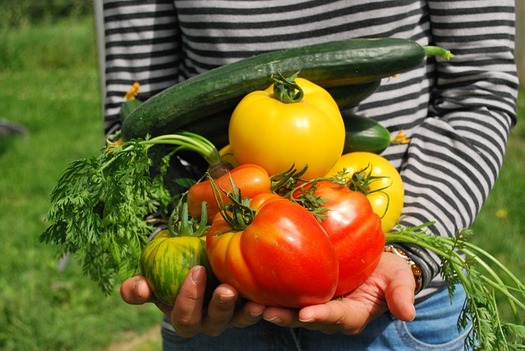
One thing you may have noticed about a plant-based diet – it’s expensive!  Growing your own Keto garden and these five low-carb vegetables can save money while providing you with fresh, local produce for your family.  After all, you can’t get more local and fresh than your own backyard!  Tips for growing in container-growing, too, for you small space gardeners.

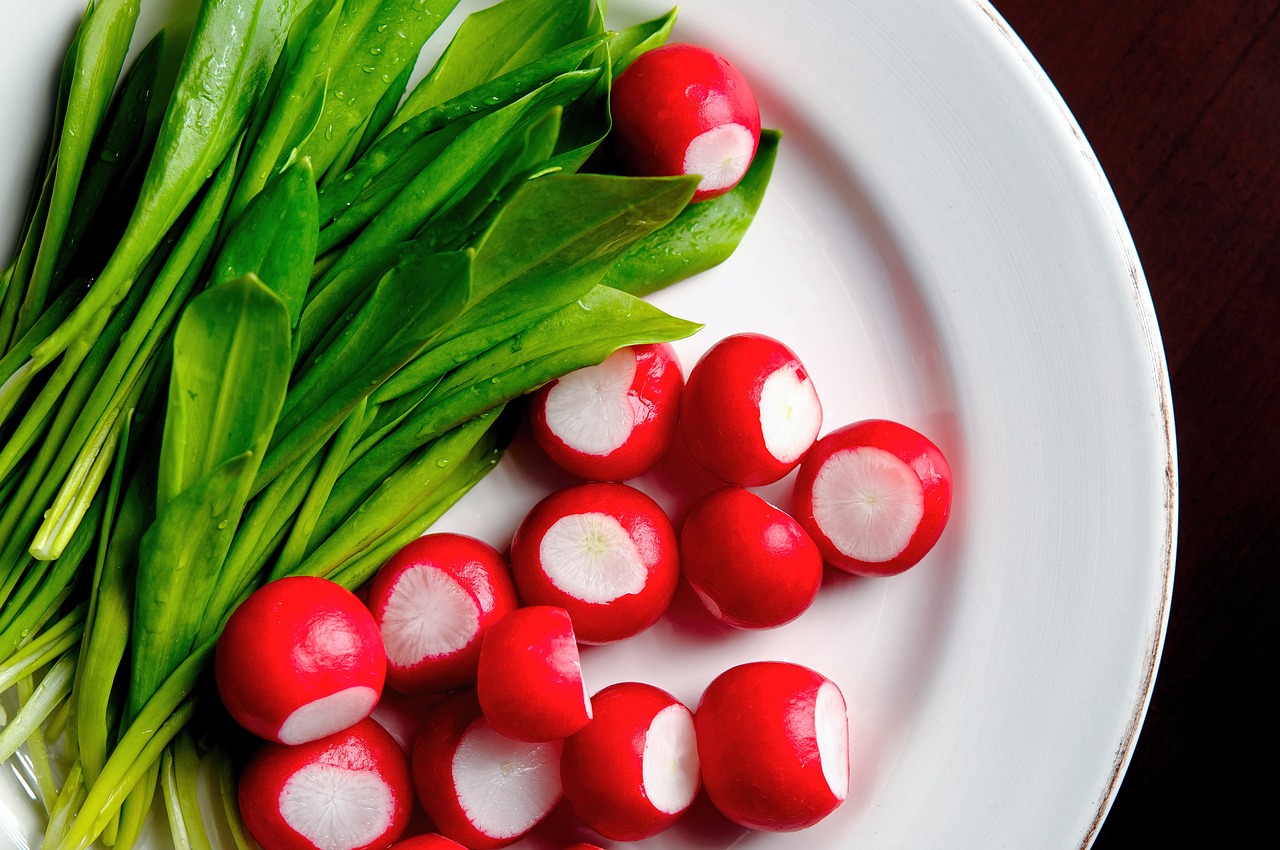
Five Low-Carb Vegetables to Grow

There are a lot of Keto diet approved vegetables we could discuss as we find the best low-carb vegetables to grow, but we’re going to stick with just five.  If you’re new to growing your own food, I don’t want to overwhelm you.  If you’re a seasoned gardener, you may already be familiar with these crops but are getting used to thinking of them as low-carb vegetables for your new eating plans.

The five low-carb vegetables we’ll be covering here are:

  1. Spinach
  2. Radish
  3. Swiss Chard
  4. Kohlrabi
  5. Tomatoes

READ THE REST OF THE ARTICLE AT https://homesteadlady.com

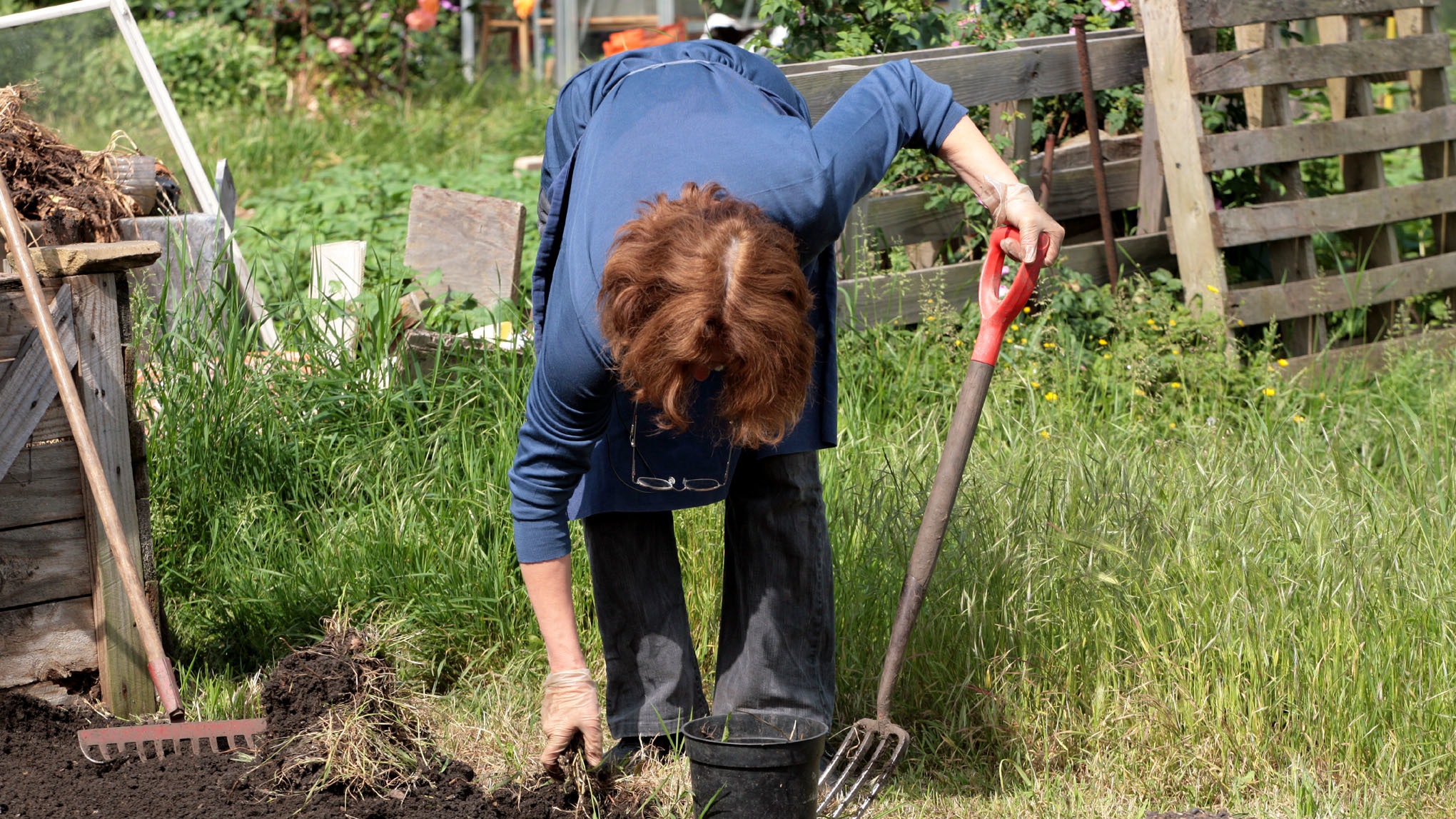
Gardening for just 10 minutes a week can cut risk of death, study suggests

Walking or gardening for just 10 minutes per week could cut the risk of death, new research suggests.

Even low levels of physical activity are linked to a reduced chance of dying from cancer, cardiovascular disease and other illnesses, according to a study published in the British Journal of Sports Medicine.

The researchers said spending just a little time on active leisure pursuits could bring health benefits.

The study analysed data from more than 88,000 adults aged 40 to 85 years old between 1997 and 2008, and linked this with deaths registered until the end of 2011.

READ THE FULL STORY: http://home.bt.com

How gardening may be helping people live longer

Gardening saved Mary Lou Heard’s life.

In the 1970s, Heard, who would later become known as Orange County’s patron saint of cottage gardens, went through a divorce that was so devastating she was hospitalized. On the grounds of the hospital, there

was a small neglected garden. Mary Lou got down on her hands and knees and, for the first time in a long time, she would later write, felt peace.

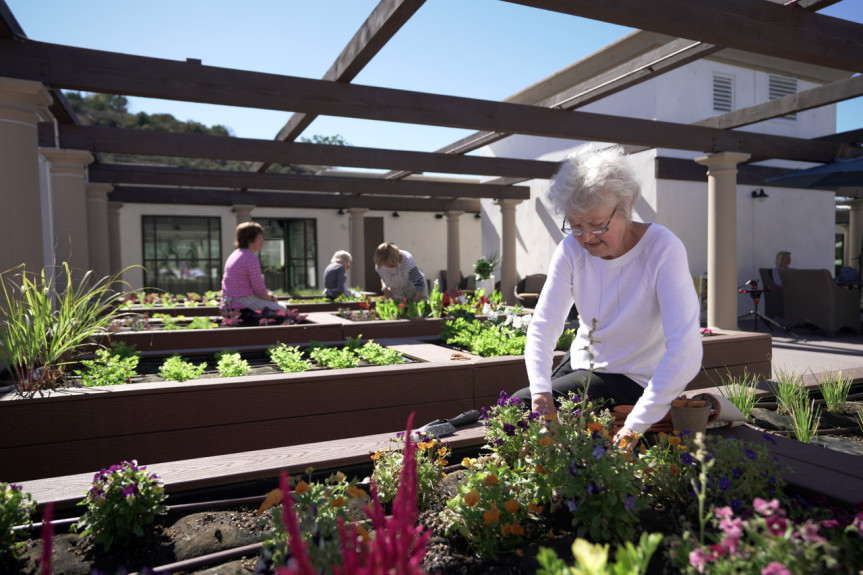
Now more and more studies are supporting what Mary Lou and many others have known in their hearts all along: Gardening is good for you, and not just in the calorie-burning way.

There is even some anecdotal evidence it might help you live longer.

READ THE FULL STORY AT https://www.ocregister.com

25 Reasons To Go & Pick Dandelions Right Now

Who hasn’t seen those pesky yellow weeds pop up in the garden from time to time? Yet try as you might – from picking them to poisoning them – nothing keeps them at bay for too long.

Perhaps it’s time you embraced the tenacious dandelion and all the benefits it can bring?

The Health Benefits of Dandelions

Dandelion has been used throughout history to treat everything from liver problems and kidney disease to heartburn and appendicitis.

Every part of this common weed – from the roots to the blossoms – is edible. It’s a good thing too, as the humble dandelion is bursting with vitamins A, B, C and D, as well as minerals such as iron, potassium, and zinc.

READ ALL OF THE HEALTH BENEFITS OF DANDELIONS AT https://www.naturallivingideas.com/things-to-do-with-dandelions/?fbclid=IwAR0uCT9KN5WPHDVUxdJFzg_NNz9X7yAymxePDZ-uIPTgw1zX7mLcX11z2XQ

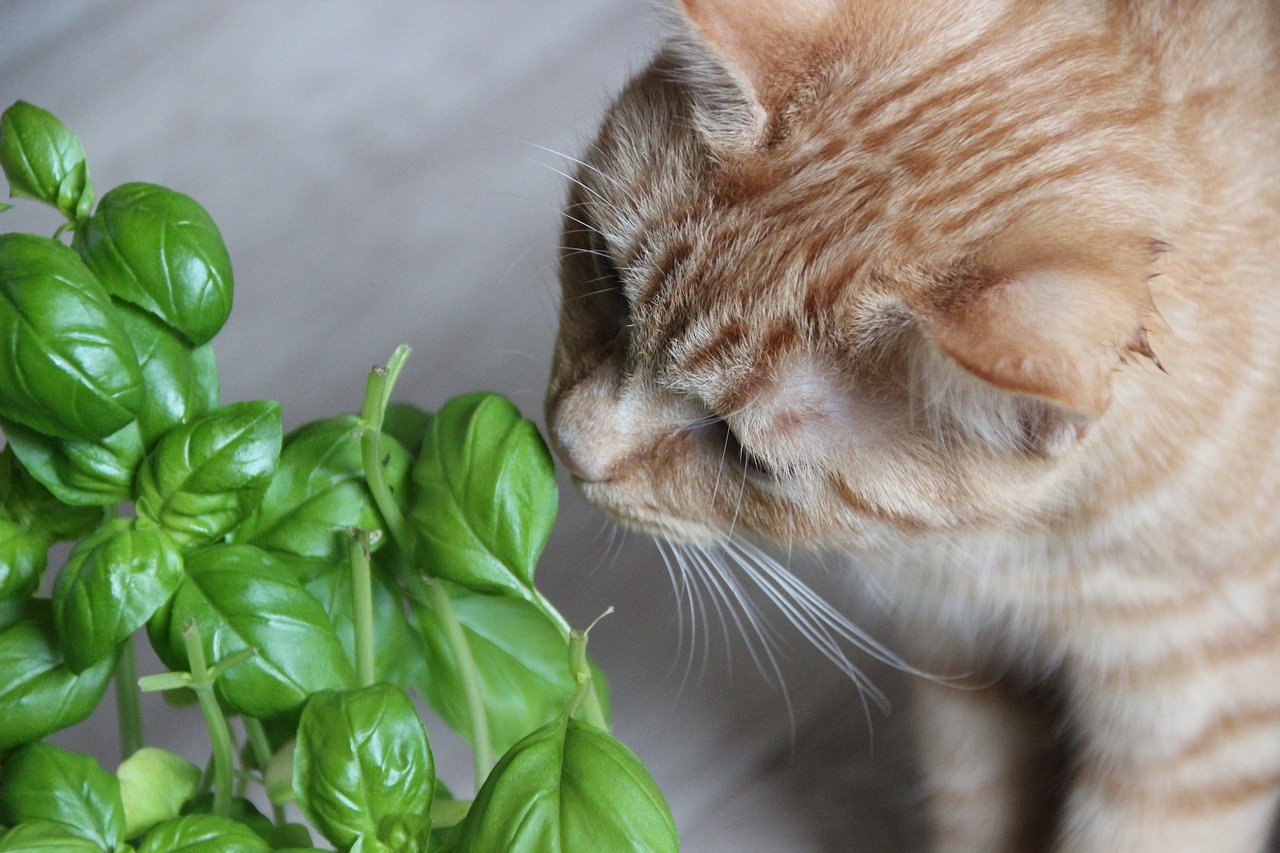
Pet-Friendly Indoor Gardening

Houseplants make a wonderful addition to our home’s décor and improve the indoor air quality.  Those with pets, however, may struggle with keeping plants safe from curious pets and the pets safe from indoor greenery.

The good news is you can grow an indoor garden even when you own pets. Yes, some do love to dig in the soil or even eat our favorite houseplants, but with proper plant selection and planning, you can keep your pets safe while enjoying an indoor garden.

Start by selecting plants that are safe for your pets.  Consult the American Society for the Prevention of Cruelty to Animals website for a list of pet-safe plants to grow and toxic plants you should avoid.  This will reduce your anxiety by helping you create an indoor green space safe for your pets.

READ THE FULL ARTICLE: https://www.tapinto.net/towns/belmar-slash-lake-como/articles/pet-friendly-indoor-gardening-477c2881-e5be-4de5-bace-0397f405593c

How gardening can heal the land — and you

Maybe you think of your garden as a place to escape from work or other stresses. Or perhaps you see it as a special place where you can feel close to nature. But have you ever thought of it as a sanctuary? As a sacred space?

If you haven’t taken this leap of faith but are intrigued by the idea, then take the time to read “Creating Sanctuary: Sacred Garden Spaces, Plant-based Medicine, Daily Practices to Achieve Happiness and Well-Being”by Jessi Bloom (Timber Press, November 2018). The book serves as a guide to rejuvenating bodies, minds and spirits not in some faraway tropical resort but through plants and practices in your own backyard.

Bloom would know how to do this. An award-winning ecological landscape designer, professional horticulturalist, ISA-certified arborist and owner of NW Ecological Services in Woodinville, Washington, she wrote the book not just from a professional background but from personal experiences as well.

READ THE FULL STORY AT: “MNN.com

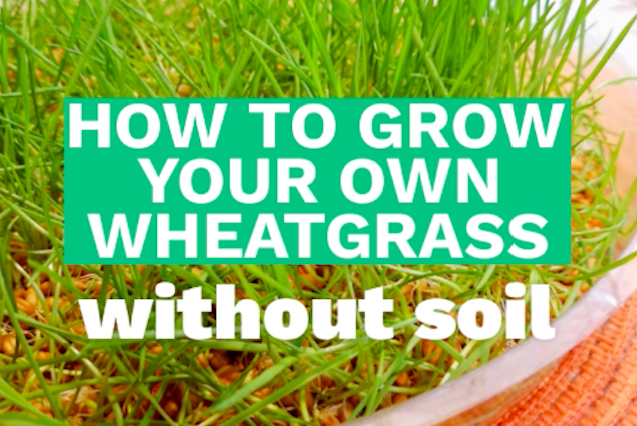
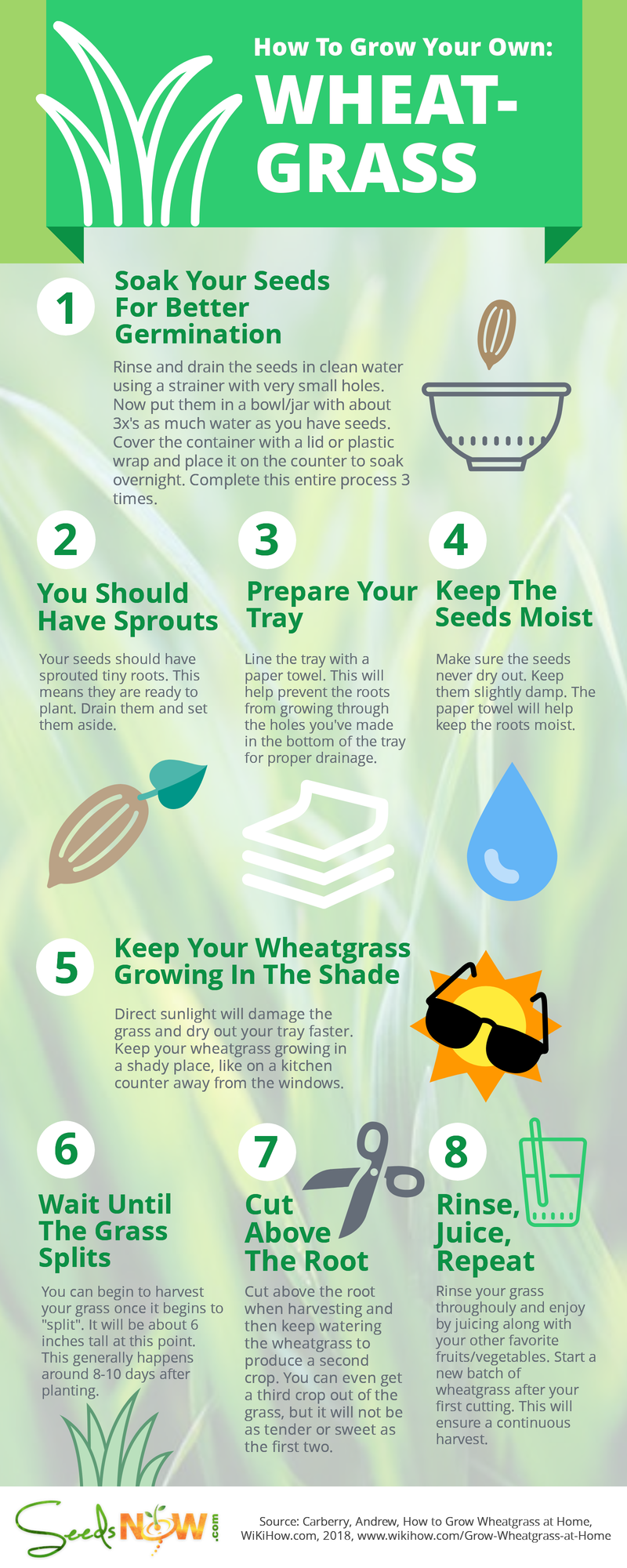
How To Grow Wheatgrass At Home *WITHOUT SOIL*

Growing your own wheatgrass at home is easy and fun to do – especially during the winter months!

There are a lot of different methods on how you can achieve this, so below we are going to share with you some of our favorite.

There are both soil and soil-less methods.  Today we are focusing on soil-less.  Make sure you choose which will work best for you.

Before you get started, purchase your wheatgrass seeds.

And this is how it’s done ….

As you can see, wheatgrass can be easily grown and prepared at home.

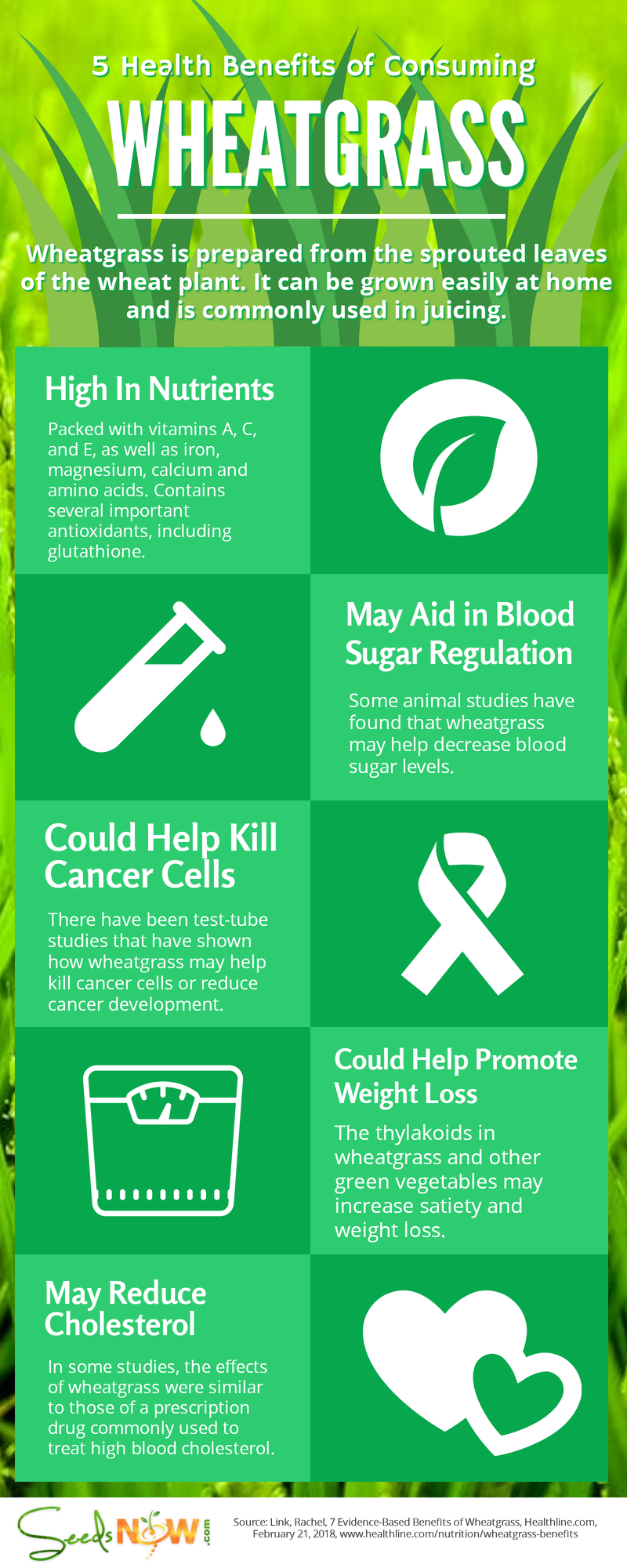
Some claim it can do everything from detoxifying the liver to improving immune function & boost weight loss. Nevertheless, wheatgrass delivers many amazing benefits.

Now, let’s see what happens to your body if you drink wheatgrass daily …


We’ve talked about the amazing health benefits of consuming wheatgrass and showed you how to grow your own, now here are some great ways to enjoy your raw, healthy, nutrient-packed wheatgrass!

Check out these wheatgrass recipes:


Ready to start growing your own Wheatgrass? 
SHOP Wheatgrass seeds!

In Order To Find The Perfect Antidepressant: Get Your Hands Dirty While Gardening!

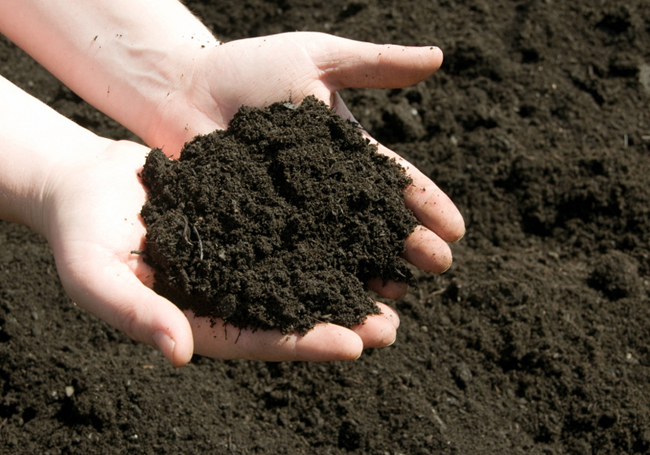
“There is a small bacteria called mycobacterium that people who are suffering from depression, anxiety, or other similar issues, should know all about. Scientists claim that this – and maybe other microorganisms – has a comparable positive effect on humans as pharmaceutical have. However, it is important to mention that the negative side effects, observed with regards to pharmaceutical, are not included in the case of this bacteria. Start getting your hands dirty in the compost or topsoil while gardening. The only thing you need is to get into direct contact with the soil or even just breathe the air around it.

The microbes found in the soil have similar effects on the brain as antidepressant medicines have, but without creating a potential chemical dependence. You can become happier and healthier by using this 100% natural antidepressant. Dirt can bring happiness in your life. The natural effects of the soil bacteria can be noticed for up to 3 weeks, or at least that was what rat experiments have indicated. People have been using natural remedies for centuries as cures for physical pain and even mental and emotional afflictions. Even if historically people couldn’t explain why a natural remedy worked, they still observed the changes it brought and used it as often as necessary.”

Read the FULL article at: “GoodsHomeDesign.com

MILWAUKEE VETERANS FIND TRAUMA RESOLUTION THROUGH URBAN AGRICULTURE

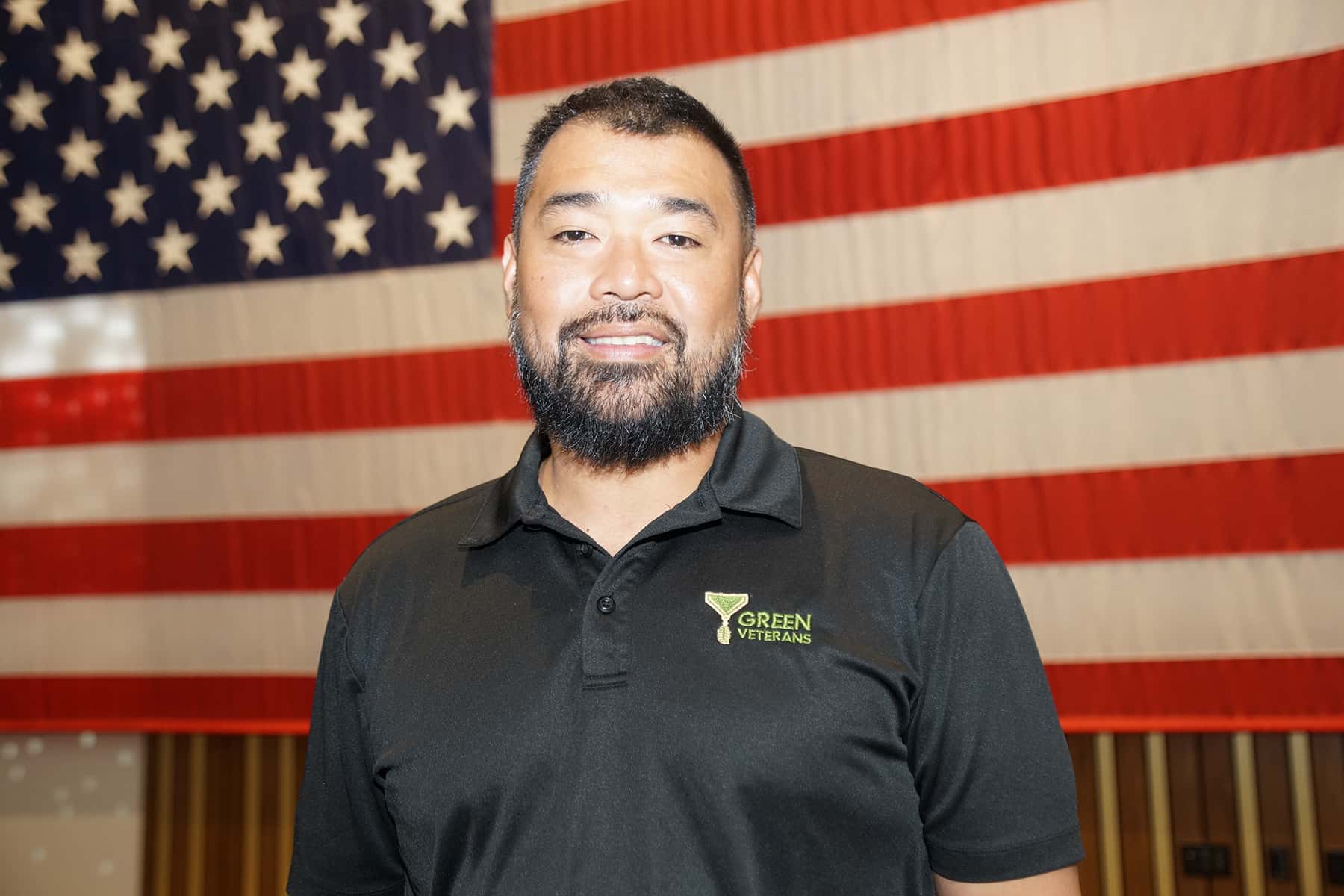
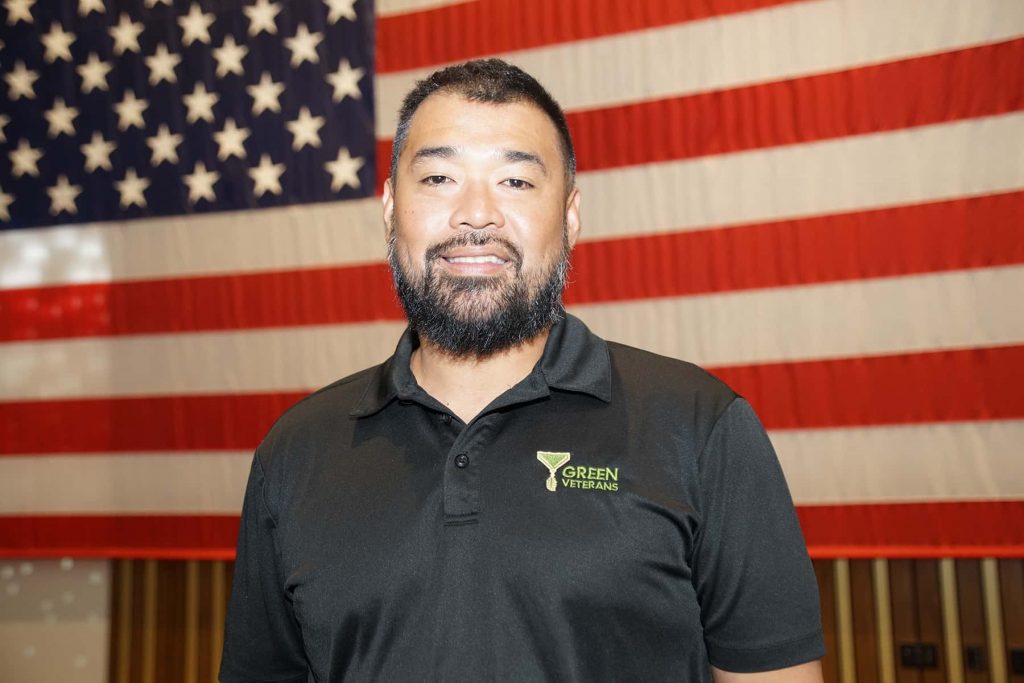
After his discharge from military service, Sales went to college and began exploring urban agriculture and its therapeutic qualities. He attending school in Florida when Milwaukee Growing Power founder and CEO Will Allen recruited him.

After arriving in Wisconsin, he founded Green Veterans to help veterans find healing and a way to reconnect with their communities while teaching them about sustainability and entrepreneurship. Green Vets initiatives include food production, waste remediation, wastewater treatment, water conservation, renewable energy and affordable housing.

“The military is very good at turning citizens into soldiers, but not very good at turning soldiers into citizens,” said Sales. “I learned firsthand that urban farming and sustainability as a whole gave me a purpose again after the military.”

READ THE FULL STORY AT: “MilwaukeeIndependent.com

Urban farm bounties benefit cancer patients

“MURRAY — Brent Ottley drives a truck that gathers produce from the Green Urban Lunch Box farm and a bunch of unused backyard gardens across the Salt Lake valley, then delivers it to seniors and others in need of freshly picked food.

On Thursday, the recipients were cancer patients, and proper nutrition — particularly from fruits and vegetables — is key to treatment.

“There are definitely phases of treatment where nutrition plays different roles — there are moments you just want them to eat anything,” said Elisa Soulier, oncology LiVe Well program manager at Intermountain Medical Center. “Then there are moments where they are merely surviving, where we emphasize a plant-based diet, one that contains all the antioxidants and healing properties they need to prevent complications of treatment and recurrence of the disease or other types of cancer.””

READ THE FULL STORY AT: “DeseretNews.com

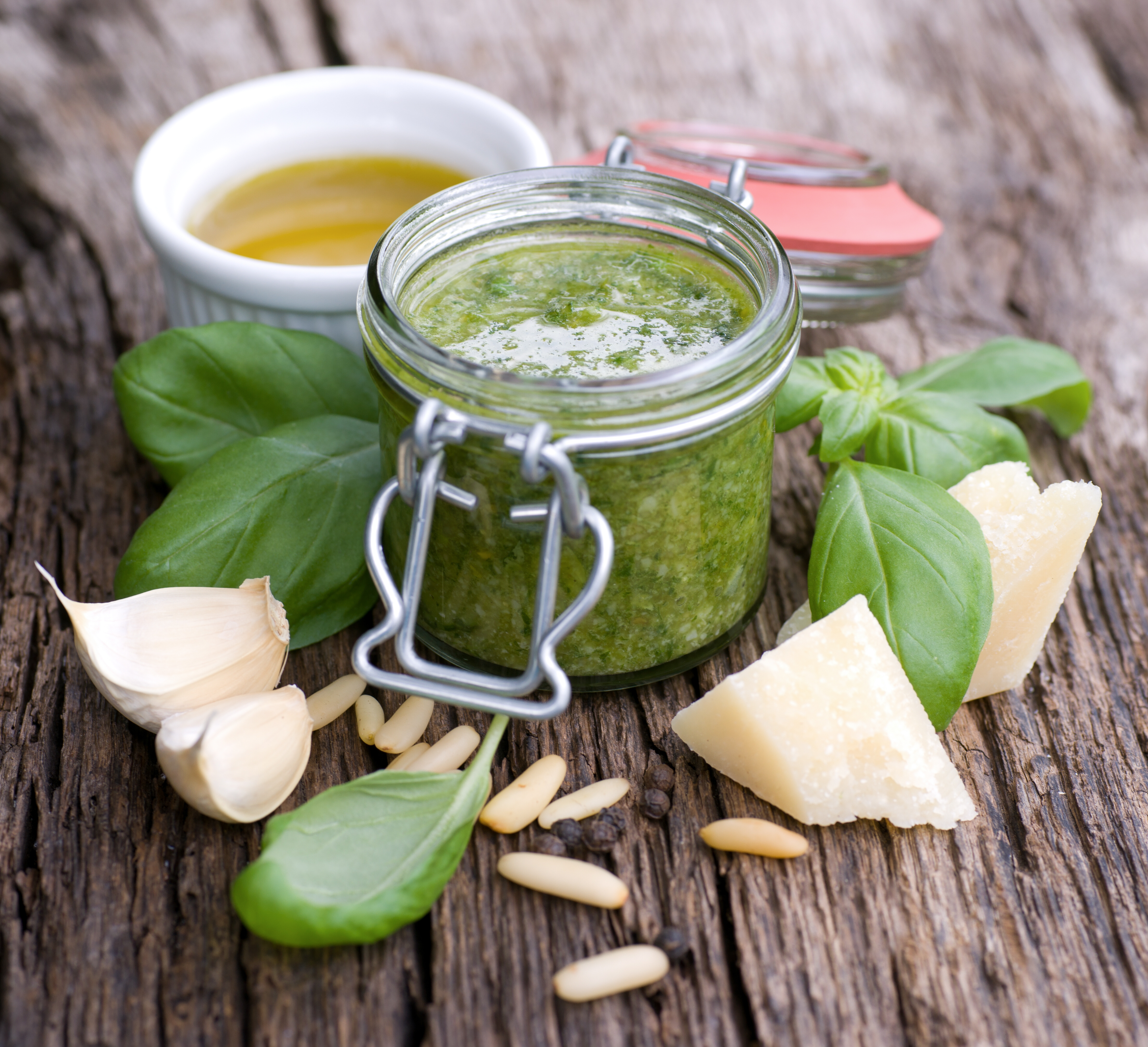
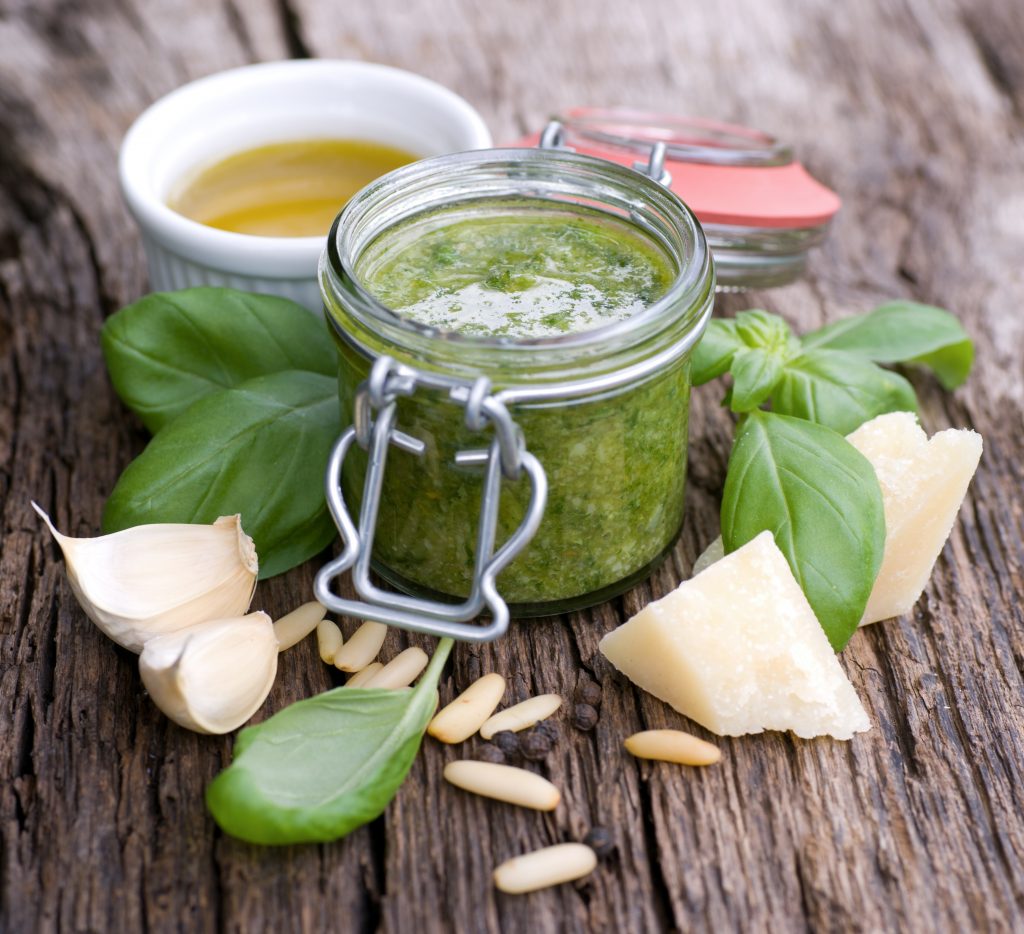
Healing in the garden ‘The Pesto Project’ at East Side Center aids mental wellness

“GLENS FALLS — It might not seem like soil and some seeds could make a difference in someone’s life but for the clients at the East Side Center, nurturing plants and flowers have helped them to blossom.

Jodi Gagnon, who said she deals with alcoholism and has post-traumatic stress disorder, was attending a dual recovery meeting last February when she learned about an ongoing gardening project behind the adult psychiatric rehabilitation building on Maple Street.

Gagnon was new to the area and the outside world was “terrifying” for her. She had never gardened before but soon she was planting seeds in little containers and gradually progressed to doing small tasks in the flower and vegetable beds.

When her PTSD symptoms worsened on weekends she found salvation in the garden, picking up debris and touching the flowers and crops.

“I would feel this sense of relief,” she said. ”It was a very big part of my recovery by getting out of my comfort zone.””

READ THE FULL STORY AT: “PostStar.com

We’re on SNAPCHAT! [Let’s Get Snapping]

We want to be where our fans and fellow gardeners are, so we’ve headed over to snapchat and created an account! We hope you’ll share all of your awesome gardening successes/tips/and learning experiences with us over there.

Let’s be friends! Just use the snap code below to quickly and easily add us and see more great content from us, everyday!

SnapChat UOG IG


UOG SnapChat Logo

Gardening and Mental Health

capture-20170801-101205

Dozens of people gathered at an urban garden on Whyte Avenue Sunday to celebrate the grand opening of the Youth Empowerment and Social Services (YESS) Urban Roots garden.

The initiative had been in the works for a few years, said associate executive director Margo Long. The project was accelerated when the group got permission to borrow the land from the City of Edmonton and built the garden in six weeks.

Long said the garden, which is located across the street from the YESS building, is a project in sustainable food growing and urban agriculture, however she said it is also about more than just vegetables.

Read more at: “GlobalNews.ca

FACTS FOR FAMILIES: Gardening is Good For You

spring-2298281_1920
“Therapeutic gardening has existed since early Egypt. At the beginning of the 1800s, Dr. Benjamin Rush recorded the therapeutic effects of working the garden. Following both World War I and II, veteran hospitals used gardening as therapy for returning soldiers. Even today, there are many gardening and farming programs for veterans of the Iraq and Afghanistan wars. We have known for a long time that gardening was good for you, but now have the research to back it up! And Chris says that more importantly, we can use this research when presenting our case to groups or organizations in support of the benefits of gardening, farming, and being in nature.”

“What may be required next is a shift in our time-strapped culture, where we have so much demanding our attention. Growing a plant forces our patience as we await the opening of a flower bud or ripening of a vegetable. During that time, we note observations of the soil, insects both good and bad, weather, and the habit of the plant as it moves through its lifecycle. Watching and culturing the life of another organism is powerful for any human being. A shift in our mindset toward nature positions the fields of horticulture, urban agriculture, landscape design, and landscape architecture as key career paths to promote the health and well-being of everyone in our community and not just those with the means to afford the graces of nature or a well-kept yard. ”

Read the FULL Article at “CJ-TC.com

Study: Urban Agriculture Good for Students, Community Health

grview-53883-1
A recent study took place that documented the benefits of urban agriculture. In Denver, children in local public health programs were said to be healthier when taught about where their food comes from.

“I think that experience can be a really important piece of their education,” Palmer said. “There is a fair amount of evidence that when kids grow their own food, they’re much more likely to try different foods, and that can lead to some healthier eating patterns overall.” Especially for kids living in urban areas, the process of watching worms in the soil, seeds sprouting into flowers visited by butterflies, and eventually harvesting food they can taste, makes life cycles real to students in ways that are hard to achieve in a classroom, Palmer said.

The study also reported that when children and adults had access to gardens, parks and other green spaces they experienced better mental health. Urban agriculture is changing how people feel about their neighborhoods and their neighbors.
To read the entire article, visit: “PublicNewsService.org