Urban Farm Pod’s Brilliant Plug-in Ecology Could Revolutionize Urban Farming

Urban-Farm-Pod-by-Terreform-ONE-2-1020x610

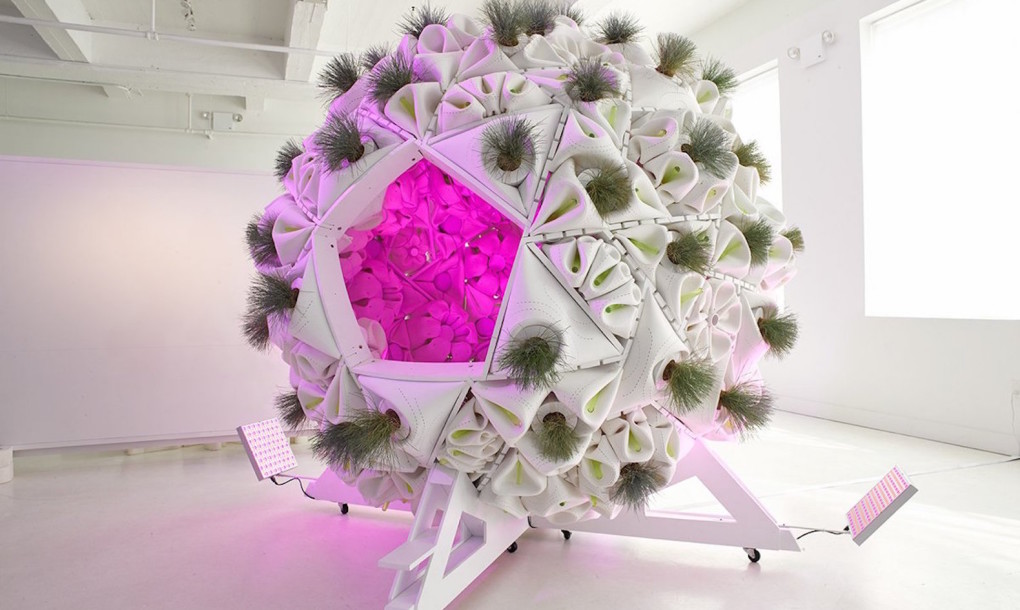
When someone mentions urban farming, you probably picture vertical farms in large empty warehouses, however one company believes it could very well take on a spherical shape.  Recently a new prototype has been released and people can’t stop talking about it.  The new Urban Farm Pod is a futuristic look at what growing your own food might look like.  It can be thought of as a living eco-system, that you simply “plug-in”.  Future urban farming tools like this would allow urban nuclear families the ability to grow their own food and at the same time produce energy.

Read more about the NEW Urban Farm Pod over at: “Inhabitat.com

Urban Farm Taking Over Former Housing Complex

urbanfarmky

In Kentucky, near Louisville’s Hazelwood neighborhood a new urban farm is sprouting up right on top of an old housing complex that had been demolished.  The goal is to provide locally grown, fresh produce to the neighborhood while helping to change the landscape of the empty property as well.  

Almost 9 acres currently sits vacant and abandoned but with the help of KentuckyOne Health, Metro Housing Authority and the Food Literacy Project all of that will change once the farm has been built.

They are looking forward to bringing a community together where nearby families, and hospitals will have access to healthy and locally grown produce.

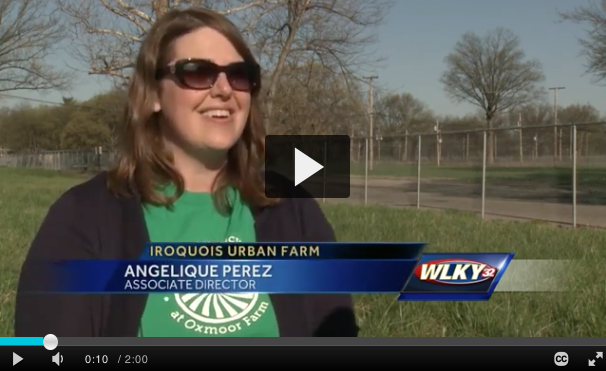
“Fresh food can be scarce so learning how to get your hands dirty and cooking with fresh vegetables is essential for health,” associate director Angelique Perez said.

“Focused on underlying causes of poor health and working up stream so not just helping people who are sick, but helping people be well,” Alice Bridges, with KentuckyOne Health said.

“Something that’s been called an agri-hood where you can convert land into something productive and useful, then you can connect the community to good food and each other,” Bridges said.

Watch the VIDEO and read the rest of the article at: “WLKY.com

Grassroots Efforts, Urban Farms Find Creative Ways To Feed Communities

dt-2.common.streams.StreamServer.cls

Back in 2008 a farm was built on a small garden plot (Garden Dreams Urban Farm and Nursery in Wilkinsburg) which now has grown to over 2 acres in size.  It boasts a bio-shelter and solar greenhouse as well as sells fruits, vegetables and herbs to nearby public housing communities at prices they can afford.  It also helps to employ neighborhood residents.

“I’m amazed every week, when we have weekly volunteer days, just who shows up,” says the Rev. John Creasy, associate pastor at Open Door Church, which started the farm with Valley View Presbyterian Church. “I think it’s because we just went for it and created something, and others are able to come and see and try to emulate it in other areas.”

135741089676.161.54.76

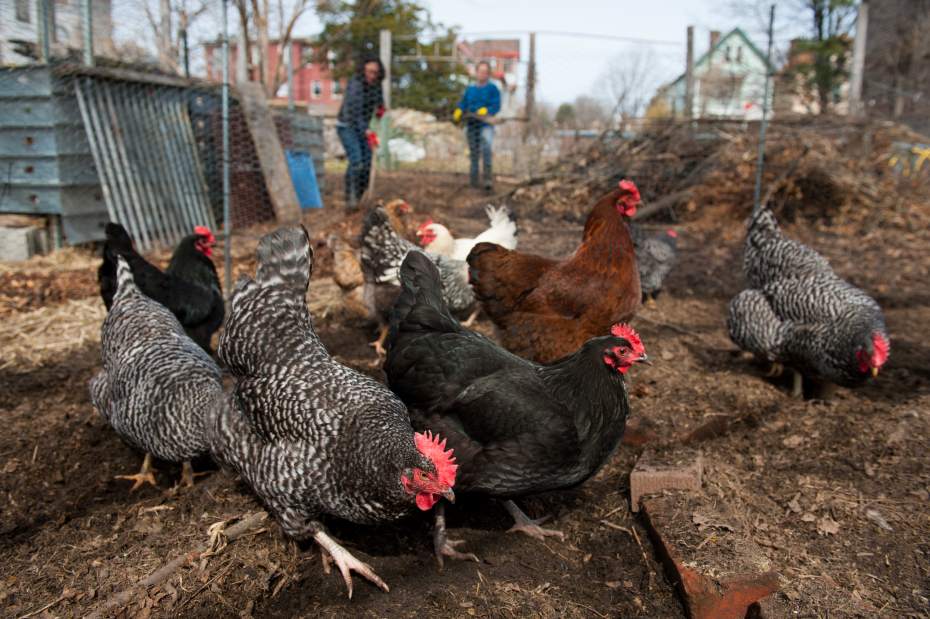
Not only is it dishing up fresh food to nearby residents, but they now sell edible flowers and microgreens to restaurants and they donate food to the local food pantry.  They produce hops for a local brewery and allow beekeepers to move their hives onto the property as well.  Also on the urban farm you’ll find chickens and rabbits and an array of fruit trees.

Creasy, 38, lives about a mile from the farm that covers three city blocks. “Older people in the neighborhood remember when there was a community orchard at the top of the hill in Garfield,” he says. “Then you talk to teenagers, and a lot of them are studying in school about the need for good, healthy food, and they get it — they see it happening in their neighborhood.”

Read the rest of the article at: “TribLive.com

Prisoners Are Growing Their Own Food

00003454497327
photo via- PortlandTribune.com

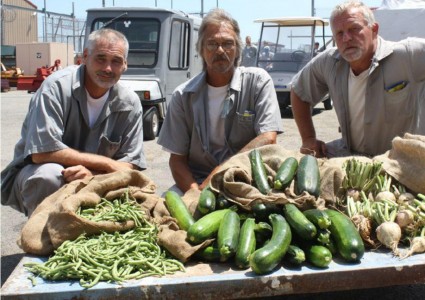
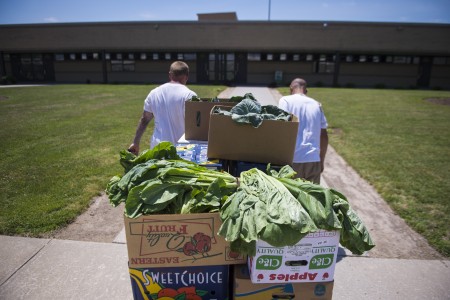
“Scanning a prison menu is a bleak task. Common food items range from nutraloaf—a mishmash of ingredients baked into a tasteless beige block—to, rumor has it, road kill. The substandard quality of food at some correctional facilities has led to protests and hunger strikes, as in summer 2013 when nearly 30,000 California state prisoners refused food to demand, among other things, fresher and more nutritious meals.”

restorativejusticegardendec2014
photo via -news.stlpublicradio.org

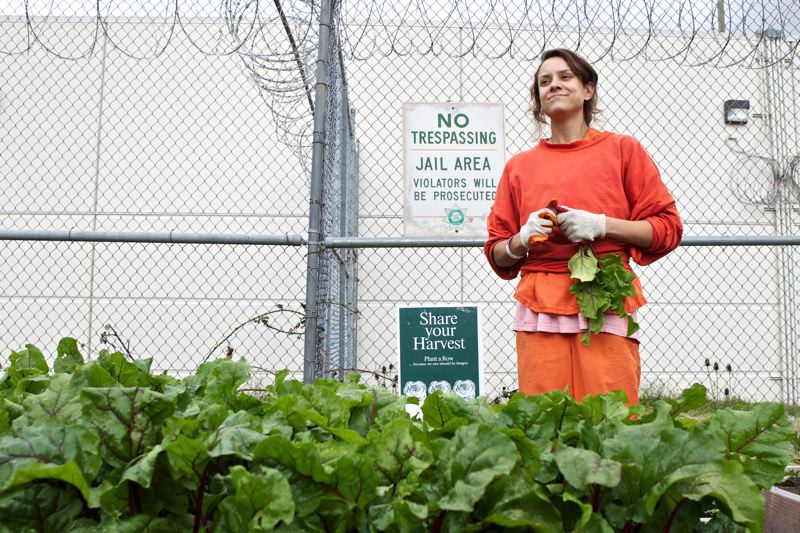
“In addition to being a cost-effective food source, the gardens are seen as a way to save money on healthcare for prisoners struggling with diabetes, hypertension, and other ailments. But the gardening itself provides opportunities for personal growth, as inmates learn how to plant, raise, and harvest crops.”

photo via- TheWashingtonPost.com

Read the entire article at: “YesMagazine.org


The Next Farm Is In Your Local Supermarket


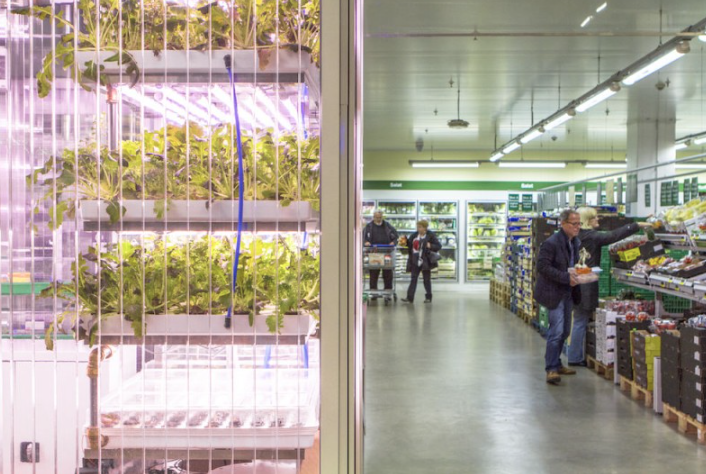
“Kräuter Garten is a small glass unit that can be found in one of METRO’s supermarkets in the Berlin neighborhood of Friedrichshain. In the unit enables the store to produce fresh vegetables and herbs for its customers on demand. Basil and other herbs and veggies are growing on a thin nutrient-rich layer of water in a space-efficient vertical growing facility. This hydroponic system doesn’t require any pesticides, so all produce is 100% organic.” source-“PopUpCity.net

10 “ZERO DOLLAR” Garden Hacks

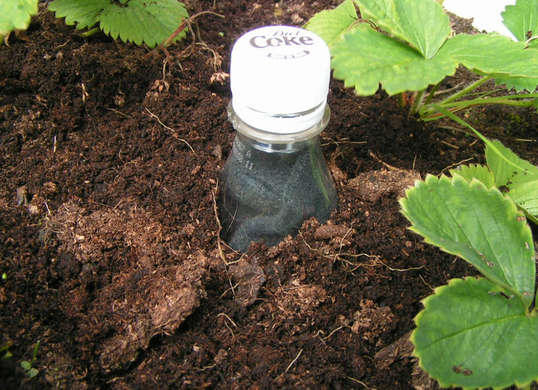
Bury_Plastic_bottle_For_Drip_Irrigation1. Designed to mimic a drip irrigation system, it delivers water straight to plant roots using nothing more than a plastic bottle and an orphan sock. Click here for more information.

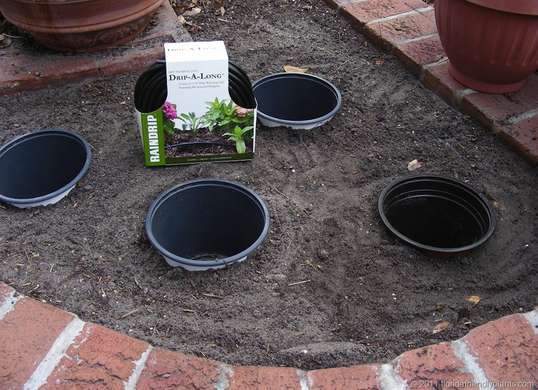
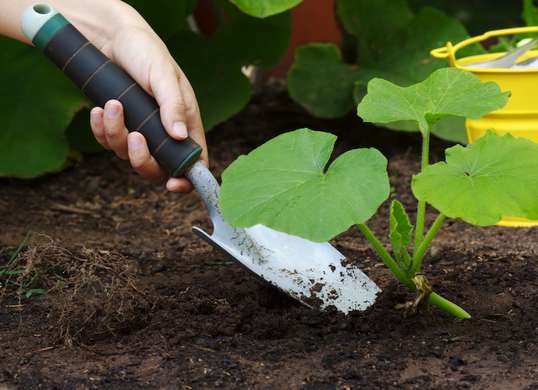
pots_in_the_ground-12. Here’s a trick to switch out garden plantings without ever lifting a trowel. Place plastic pots directly into landscaping beds. Click here for more information.

kill-grass-with-cardboard3. To convert lawn area into a low-maintenance planting bed, you don’t have to break your back shoveling. Click here for more information.

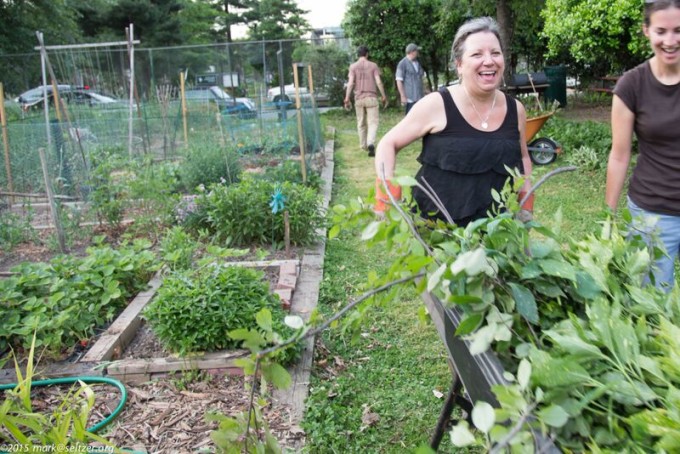
squash_plants4. Did you know that plants have best friends? Many plants benefit their neighbors in different ways. Click here for more information.

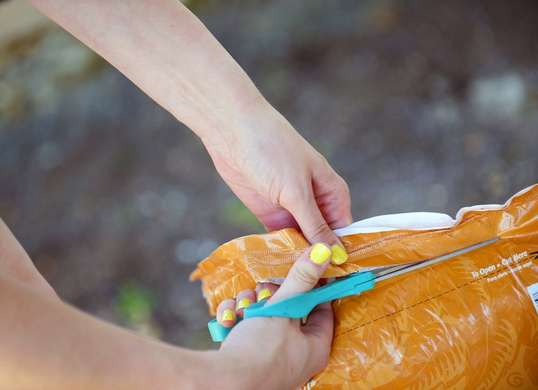
growing_out_of_bag_of_soil-15. Don’t call it lazy gardening—it’s simply a genius time-saver! By growing a vegetable garden straight out of a bag. Click here for more information.

To read the other 5 “ZERO DOLLAR” Gardening Hacks, visit: “BobVila.com


Portland to Sue Monsanto for PCB Contamination

portland-1568800

Portland has recently teamed up with six other cities on the West Coast to separately sue Monsanto for damages to both the health of it’s citizens and environmental damages brought on by products that contain polychlorinated biphenyls, or PCBs.

“The City Council unanimously agreed Wednesday to authorize the city to sue Monsanto, the exclusive manufacturer of PCBs in the United States from 1935 until the U.S. Environmental Protection Agency banned their manufacture in 1979.”

The PCB’s that are in question were rapidly used in many industrial area’s and have been shown to be a likely cause of cancer in both humans and animals.

“Though the U.S. Environmental Protection Agency is expected to release its proposed cleanup plan for the Superfund site as soon as the first week in April, that was not the reason the city decided to sue Monsanto right now, said Tracy Reeve, city attorney.”

To read the rest of the article, visit: “PortlandTribune.com

An Urban Farming Renaissance In Our Nation’s Capital


dc2-680x454

DC now rivals Portland, Madison and San Francisco in the number of garden plots per capita.  People who are “farm-curious” can look into the Department Of Parks and Recreation to find everything from Gardening 101, and classes on vertical gardening, how to make kefir or tinctures, and how to care for urban fruit trees.

“We have such a huge array of very relevant and innovative topics,” says Josh Singer, community garden specialist for the city department. Most of these topics are tailored to those putting down roots in containers, window boxes, and community garden plots no bigger than a parking space.”

To read the rest of the article, visit: “CivilEats.com

Remember This? Orlando Couple Cited for “Code Violation” for Their Front Yard Vegetable Garden.


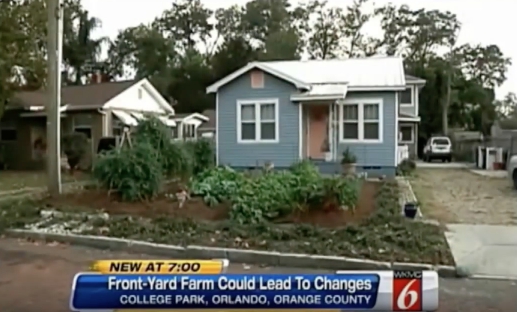
“Jennifer and Jason Helvenston of College Park, Orlando, Florida have been ordered by local officials to remove their front yard vegetable garden at a time when Orlando is touting its environmental credentials and reaching out to citizens for input on what additional steps the city could take to become one of greenest urban centers in the country.”

After the story went viral, the local government officials in Orlando decided to re-evaluate the laws and ordinances that were in place. Watch an update on their story, below.

Could Urban Farms Be the Preschools of the Future?

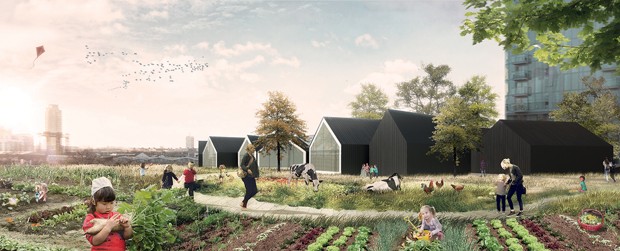
PrintNursery Fields Forever, has made a proposal for a pre-school  filled with toddlers to be placed on an urban farm.  They say:

“The dominant preschool system keeps children in classrooms, where plants barely peek out from the window,” and animals are only visible in places like zoos, Jonathan Lazar, one of the architects, tells CityLab, adding:

The absence of direct experience has completely misled children’s perception of the world and of its most basic processes. It’s not rare to find children who ignore that the milk they drink comes from cows or that beans don’t sprout in cans.

Read the rest of the article at: “CityLab.com”


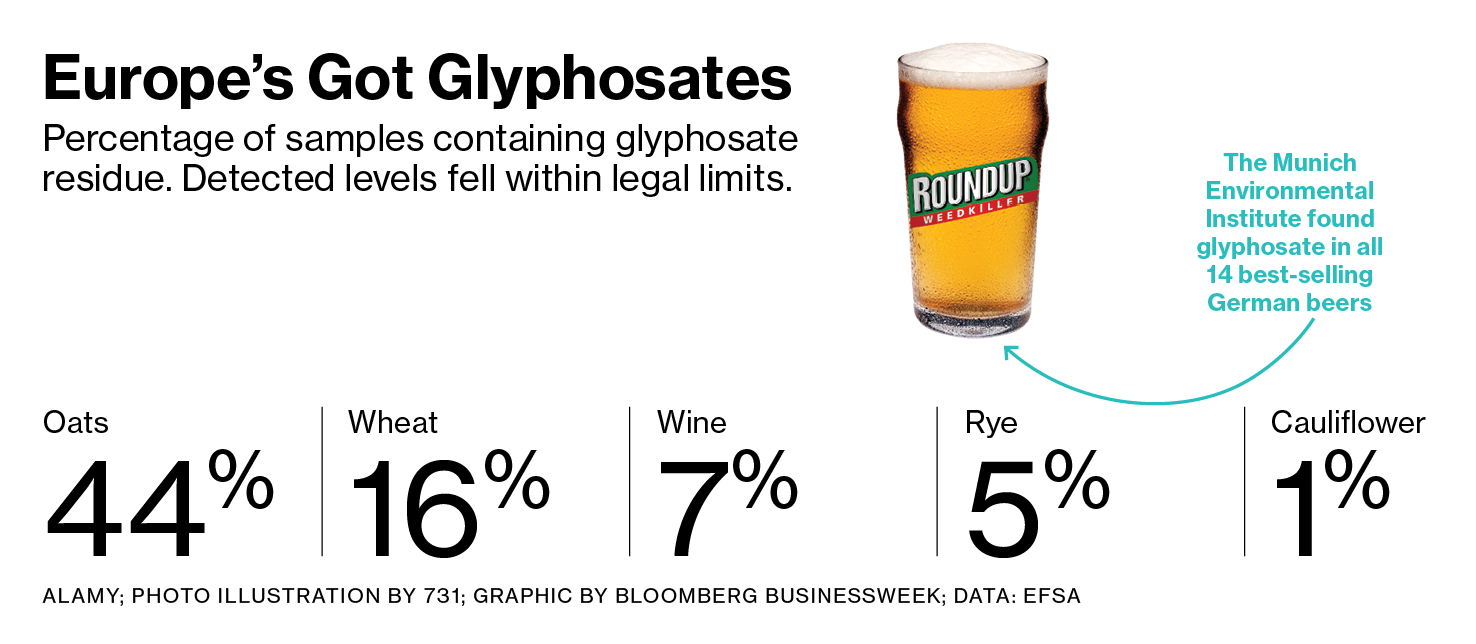
Cheers! Round-Up {Glyphosate} Found in Beer…

750x-1

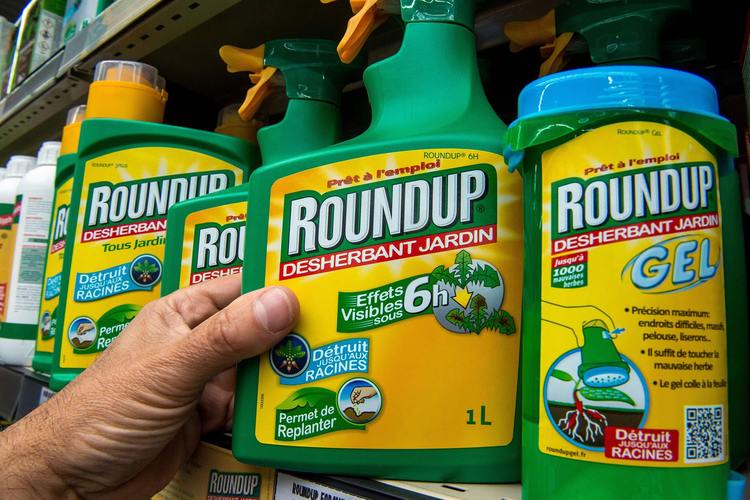
“It’s been a tough year for glyphosate, the world’s most popular weedkiller. A year ago, the International Agency for Research on Cancer (IARC), an arm of the World Health Organization, declared that glyphosate—the key ingredient in Monsanto’s Roundup products—was probably carcinogenic to humans. In the months since, multiple lawsuits have been filed blaming the chemical for causing cancer and birth defects. In February, testing found traces of glyphosate in German beer and organic panty liners sold in France. Other tests have found chemical residue in British bread, as well as in the urine of people across Europe. In early March, the European Union put off a vote to renew a 15-year license for glyphosate after several member states balked.”

-1x-1

Read the entire article at: “Bloomberg.com

Nation’s First Vegan-Certified Farm Is Booming in Philly

metropolis-farms-12

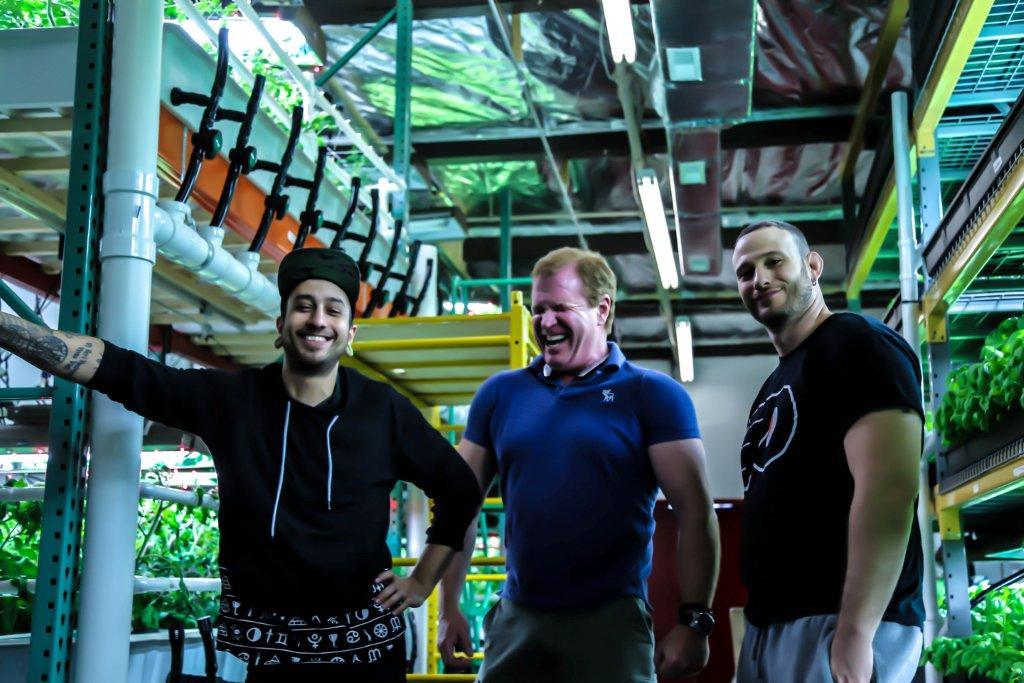
New farms are popping up all over the nation, growing food vertically has provided a way to grow more food in less space.  In South Philly, a new farm has sprouted and they are producing fresh, local food 365 days a year.  They also are serving up their community the fresh goods by making deliveries to restaurants, grocery stores and more.

Metropolis Farms is not only the first indoor hydroponic vertical farm in Philadelphia, it’s the first vegan-certified farm in the nation and the only known vertical farm to operate on the second floor of a building.” This means that the farm uses no pesticides, herbicides, animal manure or animal bi-products.  It has been certified by the American Vegetarian Association as well.

Metropolis Farms is currently growing herbs, lettuce and leafy greens, tomatoes and more. They have roughly 120,000 plants in just 36 square feet!  “The farm claims to use 98 percent less water since it just recirculates and 82 percent less energy compared to conventional and organic farms.”

Read the rest of the article at: “EcoWatch.com

Urban Farming is On Like King Kong

farmers_t658The new Assembly Bill, (551), that was passed in 2014 allows owners of vacant lands between 0.1 and 3 acres of size to qualify for major tax incentives if they use their land for agricultural purposes based off of long-term leases.  In the coming months, new “urban agricultural zones” will be installed on the map across the county, not just in the city.

“City officials have been talking about community gardens,” says San Diego Food System Alliance director Elly Brown, “but I see this as a larger win-win opportunity because urban agriculture can include a whole spectrum of activities from low-production things like a community garden, but it could also range all the way into a commercial operation, which can also be beneficial for communities. There are a lot of urban-farming techniques where you don’t need a lot of space — hydroponics, aquaponics, vertical growing. City councilmembers haven’t really stressed that because they haven’t seen many examples — there aren’t many small-scale farms in San Diego.”

To read the rest of the article, visit: “SanDiegoReader.com