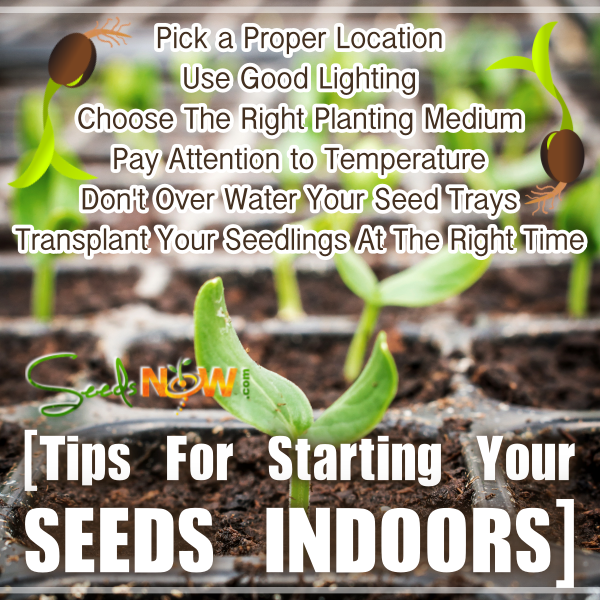
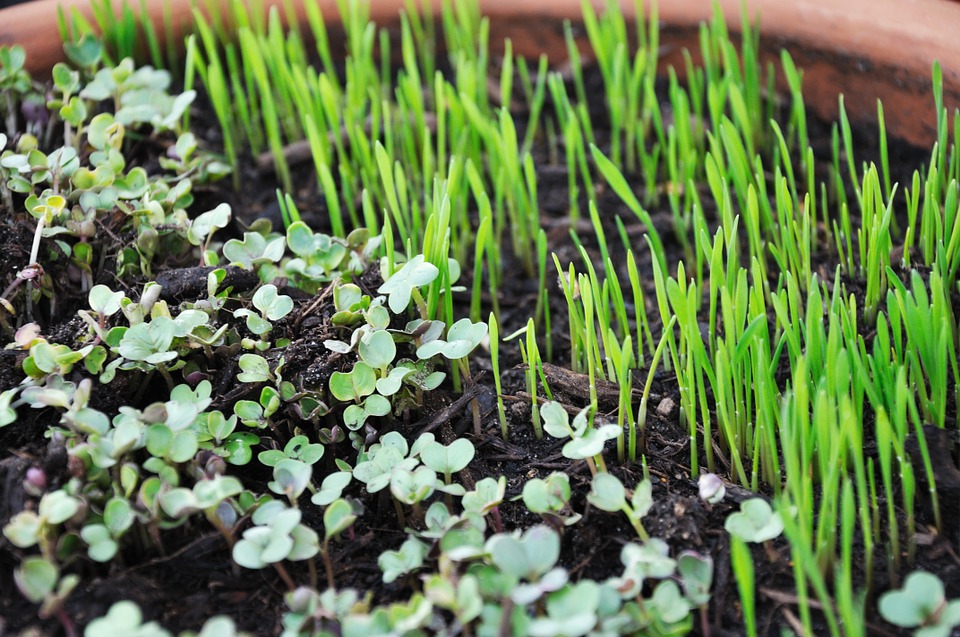
By starting your seeds indoors a few weeks before your last frost, you should have plenty of small seedlings ready to be transplanted into your garden beds once planting season begins.
To read the full article, visit: “SeedsNow.com“
Urban-style organic gardening blog about growing your own food with limited space and creative resources.
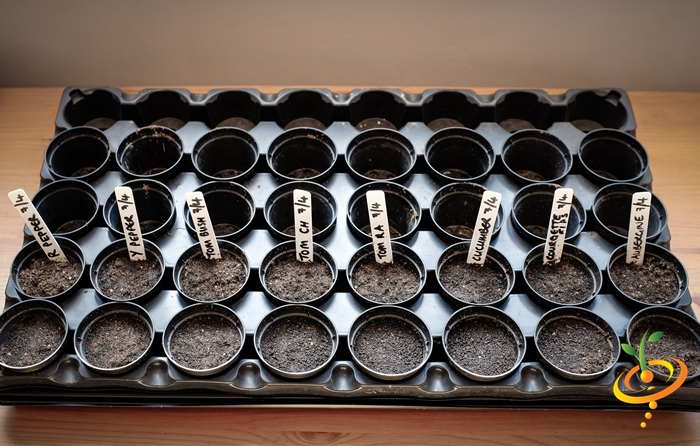
By starting your seeds indoors a few weeks before your last frost, you should have plenty of small seedlings ready to be transplanted into your garden beds once planting season begins.
To read the full article, visit: “SeedsNow.com“
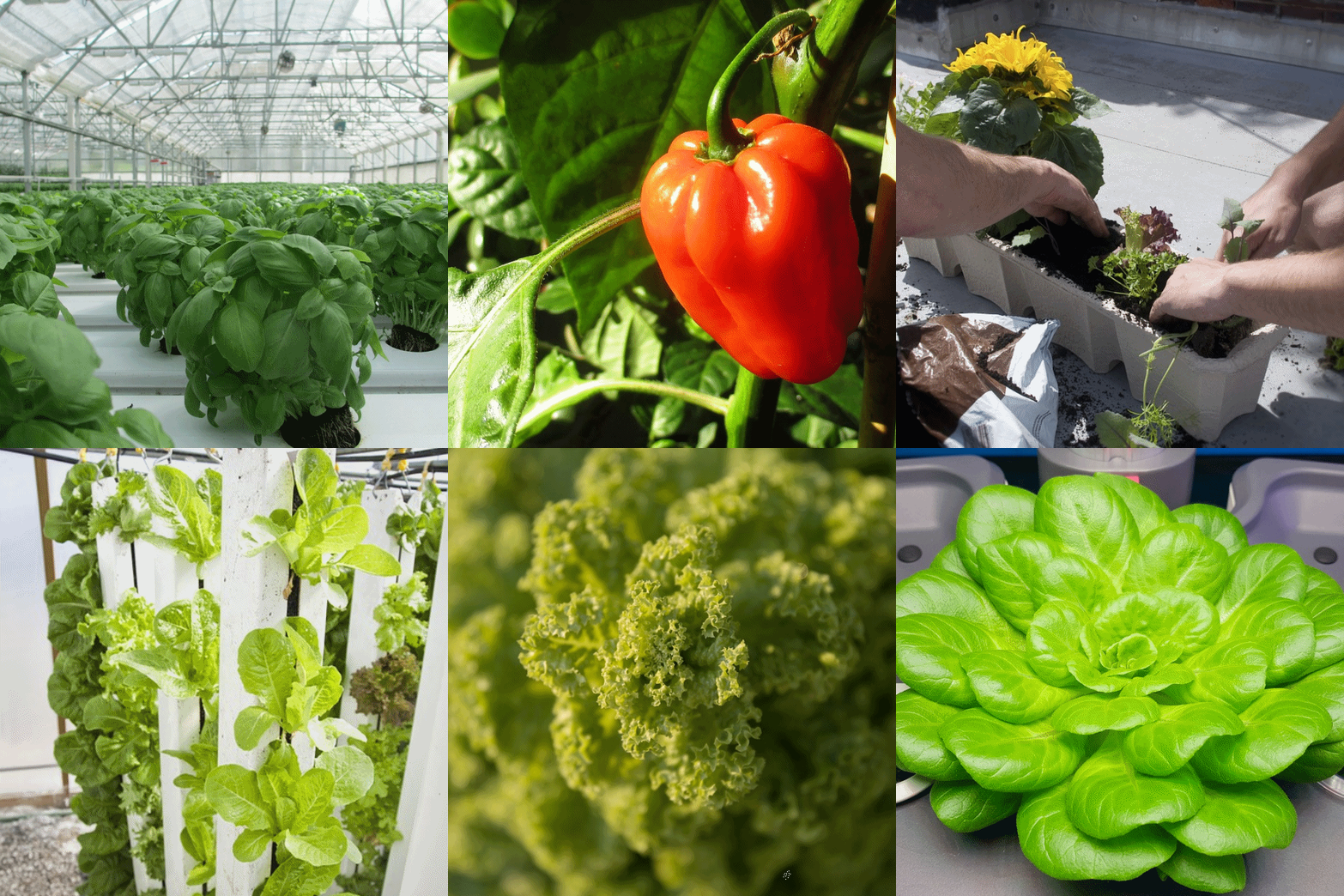
Calling all Urban Organic Gardener’s! Did you know that right now is the perfect time to start planning your Spring/Summer urban gardens?
Our NEXT shipment will feature some of the most popular varieties to grow in warmer weather.
Our garden experts will build a custom curated collection of seeds & garden supplies designed around YOU – your grow zone – your garden space/location – and your preferences!
To receive a shipment for the month of March, you must join before March 4th at 11:59pm PST. Sign up now at: https://urbanorganicgardener.cratejoy.com
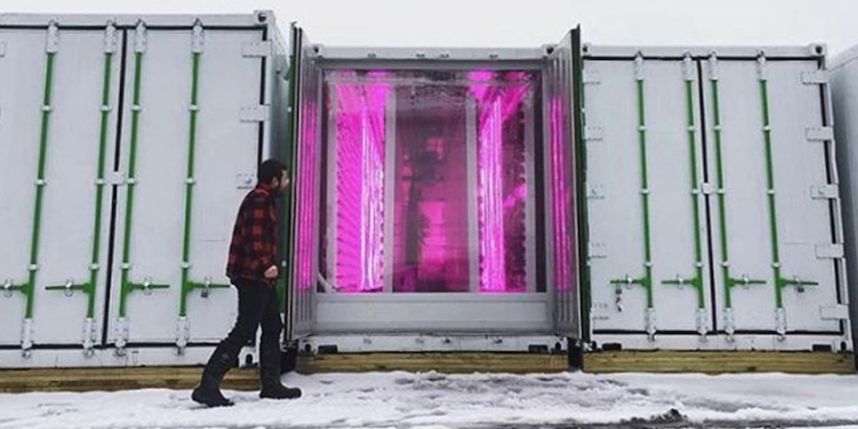
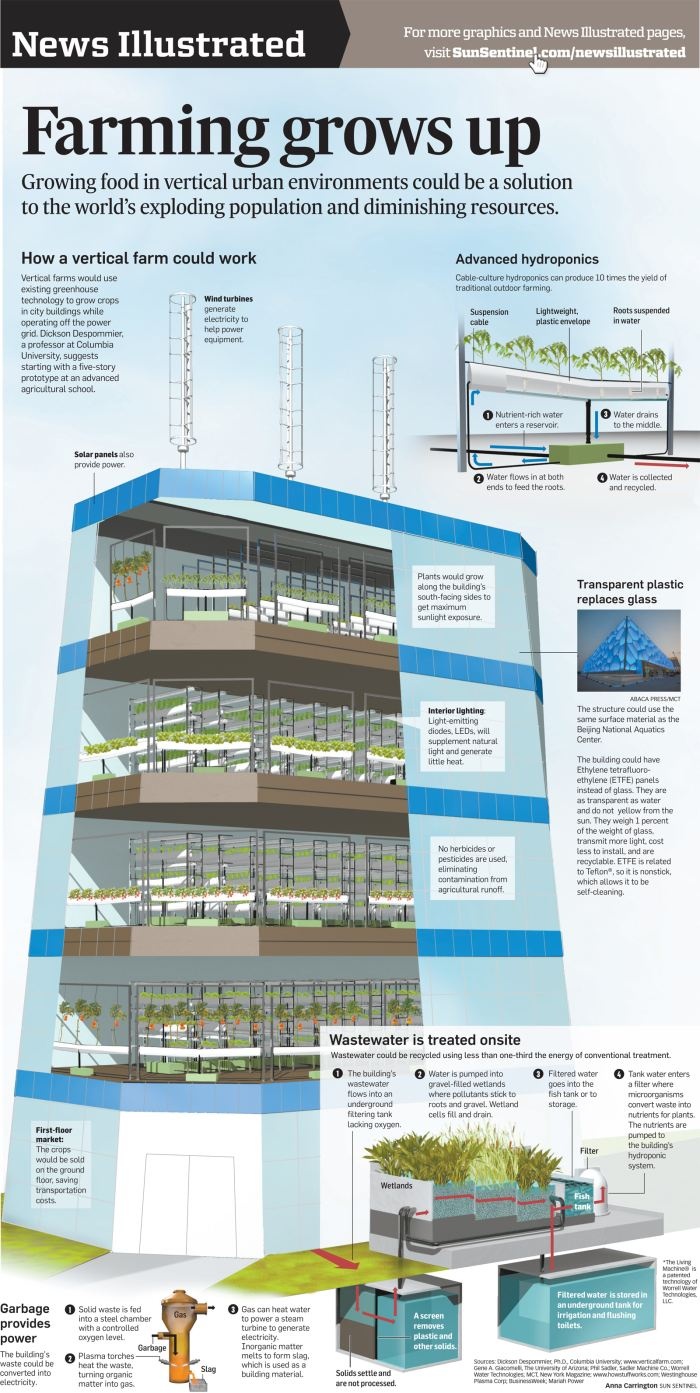
“These farms aren’t your traditional sprawling upstate acreage tended by laborers or a guy on a tractor in bib overalls. Set up near where Jay Z grew up, they’re 10 steel shipping containers converted into hydroponic vertical farms, meaning crops grow in tower formation with recycled water and without soil.
Inside the LED-lit modular containers are rows of panels sprouting pesticide-free plants in a controlled climate — so freezing temperatures and snow pose no problem. Each container produces an annual harvest equivalent to an estimated two acres of land.
Square Roots raised seed financing to build the campus, which cost more than $100,000. Then, 10 young farmers were chosen from more than 500 applicants for a yearlong stint that started in November.”
Read the entire article at: “Metro.us“
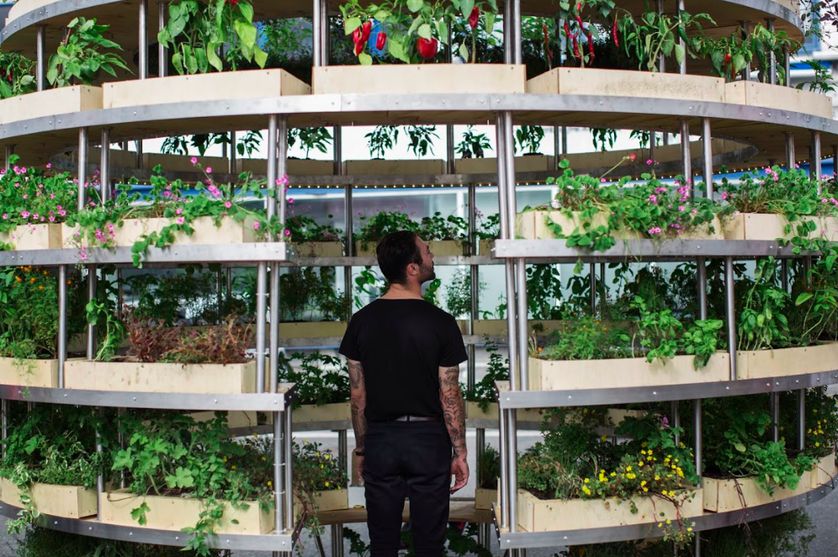
“Space10 wants to change the way we look at what’s on our plates now in preparation for what will potentially appear on our plates in the years to come as the global population increases, the threat of climate change worsens and the old, tried and true methods of food production are rendered unsustainable. And just a heads up: The future of food, as Space10 sees it, will involve homegrown micro-greens and deep-fried cricket bites.”
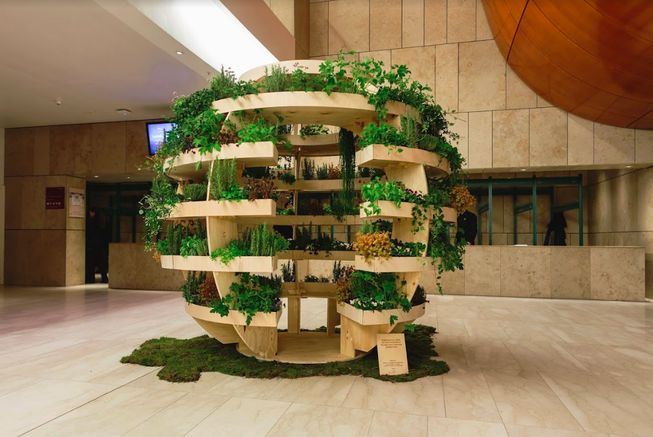
“Last fall, Space10, in collaboration with architects Sine Lindholm and Mads-Ulrick Husum, unveiled Growroom, an art installation-cum-urban farming solution that somewhat resembles an alien space pod that’s been merrily dragged through a veggie patch a couple dozen times. Bursting with fresh herbs and veggies, the Growroom is indeed a room — or more of a partially enclosed chill-out lounge/greenhouse hybrid of sorts, an oversized planter that pulls double duty as a public pavilion large enough to comfortably accommodate a small crowd.”
Read the full article at: “mnn.com“
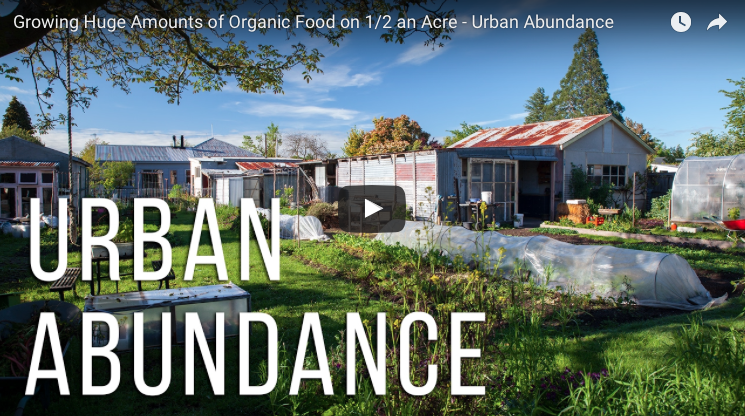
“In the small town of Oxford, Kane and Fiona Hogan have transformed their urban 1/2-acre property into abundant organic veggie gardens. Their business Urban Gardener aims to build resilience and food security in their local community.”
Find the original video at: “HappyFilms.com“
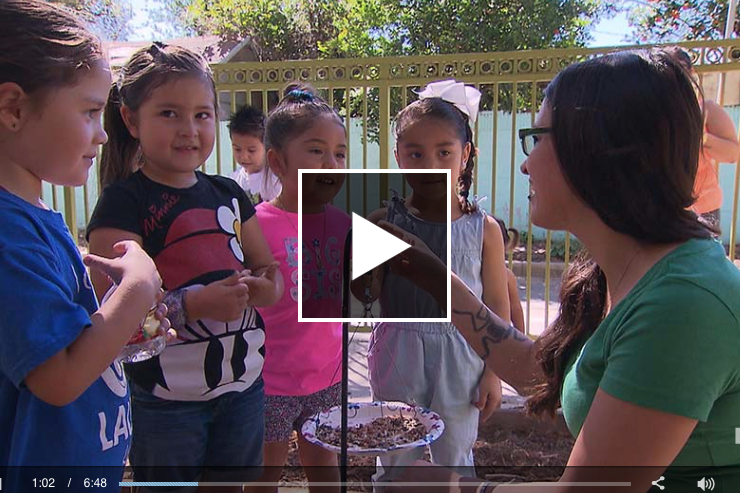
“KCET is working with community partners in El Monte and South El Monte to learn about the health and nutrition options available to residents in both cities and throughout the San Gabriel Valley and beyond.
Can an urban farm make a difference in a community labeled a food desert? “SoCal Connected” goes to South El Monte where Earthworks, an urban farm, is changing the diets of families and children. Reporter Cara Santa Maria profiles the Morales family who has found that being a member of Earthworks is a way to return to their roots.”
Original article can be found at: “KCET.org“

“The best way to trick kids to eat veggies is to get them to grow it. They see the entire process from seed to plate,” said Lucke, who added that a number of community partners have been working for at least two years to make this day a reality. “We knew that the east side was a food desert. We knew that the east side didn’t have access to fresh fruits and vegetables. And so having an urban micro-farm, we felt, would be a good step in the right direction.”
“One of the things that we heard from the residents was, ‘We don’t have enough access to healthy food options. We need to bring more of those here,’ and I think the urban farm is going to be part of that solution,” said Rosario Neaves with SAHA, who noted that from the youngest to the oldest, all neighbors will benefit. “It’s going to be great for families to enjoy together. It’s also going to create job opportunities on the east side and access to better overall healthier nutritious food.”

“Jesse DuBois is an urban agriculturalist. He moved to Los Angeles to become a screenwriter, but instead got caught up in reshaping the food system. He is the CoFounder and currently serves as the Chief Eclectic Officer for two start-ups: Farmscape, an urban farming maintenance company, and Agrisaurus, a web-based polyculture gardening assistant. Horticulturally, he is a big fan of the nightshade family.”
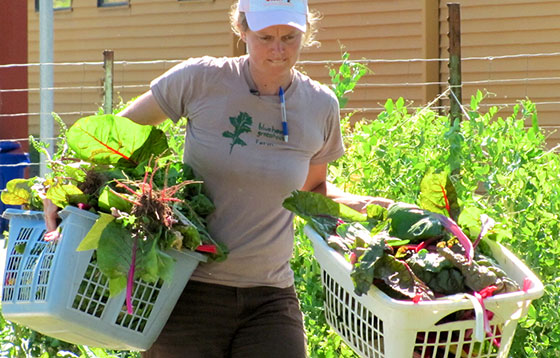
“Throughout her young adult life, Amanda Morse has worked entirely in the nonprofit food sector. When she moved to Portland, Oregon, she was ready to apply her skills in a new direction. Knowing she wanted to live in the city, Morse decided to become an urban farmer, and began researching vacant plots of land in the city using Google Maps and other online resources to contact prospective property owners about leasing their land. When the owner of the Tropicana Barbecue restaurant in North Portland responded favorably, in the winter of 2011, Morse was able to begin transforming the ¼ acre parcel adjacent to the restaurant into her Blue House Greenhouse Farm.”
To read the entire post, please visit: “CookinUpAstory.com“
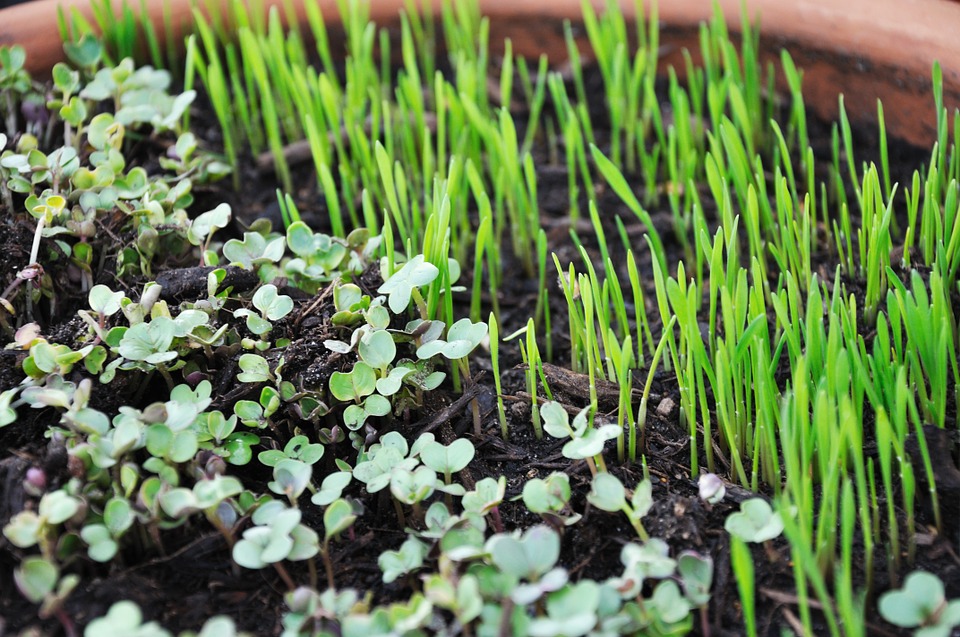
“They are Urban Farmers in Los Angeles that specialize in Microgreens harvested after the first true leaves develop, such as Arugula, Cilantro or Daikon Radish.” They’ll also deliver fresh Wheatgrass pre-cut to your door within 10 miles of Hermosa Beach, California.
Learn more at: “MicrogreensLA.com“
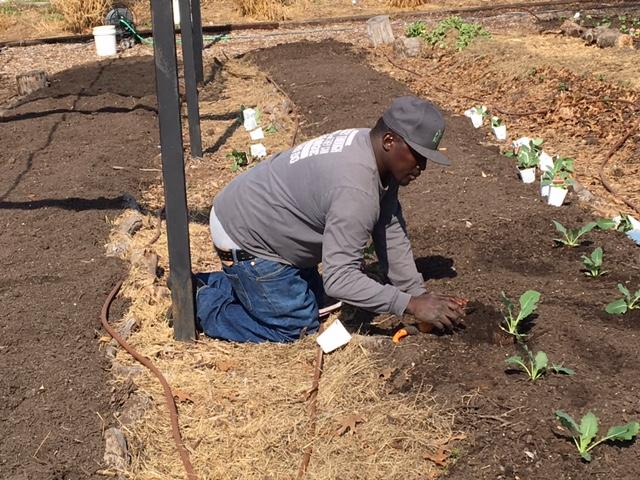
“Wright had been to prison and was struggling with a serious drug problem. He says he prayed for a change and a few days later met a man who’d recently started a small community garden. He invited Wright over to check it out.”
“It was a vacant lot right next to his house, and he said he commandeered it. You know, this is the hood, I was like ‘commandeered?’ We never heard of that word. He said it means to take over. Oh, you jacked that vacant lot, ok,” Wright laughs.
Later on, this small garden quickly became a full working farm. They began with 2 lots and now have added several dozen acres just 10 minutes down the road.
“Nothing gives me more pleasure than when I’m giving a tour and I have these little kids run up to me ‘excuse me Mr. Patrick, can I have a collard green, can I have a tomato? They’re going to go pull that collard green right off the plant and eat it raw,” he says.”
Read this entire article at: “KeraNews.org“
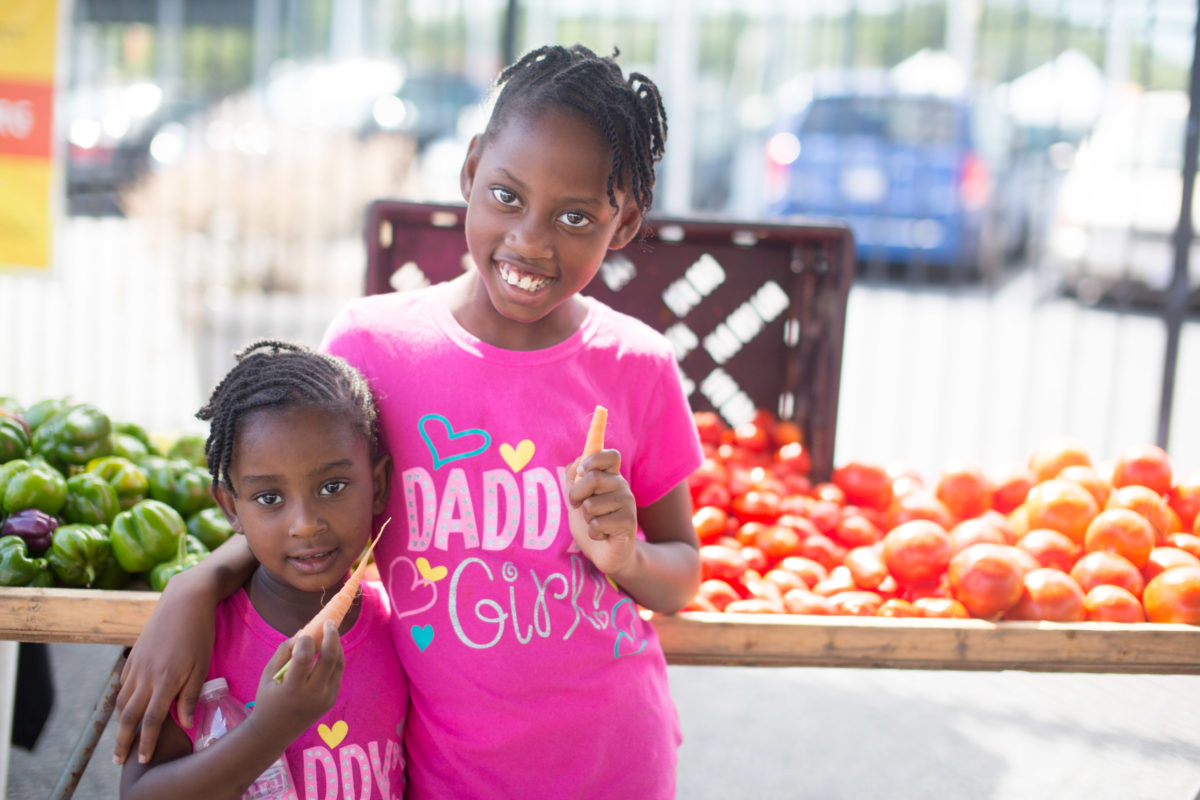
Read the entire article at: “CivilEats.com“

Raised bed gardens are an easy, manageable, and great way to grow vegetables, herbs, and even ornamentals. Here are 10 great raised bed vegetable garden ideas inspired by Instagram users around the world…”
A photo posted by Hannah Martin (@hannahmartindesign) on
Busy weekend, but stealing a minute to water the garden.
A photo posted by Angela (@growing.in.the.garden) on
A photo posted by Mary & Tim Vidra (@17apart) on
A photo posted by ImpressionsbyACRL@gmail.com (@impressionsbyacrl) on
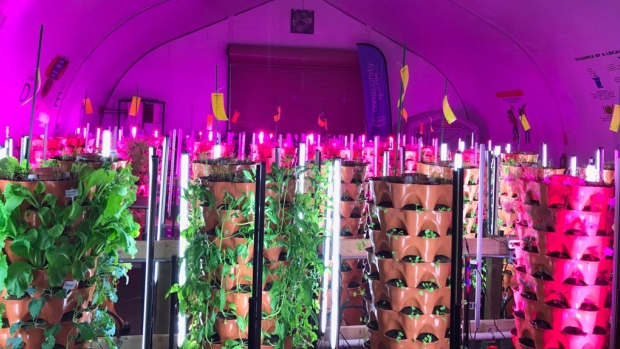
“The Regina Food Bank is best known as a place that collects and distributes food, but now it’s growing its own — and in a big way. This week the agency officially launched its Four Seasons Urban Agriculture Project in its new greenhouse.”
The greenhouse currently uses 48 vertical towers and they are growing a variety of crops such as broccoli, cabbage and many others. They aim to grow year-round and want reach out to the entire community and teach them about food production and other services that their food bank has to offer.
You can read more at: “CBC.ca“
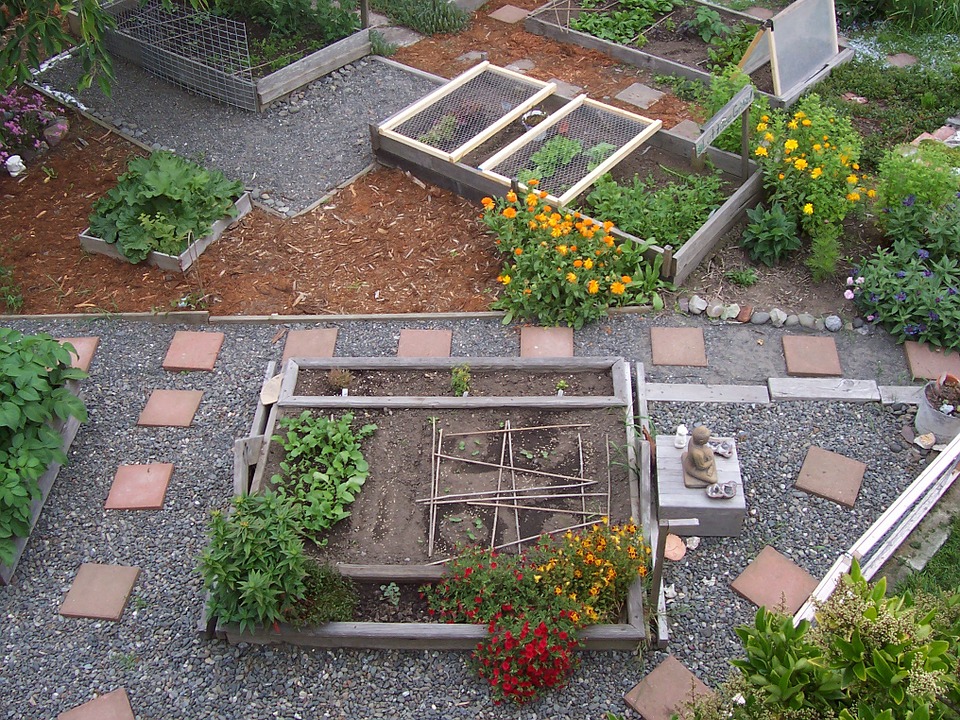
“John from http://www.growingyourgreens.com/ goes on a field trip to a viewers home to share with you how she is growing food at her Condominium. You will discover how you can grow a lot of food in a small amount of space by using raised beds, containers, pallet garden, wine barrels, greenhouses and much more.
You will also learn you can make compost or worm castings at your condo or apartment by using a compost bin and worm bin.
Next, you will learn about the Community Garden at this Senior Condominium Complex and how the residents are growing food to feed themselves. You will learn how to keep unwanted animals, such as birds, rabbits, and other rodents out of your vegetable garden by using some inexpensive PVC pipe and bird netting.
Next, you will discover the best two ways to use some of your garden fresh vegetables that you grow in your garden to benefit you and increase your level of health.
Finally, John will interview Cecilia, the gardener and ask her why she started to garden, how gardening has helped her to become healthier as well as her tips on gardening.
After watching this episode, you will empowered to grow a vegetable garden at your condominium, apartment, townhouse or other small space.”
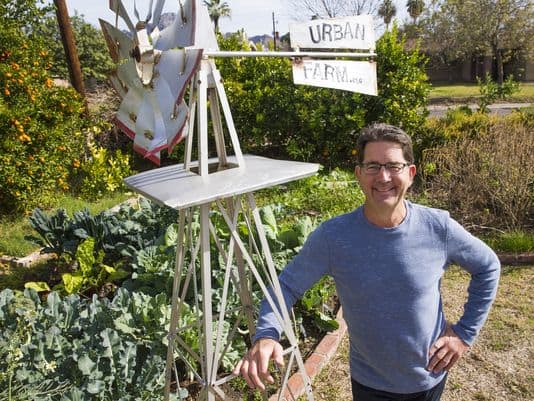
“Over the last 16 years, Peterson has helped Arizonans plant more than 15,000 citrus, apple, fig and other varieties of trees in mostly urban areas throughout the state and educated thousands about urban farming through in-person classes and webinars via his Urban Farm U. Topics include growing food, raising animals for milk and eggs, jump-starting a garden and sustainable methods.”
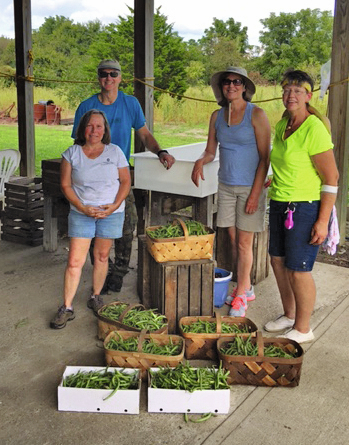
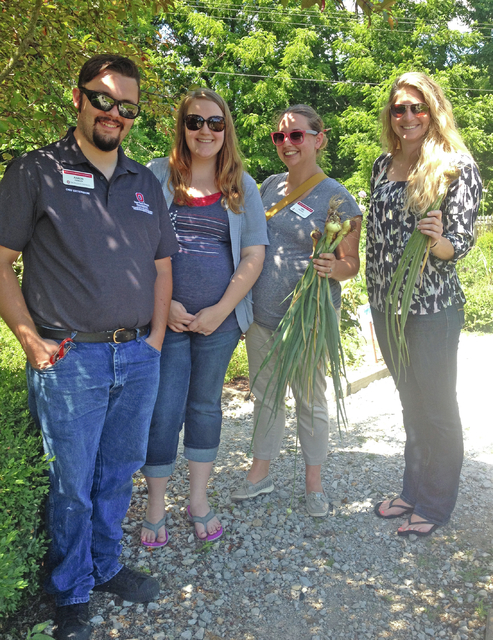 In Ohio, the Master Gardener program produced more than 23 tons of fresh produce which was donated to local food banks. The program is called “GROW Ohio — Feed the Hungry.”
“In total, 46,198 pounds of food were gathered by the Master Gardeners in 14 counties, according to Denise Johnson, program manager for the Ohio Master Gardener Program.”
According to a U.S. Department of Agriculture’s 2016 report on “Household Food Security” in the U.S. in 2015, 1 in 6 of Ohio’s 4.74 million households, or 764,000, reported food insecurity in 2013-15, and 313,000, or 1 in 15, reported very low food security. Ohio tied with Oregon as both the sixth-worst state in food insecurity and eighth-worst state in very low food security.
To read the entire story, visit: “XeniaGazette.com“