North End Urban Farm Converts a Fire-Ravaged House into an Outdoor Community Space

cistern_basement-1

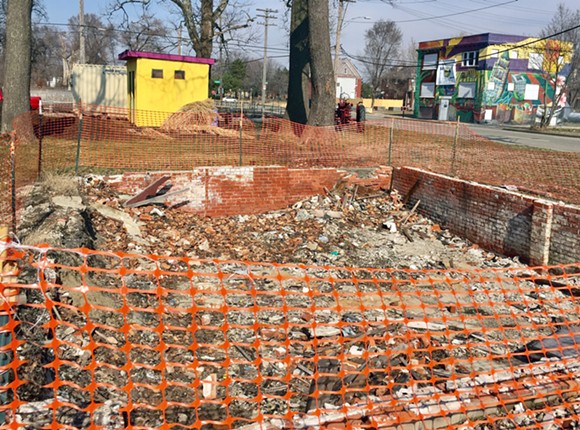
“The Michigan Urban Farming Initiative (MUFI) announced today that it would be transforming a blighted home into a 16,000 gallon water cistern. The home was torn down to reveal the foundation, which will be used to capture rain water.

According to a press release, “it will prevent water run-off into Detroit’s sewer system, reduce the reliance on the grid, and irrigate MUFI’s adjacent two-acre urban farm.”

Read the WHOLE STORY at: “MetroTimes.com

Meet The Woman Rescuing Millions of Honey Bees


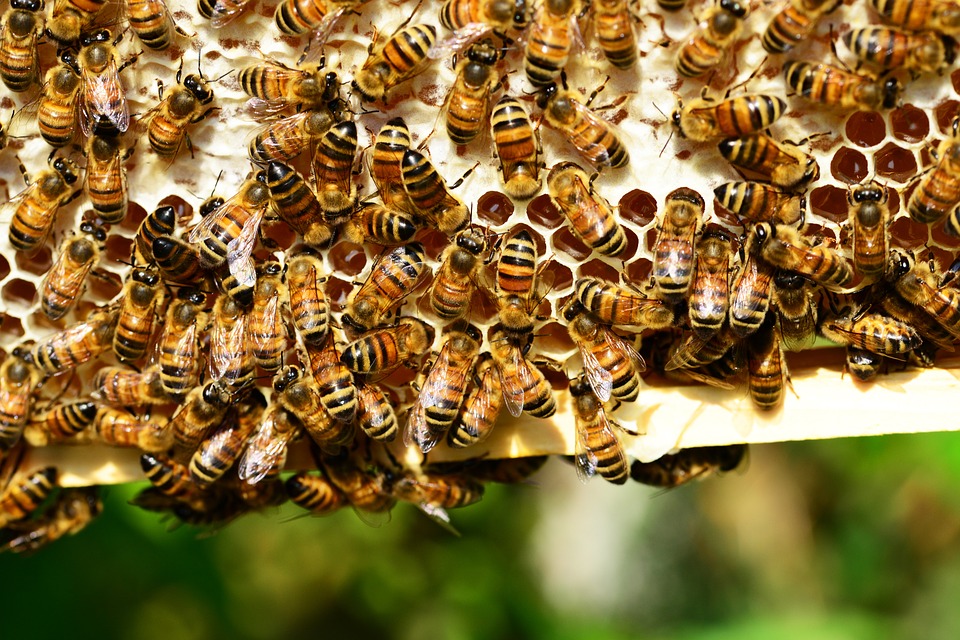
“Meet Hilary Kearney of Girl Next Door Honey, a local hero for the struggling honeybees across the USA. Bee populations have been on the decline for decades due to pesticides, loss of habitat, and climate change. Hilary is working to raise San Diego’s bee population and spread awareness among her community. She rescues bees, teaches about them, photographs, and manages 90 colonies of bees! When bees make a hive or swarm where they are unwanted, a pest control company usually exterminates them. But not if Hilary has anything to do with it! She rescues the bees and relocates them to a place where they can lead happy, healthy lives. Most of the bees she rescues are put into a bee friendly backyard as part of her Host-A-Hive program, so people can benefit from bees in their own backyard while Hilary does the maintenance and work. She’s created a network of over 30 backyard hives all over San Diego, and sells the backyard honey locally so she can rescue more bees and teach more people! She teaches hundreds of new beekeepers each year with classes and workshops on sustainable, natural beekeeping.”

Inspired to be a part of the solution to help the honeybees in your community? Here’s what you can do:

-Plant a variety of bee friendly flowers in your yard
-Don’t use any pesticides in your garden, lawn, or house
-Buy real, local honey from a bee keeper
-Don’t exterminate bees, Have them rescued instead

video via: Rob Greenfield, You-tube

CAPPA to Embark on Urban Farming Project

58bdb2c32ea02.image

“The College of Architecture, Planning and Public Affairs is embarking on a project to demonstrate one of UTA’s Strategic Plan 2020 themes — Sustainable Urban Communities.

The Urban Farming Project consists of three components: Urban Farm, Farm-to-Table Café and Urban Farming Certificate.

The project was a result of gathering input from students, architecture dean Nan Ellin said. The No. 1 request was for a café where students can meet, eat and study, she said.”

Read more about this project at: “TheShortHorn.com

MARYLAND COUNCIL PASSES TAX CREDIT FOR URBAN FARMS

sunflowers-268015_960_720

“They’ve been, in my view, over-taxed as long as they’ve been farming,” Hucker said. “They are not taxed as a farm, which they are. They’re taxed as a single-family home. They’re not eligible for the agricultural tax credit because of an arbitrary rule of state law that says farms have to be over five acres.”

The bill applies to properties ranging in size from one-half acre to less than three acres that are also located in or within 1,000 feet of a Metro Station Policy Area.

Read more about this new TAX Break at: “SourceOfTheSpring.com

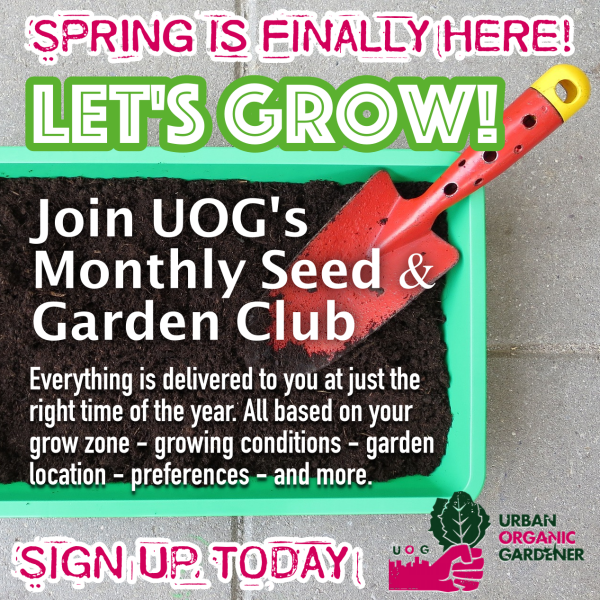
SPRING is here! Start growing TODAY with UOG’s Seed & Garden Club.

UOG SEED CLUB 600

Happy Spring! It’s FINALLY HERE! Time to start planting your spring and summer gardens, regardless of where you live or what type of space you have to work with.When you join the UOG Seed & Garden Club, you are joining a community dedicated to helping you grow organic food all-year-round.


Each month you will receive a fully customized collection of totally raw un-treated GMO-FREE Heirloom seeds and garden supplies. Everything will be delivered to you at just the right time of the year – based on your grow zone – growing conditions – location – preferences – and more. 

Join the UOG Seed Club today and let’s grow together. We promise to make this a rewarding & exciting experience for you. 

Sign Up Today! https://urbanorganicgardener.cratejoy.com/

Urban Farming ‘Produces More Than Just Food’

2_1206348_e

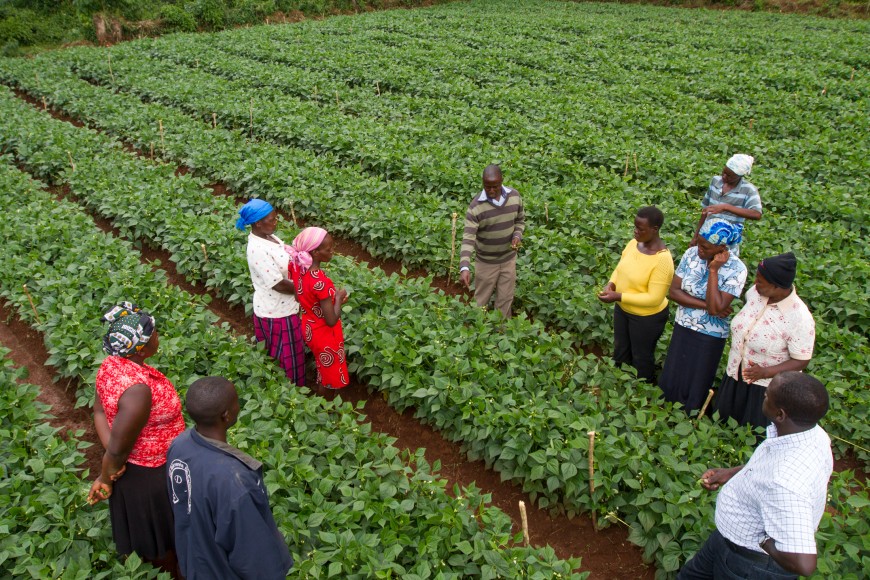
“Urban agriculture – the cultivation of crops and animals in an urban environment – is known to increase access to healthy food. It is particularly important for poorer people in cities where food is mainly accessed through cash purchases. Healthy fresh fruit and vegetables are more expensive per kilogramme than many of the processed foods. But these are low in fibre and high in artificial flavouring.

In many African cities, urban agriculture is one of the main ways that fresh produce is supplied to local markets. For example in Dakar, Kinshasa and Accra almost all the leafy greens you can buy are grown in the city itself.

While urban agriculture in Cape Town, South Africa, might not play as significant a role in the city’s food system overall, the 6,000 urban farmers who are growing their own food and selling surplus on Cape Town’s Cape Flats find it an irreplaceable part of their livelihoods.”

Read the FULL ARTICLE at: “FruitNet.com

Urban Farms Continue To Be On The Rise

New_crops-Chicago_urban_farm-1

“The New York City urban farm has moved from a scene to a movement. Foodies, growers, chefs, non-profits and artists converge to get ever more creative in how to utilize space in the city for growing fruits and vegetables. Swale by artist Mary Mattingly has taken to putting a farm out on the water. Chicago’s O’Hare airport has installed an aeroponic, or vertical, farm. From hotels to restaurants, urban farming so far has been highly specialized and for hyper-local food distribution like Brooklyn Grange’s two food markets and neighborhood CSA. “This is truly seed-to-plate agriculture, with no use of fossil fuels, people walk over from where they live, and go home with produce that was picked that morning.” says Anastasia Cole Plakias, Brooklyn Grange’s vice president and founding partner.”

Read the rest of this story at: “PSFK.com

Urban Farm to Feed Most Food Insecure Residents

cvefoiuveaa7gsi

“the problem with local food right now is that it is very expensive. We would like to see local food affordable because it is part of the access issue. A lot of people talk about food deserts and I totally agree not having not having a grocery store makes a big difference, but when tomatoes are three dollars a pound or four dollars a pound or cucumbers are a dollar each-that’s also an accessibility issue because people cannot afford to buy this produce”

“Flanner Farms will sprout this year on the 2½-acre campus of Flanner House.  It’s not a community garden, but instead a working farm. A weekly farmers market will offer a portion of the farm’s organic produce at below-retail prices.”

Read the rest of this story at: “WFYI.org

Proposed Lincoln Project Combines Farm and Urban Housing

goat-1596880_960_720

A developer is planning a project in north Lincoln that would combine urban housing and working farms, merge small cottages with traditional single-family homes, maintain a wetland area and encourage composting.

…”about two-thirds of the development will be green space and could potentially be used for community gardens, fruit trees and large animals, and composting would be encouraged to improve the soil for gardening.

He said turning some of the area into a working farm will ease the difficulty of sustaining the property financially. He also said some housing will be laneway cottages, which are smaller houses but still bigger than tiny homes. The laneway cottages with single-stall garages are expected to sell for around $150,000.”

Read more of this at: “USNews.com

A D.C. Urban Farm Takes on Urban Problems

kellymiller4-700x467

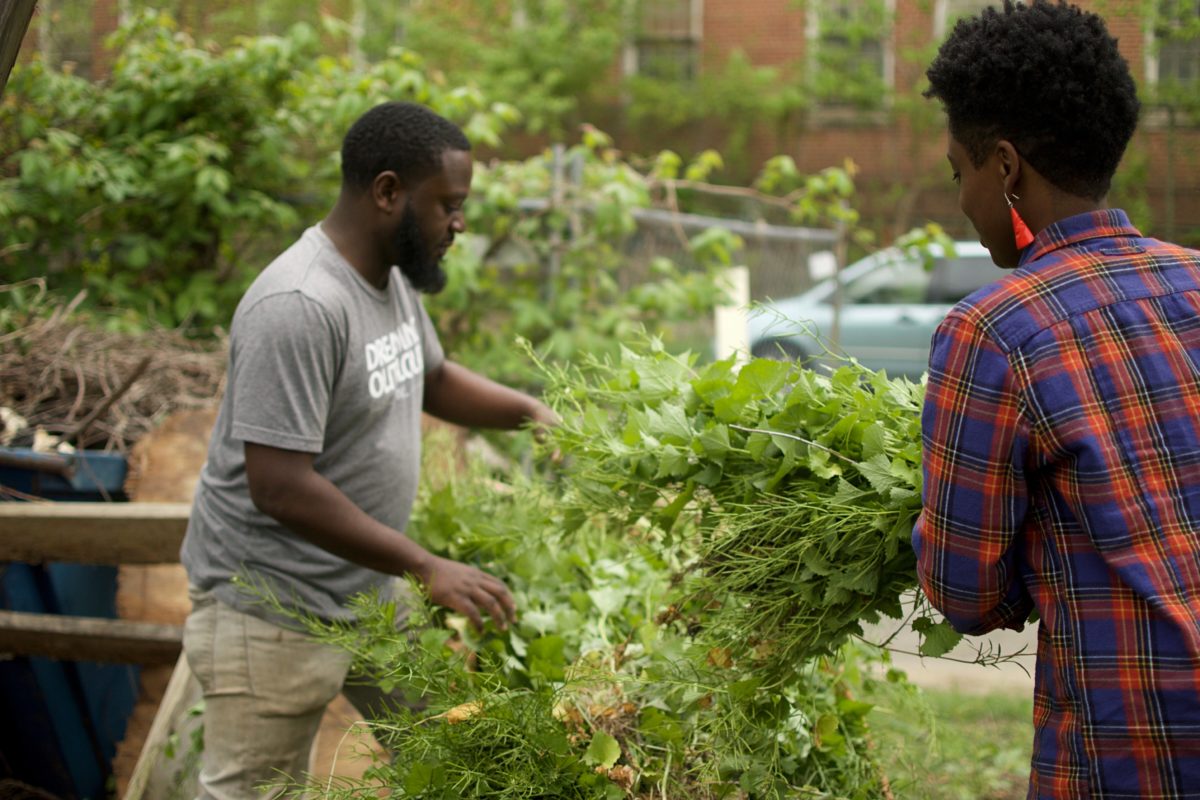
“It’s like a food system in a box — in one space, in one community,” said Christopher Bradshaw, executive director of Dreaming Out Loud. The D.C. food justice nonprofit is partnering with the city and a half-dozen other organizations to run the farm in a way that generates revenue while also meeting the community’s unique needs. “I don’t know too many places combining those things,” Bradshaw said.

“With $150,000 in seed money from the U.S. Department of Agriculture (USDA) — through programs promoting farmers’ markets and specialty crops — and a mix of other local grants, the founders plan to build infrastructure such as hoop houses and a greenhouse while transforming a gutted shipping container into a commercial kitchen space. Construction is scheduled to begin in the spring and be completed by midsummer.”

Read the FULL ARTICLE, here: “GreenBiz.com

Urban Farm Bill Passes in Montgomery County, MD

427db266-8d9b-475c-8759-06e798ebeb08-large16x9_MocoFarm.PNG

“The more we can grow healthy food close by, and reduce the food miles, the greenhouse gas footprint of bringing food from all over and the more we can create an opportunity for local students in an urban environment like Silver Spring to come right here and see where their food comes from,” said Councilman Hucker.

“There are safeguards in place that prevent just anyone with a backyard garden from getting a tax break. You have to live within a residential area and 1,000 feet from a Metro stop, and earn at least $5,000 annually from the farm.”

Read the FULL Article, at: “WJLA.com


Students Give Food Science Lab a Green Thumbs Up

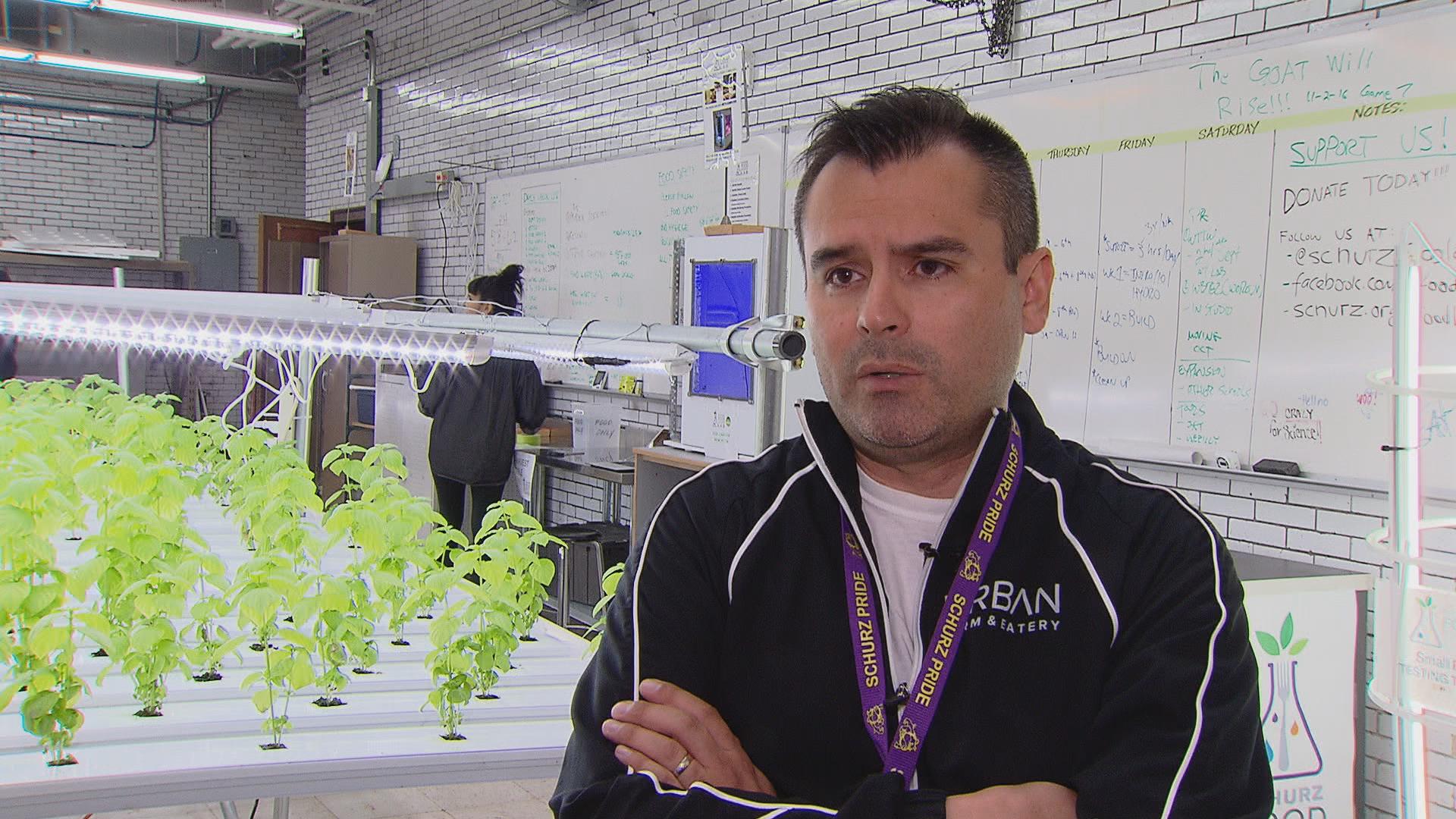
“Hydroponics farms are hot in Chicago, with new farms sprouting up all over the city. But finding experienced hydroponics workers can be tough, so a local chef decided it was time for Chicago to grow its own. His program in a Northwest Side high school offers students the chance to get their hands dirty – and wet – growing greens in a working hydroponics farm.”

Read the full article at: “ChicagoTonight.wttw.com

Gardening for Physical and Mental Health

“As well as providing exercise and boosting energy levels, gardening has a whole range of benefits for you to make the most of no matter what your age! Whether you have your own garden, flat, communal garden or an allotment, get outdoors and enjoy nature and start reaping all the benefits for your physical and mental health, which is especially beneficial for seniors for keeping fit and mobile.”

Gardening for physical and mental health


Read the full article at: “www.uksmobility.co.uk

Urban Farm Gives Innovative Look at Recovery Process

58b5e4416c533.image

“Gro Huntington is a healing urban farm located in a residential neighborhood in Huntington with a volunteer program centered around serving individuals in addiction recovery in the area. By working on the farm, individuals learn job skills and coping mechanisms to give them a better chance at a successful recovery, Harrison said.”

CLARK DAVIS / WV PUBLIC BROADCASTING

“Through gardening, clients will learn to provide. Through yoga and meditation, clients learn to cope.”

“Successful recovery comes from having those coping mechanisms established,” she said. “They know stuff is going to get hard but that they can ‘return to my breath and calm myself down.’ The other aspect of that is having a job established.”

To read the full story, visit: “Herald-Dispatch.com


Urban Farm Providing Affordable Healthy Options

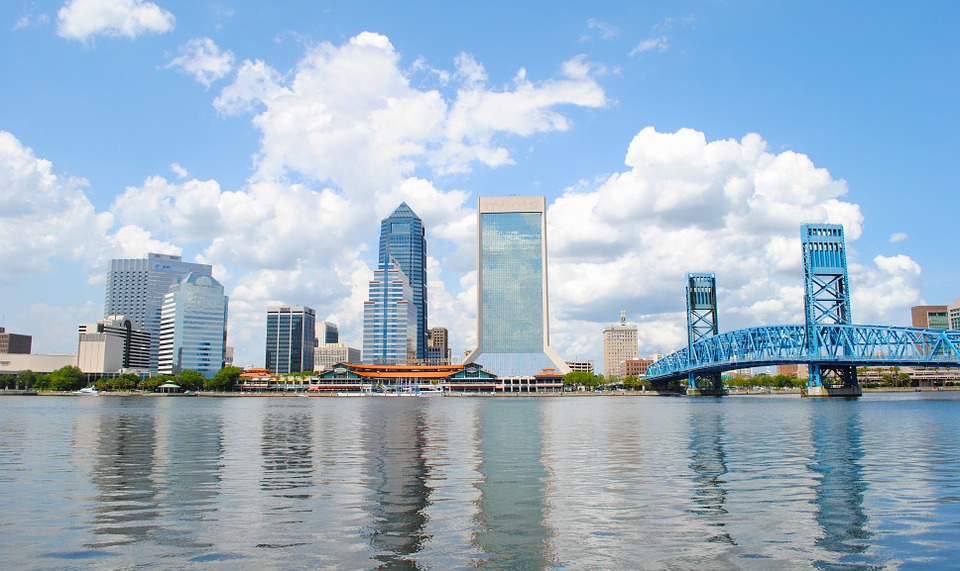
“People in New Town said they just don’t have many resources for healthy living. That’s why, a  community garden through Urban Geoponics is hoping to change that by providing healthy food that are affordable.

The garden is located at the Urban Farm at 3rd and Pearce streets in New Town.

“We have lemon trees, cocktail, broccoli, cauliflower trees…” said Urban Farm CEO Diallo Sekou.

Families unable to shop at a grocery store can get fresh fruits and veggies at a good price. There’s even an outdoor kitchen to teach better cooking.”

Read the entire article at: “News4Jax.com

D.C.’s Urban Farms Wrestle with Gentrification and Displacement

Dreaming-Out-Loud-2-1200x800

“If you’ve lived or worked in Washington D.C. over the last decade, the scale and pace of gentrification there has been impossible to miss. Over the last decade, the city has experienced a rapidly increasing demand for, and cost of, housing, similar to that in other knowledge hubs and “superstar cities” like New York, San Francisco, Seattle, and Boston.

In addition to all the good things that come with increased interest in density and urban living, those cities have been the hardest hit by displacement, a process that disproportionately affects poor folks of color. Everyone who lives or works in D.C. can palpably feel this slow-motion injustice, and we are all forced to grapple with it, whether we want to or not.”

“Everybody—wherever you go, no matter the educational background—sees what’s going on,” Xavier Brown told me. Brown is the founder of Soilful City, an urban agriculture organization in D.C. with the justice-centered mission of healing “the sacred relationship between communities of African descent and Mother Earth.”

To read the REST OF THE ARTICLE, visit: “CivilEats.com

Virginia Beach urban farmer maximizes ‘Nottalotta’ space to provide fresh veggies

IMG_2069

“Since the farm opened for business last February using a small plot of land owned by a family friend, Gerber has expanded the farm to two additional plots owned by neighbors. Getting started was no easy task, Gerber said. Because much of the land was covered in a thick layer of clay, which hindered plants from taking root, Gerber and her farming partner Art Amorese had to bring in loads of compost and horse manure to make the area more fertile.”

The work hasn’t stopped there. According to Gerber, tending the farm is a full-time job.

“I work on the farm seven days a week, even through the winter,” she said. “Because of the amount of time and work that goes in to growing each plant, I treat them like my babies. We’re a small farm, so losing just one plant is a very big devastation for me.”

Read the ENTIRE article at: “SouthsideDaily.com