
Smashing pumpkins brings nutrients to Naperville community garden

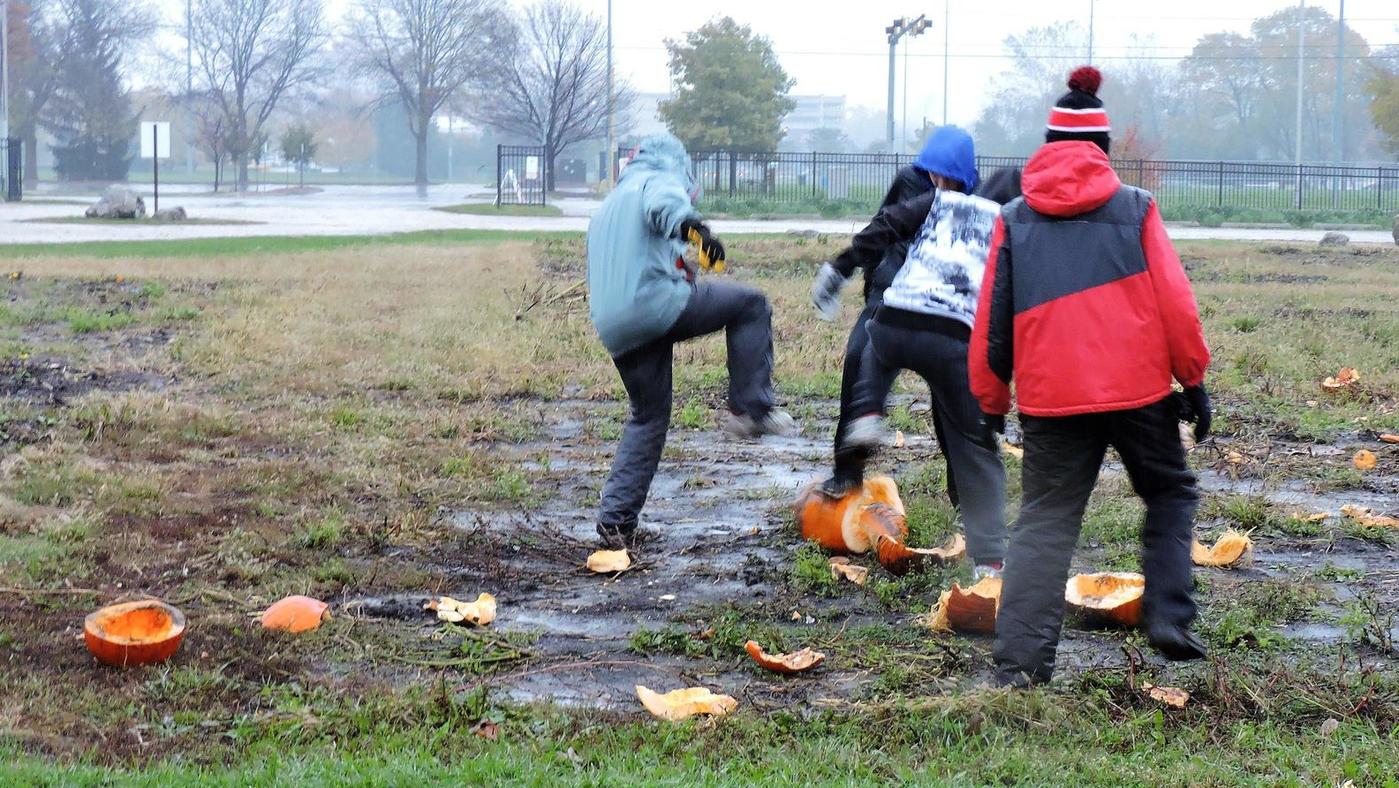
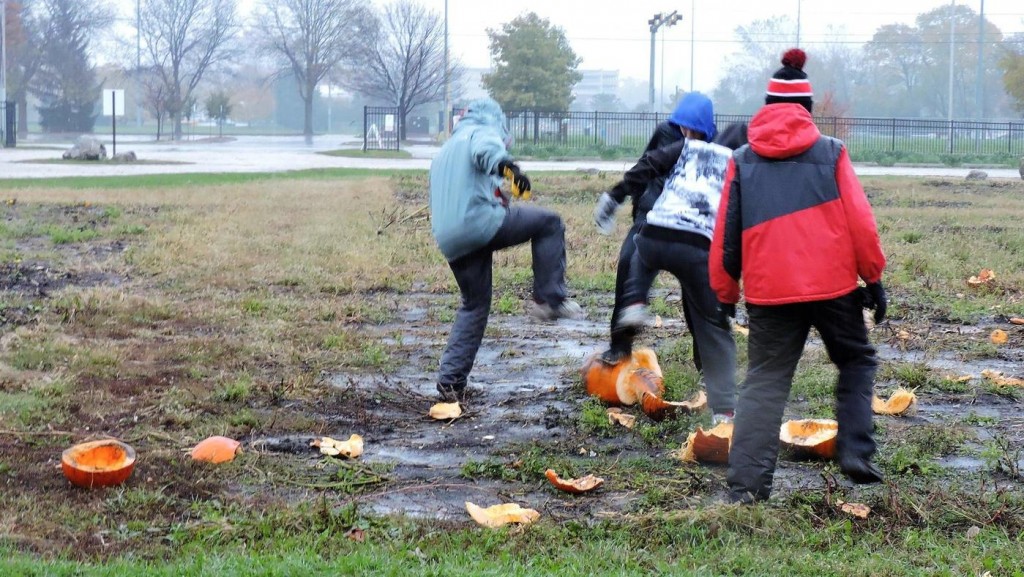
ct-ctlfl-ct-nvs-smash-2-20171104The pumpkins smashed Saturday morning had nothing to do with vandalism or kids letting off a little steam. If anything, those who participated were doing a good deed.

“This is the first time we’ve done this, although there have been other pumpkin recycling efforts in the area,” said Sue Omanson, the Naperville Park District’s community development manager. “We were talking with the Wheaton-based SCARCE group that does local recycling and composting, and our Green Team from the park district wanted to join in the effort.”

Read the rest of the STORY, here: “ChicagoTribune.com

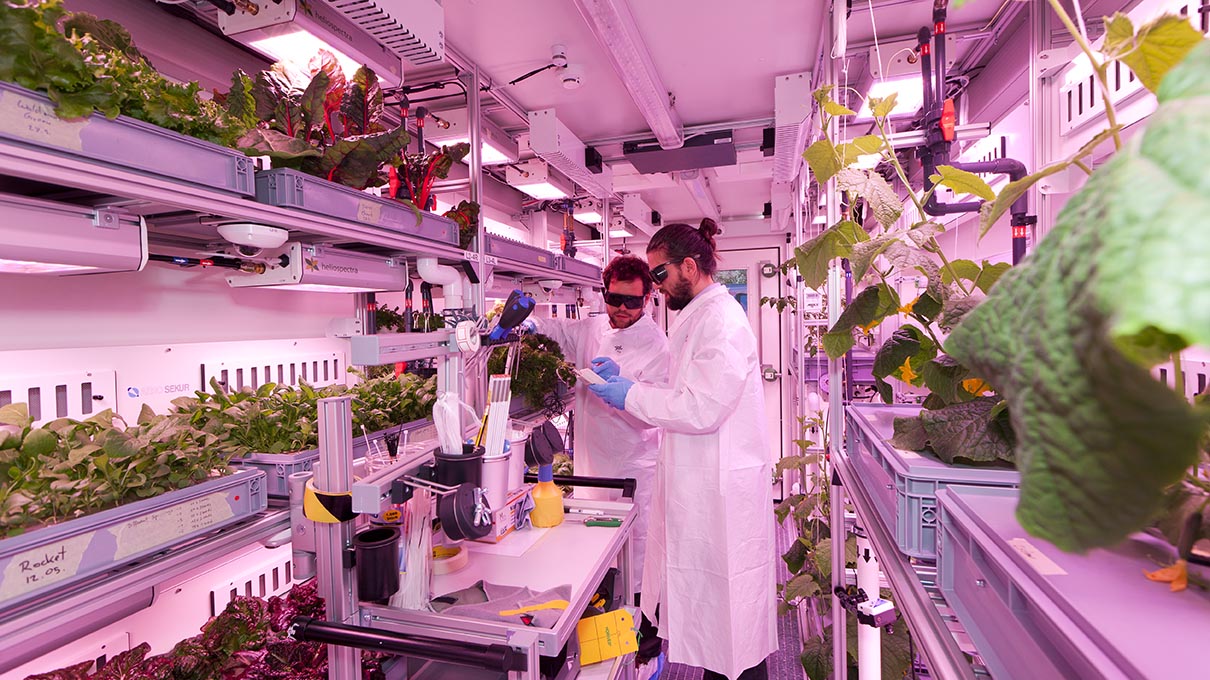
Antarctic Farm Could One Day Journey to Mars

Antarctica-hydroponic-greenhouse

“Antarctica is no place for a tomato. But starting in January 2018, researchers at the German Antarctic research station, Neumayer III, will begin growing not only tomatoes but also lettuces, herbs, peppers, cucumbers, swiss chard, radishes and even strawberries inside a climate-controlled shipping container. Although other indoor gardens have existed in Antarctica, the EDEN ISS Mobile Test Facility will be the most advanced indoor farm on the continent — an experiment meant to push the limits of indoor agriculture, so that the technology can hold up for a long mission to Mars.

“Some of my colleagues like to say, ‘It’s no longer your grandmother’s garden anymore,'” says Matthew Bamsey, a research associate at DLR, also known as the German Aerospace Center, and a member of the EDEN ISS team, a multipartner project focused on developing plant cultivation technologies for future use in space.”

Check out the FULL STORY at: “Recipes.HowStuffWorks.com

Can Food Still Be Organic If It’s Grown Without Soil?

verticrop1_valcenteau-cc-by-sa-20

“A crucial battle in a long-brewing conflict over organic farming came to a head Wednesday when an influential government panel met to discuss whether soil is an essential element of organic farming.

On one side: “Dirt first” traditionalists who say that fruits and vegetables must, by definition, be grown in soil to qualify as organic.

On the other: Agri-technophiles who say “controlled environment” methods like hydroponics and aeroponics are just as deserving, dirt or no dirt.”

READ the FULL STORY at: “InsideClimateNews.org”

Phoenix-based entrepreneur promotes aeroponics

“Troy Albright, a Phoenix based pharmacist and farming entrepreneur spoke to students at ASU’s Polytechnic campus on Oct. 25 about the potential of aeroponics.

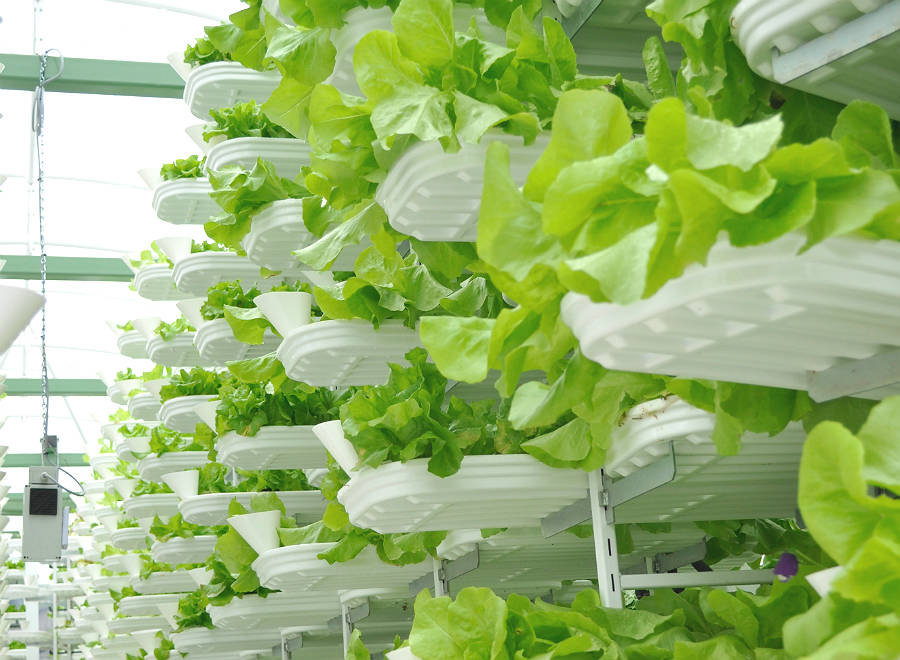
Aeroponics is a process of growing plants without the use of soil by suspending plants and nourishing them using mist.

Albright was invited as part of the Science and Mathematics Colloquium Series, a series designed to expose students to the work of researchers and practitioners in various fields.”

Read the FULL Article, at “StatePress.com

How to grow stuff: everything the novice gardener needs to know

sprout-790155__480

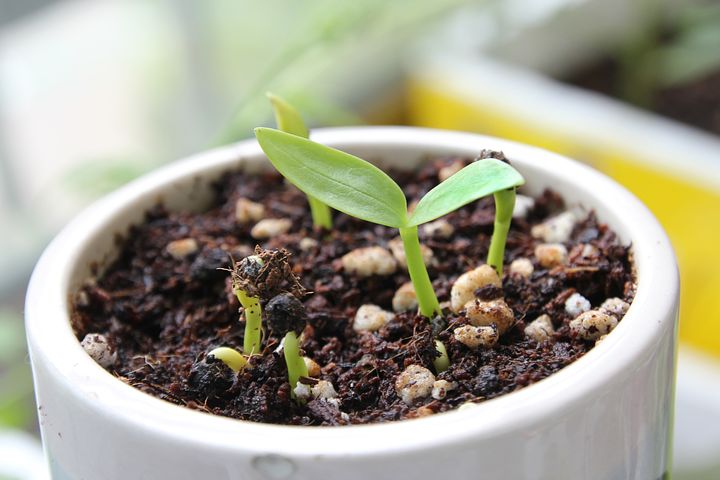
“If I were to plot my journey as a gardener, it would start with a basil plant from Tesco. I kept it on the windowsill of my university hall bedroom (it could have easily become an ashtray if left in the kitchen) and, when I came home in those cerulean-hued nights of summer term, its sweet heady scent would hit me like a forgotten essay deadline.

That was 10 years ago and, last summer, when I was writing my first book, How to Grow Stuff, I made sure to include herbs – from seed and supermarket – because my experience would suggest that once you’ve learned how to keep a shop-bought basil plant alive, you’ll wind up wanting to grow your own from seed eventually.”

Read the rest of the story at: “Telegraph.co.uk

An urban garden produces 17kg of fruits and vegetables per day!

0.14999800_1508308243_8

“For more than a decade, Laxmi Nadendla was fond of the vegetables she grew in her own garden in Hyderabad. Being a nutritionist, she knew the importance of consuming home grown healthy food.

In 2013, when Laxmi got to know about a local non-profit, Aranya Agricultural Alternatives (AAA), she enrolled for a permaculture design course and learnt how to apply permaculture practices in urban spaces, such as a home garden (about 280 sq yards). She soon stopped using pesticides and depended heavily on organic compost. Today, her family gets 60-70 per cent of their vegetables from the garden in winters. In fact, last summers, some days the output was about 17 kilos of fruits and vegetables per day.”

View the FULL Article at: “DownToEarth.org.in

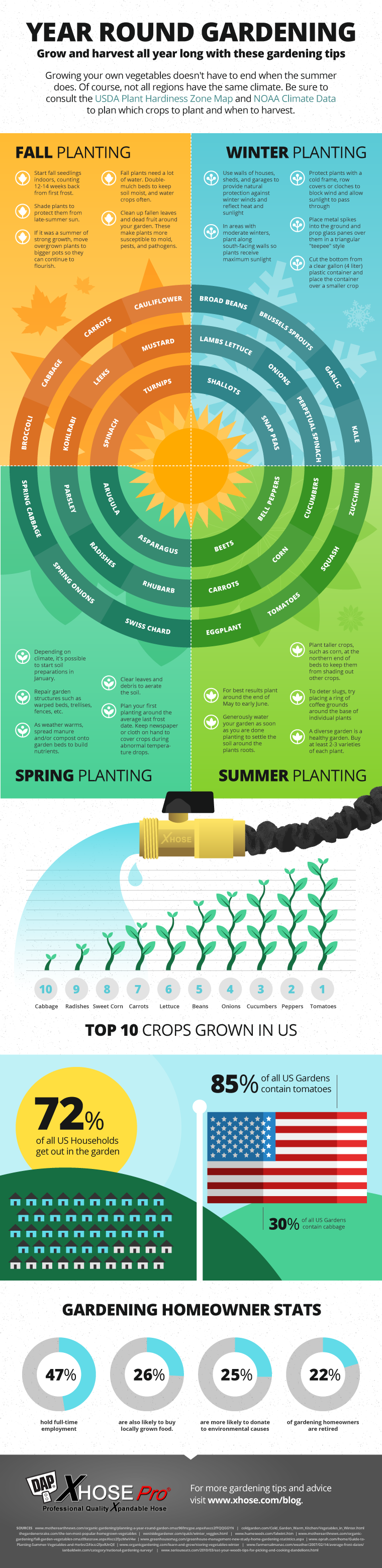
Grow a Fall/Winter Garden! Join the Monthly Seed Club, TODAY!

Fall UOG Seed Club GIF
ORDER BEFORE 11:59 PM PST November 4th to receive a shipment THIS MONTH! https://urbanorganicgardener.cratejoy.com/

Grow food ALL-YEAR-ROUND with us! Now is the perfect time to start stockpiling seeds for your fall, winter and even early spring gardens!All of our seed club members will be receiving varieties that are perfect for growing during the cooler months. Let us hand-select 5 varieties of heirloom, GMO-free seeds to ship to you EVERY MONTH!

TO LEARN MORE or SIGN UP just visit: https://urbanorganicgardener.cratejoy.com/


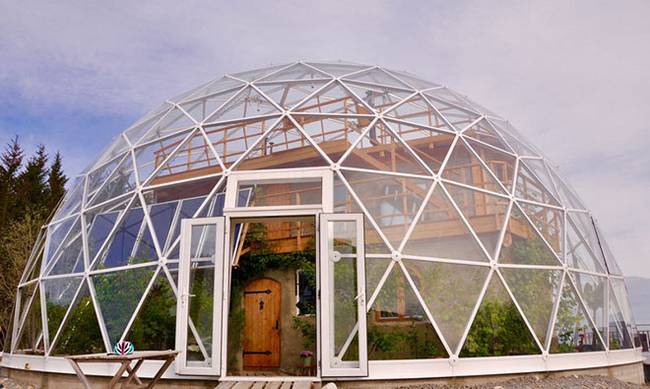
Geodesic dome protects cob house and family of 6 in Arctic Circle

“Inside a glass dome in Northern Norway, lives a family of five. In the inhospitable Arctic climate the Heart Followers have found their unique way of life. In the garden around the little house, they grow their own food all year round. In this nature friendly shelter, they are protected from all kinds of weather, and lives in harmony with the spectacular surroundings, and the elves in the forest.”

Hjertefølgerne / The Heart Followers from Deadline Media on Vimeo. / Images via GoodHomeDesign

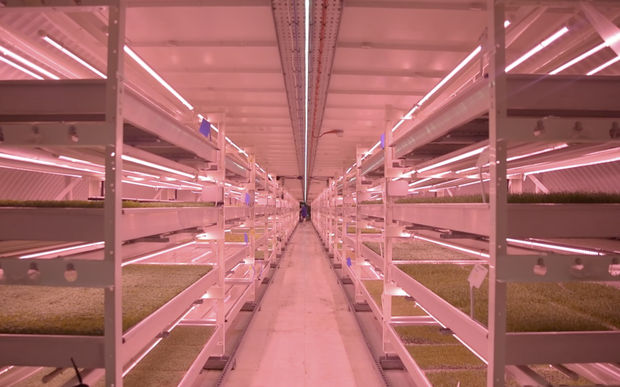
The future of farming may be below the soil

underground

“Think of urban farming and the images that may come to mind are community garden, vertical greenhouse or even a rooftop garden.

The farm Steven Dring operates in south London isn’t like that. In fact, it’s not even visible from street level. The operation is situated in an air raid shelter 100 feet underground that has been left vacant since World War II.

Dring, his co-founder, Richard Ballard, and a team of a dozen people grow lettuce and microgreens hydroponically, year-round, in the shelter, which includes two tunnels. The produce is then sold to restaurants and stores around London.

“It does seem completely counterintuive to build a farm underneath the soil, but it’s actually one of the best environments to do it,” Dring said.”

Read the rest of the article at: “CBSNews.com

Why Not Consider Carving a Turnip Instead of a Pumpkin This Halloween?

BT846X the spoils from trick or treating with halloween turnip jack-o-lantern. Traditionally in Ireland turnips or swedes were used

“Using this year’s pumpkin shortage in the UK as an opportunity to promote their bizarre turnip carving ways, English Heritage, an organization dedicated to preserving English history, has suggested people in their native country try reviving the original Halloween tradition of carving root vegetables.

According to the Independent, turnips were the OG pumpkins, with Brits carving scary faces into them long before people in the U.S. realized pumpkins were far easier to work with. “The tradition emerged from a folk tale about a man named Jack who, after trying to trick the devil, was forced to roam the earth with only a burning coal inside a hollowed out turnip—or the original Jack o’lantern,” the site writes. Although, I’d be remiss if I didn’t mention that the Oxford English Dictionary finds references to pumpkins as jack-o’-lanterns at approximately the same time the term started to appear in England.”

Read the FULL STORY at: “CookingLight.com

We’re on SNAPCHAT! [Let’s Get Snapping]

We want to be where our fans and fellow gardeners are, so we’ve headed over to snapchat and created an account! We hope you’ll share all of your awesome gardening successes/tips/and learning experiences with us over there.

Let’s be friends! Just use the snap code below to quickly and easily add us and see more great content from us, everyday!

SnapChat UOG IG


UOG SnapChat Logo

New Urban Farm in D.C. Is About More Than a Food Desert

DC_KellyMillerGarden_920_633_80

“On Oct. 14, hundreds of people marched in Anacostia, in southeastern Washington, D.C., to a Giant supermarket. Some held carrots in the air; many carried shopping bags filled with groceries. They were marching to raise awareness of what it’s like to live in a food desert, an area where full-service grocery stores are scarce or nonexistent. In Ward 8, where the march took place, just one supermarket — the Giant — serves about 70,000 people. In Ward 7, directly north, two grocery stores serve another 70,000.

The lack of access to fresh food is a factor in great health disparities in D.C. Residents of Wards 7 and 8 are several times more likely to be obese, and have diabetes and other food-related illnesses than are residents of wealthier communities just across the Anacostia River.”

Read the rest of the article at: “NextCity.org

Hopes grow for urban farming as city readies pilot project on vacant land

Unknown

“The city’s launch of an agriculture pilot project on plots of unused land is long overdue but could plant the seeds for a local food revolution, says a well-known Calgary urban farmer.

Operators who’ll farm two plots of land on a two-year lease — one in the northeast and the other in the southeast — are being sought by the city, with a tour of the sites scheduled for Oct. 27.

It’s something Grow Calgary founder Paul Hughes has been advocating for years.

“We proposed that Highfield site in 2009 — it never happens as quickly as we’d want and I wish there was more consultation, but it’s happening,” said Hughes, referring to the three-hectare plot on Highfield Crescent S.E.

“We rank last in North America in getting urban agriculture going, but I’m excited.””

Read the FULL Story at “CalgaryHerald.com

18 Surprisingly Effective Gardening Tricks That Keep Away Pests, Fight Disease And Improve Your Soil

16523165_1232520166824539_1751620879_o-1

“Organic gardeners do their best when it comes to using non-harmful pesticides and chemical fertilizers. So, in order to keep your plants in the best possible shape, yet completely naturally, you need some tips and tricks, so today we are going to show you some. These natural remedies may seem strange to you at first, but, trust me, you won’t change them for nothing when you see the results!”

READ all 18 TIPS, here!

The Most Surprising Little Urban Farm in L.A. Is on a Mar Vista Side Street

Casamor-Farm-Beds-2-web

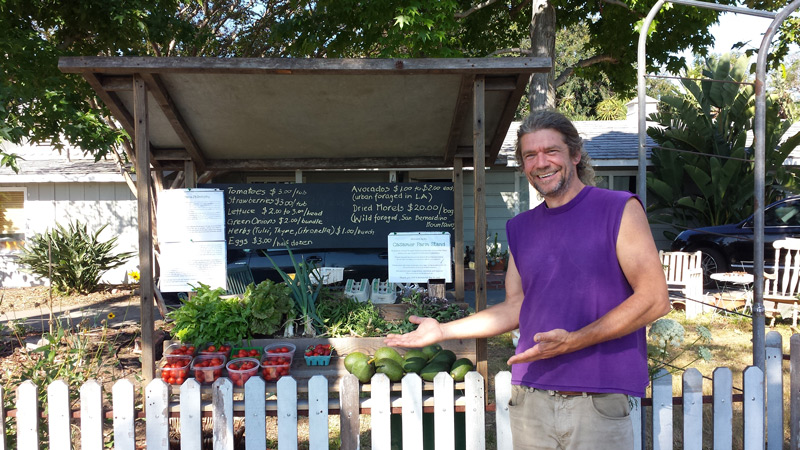
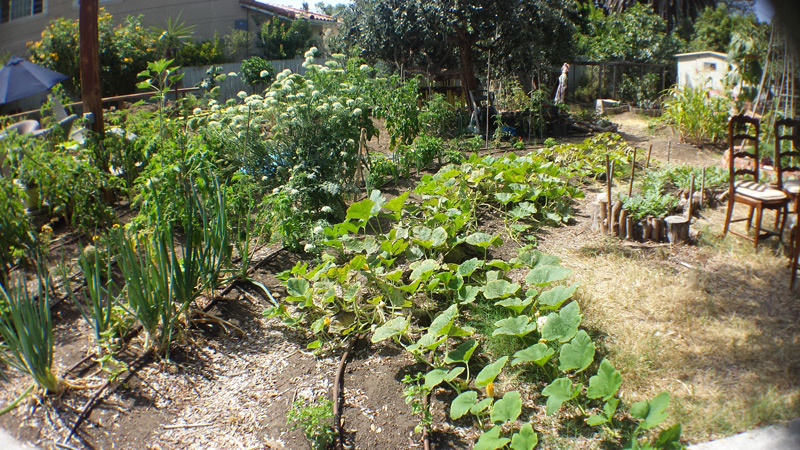
“Walk north past the Mar Vista Post Office along Grand View Boulevard and enter a tree-lined, residential street. Less than a block in, on the street’s west side, you’ll find a red ranch house surrounded by wooden furniture, an elliptical driveway, and a wooden stand with a blackboard menu that reads, “Take as many as you want, leave what you think they’re worth to you.” This is the unlikely setting for Casamor Farm, an urban farmhouse run by Andre Kohler that grows produce on-site on a Mar Vista side street.”

Casamor-Farm-Stand-Andre-Kohler-web

“His corrective mission extends to the wild, where Kohler frequently forages for mushrooms, acorns, nuts, berries, herbs, and flowers. His hunt covers the mountains, but also focuses right here in the city, where he snags fruit, avocados, and lemons. He’ll also “forage” frozen fish from grocery store dumpsters to feed his cats. He even prepares a “dumpster Thanksgiving dinner” prepared entirely from “trash,” a vision that brings to mind the dumpster diving documentary Just Eat It: A Food Waste Story.”

Read the FULL STORY at: “LAMag.com

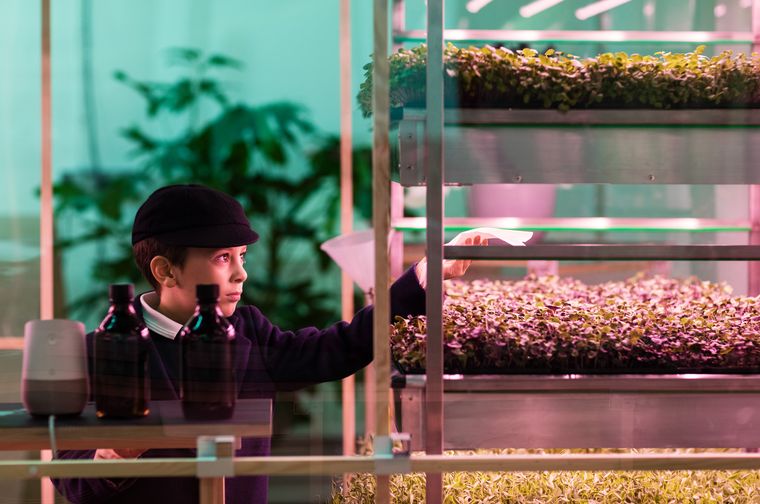
Ikea’s Hydroponic Garden Concept Uses 90% Less Water Than a Regular Farm

m

l

“Ikea is known for its low-cost furniture that comes packed in cardboard boxes, but now it’s experimenting with something entirely different: Cutting-edge indoor farming.

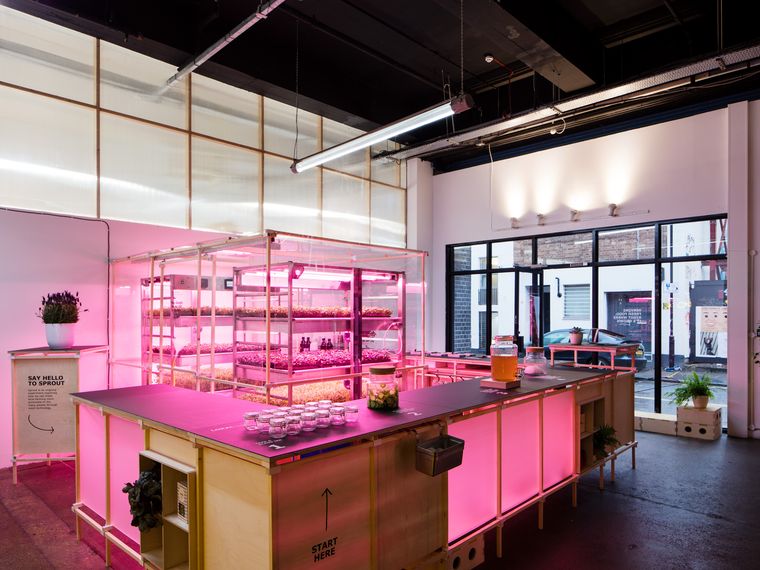
At the London Design Festival in September, Space10 — Ikea’s “future-living” design lab — debuted its concept for a salad bar prototype whose ingredients are grown using an indoor hydroponic farming system.”

Read the original article at: “Mic.com