
How Women Are Changing Agriculture, Despite a History of Discrimination

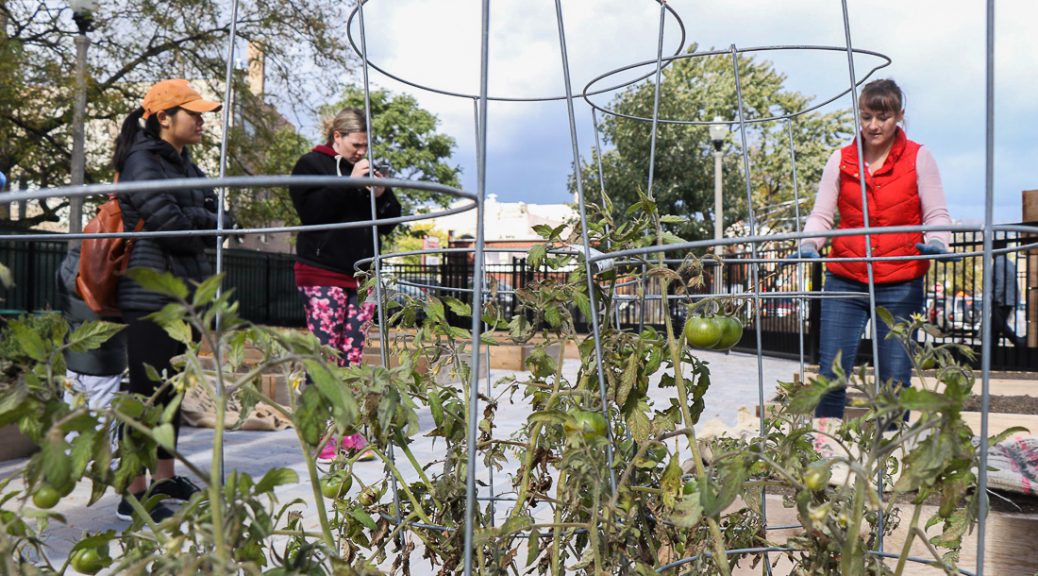
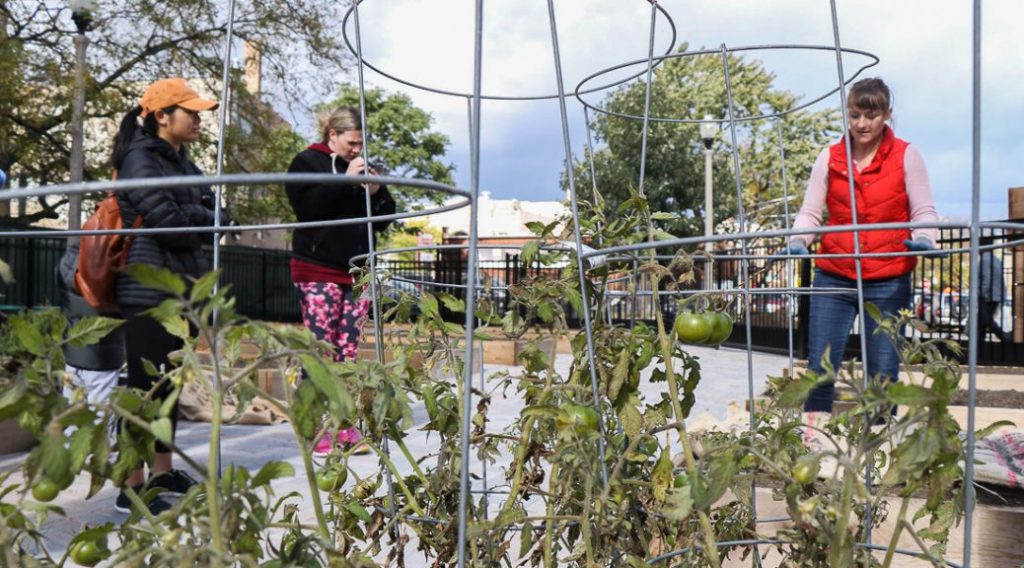
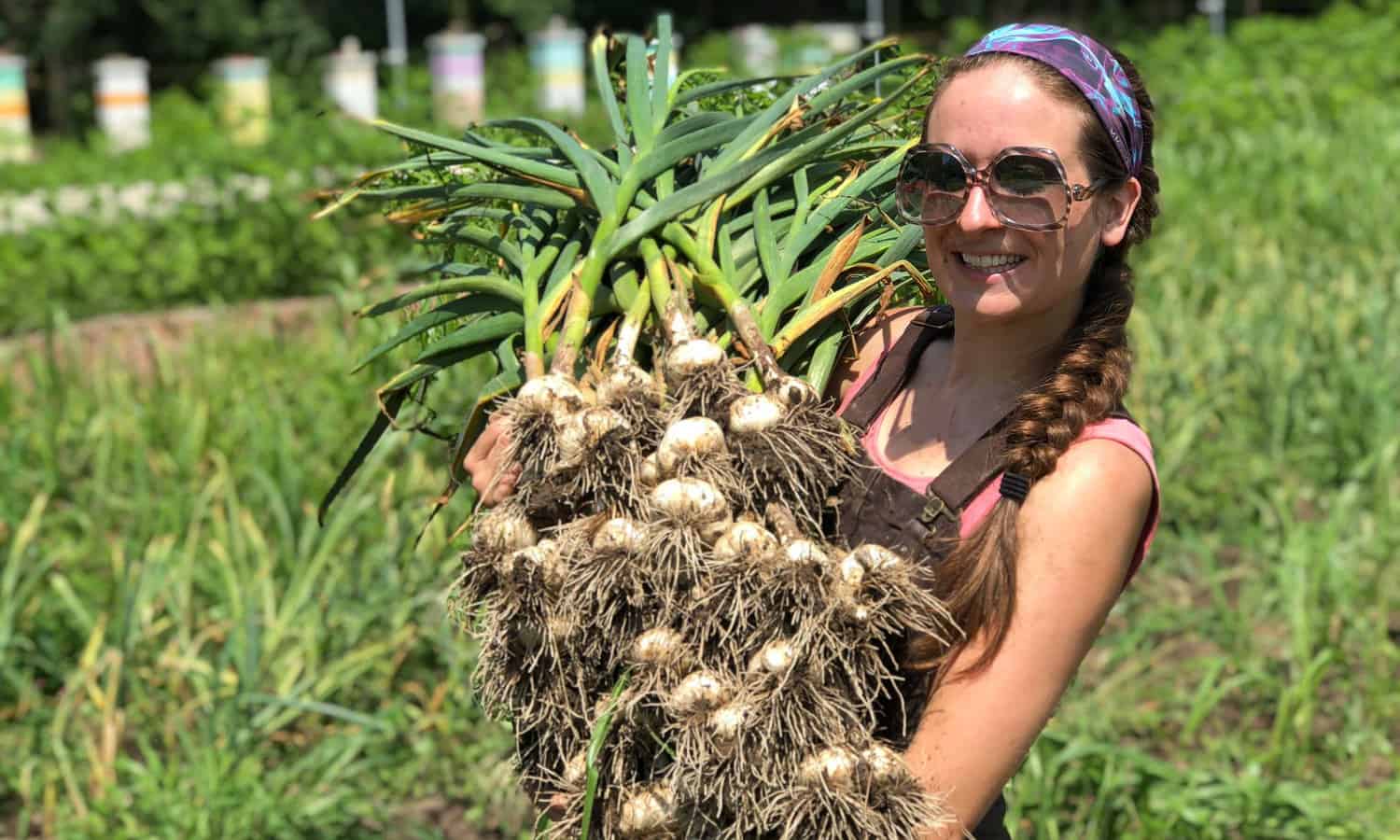
Women have been contributing to American agriculture (often invisibly) for centuries. Now, they’re stepping into the profession’s spotlight in a new way.

When the National Young Farmers Coalition (NYFC) surveyed more than 3,500 farmers under 40 in 2017, 60 percent of the farmer respondents were women. And in 2012, the United States Department of Agriculture (USDA) Census of Agriculture found that 14 percent of principal farm operators were women, a nearly 300 percent increase since 1978, when it began counting women as farmers.

Before that, as “farm wives,” women’s work went unnoticed. “There are real implications from that,” says Audra Mulkern, who started the Female Farmer Project to call attention to how women were missing from agricultural narratives. “What have we missed because we haven’t heard women’s voices? What lessons did we not learn? What knowledge is missing?”

READ THE FULL ARTICLE: “FoodTank.com

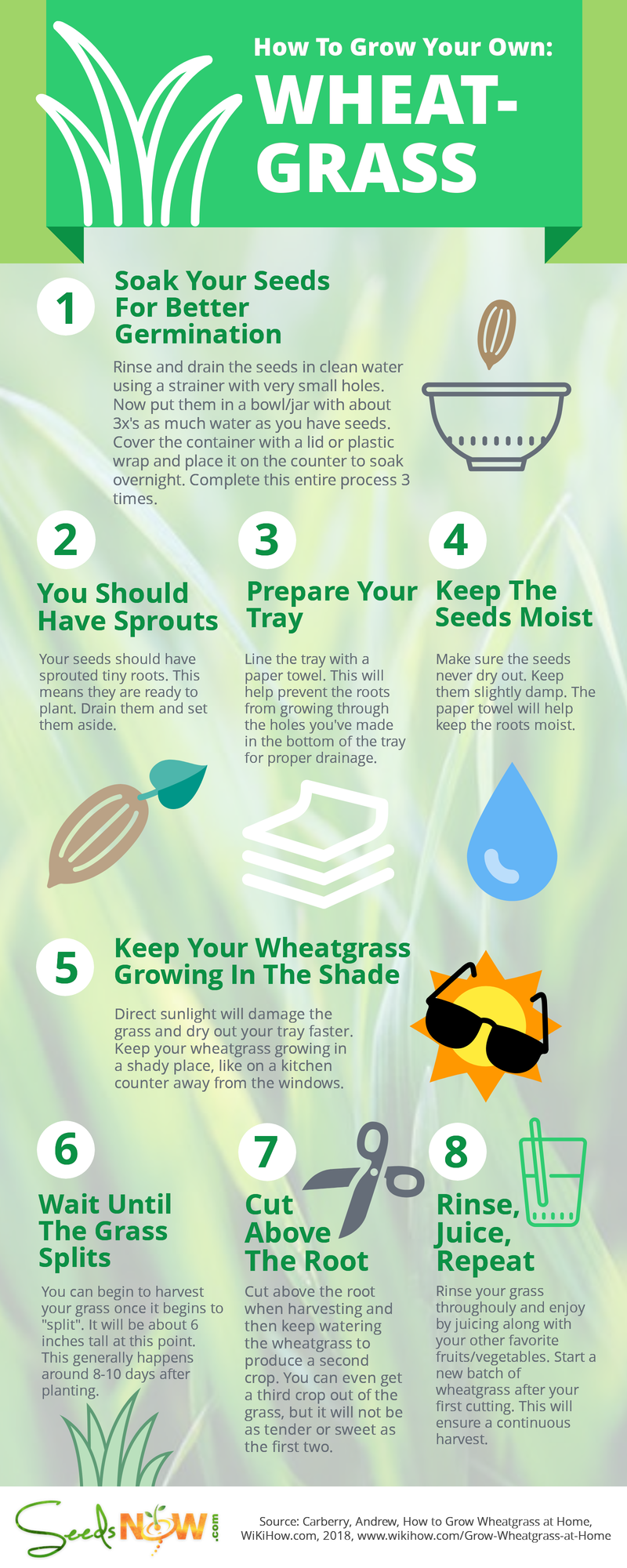
How To Grow Wheatgrass At Home *WITHOUT SOIL*

Growing your own wheatgrass at home is easy and fun to do – especially during the winter months!

There are a lot of different methods on how you can achieve this, so below we are going to share with you some of our favorite.

There are both soil and soil-less methods.  Today we are focusing on soil-less.  Make sure you choose which will work best for you.

Before you get started, purchase your wheatgrass seeds.

And this is how it’s done ….

As you can see, wheatgrass can be easily grown and prepared at home.

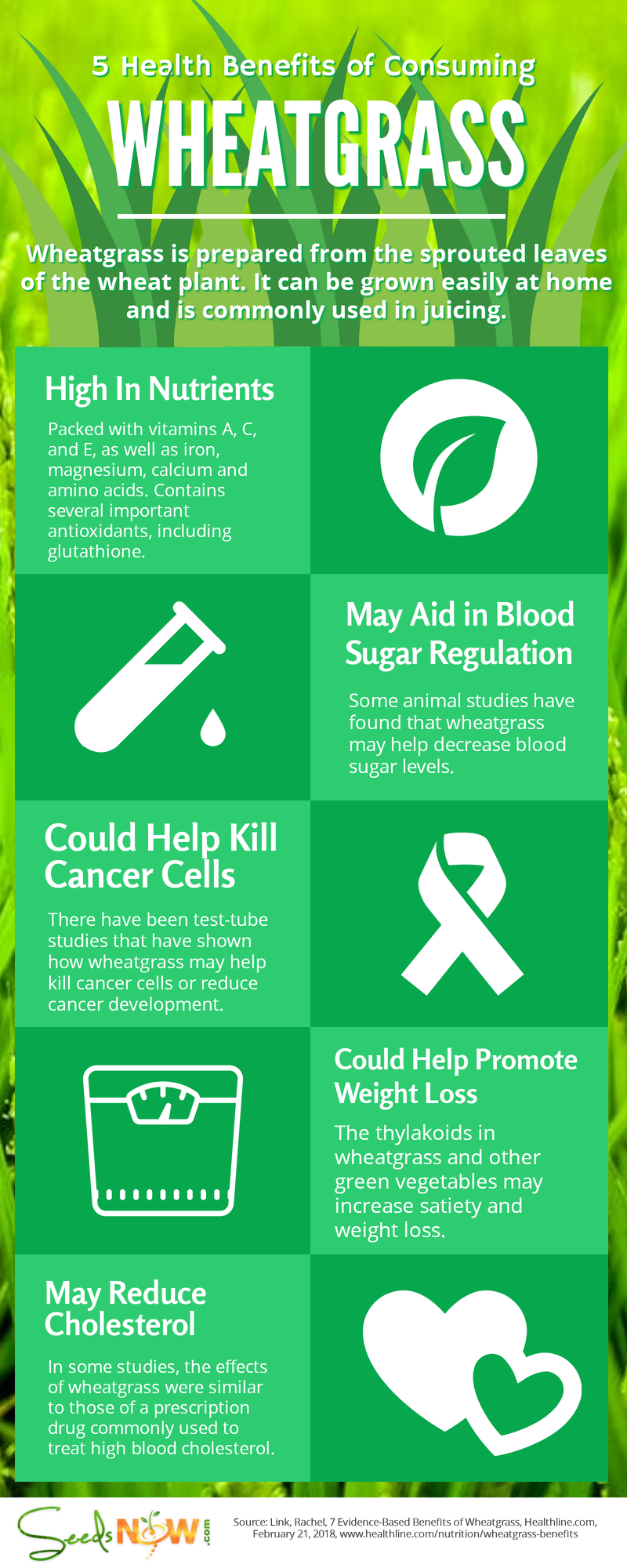
Some claim it can do everything from detoxifying the liver to improving immune function & boost weight loss. Nevertheless, wheatgrass delivers many amazing benefits.

Now, let’s see what happens to your body if you drink wheatgrass daily …


We’ve talked about the amazing health benefits of consuming wheatgrass and showed you how to grow your own, now here are some great ways to enjoy your raw, healthy, nutrient-packed wheatgrass!

Check out these wheatgrass recipes:


Ready to start growing your own Wheatgrass? 
SHOP Wheatgrass seeds!

Urban farms are becoming budding business enterprises

“Urban farms cropping up all over Richmond are more than backyard gardens on steroids.

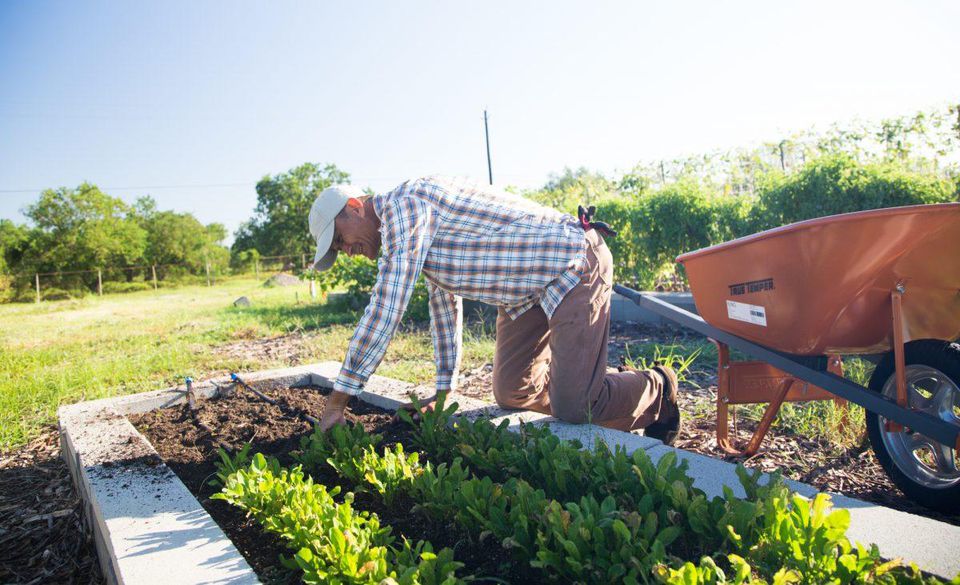
Joe Jenkins and his wife, Whitney Maier, were growing more organic vegetables in raised beds in their backyard in North Richmond than they could eat, so he started taking some to his job at a restaurant to give to co-workers.

The chef there said the arugula was better than what he was getting from vendors and that he wanted to buy it from Jenkins.

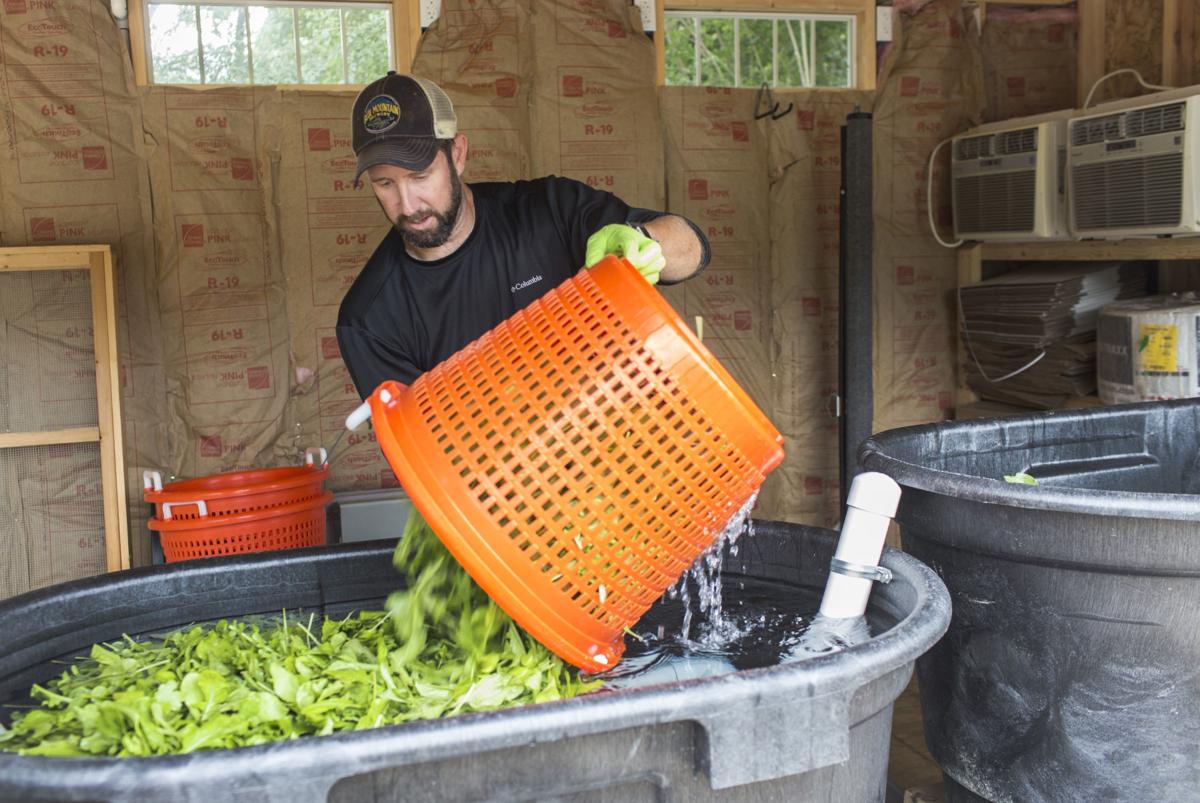
Jenkins and business partner Josh Dziegiel operate Bow Tide Farms, which grows and sells arugula, mixed greens and other produce to about half a dozen Richmond restaurants.

At Shalom Farms’ new Westwood urban farm in North Richmond, mostly volunteers work there, including those that recently helped farm manager Katharine Wilson harvest sweet potatoes — produce that went to food access initiatives such as a healthy corner store project, mobile markets and local food banks.”

READ THE FULL STORY AT: “Richmond.com

Why You Might Want To Consider Starting Your Own Urban Garden

“The growing information about possible negative health effects caused by over-processed foods and artificial additives like artificial sweeteners has fueled interest in eating clean. Now more people are opting to eliminate artificial additives, such as flavors and preservatives, and replace them with simpler whole ingredients like fresh produce and whole grains.

Watch the video above, created in partnership with Panera, alongside Wilson, to see how urban gardeners like McCollister are lifting up their communities by changing the food system and creating access to clean, organic ingredients.”

READ THE FULL STORY at: “HuffPost.com

In Order To Find The Perfect Antidepressant: Get Your Hands Dirty While Gardening!

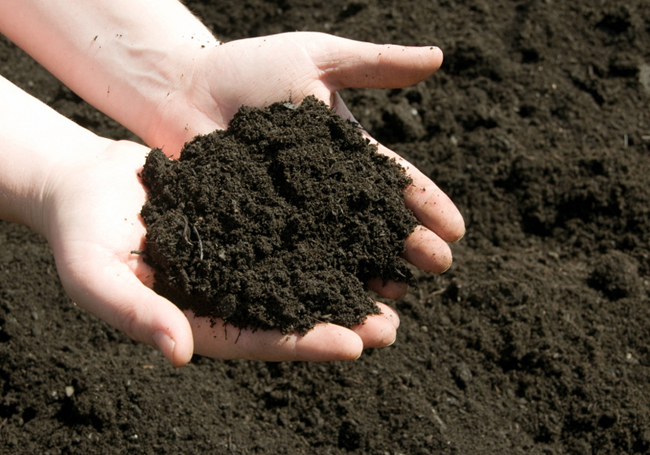
“There is a small bacteria called mycobacterium that people who are suffering from depression, anxiety, or other similar issues, should know all about. Scientists claim that this – and maybe other microorganisms – has a comparable positive effect on humans as pharmaceutical have. However, it is important to mention that the negative side effects, observed with regards to pharmaceutical, are not included in the case of this bacteria. Start getting your hands dirty in the compost or topsoil while gardening. The only thing you need is to get into direct contact with the soil or even just breathe the air around it.

The microbes found in the soil have similar effects on the brain as antidepressant medicines have, but without creating a potential chemical dependence. You can become happier and healthier by using this 100% natural antidepressant. Dirt can bring happiness in your life. The natural effects of the soil bacteria can be noticed for up to 3 weeks, or at least that was what rat experiments have indicated. People have been using natural remedies for centuries as cures for physical pain and even mental and emotional afflictions. Even if historically people couldn’t explain why a natural remedy worked, they still observed the changes it brought and used it as often as necessary.”

Read the FULL article at: “GoodsHomeDesign.com

Silicon Valley ‘Agrihood’ Project Combines Senior Housing and an Urban Farm

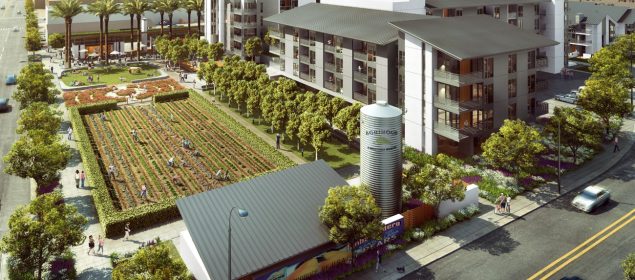
“A real estate development in the works for Silicon Valley is bringing together affordable senior housing with an urban farm, as part of the “agrihood” movement. The project exemplifies the growing trend of combining farming and senior living, as well as the trend of multi-generational housing.

An agrihood places agriculture right in the midst of residential neighborhoods. The concept has gained in popularity over the last several years and seemed a natural fit for a 6-acre parcel of land in Santa Clara, California, said Vince Cantore, senior development manager at The Core Companies. Based in nearby San Jose, Core was awarded the site through a request for proposals issued in 2015, and now the integrated development and construction firm is in the last stages of the entitlement process.

“We’re paying homage to the past history of the site,” Cantore told SHN.

The site — 17 acres in its entirety — was previously used by the University of California to conduct research on agricultural best practices. The real estate also included housing constructed in the 1920s to house widows of Civil War veterans.”

READ THE FULL ARTICLE AT: “SeniorHousingNews.com

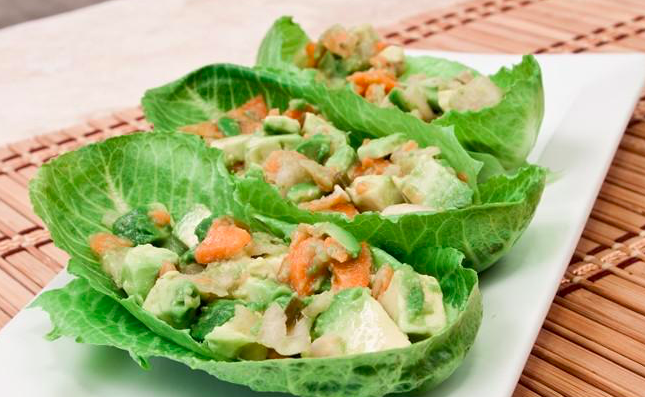
BREAKING NEWS: E. coli FOUND in Romaine Lettuce!

According to sources at Business Insider, “Romaine is off the table again because of E. coli poisoning, and the lettuce trouble reveals why outbreaks are so common!”

Source: businessinsider.com

“CDC, public health and regulatory officials in several states, Canada, and the U.S. Food and Drug Administration (FDA) are investigating a multistate outbreak of Shiga toxin-producing Escherichia coli O157:H7 (E. coli O157:H7) infections linked to romaine lettuce.”

“CDC is advising that U.S. consumers not eat any romaine lettuce, and retailers and restaurants not serve or sell any, until we learn more about the outbreak. This investigation is ongoing and the advice will be updated as more information is available.”

Source: cdc.gov


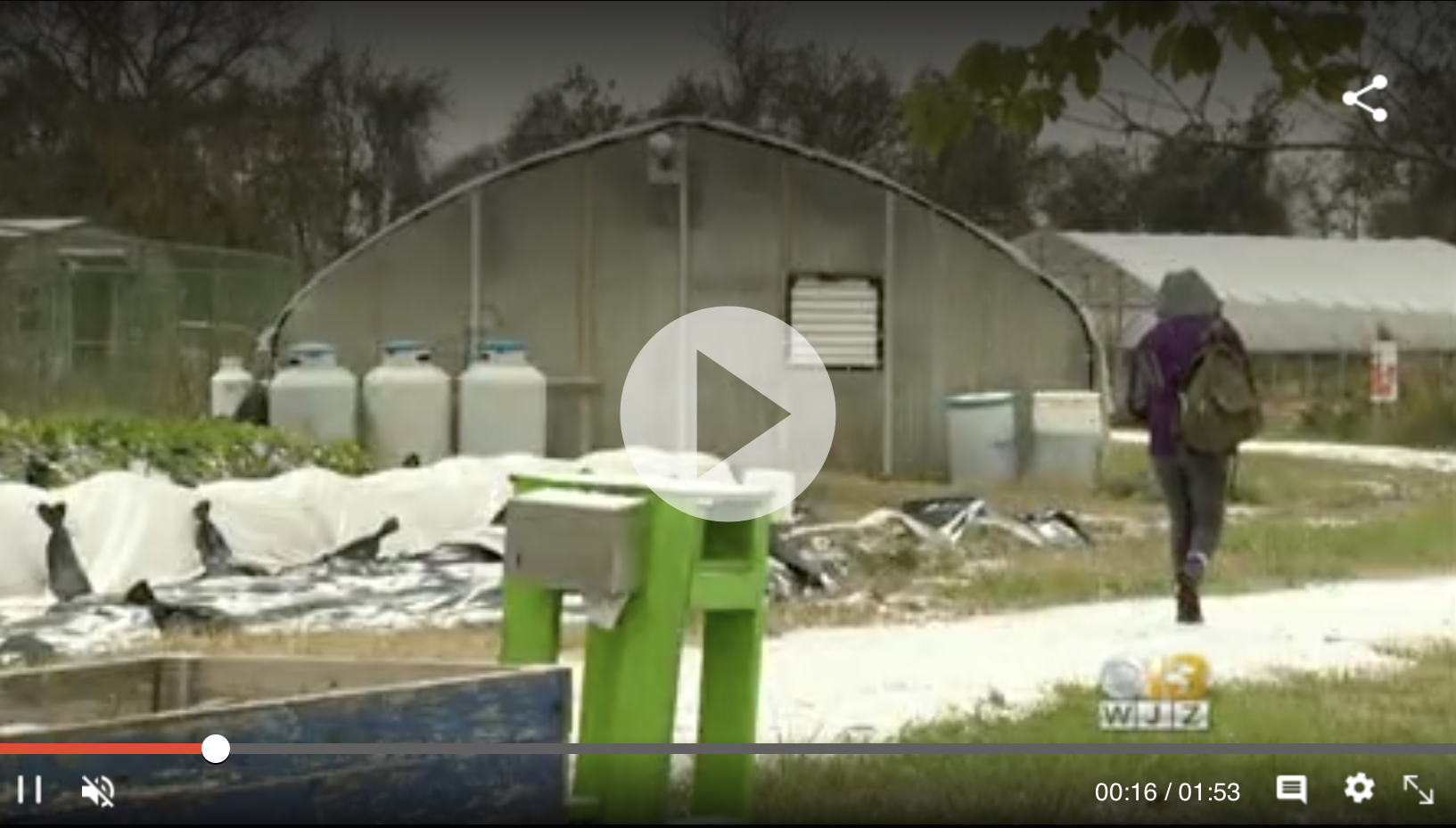
Wet Weather Could Be Affecting Urban Farms’ Harvest, But Farmers Stay Positive


BALTIMORE (WJZ) — Many city residents have come to rely on small urban farms to put fresh crops on their tables as they supplement what they buy at the grocery store.

“Right now we’re in the fall season so we’ve got lots of greens, you’re looking at lettuces, kale, collards, mustard greens, cabbage, radishes, all that fun stuff,” said Charlotte Haase, with Civic Works.

READ THE FULL STORY AT: “Baltimore.CBSLocal.com

For eco-conscious city dwellers, urban agriculture is one road to real impact

“Eco-consciousness is a hot trend. It’s become a common occurrence to see shoppers with reusable grocery totes at the supermarket. Bamboo straws are flying off shelves as people opt for eco-friendly products. Urban gardening and composting, too, has taken root as consumers try to minimize their carbon footprints.

These small actions are encouraging first steps, but they’re not enough when it comes to tackling agricultural contributions to climate change. Strong-worded warnings from the UN’s Intergovernmental Panel on Climate Change (IPCC) detail the potential for climate disasters to worsen if modern consumption patterns don’t change — and soon.

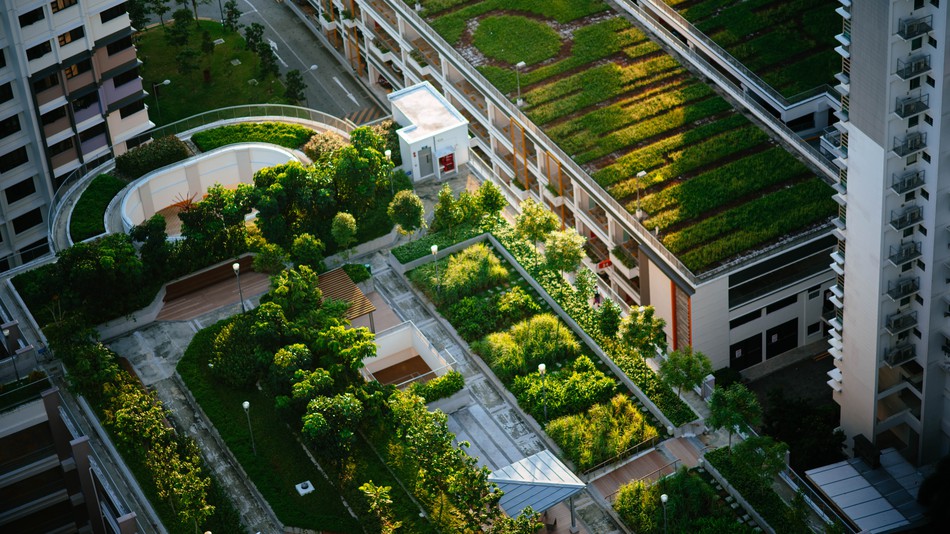
There’s evidence that reimagining urban environments’ food systems might help reduce carbon emissions. With more than 60% of the global population expected to live in cities by 2030, urban agriculture might be one piece of the puzzle for reducing strain on city resources. The practice typically involves growing food in smaller, city environments such as on rooftops, apartment balconies, or even walls.”

READ THE FULL STORY AT: “Mashable.com

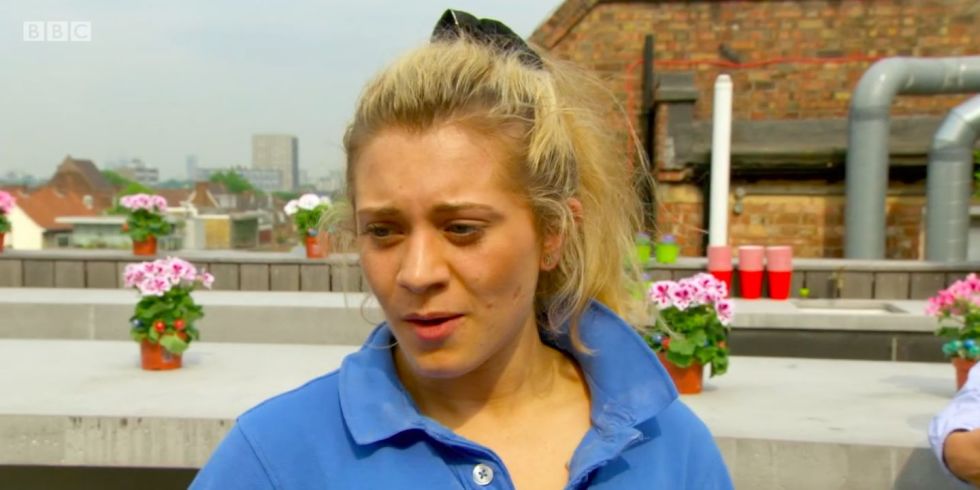
The Apprentice viewers brand the urban gardening task the “worst” ever

The Apprentice sent its remaining contestants into the brave new world of urban gardening in last night’s (November 14) episode, with the not-so-green-fingered candidates being asked to make London a little bit brighter.

The task saw the teams set up their own urban gardening businesses, where they carried out commercial and domestic jobs for their (often not very happy) clients, which included laying some astroturf, popping a few plants along a wall and forgetting to tell the driver of the van that contained everything they needed where he should be going.”

READ THE FULL STORY AT: “DigitalSpy.com

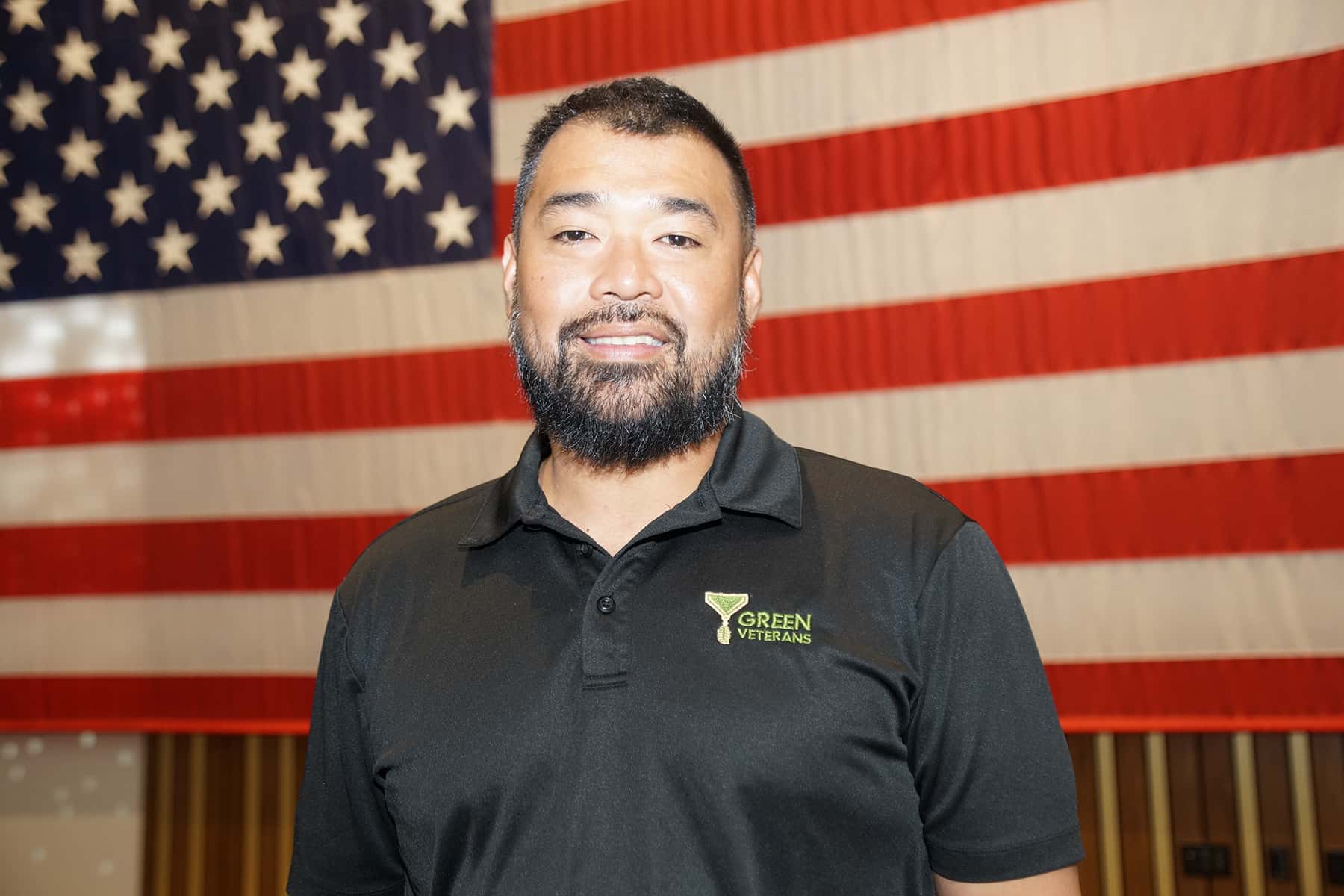
MILWAUKEE VETERANS FIND TRAUMA RESOLUTION THROUGH URBAN AGRICULTURE

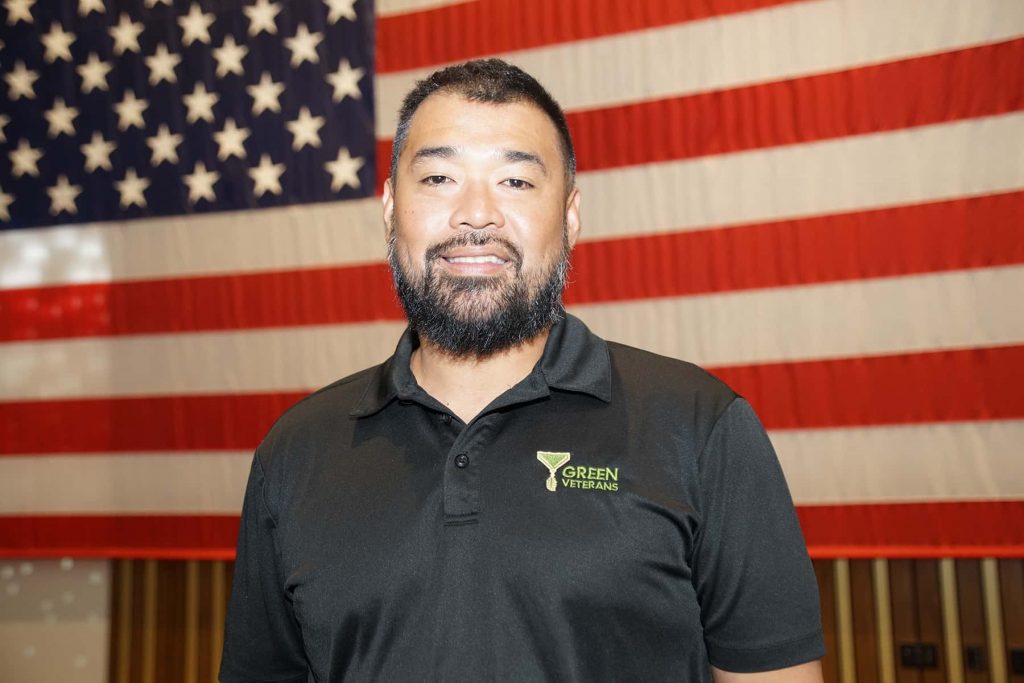
After his discharge from military service, Sales went to college and began exploring urban agriculture and its therapeutic qualities. He attending school in Florida when Milwaukee Growing Power founder and CEO Will Allen recruited him.

After arriving in Wisconsin, he founded Green Veterans to help veterans find healing and a way to reconnect with their communities while teaching them about sustainability and entrepreneurship. Green Vets initiatives include food production, waste remediation, wastewater treatment, water conservation, renewable energy and affordable housing.

“The military is very good at turning citizens into soldiers, but not very good at turning soldiers into citizens,” said Sales. “I learned firsthand that urban farming and sustainability as a whole gave me a purpose again after the military.”

READ THE FULL STORY AT: “MilwaukeeIndependent.com

Here’s how local communities are turning vacant lots into thriving urban farms

“In the Kensington neighborhood of Philadelphia, locals stroll through Greensgrow Farms. A couple picks up baby spinach and collard greens grown on site, while a few teenagers greet Milkshake, the farm’s resident pet pig. Neighbors ask each other for recipe ideas as they reach for bundles of fresh herbs. Looking in on this lively urban farm, it is hard to believe that just over 20 years ago this space was nothing more than a vacant lot in a forgotten space.

The chances that more urban farms will grow in the city’s empty lots improved dramatically with the recent launch of the Philadelphia Land Bank, which makes it much easier for the city to transfer its 8,700 vacant lots into private ownership. How easy? It costs about $1 to acquire the vacant lot next door, plus closing fees. Says Mayor Michael Nutter, “We would have liked to have had this about a decade ago.”

Vacant lots, which account for roughly 16.7 percent of large U.S. cities’ land area, have long been perceived as eyesores. Many are unkempt, empty hunks of land between buildings that all too often become sites choked with litter, contaminated by asbestos, lead, and arsenic, and breeding grounds for disease-carrying animals like rats. But more cities are seeing in vacant lots an opportunity to revive neighborhoods.”

READ THE FULL ARTICLE AT: “AlterNet.org

Meet the Plantfluencers

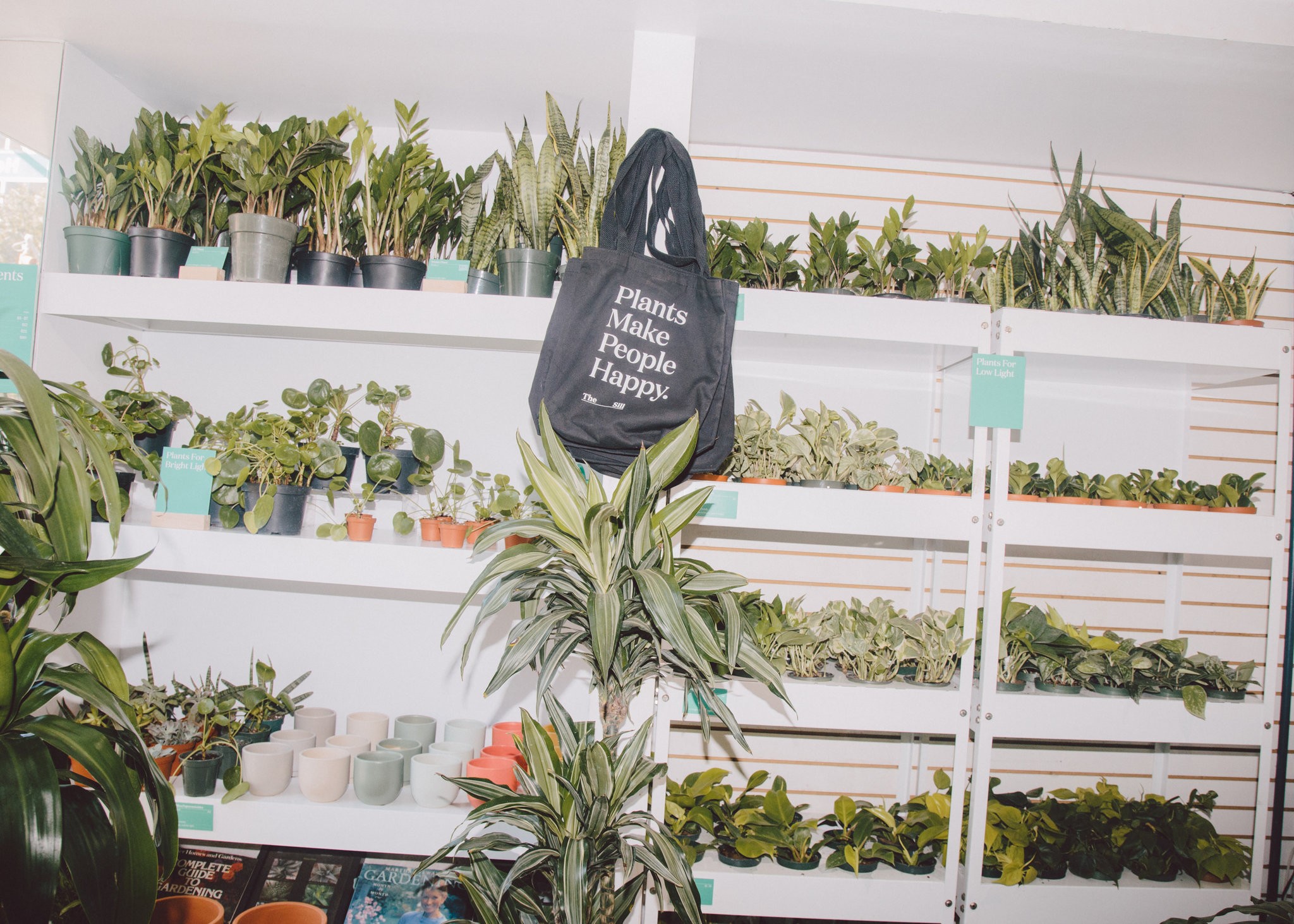
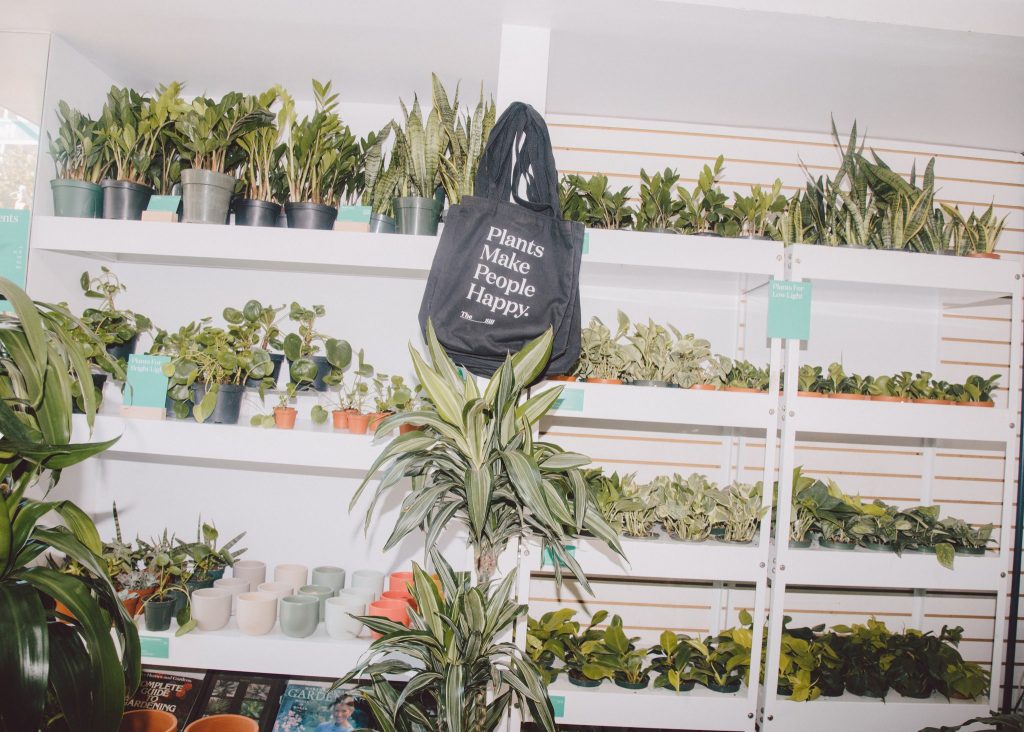
“Horticulture and red wine were served up the other night at the Sill, a boutique on Hester Street, as Christopher Satch, a botanist wearing a T-shirt that read, “Plants Make People Happy,” the company motto, led a workshop on carnivorous plants.

It was plant stand-up — slightly blue patter with quick takes on Linnaeus and Darwin; binomial nomenclature (note the shape of the Venus fly trap for cues to how it got its name); detailed care instructions (carnivorous plants evolved in acidic bogs, which means they need distilled water, not tap, and lots of it); and a show-and-tell of Mr. Satch’s collection of butterworts and sundews.

Among the rapt attendees were Madison Steinberg and Lindsay Reisman, both 23 and working in public relations, and Brayan Poma, also 23, who works in construction; afterward they each took home an attractive tropical pitcher plant. “I like plants, but I kill so many of them,” said Mr. Poma, who wore a green hoodie and a goatee. “Maybe that’s why I find them so alluring.””

MEET THE PLANTFLUENCERS HERE: “NYTimes.com

WINTER IS COMING AND CHICAGO’S URBAN GARDENERS ARE GETTING READY

“Local gardening enthusiasts on Saturday braved freezing winds to learn winter plant management techniques at an urban garden in Uptown, the latest in a series of grassroots workshops aimed at educating city growers.

Breanne Heath, the education program manager at Peterson Garden Project, offered participants tips for caring for perennial herbs, planting garlic and preparing unplanted raised garden beds to weather an oppressive Chicago winter until the spring growing season.

Peterson Garden Project, a Chicago-based non-profit founded in 2010, provides 4-foot by 8-foot raised garden beds, growing materials and learning resources for members, who pay an annual $85 fee to participate. However, membership was not required for the weekend workshop, which cost $25.”

READ THE FULL STORY HERE: Medill Reports Chicago

This Houston Urban Farm Honors Veterans With Jobs

“When Gracie and Bob Cavnar launched the Recipe for Success Foundation in 2005, their main goals were to battle childhood obesity by changing the way children understand, appreciate and eat their food, and to provide the community with healthier diets. Today, their hands-on curriculum is the largest outreach of its kind in the nation, empowering over 4,000 children every month through various initiatives.  But rather than sitting on their laurels, the couple became inspired to do even more. In the historic Sunnyside neighborhood of southeast Houston, they found the ideal location for an urban farm to expand their mission.

Thanks to a generous seed grant from Wells Fargo Foundation and support from the UnitedHealth Foundation and other corporations and philanthropists, the Hope Farms Showcase and Training Center came to life in one of the city’s largest food deserts.  To further their important mission, Hope Farms instated a grant-supported program to train U.S. military veterans to become new urban farmers.”

READ THE FULL STORY HERE: “Forbes.com

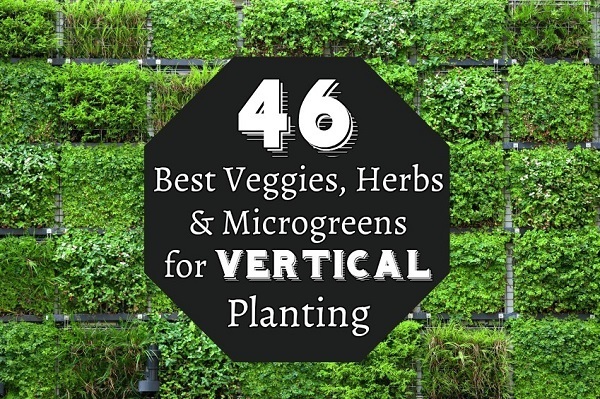
46 Best Veggies, Herbs & Microgreens for Vertical Planting

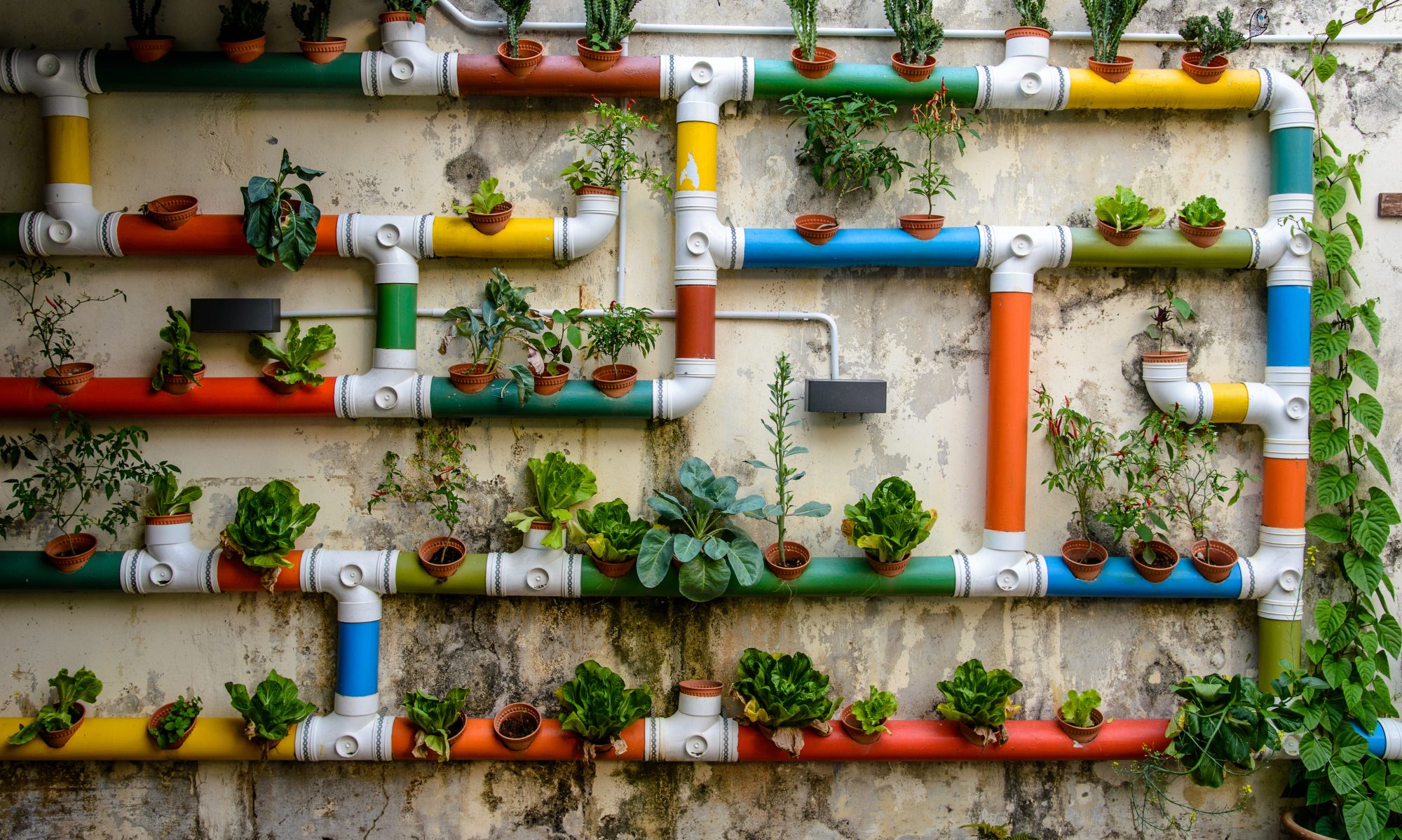
“Vertical gardens allow you grow veggies at several levels, so you can get more out of less space, a definite advantage if your growing area is limited. That is not to say that vertical gardening is just for those with space constraints.

Concentrating your food generation to a limited area frees up space for other uses while the veggies get more attention and care. You don’t have to walk around too much to care for your plants, a great plus in foul weather. Vertical gardening changes the old notion that gardening is back-breaking work. Even the mobility-challenged can enjoy growing food and ornamentals at a convenient height.

Plants grown vertically are more accessible, and gardening chores like planting, weeding, feeding and harvesting are much easier. Diseases and pests get noticed earlier on plants growing at eye level, so remedial actions can be taken right away… No more escape for pests hiding under leaves.”

READ THE FULL STORY AT: “NaturalLivingIdeas.com

11 Essential Fall Planting Tips

1. At the nursery: Buy the best

Look for plants that have healthy foliage and no roots creeping out of the nursery container’s bottom drain holes (which means they’re probably rootbound).

2. Small is smarter

When you have a choice, buy little plants (in 4-inch nursery pots); they’re less expensive (usually under $5), easier to handle, and will catch up to the larger ones with winter rains. Smaller plants are your best bet if you need multiples to fill out a bed. Gallon-size plants, on the other hand, start around $10 each but can provide instant effects.

3. Check plant tags

Find out how big the plants will grow, and whether they need sun or shade. Then choose plants that will thrive in the spot you have in mind for them. “Full sun,” for example, means you should plant in a spot that gets at least six hours of sun a day.

4. Consider compost

Unless you have your own compost pile at home, or perfect garden soil that drains well, buy bagged compost to add to the soil before planting annuals, edibles, and many ornamentals (trees and native plants generally do not need added compost). It’s often sold at nurseries in 1- and 2-cubic-foot bags, and in bulk at garden suppliers. Avoid bagged compost that looks as though it has been piled and stored in hot sun for months—it won’t do much for your soil.

SEE THE REST OF THE TIPS, HERE: “Sunset.com


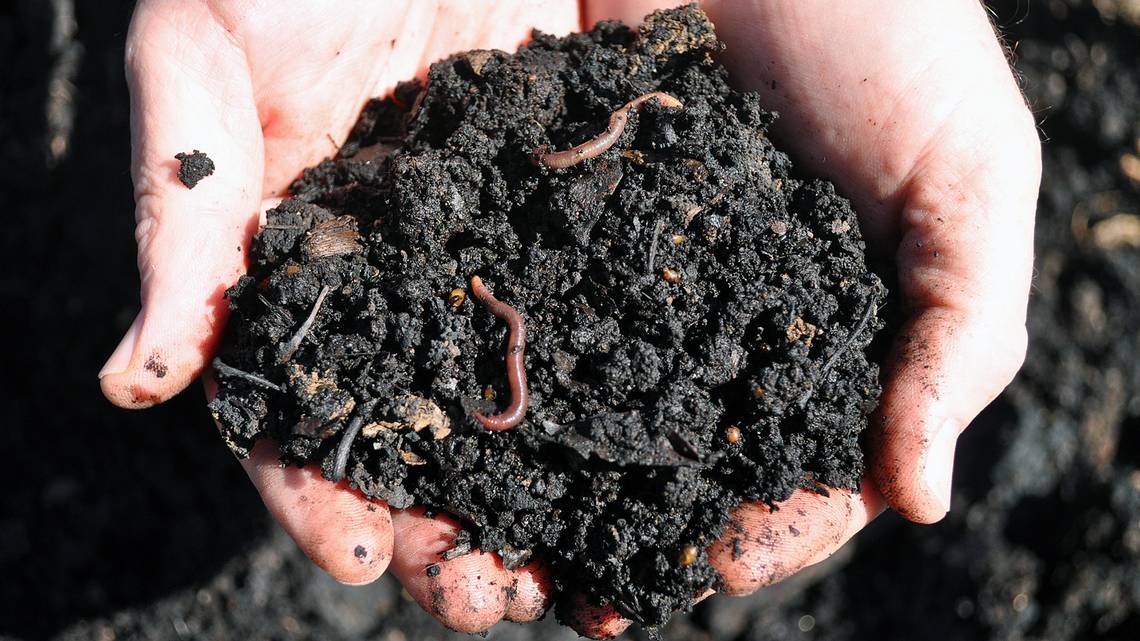
Fall gardening tip: Till your soil and add compost now, not in the spring

“Good gardening practices begin with the soil. Soil is the foundation of life for plants. I have found that many people take soil for granted. We should put its management higher in priority than the plants.

Fall is the best time to make improvements. Vegetable gardens and annual plantings can be prepared now so that come spring, they are ready for planting.

Turning the soil over in the fall is more about course tillage. Depending on the size of the garden, this can be done with a spade or tiller. The goal is to leave the bed with larger, chunkier clods that the freezing and thawing of winter will naturally break down.”

Read more here: “KansasCity.com”

Neighbors Have Questions As The City Solicits Proposals For Two Urban Farms

Marcus Roberson has a vision. He wants to grow crops on an empty lot in the Kingman Park-Rosedale neighborhood, close enough to Miner Elementary School to hear children during recess. “If we can get to the kids, we can get to the parents and touch the community,” he says.

Roberson is the co-owner of Woodbox Farms in Alexandria and graduated from Arcadia Farm’s 2017 Arcadia Veteran Farmer Program. The Southwest D.C. resident is submitting a plan to the city, hoping to be awarded the 10,000 square feet of public land to use as an urban farm.

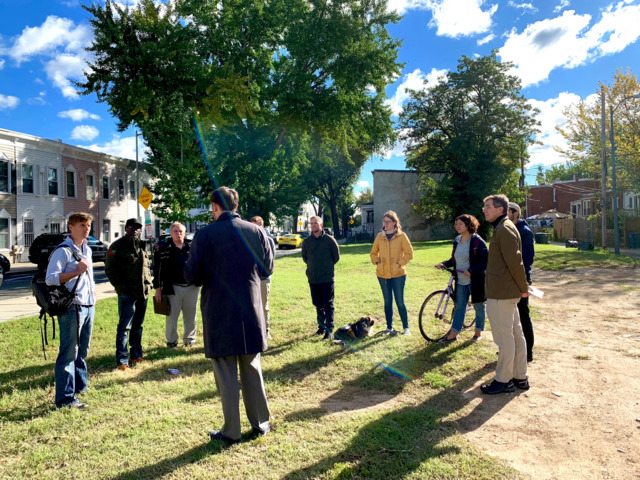
In addition to engaging the elementary school through educational programming, Roberson imagines creating a Community Supported Agriculture (CSA) program that relies on cyclists to deliver produce to neighbors. He was among a handful of likely bidders at a site visit on Oct. 24.

Earlier this month, the Department of General Services put out a request for proposals for two plots of land totaling 20,000 square feet as a part of D.C.’s Urban Farming Land Lease Program. Site one is on the 1600 block of Kramer St. NE between 16th and 17th streets NE in Ward 6. Site two is at Longfellow and 9th streets NW in Brightwood Park. ”

READ THE FULL STORY: “WashingtonCityPaper.com

Smash, Don’t Trash, Your Leftover Halloween Pumpkins

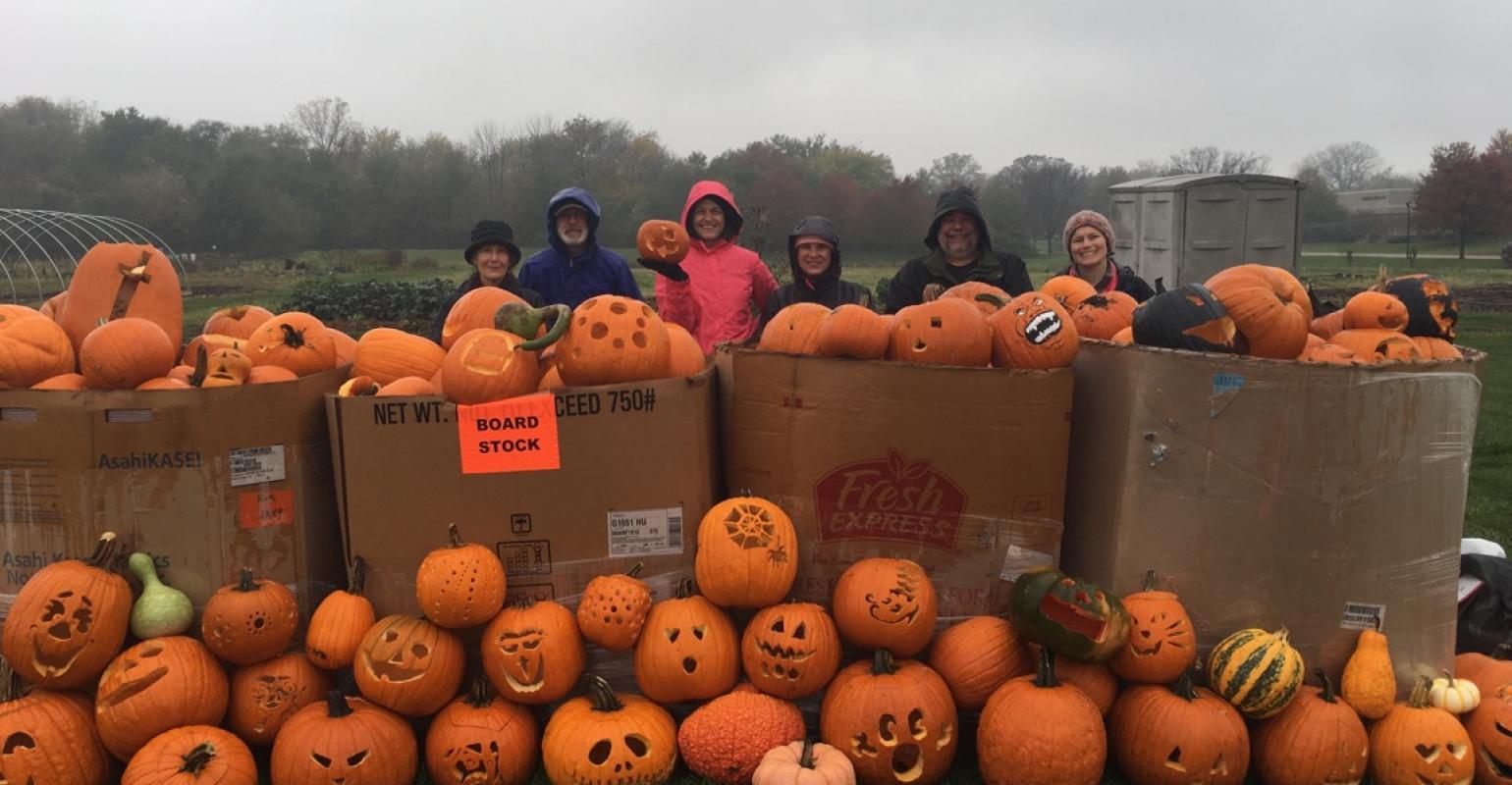
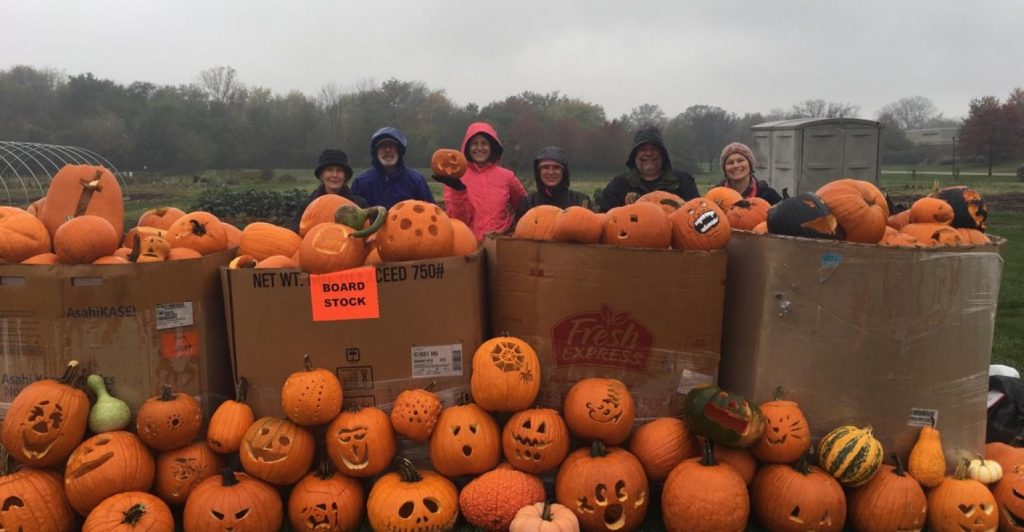
“SCARCE has developed an annual event to collect and compost post-Halloween pumpkins in an effort to divert organic waste from landfill.

This year’s event will be held on November 3 at various locations across the state, where people can bring their leftover Halloween pumpkins to be collected, catapulted, smashed or used for games before they are composted. SCARCE, with the help of the Illinois Environmental Council (IEC), started the event five years ago as a pilot program.

However, when it came time for the Pumpkin Smash event to take off in the state, a formal law for one-day collection events needed to be implemented. So, SCARCE and IEC worked together to write a law to allow for special events to divert organics and other types of food waste from landfill.”

READ THE FULL STORY AT: “Waste360.com