
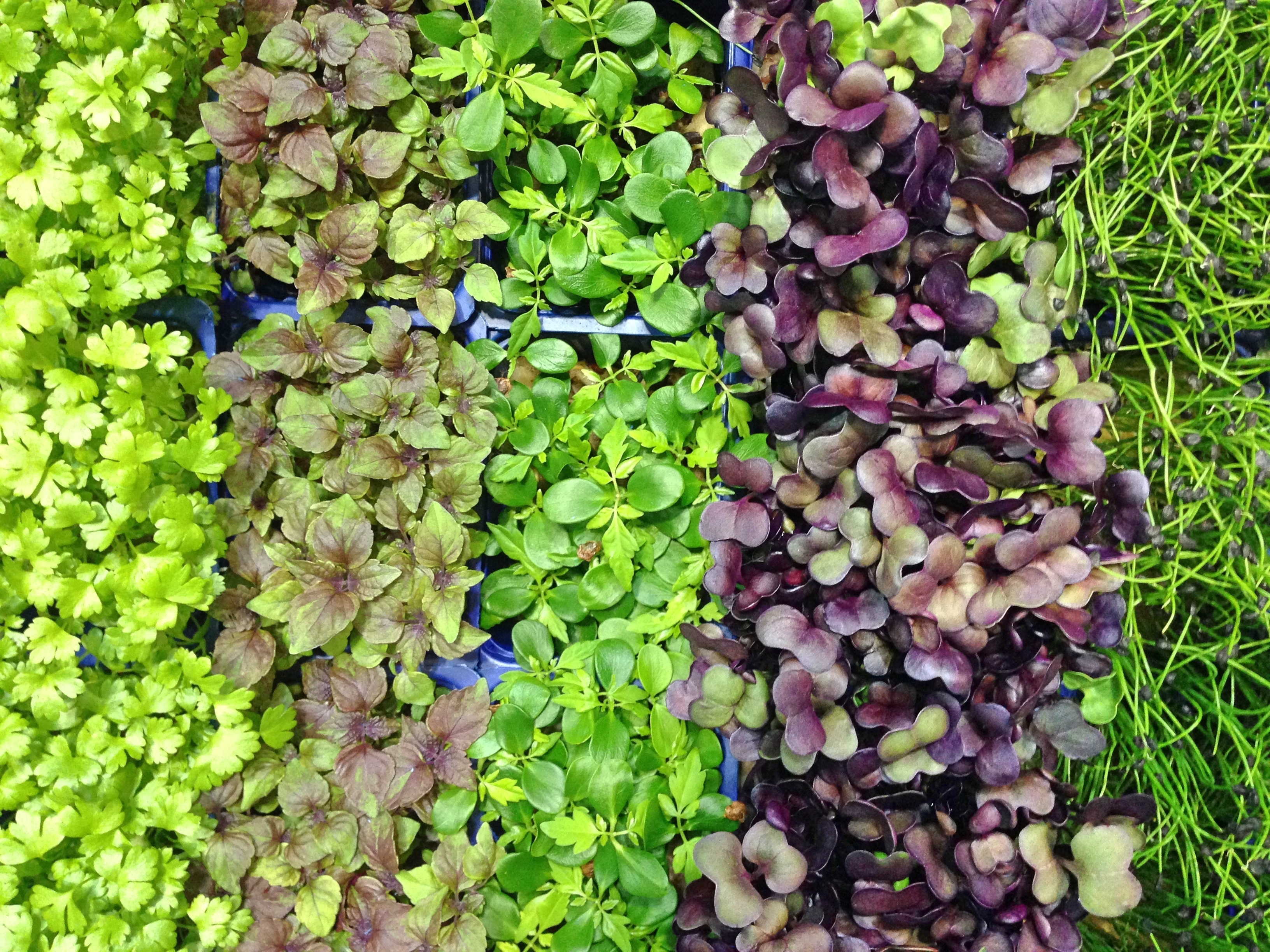
What’s The Difference Between Sprouts vs. Microgreens?

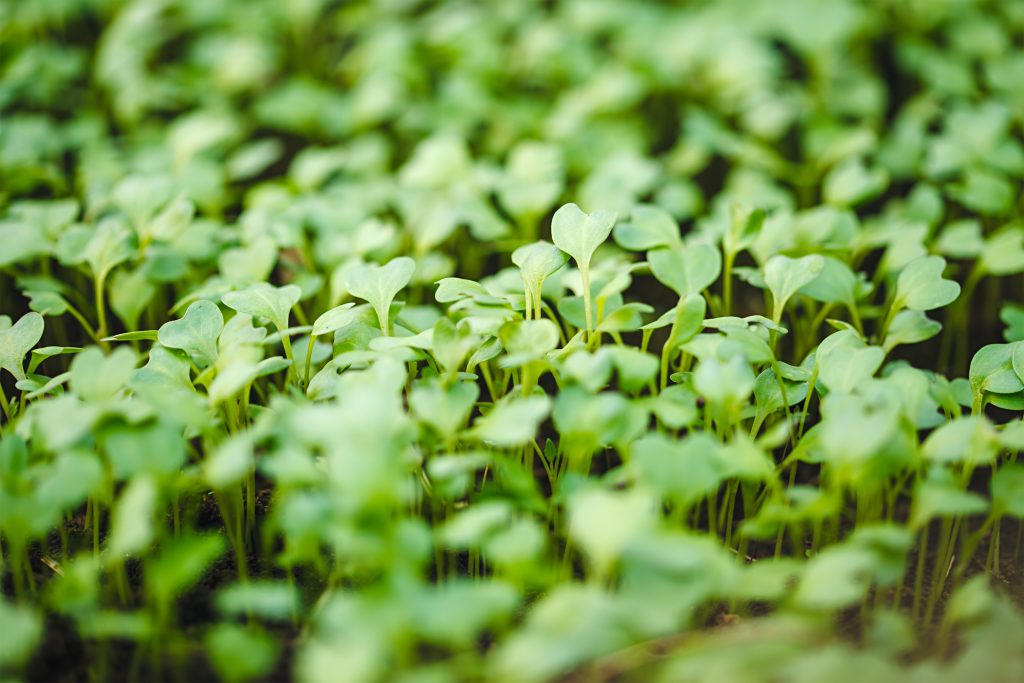
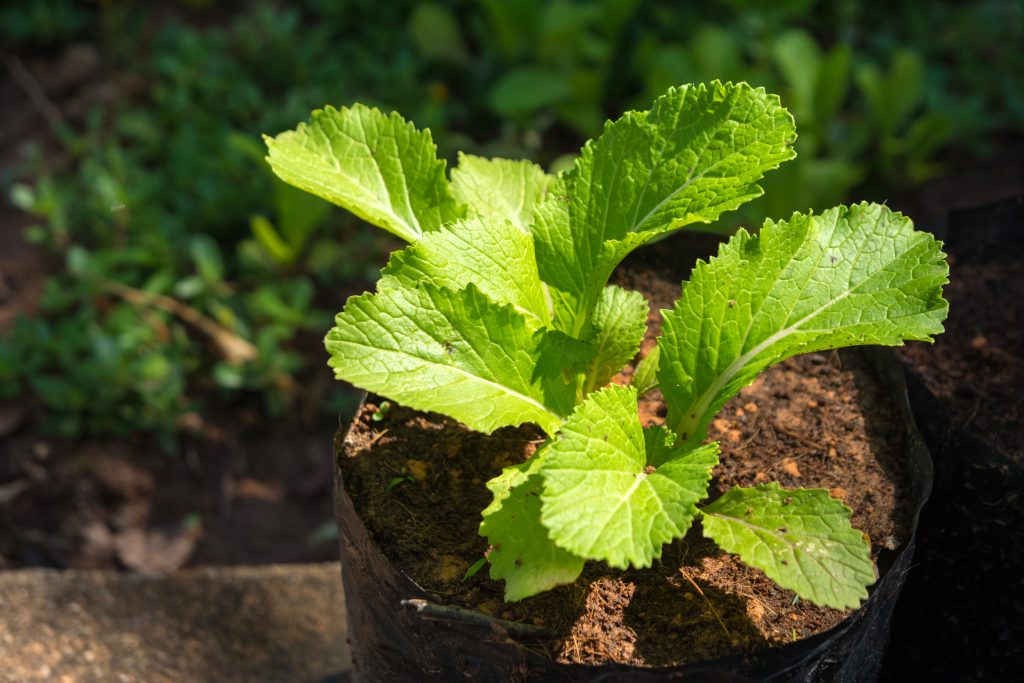
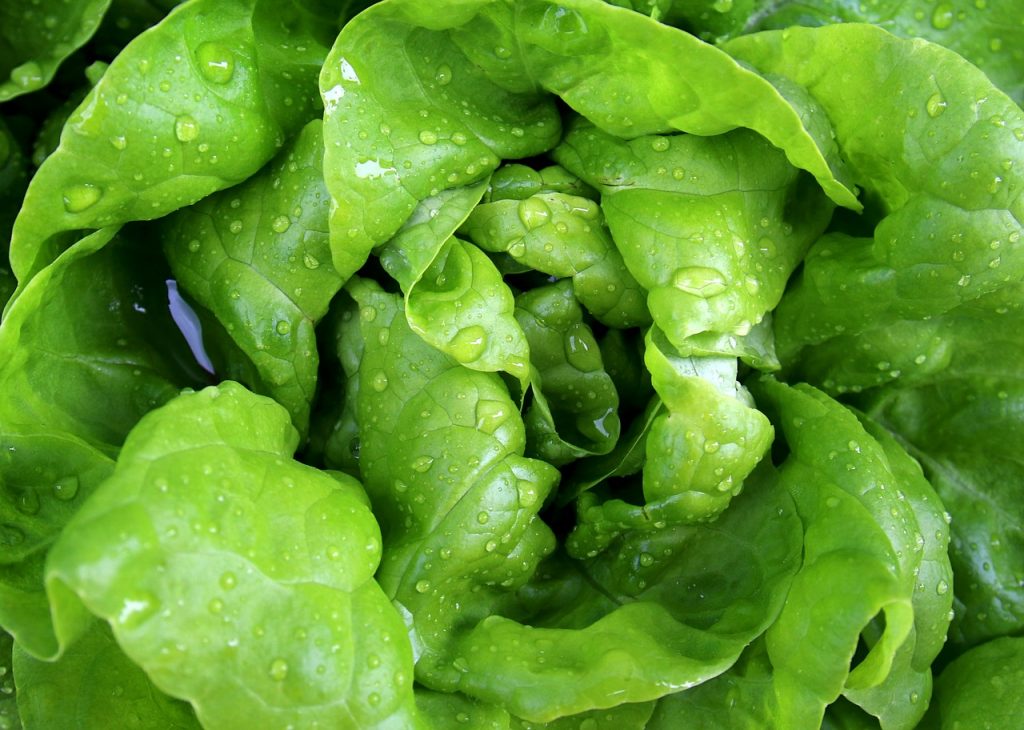
SPROUTS: Each and every living seed will grow into a plant. It’s when that seed begins to grow (germinate) that we call the beginning growth stage of the plant a “sprout”. Oftentimes, people germinate will grow sprouts in water. To ensure that they do not get moldy, those seeds are rinsed several times a day. Sprouts grow very quickly, and can be harvested in about four to six days!

This is the practice of germinating seeds to be eaten either raw or cooked. They are a convenient way to have fresh vegetables for salads, or otherwise, in any season and can be germinated at home or produced industrially.

Sprouts are said to be rich in digestible energy, vitamins, minerals, amino acids, proteins, and phytochemicals!

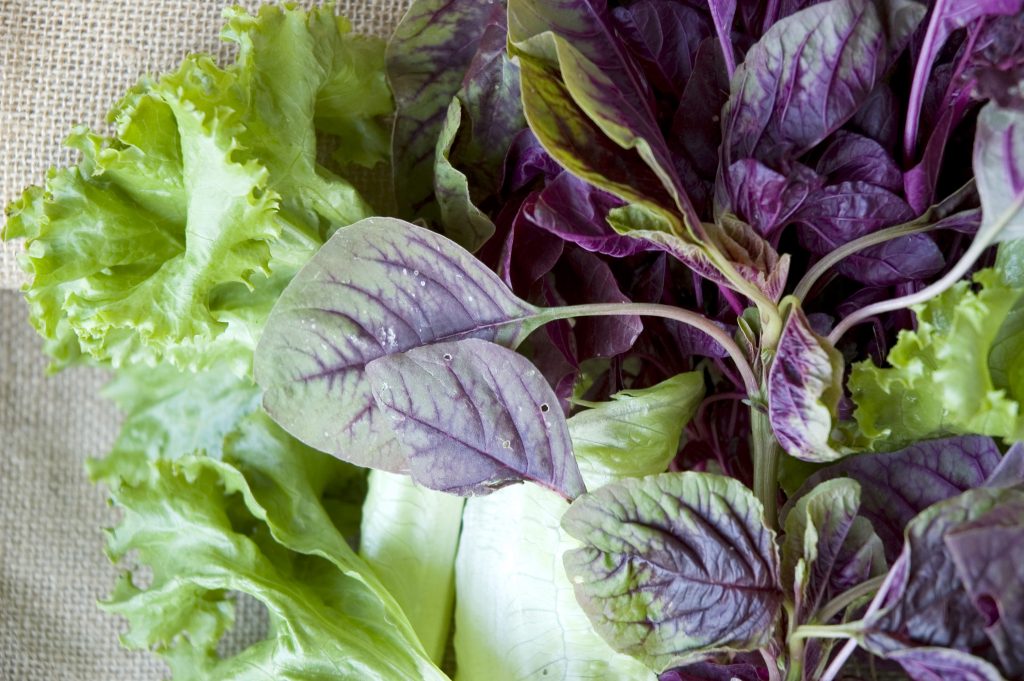
MICRO-GREENS: Studies say that Micro-greens are “the new nutritional powerhouse”. Baby spinach and baby lettuces are available in most grocery stores, but a new study says that even younger greens might give us more nutritional benefits. Micro-greens are tiny leaves that are less than 14 days old. They take a little longer to grow, around one to three weeks, depending on the variety. The seed, unlike sprouts, cannot be eaten because it is in the soil. These greens can provide you with plenty of nutrients, possibly even more than the full-sized varieties.

These are nutrient-dense greens. They make perfect salads and are best suiting for appetizers or adding to green drinks and smoothies. They’re often used in fancy restaurants and they can be pricey in health food stores. But there’s no need to pay a small fortune for them. For the price of a few tubs of regular salad greens, you can grow enough Micro-greens to enjoy a whole seasons worth of salads, packed with top-notch vitamins, minerals, and phytonutrients.


TAKE AWAY: 
Grown in water? – YES Sprouts, NO Micro-greens.
Edible leaves and stems? – YES Sprouts, YES Micro-greens.

Days to maturity? – DAYS Sprouts, WEEKS Micro-greens.
If you’re looking for an all-in-one seed sprout kit check out the all-new Micro-Greens & Sprouts Seed Bank  includes everything you need to start growing fresh nutrient-rich Micro-greens in as little as 3 days.

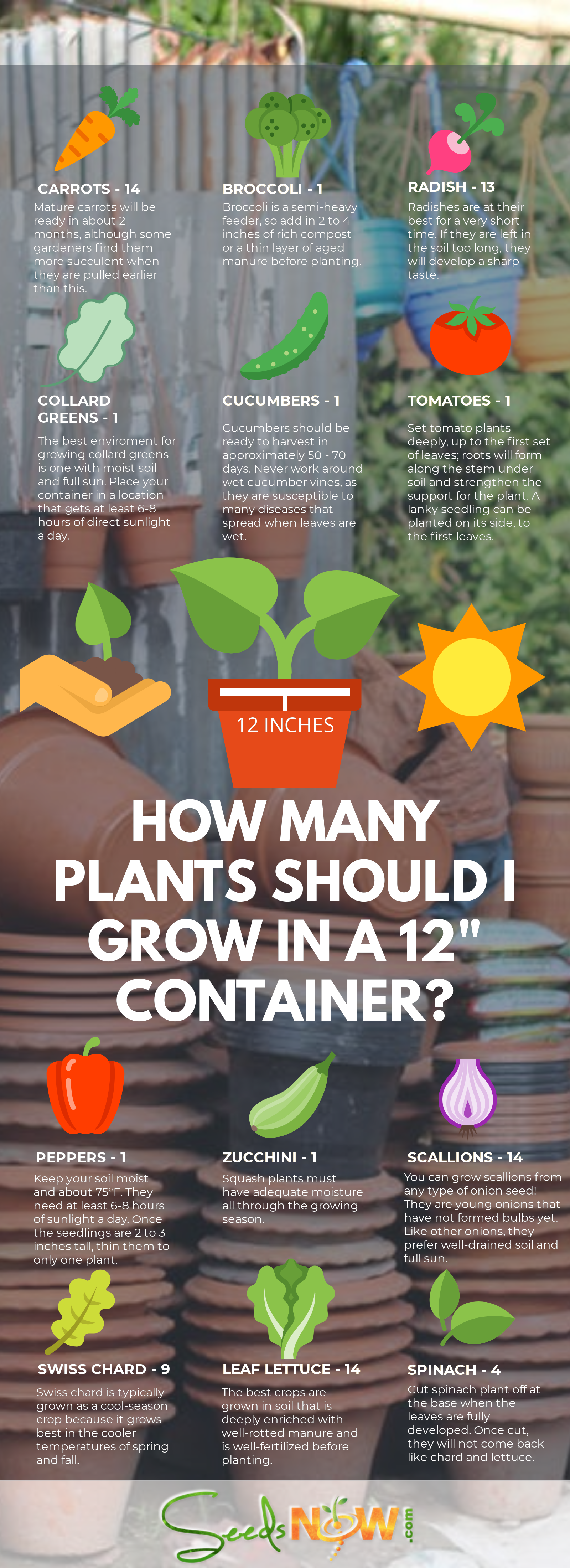
How Many Plants Can You Grow in a 12″ Container?

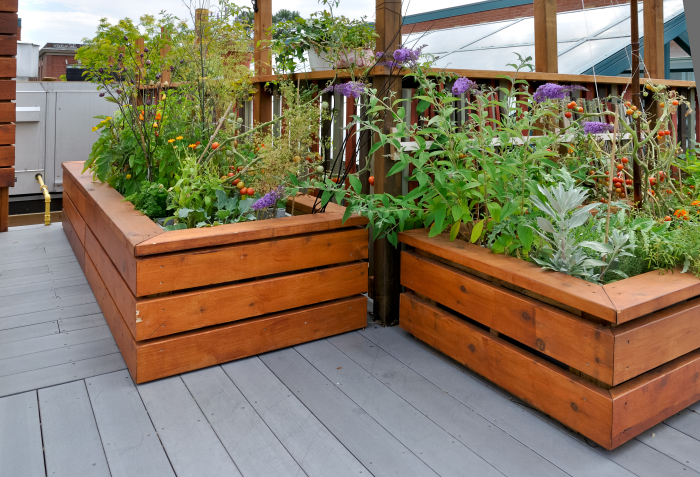
Before you start your seeds, and if you’re growing in containers, you should look over this infographic. We’ve given you a suggested number of plants that will grow successfully in a 12″ container. It would be a waste of money and time to start more seeds than you’ll need so here’s a simple guideline of where to get started!

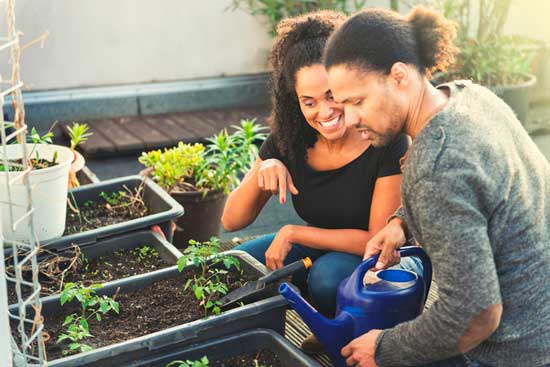
Growing in containers is a fun and easy way to start vegetable gardening. They are ideal for anyone with a patio, balcony or rooftop garden. They also are popular among those who rent their home.

Ready to Learn MORE About Gardening In Small Spaces?

9 Of The Best Vegetables To Grow In Small Gardens

5 Vegetables To Grow In Containers This Fall

Tips For Successfully Starting Your Seeds Indoors

5 Tips For Growing Herbs In Containers

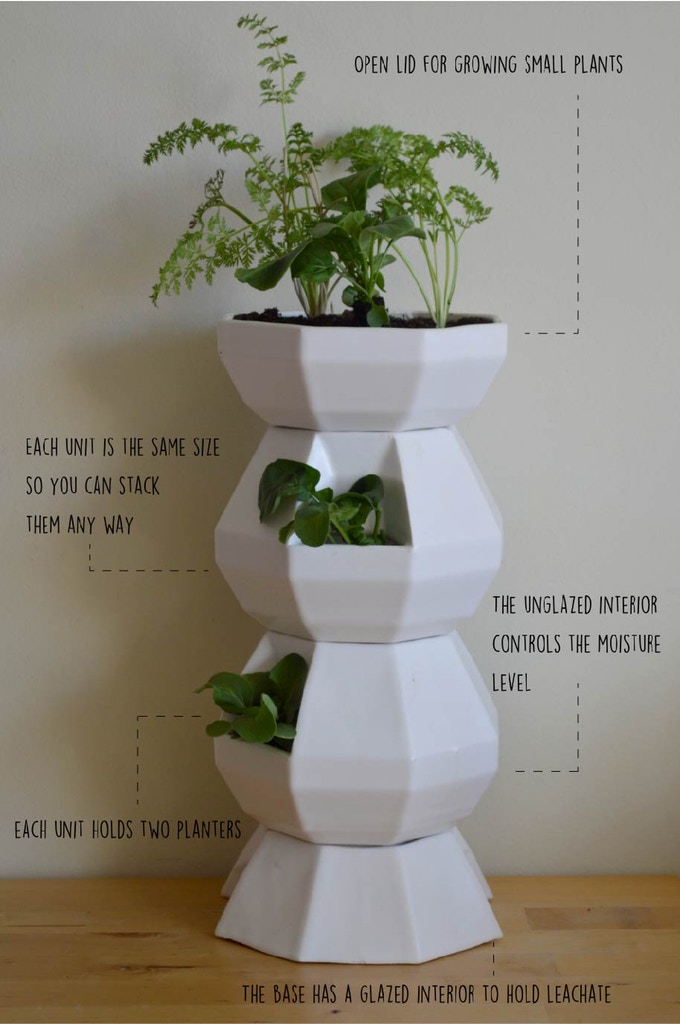
Quick Maturing Crops You Can Grow Almost ANYWHERE!

Don’t let space or time hold you back from growing your own food! There are plenty of things you can plant in your garden, windowsill or tiny patio that will produce in less than 45 days. In some cases, you can even enjoy homegrown food in less than 1 week! Here are our top selections if you’re short on time & space in the garden.

Sprouts / Microgreens – Ready to eat in 3 days to 2 weeks

Each and every living seed will grow into a plant. It’s when that seed begins to grow (germinate) that we call the beginning growth stage of the plant a “sprout”. They are a convenient way to have fresh vegetables for salads, or otherwise, in any season and can be germinated at home or produced industrially. Sprouts are said to be rich in digestible energy, vitamins, minerals, amino acids, proteins, and phytochemicals! See MORE Sprout/Microgreen Varieties, here! 


Swiss Chard – Ready to eat in about 5 weeks

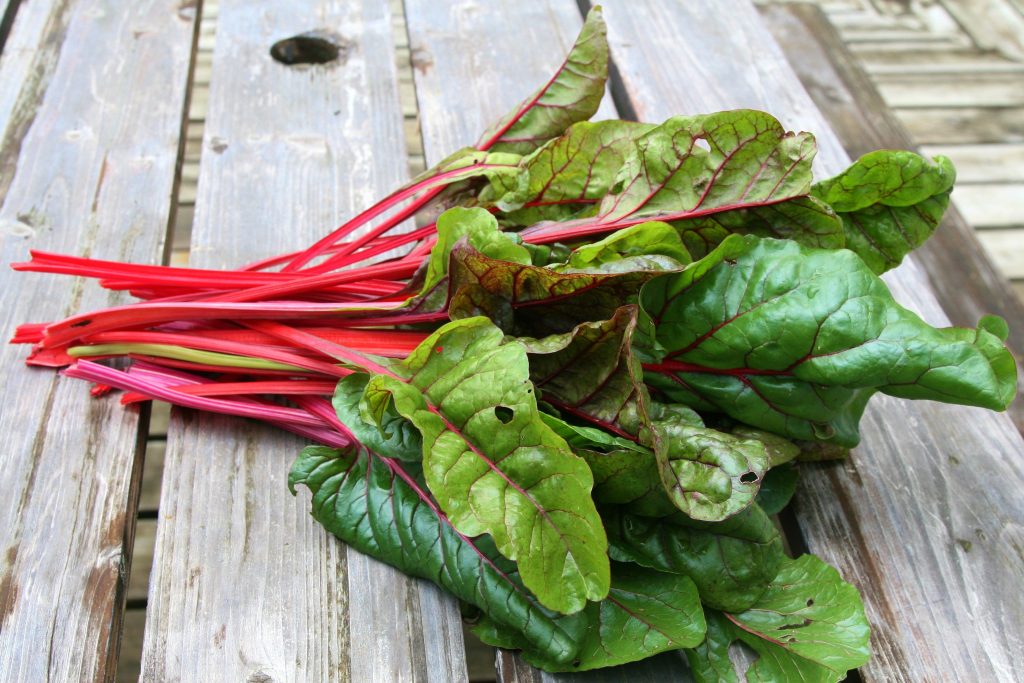
Chard is a leafy green vegetable often used in Mediterranean cooking. Fresh young chard can be used raw in salads. Mature chard leaves and stalks are typically cooked or sauteed; their bitterness fades with cooking, leaving a refined flavor which is more delicate than that of cooked spinach. See MORE Swiss Chard Varieties, here!


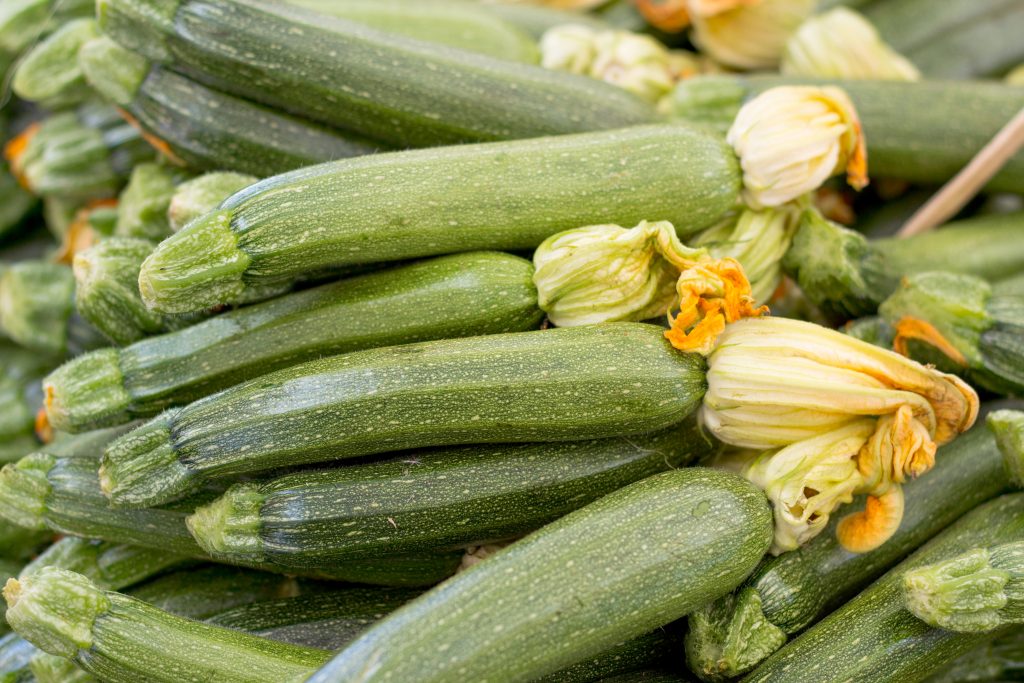
Zucchini Squash – Ready to eat in about 6 weeks

Though considered a vegetable in cooking, botanically speaking, squash is a fruit (being the receptacle for the plant’s seeds). Squash can be served fresh (in salads) and cooked (squash stuffed with meat, fried squash, baked squash). See MORE Squash Varieties, here!


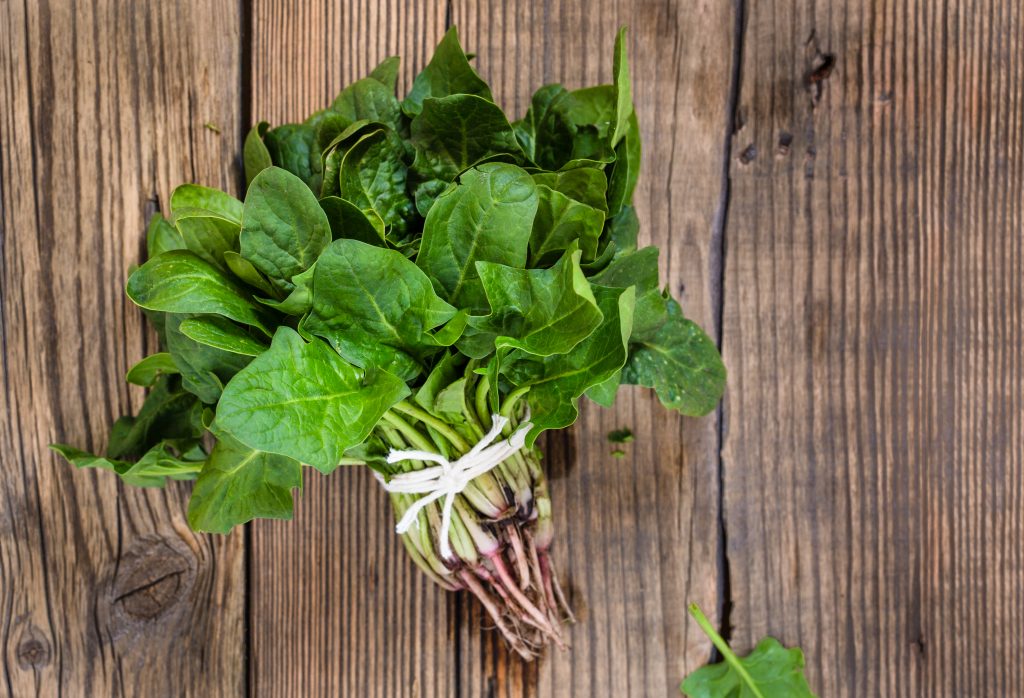
Spinach – Ready to eat in about 5 weeks

Spinach can grow anywhere there is at least a month and a half of cool growing weather. Spinach is a cool-season crop, hardy to frosts and light freezes. In rows 12 inches apart, space seedlings 3 inches apart. After thinning, cover the plants with row covers to keep the pests away.  (Soak seeds overnight before planting because it germinates slowly.) See MORE Spinach varieties, here!


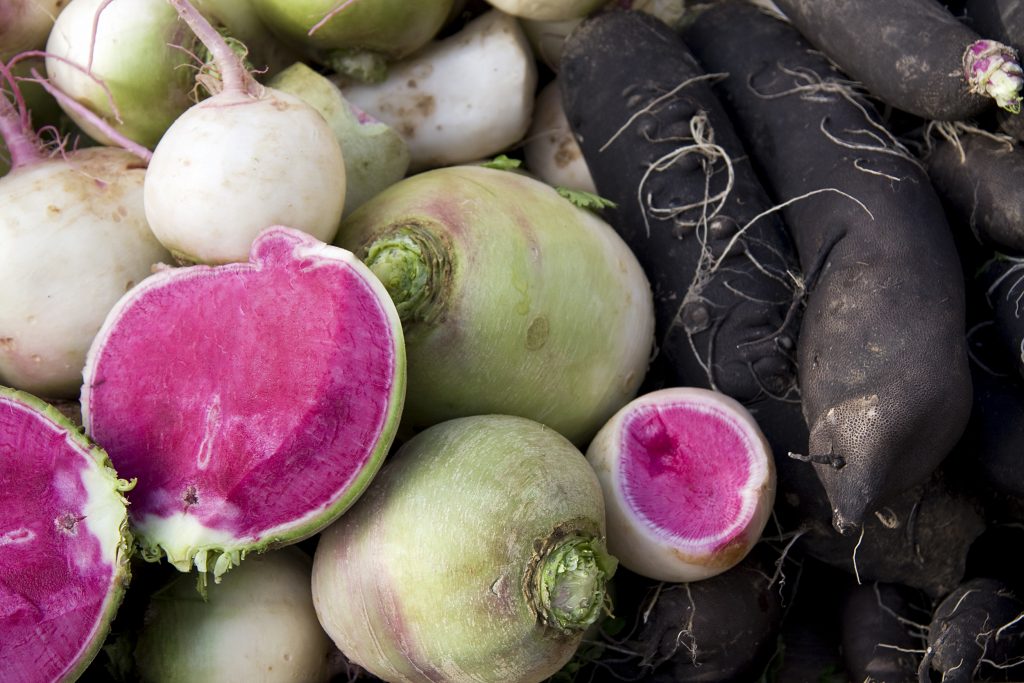
Radishes – Ready to eat in 4 weeks

Radishes are a fast-growing, cool-season crop that can be harvested in as little as twenty days.  Eaten raw they can be whole, sliced, diced, or grated. You can also cook and pickle them. Most of them are typically eaten fresh and make a good addition to a salad or a substitute to pepper on a sandwich. See MORE Radish varieties, here!


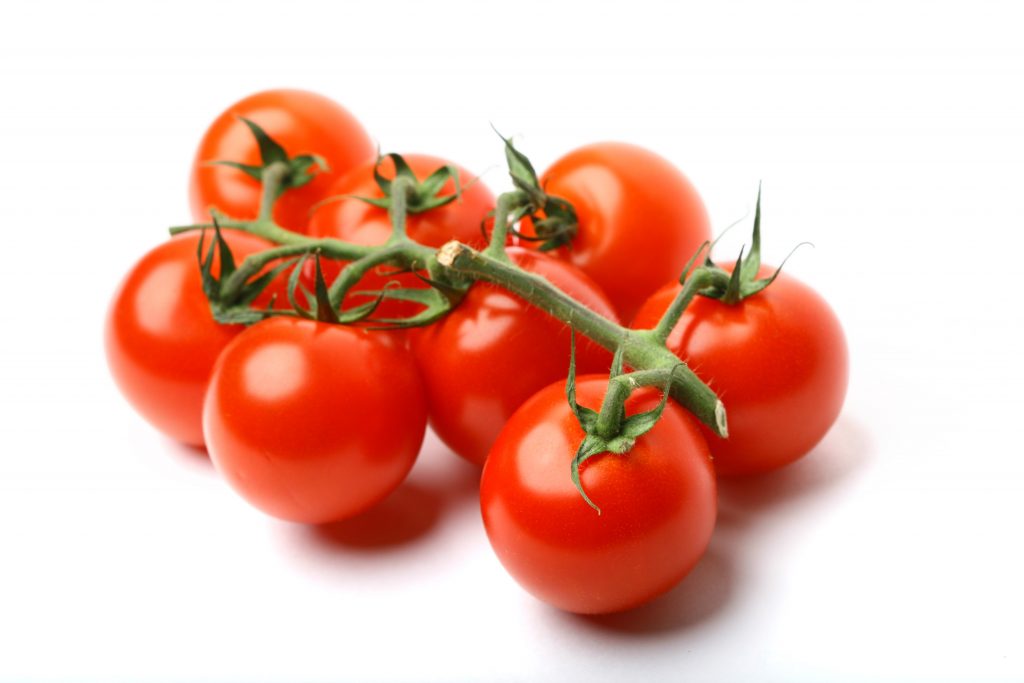
Tiny Tim Tomatoes – Ready to eat in about 6-8 weeks

The Tiny Tim tomato plant is a dwarf type plant produces excellent yields of ¾” – 1″  bright red cherry tomatoes. They are perfect for patio gardens. Grows well in pots, containers, and windowsill gardens. See MORE Tomato varieties, here!
 

Mustard Greens – Ready to eat in about 6 weeks

Growing mustards are a quick and easy crop to grow in your home garden.  They are a spicy green, which will quickly become one of your favorite crops. When growing from seed, start them outdoors 3 weeks before the last frost. For a more steady harvest, plant seeds about every 3 weeks or every month to give you a successive harvest. Mustard greens prefer cooler weather, so plant late in the summer for a fall harvest, or very early in spring before the summer heat sets in. See MORE Mustard varieties, here!


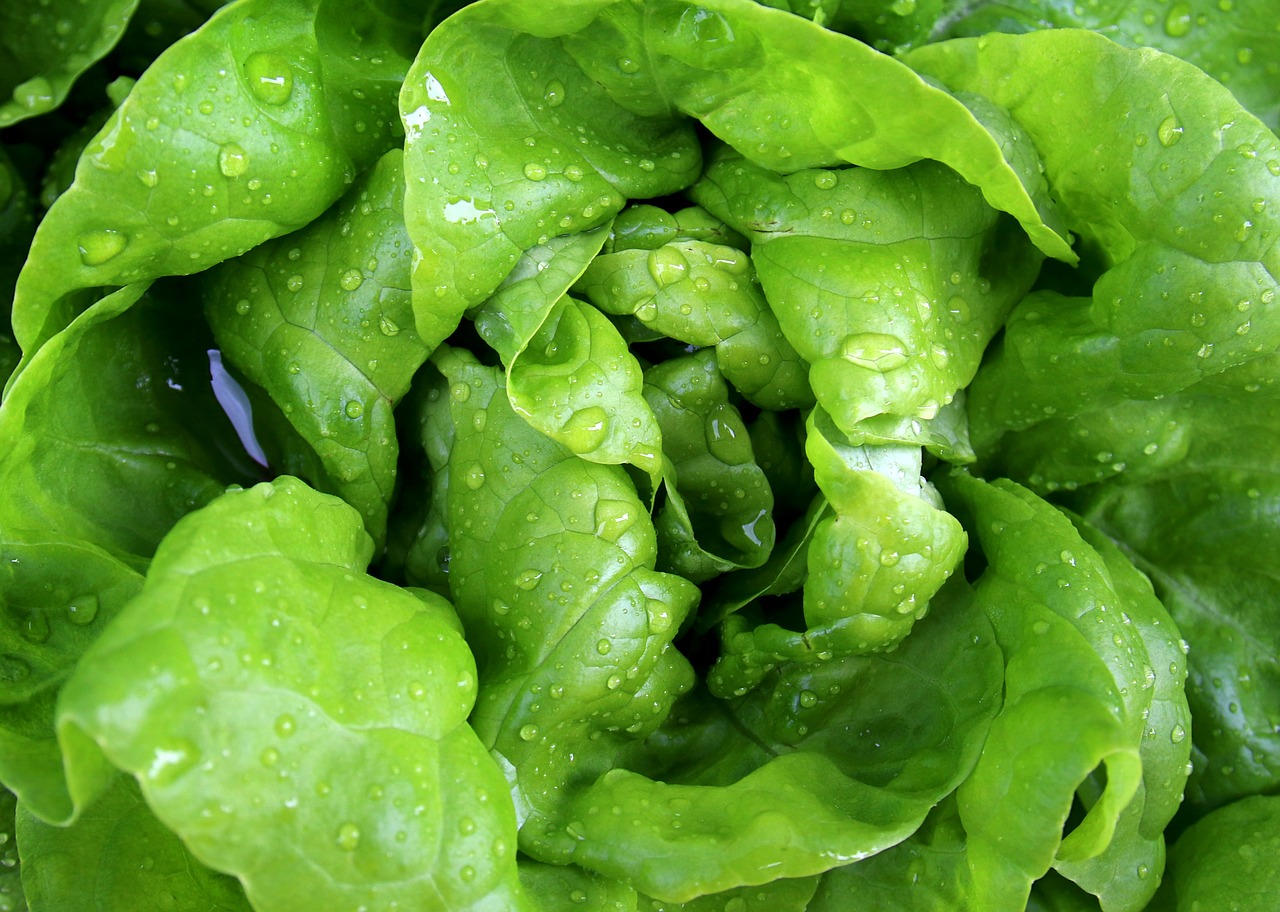
Lettuce – Ready to eat in as little as 6-8 weeks

Seed should be sown thinly in rows 1 foot apart; for leaf types, thin plants to 2-3 inches apart, then thin again by pulling every other plant when half-grown. This will encourage thickly developed plants. For head types, space rows 18 inches apart, plants 8-10 inches apart. Closer spacing results in smaller heads, which may be preferable for small families. Specialty growers are spacing lettuce very close for selling baby lettuces, a rapidly growing produce market. See MORE Lettuce varieties, here!


9 of The Best Vegetables to Grow in Small Gardens

Gardening in a small space can be just as rewarding and fun as growing in a large garden area.  These days, urban gardeners are growing more of their own food in sometimes less than 100 square feet.  Balconies, patios, even indoor windowsills are a great place to grow vegetables and herbs.  Almost anything can be grown in a container, and if you’re wanting to know what you should plant to maximize your yield in a small area, here are 9 of the best vegetables/herbs to grow in a small garden.

1. Shallots:

Space shallots approx. 4-6 inches apart with the rows 18 inches apart. Plant the bulb root side down, the top of the bulb 1 inch below the surface. Planting too deep grows elongated bulbs that don’t store well.

2. Carrots:

Sow seeds evenly in a very shallow trench, about 1/4 inch deep. Keep seeds moist so they will germinate. Space rows about 12″ apart and when the first leaves emerge, thin to 1″ apart; when true leaves emerge, thin to 3″ apart.

3. Cherry Tomatoes:

To start tomatoes indoors, sow seeds using expanding seed starting soil pods about 8 weeks before the last frost date for your area. Seedlings will be spindly with less than 12-14 hours of light per day, try to keep them in a warm sunny location. When seedlings have 4 leaves, transfer to a deeper pot (3-4″) and again when 8-10 inches tall. Each time, place the uppermost leaves just above the soil line and remove all lower leaves. Transplant (see: guide to transplanting) into the garden when the stem above the soil has reached 8-10 inches tall. Be sure to harden them off before transplanting them outdoors. Allow up to 10 days for the tomato plants to harden off to the outside temperature fluctuations.

4. Runner Beans:

Set three 6 foot poles in the ground, tepee fashion, and tie together at the top. Leave 3 to 4 feet between the pole groups. Make a hill at the base of each pole, enriched with compost or well-rotted manure, and plant 6-8 seeds in each. After the second pair of true leaves appear, thin to 3 plants per pole. With regular harvesting, the pole beans should bear all summer.

5. Garlic:

Break apart cloves from bulb but keep the papery husk on each individual clove.
Ensure soil is well-drained with plenty of organic matter. Plant in Full Sun.
Plant 4 inches apart & 2 inches deep, in their upright position (the wide end down and pointed end facing up). Come springtime, shoots will begin to emerge.

6. Kale:

Plant Kale in rows 18 inches to 2 feet apart. When the seedlings are 3 or more inches high, thin plants to 10 inches apart (read about thinning) and use the thinnings for salads or as a cooked vegetable.

7. Basil:

Try to space your basil plants about 12 inches apart. As long as you harvest the leaves when they are young, basil plants make a wonderful container crop.

8. Lettuce:

Seed should be sown thinly in rows 1 foot apart; for leaf types, thin plants to 2-3 inches apart, then thin again by pulling every other plant when half grown. This will encourage thickly developed plants. For head, Bibb, and cos types, space rows 18 inches apart, plants 8-10 inches apart. Closer spacing results in smaller heads, which may be preferable for small families.

9. Beets:

Sow seed 1/2 inch deep in rows 12-18 inches apart. The beet seed is a compact ball of many tiny seeds. Many plants germinate where each seed is sown, so seed should be placed sparingly. When seedlings are 4-6 inches high, thin plants to stand 1 1/2 inches apart. (They can be used in salad or cooked like spinach.) Then, as these beets grow to about an inch in diameter, pull every other one to allow larger beets to grow.

READ MORE ABOUT GARDENING IN SMALL SPACES AT www.SeedsNow.com

How to grow vegetables without a backyard

Living in an apartment, I long for a backyard where I can have sprawling planter beds, fruit trees and giant pots of flowers. I don’t have to put those dreams on hold entirely, though.

With a container garden, I can make use of what little outdoor space I have to grow fruits, vegetables, and herbs. Whether you have a few feet of balcony space or several inches on your counter, you can create a container garden, too.

Container gardening, simply put, is growing plants in containers or pots, rather than in the ground. If your yard is nothing more than a concrete slab, or you don’t have one at all, container gardening helps you overcome that.

There are big advantages to container gardening: Containers require less water, you can move plants around to meet their sunlight needs, and you can control pests and avoid soil-borne issues such as fungus and bacteria. They are also flexible, allowing you to add plants and rearrange pots as you want.

READ THE FULL ARTICLE CNET.com

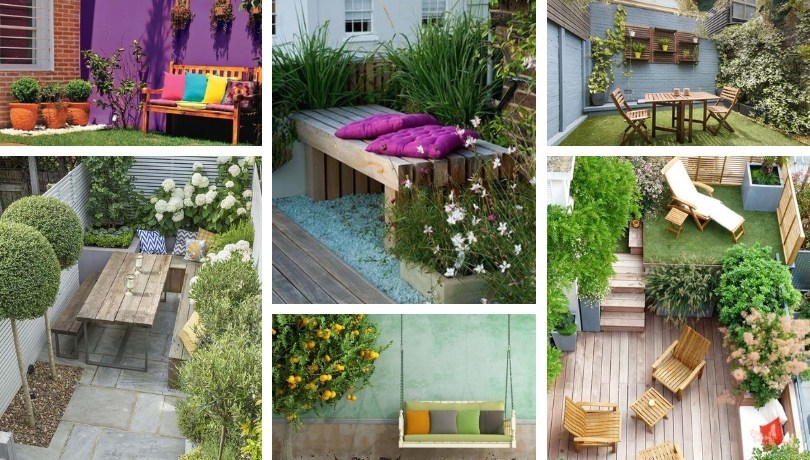
66 Inspired small gardens for houses and apartments

Inspired small gardens for houses and apartments

Many people have the desire to own a green area in their residence, so the small gardens have taken up space in the area of decorating and landscaping. To make a beautiful garden does not take many expenses, simply organize the essential items in stages and have a good taste in choosing the plants and accessories that will compose.

To start the project you need to keep in mind which plants you will use. It is recommended not to mix many types of flowers and foliage so as not to spoil the sense of balance of the environment. Another important item is to see the size of the plants to suit the space.

Using the pebbles and lawn as flooring is a good option to have a beautiful and clean garden. The cool thing is to go drawing with these materials, tracing paths and alternating with some plants.

For garden furniture, use few accessories and with simple lines. A pair of armchairs, a small table, bench with cushions or even those futton mattresses are enough. Nothing to carry too much environment, because this is not the proposal for the garden. Use vases to decorate the place and for those who live in an apartment is the most practical way to conserve a garden.

Check out our ideas of beautiful little gardens to inspire you: https://mydesiredhome.com

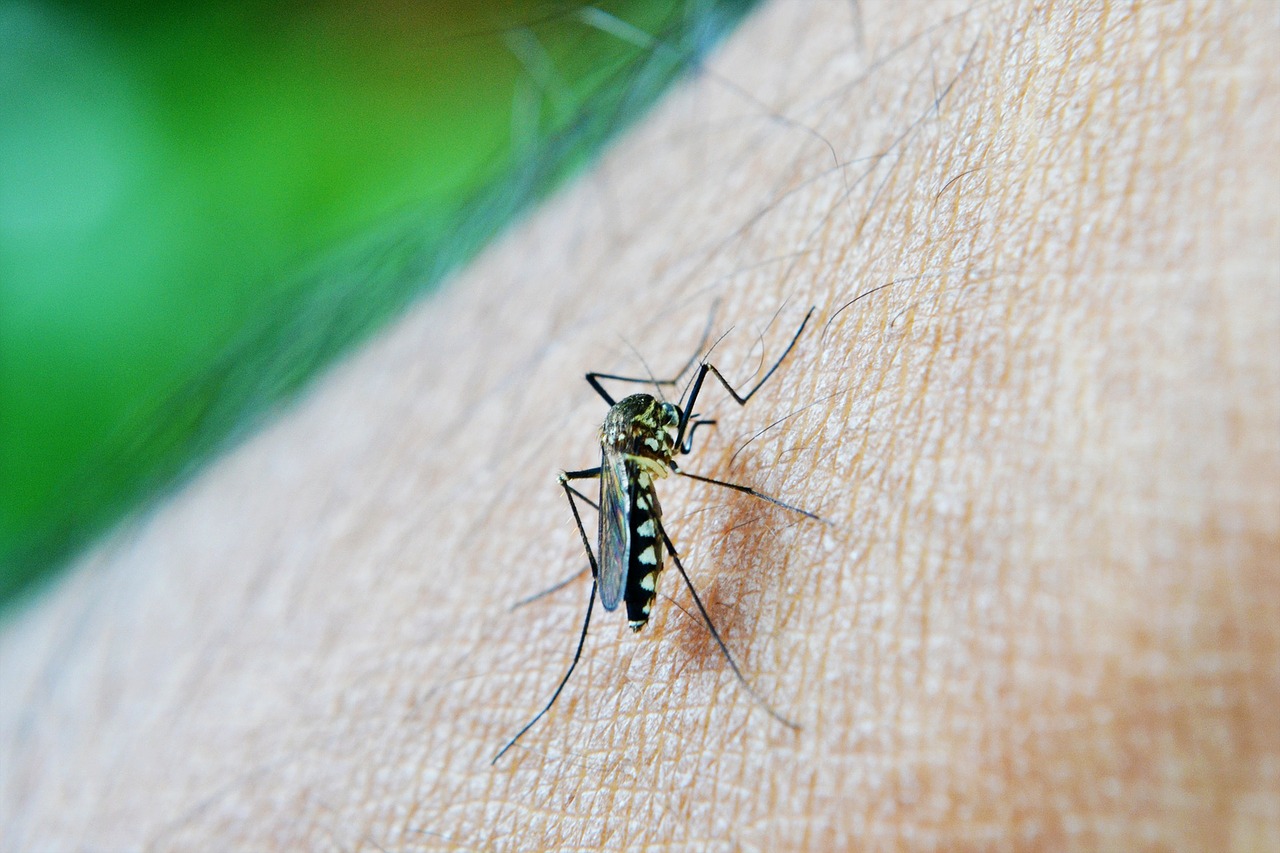
Mosquitoes Hate These Plants. Grow Them In Your Home

Scientists have already proven that mosquitoes choose their victims according to their body odor, and they are most fond of pregnant women and people with slightly higher body temperature. In addition, they also attract the smell of sweat, and some people simply have no luck with mosquitoes because they have a smell that draws them more intensely.

But some strong scent is extremely unpleasant for mosquitoes, not only masking our body odor. But also dulling insects pushing further. Some of the plants whose smell is considered very pleasant. Mosquitoes are a real natural repellent and keep them at a safe distance.

However, it is not enough to just plant plants in the garden or put them on a window board. The aroma must be in the air around you, but it is best if it is on the skin. To achieve maximum effectiveness, crush the leaves of these plants with your hands to release the flavor and infuse them directly onto the skin.

READ WHAT PLANTS MOSQUITOS HATE https://gardeningsoul.com

How About This Self-Sufficient Garden Pool Farm?

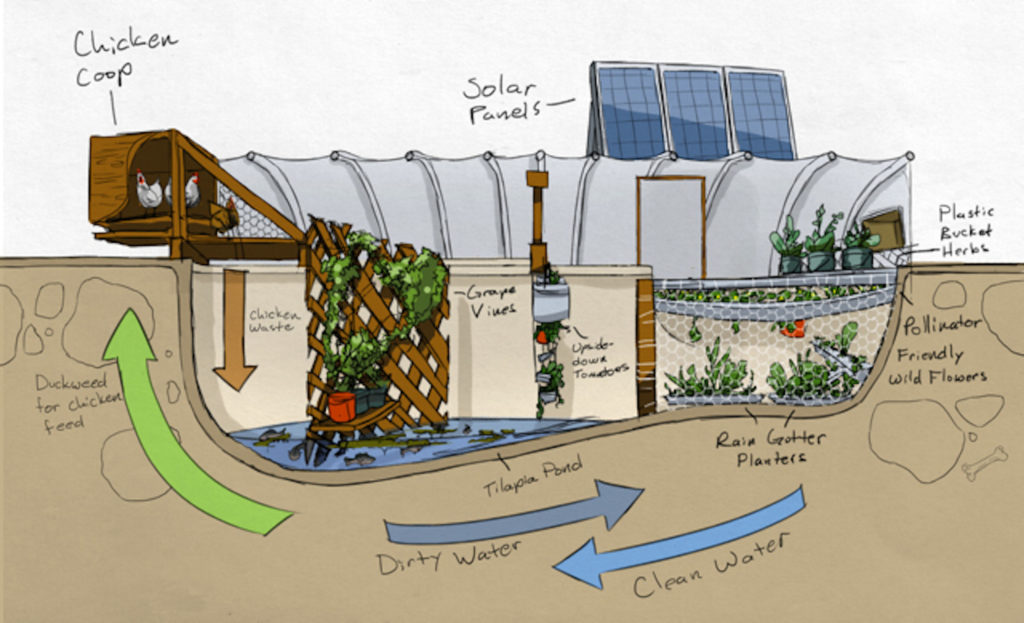
When Dennis and Danielle McClung bought a foreclosed home in Mesa, Ariz., in 2009, their new yard featured a broken, empty. Instead of spending a small fortune to repair and fill it, Dennis had a far more prescient idea: He built a plastic cap over it and started growing things inside. Thus, with help from family and friends and a ton of internet research, Garden Pool was born. What was once a yawning cement hole was transformed into an incredibly prolific closed-loop ecosystem, growing everything from broccoli and sweet potatoes to sorghum and wheat, with chickens, tilapia, algae, and duckweed all interacting symbiotically to provide enough food to feed a family of five. Check out the video below to see what Dennis has to say about Garden Pools..

See more at: http://www.goodshomedesign.com

Cram More Into Your City Vegetable Garden!

Photo by Getty Images/funky-data

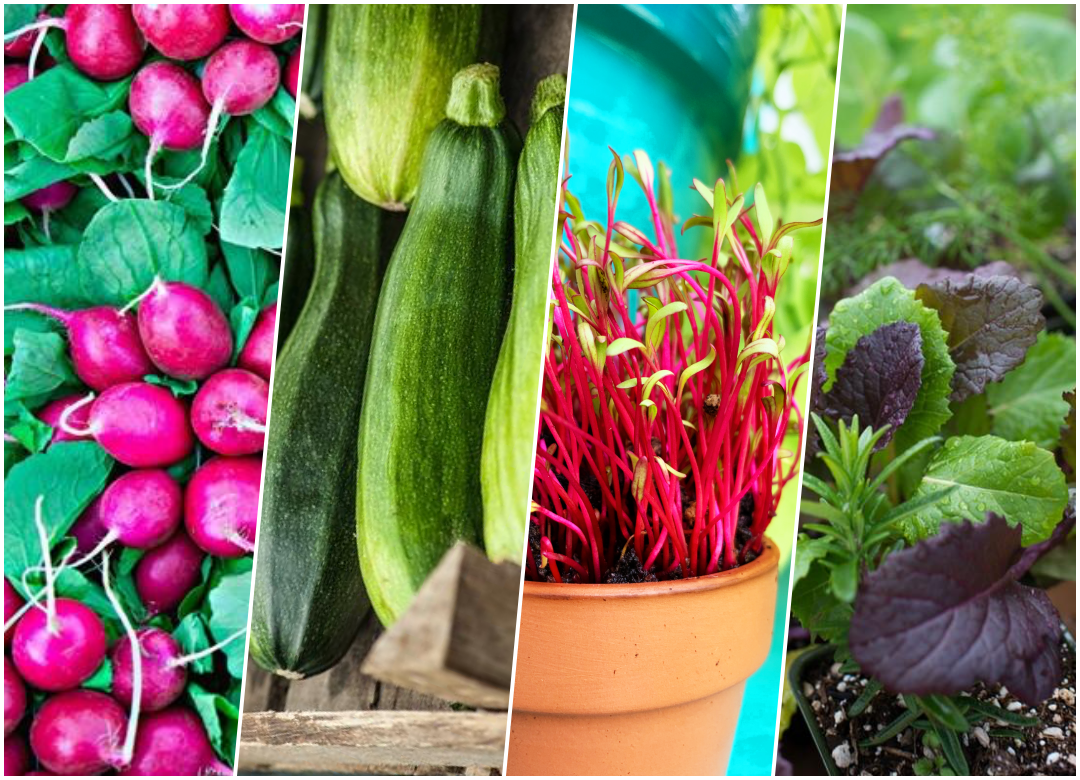
Make the most of your space by choosing quick growers like lettuce, radishes or beets instead, vegetables that offer high yields or repeat harvests such as zucchini or chard, or high-value herbs.

Space-saving forms of fruits such as cordon or step-over forms of apple and pear, cane fruits such as raspberry and, of course, compact strawberries are all wise choices for small gardens.

Efficient Plant Spacing

Grow plants in beds narrow enough to reach into the center from each side. This makes it easier to grow in blocks, with plants spaced equidistantly. As well as making best use of the space, growing plants like this crowds out weeds, helps to concentrate resources where they’re needed, avoids the risk of compacting the soil by stepping on it, and makes tending your crops easier.

The Square Foot Gardening takes intensive growing one step further using deep raised beds and a special soil mix designed for optimal root growth.

Use Containers 

Containers are easily moved to make the most of sunny areas or to protect plants from harsh weather. They can be used on any surface.

READ THE FULL ARTICLE https://www.motherearthnews.com

Gardening Made Easy With Straw Bales!

Image credit: Ruth Temple @ Flickr

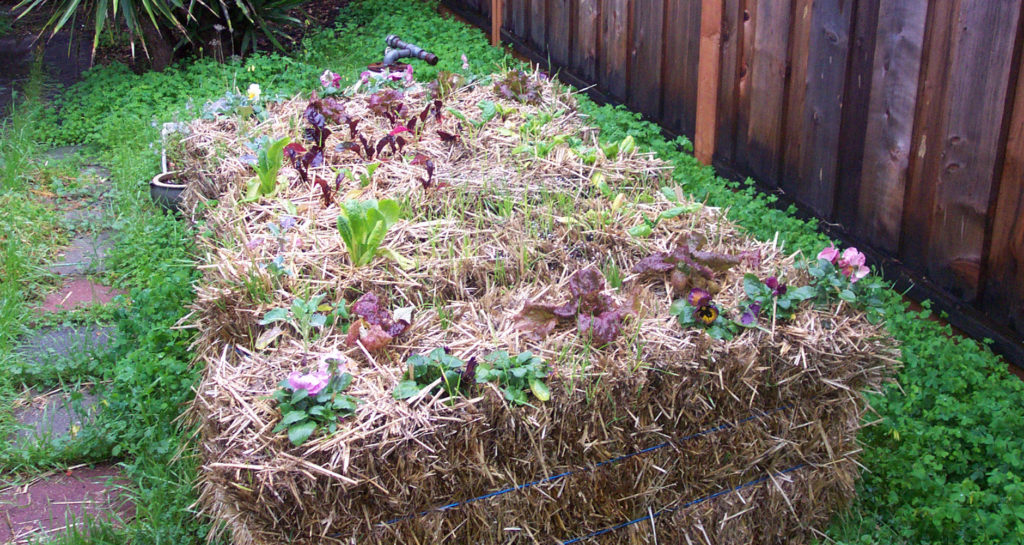
Gardening can be tricky even when you are graced with good soil, but what if you’re dealing with unpleasant growing conditions? Or does the very idea of endless weeding give you a backache? Starting a straw bale garden this spring may be the answer to all your gardening prayers. This method of gardening uses bales of straw as your garden beds — with no soil — and is a versatile, thrifty, and easy way to garden.

What Is Straw Bale Gardening?

Straw bale gardening is essentially a form of container gardening with the container being the bale of straw itself. Straw’s hollow tube design helps to soak up and hold moisture, making it an ideal material for growing vegetables. These mud-free and weed-free gardens can be started anywhere that gets six to eight hours per day of direct sunlight. Arrange as few or as many bales as you wish right on your lawn, or even in your driveway (maybe you will inspire a neighbor or two!).

READ THE REST OF THE ARTICLE AT https://www.farmersalmanac.com

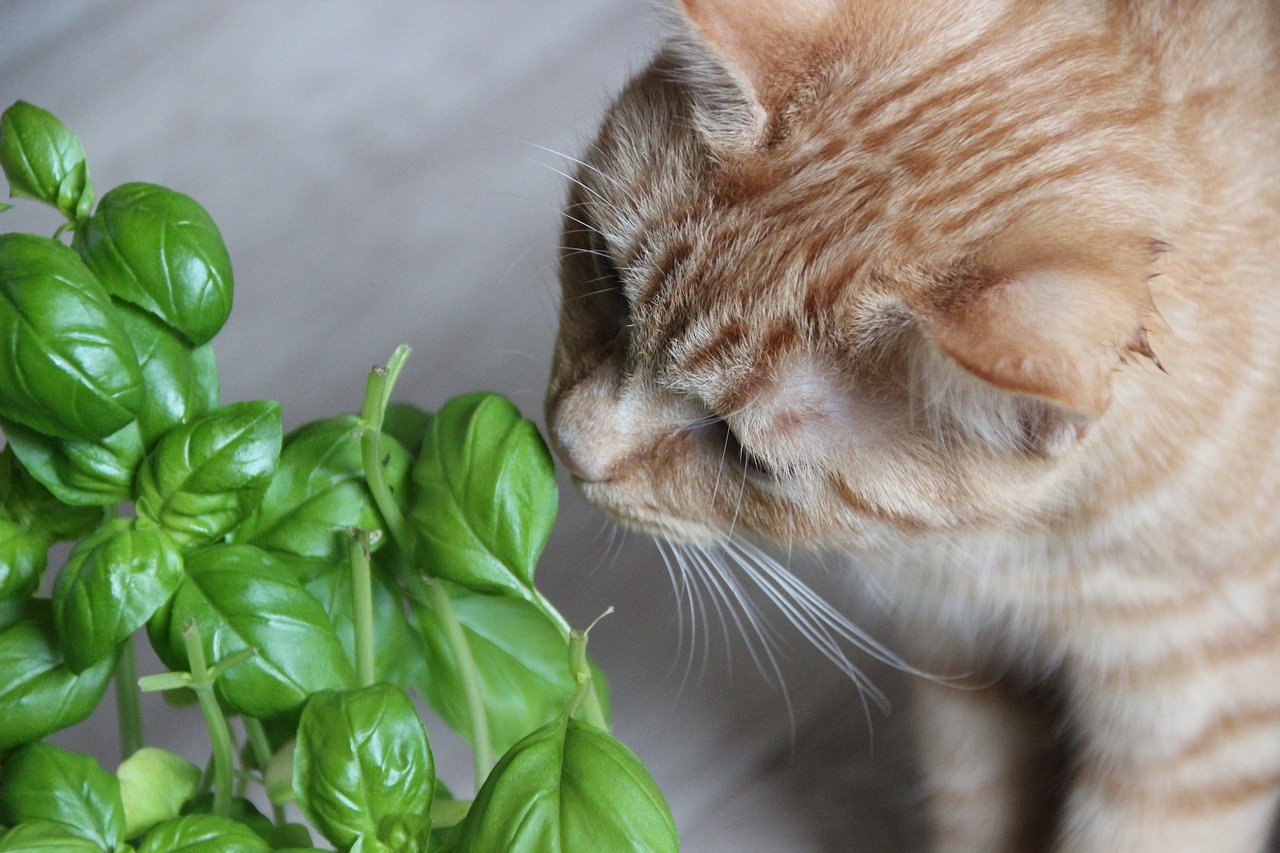
Pet-Friendly Indoor Gardening

Houseplants make a wonderful addition to our home’s décor and improve the indoor air quality.  Those with pets, however, may struggle with keeping plants safe from curious pets and the pets safe from indoor greenery.

The good news is you can grow an indoor garden even when you own pets. Yes, some do love to dig in the soil or even eat our favorite houseplants, but with proper plant selection and planning, you can keep your pets safe while enjoying an indoor garden.

Start by selecting plants that are safe for your pets.  Consult the American Society for the Prevention of Cruelty to Animals website for a list of pet-safe plants to grow and toxic plants you should avoid.  This will reduce your anxiety by helping you create an indoor green space safe for your pets.

READ THE FULL ARTICLE: https://www.tapinto.net/towns/belmar-slash-lake-como/articles/pet-friendly-indoor-gardening-477c2881-e5be-4de5-bace-0397f405593c

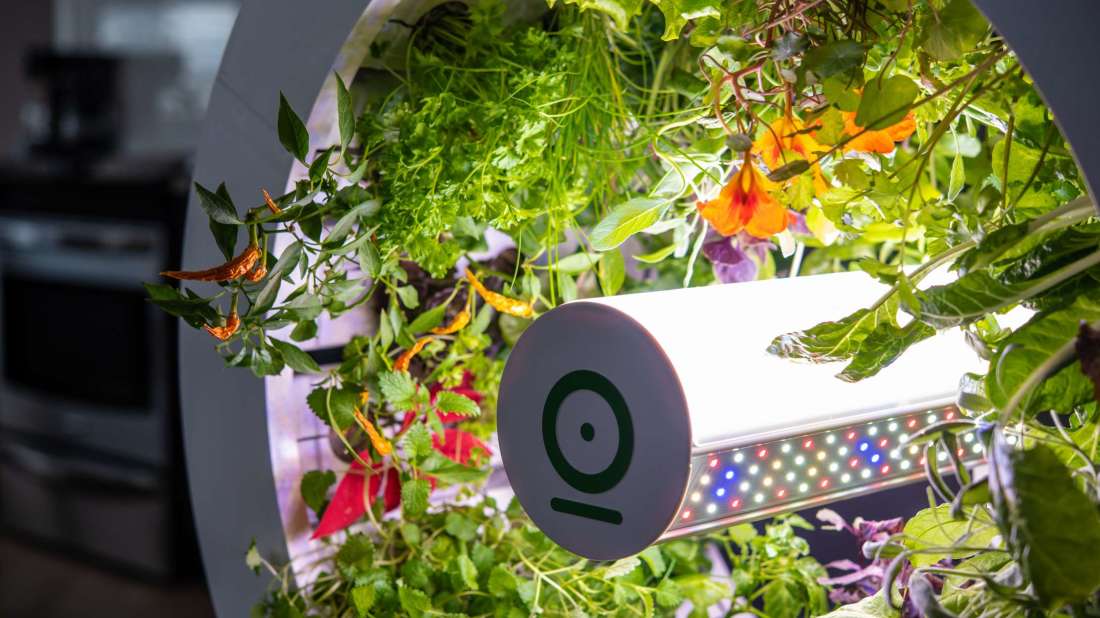
Grow Up to 90 Fruits and Vegetables in Your House With This Auto-Watering Indoor Garden

If you’ve always wanted to start your own herb or vegetable garden but don’t have the yard space or the “green thumb” to pull it off, there’s now another option. The OGarden Smart is an indoor gardening system that grows up to 90 plants at one time—20 of which are edible.

Strawberries, celery, kale, bok choy, green beans, cayenne pepper, green onion, and cherry tomatoes are just a few of the fruits and veggies the OGarden can grow. Up to 30 growing cups can be placed in a lower cabinet, where the seeds are allowed to germinate. Once they sprout, the plants can then be transferred to the rotating wheel up above, which holds up to 60 plants at a time. It takes about 30 to 40 days to harvest the produce, depending on the type of plant grown.

The system is self-watering and uses automatic LED lights to provide the right amount of sunlight, no matter what season it is. The only work that’s required is planting the seeds and refilling the water tank once a week.

LEARN MORE: http://mentalfloss.com/article/574691/grow-90-fruits-and-vegetables-your-house-auto-watering-indoor-garden

Buying Time: Extend your garden’s growing season with a cold frame

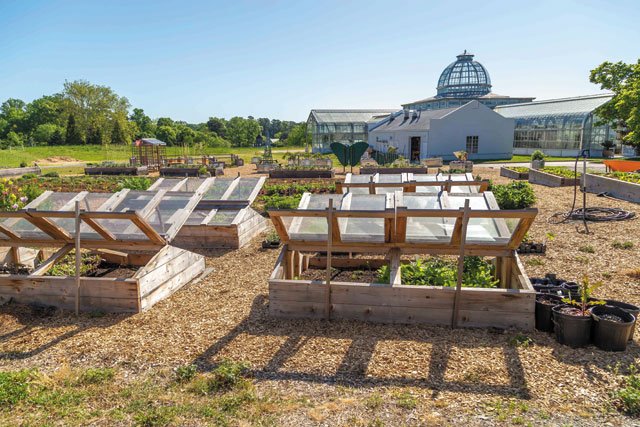
Part incubator, part greenhouse and part time machine, a cold frame is anything but cold. It’s an empty, bottomless box that protects plants from winter weather. With its hinged lid of glass or rigid plastic, a cold frame captures solar energy and converts it to radiant heat, creating a warm microclimate where plants thrive. Like the windshield of your car on a cloudless day, sunlight passing through the glass is absorbed by interior surfaces and re-radiated as heat. It makes for a snug, safe space for plants to grow when the weather is inhospitable.

Sara Barton is a big fan of a cold frame. Barton got her master’s degree in public health from the School of Public Health at City University of New York, but she likes to say she got her work experience “in the field,” on an organic farm. Since 2017, Barton has been the Learning Garden Coordinator with the VCU Office of Sustainability, where she manages three urban campus green spaces.

All three are “small-scale gardens where a cold frame is a very useful tool,” to extend the season and expand the harvest, she says. “Just like in a home garden.”

READ THE REST OF THE STORY: https://richmondmagazine.com/home/experts/buying-time/

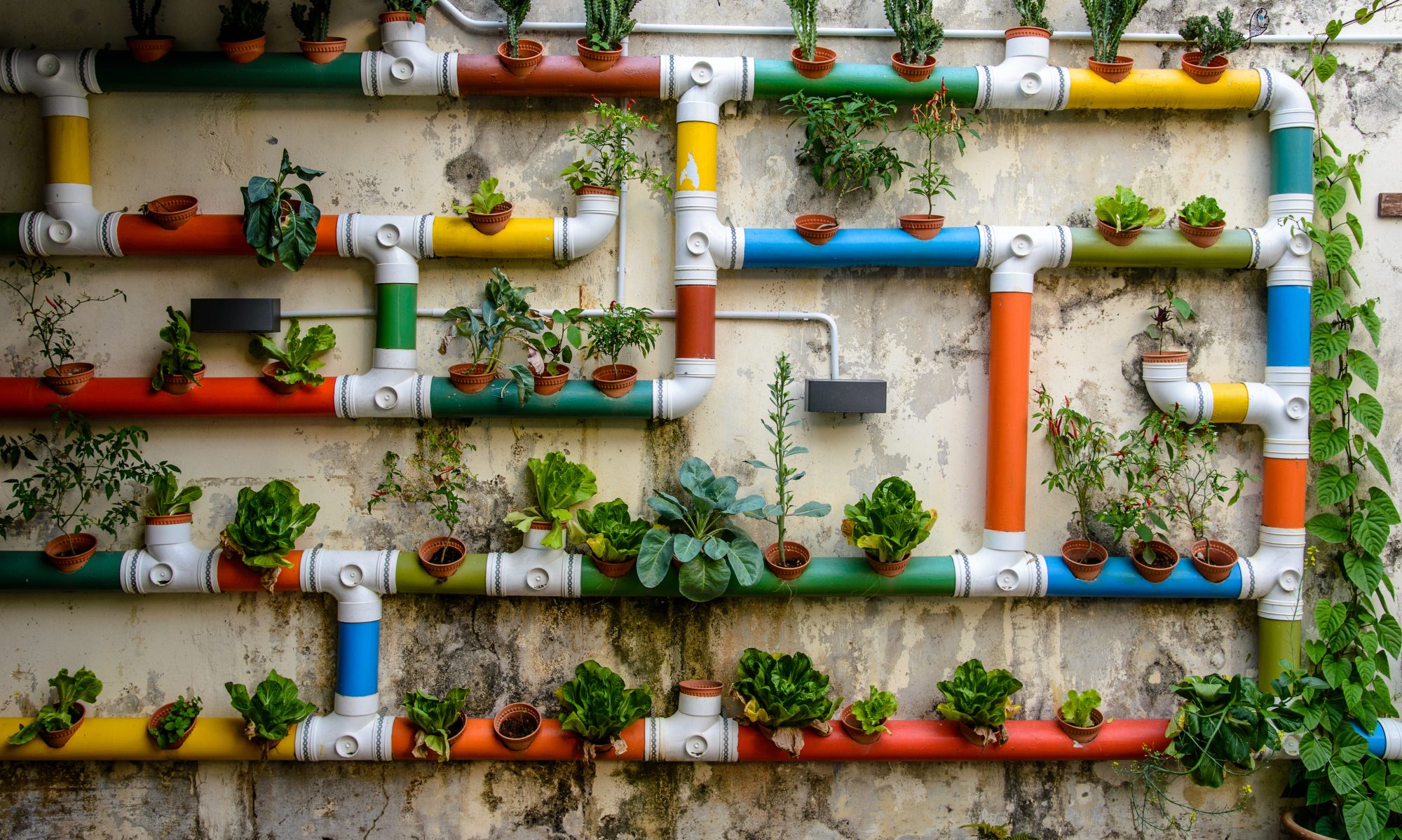
Bottle Tower Gardens Provide Exceptionally Efficient Small Space Growing

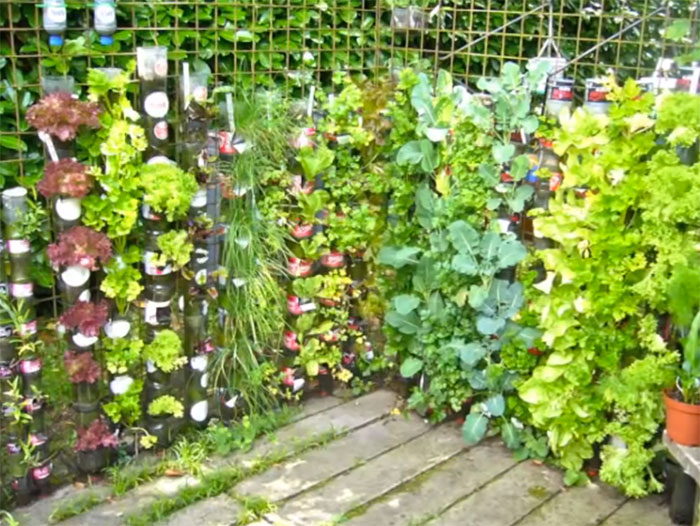
Dr. Willem Van Cotthem experimented with this vertical gardening system using recycled plastic bottles stacked and attached to a fence.  He began with the 2011 growing season and continued through 2012 with great success.  This type of garden is cheap to start and is extremely effective for those who do not have a lot of growing space.  A system like this could be built along a fence, wall, or on a balcony.

READ THE ORIGINAL STORY at “OffGridWorld.com”

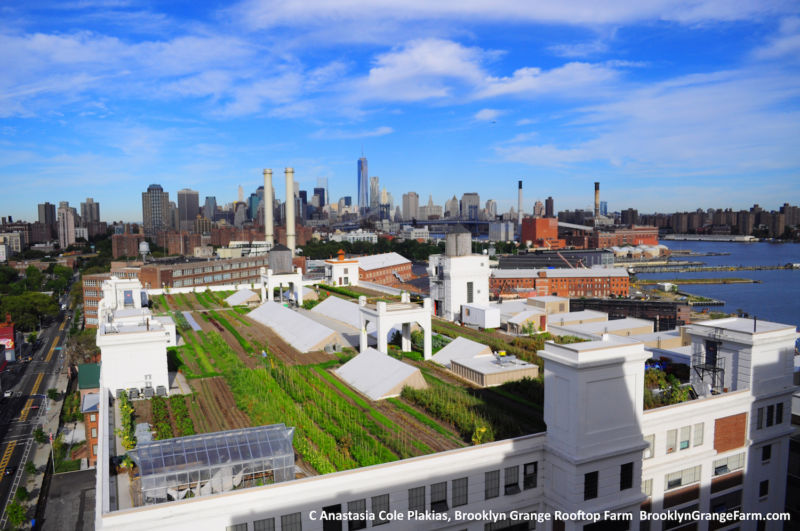
Urban farms could be incredibly efficient—but aren’t yet

The green revolution that transformed modern agriculture has generally increased its scale. There’s tremendous potential for efficiencies in the large-scale application of mechanization, fertilization, and pesticide use. But operating at that level requires large tracts of land, which means sources of food have grown increasingly distant from the people in urban centers who will ultimately eat most of it.

In some ways, hyper-local food is a counterculture movement, focused on growing herbs and vegetables in the same dense urban environments where they will be eaten. It trades the huge efficiencies of modern agriculture for large savings in transportation and storage costs. But is urban farming environmentally friendly?

According to researchers at Australia’s University of New England, the answer is pretty complex. Within their somewhat limited group of gardeners, urban agriculture is far more productive for the amount of land used but isn’t especially efficient with labor and materials use. But the materials issue could be solved, and the labor inefficiency may be a product of the fact that most urban farmers are hobbyists and are doing it for fun.

READ THE REST OF THE STORY: https://arstechnica.com/science/2018/12/urban-farms-could-be-incredibly-efficient-but-arent-yet/

Q & A: Indoor gardening delivers greens all winter

Q: Now that winter has come, I miss my garden and eating what I grow. Can you give me some tips for things I could try growing inside during the winter? – Beth from Newburgh

A: It is tough when that frost-bite chill of winter nips at your green thumb and forces you inside, I know. And while I have some houseplants growing and they are nice to look at, and occasionally water, they don’t quite scratch the itch of gardening like growing food for the kitchen.

I do what I can to extend my outdoor growing season as long as possible, building small plastic tunnels over my beds of greens and lettuces and using row-cover fabric to protect my plants from killing frosts for as long as possible. And I’m able to continue my harvest well into November most years. But when the snow starts falling, I find it difficult to continue growing outdoors. So, a few years ago, I did some research to learn more about growing some food inside through the winter.

My dream is to one day build a small greenhouse or conservatory off the back of my home. I imagine opening the door to this light-filled space and feeling the warm, moist air float out into my arid, winter-parched home. Wandering in to pick fresh food for the kitchen every day of the week, while watching the cold winter winds blow snowdrifts outside.

Someday I’ll make this dream come true, but for now, I have to make do without. Fortunately, I do have some fluorescent grow lamps that I use to start my seedlings for spring planting, which does deliver faster results than a sunny windowsill alone. But you can be quite successful growing salad greens without a greenhouse or grow lamps and add to your winter diet.

READ THE FULL ARTICLE AT: “RecordOnline.com

High-tech urban greenhouse takes local farming to a new level in Denver

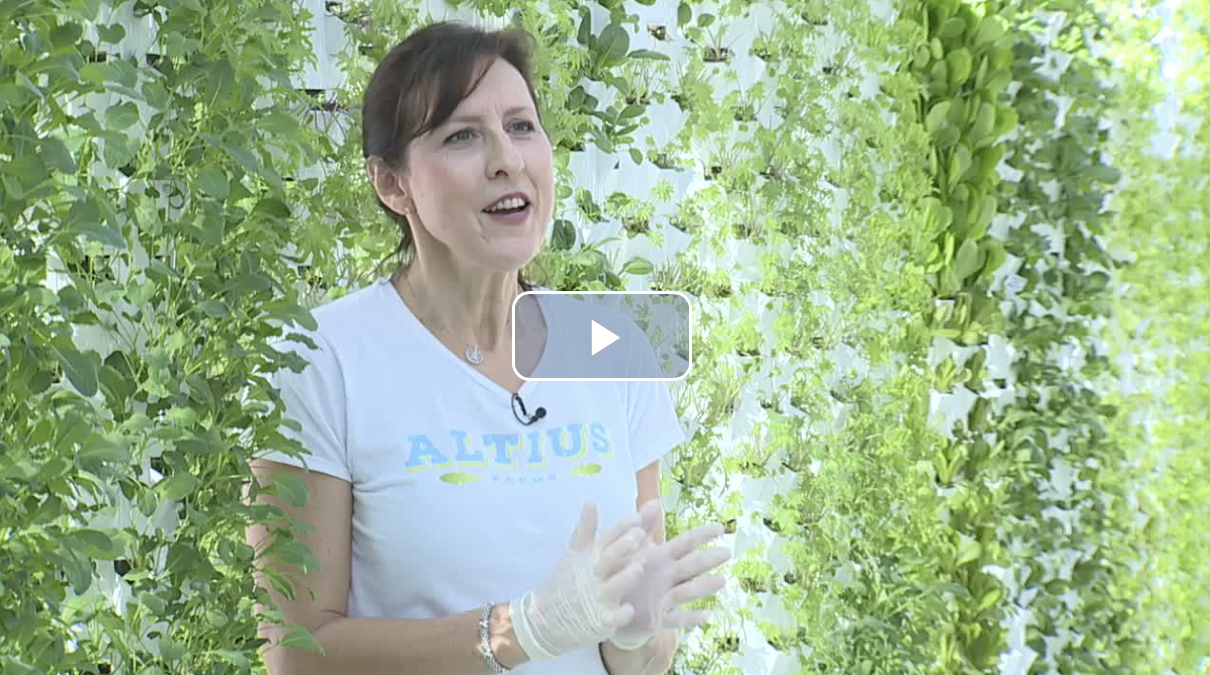
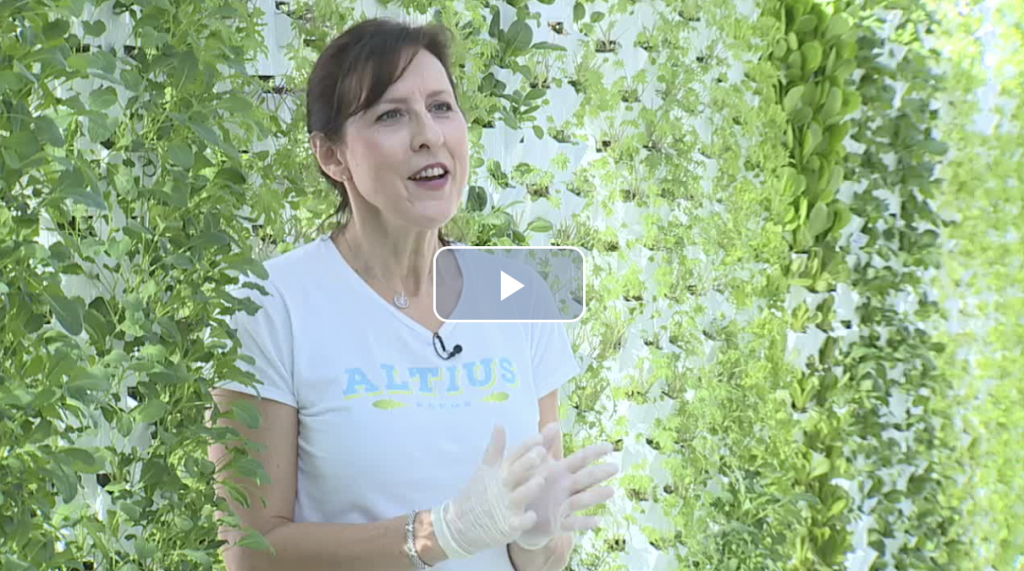
DENVER — People walking or driving by Altius Farms have picked up their phone to call and ask about the greenhouse at 25th and Lawrence. The glass-enclosed structure houses an urban farm that is using advanced technology to change the way we think about growing food.

“This is our mission, is to bring urban farming back into our communities,” said Altius Farms Founder and CEO Sally Herbert.

The farm is already supplying about 20 local restaurants and Marczyk’s Fine Foods with fresh produce. Herbert hopes to introduce a community-supported agriculture (CSA) program where people will be able to buy directly from the farm.

“People can know their farmer. These restaurateurs and their customers will understand where their food is coming from every day,” said Herbert.

READ THE FULL STORY AT: “TheDenverChannel.com

Indoor gardening: Add plants to every room of your home

Grow herbs or other leafy greens indoors under a Growbar LED light fixture or near a sunny window. (photo contributed)

Gardeners know the benefits of digging in the soil. It elevates a person’s mood, improves mental and physical well-being and the outcome is always good – added beauty or tasty nutritional food. But many of us are stuck indoors for the winter, have a lack of space to garden outdoors or just can’t get enough of this healthful activity. Adding greenery indoors expands our gardening opportunities and provides the many benefits of living with and tending plants.

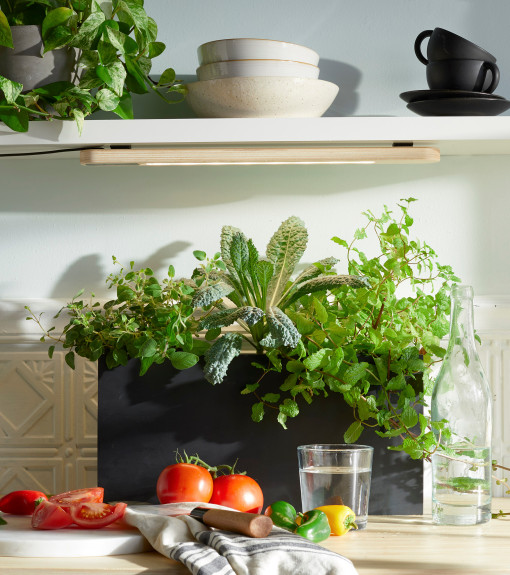
Let’s start with the kitchen. Boost the flavor and nutrition of winter meals by growing leafy greens and herbs in a sunny window or under a cabinet with the help of a Growbar LED light fixture. Start plants from seeds or purchase transplants to grow indoors. Place your indoor kitchen garden in a brightly lit location, free of cold drafts and with easy access to harvest and use. Then enlist the whole family and even your guests into harvesting greens for their salad and herbs to season their meals. This is sure to turn family and friend gatherings into unique and memorable experiences.

Include plants in your home or work office. Greenery helps reduce stress even when working at your desk or tackling homework at the end of a long day. Set a few plants on or near your desk or other workspace. And don’t let a lack of light stop you from growing a bit of green stress relief. Stylish energy efficient full spectrum plant lights, like the Felt Pendant Grow Light (modsprout.com), fit any décor, direct light where it is needed and promote healthy plant growth.

READ THE REST OF THE ARTICLE AT:ukiahdailyjournal.com