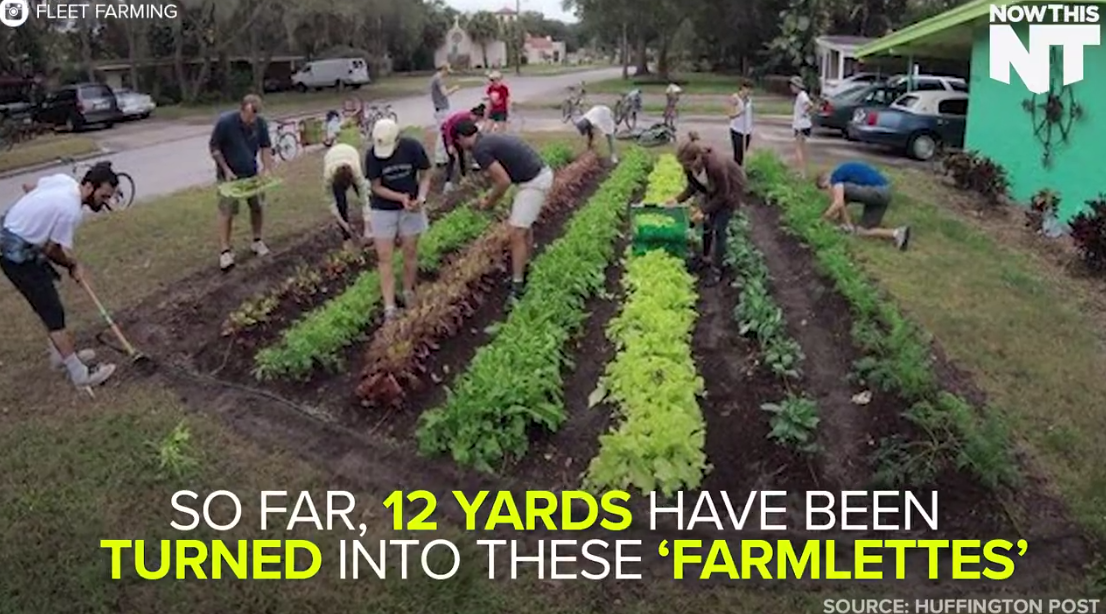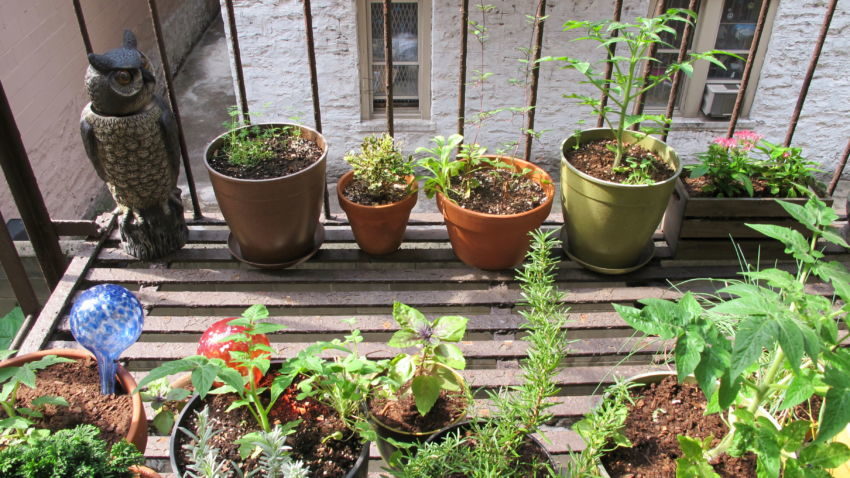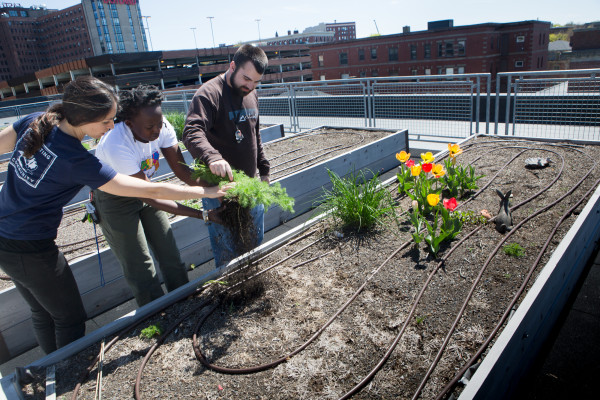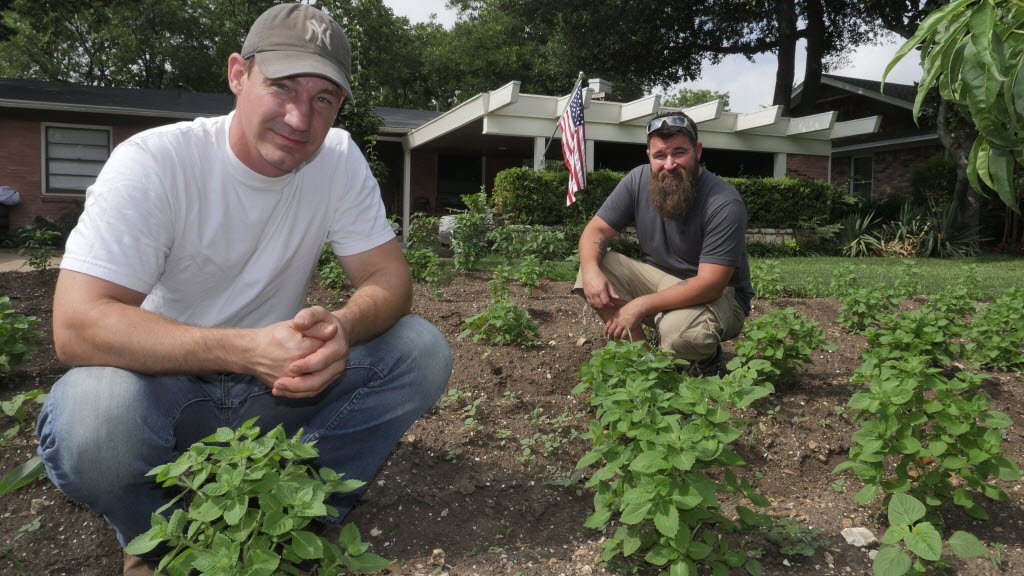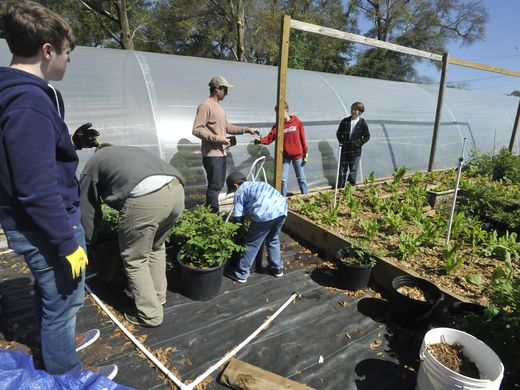

Fleet Farming strives to reduce the environmental impact of food production through a pedal-powered, hyperlocal urban farming model that creates a culture of health and vibrant ecosystems by: teaching an intergenerational fleet of volunteers how to grow their own food, activating and re-engaging the community through biweekly Swarm Rides, and creating a breathe free and biodiverse environment through emissions-free, organic farming. Source/http://fleetfarming.com/
Nation’s First Urban Farming School Teaches Kids to Grow and Cook Their Own Food
One San Fransisco school will soon be teaching all about urban farming and the influences it can have on a community. The Golden Bridges School has a new campus planned that “will join indoor and outdoor learning spaces and will have several beneficial and environmentally friendly aspects.”
In the future it will be labeled as the Nation’s First Urban Farming School, although currently the property is simply an urban farm that was started about 6 years ago. It all began as a dream to turn a small profit and unite a neighborhood. “Little City Gardens” at 203 Cotter St., sells enough produce to cover farming costs as well as partial incomes for the owner and another gardener. The farm sells produce to local restaurants. Students at Golden Bridges School often help out at the farm.
To read more about this project visit: “EcoWatch.com“
Why Chicago Is Becoming The Country’s Urban Farming Capital
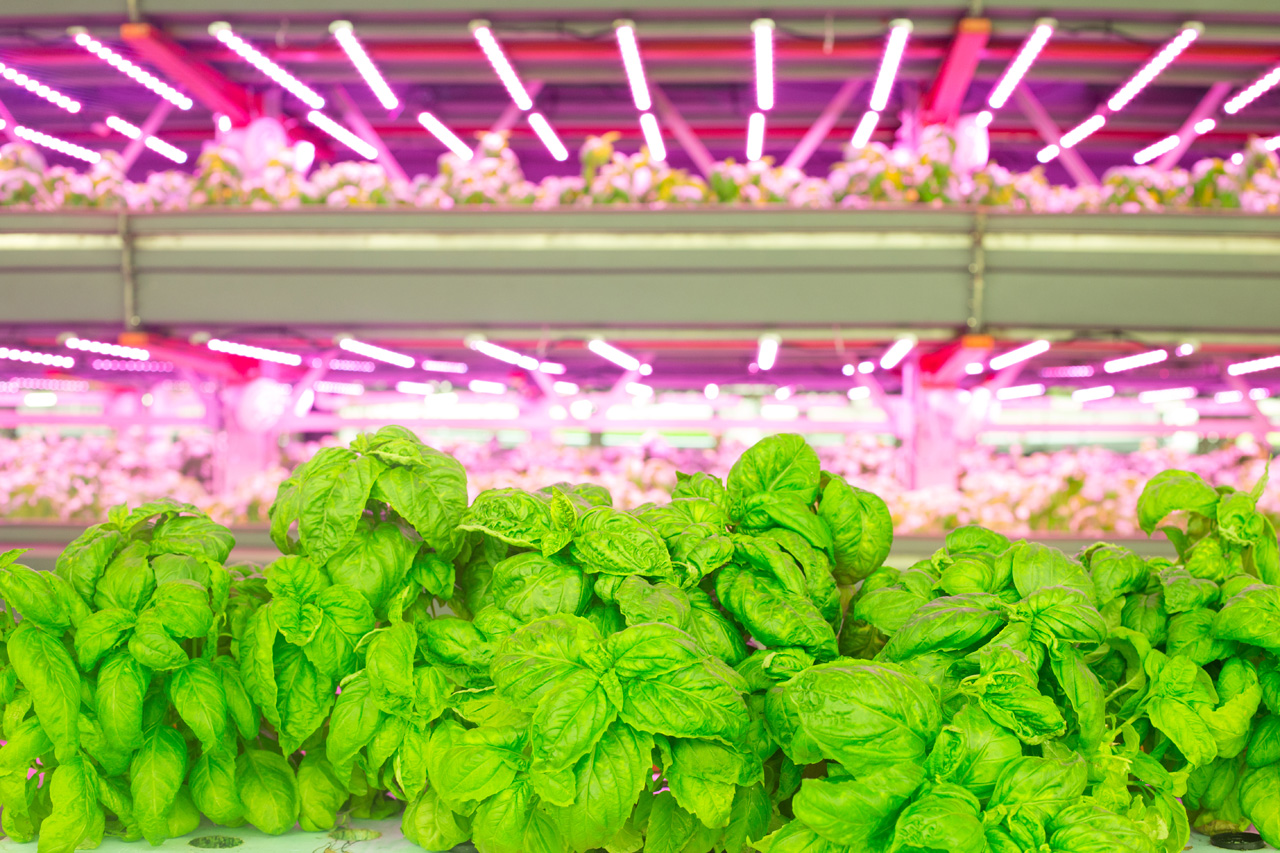
Just outside of Chicago, located in Bedford Park, sits a quiet industrial complex & “you might not immediately register that you’re standing in the second coming of the locavore movement.” Inside you’ll find herbs, greens, broccoli, and kale along with massive stacked racks which house hydroponic systems. This urban farm operates nearly 24 hours a day, 365 days a year.
“Laurell, the soft-spoken investor who put up $13 million to help launch the vertical farm in 2011 and leads the investment as a partner in the $50 million clean and biotech investment fund GreatPoint Ventures, is one of the most convincing cheerleaders for Chicago’s urban farming renaissance, particularly for vertical farming—the nascent industry of growing food in environmentally controlled, indoor facilities, where pests, diseases, light, temperature, and humidity can be highly controlled.”
Read the entire article at: “FactCoExist.com”
Aurora’s urban farm growing more than leafy greens
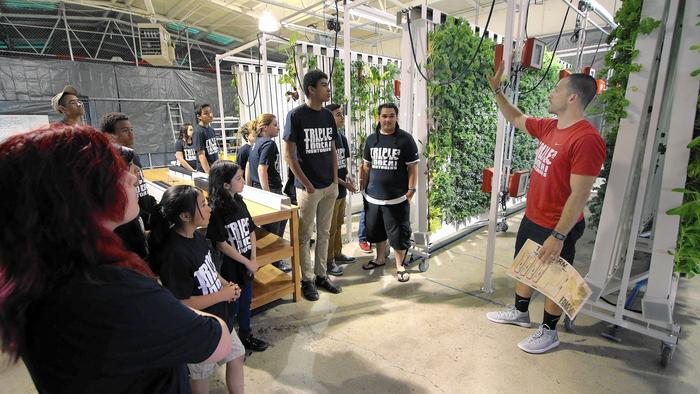
Inside an old 5,000-square-foot building at 745 Aurora Ave. the city of Aurora gifted to Triple Threat Mentoring a new kind of community garden for its urban farm mission to attack poverty by teaching kids about healthy eating.
This year-round indoor hydroponic operation has been made possible through a $550,000 grant.
“Since it was first announced late last year, the program has been gradually expanding. The towers now producing food take up only 800 square feet of the 5,000-square-foot building. So yes, with a goal of producing 100,000 pounds of organic fruits and vegetables a year here, there is plenty of room for The Farm to grow.”
“The whole idea “is to become sustainable,” says National Marketing Director Jordan Wilson, which includes producing enough organic food to not only donate directly to impoverished families but sell year-round to restaurants and other businesses.””
Read the entire article at: “ChicagoTribune.com“
Urban Gardening Campaign Grows Potatoes for a Cause
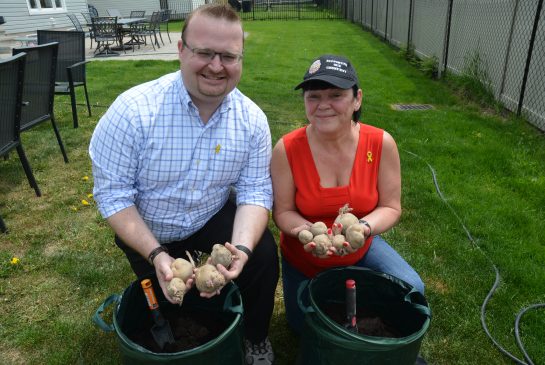
If you have a sunny spot in your garden, patio or balcony you can literally grow up to 100 lbs. of potatoes this summer. One charity is hoping you want to join in on the movement and donate the spuds to your local food pantry or soup kitchen.
“Soldiers Helping Soldiers has launched the Grow Potatoes program, which aims to feed Ottawa’s hungry right from the city’s balconies and backyards.
One soup kitchen in Ottawa is using up to 120 pounds of potatoes a day!
To read the entire recipe for growing 100 lbs. of potatoes somewhat effortlessly, & learn more about Soldiers Helping Soldiers, visit: “MetroNews.ca”
Join the all new Urban Organic Gardener Monthly Seed Club

Join the club that delivers you garden seeds at just the right time of the year to plant them – hand selected based on your garden specs.
Start by telling us a little bit about your garden, preferences, and location. Then, each month we’ll send you a curated collection of heritage garden seeds.
Want to learn more or are you ready to sign-up?
Visit: https://urbanorganicgardener.cratejoy.com/
Urban Gardening 101: How to plant in the space you have
Growing your own vegetables and herbs is very rewarding. Even if you’re new to gardening and live in an apartment or tiny space, you are still able try out your green thumb! “You can still create a green oasis.”
Jeff Gilbert, a gardener and marketer for Green City Growers, helps people learn how to grow a garden in a small space, even if they only have room for one container.
“I think there’s a number of reasons why you would grow your own,” he said. “The value of the produce is one, but also the fact that gardening is an enjoyable thing to do, and that it’s helping you create a little more green space, that’s value in and of itself.”
Read the entire article at: “Boston.com“
Urban gardeners plotting on the roof, in the streets of Portland
“PORTLAND, Maine — At the corner of Cumberland and Forest avenues five stories up, epic views of Back Cove and the White Mountains unfold before you on a clear day. It could be the perfect platform for cocktail parties, but from this perch, above the city bustle, champagne isn’t quaffed over gossip. Conversations on the roof of 409 Cumberland focus more on mulching, fertilizer and the best time to plant peas.”
Read the rest of the article at: “BangorDailyNews.com“
Urban farm, aimed at helping vets and feeding Dallas, to take root in downtown parking lot
“For close to 110 years the city of Dallas has owned a patch of land between Deep Ellum and the Dallas Farmers Market that has withstood numerous uses. According to the city, coal was kept there in the early 1900s; cars have been washed and repaired and gassed on the site; and, of late, trash bins have been stored behind chain link and razor wire. In a part of downtown experiencing explosive growth, it’s a paved-over, contaminated, no-trespassing eyesore along South Good-Latimer Expressway worth close to $2 million.”
The hope is that by this time next year, it will be a working farm. They’ve been trying for three years now to plant the farm and so far it’s been a frustrating process.
To read the rest of the article, visit: “CityHallNews.DallasNews.com“
Corner Garden to Supply Veggies & Provide Jobs to Individuals with Learning Disabilities.
Ancient German City Turns Public Spaces Into Gardens and Pastures
In 2008 this German city started turning public spaces and abandoned lots into vegetable gardens where local residents and even visitors were encouraged to harvest vegetables free of charge. They grow mostly lettuce, pole beans, and even tomatoes.
“It’s hard for townspeople to experience nature, so we’ve decided to bring nature back into the city,” says Lutz Kosack, the town hall’s resident botanist and driving force behind the project. Andernach has turned intimidating and abandoned public spaces into pleasant meeting spots, he says.
To read the entire article, visit: “WSJ.com“
Urban Farming to Feed Mali’s City Dwellers
“Aminata Niang runs a family farm on the outskirts of Mali’s capital, Bamako. She and her family also give credit to other market women, and build houses for those working on the farm.”
Watch her story here: “DW.com“
Albany Bistro offers new urban garden as farm-to-table movement takes hold
People want food that is more locally grown, and this trend just keeps growing. “For the past three seasons, Albany Bistro, a high-end restaurant in the Albany Historic District, has worked with local farmers to produce meals made with fresh, locally grown produce.”
Their restaurant has now become a “destination”. They attract plenty of visitors from not only nearby neighborhoods but “out of towers” too.
“According to Reed, the restaurant has proved consumers are willing to pay a little more to know where the food comes from. He said buying local ensures the food is served at its freshest as opposed to produce from large-scale distributors that often is picked weeks or months in advance and allowed to ripen in boxes with the aid of chemical gases.”
To read the entire article, visit: “DecaturDaily.com“
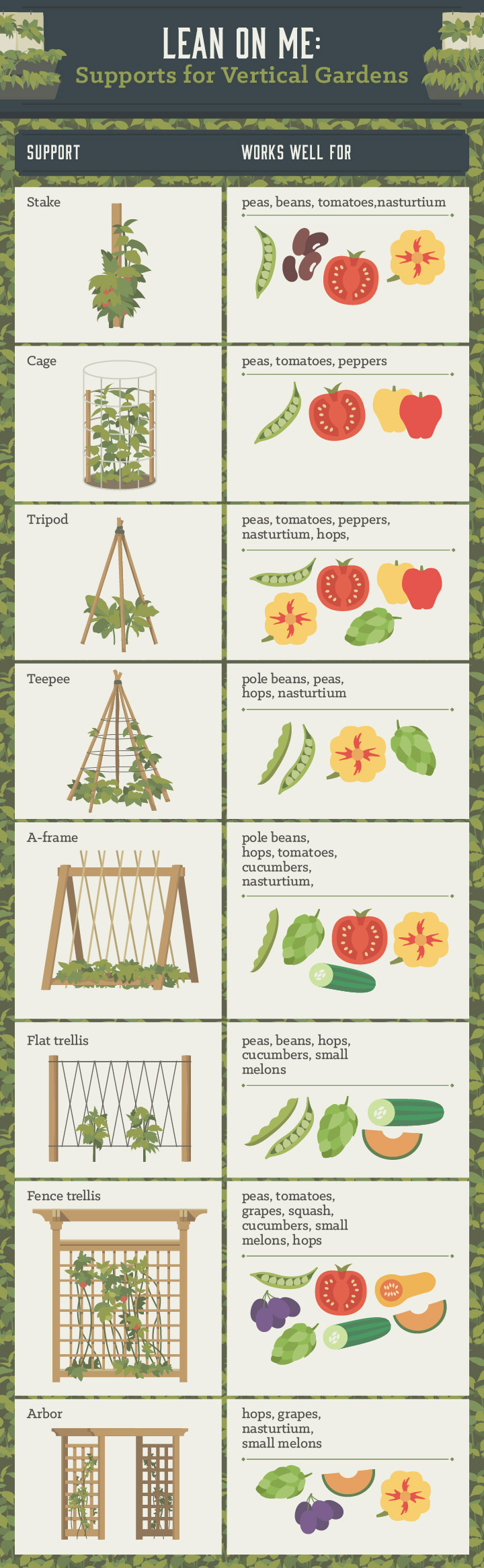
Lean on Me: Supports for Vertical Gardening in Small Spaces
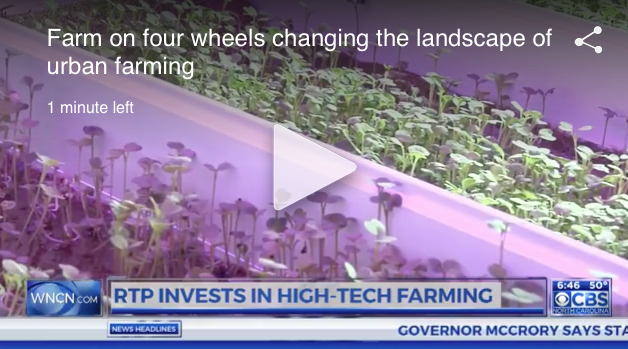
Farm on Four Wheels Changing The Landscape of Urban Farming
A new way of urban farming has just pulled into town, literally. A shipping container on wheels is changing the way many people view urban agriculture. “These are just traditional hydroponic growing systems that’d you’d find in a greenhouse and we layered it,” explained Ben Greene, CEO and Founder of The Farmery.
To read the entire article, visit: “WNCN.com“
5 Veggies You Can Easily Grow in a Container
There are many reasons why you might choose container gardening over more traditional methods. Maybe you’re short on space, have trouble bending over, or are just really, really lazy (like me). Regardless of why you settle on container gardening, I’m here to tell you that it’s an absolute delight and has the potential to be incredibly productive.
After a few years of gardening, I’ve found a slew of vegetables that grow effortlessly in containers.
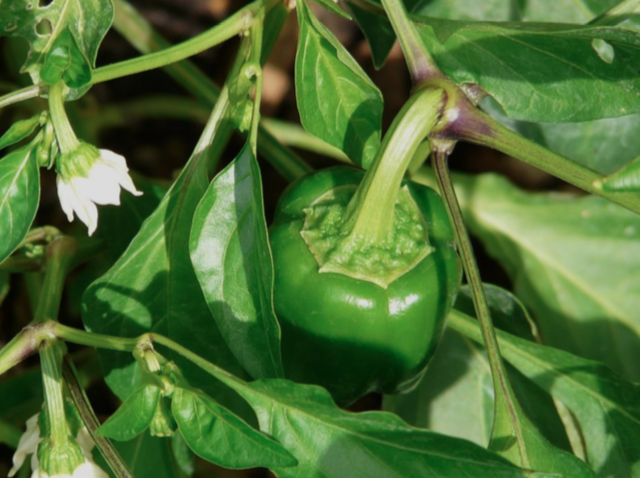
Bell Peppers
Container Type: 2 gallons or larger, 1416 inches deep, 24 inch diameter with multiple drainage holes. Ensure there is room for stakes.
Sun: 6 8 hours daily
Peppers like consistently moist — but not soggy — soil. Water them whenever the top of the soil is dry, and be careful to never let the soil dry out completely. You can help them avoid drying
out by covering the top of the potting soil with mulch. Bell peppers are sweetest when they’ve ripened fully on the plant in full sunshine.
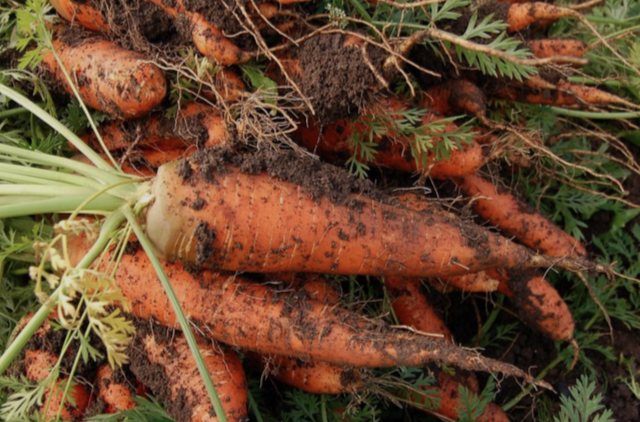
Carrots
Container Type: M ore than 12 inches deep to give carrots room to develop. Make sure there are multiple drainage holes.
Sun: At least 68 hours daily, more is better.
Carrots require little skill, minimal care, and minimal effort — perfect for beginning gardeners. Grow carrots in soil that is loose, lightweight, and well drained. They’ll need regular moisture, but not too much as root crops may rot if left in soggy soil.
Cucumbers
Container Type: M inimum 12 inches deep, 24 inch diameter with multiple drainage holes. Ensure there is room for a cage or trellis. When in doubt, go with a larger container rather than a smaller one.
Sun: 6 8 hours daily
Cucumbers absolutely depend on water, so you want to make sure they get a consistent level — you must ensure the soil never dries out completely. Add a trellis or tomato cage as the plant grows to maximize floor space and allow the plant’s leaves to get more sun.
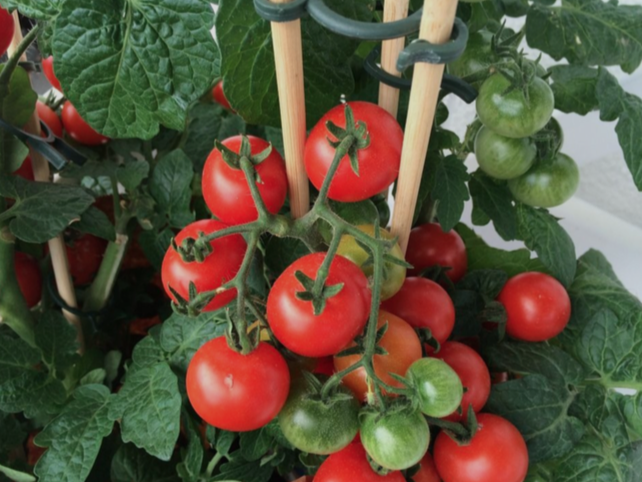
Tomatoes
Container Type: 1 5 gallon minimum, 18 inch diameter (determinate), 24 inch diameter (indeterminate). Ensure there is room for a cage. When in doubt, go with a larger container rather than a smaller one.
Sun: 6 8 hours daily
Tomatoes have extensive root systems, and once they become root bound, their fruit production tanks. They need large containers, plenty of room, and lots of water once they start producing..
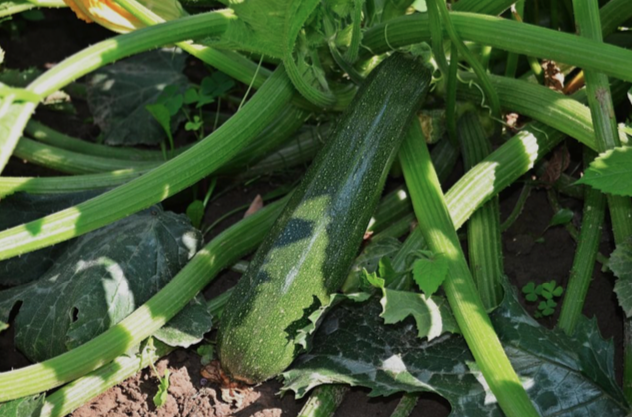
Zucchini
Container Type: B road and deep, at least 24 inch diameter.
Sun: A t least 68 hours daily, more is better.
Zucchini plants have high yields, even when grown in containers. They sprawl, naturally
reaching diameters of three plus feet, so take that into consideration when choosing a container.
Tips
The most important thing to remember about container gardening is that containers lose moisture quickly, especially when they’re in full sun. In the spring, you’ll water everyday, and in the heat of summer, when plants are producing, you may need to water two or three times daily, depending on the temperature.
I’ve spent the last few evenings dutifully watering my tomatoes and cucumbers, checking the leaves for damage, and looking closely for any signs of insects. The time I devote to my container garden is some of the happiest and most peaceful I have each day. I’m looking forward to seeing what my plants produce this season.
**Liz Greene is a dog loving, history studying, pop culture geek from the beautiful City of Trees, Boise, Idaho. You can catch her latest misadventures on her blog, Instant Lo.
Low Maintenance, Indoor Edibles for Small Spaces

Source: Fix.com Blog
The 15 Hottest Peppers in the World + other HOT products
“Imagine spending a night or a few in the hospital wishing there was a concise and quick list that covered the 15 hottest peppers in the world that you looked at before and knew what to avoid. Well, aren’t you in luck! We’ve gathered information to give you the peppers that top the Scoville Scales at ridiculous levels. Want to find out the quick story behind the scale and why it’s important? Want to see the side effect of eating hot peppers? Find out on this list, and who knows? Maybe you’ll be in a quiz one day asking for the scale’s name or what’s the hottest pepper at the current point in time, and you’ll have all the answers. We even went so far to even include a BONUS section at the end of the article after counting #1 to #15, including examples of other hot products but you have to read the article to find out exactly what is in this elusive section.”
Click here for the “15 Hottest Peppers in the World”!
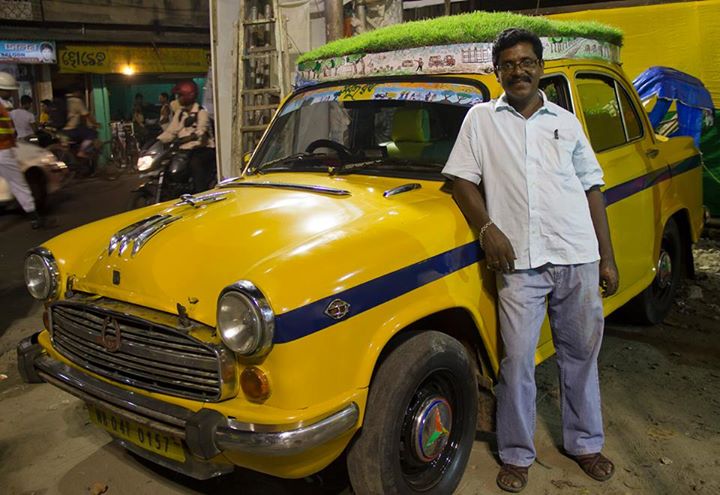
A Cab Driver Creates a Rooftop Garden on his Ambassador Taxi
“Mr. Dhananjay Chakraborty, a taxi driver in Kolkata…has created a rooftop garden on his cab and has a mini green cavern in the trunk of his car with potted plants. It was truly an amazing and awe-worthy sight. He calls it the ‘subuj rath’ or the green chariot.”
His car has metal containers on the rooftop, and he has planted flowers at his taxi stand too. You can view potted plants in the trunk and a completely green interior. This all started about three years ago when he potted a money plant that a passenger had left behind in his cab. Since then he has nurtured and cared for it, and added even more living plants to his taxi.
You can see more pictures and read the full article at: “TheBetterIndia.com“