Urban Agriculture and the New Meaning of “Eating Local”

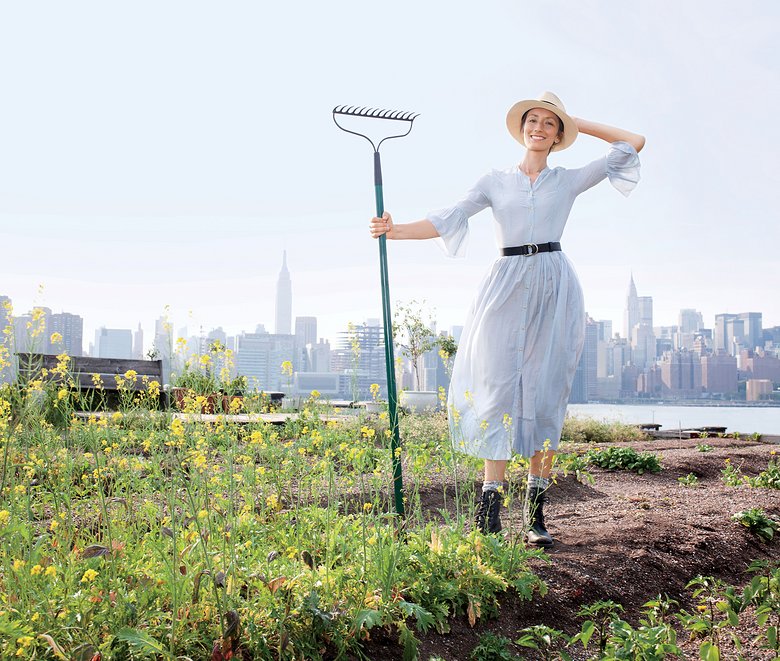
annie-novak-rooftop-farm-00

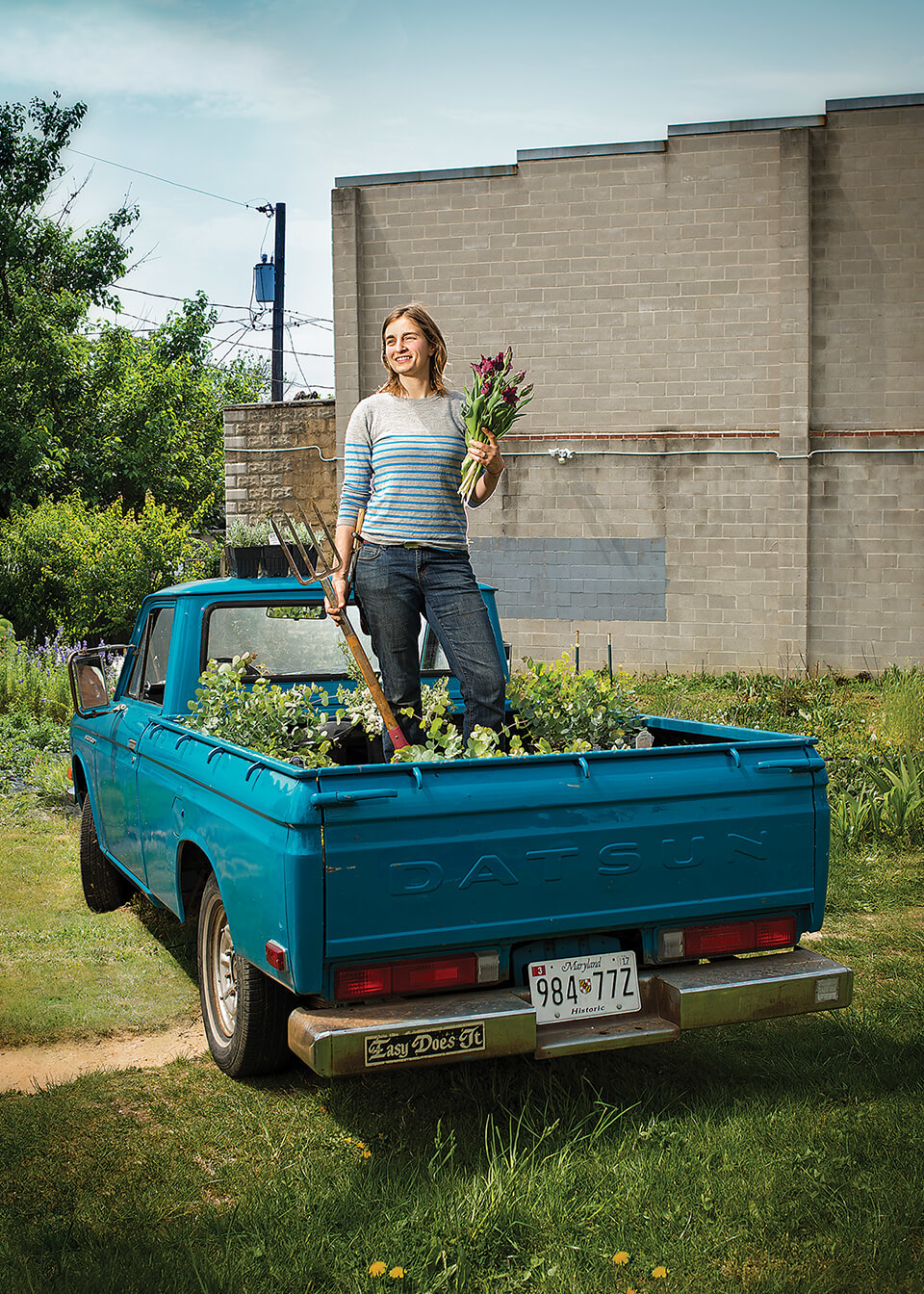
Many urban farmers are finding themselves at the forefront of a strong movement. Growing fruits, vegetables and herbs in a urban garden or farm has become increasingly popular.   Why are people leaning towards growing more of their own food? Every urban farmer has their reasons but most would agree about environmental costs of farming, needing to get fresh food into poor communities and let’s not forget about the importance of food education and teaching people where food really comes from.

“A staggering number of cities—Austin, Seattle, Baltimore, Minneapolis, Milwaukee, Chicago—have all adopted zoning codes, tax breaks, and other financial easements for urban gardens. At the movement’s front edge is the plagued but ever-innovating Detroit, which has so successfully encouraged food production on its 30 square miles of vacant lots that it now claims 1,500 urban gardens. Chicago is home to more than 800; Philadelphia, 450. Not since the victory gardens of the 1940s­—which I admit I have always longed to see, blooming.

To read more about eating local, and rooftop gardening, visit: “Vogue.com

The Newspaper That Becomes a Plant (again), in Japan

seeds
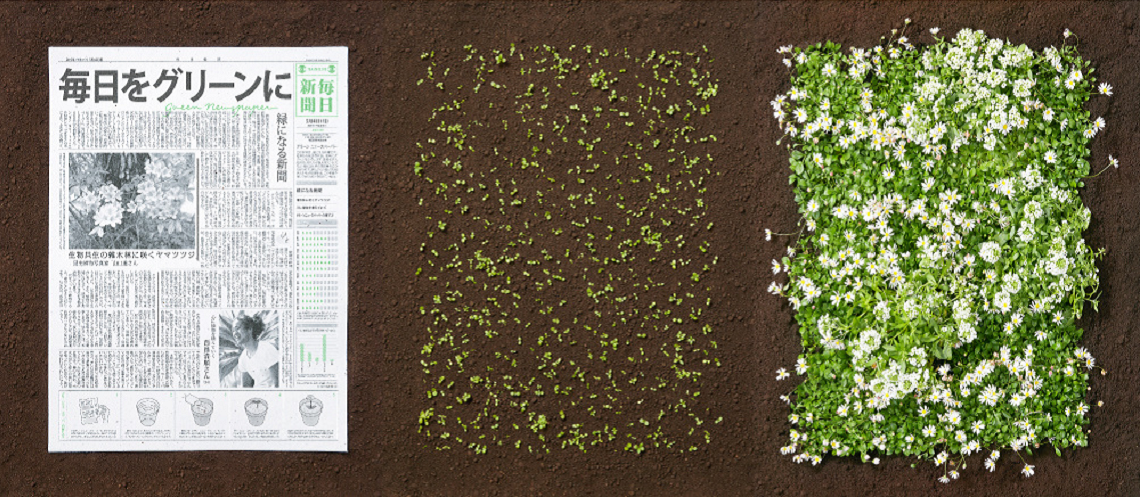
“In Japan, one of the most famous national dailies invented a one hundred percent sustainable newspaper. If you plant it, it will bloom! The eco-friendly newspaper has had a huge success, a circulation of over four million copies a day across the country and revenues of about eighty million yen, equivalent to over $700,000.”

To read more about this green newspaper, visit: “LifeGate.com


12 Unique and Fun Raised Garden Bed Ideas

Unique-Raised-Beds-1

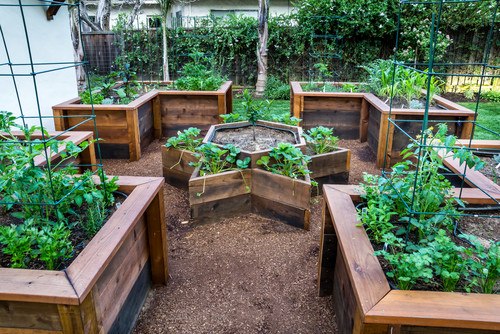
Gardening in raised beds has long been a tradition among gardeners both in urban and suburban neighborhoods. For decades now, people have been turning to their creative side to come up with lovely ways to construct raised beds that are not only purposeful but easy on the eyes.  Here’s just a few of our favorites!

Unique-Raised-Beds-7
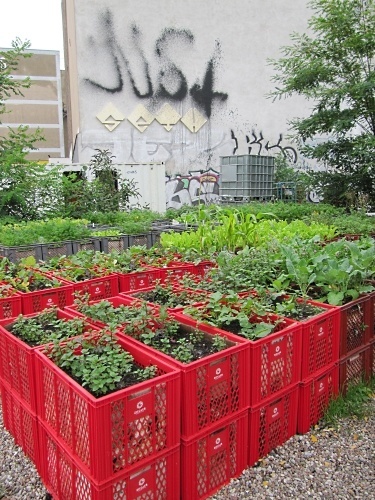
Milk Crate Raised Garden Bed
Unique-Raised-Beds-4
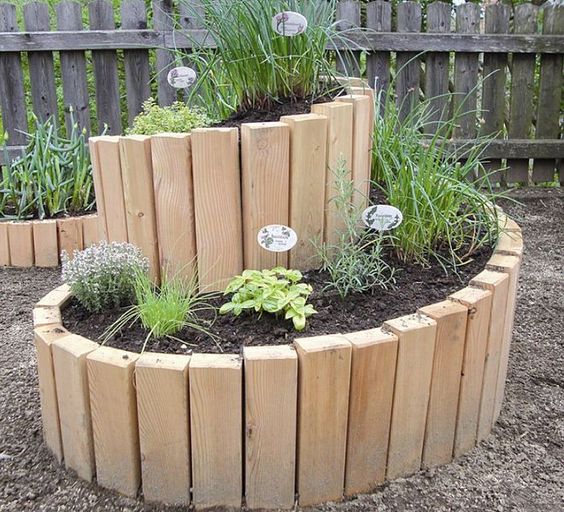
Spiral Raised Herb Bed

To see the other 9 Unique and Fun Raised Garden Bed Ideas, visit: “SiteForEverything.com

Growing Pains for Detroit’s Urban Farms

lead_large

Urban farmers are growing in numbers all over the country, especially in Detroit, Michigan. An estimated 1,400 of them are growing approximately 400,000 lbs. of food in the metro area alone EVERY YEAR.

“Detroit has no shortage of land, but accessing it can prove difficult for many farmers who worry that the tide of development is sweeping by without them. The Detroit Land Bank holds 95,387 parcels of property that are up for sale. Yet dozens of farmers describe years of agitating for land ownership without success. As the city sets about the business of doling out resources and revitalizing blighted neighborhoods, the question is: why is it taking so long for urban farmers to access land? And can the mosaics of community gardens and farms flourish amid larger-scale development projects?”

To read the entire article, visit: “CityLab.com

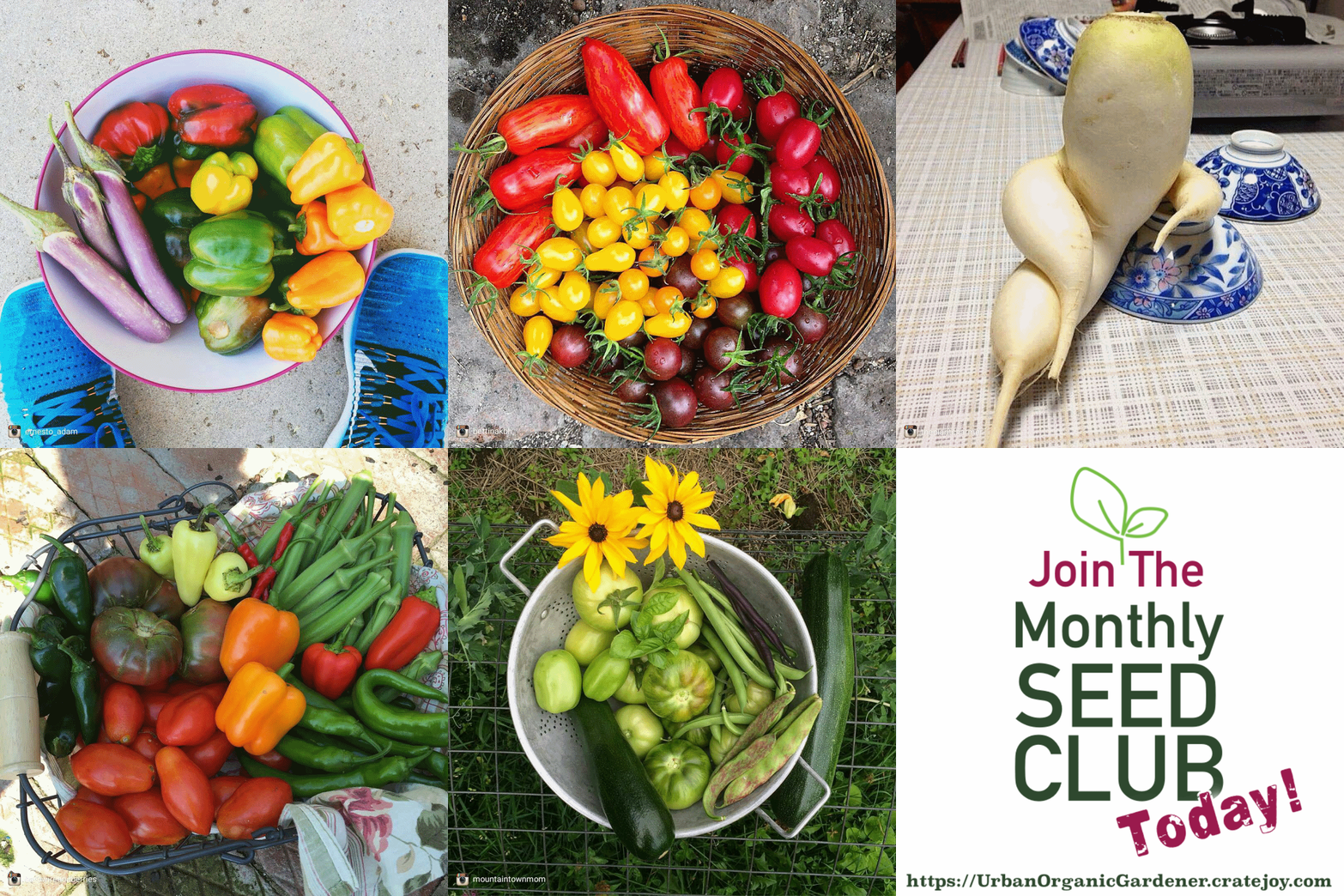
Join the Urban Organic Gardener’s UOG Monthly Garden & Seed Club

gif reminder uog seed club

Just a REMINDER: If you want to receive a shipment for the month of September, you must sign up before Sept. 4th, at 11:59pm PST. 

Calling all Urban Organic Gardeners! Did you know that RIGHT NOW is the perfect time to start planning your Fall/Winter urban gardens?

Join the Urban Organic Gardener’s UOG Monthly Garden & Seed Club – Sign up now at: https://urbanorganicgardener.cratejoy.com

Our September shipment will feature some of the most popular varieties to grow in colder weather.

Get your FIRST MONTH FREE with promo code: URBANORGANIC – just pay a small s/h fee.

Our garden experts will build a custom curated collection of seeds & garden supplies designed around YOU – your grow zone – your garden space/location – and your preferences.

Gardening Becomes Popular on a Luxury Store Rooftop in Paris

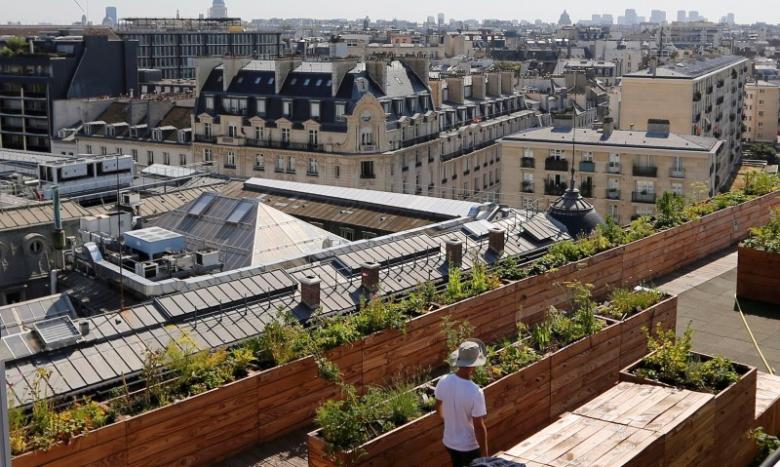
A man walks between planter boxes on the 700 square metre (7500 square feet) rooftop of the Bon Marche, where the store's employees grow some 60 kinds of fruits and vegetables such as strawberries, zucchinis, mint and other herbs in their urban garden with a view of the capital in Paris, France, August 26, 2016.  REUTERS/Regis Duvignau
A man walks between planter boxes on the 700 square metre (7500 square feet) rooftop of the Bon Marche, where the store’s employees grow some 60 kinds of fruits and vegetables such as strawberries, zucchinis, mint and other herbs in their urban garden with a view of the capital in Paris, France, August 26, 2016. REUTERS/Regis Duvignau

Le Bon Marche and La Grande Epicerie, are two well known luxury stores who have dabbled in urban agriculture. They both have turned their joint rooftop space into an urban garden where those who are employed by the stores can grow fruits, vegetables and herbs in their free time.

“In the past months, the LVMH-owned adjoining stores on Paris’s residential left bank have built planter boxes on a 700 square meter (7,500 square feet) roof area, where the store’s employees grow 60 or so kinds of fruit, vegetables and herbs such as strawberries, zucchinis, mint and lavender.

The stunning views over Paris and the chance to learn about gardening have attracted 200 of the stores’ 1,500 employees, selected by lottery, and put the stores at the forefront of the city’s urban gardening drive.”

To learn more about this story, visit: “Reuters.com

Sun and Seed – Visit Penny in her Happy Place…Sydney, Australia

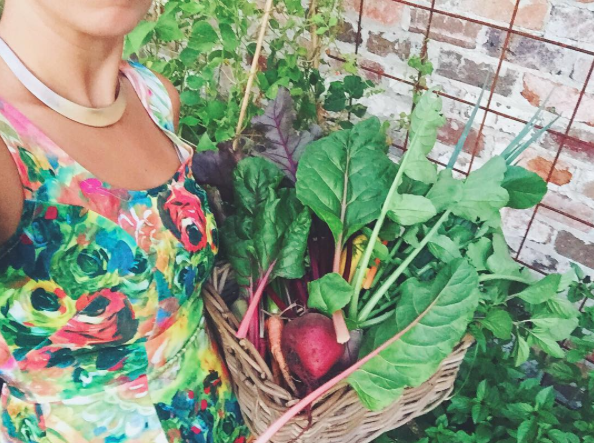
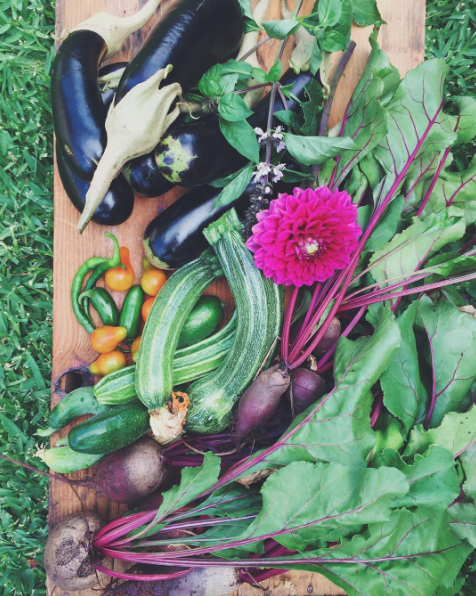
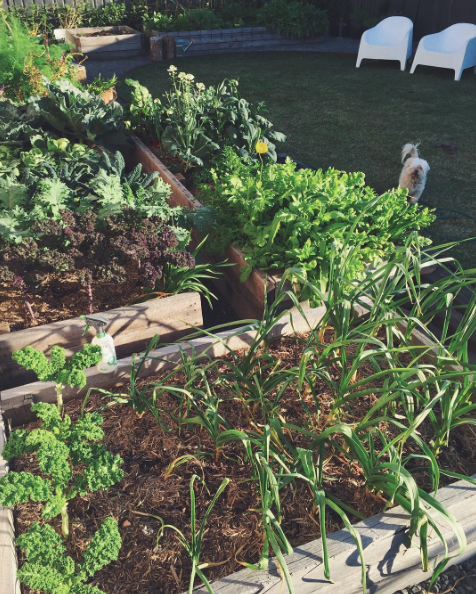
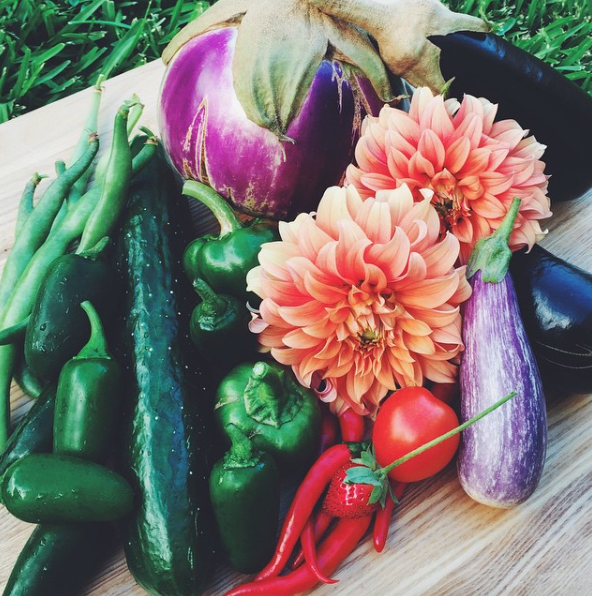
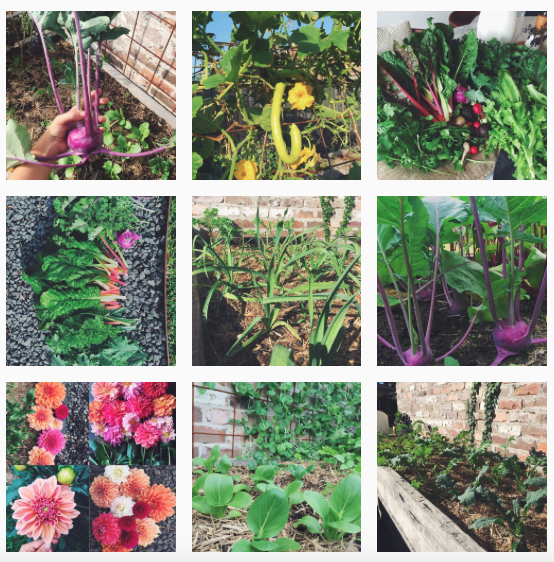
6Penny spends her time growing fruits, vegetables, herbs and gorgeous flowers all in her backyard garden. She’s mastered the art of “raised bed gardening”, and her tidy and well kept garden will have you green with envy after just one look. After enjoying her posts and lovely images on Instagram for quite some time, we decided to ask Penny a few questions in regard to her lifestyle and love of gardening.

What inspired you to start your own urban garden? My love of good quality, organic food – I am food obsessed, and nothing tastes better than home grown. I think gardening has always been in my genes. My Greek grandparents have always grown their own since I can remember. I recall being very young and walking around their garden, basket in hand picking and harvesting anything in site, I then pretended I was cooking them something from it . As you can see the obsession started from a young age.

1What are your favorite things to grow, and why? Don’t make me choose! Haha it changes all the time as I discover or rediscover something depending on the season we are in. At the moment it has got to be my lush salad bed or maybe these fat, crunchy, extra-terrestrial looking purple kohlrabi or in summer, my garden had an aptitude for growing eggplant so maybe that… I just can’t choose. I am so grateful for every single thing I harvest.

2We can see that you do a lot of “raised bed” gardening. How do you amend your soil to keep your boxes producing? My soil is literally sand – so raised beds where my only option. Amending my soil is key and I have discovered sheep manure this season and the results are unlike any I have had before. Every Spring and Autumn I will replenish my beds with high quality compost, sheep manure, cow manure, organic pelletised fertiliser and rock minerals. I also meticulously check the pH of the soil with a testing kit I picked up from the garden centre. 

3What do your friends and neighbors think about your gardening efforts? Have you ever had anyone dis-regard your lifestyle? Gardening isn’t an obsession you would envisage someone of my age of having but my friends happily accept flowers, fresh greens and any excess veg I have. I have also inspired many of my close friends to start gardens of their own – something which makes me so incredibly happy.

4What tips/tricks do you have for gardeners who are just starting out? I will try and summarise my top three, as I am learning tips and tricks every season.

1.       Soil health is key if you don’t put the time and effort into your soil, prepare to be disappointed. I have had dismal results from using cheap compost and not incorporating animal manure into my soil mix.

2.       I am a big believer in ensuring an urban garden can be as productive as it is gorgeous. My garden is a place for entertaining, not only for harvesting. Gardens can get messy and cluttered so spend some time and effort thinking of a design.

3.       When I first started gardening I would become so disheartened if a crop didn’t work out as it imagined it would – and guess what this happens to everyone, even the experienced. Sometimes the season, your garden and location have a preference for growing something. Make sure you don’t give up.

sunandseed

Follow Penny on Instagram via her account @sunandseed!

Urban Garden Sprouts Free Food in Downtown Davenport

57a3758b91a87.image
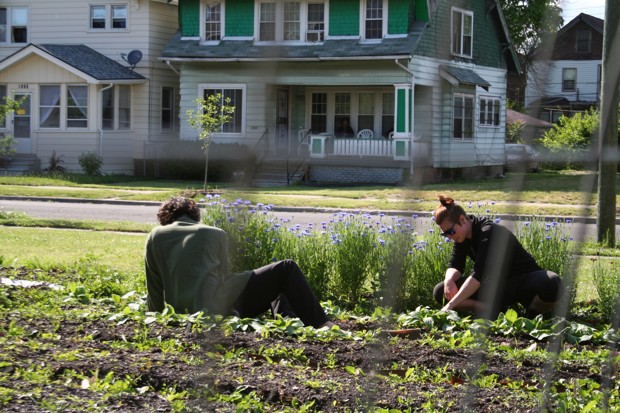
“Struck by the lack of fresh, inexpensive produce in downtown Davenport, one resident is trying to feed his hungry neighbors this summer.

Wesley Arnold, a Quad-City transplant who moved here from the Detroit area in 2013, seeded a variety of food-producing plants over Memorial Day weekend in front of his apartment complex near the corner of West 5th and Brady streets. And they’re almost ripe for the taking.”

Read the entire article at: “qctimes.com

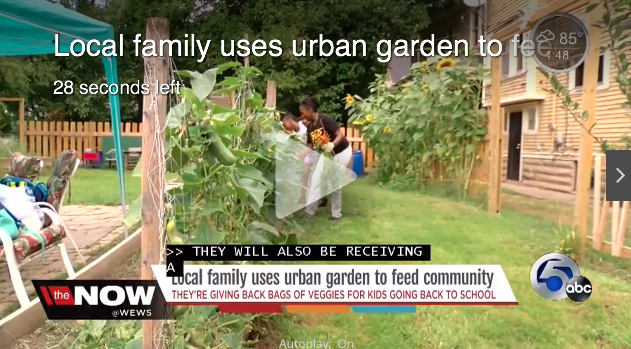
Local Family Uses Urban Garden to Feed Community, Gives Bags of Vegetables for Back to School

familyClick to Watch Video

CLEVELAND – In a neighborhood where there’s more check cashing places then grocery stores, there’s the Acy family and their garden.

“This is a food desert where the average corner store sells nothing but junk food,” said the father, Stephen Acy.

His wife, Erika Acy, started the idea of a community urban garden after tending to dozens of fresh pots in their backyard.

“It’s just something that’s been in me, it was passed down from my grandmother. It’s great, I love it,” she said.

Read the entire article at: “NewsNet5.com

Vertical Farmer Extraordinaire! “Come Follow My Journey as I Disrupt the World of Agriculture!”

1

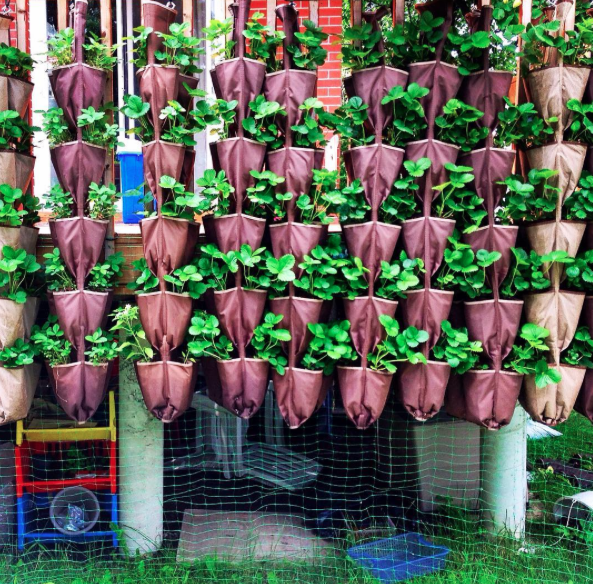
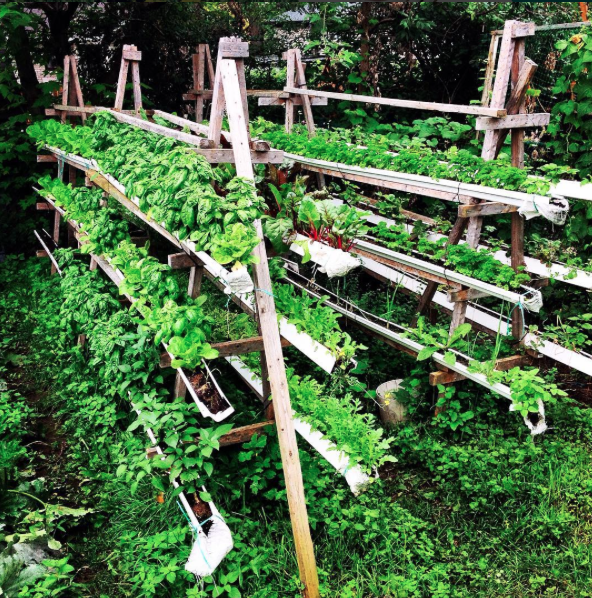
I was always fascinated by growing food but turned off by how inefficient “conventional” methods are.  I did try them but between weeds, bugs, bending over, digging, and the rest, I knew there had to be a way to come up with a better mouse trap!  I started looking for something that could be used for vertical growing and that could be deployed at scale while staying within reasonable cost. The idea was of course to lower production costs and increase productivity.  While cruising the local store alleys I came across the over the door shoe organizers and that became my first vertical system.

5

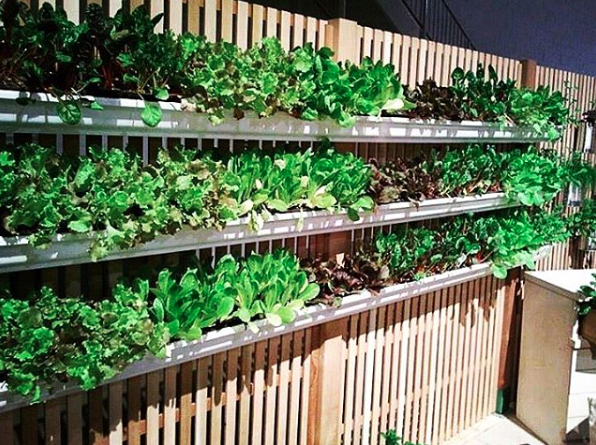
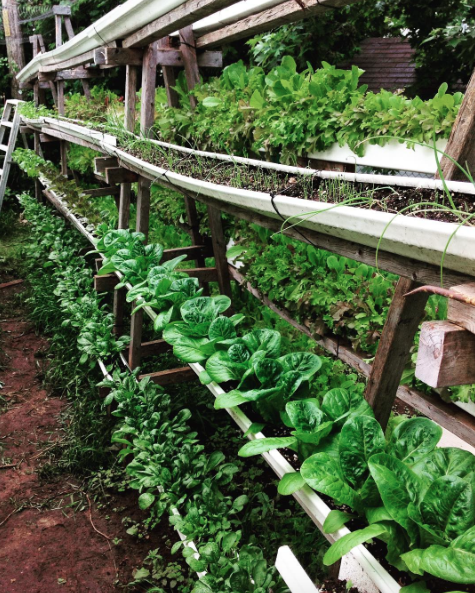
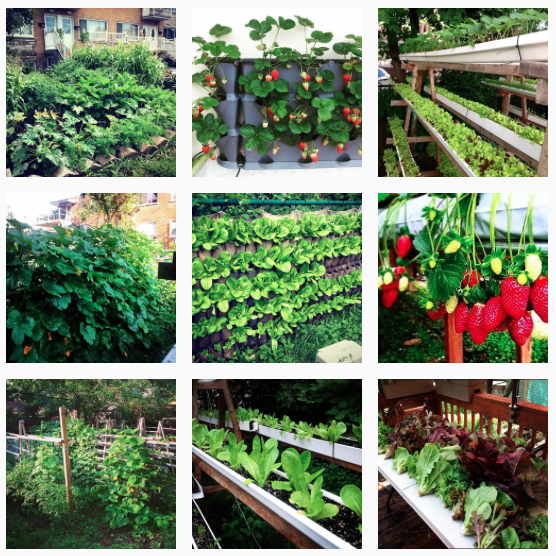
I have photos of this on my Instagram @ThePlantCharmer and it’s obvious from those that it grew plants REALLY WELL!  The issues came when it was time to amend/fertilize. We had to put a little bit of chicken manure pellets in each pocket and that took forever. Second issue was that each pocket being sealed from the next, the roots were limited in how much they could grow.  That also prevented me from deploying affordable automatic irrigation.  I started looking for a solution that would solve these challenges.  Enter the rain gutter systems.  Cheap to build, durable, easy to operate, solves all challenges mentioned above and yields up to 100$ per square foot at retail values.  I call it the holy grail of vertical farming.  One massive difference between what I do and other vertical operations is that we are WAY profitable.  We fixed all the quirks associated with vertical production and that translates into the highest production farming operation on the globe, however small it may still be at this point.  We’ve mastered production of over 100 crops in vertical systems and our catalog keeps on expanding rapidly.
2

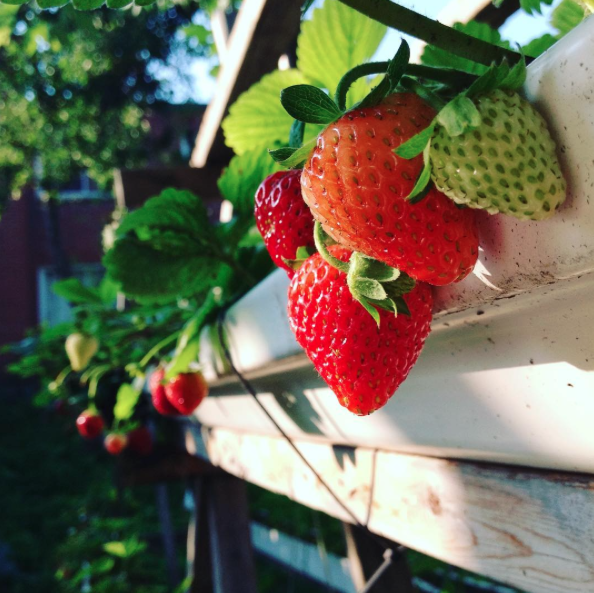
I think my biggest successes are with crops that are small and prone to pests and weed competition when grown at ground level.  Those also happen to be the most expensive crops because of the very difficulty involved in growing them.  Lettuce, both head and loose leaf comes to mind.  Arugula, most herbs also.  Strawberries is a huge one as they are very difficult to grow without chemicals and without incurring large losses and investing lots of labour.  We also don’t need to bend over to harvest or tend to crops and that’s huge.  Most people don’t realize that one of the main problems of farming is that there is no local labour.  Nobody wants the pain associated with it in exchange for minimum wage.  When we increase productivity and make labour a little more fun and less painful, we overcome this important challenge.  Farming suddenly becomes a viable career possibility.
6

One of the main reasons we research vertical production in such an obsessive way is that this is the key to bringing local, fresh, affordable, chemical free food  everywhere.  I am building a full size farm next year and will be opening a sales location in a large city in parallel.  I will bring in a truck of fresh food every morning from our farm.  Our production levels, low labour requirements and direct sales model allows us to beat the competition on all levels.  Once this first operation is established we will slowly expand into every large city in Canada first, then the US.  We are in essence ushering in a new industry and pushing all middlemen aside.  Enter the era of seed to retail, traceable food systems.

3

The produce I grow is what supports me and the research I conduct as well.  I sell it to neighbours, friends and people who have heard about us on social media.  This also is part of the research; I really wanted to go full circle and prove the model, from seed to repeat sales to a crowd of satisfied customers.  I give A LOT to charity.  My mom comes from a very poor background and I have always been extremely sensitive to poverty.  A smile from someone in need is better than a pay check for me.  I also try to balance this out with the very real need to pay my bills!  But ya it’s always a fresh food party on my block.  The neighbours are always like ” whats he gonna come up with next ” and that’s just awesome!  Me and my girlfriend also freeze and dehydrate a lot of stuff and are pretty much self sufficient in produce, bar the grain based foods and I think it’s pretty cool to know that we are eating real healthy foods!

4

My favourite plant is the strawberry by far!  From a cultural point of view at least.  I love it’s fruit, yet it can be a very finicky plant.  Mastering its production vertically has been my biggest challenge so far.  It’s one of those fruits that you never seem to have enough off.  I’m particularly proud of my work on them as they are the most chemical sprayed crop out there so growing them clean is always a pleasure!

7
8 insta

Urban Farming Takes Root in Baltimore

farm_pic_9

People have been growing food in urban areas for years, and you can remember how “victory gardens” were common even during World War II.  This idea of growing food, in small areas and urban neighborhoods is sweeping the nation and Baltimore has joined the trend.

“Because of urban agriculture’s potential to feed, employ, beautify, and improve ecological and health outcomes, it is often touted as a promising solution to the ills of urbanity, especially in cities like Baltimore where vacant land is plentiful, food insecurity and blight are rampant, and community resources are scarce.”

Read the entire article at: “BaltimoreMagazine.net

THE POISON GARDEN

“Locked behind black steel doors in Northumberland, England, the Poison Garden at Alnwick Castle grows around 100 infamous killers. From deadly nightshade to hemlock, the only way a plant can take root in this garden is if it is lethal to humans. Created by the Duchess of Northumberland, this is one garden where you won’t want to stop and smell the flowers.”

19 Frost Hardy Vegetables to Plant this Fall

Having a thriving vegetable garden doesn’t have to end when summer does. With a little bit of planning, and preparation you can grow vegetables well into the winter months or even year round if you live in a warmer climate down south. But regardless of where you live, there’s a few crops you can count on to withstand cooler temps, frost, and even sometimes snow.

Did you know that there are vegetables you can plant now that will only become sweeter and more delicious if they go through a frost?

When a frost comes into contact with a lot of these cool season vegetables, they naturally react to the cold and produce extra sugars which can make some of the more bitter tasting vegetables taste rather sweet.

Prepare now to have the garden you’ve always wanted during Fall/Winter! With these crops, put the fear of your plants being damaged or destroyed aside. When Winter weather rolls around, these vegetables will do well & actually THRIVE!

Here is a list of 19 Frost Hardy Vegetables you should plant this fall:

Source//www.SeedsNow.com

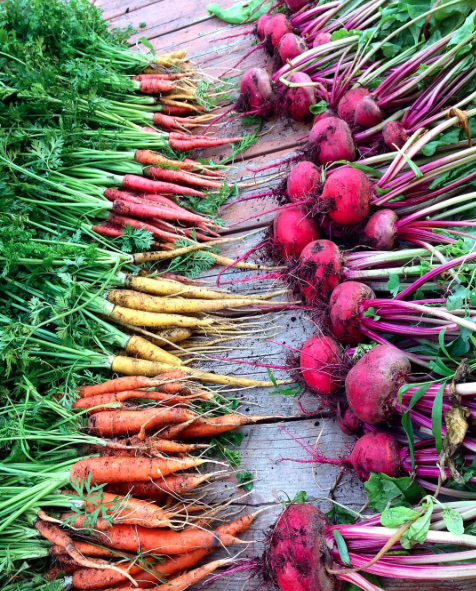
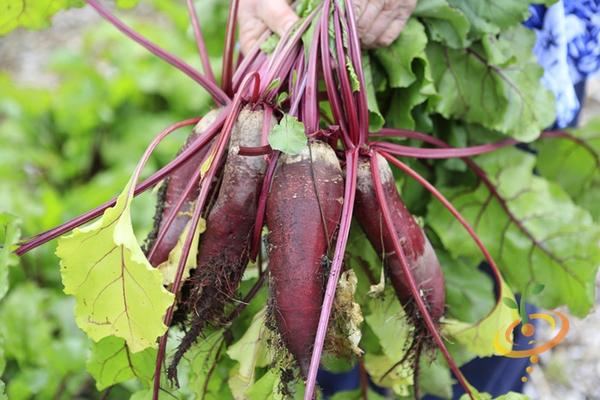
1. Beets

Although beets grow well during warm weather, the seedlings are established more easily under cool, moist conditions.

2. Broccoli

Broccoli plants thrive in cool temperatures, they have been known to survive temperatures as low as 28 F.

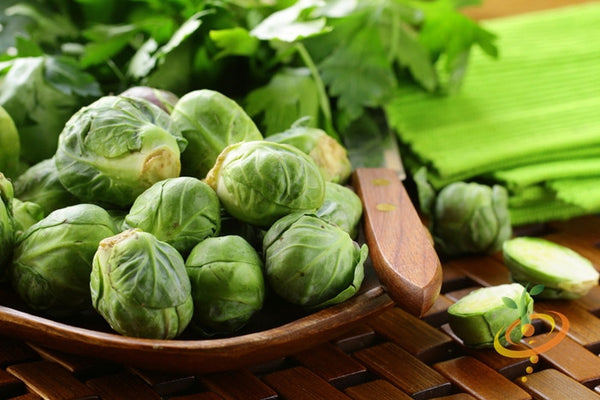
3. Brussels


The plant will withstand frost and can be harvested until a hard freeze strikes. The best-quality sprouts are produced during sunny days with light frosts at night.
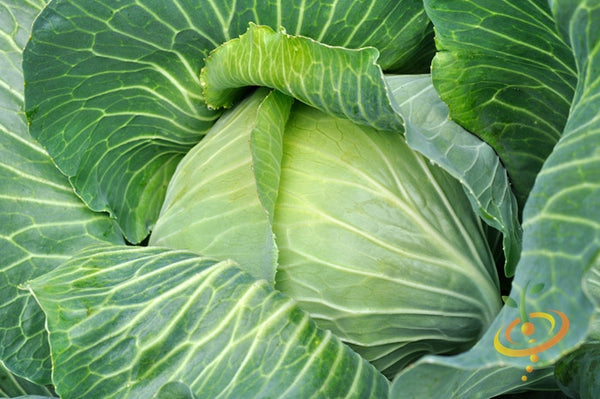
4. Cabbage

Cabbage can withstand frost down to 20 degrees or even 15 degrees F.

5. Carrots

Carrots can survive temperatures as low as 15 degrees Fahrenheit, but prolonged periods of cold results in long, pale roots.


6. Cauliflower

Cauliflowercan survive temperatures as low as 10 degrees Fahrenheit.


7. Celery

Celery tolerates light frost only.


8. Collards


Collard greens are the most cold resistant of any plant in the cold-hardy Brassica family.
Collards can withstand winter temps. down to 5 F. and they usually come through the cold even more flavorful.

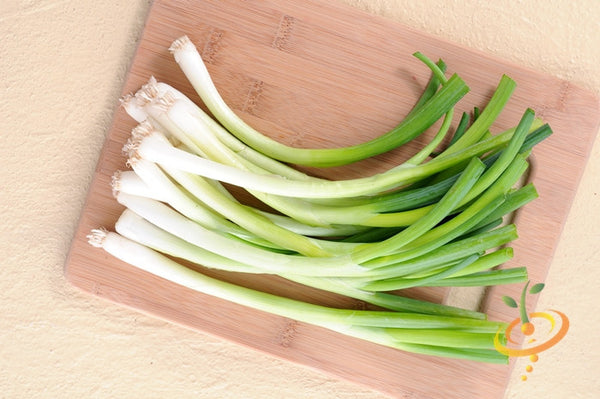
9. Green Onions


Onions are as hardy as they come. Frosts, freezing temperatures and snow will not kill them.
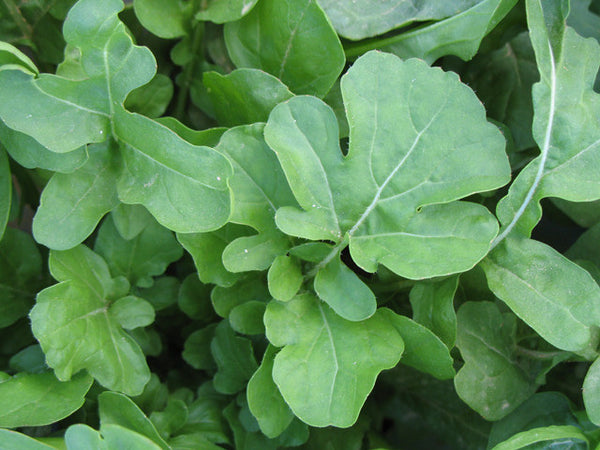
10. Leafy Lettuces

Frost damage on leafy vegetables doesn’t render the plant inedible like a disease. You can harvest non-damage parts by cutting away brown areas and edges that are frost damaged and save just the leaf parts that are uninjured and your plant will continue to grow.

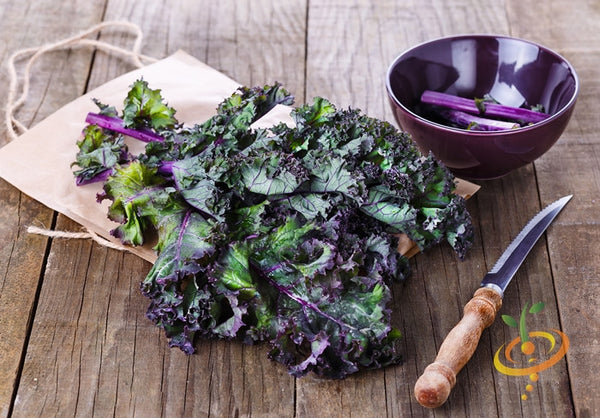
11. Kale

Snow can protect plants from extreme cold so that they stay in the garden longer. Kale is one of these plants! Very cold-hardy.

12. Leeks

Leeks are very cold-tolerant, most likely to survive plunges to 0 °F
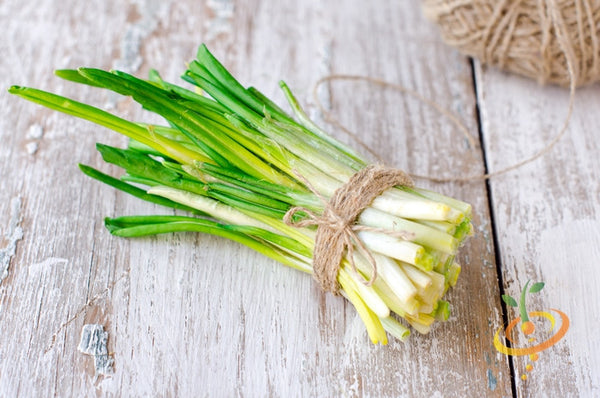

13. Mustard

When spent days under the cover of snow they have been known to emerge in perfect condition once the snow melts.


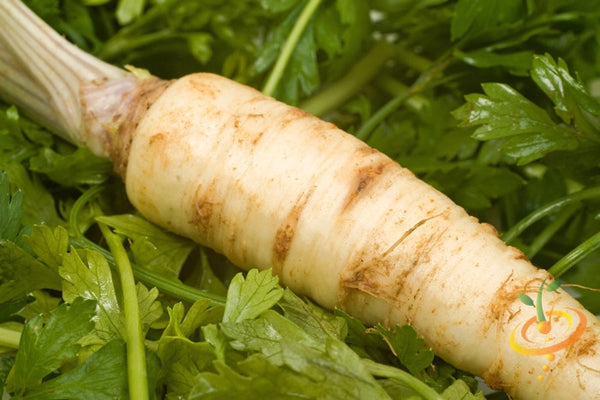
14. Parsnips

Parsnips are generally tolerant to 0 °F and will sweeten in flavor if hit with a light frost or two.
 

15. Radishes

Radishes thrive in the cooler weather when frost can be a threat to other crops. They can survive hard freezes as well.


16. Rutabagas

When exposed to light frost, rutabagas can actually taste sweeter. To extend the harvest season & protect the crops from heavier frosts, just add a thick layer of straw.


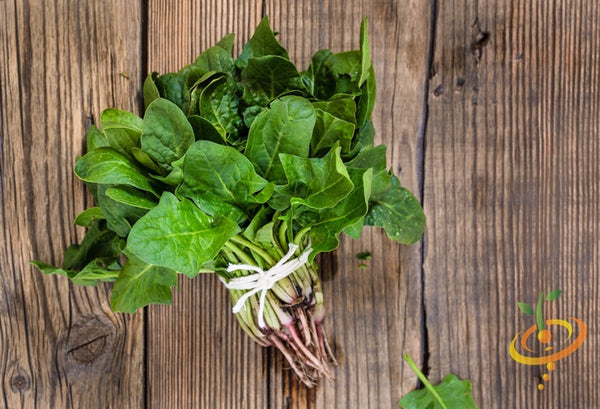
17. Spinach

Grows slowly through the winter but will always bounce back in early spring.
 

18. Swiss Chard

Swiss chard is very cold-tolerant, & can survive dips to 15 °F without any protection.


19. Turnips

Turnips lose much of their spiciness and accumulate sugar when they mature in cold weather.

8 Odd Things from your Garden You Can Candy

7271149440_41f6f2e74f_h.jpg.650x0_q70_crop-smart

Making candied treats is always a pleasure. Not only is it easy & requires very few ingredients…there are plenty of things you can harvest from your home garden to “candy”.

“Candied things are special. By cooking in a simple syrup and then drying, the moisture is removed and replaced with sugar which acts to preserve that which is being candied. The flavor is both sweetened and smoothed out, and the texture transformed. And it’s a great way to use up kitchen bits that would otherwise go to waste, like empty vanilla pods and citrus peels.”

From candied beets, herbs, flowers, and more…here are 8 ODD Things You Can Candy at home.

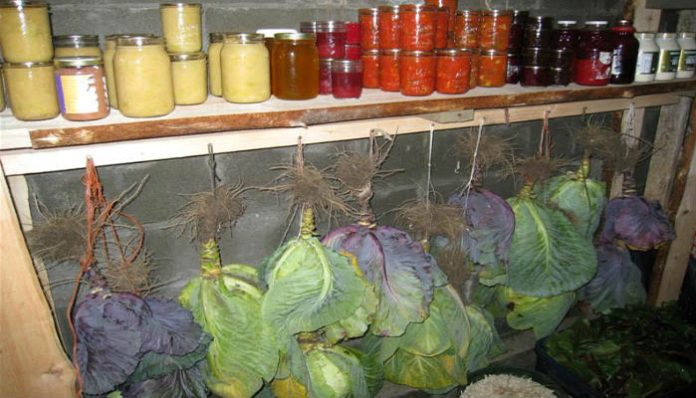
How You Can Store Vegetables For Months Without A Refrigerator

store-vegetable-696x398

During the summer months, we usually have no problem with storing our fresh fruits and vegetables from the garden. There does come a time however when the abundance of produce seems like too much to keep up with and we struggle to either give extras away, or try cramming it all into the refrigerator.

There are several downfalls of using the refrigerator as your main source of food preservation. Food stored in this type of environment for several weeks won’t keep it’s nutritional value. Over time the nutrients will decrease. Another downside to using the refrigerator? Power outages. All of that food possibly gone to waste.

“The whole issue becomes even more painful if we have invested funds, effort and love to grow and harvest our own crops. In winter, one method of preserving crops is by drying, canning and pickling. The question is how we can keep our supply of fresh crops for a longer period of time. Even though our ancestors did not have the advantage of using modern technology, they had the solution to this problem.”

Read: How to Store Vegetables for Months Without a Refrigerator.

Urban Farmer Sharing Produce and Inspiration in Sacramento, CA

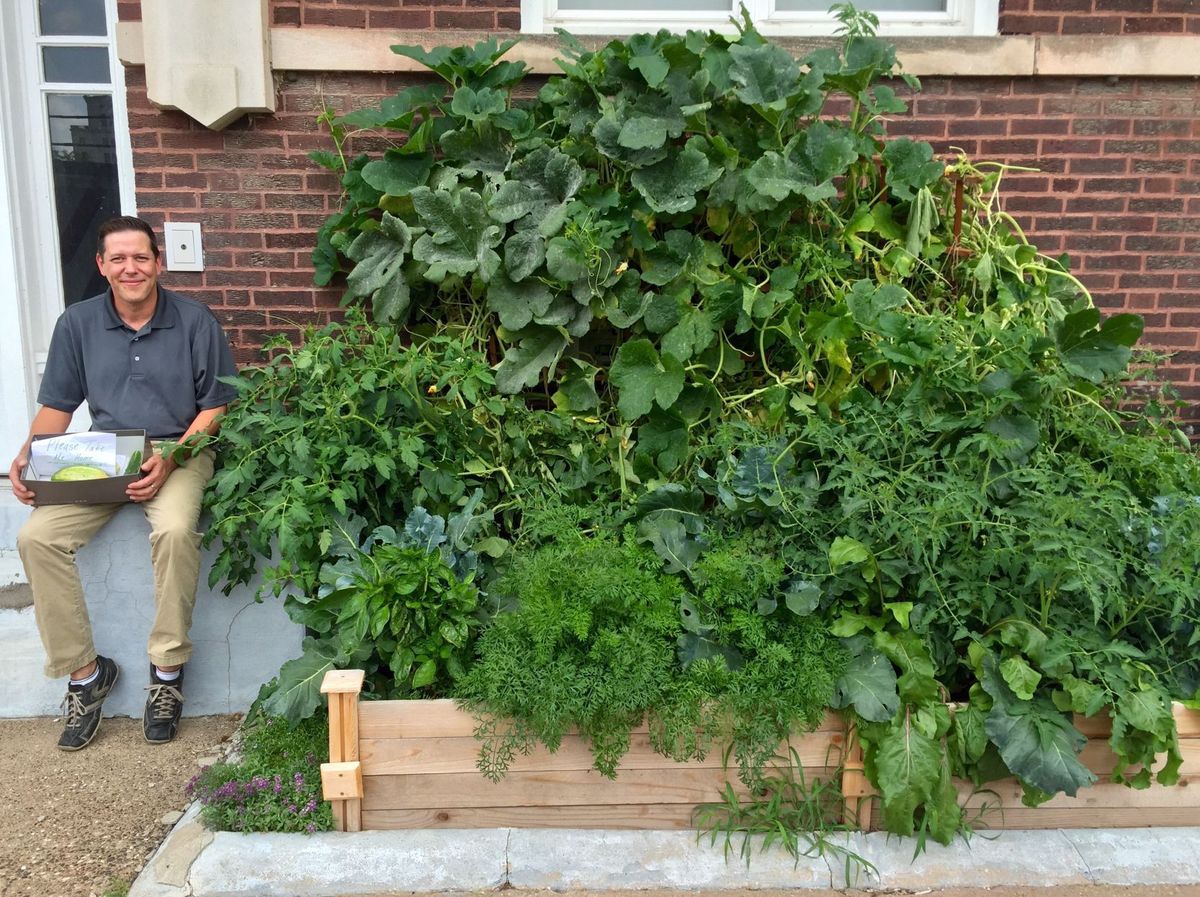
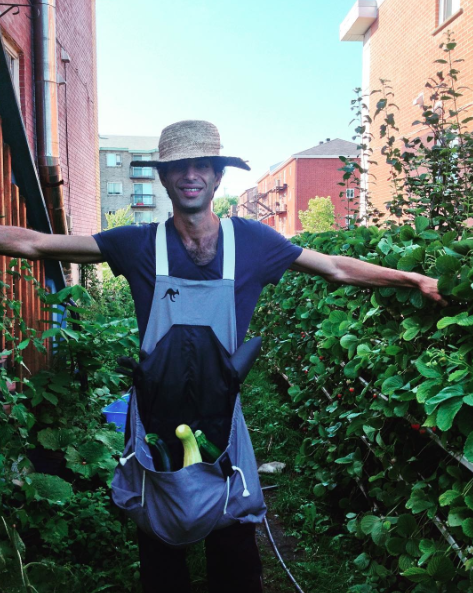
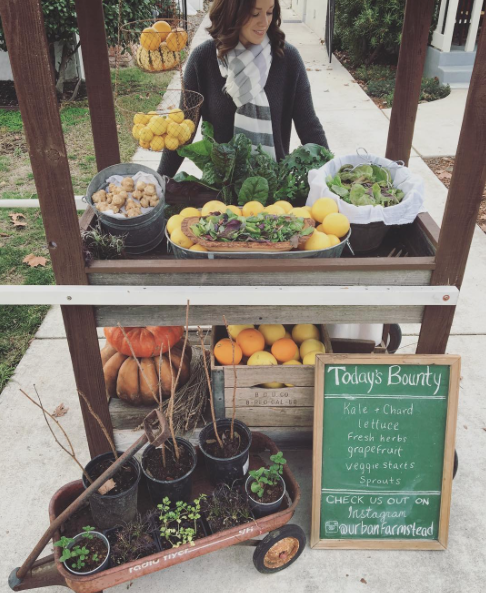
In Sacramento California, Zone 9b, Kyle Hagerty is inspiring Urban Gardeners around the world. They started growing just enough food for themselves, but now they have opened up a farm stand in their front yard where they share their homegrown goodness with their entire community. 

2

Tell us more about your amazing little farm stand and how it makes you feel being able to share your harvests with your local community.  Just over two years ago when I bought the house, the yard was completely empty but full of sunshine. I designed, planted, and built the urban farm with a focus on sustainability and it has grown into a wonderful place for sharing produce and inspiration with our community. The farm stand is wheeled out into the driveway full of anything that’s growing in the back yard and we give it all away to everyone who stops by. I also invite visitors to take a walk in the back yard to see where the magic is happening, and to hopefully inspire them to start their own garden or share some gardening tips with other gardeners. Being able to connect with my community through sustainable food and re-establishing the relationship between people and the food that they eat brings me immense joy. I am extremely grateful for all of the support I receive from my community here in the Farm-to-Fork Capital of America, and the social media community on Instagram who continue to encourage and inspire me every day. 

3

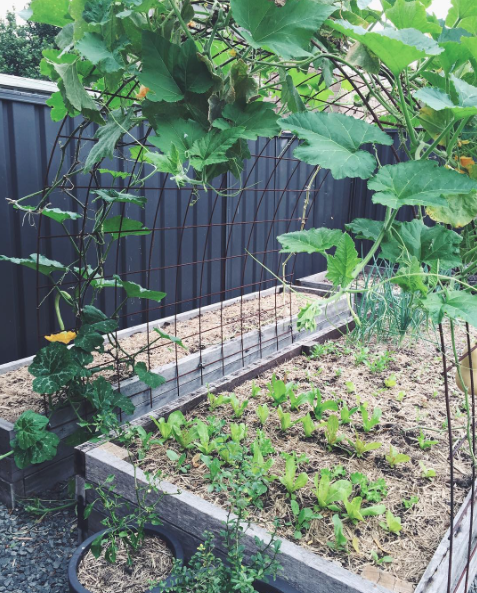
What’s your favorite part of your amazing backyard garden? My favorite feature in my garden is my tunnel trellis entryway into the raised bed area of the garden. I used two 16’x4’ galvanized  livestock panels bent into and arch and held in place by T-posts. The trellis spans the pathway between two raised beds and supports a wide variety of fruits and vegetables year round. I originally designed it with tomatoes in mind but through crop rotation it has hosted and supported gourds, pumpkins, zucchini, pole beans, peas, tomatillos, blackberries, cucumbers, butternut squash and more. I have recently noticed a few people re-create this trellis in their gardens and I hope to inspire everyone who has the space, to do the same. It is an easy, inexpensive, attractive, and highly effective trellising system!

4

Any plans or projects you’re working on currently for your garden? The projects are never ending. I am currently working on a design to build a vertical growing system for my zucchini and summer squash. With my limited space I am constantly experimenting with and developing ways to take advantage of vertical space by encouraging plants to grow up rather than out. 

I am also in the planning stages of incorporating chickens into the urban farm. Stay tuned for that this summer!

Follow @Urbanfarmstead on Instagram! 

How to Plant Garlic In the Fall — & Get BIGGER Bulbs!

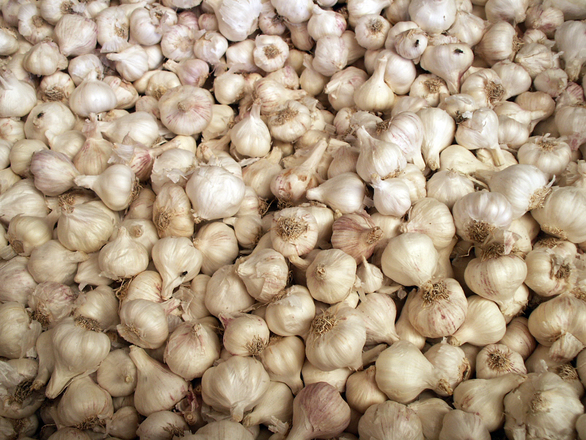
Garlic can be planted in the spring as soon as the ground can be worked, but fall planting is recommended. Bulbs will grow bigger and more flavorful when you plant them in the fall.  Plant 6 to 8 weeks before your first hard frost.  In southern areas, February or March can be a better time to plant. Most people generally plant garlic somewhere between October-February.

31 Health Benefits of Cucumber For Your Skin, Hair, And Health

cucumber-1630009-639x504
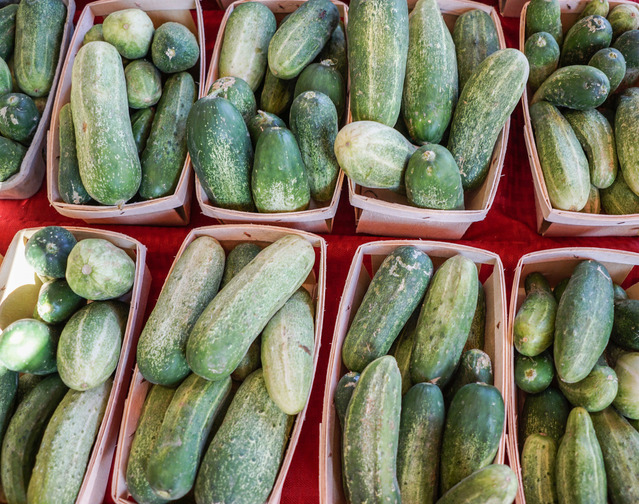
“It has a light to dark green color, thin skin, moisture-rich flesh with tiny edible seeds inside, and is enjoyed best in salads, sandwiches, or as a juice. It has a high water content that helps keep your body hydrated, and the low calorie content makes it a great choice for a weight loss diet. So let us try and understand how cucumbers help maintain our bodies in top shape.”

31 Health Benefits of Cucumbers 

To read the entire article, visit: “StyleCraze.com” or “PositiveHealthWellness.com