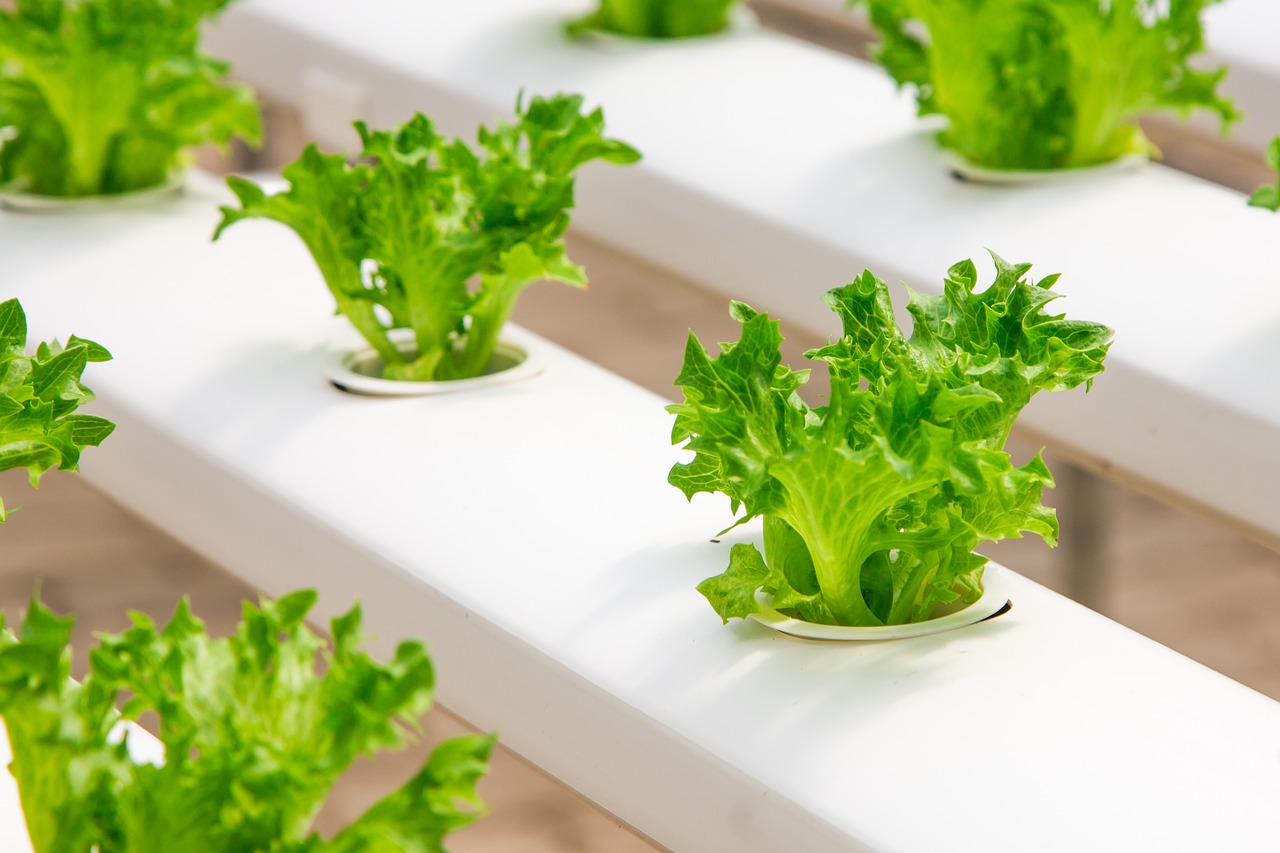
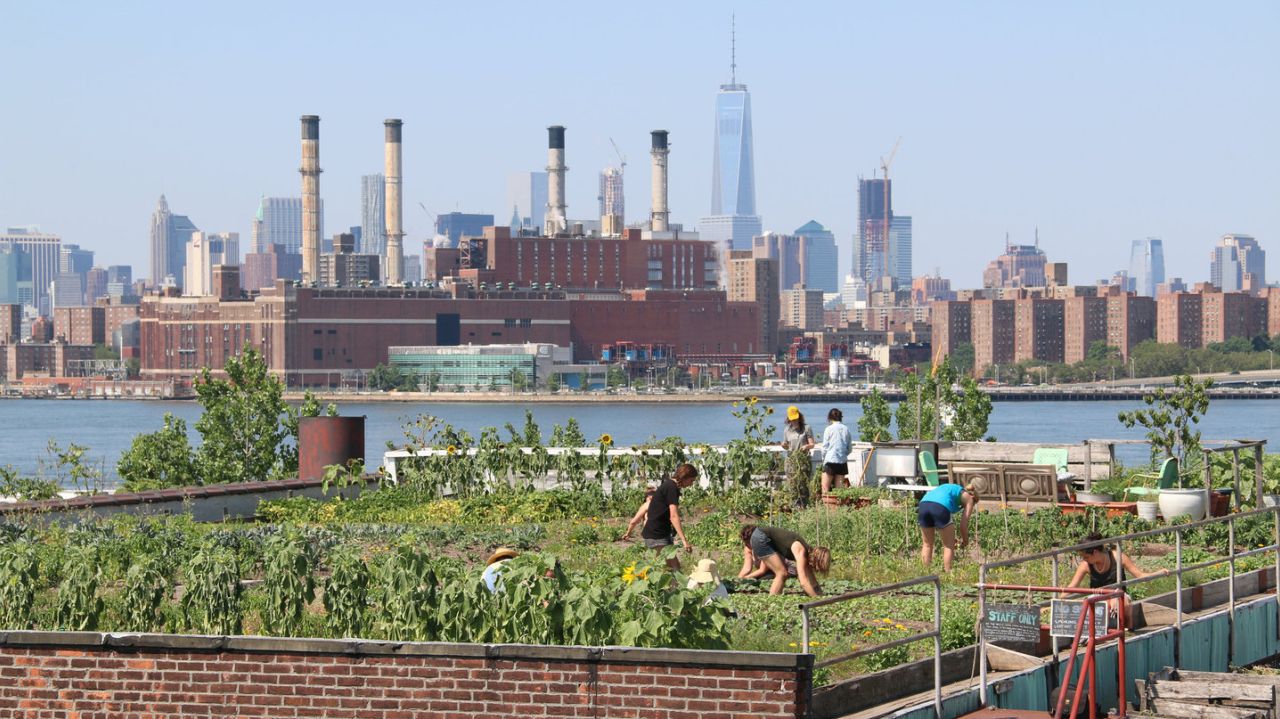
“These large-scale greenhouses are advanced and expensive, but more and more consumers and businesses are supporting them,” said Nicole Baum, spokeswoman for Gotham Greens, a rooftop farm operator in Brooklyn.
The city changed its zoning laws in 2012 to allow rooftop greenhouses certain exemptions from limits on height and floor size on commercial and industrial properties. As a consequence, landlords have come to view them as a potential amenity and opportunity for profit.
“The landlords now see a way to use their space wisely,” said Annie Novak, a farmer who helped create the Eagle Street Rooftop Farm in Greenpoint in 2009. “Now there is a positive shift from the community who want to see these spaces.”
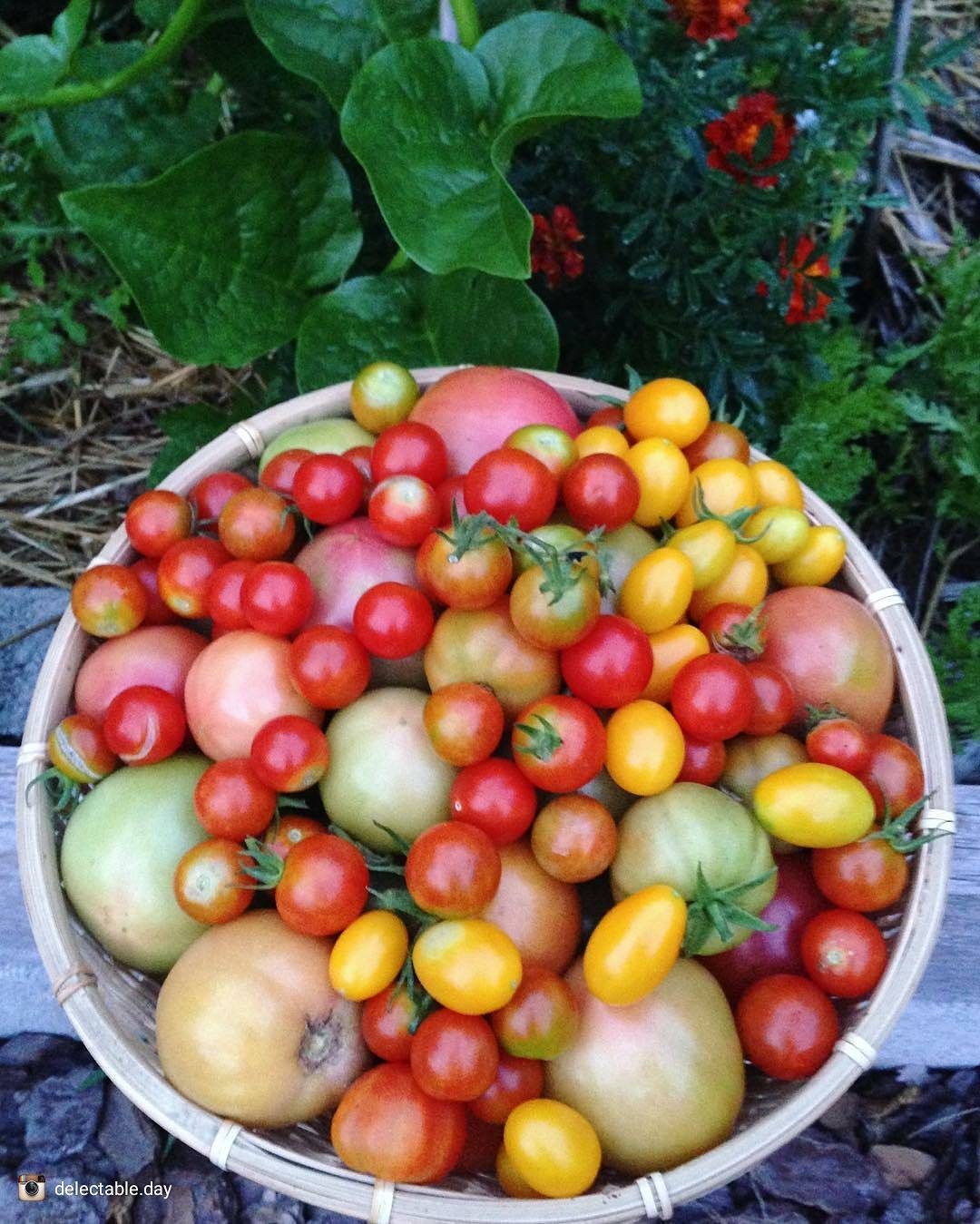
“People garden with different objectives in mind. Some are seeking a serene oasis, a time they can spend alone in nature, even if it is just a tiny plot on their urban lot. Many do not know of the serenity gardening brings until they have one. Some simply want an ornamental garden, pretty landscaping to admire. Some people just want tomatoes and basil for spaghetti sauce.”
Whatever your desired results from gardening are, here JenReviews shares a wealth of knowledge when it comes to starting a vegetable garden of your own!
Table of Contents
Garden with Nature The first rule is to garden with nature, not against it. What type of soil do you have? Is it sandy or is it clay or is it a mix? What is the acidic level? How long is your growing season? How hot does it get? How cold does it get? How much rain do you get?
Follow the Sun Go out to your proposed site and take a look at where the sun is in the morning, in the afternoon and in the evening. Bear in mind that if it is winter, the arc of the sun is going to be a bit different than in the summer.
Don’t Try to Keep Out what you Can’t Keep Out There are gadgets and gizmos and wives tales of many a fix to deter animals, but save your money and just nod kindly at the neighbor telling his tall tales. The scarecrow with the banging pans, the sensor flood lights, the hose blasting shots of cold water, the fox urine, the Irish Spring soap, the locks of cut hair… these things may cause a deer or groundhog to hesitate once, but the second time they will simply ignore it.
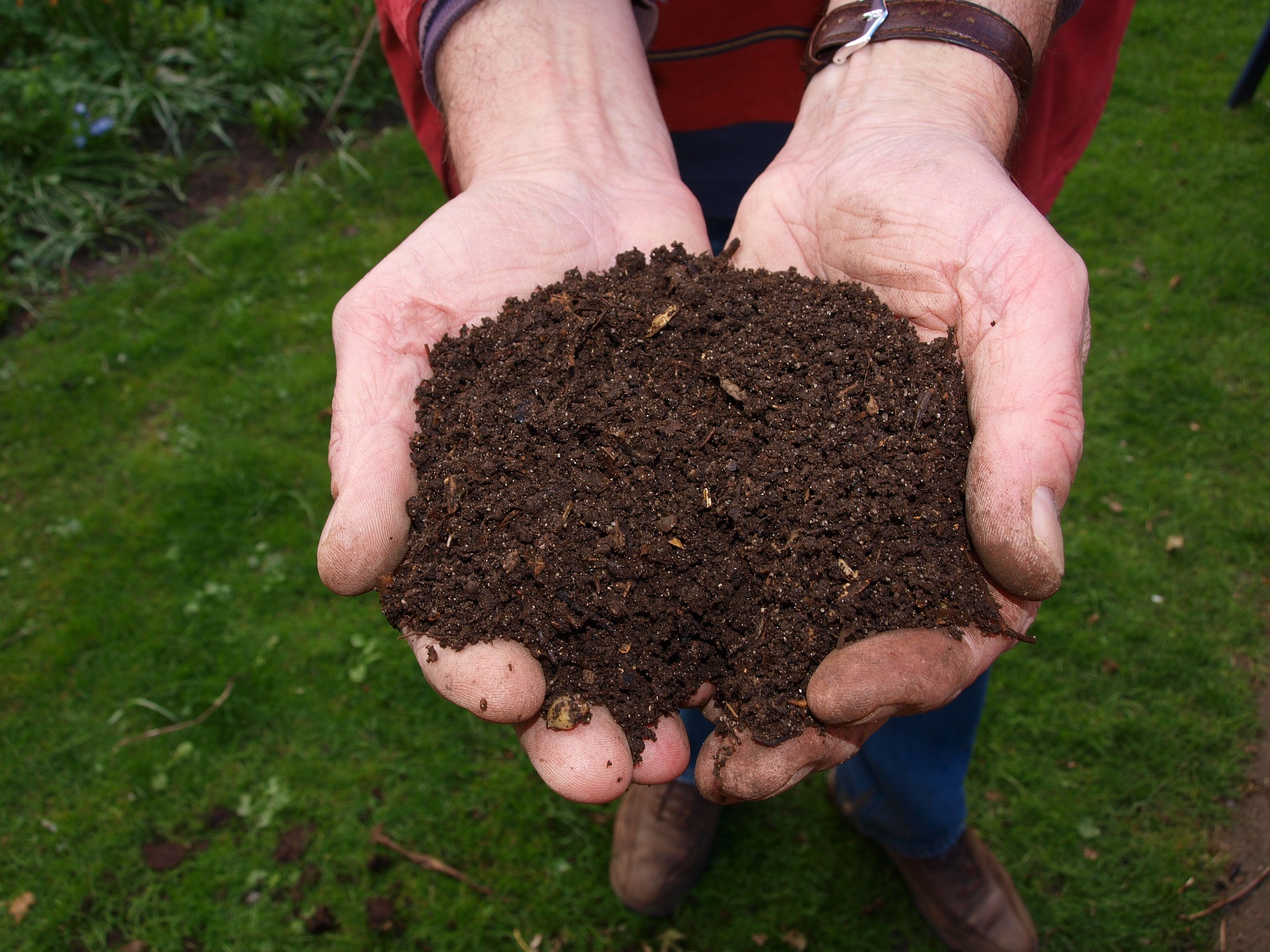
It’s All in the Soil By-products from growing roots and plant debris feed soil organisms. Soil organisms help plants by decomposing organic matter, cycling nutrients to make them more available to the plant, enhancing soil structure and porosity and controlling the populations of soil organisms, including crop pests. Healthy soil means healthy plants.
Organizing the Garden I would recommend a garden no larger than 25 x 30 feet to begin.
Companion Planting It is based upon observations of plants that grow better together, due to the nutrients their root systems exchange and because the pests they naturally attract are pests that control the population of pests of their companion.
Supplies Take good care of your tools and make sure they are always clean. Be sensitive to what you are doing. If you cut off a diseased leaf, clean the shears with soap before you use them on another plant or you are likely to spread the disease. Keep them sharp so that your cuts are clean, not sloppy and tearing, thus weakening the plant.
“There is one basic role that applies when it comes to using fertilizers – “less is more”. If you apply too much fertilizer or a concentration that is too strong, you could do much more harm than good. You can harm plant roots and soon you will see the tell-tale symptoms of fertilizer burn – brown curled leaf edges and leaves that wither and fall from the stem.”
We have prepared a list of 15 homemade fertilizers, HERE: “GardeningSoul.com“
🍉 Get Seeds & Garden Supplies Delivered Every Month – Fully Customized Around You! We are now preparing our members for Fall planting season! 👏 Visit: www.UrbanOrganicGardener.club
Subscriptions are only $9.99/month + s/h.
💧🌱💧 NOW AVAILABLE: Options for RAISED BEDS -&- CONTAINER GARDENS -&- TOWER GARDENS – & – HYDROPONIC SYSTEMS💧🌿💧
We’re making it easy for everyone to grow organic food all-year-round! 👍
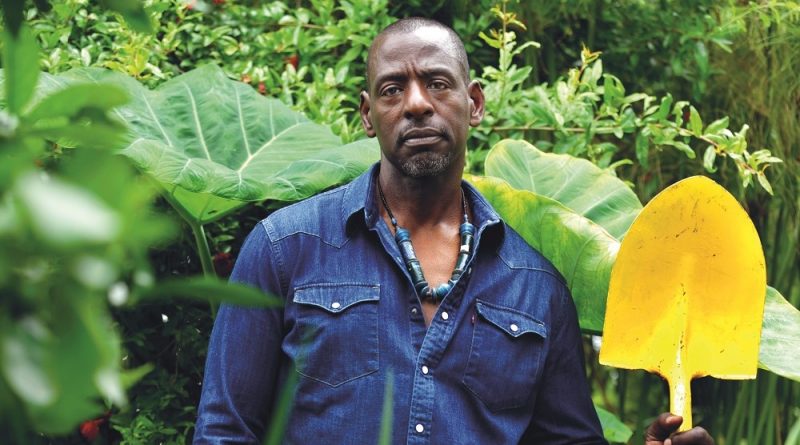
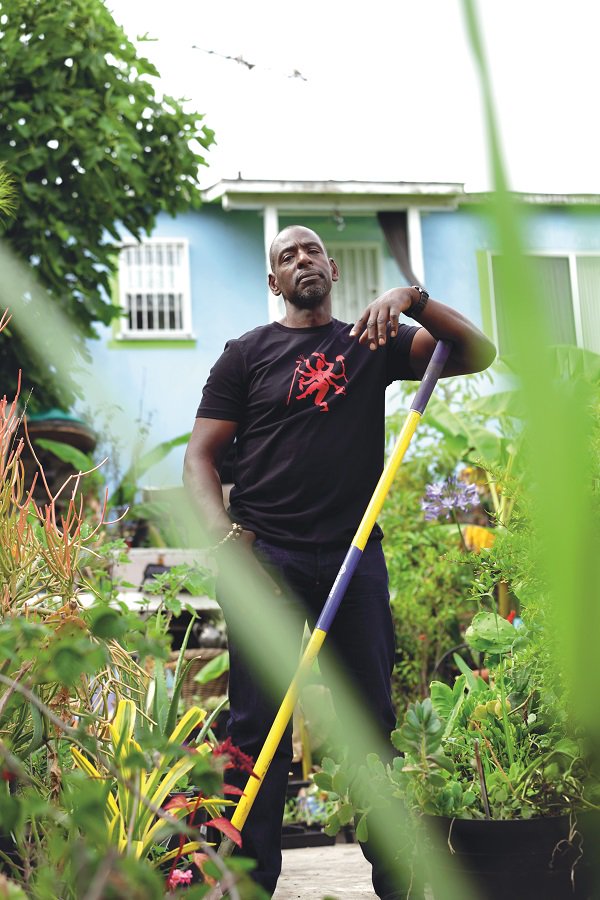
“Los Angeles-based ‘gangsta gardener’ and community leader Ron Finley is determined to redefine ‘gangsta’ as being about building thriving communities, not machismo.”
“Gardening is gangsta: Mother Nature is gangsta. Being educated, creative and self-sustaining is gangsta. That whole concept was about turning a negative into a positive. If you want to be gangsta about anything, make it about building your community, sharing knowledge.
Men are brought up being told that we’re supposed to be provider and protector. But, as far as I can see, a lot of our communities are basically designed to kill people, because you can’t find healthy or nutritious food in them. Why is it easier to get alcohol than an organic apple? Why, in certain communities here, is it easier to get a gun than it is to get an organic carrot? Cities are designed for commerce, not for people.”
This article was first published by Positive News and is republished with permission.
“We are sure you already know baking soda is beneficial for your home and kitchen as it offers a safe and inexpensive way to clean the kitchen and bathroom. What about the garden? Here are the top 10 ways you can use baking soda in the garden to keep it healthy and pest-free.
1. Use Baking Soda To Test the PH Level of the Soil
Wet your soil with distilled water and sprinkle some baking soda over the damp part. If the soil starts bubbling, you have acidic soil with a pH level lower than 5.
2. Homemade Plant Fungicide
Mix four tablespoons with 1 gallon of water and you will get a homemade fungicide a lot cheaper and with much fewer chemicals and toxins than other harmful fungicides.”
Read 8 MORE ways to use baking soda in your garden, HERE:“GardeningSoul.com“
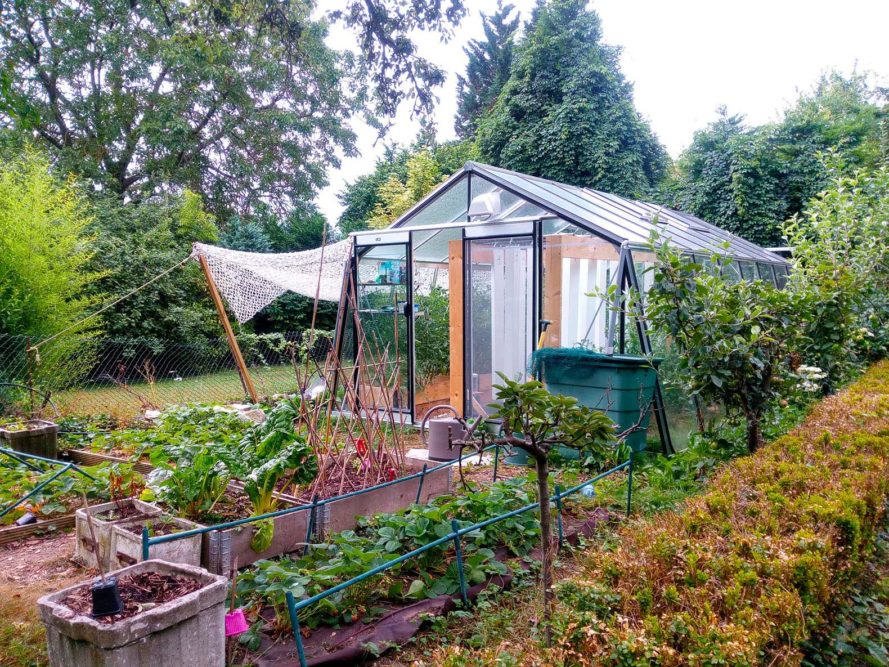
“Fresh produce – ideally grown locally right in your backyard – is essential to a healthy diet, but with scores of people either lacking the space, time, or knowledge to cultivate their own food, for many that ideal simply isn’t attainable. Enter French company Myfood. They aim to bring food production back home, and they’re doing it with smart solar aquaponic greenhouses. These groundbreaking greenhouses, which are small enough to fit in a yard or even a city balcony, can produce 660 to 880 pounds of vegetables every year.” –via “HealthAdvisor.care”
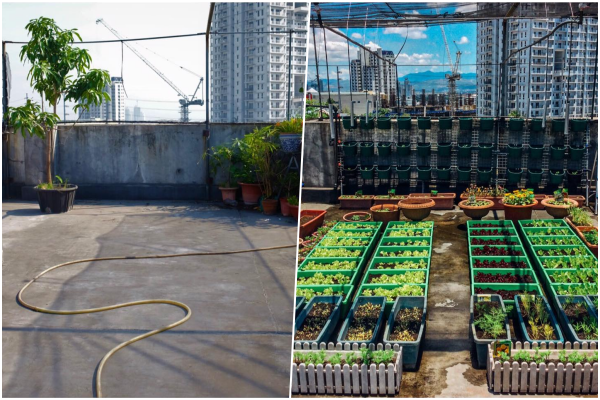
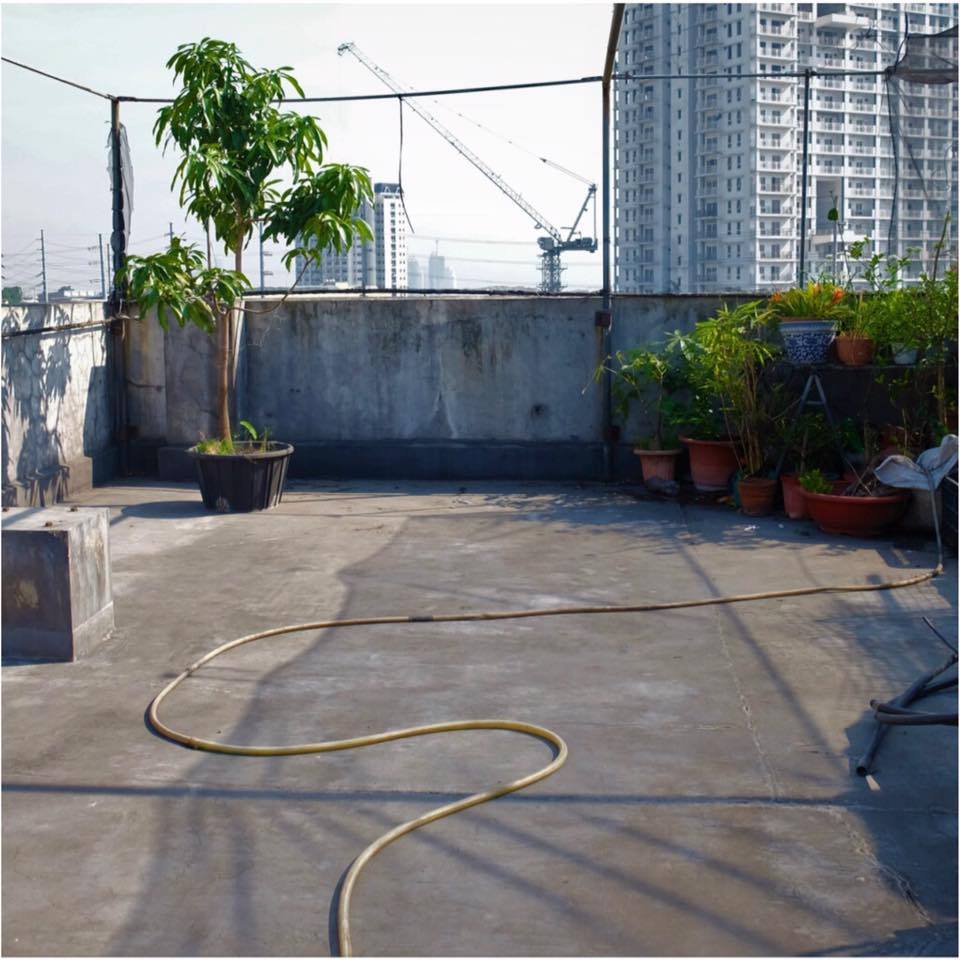
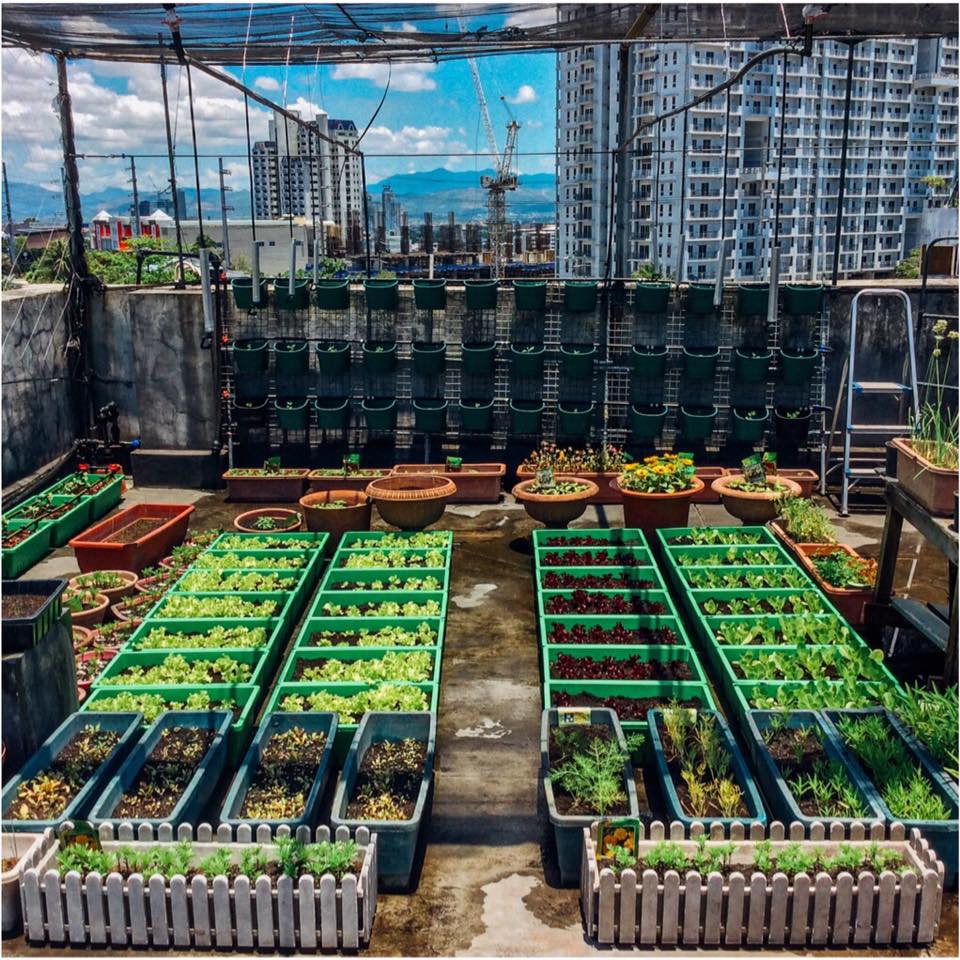
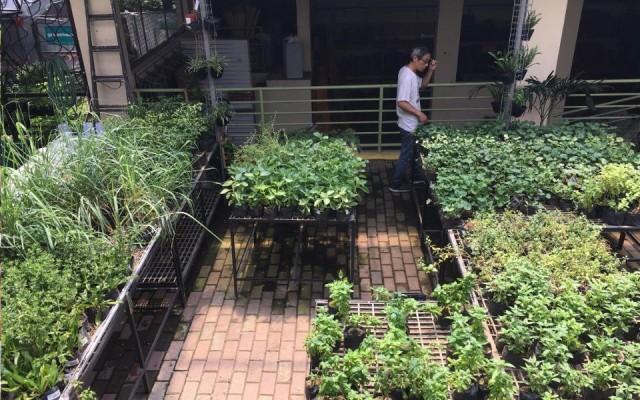
“I just started gardening in February and I just wanted to share how container gardening literally transformed my roof deck. Who says you can’t grow food in the big city?” says Julius Barcelona.
He also notes: “We’re five floors up and yes, the wind really is a big problem here. My herbs and leafy veg are okay since they’re low lying plants, but all my other plants like tomatoes and cucumbers are along the western wall so they are protected from the wind while they are small. I’ve put up some trellis net to support the taller plants along the side of the garden. There’s one good thing about the wind though; pests have a harder time establishing since they get whipped around a lot.”
Images via Julius Barcelona, Container Gardening and Vertical Gardening (Facebook Group)
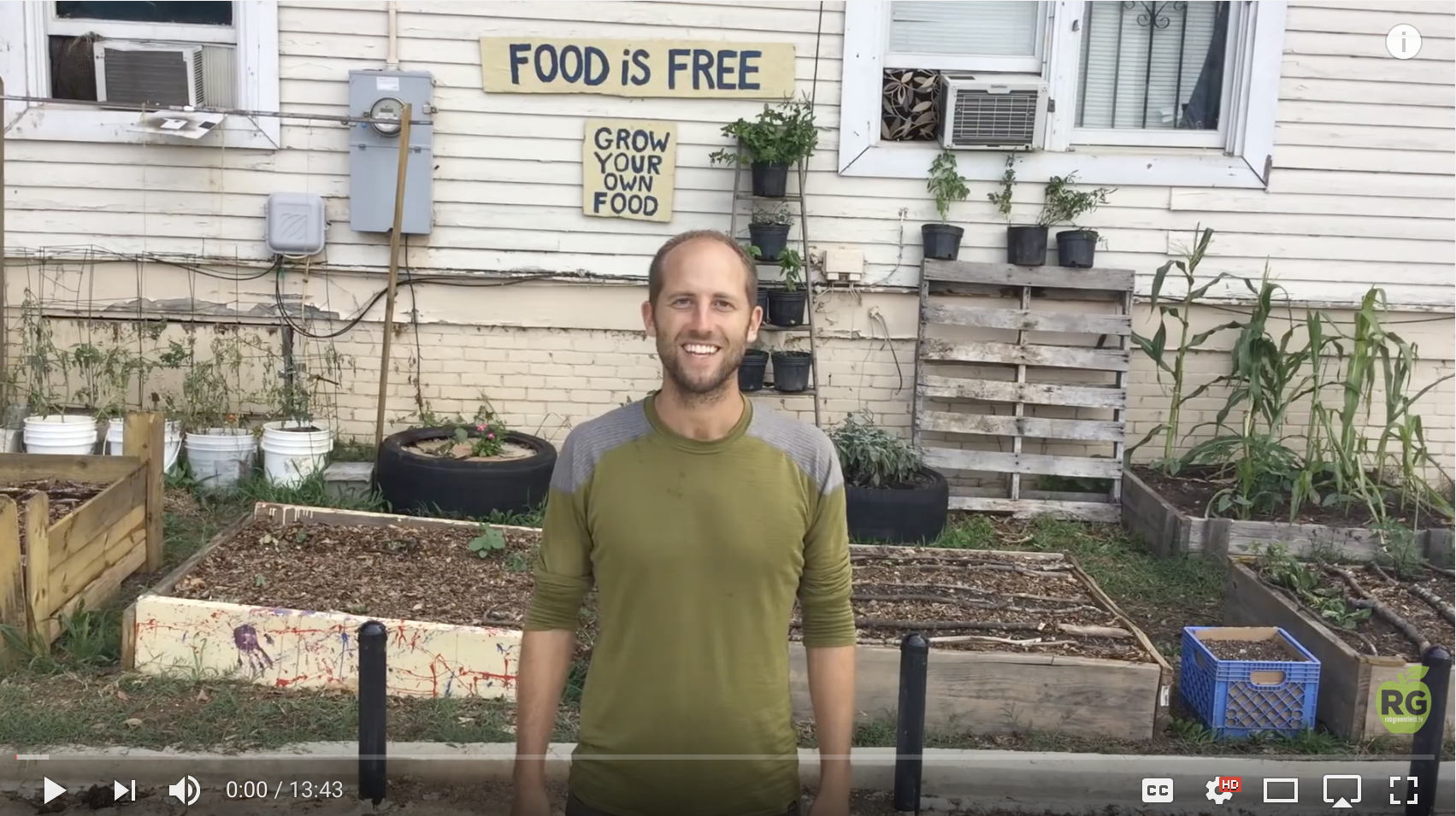
This is a guide on how to grow food for free or with very little money in an urban environment. I cover all the limiting factors that typically prevent people from gardening including space, raised beds and containers, water, compost, soil, mulch, seeds and go into how to compost, how to make a compost bin, how to harvest rainwater, how to do grey water, how to forage and much more. The idea of this video and guide is to help you get past all the limiting challenges of gardening in the city and get you to start growing some food. This guide is geared particularly at how to grow food for free or with very little money in an urban environment where space may be limited. One of the main keys to growing food for free in the city is to utilize wasted materials and resources. Creating a minimal environmental impact is a central part of everything in this guide and utilizing wasted materials and resources is one of the best ways to keep our environmental impact small.
“Therapeutic gardening has existed since early Egypt. At the beginning of the 1800s, Dr. Benjamin Rush recorded the therapeutic effects of working the garden. Following both World War I and II, veteran hospitals used gardening as therapy for returning soldiers. Even today, there are many gardening and farming programs for veterans of the Iraq and Afghanistan wars. We have known for a long time that gardening was good for you, but now have the research to back it up! And Chris says that more importantly, we can use this research when presenting our case to groups or organizations in support of the benefits of gardening, farming, and being in nature.”
“What may be required next is a shift in our time-strapped culture, where we have so much demanding our attention. Growing a plant forces our patience as we await the opening of a flower bud or ripening of a vegetable. During that time, we note observations of the soil, insects both good and bad, weather, and the habit of the plant as it moves through its lifecycle. Watching and culturing the life of another organism is powerful for any human being. A shift in our mindset toward nature positions the fields of horticulture, urban agriculture, landscape design, and landscape architecture as key career paths to promote the health and well-being of everyone in our community and not just those with the means to afford the graces of nature or a well-kept yard. ”
“In case you haven’t noticed it yet, gardening is becoming cool again. More and more people are planting gardens in their backyards, building vertical ones where space is tight, keeping succulents on their office desks and cactus in their bedrooms.
It’s not surprising. City life is a mad dash of existence; We live in a concrete jungle, deal with the chronic stress of slow-moving traffic and stressful commute, get blind looking at multiple screens all day long, and try to be the responsible employee, family member, and friend. Short of the long: We need something more than this city routine.
GMA News Online attended an urban gardening workshop at Cedarhills Garden Center in Quezon City, where we learned the many benefits of gardening. Read them HERE!”
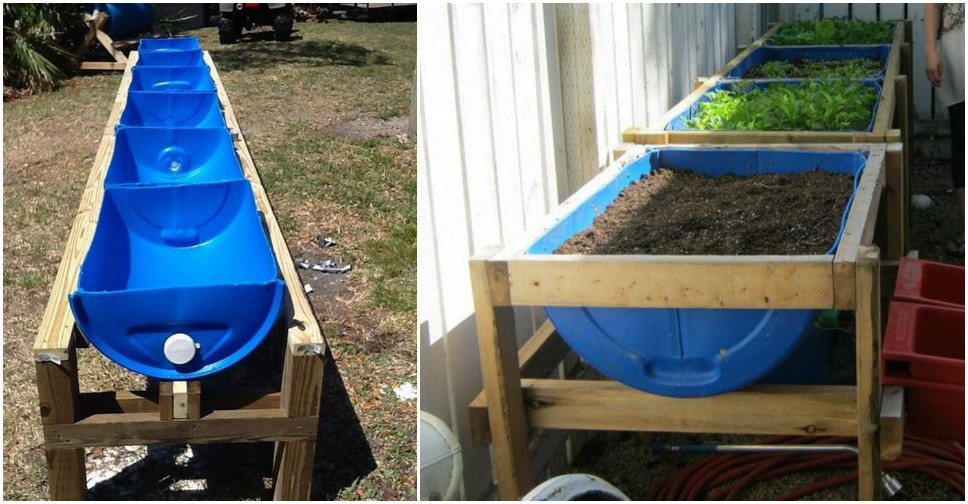
“Drums can be great for building raised garden beds. If you happened to have some barrel drums around collecting dust, this might be a good project for you.
Just cut the drums in halves and build a stand to support them. Your garden bed is ready for some beautiful flowers! Watch the video tutorial for how to cut the barrel drums.” via “NewzMagazine.com“
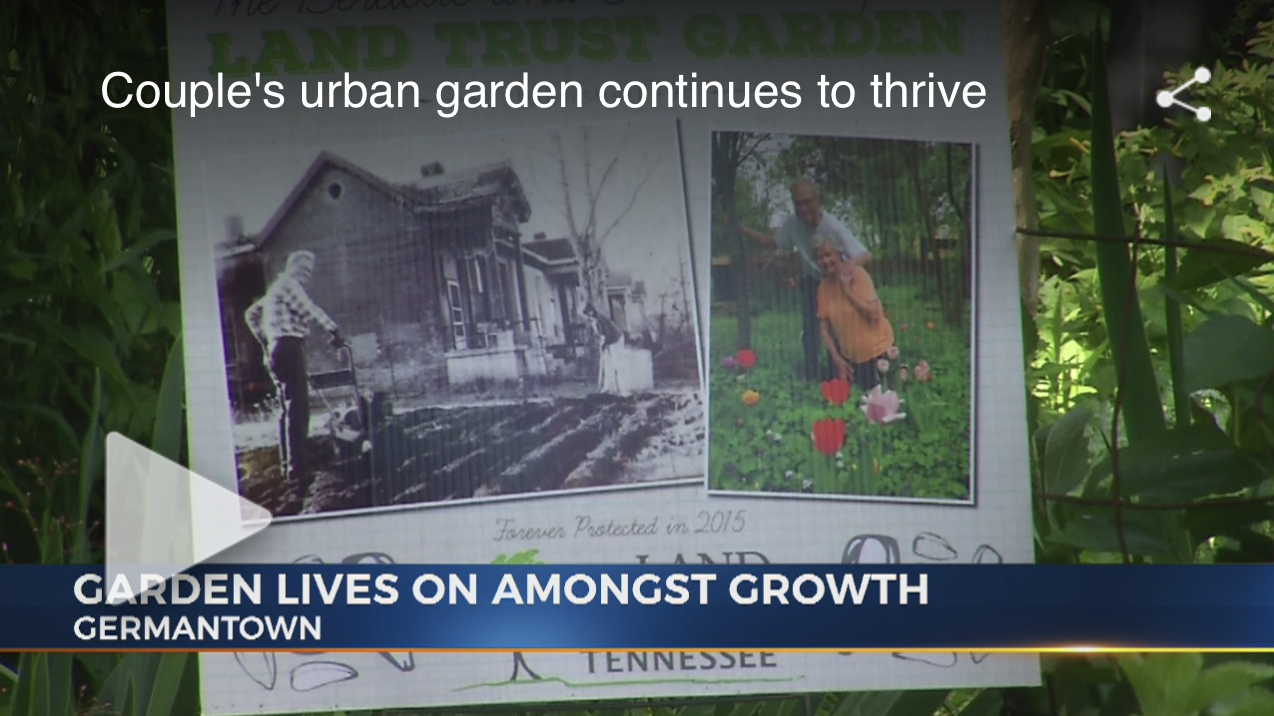
“NASHVILLE, Tenn. (WKRN) – A Germantown couple’s legacy will grow forever, thanks to an agreement that will always protect their urban garden.
When Ernest and Berdelle Campbell left their Belle Meade home and moved to Germantown, they knew an urban garden would be a part of their retired life.
Now, more than 30 years later, that garden is still thriving and thanks to the Land Trust for Tennessee, its future is forever.”
Learn how to get started with an urban garden from people who have done it. Or, if you’ve got limited space, consider beginning with a container garden! Visit:“RodalesOrganicLife.com”
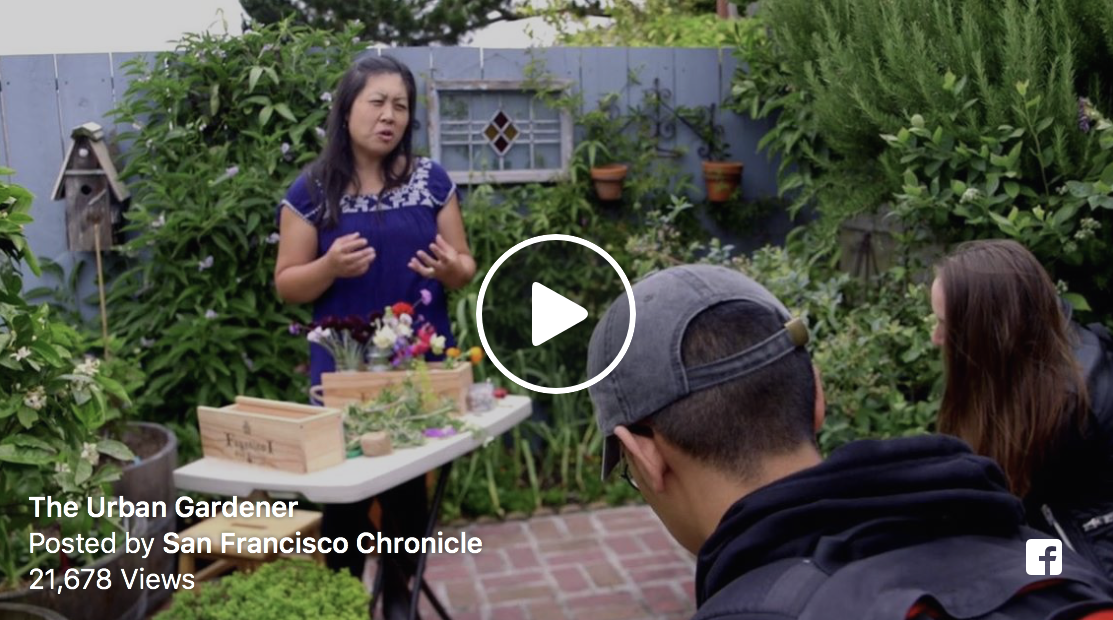
“The homestead is a family project where each member does their part. Blas Herrera, husband to Chan and father of their two young girls, puts on his beekeeper suit one foggy morning to smoke and subdue the bees before extracting them for an upcoming garden tour. The Chan-Herrera family opens their backyard oasis to the community regularly, and on this particular day, students from S.F. State were due for a visit.”
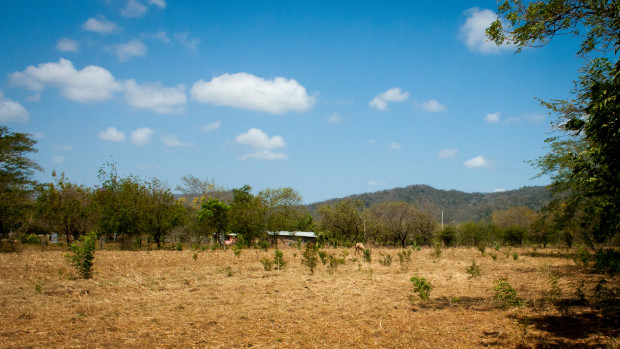
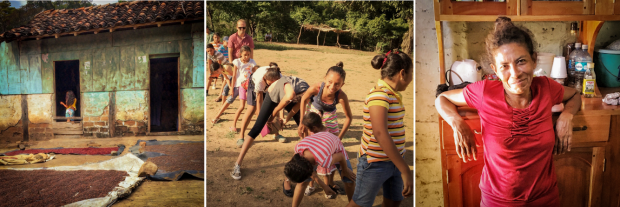
“Since moving to Nicaragua, a day doesn’t go by when we bite into produce grown here and taste the bitter flavor of chemicals. The use of these chemicals goes back generations. This, along with a changing climate and five years of drought has had a devastating impact on the environment, depleted soil quality, and caused malnutrition. With your support we can build a hands-on farm model that teaches sustainable growing methods, nutrition education, and improves health for families and children.”
What Mesa Sostenible Looks Like Now:
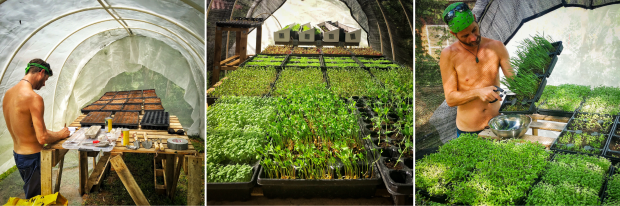
So far they have been successful at securing land, and growing various plant varieties from seed in two small greenhouses. They’ve also started a composting initiative to help reduce waste and promote soil health.
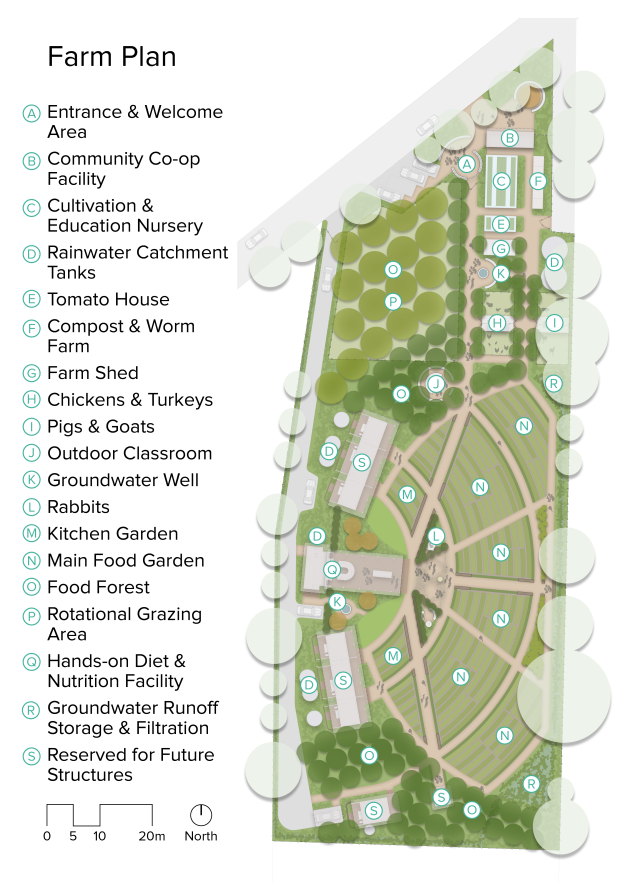
What Mesa Sostenible Can Look Like with Your Help and Support:
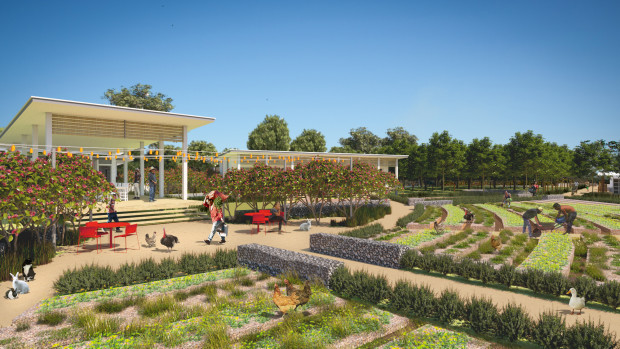
The GOAL is to build a sustainable, working farm that will provide the community and visitors a-like the experience to participate in a unique and memorable educational experience in sustainable farming, living & healthy food preparation.
“MESA Sostenible aims to have the following social, environmental and economic impacts:
Demonstrate the importance of year-round crop diversity to reduce malnutrition through a varied diet and nutrition education.
Increase soil fertility and reduce topsoil erosion.
Eliminate agricultural chemicals used on productive land.
Maximize rainwater infiltration and on-site treatment to improve ground water storage through water harvesting techniques.”
Here’s The Plan:
Our goal is to raise $95,000 in funds to bring the MESA Sostenible Sustainable Farm and Nutrition Kitchen to life.
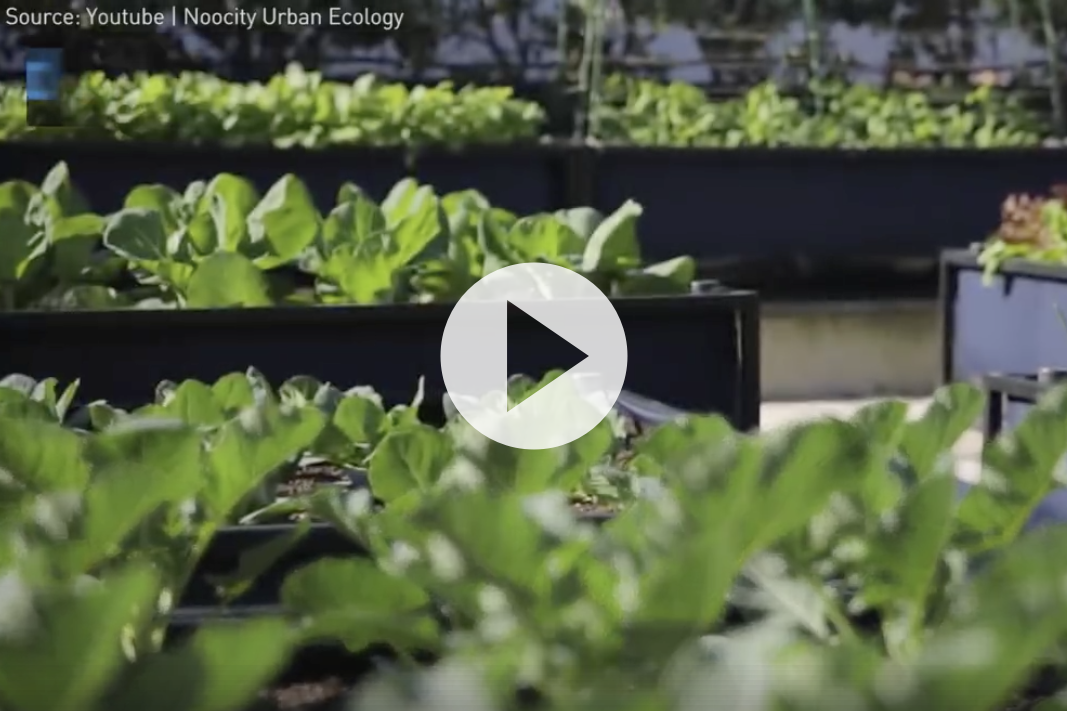
“The Noocity Growbed is an unique and efficient self-watering gardening system. It’s easy to assemble and only needs low maintenance. The Noocity growbed allows you to plant a wide variety of vegetables, fruits and herbs anywhere without worrying about time.”
 “People garden with different objectives in mind. Some are seeking a serene oasis, a time they can spend alone in nature, even if it is just a tiny plot on their urban lot. Many do not know of the serenity gardening brings until they have one. Some simply want an ornamental garden, pretty landscaping to admire. Some people just want tomatoes and basil for spaghetti sauce.”