Bus Converted into Mobile Food Market Brings Fresh Produce To Low-Income Neighborhoods

mobile-food-market-1

Urban areas are difficult for someone who wants to maintain a fresh diet. The main reason is money: fresh vegetables and fruits are expensive because the product has to be shipped and you end up paying for the delivery cost more than for the quality of the product itself.

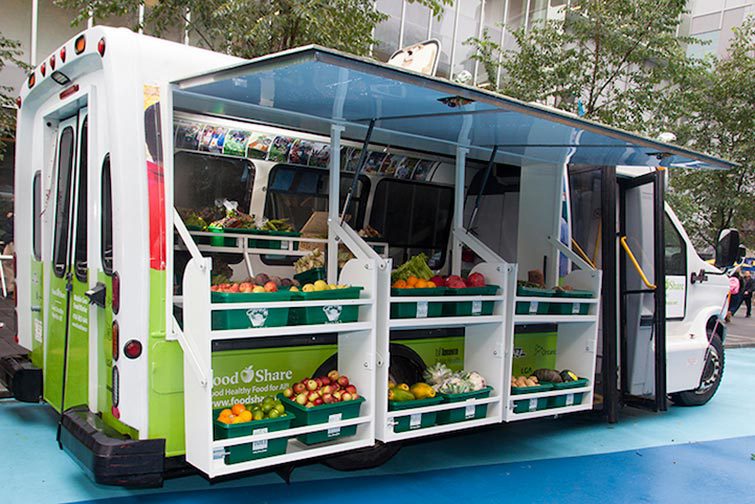
With the Mobile Good Food Market, you can have your fresh veggies and greens without traveling. Thanks to a collaboration between FoodShare Toronto, the City of Toronto, and United Way Toronto, an old bus was converted into what is a mobile food market.

Everything from broccoli and lettuce, to apples and onions or other fruits and vegetables, are available when the bus comes to town, twice per week.

The price isn’t that much lower, because they have to take care of the costs involved by the bus, but all in all, the idea behind such a conversion is easy to praise and be impressed by.

See the rest of the story at: “GoodHomeDesign.com

Strange Ways To Use 30 Most Common Household Things In Your Garden!

Learn 30 Things That Can Make Your Garden Better!

1. Cardboard and Newspapers

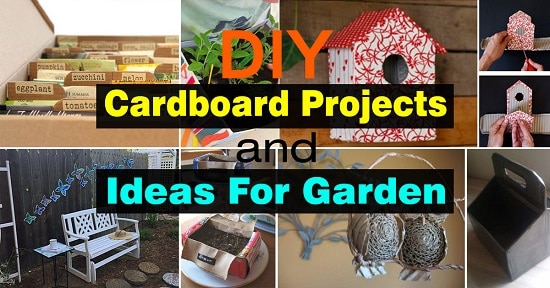
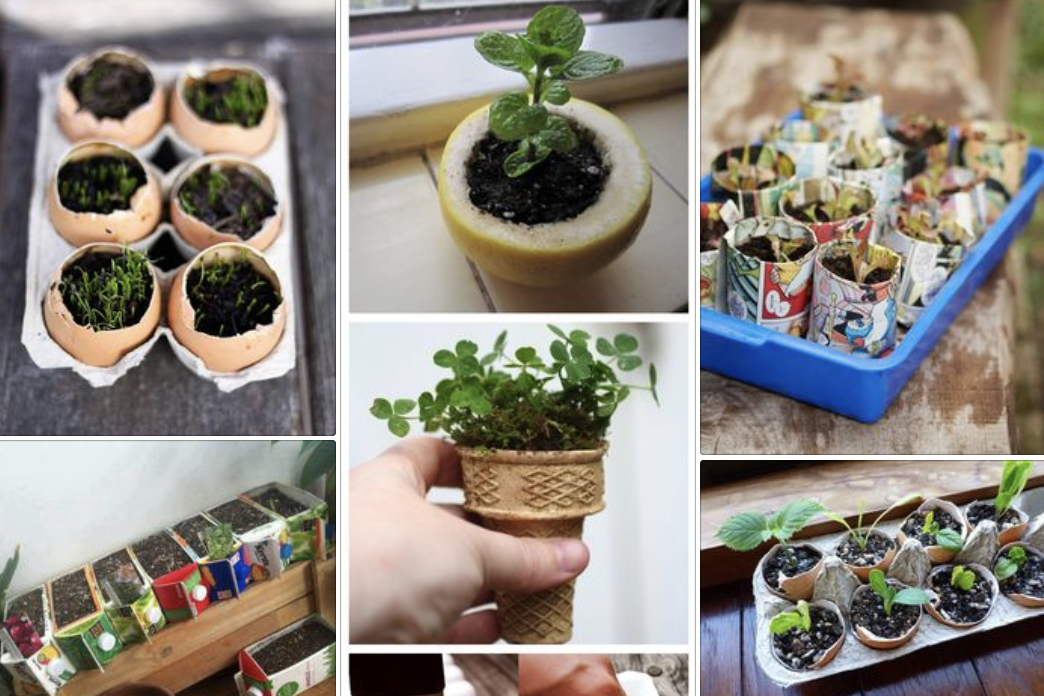
Must you have cardboards and newspapers? Do you know you can use them in your garden? From putting them into the compost to suppressing weeds or this DIY newspaper seed starter, there are many ways. Find out more cardboard uses here!

2. Wine Bottles

From creating a water fountain to bird feeder to self-watering pots, there are not just 3 or 4 uses; your old wine bottles can be used to complete these 26 DIY projects listed here

3. Pennies

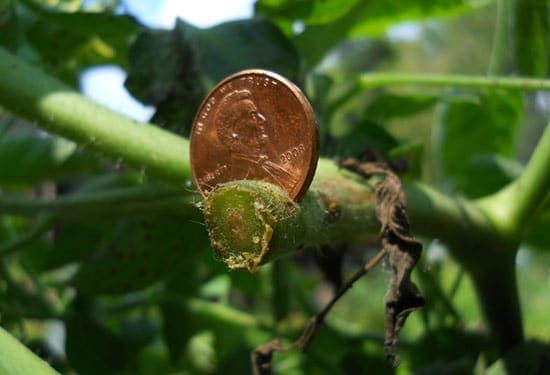
Have pennies? Use them to control tomato blight. Also, drop a penny into the vase as it’s made of copper, which is a known fungicide (especially the older one, made before 1982) and helps in keeping your cut flowers fresh or you can create a penny birdhouse!

4. Aspirin

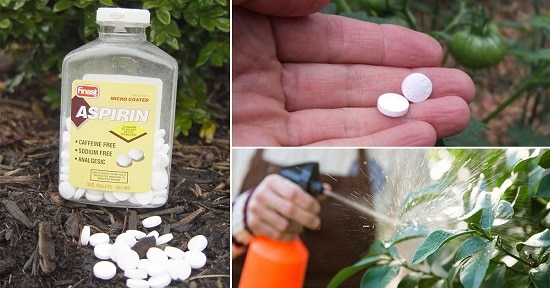
Have aspirin tablets? Use them in your garden–fight fungal diseases, propagate plants from cuttings successfully and quickly, and improve the productivity of your fruit trees. Check out the science behind these claims in this article.

See 26 MORE Common Household Things that can make your garden better, HERE at Balcony Garden Web

Common Gardening Problems and How to Cure Them

shutterstock_80524903Seedlings do not emerge after planting:
It’s possible that not enough time has passed. Make sure your soil is not too dry and that the temperature is correct for starting whatever seeds you’re trying to grow. Wondering what plants grow best during specific times of the year? Read Gardening Through the Different Seasons.

Plants grow slowly with light green leaves:
It sounds like your plant isn’t getting enough light. Make sure the temperatures are warm enough for the variety of plant you’re growing and check how much you’re watering your plant.  Do not overwater, and try to improve your drainage. Check your pH levels and try adding some amendments to your soil if you feel it might be a nutrient deficiency. Read more about Soil Amendments.
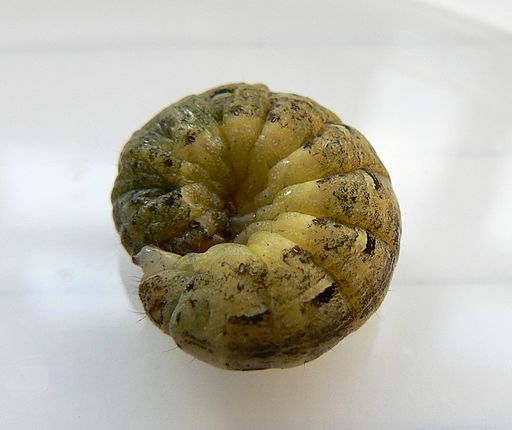
Neil Phillips - Large Yellow Underwing caterpiller (by)
Seedlings wilt and fall over/young plants die:
It’s possible your seedlings are suffering from “damping off”, which is a fungal disease. You might also have root maggots, cutworms, rotting roots, dry soil or could be over-fertilizing. Avoid overwatering and check for grubs at the base of your plants. Keep your garden free of rotting plant matter and weeds. Try treating the soil with a fungicide and avoid over-watering.  Suspecting pests? Read Dealing With Pests & Insects.

Plants wilt:
It’s likely your plants are suffering from too much or too little water. Roots may be rotting or you may have root-knot nematodes. Try watering deeply, and more consistently. If the soil is soggy, stop watering all together for a while and let the soil dry up a bit. Practice good crop rotation, and plant disease-resistant varieties. Do you think you’re overwatering? Read more on Watering.

Tetranychus urticae with silk threads

Leaves have tiny white spots:
White spots usually mean you have spider mites. Spray affected areas with an organic insecticidal spray.

Leaves look scorched, then fall off:
“Burnt” looking leaves can be the effect of salt damage, low temperatures, dry soil or over fertilizing.  To protect from cold temperatures, use a floating row cover in the garden. If you’ve salted your walk-ways or driveways, make sure the water running off isn’t going into your garden, this would be the cause of your “burnt” looking plants. Water deeply and regularly, and don’t over fertilize.

Mildew-back

A powdery white coating on tops of leaves:
Sounds like powdery mildew. This usually occurs when your plants are dry but the area around them is humid and moist. Try planting in full sun, and provide adequate spacing between your plants to promote good air circulation.

Brown spots on leaves:
This usually occurs from chemical burns or over fertilizing.  It also could be the result of too cold of temperatures or a potassium deficiency.  If your soil seems dry, try watering more frequently. If you’ve over-fertilized, remove fertilizers from the soil by overwatering for a day or two. If you’re lacking potassium in your soil, try adding some wood ash, aged compost or aged manure. Using, Buying and Applying Organic Fertilizers.
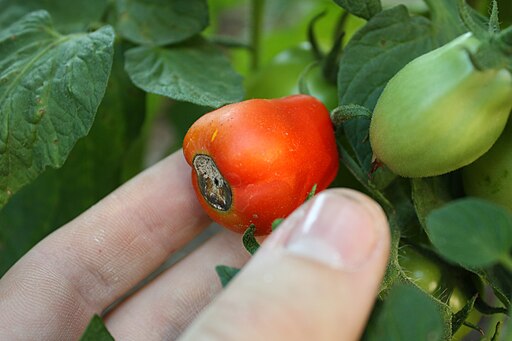
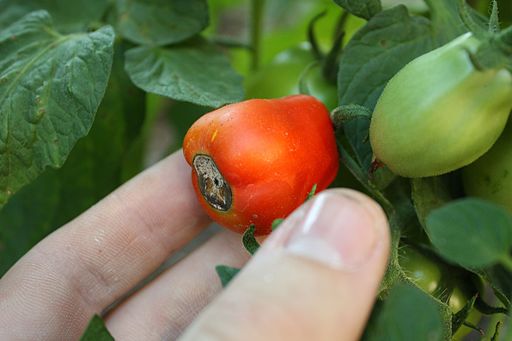
Blossom end rot

Blossom end of tomatoes are rotten:
“Blossom-end rot” on tomato plants is the result of either a calcium deficiency, soil that is too compact, root injury, and/or inconsistent watering.  Mulch around plants that are affected to promote even soil moisture. You can also incorporate lime into your soil to help with the calcium deficiency.  Don’t forget to add some aged compost and organic matter into your soil.  Read our Intro to Mulch.

Leaves are curled or scrunched together:
When the leaves curl, this could mean several things. It could be from a disease, moisture imbalance, aphids or from too much herbicide. Treat aphids by spraying leaves with water and using an organic insecticidal spray. Remove your affected plants if you suspect disease. Keep the soil evenly moist and try adding mulch around your plants suffering from curled leaves.
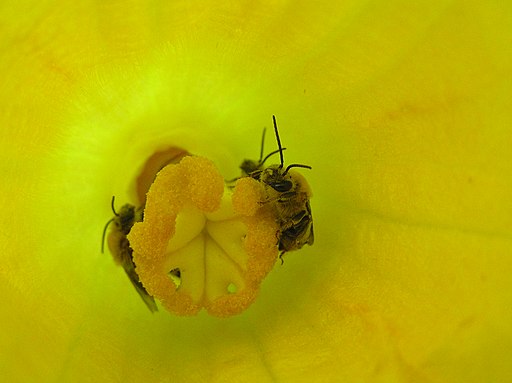
Cucurbita flower squash bee - Nancy Adamson-the Xerces Society

No fruit:
When you have beautiful plants that don’t produce fruit, there can be several reasons to blame. The first is, to much nitrogen. There’s also the possibility of no pollination so you might want to try some hand pollination techniques.  If your plants are mature enough to start setting fruit and the temperatures are right then try adding some nitrogen-rich fertilizers and pollinate the blossoms with a small brush or gently shake the plant.

Plants are “spindly” & weak:
Your plant may not have enough light. It also may have been watered too much. Are your plants crowded or planted too close together? Your plant could be getting too much nitrogen as well.  Ensure your plants get 6-8 hours of sunlight every day, improve drainage, and thin your plants further apart. Avoid excess fertilizing.  Wondering Where You Should Plant a Garden?

Tomato late blight fruit cluster (5816739612)

Fruit and stems turn brown:
Sounds like blight. It usually occurs later in the season and can affect all areas of the plant. Apply a copper spray to keep it from spreading and killing the entire plant.

Leaves are yellow but do not wilt:
Test your soil for deficiencies and ensure that your plant is getting enough sunlight. Thin plants if necessary and move to a sunnier location if they are getting too shaded in the garden.  Learn more with our Intro to Soil.

Zucchini yellow mosaic virus leaf

Mosaic-like spots on fruit, leaves, stems etc.:
This disease causes green, and yellow spots on plants and foliage. Leaves can crinkle on plant, turn yellow, and growth will be stunted. There are no cures for this disease but you can help prevent it by controlling aphids and leafhoppers. Remove and destroy ALL plants affected by the Mosaic Virus.

Growth is stunted, yellowing of the leaves:
Your plant probably is suffering from insufficient nutrients. Use a complete fertilizer, and try incorporating aged manure into your soil. Insects, disease, poor drainage, and acidic soil are likely culprits as well. Test your pH and remove affected plants from the garden if you suspect disease.

Santa Monica gardener reveals secret behind his green thumb

012918-_-farmscape1-600x350

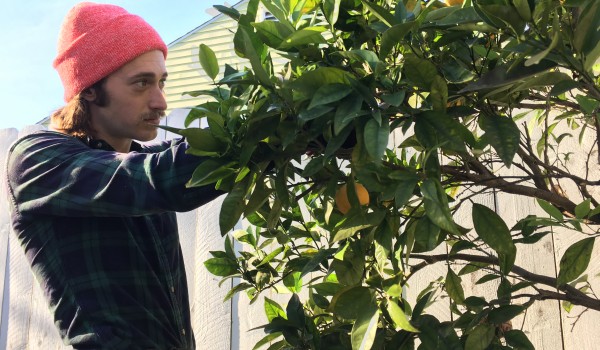
Tucked away around the north side of his Ocean Park home, Conrad Clark has a very productive garden.

Cilantro, parsley, kale, arugula, lettuce and spinach plants produce enough vegetables for fresh soups and salads every week from the four-by-ten-foot raised bed. A nearby Tsasuma tree is heavy with fruit.

It’s an impressive set-up for a 13-month-old amateur, who keeps his mom busy as he pulls out sticks and taste the soil for himself.

“It’s foolproof,” said his mom, Sharon, as she took a stick back from his dirty fingers and placed it where it belonged near the parsley. “It’s the easiest thing for a working mom.”

Admittedly, Sharon and Conrad have little to do with their garden’s success. They are just two of Farmcape’s many Santa Monica clients who have discovered the secret to a successful garden is hiring an expert to toil in the soil. The company built bed, installed a drip irrigation system and presented the working mother with a menu of seeds to choose from. Her personal famer, Nick Barner, shows up once a week to tend the garden and gather vegetables he leaves by Sharon’s back door.


Read the REST OF THE STORY, at: “SMDP.com

WIN a FREE 3 Month Subscription to UOG’s Monthly Seed Club!


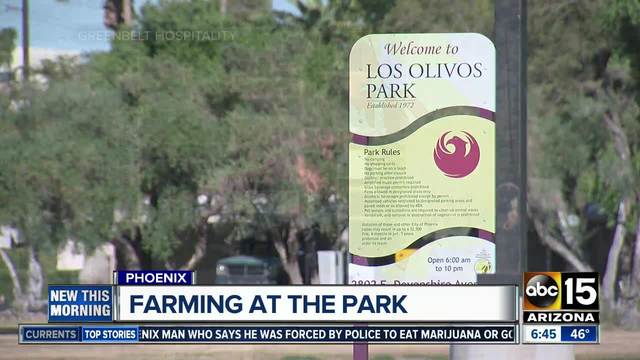
Los Olivos Park in Phoenix could be home to urban farm, market

“PHOENIX – Los Olivos Park in Phoenix could be home to a first-of-its-kind urban farm, market and education center.

“There’s nowhere that a child can go today, [who] lives in the core of Phoenix — in this neighborhood, to actually see a working example of agriculture,” said Aric Mei, a local restaurateur behind the project. Mei is working with Matthew Moore, a friend and fourth-generation Valley farmer. ”

Read the FULL STORY, at: “ABC15.com

Why my South Philly urban garden made me want to get up in the morning

dixon-135611-e-wp-content-uploads-2017-08-790007_2dce11284de3013-e1504195206231

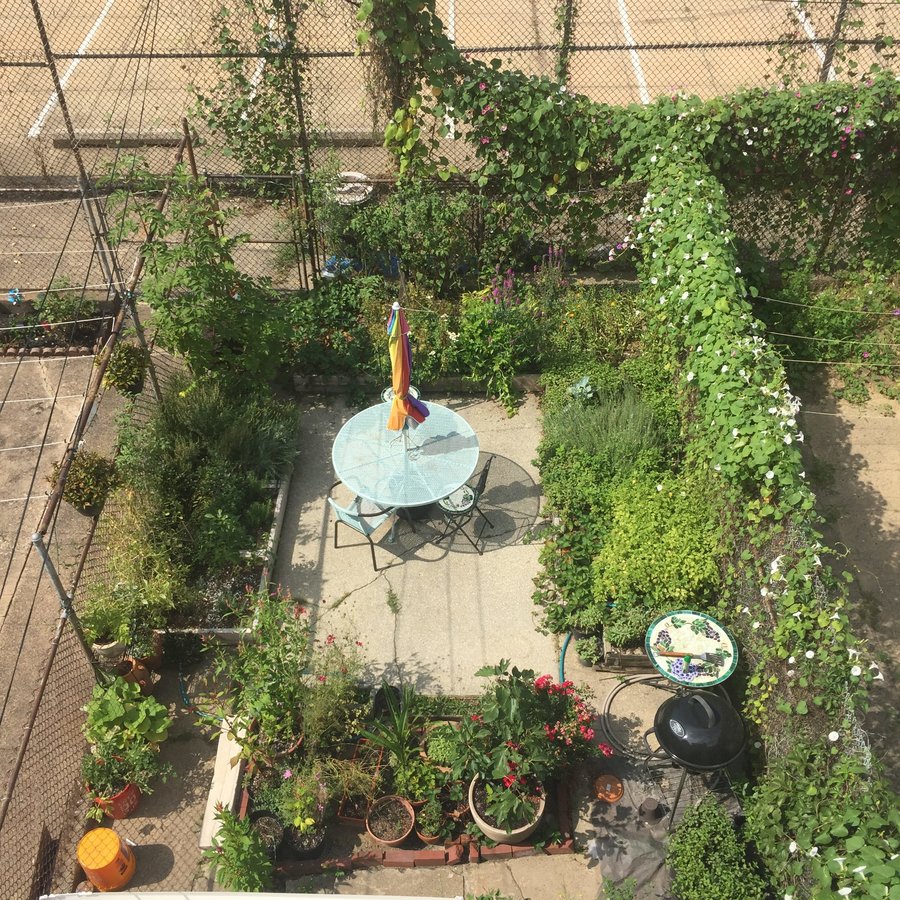
“I spend a lot (probably too much) of time at home.

As a freelance writer, most of my days used to begin with a casual wake-up initiated by my internal alarm clock and a sluggish relocation from my bed to the kitchen table. Sometimes, I feared I might need to have the “I know it looks like I haven’t moved from this spot since you left, but I promise I have” talk with my roommates.

Basically, I can be a sad excuse for an “adult” who thrives most when there’s tangible proof that I have completed a task.

What I needed was something to foster and take care of, something that would inspire me to log off Twitter for a millisecond, something that would make my surroundings more stimulating, but something that was not as high-maintenance as an animal or a small human because, please, I’m not there yet.”

Read the full story at: “Philly.com

“When you used to say ‘farmer,’ you wouldn’t have me as the picture.” – Sacramento

urban-farm-620x412

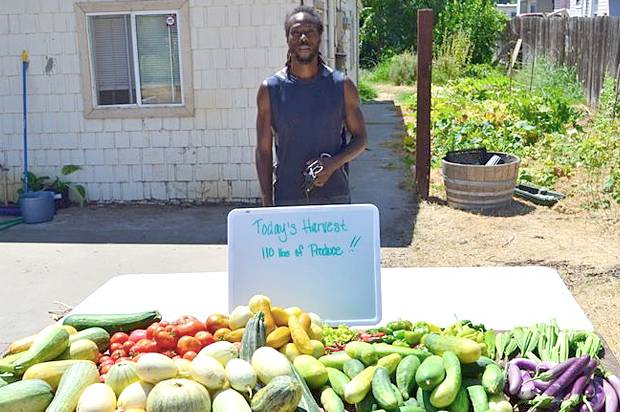
“Chanowk Yisrael runs next door to surprise his neighbors with a bowl of cherries he just harvested with the help of 48 other members of the community. The harvest came from the school across the street, with which he has a Memorandum of Understanding agreement for the use of the garden. Yisrael, his wife Judith and her family, and their nine children are not new to urban farming. They’ve been doing it in their own backyard since 2007.

Yisrael, a skinny but muscular man in his early 40s, tells me that for some of the folks (even into their 30s), this was the first time they’d experienced the joy of pulling a piece of fruit off the vine and biting into it right then and there. It’s a life-changing experience, he says, that he provides for people year-round in his backyard garden.”

Read more of this story at: “Salon.com

How To Turn Barrel Drums Into Raised Garden Beds

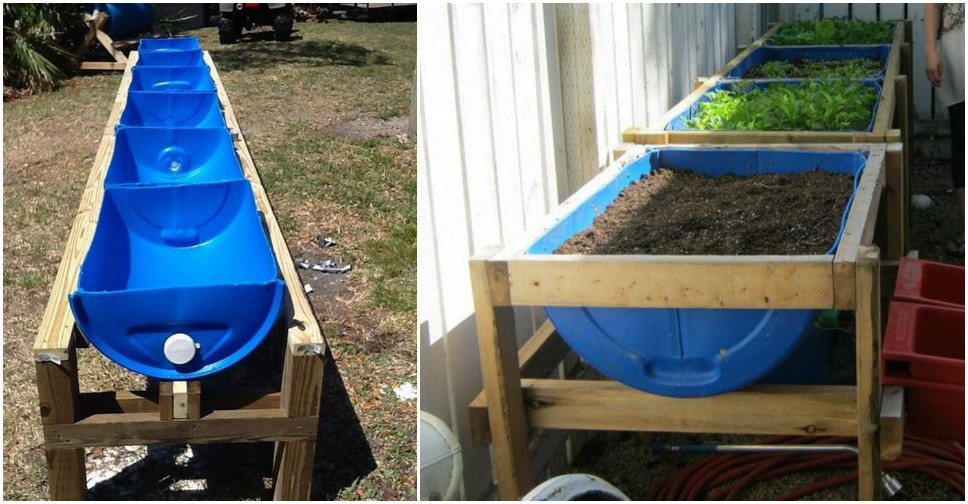
“Drums can be great for building raised garden beds. If you happened to have some barrel drums around collecting dust, this might be a good project for you.

Just cut the drums in halves and build a stand to support them. Your garden bed is ready for some beautiful flowers! Watch the video tutorial for how to cut the barrel drums.” via “NewzMagazine.com

Help Support Nicaragua’s Education Farm & Nutrition Kitchen


HELP SUPPORT THIS PROJECT

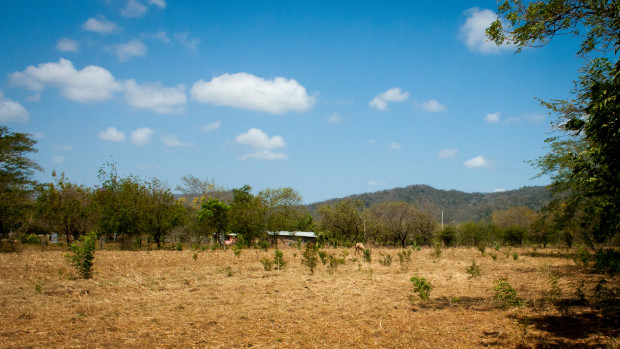
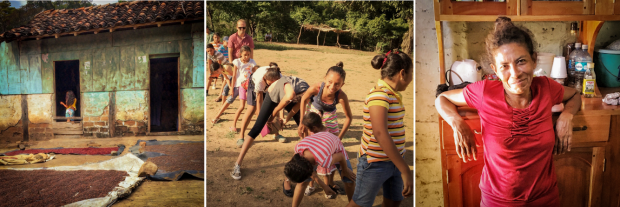
“Since moving to Nicaragua, a day doesn’t go by when we bite into produce grown here and taste the bitter flavor of chemicals. The use of these chemicals goes back generations. This, along with a changing climate and five years of drought has had a devastating impact on the environment, depleted soil quality, and caused malnutrition. With your support we can build a hands-on farm model that teaches sustainable growing methods, nutrition education, and improves health for families and children.”


What Mesa Sostenible Looks Like Now:

uge7d3zqyh6i7ymefod6

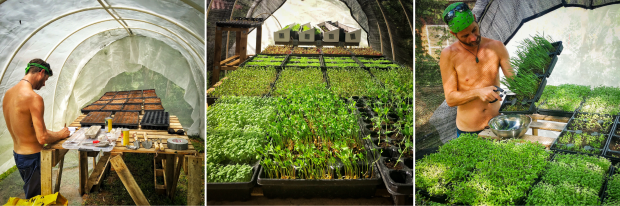
So far they have been successful at securing land, and growing various plant varieties from seed in two small greenhouses. They’ve also started a composting initiative to help reduce waste and promote soil health.

vdolrgig6jvnnejjsfdt

What Mesa Sostenible Can Look Like with Your Help and Support: 

dwh3xnzicrfkyvt1fs6u

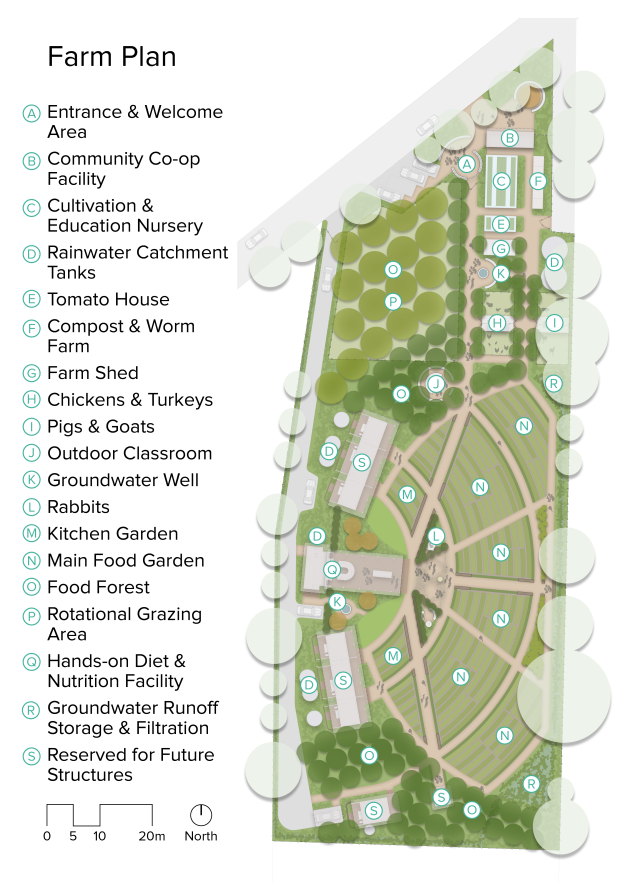
The GOAL is to build a sustainable, working farm that will provide the community and visitors a-like the experience to participate in a unique and memorable educational experience in sustainable farming, living & healthy food preparation.

MESA Sostenible aims to have the following social, environmental and economic impacts:

  • Demonstrate the importance of year-round crop diversity to reduce malnutrition through a varied diet and nutrition education.
  • Increase soil fertility and reduce topsoil erosion.
  • Eliminate agricultural chemicals used on productive land.
  • Maximize rainwater infiltration and on-site treatment to improve ground water storage through water harvesting techniques.”

Here’s The Plan:

mwnywdc69z1ixmiyyczj

Our goal is to raise $95,000 in funds to bring the MESA Sostenible Sustainable Farm and Nutrition Kitchen to life.

w6cc4nbtfg4ccvaxdlql

Help us reach our funding goal!

Other ways you can ACT NOW:

  • SHARE: Facebook, Twitteruse the social icons at the top right
  • SHOW your family and friends, encourage them to help fund us.
  • EMAIL to five friends, show them you care. Click here.
  • VISIT our website to learn more about our work.

Thank you for your support!


19621179_356691158078519_5023329207602595294_o


Startups Are Leading The Way to Food Being Grown Closer to Home

HE-AA342_NEWFAR_P_20170510153917
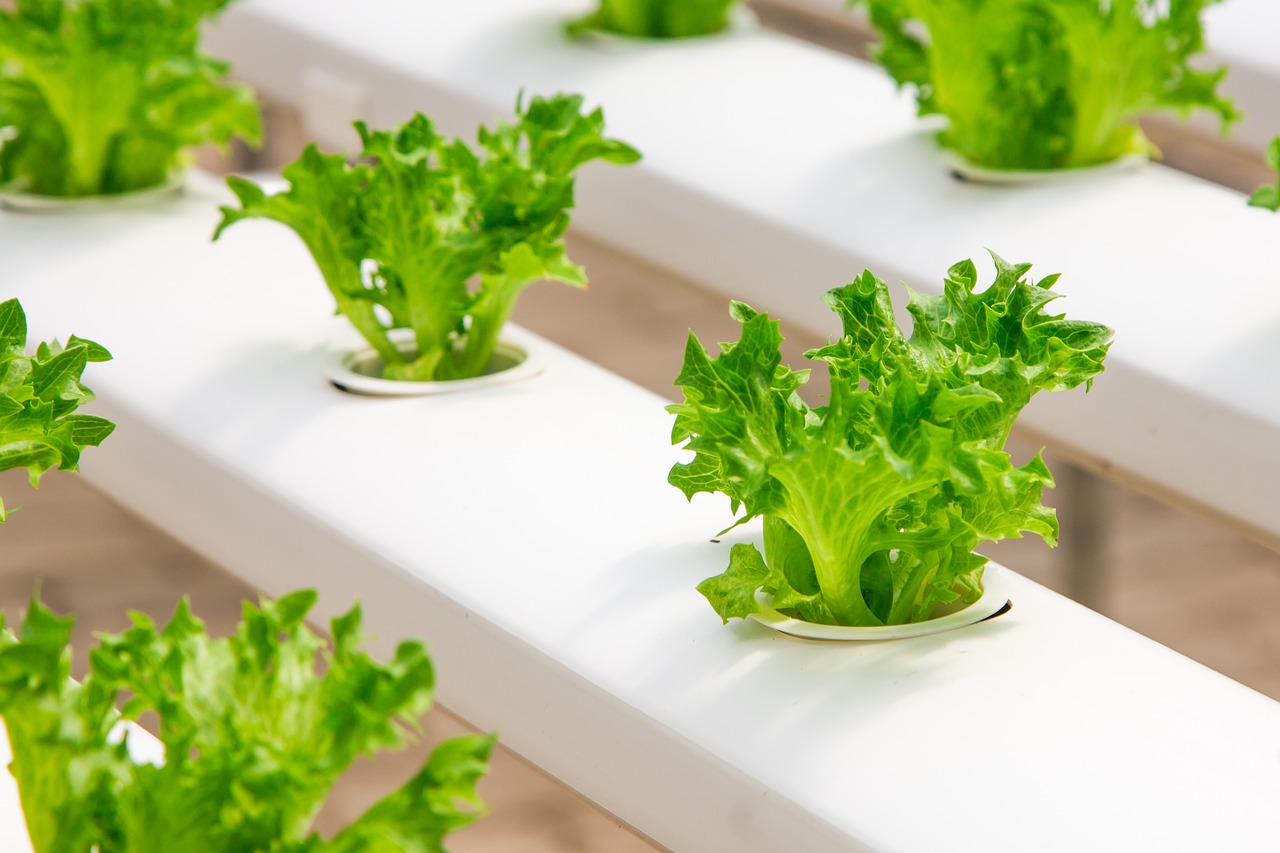
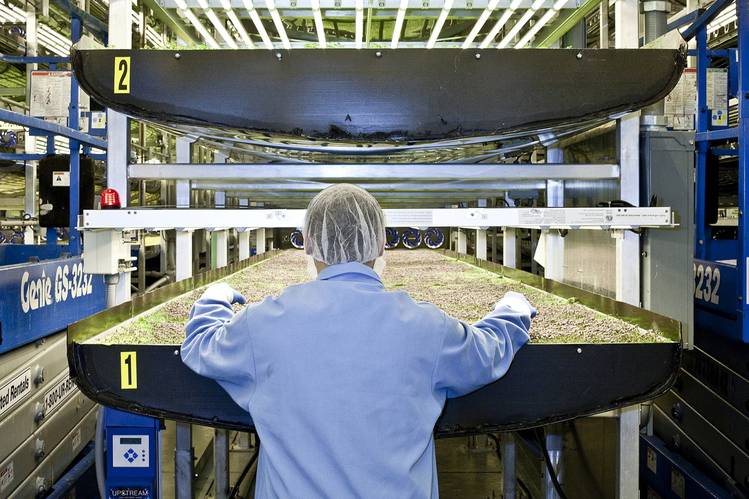
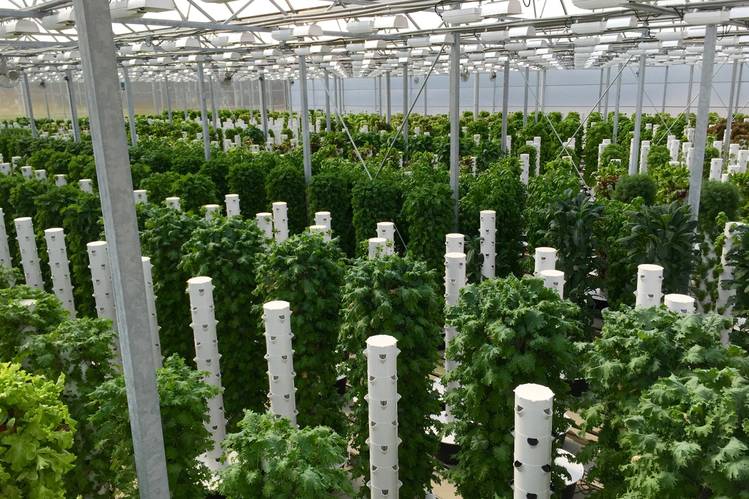
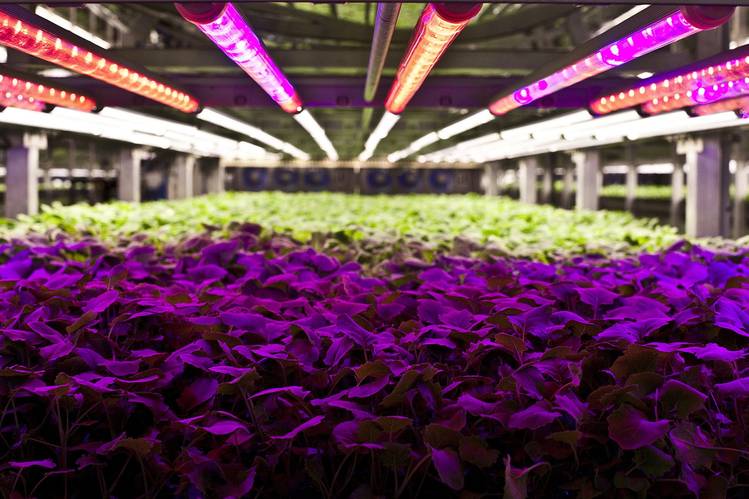
“Now more startups and city authorities are finding ways to grow food closer to home. High-tech “vertical farms” are sprouting inside warehouses and shipping containers, where lettuce and other greens grow without soil, stacked in horizontal or vertical rows and fed by water and LED lights, which can be customized to control the size, texture or other characteristic of a plant.

HE-AA324_NEWFAR_P_20170510150915
Traditional, rural farming is far from being replaced by all of these new technologies, experts say. The need for food is simply too great. But urban projects can provide a steady supply of fresh produce, helping to improve diets and make a city’s food supply more secure, they say.”

Read the FULL ARTICLE at: “WSJ.com

Urban Farming with Nick DeMarsh


Nick DeMarsh, food systems developer with Groundwork Milwaukee, joined Pete Schwaba to talk about Groundwork Milwaukee’s Young Farmers Program.

DeMarsh’s Young Farmers Program teaches kids about urban farming and how food can be used to help communities.

Original article can be found at: “www.wtmj.com

Ex-Basketball Player Inspires Urban Farmers

Will-Allen_landing
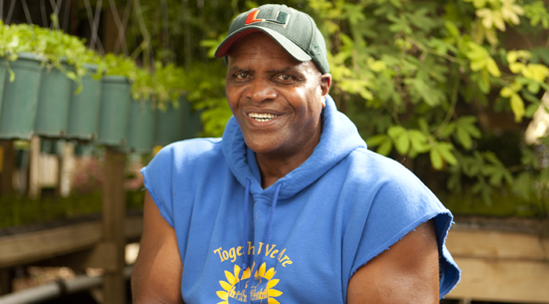
“Located on what was the last tract of property zoned for agriculture in Milwaukee, a former professional athlete started a farm that has spurred dozens of others to grow in cities’ urban cores.”

“What I’m teaching today, a lot was passed on to me by my parents,” Allen said. “My family has been farming for more than 400 years, so we have always been very committed to growing and eating our own food.”

“Allen said farms like the one at Blackhawk are the only way cities are going to be able to end poverty and improve the overall health of their communities. The garden at Blackhawk Courts is operated by residents of the housing complex, and its produce is available to them at all times.”

Read more here: www.charlotteobserver.com 

From the Ground to the Table: Community Supported Agriculture

“CSAs benefit consumers by providing them with fresh, local produce at a reasonable price. As our lives get busier, it only gets harder to make time for thoughtful grocery shopping, where you try to get a healthy mix of fruits and vegetables. Eliminating that task is a big time-saver. The unexpected benefit of using a CSA, is that you will likely receive produce that you’re unfamiliar with, getting some much needed variety in your vegetable routine! Read our guide to CSA produce, for recipes and instructions on what to do with those unfamiliar vegetables!”


Source: Partselect.com

Sprawling Urban Garden Coming to San Antonio’s East Side

“The best way to trick kids to eat veggies is to get them to grow it. They see the entire process from seed to plate,” said Lucke, who added that a number of community partners have been working for at least two years to make this day a reality. “We knew that the east side was a food desert. We knew that the east side didn’t have access to fresh fruits and vegetables. And so having an urban micro-farm, we felt, would be a good step in the right direction.”

“One of the things that we heard from the residents was, ‘We don’t have enough access to healthy food options. We need to bring more of those here,’ and I think the urban farm is going to be part of that solution,” said Rosario Neaves with SAHA, who noted that from the youngest to the oldest, all neighbors will benefit. “It’s going to be great for families to enjoy together. It’s also going to create job opportunities on the east side and access to better overall healthier nutritious food.”

Read the entire article, here.