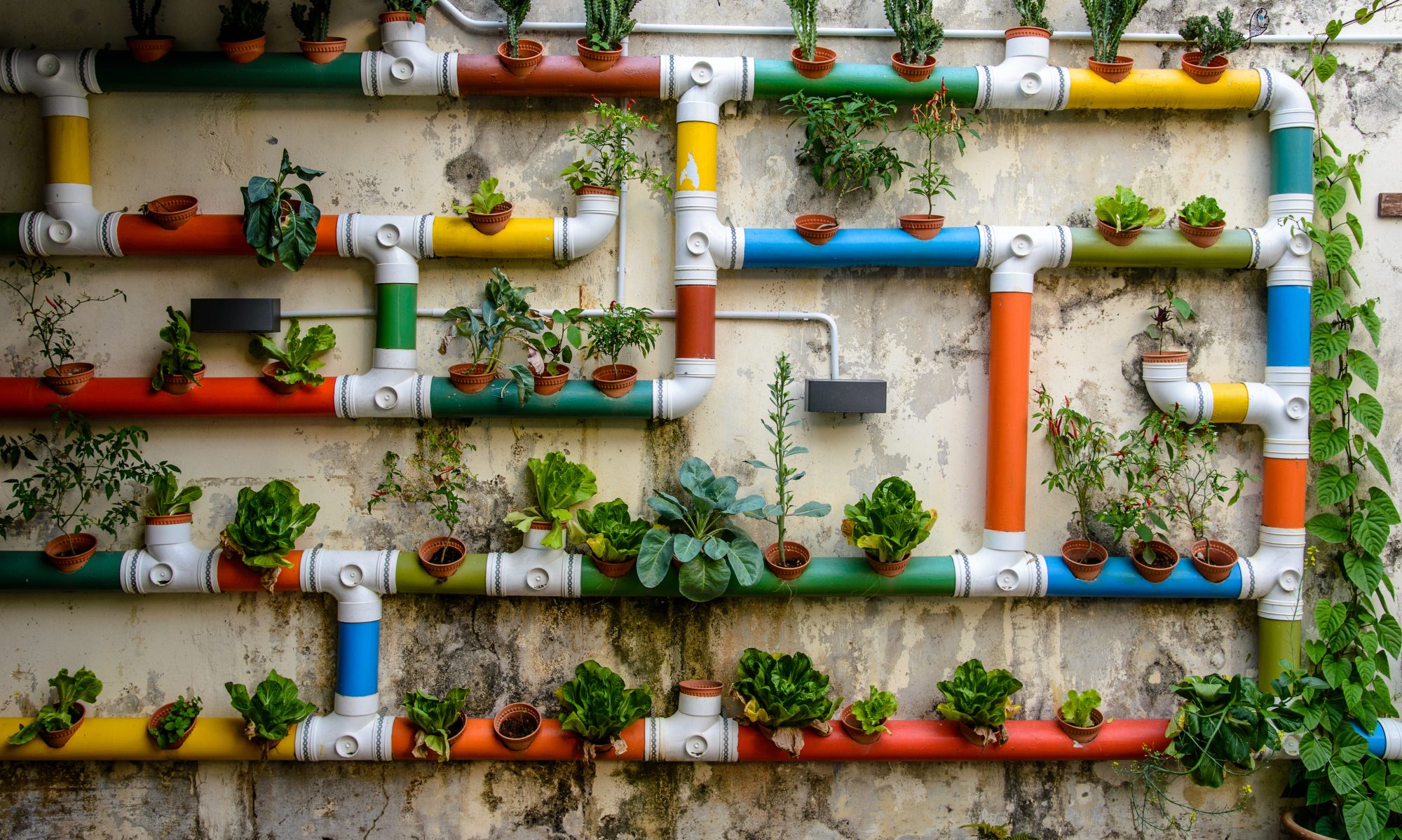

How to Determine the Amount of Sunlight Your Garden Gets

What can I grow?

That’s the most common question that I get asked.

First, you’ll have to decide on the location of your urban garden.

Then you’ll have to determine how much sunlight your garden space gets.

There are four main categories of sunlight:

  • Full sun. 6+ hours of direct sunlight.
  • Partial sun. 4-5 hours of direct sunlight.
  • Partial shade. 2-4 hours of direct sunlight.
  • Shade Less than 1 hour of direct sunlight.

Since we are living in urban environments, we have other structures that we are dealing with as well. Those can be adjacent buildings, over hangs and walls.

I would assume that most of us fall into the partial sun category and below.

Easily figure out how much sunlight you get

A simple way to figure out how much sunlight your space gets is to monitor it throughout the day.

All you have to do is pop outside for less than a minute every few hours and take some quick notes.

Start off with a quick sketch of your garden space. Section it off as the day progresses because the surrounding structures will cast shade in certain areas.

Here is a video of what the process looks like from my balcony garden:

[vimeo clip_id=”35606437″ title=”0″ byline=”0″ portrait=”0″ width=”525″ height=”393″]

Once you know how much sunlight your garden gets, the list of what you can grow has been narrowed down for you.

My balcony gets only three hours of direct sunlight. Based on that my selection is limited down to certain herbs and vegetables. This is why I’m growing a lot of greens.

Now you can repeat the same process and leave a comment below to let me know how much sunlight your urban garden gets.

How to Plant Garlic in a Container

The fall time is perfect to plant garlic to be ready during the spring. It’s also simple to do.

Each clove that you plant winds up turning into a clove of garlic. The larger the clove you plant, the larger the bulb it produces.

I saw a tip on soaking the cloves in Organic Gardening Magazine to help prevent rot from occurring.

Here is what you’ll need to soak the cloves:

  • Garlic cloves (amount depends on the size of your container)
  • Glass jar
  • Tablespoon of baking soda
  • Tablespoon of organic seaweed fertilizer

When removing the cloves from the bulb, you’ll want to leave the skin (or whatever it’s called) on each of the individual cloves. If the garlic is actually showing, it’s best not to use it. So be careful when removing the cloves.

Soak the cloves in the pre-soak solution for about 2 hours.

Since I’m planting in a 5-gallon container, I soaked about 8-10 cloves.

To plant the cloves:

  • Dig a hole about 2″ deep with your fingers.
  • Put the clove in pointy side-up and bury in the soil.
  • Space the cloves about 4-6″ apart.
  • Once they are all planted, water the container thoroughly.
  • Add mulch to the top or greenhouse it with a covering. I put a plastic bowl on top of it. This will keep the moisture locked in.


Simple Fall Vegetable Gardening Tips

The following sentence was posted on the Urban Organic Gardener Facebook page, “My special fall vegetable gardening tip is _____.”

Here are some of the tips that were left:

Justin J Stewart summed it up best when he said, “Don’t give it, you’d be surprised what plants can survive what!”

I couldn’t agree with Justin more. The best way to learn is through your own experiences. Just because something didn’t work for someone else, doesn’t mean that it won’t work for you.

Keep an Eye on the Temperature
“Keep those babies warm and dry,” suggested Andrew Odom from tinyrevolution.us.

Fred J Temple expanded on that and said, “Harvest tomatoes before they freeze or provide means to prevent it (like a greenhouse).”

Erica Stelcik made a recommendation that might be obvious, “Eat your Veggies before they get too ripe. I rarely get to mine on time.”

I hear you on that Erica, I sometimes forget that I’m gardening to eat too.

“Watch your night time temperatures!” warns Cristina Evans. “There’s nothing more disappointing than finding your hard work wilted in the morning.”

The magic number when it comes to getting too cold is usually somewhere in the 40s. Also if there is a huge difference between the daytime and evening temperatures – like 80s at night and 40s during the day. That’s what you want to be weary of.

Before Your Season is Done
Michelle Dahl made a great point to, “Make notes of what went well/bad before you forget for next year.”

We all think that we are going to remember what happened last year, and never do. Taking some notes won’t hurt and will be a great reference point.

Aao Herbs looks out for the wildlife and said, “I never trim my flowers till spring because it’s winter food for the birds.”

Continue Growing Indoors
“Grow your favorite herbs inside in the kitchen window,” suggested Urban Sacred Garden.

For some of us that’s the only space that we have, so might as well use it.

Gloriby Gigi Garcia said to, “Plant a few sugar pumpkin vines in the kitchen 😉 and invest in a grow lamp or two 😉 They make awesome pies, breads, and great gifts for neighbors!”

That definitely struck my interest. Would love to see what that looks like.

Finally BuffaLoam’s comment was to, “Divide and dig up those plants and bring some inside for winter blooms and eats!”

What are some other simple fall vegetable gardening tips?

Image courtesy of Chiots Run on Flickr.

How to Deter Ants From Your Garden (or Anywhere) Using Coffee Grounds

There has been a bit of an issue on my balcony garden lately with some ants. One of the swiss chard containers dried up and ants have gotten to it. I’ve been using coffee grounds to help deter them.

I’m not sure why exactly this works, but when the ants go near the grounds, they freak out and won’t cross them.

The first thing that I did was line the bottom of the container with the grounds. Then I had to follow the trail of ants to where they were going, which was into holes that were at the bottom of one of the rails.

A few coffee grounds were sprinkled around the rail, but also into the holes which the ants were using. After grounds were sprinkled into one of them, I watched as they went to the next and filled that one too. Grounds were put directly into the holes, otherwise they would just go around it.

Since putting the grounds down, I’ve definitely noticed a decrease in the ants.

Bonus Tip: If you don’t drink coffee, you can hit up your local coffee shop or cafe. If you ask, they will usually give you the grounds for free.

What are some other ways to deter ants from your garden?

What to Do With Your Extra Harvest

I received an email from Amy asking what she should do with the extra peaches that she harvested. She wasn’t talking about 10-15 extra peaches. She was talking more like 150lbs worth of extra peaches.

She said, “I like peaches as much as the next girl, but there is no way, even after jams, jellies, preserves, conserves, chutneys, freezing, and all the pies I can handle that I will be able to even make a dent in that amount!”

This was a great opportunity to tap into the Urban Organic Gardener community on the Facebook Fan Page, where I posted the following question, “You’ve grown way too many of a certain crop. You’ve already pickled, fermented, can and preserved your brains out. What do you do with all of the extra?”

Here are some of the responses or view all of them here.

Me say…“If you are growing something that your neighbor can’t, it’s a great way to share your harvest with them and trade.

Tracy Gould said…“Donate to your local food bank, low income school, church pantry,There are so many places that would LOVE to get fresh organic produce!. See Food for Thought’s page! My favorite food bank.?”

Lauren Kelk recommended…“Cropshare!”

Lee Robertson said…“Share the bounty,that’s my rule….we “shared” enough zucchini this year to supply 10 households will all they could use. Also enough tomatoes that 4 households ,besides our own, were able to can up a good amount for the winter.”

Nathan Blakesley said…“I figure if God gives me a bountiful harvest and has provided me and mine more than enough for our needs, then it’s only right that I share with those around me.”

Susan Doane said…“In my world there is no such thing as “to much” but if there were my neighbors and near by family love the extra’s. We also have a family pantry close by for those who are struggling. Although they prefer canned product, they do accomodate for fresh every so often. Especially around holidays. ♥”

Elizabeth Frazee Fisher said…“Our farmers market has a booth set up where you can drop off extra produce and also the vendors can donate at the end of the morning also. I had a meeting at my house Mon night and sent zucchini home with several people. Our community food pantry will take homegrown excess also. I am thinking our Salvation Army food kitchen probably would take excess. I can and freeze as much as I am able, more than I need as also give to son and daughter and their households. I would feel terrible if anything went to waste!”

Mary Kaschak said…” I always take my extra eggplant to the local Greek restaurant. The owner is so delighted he dances around to his Greek music and gives me a free Greek coffee and baklava. I don’t expect that of course but it sure is lots of fun for both of us.”

Micron Cat said…“Take it to the nearest Title I school and give to the social worker to send home with the kids.”

What are some other suggestions that you can add to the list below?

How to Transplant Mint into a Container

Mint grows like crazy and can easily take over your garden if grown in a raised bed or in ground garden. After all mint is a weed. You almost always want to grow mint in a container.

What you will need to transplant your mint into a container:

  • Container filled with potting mix
  • Mint plant
  • Water

How to transplant the mint:

  • Pour a little bit of water into the plastic container that the mint plant has been growing in.
  • In the center of the container, dig a hole that is about the same size of the container that the mint has been growing in.
  • Gently pop the mint out of the container that it’s currently in and lightly break up the block a little.
  • Insert the mint into the hole that you dug and add a little bit of water.
  • Cover up the hole with the soil and secure the mint plant.
  • Add water to the container.

What are some of your favorite ways to use mint? Don’t say mojito, it’s not original.

Harvesting Parsley Seeds: A Simple How To

There is a parsley plant on my balcony garden that has been going to seed for a few weeks now. The seeds have finally developed.

They emerged in about 3-4 stages, which are difficult to explain, but the the picture about clearly shows what the seeds look like.

You just have to carefully pull them.

What is your favorite way to use parsley?

Collecting Rainwater for Your Small Space Garden

A rain barrel is something that would be great to have to be able to collect rainwater, but the reality is that it won’t work for those of us apartment gardening.

One reason is that since we are dealing with small spaces, so every little inch counts. Something as large as a rain barrel really isn’t practical.

That doesn’t mean that we can’t collect rainwater though.

The other day when I woke up, it was raining. It hit me that I could put some of the empty 5-gallon containers close to the edge of the balcony and harvest a bit of the rain water. It helped that the gutter is a bit busted and was overflowing at that spot.

It wasn’t a horrible rainstorm and lasted only a few hours, but during that time I was able to fully fill up two 5-gallon containers. Those will last me at least two weeks and will help to conserve some excess water usage as well.

Much like growing your own food, every little drop of conserved water matters.

What are some ways that you conserve water in your garden?

How to Prune a Pumpkin Plant to Allow Circulation

I searched the internet for a few hours looking for how to prune a pumpkin plant. All I could find was the same mumbo jumbo gardening speak of secondary, tertiary and blah, blah, blah with no pictures or visuals of what the hell people were talking about.

The reason for looking on how to do this is because my pumpkin plant is starting to get some powdery mildew and pruning your plant to allow for better circulation is supposed to help prevent that. Makes sense to me especially since I am growing them vertically in a container.

Based on what I read, I think I figured out how to prune a pumpkin plant. What I did was remove the leaves and stems that were most infected with the mildew. I cut them at the point where they met the vine. This was done for all of stems that had the dead leaves.

When I was done I had more than a handful of dead and powdery leaves. There are still some leaves left on the plant and much more room for circulation.

What are some other tips you have for taking care of pumpkin plants?

Mixing Up a Living Microbial Treatment For Your Garden

I’ve mentioned before that when you are gardening in containers that you’ll need to amend your soil and keep your plants well fed. As the water drains out of the containers, so do the nutrients that it needs.

One other thing that your garden will benefit from is a living microbial treatment. The treatment that I am using is from one of my sponsors Thrive and their Vegetable Thrive. This is my first time using the product.

The microbial treatment will help to “restore the biological activity and improves the rooting of your plants in the soil.” The best analogy for it would be a probiotic for your plant.

You will need the following:

  • Container large enough to hold a gallon of water
  • Gallon of water
  • Capful of your microbial treatment (in my case Thrive)

To mix up the treatment:

  • Pour the water and Thrive into the container
  • Mix it up and use immediately

This is different from the manure tea, that needed to steep and sit for a few days before use. You can also apply it in the same manner to your containers/garden by pouring on top of the soil or into your reservoir container. I did a little of each. Will keep you updated on the results.

If you want to try Thrive in your garden, they are giving away free samples.

What living microbial treatments have you used or heard of before?

How to Harvest Mint to Promote More Growth

Your mint container is likely overflowing and ready to harvest. If not, it should be. There is a way that you can harvest it to encourage even more growth from the delicious herb.

What you are going to want to do is pinch it from the top. What the hell does that mean? It means that you are going to have to find the sprig that you want and pinch it as close to the next set of leaves as possible. This will help to encourage the plant to grow more.

If that doesn’t make any sense, check out this quick video. It makes more sense visually than written.

What’s your favorite way to use mint?

Where to buy mint seeds? Get them here: http://www.seedsnow.com/collections/types?q=All+mint+seeds

Grow Great Tomatoes Without Using Chemicals


It’s frustrating to say the least when you spend hours tending to your tomato garden and the tomatoes still aren’t as big and vibrant as they could be. The soil quality will determine your success with each plant, and the more organic material you mix into your soil (versus synthetics) the better the plant will grow!

Chemicals Aren’t the Solution

Most people do not want chemicals anywhere near their garden, family, dinner table, pets or the soil. They do not want exposure to dangerous toxins and once they contaminate the soil they can take years to get rid of. Avoid synthetic fertilizers (use organic or worm castings instead), toxic pesticides, products with high nitrogen content or nitrogen only.

Tips for Planting Tomatoes

  • When you plant tomatoes, select a location that has full sun all day long. If sun can hit the entire plant, it will grow better and fruit will appear sooner.
  • Spacing is also important. We suggest 3 feet by 3 feet, and no closer.
  • Proper air circulation will reduce pest and disease problems.
  • Stimulating and maintaining healthy, biological soil is also a key component. Soil that drains well is preferred, and adding organic microbes such as beneficial bacteria and Mycorrhizal fungi will extend the root systems and increase water and nutrient retention.

Your Options

Some gardeners use organic compost or mulches to accelerate plant growth and help deter insect infestation and disease. Organic Compost and mulches contain the same microbes, but in a dry formula it takes a lot longer for them to get to the roots and they cannot attach to plant surfaces.

Read some of the comments below to see what tips and tricks others are using to grow tomatoes organically.

Join the discussion … What have you used and are other options for growing great tomatoes without the chemicals?

Decorating Your Recycled Container Garden

People (haters) often bust my balls about how ugly my balcony garden is. They say that it’s beaten up and used 5-gallon containers and not very pretty.

I’ve decided to take the challenge of the haters and decorate my self-watering containers. One of my containers was decorated by my girlfriend, Anita, who did a much better job than I could ever do. Since I’m not nearly that artistic I got some inspiration from Life on the Balcony. Her finished containers are more stylish than mine, but I’m working on it.

This would be a great project to do with your kids and get them involved.

I removed the reservoir containers and painted them a solid color for now. I’ve been contemplating creating stencils for them, but am undecided at this point.

What do you think of the new look containers? Should I leave them solid colors or decorate them a bit more? If so, what should I put on them?

httpv://www.youtube.com/watch?v=whJeTiFjHRY

How to Harvest Swiss Chard

It’s been about 3-months since I planted the swiss chard seeds when I started my garden from scratch. The two containers are now bursting with some nice greenage and are ready to be harvested and picked.

They could very well be left to grow larger, but I wanna eat.

When taking a closer look at the container, the chard is growing clumps and doing pretty well.

To harvest the the leaves all you have to do is locate the outermost leaves of the bunch and pick them about 2-3 inches from the soil line. You can do this by hand or with a gardening tool. I just do this by hand.

By selecting the outermost leaves, you will help to promote more growth. That’s it. Pretty simple.

I am going to use them in a green smoothie. What’s your favorite way to use swiss chard leaves?

Saving Lettuce Seeds: A Simple How To

The first thing you want to make sure before you plant anything in your garden is that you’re growing heirloom or non-hybrid seeds/transplants.  This is really important when it comes to saving your seeds.  With heirloom or non-hybrid varieties you’ll be able to successfully save the seeds from the plant. With hybrid seeds you won’t.   What’s the difference between hybrid and non-hybrid?

Buy seeds from places that only sell heirloom and non-hybrid varieties. 3 sources to buy your vegetable seeds.

When I started my balcony garden from scratch, I left two bolting lettuce plants in a container.

It’s been about 3-months and they are starting to flower, so it’s time to harvest and save the seeds. This was my first time doing it and I was pretty stoked on it.

You will know that it’s time to harvest and save the seeds because the plant will first bolt, then it will flower and little white puffs will emerge.

To harvest the seeds, simply grasp the end of a white puff between your fingers and pull it out. At the end will be a few seeds. Just that simple and pretty f’n cool.

Now I’ll replant these seeds in the late summer/beginning of fall and bring everything full cycle.

Learning and experiencing something new all the time. This is what it’s all about.

Have you ever saved seeds before?